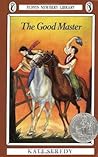
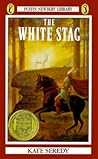
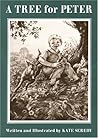
Goodreads helps you follow your favorite authors. Be the first to learn about new releases!
Start by following Kate Seredy.
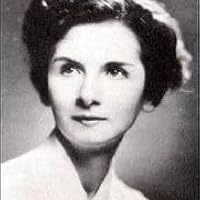
Showing 1-12 of 12
“(W)hen a load is too heavy for one horse to pull, what do we do? Hitch another to it, don't we? That's just common sense. Well, son, things that sort of weigh on a man's mind and heart may be too heavy for him to make much headway with alone.”
― The Chestry Oak
― The Chestry Oak
“I make money using my brains and lose money listening to my heart. But in the long run my books balance pretty well.”
― The Singing Tree
― The Singing Tree
“Those who want to hear the voice of pagan gods in wind and thunder, who want to see fairies dance in the moonlight, who can believe that faith can move mountains, can follow the thread on the pages of this book. It is a fragile thread; it cannot bear the weight of facts and dates.”
― The White Stag
― The White Stag
“One had to be so careful...about remembering things. Thinking and remembering were something like walking along well-known paths and passageways that always used to lead to something lovely...but now, the same paths and passageways might end in something dead or frightening.
Yes, one had to walk on tiptoe, remembering to look carefully ahead and turn quickly away before one was faced with something ruined or dead. The thing to do was to make little tunnels or thoughtways, from now to once-upon-a-time, each leading to a lovely thing to remember.”
― The Chestry Oak
Yes, one had to walk on tiptoe, remembering to look carefully ahead and turn quickly away before one was faced with something ruined or dead. The thing to do was to make little tunnels or thoughtways, from now to once-upon-a-time, each leading to a lovely thing to remember.”
― The Chestry Oak
“All we know, Midnight. The best of all we know. For Chestry Valley and its master we loved. For Nana. For Sugarloaf and Brimstone Farm. For Pop and Mom and Tom. For the foals to come. For yesterday and for all tomorrows, we dance the best we know. For good-by.”
― The Chestry Oak
― The Chestry Oak
“This was not the way to think things out for himself, and that was what he had to do. Take each piece of happening that, by itself, was just a meaningless hurt and find its place in the big picture. Do it over and over and over, because that way one came to understand things, and they hurt less. He had...come to understand a lot and the knowledge he now held within himself was not made of sharp, separate hurts. It was just one big, heavy sadness. It made him stand very straight, braced against the weight in his heart proudly...Each bit of knowledge he had gathered, each new hurt he had mastered, made him lift his chin a little higher, hold himself more closely knit and proud, because he had found out all by himself that his pride could be used as a shield to soften and deflect each new blow. His proud, strong body, his still, calm face, was the shield; he had no other weapon against the monsters in this dark tunnel of time that was so much like the shivery, scary part of a story.”
― The Chestry Oak
― The Chestry Oak
“One night he left his tent and rambled around aimlessly in the sleeping camp. He wandered to the enclosure where the captives’ tents stood near the banks of the river Rha. The night was cold, silvery with moonlight, and silent; he could hear the river gently lapping against its banks. It was a sweet, soothing sound like the lullaby his mother used to sing. As he listened a change came into the rhythm of the river’s song—now it was sad, yearning . . . and he could hear words. Someone was singing near by. The melody coiled around his heart and drew him, down the grassy slope, down to the river’s edge he went. The soft grass deadened his footsteps and he saw the singer before she heard him. Leaning against a tree so close to the river that her moonlit figure was reflected in the water, stood one of the captive girls. Bendeguz stood motionless, watching and listening. Her deep sad voice seemed to melt the fierceness around his heart, the restlessness left him, he was at peace.
The song came to an end. The girl turned away from the river with a sigh . . . she saw Bendeguz. She made a move as if to run away, then shrank against the tree and faced him defiantly. There was contempt in her eyes and pride in the lift of her head. Bendeguz wanted to say: “Do not be afraid,” but now he could not, for there was no fear in her eyes—just cold, proud contempt. He walked closer, he could have touched her, and still she faced him defiantly.
“What is your name?” he asked and his voice was gentle.
“Alleeta.”
“Alleeta . . .” he repeated slowly. “Alleeta, your eyes are as cold as ice. Do you hate me?” She looked at him for a long time then she turned her head away.
“No, not now,” she whispered. “Always I have before, but not now.” She was speaking the language of the Huns, yet it wasn’t the same. To Bendeguz the words she spoke were like her elusive reflection in the water, the same words he knew but subtly different. And suddenly the words of her song rang again in his ears:
Lead me westward,
White Eagle of the Moon, oh, lead me
On silvery rays of the Moon—
Westward I long to fly . . . .
“Alleeta, where did you learn that song—where did you learn the language of my people?” he asked. She looked at him, surprised.
“It is the language of my people and it is a song we all know, the Song of the White Eagle.”
“The White Eagle!” exclaimed Bendeguz.”
― The White Stag
The song came to an end. The girl turned away from the river with a sigh . . . she saw Bendeguz. She made a move as if to run away, then shrank against the tree and faced him defiantly. There was contempt in her eyes and pride in the lift of her head. Bendeguz wanted to say: “Do not be afraid,” but now he could not, for there was no fear in her eyes—just cold, proud contempt. He walked closer, he could have touched her, and still she faced him defiantly.
“What is your name?” he asked and his voice was gentle.
“Alleeta.”
“Alleeta . . .” he repeated slowly. “Alleeta, your eyes are as cold as ice. Do you hate me?” She looked at him for a long time then she turned her head away.
“No, not now,” she whispered. “Always I have before, but not now.” She was speaking the language of the Huns, yet it wasn’t the same. To Bendeguz the words she spoke were like her elusive reflection in the water, the same words he knew but subtly different. And suddenly the words of her song rang again in his ears:
Lead me westward,
White Eagle of the Moon, oh, lead me
On silvery rays of the Moon—
Westward I long to fly . . . .
“Alleeta, where did you learn that song—where did you learn the language of my people?” he asked. She looked at him, surprised.
“It is the language of my people and it is a song we all know, the Song of the White Eagle.”
“The White Eagle!” exclaimed Bendeguz.”
― The White Stag
“Moonmaidens," whispered Magyar.
Moonmaidens, those strange changeling fairies who lived in white birch trees and were never seen in the daylight; Moonmaidens who, if caught by the gray-hour of dawn, could never go back to fairyland again; Moonmaidens, who brought good luck to men.”
― The White Stag
Moonmaidens, those strange changeling fairies who lived in white birch trees and were never seen in the daylight; Moonmaidens who, if caught by the gray-hour of dawn, could never go back to fairyland again; Moonmaidens, who brought good luck to men.”
― The White Stag
“Snow fell and the last traces of men were covered with a thick, white blanket. The people of Hunor and Magyar had left the headlands of wild Altain-Ula forever. The snowcapped peaks had looked at their coming and going with indifference; in twelve moons they had forgotten them. To the everlasting mountains they meant no more than the passing of dry leaves blown by the wind.”
― The White Stag
― The White Stag
“But, deep in her heart she knew more than what the words read or heard seemed to say. She knew that every letter in every word in every war bulletin was, somewhere, first written in blood of men, of human beings, who had once smiled and sung songs, eaten, drunk, slept and loved.”
―
―
“Who are you? Who are your people?” Alleeta lifted her head proudly. She stood like a white flame before him.
“I am the daughter of King Ashkenaz and my people are the Cimmerians, homeless wanderers upon the earth. Lost in the wilderness, downtrodden by the Scythians, slain by the enemy’s swords, and torn by the fangs of famine for longer years than I can remember, we have never lost hope. We believed that some day we would find the land of peace, believed that some day the leader promised to us by our great forefather Gomer would come and lead us to that land—the leader who shall be called the White Eagle. And now we have been taken as slaves by you, Bendeguz, and hope is dead in our hearts. The White Eagle is but a song.”
Bendeguz listened to her rushing words in silence. Then he said:
“Alleeta, do you know what my people call me?”
“Your name is Bendeguz—I know.” He held out his hand to her.
“Alleeta, listen to me. My name is Bendeguz, the White Eagle! My people are also seeking a land of peace, promised to them by our forefather, Nimrod. We have been slain by swords and torn by famine on the way; now we kill and destroy not because we want to but because nothing must stand in our way, we must and we will reach the land of our destiny.”
While he spoke these words, Alleeta came slowly closer to him and took his hand. He closed his strong fingers on her hand and went on:
“Tomorrow, Alleeta, your people shall be free. Tell them that they may leave us, or stay with us not as slaves but as our brothers. Tell them that our strength will be their strength, that we will never forsake them.”
She had been looking into his eyes intently, searching. Now she smiled.
“I can speak for my people now, Bendeguz. I will follow wherever you go. We will follow the White Eagle of the Moon westward . . . always.”
She stepped back and slipped away between the dark trees. She might have been a dream, but her voice floated back to Bendeguz, growing fainter and fainter:
Lead me westward,
White Eagle of the Moon, oh, lead me . . .
Bendeguz, back in his tent, was also singing softly:
On silvery rays of the Moon
Westward I long to fly . . .
And, as he drifted into sleep, his last thought was:
“Westward . . . but not alone, not alone any more.”
― The White Stag
“I am the daughter of King Ashkenaz and my people are the Cimmerians, homeless wanderers upon the earth. Lost in the wilderness, downtrodden by the Scythians, slain by the enemy’s swords, and torn by the fangs of famine for longer years than I can remember, we have never lost hope. We believed that some day we would find the land of peace, believed that some day the leader promised to us by our great forefather Gomer would come and lead us to that land—the leader who shall be called the White Eagle. And now we have been taken as slaves by you, Bendeguz, and hope is dead in our hearts. The White Eagle is but a song.”
Bendeguz listened to her rushing words in silence. Then he said:
“Alleeta, do you know what my people call me?”
“Your name is Bendeguz—I know.” He held out his hand to her.
“Alleeta, listen to me. My name is Bendeguz, the White Eagle! My people are also seeking a land of peace, promised to them by our forefather, Nimrod. We have been slain by swords and torn by famine on the way; now we kill and destroy not because we want to but because nothing must stand in our way, we must and we will reach the land of our destiny.”
While he spoke these words, Alleeta came slowly closer to him and took his hand. He closed his strong fingers on her hand and went on:
“Tomorrow, Alleeta, your people shall be free. Tell them that they may leave us, or stay with us not as slaves but as our brothers. Tell them that our strength will be their strength, that we will never forsake them.”
She had been looking into his eyes intently, searching. Now she smiled.
“I can speak for my people now, Bendeguz. I will follow wherever you go. We will follow the White Eagle of the Moon westward . . . always.”
She stepped back and slipped away between the dark trees. She might have been a dream, but her voice floated back to Bendeguz, growing fainter and fainter:
Lead me westward,
White Eagle of the Moon, oh, lead me . . .
Bendeguz, back in his tent, was also singing softly:
On silvery rays of the Moon
Westward I long to fly . . .
And, as he drifted into sleep, his last thought was:
“Westward . . . but not alone, not alone any more.”
― The White Stag
“(W)hen a load is too heavy for one horse to pull, what do we do? Hitch another to it, don't we? That's just common sense. Well, son, things that sort of weigh on a man's mind and heart may be too heavy for him to make much headway with alone.
―The Chestry Oak”
―
―The Chestry Oak”
―