Sam Edge's Blog
January 13, 2015
2015 – Revelation, Restitution & Resolution
My kids have the right to be safe and treated with respect.
My three daughters (ages 2, 7 and 13) are my greatest teachers. Thanks to them, and my Angel of a wife, my life is a never-ending loop of learning, listening and letting go of old ideas - not always in that order.
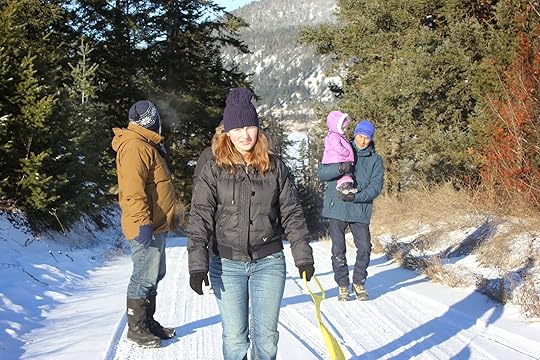
Kids don’t know they have these basic rights unless we tell them. As a parent it is my job, not only to keep them safe, but also to instill them with the core belief that they deserve to be treated with kindness and respect.
My oldest daughter is a random bit of perfection - the unintended consequence of a particularly imperfect relationship. After a bitter custody dispute she now lives with my ex - nine hours and a ferry ride away. The adjustment to this new arrangement has been a difficult and painful experience for all involved. Of course, the greatest burden fell on my child, who is least equipped to deal with it.
For me, getting past the resentment and self-incrimination from an embattled custody dispute has been both challenging and rewarding. A reluctant gratitude has slowly replaced the depression, anger and self-pity that once occupied that space. This dark circumstance is now the foundation for a richer, more substantial life as a parent, husband and human being.
As a long distance Dad, I am learning to distill my parenting into weekly phone calls and quarterly visits. This past Christmas she was home for just over two weeks. I had every intention of packing three months of parenting into this time a series of informative lectures and clever anecdotes with subtle double meanings. (Ugh! It can be exhausting being me sometimes)
In the end, I spared her and took a more passive approach.
I decided that listening and spending time with her would be more effective. She’s been through a lot and deserves a break from our broken home. The result was a relaxed and enjoyable visit spending time together. We engaged in light conversations that centered on playful dialogue and banter rather than teaching, lecturing and (not so) clever manipulations.
Towards the end of the visit we got into a spontaneous conversation about personalities, family and relationships. We talked about the assets and challenges of our personalities – the stuff we’re stuck with. We talked about how our assets become challenges if not put to good purpose and how we can create value from challenges.
But most of all we talked about safety and respect.
I found myself saying safety and respect starts with the family. Above all else we deserve safety and respect in our homes.
The bad thing about parental advice is we have to follow it ourselves. Talk is cheap – it is our actions that send the loudest message. As the words came out I flashed to the times I raised my voice in frustration or got short when she would doddle, mumble or ignore me.
I acknowledged the mistakes I made over the years and committed to doing better. Most importantly I open the door for communication. Life is busy and if we aren’t open to feedback, it’s easy to get off track.
But nothing changes if nothing changes.
I asked if there was anything I could do to make her life a little better. Without skipping a beat she said, “Can you and Mom try to get along better?.” My inside voice said, “Couldn’t I just roll around in thumbtacks or watch the Sex and the City movie?”
This is a simple, honest request from a child. According to me, it is a basic human right. I am obligated to be respectful and kind – even when it’s inconvenient.
I have always been a champion of the underdog. Now I see my girls stand up for those less fortunate. It is this quality that gives me the most pride as a father.
Through the magic process of passive parenting and dialogue, I stumbled onto a simple, but powerful, idea.
“When we are kind and respectful we attract kind and respectful people - unkind and disrespectful people become tiresome and fall from our lives through a process of natural selection."
My Daughter(s) taught me that.
This idea is not a new; however, it is the personal path we travel that creates a quality understanding and helps us put new, and sometime uncomfortable, ideas into action.
The visit ended on the First Day of the Year of our Lord, Two Thousand and Fifteen. Dropping her off was a little less painful than usual. When I gave her mom a hug and wished her a Happy New Year she watched closely from of the corner of her eye … smiling.
Actions speak louder than words.
In the spirit of action and good purpose, I am going to be kinder and more respectful in my relationships with the other humans. When I encounter unkind or disrespectful conditions I will do my best to respond the way my daughter taught me. If it becomes unsafe I will remove my loved ones and myself from the situation – not out of fear, but out of love.
This is also my wish for you.
Best, Sam Edge
My three daughters (ages 2, 7 and 13) are my greatest teachers. Thanks to them, and my Angel of a wife, my life is a never-ending loop of learning, listening and letting go of old ideas - not always in that order.
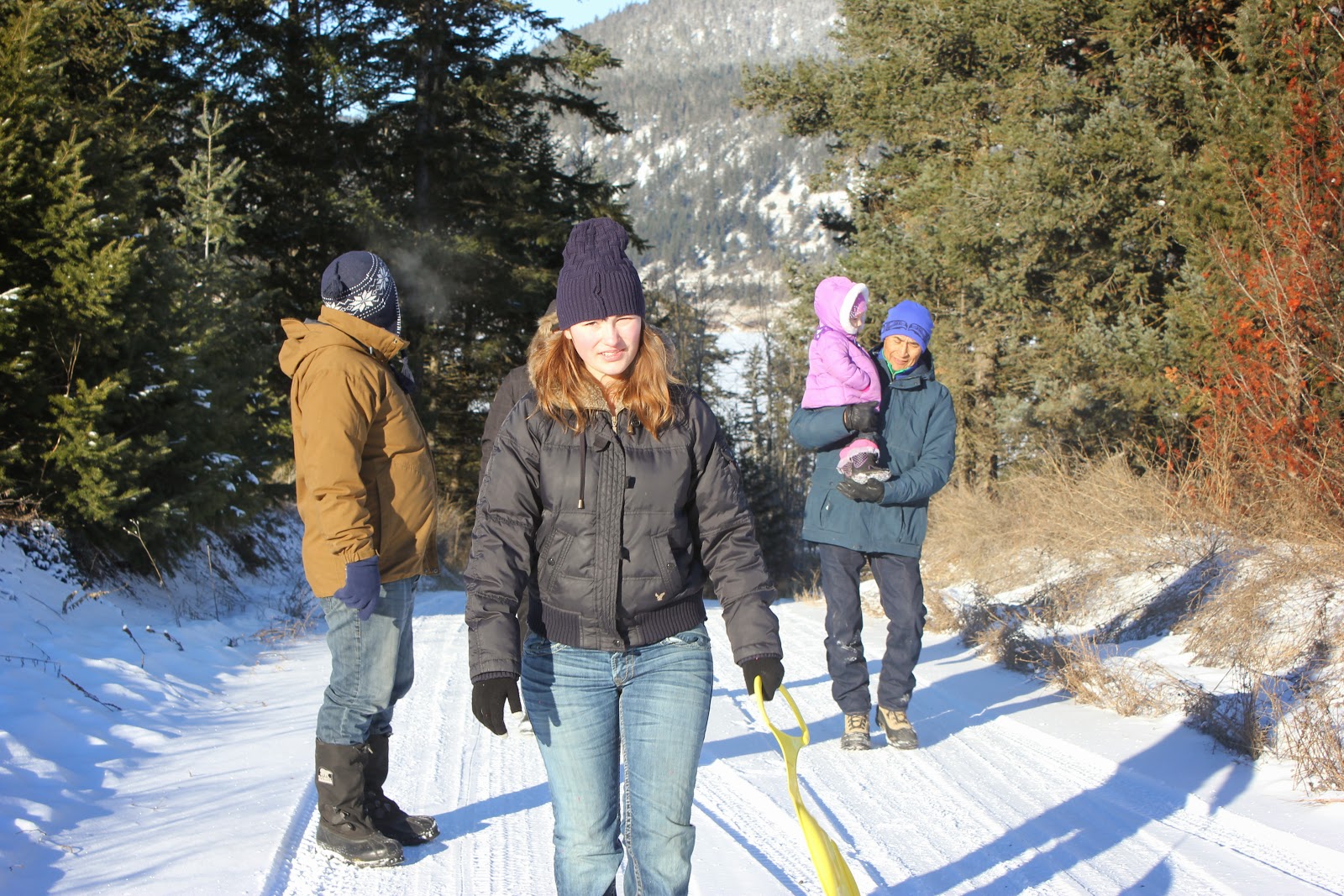
Kids don’t know they have these basic rights unless we tell them. As a parent it is my job, not only to keep them safe, but also to instill them with the core belief that they deserve to be treated with kindness and respect.
My oldest daughter is a random bit of perfection - the unintended consequence of a particularly imperfect relationship. After a bitter custody dispute she now lives with my ex - nine hours and a ferry ride away. The adjustment to this new arrangement has been a difficult and painful experience for all involved. Of course, the greatest burden fell on my child, who is least equipped to deal with it.
For me, getting past the resentment and self-incrimination from an embattled custody dispute has been both challenging and rewarding. A reluctant gratitude has slowly replaced the depression, anger and self-pity that once occupied that space. This dark circumstance is now the foundation for a richer, more substantial life as a parent, husband and human being.
As a long distance Dad, I am learning to distill my parenting into weekly phone calls and quarterly visits. This past Christmas she was home for just over two weeks. I had every intention of packing three months of parenting into this time a series of informative lectures and clever anecdotes with subtle double meanings. (Ugh! It can be exhausting being me sometimes)
In the end, I spared her and took a more passive approach.
I decided that listening and spending time with her would be more effective. She’s been through a lot and deserves a break from our broken home. The result was a relaxed and enjoyable visit spending time together. We engaged in light conversations that centered on playful dialogue and banter rather than teaching, lecturing and (not so) clever manipulations.
Towards the end of the visit we got into a spontaneous conversation about personalities, family and relationships. We talked about the assets and challenges of our personalities – the stuff we’re stuck with. We talked about how our assets become challenges if not put to good purpose and how we can create value from challenges.
But most of all we talked about safety and respect.
I found myself saying safety and respect starts with the family. Above all else we deserve safety and respect in our homes.
The bad thing about parental advice is we have to follow it ourselves. Talk is cheap – it is our actions that send the loudest message. As the words came out I flashed to the times I raised my voice in frustration or got short when she would doddle, mumble or ignore me.
I acknowledged the mistakes I made over the years and committed to doing better. Most importantly I open the door for communication. Life is busy and if we aren’t open to feedback, it’s easy to get off track.
But nothing changes if nothing changes.
I asked if there was anything I could do to make her life a little better. Without skipping a beat she said, “Can you and Mom try to get along better?.” My inside voice said, “Couldn’t I just roll around in thumbtacks or watch the Sex and the City movie?”
This is a simple, honest request from a child. According to me, it is a basic human right. I am obligated to be respectful and kind – even when it’s inconvenient.
I have always been a champion of the underdog. Now I see my girls stand up for those less fortunate. It is this quality that gives me the most pride as a father.
Through the magic process of passive parenting and dialogue, I stumbled onto a simple, but powerful, idea.
“When we are kind and respectful we attract kind and respectful people - unkind and disrespectful people become tiresome and fall from our lives through a process of natural selection."
My Daughter(s) taught me that.
This idea is not a new; however, it is the personal path we travel that creates a quality understanding and helps us put new, and sometime uncomfortable, ideas into action.
The visit ended on the First Day of the Year of our Lord, Two Thousand and Fifteen. Dropping her off was a little less painful than usual. When I gave her mom a hug and wished her a Happy New Year she watched closely from of the corner of her eye … smiling.
Actions speak louder than words.
In the spirit of action and good purpose, I am going to be kinder and more respectful in my relationships with the other humans. When I encounter unkind or disrespectful conditions I will do my best to respond the way my daughter taught me. If it becomes unsafe I will remove my loved ones and myself from the situation – not out of fear, but out of love.
This is also my wish for you.
Best, Sam Edge


November 8, 2014
The Secret to Living Life On Purpose
 The other day I told my 7-year daughter to ask me anything about any subject, and promised to answer her truthfully.
Without skipping a beat, she said, “Who made God?”
B-Bang! She had that one right in the chamber. I was thinking something more like “why her big sister has a different Mommy”, or even, “where do babies come from?”
But she’s at the age where some things don’t quite add up. Even the Tooth Fairy and Easter Bunny have fallen under suspicion. She’s obviously been thinking about this and hasn’t heard an answer that makes sense to her.
It’s a fair question.
We’ve all taken a shot at it - awake at night trapped in a never-ending loop, ‘if God created the universe, then who created God?Retire From The Debating SocietyWhen it comes to divine intelligence we are in good company, the greatest thinkers throughout history have wrestled with our origin story. It’s the single greatest cause of war and in history. Billions of people have died defending or asserting their understanding of God.
If we want to argue over God, there’s no shortage of ammunition. Picking holes in historical contradictions and pointing out the hypocrisies of religion is easy – and a complete waste of time.
What difference does it make if we crawled from primordial ooze, the Garden of Eden or a Raven’s egg? It’s the quality of our actions today that count. We all have to choose our own path. If we’re lucky we find one that works for us, and move on. But some get stuck and spend months, years, decades defending, arguing and condemning.
This is where faith comes in – either in God, science, or something in between. Until we decide where we want to put our faith, we are lost in the muck of uncertainty and endless debate.
Among other things, faith is great for winning arguments. My wife is a devout Christian. She grew up in the Church and it’s all she’s ever known.
She also has a science degree. I found this to be an unacceptable contradiction. I demanded she explain how she reconciles the two. She told me she doesn’t. She believes in God, and science, and doesn’t bother with the contradictions.
I began to explain to her a strategy for mounting a proper argument. She stopped me mid-sentence, and said, “Who said we were arguing.” That shut me up.
I learned a lot from her simple, elegant approach to religion and science. This happy acceptance is a quality that I have struggled with. It comes from the confidence of knowing who you are and what you believe – and not fighting it.
This is the advantage to true conviction of belief.Living Life On Purpose Once we free up our minds from the debating society treadmill, we can put this energy to good purpose. We can focus on taking actions that make our lives better today. There will always be high-minded ideas that we can indulge in. But let’s not indulge in them at the expense of today’s happiness or the happiness of those around us.
There is no shortage of things we can do today that can make a difference. Boring things like:
1. Recycling and caring for the planet,

2. Reading to our kids,3. Spending time with our spouses,4. Helping others and being kind,5. Developing and sharing our creativity.
These are small things we can do to make the world a better place – giving back, communicating and creating beauty. They are also the things that get lost in the shuffle when we indulge in endless, internal, debates about unknowable subjects. If we have energy to spare, why not put this to good purpose?
In the end, I took the easy way out with my daughter’s question about God. I told her it was not something 7-year olds need to worry about, and one day she was going to have to figure it out for herself - but not today.
Then I read her a book about princesses.
· How are you making the world a better place?· What could you do more of?· What’s stopping you?
Please leave answers, or comments below.
Best, Sam Edge
P.S. I’m just getting ready to launch a website on career and employment services “The Edge on Resumes”. This site will focus on providing free advise for your professional life and review helpful websites and services. Check it out.
As always you can visit The Edge on Strategy for more about me and how to hire me for your writing projects.
October 9, 2014
7 Books Every Writer Needs to Read
Writers write – but we also read. We read to become better writers, to tell better stories, to grow our knowledge base, and to give weight and substance to our writing. But most of all, we read because we love new ideas - or at least I do.
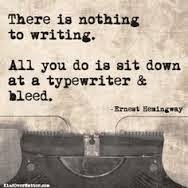
The Information Economy has created a demand for authentic, helpful and engaging writing. Word processing and blogging have combined to reduce the barriers to entry for new writers – millions upon millions of words are written and distributed worldwide every day through home computers, tablets and smart phones.
But good writing is difficult to produce. It is as hard today as it was in days of quill pens and printing presses. It takes talent, hard work and sweat. I get annoyed when I read the Gurus telling us that writing is a simple matter of writing the way we speak - that it’s easy and anyone can do it.
I disagree.
It’s true that anyone can write. And yes, almost anyone can be taught to communicate using the written word. But to put writing on equal ground with speaking is misleading. Those same Gurus were telling us ten years ago that 95% of all communication is non-verbal.
How does this non-verbal communication translate into writing? This is the difference between writing and great writing.
I credit my parents, as book-lovers and television-haters, for reading to me extensively as a youngster. They ignited a love for great stories like: “The Adventures of Tom Sawyer”, “The Hobbit” and “Treasure Island”. The pages of these stories fed my developing imagination, and engaged my creativity, in a way that no 3D, Blue Ray, Dolby surround sound experience ever could.
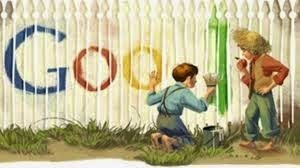
These stories triggered a love for great writing that I carried into my adolescent and adult life. Relationships forged with iconic characters such as: Huckleberry Finn, Gandalf the Grey and Long John Silver, continue to inspire me to this day.
We all have strengths and weaknesses in writing, as in life. A good writer knows what these are – they polish their strengths and overcome their weaknesses.
I started life with a solid grasp of writing and a well-told story. I used this to my advantage in business for many years. But I stopped reading for pleasure, and for many years I read only for information. I didn’t actively develop my creative muscles and eventually my writing atrophied. When I decided to start writing content and blogging full time I found I had a lot to learn – or unlearn - from years of stale business communications. In business writing we are often faced with the unfortunate task of simultaneously dumbing down our message and sounding smarter than we really are. It is our writing, along with our dignity, that suffers.
Over the last few years I’ve written and I’ve read – a lot.
Most of us like to think we have talent – and we probably do. But talent only gets you a seat at the table. It’s hard work, and practice, that pays for dinner.
I’ve made a point of reading as many books on writing as possible since starting my journey into creative non-fiction in 2012. I’ve read dozens of books. Some were indispensable, some were a waste of precious time, and some I didn’t bother finishing.
I’ve taken time below to share the best in class of these books and what I took away from them. I consider them to be essential for every library – regardless of what you write or how much you write. Everyone who uses writing to communicate can benefit from these books.
Fiction writers may find this list less relevant. I have only dabbled in short stories to this point in my career; however, I do plan on writing more fiction in the future. That being said, all writing is storytelling to some degree – and by that standard this is as good a place to start as any.
The Elements of Writing
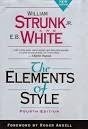 These three books form the basic elements of all non-fiction writing: style, business communications and editing. The first on the list, The Elements of Style, is the inspiration for the other two. There is little excitement or passion in these pages – but there is time-honored wisdom. These are the nuts and bolts of writing. The keys to clear well-written prose are found here:
The Elements of Style, William Strunk & E.B. White.
This potent little book is less than 95 pages, including a glossary, and is considered by most to be the basic text for writing in the English language. It’s humble beginnings as a course curriculum supplement prepared by William Strunk toward the end of the First World War reached widespread readership and approval when it was revised and published more than thirty years later by E.B. White. It sets the standard for our language that has been recognized by writers and publishers for more than forty years.
Its lean and precise content gives it sufficient weight and depth without bogging us down in the minutia of dangling participles and oxford commas. The forward, by Roger Agnell, acknowledges that “writing is hard” but if we can follow the simple directions laid out in this book “at least we can get the elements right.” I keep this book within reach at all times.
The Elements of Business Writing, Gary Blake & Robert W. Bly.
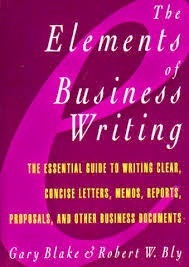 This book is slightly longer and less potent. At 131 pages divided into seven ‘principles’ it still packs a punch. It was written as the business version of The Elements of Style - boasting the subtitle, “The Essential Guide to Writing Clear, Concise Letters, Memos, Reports, Proposals and Other Business Documents”.
It’s hard for me to imagine the adult who does not need to write some or all of these documents in the course of their life. It is written as a stand-alone book from The Elements of Style and may be preferred by some. There are significant differences between the two books. With its specific business communication focus it is an important addition to the writer’s library.
The Elements of Editing, Arthur Plotnik.
 Writing and rewriting is the domain of the serious writer. The Elements of Editing hails from the same publisher as The Elements of Style, and is written as a direct supplement to the original. It is an important piece of the writing puzzle.
This is the final of the three books I've chosen to round out this section. It is worth familiarizing yourself with to understand the editing process, how it fits into your writing routine. Study it to understand specific editing processes and principles that will make your final copies polished and professional.
The Craft of Writing
The previous books deal with the elements of writing - these books deal with the craft of writing. Here we move into writing as a vocation. These books I’ve selected are written from three distinct, and important, perspectives. They are essential reading if you want to understand the writing process beyond the basic elements.
On Writing Well: The Classic Guide to Writing Non-Fiction, William Zinsser
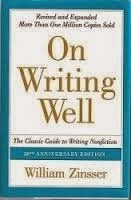 This has been the bible for writing non-fiction for over a generation. William Zinsser is an accomplished author, editor and teacher. He takes us through the principles, methods, forms, and attitudes of writing. He does not deal with writing at the level of detail as the previous books; however, it looks at writing as a craft in much more depth.
Originally written in 1978 it has been revised over the years to remain relevant. The 30th Anniversary edition, published in 2008, includes a section on how to write a family history, or memoir. This new section is included in response to the growing popularity of the self-help memoir that has become popular by mixing real life experiences with lessons learned and advice that comes from these experiences. Of the three in this section it is the most technical; however, it also makes a point of how we can write simple clear prose without sacrificing passion, vision and even beauty.
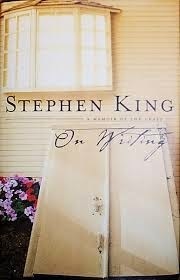 On Writing: A Memoir of the Craft, Stephen King
As the title suggests, King mixes his views and experiences as one of the most prolific writers of a generation with his own life story. This unique and amazing look at the craft of writing is a must for the storyteller in all of us.
The greatest gift I received from this book was the idea that stories are like fossils, and writing is a process of excavation more than creation. It completely changed the way I approached writing, and it is a book that I will read over many times in my career.
If You Want to Write: A Book About Independence and Spirit, Branda Ueland
Wow.
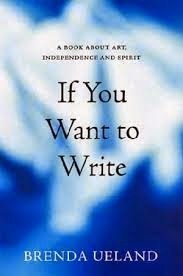 If The Elements of Style is the basic text for form and structure in writing, this is its antithesis. Absolutely everyone who wants to express themselves through their writing must read this book. There were times when I was so inspired that I had to stop reading and just write something - anything. She wrote this book late in her life (I believe she was in her 90’s) after a lifetime of writing and teaching young writers.
Her gift is to inspire greatness in all of us and help us find our voice. She tells us to find the “magic of our ten year old selves” and “write like a pirate”. Thanks to Brenda, I now swashbuckle at every opportunity.
She evokes the powerful creative genius of William Blake (my all time favorite iconoclast) and the great Russian writer, Dostoyevsky. She draws on examples of pure writing from her students and takes the time to dissect and explain why it is creative, honest and wonderful in its own way. Buckle up for this one and enjoy the ride.
She is my hero.
Writing Magazine Articles
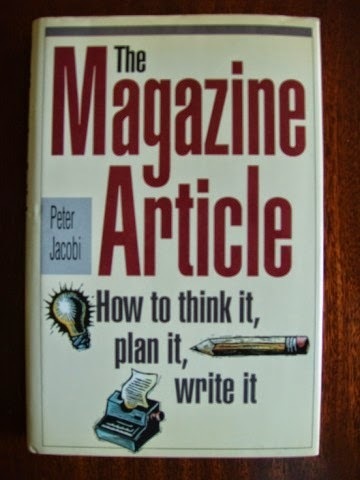 The Magazine Article: How to Think It, Plan It, Write It, Peter Jacobi
I’ve read a few books on article writing; in fact Williams Zinssers’s book could fall into this category. But Peter Jacobi’s book gives us the basic elements of a good article, as well as the creative inspiration to give more of ourselves in our writing.
One of the early chapters is what we can learn from poetry in writing articles. This creative slant, juxtaposed against a systematic process for researching, outlining, and writing articles make this book best in class.
Bonus Book
The Ode Less Travelled, Steven Fry
This is the wild card and it's from an unlikely source – actor Steven Fry. Fry calls poetry, ‘his dirty little secret’. He gives an entertaining but technical account of poetic form and structure, taking us through rhyme, meter and an exhaustive list of technical poetic devices. When applied properly, these devices can give our writing the volume and depth that is lacking in the information rich content writing we find online today.
If you are looking for a solid underpinning in poetic expression, this is the book for you. Fry steers clear of free verse - that relies primarily on imagery, as opposed to rhyme, meter and structure of the traditional forms.
Purchase on 'Samazon'
I've created an Amazon favorites list based on the recommendations of this post. I've tried to find the most relevant editions that are available in paperback and kindle formats. If you purchase through Sam's Amazon links (I call this 'Samazon') I receive a small consideration at no extra cost to you. Thanks in advance for those of you supporting my site.
Amazon.com Widgets
Websites and Blogs for Writers
This post focuses on books on writing, but there is no shortage of quality, online content on the subject. There's also a lot of junk. I've spent more than my share of time weeding out the junk and finding the keepers.
Here's my regular stops on the Blogosphere:Blogging and Writing: Goins Writer.Writing: Write to Done.Content Marketing: The Sales Lion.Kindle Publishing: Steve Scott.Freelance Markets: Funds for Writers.
The list goes on – but you can only read so much. I find these to provide regular quality information that is genuine and helpful. I’ve come to trust their content as authentic and relevant to writing in the 21st Century. They all provide both free and paid services. For the most part I use them as a free resource; however, I have also bought various eProducts from them and I have never been disappointed.
This list is hardly the end of the line. There are some truly excellent resources through Writer's Digest and Writer's Market that could occupy another whole post. The content of these combined resources could occupy me for the rest of my life. Even then I would have work to do. Writing is a process and each day, week, month and year brings new insights and exciting epiphanies. Sometimes our writing will suffer as we dart recklessly down a new path based on new ideas that have not yet matured. But for the most part our writing always improves over time, as long as we strive to be better and keep our eyes and ears open.
I hope these resources bring you the same utility and creative insight as they have to me.
Best, Sam Edge
The Edge on Strategy
Disclosure: I am not affiliated with any of these sites.
P.S. If you haven't subscribed to Notes from the Edge and taken advantage of my free eBooks please do so now. You will receive my blog post directly to your inbox and a free copy of my eBook, "Overcoming Adversity and Attracting Success", based on my life's experiences and lessons learned and regular posts delivered to your inbox.
E-mail
P.P.S. If you haven't signed up for my Monthly Newsletter from my signature site "The Edge on Strategy" you can do so by following this link. You will receive my two eBook combination on success, goal setting and strategic planning and access to my free eCourses "7 Simple Success Principles" and "5 Steps to Planning Success.
The Information Economy has created a demand for authentic, helpful and engaging writing. Word processing and blogging have combined to reduce the barriers to entry for new writers – millions upon millions of words are written and distributed worldwide every day through home computers, tablets and smart phones.
But good writing is difficult to produce. It is as hard today as it was in days of quill pens and printing presses. It takes talent, hard work and sweat. I get annoyed when I read the Gurus telling us that writing is a simple matter of writing the way we speak - that it’s easy and anyone can do it.
I disagree.
It’s true that anyone can write. And yes, almost anyone can be taught to communicate using the written word. But to put writing on equal ground with speaking is misleading. Those same Gurus were telling us ten years ago that 95% of all communication is non-verbal.
How does this non-verbal communication translate into writing? This is the difference between writing and great writing.
I credit my parents, as book-lovers and television-haters, for reading to me extensively as a youngster. They ignited a love for great stories like: “The Adventures of Tom Sawyer”, “The Hobbit” and “Treasure Island”. The pages of these stories fed my developing imagination, and engaged my creativity, in a way that no 3D, Blue Ray, Dolby surround sound experience ever could.
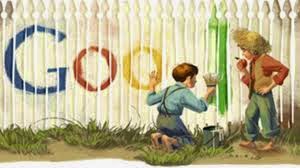
These stories triggered a love for great writing that I carried into my adolescent and adult life. Relationships forged with iconic characters such as: Huckleberry Finn, Gandalf the Grey and Long John Silver, continue to inspire me to this day.
We all have strengths and weaknesses in writing, as in life. A good writer knows what these are – they polish their strengths and overcome their weaknesses.
I started life with a solid grasp of writing and a well-told story. I used this to my advantage in business for many years. But I stopped reading for pleasure, and for many years I read only for information. I didn’t actively develop my creative muscles and eventually my writing atrophied. When I decided to start writing content and blogging full time I found I had a lot to learn – or unlearn - from years of stale business communications. In business writing we are often faced with the unfortunate task of simultaneously dumbing down our message and sounding smarter than we really are. It is our writing, along with our dignity, that suffers.
Over the last few years I’ve written and I’ve read – a lot.
Most of us like to think we have talent – and we probably do. But talent only gets you a seat at the table. It’s hard work, and practice, that pays for dinner.
I’ve made a point of reading as many books on writing as possible since starting my journey into creative non-fiction in 2012. I’ve read dozens of books. Some were indispensable, some were a waste of precious time, and some I didn’t bother finishing.
I’ve taken time below to share the best in class of these books and what I took away from them. I consider them to be essential for every library – regardless of what you write or how much you write. Everyone who uses writing to communicate can benefit from these books.
Fiction writers may find this list less relevant. I have only dabbled in short stories to this point in my career; however, I do plan on writing more fiction in the future. That being said, all writing is storytelling to some degree – and by that standard this is as good a place to start as any.
The Elements of Writing
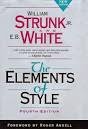 These three books form the basic elements of all non-fiction writing: style, business communications and editing. The first on the list, The Elements of Style, is the inspiration for the other two. There is little excitement or passion in these pages – but there is time-honored wisdom. These are the nuts and bolts of writing. The keys to clear well-written prose are found here:
The Elements of Style, William Strunk & E.B. White.
This potent little book is less than 95 pages, including a glossary, and is considered by most to be the basic text for writing in the English language. It’s humble beginnings as a course curriculum supplement prepared by William Strunk toward the end of the First World War reached widespread readership and approval when it was revised and published more than thirty years later by E.B. White. It sets the standard for our language that has been recognized by writers and publishers for more than forty years.
Its lean and precise content gives it sufficient weight and depth without bogging us down in the minutia of dangling participles and oxford commas. The forward, by Roger Agnell, acknowledges that “writing is hard” but if we can follow the simple directions laid out in this book “at least we can get the elements right.” I keep this book within reach at all times.
The Elements of Business Writing, Gary Blake & Robert W. Bly.
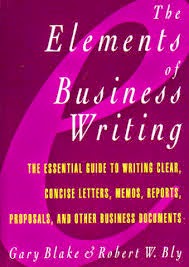 This book is slightly longer and less potent. At 131 pages divided into seven ‘principles’ it still packs a punch. It was written as the business version of The Elements of Style - boasting the subtitle, “The Essential Guide to Writing Clear, Concise Letters, Memos, Reports, Proposals and Other Business Documents”.
 It’s hard for me to imagine the adult who does not need to write some or all of these documents in the course of their life. It is written as a stand-alone book from The Elements of Style and may be preferred by some. There are significant differences between the two books. With its specific business communication focus it is an important addition to the writer’s library.
The Elements of Editing, Arthur Plotnik.
 Writing and rewriting is the domain of the serious writer. The Elements of Editing hails from the same publisher as The Elements of Style, and is written as a direct supplement to the original. It is an important piece of the writing puzzle.
 This is the final of the three books I've chosen to round out this section. It is worth familiarizing yourself with to understand the editing process, how it fits into your writing routine. Study it to understand specific editing processes and principles that will make your final copies polished and professional.
The Craft of Writing
The previous books deal with the elements of writing - these books deal with the craft of writing. Here we move into writing as a vocation. These books I’ve selected are written from three distinct, and important, perspectives. They are essential reading if you want to understand the writing process beyond the basic elements.
On Writing Well: The Classic Guide to Writing Non-Fiction, William Zinsser
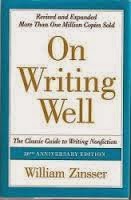 This has been the bible for writing non-fiction for over a generation. William Zinsser is an accomplished author, editor and teacher. He takes us through the principles, methods, forms, and attitudes of writing. He does not deal with writing at the level of detail as the previous books; however, it looks at writing as a craft in much more depth.
 Originally written in 1978 it has been revised over the years to remain relevant. The 30th Anniversary edition, published in 2008, includes a section on how to write a family history, or memoir. This new section is included in response to the growing popularity of the self-help memoir that has become popular by mixing real life experiences with lessons learned and advice that comes from these experiences. Of the three in this section it is the most technical; however, it also makes a point of how we can write simple clear prose without sacrificing passion, vision and even beauty.
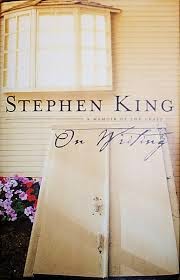 On Writing: A Memoir of the Craft, Stephen King
As the title suggests, King mixes his views and experiences as one of the most prolific writers of a generation with his own life story. This unique and amazing look at the craft of writing is a must for the storyteller in all of us.
The greatest gift I received from this book was the idea that stories are like fossils, and writing is a process of excavation more than creation. It completely changed the way I approached writing, and it is a book that I will read over many times in my career.
If You Want to Write: A Book About Independence and Spirit, Branda Ueland
Wow.
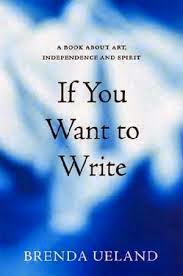 If The Elements of Style is the basic text for form and structure in writing, this is its antithesis. Absolutely everyone who wants to express themselves through their writing must read this book. There were times when I was so inspired that I had to stop reading and just write something - anything. She wrote this book late in her life (I believe she was in her 90’s) after a lifetime of writing and teaching young writers.
 Her gift is to inspire greatness in all of us and help us find our voice. She tells us to find the “magic of our ten year old selves” and “write like a pirate”. Thanks to Brenda, I now swashbuckle at every opportunity.
She evokes the powerful creative genius of William Blake (my all time favorite iconoclast) and the great Russian writer, Dostoyevsky. She draws on examples of pure writing from her students and takes the time to dissect and explain why it is creative, honest and wonderful in its own way. Buckle up for this one and enjoy the ride.
She is my hero.
Writing Magazine Articles
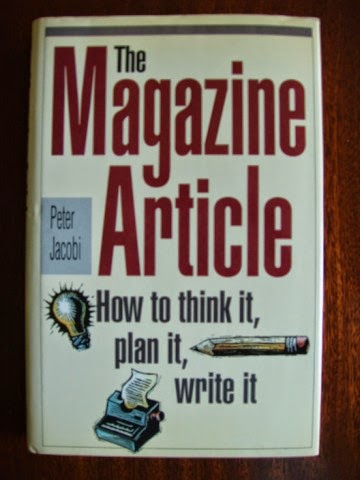 The Magazine Article: How to Think It, Plan It, Write It, Peter Jacobi
I’ve read a few books on article writing; in fact Williams Zinssers’s book could fall into this category. But Peter Jacobi’s book gives us the basic elements of a good article, as well as the creative inspiration to give more of ourselves in our writing.
One of the early chapters is what we can learn from poetry in writing articles. This creative slant, juxtaposed against a systematic process for researching, outlining, and writing articles make this book best in class.
Bonus Book
The Ode Less Travelled, Steven Fry
This is the wild card and it's from an unlikely source – actor Steven Fry. Fry calls poetry, ‘his dirty little secret’. He gives an entertaining but technical account of poetic form and structure, taking us through rhyme, meter and an exhaustive list of technical poetic devices. When applied properly, these devices can give our writing the volume and depth that is lacking in the information rich content writing we find online today.
If you are looking for a solid underpinning in poetic expression, this is the book for you. Fry steers clear of free verse - that relies primarily on imagery, as opposed to rhyme, meter and structure of the traditional forms.
Purchase on 'Samazon'
I've created an Amazon favorites list based on the recommendations of this post. I've tried to find the most relevant editions that are available in paperback and kindle formats. If you purchase through Sam's Amazon links (I call this 'Samazon') I receive a small consideration at no extra cost to you. Thanks in advance for those of you supporting my site.
Amazon.com Widgets
Websites and Blogs for Writers
This post focuses on books on writing, but there is no shortage of quality, online content on the subject. There's also a lot of junk. I've spent more than my share of time weeding out the junk and finding the keepers.
Here's my regular stops on the Blogosphere:Blogging and Writing: Goins Writer.Writing: Write to Done.Content Marketing: The Sales Lion.Kindle Publishing: Steve Scott.Freelance Markets: Funds for Writers.
The list goes on – but you can only read so much. I find these to provide regular quality information that is genuine and helpful. I’ve come to trust their content as authentic and relevant to writing in the 21st Century. They all provide both free and paid services. For the most part I use them as a free resource; however, I have also bought various eProducts from them and I have never been disappointed.
This list is hardly the end of the line. There are some truly excellent resources through Writer's Digest and Writer's Market that could occupy another whole post. The content of these combined resources could occupy me for the rest of my life. Even then I would have work to do. Writing is a process and each day, week, month and year brings new insights and exciting epiphanies. Sometimes our writing will suffer as we dart recklessly down a new path based on new ideas that have not yet matured. But for the most part our writing always improves over time, as long as we strive to be better and keep our eyes and ears open.
I hope these resources bring you the same utility and creative insight as they have to me.
Best, Sam Edge
The Edge on Strategy
Disclosure: I am not affiliated with any of these sites.
P.S. If you haven't subscribed to Notes from the Edge and taken advantage of my free eBooks please do so now. You will receive my blog post directly to your inbox and a free copy of my eBook, "Overcoming Adversity and Attracting Success", based on my life's experiences and lessons learned and regular posts delivered to your inbox.
P.P.S. If you haven't signed up for my Monthly Newsletter from my signature site "The Edge on Strategy" you can do so by following this link. You will receive my two eBook combination on success, goal setting and strategic planning and access to my free eCourses "7 Simple Success Principles" and "5 Steps to Planning Success.
September 4, 2014
The Edge of Creativity
“I’m an artist. You give me a tuba and I’ll get something out of it.” John Lennon
The Creative Process:
My grandfather was Canadian artist, Jack Hambleton. Until I was six, I lived upstairs from his art gallery in Kelowna, British Columbia. I spent hours watching him paint his signature landscapes and harbour scenes.
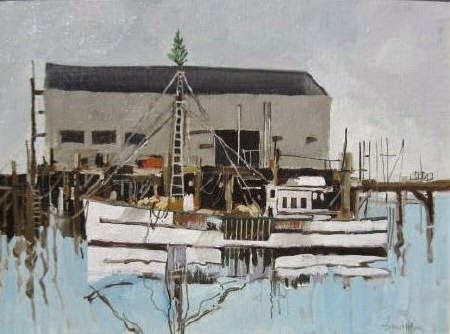 Christmas Harbour Scene, by Jack HambletonOccasionally, he would explain what he was doing - but usually he worked silent, thoughtful and with the purpose and confidence of a pro. I was also to remain silent, if I wanted to stay. Anticipation grew in the silence, as mysterious shapes came into focus. To me it was magic.
It wasn’t until recently, as I’ve been refocusing my own creative process, that I realized the impact he had on me. He taught me a creative process that is now an important part of my life.
The basic elements are:
a) create an outline, b) build a solid foundation, and c) add detail.
But it is much more than that. I was a fly on the wall - a small part of the rhythm and connection that flowed from artist to art. It was a feeling. Like the pleasure release triggered from listening to a favourite song.
This experience was fuel for my artistic fire. As a community planner; maps, graphs, and text were the tools I created and folded into environmental reports and strategic plans. Before that, I worked as a prospector, and there was the same satisfaction when a program was completed with proper care and attention.
This principle of creativity, this magic, is everywhere – if we are aware, and willing to work at it. To the right person, in the right setting, there is elegance and beauty in mathematics, psychology, carpentry, law and the trades. Even a well-constructed outhouse can slide into place, producing that magical effect.
The 5-Year Plan:
I have a 5-year attention span - everything from relationships to hairstyles turns stale after five years. This has the potential to cause me no end of trouble, if I am not prepared. Falling in love every five years is downright dangerous. I’ve been with my wife for 11 years now. We work at our relationship, and it keeps getting better. Having children is also a great way to break the 5-year cycle – they’re keepers.
The trick is to keep the magic alive when possible, and recognize when it’s time for a change. If we apply some simple strategic tools in our lives, we can align our actions with our ambitions, and gain self-awareness.
If we know where we are going, and where we have been, we have basic self-awareness. The 5-year plan is a great tool for tracking our patterns. I’ve followed a 5-year plan since I was twenty-five. It’s not rocket science. I write down one goal from each main area of my life: physical, mental, emotional and spiritual. Over the years, the focus moves around as I try to find balance. It's a work in progress.
Flexibility is key. I do a gut-check every year to make sure I don’t lose sight of the big picture. I usually surpass my expectations; however, 40 snuck up on me, and I got off track for a while. But that ended up being a good thing. My mid–life crisis made me realize I had twenty-five productive, professional, years left. It became an opportunity of a lifetime to pursue my passion for writing.
Make a Decision and Commit:
“A loser is someone so afraid of failing that they don’t even try.” Little Miss Sunshine.
Once you’ve made a decision - commit. The good things in life take years to develop – hence the 5-year plan. I take my time deciding, but once I’m in, I dive into the deep end and start swimming.
Grandpa also taught me to, “paint [write, build, etc.] through your amateur-ness”. You’re going to make mistakes – that’s part of any new adventure. You might as well face them head on and get them over with.
Once I decided to write full time, I fired up a blog, and started writing … and writing. Then, I fired up a second blog, and started writing poetry. I purged the decades of technical writing from my system. Since 2012, I’ve written over 100 posts, over 100 poems and self-published 3 eBooks on Amazon Kindle.
Through this process of trial and error I learned a lot. More important, I rekindled the fire smouldering in the pile of rezoning applications, and environmental assessments, that had long since gone stale.
For me it all starts with the fire, lit in my grandpa’s studio all those years ago.
What is that fire for you?
What's stopping you from pursuing it?
Best, Sam EdgeThe Edge On Strategy
The Creative Process:
My grandfather was Canadian artist, Jack Hambleton. Until I was six, I lived upstairs from his art gallery in Kelowna, British Columbia. I spent hours watching him paint his signature landscapes and harbour scenes.
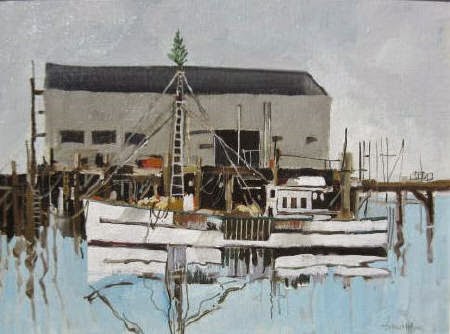 Christmas Harbour Scene, by Jack HambletonOccasionally, he would explain what he was doing - but usually he worked silent, thoughtful and with the purpose and confidence of a pro. I was also to remain silent, if I wanted to stay. Anticipation grew in the silence, as mysterious shapes came into focus. To me it was magic.
It wasn’t until recently, as I’ve been refocusing my own creative process, that I realized the impact he had on me. He taught me a creative process that is now an important part of my life.
The basic elements are:
a) create an outline, b) build a solid foundation, and c) add detail.
But it is much more than that. I was a fly on the wall - a small part of the rhythm and connection that flowed from artist to art. It was a feeling. Like the pleasure release triggered from listening to a favourite song.
This experience was fuel for my artistic fire. As a community planner; maps, graphs, and text were the tools I created and folded into environmental reports and strategic plans. Before that, I worked as a prospector, and there was the same satisfaction when a program was completed with proper care and attention.
This principle of creativity, this magic, is everywhere – if we are aware, and willing to work at it. To the right person, in the right setting, there is elegance and beauty in mathematics, psychology, carpentry, law and the trades. Even a well-constructed outhouse can slide into place, producing that magical effect.
The 5-Year Plan:
I have a 5-year attention span - everything from relationships to hairstyles turns stale after five years. This has the potential to cause me no end of trouble, if I am not prepared. Falling in love every five years is downright dangerous. I’ve been with my wife for 11 years now. We work at our relationship, and it keeps getting better. Having children is also a great way to break the 5-year cycle – they’re keepers.
The trick is to keep the magic alive when possible, and recognize when it’s time for a change. If we apply some simple strategic tools in our lives, we can align our actions with our ambitions, and gain self-awareness.
If we know where we are going, and where we have been, we have basic self-awareness. The 5-year plan is a great tool for tracking our patterns. I’ve followed a 5-year plan since I was twenty-five. It’s not rocket science. I write down one goal from each main area of my life: physical, mental, emotional and spiritual. Over the years, the focus moves around as I try to find balance. It's a work in progress.
Flexibility is key. I do a gut-check every year to make sure I don’t lose sight of the big picture. I usually surpass my expectations; however, 40 snuck up on me, and I got off track for a while. But that ended up being a good thing. My mid–life crisis made me realize I had twenty-five productive, professional, years left. It became an opportunity of a lifetime to pursue my passion for writing.
Make a Decision and Commit:
“A loser is someone so afraid of failing that they don’t even try.” Little Miss Sunshine.
Once you’ve made a decision - commit. The good things in life take years to develop – hence the 5-year plan. I take my time deciding, but once I’m in, I dive into the deep end and start swimming.
Grandpa also taught me to, “paint [write, build, etc.] through your amateur-ness”. You’re going to make mistakes – that’s part of any new adventure. You might as well face them head on and get them over with.
Once I decided to write full time, I fired up a blog, and started writing … and writing. Then, I fired up a second blog, and started writing poetry. I purged the decades of technical writing from my system. Since 2012, I’ve written over 100 posts, over 100 poems and self-published 3 eBooks on Amazon Kindle.
Through this process of trial and error I learned a lot. More important, I rekindled the fire smouldering in the pile of rezoning applications, and environmental assessments, that had long since gone stale.
For me it all starts with the fire, lit in my grandpa’s studio all those years ago.
What is that fire for you?
What's stopping you from pursuing it?
Best, Sam EdgeThe Edge On Strategy
August 28, 2014
Changes to Domain to blog.edgeonstrategy.com
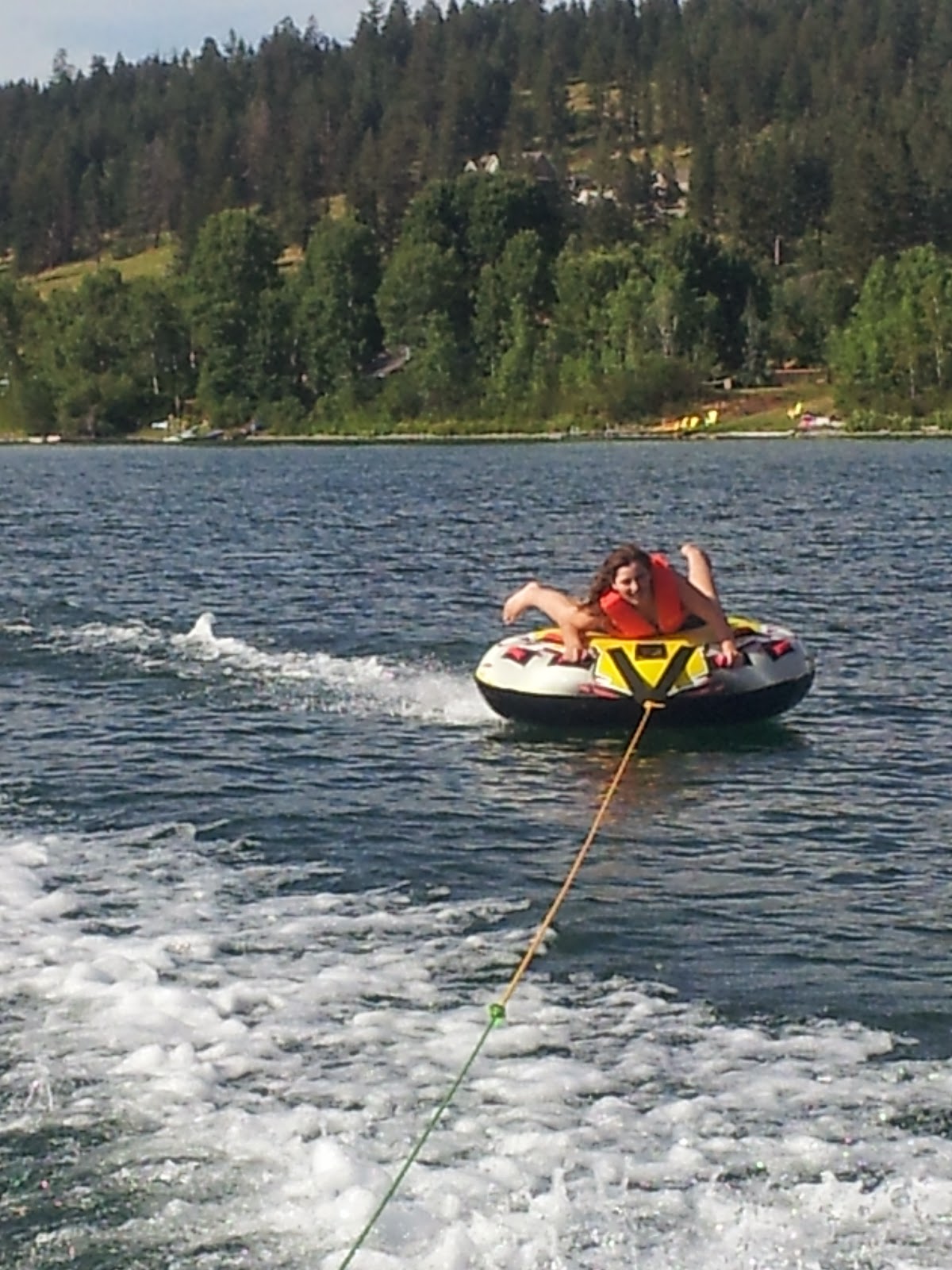 Emma Whipping it good on the Tube at Felker LakeJust a quick housekeeping note from"Notes from the Edge". I have incorporated the Blog into my Brand website The Edge on Strategy.
 (If you are receiving this by e-mail you may not be able to see pictures or video unless you open this post in your browser - go to blog.)
The blog will not change in content and format, and your subscription will not be affected in any way. The only difference is the old url - http://www.edgeynotes.com is dead for the time being, and wont get you there now.
If you want to go to the blog directly, you can do so in two ways:
As a sub-blog to The Edge on Strategy: http://www.blog.edgeonstrategy.com orAs a sub-blog of Blogger: http://www.edgeyy66.blogspot.com
 My Girls Canoeing at our Cabin on Sheridan Lake BC
I apologize for any inconvenience. I am working on having the old domain "www.edgeynotes.com" redirected so all roads lead to Rome - or to the Edge as it were. I'm behind from all the Summer Fun I've been having with my Wife and three Daughters.
Sorry For any inconvenience - here are some pics from this summer that may explain why things are a little untidy right now. Hope you enjoyed the summer also.
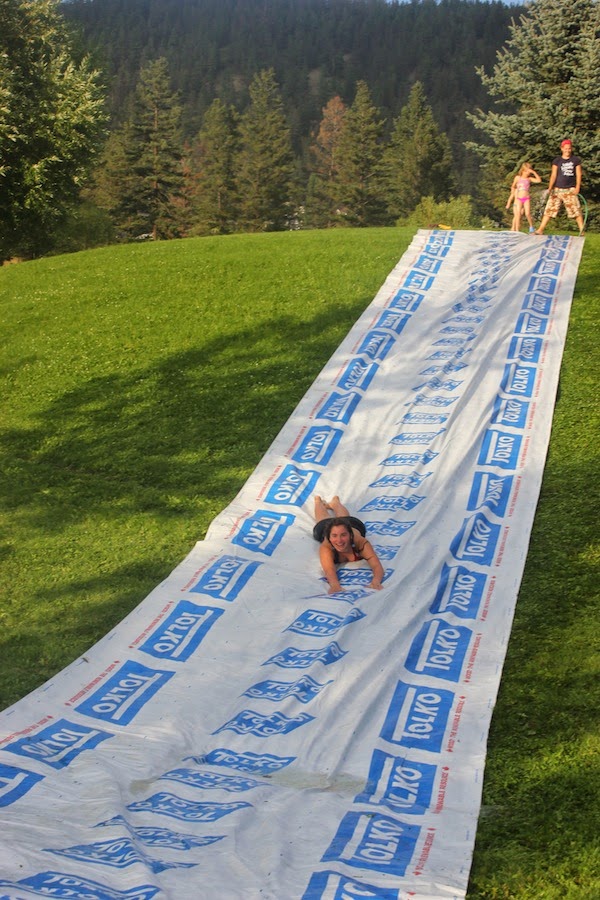 Tolko is one the of the Largest Lumber Mills in Central BC(Their lumber wrapping makes a great water slide)
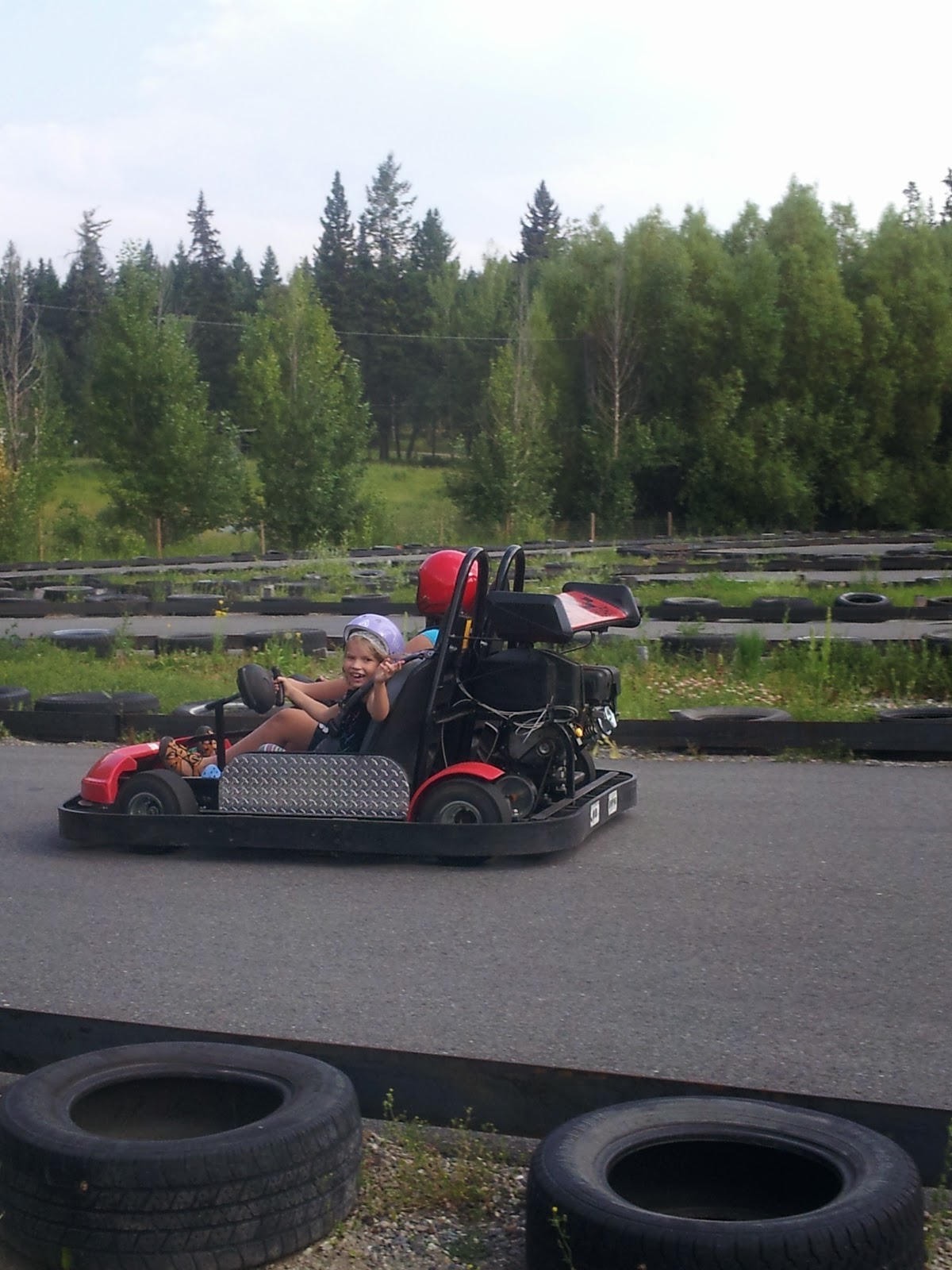 A Go-Kart Track I helped with the business plan and financing proposal for @ Bell-E-Acres Golf Course
As you can see it's been a busy summer, my 7 day holiday turned into 21 days. Ooops. It was a blast - Now back to the salt mines. Please let me know if there are any other glitches on the Edge on Strategy site or this Blog.
Best, Sam EdgeThe Edge on Strategy
July 28, 2014
FUBAR - Our Language Languishes
In 2012, the American Oxford Dictionary, Word of The Year (WOTY), was GIF; verb, "to GIF a picture". That's right - "GIF".
NO, I'M NOT YELLING.
You see, GIF, is always written capital letters. Why? Because it's not really a word - it's an acronym, for Graphic Interchange Format - like JPEG, or FUBAR
That's right. The WOTY for 2012, according to the keepers of our language, is not a word.
Let that sink in - as we observe a moment of silence.
I've had a passion for our beloved language ever since I accidentally took a 2nd year, Romantic and Victorian Literature course, in college. I was late registering for the semester, and all the courses I wanted were full - so I took it to fill my schedule.
The raw emotion, and talent, of iconoclastic wordsmiths, such as: William Blake, William Wordsworth and Mary & Percy Shelley, sparked a fire that burns to this day. I went on a literary bender for a few years following this happy accident. Drunk on sonnets and hyperbole, I immersed myself in the language of the great writers throughout history: Twain, Dickens, Hemingway, Frost and Ginsberg.
I even spent a particularly dark, and lonely, winter with Edgar Alan Poe.
I narrowly escaped a degree in English, or as it is now known, "unemployment", by a sudden stroke of common sense in my third year - when I switched to urban planning. But, even 20 years of technical, and business writing, hasn't extinguished my passion for language; although, at times it has been reduced to a mere wisp of smoke.
The systematic butchering of our language has become so apparent, it's now reflected in popular culture, and Weird Al Yankovic, God help us, has become the de facto spokesman for the proper use of language and grammar.
As evidenced by this 3-minute video, in defence of language, that has over 11 million views as I write this post.
I've written on a lot of topics since starting this blog, in 2012 - the year of the 'GIF'. But more than anything, this blog is a reflection of my love for writing. It is a forum for expression of ideas - for sharing my experiences, strengths, and hopes with others, as a writer, strategic planner, father and husband.
In spite of the pictures, videos and podcasts - written content is the heartbeat of the World Wide Web. From the mid 90's, to the beginning of the new Millennium, we saw virtual arteries clogged with SEO trickery, conversational writing, jargon, lazy short-hand and plagiarism. However, in the last decade, we've seen a remarkable reversal, from keyword-stuffing-algorithm-gaming content, flung onto webpages by overnight successes, and universal failures, to a revolution of ideas, driven by well written, thoughtful, authentic, content.
Content is King - welcome to the Content Revolution!
It would be nice to claim that this Content Revolution is the product of the Humans and their inherent quest for value, integrity and protection of all things sacred. Sadly, the truth is much less romantic. The Royal Resurgence of language, rising on the back of remarkable content is, by far, much more a product of circumstance, rather than virtue.
It is the monetization of content that is driving this Revolution.
Content marketing is the hottest trend for corporate sales - and this trend is growing. And it's not only those companies we typically associate with the Internet that are leaning on content to improve sales. One of my favourite content marketing evangelists is Marcus Sheridan, the Sales Lion - and his core business is selling swimming pools. Over five years, he brought his business from the edge of ruin to prosperity on a platform of content marketing. Marcus promotes a return to traditional values in marketing - like being helpful and communicating.
So, we've gone full circle, in this Age of Information - the same forces responsible for launching guerilla warfare on our language - such as; GIF, L8er and OMFG - is now providing the foundation for a Digital Renaissance with Content Marketing.
What does the future look like for language? Well, the WOTY for 2013 is "selfie". At least it's in the general form of a word - which is progress.
But maybe it's not the lexicographers, and academics, who hold the keys to language - but rather, the C-suite executives, and shareholders of the corporate world.
Content marketing is driven by economic - not artistic, or cultural - metrics. The end result may be the free exchange of new ideas, and furtherance of the quality of contemporary writing - but it is market driven.
If the consumer is attracted to content, and this attraction results in visits to a brand website, and these visits translate into sales - then there is real, economic, motivation to maintain high quality written content.
So, if Content is King, then the Consumer, who drives the demand, must be Queen.
And if a dopey song by Weird Al helps carry this message to the masses - so 'b' it.
Sam EdgeThe Edge on Strategy
NO, I'M NOT YELLING.
You see, GIF, is always written capital letters. Why? Because it's not really a word - it's an acronym, for Graphic Interchange Format - like JPEG, or FUBAR
That's right. The WOTY for 2012, according to the keepers of our language, is not a word.
Let that sink in - as we observe a moment of silence.
I've had a passion for our beloved language ever since I accidentally took a 2nd year, Romantic and Victorian Literature course, in college. I was late registering for the semester, and all the courses I wanted were full - so I took it to fill my schedule.
The raw emotion, and talent, of iconoclastic wordsmiths, such as: William Blake, William Wordsworth and Mary & Percy Shelley, sparked a fire that burns to this day. I went on a literary bender for a few years following this happy accident. Drunk on sonnets and hyperbole, I immersed myself in the language of the great writers throughout history: Twain, Dickens, Hemingway, Frost and Ginsberg.
I even spent a particularly dark, and lonely, winter with Edgar Alan Poe.
I narrowly escaped a degree in English, or as it is now known, "unemployment", by a sudden stroke of common sense in my third year - when I switched to urban planning. But, even 20 years of technical, and business writing, hasn't extinguished my passion for language; although, at times it has been reduced to a mere wisp of smoke.
The systematic butchering of our language has become so apparent, it's now reflected in popular culture, and Weird Al Yankovic, God help us, has become the de facto spokesman for the proper use of language and grammar.
As evidenced by this 3-minute video, in defence of language, that has over 11 million views as I write this post.
I've written on a lot of topics since starting this blog, in 2012 - the year of the 'GIF'. But more than anything, this blog is a reflection of my love for writing. It is a forum for expression of ideas - for sharing my experiences, strengths, and hopes with others, as a writer, strategic planner, father and husband.
In spite of the pictures, videos and podcasts - written content is the heartbeat of the World Wide Web. From the mid 90's, to the beginning of the new Millennium, we saw virtual arteries clogged with SEO trickery, conversational writing, jargon, lazy short-hand and plagiarism. However, in the last decade, we've seen a remarkable reversal, from keyword-stuffing-algorithm-gaming content, flung onto webpages by overnight successes, and universal failures, to a revolution of ideas, driven by well written, thoughtful, authentic, content.
Content is King - welcome to the Content Revolution!
It would be nice to claim that this Content Revolution is the product of the Humans and their inherent quest for value, integrity and protection of all things sacred. Sadly, the truth is much less romantic. The Royal Resurgence of language, rising on the back of remarkable content is, by far, much more a product of circumstance, rather than virtue.
It is the monetization of content that is driving this Revolution.
Content marketing is the hottest trend for corporate sales - and this trend is growing. And it's not only those companies we typically associate with the Internet that are leaning on content to improve sales. One of my favourite content marketing evangelists is Marcus Sheridan, the Sales Lion - and his core business is selling swimming pools. Over five years, he brought his business from the edge of ruin to prosperity on a platform of content marketing. Marcus promotes a return to traditional values in marketing - like being helpful and communicating.
So, we've gone full circle, in this Age of Information - the same forces responsible for launching guerilla warfare on our language - such as; GIF, L8er and OMFG - is now providing the foundation for a Digital Renaissance with Content Marketing.
What does the future look like for language? Well, the WOTY for 2013 is "selfie". At least it's in the general form of a word - which is progress.
But maybe it's not the lexicographers, and academics, who hold the keys to language - but rather, the C-suite executives, and shareholders of the corporate world.
Content marketing is driven by economic - not artistic, or cultural - metrics. The end result may be the free exchange of new ideas, and furtherance of the quality of contemporary writing - but it is market driven.
If the consumer is attracted to content, and this attraction results in visits to a brand website, and these visits translate into sales - then there is real, economic, motivation to maintain high quality written content.
So, if Content is King, then the Consumer, who drives the demand, must be Queen.
And if a dopey song by Weird Al helps carry this message to the masses - so 'b' it.
Sam EdgeThe Edge on Strategy
July 1, 2014
Dealing with difficult people (Including yourself)
"It's better to keep your mouth shut and have people think you a fool than speak and remove all doubt." Mark Twain et. al.
I attributed the quote above to "Mark Twain et. al." because there is some debate as to who said it - but it sounds like Mark Twain to me. Regardless of origin, this little pearl of wisdom has served me well. When I am unsure of where I stand or, more frequently, when I am not fit for Human consumption, I try to listen more and speak less.
I learned this lesson only after many years of conflict, trial and error.
For most of my thirties I worked in an office with twenty-five employees. I was one of only two men. I worked there for seven years. I was in a senior management position. Obviously, any authority I had over my employees was an illusion that I was allowed to entertain from time to time. Up until this time in my life I was allowed to believe that men were the stronger sex - not so.
Any true managing that I was able to achieve was through the art of strategic submission. I leaned more about how to get along with the Humans during those years than all the combined years before and since. I also learned a lot about true strength.
I managed to play well with the other kids - for the most part.
There were a few conflicts which I chose to engaged in with way too much enthusiasm.The delicate art of assertively setting and maintaining boundaries was foreign to me. Rather, I spent many nights plotting revenge on those who I was convinced were picking on me. Ultimately, I resorted to guerilla tactics.
I would spend an entire week crafting an e-mail to be concise, hard-hitting and full of double meaning and deniability. I fuelled fires with phrases such as: "I understand how difficult ... I am happy to assist with ... complex issues for a person of your .... given your limited ..."
My objective was to exact revenge while maintaining deniability.
At exactly 4:25 - five minutes before quitting time on Friday afternoon - I would send the e-mail, turn off my computer and go home for the weekend. I would be the last this the recipient would see before their weekend. They were left unable to respond. Monday they would be apoplectic.
Yes, I was a little, little man
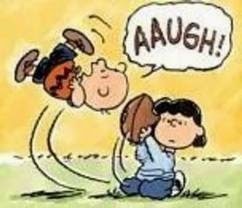 Photo Credit: www.peanuts.com
Ultimately that job crashed into a mountain and I was the first to be eaten in the ensuing weeks. I will always be grateful for that experience. As a result I have never since found a personality conflict I am unable to rise above. From this experience, I developed the single best strategy to promote peaceful relations with the Humans.
I sleep on it - that's it.
I don't react in the moment I go home and let it sit for a night. Most of the time the problem resolves itself as I sleep. When it doesn't, I am able to find a way to resolve it with out bloodshed or viscous e-mail campaigns.
I still write e-mails to resolve resentments but I have my wife proofread them first.
Today I play well with the other kids. Life is too short for petty resentments and feuds. I need all the energy I have to be the best husband and father I can be. I don't have the luxury of nursing resentments.
That's my story and I'm sticking to it.
Best, Sam Edge
The Edge On Strategy
I attributed the quote above to "Mark Twain et. al." because there is some debate as to who said it - but it sounds like Mark Twain to me. Regardless of origin, this little pearl of wisdom has served me well. When I am unsure of where I stand or, more frequently, when I am not fit for Human consumption, I try to listen more and speak less.
I learned this lesson only after many years of conflict, trial and error.
For most of my thirties I worked in an office with twenty-five employees. I was one of only two men. I worked there for seven years. I was in a senior management position. Obviously, any authority I had over my employees was an illusion that I was allowed to entertain from time to time. Up until this time in my life I was allowed to believe that men were the stronger sex - not so.
Any true managing that I was able to achieve was through the art of strategic submission. I leaned more about how to get along with the Humans during those years than all the combined years before and since. I also learned a lot about true strength.
I managed to play well with the other kids - for the most part.
There were a few conflicts which I chose to engaged in with way too much enthusiasm.The delicate art of assertively setting and maintaining boundaries was foreign to me. Rather, I spent many nights plotting revenge on those who I was convinced were picking on me. Ultimately, I resorted to guerilla tactics.
I would spend an entire week crafting an e-mail to be concise, hard-hitting and full of double meaning and deniability. I fuelled fires with phrases such as: "I understand how difficult ... I am happy to assist with ... complex issues for a person of your .... given your limited ..."
My objective was to exact revenge while maintaining deniability.
At exactly 4:25 - five minutes before quitting time on Friday afternoon - I would send the e-mail, turn off my computer and go home for the weekend. I would be the last this the recipient would see before their weekend. They were left unable to respond. Monday they would be apoplectic.
Yes, I was a little, little man
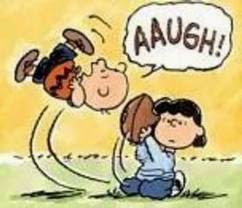 Photo Credit: www.peanuts.com
 Ultimately that job crashed into a mountain and I was the first to be eaten in the ensuing weeks. I will always be grateful for that experience. As a result I have never since found a personality conflict I am unable to rise above. From this experience, I developed the single best strategy to promote peaceful relations with the Humans.
I sleep on it - that's it.
I don't react in the moment I go home and let it sit for a night. Most of the time the problem resolves itself as I sleep. When it doesn't, I am able to find a way to resolve it with out bloodshed or viscous e-mail campaigns.
I still write e-mails to resolve resentments but I have my wife proofread them first.
Today I play well with the other kids. Life is too short for petty resentments and feuds. I need all the energy I have to be the best husband and father I can be. I don't have the luxury of nursing resentments.
That's my story and I'm sticking to it.
Best, Sam Edge
The Edge On Strategy
Dealing with difficult people (Including yourself)
"It's better to keep your mouth shut and have people think you a fool than speak and remove all doubt." Mark Twain et. al.
I attributed the quote above to "Mark Twain et. al." because there is some debate as to who said it - but it sounds like Mark Twain to me. Regardless of origin, this little pearl of wisdom has served me well. When I am unsure of where I stand or, more frequently, when I am not fit for Human consumption, I try to listen more and speak less.
I learned this lesson only after many years of conflict, trial and error.
For most of my thirties I worked in an office with twenty-five employees. I was one of only two men. I worked there for seven years. I was in a senior management position. Obviously, any authority I had over my employees was an illusion that I was allowed to entertain from time to time. Up until this time in my life I was allowed to believe that men were the stronger sex - not so.
Any true managing that I was able to achieve was through the art of strategic submission. I leaned more about how to get along with the Humans during those years than all the combined years before and since. I also learned a lot about true strength.
I managed to play well with the other kids - for the most part.
There were a few conflicts which I chose to engaged in with way too much enthusiasm.The delicate art of assertively setting and maintaining boundaries was foreign to me. Rather, I spent many nights plotting revenge on those who I was convinced were picking on me. Ultimately, I resorted to guerilla tactics.
I would spend an entire week crafting an e-mail to be concise, hard-hitting and full of double meaning and deniability. I fuelled fires with phrases such as: "I understand how difficult ... I am happy to assist with ... complex issues for a person of your .... given your limited ..."
My objective was to exact revenge while maintaining deniability.
At exactly 4:25 - five minutes before quitting time on Friday afternoon - I would send the e-mail, turn off my computer and go home for the weekend. I would be the last this the recipient would see before their weekend. They were left unable to respond. Monday they would be apoplectic.
Yes, I was a little, little man
Photo Credit: www.peanuts.com
Ultimately that job crashed into a mountain and I was the first to be eaten in the ensuing weeks. I will always be grateful for that experience. As a result I have never since found a personality conflict I am unable to rise above. From this experience, I developed the single best strategy to promote peaceful relations with the Humans.
I sleep on it - that's it.
I don't react in the moment I go home and let it sit for a night. Most of the time the problem resolves itself as I sleep. When it doesn't, I am able to find a way to resolve it with out bloodshed or viscous e-mail campaigns.
I still write e-mails to resolve resentments but I have my wife proofread them first.
Today I play well with the other kids. Life is too short for petty resentments and feuds. I need all the energy I have to be the best husband and father I can be. I don't have the luxury of nursing resentments.
That's my story and I'm sticking to it.
Best, Sam Edge
P.S.
I host another website "The Edge on Strategy" where I use a service called "Site Build It". If you are thinking of starting a website or an on line business, I highly recommend it.
From today until July 5 they are running a 33% Independence Sale discounted from $299 / year to $199. It is an incredible value that I won't go into any detail here.
If you want more information check out my eCommerce Strategy.
I attributed the quote above to "Mark Twain et. al." because there is some debate as to who said it - but it sounds like Mark Twain to me. Regardless of origin, this little pearl of wisdom has served me well. When I am unsure of where I stand or, more frequently, when I am not fit for Human consumption, I try to listen more and speak less.
I learned this lesson only after many years of conflict, trial and error.
For most of my thirties I worked in an office with twenty-five employees. I was one of only two men. I worked there for seven years. I was in a senior management position. Obviously, any authority I had over my employees was an illusion that I was allowed to entertain from time to time. Up until this time in my life I was allowed to believe that men were the stronger sex - not so.
Any true managing that I was able to achieve was through the art of strategic submission. I leaned more about how to get along with the Humans during those years than all the combined years before and since. I also learned a lot about true strength.
I managed to play well with the other kids - for the most part.
There were a few conflicts which I chose to engaged in with way too much enthusiasm.The delicate art of assertively setting and maintaining boundaries was foreign to me. Rather, I spent many nights plotting revenge on those who I was convinced were picking on me. Ultimately, I resorted to guerilla tactics.
I would spend an entire week crafting an e-mail to be concise, hard-hitting and full of double meaning and deniability. I fuelled fires with phrases such as: "I understand how difficult ... I am happy to assist with ... complex issues for a person of your .... given your limited ..."
My objective was to exact revenge while maintaining deniability.
At exactly 4:25 - five minutes before quitting time on Friday afternoon - I would send the e-mail, turn off my computer and go home for the weekend. I would be the last this the recipient would see before their weekend. They were left unable to respond. Monday they would be apoplectic.
Yes, I was a little, little man
Photo Credit: www.peanuts.com Ultimately that job crashed into a mountain and I was the first to be eaten in the ensuing weeks. I will always be grateful for that experience. As a result I have never since found a personality conflict I am unable to rise above. From this experience, I developed the single best strategy to promote peaceful relations with the Humans.
I sleep on it - that's it.
I don't react in the moment I go home and let it sit for a night. Most of the time the problem resolves itself as I sleep. When it doesn't, I am able to find a way to resolve it with out bloodshed or viscous e-mail campaigns.
I still write e-mails to resolve resentments but I have my wife proofread them first.
Today I play well with the other kids. Life is too short for petty resentments and feuds. I need all the energy I have to be the best husband and father I can be. I don't have the luxury of nursing resentments.
That's my story and I'm sticking to it.
Best, Sam Edge
P.S.
I host another website "The Edge on Strategy" where I use a service called "Site Build It". If you are thinking of starting a website or an on line business, I highly recommend it.
From today until July 5 they are running a 33% Independence Sale discounted from $299 / year to $199. It is an incredible value that I won't go into any detail here.
If you want more information check out my eCommerce Strategy.
May 31, 2014
Strategics Ezine, May 2014
Hi everyone.
As many of you know I have started a website "The Edge on Strategy". Part of this website is the Ezine "Strategics" where I put together a monthly article related to how we can use Strategy to become more effective in reaching our professional and personal goals. Below I am providing a link to the May article of Strategics for those of you who are subscribers to my Blog but not my other site.
To be sure you don't miss anything I recommend you joining both the Ezine and Blog. Either one will get you my free eBook on Strategic Planning.
Enjoy the article and have a great June!!
May 2014 Strategics
Here is the link to join Strategics and get the article directly to your inbox.
Subscribe to Strategics
Best Sam. Tegan and Abigail
As many of you know I have started a website "The Edge on Strategy". Part of this website is the Ezine "Strategics" where I put together a monthly article related to how we can use Strategy to become more effective in reaching our professional and personal goals. Below I am providing a link to the May article of Strategics for those of you who are subscribers to my Blog but not my other site.
To be sure you don't miss anything I recommend you joining both the Ezine and Blog. Either one will get you my free eBook on Strategic Planning.
Enjoy the article and have a great June!!
May 2014 Strategics
Here is the link to join Strategics and get the article directly to your inbox.
Subscribe to Strategics
Best Sam.
 Tegan and Abigail
May 27, 2014
The Magic of Strategy: Manifesting Abundance
If you commit to the simple principles of strategy you can find yourself effortlessly manifesting abundance in your life. I know that’s a bold statement. But time and time again, I have met and exceeded my personal and professional goals through the simple and powerful magic of strategy.
At it’s most basic, strategy is a decision, or set of decisions, to take, or not take, certain actions to affect a desired outcome. This is the Holy Trinity of strategy: Decision, Action and Outcome. I’ve heard it expressed in many different ways; however, based on a lifetime of experience and research into the subject, I can say with certainty that this is the essence of strategy.
 Celtic Tree of LifeEvery single human-made thing in this world started out as a thought. The chair you’re sitting on, the computer in front of you, the words you’re reading – even the person writing them – started as a thought.
A thought plus an action equals an outcome. This is strategy - simple, elegant, magic. I have succeeded at almost everything I have put my attention to simply because failure doesn’t occur to me. I lock onto a goal, I visualize the outcome and I don’t quit until I succeed. Sometimes I adjust my goals along the way if something better presents itself, but I don’t give up.
This is the key to strategy and ultimately - success.
Long before I fully understood strategy I was manifesting abundance. I first became aware of its magical powers working on business development with indigenous communities in rural British Columbia. As a community planner, I was responsible for guiding the emerging economies in communities that had little business experience.
After generations of poverty, as a result of the restrictive and even punitive legislature, these communities had become accustomed to failure. Their governing bodies and businesses had learned to work in reactionary conditions. Understaffed and underfunded, failure was embedded in their collective memory.
However, without fail, when we took strategic control of certain decisions, actions and outcomes, we were able to turn community aspirations into realities. We used this basic toolset to create new businesses, own source revenues and employment.
We transformed thoughts into things – like magic.
We don't merely overcome adversity, we find value in our obstacles. They became our greatest learning opportunities - important plot points in a story we author. Through the power of choice and action we influence outcomes. If we approach a bump in the road as an exciting learning opportunity it becomes fuel for success. We turn a deficit into an asset. If, on the other hand, we approach that same bump as a reason to quit - failure is inevitable.
The world is full of people who are quick to point out why something won’t work and we shouldn’t do something. These are toxic people. We pull them from our lives like weeds competing for our sunlight. We surround ourselves with positive people and thoughts of accomplishment. We visualize our goals and aspirations as reality and manifesting abundance becomes inevitable.
Strategy is about taking control of your own destiny. You are the author of your destiny. As the author you cannot fail. If you let circumstances beyond your control, or toxic people and negative thinking dictate your choices, actions and outcomes then success is all but impossible.
Lock on to the outcomes that you want to create in your personal and business lives. Check yourself. Are the choices you make moving you towards or away from these outcomes? If they move you away – stop doing that. Make choices and take actions only when they advance you towards your goals.
If you look back at your successes you may find that you’ve been using these simple principles of strategy intuitively to realize your goals and manifest abundance in your life. With this awareness you can marshal choices, actions and outcomes at will and truly live your life on purpose.
That’s the magic of strategy.
For more on strategy, strategic planning and manifesting abundance check out my website the Edge On Strategy or my eBooks series Strategies for Success.
Best Sam Edge
At it’s most basic, strategy is a decision, or set of decisions, to take, or not take, certain actions to affect a desired outcome. This is the Holy Trinity of strategy: Decision, Action and Outcome. I’ve heard it expressed in many different ways; however, based on a lifetime of experience and research into the subject, I can say with certainty that this is the essence of strategy.
 Celtic Tree of LifeEvery single human-made thing in this world started out as a thought. The chair you’re sitting on, the computer in front of you, the words you’re reading – even the person writing them – started as a thought.
A thought plus an action equals an outcome. This is strategy - simple, elegant, magic. I have succeeded at almost everything I have put my attention to simply because failure doesn’t occur to me. I lock onto a goal, I visualize the outcome and I don’t quit until I succeed. Sometimes I adjust my goals along the way if something better presents itself, but I don’t give up.
This is the key to strategy and ultimately - success.
Long before I fully understood strategy I was manifesting abundance. I first became aware of its magical powers working on business development with indigenous communities in rural British Columbia. As a community planner, I was responsible for guiding the emerging economies in communities that had little business experience.
After generations of poverty, as a result of the restrictive and even punitive legislature, these communities had become accustomed to failure. Their governing bodies and businesses had learned to work in reactionary conditions. Understaffed and underfunded, failure was embedded in their collective memory.
However, without fail, when we took strategic control of certain decisions, actions and outcomes, we were able to turn community aspirations into realities. We used this basic toolset to create new businesses, own source revenues and employment.
We transformed thoughts into things – like magic.
We don't merely overcome adversity, we find value in our obstacles. They became our greatest learning opportunities - important plot points in a story we author. Through the power of choice and action we influence outcomes. If we approach a bump in the road as an exciting learning opportunity it becomes fuel for success. We turn a deficit into an asset. If, on the other hand, we approach that same bump as a reason to quit - failure is inevitable.
The world is full of people who are quick to point out why something won’t work and we shouldn’t do something. These are toxic people. We pull them from our lives like weeds competing for our sunlight. We surround ourselves with positive people and thoughts of accomplishment. We visualize our goals and aspirations as reality and manifesting abundance becomes inevitable.
Strategy is about taking control of your own destiny. You are the author of your destiny. As the author you cannot fail. If you let circumstances beyond your control, or toxic people and negative thinking dictate your choices, actions and outcomes then success is all but impossible.
Lock on to the outcomes that you want to create in your personal and business lives. Check yourself. Are the choices you make moving you towards or away from these outcomes? If they move you away – stop doing that. Make choices and take actions only when they advance you towards your goals.
If you look back at your successes you may find that you’ve been using these simple principles of strategy intuitively to realize your goals and manifest abundance in your life. With this awareness you can marshal choices, actions and outcomes at will and truly live your life on purpose.
That’s the magic of strategy.
For more on strategy, strategic planning and manifesting abundance check out my website the Edge On Strategy or my eBooks series Strategies for Success.
Best Sam Edge