Gilli Allan's Blog
September 5, 2021
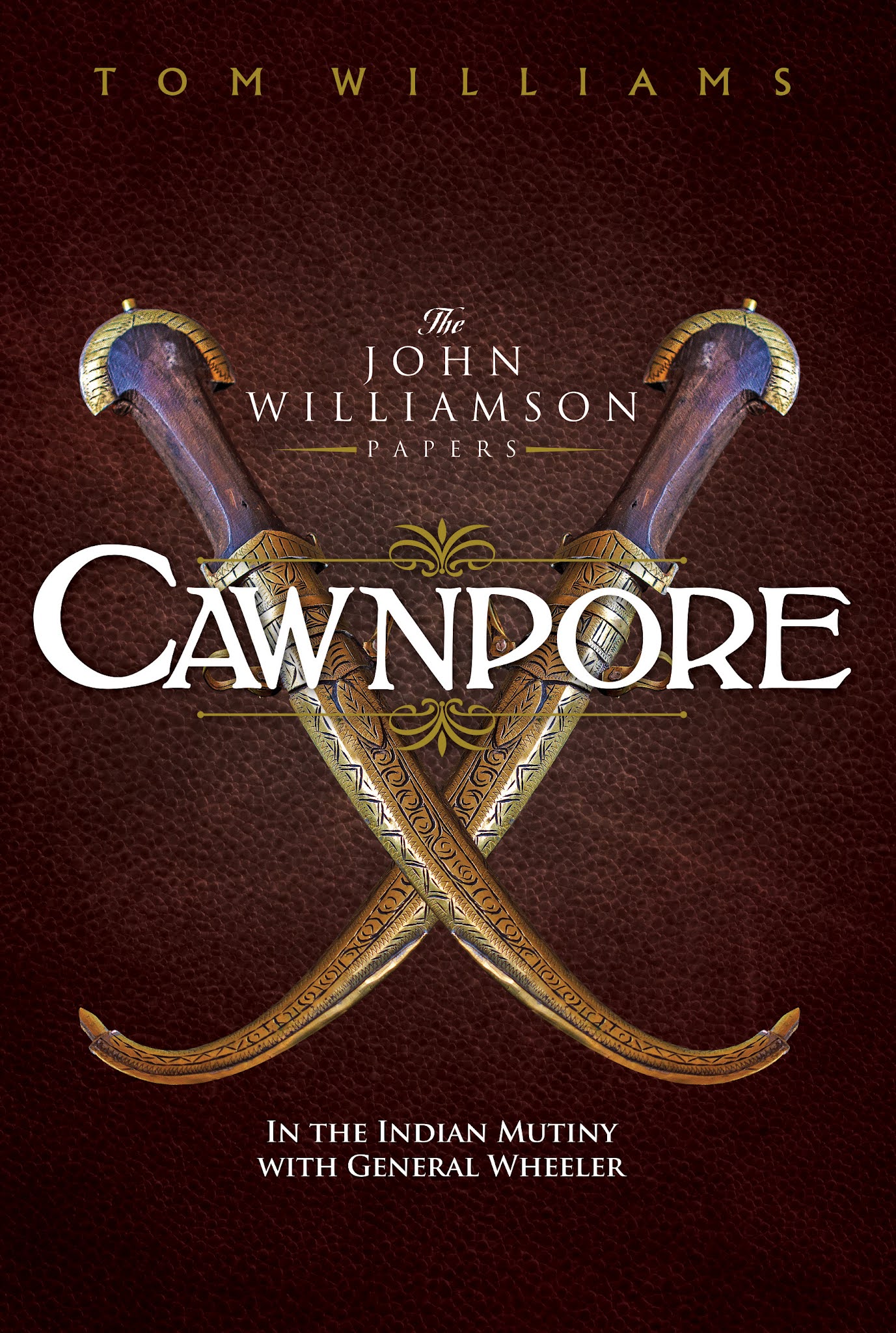
CAWNPORE. A fictionalised - but warts-and-all - account of the real characters and real events of the Indian Mutiny
Over to you Tom. Tell us why you think the time is right to republish this book..........?
"Friday, September 10 will see the republication of my novel of the Indian Mutiny, Cawnpore
Cawnpore was first written ten years ago and published by a tiny US imprint, JMS Books and then later in the UK by Accent Press. Why publish it again now?
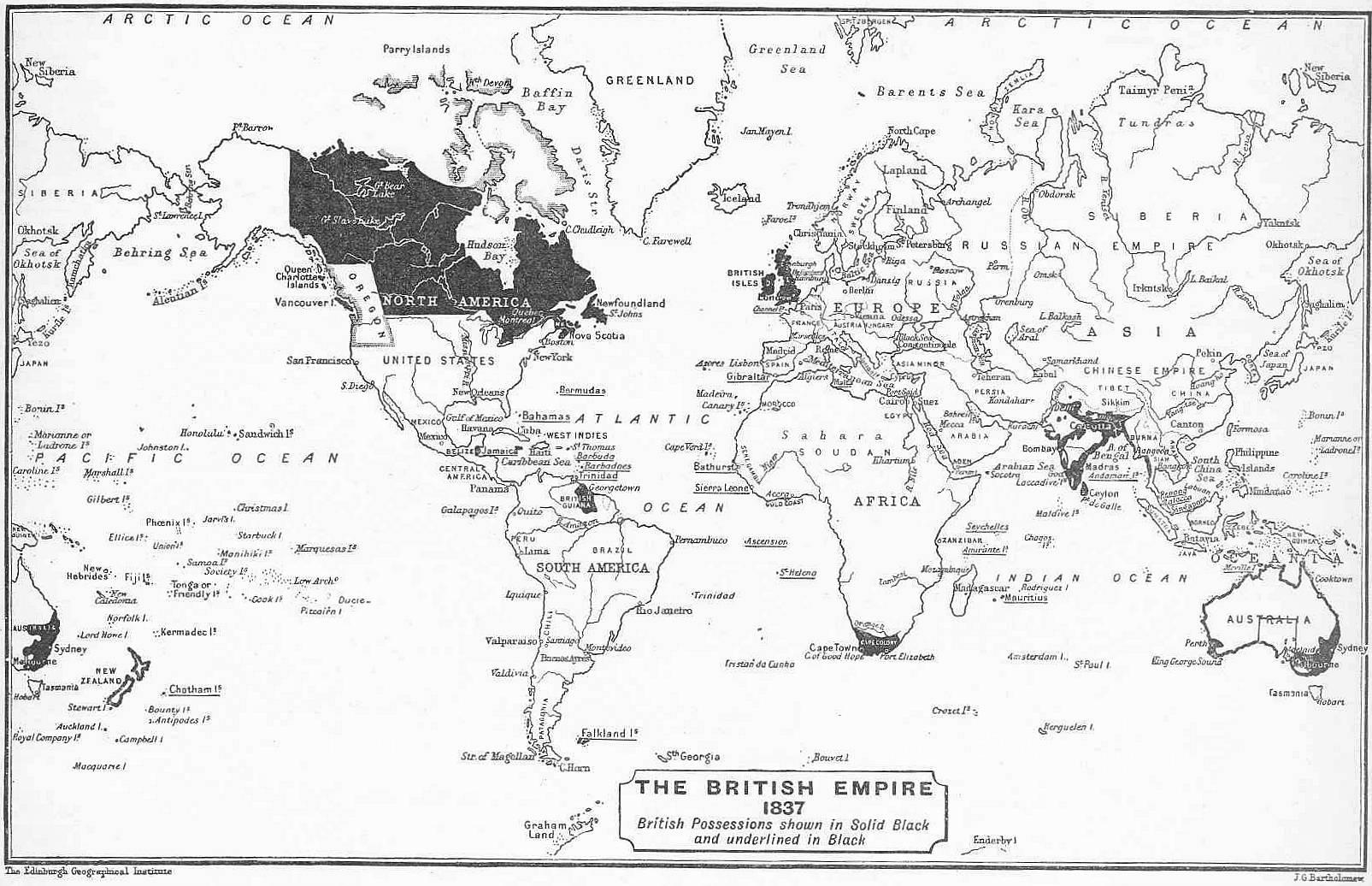
Well, ten years is a long time. The world has moved on and we hear much more about the British Empire these days, with people saying that we should look more critically at what the British were doing when so much of the world was coloured pink on the map. Perhaps it’s the right time for my trilogy about the fictional John Williamson and the very non-fictional people he met on his travels.
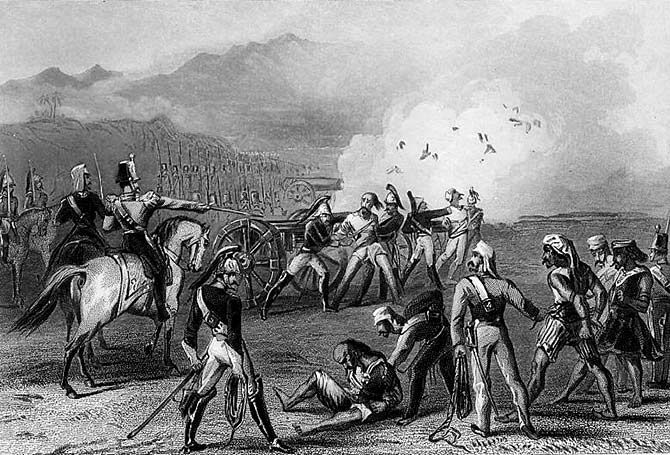
Cawnpore is the second of the John Williamson books and it takes place in 1857 as revolution exploded across India in the horror that we know now as the Indian Mutiny. The causes of the Mutiny were complex. It was not all down to evil exploitative Englishmen, but neither was it an uprising by ungrateful natives against Englishmen who wished them nothing but good. There were good and bad people on both sides and both sides committed terrible atrocities. The massacre
at Cawnpore was one of the worst by Indian forces and was used by the English to justify horrendous reprisals, often against men who had not been involved in the fighting at all. In Cawnpore we see the conflict through the eyes of Williamson: the ultimate outsider. Working class and homosexual, he doesn’t fit in the European world of gentlemen’s clubs and polite dinner parties. Yet his race means he does not fit either into the native world where he finds true friendship. He is caught between the two cultures, able to see good and bad in both and unable to stop the catastrophic conflict that will destroy the lives of almost everybody he cares about.
Cawnpore is not a cheerful book, though it has its lighter moments. As we watch what is happening in Kabul, I’m not sure that what the world needs is a cheerful book about the region. I think that Cawnpore has a lesson for today. It is that, regardless of whether or not the colonising power has good intentions, the clash of cultures between the natives and the invaders (for whether they come to conquer militarily or exploit commercially or just to spread their ideology, invaders is what they are) inevitably leads to tragedy.
I doubt that many novels change anything. I certainly doubt that mine will. What fiction is mainly about is entertaining the reader. Cawnpore has love and excitement and battles and bravery. It also gives some idea of what life was like in 1857 India – a country of vivid contrasts where spectacular wealth and beauty sat alongside grinding poverty. (Not that different to today, come to think about it.) If it makes the reader stop and think next time their government announces that an army is to be sent to a distant country to ‘nation build’ or ‘protect Western values’, then maybe it’s done something worthwhile.
While I was writing Cawnpore my son was serving in Afghanistan. For over two hundred years we have had troops in that part of the world. It led to tragedy in 1857 when we stayed in and in 2021 when we pulled out. Perhaps the best thing to do would have been not to have sent them in the first place."
Thank you so much for dropping by and giving us an overview of the history and setting of Cawnpore, Tom. It sounds like a book that will make us think as well as entertain us.
If you want to buy a copy of Cawnpore, or get in touch with Tom, here are his links -
Purchase : mybook.to/Cawnpore Website/blog: https://tomwilliamsauthor.co.uk/ Facebook: https://www.facebook.com/AuthorTomWilliams Twitter: @TomCW99


June 9, 2021
FINDING TETTA
When I begin a story all I know about my characters is their back-stories.
In BURIED TREASURE my hero’s mother, Marietta (known as Tetta,) was the privileged only child of a titled family. She rebelled as teenager and, defying parental expectations, became involved with the punk-rock scene. Her marriage to a notorious singer-songwriter, Vernon Tyler, drove a final wedge between her and her family.
Now a widow, and an alcoholic, Tetta craves recognition for the status she turned her back on when she was young. If it proves impossible for her, then she wants her son to be acknowledged as the grandson of a baronet.
Quite far into the writing of BURIED TREASURE, I began to question why I had created this woman with such a complicated past? And why would such a rebel do a complete about-turn in her middle-age and want to reclaim her status as part of the establishment? Then it came to me. She is just like my grandmother! The knowledge was a gift. I could go back, accentuate elements of Tetta’s personality and flesh her out.
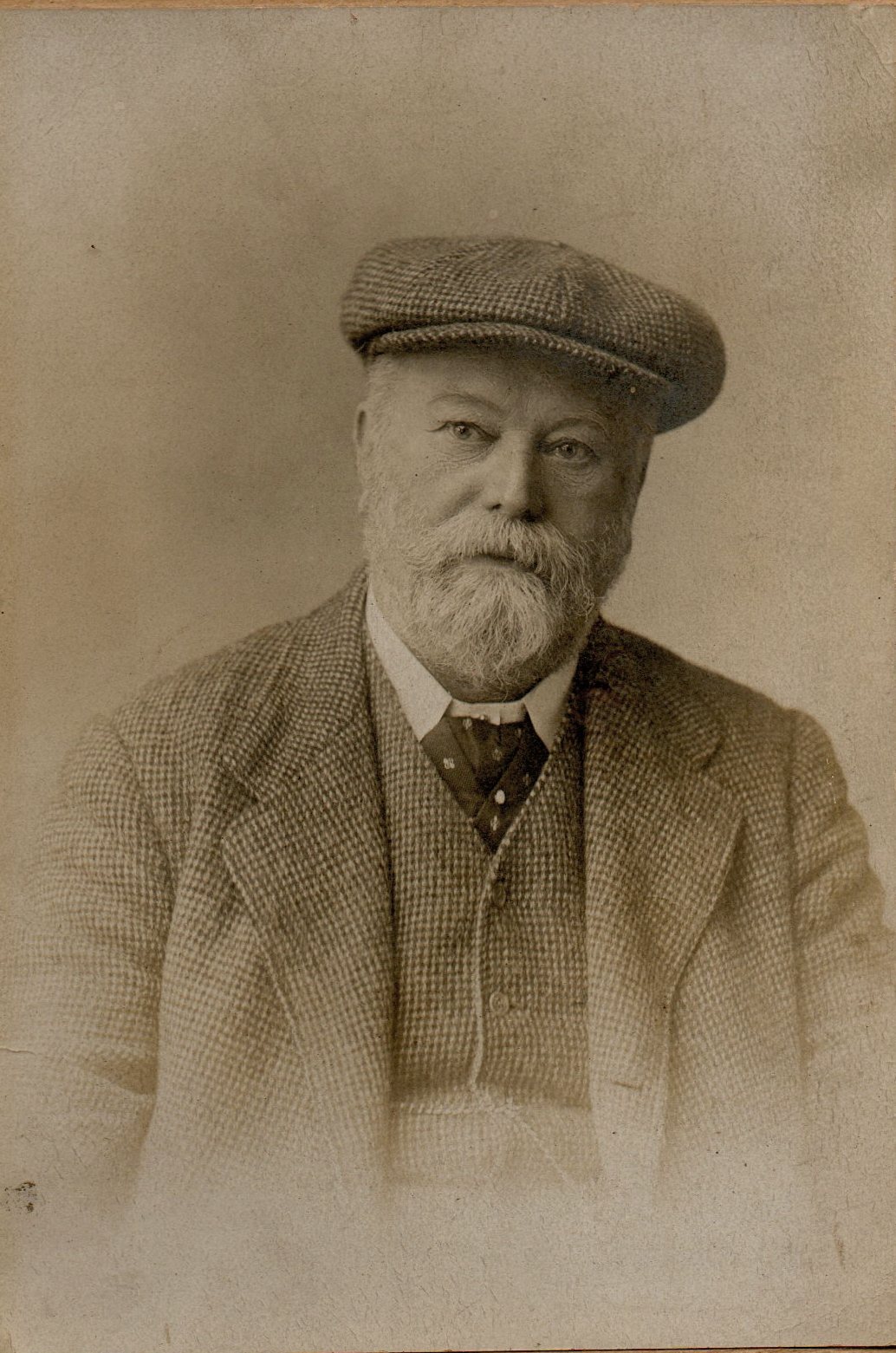
My father’s mother, Dorothy, was not from “high-society”, but she was born into an affluent and respected Victorian family. Her father, William Henry Ashton Smith, was a pearl broker, but he regarded work as an interruption from the real purpose of his life - sport. I won’t detail his various sporting accomplishments, but he eventually became president of Harlequins (rugby) football club.
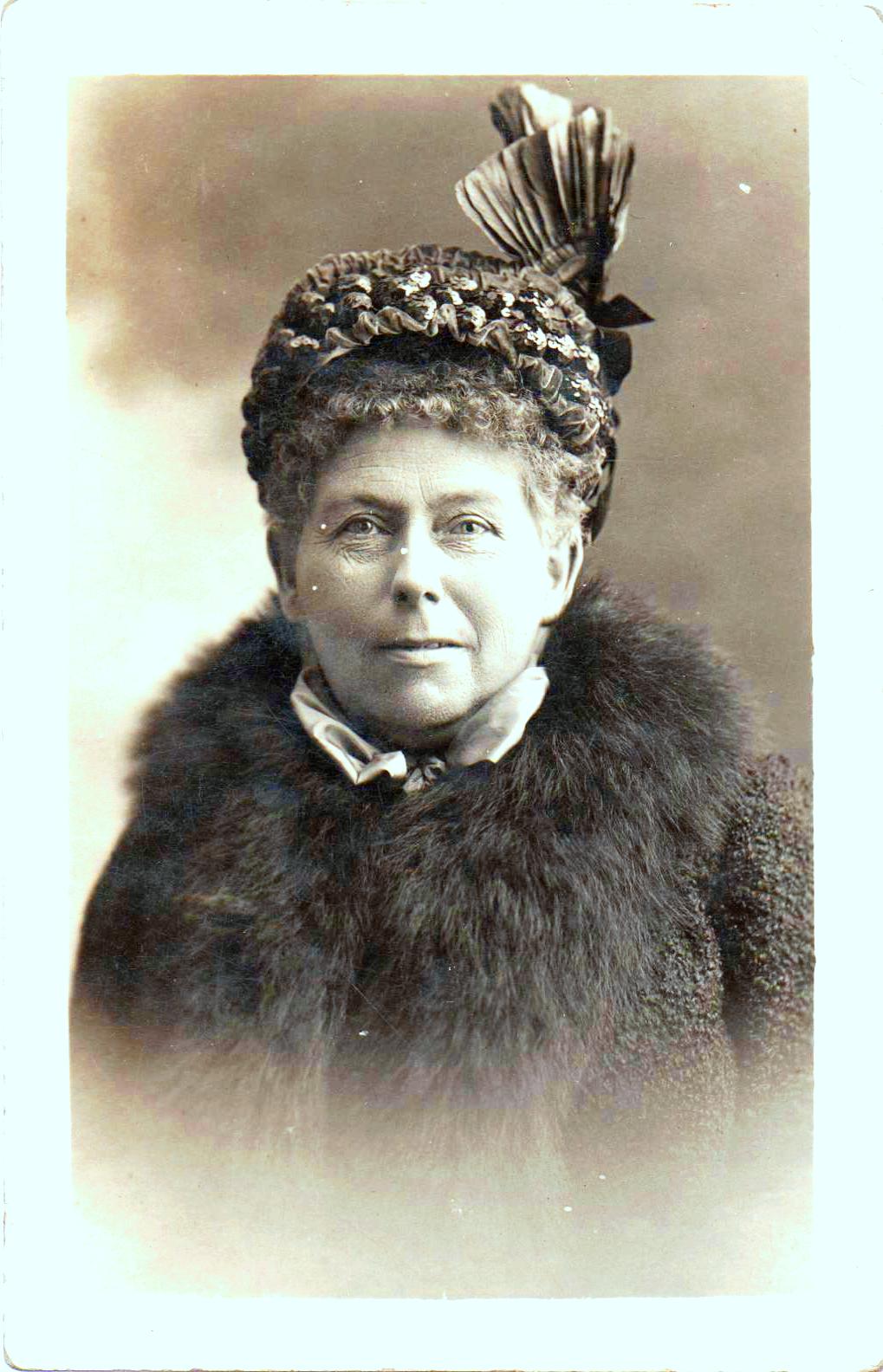
His second wife, Margaret Kitchin, Dorothy’s mother, was a professional singer of coloratura.
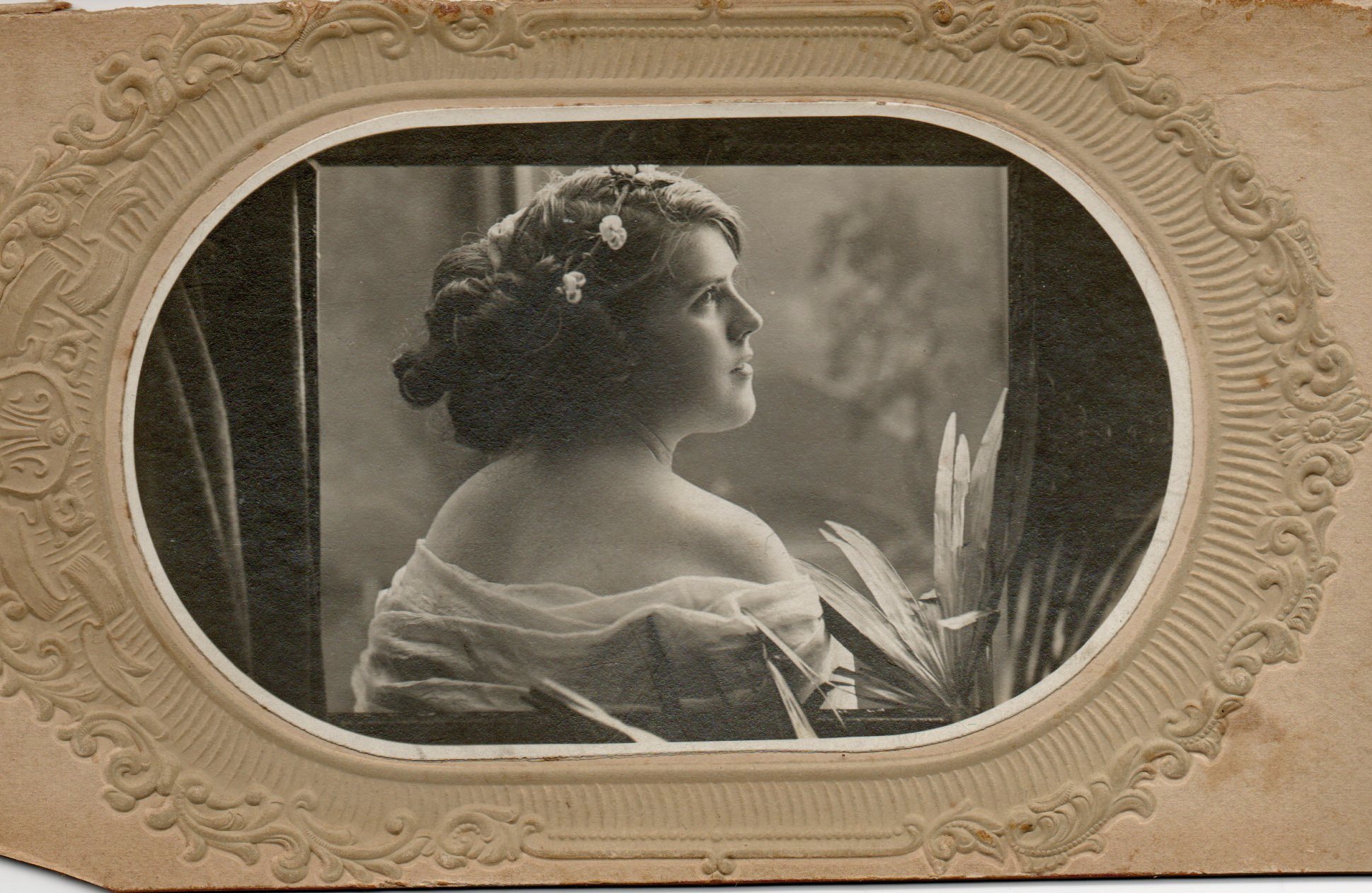
Dorothy grew up during the hay-day of the Gaiety Girl and music hall. When she was a stage-struck sixteen-year-old, having apparently inherited her mother’s voice, she dyed her hair blonde and appeared on the boards for the first time. By the time she was 21 she was married to William Pettit (described in the wedding certificate as a professor of music, but in fact an actor and banjoist!). Only after Dorothy gave birth to my Aunt Joy was the marriage annulled. We don’t know on what grounds, but suspect William was a bigamist.
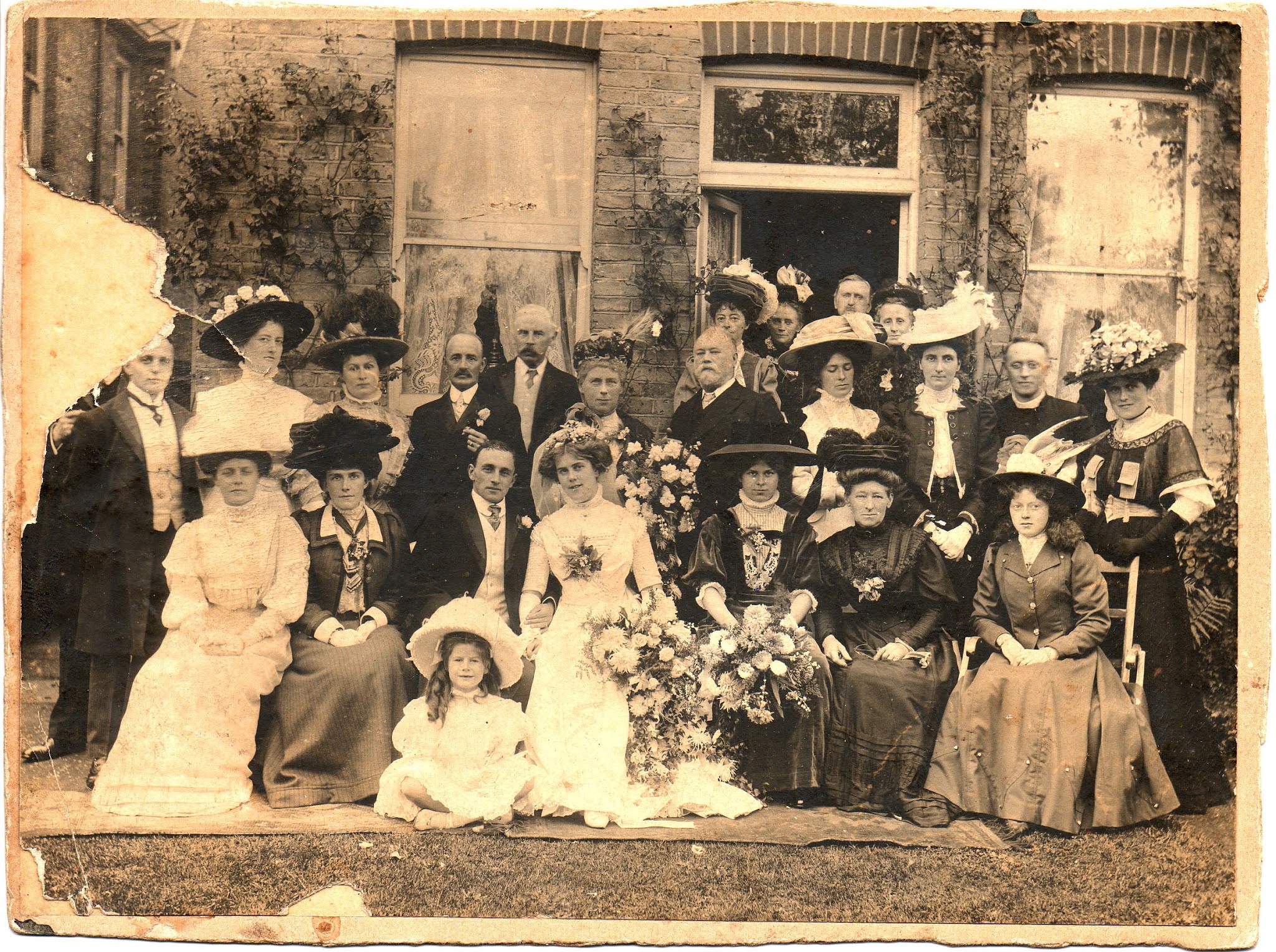
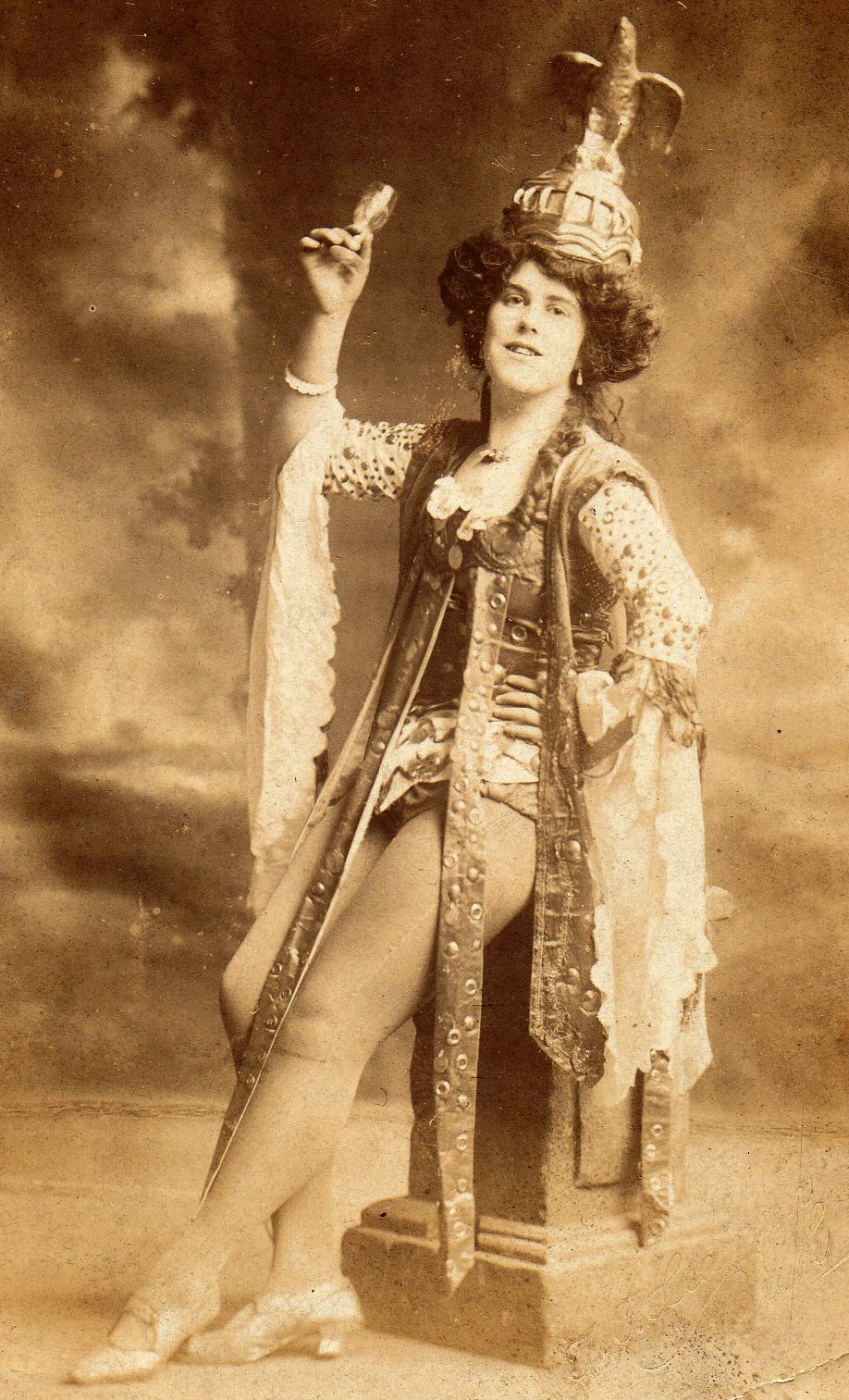
My grandfather, John Jamie Allan, was another theatrical - a ‘song and dance man’, known as Jamie Dallas - sadly injured in WW1. The appetite for music hall had begun to diminish after the war, and anyway, opportunities for someone who was now no longer acrobatic and able to do the prat-falls and dancing for which he was renowned, were fewer and farther between.
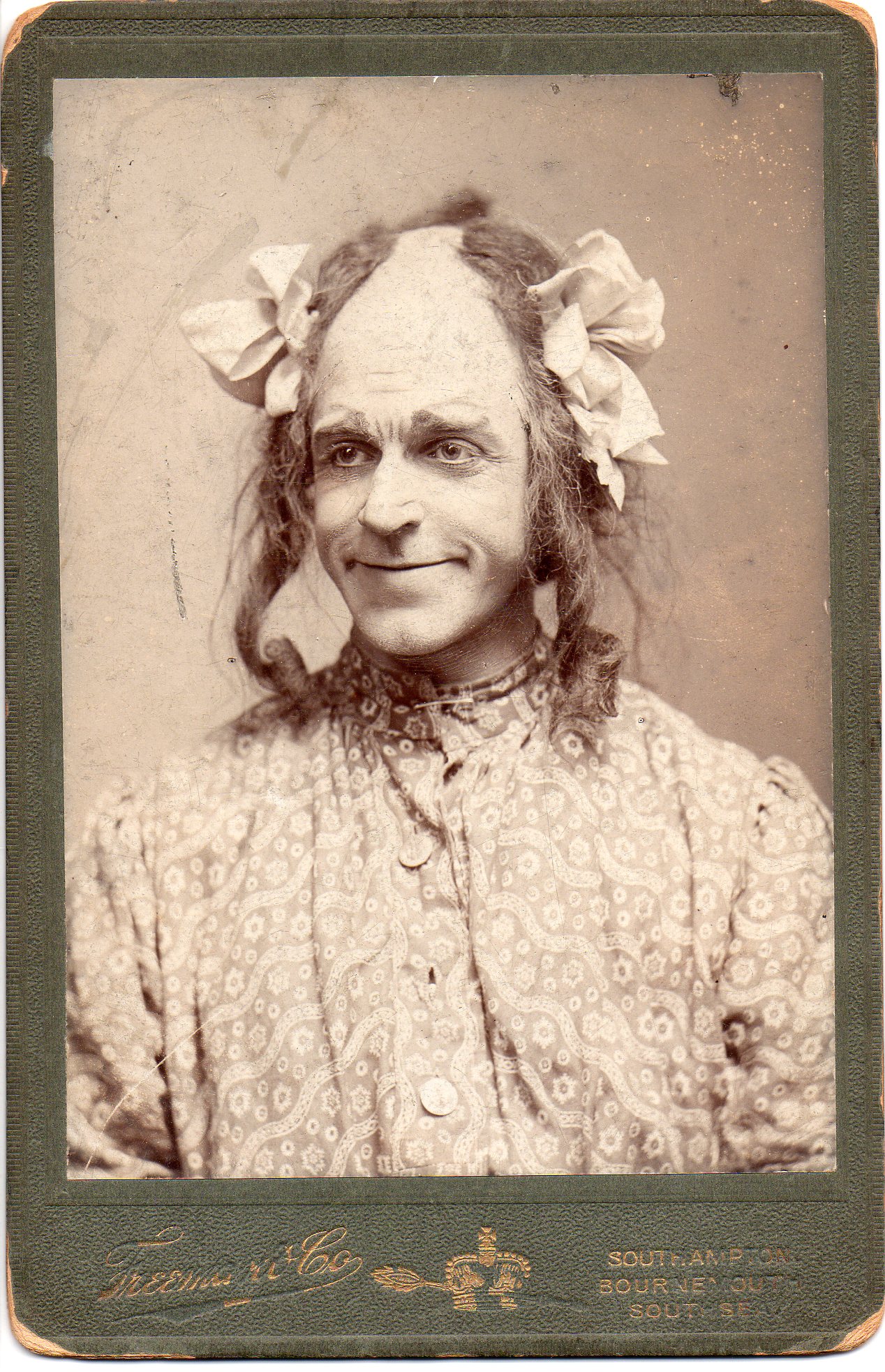
This is how my grandmother, the rebel from the rather grand family, fell on hard times. Now with three boys, as well as her daughter from her previous marriage, Dorothy was no longer able to perform much herself – much as she would have loved to. Living from hand-to-mouth, did not diminish her need to be noticed, to be the centre of attention. Once, after an altercation with her husband, she famously spent a whole afternoon having “fainted” on the back lawn until a neighbour enquired if she was all right.
My gran outlived her husband by seventeen years. And the more she aged, the more the rebel was forgotten in the face of authority’s failure to treat her with sufficient respect. Snubs and slights offended her dignity. Her need to prove that she was being under-estimated, that she was better than this, would frequently erupt in the toe-curling demand: “Do you know who I am?”
Her retort, to the inevitable “No!”, was, “The niece of the late Dean of Durham!” This became a running family joke. It was only in 2009, when we inherited my grandmother’s archive, that we discovered why she expected this announcement to humble her adversary.
Amongst the unsorted jumble was a sepia photograph of G W Kitchin, the Dean of Durham Cathedral. Only a small amount of research revealed him to be a very eminent Victorian. A notable scholar, and a friend of Ruskin and Lewis Carroll (Charles Dodgson), he was Professor of Classics and History at Christchurch Oxford and he became its chancellor. Prior to his appointment to Durham Cathedral, he had been the Dean of Winchester, as well as being an author, a composer and the tutor to the crown prince of Denmark. The list goes on and on. But he wasn’t my grandmother’s uncle, he was her great uncle.
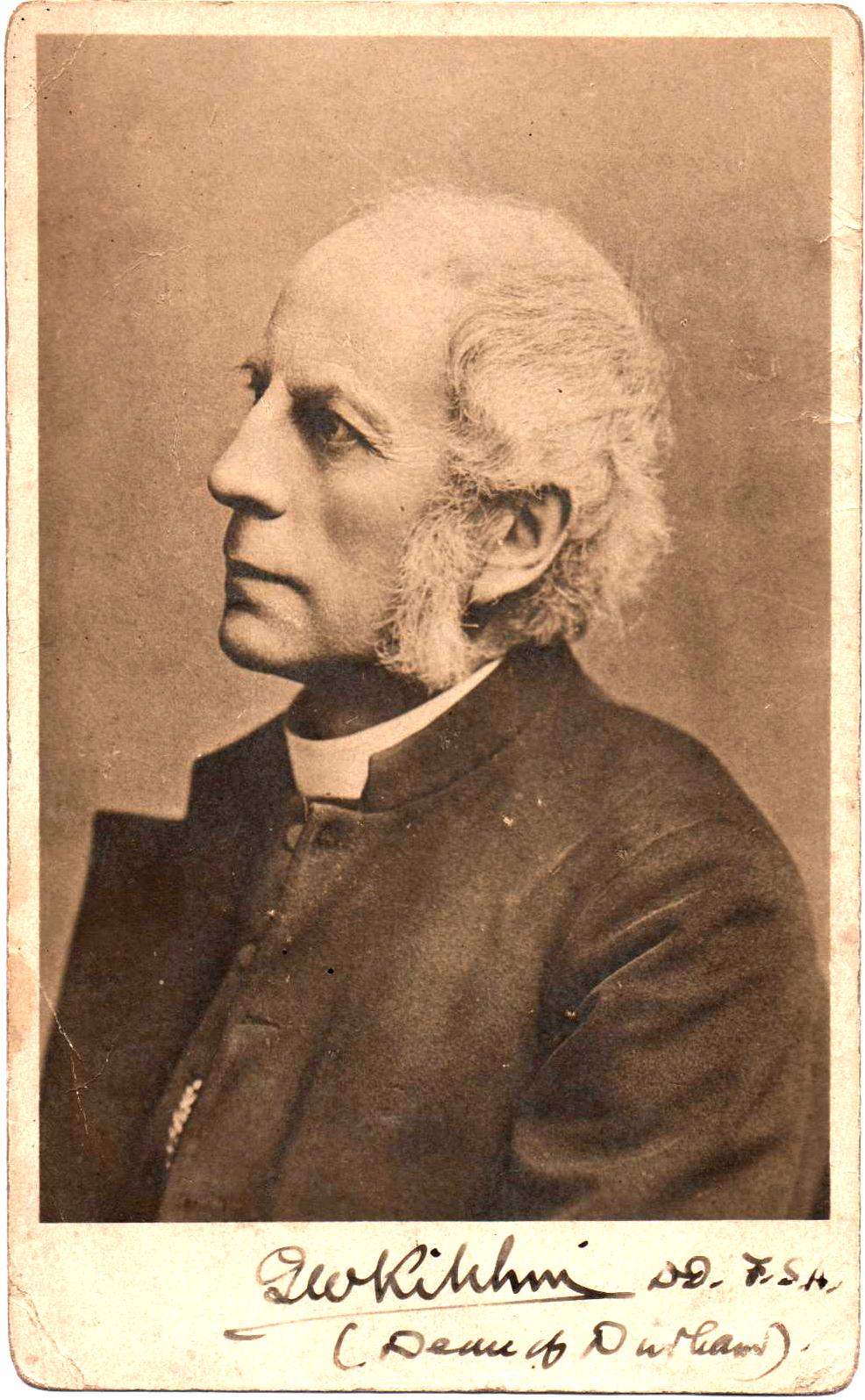
Now, if I’m disrespected, I can say, “Do you know who I am? I’m the great great great niece of the late Dean of Durham!” More importantly, if anyone argues about the believability of Tetta, I can say: “But she’s based on my own grandmother!”
May 9, 2021
Things I Should Have Said and Done?
Intrigued by the title I am delighted to welcome author Colette McCormick to tell us a little about the premise of her new book and the process of self-publishing it. And I am particularly pleased that she has accepted my lazy approach and agreed to interview herself!
After all, she knows the right questions to ask!
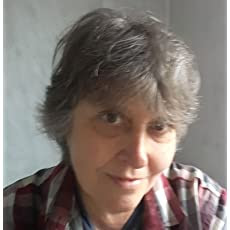
Colette was born and raised in Sheffield but now lives in North East England. She has had a wide range of jobs from ledger clerk to school dinner lady and lots of things in between but in 2001 she found her calling in the world of charity retail. After working for CR UK for 10 years she now works for Barnardo’s and while it’s a job that she loves, writing is her real passion. When she is not working or writing there is a good chance you will find Colette, baking, gardening or walking the dog in the beautiful countryside that Co Durham has to offer. She has been married almost forty years and has two grown up sons.
CMc: Personally, I love this story and not just because I wrote it but I don’t feel like it was given a real chance to reach its full potential the first time around. I’m not blaming anyone for that, it’s just the way it was. I think that I was quite naïve about the way that publishing worked and I assumed that there would be someone doing the promotion for me. As it turned out there wasn’t and it was pretty much left up to me but I had no experience of that sort of thing and so the book didn’t get the exposure it should have. I hope this time around I can do it better. If nothing else, it’s getting a blog tour.
Colette: Can you give us a feel for the book in three sentences?
CMc: No-one wanted Ellen to die, least of all herself. The book is about what happens to her and her family in the months following her death. It is a story of love and life after death.
Colette: Have you changed anything from the original edition?
CMc: Only the cover. I almost changed a few things but, in the end felt like I would be changing things for the sake of it. I was happy with the book as it was and it has received some really good reviews so in the end, I decided to keep it the same. I received an email from someone thanking me and saying that the book had helped them after their mother had died so that seemed reason enough to leave it well alone. However, about the one change that I did make, I think that the cover is much better this time around.
Colette: How did you find the process of self-publishing?
CMc: A lot easier than I feared. Getting it formatted correctly was a bit of a chore and the first half a dozen times it wasn’t right but when it finally looked the way that I wanted it to I was so happy – and relieved. Once the book is uploaded it’s a case of setting a price and choosing when to publish. I’m under no illusion though and I think that the real work starts now with promotion.
Colette: Do you intend to publish the rest of your books?
CMc: That’s the plan but there’s no schedule for it yet.
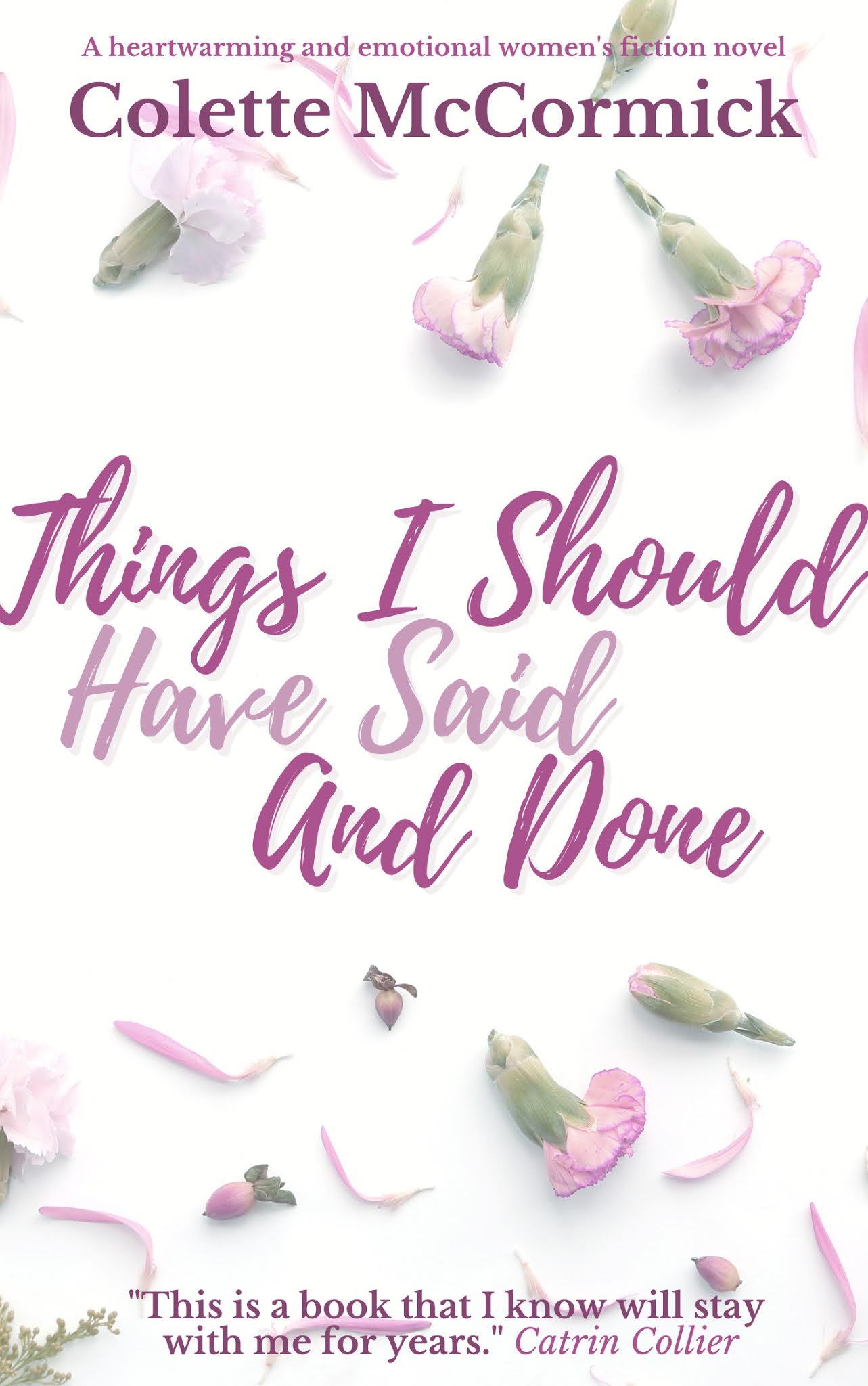
THINGS I SHOULD HAVE SAID OR DONE
‘It is only after death that life can be fully understood.’
Ellen’s life is over in an instant when a drunk driver comes out of nowhere and hits the car that she is driving.
She never knew what hit her.
But Ellen in only young, she isn’t ready to die and there are loose ends to tie up before she can move ‘beyond the light.’ Luckily she isn’t alone, she has George to look after her. He’s new to the job and his methods aren’t exactly orthodox but together they set about dealing with Ellen’s issues.
There is Marc, the man that Ellen still loves. She watches him struggle with life as a single parent as she herself struggles with the realisation that Marc needs to move on without her. There is Naomi, the child that Ellen left behind, the child that becomes Ellen’s link to those that still live. And there is her mother whose life is falling apart.
Ellen looks for ways to help and with George constantly at her side she learns that even though she is dead, she is not helpless. There are things that she can so from beyond the grave to influence what happened in the world that she left behind.
No-one ever said that being dead was easy.
Thank you Colette, that has really whetted my appetite. I wish you all the luck in the world and hope that this time your book has the chance to reach a wider public.
To contact Colette:
February 18, 2021
SOMETHING WICKED
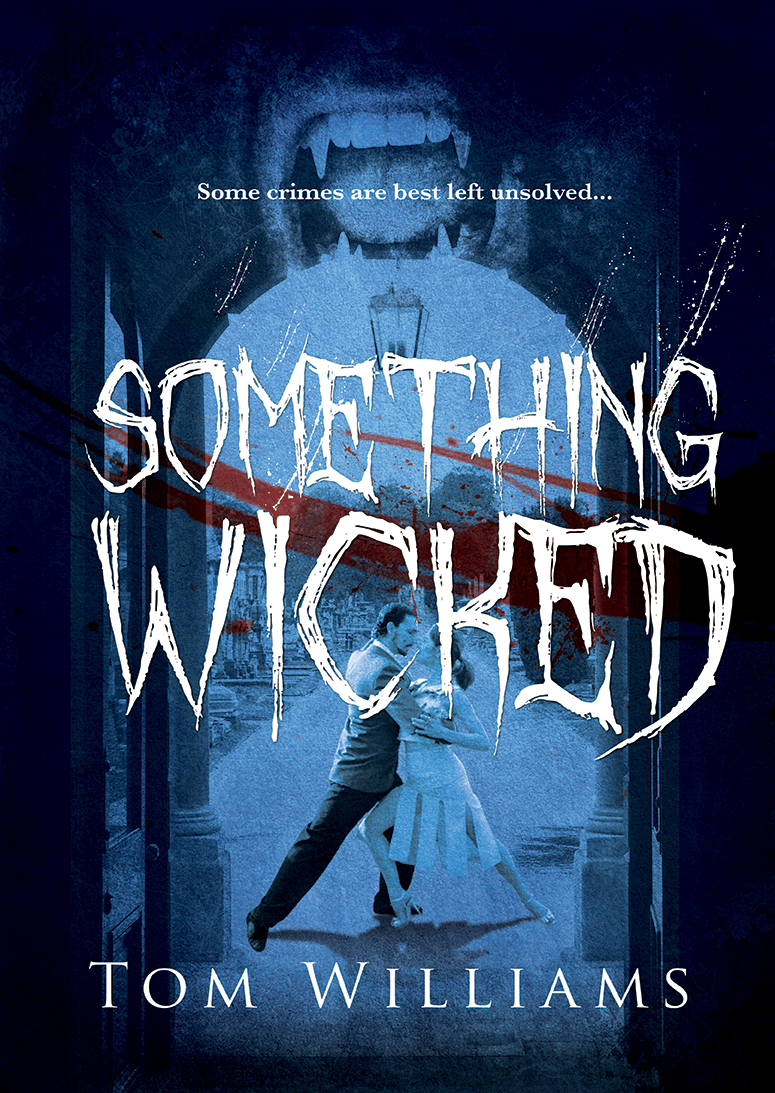
I have something of an aversion to fantasy, or to anything with a ‘horror’ element. Consequently, it was with some misgiving I opened the latest book by Tom Williams, SOMETHING WICKED.
It was not always thus. In my youth I avidly consumed tales of the supernatural, which ran the gamut from ghosts - of varying degrees of malevolence - through to monsters and vampires. I can’t pinpoint when, exactly, I emerged from this phase, but it was a long time ago. But until relatively recently, I still had a shelf-full of the luridly jacketed paperbacks, mostly published in series form by Pan. I now rather regret their ejection from the house in a bout of decluttering, not because I was ever likely to reread any of them - I have long regarded myself as “all horrored-out!” - but because I now suspect they were collectors’ items! Still, my loss was Oxfam’s gain.
SOMETHING WICKED, published on the 19th of February, managed to confound my expectations. Though there is a murder or two in his London set book, Tom Williams’ has not written a gothic ‘horror-fest’ implanted uncomfortably into a contemporary setting. He conjures into life a coherently updated world of vampires, whose existence is below the radar of normal everyday life, but whose society mirrors the variety of our own with its revolutionaries and its reactionaries and all points in between. And there is a clue on the cover about what some vampires choose to do for fun.
With wit and ingenuity, Tom Williams examines the unsettling and bizarre world he has created through the lens of the police procedural. And the crossover between Galbraith (the slightly plodding London Detective Inspector trying to solve the murders) and Mr Pole (the enigmatic vampire from the mysterious Department S), is frequently funny and clever.
The finale is cataclysmic and I fear Brompton Cemetery will never be the same again.

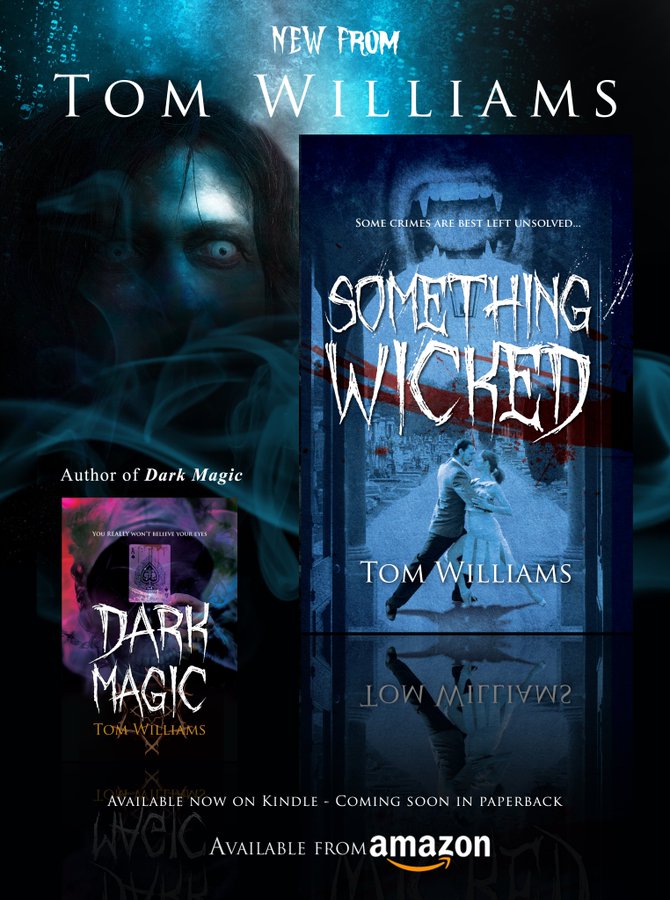
Find all of Tom Williams' books here
November 28, 2020
"THIS IS A LTTLE TREASURE OF A BOOK AND WELL WORTH READING"
The title of the post is the concluding sentence of my wonderful, new 5 star review on Amazon. My grateful thanks to 'fiction reader' whoever you are.
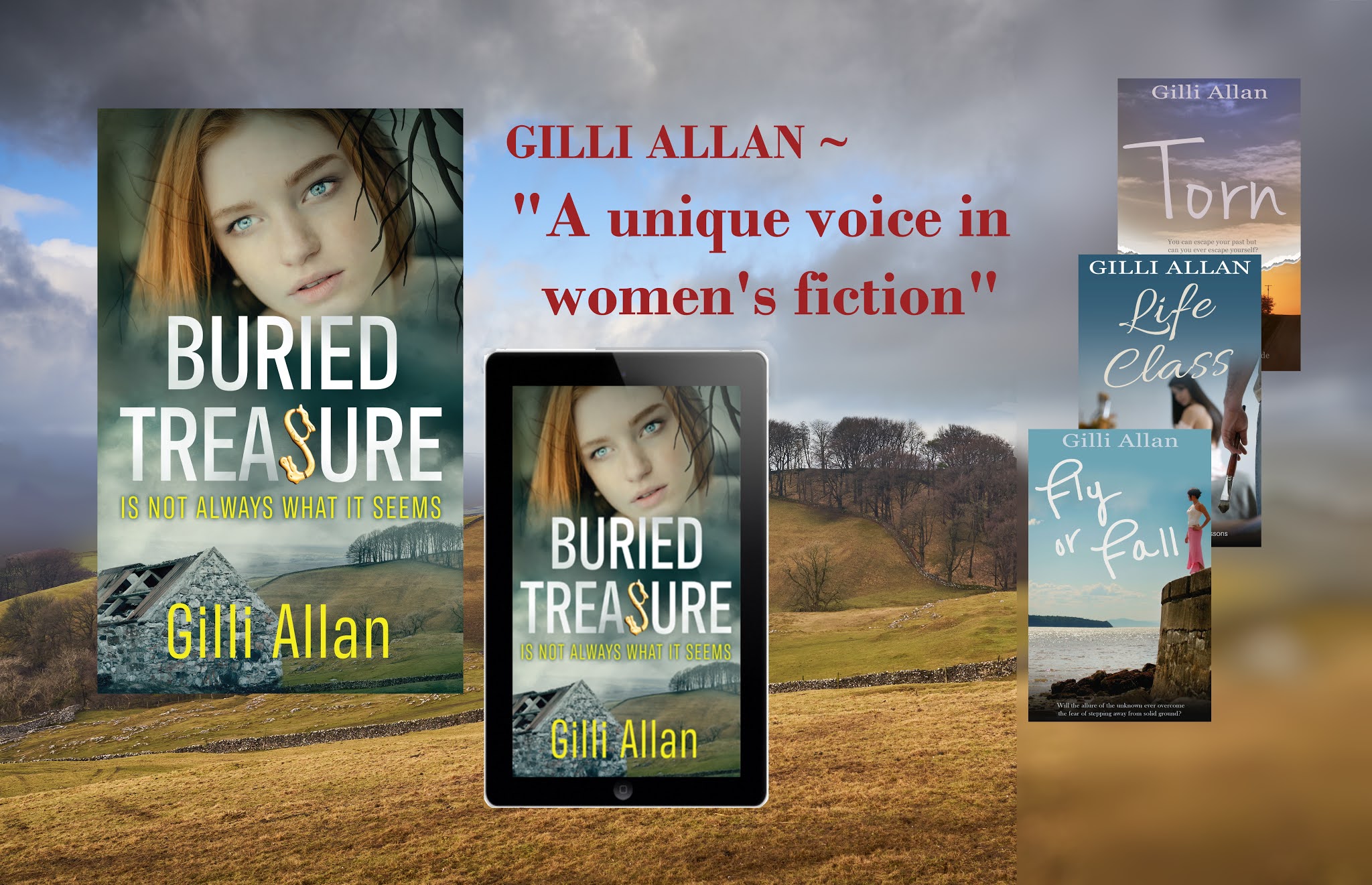
"This is an unusual book that crosses genres but is all the more satisfying because of it. The two main characters are quirky and don’t immediately strike the reader as likely romantic partners.Jane is a rather nervous events organiser and when she has to organise a conference at a university she crosses paths with the rather offhand and frosty academic Theo. Theo is an archaeology nut intent on investigating a site that is due for development, and uncovering any finds from the site.Meanwhile Jane can remember her family treasure from her farm back home, and the fact some of it went to a museum. There is a puzzle about it though (I can’t say more – spoilers!).Both of these characters have buried pasts (Theo’s gold-digging ex is particularly vile) and this is why they take some time to trust each other. This is a well-written book written in short chunks from different points of view. This keeps the story moving and enables us to see both perspectives as the story unfolds. The parents of both protagonists are extremely realistically depicted and the author writes particularly authentic dialogue.This is a little buried treasure of a book and well-worth reading."
October 31, 2020
FROM TODAY ~ BARGAIN OFFER ~ 99p ONLY TILL 8 NOVEMBER.
BURIED TREASURE may have nothing to do with Halloween, but I've chosen to offer it for the BARGAIN price of 99p from today until my birthday, on November 8th.
 From an ordinary family, Jane Smith grew up in the shadow of her brainy sister. She left school early and has self-esteem issues. Initially empowered by an affair with her boss, she is ultimately humiliated by his coercive controlling behaviour.
  Theo Tyler has spent his life in academia. Now a lecturer and desk archaeologist, he distances himself from his background, a complicated mix of high and low class. An early love affair, while still a student, becomes abusive. Unable to respond in kind, he feels helpless and un-manned in the face of his partner's abuse.
 Apart from the damage they have both survived, the only other common connection between Theo and Jane is archaeology. Her interest is personal, a family connection to a historic find. His is intellectual. His professional expertise is being ignored and he needs proof to back up his theories.
Their separate stories intertwine, reaching a surprising conclusion. They both discover that treasure is not always what it seems.
September 22, 2020
CECIL B DEMILLE EAT YOUR HEART OUT
Gilli Allan is coming....
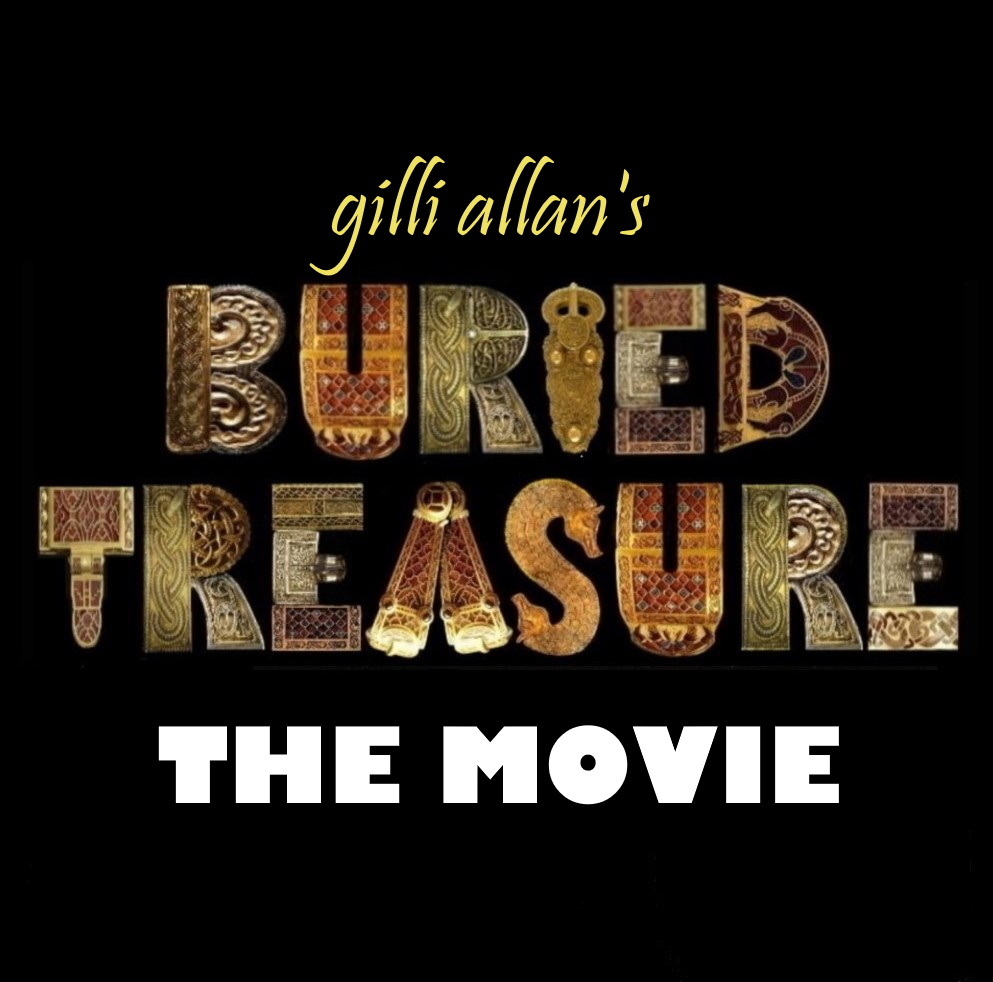
Using my tried and tested method of ... ignore the instructions, because you won't understand them, but use good old trial and error ... I have just taught myself how to make a trailer.
I am inordinately proud of myself, but for the moment cannot work out how to put it in a tweet. I think it's too long, but I am sharing it here if I may.
If it's muted do make sure you turn on the volume - the music track is supplied by Driftway, one of the folk rock bands which my son, Tom Williams, is a member of.
September 16, 2020
THE NAPOLEONIC PERIOD PROVIDES A DEEP WELL OF MATERIAL FOR THE FICTION OF TOM WILLIAMS
The subject of this blog post, Tom Williams, is the author of the Burke series of historical adventure novels, set during the Napoleonic wars.
(For an explanation of why I often refer to him as 'the other' Tom Williams, do look at the previous post.)
Over to you Tom....
Gilli has very kindly offered to carry an interview on her blog so that I can shamelessly plug Burke in the Peninsula, to be published at the end of the month, but she has decided to get in a guest interviewer. I hope he's up to the job.
TW: Gilli has asked me if I can interview you because she can't think of any good questions to ask. How do you feel about that?
Tom: I can understand how she feels. The world seems to have gone mad right now. Putting interview questions together is just more than you can expect anyone to cope with.
TW: Would it be fair to say that you are hiding away from 2020 by writing books set in the early 19th century?
Tom: That's probably pretty fair, though the Napoleonic Wars were even worse to live through than coronavirus. There were enormous numbers of young men killed in the fighting, which left farms short of labour. There were food shortages and lots of social disruption. There was quite a lot of support for the French in Britain and the government was seriously worried about revolution here as well. And, of course, taxes were going up. There may well have been plague to add to the awfulness – there certainly were huge numbers of troops who died of what was probably typhoid fever on an expedition to the Netherlands and it seems likely they would have brought it back with them, but with so many people dying anyway, it's unlikely anyone would have noticed.
On balance, 2020 may not be so bad.
TW: So far.
Tom: Well, yes. I suppose the way Brexit is going, war with France can't be completely ruled out.
TW: If writing interview questions is proving so difficult, how did you manage to write a whole book?
Tom: I wrote the book a while ago but there were issues with my rights to the series so it's taken a while to get it published.
TW: That sounds boring and depressing.
Tom: It was. Can we talk about something else?
TW: OK. Did anything good come out of the delay?
Tom: Actually, yes. I've decided to self-publish. It gives me a lot more control. I've taken the opportunity to republish all the existing Burke books with beautiful new covers.
TW: They are, indeed, gorgeous. Do you have any here for us to look at?
Tom: Strangely enough, I do.
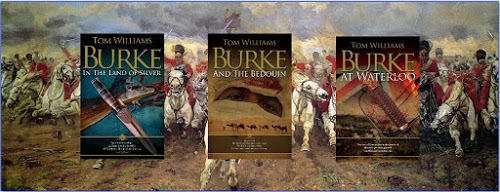
TW: As a completely impartial interviewer, I can only say that I’m blown away by these covers. Are the books available in paperback as well as on Kindle, so people can admire these beautiful covers on their shelves?
Tom: They are indeed – and at a mere £6.99. There are details of all my books on my website at http://tomwilliamsauthor.co.uk/my-books/
TW: And what about the new book, Burke in the Peninsula?
Tom: That will have a beautiful cover too.
TW: I'm sure it will, but what will it be about?
Tom: Burke is sent out to Spain to liaise with the guerrillas fighting the French – but it turns out that not all the guerrillas were the good guys. Working out who to trust and who not to takes him a while. After that it’s back to irregular warfare against the French, while the estimable William Brown ends up in the front line at the battle of Talavera. According to the history books, Talavera was a famous victory. William Brown would probably beg to differ on that .
So Burke in the Peninsula is the mix of spy story and military history that readers will probably have come to expect by now. And, yes, there's a beautiful woman. (Regular readers may remember her from an earlier story. I liked her so much, I just had to bring her back.)
TW: And when will Burke in the Peninsula be out?
Tom: I'm aiming for the end of September, but I'm trying to whip up some interest first. If you all write to me, promising faithfully that you're going to buy it, I'll probably try to sneak it out a few days earlier.
TW: What an excellent idea. I’m sure that hundreds of people will be in touch. But how do they get hold of you?
Tom: You can contact me through my website: http://tomwilliamsauthor.co.uk/.. Or there’s Facebook: https://www.facebook.com/AuthorTomWilliams. And I’m on Twitter as @TomCW99.
TW: So you mean I didn’t need to have interviewed you at all. I could just have looked you up on social media.
Tom: Pretty much, yes. But this has been fun . And can I say that you're a really good interviewer?
TW: Well thank you. And you've been a brilliant interviewee.
Gilli intervenes to bring the mutual congratulations to an end.
TW: And, Gilli, can I just say how much I enjoyed reading your Buried Treasure?
Gilli immediately books me to interview her next week.
September 14, 2020
Known to me as the other Tom Williams, the author of the Burke series of historical novels reviews Buried Treasure
Before you read this embarrassingly glowing review, I need to clear up any misapprehension. Its author is not a relation!
(Although confusion can arise - even for me - when I spot tweets from him, or find his emails in my inbox.) My own son - known to friends, relations AND his parents - as Tom, is also a writer! Called Thomas Williams for publishing purposes, my son is the author of Viking Britain, Viking London and the yet to be published Lost Realms (the working title of a history of the lesser known Anglo Saxon Kingdoms.)
Review reposted from Tom Williams' blog Writing About Writing
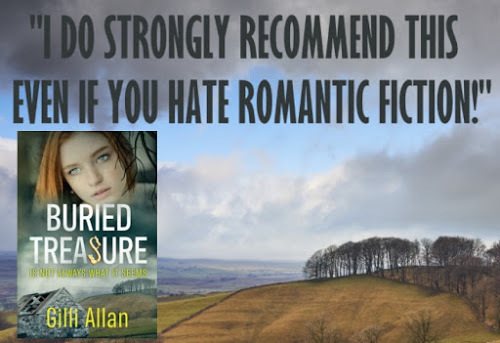 Add caption
"I’m not a huge fan of Romantic Fiction, so the blurb for this book was not enticing:
Jane thinks he sees her as shallow and ill-educated. Theo thinks she sees him as a snob, stuffy and out of touch.
Within the ancient precincts of the university the first encounter between the conference planner and the academic is accidental and unpromising. Just as well there’s no reason for them ever to meet again.
It looks like the beginning of every trite and predictable chicklit romance. “My god, Jane, with your glasses you look quite intelligent.” “And you, Theo, once you’ve had a style makeover, could be the man of my dreams.” But I have “met” Gilli Allan online and I know how much she puts into her books which she prefers to think of as “contemporary women’s fiction” rather than Romance. So I snuck a copy onto my Kindle and decided to find out just how bad it could be.
And the answer is: not bad at all. In fact, it’s rather good. Her characters are properly realised with back-stories that are entirely credible and rather sad, but both Theo and Jane are trying to move on with their lives and overcome their emotional issues. They are active and engaging agents in their own lives, rather than the creations of a writer who knows that the path of true love can never run smooth until the lovers have overcome one or two largely imaginary obstacles to their happiness. In fact, neither Jane nor Theo is “looking for love”. Indeed, both are actively fending off unwanted suitors while concentrating on making successes of other aspects of their lives.
Jane is starting her own business as a conference organiser and Theo is trying to climb the academic ladder as an archaeologist. Gilli Allan knows a lot about both conference organising and archaeology and the details of the lives of the two protagonists are interesting and convincing.
As their work means that they begin to run into each other more and more often (she is organising a conference at the Cambridge college he is working at) so an unlikely friendship forms. Will it blossom into love, or will one of the various other potential romantic partners derail the affair before it has even started?
Gilli is a member of the Romantic Novelists Association, so a happy ending is more-or-less guaranteed. (One of the reasons I generally dislike Romantic Fiction is because most readers and writers consider that a happy ending is required.) Even so, I was not sure things were going to work out. The characters are complex, the back-stories elaborate. The story is told in the present tense, an affectation that usually annoys me but which works here because it delineates the main story from the quantities of back-story (past tense) that could otherwise get very confusing. There’s also quite a lot of plot. Actually, there are so many sub-plots I began to lose count, though I was never confused. All the characters, even the most minor, are clearly drawn so that even I couldn’t muddle them up. And Gilli keeps the plots so interesting. One rather important one centres on some sharp practice in a town planning department and the provision that should or shouldn’t be made for an archaeological survey before a supermarket is built. I’ve sat in on the odd local government planning controversy and it takes real skill to make them remotely interesting, but Gilli Allan does.
I’ve found this a difficult book to review because there is so much good stuff in it, but it seems to be scattered all over the place. It is a measure of the author’s skill that she manages to pull so many disparate strands together into a highly readable and wholly enjoyable book.
I do strongly recommend this, even if you hate Romantic Fiction."
Thank you Tom. I am indebted to you for this review.
Known to me as the other Tom Williams, the author the Burke series of historical novels reviews Buried Treasure
Before you read this embarrassingly glowing review, I need to clear up any misapprehension. Its author is not a relation!
(Although confusion can arise - even for me - when I spot tweets from him, or find his emails in my inbox.) My own son - known to friends, relations AND his parents - as Tom, is also a writer! Called Thomas Williams for publishing purposes, my son is the author of Viking Britain, Viking London and the yet to be published Lost Realms (the working title of a history of the lesser known Anglo Saxon Kingdoms.)
Review reposted from Tom Williams' blog Writing About Writing
Add caption"I’m not a huge fan of Romantic Fiction, so the blurb for this book was not enticing:
Jane thinks he sees her as shallow and ill-educated. Theo thinks she sees him as a snob, stuffy and out of touch.
Within the ancient precincts of the university the first encounter between the conference planner and the academic is accidental and unpromising. Just as well there’s no reason for them ever to meet again.
It looks like the beginning of every trite and predictable chicklit romance. “My god, Jane, with your glasses you look quite intelligent.” “And you, Theo, once you’ve had a style makeover, could be the man of my dreams.” But I have “met” Gilli Allan online and I know how much she puts into her books which she prefers to think of as “contemporary women’s fiction” rather than Romance. So I snuck a copy onto my Kindle and decided to find out just how bad it could be.
And the answer is: not bad at all. In fact, it’s rather good. Her characters are properly realised with back-stories that are entirely credible and rather sad, but both Theo and Jane are trying to move on with their lives and overcome their emotional issues. They are active and engaging agents in their own lives, rather than the creations of a writer who knows that the path of true love can never run smooth until the lovers have overcome one or two largely imaginary obstacles to their happiness. In fact, neither Jane nor Theo is “looking for love”. Indeed, both are actively fending off unwanted suitors while concentrating on making successes of other aspects of their lives.
Jane is starting her own business as a conference organiser and Theo is trying to climb the academic ladder as an archaeologist. Gilli Allan knows a lot about both conference organising and archaeology and the details of the lives of the two protagonists are interesting and convincing.
As their work means that they begin to run into each other more and more often (she is organising a conference at the Cambridge college he is working at) so an unlikely friendship forms. Will it blossom into love, or will one of the various other potential romantic partners derail the affair before it has even started?
Gilli is a member of the Romantic Novelists Association, so a happy ending is more-or-less guaranteed. (One of the reasons I generally dislike Romantic Fiction is because most readers and writers consider that a happy ending is required.) Even so, I was not sure things were going to work out. The characters are complex, the back-stories elaborate. The story is told in the present tense, an affectation that usually annoys me but which works here because it delineates the main story from the quantities of back-story (past tense) that could otherwise get very confusing. There’s also quite a lot of plot. Actually, there are so many sub-plots I began to lose count, though I was never confused. All the characters, even the most minor, are clearly drawn so that even I couldn’t muddle them up. And Gilli keeps the plots so interesting. One rather important one centres on some sharp practice in a town planning department and the provision that should or shouldn’t be made for an archaeological survey before a supermarket is built. I’ve sat in on the odd local government planning controversy and it takes real skill to make them remotely interesting, but Gilli Allan does.
I’ve found this a difficult book to review because there is so much good stuff in it, but it seems to be scattered all over the place. It is a measure of the author’s skill that she manages to pull so many disparate strands together into a highly readable and wholly enjoyable book.
I do strongly recommend this, even if you hate Romantic Fiction."
Thank you Tom. I am indebted to you for this review.