
Mike Papantonio's Blog: Stranger Than Fiction
January 6, 2026
The Horrifying Truth Behind Florida’s Dozier School for Boys
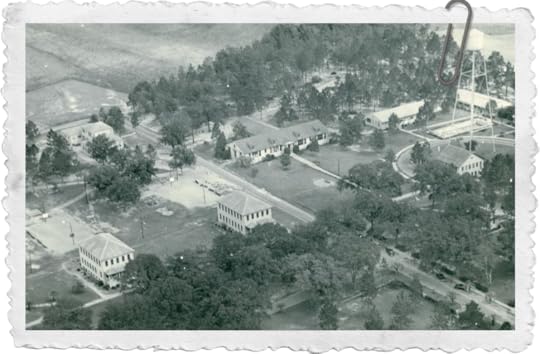
For more than a century, a so-called “reform school” in Marianna, Florida, hid a nightmare behind its gates. The Arthur G. Dozier School for Boys operated from 1900 to 2011—at one time, it was the largest juvenile reform institution in the United States.
Children were sent there for offenses as minor as smoking, truancy, or stealing a hubcap. Many were beaten, starved, abused, and far too often, never made it out alive. Dozens were buried in unmarked graves.

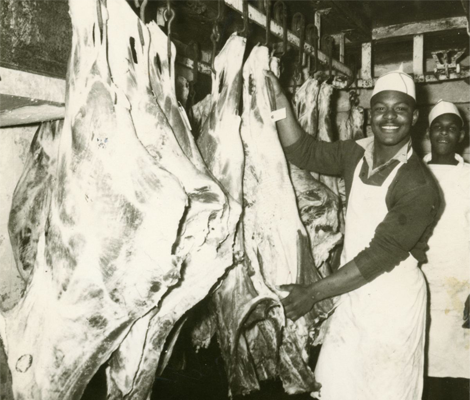
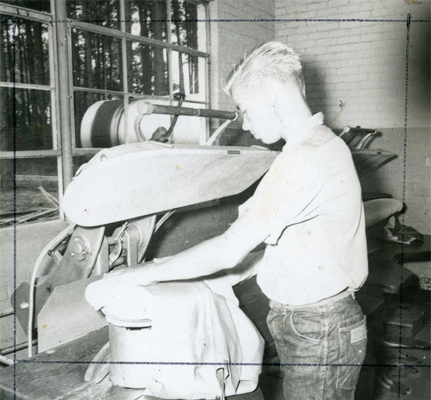
For 100 years, governor after governor—Republican and Democrat alike—looked the other way. And parents told themselves they were sending their boys there “for their own good.”
Two years ago, my colleague Troy Rafferty and I visited the site with former students—or should I say, survivors. Listening to their stories was one of the most emotional experiences of my life.
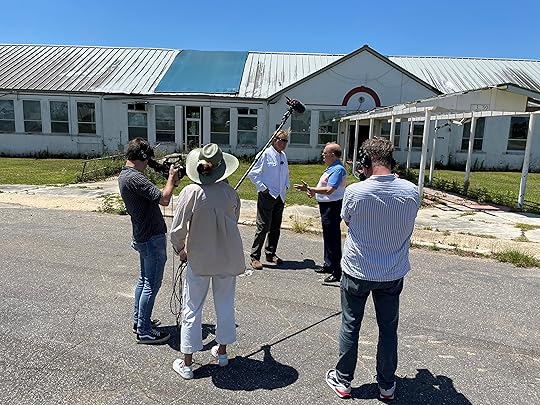
They described being taken from their beds at night to a building called “The White House,” whipped with leather straps, sexually assaulted, and forced to hear the screams of others—drowned out by the roar of the large industrial fans inside. Black and white boys were segregated, punished simply for speaking to one another. As Troy put it, “the evil was palpable.”
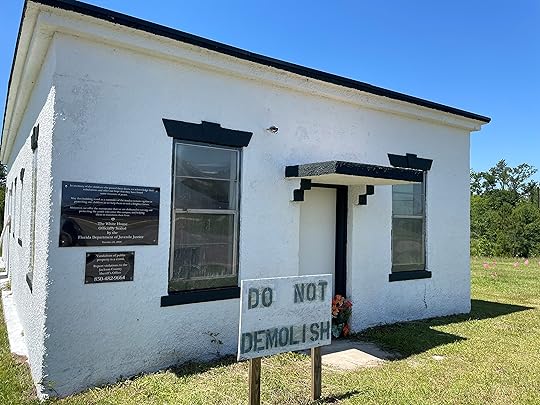
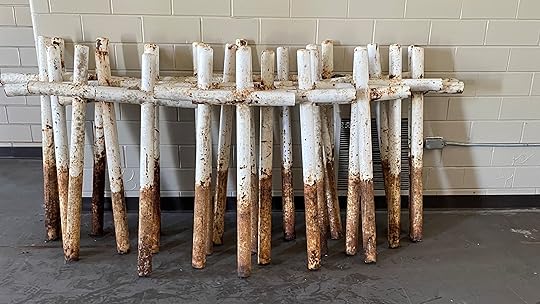
A University of South Florida investigation confirmed what these men have lived with for decades. Children as young as ten were forced to work alongside adult prisoners in phosphate mines, turpentine camps, and cotton fields. Some as young as five were kept in irons and chains—without education, food, or proper clothing. USF anthropologists uncovered fifty-five unmarked graves and documented nearly one hundred deaths at the school.
My new novel, A Death in Arcadia, is fiction—but it draws on these very real atrocities. It explores what happened in Florida’s reform schools and others like them across the country, and why we must never let these stories fade from memory.
Because when institutions built to protect children become the ones that destroy them, silence is complicity.
A Death in Arcadia: A Legal Thriller


December 30, 2025
Want to Understand the Healthcare Crisis? Read My Thriller, The Middleman!
If you’ve been following any of the news about rising healthcare costs—and the crisis over Obamacare subsidies—you’ve probably heard the term Pharmacy Benefit Managers.
PBMs operate largely behind the scenes, yet they play a central role in driving up the price of prescription drugs.
Those inflated drug prices ripple outward, pushing insurance premiums higher and making government subsidies feel ever more urgent. What often gets lost in the headlines is how deliberate this system is—and who profits from it.
From the moment I began writing novels, one thing has never changed: my drive to expose the corruption that quietly fuels our system. Storytelling, for me, has never been an escape from reality. It’s a way to reveal the power struggles most people never see—and the very real harm inflicted every day by self-interested corporate actors on American families.
My books take aim at the corruption elites hope you’ll ignore. Big Pharma fraud. Wall Street misconduct. Corporate schemes designed to enrich a few while hollowing out the lives of millions.
In The Middleman, I wanted to take one of the most misunderstood—and most destructive—players in the healthcare system and make it impossible to look away. Through fiction, I could show how PBMs operate, how their incentives distort the system, and how their actions leave us poorer, sicker, and more desperate. Sometimes it’s easier to grasp hard truths when you see them play out through characters and consequences—when the human cost becomes impossible to deny.
Over the years, readers have asked thoughtful questions about the issues I explore in my legal thrillers. Here are a few of the ones I hear most often—along with my answers:
____________
You’ve built a reputation in real life for taking on powerful corporations. How much of it draws from your real-life experience as a trial lawyer?
I’ve spent my career taking on corporate giants—Big Pharma, Wall Street, and industries that put profits over people. Along the way, I’ve seen firsthand how power is really used and who pays the price when corruption goes unchecked. Thriller writing has become another way to explore these battles, blending real cases with high-stakes storytelling. The stories may be fiction, but the issues are all too real. All the courtroom scenes are real, all the bad guys are real. Every book that I write is based on what happens in a courtroom.
Are your characters based on real people that you have encountered in your line of work?
When I write a character, I’m not racing to label them a hero or a villain. Rather than rushing in to create a hero or villain, I like to let them develop a little. Real people don’t fit into neat categories—and neither should the ones on the page. On both sides, you have cores, you’ve got loyalty, you’ve got courage, or maybe you have a vision that you want that character to develop. It’s also very important to focus on the character's flaws. The challenge is creating someone with contradictions. Strength and weakness. Integrity and flaws.That’s where the truth lives.
Why did you decide to write a thriller series instead of educating people about the injustice and corruption you’ve encountered through another medium?
I began writing legal thriller novels because I developed an understanding that traditional media is so inadequate where it comes to covering governmental and corporate bad conduct. I worked as a political contributor for MSNBC for more than five years and found that even as a regular contributor, it was difficult to tell some of the stories because advertising money had such a remarkable influence on a network’s willingness to kick over rotted logs. The advantage of writing a solidly entertaining and informational type of legal thriller is that I am able to introduce the reader to back stories of some of the biggest and most important civil cases in America in a way that traditional media falls short. I’ve handled cases by the dozens where clear criminal corporate conduct has been forgiven and at times even sanctioned by governmental entities because of an unwillingness for our society to treat white-collar criminals the same as we treat individuals without affluence and political influence. At times, working in this area has helped me understand that often I am the last line in the sand between consumers and horrendous corporate misconduct. That inspires me to write.
Legal thrillers often walk a fine line between realism and entertainment. How did you balance legal accuracy with compelling storytelling?
These legal thrillers, they're not just entertainment. They’re a spotlight, shining a light on the power grabs, the backroom deals, the stuff most folks never get to see. It's about showing how the system gets twisted, how it gets used against the very people it's supposed to protect. I created the character Deke as a vehicle to tell these stories, the stories that corporate media doesn’t tell, the stories you can’t find on social media. They’re thrillers but at the same time they educate you about what really happened behind the scenes. Deke is a vehicle to tell those stories, while also getting the reader invested in the character. You’re rooting for his law firm. You’re riding along with them as they take on the Tobacco industry, the pharmaceutical industry, the Wall Street thieves who steal money from mom and pop.
The Middleman: A Legal Thriller
__
PBMs operate largely behind the scenes, yet they play a central role in driving up the price of prescription drugs.
Those inflated drug prices ripple outward, pushing insurance premiums higher and making government subsidies feel ever more urgent. What often gets lost in the headlines is how deliberate this system is—and who profits from it.
From the moment I began writing novels, one thing has never changed: my drive to expose the corruption that quietly fuels our system. Storytelling, for me, has never been an escape from reality. It’s a way to reveal the power struggles most people never see—and the very real harm inflicted every day by self-interested corporate actors on American families.
My books take aim at the corruption elites hope you’ll ignore. Big Pharma fraud. Wall Street misconduct. Corporate schemes designed to enrich a few while hollowing out the lives of millions.
In The Middleman, I wanted to take one of the most misunderstood—and most destructive—players in the healthcare system and make it impossible to look away. Through fiction, I could show how PBMs operate, how their incentives distort the system, and how their actions leave us poorer, sicker, and more desperate. Sometimes it’s easier to grasp hard truths when you see them play out through characters and consequences—when the human cost becomes impossible to deny.
Over the years, readers have asked thoughtful questions about the issues I explore in my legal thrillers. Here are a few of the ones I hear most often—along with my answers:
____________
You’ve built a reputation in real life for taking on powerful corporations. How much of it draws from your real-life experience as a trial lawyer?
I’ve spent my career taking on corporate giants—Big Pharma, Wall Street, and industries that put profits over people. Along the way, I’ve seen firsthand how power is really used and who pays the price when corruption goes unchecked. Thriller writing has become another way to explore these battles, blending real cases with high-stakes storytelling. The stories may be fiction, but the issues are all too real. All the courtroom scenes are real, all the bad guys are real. Every book that I write is based on what happens in a courtroom.
Are your characters based on real people that you have encountered in your line of work?
When I write a character, I’m not racing to label them a hero or a villain. Rather than rushing in to create a hero or villain, I like to let them develop a little. Real people don’t fit into neat categories—and neither should the ones on the page. On both sides, you have cores, you’ve got loyalty, you’ve got courage, or maybe you have a vision that you want that character to develop. It’s also very important to focus on the character's flaws. The challenge is creating someone with contradictions. Strength and weakness. Integrity and flaws.That’s where the truth lives.
Why did you decide to write a thriller series instead of educating people about the injustice and corruption you’ve encountered through another medium?
I began writing legal thriller novels because I developed an understanding that traditional media is so inadequate where it comes to covering governmental and corporate bad conduct. I worked as a political contributor for MSNBC for more than five years and found that even as a regular contributor, it was difficult to tell some of the stories because advertising money had such a remarkable influence on a network’s willingness to kick over rotted logs. The advantage of writing a solidly entertaining and informational type of legal thriller is that I am able to introduce the reader to back stories of some of the biggest and most important civil cases in America in a way that traditional media falls short. I’ve handled cases by the dozens where clear criminal corporate conduct has been forgiven and at times even sanctioned by governmental entities because of an unwillingness for our society to treat white-collar criminals the same as we treat individuals without affluence and political influence. At times, working in this area has helped me understand that often I am the last line in the sand between consumers and horrendous corporate misconduct. That inspires me to write.
Legal thrillers often walk a fine line between realism and entertainment. How did you balance legal accuracy with compelling storytelling?
These legal thrillers, they're not just entertainment. They’re a spotlight, shining a light on the power grabs, the backroom deals, the stuff most folks never get to see. It's about showing how the system gets twisted, how it gets used against the very people it's supposed to protect. I created the character Deke as a vehicle to tell these stories, the stories that corporate media doesn’t tell, the stories you can’t find on social media. They’re thrillers but at the same time they educate you about what really happened behind the scenes. Deke is a vehicle to tell those stories, while also getting the reader invested in the character. You’re rooting for his law firm. You’re riding along with them as they take on the Tobacco industry, the pharmaceutical industry, the Wall Street thieves who steal money from mom and pop.
The Middleman: A Legal Thriller
__
Stranger Than Fiction

I’ve spent my career taking on corporate giants—Big Pharma, Wall Street, and industries that put profits over people. Along the way, I’ve seen firsthand how power is really used and who pays the price
...more
- Mike Papantonio's profile
- 161 followers

