Hansa Pankhania's Blog
March 21, 2025
How to win in life!
The concept of ���winning��� is really about how you define it and your perspective on it. You can say you won if you get through a year of work without being sacked. Or you could say you have failed because you did not get a pay rise in that year. To me, it is about making the small wins count.
Winning also often comes from losing. It is the lessons and wisdom gained from losses that lead to wins later. Most famous athletes and entrepreneurs have lost and failed at some point in their careers. It is this learning that has made them successful.
To lose is truly to win. Steve Jobs was FIRED from the company he founded! When he returned to Apple over 10 years later, he built it into the most profitable company on the planet. J K Rowling endured depression, physical and mental abuse, poverty and humiliation. Today, we know her as one of the most successful authors to ever live.

Therefore, winning and losing are the natural cycle in life. It is unrealistic to expect that we will win every time. These unrealistic high expectations can lead to stress, depression and performance anxiety.
Everyone can win. Everyone can also lose. It���s through our experiences that we grow and experience success, which only we can truly define for ourselves.
Being dedicated to a pursuit, trying one’s best and travelling the journey purposefully, can be more meaningful and fulfilling for some than winning public accolades and medals. Hence the meaning of ���winning��� is unique to everyone.
As long as you are committed to your purpose, both mentally and emotionally, you are better able to invest yourself and immerse your mind to succeed in whatever you choose to do!
If you believe you have failed, or are feeling unfulfilled in life, we can help you by using coaching as a medium, to explore realistic aims, acknowledge small wins and gain a sense of achievement and success in your life.
About me
I feel blessed and fortunate in my life, so I have committed to serving and helping people make positive changes in their lives to help make this world a better place for everyone.
The work that I do, whether it is working 1-2-1 with a client or training a large corporate group or writing books and blogs, is geared towards making a difference and helping people to enjoy joyous, meaningful happy lives.
All of my books are available to buy HERE
Please share this blog with your friends and family, so that together we can spread the message of personal and planetary well-being which is the greatest gift that we can bestow to others.
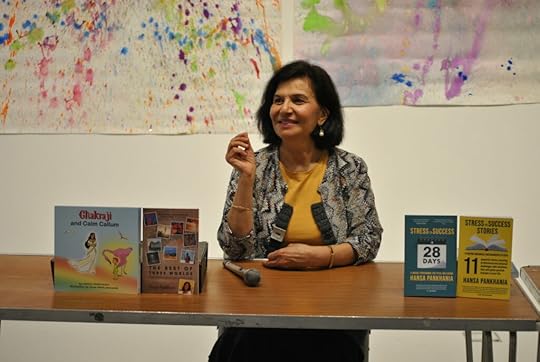
www.aumconsultancy.co.uk for Wellbeing Services.www.hansapankhania.com for self-help books.
The post How to win in life! appeared first on AUM Consultancy.


February 12, 2025
Small actions to solve big problems – without spending a single penny!
What do we need to enhance our life and make this world a better place, in a way which will not cause any financial pressure?
The world is in flux at the moment: Wars, climate issues, religious conflicts and a stark rise in mental health problems are just a few of the major challenges. There are so many issues, on an individual, national and global level, which you have to navigate through your day-to-day life. Politicians have a huge responsibility to address these significant issues, however we can also influence and work towards solutions ourselves.
I believe there are simple day-to-day changes we can make that will not only equip us with a stress-free and resilient life, but will also considerably help address the bigger issues that we are facing.
The good news is that this does not involve enormous amounts of effort or time or money.
As individuals, we do not have much control over the wars going on in parts of the world and we may feel that we have no control over the rising mental health issues or the climate crisis. The truth is that we do have a degree of control and there are many things we can do to influence and resolve these issues.
Problems we are facingWhen I reflect on my childhood and life as a young adult (I have written more on this in my memoir – Best of Three Worlds), I do not recall having to juggle so many conflicting issues. Over the course of my life, things have exacerbated to a point where we are constantly having to cope with more and more in our lives. The last 50 years have seen an increase in capitalism, excessive consumerism, the launch of social media, a significant breakdown in family values, as well as the changing climate.

As a society, we are struggling with multiple challenges every single day. The result is that stress and mental health are rapidly rising for adults as well as children and some of the statistics are alarming:
Cost of Mental Illness in EnglandAccording to Mental Health Statistics UK 2024 from Forth (forthwithlife.co.uk), Mental illness costs England a staggering ��300 billion annually, which is nearly double the NHS budget. This cost includes human, economic, and health-related implications. It is sad to know that the financial burden falls on individuals with mental health difficulties, their families, the public sector, and businesses.
Staff turnover due to mental illness accounts for ��43.1 billion, and lost tax revenues add up to ��5.7 billion.
The stress triggers in the UK (2024)Work-related stress affects 23% of UK adults. The most significant stress triggers include money (39%), lack of sleep (39%), health concerns (35%), family issues (31%) and news-related stress (24%).
Approximately 1 in 7 people in the UK report bad or the worst-ever mental health. Mental Health UK warns of a potential ���burnt-out nation��� due to poor mental health.
Mental health issues for children are shockingMental health statistics from The Children’s Society (childrenssociety.org.uk) say that over the past year, the number of primary age children in England waiting or undergoing treatment for mental health problems has surged by a staggering 28%. This surge surpasses any increase observed in adult age groups. More than 165,000 children between 6- and 10-year-old were in contact with an NHS mental health service. The number of urgent emergency referrals for children has doubled from the previous year indicating a growing need for immediate intervention.
The Climate CrisisIn addition to the above, the other issue that is causing anxiety for all of us is the ongoing climate crisis.
Did you know that the UK is one of the most nature-depleted countries in the world? New findings from The Big Plastic Count estimate that the UK throws away 1.7 billion pieces of plastic each week – which equals around 90 billion items every year.
This issue is not just out there in distant countries. It is right here on your doorstep, and we see this daily in the changing and unpredictable weather conditions. More of us are having to cope with the risk of flooding, plastic pollution, food shortages and a rise in energy bills. It is a situation that we can no longer ignore, and we all must embark on a path towards more sustainable living.
Climate change is not just an environmental issue; it has a profound impact on our emotional well-being. From eco-anxiety to despair, climate change can drive an array of emotional consequences. Driven by rising global temperatures and extreme weather events, it is not confined to its physical manifestations. Its effects extend into the emotional realm, influencing how you feel and respond to the world around you. Understanding these emotional responses is crucial for addressing your emotional well-being and that of your community.
You and I are part of the solutionI have been working as a counsellor, stress reduction and well-being trainer, and author for nearly 30 years. During this time, I have paid close attention to the issues my clients have been facing and have specifically written about the topics which are a catalyst for seismic positive changes in their lives. The solutions I offer in my books don���t just address the above issues, they also enhance well-being and enhance the happiness and meaning in your life.

These solutions are not complex and are based on common sense humanitarian and natural laws:
We need to fall back on natural coping strategies, which will not further harm your bodies and minds.
We need compassion and empathy to stop all the problems that our differences are propagating in the world.
We need to be frugal to save the natural resources of the planet, as this will address the financial concerns and damage to the planet caused by the climate crisis.
What do you need to make life easier for you and your loved ones, plus make this world a better place?I have carefully chosen the above topics and written about them at length in my 10 books. The aim is to help clients, friends and family live a more resourceful and resilient life, and have influence on society by taking control. All the solutions that I present in my books are aimed at addressing the current and forthcoming difficulties that we are facing on an individual, national, and global level.
If you are worried about stress and mental health at home and at work then my two books Stress to Success in 28 Days and Stress to Success Stories will give you simple natural and above all, cost-free techniques to use in your daily life, no matter how busy you are. These techniques will help keep you stress-free and strong, so you can cope with everyday challenges and alleviate future mental health problems.
As for children, we need to start as early as we can to help them learn minor natural coping strategies that will become a way of life for them as they become adults. This is to help ensure they fall back on natural coping strategies, rather than develop a reliance on external stimulants, such as alcohol and drugs. The regular use of these basic interventions will help them manage change and challenges for the rest of their lives.

These are presented in my series of picture books for primary aged children: Chakraji Relaxation Series, which teaches natural breathing and visualisation techniques that assist children with day-to-day worries and anxieties. These books also help children build emotional strength from an early age. They can then use this as a foundation for a resilient life.
If you want to be an active participant in reversing the problems caused by the changing climate and want to accelerate your journey to living an eco-friendly life, then my latest book Best of One World is for you. It helps you to embark on this path by taking small effortless steps towards sustainable living. It contains 60 simple steps that you can work through at your own pace.
Once I got on this journey myself, I discovered that living an eco-friendly life is not just good for the planet and our future generations, but is also excellent for our own well-being and deep sense of purpose in life.
ConclusionI passionately believe that the solutions to our individual, national and global issues are not as complex as we think. We need to go back to basics and live simple minimalistic lives that foster care and compassion for all living beings.
The absence of all the above is contributing to the rise in stress and anxiety for all of us, our children and their future generations.
Taking small steps will help stop you from worrying and being anxious about what is currently going on in the world. It will also help you feel more in control and give you a sense of achievement and fulfilment that you are part of the solution.
In summary, adopting a few natural techniques for stress relief in your day and taking a couple of small steps to work towards living an eco-friendly life does wonders for your own health and happiness as well as securing a thriving planet for your children and their future generations. Embarking on this path to a sustainable, joyful and meaningful life today means we are all working together and part of the solution!
About me
I feel blessed and fortunate in my life, so I have committed to serving and helping people make positive changes in their lives to help make this world a better place for everyone.
The work that I do, whether it is working 1-2-1 with a client or training a large corporate group or writing books and blogs, is geared towards making a difference and helping people to enjoy joyous, meaningful happy lives.
All of my books are available to buy HERE
Please share this blog with your friends and family, so that together we can spread the message of personal and planetary well-being which is the greatest gift that we can bestow to others.
www.aumconsultancy.co.uk for Wellbeing Services.www.hansapankhania.com for self-help books.
The post Small actions to solve big problems – without spending a single penny! appeared first on AUM Consultancy.
January 8, 2025
How to inject more positivity into your life
Negative thinking habits can start in childhood, occur after a setback in life or they can be inherited from someone close in our lives. Years of negative thinking habits can spiral into a crisis at some point.
A crisis often makes you reflect on your priorities. You come to the realisation that the flash car, big house, high-level position at work et al are not going to make you happy and give a sense of inner fulfillment. But what will help is having a healthy, strong, resilient physical body, plus friends and family for support.
Most importantly of all, having a healthy positive mindset will eventually heal you and unleash a positive transformation in your life.
But how do you break a negative thinking habit that is deeply ingrained?
Here is a process that will help inject positivity and ignite an upward spiral of good health, happiness and joy in your life:

Start a positive biography
Take one year of your life at a time, starting with your earliest memory. Make a list of everything positive from that time. Your interests, achievements and any kind actions you did for others or yourself. You can do this together with your family and friends, as they can remind you of things to add.
Now write a short life story, only focussing on the feel good and positive aspects of your life.
Add photos and images, videos and anything else that will reinforce those memories. Then talk about it with others and share it as much as you can. Go over your positive biography last thing just before you go to bed so it sinks deep into your psyche.
Keep adding to this as much as time permits.
This is also a great project to do with children, as it will help them to grow up with a strong sense of self and confidence.
Every day make a list of what you have and what has gone well with your friends and family instead of fearing the worst. It is no-good worrying about something which may never happen, but remember that what you have now is real. So be thankful for that.
Learn to give gratitude for the beauty around you as we are all connected with the same energy.
That beautiful sunrise or fragrant flower are a manifestation of the same force within you. It is an expression of your self-love. According to the law of attraction, the energy we vibrate out attracts more of the same, so when you get out of a negative state and move to a joyful state, you attract more happiness into your life. When you are feeling good, there is no resistance to the things you want to attract in your life.
Acknowledge every good aspect of your life as an expression of love and acceptance from yourself to yourself.
If you find it hard to let go of negativity in your life and want help in transforming to a life overflowing with positivity and success, then get in touch for your free 20-minute consultation.
You can find more guidance on this in my b
About me
I feel blessed and fortunate in my life, so I have committed to serving and helping people make positive changes in their lives to help make this world a better place for everyone.
The work that I do, whether it is working 1-2-1 with a client or training a large corporate group or writing books and blogs, is geared towards making a difference and helping people to enjoy joyous, meaningful happy lives.
All of my books are available to buy HERE
Please share this blog with your friends and family, so that together we can spread the message of personal and planetary well-being which is the greatest gift that we can bestow to others.
www.aumconsultancy.co.uk for Wellbeing Services.www.hansapankhania.com for self-help books.
The post How to inject more positivity into your life appeared first on AUM Consultancy.
December 13, 2024
The 12 blogs of Christmas
2024 has been a busy year for AUM. We���ve been delivering our training courses, coaching sessions and counselling, whilst also writing and promoting our books. Regardless of what it is, all of our work has one single aim – to help you achieve maximum well-being, so you can thrive, whilst feeling healthy and happy.
Another key part of our work is writing monthly blogs each month. We love writing these blogs, but it���s also great to get feedback from you about how these blogs have helped to enhance your coping skills and wellbeing.
With that in mind, our final blog of 2024 is an overview of some of our most popular articles over the past few years. Hopefully, you will have some time over the Christmas break to go through these tips and techniques. It will also be great if you can share these articles with your loved ones and give them the gift of optimum well-being.
So without further ado, here are 12 of our most popular blogs.
Compassion and kindness this ChristmasLet���s start with some seasonal tips on how to chill out and have the best ever Christmas, with care and compassion.
 The power of blessings and wellbeing
What do you want to attract for yourself in the future? This blog explains how the answer lies in the power of blessings.
Raise your wellbeing vibrations!The energy and frequency of vibrations around you have a huge bearing on your wellbeing. This blog looks at five ways you can raise your physical and mental wellbeing and happiness frequency.
Coping with money stressMoney is one of the most common causes of stress, especially at Christmas. So here are some simple (and cost free!) actions you can take to help ease your stress and successfully deal with your financial difficulties.
Fast track your financial wellbeingStaying on the topic of money, this blog looks at how reusing, recycling and buying less can be the keys to financial wellbeing.
Ignite your spiritual wellbeingFind out how you can protect the planet whilst travelling forward on a path to spiritual enlightenment.
Accelerate your social wellbeingWhat are the common signs of social wellness? This blog explores that issue and gives you some expert tips for accelerating your social well-being.
Enhance your physical wellbeing and the environmentWhat can you do to enhance your physical wellbeing in a way that will also help to heal the planet? Read this blog to find out.
 Mental and emotional wellbeing, the eco-friendly way
Find out how you can strengthen the neurons in your brain, as well as nourish your mental and emotional wellbeing in an eco-friendly way.
How to live a psychologically rich lifeA psychologically rich life is one characterised by a variety of interesting and perspective-changing experiences. In this blog, we explain how you can achieve this.
Enhance your communication skillsThis extract from Stress to Success Stories looks at the importance of listening, how to communicate in difficult situations and other key areas that will enhance your communication skills.
How reading can accelerate your wellbeing ��� 12 compelling reasons why you should read regularlyLast, but not least, here are 12 compelling reasons for reading that ca
About me
I feel blessed and fortunate in my life, so I have committed to serving and helping people make positive changes in their lives to help make this world a better place for everyone.
The work that I do, whether it is working 1-2-1 with a client or training a large corporate group or writing books and blogs, is geared towards making a difference and helping people to enjoy joyous, meaningful happy lives.
All of my books are available to buy HERE
Please share this blog with your friends and family, so that together we can spread the message of personal and planetary well-being which is the greatest gift that we can bestow to others.
www.aumconsultancy.co.uk for Wellbeing Services.www.hansapankhania.com for self-help books.
The post The 12 blogs of Christmas appeared first on AUM Consultancy.
November 6, 2024
How to avoid burnout and achieve optimum resilience
What leads to burnout?
Let���s start with the concept of perfect health and wellbeing and how stress wears that down over a lifetime. Our bodies have to cope daily with multiple internal and external variables that either contribute to or erode health and wellbeing.
First, imagine your perfect body, each cell at its healthiest, thriving and growing when you are born. Now imagine this being eroded over a lifetime at the cellular level with internal and external factors.

Internal Factors
The internal psychological factors can be early childhood trauma, attachment issues or lack of unconditional love which may lead to the belief that you are not important, loved and worthy. Imagine every cell in your body listening to these negative messages, anxiety creeping in, building up over the years disrupting the natural balance of growth by the impact of negative emotions such as hurt, sadness, anger or guilt. To this, add the physical things you put in your body such as junk food laden with sugar and chemicals, plastic through food packaging, smoking, alcohol, or drugs.
External Factors
Then there are the external factors. Relationships, school, work, traffic, pollution and climate change.
Remember, every cell in your body is responding and being corroded by all this toxic matter.
Now imagine what might have happened to your perfect body and every cell in it.
No wonder that illness, tiredness, and anxiety now have crept in. For some people, it happens much quicker while for others it is a slow burnout.
How do you know if you are burnt out?
These are the common signs:
Feeling tired and exhaustedIrritableWithdrawing from friends and familyApathyLack of direction and meaning in lifeNot able to feel joyOveractive mindLosing interest in things you previously enjoyedPhysical illnessExcessive broodingFeeling numbFeeling of emptinessFeeling stuck and trappedWhat can you do about it?
The process of burnout had crept in over a period of time, so do not expect it to be resolved overnight. Approach it as a step-by-step journey of recovery. Making changes takes time and effort, at a time when you are feeling apathetic and low in energy.
To begin your wellbeing journey, take a habit you already do every day, and pair it with a simple new one you want to begin. For example, when you have your morning cup of tea, pair it with a few breathing techniques. Once you have established this pattern you combine another new habit with an old one such as replacing vegetables with an unhealthy item of food. This way you master the art of building new habits one after the other until you fully recover.
How can therapy help?
Therapy can be invaluable in supporting you on this journey. The feeling of being listened to with the attitude of care will help you out of the stuck state that burnout may get you into. The therapy can provide you with a safe non-judgmental space to explore your difficulties and release feelings that may be bottled up inside you. This feeling of being accepted will motivate small actions that eventually lead to bigger changes that aid your recovery.
Some forms of psychodynamic therapy will help you identify childhood traumas that may have contributed to your burnout whereas others such as CBT will help you reframe and overcome your negative thinking and map out small action points, that lead to a zest for life once again.
About Hansa
Hansa Pankhania is an Author, Wellbeing Coach, Counsellor, Speaker.
www.aumconsultancy.co.uk for Wellbeing Services.www.hansapankhania.com for Self-Help Books.
The post How to avoid burnout and achieve optimum resilience appeared first on AUM Consultancy.
October 28, 2024
5 Tips on how to sparkle with your inner light this Diwali
Of course, Diwali is about mithai, scrumptious food, dinners with family, new clothes and all that goes with the celebrations, but what else can you do to galvanise the true meaning of Diwali?
Diwali is about light over darkness and marking the return of Lord Ram from his exile after 14 years, but what does this mean for you as a person and human being? You will light all those Diyas and candles this Diwali to light up your house, but what about your inner light? As well as the Diyas and candles, your inner light should shine through to your loved ones all the time, but especially around Diwali.

Here are 5 tips that will ensure you glow and sparkle with your true inner light.
Approach everyone with love and compassion and let go of old resentments. We will no doubt have to spend time with members of the family with whom we do not have good relationships with. Do not hold onto old wounds as these eat away at your insides, not theirs. Take regular intervals and recharge your batteries. Even a 5-minute break can work wonders. It can be exhausting trying to get it all in, cooking, cleaning, and conversations all at the same time.Include small acts of kindness leading up to the frenzy of Diwali day. The festive season is about compassion, not just presents, food and parties. Do not forget to be kind to others. It can be a small gesture like giving way to a car in heavy traffic, helping someone with loading their shopping, smiling, or giving a small, unexpected gift to your hairdresser / local shopkeeper.Accept all gifts with genuine gratitude instead of being fussy. The people who have given you presents have put in some or a lot of effort in getting the present to you. From the point of thinking about what to buy, looking for the item, buying the item, buying wrapping paper, wrapping it, bringing it and giving it to you. Reflect on all the good things in your lives and give gratitude. In conversations with family and friends during the celebrations, talk about good times instead of moaning and complaining. You can even play a game where you gather ‘good things’ on post-it notes and build a gratitude pot. The person with the most in their pot is the winner.However, if you practice the above 5 tips and draw out your inner shine, it will ultimately make you the winner, not only during Diwali but throughout your life.
Hansa Pankhania is an Author, Wellbeing Coach, Counsellor, Speaker.
Wishing you all a loving, peaceful and memorable Diwali from the team at AUM Wellbeing Consultancy.
www.aumconsultancy.co.uk for Wellbeing Services.www.hansapankhania.com for Self-Help Books.
The post 5 Tips on how to sparkle with your inner light this Diwali appeared first on AUM Consultancy.
September 2, 2024
10 Tips to Let Go of Anger
I have written many blogs about anger management. In them I discuss a few simple techniques to deal with anger, such as breathing and counting to ten, walking away, offloading your feelings by writing them out, going for a brisk walk and so on. These are all valid and effective techniques, and I continue to promote them with my clients. But letting go of anger is not just about those simple techniques – there is a lot more to anger.
Anger goes deep and as far back as your childhood and the messages passed on by the people around you – parents, grandparents, siblings, teachers and so on.
Ask yourself this question: What do your daily actions, attitudes, beliefs and character say to your children and the people around you? Is what you do, contributing to making them angry or diffusing anger?
Attitudes and behavioursLet���s talk about some attitudes and behaviours we can cultivate to make us less angry and more peaceful. When you have mastered these, the effects will cascade, fostering calm and peace in others. The application of some of the below may not be as easy as it sounds, but it is not impossible either.
1. Use compassion rather than confrontation
Most of us have witnessed a scenario when one person starts shouting, somebody then shouts back, anger escalates and sometimes even becomes physical. Imagine the opposite, one person shouts and displays aggression and the other talks back calmly and with kindness. The chances are the anger dissipates, breaking the confrontational cycle. Acting from compassion is more effective than acting from pity or hate.
Try to believe that no one is the enemy, as we are all connected. It makes sense to seek a solution instead of proving we are right or better than others. The angry other person is still an individual with worth and value, so connect from this point, rather than from outward aggressive behaviours.
���Don���t be angry until you have walked in their shoes for a few miles��� (Mahatma Gandhi)
Take an example of a girl who was bullied for being overweight. Previously, whenever she was bullied she retaliated, which sparked the bullies to bully her more and the situation kept escalating.
Out of desperation, she tried a different approach. She responded with love and kind words to the bullies which disarmed them of the power that they held over her and slowly the situation calmed down. Loving the hater is not easy but can be done.
2. Learn assertion skills
Anger can lead to an inability to express our needs calmly and clearly. You speak loudest by not yelling, and by demonstrating your point with constructive action.
Learn to say no. A simple ���no���, uttered with conviction is better than a superficial ���yes���. How can we change anything unless we have the courage to say what is wrong?
Think carefully before you respond to an angry person. Think carefully before you respond to anyone for that matter, and remember that your words will hurt or help the world. Find the right words before you speak.
3. Make time for solitude
Nowadays, children go from school to a multitude of different activities (gymnastics, piano, extra tuition etc), then come home, have a rushed dinner, do their homework, and then go to bed. Where is the time for rest and solitude? Is it any wonder that they end up as angry adults? Life does not need to be faster, but more peaceful. Having regular time away in the quiet to make sense of the information overload and experiences of the day is pertinent. In the absence of this downtime, anger builds up, leading to confusion and lack of direction. This is equally true of adults in our fast-paced culture.
Allow yourself and your loved ones the opportunity to learn mindfulness and meditation to appreciate the benefits of solitude.
4. Make time for self-care
Anger is often triggered when you are tired and run down so take care of yourself. As well as keeping healthy physically, work on being morally and ethically strong. In the absence of this, it is easy to feel judged by others and to judge the self harshly. Anger stems from the fear of being judged and judging others.
5. Stay connected to humans
In this digital world and the influx of social media, the danger is that we lose connection with real people. Delving into more and more screen time means we are neither alone as we have hundreds of virtual friends but not truly connected either. A sort of state of flux. Parents set the example of not being there for their children when constantly glancing at their phones or texting and engaging in social media.

Pick the phone up, make that long overdue visit and connect with real people or we will lose the skill of human communication. This lack of connectivity and emotional expression leads to frustration and anger.
Connecting is not just talking to real people but listening to them as well. Most of us are familiar with ���you are not listening��� retorts from an angry child or adult. If people have full attention when they need it, they will be less likely to be angry and lash out.
Emotional release and permission to express oneself safely enhance relationships and help build a connected rather than competitive community. The reverse generates anger and insecurity.
6. Build on spiritual strength
Aim to relate with love and truth as hate spurs anger and revenge has no gains.
���An eye for an eye makes the whole world blind��� (Mahatma Gandhi).
Listen well and gain the other person’s perspective, working towards forgiveness. Forgiveness is never about letting the other person off the hook. It is more about you letting go of the burden of holding on to the anger indefinitely, which would eventually have repercussions on your mental and physical health.
Make a goal every day to be better than what you were the day before.
7. Self-worth versus acquisitions
For many people, there is a large emphasis on acquiring materialistic belongings. Acquisitions do not make us better people or build inner strength and confidence, the lack of which creates anger. There is more joy in the things we create. The current ���throw-away��� culture and excessive consumer choices mean that we buy and discard a lot of items. Possessions do not define our worth, but the things we create do. We may spend more time choosing from the twenty brands of biscuits in the supermarket rather than the pleasure of eating a few biscuits we have baked ourselves. As they say, less is more.
The least angry people are not the ones with the most money but those who appreciate the beauty and goodness around them.
8. Integrity and humility
Parents can help children avoid lies by treating their desires with honesty and respect. If parents lie, they are setting an example that this is an acceptable coping strategy. Lies are like sand, they cannot create a solid foundation, only a shaky and insecure one. There will be anger when the sandcastle eventually topples. Anger often dissipates when one senses the truth in one���s motives and the authenticity of passion.
We all like to take credit for our achievements but the truth is nobody succeeds on their own. Recognise and appreciate other people���s contributions. As individuals, we grow and flourish when connected to the larger flow of a family and community.
9. Model love and respect
Children learn certain things from textbooks, but they can learn more from the examples and characters modelled by the significant others around them. Live what we want our children to learn. Children will be less angry and will flourish if they are respected and not asked to undertake something that the parents would not undertake themselves.
Often, we are too engrossed in leaving a material inheritance or legacy – the house, business, or jewellery – and do not have time to consider the ethical or moral legacy; the parenting style and messages that foster love and respect. The lack of this often resounds for generations and causes much anger and sadness. I feel sad when I hear this from clients, ���My mum never hugged me or said that she loved me, because that is how she grew up. My grandma was the same���.
Love does not necessarily need words, it can be expressed in actions, such as not making people feel they are a burden or sacrifice. Instead, show them they are your ultimate joy, pleasure and priority in life. People sense our love as well as our distraction and resentment of them, simply by the look in our eyes, our expressions and our daily actions.
���An ounce of practice is worth more than tons of teaching��� Mahatma Gandhi
10. Acceptance
Discrimination means we choose not to see the value of people who may appear different to us rather than viewing people with dignity and seeing the good in them. Learn about diversity and be open-minded and curious about different cultures.
As humans, we all have imperfections and weaknesses, which make us angry, but a simple gesture of love and tenderness can set off a transformation that diffuses the anger. Focusing on someone���s shortcomings and criticism may backfire and bring about a defensive or rebellious reaction. In contrast, giving praise, admiration, gratitude, generosity and encouragement will promote positive behaviour.
Final thoughts
���When you point a finger at someone, you have three fingers pointing back at you��� Mahatma Gandhi.
Instead of looking at what is wrong with others, we need to look at how we can become better human beings and make a difference to people and the planet. Look beyond labels and find good in all. Look for commonalities rather than differences which fosters anger. Ultimately, we are all outsiders to someone or another.
Finally, anger is like electricity, if used well it can fuel you to move forward and get to a better place. If we abuse or misuse it, it can kill us.
(This chapter is inspired by the book Gift of Anger by Arun Gandhi, who is the grandson of Mahatma Gandhi)
About Hansa Pankhania
Hansa is a Speaker, Corporate Wellbeing Coach and Author of 10 published books for adults and children.
In her books, Stress To Success In 28 Days and Stress To Success Stories, she is passionate about sharing natural wellbeing techniques that are cost-free, and easy-to-implement but nourish your body, mind, and soul in powerful ways.
Her Chakraji Children���s Relaxation Series passes natural wellbeing tips to primary age children using colourful illustrations.
She has also published her memoir Best Of Three Worlds about being born in Kenya as a British subject of Indian origin and the fusion of three histories and cultures.
Her latest book ��� Best Of One World ��� 60 steps to a sustainable, meaningful and joyful life helps you save money and boost your wellbeing and that of our planet too.
All her books are available through Amazon and her websites.
Visit- www.hansapankhania.com for her books
And ��� www.aumconsultancy.co.uk for Wellbeing Services
Text- +44(0)7888747438
The post 10 Tips to Let Go of Anger appeared first on AUM Consultancy.
April 28, 2024
How to live a psychologically rich life
Being rich is commonly associated with having a hefty bank balance, but in this blog, I talk about another kind of richness – psychological wealth. But why should someone desire psychological richness?
A psychologically rich life is one characterised by a variety of interesting and perspective-changing experiences. Feeling happy and that your life has meaning are both associated with better health and relationships. From an evolutionary perspective, such people can be more resilient and might cope better in difficult and changing environments. Psychological richness could also protect against boredom. Psychological wellbeing leads to a feel-good feeling, which is characterised by plenty of positive emotions and general life satisfaction. In addition, the feeling that your life has meaning and that you are realising your potential.
Consider the differences between material wealth and psychological wealth. Material wealth, which can be money or other assets, is often tangible. For me, the psychological equivalent of material wealth is our experiential stories. They might include our happy memories and the meaningful contributions we make to other people’s lives. But when it comes to psychological richness, sometimes even difficult experiences help us grow and see things in new ways that can add to our wealth. That’s because those are often the experiences that we tend to treat with care and reflection, which then turn into insights and observations that we can carry with us and share with others.
A psychologically rich life transcends mere happiness and meaning. It is a life characterised by a plethora of fascinating and perspective-altering experiences. This lifestyle includes factors such as:
Variety and Novelty: A psychologically rich life thrives on diversity. It revels in new, interesting encounters that ignite curiosity and broaden our mental horizons. Whether it’s exploring an uncharted trail, learning a new language, or engaging in a thought-provoking conversation, variety keeps life vibrant.
Emotional Intensity: This life isn’t afraid of intense emotions. It embraces both the highs and lows—the euphoria of achievement, the ache of loss, the thrill of adventure, and the warmth of connection. These emotional peaks and valleys add depth to our existence.
Complex Mental Engagement: The psychologically rich life is intellectually stimulating. It involves grappling with intricate problems, pondering abstract ideas, and seeking out challenges. It’s not content with superficial answers; it craves mental gymnastics.
Perspective Shifts: Imagine standing on a mountaintop, gazing at the world below. That’s what this life offers—an array of perspective-changing moments. It’s the sudden realisation, the paradigm shift, the “aha” that alters how we perceive reality.
Beyond Monotony: Unlike lives that tread predictable paths, the psychologically rich life is rarely boring or monotonous. It dances between pleasant and meaningful experiences, occasionally veering into uncharted territory where neither label applies.
Oishi & Westgate (1)state that if a positive mindset facilitates a happy life, and moral principles facilitate a meaningful life, then curiosity and spontaneity will facilitate a psychologically rich life. Sometimes, people can be so obsessed with happiness, that they actively strive to stir their lives in one direction—that of positive emotions and comfort. But life is unpredictable, and unfortunately, not always pleasant. Psychological richness entails accepting life as it happens, in its entirety. If we consider stories that we accumulate and share with others as the currency of psychological richness, many of our experiences can lend new insights and propel us towards growth, thus adding up to this wealth.
If the outcome of a happy life is personal satisfaction and the outcome of a meaningful life is a societal contribution, then the outcome of a psychologically rich life is wisdom. This is illustrated in the diagram below:

The Garden Metaphor of Wellbeing
To explore the three constructs of well-being differently, consider the metaphor of a beautiful garden. You might feel hedonic well-being whenever you are greeted by the lovely blooms as you stroll through your garden. You might experience eudaimonic well-being as you revel in the sense of purpose you receive from tending to your garden and sharing its gifts with others. According to Oishi, psychological richness arises as you embrace the uncertainty of how your garden undergoes seasonal changes.
The landscape of the garden is in constant flux. Its diverse inhabitants from the plant and animal kingdoms follow nature’s lead. As you watch your garden metamorphose through the seasons—aflush with colour and harvest in one, barren and dormant in another—you might recognize the wealth, wonder, and wisdom of life’s unfolding, to which you also belong. A change of perspective is an indication that we were able to digest the novelty, complexity, and depth of the experience in new, insightful ways.
Literature and arts can significantly contribute to a psychologically rich life
Great literature, poetry, film, music, and art can significantly enrich our lives. Humans created art and culture to essentially help themselves go through a wealth of experiences second-hand. As Marcel Proust wrote in In Search of Lost Time, a novel can help us experience the joys and sorrows of someone’s entire lifetime within a matter of hours. While first-hand experiences are obviously more real, sometimes the imaginary worlds that novelists craft can be as vivid.
In summary, while happiness and meaning matter, a psychologically rich life adds another layer of fulfilment—one that stems from a tapestry of captivating experiences and shifts in perspective. So, perhaps the good life isn’t just about being happy or finding meaning; it’s also about being psychologically enriched.
A happy life is a great life. A meaningful life is a great life. But at times, when happiness and meaning are hard to come by, or if you are not predisposed to them, you can still experience well-being and have a good, admirable life by leading a psychologically rich life.
Adopted from the work of Professor Oishi who is a social psychologist at the University of Virginia
References
Oishi, S., & Westgate, E. C. (2021). A Psychologically Rich Life: Beyond Happiness and Meaning. Psychological Review. Advance online publication1.Vittersø, J. (2016). The Good Life: Well-Being and the New Science of Altruism, Selfishness, and Immorality. Cambridge University Press.
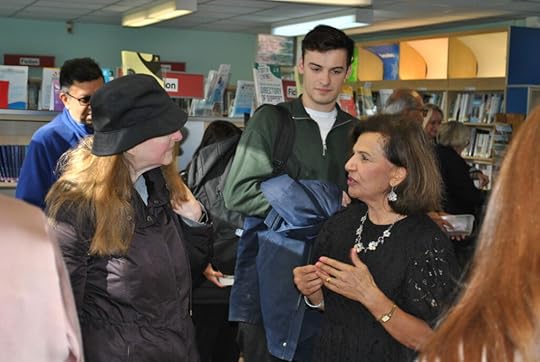
About Hansa Pankhania
Hansa is a Speaker, Corporate Wellbeing Coach and Author of 10 published books for adults and children.
In her books, Stress To Success In 28 Days and Stress To Success Stories, she is passionate about sharing natural wellbeing techniques that are cost-free, and easy-to-implement but nourish your body, mind, and soul in powerful ways.
Her Chakraji Children’s Relaxation Series passes natural wellbeing tips to primary age children using colourful illustrations.
She has also published her memoir Best Of Three Worlds about being born in Kenya as a British subject of Indian origin and the fusion of three histories and cultures.
Her latest book – Best Of One World – 60 steps to a sustainable, meaningful and joyful life helps you save money and boost your wellbeing and that of our planet too.
All her books are available through Amazon and her websites.
Visit- www.hansapankhania.com for her books
And – www.aumconsultancy.co.uk for Wellbeing Services
Text- +44(0)7888747438
The post How to live a psychologically rich life appeared first on AUM Consultancy.
April 3, 2024
Enhance your communications skills
The following is an extract from Stress to Success Stories – 11 powerful stories covering professional and personal challenges with solutions that will ignite positive changes in your life.
“Parveen Ghilani hated carrying out appraisals. Something always went wrong, and she never felt she could get her point across. Today’s meeting had illustrated these problems perfectly. She had been trying to explain to Charles, her youngest member of staff, that he needed to concentrate more and stop making silly clerical errors which were causing serious repercussions for the team. Unfortunately, it had just sounded as if she was telling him off and he had, understandably, become upset. She knew she was struggling to motivate her staff and get results. She knew she lacked confidence in telling people what to do and did not have the skills to manage them in the right way.
Frustrated, Parveen walked back to her office, slammed the door behind her and slumped down on her chair, banging her file on her desk as she did so. This management role was not shaping up as she had hoped. She thought back to when she had been made team manager. She had worked as a social worker for fifteen years and had been excited and proud of her promotion. She had not foreseen that she would find her dream job this difficult.
The early part of her career had been enjoyable and rewarding. She had been able to apply her personal values to satisfy her desire to help people and to make a real difference to their lives. Her thoughts went back to one of her first cases – that of a young teenage mother of two children who she had helped to re-house and provide the support she needed in parenting skills. She had also helped her find a part time job in a hospital kitchen. Parveen remembered how fulfilled she had felt when she had got home from work that day after seeing the look of relief on her client’s face and hearing her words of gratitude.
That had been before the cutbacks in public funding and the changes in organisational structures. Since then, those resources were no longer available. Parveen and her colleagues felt frustrated and powerless as they fought for the time and funding necessary to make positive changes for their clients. They began to feel overwhelmed and dissatisfied with the mounting paperwork and automated processes that were being introduced.
After five years of struggling as a senior social worker, a vacancy for team manager came up in another team. Parveen leapt at the chance. At the interview, she spoke confidently and passionately about the vital work of social care, convincing the interview panel that she was the perfect person for the job.

To her dismay, after a year in her management post, Parveen was discovering that being a social worker and a manager were not the same thing at all. She had the clinical experience necessary to guide her staff but had soon become conscious that she had no management skills at all. Her senior manager told her there was no funding to send her on a management skills course. The best he could offer were online courses on the company intranet that she could do in her own time.
She was convinced that she had to do something to help herself. Last week she had cried in her office after someone from her team had shouted at her in front of another staff member. He had been angry because he could not help his client, who was in desperate need of childcare for her toddler. The funding for nursery places had been cut back yet again and Parveen had told him there was nothing she could do to change that.
As a manager, she felt more stressed than she had ever felt. Of course, the extra money was useful – in fact it had already been spent. But she wondered time and time again if all the additional pressure was worth her lovely new conservatory extension. These days, when she got home from work, she was exhausted. The wonderful feeling of satisfaction she had felt ten years ago, like the time she had helped that desperate young mother to find housing and employment, was now gone. She wondered what she could do.
She hated online courses but was forced to accept that there was no other option. Her body knotted up with frustration. She picked up her file and thumped it down on the desk with a force that startled her. The office phone let out a piercing shrill at the same time.
“Ohhhh … go away … I don’t want to speak to whoever you are!” she heard herself blurt out loudly.
She knew she must calm herself and so, went on to direct her thoughts towards the breathing technique she had learned in her yoga class. She focused her attention on her body and the movement of her breath. After a few minutes, feeling a little more settled, Parveen reached for her computer and logged on to the company intranet.
There were a few courses to choose from: Communication and Assertiveness Skills, Managing Conflict, Management Skills. Parveen decided that the first one was what she needed and clicked on the link for more information.
“Seven hours!” she exclaimed. “Where am I going to find seven hours to do this?” She thought she may have to give up that day she had planned to spend with her sister. She glanced at her diary, realising she was already ten minutes late for a Safeguarding meeting.
When Saturday came, she asked her husband to take their daughters shopping and to the cinema, so she could make a start on the online course. She had rung her sister and postponed their shopping trip to the new shopping centre in the city. She tried to put her resentment aside and turned on her computer.”
All the chapters in Stress to Success Stories contain real life examples similar to Parveen’s tale. These stories are followed by examples of how you can work through three issues and thrive. In the case of Parveen’s story, I look at the importance of listening, how to communicate in difficult situations and other key areas that will enhance your communication skills.
About Hansa Pankhania
Hansa is a Speaker, Corporate Wellbeing Coach and Author of 10 published books for adults and children.
In her books, Stress To Success In 28 Days and Stress To Success Stories, she is passionate about sharing natural wellbeing techniques that are cost-free, and easy-to-implement but nourish your body, mind, and soul in powerful ways.
Her Chakraji Children’s Relaxation Series passes natural wellbeing tips to primary age children using colourful illustrations.
She has also published her memoir Best Of Three Worlds about being born in Kenya as a British subject of Indian origin and the fusion of three histories and cultures.
Her latest book – Best Of One World – 60 steps to a sustainable, meaningful and joyful life helps you save money and boost your wellbeing and that of our planet too.
All her books are available through Amazon and her websites.
Visit- www.hansapankhania.com for her books
And – www.aumconsultancy.co.uk for Wellbeing Services
Text- +44(0)7888747438
The post Enhance your communications skills appeared first on AUM Consultancy.
February 27, 2024
Spotting the signs of work related stress
I have been working in the corporate domain as a counsellor and trainer on wellbeing for over 25 years and almost half of my clients invariably present with issues related to trauma in the workplace.��
The causes of people taking time off work due to poor mental health are complex. A Mental Health UK study reveals that poor working relationships and processes could be pushing people into burnout, with more than one-third of working adults (35%) saying they do not feel comfortable letting their line managers or senior leaders know if they are experiencing high or extreme levels of pressure and stress at work.
The report also showed that almost one in three (31%) said being bullied or intimidated by other colleagues had caused stress in the last year. The survey suggests workplaces could be ill-prepared to support staff experiencing high levels of stress, with nearly half of workers (49%) saying their employer doesn’t have a plan to spot signs of chronic stress and prevent burnout, while a further 22% don’t know if their employer has such a plan in place.

You can identify work related stress signs in many ways. This is because stress hormones are released when we are faced with pressure or feel threatened. Cortisol releases energy and increases alertness, preparing us for fight or flight. However, when cortisol builds up in the bloodstream the impact is experienced on many levels in the body.
Physical symptoms of stress include:
Raised blood pressure Raised blood sugar levelsTension and muscular painHeadachesChest painsRapid heart rateDigestive problemsNausea Sexual problems Lowered immunity Sleep problemsLow energyMental signs of stress can include:
Difficulty in concentratingMemory problems Poor judgement Difficulty in making decisions Negative thoughts Thoughts racing Irrational fears Excessive worrying.Emotionally, a client may share feelings of:
Moodiness Irritability Lowered self-esteem Loss of confidenceFeeling overwhelmedDepressionHopelessnessTearfulness Agitation Anxiety Withdrawal from loved ones.Finally, there are behavioural indicators of stress. These include:
Comfort eating or not eating enough and eating badlyUsing substances that keep the body in a state of stress such as alcohol, cigarettes and drugs to try and relaxProcrastinatingDelaying going to bed or napping too muchIsolatingSnapping at othersAngerRegardless of the indicators you may be displaying, there will be a negative impact on work performance in specific ways such as absenteeism, presenteeism, missing deadlines, apathy, loss of motivation, complaining more about performing tasks, lack of enthusiasm and being difficult with colleagues. And these examples are by no means exhaustive.
According to the Health and Safety at Work Act 1974 it is a joint responsibility between the client and their employers to address stress that impacts on work performance. So, if you are a line manager, you need to look for and follow-up on any signs of stress apparent with an employee.
In a lot of cases, the signs may mean that expert guidance is required, and that is where speaking to us helps. We have the expertise and experience to support you.
My book Stress To Success In 28 Days – A Unique Programme For Total Wellbeing contains a wide range of coping techniques that can be easily integrated in your busy, hectic schedule, allowing you to successfully overcome stress and build your resilience for future challenges.
About Hansa Pankhania
Hansa is a Speaker, Corporate Wellbeing Coach and Author of 10 published books for adults and children.
In her books, Stress To Success In 28 Days and Stress To Success Stories, she is passionate about sharing natural wellbeing techniques that are cost-free, and easy-to-implement but nourish your body, mind, and soul in powerful ways.
Her Chakraji Children���s Relaxation Series passes natural wellbeing tips to primary age children using colourful illustrations.
She has also published her memoir Best Of Three Worlds about being born in Kenya as a British subject of Indian origin and the fusion of three histories and cultures.
Her latest book ��� Best Of One World ��� 60 steps to a sustainable, meaningful and joyful life helps you save money and boost your wellbeing and that of our planet too.
All her books are available through Amazon and her websites.
Visit- www.hansapankhania.com for her books
And ��� www.aumconsultancy.co.uk for Wellbeing Services
Text- +44(0)7888747438
The post Spotting the signs of work related stress appeared first on AUM Consultancy.