Neil S. Plakcy's Blog
August 6, 2024
Staged Release of Books
As an independently published author, I’m responsible for all my promotional efforts. I place the ads, I write the copy for my email newsletter, I post on my social networks. Sometimes it’s hard to come up with something new to say, especially if you’ve included all your versions in your early communications.
Maybe in the old days, a publisher might send out a press release, and a publication would pick it up, and include information on all versions in a review or article.
Today, though, it’s nearly impossible to get mainstream media attention for a book, even one published by a major house. But by staging your releases, you have an opportunity to reach out to readers again with something new.
My latest golden retriever mystery, Food of the Dogs, will released in e-book format on August 12 from Amazon and all other major retailers. The print edition, though, is already out, as is the audiobook. Why?
I have a loyal cadre of fans who are willing to serve as “beta readers” for my books. I send them the file a month or more before publication, and they read carefully to identify any errors so I can fix them before the book goes out to readers. This is a tremendous service, and one I value very much. It seems like no matter how many beta readers I have, each one finds at least one unique error.
The betas get an acknowledgement in the book, and the chance to read a book by a favorite author before it releases to the general public. They also get the chance to help someone I hope they have begun to think of as a friend.
I ask one final favor of them. As soon as the print version releases, I ask them to hop over to Amazon and post a review or rating. Since they’ve already written to me, they can usually just copy and paste their first words—like “this is the best in the series yet!” or “I couldn’t stop reading.”
Amazon won’t allow anyone to post a review before a book is published. So by releasing the print book a few days early, my betas can get their reviews in before the e-book comes out. Then on publication day, when readers navigate to the sales page, there are already a few reviews there. I think that helps with convincing them to click the “buy now” button.
I like to get my books out as soon as possible. A book that sits on my computer after it’s finished isn’t getting any royalties. But that makes it difficult to get the audio version done within a few days of the print and e-book. I don’t want to give the narrator a book full of errors, because it’s a lot harder to fix problems in audio after release.
Instead of seeing this as a problem, I see an opportunity. As soon as the audiobook is ready, I have another opportunity to reach out to readers. It may be a reminder to them to buy the book, which might have slipped through the cracks. Or it’s an announcement to audiobook lovers that the book is there.
Either way, it’s another “touch” for my customers. Research has shown that the more connection an author makes to readers, the easier it is to develop fans and super fans. I don’t mean a constant barrage of “buy my book” emails but rather an insight into my production process.
That process has changed in the last year. When my hero propopsed to his fiancee, I knew that I'd want to write a book about plans for the wedding, then another about preparing for the ceremony, and then a third about the honeymoon.
So I'm passing that information on to readers, along with a link to buy the new one-- in this case, the honeymoon book.
"A honeymoon turns deadly when Steve and his golden retriever Rochester sniff out murder in picturesque Vermont." Pre-order Food of the Dogs. https://amzn.to/4cK5hF5


February 13, 2021
Squeeze Pages and Newsletters

Here's a new term I learned this morning, courtesy of David Gaughran's newsletter. Gaughran is a marketing guru for the self-published; if you don't already read him, check him out online.
His "squeeze page" is a box on the right side of his home page, in which he offers a free copy of his book "Following" in exchange for signing up for his newsletter.
That's pretty much the definition of the term-- it's a page in which you offer something of value to the reader in exchange for signing up for your newsletter.
Here, Gaughran is offering a free copy of his e-book Following in exchange for your email address.
Your newsletter is your most valuable asset as a writer-- it's a way for you to get in direct contact with your readers. It's advertising on a shoestring-- if you have a small list (under 1,000), you can get a company like MailChimp or MailerLite to host you for free. Then all you have to do is periodically write some engaging content-- but remember, it can't always be about sales. Let your readers get to know you as a person.
Then you can begin to develop a personal relationship with your readers. Whether you send one out monthly or semi-annually, It's a way to remind your readers that you exist, to share your triumphs (new book, new contract, new story published) and turn your fans into superfans (another Gaughran book.)

I joined a massive 180-author promo in January. I wrote a new story on the theme “Winter Wonderland,” and we leveraged our joint promotional efforts to give away nearly 100,000 gay romance e-books to readers. By offering a free copy of an otherwise unavailable e-novella, Winter Term, I added nearly 5,000 dedicated readers of the genre to my mailing list, and the unsubscribe rate was fairly low – less than ten percent so far.
Right now, this story is unavailable. Soon I will make it a giveaway to join my newsletter. (Note to self: work on that!) I have three separate newsletters-- one for gay romance, one for gay mystery, and one for fans of my golden retriever mysteries. Eventually I will have a separate giveaway for each list.
The 5,000 new signups gave me a dedicated launch pad for my February 1 release, The Gentleman and the Spy. That audience is not the only reason why I sold 200 e-books during the first two weeks of release (I did some minor other promo, including a paid newsletter listing, a newsletter swap, and visits to two other authors’ Facebook groups.)
When you consider that according to Scribe Media, “Research suggests that the “average” self-published, digital-only book sells about 250 copies in its lifetime,” I’m doing pretty well so far. And I look at the “long tail” – sales over time.

My first self-published book, In Dog We Trust, came out in 2010, as the Kindle was gaining traction, and so far has sold a little over 21,000 copies on Amazon alone—add another roughly 10-15% for other sites like Barnes & Noble, Apple, Kobo, Smashwords, and so on.
So I’d say that my gentlemen have gotten off to a good start, helped by my mailing list. I have been working, on and off, since December on my newsletter “onboarding” process—soliciting new readers, then welcoming them with a series of emails giving additional freebies and encouraging them to stay on the list, but that process is nowhere near finished—and now that I know the term “squeeze page” I’m going to keep that in mind as I polish the process.
January 4, 2021
My favorite books of the year 2020One good thing about t...
My favorite books of the year 2020
One good thing about this year-- lots of time to read! Here are my top mysteries, in the order I read them. Not always the BEST I read, but ones that were intriguing and well-written, with interesting settings.
Best Mystery
Blue on Blue, Dal Maclean Great MM police procedural
The Last Hunt, Deon Meyer Great police book in South Africa
Trace Elements, Donna Leon Love to be with Guido Brunetti again
Murder at the Mena House, Erica Ruth Neubauer Clever Christie-like mystery set in 1026 Cairo
Bones in the River, Zoe Sharp Great police mystery.
Next to Last Stand, Craig Johnson Slow to start but ultimately satisfying
Quiche of Death, Mary Lee Ashford Cute cozy with recipes in Iowa
Vera Kelly is Not a Mystery, Rosalie Knecht Loved this lesbian mystery set in the 1960s
Left-Handed Booksellers, Garth Nix Fun mashup of fantasy and mystery
The Sugared Game, KJ Charles Loved this second pulp fiction story
The Sailor Who Washed Ashore #1 Frank W. Butterfield First in a series of very enjoyable gay mysteries set in 1947 Daytona
Best Non-Mystery
The House in the Cerulean Sea TJ Klune Fantasy that made me weep
Sharks in the Time of Saviors Kawai Strong Washburn Excellent sense of place in Hawaii
The Confectioners Guild Claire Luana Loved this YA fantasy mystery
Kings County David Goodwillie Loved it. Like a Tom Wolfe set in Brooklyn
Slippery Creatures KJ Charles Loved it. 1920s mystery with intriguing pair.
Two Rogues Make a Right Cat Sebastian Lovely historical MM
The Calculating Stars Mary Kowal Excellent speculative fiction about alternative route to space
Cemetery Boys Aiden Thomas Loved this YA with Latinx magic
Troubles in Paradise Elin Hildebrand Loved this third in the series
The Sand Sea Michael McClellan Grand scope fantasy with historical twist
The Watermight Thief Jordan Rivet Great worldbuilding and protagonist in this first in a series
March 30, 2020
Edward Albee and His Wolfhounds
 I BECAME INTERESTED in Irish Wolfhounds because a friend had one. He was a painter. He had invited me over to look at his canvases, and this dog came up and leaned against me. I sat down to look at a painting, and he sat down and looked with me. We moved out to his studio to look at another painting, and this big dog sat down next to me again.
 We went to the kitchen to get a cup of coffee, and he stuck to my side. He had this big head, and wherever I sat, he put his head on my knee and looked up at me with his big, dark eyes. We became very good friends. He was the dog that introduced me to Irish Wolfhounds. They are the loveliest of creatures. I decided I had to have one. That was in 1969.
I’d always been a dog lover. Whenever I visit someone who owns a dog, pretty soon the animal of the house has drifted over to sit near me. People are always telling me, “This animal doesn’t like anybody—I don’t know why he’s so taken with you.” Animals and I just seem to get along.
I’ve had as many as three Irish Wolfhounds at a time. The Wolfhound breed is very special to me, but I like all dogs. At one time I had three Irish Wolfhounds, one Lhasa Apso, and one cat.
Irish Wolfhounds were originally bred to hunt wolves. We don’t have a lot of wolves in Montauk, so they’re not going after their natural prey. But their hunting nature is always with them. They are indefatigable. They can run forever.
Back when the Romans first came to Ireland, they took some of the early Irish Wolfhounds back to Rome with them and paraded them around. I wanted to parade mine around in New York. I got big leather collars for them.
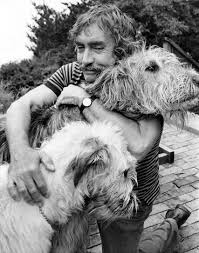 We would go to Central Park and walk to a huge hill. The dogs and I would stand at the top. The hill sloped down before us for about 300 yards. If they saw a squirrel at the bottom of the hill, they would race down it, knocking over people and bicyclists on their way. They just had to chase the squirrel. It was inconvenient for the people, but the dogs loved it.
 I’ve gotten each dog from a different breeder. I make my choice on the personality of the puppy: Accessibility—a dog that’s not frightened of people. Alert. Sensitive. My Wolfhounds, in particular, have always been thoughtful, generous and intelligent—qualities that really mark the breed.
When I pick a dog, I want one that is both fully an animal, with animal instincts and one that relates to other animals, and one that is fond of being around people. I find that Wolfhounds satisfy both requirements.
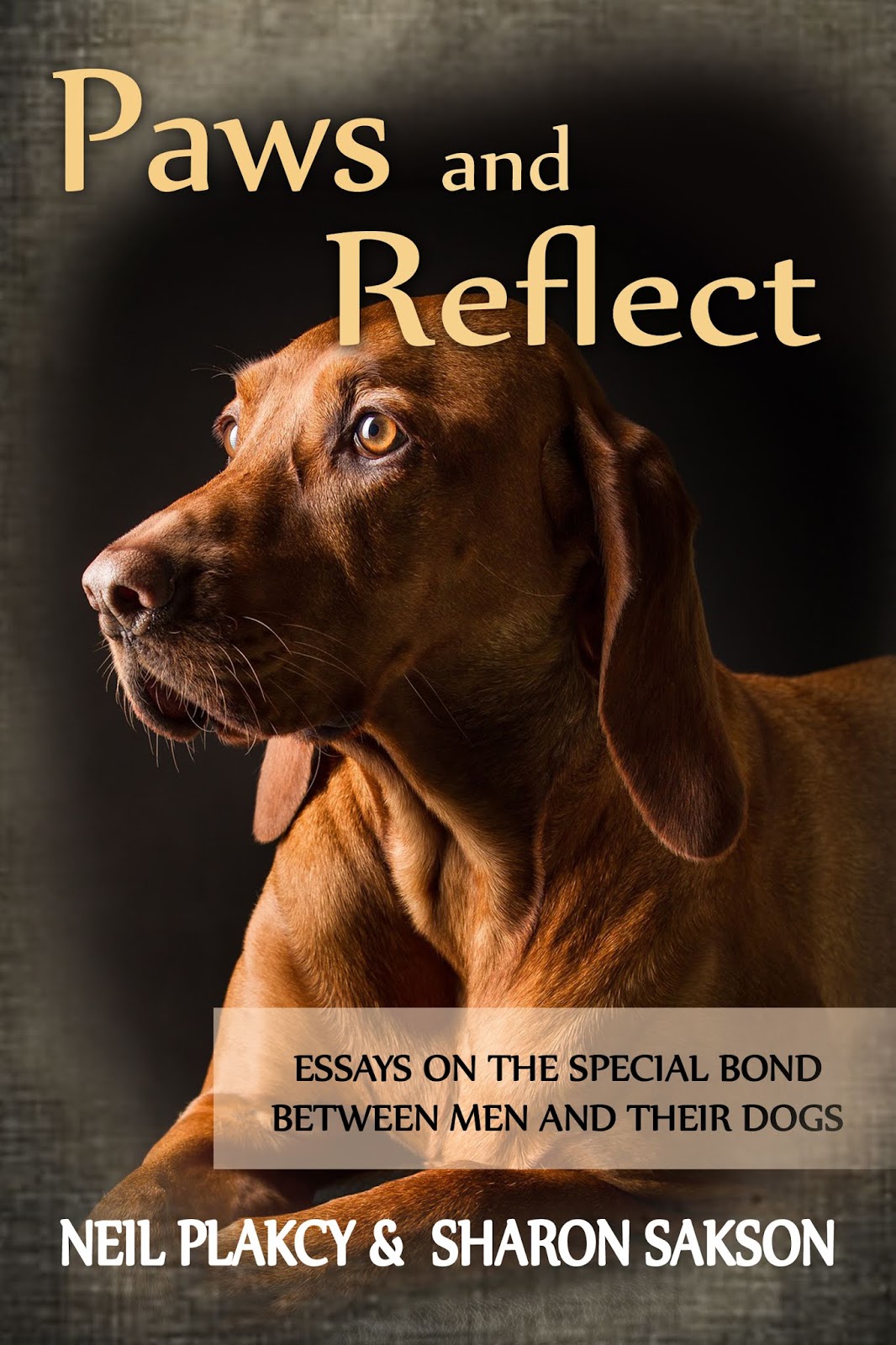
Want to read more? Paws and Reflect is available from Amazon or other e-retailers.
March 23, 2020
Little Caesar
CAESAR WAS DEAD. The little emperor who’d stolen all our hearts was gone after eighteen years, and we were left with silence and memories. He wasn’t my first dog, but he was the most memorable dog I’ve ever had the pleasure to call my friend. His imperial name came from my little brother’s overactive imagination. But it fit Caesar’s regal personality, which was clear even in the squirming puppy that he was when he entered our lives.
I was fourteen, my sister and brother even younger, and we’d wanted nothing so much as we wanted a dog. A neighbor’s beautiful terrier, Sheba, was about to give birth. She had mated with a regal-looking, all-white Fox Terrier. My sister, brother, and I anxiously awaited the results of the match.
When it happened, I remember my brother running home with the news that Sheba had produced a litter and that we were to choose one.
We trooped over to the house to take a look at the litter and make a choice. The squirming mass of puppy flesh was too indistinct for me to choose, and neither could my sister or brother. So Mom picked one of the puppies. We were to wait for him to be weaned and then could take him home. The waiting wouldn’t be easy, even if we could visit him each day.
A few days later, however, disaster struck—Sheba was killed by a car and the puppies had to be hand fed.
Mom picked him up, a shivering little squealing bundle who barely knew what was going on. He fit in the palm of her hand, tiny, vulnerable, and pitiful. I took one look at him and wondered how we’d keep him alive. But Mom knew more about puppies than I’d imagined. She promptly found a tiny bottle and fed him some kind of milk mixture whenever he wanted.
On the day he came home with us, my brother immediately named him Caesar. I looked at the tiny wriggling pink-and-white pup and laughed, thinking that such a big name would weigh down so small a dog. Watching him move and yawn, blink his eyes and fidget—the sight tugged at my heart and I knew that no matter what his name, I was bound to this little dog.
That was the beginning. The days turned into weeks, and he gained weight and strength and was soon standing on his own and demanding something more than milk. Next came the training—a gentle boot camp.
 Joe's websiteCaesar was a quick learner and took his place among the family members in a short time. I remember staring at him and wondering how that little lump of flesh had become the handsome dog surveying his territory with an imperial air. He was like his father: shapely, sturdy, and smart.
 Unlike his father, Caesar’s white coat was marked with one black furry patch circling his right eye. But rather than appear foolish, Caesar managed to look dashing, black patch and all.
Small and quick, Caesar quickly became the neighborhood favorite. And he lapped it up. He loved the attention but also knew that he had responsibilities and took them seriously. He shook the windows with his barks and with his paws as he pounced on the storm door to frighten passersby. No one escaped his attention, especially not strange dogs, whether or not they had a human companion.
Enjoyed this excerpt? You can order Paws and Reflect from Amazon or other e-retailers.
March 16, 2020
The Girls by Victor Banis
I'm continuing my posts of excerpts from this great collection of essays about men and their relationships with their dogs with this bit from "The Girls" by Victor Banis.
Victor was a terrific guy, a gentleman and a pioneer of gay literature who wrote prolifically for the pulp paperback world beginning in the 1960s, under many pen names. This excerpt gives you an idea of how wonderful his prose is, and his attention to detail.
 She was a year old when a boyfriend—mine, not hers—arrived one day carrying in his arms a peculiar-looking little animal that purported to be a German Shepherd with the ears of a jackrabbit.
 Her name, he informed me, was Prima, and she had been terribly abused in her previous home. I pointed out that I had neither the desire nor the room for a second pet, and reminded him that my landlord had not been happy about the first one, but he asked plaintively if I would just keep her for a day or so while he found a home for her. I made the mistake of saying yes.
In all fairness, he did warn me that she was not yet housebroken. By the next morning, however, Jennie had seen to that, and they were going outside together. That struck me as even more mysterious, since it was not the sort of oddity you would expect to have happen twice. Still, I had no reason to complain.
Since we lived in the city, I tried training the newcomer to a leash, thinking that Jennie’s instant understanding of that necessity was certainly not likely to repeat itself, as the toilet training had. But Prima was such a frightened little thing that, no sooner had you put any kind of collar around her neck than she fell to the floor in a quivering, peeing mass and could not be induced to regain her feet until the collar was removed and she had been reassured that no physical violence was intended.
It was Jenny once again who took charge. To my astonishment, by the next day she had taught Prima to heel at the snap of my fingers, and from then on I could walk down a busy sidewalk in, say, West Hollywood, with both girls safely and politely at perfect heel.
How had Jenny done that? What secret language had passed between them? I only knew that whatever I wanted her to do Jenny divined, and whatever Jenny did Prima did as well. So I could come out of the kitchen into the den, where the rug had just been shampooed, and walk around the bare-floor perimeter to cross the room, and Jenny would follow after me, and Prima after her, and not a paw upon the damp rug. I could entertain less–dog enthusiastic guests in the living room and, though the girls had the run of the house, they would sit politely in the doorway while I sipped cocktails with the guests. I have had two legged friends whose manners weren’t so good.
 The story of Victor's life in the pulpsThey could be parted from me only by trickery. If, of necessity, I left them home without me, they would sit at the upstairs window and cry in great mournful howls until I returned, to be greeted with wagging tails and scathing looks.
 The girls shared my life for fifteen happy and loving years. About halfway through that span, we moved to a cabin in the mountains. They loved it: the great outdoors, exploring together, creeks to splash in, all sorts of scents to investigate. In the summer we took long treks in the woods; in the winter, they liked me to throw snowballs for them to catch. They got friendly with the squirrels, who lost their fear of the girls and would leap over Prima when she slept in the doorway to come inside and beg for a snack.
Victor Banis passed away but his work lives on.
You can buy Paws and Reflect from Amazon or other retailers.
March 9, 2020
Doomed for a Dog
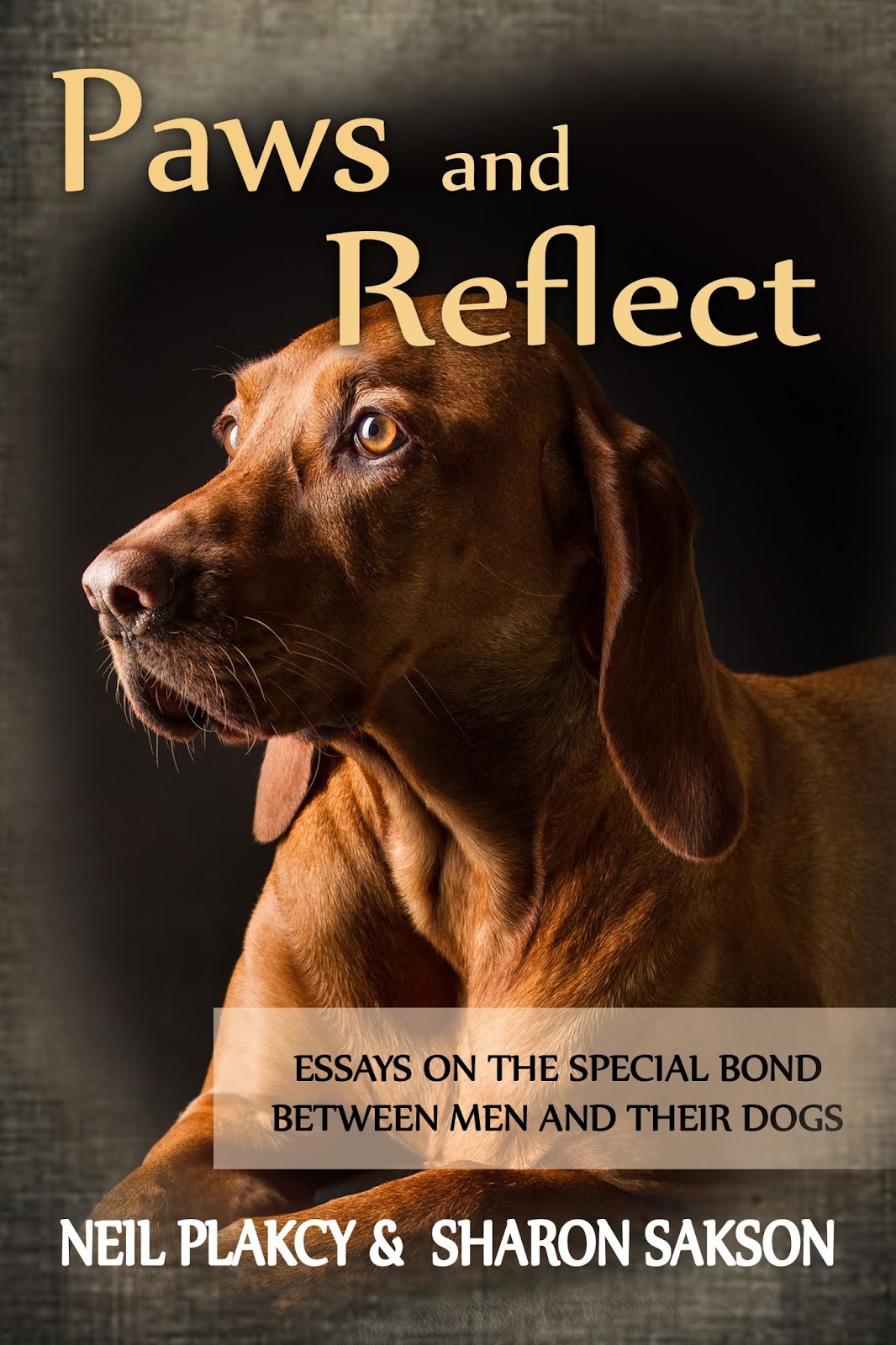
Excerpts from Paws and ReflectTo celebrate the new cover for the classic essay collection Sharon Sakson and I published, Paws & Reflect, I'm publishing some excerpts from the essays. This one comes from Donald Hardy's very funny essay, "Puppy Whipped."
 The last few weeks of my Cocker Spaniel Casey’s life, I took her for “walks” under the vet’s instructions not to let her walk.
 The doctor on the case (who was fabulous) was upbeat but slightly evasive about the prognosis. Diagnosis, too, was slightly uncertain, but she did give Casey treatment: a steroid to encourage the marrow of her aging bones to crank out red blood cells; puppy Pepto to calm the stomach so she could take the steroid; antibiotics; and soft food, special stuff that looked, the doctor said, like paté. “She loves it,” she said. “She has been chowing down all day. Only feed her this. And no exercise. Out the door to pee, right back in, and rest.”
Permanently. She was supposed to do nothing but eat expensive pâté and sleep. It’s a dog’s life, indeed.” But Dr. Fab,” I said. “I live on a boat, about 200 yards worth of dock from the shore. We have to walk that far for her to get to where she can pee.”
“No, ” replied the doc.”That’s too far. You carry her.” Silence.
“Well, OK, ” I said. I let Casey do her business when I got her home, then carried her down the dock. This wasn’t too bad, as she only weighed thirty-five pounds, but I had a strong sense that it would get old fast. I eyed up the dock carts. I’d nearly killed myself the year before when carrying my other dog, Bear, up to the shore for a vet visit. Bear weighed in at eighty pounds.
“Hmmm,” I thought.”Maybe I’ll get a nice big one that’ll fit both dogs, and then neither will have to walk . . . assuming they’ll let me push ’em. If they don’t, that’s a wasted 250 bucks. I’ll wait.”
As I was coming back from walking Bear that evening, Patty and Dennis, my neighbors in the marina, asked what was wrong with Casey. I explained, and they offered a little dock cart they didn’t need. About twenty minutes later, Dennis knocked on my deck and said, “Here it is! You’ll have to hose it down, but it should work for her.”
I climbed up on deck and thanked him, and then looked at the dock cart.
 Don's NovelIt was small. It was red. It was cute.
 I was doomed.
Eleven o’clock rolled around, and it was time for Casey’s late night—well, I suppose one ought not to call it a walk—“outing.” I took some puppy blankets up and lined the bottom of the cart, then carried Casey up on deck, deposited her in her little cart, and started down the dock.
So. There I was. A forty-seven-year-old, six-foot-two, 200-pound man, pulling a small, fluffy golden dog down the dock in a cute, little red wagon.
Find Donald Hardy online here.
Buy your copy of Paws and Reflect at Amazon or other retailers.
March 2, 2020
Other Elements of Author Branding
TitlesStuck for a title for your book? Try out Reedsy’s Title Generator. You’ll notice that many of the titles they generate are short and sweet. My MFA thesis advisor, the very talented James W. Hall, told us that thrillers should have two-word titles, for a couple of reasons.
First, it’s harder to convey the essence of a book in a one-word title. Unfulfilled? Might be a great word to describe the plot or your protagonist’s key motivator. That title could be a romance, a mystery, science fiction.
Unfulfilled Desire, though, is sure to be a romance, while Unfulfilled Revenge sounds more like a thriller, and Unfulfilled Exploration might be science fiction or adventure.
 Order from Amazon or other e-retailersMost of the books in my Mahu series have two-word titles. The next five books used Mahu first, followed by a qualifier. The word “mahu” is a word from the Hawaiian language which means gay or two-spirit, and for a long time it was a nasty epithet like faggot or queer.
 Since then, it has been reclaimed, and I’m proud to use it as a synonym for gay. In the following books I wanted to explore more sides of my hero’s character. Mahu Surfer takes him to the North Shore of O’ahu, where he returns to his surfing roots while investigating a case.
Mahu Blood is probably one of my best titles because of the dual meaning. It’s a murder investigation so of course there’s blood. But this book is also about Hawaiian heritage, and what Kimo his inherited from his Hawaiian ancestors.
 Amazon or others
Key Words in TitlesI also use a key word to link the five books in my Love on series, which begins with Love on Site, which has a construction background. The curlicue neon font says this is contemporary romance, as does the shirtless cover model. I like the angularity of the crane in the background and overall the whole layout of the cover, which was done by an artist for Loose Id, who first published that series.
The inspiration for the title came not only from the years I spent building shopping centers, but from Beatrice’s speech in Much Ado About Nothing. “Benedick, love on! I shall requite thee!” I wanted to convey the sense of joy from that scene in the Kenneth Branagh and Emma Thompson movie.
 Amazon or other e-retailers
 I use longer titles for my adventure and thriller books. The Angus Green FBI series, for example, begins with The Next One Will Kill You, while the first book in the Have Body, Will Guard series is Three Wrong Turns in the Desert.
Colors
The books generally use darker colors in the background, to convey once again that these are mysteries, rather than comic romps.
 Order from Amazon or other e-retailers
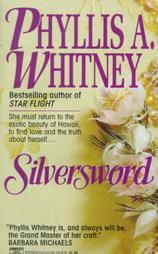
Check out some of these covers and see what they tell you about the story you could expect to read. Notice in particular the two very different books with the same title: Silversword by Phyllis A. Whitney and Silver Sword by Charles Knief. You only have to look at the cover design to know what you’re getting.

FontYour choice of font, both on your book covers, your website, and the text you apply to images, says something about your brand.
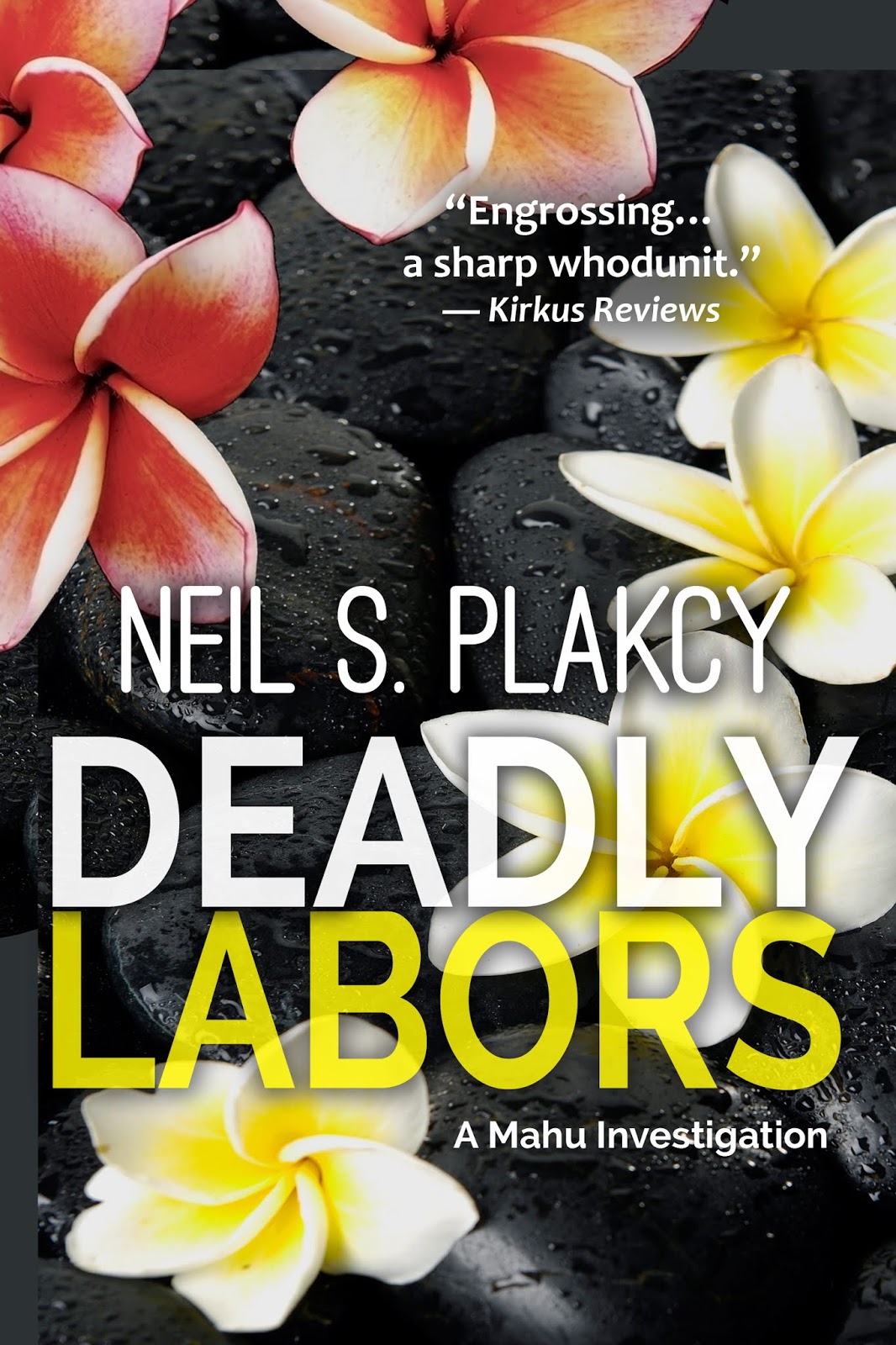
When I got the rights to the Mahu series back and relaunched them, I commissioned new covers. The designer used the same font on each book, a simple sans-serif one that is intended to convey that these are serious books.
In each case, the first word sits on top of the second, almost touching. That parallel structure tells the reader these are part of the same series.
 Order from Amazon or other e-retailers
 February 24, 2020
Brand is more than a word
Creating a statement that represents your author brand
Looking back at my first post about branding, I identified the brand for my golden retriever mysteries as “dogs.”
That doesn’t seem enough.
 From Amazon or other e-retailers For my golden retriever mysteries, I often use the tagline “Do you think a dog can solve a mystery? Rochester can!”
But that’s a tagline for that series, not a statement of my author brand.
When I promote the series on dog-friendly sites, I often use the statement, “Do you like dogs and mysteries? If you do, I hope you’ll check out my golden retriever mystery series. Ten books and the dog never gets hurt!”
That’s getting closer. The idea behind that second statement came from a reader, who emailed me to say one thing she loved about my series was that she never had to worry about Rochester getting harmed.
That’s a big thing for readers who love animals—they’re willing to see adults and children killed and maimed, but don’t touch the pets! So I try to emphasize that.
But back to brand. Dogs appear in most of my mystery and adventure books. Rochester is first, of course; he’s the co-star in his series, a lively golden retriever with a nose for crime.
 From Amazon or other e-retailersThere’s Roby in the Mahu series, a golden retriever. Roby alerted his family that their house was on fire, allowing them all to escape.
 But they couldn’t take the dog with them to their new temporary housing, so Kimo’s fire investigator partner Mike takes the dog in.
He’s just a pet, though he serves a valid role in the series. He is the first addition to their household, showing them both that they can love, and eventually opening their hearts to a foster son.
Then there’s Hayam, the lion-faced dog who appears in the first pages of Three Wrong Turns in the Desert, the first of my Have Body, Will Guard series. I don’t know where he came from—he just showed up.
 Amazon or other e-retailersAidan Greene has been kicked to the curb by his long-time partner and fled halfway across the world to Tunis. Hayam showed up, I think, to tell Aidan that he wasn’t really alone in the world.
Hayam is an independent dog, as I imagined he would be, living on the streets of a third-world country. When Aidan returns to Tunis with his new love, Liam, Hayam is waiting for him once again, and Liam christens the dog with her name, which he says means deliriously in love in Arabic.
So these three dogs all serve important purposes in their novels. How can I knit those ideas into a canine-centric brand?
Crime-solving canines only applies to Rochester, not to Hayam or Roby. But that might be a nice line to put onto my golden retriever mysteries website. I like the alliteration, because I think that makes the tagline more memorable.
Crime and courtship with canine companions makes every book sound like romance. And honestly, romance is the one genre where I generally don’t have canine characters.
I’m thinking of Canine companions join the fun in adventure and mystery fiction. What do you think? Any other ideas?
February 17, 2020
Guest Blog from Marjetta Geerling/Mara Wells
Branding: to Pen Name or not to Pen Name?
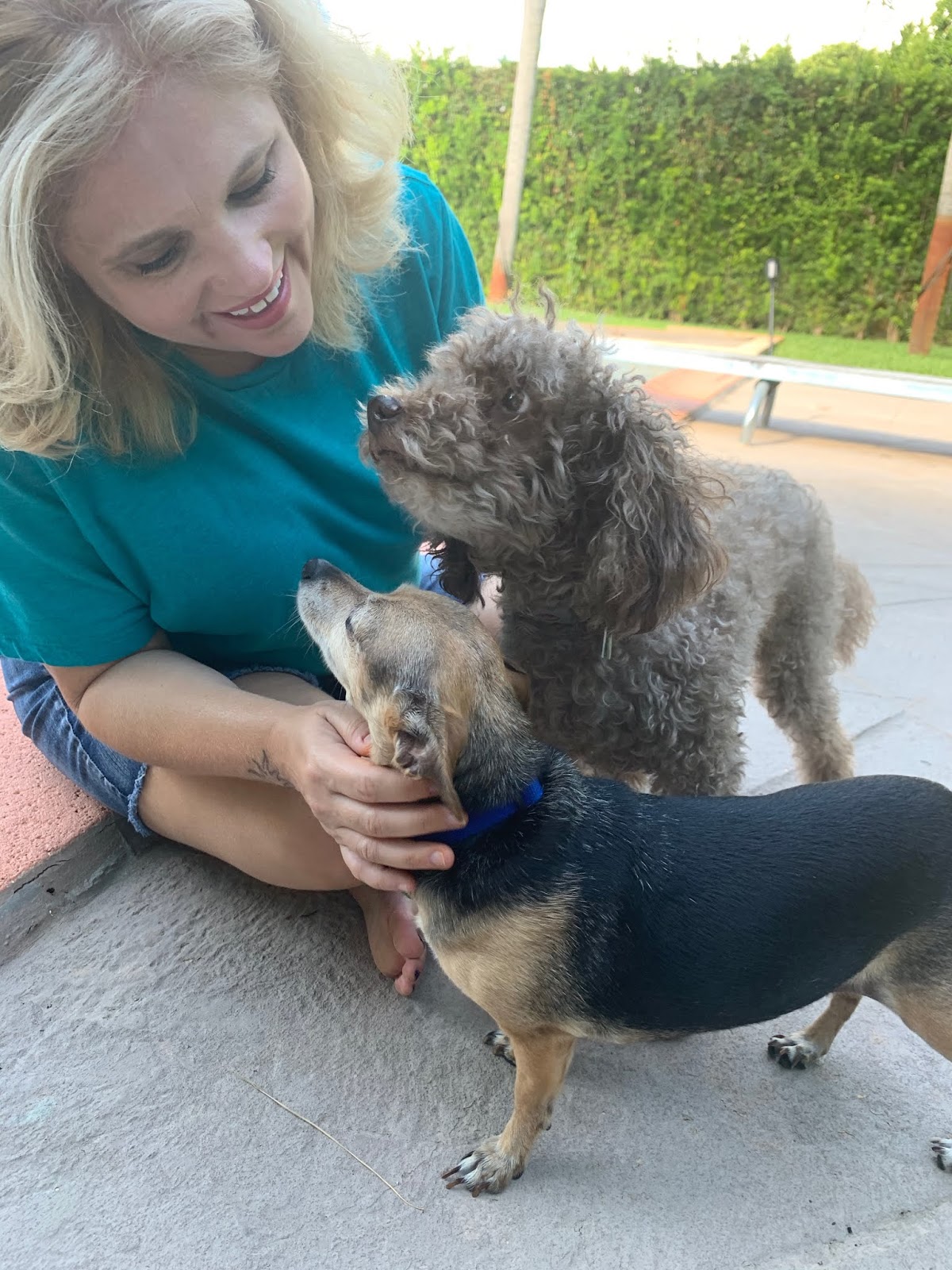 Marjetta Geerling is a teaching colleague of mine at Broward College, and when I heard that she had written a romantic comedy set in Miami and featuring dogs, I was all in. I've asked her to give some of the background as to why she chose a different pen name for her debut romantic comedy, when she's already published a YA novel under her real name.
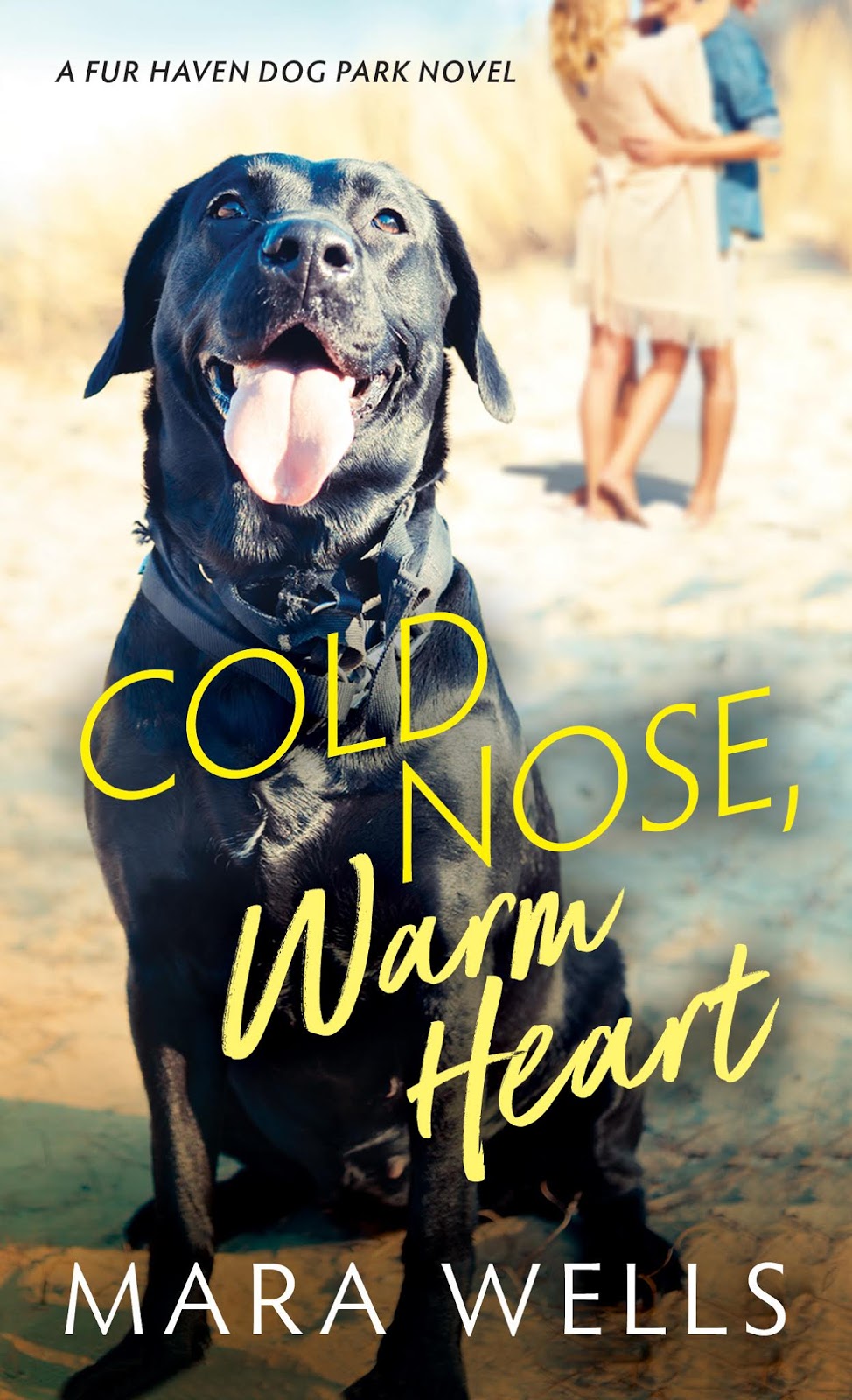
The book, the first in the Fur Haven Dog Park series, is under the name Mara Wells.
Here's what Marjetta has to say about author branding.
 Order from Amazon
When I decided to jump genres and enter the world of romantic comedy, I had to decide whether to use my legal name, which I’d used to publish in children’s literature, or a pen name. Ultimately, my agent’s advice struck a chord with me: a romance novel doesn’t belong on the same web page as a kids’ book. She talked to me about the advantages of having what she called a “clean brand,” and in the year and a half since I made the decision to use a pen name, I’ve come to see the wisdom in her advice.
A clean brand means that when readers see an author’s name, they know exactly what they are getting. When readers are confident in the brand, they are more likely to pre-order, and pre-orders are good for authors for all kinds of reasons—book buzz, print runs, and the all-important first week of sales numbers. Pre-orders count as sales on the day the book is released so contribute to the perception of how the book is received in the market. In other words, preorders help the book stand out in a crowded marketplace.

You are probably already thinking of beloved authors who genre hop. Mixed-brand authors do well, too, of course, especially if they have a big name. For me, though, starting out in a new genre with no platform to speak of, I decided that a clean brand was the way to go. The next step: What exactly should that brand be?
My agent and editor had lots of opinions, and after many discussions it boiled down to three key words: romance, dogs, and humor. Unlike my actual life which is complicated by, well, life, my brand identity gets to focus on the things that make me happy: talking about dogs, reading romance novels, and wryly observing the world around me. It’s me, boiled down. And I’m loving the experience.
In many ways, branding has simplified promotion for me. When I’m putting together a gift basket, shopping for conference swag to give-away, or deciding what to post on social media, I have my brand key words to help guide and focus my decisions. I was worried that branding would make me less of who I am, but instead, it’s helped me express myself more clearly and concisely than I otherwise might’ve done. The result? I’m creating relationships with readers based on our shared passions, and that feels real and meaningful to me in a delightful way.
Here's the delightful blurb for Cold Nose, Warm Heart:
A poodle, a black lab and a Chihuahua walk into a dog park...All Caleb Donovan has to do to redeem his family name is take a rundown Miami Beach apartment building and turn it into luxury condos. Easy, right?Unfortunately, that would also turn the local dog park into a parking lot and the neighbors aren't having it. Caleb is faced with outright revolt, led by smart, beautiful building manager Riley Carson and her poodle, LouLou.For Caleb, this project should have been a slam dunk. But even more challenging than the neighborhood resistance is the mutual attraction between him and Riley. It would be so much easier just to stay enemies.Can Riley and her canine sidekick convince Caleb that what's best for business isn't always best for the heart?
I'm looking forward to reading this book and I hope you all are too!