Joni Labbe's Blog
May 12, 2025
TSH: Just the Tip of the Thyroid Iceberg
 When it comes to thyroid health, most conventional doctors focus on just one lab marker: TSH (Thyroid Stimulating Hormone).
But here’s the truth: TSH is just the tip of the iceberg—and it leaves millions of women misdiagnosed, dismissed, or stuck in a cycle of fatigue, brain fog, stubborn weight gain, and feeling like “something’s off.”
Let’s unpack why TSH isn’t the whole story—and what else you need to look at to finally feel like yourself again.
What is TSH, Exactly?TSH is a hormone made by your pituitary gland (a control center in your brain). Its job? To stimulate your thyroid to produce thyroid hormones—specifically T4 and T3.
So, when your TSH is high, it usually means your brain is saying: “Hey thyroid, speed it up!”When your TSH is low, the message is: “Whoa! Too much thyroid hormone. Dial it back.”But here’s the catch: TSH doesn’t tell us how much active thyroid hormone your body is using—or how well your cells are responding to it.
Why TSH Isn’t EnoughYou can have a TSH that’s “in range”… and still:
Feel tired no matter how much you sleepStruggle to lose weight despite eating cleanDeal with depression, anxiety, or mood swingsExperience brain fog, dry skin, hair thinning, and cold hands/feetThat’s because TSH is only one piece of the puzzle—and it doesn’t tell us what’s happening at the cellular level.
 The Full ThyroSisters Panel: What’s Under the Iceberg
At ThyroSisters, we look at everything that could be affecting your thyroid, hormones, metabolism, and brain function. Think of it as a functional “deep dive”—not just a quick glance at your labs. Here’s a peek into what we include:
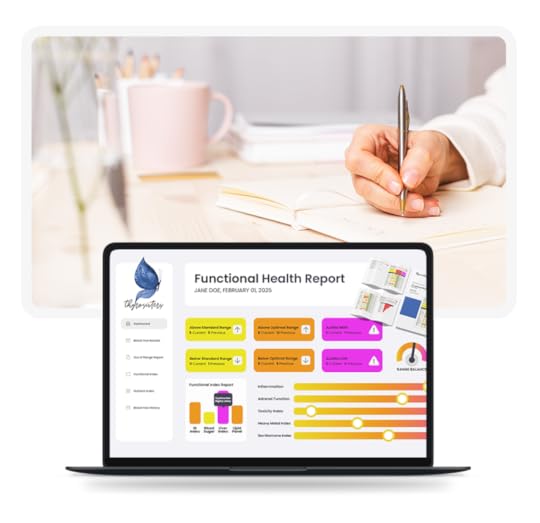
MARKERWHY IT MATTERSFREE T3The active form of thyroid hormone—your feel-good, energy-giving hormone.FREE T4The storage form. Your body must convert it into T3.Reverse T3Acts like a blocker. Too much? Your T3 can’t work properly.TPO L& TGB AntibodiesReveal Hashimoto’s, an autoimmune condition often missed for years.T3 Uptake, T7, and moreHelp uncover inflammation, nutrient needs, and hormone conversion issues.Still Feel Off with Normal Labs Results?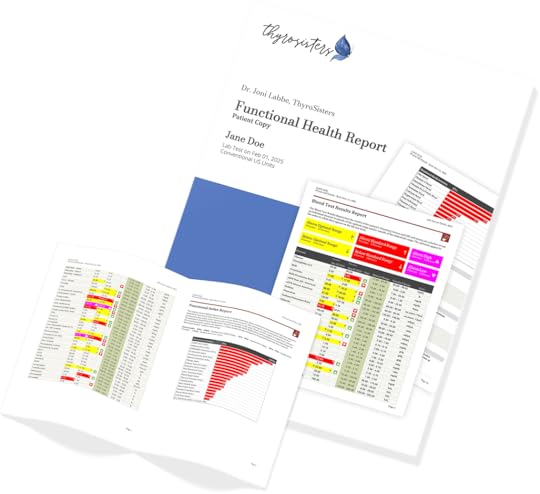
If you’ve ever been told:
“Your TSH is normal.”“It’s probably stress.”“Let’s wait and retest next year…”…yet your body is telling you a different story—you’re not imagining things. You’re just missing the full picture.
Ready for answers?Let’s have a simple, no-pressure chat about your symptoms and whether deeper thyroid testing might make sense for you.
Let’s Chat About Your Thyroid Health(30 minutes. Zero pressure. All about YOU.)
 Why Normal Labs Don’t Always Equal Normal LifeWhen it comes to thyroid health, most conventional doctors focus on just one lab marker: TSH (Thyroid Stimulating Hormone).
But here’s the truth: TSH is just the tip of the iceberg—and it leaves millions of women misdiagnosed, dismissed, or stuck in a cycle of fatigue, brain fog, stubborn weight gain, and feeling like “something’s off.”
Let’s unpack why TSH isn’t the whole story—and what else you need to look at to finally feel like yourself again.
What is TSH, Exactly?TSH is a hormone made by your pituitary gland (a control center in your brain). Its job? To stimulate your thyroid to produce thyroid hormones—specifically T4 and T3.
So, when your TSH is high, it usually means your brain is saying: “Hey thyroid, speed it up!”When your TSH is low, the message is: “Whoa! Too much thyroid hormone. Dial it back.”But here’s the catch: TSH doesn’t tell us how much active thyroid hormone your body is using—or how well your cells are responding to it.
Why TSH Isn’t EnoughYou can have a TSH that’s “in range”… and still:
Feel tired no matter how much you sleepStruggle to lose weight despite eating cleanDeal with depression, anxiety, or mood swingsExperience brain fog, dry skin, hair thinning, and cold hands/feetThat’s because TSH is only one piece of the puzzle—and it doesn’t tell us what’s happening at the cellular level.
The Full ThyroSisters Panel: What’s Under the IcebergAt ThyroSisters, we look at everything that could be affecting your thyroid, hormones, metabolism, and brain function. Here’s a peek into what we include:
Free T3 – The active form of thyroid hormone—your feel-good, energy-giving hormone
Free T4 – The storage form. Your body must convert it into T3Reverse T3 – Acts like a blocker. Too much? Your T3 can’t work properlyTPO & TBG Antibodies – Reveal Hashimoto’s, an autoimmune condition often missed for yearsT3 Uptake, T7, and more – Help uncover inflammation, nutrient needs, and hormone conversion issuesThink of it as a functional “deep dive”—not just a quick glance at your labs.
Still Feel Off with Normal Labs Results?If you’ve ever been told:
“Your TSH is normal.”“It’s probably stress.”“Let’s wait and retest next year…”…yet your body is telling you a different story—you’re not imagining things. You’re just missing the full picture.
Ready for answers?Let’s have a simple, no-pressure chat about your symptoms and whether deeper thyroid testing might make sense for you.
Let’s Chat About Your Thyroid Health(30 minutes. Zero pressure. All about YOU.)
The post TSH: Just the Tip of the Thyroid Iceberg appeared first on ThyroSisters™.


April 8, 2025
Akkermansia and Natural Solutions for GLP-1 hormones
When Akkermansia levels are low—which we can see on the GI-MAP stool test —it may be harder to lose weight, even with diet and exercise, because your body isn’t getting the right gut support it needs.
The good news?Once we know this, we can recommend natural alternatives that support GLP-1—a hormone that helps you feel full longer, balance blood sugar, and reduce cravings. These targeted, gut-friendly approaches can gently nudge your metabolism back in the right direction—without the side effects of weight-loss medications.
Ready to learn more?Learn more about my GI-Map testing and how natural alternatives can boost good bacteria – supporting GLP-1 hormone production. One simple (free) clarity call with me, Dr. Joni Labbe, will put you on a path for real results and long-term success.
Learn more about the connection between GLP-1 Hormones and Gut HealthThe post Akkermansia and Natural Solutions for GLP-1 hormones appeared first on ThyroSisters™.
December 12, 2023
Empowering Men with Hashimoto’s: Transformative Healing Through Functional Medicine
Men dealing with Hashimoto’s hypothyroidism sometimes find it a bit tricky since it’s a condition often seen more in women. But don’t worry! Looking at Hashimoto’s through the lens of functional medicine can help. This approach gives you some great strategies to handle and possibly even turn around this condition. It’s all about understanding your body and finding what works best for you!
Understanding Hashimoto’s in MenHashimoto’s thyroiditis is when the body’s immune system mistakenly targets the thyroid gland. This often results in hypothyroidism, meaning the thyroid isn’t as active as it should be. This condition is more common in women but can affect men too. Those with Hashimoto’s might notice they feel more tired than usual, might put on some weight, feel unusually cold, experience changes in mood; and in some cases, men might notice changes in their sexual health, like a reduced sex drive or issues with erectile function.
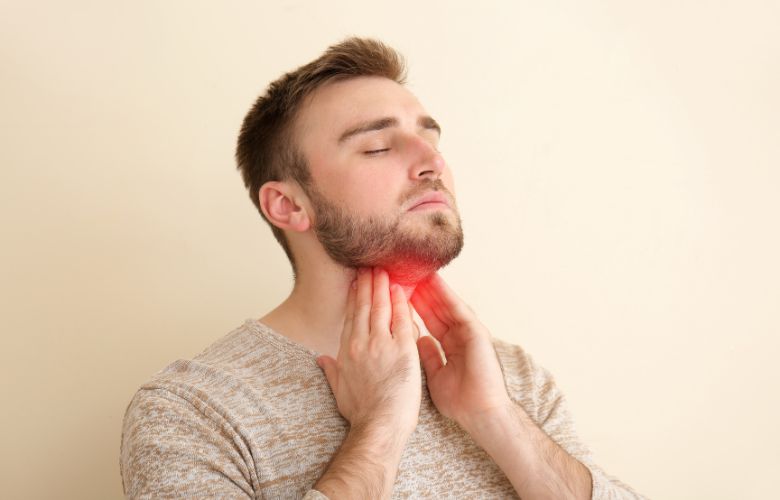
Getting the proper diagnosis is super important, and going for a thorough check is a good idea. For this, a full thyroid panel is the way to go. It includes tests for TSH, Free T4, Free T3, and checks for antibodies like Thyroid Peroxidase (TPO Ab) and Thyroglobulin (TG Ab). If these antibody levels are high, it usually means you’ve got this autoimmune thyroid disorder. Sometimes, this gets overlooked in regular health check-ups because not all tests are always done.
Functional Medicine ApproachIdentifying the Root CauseFunctional medicine is about getting to the heart of what’s causing Hashimoto’s and fixing it from there. It’s like doing detective work on your health – looking closely at what you eat how you live, and getting a complete lab workup. It turns out things like stress, certain foods (gluten’s a big one!), toxins around us, and not having enough nutrients (hello, vitamin D!) can stir up autoimmune issues.
Personalized Treatment PlansWhat’s super cool about functional medicine is how it’s tailored just for you. Your test results can lead to specific food suggestions to boost what your body’s missing. Need more magnesium? Time to snack on pumpkin seeds! Low on zinc or vitamin B12? Oysters and grass-fed beef can help with that!

Changing your diet is a huge part of managing Hashimoto’s with functional medicine. An autoimmune protocol diet is a common recommendation. It means saying bye-bye (at least for a while) to things like gluten, dairy, processed foods, and even some grains and eggs. And gut health matters a lot too – fixing issues like leaky gut or SIBO (small intestinal bacterial overgrowth) is key.
Here are foods that are good for those with Hashimoto’s
Brazil Nuts: These tasty nuts are loaded with selenium, a key player in converting thyroid hormones and keeping your thyroid happy and healthy.Fresh Fruits and Vegetables: Think of these as your body’s best friends, full of antioxidants and vitamins to fight inflammation and keep you feeling great. Leafy greens are especially awesome.Lean Proteins (chicken, turkey, lean beef): These are the building blocks for your hormones and help keep your blood sugar levels nice and steady.Gluten-Free Grains (like rice, quinoa, buckwheat): A great choice to help lower the risk of inflammation and avoid gluten-related reactions, which can be a concern in Hashimoto’s.Dairy Alternatives (almond milk, coconut milk): Perfect for anyone who’s not on team lactose or has a dairy sensitivity – common in Hashimoto’s folks.Healthy Fats (olive oil, avocados, nuts): These fats are not just tasty, they’re also key to balancing your hormones and fighting inflammation.Ginger and Turmeric: These are like nature’s anti-inflammatory agents, helping to soothe thyroid inflammation.Bone Broth: This is packed with amino acids and minerals that love your gut and reduce inflammation.Berries: Berry good for you! They’re full of antioxidants to tackle oxidative stress and boost your immune system.Fermented Foods (sauerkraut, kimchi, kombucha): These are your gut’s buddies, rich in probiotics, which are super important for a healthy gut – a big deal in autoimmune conditions like Hashimoto’s.Eggs: A fantastic source of protein and nutrients, but just a heads up, if eggs aren’t your thing or if they don’t agree with you, it’s okay to skip them.

Tackling inflammation is a big deal. This might mean eating anti-inflammatory foods, upping your omega-3s, and trying supplements like collagen powder and l-glutamine. And let’s not forget about stress – it can really ramp up autoimmune problems. Techniques like deep breathing, mindfulness, and meditation can be total game-changers.
Yes, Hashimoto’s can bring unique challenges for men, but functional medicine offers a whole, personalized way to feel better. By digging into the root causes and making treatment all about you, it’s possible to ease symptoms and boost your overall health.
And if you’re looking to dive deeper or get a plan that’s just right for you, chatting with a functional medicine practitioner is a great next step. They’re like your personal health detectives, ready to craft a plan that fits your unique health story. Set up a Free clarity call today.
The post Empowering Men with Hashimoto’s: Transformative Healing Through Functional Medicine appeared first on ThyroSisters™.
August 4, 2023
Mineral Imbalances: What You Should Know
 What Are Minerals?
Minerals are not something our bodies make naturally– we obtain them through the food and water we consume.
There are two different categories of minerals: macrominerals and trace minerals.
Macro-minerals:These include magnesium, sodium, potassium, calcium, chloride, and sulfur. Our bodies require larger amounts of these minerals, and if you eat a balanced diet this can be accomplished fairly easily.
Trace minerals:These are required in smaller amounts, but are also essential to cellular function. These include manganese, copper, iodine, zinc, and selenium. Trace minerals can also be obtained by eating a well-balanced diet.
Common Mineral Deficiencies and ImbalancesWhat happens to our bodies when we don’t get the essential trace & macro-minerals that we need? Some signs of mineral deficiency include:
Weak bonesFatigueWeakened immune functionHere are five of the most common mineral deficiencies and their effects on our health.
Calcium deficiencyCalcium is a mineral commonly associated with strong bones and teeth. It also plays a role in the function of your blood vessels, muscles, nerves, and hormones. There are usually no noticeable symptoms of deficiency, as your body is able to regulate the amount of calcium in the blood. However, if left untreated, calcium deficiency can lead to more severe health problems such as osteoporosis. People with severe calcium deficiency may also experience muscle cramping, numbness and fatigue.
It is a good idea to eat a diet that includes calcium-rich foods such as nuts, seeds, and canned salmon with bones. Vegetables such as broccoli and kale also provide calcium. It can take a concerted effort to consume enough calcium – fewer than 10% of women over 50 get enough!
Iron deficiencyIron is an important component of hemoglobin, which is a crucial protein that carries oxygen to your tissues. The symptoms of iron deficiency include feeling weak and tired often. When left untreated, iron deficiency can lead to anemia – a condition where the body does not have enough healthy red blood cells.
Eating a diet rich in meat, poultry, or fish is typically enough to prevent iron deficiency anemia. For vegetarians and vegans, supplementation is often recommended, but certain plant-based foods such as beans or lentils can be sources of iron.
Magnesium deficiencyMagnesium is a crucial mineral for many (over 300!) bodily functions. Blood pressure, proper nerve function, energy metabolism, relaxation and protein production are all impacted by magnesium levels. A diet low in magnesium, certain medications and chronic health conditions like alcoholism may lead to a magnesium deficiency. Early signs of this include fatigue, weakness, restlessness and nausea, and can lead to symptoms of numbness and muscle cramps.
I recommended eating magnesium-rich foods such as legumes, nuts, and leafy greens like spinach. Supplementation is also recommended, however, speak with your provider for proper guidance.
Potassium deficiencyThe mineral potassium is an electrolyte needed by enzymes that help your body turn carbohydrates into energy. It also plays a role in heart function and nerve signals. Symptoms of a deficiency include weakness, fatigue, muscle cramps and arrhythmia. It can present as constipation, bloating, or abdominal pain.
Good sources of potassium are fruits and vegetables, such as bananas, avocado, and dark leafy greens. Other good sources are orange juice and nuts.
Zinc deficiencyZinc is necessary for protein synthesis, immune system function, and wound healing. Not getting enough can cause loss of appetite, taste, or smell. Lack of zinc also tends to decrease the immune system’s function.
The best sources of zinc are found in animal foods such as oysters, red meat, and poultry. Other sources include beans, lentils, whole grains, and dairy products.
What Causes Mineral Imbalances?Ideally, we should be getting all of our required minerals through the diet we consume. However, there are complex reasons why many people are at risk for mineral deficiency:
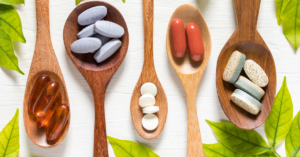
Poor soil quality. The mineral content of our food is directly dependent on the soil that it is grown in. Unfortunately, our soil today is lacking due to modern processes of irrigation, fertilization, and harvesting methods that disrupt the interactions between plants and soil fungi and reduce their absorption of nutrients. Thus, even somebody eating a healthy diet of whole foods and plants may have difficulties obtaining adequate nutrients.Poor diets. In contrast, a person eating a diet high in refined carbohydrates, sugar, and alcohol will have an even harder time obtaining nutrients. The popularity of ultra-processed foods is a major source of nutrient deficiencies in North America. Eating too few calories can create deficiencies as well.Certain medications can deplete the body of essential minerals. This includes diuretics, which can cause loss of sodium, potassium, and magnesium. Antacids, painkillers, as well as hormonal contraceptive pills can all lead to imbalances as well.Stress. Whether physical or emotional, when our body is in a state of stress we lose out on zinc and magnesium. If that’s not enough to motivate you to get back into your yoga practice, stress also influences how well minerals are absorbed by our bodies when we eat!Fluid loss. Losing a lot of fluids, through vomiting or sweating excessively, can impact levels of potassium, magnesium, and calcium.Ensuring Optimal Mineral IntakeIf you are experiencing any of the above symptoms of mineral deficiency, talk to a holistic healthcare practitioner who can run a lab test to check for deficiencies. They may recommend ways to boost your macro mineral and trace mineral consumption.
Here is what I typically recommend:
A healthy diet. Eating a diet centered around whole foods (ideally, locally raised and organic) is the best way to prevent nutrient deficiency. Dark leafy greens, vegetables, fruit, nuts, legumes, and lean proteins are especially nutrient-dense, so choose these over processed foods as often as you can.Supplementation. At times, nutrient deficiencies cannot be addressed through diet alone. This is where supplements can help – your healthcare provider will determine the frequency and dosage that is best for your needs. It is important to follow these instructions because excessive intake of certain supplements can actually be harmful to your health.Lower stress, sleep well, exercise! We know that stress negatively impacts the way our bodies absorb nutrients and minerals, and our bodies require adequate sleep in order to function at their best. It is important to establish healthy stress-mitigating routines into your life to ensure proper nutrient absorption. This will look different for everybody, but some suggestions are a quick walk in nature, a daily yoga practice, or even simply reading before bedtime.Our bodies need certain amounts of both trace and macro-minerals to function properly. A poor diet, poor soil quality, and stress are all factors that can lead to deficiencies. This causes our bodies to become depleted and not work at their best performance. As we saw, some of the symptoms of common nutrient deficiencies can be life-disrupting.
However, with a robust diet consisting of whole, organic foods, supplementation where needed, and healthy stress management tools, nutrient deficiency can be prevented. Reach out to review any symptoms you’re experiencing and we’ll help you get back to optimum health!
References
Colino, S., & Foglia, L. (2022, May 3). Fruits and vegetables are less nutritious than they used to be. National Geographic. https://www.nationalgeographic.co.uk/environment-and-conservation/2022/05/fruits-and-vegetables-are-less-nutritious-than-they-used-to-beHornyak M, Voderholzer U, Hohagen F, Berger M, Riemann D. Magnesium therapy for periodic leg movements-related insomnia and restless legs syndrome: an open pilot study. Sleep. 1998 Aug 1;21(5):501-5. doi: 10.1093/sleep/21.5.501. PMID: 9703590.Lindsay, W. L. (1984). Soil and plant relationships associated with iron deficiency with emphasis on nutrient interactions. Journal of Plant Nutrition. https://www.tandfonline.com/doi/abs/10.1080/01904168409363215?casa_token=ce4-AoTCWLIAAAAA:VBoqN46DEb6B16C0Nvnzj5M1OHdfpOQsMGUvb7W5NN70Euz7tuLYEGPCI59nwJ7v7kDHjEf38_87Schubert, C., Guttek, K., Reinhold, A., Grungeiff, K., & Reinhold, D. (2015, November 16). The influence of the trace element zinc on the immune system. Degruyter. https://www.degruyter.com/document/do... C, Krüger K, Peeling P, Castell L. The Role of Minerals in the Optimal Functioning of the Immune System. Nutrients. 2022 Feb 2;14(3):644. doi: 10.3390/nu14030644. PMID: 35277003; PMCID: PMC8840645 https://www.ncbi.nlm.nih.gov/pmc/articles/PMC8840645/Bailey RL, Dodd KW, Goldman JA, Gahche JJ, Dwyer JT, Moshfegh AJ, Sempos CT, Picciano MF. Estimation of total usual calcium and vitamin D intakes in the United States. J Nutr. 2010 Apr;140(4):817-22. doi: 10.3945/jn.109.118539. Epub 2010 Feb 24. PMID: 20181782; PMCID: PMC2838624.Clark SF. Iron deficiency anemia. Nutr Clin Pract. 2008 Apr-May;23(2):128-41. doi: 10.1177/0884533608314536. PMID: 18390780.
The post Mineral Imbalances: What You Should Know appeared first on ThyroSisters™.
July 25, 2023
Natural Ways to Support Eye Health
Vision changes a lot throughout your lifetime. It may have been perfect when you were a child, but with age, perhaps things have gotten blurrier. Or maybe you’re experiencing redness and dry eyes? These common issues can be signs that our eyes need a little extra care and attention. While various factors can impact eye health, there are also natural approaches that can support and promote optimal vision.
Let’s dive in!
Vision Loss As We AgeProgressive vision loss can occur due to many reasons:
The natural aging process. As time goes on, most of us develop a condition called presbyopia: the gradual loss of our eyes’ ability to focus on objects up close. This tends to affect people around age 40, and glasses and contact lenses are often helpful.Cataracts. This age-related condition causes cloudy patches to develop in the clear lens of the eye, stopping light from reaching through to the back of the eye and leading to blurred or misty vision.Age-Related Macular Degeneration (AMD). This is one of the leading causes of vision loss in people over 50. It tends to develop over time and causes blurring of our central vision, leading to difficulty reading, using a computer, or even watching television.Eye strain & screen use. If you spend significant portions of time looking at a screen up close, your eyes become accustomed to focusing like this and it becomes more difficult for them to adjust and focus on objects in the distance.Genetics. Some people are more likely to develop certain eye conditions, such as glaucoma or even short-sightedness. It is important to understand your family’s eye health history and know what signs to look out for.A bad diet, smoking, or excessive alcohol consumption can all affect your vision. Having overall good health can prevent your eyesight from getting worse sooner than it might otherwise. Eating a balanced diet is key!If you feel as though your eyesight has gotten worse suddenly for no apparent reason, seek professional advice from your healthcare provider and optician.
If you would like to learn more about maintaining good eye health, continue reading! There are many simple changes you can make that will benefit your eyes.
Improving Eye Health Through DietProper nutrition is beneficial not only for your eyes but for the whole body and mind.
Studies have found that certain vitamins and minerals found in food may play a role in preventing two common vision problems: cataracts and age-related macular degeneration.
To support optimal eye health, you’ll want to focus on foods high in dietary antioxidant vitamins and minerals (A, C, and E, and the mineral zinc), which may help prevent the progression of macular degeneration. These include:
Citrus fruitsBerriesRed PeppersChickpeasRed meatOystersFoods that contain lutein and zeaxanthin are also important, as these are compounds found in the retina that support its health. They protect the cells in the macular area by absorbing excess blue and ultraviolet light, along with neutralizing free radicals. You can find lutein and zeaxanthin in:
BroccoliBrussel sproutsSquashEggsNectarinesPapayasOmega-3 fatty acids have also been found to contribute to retinal health. Their anti-inflammatory properties help maintain the eye’s protective tear film, minimize dry eyes, and prevent cataracts. Omega-3 fatty acids are present in foods like:
FlaxseedsSalmonWalnutsHalibutSardinesTunaIncluding these nutrient-rich foods in your diet may have a positive impact on your vision.
Supplements That Support Eye HealthIn an ideal world, we would get all of the nutrients we need from our food. However, a majority of Americans are nutrient deficient due to their diets and could benefit from supplementation. The following supplements have been found to benefit eye health:
Lutein & zeaxanthinZincVitamin B1 (Thiamine)Omega 3 fatty acids.Furthermore, the National Eye Institute has stated that the high doses of vitamins and minerals needed that show a significant change in eye health can’t be obtained from diet alone. Supplements can be an important tool for those looking to protect their vision. As always, consult with your healthcare provider and ophthalmologist before starting any new supplements, as they may interact with other medications or health conditions.
Lifestyle Support for Optimal Eye HealthAlong with diet & taking supplements, here are a few other simple ways you can support your eye health at home:
If you live in a dry climate, use a humidifier at home to help retain moisture in the eyes.Don’t smoke– it damages blood vessels in the eyes and can lead to cataracts, macular degeneration, and other vision problems.Drink plenty of water– most adults need 2 liters a day to stay hydrated.Change your furnace/air conditioner filters regularly to keep the air in your home clean.Exercise your eyes! You can challenge them with optical illusions, get them moving by rapid blinking, and increase blood circulation to the eyes by nodding your head up and down. Including even 10 minutes of eye exercises in your routine can help improve your eye health in the long term.Protect your eyes from ultraviolet light by wearing sunglasses when you’re outdoors and avoid looking directly into bright lights.Try to limit your screen time– blue light has harmful effects on the retina, especially after sunset when natural light fades. For every 20 minutes spent using a screen, look away at something that is 20 feet away from you for a total of 20 seconds to reduce eye strain.Naturally, our eyes will age and our eyesight tends to worsen over time. However, this can be mitigated with a healthy lifestyle and diet to support our eye health. Eating a balanced and nutrient-rich diet, and ensuring eye protection against screens and sunlight can go a long way in protecting your vision in the long run. Contact our team if you need more guidance in supporting your eye health!
References
Ma, L., & Xiao-Ming, L. (2023, May 9). Effects of lutein and zeaxanthin on aspects of eye health. https://onlinelibrary.wiley.com/doi/full/10.1002/jsfa.3785?casa_token=AYgpo4_IRRUAAAAA%3AEfzmXf6EXjU0411YuI-NhW3LDyYCM-36diWHkXsnWmj2izCiKW4QCXUZnwfLXOrKjMfdNqMoXzXtT9kCenters for Disease Control and Prevention., Tips to prevent vision loss | CDC. (n.d.). https://www.cdc.gov/visionhealth/risk/tips.htmHarvard Health, Top foods to help protect your vision. (2013, August 1). https://www.health.harvard.edu/staying-healthy/top-foods-to-help-protect-your-visionZhang, A. C., Singh, S., Craig, J. P., & Downie, L. E. (n.d.). Omega-3 Fatty Acids and Eye Health: Opinions and Self-Reported Practice Behaviors of Optometrists in Australia and New Zealand. MDPI. Retrieved 2023, from https://www.mdpi.com/2072-6643/12/4/1179Querques G, Forte R, Souied EH. Retina and omega-3. J Nutr Metab. 2011;2011:748361. doi 10.1155/2011/748361. Epub 2011 Oct 31. PMID: 22175009; PMCID: PMC3206354.Newsome DA, Swartz M, Leone NC, Elston RC, Miller E. Oral zinc in macular degeneration. Arch Ophthalmol. 1988 Feb;106(2):192-8. doi: 10.1001/archopht.1988.01060130202026. PMID: 3277606.Zhao ZC, Zhou Y, Tan G, Li J. Research progress about the effect and prevention of blue light on eyes. Int J Ophthalmol. 2018 Dec 18;11(12):1999-2003. doi: 10.18240/ijo.2018.12.20. PMID: 30588436; PMCID: PMC6288536.Mandell JT, Idarraga M, Kumar N, Galor A. Impact of Air Pollution and Weather on Dry Eye. J Clin Med. 2020 Nov 20;9(11):3740. doi: 10.3390/jcm9113740. PMID: 33233863; PMCID: PMC7699870.The post Natural Ways to Support Eye Health appeared first on ThyroSisters™.
July 3, 2023
Say Goodbye to Hormonal Imbalance
 Our hormones often become imbalanced in response to problems within the body. An effective approach addresses any issues that trigger imbalances. This holistic framework restores hormonal balance naturally, without side effects.
A natural approach to hormonal balance involves taking a close look at all facets of your lifestyle. The activities you perform, the attitude you have, and the things you consume all impact hormonal levels.
Here are some proven steps to restore hormonal balance the natural way!
Prioritize protein and healthy fats in your diet.A Mediterranean-style diet, with its emphasis on healthy fats, fresh produce, lean protein, and seafood has been proven to be more effective for hormone regulation than the standard Western diet.
Instead of heavily processed carbs, choose foods high in healthy fats, especially those rich in omega-3 fatty acids, to reduce inflammation and stabilize blood sugar. Good sources of omega-3 include salmon, flaxseeds, cod liver oil, and walnuts.
Avoiding sugar is also an important dietary consideration. Excess sugar consumption disrupts the balance between hormones that control your appetite, ghrelin, and leptin.
Supplement for healthy hormones.It’s not always possible to meet your body’s needs through diet alone. Carefully selected and high-quality nutraceuticals can help ensure your body is receiving what it needs. As always, work with a healthcare practitioner when it comes to making informed supplement choices.
Some effective herbs and nutrients for hormonal balance include:
Vitamin D: Many people who live in the northern hemisphere experience low levels of vitamin D, which plays an essential role in balancing estrogen and progesterone, as well as helping to stabilize insulin levels.Evening primrose oil: This is particularly effective in regulating hormones that contribute to premenstrual or menopausal symptoms.Probiotics: A healthy gut is essential for healthy hormone production. Maintain a good balance of bacteria in the gut microbiome by eating fermented foods like kefir and sauerkraut, and adding probiotics supplements when needed.Ashwagandha: This adaptogenic herb helps control the stress hormone cortisol, as well as maintain insulin levels. It can also boost testosterone production.Holy basil: Another adaptogenic herb, holy basil is particularly effective in balancing stress hormones.Functional mushrooms: Note that these aren’t hallucinogenic mushrooms, but rather specific types of mushrooms with adaptogenic properties, which means they help your body’s response to stress, among other benefits. Functional mushrooms include chaga, lion’s mane, and turkey tail. Be sure to work with a practitioner to discuss which ones would be of benefit to you.Integrate stress relief techniques.Chronic stress impacts hormone production by putting your body into “fight or flight” mode. The elevated levels of the stress hormone cortisol can then increase cravings for carb-heavy processed foods, triggering a harmful dietary cycle. Estrogen and insulin levels are also affected by stress, which can then throw off the production of other hormones.
Gaining control of stress can help regulate these patterns. Try clearing a few minutes a day specifically for something relaxing, like meditation, yoga, or listening to music. Every little bit of time specifically focused on relaxation will help your health.
Get enough sleep.If you’re not getting from seven to nine hours of sleep at night, your body’s hormone production can be dysregulated. Sleep is when your body restores itself, a process that affects stress and hormones related to appetite in particular.
If you’re chronically sleep deprived, focus on creating a restful, regular nighttime routine. Sleep in a cool, quiet room and avoid stimulating activities, including time on any electronic devices as you wind down.
Take a close look at your prescription medications.Many commonly prescribed medications can have inadvertent side effects when it comes to your hormones, including statins, painkillers, and some anti-depressants. Talk with your pharmacist and me about the risk of any medications you take. Natural alternatives that support hormonal health are often available.
Birth control pills rely on disruptions to your natural hormonal cycles to be effective. However, those disruptions can put women at risk of complications from imbalances, including mood swings, bloating, spotting, and acne. Again, there are many alternatives if you experience bad side effects from birth control pills.
Replace toxic body care products.An often-overlooked source of hormone disruption comes from the beauty and body care industry. Many common ingredients in skin care products and makeup contain ingredients such as parabens and phthalates that have been shown to affect levels of certain hormones.
Instead, you can use essential oils. Many of these have the added benefit of supporting hormonal health. For example:
Clary sage oil can ease menstrual symptoms.Sandalwood oil helps treat anxiety and stress.Thyme oil contains a substance called carvacrol that helps produce serotonin and dopamine, two hormones that play a big role in your mood.Don’t take any unnecessary risks with artificial hormone therapy. Natural interventions can restore hormonal balance for a healthier you. I can get you started – just give us a call, or click here to schedule a free, 30-minute clarity call!
Sources
Lepretti M, Martucciello S, Burgos Aceves MA, Putti R, Lionetti L. Omega-3 Fatty Acids and Insulin Resistance: Focus on the Regulation of Mitochondria and Endoplasmic Reticulum Stress. Nutrients. 2018 Mar 14;10(3):350. doi: 10.3390/nu10030350. PMID: 29538286; PMCID: PMC5872768.DiNicolantonio JJ, O’Keefe JH. Good Fats versus Bad Fats: A Comparison of Fatty Acids in the Promotion of Insulin Resistance, Inflammation, and Obesity. Mo Med. 2017 Jul-Aug;114(4):303-307. PMID: 30228616; PMCID: PMC6140086.Wiggs AG, Chandler JK, Aktas A, Sumner SJ, Stewart DA. The Effects of Diet and Exercise on Endogenous Estrogens and Subsequent Breast Cancer Risk in Postmenopausal Women. Front Endocrinol (Lausanne). 2021 Sep 20;12:732255. doi: 10.3389/fendo.2021.732255. PMID: 34616366; PMCID: PMC8489575.Horrobin DF. The role of essential fatty acids and prostaglandins in the premenstrual syndrome. J Reprod Med. 1983 Jul;28(7):465-8. PMID: 6350579.Saad MJ, Santos A, Prada PO. Linking Gut Microbiota and Inflammation to Obesity and Insulin Resistance. Physiology (Bethesda). 2016 Jul;31(4):283-93. doi: 10.1152/physiol.00041.2015. PMID: 27252163.Durg S, Bavage S, Shivaram SB. Withania somnifera (Indian ginseng) in diabetes mellitus: A systematic review and meta-analysis of scientific evidence from experimental research to clinical application. Phytother Res. 2020 May;34(5):1041-1059. doi: 10.1002/ptr.6589. Epub 2020 Jan 23. PMID: 31975514.Salve J, Pate S, Debnath K, Langade D. Adaptogenic and Anxiolytic Effects of Ashwagandha Root Extract in Healthy Adults: A Double-blind, Randomized, Placebo-controlled Clinical Study. Cureus. 2019 Dec 25;11(12):e6466. doi: 10.7759/cureus.6466. PMID: 32021735; PMCID: PMC6979308.Stanhope KL. Sugar consumption, metabolic disease and obesity: The state of the controversy. Crit Rev Clin Lab Sci. 2016;53(1):52-67. doi: 10.3109/10408363.2015.1084990. Epub 2015 Sep 17. PMID: 26376619; PMCID: PMC4822166.Linnemann A, Ditzen B, Strahler J, Doerr JM, Nater UM. Music listening as a means of stress reduction in daily life. Psychoneuroendocrinology. 2015 Oct;60:82-90. doi: 10.1016/j.psyneuen.2015.06.008. Epub 2015 Jun 21. PMID: 26142566.Ma RC, Kong AP, Chan N, Tong PC, Chan JC. Drug-induced endocrine and metabolic disorders. Drug Saf. 2007;30(3):215-45. doi: 10.2165/00002018-200730030-00005. PMID: 17343430.Costa JR, Campos MS, Lima RF, Gomes LS, Marques MR, Taboga SR, Biancardi MF, Brito PVA, Santos FCA. Endocrine-disrupting effects of methylparaben on the adult gerbil prostate. Environ Toxicol. 2017 Jun;32(6):1801-1812. doi: 10.1002/tox.22403. Epub 2017 Feb 9. PMID: 28181406.Lee KB, Cho E, Kang YS. Changes in 5-hydroxytryptamine and cortisol plasma levels in menopausal women after inhalation of clary sage oil. Phytother Res. 2014 Nov;28(11):1599-605. doi: 10.1002/ptr.5163. Epub 2014 May 7. Erratum in: Phytother Res. 2014 Dec;28(12):1897. PMID: 24802524.Trambert R, Kowalski MO, Wu B, Mehta N, Friedman P. A Randomized Controlled Trial Provides Evidence to Support Aromatherapy to Minimize Anxiety in Women Undergoing Breast Biopsy. Worldviews Evid Based Nurs. 2017 Oct;14(5):394-402. doi: 10.1111/wvn.12229. Epub 2017 Apr 10. PMID: 28395396.Zotti M, Colaianna M, Morgese MG, Tucci P, Schiavone S, Avato P, Trabace L. Carvacrol: from ancient flavoring to neuromodulatory agent. Molecules. 2013 May 24;18(6):6161-72. doi: 10.3390/molecules18066161. PMID: 23708230; PMCID: PMC6270539.The post Say Goodbye to Hormonal Imbalance appeared first on ThyroSisters™.
June 28, 2023
Thyroid and Menopause Madness Podcast
Join Dr. Labbe as she unravels the complexities of thyroid disorders and menopause. Each week, she delves deep into the science behind these often misunderstood conditions and shares her knowledge, clinical expertise, and practical solutions to help women navigate the challenges of hormonal imbalances.
Listen in as Dr. Labbe interviews renowned experts, explores cutting-edge research, and provides actionable advice for optimizing your health and well-being. Discover the secrets to conquering thyroid and menopause madness, and take control of your body and life once again. Whether you’re battling hypothyroidism, Hashimoto’s, or menopausal symptoms, this podcast offers valuable insights and empowering tools to help you reclaim your energy, vitality, and confidence.
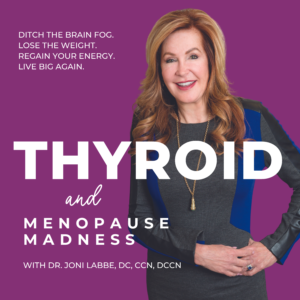 Listen Now!
The post Thyroid and Menopause Madness Podcast appeared first on ThyroSisters™.
June 20, 2023
Headaches: Prevention and Natural Remedies
 However, these superficial treatments do not address the root cause of chronic headaches and can have adverse health effects when overused – especially on the liver!
Usually, headaches are our body’s way of telling us that something is wrong – perhaps that you have a hormone imbalance, need to get more sleep, drink more water or you are sensitive to a food or additive. Rather than masking these signals with drugs, there are plenty of natural ways to relieve headaches and get to the root cause of why they keep coming back. Keep reading for some effective home remedies!
Why Do We Get Headaches?Headaches occur when nerve endings called nociceptors respond to headache triggers. These nerves send pain messages to the brain, beginning with a headache.
Common headache triggers include:
StressLack of sleepEyestrain, back strain, or neck painCertain smells, such as tobacco or perfume in the environmentFood sensitivitiesAlcohol consumptionDehydrationNutrient deficiencyCaffeine withdrawalHormone imbalancesIf severe or chronic, headaches can also be indicative of a more serious underlying health condition or injury. It is important to pinpoint the root cause of severe headaches and work with a practitioner for a proper diagnosis.
Natural Remedies For HeadachesWhat can be done to relieve headaches? Your first reaction might be to reach into your purse for an Advil. But studies have shown that NSAIDs are more harmful to our health than many people realize! They can interact negatively with other medications and are harsh on your liver and gastrointestinal system.
Instead, try some of these natural methods to stop headaches at the source:
1 – Drink more waterOne of the most common causes of headaches is dehydration. If you are experiencing one, it is a good idea to drink some water right away. Research shows that increased water intake reduces the frequency and severity of headaches. You can also get more hydration by eating water-rich foods like fruits and vegetables!
2 – Avoid alcoholEven if you are drinking lots of water, alcohol is dehydrating and provokes an inflammatory response in the body, making it a risk factor for headaches. If you experience frequent or severe headaches, it is recommended to reduce your alcohol intake to see if symptoms improve.
3 – Take magnesiumLow magnesium levels are associated with more frequent and more severe headaches. Studies have shown that supplementation, with around 200-600 mg a day, can be hugely beneficial for headaches and even migraines. As well, magnesium can be found in whole food sources such as leafy greens, beans, dairy products, and chocolate.
4 – Use essential oilsCertain concentrations of plant extracts can help treat headaches, such as peppermint, eucalyptus, and lavender essential oils. The next time you feel a headache coming on, try diffusing one of these aromas or applying a small amount, mixed with a carrier oil like jojoba, to the temples and wrists.
5 – Take a B-complex vitaminThe B vitamins are involved in the synthesis of neurotransmitters like serotonin, which tend to be deficient in people who suffer migraines or frequent headaches. Studies show that B vitamin supplements that include riboflavin (B2), folate, and B12 can be useful in reducing headache symptoms.
6 – Apply a cold compressThis is a cost-effective and natural way to treat headaches. Applying a cold compress to your forehead or neck will decrease inflammation and constrict the blood vessels, which lowers the severity of headache pain.
7 – Try stretchingMany of us stay in a stagnant position, whether sitting at our desks or hunched over our laptops, for much of the day. Unsurprisingly, this can create tension in the body that leads to headache pain. Taking regular breaks every 30-60 minutes to stretch your neck and body will help alleviate this tension. If you feel a headache beginning, a quick yoga session can also be great for relaxing muscles and stopping pain.
8 – Take a Detox BathThis can help reduce tension and stress in the body and soothe the symptoms of a headache. Simply run a hot bath and add detoxifying ingredients such as baking soda, essential oils, or apple cider vinegar. As you soak, your body will release toxins and tensions that may be causing you pain.
The next time you feel the unpleasant onset of a headache, refer back to these natural remedies before you reach for any medication.
Prevention Is Key!You may also be wondering how to prevent headaches from occurring long-term. Try focusing on these four areas to reduce your likelihood of suffering future headaches:
Hydration. Staying hydrated throughout the day is the most simple way to reduce the risk of headaches. Not to mention, it is good for your overall health!Nutrition. Under-eating can not only make you feel tired and grumpy, but it can also lead to headaches! It is important to eat enough at regularly scheduled intervals throughout the day to feel your best. As often as possible, try to eat nutrient-dense foods, especially those rich in magnesium and B vitamins.Sleep. Both too little and too much sleep have been associated with headaches. While the right amount varies from person to person, you should aim for 7-9 hours per night.Stress. We all have some degree of stress in our lives, but we must work to manage it to avoid headaches and other negative effects on our overall health. There are many stress-reducing practices you can implement into your life to feel better overall – from yoga to light exercise to meditation – find something that works for you.Headaches can be uncomfortable and downright inconvenient. Thankfully, there are many ways you can reduce their frequency and severity without compromising your overall health by relying on NSAIDs.
Remember: Persistent headaches can sometimes be a sign of a more serious underlying health condition, so it is important to speak to a practitioner if this is a concern for you as additional testing may be necessary. Please reach out to me/us if you want to review headache prevention strategies or if you have concerns about your headaches.
Sources
Hindiyeh NA, Zhang N, Farrar M, Banerjee P, Lombard L, Aurora SK. The Role of Diet and Nutrition in Migraine Triggers and Treatment: A Systematic Literature Review. Headache. 2020 Jul;60(7):1300-1316. doi: 10.1111/head.13836. Epub 2020 May 25. PMID: 32449944; PMCID: PMC7496357.Kasarla, M., & Anthes, J. (2017, July 18). The Overuse of NSAIDs. Physician’s Weekly. https://www.physiciansweekly.com/the-overuse-of-nsaids/Arca KN, Halker Singh RB. Dehydration and Headache. Curr Pain Headache Rep. 2021 Jul 15;25(8):56. doi: 10.1007/s11916-021-00966-z. PMID: 34268642; PMCID: PMC8280611.Maier, J., & Cazzaniga, A. (2020, June). Headaches and Magnesium: Mechanisms, Bioavailability, Therapeutic Efficacy and Potential Advantage of Magnesium Pidolate. MDPI. https://www.mdpi.com/2072-6643/12/9/2660Meacham, J. (2022, October 3). 18 Remedies to Get Rid of Headaches Naturally.Yuan R, Zhang D, Yang J, Wu Z, Luo C, Han L, Yang F, Lin J, Yang M. Review of aromatherapy essential oils and their mechanism of action against migraines. J Ethnopharmacol. 2021 Jan 30;265:113326. doi: 10.1016/j.jep.2020.113326. Epub 2020 Aug 30. PMID: 32877718.Chen YS, Lee HF, Tsai CH, Hsu YY, Fang CJ, Chen CJ, Hung YH, Hu FW. Effect of Vitamin B2 supplementation on migraine prophylaxis: a systematic review and meta-analysis. Nutr Neurosci. 2022 Sep;25(9):1801-1812. doi: 10.1080/1028415X.2021.1904542. Epub 2021 Mar 29. PMID: 33779525.Sprouse-Blum AS, Gabriel AK, Brown JP, Yee MH. Randomized controlled trial: targeted neck cooling in the treatment of the migraine patient. Hawaii J Med Public Health. 2013 Jul;72(7):237-41. PMID: 23901394; PMCID: PMC3727573.Anheyer D, Klose P, Lauche R, Saha FJ, Cramer H. Yoga for Treating Headaches: a Systematic Review and Meta-analysis. J Gen Intern Med. 2020 Mar;35(3):846-854. doi: 10.1007/s11606-019-05413-9. Epub 2019 Oct 30. PMID: 31667736; PMCID: PMC7080891.Razeghi Jahromi S, Ghorbani Z, Martelletti P, Lampl C, Togha M; School of Advanced Studies of the European Headache Federation (EHF-SAS). Association of diet and headache. J Headache Pain. 2019 Nov 14;20(1):106. doi: 10.1186/s10194-019-1057-1. PMID: 31726975; PMCID: PMC6854770.Watson NF, Badr MS, Belenky G, Bliwise DL, Buxton OM, Buysse D, Dinges DF, Gangwisch J, Grandner MA, Kushida C, Malhotra RK, Martin JL, Patel SR, Quan SF, Tasali E. Recommended Amount of Sleep for a Healthy Adult: A Joint Consensus Statement of the American Academy of Sleep Medicine and Sleep Research Society. Sleep. 2015 Jun 1;38(6):843-4. doi: 10.5665/sleep.4716. PMID: 26039963; PMCID: PMC4434546.The post Headaches: Prevention and Natural Remedies appeared first on ThyroSisters™.
June 12, 2023
The Secrets of Aging And Longevity
 Research shows that only about 25 percent of our longevity is inherited and the remaining 75 percent is determined by the way we live. If the factors that influence the aging process are few enough to control through healthy living, we stand a chance at increasing our longevity by making the right choices.
Thankfully, evidence suggests there are a finite number of ways to influence aging. This means we’re not doomed by bad genes, nor can we rely solely on good genes to carry us through long and healthy lives all the way into our 90’s. We can, however, do certain things to increase our chances of getting there. So let’s get down to the conditions for living a long and healthy life. After all, what good is living a long life if we’re not disease and disability-free in old age? That’s the goal!
Why Do We Age?There are many compelling theories on the subject of how and why we age dating back to antiquity. Some ancient philosophers believed in a version of the “rate of living” theory, which suggests each person possesses a mysterious “vital substance” that keeps them alive. This elusive life-giving ingredient was thought of as a predetermined, finite amount of heartbeats and breaths awarded to each person at birth to last throughout their lifetime. Luckily for us, this isn’t the case! However, the mystery of exactly how and why we age has yet to be fully solved.
Aging Occurs At The Cellular LevelOne modern theory is the cross linking/glycation hypothesis. As we age, the mobility and elasticity of structural molecules and proteins in our cells is impaired because of a cellular process called “cross-linking.”
Cross-linking occurs when cells form inappropriate attachments to one another, impairing the proteins’ functions, the same chemical process that causes food to turn brown when cooked.
Free RadicalsEvidence also suggests aging can be caused by free-radicals causing oxidative damage to cells. Free-radicals are the toxic byproducts of normal cellular metabolism. This creates a vicious cycle in which free radicals cause oxidative damage to cells, which in turn produces more free-radicals. This unavoidable side-effect of cell production leads to cell death, the result of which are the signs of aging.
Stress Is The KillerAll of the most compelling modern theories on aging point to cellular damage as the main cause for the deterioration of our bodies as we grow older. Both physical and emotional stress cause free-radicals, oxidation, and damage to DNA–all factors that cause cell death and aging. Stress has the power to lower our immune system, increase inflammation, and destroy the brain cells that are responsible for memory. This is because when we’re stressed our bodies produce cortisol, a hormone directly linked to causing cell damage.
It only makes sense that finding ways to lower stress is the best overall anti-aging remedy. Besides, why all the concern with living a long time if we’re always stressed out beyond belief? Incorporating stress-reducing tools day to day increases our quality of life, and that’s a top priority!
Physical And Psychological StressBoth environmental as well as lifestyle choices can impact stress levels in the body. Heavy metals from polluted water, EMFs, chemicals, alcohol, cigarettes, and poor diet all contribute to the production of cortisol which means more stress.
People who suffer from chronic stress, depression, anxiety, trauma, and social isolation have similar damage in common at the cellular level. Studies show that stress shortens the length of a part of cells called telomeres. Shortened telomeres are a leading cause of cell death and aging.
The good news is we have some control over how we deal with stress. All we need is the awareness and the willingness to confront stress, and the right tools available to help us do so.
Holistic Stress ReducersLiving a stress-free lifestyle is the key to a long, happy, healthy life. The challenge, should we choose to accept it, is committing ourselves to reducing stress in our lives. After all, we can’t show up for life effectively if our minds are always clouded by stress. So what are some tools we can use to manage and eliminate stress, one day at a time?
Meditation has been proven to reduce stress by creating new neurological pathways in the brain. This makes new thoughts possible and helps shake us out of old habits. Taking a moment to quiet the endless stream of thoughts running through our minds allows us to take a piece of that tranquility with us throughout the rest of the day. Meditation makes a world of difference and doesn’t have to be intimidating! Even taking 5 to 10 minutes to center yourself before starting your day can be life-changing.Healthy diet. Eating a healthy diet full of fresh organic vegetables, whole grains, and nutrient-rich proteins is key to longevity. Eliminating sugar and processed foods is a must for anyone concerned with living long and well.Physical activity. Implementing an exercise routine is essential to mental and physical wellness. Physical activity releases powerful stress-reducing endorphins in the brain. Yoga is especially helpful, as it combines meditation with exercise, naturally relaxing the body and mind.Good sleep. Sleep facilitates the function of the lymphatic system, which can be thought of as the brain’s garbage disposer. While we’re asleep, the brain works 10 times as hard to remove toxins, like the protein build-up responsible for Alzheimer’s disease.Limiting exposure to toxins. The effects of environmental toxins such as polluted water and poor air quality can seriously impact longevity over time. It’s been proven that people who live in places with cleaner air and access to fresh, clean water are known to live longer. Avoiding toxic materials, such as using plastic for food storage, is an easy way to start reducing toxicity in the body.Purposeful living. Living a purposeful life is the most important thing we can do to extend our longevity. One thing centenarians all have in common is feeling they have lived a life worth living. Studies show that people who live with a greater sense of purpose experience better quality sleep along with receiving the regenerative benefits of being well-rested.Practicing an attitude of gratitude is one way to ensure we live long and prosper.A Note on Blue ZonesThe places on earth with the greatest longevity are known as “Blue Zones,” and people who live there all have some major things in common. They tend to live with a greater sense of purpose and value healthy eating, exercise, and maintaining positive relationships with themselves and others.
Japan is the country with the greatest longevity on the planet, one out of fifteen-hundred Japanese citizens are over one hundred years old!
The answer is in the culture. Obesity rates are low, as the common Japanese diet consists mainly of plant food, fish, and non-sugar sweetened beverages. The Japanese value purposeful living and meditation is a regular practice among common people. Managing stress and living with purpose are the most important things we can do to increase longevity. The Japanese culture supports both, and the proof is in the population.
You Only Live Once!As far as we know, this is our one and only life in this form. It’s up to the individual to tend their own garden by implementing life-affirming, longevity-boosting lifestyles to ensure this life is meaningful, enjoyable, and lasts a good long time!
The good news is we’re definitely not alone on the journey. If you’re curious about ways to increase your longevity and overall quality of life, give me a call. I can help!
Call 858.284.9501, email support@thyrosisters.com, or click here to schedule a free clarity call!Sources:
Goyal M, Singh S, Sibinga EM, Gould NF, Rowland-Seymour A, Sharma R, Berger Z, Sleicher D, Maron DD, Shihab HM, Ranasinghe PD, Linn S, Saha S, Bass EB, Haythornthwaite JA. Meditation programs for psychological stress and well-being: a systematic review and meta-analysis. JAMA Intern Med. 2014 Mar;174(3):357-68. doi: 10.1001/jamainternmed.2013.13018. PMID: 24395196; PMCID: PMC4142584.Schultchen D, Reichenberger J, Mittl T, Weh TRM, Smyth JM, Blechert J, Pollatos O. Bidirectional relationship of stress and affect with physical activity and healthy eating. Br J Health Psychol. 2019 May;24(2):315-333. doi: 10.1111/bjhp.12355. Epub 2019 Jan 22. PMID: 30672069; PMCID: PMC6767465.Tsugane, S. Why has Japan become the world’s most long-lived country: insights from a food and nutrition perspective. Eur J Clin Nutr (2020).Alimujiang A, Wiensch A, Boss J, et al. Association Between Life Purpose and Mortality Among US Adults Older Than 50 Years. JAMA Netw Open. 2019;2(5):e194270. doi:10.1001/jamanetworkopen.2019.4270Diggs J. (2008) The Cross‐Linkage Theory of Aging. In: Loue S.J., Sajatovic M. (eds) Encyclopedia of Aging and Public Health. Springer, Boston, MA.Lints FA. The rate of living theory revisited. Gerontology. 1989;35(1):36-57. doi: 10.1159/000212998. PMID: 2656413.The post The Secrets of Aging And Longevity appeared first on ThyroSisters™.
June 1, 2023
Improve Your Digestion With These 10 Tips
Good digestion is essential to our health – and our mood – and when it’s all working smoothly, we tend to take it for granted. It’s not until things go wrong that digestion moves to the forefront of our minds.
 If you are someone who suffers with digestive issues such as abdominal pain, diarrhea, bloating, and nausea, you know that it can quickly become all we think about, affecting every moment of the day. And the discomfort is only the tip of the iceberg. If we’re not digesting food properly, we’re at risk for nutritional deficiencies. That’s because the digestive system is our central “distribution center”, breaking down what we eat and shipping nutrients out to the cells that need them.
Like any supply chain, any broken link can have far-reaching consequences. In addition to the many far-reaching effects of nutrition deficiencies, poor digestion can lead to emotional stress, and even depression due in part to the gut’s role in producing serotonin (our happy hormone).
Digestive Disorders are Increasingly CommonDigestive disorders have risen dramatically in recent years, likely because our fast-paced lifestyles contain many elements that contribute to problems, such as high stress levels, too much time sitting, and poor quality sleep. The good news is that it’s possible to get your digestion back on track.
By getting to know your own digestive system and experimenting with different lifestyle habits that are known to make a difference to many people, you can figure out that funny tummy, reclaim your social life and feel confident that what you eat is truly nourishing your body.
10 Proven Ways to Help Improve Your Digestion1. Eat whole, natural foodsChoosing whole foods means opting for the least-processed version whenever possible. Choose an apple over apple pie, for example, or whole grains over refined flour. Not only is this the best way to get all of the essential nutrients, but the additives and excess sugar found in many processed foods can feed the bad bacteria in your gut, contributing to gut irritation, bloating and cramps. Artificial sweeteners are another culprit of poor digestion, since even the so-called “healthy” sweeteners like xylitol have been linked to bloating and diarrhea.
2. Focus on fiberTo understand the myriad of ways fiber promotes digestive health, it’s helpful to distinguish between the two types of fiber:
Soluble fiber
As the name suggests, soluble fiber dissolves in water. When it passes through your body, it absorbs water and other fluids to form a gel-like substance that feeds the good bacteria in your gut. Good sources of soluble fiber include beans, apples, oats, and strawberries.
Insoluble fiber
Because insoluble fiber doesn’t dissolve, it helps provide bulk to stools, which helps them move along the digestive tract more easily, contributing to regularity and that sometimes elusive feeling of complete elimination. Good sources include vegetables and many whole grains.
Your diet should contain both types of fiber to promote good digestion and regularity. To increase your overall fiber intake, increase your consumption of whole grains, fruits and vegetables. There are numerous ways to sneak more fiber into your diet, like leaving the peel on potatoes, adding a handful of nuts to a salad, and sprinkling a little freshly ground flaxseed on yogurt. However, if you currently eat a low-fiber diet, be careful not to ramp up your intake too quickly, which can lead to gas and discomfort. And as you introduce increasing amounts of fiber, make sure you’re also drinking more water as the fiber itself absorbs a lot.
3. Stay hydratedOne of the most common culprits for constipation is dehydration. Water helps move things along through your digestive tract in a wave-like muscle movement called peristalsis. However, if your body senses that you need more water elsewhere in the body that takes priority. The lower intestine draws water from your stools to redirect it to other parts of your body such as your muscles or brain, making your stools harder to pass.
Choose your fluids wisely. Sipping on water and herbal teas throughout the day are great options to keep you hydrated. Avoid alcohol, which acts as a diuretic and further dehydrates, as well as sweetened beverages. The jury is still out regarding coffee’s effects on digestion. Some people find it leads to heartburn, but scientists haven’t found a direct causal effect. Coffee does have a laxative effect for many people, and it’s best consumed in moderation.
4. Choose healthy fatsToss a fiber-rich salad with a bit of olive oil, and stay clear of fat-free dressings. Healthy fats such as olive oil, avocados, and nuts actually help your body absorb nutrients, so don’t be afraid to add them to a meal. In addition, omega-3 fatty acids may help prevent digestive disorders like Crohn’s Disease and ulcerative colitis. Foods high in omega-3 include fatty fish like salmon, chia seeds, hemp hearts and nuts.
5. Reduce stressYes, this is easier said than done. But consider this: Your gut has millions of neurons receiving messages from your brain. When you’re under chronic stress, you’re more vulnerable to stomach aches and other upsets. Plus, when you’re stressed, your adrenal glands release more of the fight-or-flight hormone cortisol, which can lead to cramping as the body redirects hydration from your intestines to your arms and legs.
Try to create a calm atmosphere for meals, and keep dinner conversation pleasant. Tackle long-term stress by introducing more stress-busting mindful activities such as yoga or walks. Many people have success with meditation, especially practices geared towards digestive issues.
6. Eat mindfullyPart of making mealtimes less stressful can simply mean slowing down. Avoid eating on the go and try to make a policy of eating while sitting down, at a table, instead of in your car or while running to another activity. Turn off the TV and pay attention to the pleasure of a good meal.
Use your senses throughout a meal – taste, smell, textures – food should be enjoyed after all. Savour every bite instead of absent-mindedly snacking while thinking of something else and you’ll improve digestion by preventing overeating to the point of feeling too full.
7. Chew your food wellWhat’s the rush? When you chew your food, you’re starting the digestive process, so it follows that more chewing breaks down your food more thoroughly. Plus, chewing slowly helps you to focus on your food in a more conscious manner and, in turn, reduces stress. Aim to chew your food 20 – 30 times before swallowing to aid the digestive process.
8. Get movingIt’s simple: When you move, your digestive system moves. That might sound overly simplistic, but scientists have found that exercise can improve the rate at which you digest food. The peristalsis process speeds up with the increase in blood flow and the triggering of various movement receptors in your colon, pushing food through the digestive tract at a regular pace. Exercise also reduces stress, boosts energy, improves mood and heart health.
9. Clean up your habitsYou can add “better digestion” to the many reasons to quit smoking and cut down on alcohol consumption. Some smokers feel that smoking helps them stay regular, but like caffeine, that is due to a stimulant effect that can be irritating. Smoking also greatly increases the risk of acid reflux, peptic ulcers, Crohn’s disease, and cancer of the colon. If this is you, I can work with you on creating a health plan to help you cut out smoking – while practicing other good digestion habits – so you won’t feel the need to rely on cigarettes.
10. Maintain the microbiomeYour digestive tract contains trillions of bacteria supporting gut health. Maintaining that microbiome is essential for avoiding digestive problems like gas, bloating, constipation, and diarrhea. A healthy gut microbiome is also essential for mental health, as the gut is the main site for the production of our happy hormone, serotonin.
These tips can help your maintain balanced levels of the right kind of gut bacteria:
Because the microbiome contains many different types of bacteria, be sure to eat a wide variety of foods to help sustain them.Good bacteria help digest some types of fibers, so following a high-fiber diet stimulates their growth.Fermented foods help replenish good bacteria, so choose foods like unsweetened yogurt, kimchi, kefir, tempeh, and sauerkraut when possible.Probiotic supplements can help maintain a good balance in your gut. Research suggests they’re an effective supplement to reduce the symptoms of existing digestive problems, although they may be less effective at preventing problems.Don’t let digestive problems hold you back from enjoying life. If you’d like to talk about further strategies, or want help creating a plan to implement these tips, contact our team or click here to schedule a free clarity call!
Sources:
Anderson JW, Baird P, Davis RH Jr, Ferreri S, Knudtson M, Koraym A, Waters V, Williams CL. Health benefits of dietary fiber. Nutr Rev. 2009 Apr;67(4):188-205. doi: 10.1111/j.1753-4887.2009.00189.x. PMID: 19335713. Everhart JE, editor. The burden of digestive diseases in the United States. US Department of Health and Human Services, Public Health Service, National Institutes of Health, National Institute of Diabetes and Digestive and Kidney Diseases. Washington, DC: US Government Printing Office, 2008; NIH Publication No. 09-6443.Boekema PJ, Samsom M, van Berge Henegouwen GP, Smout AJ. Coffee and gastrointestinal function: facts and fiction. A review. Scand J Gastroenterol Suppl. 1999;230:35-9. doi: 10.1080/003655299750025525. PMID: 10499460.Oettlé GJ. Effect of moderate exercise on bowel habit. Gut. 1991 Aug;32(8):941-4. doi: 10.1136/gut.32.8.941. PMID: 1885077; PMCID: PMC1378967.McFarland LV. Use of probiotics to correct dysbiosis of normal microbiota following disease or disruptive events: a systematic review. BMJ Open. 2014 Aug 25;4(8):e005047. doi: 10.1136/bmjopen-2014-005047. PMID: 25157183; PMCID: PMC4156804.The post Improve Your Digestion With These 10 Tips appeared first on ThyroSisters™.