
Lewis Perdue's Blog
February 26, 2026
Food Coloring and Packaging Ink Contamination: A Review
By Lewis Perdue, January 14, 2026
1. Introduction to Synthetic Food DyesSynthetic food dyes are widely used in processed foods, beverages, confectionery, and pharmaceuticals to enhance visual appeal. The primary dyes approved for use in the United States include FD&C Red No. 3 (Erythrosine), Red No. 40 (Allura Red AC), Yellow No. 5 (Tartrazine), Yellow No. 6 (Sunset Yellow FCF), Blue No. 1 (Brilliant Blue FCF), Blue No. 2 (Indigo Carmine), and Green No. 3 (Fast Green FCF). In the European Union, similar synthetic colorants are approved under E-number designations. These azo dyes, characterized by the presence of one or more nitrogen-nitrogen double bonds (-N=N-), represent the largest class of synthetic food colorants. [Citations 1-3]
The safety of synthetic food dyes has been scrutinized since the 1970s when pediatric allergist Benjamin Feingold first hypothesized that food additives, including synthetic colorings, may contribute to attentional problems in children. This hypothesis prompted decades of research examining associations between synthetic food dye consumption and neurobehavioral outcomes in children. [Citations 4-5]
2. Neurobehavioral Effects in Children2.1 The Southampton StudiesThe landmark 2007 Southampton study (McCann et al.) represents the largest and most rigorous investigation of food additives and child behavior. This randomized, double-blinded, placebo-controlled crossover trial enrolled 153 three-year-old and 144 eight/nine-year-old children from the general population. Children were given drinks containing either artificial food colorings plus sodium benzoate or placebo. The results demonstrated that consumption of the additive mixtures resulted in increased hyperactive behavior in both age groups, with effects observed in children without pre-existing behavioral disorders. [Citation 6]
Following this study, the European Food Safety Authority (EFSA) concluded that the study provided limited evidence of a small effect on activity and attention in some children, though effects were not consistent across age groups and dye mixtures. The EU subsequently required warning labels on foods containing specific synthetic dyes stating they “may have an adverse effect on activity and attention in children.” [Citations 7-8]
2.2 Meta-Analyses and Systematic ReviewsThe California Office of Environmental Health Hazard Assessment (OEHHA) conducted a comprehensive systematic review in 2021, identifying 27 clinical trials examining synthetic food dyes and neurobehavioral outcomes. The review found that synthetic food dyes can affect activity and attention in some children, with OEHHA identifying 1 mg tartrazine as the lowest observed adverse effect level. The review also examined animal studies, finding altered motor activity in 17 of 21 studies and learning/memory effects in 12 of 18 studies. [Citations 9-10]
A 2012 meta-analysis by Nigg et al. concluded that color additives have an effect on hyperactive behavior in children, with a small subset showing more extreme behavioral responses. The analysis suggested that restricting synthetic food dye consumption would benefit some children with ADHD, potentially affecting tens of thousands of children in the United States. [Citation 11]
2.3 Genetic Moderation of EffectsResearch by Stevenson et al. (2010) demonstrated that polymorphisms in histamine degradation genes (HNMT Thr105Ile and HNMT T939C) and dopamine transporter genes (DAT1) moderated children’s responses to synthetic food dyes. Children lacking the protective C allele in HNMT T939C—approximately 60% of children studied—showed greater adverse responses to food dyes. This suggests a biological basis for individual variation in sensitivity to synthetic colorants. [Citation 12]
3. Azo Dye Metabolism by Gut MicrobiotaAzo dyes undergo reductive cleavage of the nitrogen-nitrogen double bond by intestinal bacteria, producing aromatic amine metabolites. This azoreduction occurs through NAD(P)H-dependent azoreductase enzymes expressed by multiple bacterial species including Bacteroides vulgatus, one of the most abundant species in the human colon. Three types of bacterial azoreductases have been characterized: flavin-dependent NADH-preferred, flavin-dependent NADPH-preferred, and flavin-free NADPH-preferred enzymes. [Citations 13-14]
A 2023 study surveyed 206 bacterial strains representative of 124 species and found that several groups of gut bacteria, including ones not previously associated with azoreduction, could reduce common food azo dyes including Allura Red, Amaranth, Sunset Yellow, and Tartrazine. Importantly, some bacterial strains showed effects on growth related to the presence of azo dyes or their reduction products, suggesting potential impacts on gut microbial ecosystems. [Citation 15]
3.1 Carcinogenic Aromatic Amine MetabolitesBy the 1940s, aromatic amines such as benzidine and 2-naphthylamine, used in azo dye synthesis, were established as human and rodent carcinogens. Intestinal bacteria can reduce benzidine-based dyes (Direct Black 38, Direct Red 2, Direct Blue 15) to release free benzidine, 3,3′-dimethylbenzidine, and 3,3′-dimethoxybenzidine—all known carcinogens. The metabolites were confirmed by gas chromatography/mass spectrometry. [Citations 16-17]
Some metabolites produced by intestinal microbiota are carcinogenic to humans even when the parent azo dye is not classified as carcinogenic. Studies have shown that benzidine can induce tumors in the gastrointestinal tract, pancreas, liver, and gallbladder. The EU has classified azo dyes based on benzidine, 3,3′-dimethoxybenzidine, and 3,3′-dimethylbenzidine as Category 2 carcinogens. [Citation 18]
4. Individual Dye Safety Profiles4.1 Red No. 3 (Erythrosine) — Now BannedOn January 15, 2025, the FDA revoked authorization for Red No. 3 (erythrosine) in food and pharmaceuticals, citing the Delaney Clause which prohibits FDA authorization of any food or color additive found to induce cancer in humans or animals. Studies from the 1980s linked Red No. 3 to thyroid tumors in male rats, leading to its 1990 ban in cosmetics. Although the FDA stated that the mechanism by which Red No. 3 causes thyroid cancer in male rats—increased circulating TSH—is not relevant to humans at typical exposure levels, the Delaney Clause mandated the ban regardless. Food manufacturers must reformulate by January 2027; drug manufacturers by January 2028. [Citations 19-21]
4.2 Red No. 40 (Allura Red AC)Red No. 40 is the most widely consumed food colorant globally, with annual production exceeding 2.3 million kg. While OECD-guideline compliant studies found no evidence of in vivo genotoxic potential, a 2023 study found that Red 40 causes DNA damage in colorectal cancer cell lines and in living mice, promotes colonic inflammation, and impacts the gut microbiome. The incidence of early-onset colorectal cancer has risen concurrently with increased synthetic food dye consumption over the past 40 years, raising concerns about potential associations. [Citations 22-24]
Red 40 has been found to be contaminated with benzidine and other carcinogens during manufacturing. A 2024 review in Carcinogenesis noted that although no governing agencies classify Allura Red AC as a carcinogen, its interactions with key contributors to colorectal carcinogenesis—inflammatory mediators, the microbiome, and DNA damage pathways—make it suspect and worthy of further investigation. [Citations 25-26]
4.3 Yellow No. 5 (Tartrazine)Tartrazine has been linked to behavioral effects in children and shows genotoxicity in multiple studies. The OEHHA review identified 1 mg tartrazine as inducing significant behavioral responses in children. Challenge studies found that 22 of 34 hyperactive children (65%) clearly reacted to tartrazine with irritability, restlessness, and sleep disturbance. In vitro studies have demonstrated tartrazine is toxic to DNA at all concentration levels tested. Chronic consumption has been found to impair memory and learning in rodents through mechanisms involving gut microbiota degradation, free radical release, and oxidative stress. [Citations 27-29]
5. Titanium Dioxide (E171)Titanium dioxide (E171) has been widely used as a white pigment and opacifier in foods. Food-grade E171 contains particles predominantly in the 200-300 nm range but with a nano-sized fraction (<100 nm) comprising up to 50% of particles by number. In May 2021, EFSA concluded that E171 could no longer be considered safe as a food additive because a concern for genotoxicity could not be ruled out. The EU banned E171 in food as of August 2022 through Regulation (EU) 2022/63. [Citations 30-32]
Studies have shown that TiO2 nanoparticles can accumulate in the liver and intestine, with significant titanium accumulation associated with necroinflammatory foci. Animal studies demonstrated increased superoxide production and inflammation in the stomach and intestine following E171 exposure. French researchers found that E171 nanoparticles absorb quickly through the mouth into the bloodstream, damaging DNA and hindering cell regeneration. [Citations 33-34]
Despite the EU ban, regulatory agencies in the United States (FDA), Canada, Australia/New Zealand (FSANZ), Japan, and the United Kingdom continue to permit titanium dioxide in food. The US FDA permits its use at no more than 1% by weight of food. The contrasting regulatory approaches reflect different interpretations of the precautionary principle and requirements for demonstrating safety. [Citation 35]
6. Packaging Ink PhotoinitiatorsPhotoinitiators are essential components of UV-curing printing inks used on food packaging, particularly cartonboard. These compounds absorb UV energy and generate free radicals to initiate polymerization. After UV ink curing, residual photoinitiators can migrate from the printed surface to food through set-off (transfer to the food-contact side during stacking), direct penetration through porous substrates, and vapor-phase transfer. [Citations 36-37]
6.1 The 2005 ITX IncidentIn 2005, isopropylthioxanthone (ITX) was detected at 120-300 µg/L in Nestlé infant formula in Europe, leading to the recall of over 30 million liters of dairy products across the continent. The contamination occurred through migration of photoinitiators from printed beverage cartons. This incident triggered more than 100 RASFF (Rapid Alert System for Food and Feed) alerts within subsequent years regarding photoinitiator migration from food contact materials. [Citation 38]
6.2 Benzophenone and DerivativesBenzophenone (BP) and 4-methylbenzophenone (4-MBP) are among the most widely used and studied photoinitiators. A German study detected benzophenone in 49% of packaging samples, with 20 food products exceeding legal limits. In cereals packaged in cartonboard, concentrations up to 3,729 µg/kg of 4-methylbenzophenone and 4,210 µg/kg of benzophenone were reported. EFSA recommends a combined limit of 0.6 mg/kg for BP and 4-MBP, though there is no specific EU legislation covering printing inks for food contact use. [Citations 39-40]
A 2024 study found total photoinitiator concentrations in paper food packaging ranging from 48.3 to 111,000 ng/g, dominated by benzophenones (77.1% of total). Benzophenone was the dominant congener in corrugated paper at concentrations up to 36,600 ng/g. Migration quantity increased time-dependently over the first 13 days before reaching equilibrium. Photoinitiators have demonstrated skin contact toxicity, reproductive toxicity, endocrine disrupting activity, and potential carcinogenicity. [Citation 41]
6.3 Barrier Effectiveness and Migration DynamicsResearch has demonstrated a six-order-of-magnitude difference in diffusion coefficients between materials, with low-density polyethylene (LDPE) providing the worst barrier and polyethylene terephthalate (PET) the best. Polyethylene provides at best a temporary barrier effect, slowing but not preventing migration. Surface-to-food-mass ratios in actual packaging were found to be up to 6 times higher than the default value (6 dm²/kg) specified in EU legislation, indicating that standard migration limits likely underestimate actual exposure. [Citations 42-43]
7. Mineral Oil Hydrocarbons (MOSH/MOAH)Mineral oil hydrocarbons (MOH) are divided into mineral oil saturated hydrocarbons (MOSH) and mineral oil aromatic hydrocarbons (MOAH). They contaminate food through environmental sources, machinery lubricants, processing aids, food additives, and migration from food contact materials—particularly recycled paperboard. Printing inks used on food packaging are a predominant source, with migration from printed paper considerably higher than from unprinted paper. [Citations 44-45]
7.1 EFSA Risk AssessmentEFSA’s 2023 updated risk assessment found MOSH detected in 82.6% and MOAH in 50.4% of food contact paper samples from China. Migration of MOSH from 47.9% of samples exceeded 2 mg/kg, and MOAH from 32.2% exceeded 0.5 mg/kg under worst-case conditions. For infants, estimated MOAH exposure ranged from 0.8 to 44.6 µg/kg body weight per day at average levels and up to 78.8 µg/kg bw/day at the 95th percentile. EFSA concluded these exposure levels are of concern due to the possible presence of genotoxic and carcinogenic compounds in MOAH fractions. [Citations 46-47]
7.2 Human Tissue AccumulationAutopsy studies dating to the 1960s demonstrated that MOH exposure causes deposits in human tissues, specifically in mesenteric lymph nodes, spleen, and liver. A 2023 re-analysis of biopsy and autopsy data found that MOSH concentrations in mesenteric lymph nodes and adipose tissue showed a 1.2-1.4-fold increase per decade of life, indicating very long-term accumulation. The German BfR recommends preliminary migration limits of 12 mg/kg for MOSH C10-C16 and 4 mg/kg for MOSH C16-C20. [Citations 48-49]
In pasta packed in recycled paperboard, MOSH and MOAH migration continued over two years of storage. Egg pasta stored on shelves reached 14.5 mg/kg MOSH and 2.0 mg/kg MOAH after two years. Aluminum foil barriers significantly reduced migration, with egg pasta reaching approximately 8 mg/kg MOSH within two months when protected. [Citation 50]
8. Regulatory LandscapeRegulatory approaches to synthetic food dyes differ significantly between jurisdictions. The European Union requires warning labels on foods containing six specific dyes (tartrazine, quinoline yellow, sunset yellow, carmoisine, ponceau 4R, and allura red) stating they “may have an adverse effect on activity and attention in children.” The EU has also banned titanium dioxide (E171) as a food additive as of 2022 and restricted Red No. 3 (erythrosine) to only certain processed cherries since 1994. [Citations 51-52]
In the United States, the FDA maintains that approved food dyes are safe at current exposure levels. However, the January 2025 ban on Red No. 3 under the Delaney Clause demonstrates that animal carcinogenicity data can mandate regulatory action regardless of human relevance assessments. California passed a 2023 law banning Red No. 3, potassium bromate, brominated vegetable oil, and propylparaben in food products, effective 2027—the first state-level action of this kind. [Citations 53-54]
For printing inks and photoinitiators, no harmonized EU legislation specifically covers their use in food contact materials, though general food contact regulations (EC 1935/2004, EC 178/2002) apply. Industry guidelines recommend polymeric multifunctional photoinitiators (molecular weight >1000 Da) to reduce migration potential compared to conventional low-molecular-weight photoinitiators (typically <500 Da). [Citation 55]
9. Summary and ConclusionsThe scientific literature supports several conclusions regarding food coloring and packaging ink contamination:
Synthetic food dyes can affect activity and attention in some children, with effects demonstrated in randomized, double-blinded, placebo-controlled trials. Genetic polymorphisms in histamine and dopamine-related genes moderate individual susceptibility. The effect size, while statistically small, may affect tens of thousands of children and represents a public health concern.
Azo dyes undergo gut microbial metabolism to produce aromatic amine metabolites, some of which are established human carcinogens (benzidine, related congeners). This metabolic activation pathway represents a mechanism for carcinogenic potential independent of the parent dye’s direct toxicity.
Packaging-derived contamination from photoinitiators (benzophenone, ITX) and mineral oil hydrocarbons (MOSH/MOAH) represents an underappreciated exposure pathway. Migration occurs through set-off, direct penetration, and vapor-phase transfer, with standard regulatory migration limits potentially underestimating actual exposure by six-fold.
MOSH accumulates in human tissues over decades, with concentration increases of 1.2-1.4-fold per decade observed in mesenteric lymph nodes and adipose tissue. MOAH fractions containing three or more aromatic rings are of particular concern due to genotoxic and carcinogenic potential.
Regulatory approaches remain fragmented, with the EU applying more precautionary standards (warning labels, titanium dioxide ban) compared to the United States. The 2025 US ban on Red No. 3, 35 years after evidence of animal carcinogenicity, illustrates the lag between scientific evidence and regulatory action.
References1. Amchova P, Siska F, Ruda-Kucerova J. “Food Safety and Health Concerns of Synthetic Food Colors: An Update.” Toxics 12(7):466, 2024. https://www.mdpi.com/2305-6304/12/7/466 [Accessed January 11, 2026]
2. Silva MM, Reboredo FH, Lidon FC. “Food Colour Additives: A Synoptical Overview on Their Chemical Properties, Applications in Food Products, and Health Side Effects.” Foods 11(3):379, 2022. https://www.mdpi.com/2304-8158/11/3/379 [Accessed January 11, 2026]
3. Kobylewski S, Jacobson MF. “Toxicology of food dyes.” International Journal of Occupational and Environmental Health 18(3):220-246, 2012. https://pubmed.ncbi.nlm.nih.gov/23026007/ [Accessed January 11, 2026]
4. Miller MD, Marty MA, et al. “Potential impacts of synthetic food dyes on activity and attention in children: a review of the human and animal evidence.” Environmental Health 21:45, 2022. https://link.springer.com/article/10.1186/s12940-022-00849-9 [Accessed January 11, 2026]
5. California OEHHA. “Health Effects Assessment: Potential Neurobehavioral Effects of Synthetic Food Dyes in Children.” California Office of Environmental Health Hazard Assessment, 2021. https://oehha.ca.gov/sites/default/files/media/downloads/risk-assessment/report/healthefftsassess041621.pdf [Accessed January 11, 2026]
6. McCann D, Barrett A, Cooper A, et al. “Food additives and hyperactive behaviour in 3-year-old and 8/9-year-old children in the community: a randomised, double-blinded, placebo-controlled trial.” Lancet 370(9598):1560-1567, 2007. https://pubmed.ncbi.nlm.nih.gov/17825405/ [Accessed January 11, 2026]
7. EFSA Panel on Food Additives, Flavourings, Processing Aids and Food Contact Materials. “Assessment of the results of the study by McCann et al. (2007) on the effect of some colours and sodium benzoate on children’s behaviour.” EFSA Journal 660:1-54, 2008. https://www.efsa.europa.eu/en/news/efsa-evaluates-southampton-study-food-additives-and-child-behaviour [Accessed January 11, 2026]
8. Arnold LE, Lofthouse N, Hurt E. “Artificial Food Colors and Attention-Deficit/Hyperactivity Symptoms: Conclusions to Dye for.” Neurotherapeutics 9(3):599-609, 2012. https://pmc.ncbi.nlm.nih.gov/articles/PMC3441937/ [Accessed January 11, 2026]
9. Llewellyn GC, Penberthy JK, Parker JM. “Food Color Additives in the US Food Supply: Review of Neurobehavioral Safety.” Journal of Pediatric Neurology and Neuroscience 4(1):55-72, 2020. https://scholars.direct/Articles/pediatric-neurology/jpnn-4-015.php?jid=pediatric-neurology [Accessed January 11, 2026]
10. Weiss B. “Synthetic Food Colors and Neurobehavioral Hazards: The View from Environmental Health Research.” Environmental Health Perspectives 120(1):1-5, 2012. https://pmc.ncbi.nlm.nih.gov/articles/PMC3261946/ [Accessed January 11, 2026]
11. Nigg J, Lewis K, Edinger T, Falk M. “Meta-Analysis of Attention-Deficit/Hyperactivity Disorder or Attention-Deficit/Hyperactivity Disorder Symptoms, Restriction Diet, and Synthetic Food Color Additives.” Journal of the American Academy of Child & Adolescent Psychiatry 51(1):86-97, 2012. https://www.scientificamerican.com/article/does-artificial-food-coloring-contribute-to-adhd-in-children/ [Accessed January 11, 2026]
12. Stevenson J, Sonuga-Barke E, McCann D, et al. “The role of histamine degradation gene polymorphisms in moderating the effects of food additives on children’s ADHD symptoms.” American Journal of Psychiatry 167(9):1108-1115, 2010. https://pmc.ncbi.nlm.nih.gov/articles/PMC3441937/ [Accessed January 11, 2026]
13. Chen H. “Toxicological significance of azo dye metabolism by human intestinal microbiota.” Frontiers in Bioscience 4:568-586, 2012. https://pmc.ncbi.nlm.nih.gov/articles/PMC5870118/ [Accessed January 11, 2026]
14. Ryan A, Kaplan E, Allen-Vercoe E. “Reductive metabolism of azo dyes and drugs: Toxicological implications.” Food and Chemical Toxicology 178:113877, 2023. https://www.sciencedirect.com/science/article/abs/pii/S0278691523003344 [Accessed January 11, 2026]
15. Zahran SA, Ali-Tammam M, Hashem AM, et al. “Metabolism of azo food dyes by bacterial members of the human gut microbiome.” Anaerobe 83:102783, 2023. https://pubmed.ncbi.nlm.nih.gov/37769703/ [Accessed January 11, 2026]
16. Cerniglia CE, Freeman JP, Franklin W, Pack LD. “Metabolism of azo dyes derived from benzidine, 3,3′-dimethyl-benzidine and 3,3′-dimethoxybenzidine to potentially carcinogenic aromatic amines by intestinal bacteria.” Carcinogenesis 3(11):1255-1260, 1982. https://pubmed.ncbi.nlm.nih.gov/7151244/ [Accessed January 11, 2026]
17. Chung KT. “Azo dyes and human health: A review.” Journal of Environmental Science and Health Part C 34(4):233-261, 2016. https://pubmed.ncbi.nlm.nih.gov/27635691/ [Accessed January 11, 2026]
18. Ito T, Ochi T, Yamazaki K, et al. “Microbial Degradation of Azo Dyes: Approaches and Prospects for a Hazard-Free Conversion by Microorganisms.” International Journal of Molecular Sciences 23(9):4639, 2022. https://pmc.ncbi.nlm.nih.gov/articles/PMC9026373/ [Accessed January 11, 2026]
19. US Food and Drug Administration. “FDA to Revoke Authorization for the Use of Red No. 3 in Food and Ingested Drugs.” FDA Constituent Update, 2025. https://www.fda.gov/food/hfp-constituent-updates/fda-revoke-authorization-use-red-no-3-food-and-ingested-drugs [Accessed January 11, 2026]
20. Hofseth LJ. “The FDA banned Red 3 food coloring. A scientist explains the dye’s history and health risks.” PBS News / The Conversation, 2025. https://www.pbs.org/newshour/health/the-fda-banned-red-3-food-coloring-a-scientist-explains-the-dyes-history-and-health-risks [Accessed January 11, 2026]
21. US FDA Federal Register. “Color Additive Petition From Center for Science in the Public Interest, et al.; Request To Revoke Color Additive Listing for Use of FD&C Red No. 3.” Federal Register 90:4628, 2025. https://public-inspection.federalregister.gov/2025-00830.pdf [Accessed January 11, 2026]
22. Bastaki M, Farrell T, Bhusari S, et al. “Lack of genotoxicity in vivo for food color additive Allura Red AC.” Food and Chemical Toxicology 105:308-314, 2017. https://pubmed.ncbi.nlm.nih.gov/28458012/ [Accessed January 11, 2026]
23. Honma M. “Evaluation of the in vivo genotoxicity of Allura Red AC (Food Red No. 40).” Food and Chemical Toxicology 84:270-275, 2015. https://pubmed.ncbi.nlm.nih.gov/26364875/ [Accessed January 11, 2026]
24. Harris Q, Vikas A, Trauner E, et al. “The synthetic food dye, Red 40, causes DNA damage, causes colonic inflammation, and impacts the microbiome in mice.” Toxicology Reports 11:221-232, 2023. https://pmc.ncbi.nlm.nih.gov/articles/PMC10502305/ [Accessed January 11, 2026]
25. Hofseth LJ, Hebert JR, Murphy EA, et al. “Allura Red AC is a xenobiotic. Is it also a carcinogen?.” Carcinogenesis 45(10):711-720, 2024. https://pmc.ncbi.nlm.nih.gov/articles/PMC11464682/ [Accessed January 11, 2026]
26. Hashem AS, et al. “Food Color Additives in Hazardous Consequences of Human Health: An Overview.” Current Nutrition & Food Science 19(9):867-878, 2023. https://pubmed.ncbi.nlm.nih.gov/36650651/ [Accessed January 11, 2026]
27. Rowe KS, Rowe KJ. “Synthetic food coloring and behavior: A dose response effect in a double-blind, placebo-controlled, repeated-measures study.” Journal of Pediatrics 125(5 Pt 1):691-698, 1994. https://pmc.ncbi.nlm.nih.gov/articles/PMC9052604/ [Accessed January 11, 2026]
28. El Golli N, et al. “Coloring outside the lines: Exploring the dysbiotic impact of azo dyes on gut health and inflammation.” Probiologists, 2024. https://www.probiologists.com/article/coloring-outside-the-lines-exploring-the-dysbiotic-impact-of-azo-dyes-on-gut-health-and-inflammation [Accessed January 11, 2026]
29. Doguc DK, Ceyhan BM, Ozturk M, Gultekin F. “Effects of maternally exposed colouring food additives on cognitive performance in rats.” Toxicology and Industrial Health 29(7):616-623, 2013. https://link.springer.com/article/10.1186/s12940-022-00849-9 [Accessed January 11, 2026]
30. EFSA Panel on Food Additives and Flavourings. “Safety assessment of titanium dioxide (E171) as a food additive.” EFSA Journal 19(5):6585, 2021. https://www.efsa.europa.eu/en/news/titanium-dioxide-e171-no-longer-considered-safe-when-used-food-additive [Accessed January 11, 2026]
31. European Commission DG SANTE. “Goodbye E171: The EU bans titanium dioxide as a food additive.” European Commission Newsroom, 2022. https://ec.europa.eu/newsroom/sante/items/732079/en [Accessed January 11, 2026]
32. Warheit DB, Brill R, et al. “Safety of titanium dioxide (E171) as a food additive for humans.” Frontiers in Toxicology 6:1439320, 2024. https://pmc.ncbi.nlm.nih.gov/articles/PMC11295244/ [Accessed January 11, 2026]
33. Pinget G, et al. “Impact of the food additive titanium dioxide (E171) on gut microbiota-host interaction.” Frontiers in Nutrition 6:57, 2019. https://usrtk.org/chemicals/titanium-dioxide/ [Accessed January 11, 2026]
34. Pele LC, et al. “Titanium dioxide nanoparticles in food packaging and human health.” ScienceDirect Toxicology, 2025. https://www.sciencedirect.com/science/article/abs/pii/S0300483X25000459 [Accessed January 11, 2026]
35. UK Committee on Toxicity. “COT Statement on the Safety of Titanium dioxide (E171) as a Food Additive.” UK Food Standards Agency, 2024. https://cot.food.gov.uk/COT%20Statement%20on%20the%20Safety%20of%20Titanium%20dioxide%20(E171)%20as%20a%20Food%20Additive%20-%20Lay%20Summary [Accessed January 11, 2026]
36. Lago MA, Rodriguez-Bernaldo de Quiros A, et al. “Photoinitiators: a food safety review.” Food Additives & Contaminants Part A 32(5):779-798, 2015. https://www.researchgate.net/publication/272080012_Photoinitiators_a_food_safety_review [Accessed January 11, 2026]
37. Mohapatra SK. “Photoinitiator Selection for Food Packaging Inks and Coatings – Concerns and Opportunities.” LinkedIn Article, 2020. https://www.linkedin.com/pulse/photoinitiator-selection-food-packaging-inks-coatings-mohapatra [Accessed January 11, 2026]
38. Jung T, Simat TJ, Kimmel J, Fiedler D. “Occurrence of photoinitiators in carton board packaging materials.” Food Packaging Forum, 2013. https://foodpackagingforum.org/news/printing-ink-exposure-from-fcm-significantly-underestimated [Accessed January 11, 2026]
39. Shen M, Liu G, Yin H, et al. “Occurrences and migration characteristics of photoinitiators in paper food packaging: Implication for human exposure.” Journal of the Chinese Institute of Engineers, 2024. https://www.sciencedirect.com/science/article/abs/pii/S1001074224004765 [Accessed January 11, 2026]
40. Kim S, Lee S, Shin D, et al. “Cumulative Dietary Risk Assessment of Benzophenone-Type Photoinitiators from Packaged Foodstuffs.” Toxics 10(1):19, 2022. https://pmc.ncbi.nlm.nih.gov/articles/PMC8774600/ [Accessed January 11, 2026]
41. Anderson WAC, Castle L. “Benzophenone in cartonboard packaging materials and the factors that influence its migration into food.” Food Additives & Contaminants 20(6):607-618, 2003. https://www.researchgate.net/publication/300478350_Benzophenone_UV-Photoinitiators_Used_in_Food_Packaging_Potential_for_Human_Exposure_and_Health_Risk_Considerations [Accessed January 11, 2026]
42. US FDA. “Hazard Identification of Printing Ink Substances Used on the Exterior of Food Packaging.” FDA Technical Report, 2023. https://www.fda.gov/media/168846/download [Accessed January 11, 2026]
43. Sagratini G, Caprioli G, et al. “Determination of ink photoinitiators in packaged beverages by gas chromatography-mass spectrometry.” Journal of Chromatography A 1194(2):213-220, 2008. https://pubmed.ncbi.nlm.nih.gov/21847975/ [Accessed January 11, 2026]
44. EFSA CONTAM Panel. “Update of the risk assessment of mineral oil hydrocarbons in food.” EFSA Journal 21(9):8215, 2023. https://pmc.ncbi.nlm.nih.gov/articles/PMC10498375/ [Accessed January 11, 2026]
45. Weber S, Schrag K, Mildau G, et al. “Analytical Methods for the Determination of Mineral Oil Saturated Hydrocarbons (MOSH) and Mineral Oil Aromatic Hydrocarbons (MOAH)—A Short Review.” Analytical Chemistry Insights 13:1177390118777757, 2018. https://journals.sagepub.com/doi/10.1177/1177390118777757 [Accessed January 11, 2026]
46. Li S, Gao Y, Li S, et al. “Migration of mineral oil hydrocarbons from food contact papers into food simulants and extraction from their raw materials.” Food Additives & Contaminants Part A 38(6):924-937, 2021. https://pubmed.ncbi.nlm.nih.gov/33818316/ [Accessed January 11, 2026]
47. Grob K. “Mineral oil in food, cosmetic products, and in products regulated by other legislations.” Critical Reviews in Toxicology 50(1):1-36, 2020. https://www.tandfonline.com/doi/full/10.1080/10408444.2019.1694862 [Accessed January 11, 2026]
48. Cravedi JP, Boudry G, et al. “Evidence for an accumulation of mineral oil saturated hydrocarbons (MOSH) in human tissues: a re-evaluation of biopsy and autopsy data.” Journal of Consumer Protection and Food Safety 18:401-411, 2023. https://link.springer.com/article/10.1007/s00003-023-01458-5 [Accessed January 11, 2026]
49. UC Davis Food Quality. “Mineral Oil (MOSH – MOAH) Food Contamination.” UC Food Quality Resource, 2024. https://ucfoodquality.ucdavis.edu/chemical-contaminants/mineral-oil-mosh-moah [Accessed January 11, 2026]
50. Barp L, et al. “Migration of selected hydrocarbon contaminants into dry pasta packaged in direct contact with recycled paperboard.” Food Additives & Contaminants Part A 32(2):271-283, 2015. https://foodpackagingforum.org/news/hydrocarbon-contaminants-in-pasta-packed-in-recycled-paperboard [Accessed January 11, 2026]
51. European Parliament and Council. “Regulation (EC) No 1333/2008 on food additives.” Official Journal of the European Union L354:16-33, 2008. https://pmc.ncbi.nlm.nih.gov/articles/PMC3441937/ [Accessed January 11, 2026]
52. European Commission. “Commission Regulation (EU) 2022/63 amending Annexes II and III to Regulation (EC) No 1333/2008 on titanium dioxide.” Official Journal of the European Union, 2022. https://essfeed.com/why-titanium-dioxide-was-banned-as-a-food-additive-in-the-eu/ [Accessed January 11, 2026]
53. Center for Science in the Public Interest. “Food Dyes: A Rainbow of Risks.” CSPI Report, 2010. https://www.cspi.org/sites/default/files/attachment/food-dyes-rainbow-of-risks.pdf [Accessed January 11, 2026]
54. California Legislature. “California Food Safety Act (AB 418).” California State Legislature, 2023. https://www.healthline.com/health/red-dye-3 [Accessed January 11, 2026]
55. Bradley EL, Stratton JS, et al. “Printing ink compounds in foods: UK survey results.” Food Additives & Contaminants Part B 6(2):73-83, 2013. https://www.researchgate.net/publication/265605623_Migration_of_Photoinitiators_in_Food_Packaging_A_Review [Accessed January 11, 2026]


Processing the political & health implications of Mike Tyson’ superbowl Ad
“Most foods as purchased and consumed are processed to some extent. For this reason, accounts that are critical of ‘processed food’ are not useful — From”Ultra-processed foods: what they are and how to identify them.”
“Diets restricted to unprocessed food would be less diverse and less secure. Foods benefit, and are made more available, when processed by
various harmless methods of preservation; and some processes enhance food quality, non-alcoholic fermentation being an example. Traditional and established cuisines all over the world are based on dishes and meals
prepared from unprocessed and minimally processed food together with processed culinary ingredients and processed foods. The issue is not processing. It is ultra-processed foods, the fourth group in the NOVA system of food classification.
Mike Tyson’s superbowl ad casting shade on “processed” food is just the latest example of pseudo-scientific fraud to be foisted on the American public in an attempt to satisfy political supporters of Trump’s political supporters by finding clever language loopholes in dietary recommendations and definitions. Significantly, Tyson has no scientific background to enable him to issue a statement on an important the health-related opinion, only a long pugilistic relationship with President Trump.
Just pause for a moment to realize that, according to most prominent global assessment of food processing categories, cooking an egg in a skillet on the stove counts as a process. And to add insult to culinary injury, adding salt and pepper adds to the level of processing injuries. Horrors await if adding cheese to that
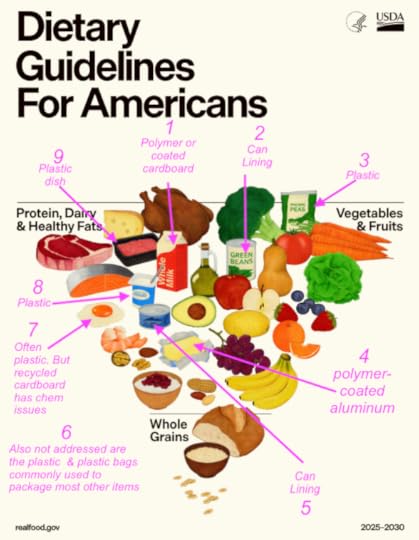
Ironically, RFKJr’s new upside down nutritional guidelines food pyramid contains a number of items that violate Tyson’s “avoid processed food” command.
First of all talking about “processed” foods is a pseudo-clever attempt by Trump administration officials to avoid mentioning the phrase”ultra-processed.” That language is too closely identified with plastic-based chemicals have been shown to leach out of plastic packaging. Kennedy made that a visible campaign issue.
Plastic then became a hot topic in the Trump administration due to RFKJR’s decades long demonization of plastic-based chemicals such as BPA and phthalates associated with metabolic and endocrine disorders.
Politically, RFKJr’s sustained assault over plastics has been scrubbed from his remarks along with other politically embarrassing proxy language following appointment as HHS Secretary.
This is because plastics, especially BPA and phthalates have long been major targets of RFKJRs, because they are high-volume plastic chemicals with petrochemicals origins manufactured by major Trump supporters who ponied up $73 million for his last presidential campaign.
Trump’s “Drill Baby, Drill” campaign speech conflicted with RFKJRs’s declaration to eliminate fracking, which he called a major source of harmful plastic chemicals.
As a result. shortly after becoming HHS Secretary, Kennedy’s speech was vigorously scrubbed of many offending offending proxy references including plastic, fracking, BPA, and phthalates [See the great scrubbing URL-TK]. Among those semantic outcasts were mentions of “ultra-processed” foods because they are often packaged in plastic containers, cans with BPA or other chemicals with the ability to leach plastic-derived substances into food.
While not directly confirmed, the most visible rehabilitation of plastic can be found in the illustration accompanying the latest government nutrition guidelines which clearly demonstrate healthy foods in plastic packaging — all of which are capable of leaching chemicals [image]+[link to post]. What better way to cast Pollyanna hues all over the evil pre-Trumpian plastic packaging?
No Scientific Definition of “Processed Food.”
The most widely accepted scientific definition of ultra-processed food (UPF) comes from theNOVA classification system that categorizes foods based on the extent and purpose of industrial processing rather than their nutrient content.
Processing: Four categories“Processed food’ is not a useful or scientifically accurate term because
Because most foods as purchased and consumed are processed to
some extent. For this reason, accounts that are critical of
‘processed food’ are not useful.
This table demonstrates how a single base food (the potato) moves through the NOVA categories depending on what is added and how it is prepared.
Action / ComponentNOVA GroupClassificationRole in the DietA whole potato (raw or boiled in water)Group 1Unprocessed / Minimally ProcessedThe base food/nutrient source.Olive oil and SaltGroup 2Processed Culinary IngredientThe agent used to cook/season Group 1.Homemade roasted potatoes (Group 1 + Group 2)Group 3Processed FoodA traditional culinary preparation.Mass-produced “Tater Tots” (with dextrose, sodium acid pyrophosphate, and hydrogenated oils)Group 4Ultra-Processed FoodAn industrial formulation ready to heat.Scientific SourceTitle: Ultra-processed foods: what they are and how to identify them
Citation: Monteiro, C. A., Cannon, G., Levy, R. B., Moubarac, J. C., Louzada, M. L., Rauber, F., Khandpur, N., Cediel, G., Neri, D., Martinez-Steele, E., Baraldi, L. G., & Jaime, P. C. (2019). Ultra-processed foods: what they are and how to identify them. Public Health Nutrition, 22(5), 936–941.
Date Accessed: February 9, 2026
Classification, Ultra-processed: NOVA Group 4, Direct quote from above (cambridge.org)
Ultra-processed foods are defined as industrial formulations typically composed of five or more ingredients. a food item generally meets the following criteria:
Industrial Ingredients: They contain substances extracted from foods (such as casein, lactose, whey, and gluten) or derived from further processing of food constituents (hydrogenated oils, hydrolyzed proteins, maltodextrin, and high-fructose corn syrup).Cosmetic Additives: The use of “markers of ultra-processing”—additives specifically intended to make the product hyper-palatable or visually appealing. This includes flavor enhancers, color stabilizers, emulsifiers, thickeners, and non-sugar sweeteners.Sophisticated Processing: They undergo industrial techniques with no domestic equivalent, such as extrusion, molding, and pre-processing by frying or baking.Nutritional Profile: UPFs are typically characterized by high energy density, high glycemic load, and a lack of dietary fiber, micronutrients, and bioactive compounds.Common Examples of Ultra (way beyond just) Processed FoodsMass-produced packaged breads and buns.Reconstituted meat products (nuggets, fish sticks, sausages).Instant “cup” noodles and powdered soups.Sweetened breakfast cereals and energy bars.Artificially flavored yogurts and dairy drinks.Science Breakthrough! (Really?) Consumer Introduction To Assessing Scientific Studies
PLEASE NOTE: A more technical version of this article, intended for professionals in the field, can be found at this link.
In addition, these are both works in progress with additional text, videos and images to be added as appropriate.
 From The New York Times
Is that sensational scientific study really so important that you have to change your life? Nope. More than likely, it’s the science that sucks.
Science can be confusing.
Sometimes for scientists, and especially for individuals in the general public who are trying to make informed and valid personal health decisions.
That confusion is further complicated by the proliferation of company and product-oriented websites whose purpose is to maximize the sales of their products. Paid internet influencers and PR folk just add to the problem. Those are significant reasons that reports of scientific studies are frequently inaccurate or sensationalized, uneven, many times inaccurate, or make sensational claims in pursuit of maximum clicks, readership and viewers.
To make matters worse, the journalist tasked with writing a study may not understand it any better than the average person.
This famous scientist has an opinion about that…
https://www.youtube.com/embed/Vi-ks_x...And, this doctor/scientist piles on…
You, however, have access to other methods to separate scientific hamburger from prime rib. Which is the point of this post.
Follow-Up SourcesFollowing are the outstanding sources that address the need to translate science to the general public:
The Hitchcock Project at the University of Nevada RenoThe The Science Media Center in the UK..Start by Asking Whether the Study Conclusions are Causal or Just links and Associations.
This is not an easy task because there are a lot of different study types. It’s important to realize that most studies are not causal. What does that mean? Causal means there is a definite, identifiable conclusion that “A causes B”.
A link, correlation, or association concludes that there may be some sort of relationship between the studied chemical, drug or lifestyle practice and some sort of outcome, but which is not causal because of known or unknown confounding factors or complications.
The Difference Between Causal and Associations: How Ice Cream KillsScientific studies can be categorized as either demonstrating causality or simply showing some sort of connection, link or association. The difference is based on the study design and methodology, and the strength of their evidence.
Regardless of the type of study, informed consent must be obtained from all participants. The study must adhere to ethical standards, ensuring that the benefits outweigh the risks and that participants’ rights and well-being are protected.
Causal Studies:
Randomized controlled trials (RCTs) are the most causal of all study types, because they are designed to establish a cause-and-effect relationship between a specific treatment, chemical or other substance and a specific outcome.
 Click image to start video which will begin with a different title page.
RCT protocols are developed to control for confounding variables and biases. As a result, RCTs have the strongest Strength of Evidence of all study types and provide strongest evidence for a cause-and-effect relationship.
Randomization means that test subjects/participants are randomly assigned to either the treatment group or the control group.
This helps ensure that the test and control groups are as similar to each other as possible. That minimizes selection bias, and tries to balance both known and unknown confounding factors across the groups.
Control Group: The control group serves as a benchmark. It may receive a placebo (an inactive substance) or a standard treatment. This allows for a comparison with the group receiving the experimental treatment.
Blinding: Good Random Controlled Trials (RCTs) are blinded. The best are are “double-blind”, meaning neither the participants nor the researchers know who is receiving the treatment and who is receiving the placebo. The video, below, offers a view at the difference.
is this video better or worse?
This minimizes bias in interactions with test subjects, and the administration of treatment and assessment of outcomes.
Clear Definition of Variables: The primary outcome to be measured is clearly defined, as are the treatments/interventions and the population being studied. This includes precise dosages, duration of treatment, and specific criteria for participant selection.
Follow-up: When practical, participants are followed over a period of time to allow the treatment to show effects.
Statistical Analysis: The data from a trial are analyzed using statistical methods to determine whether there are significant differences in outcomes between the treatment and control groups.
Replicability: The methodology of the study must be clear, and the conduct precisely followed, to allow for replication, which is essential for verifying results.
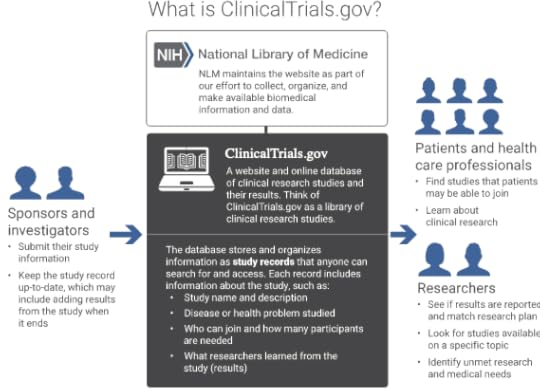
Registration and Protocol: In the United States, high-quality RCTs should be registered with ClinicalTrials.Gov, or, if in other countries, in a public trials registry before the commencement of the study.
A Closer Look At Confounding Factors
Take, for example, an observational study finding that people who exercise regularly have lower rates of heart disease. This shows an association but does not prove that the exercise directly causes the heart health improvement.
For example, people who run may have higher income, be better educated, live in areas with better air and water, have better medical care, more time to run, and neighbors who also run.
Many Factors Exist To Confound Observational Studies
In addition to the simple sample above, below is a list of common types of confounding factors that could lead to erroneous conclusions.
Lifestyle Factors: These include habits or behaviors like diet, exercise, smoking, and alcohol consumption. For instance, in a study examining the relationship between a dietary supplement and heart health, a person’s overall diet and exercise regimen could be confounding factors.
Socioeconomic Status: Factors such as income, education level, and occupation can impact health outcomes, and may confound studies examining medical or social interventions.
Genetic Predispositions: In health studies, genetic backgrounds can be a significant confounder, as some populations may have a genetic predisposition to certain conditions or responses to treatments.
Environmental Exposures: Exposure to various environmental factors, like pollution, climate, or geographic location, can impact health and other outcomes, potentially confounding studies.
Age and Gender: These are common confounders in many types of research. Age and gender can influence susceptibility to diseases, response to treatments, and behaviors.
Psychological Factors: Mental health status, stress levels, and other psychological factors can influence various health outcomes, and may confound certain studies.
Cultural Factors: Cultural practices and beliefs can influence behavior and health outcomes, thus potentially confounding studies.
Access to Healthcare: Variability in access to and quality of healthcare can influence health outcomes, and may confound studies examining medical treatments or health interventions.
Pre-existing Conditions: In health studies, pre-existing medical conditions can influence the outcomes independently of the variables being studied.
Biases in Data Collection: This includes measurement bias, selection bias, or recall bias, where the way data are collected or reported can introduce confounding.
Researchers often use statistical methods, such as multivariable regression analysis, or design strategies, like matching or stratification, to minimize the impact of confounders on their study outcomes. Regardless of those efforts, none of them rise to a causal strength of evidence.
Study Subjects Other Than Humans
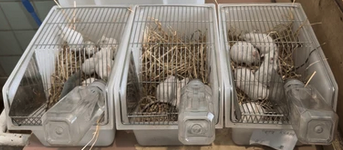 Photo: Shutterstock
A large number of studies are conducted in species other than humans — rats, mice, zebra fish, to name a few common ones. These may be suggestive of a possible effect in humans, but are a far leap from projecting a given outcome in people, given that 92% of drugs deemed safe and effective in animals fail when tested in humans.
Published and Peer-Reviewed
Finally, the credibility of a study is affected by whether it has been published and peer-reviewed.
https://www.youtube.com/embed/rOCQZ7Q...
Strength of Evidence
To make good decisions about whether the results of a study should influence your personal health decisions, it’s helpful to try and figure out a study’s strength of evidence.
While consideration should eventually be given to the study authors’ reputations and their institutions, and experience, the quality of a study can be first assessed on its type. Fundamental to this is the quality of the data, and how that data was generated.
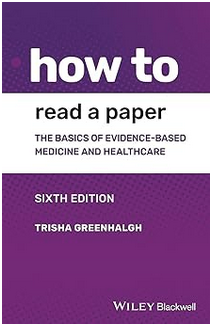
The measure of this is called the Strength of Evidence, which was first developed to assist physicians and other health care personnel in developing the best treatment for a given ailment. In fact, the book How to Read a Paper: The Basics of Evidence-Based Medicine by Trisha Greenhalgh has long been the fundamental work on assessing the applied strength of evidence for the purpose of developing clinical treatments for patients.
While Greenhalgh’s book has been required reading for decades of medical school students, its principles for assessing the strength of evidence apply to individual choices in personal health care. Below is our effort to guide individuals in their critical assessment of personal health care , including supplements, non-prescription options and treatments. This pyramid or hierarchy is not a prescription, but simply a guide to understanding an establish way to sort through the confusing multitude of study types
It is always best to consult your healthcare physician before embarking on personal healthcare decisions
Graphical Exampls of Assessing the Strength of Evidence: The Pyramid
The3se are some of the very best of the many efforts that have been made to use pyramids to represent levels of scientific evidence among the various study designs. It’s important to realize that pyramids are always oversimplified, but convey the overall concept.
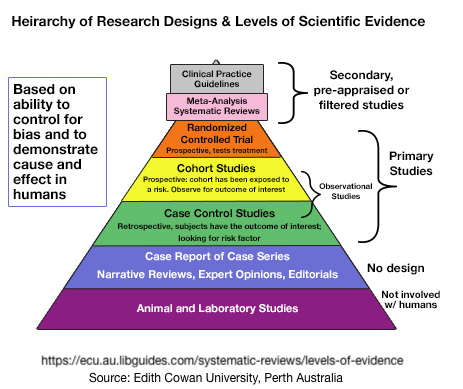
Below, read on to see our effort to be complete at ranking the strength of evidence of a relatively complete survey of study types and explaining what they are.
To Dig Deeper into evidence-based strengths and how to determine if a study is a jewel or junk, please see: Not All Science Is Equal. Here’s How To Assess The Value Of A Study .
Many thanks to David Morrison for his invaluable judgment and editing assistance with this post.
February 3, 2025
January 16, 2025
Weapons, Warfare & High-Caliber Writing: Masterclass At SF Writers Conference
High Caliber Writing: Writing firearms and people doing violence to create fascinating characters and visceral action that drives your plot, enriches your setting, and keeps tension wire-tight from page one to The End.
Gripping action is the beating heart of some genres, and can be an invaluable addition to others, but writing it can be difficult because the typical writer has not spent a great deal of time fighting for their life.
Fortunately, the way humans react to stress and danger is largely constant across time and culture. Once a writer understands the basics, writing immersive action becomes a matter of applying consistent reactions to their specific work.
In High Caliber Writing these reactions are shown through the lens of the most common modern tool of violence, firearms. Significantly for authors, the methods used to acquire firearms, the type of firearm, their use, and the emotional and psychological reactions can further develop your character as well as drive your plot forward.
Starting with biology and working outward to entire armies and cultures, using examples taken from the work of bestselling author Lewis Perdue, students will learn how to write top quality murder, havoc, slaughter, and destruction, all while ensuring the participants are suitably terrified (or thrilled).
The PeopleKarl Henwood was briefly a cop in Oakland, CA, is an Iraq veteran, and has been an Armor officer on the M1 Abrams line of main battle tanks for 18 years. He’s finished two Science Fiction manuscripts and is currently working on a third, He does professional editing on the side. He is currently about to plunge back into the query trenches. He lives with his wife, two children, and a rather strange dog in Boise, Idaho.
Lewis Perdue is a bestselling author of 22 published books including 15 thrillers and 7 non-fiction. He’s an environmental chemical researcher affiliated with the University of California San Francisco School of Medicine and develops AI apps. He has decades of firearms experience and training, and as served in an intelligence capacity with the Los Angeles County Sheriff’s Department. He’s also served on the faculties at UCLA and Cornell University, served as a top aide to a U.S. Senator and a state governor, run Congressional races, worked as an investigative reporter (Jack Anderson, Watergate etc.), and as a columnist for The Wall Street Journal Online and TheStreet.Com. He recently sold his freemium wine industry business publication, Wine Industry Insight. More at: Lewisperdue.com. Until her retirement he was represented by the Natasha Kern Literary Agency.

May 17, 2024
AI Looks At Sniper Books And Movies
 Sniper Fiction
There have been several successful fiction books featuring snipers as central characters or focusing on sniping as a key element of the story. Here are some notable examples:
“Point of Impact” by Stephen Hunter (1993) – The first book in the Bob Lee Swagger series, featuring a Vietnam War sniper veteran. The book was adapted into the 2007 film “Shooter” starring Mark Wahlberg.“The Day of the Jackal” by Frederick Forsyth (1971) – A thriller about an assassin hired to kill French President Charles de Gaulle. The assassin uses a sniper rifle in his attempt. The book has been adapted into films in 1973 and 1997.“The Sniper and the Wolf” by Scott McEwen (2015) – Part of the Sniper Elite series, featuring Navy SEAL sniper Gil Shannon as he takes on a mission involving a deadly Russian sniper.“Time to Kill” by Gunnery Sgt. Jack Coughlin and Donald A. Davis (2007) – Part of the Kyle Swanson Sniper Novels series, following a Marine Corps sniper as he uncovers a conspiracy while serving in Iraq.“Dead Shot” by Jack Coughlin and Donald A. Davis (2009) – Another book in the Kyle Swanson series, where the protagonist investigates an attack on a U.S. Marine base.“The American Sniper” by Chris Kyle, Scott McEwen, and Jim DeFelice (2013) – A memoir by Chris Kyle, the most lethal sniper in U.S. military history, which inspired the 2014 film “American Sniper” directed by Clint Eastwood.“The Redeemer” by Jo Nesbø (2009) – Part of the Harry Hole series, this crime novel features a sniper targeting individuals in Oslo during Christmas time.These books have gained popularity among readers interested in military fiction, thrillers, and crime novels, often featuring complex characters and intense, suspenseful storylines centered around snipers and their skills.
Sniper Non-FictionThere have been several successful non-fiction books about snipers, often focusing on their experiences, training, and the history of sniping. Here are some notable examples:
“American Sniper” by Chris Kyle, Scott McEwen, and Jim DeFelice (2012) – The autobiography of Chris Kyle, the most lethal sniper in U.S. military history, detailing his experiences in Iraq and his struggles with post-traumatic stress disorder (PTSD).“Marine Sniper: 93 Confirmed Kills” by Charles Henderson (1986) – The story of Carlos Hathcock, a legendary U.S. Marine Corps sniper during the Vietnam War, known for his skill and dedication.“One Shot, One Kill” by Charles W. Sasser and Craig Roberts (1990) – A collection of stories about U.S. Marine Corps snipers, focusing on their training, missions, and experiences.“Sniper One: The Blistering True Story of a British Battle Group Under Siege” by Dan Mills (2007) – A firsthand account of a British sniper’s experiences during the Iraq War, particularly during the siege of Al Amarah in 2004.“The White Sniper: Simo Häyhä” by Tapio Saarelainen (2016) – A biography of Simo Häyhä, a Finnish sniper during the Winter War (1939-1940) against the Soviet Union, credited with over 500 confirmed kills.“Dear Mom: A Sniper’s Vietnam” by Joseph T. Ward (1991) – A collection of letters written by the author to his mother during his time as a sniper in the Vietnam War, offering insights into the daily life and experiences of a combat sniper.“The Longest Kill: The Story of Maverick 41, One of the World’s Greatest Snipers” by Craig Harrison (2015) – The memoir of a British sniper who held the record for the longest confirmed sniper kill at 2,475 meters (1.54 miles) in Afghanistan.These non-fiction books provide readers with a glimpse into the real-life experiences, challenges, and achievements of snipers throughout history, often focusing on their training, tactics, and the psychological aspects of their unique role in military operations.
Sniper MoviesHere are some of the most successful motion pictures featuring a sniper as a prominent character, along with their box office revenues and top actors:
American Sniper (2014)Box office: $547.4 millionTop actors: Bradley Cooper, Sienna Miller, Kyle GallnerSaving Private Ryan (1998)Box office: $481.8 millionTop actors: Tom Hanks, Matt Damon, Tom SizemoreNote: While not the main focus, the character of Private Daniel Jackson (played by Barry Pepper) is a skilled sniper in the film.The Bourne Ultimatum (2007)Box office: $442.8 millionTop actors: Matt Damon, Julia Stiles, David StrathairnNote: The character of Paz (played by Edgar Ramírez) is an assassin and sniper working for the CIA.Jack Reacher (2012)Box office: $218.3 millionTop actors: Tom Cruise, Rosamund Pike, Richard JenkinsJarhead (2005)Box office: $97.1 millionTop actors: Jake Gyllenhaal, Jamie Foxx, Lucas BlackShooter (2007)Box office: $95.7 millionTop actors: Mark Wahlberg, Michael Peña, Danny GloverEnemy at the Gates (2001)Box office: $96.9 millionTop actors: Jude Law, Ed Harris, Rachel WeiszThe Wall (2017)Box office: $4.5 millionTop actors: Aaron Taylor-Johnson, John CenaThese films have been commercially successful and feature prominent sniper characters played by well-known actors. The box office figures are worldwide gross revenues and are not adjusted for inflation.
February 4, 2024
My Vanity Fair photo shoot at the Vatican (2006)
This is from my Vanity Fair photo shoot defending my book “Daughter of God” against Dan Brown’s Da Vinci Clone – https://archive.vanityfair.com/articl...

December 27, 2023
New Edition Of Slatewiper Available January 1, 2024
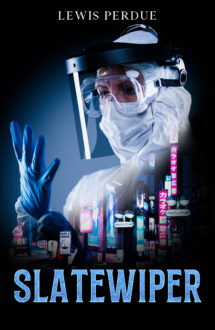
Free at Kindle Select and also available in paperback.
As the clock clicks swiftly down, biotech entrepreneur Lara Blackwood races to stop ultra-right-wing extremists from using her stolen gene technology to start an ethnic purge that would kill billions worldwide — all for them to keep their bloodline “unpolluted.”Slatewiper is science-based thriller I originally wrote in the mid-1990s. It went unpublished because publishers thought the premise was too far-fetched.
Then world events caught up with publisher doubts at the turn of the century when international medical groups and even the CIA began to issue warning about gene weapons.
Because of this and the relentless effort by my literary agent Natasha Kern, Slatewiper was finally published in hardcover by Macmillan/Forge in 2003.
And now, twenty years later, the Chinese intelligence agency — at the end of October, 2023 –issued a warning whose details underpin Slatewiper.
From Publisher’s Weekly:Humanity’s very existence is at stake in this latest hair-raiser by Perdue (Daughter of God, Forge 2000), a no-holds-barred biogenetic thriller. Lara Blackwood, founder of GenIntron, a company devoted to gene manipulation as a method of fighting genetic diseases such as Tay-Sachs and sickle-cell anemia, is a tough hybrid of brilliant scientist, beauty and fighter.
As the novel begins, GenIntron has been forced into economic difficulty and bought by the internationally powerful Japanese Daiwa Ichiban Corporation and its racist head, Tokutaro Kurata. In his first move, Kurata perverts Blackwood’s work by creating a new genetic weapon, graphically named Slatewiper, with which he intends to rid Tokyo of its hated Korean immigrants.
Thousands of dead Koreans fill the streets, and puzzled doctors postulate a new and unknown disease. Kurata dreams of reviving Japanese militarism, refusing to acknowledge defeat in WWII and denying the horrifying Japanese atrocities of that war and earlier Asian wars. He plans to sell the deadly gene to nations wishing to eliminate their own minorities, or for use against enemies, while plotting to promote Japanese superiority and racial purity.
Aiding Kurata is Blackwood’s nemesis, Sheila Gaillard, as beautiful and brilliant as Blackwood and altogether deadly, and Kurata’s nephew and heir, American-taught Akira Sugawara, loyal but finally driven to rebellion by the horrors he witnesses. In the light of current medical epidemics, this is a timely offering. (July) Copyright 2003 Reed Business Information.
More Reviews HereThe reviews at this link come from a very archaic web site that I hand-coded two decades ago. You will find some broken links which are being fixed along with a total conversion to a decent, well-designed WordPress site (in progress).
November 18, 2023
Snipers Briefing For Henwood Ranch Range Day For Writers
NOTE: Please address questions of comments to: lperdue@ideaworx.com
This briefing is for writer attendees of today’s Henwood Ranch Range Day. I had been scheduled to serve as a range safety officer and demonstrate the use of a scoped 30.06 rifle as a example of a sniper weapon. An athletic injury prevented me from attending. In the following article, I’ll try to cover some anticipated questions based on those which I got at the previous Range Day
Why This Post?This briefing is based on my experience with a type of weapon that has been used by snipers, and on research I have conducted with military snipers and document research. It also reflects my own author efforts to create credible sniper characters for several of my published books, including a more recent unfinished work one with a white-hat, female “guardian” sniper.
The ideas and links below reflect some of my experience and research. This also assumes that you (as an attendee) may be considering a book about a civilian murder using a sniper weapon. In this context, I’m ruling out mass shootings carried out by psychologically damaged individuals whose goal is mass casualties of people, and who do not plan to escape or remain anonymous and which which do not target specific individuals.
That given, if you choose sniping as your antagonist character’s preferred murder method there are fundamental considerations to consider.
First of all, homicide by sniping is not a crime of passion. It is a cold, calculated act: shot through with malice and aforethought. There are no extenuating circumstances. If caught, and convicted, the killer will receive no mercy from the court.
Your character should be aware of, and concerned by the consequences of his/her actions. That recognition needs to be addressed at some point, either at the beginning, or at some OMG point in the process. Arrogance, desperation, or some sense of internally justifiable obligation needs to overcome the OMG consequences.
To be a credible and potentially successful character, your sniper needs to be lot more than a good shot with a rifle.
That means that, to be true to character and interesting to your reader, the sniper must be astonishingly patient, painstaking methodical, creatively inventive, obsessed with details and capable of putting emotions aside. The assassin in Day Of The Jackal is a good study.
If your sniper character is a good guy/gal in a military, law enforcement, or other protective context, must have the same characteristics only guided by a moral compass.
Extensive PlanningSurveillanceTo make a good shot and escape capture requires extensive knowledge of the target’s life to plan where in their routine would make the best kill zone. Home, work, recreation, favorite restaurants, and physical fitness centers. and running routes are among potential sites.
Your sniper needs to observe the target’s patterns of activities especially routines: what time, what day, where and for how long. Once a pattern is observed, the sniper need to locate a shooting site that allows for a good shot.
Requirements include a good site line — usually somewhat above the target which minimizes interference from obstacles. It also minimizes the chances of being seen since people usually look mostly straight ahead (or down) when walking or driving.
The site line from the shot site should preferably be one one in which the target is stationary or moving minimally and slowly. This could be as they enter an exit or door in a building or vehicle. Window shots, while spectacular in the movies, are possible but often inaccurate due to interference of the glass.
When a stationary shot is not possible, the best alternative is when the target is moving (walking/running/driving) straight at — or away from – the sniper.
The shot site needs to provide the ability of the sniper to access it and shoot without being seen or causing suspicion. Preferably, it should be in an area where the gunshot will either not be noticed, or in an area where the sniper can escape without being seen.
This is why tops of buildings, abandoned buildings, buildings being renovated are popular in cities. Wooded or brushy hills also offer potential kill sites, but offer fewer opportunities for a clean shot. These may be necessary if the shot to be taken is of the target at his/her home.
Your sniper needs to have a laser rangefinder such as those sold for golfers, and use it to estimate the distance of the shot from shoot site to kill zone. For the average person familiar with shooting a rifle, the maximum distance from shoot site to kill zone should be no more than 100 yards.
To be realistic, you should — in your real author life — scope out a hypothetical kill zone location where the target could be shot in your book. In other words, you need to become the sniper and the victim and walk in their fictional shoes. Get a good feel for the area so you can describe it vividly. Then look around to determine if you can spot a possible shot site that’s no more than 100 yards away.
For maximum verisimilitude, once you have selected a shoot site, carry a shoulder bag and a hockey stick as a stand-in for gear and a rifle and see whether or not you can get the everything to your shoot site without being seen. The location and time of day should coincide with times that surveillance indicates the target will be present.
Be aware of security cameras including home surveillance devices like the Ring system. A smart sniper will take measures to blend in by dressing like people in the shot site and kill zone surroundings. And perhaps apply cosmetics to further obscure his/her appearance.
If you are the author of previous published books, it could be useful to carry one of those with you on your search for a shoot site and/or kill zone. This can be especially handy if you will scoping out be in an area with government buildings, gated communities, corporate and financial companies and other sensitive areas.
I learned this directly when I was scoping out a shoot site and kill zone in London for my mid-80s bestseller, Queensgate Reckoning. The target in that book was a diplomat working at the Iraqi Military Consulate. To write the scene, I spent some time scoping out shoot sites, and settled on a nearby building under renovation that was covered in scaffolding and mesh screening.
It did not take long before I was accosted by four very large, well-armed security guards, two from the London PD’s diplomatic security service and two in military garb. My suspicious behavior — like I was looking for a shoot site — had brought me to their attention. They were aggressively skeptical when I said I was looking for site to put in a book I was writing. About that time, a sedan arrived which was supposed to take me in for questioning.
Things changed when I offered them a paperback edition of my previous thriller, The Delphi Betrayal. Radio calls were made. Finally, I was allowed to leave (without my book) and told not to be seen in the area again or suffer unstated consequences.
The mobile or shoot & scoot siteIn rural areas, an auto, or 4×4 vehicle may be the only alternative for a shoot site. A thinly populated area is good for not being spotted. However, the same holds true for the visibility of a vehicle traveling a remote area. License plates and the sheer size of the vehicle can be memorable to locals. Better to park in an area where other vehicles are parked, then trek in to the shoot site.
A dirt bike with a good muffler could be less noticeable, but would not only leave tracks, but also would expose a rider with a weapon slung over the shoulder. It would all depend on the terrain, the area and the traffic. Being spotted and exposed by a hiker or birdwatcher could unravel the sniper’s identity.
Obtaining the weaponUsing a weapon already in the possession of the potential sniper is risky. Friends and associates may remember it.
Buying a new weapon in the United States is out of the question because of registration requirements. Even an illegal purchase at a dicey gun show means face-to-face exposure to the seller and potential fingerprints left behind at the purchase site.
Theft/burglary is most likely the best acquisition method. This is made relatively easy by the fact that too many gun owners do not lock or otherwise secure their weapons — a prime reason for accidental deaths and injuries to children and others
What to steal?One common, lethal weapon to steal would be the relatively common .30-caliber hunting rifle such as the .30-06 commonly used by deer hunters. (Please see this link for various dissertations on .30-caliber ammunition.)
On the other hand, stealing an AR-15-style rifle may be easier because they have become common, and their owners are less likely to secure their weapons than hunters. This is because many AR-15s are trendy and currently bought by relative newcomers to firearms.
Known as “Legos for adults,” or “Mr. Potato Head of the gun world,” AR-15-style rifles come in a wide variety of interchangeable modules that are attractive to firearm newbies.
This design also makes it easier to dispose of a barrel (to avoid tracing) and related parts rather than an entire conventional rifle. Barrels for these come in 16, 18 and 20 inches. The longer the barrel, the greater the accurate range. While most are chambered for 5.56mm (roughly .22-caliber) some are configured for a 7.62 NATO round (roughly .30-caliber). A hit with the 7.62mm will inflict more damage than the 5.56mm because it has triple the bullet weight with only a slightly slower muzzle velocity. The 7.62mm’s killing power is comparable to a .30-06. The 7.62mm will be heavier.
While the workmanship offered by the wide variety of manufacturers varies greatly, the range and accuracy approach that of more conventional rifles. Finding one with a quality scope could be difficult, although retail purchases with cash do not require identification.
The “AR” stands for Armalite Rifle, named after the company that originated the design. The letters “AR” do not stand for “assault rifle” or “automatic rifle.”
Overview of weapons in use by professionalsWhile variations of .30-caliber rifles are still in use by military snipers, the current standard is .50 caliber. See: Top 10 Sniper Rifles for a 2023 list of rifles favored by the military.
It’s significant that .50-caliber rifles are far fewer in number, and highly secured by professionals. Stealing one of these is likely to have a fatal outcome for the thief.
Getting into a discussion of the vast array of .30-caliber rifles is way more lengthy than this brief document can even begin to begin. It is worth noting that .50-caliber dominates in the pantheon of longest sniper kills, even though .30-caliber and the .30-06 do make the list as also-rans.
It’s a sobering reality that one of the most tragic sniper kills, that of the Assassination of American Civil Rights Icon Martin Luther King Jr. was made with a .30-06, deer-hunting class rifle. This report from the U.S. National Archives, offers a sobering description of events leading up to the event, including the acquisition of the rifle.
How to practiceVisiting a firing range is a bad idea. The sniper can be connected to the weapon by the many other people attending.
The best alternative is to use public land. Many areas of the U.S. Forestry Service and Bureau of Land Management allow shooting. The shooting elevation should be as similar as possible to the proposed site, and the targets set up using the distance from shoot site to kill zone previously measured with the golfers laser range finder.
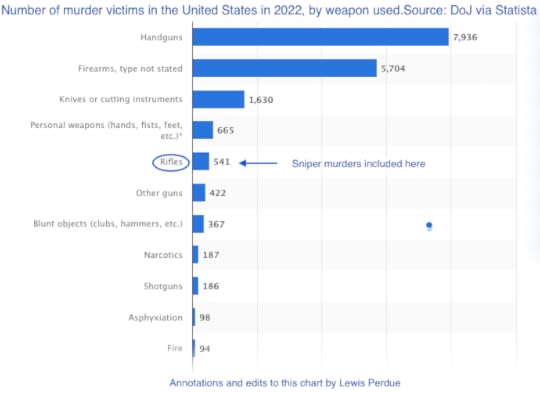
Random factsMurder by Sniper In The U.S.The U.S. Department of Justice does not seem to keep statistics on individual sniping incidents or victims. However, a sniping murder would probably be covered in the relatively small number of number of homicides by rifle:
This link offers somewhat more information, but is limited to one class of rifle: Criminal Use of the 50 Caliber Sniper Rifle.
As we will see, the number of murders by sniper rifle are very small. This tends to draw more attention to the crime which can be a disadvantage to a civilian killing. As we will see below, it also narrows down the field of potential suspects.
On the other hand, because the number of snipings is comparably small, the reservoir of experts qualified to properly investigate them is also very limited and beyond the expertise of most small police departments.
The Military Sniper, BackgroundIt’s worth noting that, military setting, a sniper is not a lone, deranged psychopath who loves to kill. That sniper is one of the most effective combat weapons, and offers near surgical results with zero, or minimal, collateral damage. S/he is there to protect the troops, and contribute to carrying out the unit’s mission.
Given the sudden and unexpected results of a successful shot, the sniper also terrorizes the enemy because the source of the shot is sudden and enemy personnel cannot immediately be determined. The sniper becomes an invisible hand of death.
A military sniper attack also carries with it the same fundamental moral considerations as a military operation sanctioned by a nation state or law-enforcement agency.
The military sniper will have had
extensive training,an extreme familiarity with a:high-quality weapon specially configured for the task andprovided by his/her authorized agencyextensive range practice timea spotter to assist in target acquisition, assessment of environmental conditions (heat, wind etc.), and a set of eyes to watch the shooter’s back and monitor other conditions at the shooting site.All of this tends to minimize stress and distractions, allows for maximum concentration and increase the odds of a clean shot at a target with whom the sniper has no personal experience — thus eliminating issues of anger and other emotional complications.
Most of this could also apply to a professional sniper for hire.
Unless you are writing a humorous tragicomedy with a bumbling, semi-competent, part-time trigger man who keeps missing the target, but somehow escapes arrest because of law enforcement mistakes and stumbles by the target and/or his/her client.
Civilian sniper on the other hand …The civilian murderer, intent on killing with a rifle, has few, or none, of the professional’s advantages listed above and a truckload of disadvantages which makes a successful shooting at a distance a chancy affair.
Fitting the right character for the sniper killerYou need to fit the skill and psychological skill set to your villain. It’s easy to go for a trite-and-true psycho-former military sniper who snaps. To be really interesting to readers, get past that over-done stock villain and assemble someone original. Someone with some small redeeming character/life experience that the reader can connect with. The villain of pure evil is way overdone.
Read one of these:Super helpful.
Special Forces Sniper Training and Employment, Field Manual Headquarters, No. 3-05.222 Department of the Army – Free PDF onlineUPDATED: TC 18-32 Special Forces Sniper Training and EmploymentNovember 2013 – Premium from various sources. Crafting your sniperSome experience with firearms is a must if you want to have a believable character.But remember, as their level of expertise increases, so too, the chances that their background may be better known, and that experience could make them a suspect.Background: Public Sniper MurdersMost articles on sniping in civilian settings (other than the JFK assassination) focus on mass shootings. Racism: Assassination of Martin Luther King Jr.Interesting Note on King Assassin and the rifle: National Archives: Findings on MLK AssassinationTerror: Washinton DC Beltway SnipersDomestic violence? Ex-Wife Of D.C. Sniper: ‘I Was The Enemy’ Washington DC Sniper DoJ Analysis: Managing a Multijurisdictional Case: Identifying the Lessons Learned from the Sniper InvestigationPolitical/Racism – Five Dallas Officers Were Killed as Payback, Police Chief Says — DALLAS, July 8, 2016Insanity/racism: Mark Essex, the 1973 Howard Johnson Sniper Related to Essex: The decorated Marine pilot whose heroics helped stop the 1973 New Orleans sniper attackInsanity: Akron native terrorized Los Angeles as ‘Phantom Sniper’ Insanity: University of Texas tower shootingMore ReferencesCriminal Snipers: What Every Chief Should Know This ragged list of mostly outside publications is one starting point for more research. U.S. DoJ Snipers.Questions? Email me: lperdue@ideaworx.com.Snipers Briefing For Attendees of Henwood Ranch Range Day
I’m writing this because I suffered a painful torn back muscle in a rugby game earlier this week and cannot serve, as planned, as a range safety officer or demonstrate my scoped 30.06 rifle which was to serve as a example of a sniper weapon. I’ll try to briefly cover some of the anticipated questions based on those I got at the previous Range Day or handling firearms.
This is a series of thoughts and not as organized as I would prefer given that I am writing under the same influence of the muscle relaxants that prevent me from driving to Range Day.
Why This Post?This briefing is based on my experience with a type of weapon that has been used by snipers. Also based on research I have conducted with military snipers and on document research. It also reflects my own struggles to create credible snipers for several of my 20 published books, and a more recent unfinished work one with a white-hat, female “guardian” sniper.
The ideas and links below reflect some of my research, and assume you may be writing a book about a civilian murder using a sniper weapon. In this context, I’m ruling out mass shootings carried out by psychologically damaged individuals whose goal is mass casualties of people, and who do not plan to escape or remain anonymous.which do not target specific individuals.
That given, if you choose sniping as your antagonist character’s preferred murder method there are fundamental considerations to consider.
First of all, homicide by sniping is not a crime of passion. It is a cold, calculated act — shot through with malice and aforethought. There are no extenuating circumstances. If caught, and convicted, the killer will receive no mercy from the court.
Your character should be aware of, and concerned by the consequences of his/her actions. That recognition needs to be addressed at some point, either at the beginning, or at some OMG point in the process. Arrogance, desperation, or some sense of internally justifiable obligation needs to overcome the OMG consequences.
To be a credible and potentially successful character, your sniper needs to be lot more than a good shot with a rifle.
That means that, to be true to character and interesting to your reader, the sniper must be astonishingly patient, painstaking methodical, creatively inventive, obsessed with details and capable of putting emotions aside. The assassin in Day Of The Jackal is a good study.
If your sniper character is a good guy/gal in a military, law enforcement, or other protective context, must have the same characteristics only guided by a moral compass.
Extensive PlanningSurveillanceTo make a good shot and escape capture requires extensive knowledge of the target’s life to plan where in their routine would make the best kill zone. Home, work, recreation, favorite restaurants, and physical fitness centers. and running routes are among the potential sites.
Your sniper needs to observe the target’s patterns of activities especially routines: what time, what day, where and for how long. Once a pattern is observed, the sniper need to locate a shooting site that allows for a good shot.
Requirements include a good site line — usually somewhat above the target which minimizes interference from obstacles. It also minimizes the chances of being seen since people usually look straight ahead (or down) when walking or driving.
The site line from the shot site should preferably be one one in which the target is stationary or moving minimally and slowly. This could be as they enter an exit or door in a building or vehicle. Window shots, while spectacular in the movies, are possible but often inaccurate due to interference of the glass.
When a stationary shot is not possible, the best alternative is when the target is walking/running straight at — or away from – the sniper.
The shot site needs to provide the ability of the sniper to access it and shoot without being seen or causing suspicion. Preferably, it should be in an area where the gunshot will either not be noticed, or in an area where the sniper can escape without being seen.
This is why tops of buildings, abandoned buildings, buildings being renovated are popular in cities. Wooded or brushy hills also offer potential kill sites, but offer fewer opportunities for a clean shot. This may be suitable if the shot to be taken is of the target at his/her home.
Your sniper needs to have obtained a laser rangefinder such as those sold for golfers, and use it to estimate the distance of the shot from shoot site to kill zone.
To be realistic, you should — in real author life — pick out a hypothetical shot site and location where a victim would be shot in your book. In other words, you need to become the sniper and the victim and walk in their fictional shoes. Get a good feel for the area so you can describe it vividly.
For maximum verisimilitude, once you have selected a shoot site, carry a shoulder bag and a hockey stick as a stand-in for gear and a rifle and see whether or not you can get the everything to your shoot site without being seen. The location and time of day must coincide with times that surveillance indicates the target will be present.
Be aware of security cameras including home surveillance devices like the Ring system. A smart sniper will take measures to blend in by dressing like people in the shot site and kill zone surroundings. And perhaps apply cosmetics to further obscure his/her appearance. Never standout.
If you are the author of previous published books, it could be useful to carry one of those with you on your search for a shoot site and/or kill zone. This can be especially handy if you will scoping out be in an area with government buildings, gated communities, corporate and financial companies and other sensitive areas.
I learned this directly when I was scoping out a shoot site and kill zone in London for my mid-80s bestseller, Queensgate Reckoning. The target in that book was a diplomat working at the Iraqi Military Consulate. To write the scene, I spent some time scoping out shoot sites, and settled on a nearby building under renovation that was covered in scaffolding and mesh screening.
It did not take long before I was accosted by four very large, well-armed security guards, two from the London PD’s diplomatic security service and two in military garb. My suspicious behavior — like I was looking for a shoot site — had brought me to their attention. They were aggressively skeptical when I said I was looking for site to put in a book I was writing. About that time, a sedan arrived which was supposed to take me in for questioning.
Things changed when I offered them a paperback edition of my previous thriller, The Delphi Betrayal. Radio calls were made. Finally, I was allowed to leave (without my book) and told not to be seen in the area again or suffer unstated consequences.
The mobile or shoot & scoot siteIn rural areas, an auto, or 4×4 vehicle may be the only alternative for a shoot site. A thinly populated area is good for not being spotted. However, the same holds true for the visibility of a vehicle traveling a remote area. License plates and the sheer size of the vehicle can be memorable to locals.
A dirt bike with a good muffler could be less noticeable, but would not only leave tracks, but would expose a rider with a weapon slung over the shoulder. It would all depend on the terrain, the area and the traffic. Being spotted and exposed by a hiker or birdwatcher could unravel the sniper’s identity.
Obtaining the weaponUsing a weapon already in the possession of the potential sniper is risky. Friends and associates may remember it.
Buying a new weapon in the United States is out of the question because of registration requirements. Even an illegal purchase at a dicey gun show means face-to-face exposure to the seller and potential fingerprints left behind at the purchase site.
Theft/burglary is most likely the best acquisition method. This, unfortunately, is made relatively easy by the fact that too many gun owners do not lock or otherwise secure their weapons — a prime reason for accidental deaths and injuries to children and others
What to steal?One common, lethal weapon to steal would be the relatively common .30-caliber hunting rifle such as the .30-o6 commonly used by deer hunters. (Please see this link for various dissertations on .30-caliber ammunition.)
On the other hand, stealing an AR-15-stype rifle may be easier because owners are less likely to secure their weapons than. This is because many AR-15s are trendy and currently bought by relative newcomers to firearms.
Known as “Legos for adults,” these come in a wide variety of interchangeable modules that are attractive to firearm newbies. This also makes it easier to dispose of a barrel and related parts rather than an entire conventional rifle. Barrels for these come in 16, 18 and 20 inches. The longer the barrel, the greater the accurate range. While most are chambered for 5.56mm (roughly .22-caliber) some are configured for a 7.62 NATO round (roughly .30-caliber).
While the workmanship offered by the wide variety of manufacturers varies greatly, the range and accuracy approach that of more conventional rifles. Finding one with a quality scope could be difficult, although retail purchases with cash do not require identification.
Overview of weapons in use by professionalsWhile variations of .30-caliber rifles are still in use by military snipers, the current standard is .50 caliber. This list of sniper rifles offers a more detailed look.
It’s valuable to note that .50-caliber are far fewer in number and jealously secured and protected by professionals. Stealing one of these is likely to have a fatal outcome for the thief.
Getting into a discussion of the vast array of .30-caliber rifles is way more lengthy than this brief document can even begin to begin. It is worth noting that .50-caliber dominates in the pantheon of longest sniper kills, even though .30-caliber and the .30-06 do make the list as also-rans.
It’s a sobering reality that one of the most tragic sniper kills, that of the Assassination of American Civil Rights Icon Martin Luther King Jr. was made with a .30-06, deer-hunting class rifle. This report from the U.S. National Archives, offers a sobering description of events leading up to the event, including the acquisition of the rifle.
How to practiceVisiting a firing range is a bad idea. The sniper can be connected to the weapon by the many other people attending.
The best alternative is to use public land. Many areas of the U.S. Forestry Service and Bureau of Land Management allow shooting. The shooting elevation should be as similar as possible to the proposed site, and the targets set up using the distance from shoot site to kill zone previously measured with the golfers laser range finder.
Random factsMurder by Sniper In The U.S.The U.S. Department of Justice does not seem to keep statistics on individual sniping incidents or victims. However, a sniping murder would probably be covered in the relatively small number of number of homicides by rifle:
This link offers somewhat more information, but is limited to one class of rifle: Criminal Use of the 50 Caliber Sniper Rifle.
As we will see, the number of murders by sniper rifle are very small. This tends to draw more attention to the crime which can be a disadvantage to a civilian killing. As we will see below, it also narrows down the field of potential suspects.
On the other hand, because the number of snipings is comparably small, the reservoir of experts qualified to properly investigate them is also very limited and beyond the expertise of most small police departments.
The Military Sniper, BackgroundIt’s worth noting that, military setting, a sniper is not a lone, deranged psychopath who loves to kill. That sniper is one of the most effective combat weapons, and offers near surgical results with zero, or minimal, collateral damage. S/he is there to protect the troops, and contribute to carrying out the unit’s mission.
Given the sudden and unexpected results of a successful shot, the sniper also terrorizes the enemy because the source of the shot is sudden and enemy personnel cannot immediately be determined. The sniper becomes an invisible hand of death.
A military sniper attack also carries with it the same fundamental moral considerations as a military operation sanctioned by a nation state or law-enforcement agency.
The military sniper will have had
extensive training,an extreme familiarity with a:high-quality weapon specially configured for the task andprovided by his/her authorized agencyextensive range practice timea spotter to assist in target acquisition, assessment of environmental conditions (heat, wind etc.), and a set of eyes to watch the shooter’s back and monitor other conditions at the shooting site.All of this tends to minimize stress and distractions, allows for maximum concentration and increase the odds of a clean shot at a target with whom the sniper has no personal experience — thus eliminating issues of anger and other emotional complications.
Most of this could also apply to a professional sniper for hire.
Unless you are writing a humorous tragicomedy with a bumbling, semi-competent, part-time trigger man who keeps missing the target, but somehow escapes arrest because of law enforcement mistakes and stumbles by the target and/or his/her client.
Civilian sniper on the other hand …The civilian murderer, intent on killing with a rifle, has few, or none, of the professional’s advantages listed above and a truckload of disadvantages which makes a successful shooting at a distance a chancy affair.
Fitting the right character for the sniper killerYou need to fit the skill and psychological skill set to your villain. It’s easy to go for a trite-and-true psycho-former military sniper who snaps. To be really interesting to readers, get past that over-done stock villain and assemble someone original. Someone with some small redeeming character/life experience that the reader can connect with. The villain of pure evil is way overdone.
Read one of these:Super helpful.
Special Forces Sniper Training and Employment, Field Manual Headquarters, No. 3-05.222 Department of the Army – Free PDF onlineUPDATED: TC 18-32 Special Forces Sniper Training and EmploymentNovember 2013 – Premium from various sources. Crafting your sniperSome experience with firearms is a must if you want to have a believable character.But remember, as their level of expertise increases, so too, the chances that their background may be better known, and that experience could make them a suspect.Background: Public Sniper MurdersMost articles on sniping in civilian settings (other than the JFK assassination) focus on mass shootings. Racism: Assassination of Martin Luther King Jr.Interesting Note on King Assassin and the rifle: National Archives: Findings on MLK AssassinationTerror: Washinton DC Beltway SnipersDomestic violence? Ex-Wife Of D.C. Sniper: ‘I Was The Enemy’ Washington DC Sniper DoJ Analysis: Managing a Multijurisdictional Case: Identifying the Lessons Learned from the Sniper InvestigationPolitical/Racism – Five Dallas Officers Were Killed as Payback, Police Chief Says — DALLAS, July 8, 2016Insanity/racism: Mark Essex, the 1973 Howard Johnson Sniper Related to Essex: The decorated Marine pilot whose heroics helped stop the 1973 New Orleans sniper attackInsanity: Akron native terrorized Los Angeles as ‘Phantom Sniper’ Insanity: University of Texas tower shootingMore ReferencesCriminal Snipers: What Every Chief Should Know This ragged list of mostly outside publications is one starting point for more research. U.S. DoJ Snipers.Questions? Email me: lperdue@ideaworx.com.

