Todd Calgi Gallicano's Blog
July 18, 2019
Dogs are People, Too
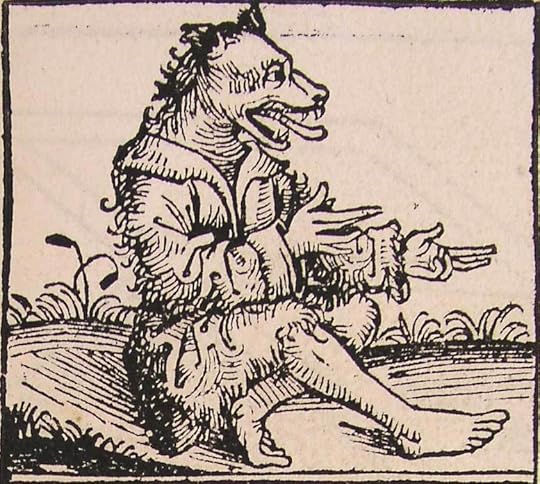 What if man’s best friend was the size of a man? Say hello to the Cynocephalus, a dog-headed creature that has been seen in folklore in Asia, Africa, the Middle East, and Europe. The word Kynokephalos or Cynocephalus is derived from the Greek words kuôn "dog" and kephalos "head."Some of the earliest writings related to these creatures come from Greek physician Ctesias, who encountered them on a trip to the mountains of India around 400 B.C. Ctesias wrote, “On these mountains there live men wi...


January 28, 2019
Hola, Chupacabra!
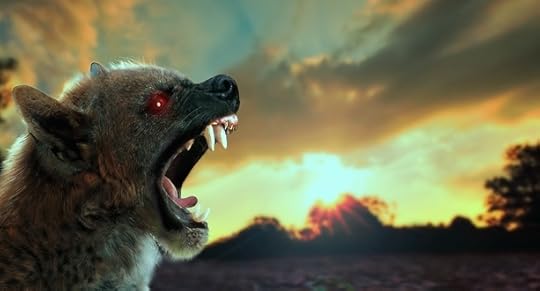 This one is not for the faint of heart. The notorious “chupacabra,” or goat-sucker (ew!) is a monstrous little beast that is known to drain the blood of its victims. It supposedly performs this macabre act through a bite to the chest. Contemporary reports claim the first sightings of the creature occurred in the mid 1990’s in Puerto Rico, but the DMW can secretly confirm that the chupacabra has been around much, much longer.Although the creatures were relegated to protected areas in the Ameri...
May 6, 2018
What is Nessie?
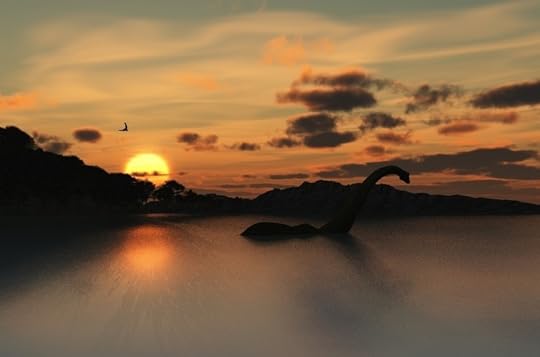 Although sightings of a strange creature in Loch Ness have been traced back to the sixth century, the modern legend began in 1933 when a journalist and water bailiff (a sort of lake policeman) reported seeing a dragon-like monster in the famed body of water. It is unfortunate the writer decided to use the word “monster” in this account, as we can attest that these creatures are anything but scary or monstrous. Of course, since that initial report, the legend of the loch ness “monster” has spr...
Who is Nessie?
Although sightings of a strange creature in Loch Ness have been traced back to the sixth century, the modern legend began in 1933 when a journalist and water bailiff (a sort of lake policeman) reported seeing a dragon-like monster in the famed body of water. It is unfortunate the writer decided to use the word “monster” in this account, as we can attest that these creatures are anything but scary or monstrous. Of course, since that initial report, the legend of the loch ness “monster” has spr...
January 7, 2018
Get to Know the Jackalope
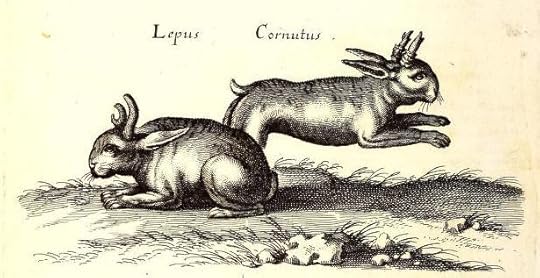 It must first be noted that the scientific community denies the existence of the jackalope, also known as “Lepus Cornutas” or the Horned Hare. Therefore, the DMW cannot confirm that the jackalope is real and secretly living within the country’s national parks. Jackalopes aren’t a purely American phenomenon, as some believe, rather they can also be found in other parts of the world; notably Germany and Sweden. The history of the creature dates back several centuries, but it was its addition in...
October 3, 2017
On the Wings of Horses
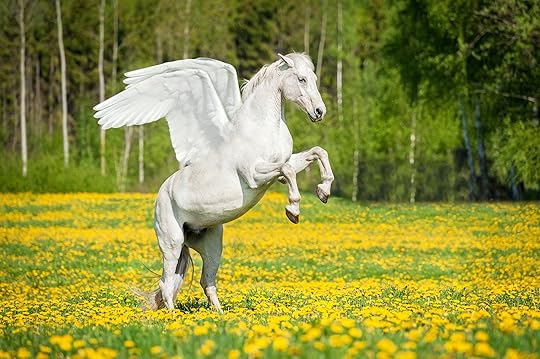 The winged horse is a creature that has its roots in many different mythologies from around the world. There are instances of winged horses in Turkic, Chinese, Norse, and Tibetan mythologies. Of course, the most famous winged horse was Pegasus of Greek mythology.In the case known as “Guardians of the Gryphon’s Claw,” (SL001-180) we learn of the secret presence of winged horses in Redwood National Park. One particular horse, named Gus, is a friend of Ranger Penelope Naughton. Through the help...
August 27, 2017
Sasquatch or Bigfoot: What's the Difference?
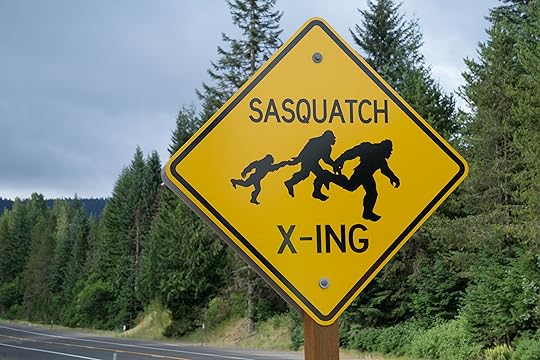 Sightings of a large, hairy humanoid creature in the northwestern United States and western Canada date back centuries. Native American tribes in these areas named the creature “Sesquac” which means “Wild or “Hairy Man” in Halkomelem, a language of the indigenous people of British Columbia.That term morphed into “Sasquatch” in Canadian newspapers during the 1920s. The name “Bigfoot” was coined by the Humboldt Times in the late fifties after a sighting of large footprints (16 inches in length!...