
Erika Vanzin's Blog: One day a week
March 31, 2022
GIVEAWAY ALERT
I have gotten together with a few of my Rockstar Romance Author friends to bring you one Epic Rockin’ Giveaway for a chance to win an $80 Amazon Gift Card.
To Enter:
Rock stats Romance Authors
Make sure you follow each author on TikTok.
The Giveaway runs from 3/31 to 4/7 and the winner will be announced on 4/8.
Good Luck!

To Enter:
Rock stats Romance Authors
Make sure you follow each author on TikTok.
The Giveaway runs from 3/31 to 4/7 and the winner will be announced on 4/8.
Good Luck!


November 1, 2021
New Giveaway for Backstage!
Hi everybody!
How are you doing? I have a couple of news for you!
Faith, the third novel of the Roadies Series, is coming on February 22nd for the English market! You can add it to your "To read" list here: Add Faith to your list
I also have some other news for you. If you haven't read Backstage yet (US residents), this is your chance to win one of the Kindle copies. There is a brand new Goodreads giveaway here:
Backstage GIVEAWAY
Good luck to everyone!
Be Kind and Rock'n'Roll,
Erika
How are you doing? I have a couple of news for you!
Faith, the third novel of the Roadies Series, is coming on February 22nd for the English market! You can add it to your "To read" list here: Add Faith to your list
I also have some other news for you. If you haven't read Backstage yet (US residents), this is your chance to win one of the Kindle copies. There is a brand new Goodreads giveaway here:
Backstage GIVEAWAY
Good luck to everyone!
Be Kind and Rock'n'Roll,
Erika
October 21, 2016
Synopsis: the novel's overview
The synopsis is literally the overview of your novel, most of the time it's the only thing that a publisher reads to decide if you are worth of publication or not, so… not pressure at all. Just joking! Writing a synopsis could seem a titanic effort but some easy tips can help you to evercome the fear and write a good one.
The synopsis should be from 2000 to 4000 characters including spaces, it depends on the length of your novel. A short synopsis doesn't describe your novel, on the contrary a long one bores the reader. This is an approximate range that can help you to stay into the limits, don't panic if you are distant from them. Write it down, if you are under 2000 characters you can add something that you consider less important but that can fit in and if you are over the limit, you can cut the less relevant information.
You should start writing who the major character is and what he/she wants; who the major antagonist is and what he/she wants. Then you can proceed with the plot.
How can I summarize an entire book in two thousands characters? You can start writing two sentences per chapter (maximum a paragraph) that describe what happens without major spoilers. This trick helps you to focus on the sequence of the plot. Sometimes it's hard to structure how to describe what happens in a book; have you ever tried to explain a novel (or a movie) to someone? Usually you describe facts that happen in chapter one, then ten, then back to chapter three and so on. This happens because you follow what you discover on the novel, not what really happened on it; something that you don't understand in chapter one can be explained in chapter ten and it reminds you something happened in chapter three. You wrote the novel, you know what is important in every chapter, you know which facts describe the plot and in which chapter they are in; just follow them from chapter one to the end.
You can conclude the synopsis talking about the main theme of your novel. What does it talk about? Is it an epic love story or a chick lit? Is it a rebirth/new life for the protagonist or is it a struggle to achieve exactly what he wants? Which is the main emotion that tie all chapters? Hate, love, honor, justice or something else?
Once that you know those things and you write them down, your synopsis is already done.
The synopsis should be from 2000 to 4000 characters including spaces, it depends on the length of your novel. A short synopsis doesn't describe your novel, on the contrary a long one bores the reader. This is an approximate range that can help you to stay into the limits, don't panic if you are distant from them. Write it down, if you are under 2000 characters you can add something that you consider less important but that can fit in and if you are over the limit, you can cut the less relevant information.
You should start writing who the major character is and what he/she wants; who the major antagonist is and what he/she wants. Then you can proceed with the plot.
How can I summarize an entire book in two thousands characters? You can start writing two sentences per chapter (maximum a paragraph) that describe what happens without major spoilers. This trick helps you to focus on the sequence of the plot. Sometimes it's hard to structure how to describe what happens in a book; have you ever tried to explain a novel (or a movie) to someone? Usually you describe facts that happen in chapter one, then ten, then back to chapter three and so on. This happens because you follow what you discover on the novel, not what really happened on it; something that you don't understand in chapter one can be explained in chapter ten and it reminds you something happened in chapter three. You wrote the novel, you know what is important in every chapter, you know which facts describe the plot and in which chapter they are in; just follow them from chapter one to the end.
You can conclude the synopsis talking about the main theme of your novel. What does it talk about? Is it an epic love story or a chick lit? Is it a rebirth/new life for the protagonist or is it a struggle to achieve exactly what he wants? Which is the main emotion that tie all chapters? Hate, love, honor, justice or something else?
Once that you know those things and you write them down, your synopsis is already done.
October 14, 2016
Reviews, the best and the worst
The review is the second most important thing if you want to sell a novel, the first one is to write a good book. You can find a huge amount of people that review books online, lately a lot of blogs are born to do that. Sometimes the reviewer knows his job, some other times you can't even figure out what novel he is talking about.
There are a few rules to write a good review:
1. Write a profile whit basic data: title, author, editor, price, publication's year…
2. Write an informative part with the novel's plot without spoilers
3. Write an evaluation of the style, atmosphere, language, characterization of the characters. Why you loved it or not.
Well, as a reader I hate those kind of reviews.
I'm not a publisher, I don't need to evaluate if a novel is worth of publication or not. I'm a reader and need to know if the author can drag me into those pages. When I read a book I want to become part of the story, live with the characters, feel the same emotions they feel.
I don't need to know if the author uses a particular style or if the dialogues language is coherent with the character or not. If the language is out of place I won’t probably relate with the characters and this is what I want to know.
I think that if you want to write a good review you have to describe which emotions you felt reading the novel, describe how the characters make you feel. Whether you loved or hated them and why. A good characterization of them creates an empathic link that drags you into the story, a bad characterization makes you emotionless in front of their stories. I don't need to know how this happened from a technical perspective.
In the end, a review should tell me something that the synopsis doesn't already tell me and it should consider that I'm a reader not a specialist or a publisher. I just want to enjoy my reading, that is the thing the reviewer needs to focus on.
There are a few rules to write a good review:
1. Write a profile whit basic data: title, author, editor, price, publication's year…
2. Write an informative part with the novel's plot without spoilers
3. Write an evaluation of the style, atmosphere, language, characterization of the characters. Why you loved it or not.
Well, as a reader I hate those kind of reviews.
I'm not a publisher, I don't need to evaluate if a novel is worth of publication or not. I'm a reader and need to know if the author can drag me into those pages. When I read a book I want to become part of the story, live with the characters, feel the same emotions they feel.
I don't need to know if the author uses a particular style or if the dialogues language is coherent with the character or not. If the language is out of place I won’t probably relate with the characters and this is what I want to know.
I think that if you want to write a good review you have to describe which emotions you felt reading the novel, describe how the characters make you feel. Whether you loved or hated them and why. A good characterization of them creates an empathic link that drags you into the story, a bad characterization makes you emotionless in front of their stories. I don't need to know how this happened from a technical perspective.
In the end, a review should tell me something that the synopsis doesn't already tell me and it should consider that I'm a reader not a specialist or a publisher. I just want to enjoy my reading, that is the thing the reviewer needs to focus on.
September 30, 2016
Getting inside a teenager’s mind
Lately I read a lot of Young Adult and New Adult novels. Lots of those novels are written by someone that is not a teenager anymore. For the most part of those romance I feel completely absorbed by the story and the characters but for some of them it doesn't work, I can't relate with the characters.
In the ninety percent of the novels that I don't like is not about the story lacking originality but the dialogues being not realistic. I keep thinking “A teenager doesn't talk like that” and this thing make me cringe and squirm on the couch until I finish the novel.
I know that is difficult to talk like a teenager if you are not, especially if you have no one around to ask for advice, but there is a resource that everyone can benefit from: fanfictions. There are millions of teenagers that write something online every day. It could be a short story or a novel but everyone uses his own slang to express himself.
It usually take hours to find something well written, few have the ability to create a good plot at a such young age, but if you have patience, you can find the right ones. From a fanfiction you can refine your knowledge of the slang that teenagers use to communicate, in addition to their dreams, fears, hopes and what they expect from their future.
It will help you to think like a teenager, to overcome the limits of being biased by all the experiences that you had in your life when you look to your past. You most likely forgot what you where really terrified of. Probably in your thirties or forties you remember those infamous school tests but you forgot how terrifying it was at that time, when the guy you had a crush on told you “Hi” in class. In every fanfiction you can remember how much of a big deal it was to relate with persons of your age, how challenging it was to be accepted rather than doing good on the math test.
There are plenty of websites out there that you can use, Wattpad.com being just one of them. If you want to write about teenagers, you have to become one of them. If you don’t you are just going to be another adult that tries to remember how it was to be one.
In the ninety percent of the novels that I don't like is not about the story lacking originality but the dialogues being not realistic. I keep thinking “A teenager doesn't talk like that” and this thing make me cringe and squirm on the couch until I finish the novel.
I know that is difficult to talk like a teenager if you are not, especially if you have no one around to ask for advice, but there is a resource that everyone can benefit from: fanfictions. There are millions of teenagers that write something online every day. It could be a short story or a novel but everyone uses his own slang to express himself.
It usually take hours to find something well written, few have the ability to create a good plot at a such young age, but if you have patience, you can find the right ones. From a fanfiction you can refine your knowledge of the slang that teenagers use to communicate, in addition to their dreams, fears, hopes and what they expect from their future.
It will help you to think like a teenager, to overcome the limits of being biased by all the experiences that you had in your life when you look to your past. You most likely forgot what you where really terrified of. Probably in your thirties or forties you remember those infamous school tests but you forgot how terrifying it was at that time, when the guy you had a crush on told you “Hi” in class. In every fanfiction you can remember how much of a big deal it was to relate with persons of your age, how challenging it was to be accepted rather than doing good on the math test.
There are plenty of websites out there that you can use, Wattpad.com being just one of them. If you want to write about teenagers, you have to become one of them. If you don’t you are just going to be another adult that tries to remember how it was to be one.
September 23, 2016
Writer's block: How I overcome it
Many writers have experienced, during their career, a period where nothing comes out right from their pen. Sometimes nothing comes out at all, that's it. It could last for days, weeks or months and it seems it never ends, it's the infamous writer's block. Usually it comes with panic when deadlines – if you have them – are close or the unpleasant feeling that you have chosen the wrong career. I have personally experienced it a couple of times but fortunately I have always been able to overcome it.
There is no magical recipe to solve this problem, no rule that can help you finish that particular novel, you have to give up… not for good, but until you can sit down again and write something good.
Go out, see people, enjoy your unexpected day off. Go out for a movie, for a run, for a beer with friends, it doesn't matter. You have to focus on something else and don't feel guilty if you are not productive, there will be other days to do it, you can't schedule creativity.
It's right, if the block last for weeks you can't go for a run every day, all day long – unless you are training for a marathon – or go out for a beer at ten in the morning – you would look like an alcoholic. I personally use a trick that helped me a lot to shake up my brain: I dust off my “folder of ideas” and start to go over the piece of papers that I wrote and forgot.
Sometimes it happens that I have an overflowing creativity period, I come up with a new idea for a novel every day and I obviously can't write it right away. So I write the idea on a piece of paper, sometimes it's a sales recipe or a napkin, and I put it on this folder. There are a lot of ideas that I will never develop, others that really suck but I keep them all in there.
When I'm stuck with the novel that I'm writing, I take a look at some of the ideas, I pick up one that I like and develop that. I try to focus on that different story but I don't write it. I just write the biography of those characters a few important facts that happened to them. I start to know them and to fall in love with them. Usually this is the part where I realize that I miss the characters of the suspended novel so much that I need to write about them and I do it, finishing the novel.
Writing for me is “living other lives”, I feel every single emotion that my characters feel and sometimes I just need to take a vacation from that particular life, but as every vacation, after a while you crave to come back home.
There is no magical recipe to solve this problem, no rule that can help you finish that particular novel, you have to give up… not for good, but until you can sit down again and write something good.
Go out, see people, enjoy your unexpected day off. Go out for a movie, for a run, for a beer with friends, it doesn't matter. You have to focus on something else and don't feel guilty if you are not productive, there will be other days to do it, you can't schedule creativity.
It's right, if the block last for weeks you can't go for a run every day, all day long – unless you are training for a marathon – or go out for a beer at ten in the morning – you would look like an alcoholic. I personally use a trick that helped me a lot to shake up my brain: I dust off my “folder of ideas” and start to go over the piece of papers that I wrote and forgot.
Sometimes it happens that I have an overflowing creativity period, I come up with a new idea for a novel every day and I obviously can't write it right away. So I write the idea on a piece of paper, sometimes it's a sales recipe or a napkin, and I put it on this folder. There are a lot of ideas that I will never develop, others that really suck but I keep them all in there.
When I'm stuck with the novel that I'm writing, I take a look at some of the ideas, I pick up one that I like and develop that. I try to focus on that different story but I don't write it. I just write the biography of those characters a few important facts that happened to them. I start to know them and to fall in love with them. Usually this is the part where I realize that I miss the characters of the suspended novel so much that I need to write about them and I do it, finishing the novel.
Writing for me is “living other lives”, I feel every single emotion that my characters feel and sometimes I just need to take a vacation from that particular life, but as every vacation, after a while you crave to come back home.
May 25, 2016
La copertina
Parto a scrivere questo post da un episodio che mi è capitato personalmente.
Io e mio marito eravamo in libreria e stavamo cercando un libro per lui. Normalmente succede che io compro libri, leggo e poi lui vede se leggerli o meno in base al mio entusiasmo. Il problema è che gran parte di questi libri sono Young Adult. A lui piacciono ma aveva bisogno di qualcosa di diverso, qualcosa che fosse più maturo, così siamo saliti al piano di sopra, nel reparto sci-fi/fantasy di Foyles e ci siamo messi a guardare.
Avevamo due problemi:
1. Lui non aveva la più pallida idea di che cosa avesse voglia di leggere
2. Non avevamo il tempo di stare a leggerci le sinossi di migliaia di libri per poter scegliere
Vagavamo tra gli scaffali leggendo distrattamente i titoli quando vengo colpita da una copertina:
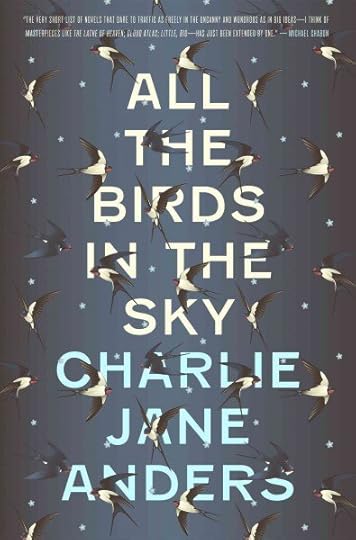
Il titolo non mi faceva suonare nessun campanello e non era nemmeno indicativo di quello che avrei trovato all'interno. L'ho fatto vedere a mio marito, ha letto la sinossi, l'ha comprato, letto e gli è piaciuto.
In pratica il nostro criterio di scelta è stato quanto la copertina risaltasse tra le migliaia di altre che c'erano sugli scaffali.
Vi è mai capitato di scegliere un libro solo dalla copertina? Vi è mai capitato che la copertina vi colpisse così tanto da essere l'unico criterio di scelta per un libro? In un mercato dove ogni genere ha le copertine che sembrano quasi "un marchio" per distinguere l'erotico dal romance, ad esempio, quanto conta la copertina per la scelta di un libro?
Io e mio marito eravamo in libreria e stavamo cercando un libro per lui. Normalmente succede che io compro libri, leggo e poi lui vede se leggerli o meno in base al mio entusiasmo. Il problema è che gran parte di questi libri sono Young Adult. A lui piacciono ma aveva bisogno di qualcosa di diverso, qualcosa che fosse più maturo, così siamo saliti al piano di sopra, nel reparto sci-fi/fantasy di Foyles e ci siamo messi a guardare.
Avevamo due problemi:
1. Lui non aveva la più pallida idea di che cosa avesse voglia di leggere
2. Non avevamo il tempo di stare a leggerci le sinossi di migliaia di libri per poter scegliere
Vagavamo tra gli scaffali leggendo distrattamente i titoli quando vengo colpita da una copertina:
Il titolo non mi faceva suonare nessun campanello e non era nemmeno indicativo di quello che avrei trovato all'interno. L'ho fatto vedere a mio marito, ha letto la sinossi, l'ha comprato, letto e gli è piaciuto.
In pratica il nostro criterio di scelta è stato quanto la copertina risaltasse tra le migliaia di altre che c'erano sugli scaffali.
Vi è mai capitato di scegliere un libro solo dalla copertina? Vi è mai capitato che la copertina vi colpisse così tanto da essere l'unico criterio di scelta per un libro? In un mercato dove ogni genere ha le copertine che sembrano quasi "un marchio" per distinguere l'erotico dal romance, ad esempio, quanto conta la copertina per la scelta di un libro?
May 18, 2016
Miss Peregrine's Home for Peculiar Children
Miss Peregrine's Home for Peculiar Children ovvero La casa per bambini speciali di Miss Peregrine, libro d'esordio di Ransom Riggs.
Confesso di aver cominciato questo libro perché era il libro per la discussione del mese di maggio di un gruppo di lettura Young Adult di cui faccio parte. L'avevo votato per via della trama diversa dai soliti romance anche se non era esattamente il genere che leggo di solito. Quando sono andata in libreria a prenderlo, poi, devo dire che qualche ripensamento l'ho avuto: Foyles lo piazza tra gli horror per adulti. Mi sono chiesta lì per lì che cosa ci facesse come proposta per una lettura YA, poi mi sono detta che, alla peggio, avrei potuto girarlo a mio marito.
Una sorpresa che non mi sarei mai aspettata. Bello, intrigante e l'inizio me l'ha fatta fare sotto dalla paura. Avete presente quei libri in cui senti che sta per succedere qualcosa al protagonista, quelli in cui pensi “Non entrare! Esci da quel posto! Non osare aprire quella porta!” ecco, la prima parte del libro mi ha fatta esclamare parecchie di queste frasi e mi è piaciuta molto. Senza parlare poi che avevo paura a tirare giù i piedi dal divano ma quello è perché io sono fifona di mio.
C'è una netta spaccatura tra i primi capitoli e il resto del libro, diversa tensione, diverse sensazioni che ti lascia sulla pelle. La prima parte gioca sulla classica paura creata nell'horror, ci si immedesima con le paure e le angosce del protagonista si provano le stesse intense scariche di adrenalina. La seconda parte invece lascia spazio al fantasy e all'atmosfera meno opprimente della prima ma ugualmente coinvolgente e che ti lascia con la voglia di scoprire quello che è successo nel passato e come condiziona la vita del protagonista.
La parte che più mi è piaciuta del libro è stata la crescita del protagonista che matura e cambia fino a diventare quello che vuole essere. Un cambiamento forte e deciso che lo porta a fare scelte drastiche anche se del tutto coerenti con il personaggio. La parte che invece meno mi è piaciuta è, al contrario, la natura stagnante degli altri personaggi ma questo è dovuto anche alla situazione particolare in cui si trovano (e che non vi anticipo perché altrimenti vi spoilero il libro) e che probabilmente cambierà con i prossimi libri. Si tratta infatti non di un libro autoconclusivo ma ci sono almeno altri due capitoli successivi che continuano la storia, che ovviamente leggerò e ve ne parlerò su questo blog.
Consiglio questo libro? Certo. Lo consiglio per un pubblico YA? Sì anche in questo caso. All'inizio pensavo che un pubblico troppo giovane potesse essere facilmente impressionato dai toni usati nei primi capitoli ma in realtà, con lo scorrere delle pagine, l'autore ti porta ad affrontare le paure assieme al protagonista e i toni si smorzano e diventano adatti ad un pubblico quasi adolescente.
Voi? Avete letto questo libro? Vi è piaciuto? Non vi è piaciuto? Qualche commento particolare? Fatemi sapere cosa ne pensate.
Confesso di aver cominciato questo libro perché era il libro per la discussione del mese di maggio di un gruppo di lettura Young Adult di cui faccio parte. L'avevo votato per via della trama diversa dai soliti romance anche se non era esattamente il genere che leggo di solito. Quando sono andata in libreria a prenderlo, poi, devo dire che qualche ripensamento l'ho avuto: Foyles lo piazza tra gli horror per adulti. Mi sono chiesta lì per lì che cosa ci facesse come proposta per una lettura YA, poi mi sono detta che, alla peggio, avrei potuto girarlo a mio marito.
Una sorpresa che non mi sarei mai aspettata. Bello, intrigante e l'inizio me l'ha fatta fare sotto dalla paura. Avete presente quei libri in cui senti che sta per succedere qualcosa al protagonista, quelli in cui pensi “Non entrare! Esci da quel posto! Non osare aprire quella porta!” ecco, la prima parte del libro mi ha fatta esclamare parecchie di queste frasi e mi è piaciuta molto. Senza parlare poi che avevo paura a tirare giù i piedi dal divano ma quello è perché io sono fifona di mio.
C'è una netta spaccatura tra i primi capitoli e il resto del libro, diversa tensione, diverse sensazioni che ti lascia sulla pelle. La prima parte gioca sulla classica paura creata nell'horror, ci si immedesima con le paure e le angosce del protagonista si provano le stesse intense scariche di adrenalina. La seconda parte invece lascia spazio al fantasy e all'atmosfera meno opprimente della prima ma ugualmente coinvolgente e che ti lascia con la voglia di scoprire quello che è successo nel passato e come condiziona la vita del protagonista.
La parte che più mi è piaciuta del libro è stata la crescita del protagonista che matura e cambia fino a diventare quello che vuole essere. Un cambiamento forte e deciso che lo porta a fare scelte drastiche anche se del tutto coerenti con il personaggio. La parte che invece meno mi è piaciuta è, al contrario, la natura stagnante degli altri personaggi ma questo è dovuto anche alla situazione particolare in cui si trovano (e che non vi anticipo perché altrimenti vi spoilero il libro) e che probabilmente cambierà con i prossimi libri. Si tratta infatti non di un libro autoconclusivo ma ci sono almeno altri due capitoli successivi che continuano la storia, che ovviamente leggerò e ve ne parlerò su questo blog.
Consiglio questo libro? Certo. Lo consiglio per un pubblico YA? Sì anche in questo caso. All'inizio pensavo che un pubblico troppo giovane potesse essere facilmente impressionato dai toni usati nei primi capitoli ma in realtà, con lo scorrere delle pagine, l'autore ti porta ad affrontare le paure assieme al protagonista e i toni si smorzano e diventano adatti ad un pubblico quasi adolescente.
Voi? Avete letto questo libro? Vi è piaciuto? Non vi è piaciuto? Qualche commento particolare? Fatemi sapere cosa ne pensate.
April 12, 2016
Il peso delle parole.
Il primo regalo da "adulta" che ho chiesto per Natale è stata una macchina da scrivere. Avevo circa sei, forse otto anni e mi arrivò una bellissima Olivetti pesante più di me. Ero la bambina più felice sulla faccia della terra.
Col tempo scoprii che quel regalo era molto più impegnativo di quanto immaginassi: quando sbagliavo a scrivere o quando non mi piaceva quello che scrivevo, dovevo togliere il foglio e buttarlo, ricominciando da capo. In quel momento ho imparato cosa fosse il peso delle parole.
Adesso con il computer è più facile tornare indietro e cancellare, riscrivere; con la macchina da scrivere, invece, dovevi pensare bene ad ogni singola parola che scrivevi perché, una volta fatto, non la potevi più cancellare.
Ogni parola aveva il suo peso.
In questi giorni sto leggendo la saga di Percy Jackson, dove sono presenti delle profezie che vengono capite pienamente solo procedendo con la lettura del libro. Lì mi sono ritrovata a constatare che era da tanto tempo che non leggevo un libro dove dovevo pensare attentamente a cosa era stato scritto per poter capire veramente cosa stava succedendo.
La cosa mi ha lasciato un po' di amaro in bocca perché ultimamente si tende a scrivere molto "per immagini" pensando di più ai fatti descritti che al modo in cui si scrivono e si è perso, appunto, il "peso delle parole".
Attenzione, non sto dicendo che si tende a scrivere male, è solo una questione di scrivere come se stessi vedendo un film e non è necessariamente una brutta cosa. Questo tipo di scrittura è scorrevole, scivola via piacevolmente e ti aiuta ad immergerti più velocemente nella storia ma forse si è perso un po' di quel piacere di scoperta che ti anticipavano le parole.
A voi è mai capitato di sentirvi così? C'è un libro che vi ha conquistato perché una frase era scritta esattamente nel momento perfetto tanto da rimanervi marchiata a fuoco nel cervello?
Col tempo scoprii che quel regalo era molto più impegnativo di quanto immaginassi: quando sbagliavo a scrivere o quando non mi piaceva quello che scrivevo, dovevo togliere il foglio e buttarlo, ricominciando da capo. In quel momento ho imparato cosa fosse il peso delle parole.
Adesso con il computer è più facile tornare indietro e cancellare, riscrivere; con la macchina da scrivere, invece, dovevi pensare bene ad ogni singola parola che scrivevi perché, una volta fatto, non la potevi più cancellare.
Ogni parola aveva il suo peso.
In questi giorni sto leggendo la saga di Percy Jackson, dove sono presenti delle profezie che vengono capite pienamente solo procedendo con la lettura del libro. Lì mi sono ritrovata a constatare che era da tanto tempo che non leggevo un libro dove dovevo pensare attentamente a cosa era stato scritto per poter capire veramente cosa stava succedendo.
La cosa mi ha lasciato un po' di amaro in bocca perché ultimamente si tende a scrivere molto "per immagini" pensando di più ai fatti descritti che al modo in cui si scrivono e si è perso, appunto, il "peso delle parole".
Attenzione, non sto dicendo che si tende a scrivere male, è solo una questione di scrivere come se stessi vedendo un film e non è necessariamente una brutta cosa. Questo tipo di scrittura è scorrevole, scivola via piacevolmente e ti aiuta ad immergerti più velocemente nella storia ma forse si è perso un po' di quel piacere di scoperta che ti anticipavano le parole.
A voi è mai capitato di sentirvi così? C'è un libro che vi ha conquistato perché una frase era scritta esattamente nel momento perfetto tanto da rimanervi marchiata a fuoco nel cervello?
One day a week

One day a week I will publish something that about writing, reading and everything related.
- Erika Vanzin's profile
- 459 followers
