Ram Chandra Khatri's Blog
February 7, 2023
Is Book Discovery a Next Big Challenge for Publishers? Optimize Your Book on Amazon Search
This is, of course, a bad nightmare for every author who has already spent months or even years in writing a book or a similar publication. Fortunately, every author can prevent this issue from happening - with the use of accurate and powerful keywords. That way, their publications will be properly optimized for the Amazon search. On top of that, the cherry picking of these magic words is proven to decrease the various promotion efforts and increases the sales of your book.
But how the use of accurate keywords can boost your book sales and where exactly do you need to use them?
THE SEARCH ALGORITHM THAT AMAZON IS USING
Just like Google and Yahoo, Amazon is a search engine - however a different from the first two. Basically, people visit Amazon site with the intention of buying something. They search the items using specific keywords they already have in their mind and eventually purchase products.
Still, one of the major factors behind Amazon’s success is that it can place the right product at the right time in front of the right customers if the Amazon product is optimized with correct and relevant keywords.
So, if you have properly optimized your book’s metadata information with relevant keywords, the book description will likely show up on Amazon’s Search Engine Result Page (SERP). The more earlier pages the book appear the better will be for your book’s sales. This strategy helps you win your potential readers and is known as Zero Moment of Truth (ZMOT) - an online decision-making moment of possible audience who are in the condition of to buy or not to buy the product.
SOME OTHER TIPS TO HAVE IN MIND WHEN OPTIMIZING YOUR PUBLICATION ON AMAZON
Aside from the catchy titles and meta descriptions, every great book must have a beautiful cover, gripping description and author bio, and other relevant metadata information that makes readers buy your book. There are five major sections) of your book where you need to use the most relevant and accurate keywords, which you can change and update frequently, including:
—the book title
—the sub-title
—the description
—the reviews, and
—the author name
In my brief research on Amazon books, I found that many books which are published on Amazon were with incomplete in terms of their book descriptions. Even worse, many authors had no Amazon Author Central Pages though books, making their publications empty and lacking great contents.
Luckily, Amazon allows us to use maximum number of keywords in each section - so that every publication or book becomes more discoverable on both Amazon and Google search.
HOW DO READERS SEARCH FOR BOOKS AND PUBLICATIONS ON AMAZON
On Amazon, readers generally find your books (or any other product) in two ways:
—by typing keywords in Amazon’s search bar or
—by searching on Google
Book description sections on Amazon are indexed at Google, which as you probably know is a place where even 67 percent of the world’s Internet searches take place. Therefore, whenever someone types certain keywords on Google, the search query redirects them to the relevant Amazon page - obviously, if it has been optimized with the proper Amazon keywords.
In the end, there are still times when even the keywords used in the interior text—preferably in the copyright page—of the book influences the Amazon search where the ‘look inside’ feature of your book is active. Since book optimization is generally a marketing effort, collaborating with an expert who is specialized in proper Amazon book optimization and knows the book-ranking algorithm can make your book more discoverable and can bring dramatic sales.


February 2, 2023
How Graphic Novels Help Diversify Storytelling
Graphic novels are an emerging genre of literature. They supplement a plain story with pictures, and hence stimulates the senses. The visual stimulation arises from pictures that give specific vibes and it engages the mind more than just words. They, in turn, help you stay with the story, make complete sense of it and grasp it more fully.
Visuals aid comprehension faster than words. A picture speaks louder than words, they say.
Besides plain stories, they give the opportunity to stay engaged even for people with learning disabilities like dyslexia and make the reading process more accessible. Since reading of all forms improves critical thinking skills, a more inclusive environment is all the better.
Why You Should Read Graphic Novels They employs narrative structures such as – enhancing critical appreciation, building imagination, providing an escape and encouraging compassion They possesses untapped informative potential They contains normal novel length and narrative developmentThey allow you to use your imagination and practice visual literacy. In addition to this, it includes a diverse range of vocabulary wordsThey inspire creativity and it captures your imagination, inspiring you to think of your own plots and character arcs for the story, or even create a story of your ownThey enhance social & emotional learningThey also aid better grasp on literary themesIn graphic novels, it’s easier to empathize with characters you can visualize. This visual literature provides you with complete materials for imagination. Accompanying pictures of the character makes the character real and tangible for the reader.
After all, this is the age of diverse storytelling. Graphic novels help diversify the publishing industry by bringing more diverse forms of books and graphic novels.
The post How Graphic Novels Help Diversify Storytelling appeared first on Restart Publishing.
January 29, 2023
Metamorphosis is a unique work; everyone should read it at least once in their lifetime
“The Metamorphosis is a unique work; everyone should read it at least once in their lifetime.” Sahityapost, an online literary portal from Nepal, interviews Ram Khatri about translation, international publishing, and his new graphic novel
Translator of Franz Kafka’s The Metamorphosis in Nepali, Ram Khatri has worked as the managing editor and publishing manager for academic and commercial publishers in the United States. He holds an M.S. in publishing from Pace University, New York, and an M.A. in English Literature from Tribhuwan University, Kathmandu. Ram is always fascinated by truly diverse, unrepresented, and heart-warming stories that touch lives. Presently, he is involved in book projects, including his upcoming graphic novel Justice which is based on the decade-long “People’s War” in Nepal.
Journalist Krishna Dhungel had a conversation with Ram about international publishing, his translation of Franz Kafka’s The Metamorphosis, and his new graphic novel for Sahityapost, an online literary portal from Nepal.
Let’s start with the book itself, “Metamorphosis’’ – what kind of feedback are you getting from readers about this book?
Firstly, I would like my readers to know that this translated title was kept the same in the Nepali translation just by removing the article ‘The’ from its English title The Metamorphosis. Nouns are not translatable and that the word ‘metamorphosis’ has been synonymous to Franz Kafka. (In fact, a bestselling Nepali author who is also a great fan of Kafka advised me of this idea).
Going back to the first publication of my Nepali translation, Education Book House, a commercial publisher from Nepal, brought it out in the Nepali market over ten years ago and at the time, many people enjoyed this work. The feedback I received was ‘the novella is amazing, the language of Nepali translation flows naturally, and it feels like reading the author’s original work’. Even without marketing and mass media exposures, the book sold well at that time in the Nepali market. As a continuation of those responses and enthusiasm, its modified version has been published in hard cover by Book Hill, another well-known commercial publisher in Nepal, while its illustrated version has been self-published for the international audiences. The current responses are also encouraging.
What made you think “The Metamorphosis book should be translated and re-published”?
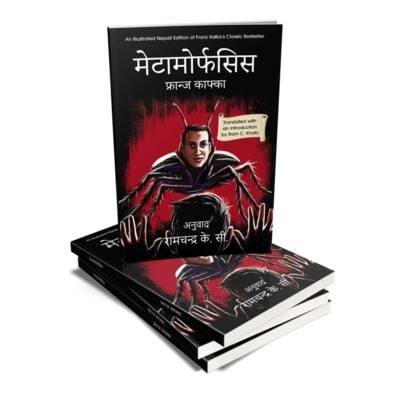
When I was majoring in Book Publishing from Pace University in New York in 2015, I was looking for some books in Barnes & Nobel and came across the graphic novel edition of The Metamorphosis which I had once translated. I asked my fellow American friends who were studying with me if they had read The Metamorphosis. I learned that Kafka’s work was highly regarded in the international market as well. After that, I realized that this short novel by Kafka is an excellent work for many people, including myself, and this translated backlist title should be reworked, published again, and everyone should read this book at least once in their lifetime.
Translation is not an easy task. Did you have any special feelings or emotions while translating this book?
Of course! I did not directly translate Kafka’s work from German, the original translation, to Nepali. Since it was “the translation of the translation,” it was very necessary for me to have a deeper understanding and study of this work. For that, I did everything from studying Kafka’s biography to watching movies and documentaries of his works, researching the writer’s ‘source culture’ on the Internet, etc. Subjugating the long sentences and moulding them into your own style was both painful and fun. To be honest, I experienced the joy of creating something unique.
Apart from The Metamorphosis, you have also translated other works. What are your priorities when translating a book?
I have not set any such priorities while translating. For The Metamorphosis, I translated the work out of impatience as the story seemed unique and compelling. Prior to this, I translated a collection of Nepali conflict stories entitled Rebel with the intention of introducing Nepali literature to a global audience. The encouragement and cooperation of Govinda Raj Bhattarai and Balaram Adhikari were very welcoming. (I think these two names should not be missed when talking about the translation of Nepali literature). I have also realized that simply translating any work of literature does not make it global; rather, a lot of factors such as marketing, publicity, and supply chain demands also make a huge impact. In translation, a close collaboration with the editor, especially from the target culture, is a priority for me. This will make sure that the deeply translated terms, the nuances of the source language and culture make sense to the target audience. Likewise, there should be a kind of compromise for both cultures to convey a meaning acceptable to everyone. By ‘compromise’, I meant ‘loss and gain’ on both sides.
What factors should a professional translator consider when translating any text?
It will be crucial to thoroughly research the “source culture,” a language or culture which is translated into different language known as “target culture” or language. The translator should also be a perfectionist, which is another requirement. “Perfectionist” as in someone who enjoys revising and reviewing of his own work multiple times to make it better and better towards perfection.
You are working very hard to enrich the Nepali language and literature while you are living in America. Do you get more connected to your language and literature when you are abroad?
As a student, I was perplexed by accomplishment and what I could achieve. Another factor is that a person shouldn’t be alienated from his language and literature when they travel abroad for employment, or to study. Your native language will always remain with you, no matter what opportunities or setbacks you discover.
Although numerous organizations have been established, Nepali literature has not yet been globalized. Is it our literature, the translators, or something else lacking?
In the context of globalization, ‘mainstream’ becomes a central concept that both American, and international publishers have been “experimenting” a lot to be innovative and competitive in the book business. Digital technology also comes forward in this. Here in Nepal, we are just beginning to use the eBook. The writer should also work a little harder if he wants his work to be globalized. If you look at any American author, apart from writing books, s/he also has knowledge about publishing and marketing, which makes it easier for publishers to work with them. Another thing, I don’t think Nepali literature lacks something. We lack institutional initiative, vision, and leadership.
Where does Nepali literature fit into the global stage? What kind of future do you see?
With a few notable exceptions, Nepali literature is lagging far behind on the global stage. I think not a single Nepali work is a ‘bestseller’ in the international market till now. Here, the fundamental cause is being unable to penetrate the mainstream publishing industry. There have also been a very small number of excellent Nepali literature published from America, but many of them are ‘self-published’ and a few of them are by Big 5 publishers. While interning at a literary agency in New York, I ran through hundreds of author queries along with their manuscripts. I found that a few authors were from India while there was not even a single Nepali author. Some individual initiatives have been taken to bring Nepali literature to the international market, but there have been no institutional initiatives or leadership besides some big talks. I see a good future for Nepali literature in the world market at the age of diversity and globalization.
What are your upcoming plans?
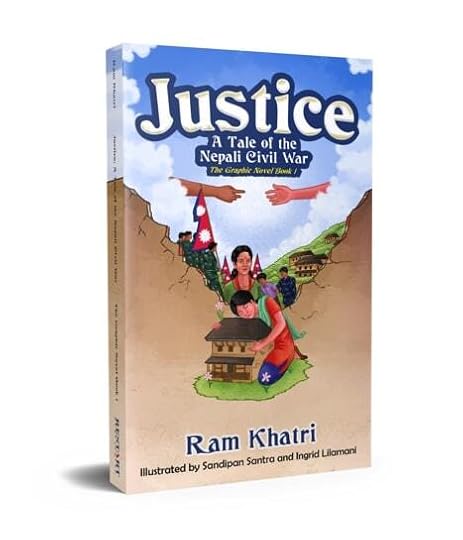
Stories about the American Civil War are still being written or repurposed today, from every new angle, and there are ‘bestsellers’ as well. I’m working on a graphic novel with a conflict story from Nepal. Following its successful crowdfunding campaign on the Kickstarter, I am working on the marketing and publicity of the book entitled Justice: A Tale of the Nepali Civil War (The Graphic Novel Book #1). I was closely involved from story/idea generation to working with script writer, editors, illustrators, graphic designers, and more. “Graphic novel” is a popular genre in the American market as literature is going visual, serialized, and multi-channel publications.
Interested readers can get additional information and download a sample chapter of my graphic novel by clicking on the website and can also pre-order it through Amazon or other major retailers. Nepali audience can also check out Kafka’s Nepali novella following this link: www.kafkametamorphosis.com.
The post Metamorphosis is a unique work; everyone should read it at least once in their lifetime appeared first on Restart Publishing.
June 4, 2022
Online Content Consumption in the Digital Age
I recently checked my friend’s son’s screen time analytics on his tablet. He’s spending an average of seven and a half hours a day on his phone; and to be honest, he’s not alone.
Since the start of the Covid-19 pandemic, daily online content consumption around the globe has increased dramatically. DoubleVerify, a leading software platform for digital media measurement published a report called, “Four fundamental shifts in media and advertising during 2020”,stating that the consumption of online content has doubled on average from 3 hours 17 minutes to 6 hours 59 minutes. Another interesting thing is that the most significant increases are across social media. According to this study, 48% equivalent to half of the consumers increasing time on social platforms.

This groundbreaking study shows the impact that device types, developing news cycles and new advertising techniques have had on viewers and consumers’ engagement with online brand promotions.
In a recent interview, Mark Zagorski CEO of DoubleVerify said that, “This study highlights how transformative 2020 have been for advertisers. From the doubling in digital content consumption to the perils of navigating ever more dominant fake news, these shifts highlight the critical challenges brands face in upcoming years.”
As most of the increasing digital content is free, the advertisers pay the bills. But there is a catch, according to the report mentioned above, “55% of the respondents said they would be less likely or would never consume a brand if its promotion appears beside any fake or false news. “It becomes more challenging for advertisers to select the best option and platforms to advertise their business.
Among all other social sites, YouTube has seen the greatest interest, with almost 43% of consumers spending more time than ever before. Meanwhile, new social giant TikTok is not far behind. This platform is being taking by storm across the age group of 18 to 24 years old.
This study highlights consumers’ openness to contextually-relevant ads and the importance of trusted news during these challenging times,” said Dan Slivjanovski, CMO at DoubleVerify.
From the quick observations, the doubling of screen time certainly is not a good thing for us or society. With increasing hours spent on the digital world, the risk of spreading fake and hateful news is gradually increasing.
However, it seems better for tech giants like Facebook, Twitter, and YouTube to work closely with the governments of different countries to minimize the risk of spreading fake news using these platforms. Likewise, special instruction and education must be given to the parents to make sure they manage how much time kids spend on the internet.
The post Online Content Consumption in the Digital Age appeared first on Restart Publishing.
May 25, 2022
Publishing models in America, Europe: Choosing the best platform for you

Ram Khatri
May 27, 2022
The favourite publishing model of many authors is still traditional publishing. This does not mean that other publishing models do not work. If an author has a big platform, money to spend for publishing, but no time for the lengthy process of traditional publishing, self-publishing can be the best choice
In recent times, we can see diverse publishing models in the book market practised more often than ever by American and European publishers. These models range from traditional publishing and self-publishing to serialised publishing and crowdfunding model. These different types of platforms are available to authors who want to publish their work. It is true that you want to reach the largest audience possible, but there is something to be said about picking the most valuable platform for you The traditional publishing model is considered the most prestigious model in the book publishing industry.
It is practised mostly by the big 5 publishers and majority of independent publishers.
Under the traditional model, authors usually start their publishing journey with literary agencies with a query letter and sample chapters of their finished manuscripts. Literary agencies prefer a query letter and a short author bio for fictional works. For non-fiction works, the author seeking this route should have a few chapters of their finished manuscript ready to be sent to the agents.
Literary agencies specifically look at the author’s platform, online presence and saleability of the manuscript.

If accepted for representation and later publication, the authors receive an author advance (also called “advance against royalty”). During this phase, the literary agency that is representing the author decides the terms and conditions, and the negotiation period begins.
Some small or mid-sized indie publishers may even take author submissions directly, so authors can bypass the literary agencies. The Publishers Marketplace and the website of publishing veteran Jane Friedman can be important resources for authors who are actively looking for literary agencies and publishers.
Self-publishing can be a great choice for the authors who have money and who can’t wait the lengthy and complicated process of traditional publishing. In this model, the authors can be their own publisher by handling all publishing tasks, such as hiring editors, designers, marketers, and more. Second, they can reach out to a self-publishing service company to do those things for them.
The self-publishing service companies can have different names, such as hybrid publishing, relationship publishing, and more. Note though that it is costly and does not guarantee the sale of books.
This doesn’t mean this model does not work. The self-publishing model can be useful to attract the attention of traditional publishing, and if an author really works hard, this may give unexpected results to the self-published authors.
Two of the self-published authors with massive success are John Locke and Amanda Hocking. Under this model, instead of getting an author advance, the author pays for everything to publish the book. If authors choose to self-publish their own, Amazon Kindle Direct Publishing and Ingram Spark are the most popular choices.

Start-up publishers tend to do a lot of experiments to compete with the mainstream book market. One such experiment is serialised publishing, which refers to publishing fragments or chapters in bite sizes. Though this model was practised by Stephen King in the early 1980s by serialising his novel The Plant, this model has been back in practice lately.
Under this model, readers are allowed micro-payments, paying only for the chapters they read. Serialised publishing helps authors build an audience from their early phase of writing their manuscript by sharing or selling their part of their novel. After the authors finish publishing their manuscript in serials or chapters, they can have their work published under the self-publishing model or traditionally published.
Most recently, well-known serialised publishing platforms include Wattpad, Amazon’s Kindle Vella, and Substack’s Newsletter Publishing.
Salman Rushdiehas also started publishing his novel through Substack’s service.
In simple terms, crowdfunding model of publishing is a book pre-order campaign. Under this model, the author or small publisher shares the publishing plan and story ideas through prestigious crowdfunding platforms among the potential audience.
The author starts building his audience from his close circle of contacts and informs them by sharing his updates while still working on his book project ahead of launching the crowdfunding campaign. If potential readers love the author’s work, they will be engaged in his campaign, adding a high chance for success.
The well-known funding platforms specialising in creative projects related to books, literature and arts are Kickstarter and Indiegogo.
Thousands of authors and creators have successfully completed their book projects on Kickstarter, and one of the record breaking massive successes under this model was Good Night Stories for Rebel Girls, an illustrated children’s book by Elena Favilli and Francesca Cavallo.
In this model, the author or the project creators start the publishing process of books and rewards that were promised to the backers after the campaign met the financial goal. In crowdfunding, the author or project creator has control, but he or she should still build their audience and brand throughout the entire process.
The favourite publishing model of many authors is still traditional publishing.
This does not mean that other publishing models do not work. If an author has a big platform, money to spend for publishing, but no time for the lengthy process of traditional publishing, self-publishing can be the best choice.
If the author has enough time to build an audience from the start of writing, serialised publishing can be an option. For the author who can build an audience from start and doesn’t mind sharing her/his story idea ahead of publishing, the crowdfunding model of publishing is the way to go.
Khatri, translator of Franz Kafka’s The Metamorphosis in Nepali, is currently working on the Kickstarter crowdfunding campaign for his serial graphic novel, Justice
A version of this article appeared in the online and print on February 3, 2022, of The Himalayan Times.
Share on facebook Share on twitter Share on linkedin Share on email Ram Khatri Translator of Franz Kafka’s ‘The Metamorphosis’ in Nepali, Ram has worked as the managing editor and publishing manager for academic and commercial publishers in the United States. He holds an M.S. in publishing from Pace University, New York, and an M.A. in English literature from Tribhuwan University, Kathmandu. Ram is always fascinated by truly diverse, unrepresented, and heartwarming stories that touch lives.
The post Publishing models in America, Europe: Choosing the best platform for you appeared first on Restart Publishing.
January 20, 2022
रामचन्द्रको नयाँ ग्राफिक नोभेल ‘जस्टिस’ किकस्टार्टरमा
किकस्टार्टर क्याम्पेनको मूल उद्देश्य अन्तर्राष्ट्रिय पुस्तक प्रकाशनमा एक फरक मोडेलको रूपमा परिचित ‘क्राउडफन्डिङ्ग’ विधि मार्फत् पुस्तक छापेर वितरण गर्नु रहेकॊ छ । ‘किकस्टार्टर’ सृजनशील कार्यहरूको लागि ख्यातिप्राप्त प्लेटफर्म हो भने ‘ग्राफिक नोभेल’ अमेरिकी प्रकाशन बजारमा चलेको विधा हो । नेपाली माओवादी द्वन्द्वमा आधारित ‘जस्टिस’ द्वन्द्वका कारण उठीबास लाग्न पुगेको एक किशोरी र उनको परिवारको कथा हो ।
ग्राफिक नोभेल
रामचन्द्र खत्रीले आफ्नो नयाँ ग्राफिक नोभेल ‘जस्टिस’का लागि जनवरी २८ देखि किकस्टार्टरमा ‘क्राउडफन्डिङ्ग’ क्याम्पेन’ सुरु हुने जनाएका छन् । एक महिनासम्म चल्ने यो क्याम्पेन नेपाली द्वन्द्वकथामा आधारित ग्राफिक नोभेल छपाएर वितरण गर्नका लागि रकम उठाउने उद्देश्यका साथ सुरु गरिएको हो । सन् १९९६ देखि एक दशकसम्म नेपालमा चलेको माओवादी द्वन्द्वकालको घटनामा आधारित कथा हो ‘जस्टिस’ । ग्राफिक नोभेल एक किशोरी र उनको परिवारले न्यायप्राप्तिका लागि गरेको सङ्घर्षमा आधारित छ ।
के छ जस्टिसमा र यो क्याम्पेन किन?
एक दुर्गम गाउँमा बस्ने तारा अनि उनको परिवार माओवादी छापामार र पुलिस प्रशाशनको दोहोरो चेपुवामा पर्दछन् । माओवादीलाई खान-बस्न दिएको आरोपमा उनीहरू पुलिस प्रसाशनको तारो बन्न पुग्दछन् भने व्यक्तिगत रिसइवी र परिवारको एकल छोरालाई जनयुद्धमा नपठाएको भन्दै उनीहरू तत्कालीन माओवादी विद्रोहीको समेत निशानामा पर्दछन् । अन्ततः परिवारको उक्त सदस्य एकाएक बेपत्ता हुन पुग्दछ र कथाको अन्त्यसम्म उसको अवस्था अज्ञात रहन्छ । परिवारको सदस्य वेबत्ता भएकै अवस्थामा ताराको परिवार घर छाड्न वाध्य हुन्छ । केही वर्षपछि तारा एक्लै घर फर्कंदा उनमा आएका संस्मरणहरूको सेरोफेरोमा उपन्यास लेखिएको छ । रामचन्द्रका अनुसार बेपत्ता परिवारको सदस्यको लागि गरिएको सङ्घर्ष र खोजी नै कथाको मूल विषय रहेको छ । “द्वन्द्वकालमा भएका हजारौं घटनाहरूको एक प्रतिनिधि उदाहरण हो जस्टिस,” रामचन्द्र भन्दछन् । जम्मा १२० पृष्ठको यो ग्राफिक नोभेलमा ३ भाग रहेका छन् भने यो क्याम्पेन पहिलो भागमा केन्द्रित हुनेछ ।
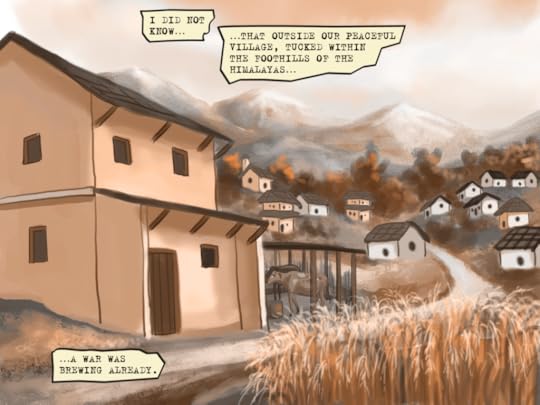
ग्राफिक नोभेलका लेखक तथा क्याम्पेनका प्रोजेक्ट म्यानेजर समेत रहेका रामचन्द्रको भनाइअनुसार ‘डाइभर्स स्टोरीटेलिङ्ग’का लागि प्रख्यात प्लेटफार्म किकस्टार्टरमार्फत् ठुला प्रकाशकका आँखामा नपरेका लाखौँ लेखकहरूले आफ्ना सफल क्राउडफन्डिङ्ग क्याम्पेन पूरा गरिसकेका छन् । “पुस्तकलाई प्रकाशनको तहदेखि नै बजारीकरण गर्ने एउटा प्रगोगात्मक विधि पनि हो यो । यसलाई प्रि-अर्डर क्याम्पेन भने पनि हुन्छ,” रामचन्द्र भन्दछन्, “अमेरिकी गृह-युद्धका कथा आज पनि लेखिन्छन्, धेरै कोणबाट । र, ती ‘बेस्टसेलर’ पनि हुन्छन् । नेपाली द्वन्द्वकथाको यो प्रतिनिधि कथामा काम गर्नुको मुख्य उद्देश्य संसारभर रहेका आम पाठकसामु नेपाली साहित्यमा पनि पढ्नलायकका कथा र विषयवस्तु छन् भनी देखाउनु हो ।” किकस्टार्टर क्याम्पेनको यु ट्युब भिडियो यहाँ गएर हेर्न सकिनेछ ।
सर्वविदित् मानवीय चुनौतीहरूको अन्वेषण: पल लेभिट
ग्राफिक नोभेलका लागि संदिपन सन्त्रा चित्रकार, व्लेक होना डेभलपमेन्टल एडिटर, रेचेल स्लेमन कपि एडिटर र सहब खान लेटरर रहेका छन् । युनिभर्सिटी अफ क्यालिफोर्नियाका सह-प्राध्यापक तारा सिग्देलका अनुसार जस्टिस नेपाली द्वन्द्वकालको इतिहासलाई चियाउने एउटा झ्याल हो । “एउटा कुरूप द्वन्द्वको सुन्दर चित्रण हो जस्टिस,” उनी भन्छन् । त्यस्तै अमेरिकी ग्राफिक नोभेल लेखक, सम्पादक र डिसी कमिक्सका पूर्वअध्यक्ष पल लेभिटका अनुसार जस्टिस “फरक तथा भिन्न पृष्ठभूमिमा घटेका अति नै सर्वविदित मानवीय चुनौतीहरूको एउटा अन्वेषण हो (कम्तिमा पनि अमेरिकी पाठकहरूका लागि) ।” ग्राफिक नोभेलका लागि तयार हुँदै गरेका केही ड्राफ्ट चित्रहरू यो भिडिओमा गएर हेर्न सक्नुहुनेछ ।
यो ग्राफिक नोभेलमा इच्छुक जो कोहीले किकस्टार्टरको यो लिङ्कमार्फत् आफ्नो सहभागिता जनाउन सक्नुहुनेछ । पुस्तकको स्याम्पल आवरण, कथा चित्रहरू र अन्य मिडिया सामग्रीको लागि यहाँ थिच्नुहोस् ।
MEDIA CONTACT
Contact person: Ram Khatri
Email: restartpublishing@gmail.com
Facebook: www.facebook.com/books.ramckhatri
Website: https://bit.ly/33wgURy

पेस युनिभर्सिटी, न्युयोर्कबाट पुस्तक ‘प्रकाशन’मा एम.एस. र त्रिभुवन विश्वविद्यालय, काठमाडौँबाट अङ्ग्रेजी साहित्यमा एम. ए. गरेका रामचन्द्र खत्रीका नेपाली र अङ्ग्रेजी भाषामा अनुदित पुस्तकहरू प्रकाशित छन् । यसअगि उनी एकेडेमिक र कमर्सियल प्रकाशनमा ‘एडुकेसनल कन्टेन्ट म्यानेजर’ र ‘प्रोजेक्ट म्यानेजर’ का रूपमा काम गरिसकेका छन् । फ्रान्ज काफ्काको ‘द मेटामोर्फसिस’को नेपाली अनुवाद उनको पछिल्लो प्रकाशित पुस्तक हो ।
The post रामचन्द्रको नयाँ ग्राफिक नोभेल ‘जस्टिस’ किकस्टार्टरमा appeared first on Restart Publishing.
Ram Khatri Launches Kickstarter Campaign for His Civil War Graphic Novel ‘Justice’
The campaign is intended to help gather funds for the publication of a new graphic novel which chronicles one young girl’s brave journey to reclaim the life she left behind during the unforgiving conflict of the Nepali civil war.
GRAPHIC NOVEL
Ram Khatri is pleased to announce that he launches a 30-day crowdfunding campaign starting Friday, the 28th of January, on Kickstarter to help raise funds for the publication of his new book Justice: A Civil War Graphic Novel. This project chronicles the events surrounding the Nepali civil war and focuses on a young girl’s brave journey to reclaim the life she left behind during this chaotic period. The 120-page graphic novel is divided into three 40-page issues, known as Justice #I, Justice #II and Justice #III. The current Kickstarter campaign is focused on Justice #I.
STORY
The plot follows 17-year-old Tara, whose life is thrown into chaos as Maoist rebels and a local police force blinded by hatred ensures that nowhere is safe for her and her family. Following the abduction of Tara’s elder brother by the rebel forces, the family’s struggle to find him continues till the end of Justice #III. Tara’s family is forced to flee from their home while still fighting for their missing family member. Tara returns to her abandoned home a few years later and confronts the trauma and suffering caused by the protracted conflict – known as “The People’s War” – that altered the lives of countless families forever. The story has an open ending which clearly indicates an uncertain future for Tara and the surviving members of her family.
Ram Khatri, the author and project manager for the much anticipated graphic novel, revealed that he specifically chose the Kickstarter crowdfunding platform due to its reputation as a strong supporter of diverse storytelling. “I have been working on this graphic novel to share one of the most unique and underrepresented stories with the world. Kickstarter has a great reputation for supporting diverse storytelling,” said Mr. Khatri, “so this campaign can also be taken as a pre-order campaign if it hits the funding goal.”
TEAMOther people who are involved in the team include Sandipan Santra, artist and illustrator; Blake Hoena, developmental editor and graphic novel writer; Rachel Slaiman, copy editor; and Shahab Khan as the novel’s letterer.
ENDORSEMENTSTara Sigdel, Associate Professor at the University of California, describes the work as “a realistic depiction of a window of Nepal’s history.” According to Professor Sigdel, Justice is “a beautiful tale of an ugly war in Nepal.” The essence of the project is captured in this YouTube video made for Kickstarter.
In the same vein, American graphic novel writer, editor, and former president of DC Comics Paul Levitz describes the work as “an exploration of an exotic land (to Americans, anyway) with all too familiar human challenges.”
REQUEST FOR SUPPORTFor fans of war-and-conflict-related stories, Justice promises to be an exciting and historically enlightening piece of visual literature which will bring a new and different taste to mainstream audiences.
Anyone interested in backing the project can simply click on the following link to access the project’s Kickstarter page at https://bit.ly/33wgURy.
Backers are expected to be handsomely rewarded.
Some current sketches by the artist taken from the scenes of Justice #I can be seen in this YouTube video.
Cover images, sample illustrations, and additional graphics for media use can be accessed through this Dropbox link
https://bit.ly/3AmiUb9
MEDIA CONTACT
Contact person: Ram Khatri
Email: restartpublishing@gmail.com
Facebook: www.facebook.com/books.ramckhatri
Sate: Texas
Country: United States
Website:
https://bit.ly/33wgURy
RAM KHATRIA Nepali translator of Franz Kafka’s The Metamorphosis and other literary and non-literary works, Ram has worked as the managing editor and publishing manager for both academic and commercial publishers. With degrees in book publishing from Pace University, New York, and English literature from Tribhuvan University, Kathmandu, he is always fascinated by truly diverse, unrepresented, and heart-warming stories that touch lives.
The post Ram Khatri Launches Kickstarter Campaign for His Civil War Graphic Novel ‘Justice’ appeared first on Restart Publishing.
November 22, 2021
My Favorite 20 Books in Nepali Literature
Ramchandra K.C.
November 28, 2021
 I love these books because of their diverse contents, characters, and popularity among Nepali readers.
 Nepal is known for many things, from the great mountain peaks and Buddhist temples to its trekking trails, historical structures and of course, its literary works.
To that end, I will share with you a list of 20 Nepali books, most of them are fictional works. I love these books because of their diverse contents, characters, and popularity among Nepali readers. A handful of the books on the list have already been translated into English.
Here are my favorite books published by Nepali publishers in no particular order. If you think there are other fictional Nepali books that could be on this list, please let me know in your feedback.
1. Shirish Ko Phool (Sajha Prakashan)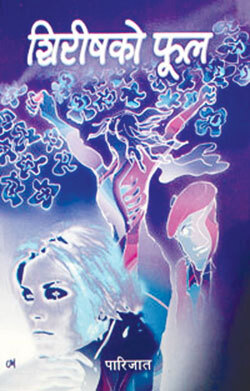
Shirish Ko Phool was translated into English as Blue Mimosa. It tells a tragic story about love, loss, and realization. Set in Kathmandu and Japan and written by Parijat, this award-winning novel narrates the life of Suyog Bir Singh, a war veteran who fought in World War II. Suyog meets Sakambari and her two sisters, Mujra and Sanu, through Sivaraj, his drinking partner. He is particularly drawn to Sakambari because of her striking personality and daring character. Suyog’s friendship with Sakambari leads him to reflect on his past life and actions, causing him to strive for redemption.
2. Seto Bagh (Ratna Pustak Bhandar)Seto Bagh, which means “The White Tiger,” is a historical novel written by prominent Nepali author, Diamond Shumsher Rana. This novel is set in the times when Jung Bahadur Rana was in power, and after his demise. The plot mainly focuses on the life of his eldest son, Jagat Jung Rana. The novel depicts Jung Bahadur Rana’s loss of his grip on power, the rise of his nephews to power, and the affection between Jagat Jung Rana and the daughter of King Surendra, Bikram Shah. The book becomes even more intriguing, with bloodshed and betrayal taking center stage as the various characters struggle for power and influence.
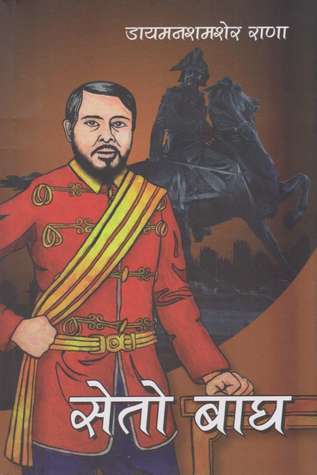 3. Pagal Basti (Ratna Pustak/Book Hill)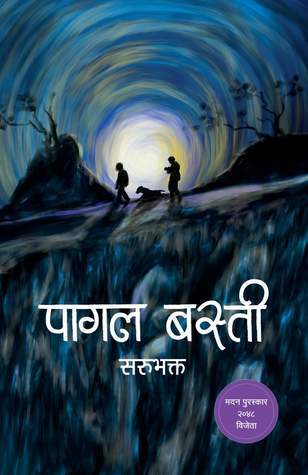
Nepali fiction writing gets no better than Sarubhakta’s Pagal Basti. It is an interesting story divided into two parts. It unveils a deep philosophical aspect of the novel’s main characters, Prashant and Martha. The book describes fascinating events and incidents in their lives. A major focus of the book is on changes in the mental states of the characters. Readers are hooked from the very beginning of the novel and as the story comes to an end, they are left wanting more. This novel is the winner of Madan Puraskar (2048 B.S.), a prestigious literary prize-award in Nepal.
4. Damini Bhir (Phoenix Books)This novel is set in the eastern part of Nepal and focuses on the social lives of characters living in the village of Damini Bhir. This Award-winning novel depicts the habits, mindset, and situation of the Nepalese society during the 10-year-long armed conflicts in the country. The author narrates the story of each character, fusing them in a simple but creative manner.
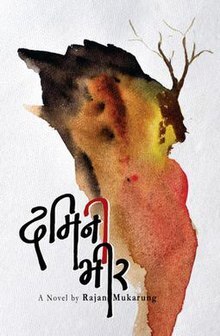 5. Jiwan Kanda Ki Phool (Book Hills)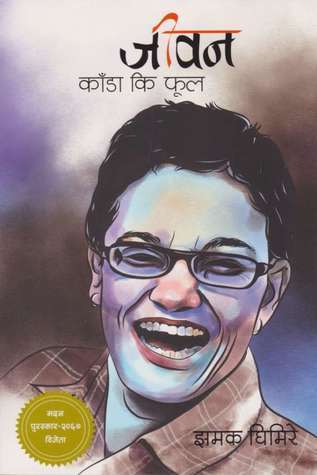
This novel is an encouraging and inspirational autobiography written by Jhamak Ghimire, a renowned Nepali author. In the book, she narrates the struggles and hardships that she endured to fulfil her desires to learn to read and write. Although she was born with cerebral palsy—a movement disorder—she did not allow the condition to discourage her from reading or writing without going through any formal education. Some critics compare Jhamak Ghimire with Hellen Keller, an American author and disability rights advocate who lost her sight and hearing at the age of 19 months.
6. Karnali Blues (Fine Print)This bestselling Nepali novel is set in the Karnali region of far western Nepal, a remote and underdeveloped area of the country. The novel is based on the relationship between a father and son, who faces the test of time and age. This is a remarkable story told from a young boy’s perspective during his childhood days, the struggles of a middle-class family, the hardships that people in the region face, and the pain of losing a loved one.
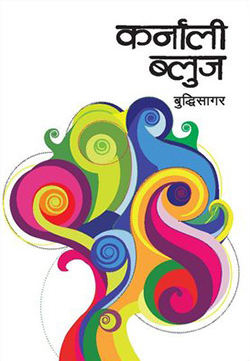 7. Seto Dharti (Fine Print)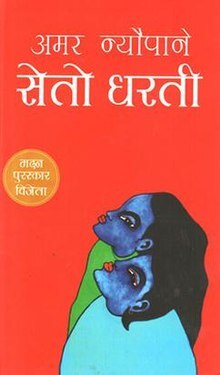
This is a best-selling Nepali novel written by Amar Neupane. It reveals the terrible cultural practice of child marriage, which was a common practice in Nepal till a few decades ago. The intriguing plot is about the life of a young girl, Tara, who is married at a young age. Her husband dies, and she becomes a child widow. The author chronicles the difficulties and pain Tara endures, after being robbed of her childhood, forced into marriage, and bound to live the rest of her life without company. The book’s author uses a style of writing that captivates and engages the reader from the beginning to the end.
8. Khalangama Hamala: Euti Nurse ko Diary (Nepaaya)Khalangama Hamala is a captivating story of courage and bravery during the brutal Himalayan conflict. The book is the memoirs of a health worker who describes her experiences during a violent Maoist attack in Khalanga, the district headquarters of Jumla. The book illustrates her life as a nurse, how she survived during the Nepali Civil War known as the People’s War and the saddening aftermath of the attack on the lives of the district inhabitants.
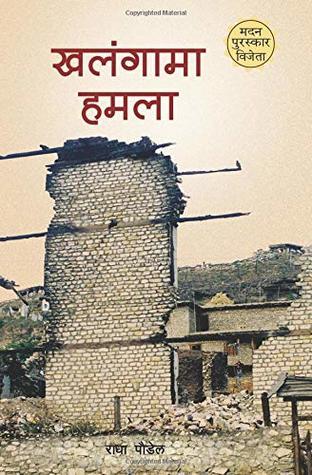 9. Radha (Pairavi Book House)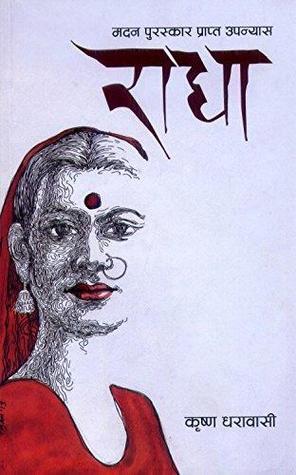
Radha is a “metaphysical” novel that starts with a real-life situation and delves into the world of fiction, with a special focus on the lives and relations between Lord Krishna and Radha. Told from Radha’s perspective, this novel reveals delicate and discursive social notions of a time when a woman could not exercise her free will and a man was permitted to follow his unrestrained desires.
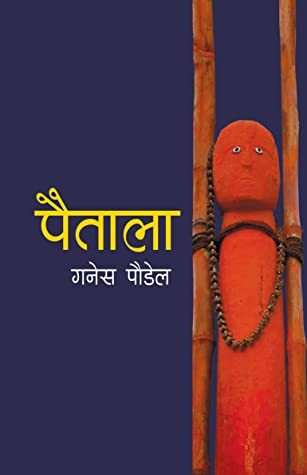
10. Paitala (Book-Hill)Paitala, which means ‘feet’ in English, is a mystical novel by Ganesh Paudel. The story helps readers to better understand the eastern Tantric values in the lives of people. Joshmani, a nomadic male character, abandons worldly affairs in search of Sanjeevani Booti, who wanders through the Tantric Cities, and meets surreal characters and myth-like events. Alexandar Wallet, another character, intends to share with Joshmani what he knows about the Sanjevani Booti, discovered by the mythical character Sukracharya. Letters that Wallet sends to Joshmani leads the reader to ask ‘why’ and ‘how’ about subjects such as science, religion, spirituality, and sexuality.
 11. Ulaar (Fine Print)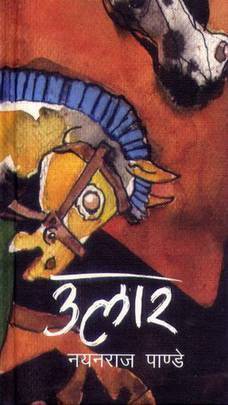
The meaning of the book’s title in English is ‘Disbalance’ and tells a heart-wrenching story of a rickshaw puller, Premlalawa. Set in a small town in Nepal, Prem’s horse falls sick and eventually dies. Afterwards, readers are told of the misery and difficulty the rickshaw puller faces in life. The storyline has made this book a favorite among many Nepali readers.
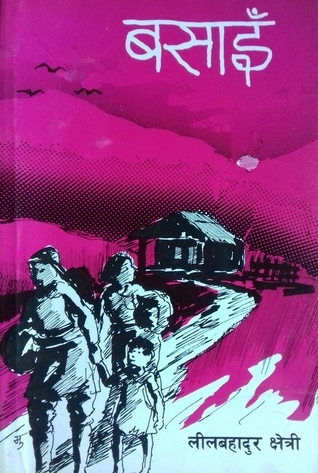
12. Basin by Lil Bahadur Chhetri (Sajha Prakashan)This all-time Nepali bestseller was written by Lil Bahadur Chhetri. Set in the rural area of far-eastern Nepal, the book presents the hardships and struggles of village life. Dhane, the central character, represents the poor people who are exploited by the feudal system. The family of Dhane must sell his small piece of land to pay off the money he borrowed from rich neighbors. The story ends with the family leaving their house. Translated into English as Mountains Painted with Turmeric—a completely new title from the original one—and published by Columbia University Press, this is one of the remarkable stories in this era of immigration and globalization.
 13. Sumnima by BP Koirala (Lipi Books/Sajha Prakashan)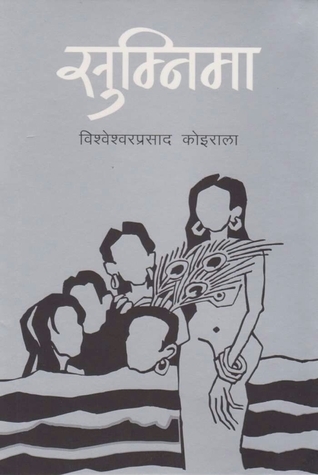
The author Bishweshwar Prasad Koirala was the first to introduce sexual psychology in Nepali literature. Koirala explores human psychology, love, and sexual drives that rule human life. Sumnima, 1964, was written in eight days while the author was imprisoned in Sundarijal, a place near the capital city of Kathmandu. The female character, Sumnima, represents materialism while the male character Somdutta represents spiritualism.
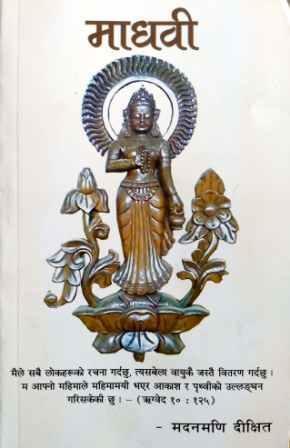
14. Madhawi by Madanmani Dikshit (Sajha Prakashan)This is one of the Madan Puraskar winning Nepali books. It is an intellectual and philosophical novel that uses an array of myths from Mahabharata. In the novel, disciple Gaalaw promises to leave only after offering Gurudakshina to Biwhsamitra, one of the most venerated risis (sages) in ancient India. In the Hindu myth, Gurudakshina is the tradition of repaying one’s teacher or guru after a period of study as an acknowledgement to a spiritual guide. There are many popular characters in the novel. This is one of the biggest works in Nepali literature with a comprehensive plot.
 15. Pallo Gharako Jhyaal by Govinda Bahadur Malla 'Gothale' (Sajha Prakashan)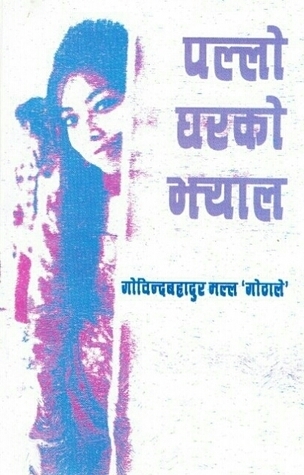
Pallo Gharako Jhyaal is a novel full of sexual psychology written by Govinda Bahadur Malla ‘Gothale’. Considered to be the first psychological novel in Nepali literature, it focuses on the main characters, Misri, Haribhakta, and Hiraman rather than plot developments.
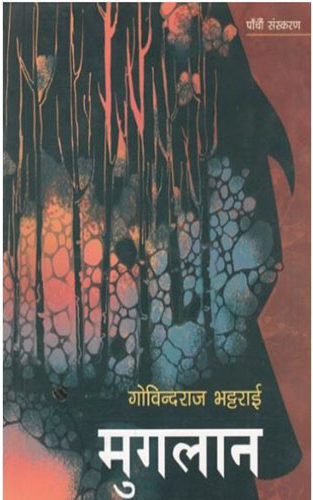
16. Muglan by Govinda Raj Bhattarai (Oriental Publication)Written by Govinda Raj Bhattarai, one of the top literary critics and translators in Nepal, Muglan is a relevant novel in the present context. It paints a realistic picture of people living in various parts of the country. The plot features typical Nepali characters such as Thule, Subedar, and Sutar. It is a favorite among many Nepali readers because of the strong and artistic presentation of the language. It shows the tradition of leaving the country and migrating to foreign lands for a living. Dr Bhattarai’s novel is relevant particularly during this time of rapid globalization and migration.
 17. Aaja Ramita Chha by Indra Bahadur Rai (Sajha Prakashan)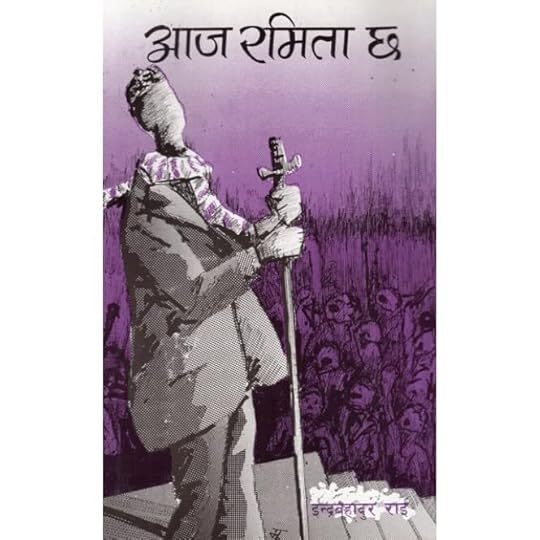
Set in Darjeeling of India, this novel is based on absurdism. It tells a heart-wrenching story of many blue-collar workers who have been living by working in the tea gardens of Darjeeling. One poor character, M. K., always faces poverty but when he gets a good job, he commits suicide. The unstable political nature of Darjeeling is satirized in the novel. Manjushree Thapa, a well-known author and translator has translated this novel under the title: There is a Carnival Today.
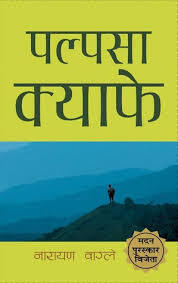
18. Palpasa Café by Narayan Wagle (Nepalaya)One of the winners of the Madan Puraskar, Palpasa Café was based on the Maoist Government War in Nepal. Set in the hilly regions of western Nepal, it tells the story of the Maoist war, the royal massacre, and their effects on normal people, who are the main subjects of this novel. Written by a well-known journalist, Narayan Wagle, this novel is popular among the young and the old, which has led to translations into several languages including English, French, and Korean.
 19. Alikhit by Dhruba Chandra Gautam (Sajha Prakashan)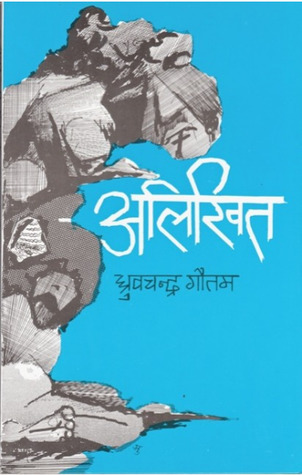
Another Madan Puraskar winner, this popular Nepali novel is set in the Terai region of Nepal. Alikhit sheds light on the lives of people in that community uniquely and interestingly. Written using the technique of magic realism, the story uses the local dialect and is included in the curriculum of Tribhuwan University in Nepal.
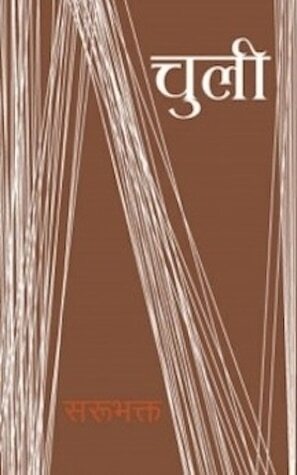
20. Chuli by Sarubhakta (Fine Print)Some critics compare Sarubhakta’s amazing Nepali novella Chuli with Ernest Hemingway’s The Old Man and the Sea because both books deal with the theme of ‘naturalism’ (i.e., human struggles, life, and future are shaped by the geographical, environmental, and even cultural natures surrounding them). The book brings to light the struggles, courage, and challenges of mountaineers when ascending the peak. Like many other books, this descriptive and philosophical mountaineering story is popular among a wide range of Nepali readers.
 Share on facebook Share on twitter Share on linkedin Share on email Ram Khatri
 Translator of Franz Kafka’s ‘The Metamorphosis’ in Nepali, Ram has worked as the managing editor and publishing manager for academic and commercial publishers in the United States. He holds an M.S. in publishing from Pace University, New York, and an M.A. in English literature from Tribhuwan University, Kathmandu. Ram is always fascinated by truly diverse, unrepresented, and heartwarming stories that touch lives.
The post My Favorite 20 Books in Nepali Literature appeared first on Restart Publishing.
December 11, 2020
This is the Right Time for More Outsource in Book Publishing
Ramchandra K.C.
December 12, 2020
Outsourcing your publishing needs to a remote working publishing talent, means that your specific needs will be taken care of by an expert whose working model fosters productivity.
The gig economy is thriving and in recent years has taken center stage in the day-to-day operations of various enterprises around the world. This was the case even before the entire world was hit by the deadly coronavirus (COVID-19), which has dramatically changed the way we go about our daily lives.
Restrictive measures to curb the disease spread and flatten the curve is causing disruptions to vital supply chains and causing a decline in economic growth.
Different organizations both large and small are bracing for impact by adopting cost-effective business strategies like outsourcing. In doing so, they are able to cut employment costs yet, still have unlimited access to a vast network of talent for their respective needs. There is no doubt that outsourcing is a popular business model today, one which key players in the publishing industry must consider adopting.
Let us look at why it makes complete sense for publishers and self-published authors to outsource publishing talents such as editors, graphic designers, illustrators, book marketers, social media persons, artists, and the scriptwriters for graphic novels.
It is Safe
Amidst the coronavirus (COVID-19) outbreak, remote working is becoming the preferred working method for many organizations as it guarantees the safety of their employees.
As a growing number of people opt-in to work from home, it raises the question of whether it is a productive working arrangement? The answer is yes! Because of working freedom, remote employees work more, spend more time getting things done, and are even more productive than office workers according to a recent survey by Airtasker.
The point is that remote working is a safe, lucrative, and productive endeavor you need to consider leveraging during this time.
Outsourcing your publishing needs to a remote working publishing talent, means that your specific needs will be taken care of by an expert whose working model fosters productivity & reduces their chances of exposure to a deadly virus. In doing so, you will also be playing a crucial role in helping to curb the disease spread and flatten the curve.
If your publishing needs require you to outsource multiple publishing talents – such as a graphic novel scriptwriter, editor & graphic designer, you can request for them to use collaborative tools such as Skype, Shareflow, Zoom, TeamViewer, Zoho, Dabbleboard, Dooster, Edmodo, ReviewBasic, among others to work together as a remote team.
Using any of these collaborative tools, they can communicate with each other, share ideas, and strategize on how to fulfill all your publishing needs.
Cost-effective
The COVID-19 outbreak has triggered not just a public health crisis, but an economic one too, leading to alarming predictions by analysts of an economic downturn.
This means that for you as a publisher or self-published author to weather the storm, you need to control expenditures and adopt cost-cutting measures.
Outsourcing editors, graphic designers, illustrators, book marketers, etc is one of the most feasible ways to achieve this feat because you are simply paying for the services you request and nothing else.
Over time this strategy will become less of a financial burden because it eliminates overhead costs such as medical insurance, training, and even office space that comes with employing full-time personnel.
In addition, before you decide on who you want to work with, you can ask for quotes from several to consider rates, innovative ideas they can come up with, and diverse talents within your budget and value offerings that match your specific needs before committing.
Flexible
Outsourcing is a much more flexible option as you can hire more talents only when you need to, without having to maintain workers on a steady payroll.
If you feel like a particular graphic novel scriptwriter, editor, graphic designer, illustrator, or artist is no longer able to deliver in terms of quality or you just need a fresh skillset, you can outsource to a different one.
When you outsource such talents, you are able to easily scale back when the need calls for it and scale up without additional costs. Using this method as an author or publisher, you rid yourself of the burden of long-term contracts.
The flexibility outsourcing offers means that you can easily find turnkey solutions to your changing needs whenever the need calls for it, without an effect on your operations.
If outsourcing is not right for you or your publishing needs you can press pause on the project and consider other available options.
Unlimited Access to a Vast Talent Pool
If you want continuous delivery of high-quality results on all your publishing needs without a decline in quality, you’ll need direct access to a pool of talents.
When you outsource you do not limit yourself to the same individuals with the same skill set and expertise. Gone are the days when sticking to the rules of the game pays off. Now, the winners are those who seek for fresh ideas, and varied viewpoints on a particular undertaking.
Outsourcing gives you as a publisher or author a golden opportunity to select and bring onboard professionals with a wide range of experience and specialty.
Gaining access to this pool of talent has also been made easy with Freelance platforms like Fiverr and Upwork. Using any of these platforms, you can find and hire experts in graphic novel scriptwriting, editing, graphic designing, illustration, book marketing, etc who have been tried, tested, and proven to be capable of quality service delivery at a reasonable price tag.
Final Thoughts
As a book publisher or a self-published author, outsourcing specific areas of your project is a smart move with immense benefits, however, the proper approach to this process is essential.
After you recognize the need to outsource specific areas of your publishing project, this endeavor requires experience and expertise in terms of recruitment, supervision, and management.
Getting it right the first time requires a publishing coordinator, who has in-depth knowledge of vital workflow processes for a good collaborative experience with a freelance professional(s).
Their function typically includes outsourcing the publishing talent(s), supervising the delivery of their individual assignments, making necessary adjustments to ensure that it matches up to the specifications and high standard of the project, and so on.
In other words, a Publishing Coordinator (like myself), who has an in-depth workflow knowledge of book publishing, basically takes care of the nitty-gritty aspects of outsourcing an editor, graphic designer, illustrator, book marketer, social media handler, artist, scriptwriter, and collaborating with them, while you use your own time for other productive pursuits.
CLICK HERE TO READ MORE STORIES ON WRITING & PUBLISHING.
Share on facebook Share on twitter Share on linkedin Share on email Ram Khatri Translator of Franz Kafka’s ‘The Metamorphosis’ in Nepali, Ram has worked as the managing editor and publishing manager for academic and commercial publishers in the United States. He holds an M.S. in publishing from Pace University, New York, and an M.A. in English literature from Tribhuwan University, Kathmandu. Ram is always fascinated by truly diverse, unrepresented, and heartwarming stories that touch lives.
The post This is the Right Time for More Outsource in Book Publishing appeared first on Restart Publishing.
November 1, 2020
BP Koirala’s Sumnima: An Iconic Story to Read

SUJIN BASNET
Nov 2, 2020
Readers will be left with questions about their very own individual norms, values, belief, emotions, and the thoughts they pursue.
Sumnima is a novella by Bishweshwar Prasad Koirala who first introduced sexual psychology in Nepali literature.
A political firebrand and a literary genius Koirala wrote many bohemian stories and novels. His famous works include Modi Aaina, Teen Ghumti, Narendra Dai, Hitler Ra Yuhudi, and Doshi Chasma.
It is supposed that Koirala’s literary career was overshadowed by his political achievements. He explores human psychology, love, and sexual drives that rule human life.
Sumnima, 1964, was written in the span of 8 days while the author was prisoned in Sundarijal, a place near the capital city of Kathmandu. Koirala, who is popularly known as BP, was inspired to write Sumnima upon hearing the debate of his two contemporaries on Hindu & Kirant cultures and civilizations while serving time in prison.
The book tells an interesting story of Somdutta and Sumnima who belong to different religions. Somdutta, a Brahmin boy, belongs to the Hindu culture. He is deeply spiritual. He worships the gods. He has extensive knowledge of religious philosophies from Vedas, Upanishads, and Hindus.
Highly devoted to religion, Somdutta considers the body as the trench of Sin, hence he practices celibacy. Strictly.
Sumnima is from a different religious community known as Kirant. She has her own fickleness. She is a nature lover. She is quite vocal about the foundation of society where patriarchy prevails which refuses to identify the motherhood in the very first place.
The young heroine is conscious of the desires of her body. She believes the body is temporary, which is why we need to take good care of it. According to her, there is no need to take care of things that lasts forever.
Time and again, she urges Somdutta to pursue her ideals and beliefs. Time passes. The couple develops intense chemistry. They also have sex. Somdutta finds his aim and focuses derailed and so he separates himself from Sumnima.
Upon receiving blessings from his parents, Somdutta leaves home and starts a strong penance to claim victory over lust. After years when he returns home, Sumnima is already married. Somdutta marries an educated Brahmin girl named Puloma to continue the clan as per the wish of his parents.
Their marriage has no purpose other than giving birth to a son. Through the character of Puloma, the author tends to show the reader that women must go through lots of suffering and pain in their married lives.
Sometimes their sacrifices, wisdom & achievements are not well acknowledged in a patriarchal society. In the end, Somdutta looks dissatisfied with his life. He regrets it because he was not able to express his feelings for Sumnima.
He realizes that he disregarded Sumnima’s sacrifices, hardships, devotion for him. He could not use his knowledge and education to the optimum level. He realizes religious conservatism has in fact led him to a life without happiness and satisfaction.
From the very beginning of the story, there is a clash between two philosophies i.e. materialism vs spiritualism. By giving more emphasis to Sumnima, the author tries to convince the reader that materialism prevails over the spiritual quest which confines the feelings, emotions, and desires of the individual.
After reading this book, readers will agree that the title of the book does justice to its story. They will be left with questions about their very own individual norms, values, belief, emotions, and the thoughts they pursue. Overall, Sumnima is a great and iconic story to read.
Share on facebook Share on twitter Share on linkedin Share on email Sujin Basnet
 Sujin Basnet is the holder of a Bachelor’s Degree in Business Studies from TU-affiliated Vishwa Adarsha College. An admirer of literature, Mr. Basnet loves reading books and stories, both in Nepali and English languages. He tends to pursue a career in publishing.
The post BP Koirala’s Sumnima: An Iconic Story to Read appeared first on Restart Publishing.