
Discover new books on Goodreads
See if your friends have read any of Ali Salami's books
Ali Salami’s Followers (6)


Ali hasn't connected with their friends on Goodreads, yet.
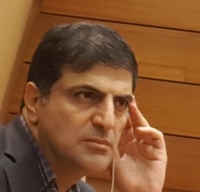
Ali Salami
Goodreads Author
Born
in Tehran, Iran
Genre
Member Since
June 2018
Ghazal 80 by Hafiz
Blame not the libertine, O zealot of pure spirit,
For, the sins of others upon you will not be writ.
Be my works good or evil, beware Satan, your foe;
All men will eventually reap in life what they sow.
Everyone seeks the Friend, sober or drunk with wine,
Everywhere is home to love, be it mosque or shrine.
In submission, I lay head at the tavern gate and lie,
If my enemy cannot discern this, better he di Read more of this blog post »
For, the sins of others upon you will not be writ.
Be my works good or evil, beware Satan, your foe;
All men will eventually reap in life what they sow.
Everyone seeks the Friend, sober or drunk with wine,
Everywhere is home to love, be it mosque or shrine.
In submission, I lay head at the tavern gate and lie,
If my enemy cannot discern this, better he di Read more of this blog post »


More books by Ali Salami…


“That a text is untranslatable is too grandiose a
statement to utter. But in the matter of translating the Qur’an, a translator – though competent and discriminating as he might be – shall find it a persuasively challenging undertaking if not an impossible one. These
difficulties stem from many factors including semantic, linguistic, syntactic and lexical ones.”
― The Magnificent Quran
statement to utter. But in the matter of translating the Qur’an, a translator – though competent and discriminating as he might be – shall find it a persuasively challenging undertaking if not an impossible one. These
difficulties stem from many factors including semantic, linguistic, syntactic and lexical ones.”
― The Magnificent Quran
“Shakespeare’s woes and concerns are all human and can be easily perceived by any reader regardless of religious, ethnic, or educational
backgrounds. To him, human vices are not only odious but pathetic as well. Hypocrisy irks him tremendously, and he is sharply aware of its
stings when he says: “God has given you one face, and you make yourself another” (Hamlet 3.1.).”
― Fundamental Shakespeare: New Perspectives on Gender, Psychology and Politics
backgrounds. To him, human vices are not only odious but pathetic as well. Hypocrisy irks him tremendously, and he is sharply aware of its
stings when he says: “God has given you one face, and you make yourself another” (Hamlet 3.1.).”
― Fundamental Shakespeare: New Perspectives on Gender, Psychology and Politics
“The panoramic plethora of responses to Shakespeare by Western and Eastern critics is strongly indicative of the fact that the Bard crosses all nationalities and deserves to be called a global writer. That is why he is
easily appreciated, manipulated, translated, adapted, and interpreted by everyone, everywhere.”
― Culture-blind Shakespeare: Multiculturalism and Diversity
easily appreciated, manipulated, translated, adapted, and interpreted by everyone, everywhere.”
― Culture-blind Shakespeare: Multiculturalism and Diversity
“Shakespeare’s woes and concerns are all human and can be easily perceived by any reader regardless of religious, ethnic, or educational
backgrounds. To him, human vices are not only odious but pathetic as well. Hypocrisy irks him tremendously, and he is sharply aware of its
stings when he says: “God has given you one face, and you make yourself another” (Hamlet 3.1.).”
― Fundamental Shakespeare: New Perspectives on Gender, Psychology and Politics
backgrounds. To him, human vices are not only odious but pathetic as well. Hypocrisy irks him tremendously, and he is sharply aware of its
stings when he says: “God has given you one face, and you make yourself another” (Hamlet 3.1.).”
― Fundamental Shakespeare: New Perspectives on Gender, Psychology and Politics
“That a text is untranslatable is too grandiose a
statement to utter. But in the matter of translating the Qur’an, a translator – though competent and discriminating as he might be – shall find it a persuasively challenging undertaking if not an impossible one. These
difficulties stem from many factors including semantic, linguistic, syntactic and lexical ones.”
― The Magnificent Quran
statement to utter. But in the matter of translating the Qur’an, a translator – though competent and discriminating as he might be – shall find it a persuasively challenging undertaking if not an impossible one. These
difficulties stem from many factors including semantic, linguistic, syntactic and lexical ones.”
― The Magnificent Quran
“The panoramic plethora of responses to Shakespeare by Western and Eastern critics is strongly indicative of the fact that the Bard crosses all nationalities and deserves to be called a global writer. That is why he is
easily appreciated, manipulated, translated, adapted, and interpreted by everyone, everywhere.”
― Culture-blind Shakespeare: Multiculturalism and Diversity
easily appreciated, manipulated, translated, adapted, and interpreted by everyone, everywhere.”
― Culture-blind Shakespeare: Multiculturalism and Diversity
“Then out spake brave Horatius,
The Captain of the gate:
‘To every man upon this earth
Death cometh soon or late.
And how can man die better
Than facing fearful odds,
For the ashes of his fathers,
And the temples of his Gods,
‘And for the tender mother
Who dandled him to rest,
And for the wife who nurses
His baby at her breast,
And for the holy maidens
Who feed the eternal flame,
To save them from false Sextus
That wrought the deed of shame?
‘Hew down the bridge, Sir Consul,
With all the speed ye may;
I, with two more to help me,
Will hold the foe in play.
In yon strait path a thousand
May well be stopped by three.
Now who will stand on either hand,
And keep the bridge with me?
Then out spake Spurius Lartius;
A Ramnian proud was he:
‘Lo, I will stand at thy right hand,
And keep the bridge with thee.’
And out spake strong Herminius;
Of Titian blood was he:
‘I will abide on thy left side,
And keep the bridge with thee.’
‘Horatius,’ quoth the Consul,
‘As thou sayest, so let it be.’
And straight against that great array
Forth went the dauntless Three.
For Romans in Rome’s quarrel
Spared neither land nor gold,
Nor son nor wife, nor limb nor life,
In the brave days of old.
Then none was for a party;
Then all were for the state;
Then the great man helped the poor,
And the poor man loved the great:
Then lands were fairly portioned;
Then spoils were fairly sold:
The Romans were like brothers
In the brave days of old.
Now Roman is to Roman
More hateful than a foe,
And the Tribunes beard the high,
And the Fathers grind the low.
As we wax hot in faction,
In battle we wax cold:
Wherefore men fight not as they fought
In the brave days of old.”
― Horatius
The Captain of the gate:
‘To every man upon this earth
Death cometh soon or late.
And how can man die better
Than facing fearful odds,
For the ashes of his fathers,
And the temples of his Gods,
‘And for the tender mother
Who dandled him to rest,
And for the wife who nurses
His baby at her breast,
And for the holy maidens
Who feed the eternal flame,
To save them from false Sextus
That wrought the deed of shame?
‘Hew down the bridge, Sir Consul,
With all the speed ye may;
I, with two more to help me,
Will hold the foe in play.
In yon strait path a thousand
May well be stopped by three.
Now who will stand on either hand,
And keep the bridge with me?
Then out spake Spurius Lartius;
A Ramnian proud was he:
‘Lo, I will stand at thy right hand,
And keep the bridge with thee.’
And out spake strong Herminius;
Of Titian blood was he:
‘I will abide on thy left side,
And keep the bridge with thee.’
‘Horatius,’ quoth the Consul,
‘As thou sayest, so let it be.’
And straight against that great array
Forth went the dauntless Three.
For Romans in Rome’s quarrel
Spared neither land nor gold,
Nor son nor wife, nor limb nor life,
In the brave days of old.
Then none was for a party;
Then all were for the state;
Then the great man helped the poor,
And the poor man loved the great:
Then lands were fairly portioned;
Then spoils were fairly sold:
The Romans were like brothers
In the brave days of old.
Now Roman is to Roman
More hateful than a foe,
And the Tribunes beard the high,
And the Fathers grind the low.
As we wax hot in faction,
In battle we wax cold:
Wherefore men fight not as they fought
In the brave days of old.”
― Horatius