Tien Chiu's Blog
October 15, 2022
How to design gorgeous fabric using color “recipes”
Did you know that you can create an infinite number of beautiful handwoven designs with just a few color “recipes”?
When I say “recipe,” I don’t mean rigid formulas, but foundational patterns as flexible as a chef’s recipe for soup stock – a solid, simple base that can be modified in millions of ways to create your own beautiful, unique designs.
Not only that, but these basic patterns can be combined with each other to create endless options.
In the Handweaving Academy, we’ll be offerin...


April 23, 2022
How to use (and love!) colors you hate when weaving
It’s happened to all of us. You buy a box of yarn sight unseen on Facebook or eBay, or pick up a “bargain” at an estate sale, or maybe you just stumble across a cone of yarn you bought eight years ago and wonder, “What WAS I thinking??? I can’t stand that color – how am I ever going to use it??”
Well, before you regift that yarn, stuff a pillow with it, or throw it away, here are a few ideas for how to use (and love!) it in your weaving!
Strategies for weaving with a color you can’t stand...April 4, 2022
How to pick colors for your weaving project
Choosing a color palette for a project – how exciting, and yet how daunting a task it can be! Pick the right colors and you get something gorgeous; pick the wrong ones, and you wind up with mud. Or so it seems.
Here are three questions that will help demystify choosing a palette. I teach more on this in my class Make Your Colors Sing, which will become available as a self-paced class later this spring.
Question #1: Colors: Bright or dull?The first question weavers often ask is “Will my...
January 7, 2022
Fundamentals of color in weaving: Why Your Colors Went Muddy (And How to Predict It Before You Weave)
Note: This post replaces the earlier article on the Two-Primary Rule, which contained inaccurate information. The article below is the result of considerably more research into the science of optical mixing.
We’ve discussed how to control how much your colors blend in Color Mixing. But we didn’t cover the other half of color mixing: When your colors do mix, what color do you actually get?
More specifically: you chose two beautiful, vivid colors. Why did your finished cloth come out dull an...
Fundamentals of color in weaving: Color Mixing and the Two-Primary Rule
So far in this series of articles, we’ve discussed the first two pillars of understanding color mixing in handweaving: how to tell if a draft will blend colors or keep them separate, and what other factors, such as yarn size, viewing distance, and pattern scale, influence whether your yarn colors will blend together or stay separate.
But what color do you get if your yarn colors do mix? That’s the third pillar of color mixing in weaving, and is the subject of this article.
If you want to ...
December 3, 2021
Fundamentals of Color Mixing in Handweaving: Mastering Pattern Scale
(This is the second in a three-part of a series of articles explaining how color mixing works in handwoven cloth. If you read all three articles, you’ll understand the basic principles of how and why colors mix the way they do in weaving. No more muddy cloth!
If you want to dive deeper into design, I recommend my course Make Your Colors Sing the next time I offer it – it offers much more in-depth coverage of color mixing, hands-on exercises, and lots of information on visual design in handwov...
September 24, 2021
Fundamentals: How to choose drafts for fantastic color in your handwovens
Have you ever wondered why the same two yarns can weave into dramatically different colors of cloth? If you use two very different colors, like blue and orange, you might get anything from brilliant patches of blue and orange to disappointing mud – or anything in between.
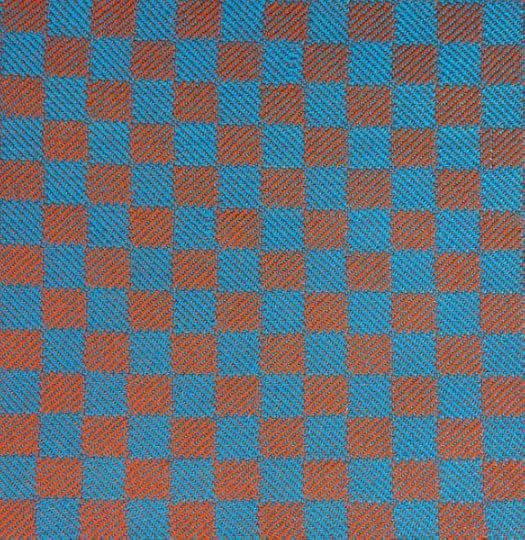 twill blocks swatch woven with blue and orange yarns
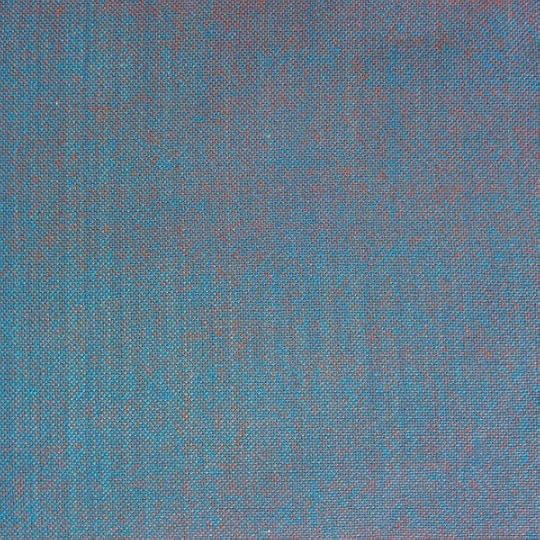 plain weave swatch woven with blue and orange yarns
The secret is in your choice of draft. In this article, I’ll explain the three different kinds of drafts, their effec...
September 17, 2021
How to make radical changes in handwoven color, using simple tie-up changes
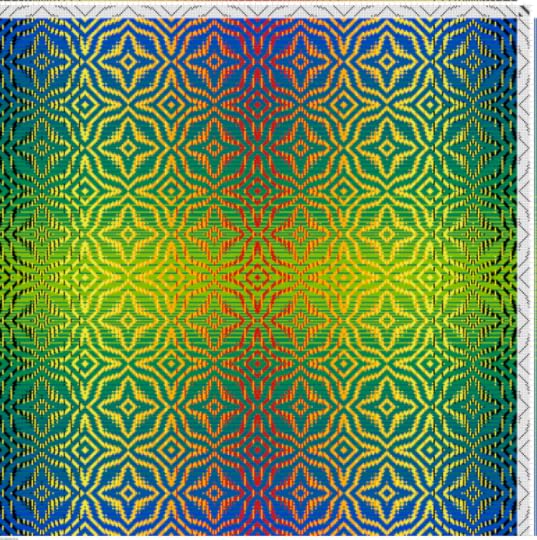
One of the amazing things about working with color is how wildly different a look you can get using the same color patterning in warp and weft, simply by tweaking the draft. Often, you don’t even need to change the threading or treadling – a quick change in tie-up can produce a totally different look!
Believe it or not, these three drafts are all created using the same threading, treadling, and color patterning in warp and weft. The only thing that’s changed is the tie-up!
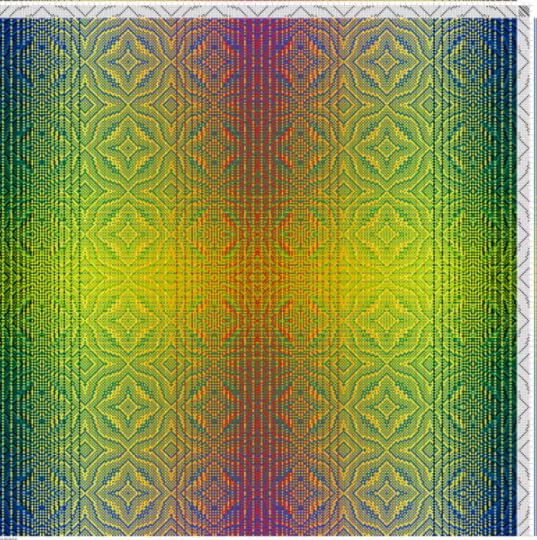
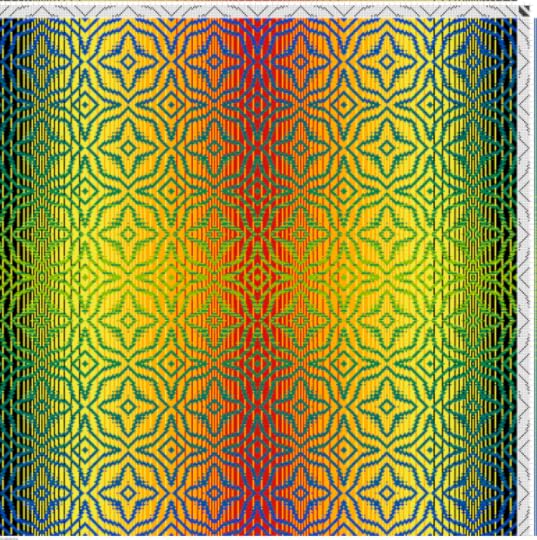
Lest you thi...
August 23, 2021
An intriguing and rare gradient: Creating curves
One of the more interesting kinds of alternating thread gradients is the curved gradient, which creates the illusion of a three-dimensional fabric. It’s a type of gradient that you don’t see often, but it’s a very interesting one, so I thought I’d share details on it with you.
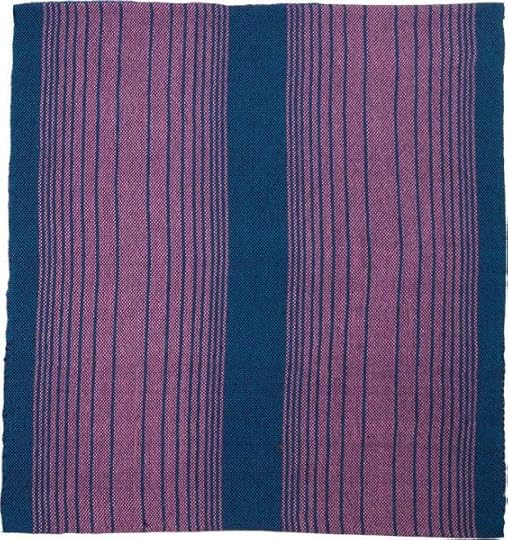 How they’re made
The simplest color gradients are made with two colors. They start off with pure Color A in the center, then change very gradually from Color A to Color B in the center area. Then, towards the edg...
July 28, 2021
The beauty of handwoven gradients – and how to create them
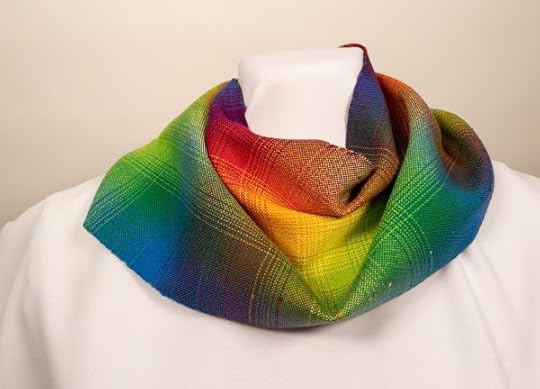
Have you ever been struck by the gorgeous colors in a rainbow shawl? Or envied the beauty of a double-gradient scarf?
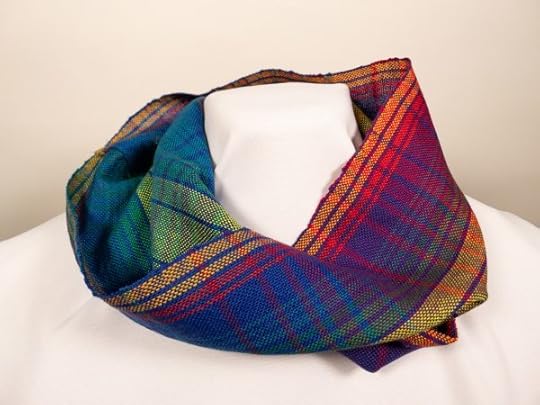
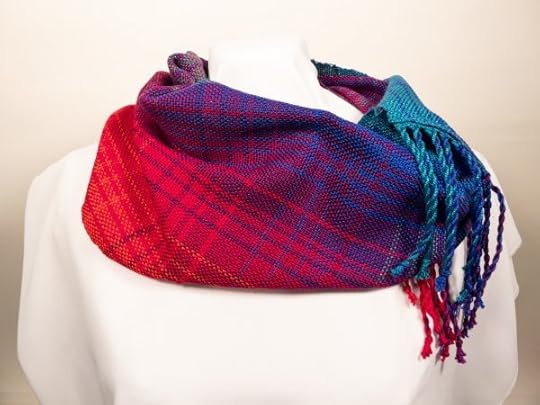
Color gradients are not only beautiful, but amazingly useful in handweaving because they are simple to design and don’t require a ton of shafts to produce. In fact, you can create beautiful color gradients on just two shafts (or a rigid heddle loom)! This lovely cowl was woven on a rigid heddle loom:
Got more shafts and more colors?
You can do more! Here is ...