Tamara Dever's Blog
January 6, 2020
How Do You Know When To Stop Self-Editing and Start Publishing?
Desiree Villena, writer, Reedsy
The following guest post comes to us from Desiree Villena, a writer with Reedsy. She describes Reedsy as a marketplace that connects self-publishing authors with the world’s best editors, designers, and marketers. Desiree is very passionate about helping independent authors reach their dreams. She enjoys reading and writing short stories in her spare time.
———————————————————————————————————
With NaNoWriMo in our rearview mirrors, you might be breathing a sigh of relief and giving yourself a well-deserved pat on the back. But it’s not quite time yet to break out the champagne. Now that November is behind you, you’ll probably look again at your manuscript and start thinking about the part of the writing process that every author dreads: the edit.
At a traditional publishing house, a book will always go through multiple rounds of edits before publication. If you’re self-publishing, however, you have a few choices at hand. You can either:
Not edit Conduct a self-edit Get a professional edit
The correct answer, of course, is B) and then C)! A professional edit is vital if you want to ensure that your book is structurally sound, readable, clear, and polished.
However, before you can even think about handing your manuscript over to a professional editor, you should always first edit it yourself — and this is where a lot of authors stumble. As you probably already know, it’s all too easy to wind up falling into the trap of editing too much.
So how do you know when to stop editing and start thinking about the next step of publishing? Following are five classic warning signs of over-editing that you should watch out for.
1. When it’s been more than two years
Granted, it’s hard to box the editing process into the strict confines of a timeframe. Since a lot of people wonder about this, however, it may be helpful to know that a book will need several editing rounds, which generally take (on average) several months in total.
But this truly depends on the book and the person. Most professional editors will tell you that editing takes however long the story needs. For instance, some books are longer than others and will need more time to thoroughly take apart. (Ahem, Game of Thrones). Other writers also edit slower than their peers, or take lengthy breaks in between the editing rounds so as to view their story with fresh eyes each time.
With all of that said, an entire year purely devoted to editing would probably raise a few eyebrows — and two years is the line at which you should really put down your red pen. To put that into perspective, that’s 730 days: more time than many writers spend writing a book!
“What exactly is holding you back
from moving on to the
next part of publication?”
If you’ve held onto a manuscript for that long, it might be worth it to press pause for a moment. Ask yourself what exactly is holding you back from moving on to the next part of publication (whether that’s a query letter if you plan to publish traditionally, or a book cover design if you’re self-publishing). Is it a psychological block that’s stopping you from showing it to the rest of the world, perhaps? That’s a completely different problem from that of fixing a manuscript — and one that’s worth resolving, as your story deserves to be published.
2. When you’re sick of reading your own work
All writers are, to some degree, perfectionists. If they spot a flaw in a paragraph, they’ll likely want to tinker with it — and keep tinkering it until the writing is flawless.
But here’s the catch-22: since “flawless” is unfortunately a wholly subjective standard, there’s a good chance that you’ll continue “fixing” your work until the words blur and you can’t tell “bad” from “sad.” This is often the point where you end up hating the sight of your own writing.
“To start loathing the
very thing you created
isn’t the happy ending
that anyone wants.”
If you feel like that about your story because you’ve read it too many times, then that’s probably another sign to let go. To start loathing the very thing you created isn’t the happy ending that anyone wants for you — what’s more, you needn’t be a prisoner of your own work. Instead of reading your story for the millionth time, why not ask someone else to read it for the first time (and perhaps give you their thoughts on it)? That leads me to my next point.
3. When you can share your story with other people without embarrassment
I hate to break it to you, but a book is meant to be read — and not just by you! Ideally, many people around the world will one day be able to see your book on the bookshelves, pick it up, and open it to its first page. With that in mind, try to edit your manuscript to the point where you can share it with other people without embarrassment.
Start with your closest confidantes, whether that’s your partner, your family, or a trusted writing buddy. Ask them to read your book and don’t just watch them to see what their reactions are — test what your own reactions to this experiment are. If you pass that test without the faintest blush, then see if you can graduate onto a wider circle of people (perhaps your writing group or acquaintances at work). You needn’t necessarily ask for their thoughts on your book. The goal of this exercise is simply to see if you’re relaxed about handing your story to them.
If you can do so feeling embarrassed, then congratulations! You’ll know that you’ve reached a point where you’re genuinely proud of the work that you’ve produced.
4. When you find yourself changing
“a” to “the” — and then back again
In other words: when the changes you find yourself making to your story aren’t meaningful anymore.
When you start your self-edit, you’ll probably be trying to fix the “big picture” problems in your story: broad characterization problems to underlying structural issues and wonky plot holes. Then you’ll likely move onto your sentence-level errors. Punctuation mistakes? Typos? Factual inconsistencies, from incorrect dates to conflicting descriptions of characters? Close proofreading to catch the typos that you might’ve made? That’s all fair game.
But what if you notice that you’re simply tweaking “a” to “the,” or adding throwaway commas here and there? That kind of change won’t impact your story meaningfully. If you find yourself doing that, it’s also probably time to put down your pen.
How do I know what’s meaningful and what’s not? If you’re asking that right now, then let’s turn to my fifth and final point.
5. When a professional editor tells you to stop
If you’re still unsure about whether or not your manuscript truly deserves to move on, then it’s time for professional help. In addition to a keen eye, a professional editor will have decades of experience on their side. More importantly, you can surely rely on them to look at your manuscript and tell you exactly what does — and doesn’t — need fixing. (Hiring a good editor who you can actually trust is a bit trickier. You can start here at TLC Book Design, and you can also always ask around on writer’s circles on Facebook or forums for more opinions.)
“Your book does deserve
to see the light of day.”
However you decide to move forward, just remember that your book does deserve to see the light of day. You’ve gotten this far, after all! Having a complete manuscript in your hands is more than a lot of would-be authors can say for themselves. Have the trust in yourself and your story to close the book on editing — and take the next step towards actual publication.
———————————————————————————————————
We’d love to hear your thoughts and experiences with self-editing, working with an editor, and how easy or difficult it was to let go of your manuscript to move to the next step in publishing. Please share in the comments!
Many blessings,
Tami
The post How Do You Know When To Stop Self-Editing and Start Publishing? appeared first on TLC Book Design.


March 3, 2019
Guest Post: The Decision to Self-Publish
The Decision to Self-Publish
Hello, authors and publishers!
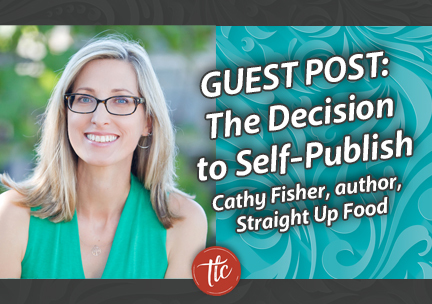
Today you get to hear from Cathy Fisher, author of the cookbook, Straight Up Food. She’ll share how she decided to self-publish and whether she’d do it again.
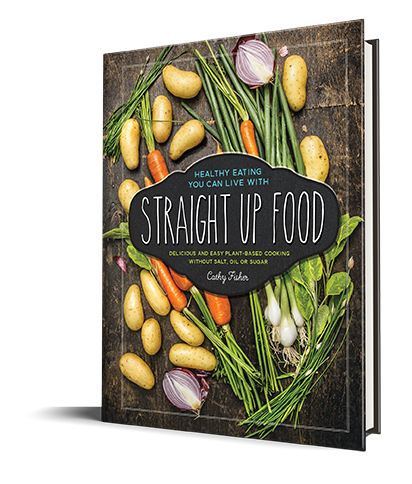
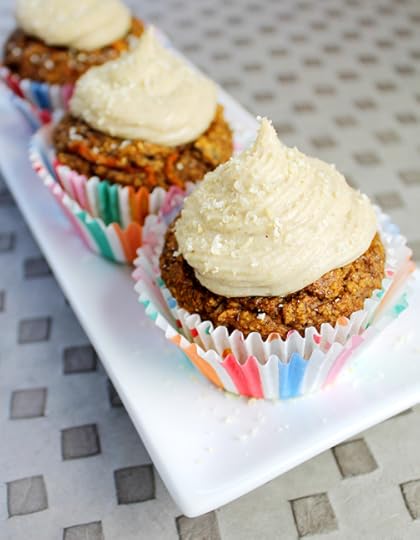
After working as a cooking instructor for six years, people started asking me if I had a cookbook. I got tired of saying “No,” so I decided to start saying, “I’m working on one.” Putting out a cookbook seemed like a logical next step in my career, so I started going through all my recipes to pick out my favorites, as well as writing the supplementary sections of the book. With a former career in writing and editing for magazines, I enjoyed the writing of the book, and I was on my way!
While I continued to write, I interviewed many authors in my field, and read articles online to help me decide if I should go the traditional publishing route or head down the self-publishing path. This research was an important step for me, because I had clear ideas of how I wanted my book to look and feel. I had heard disheartening stories about traditional publishing houses and first-time authors, such as: while the authors have their say, the publishers often have final say about certain things, like the title and how many photos (if any) they would allow in the book.
A colleague really wanted me to go with his publisher, since
we both have similar books (health cookbooks), and this publisher only
publishes books like this, so they would market it with their other offerings.
I looked at many of their books, but there was nothing special about them. They
were formulaic and uninspiring, with few to no photos. Color photos are
expensive, I get it, but I knew my students and followers would not take
lightly to cookbook by me with no photos, especially since I had become known
for my high-quality food pictures on my recipe blog.
I continued to research, and I was learning that there were
many pros and cons to each way of publishing. I really did want to
self-publish, but felt the need to gain an understanding of both approaches. I
interviewed a colleague with seven books under her belt, the last being her
only self-published book. After a long conversation, I asked her, “If you write
another book, would you self-publish again?” and she said, “No.” She said it
was just too much work.
Following the above conversation, I flung myself on my bed
and cried for 20 minutes. I felt exhausted and overwhelmed by all the
information I was taking in, and also by the pressure to make this and so many
other decisions for this project. I also felt a lot of fear about both paths.
As I said, in my heart, I wanted to self-publish and I knew I could create a
good product, but I was scared of the work that self-publishing required. I
knew there would be many new challenges and learning curves ahead, and was
nervous about taking them all on I addition to my regular teaching work.
Final Decision
After all my research and contemplation, I followed my heart
and decided to self-publish. I knew this way I would get the product I
envisioned (since I was the one and only boss of my book), and I knew that
putting out a great first book would help me with any subsequent books, by
adding to my good reputation in my field; and that it would encourage positive
word of mouth. Even though I had never written a book before, I had read
plenty, and knew that a stinker of a first book does not enthuse people to buy
a second from the same author.
I decided to work with TLC and Tami, because I liked Tami
and I liked the TLC website. The professional website let me know I would be
working with professionals, and I knew that Tami’s calm, helpful personality
and expertise would be a great asset to me along this new road. Not once did
Tami or Monica (who designed my book) lose their patience with me (when I’m
sure they could have). They were kind and helpful at all points along the
process. If Tami didn’t have an answer to a question, she’d research it and get
back to me quickly. If I wanted to make yet more changes to my manuscript,
Monica would do this happily. I certainly had many times of tension on my end,
but I never felt this from these women, and to have them as my foundation was
incredible. When you self-publish, you can feel alone at times, so having these
two ladies “by my side” was invaluable. Even though I have never met either of
them (all of our work is online and by email), I felt that they believed in me,
my book and its message. We were a team, and a team is what it takes to do a
project like this (I now know).
My book was published in October of 2016, and it is still selling like gangbusters, over 100 books a week on Amazon. So many people tell me that they also buy it for friends and family. I sell it online on my website (StraightUpFood.com) and on Amazon.com, as well as wholesale at the health center where I teach. People from all over the world have my cookbook; it’s a great feeling. And I get equal positive feedback on the content of the book as well as the appearance of the book, thanks to TLC!
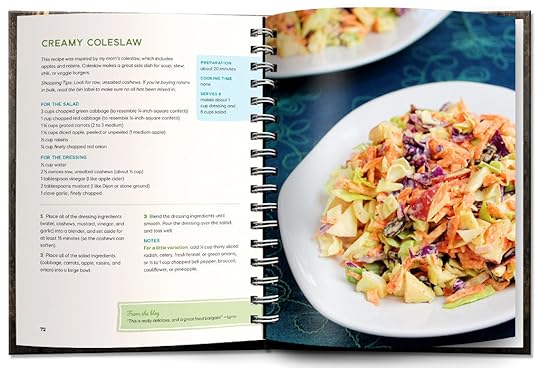
As I begin thinking about my second book, I know I will self-publish again. With all this experience under my belt, it would be almost silly not to. I know it will be a lot of work, but I’ve done it before and I can do it again. I have my team and I know what to do. It has been a nice new income stream for me, but more than anything, I just love it: I love the way it looks and feels, I love its message, and I love that it is out there helping so many people heal and feel better. My book is my baby, and I have given it every chance to succeed by creating it with love and care from the very start, including putting it in the very capable hands of TLC.
___________________________________________________________________
Wrapping it Up
The TLC team had a great time working with Cathy and enjoys getting updates on her book’s success as well as requests for yet another reprint! She’s one of our most successful authors in terms of sales. What Cathy didn’t mention is that we began this project using her photos and she suddenly put it all on hold. That happens on occasion, but her reason was that she didn’t believe the quality of her photos was good enough, so she took the time to upgrade her equipment and skills before she was ready to resume. While her original photos were nice, the end product benefited from her patience, persistence, and commitment to quality. Well done! Thank you, Cathy, for your business, trust, and for sharing your story here.
September 12, 2018
Book Awards for the Small Publisher
Hello, authors and small publishers!
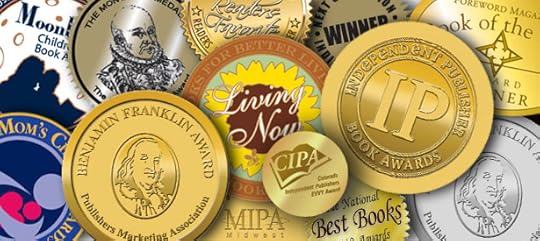
We often have clients with a desire to enter their books into publishing competitions. It’s a great idea, but where do you start? We’ve researched the most popular national and international book awards and compiled a list of those you may want to consider.
Awards are most often given for writing quality, production quality, and design (inside and cover). There are subject/genre categories, design categories, and even special awards for new publishers, new authors, or those leaving a legacy. You’ll want to choose each category wisely, as part of the criteria will be based on your book’s genre. You’ll be required to send one or more copies of your book per category to the sponsoring organization. Most then donate the books to various libraries or non-profits.
Of course, if you are a finalist or winner, you are able to tout your book as an award-winner (maybe even national or international award-winner), and you become an award-winning author. You can purchase stickers to place on the cover, tout it all over your website and social media, and send out press releases to announce the news. Each competition offers their own perks to winners as well, ranging from monetary prizes, representation at trade shows, announcements in their magazines, and their own press releases.
___________________________________________________________________
Note: The first 3 tend to be the most prestigious for indie publishers.
IBPA Benjamin Franklin Awards
Regarded as one of the highest national honors in independent publishing. The Awards are unique in that the entrants receive direct feedback on their titles. The actual judging forms are returned to all participating publishers.
ELIGIBILITY: For print books or audiobooks with a copyright date of 2018
COST: IBPA member: $95 per title, per category
Non-IBPA member: $225 for first title, which includes a one-year membership in IBPA; $95 per title, per category for second and subsequent entries.
DEADLINE: December 15, 2018
ForeWord Magazine Book of the Year Awards
Sponsored by ForeWord Reviews Magazine; awarded only to independently-published books.
Check site for more information. As of publishing this post, awards for next year are not yet open.
Independent Publisher’s IPPY Awards
Honors the year’s best independently published title from around the world.
COST: $85 per category
DEADLINE: Feb. 23, 2019
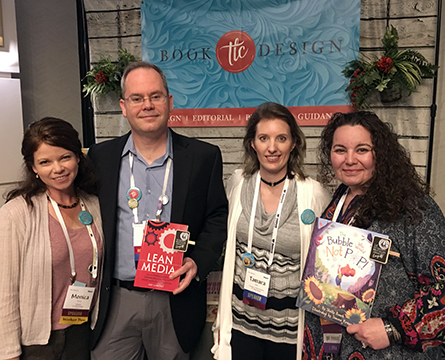
TLC and clients took home three awards at the 2018 IBPA Bennies.
Pictured: Monica, Ian Lamont, Tami Dever, Rachel Pellegrino
____________________________________________
The following listings appear in alphabetical order.
Axiom Business Book Awards
ELIGIBILITY: books from business book authors and publishers worldwide that are published with a 2017-2019 copyright or that were released between May 2017 and January 2019.
COST: $95 per category. Early-bird entry fee of $85 per category available until October 13, 2018.
DEADLINE: January 12, 2019
Christian Small Publishers Association: Christian Indie Awards
ELIGIBILITY: Print books published with a 2017 or 2018 copyright and released for sale in 2017 or 2018.
COST: $45/category
DEADLINE: November 15, 2018
eLIT Book Awards
Digital publishing entertainment Publishers and authors worldwide creating electronic books written in English
ELIGIBILITY: Titles published with a 2017 or 2018 copyright or that were released between January 1, 2017 and January 31, 2019.
COST: $70 per category
DEADLINE: January 31st, 2019
Eric Hoffer Award (along w/the Montagne Medal, da Vinci Eye, and First Horizon Awards also on their site)
ELIGIBILITY: one of the largest international book awards for small, academic, and independent presses. For all books either published or copyrighted in the prior two years
COST: Not listed, but has been $50 per category in the past
DEADLINE: January 21 each year
Living Now Book Awards
ELIGIBILITY: lifestyle, homestyle, personal development and wellness books
COST: $75/category
DEADLINE: open in November 2018
Illumination Awards
ELIGIBILITY: Christian-themed books written in English with copyrights 2017-2019, or that were released since January 1, 2017. Enduring Light Medals reward exemplary Christian-themed books published since the year 2000.
COST: $85 per category
Two books/category
DEADLINE: December 15, 2018
International Book Awards
ELIGIBILITY: Open to all 2017–2019 Published Books with an ISBN.
COST: $45/category EARLY BIRD SPECIAL: $10 off entry through September 30, 2018
DEADLINE: April 30, 2019
Mom’s Choice Awards (children’s/family books)
ELIGIBILITY: Accepts books and products for families and children
COST: Level 1: $500; Level 2: $1,500IBPA Members receive a 40% discount
DEADLINE: accepts entries year round
The National Indie Excellence Book Awards
ELIGIBILITY: English language books that are available for sale wherever good books are sold both on Amazon.com and in bookstores.
COST: $75.00 per category
DEADLINE: March 31, 2019
Nautilus Book Awards
ELIGIBILITY: Books with either a 2018 or 2017 publication date
COST: Early Entry Fees (USD) will be in effect, starting September 21, through Oct. 31: $165 for 1st category that a Title is entered in, plus $125 for a 2nd (or 3rd) category of same title. Note that all books for Children & Young Adults have $125 Early Entry Fee.
DEADLINE: entries with postmark date between Sept 21, 2018 through Feb. 8, 2019
Next Generation Indie Book Awards
ELIGIBILITY: Books with a 2017, 2018 or 2019 copyright date
COST: Early Bird Special – Enter online by September 30, 2018 and receive a $60 discount on the entry of a second category. Early Bird Special is only $75 and includes the entry of one title in two categories. On October 1, 2018 the price to enter two categories increases by $60.
DEADLINE: February 15, 2019
USA Best Book Awards
COST: $69 per category
DEADLINE: September 30, 2018
Whistler Independent Book Awards
Recognizing excellence in Canadian independent publishing
ELIGIBILTY: Self-publisher who is a Canadian citizen or permanent resident of Canada. The book must be copyrighted within the last six years and the author must retain all rights.
COST: $100 plus GST per fiction and non-fiction entry
DEADLINE: Entries open March 1, 2019
Writer’s Digest Self-Published Book Awards
ELIGIBILITY: English-language self-published books for which the authors have paid the full cost of publication
COST: $45/category
DEADLINE: closed for 2018
Last year’s info:
Early-Bird Deadline: May 4, 2018
Deadline: June 1, 2018
Extended Deadline: June 15, 2018
Manuscript entry—$35 for the first entry; $30 for each additional.
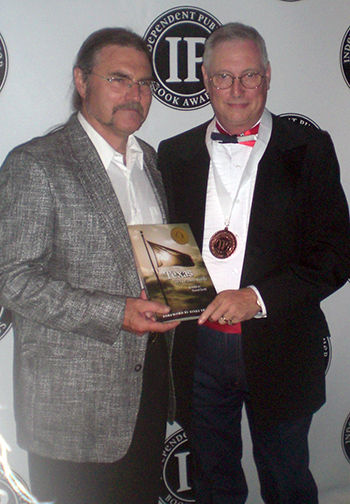
Tweed Scott accepting one of his many awards.
There are also regional awards sponsored by publishing organizations. Be sure to search online for those in your state or region. In addition, there may be competitions related to your book’s topic that may or may not be solely for books, such as cookbooks, parenting, Autism spectrum, or equestrian products.
___________________________________________________________________
Wrapping it Up
Together with our clients, TLC is the recipient of more than 200 awards! (You can see some of them here.) While our goal in creating a book is not to win awards, we can attest that it’s fun to be chosen, whether it’s a finalist, silver, or gold! On occasion, we’re able to attend the awards ceremonies with our clients. Those are special moments for everyone involved. If you’re a finalist and able to attend, by all means go!
What have you entered? How did you do? How have you used your awards to gain more PR and more sales? What did you enter that’s not on our list? We want to hear from you!
Thanks and blessings,
Tami
[/cs_text][/cs_element_column][/cs_element_row][/cs_element_section]
Book Awards for the Small PublisherSeptember 12, 2018 Before & After Book MakeoversMarch 9, 2018 Frequently Asked QuestionsFebruary 21, 2018
Share this Post
The post Book Awards for the Small Publisher appeared first on TLC Book Design.
March 8, 2018
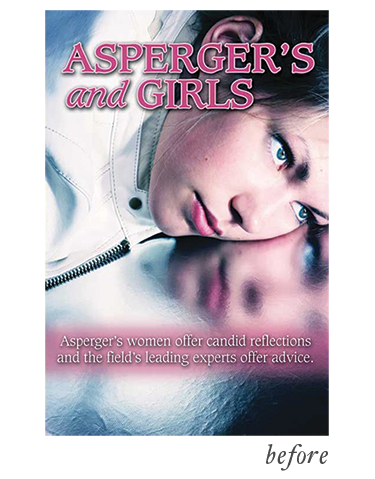
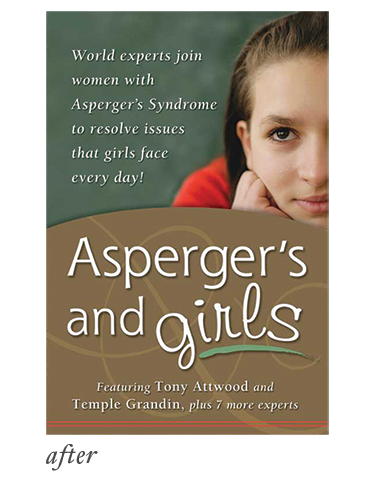
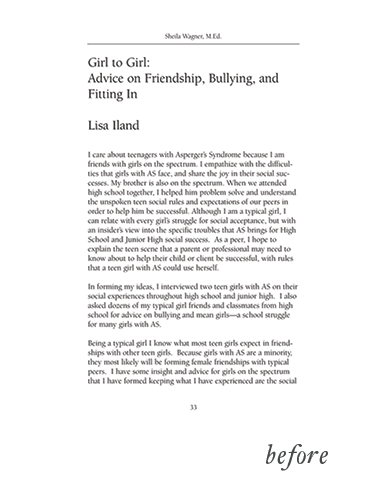
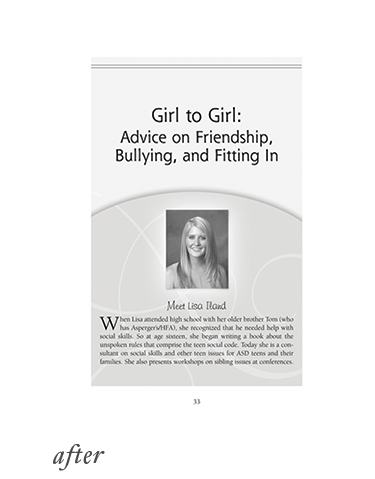
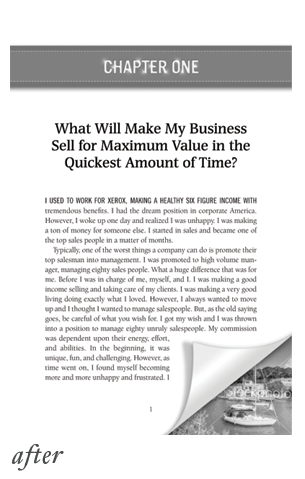
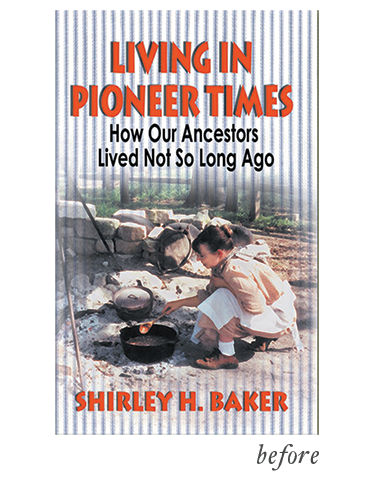
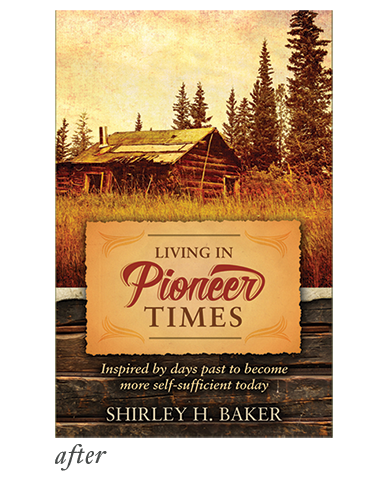
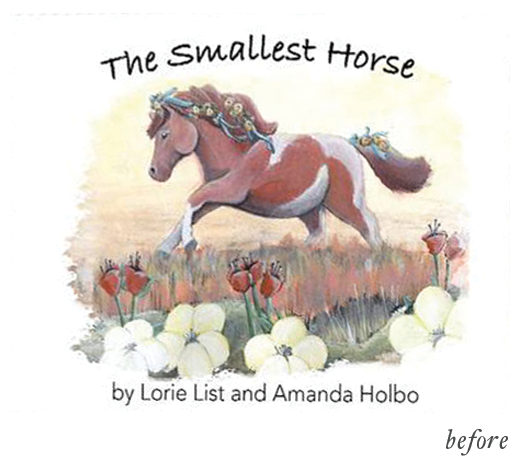
Before & After Book Makeovers
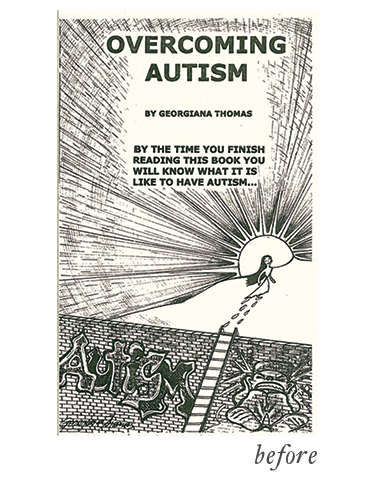
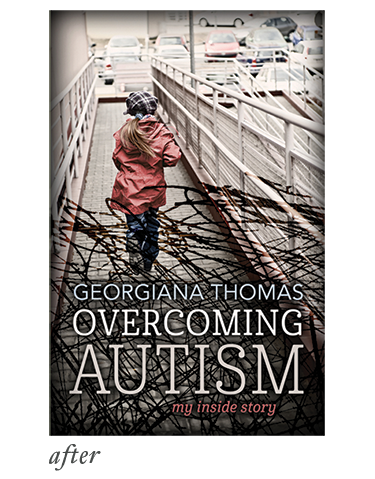
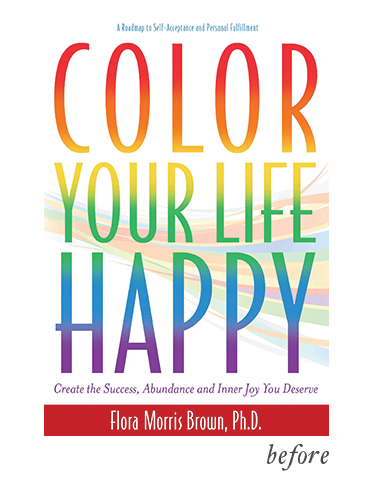
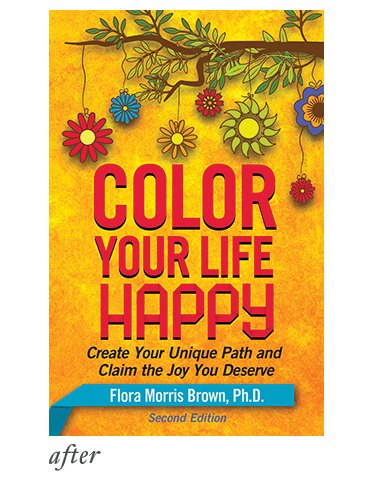
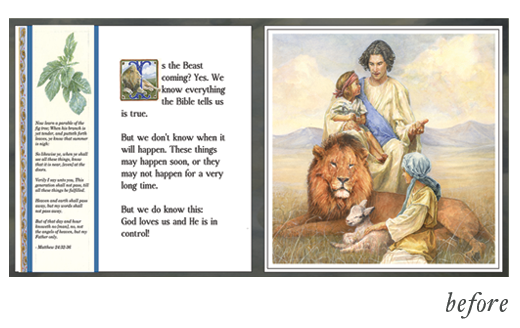
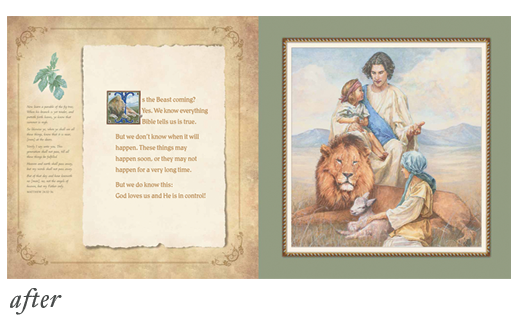
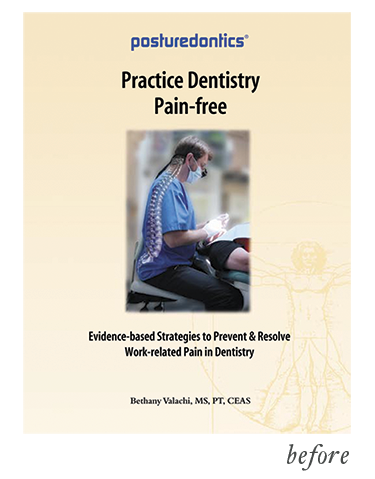
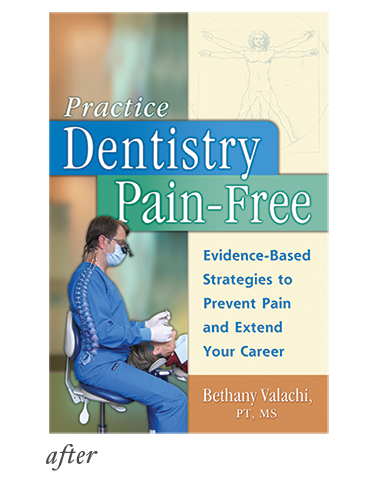
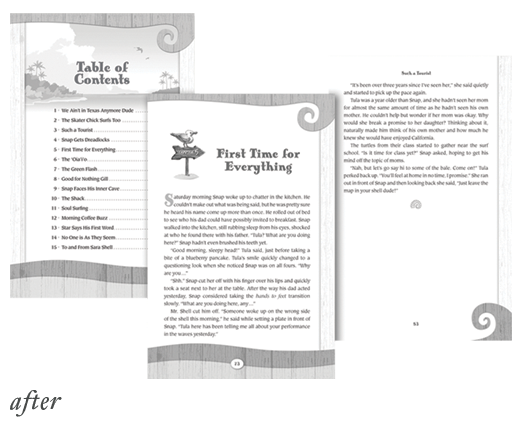
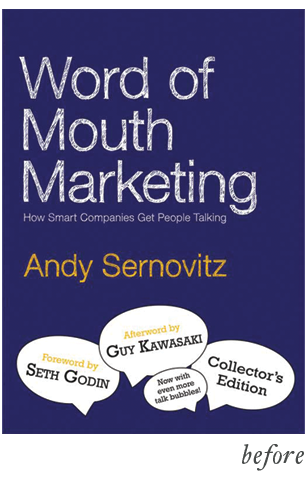
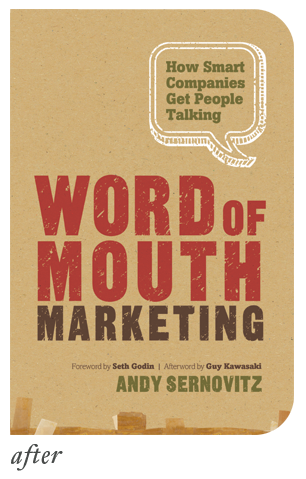
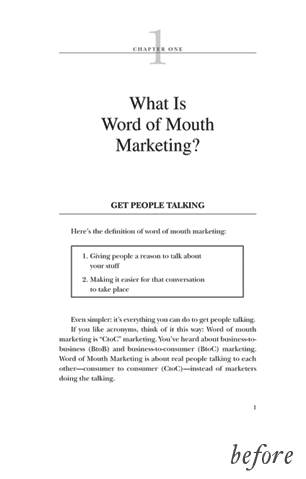
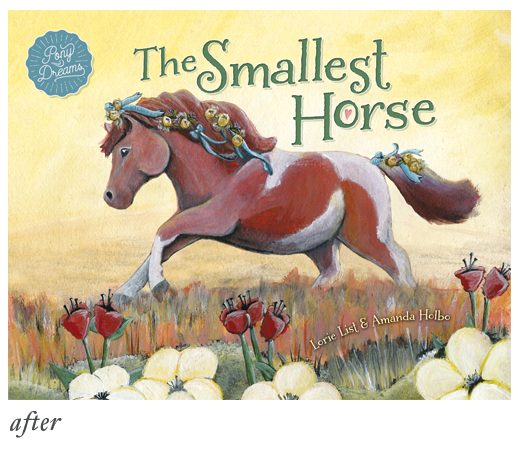
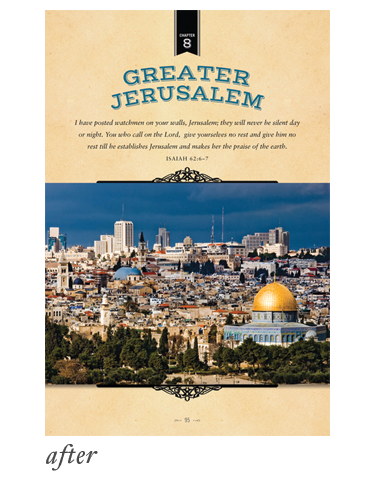
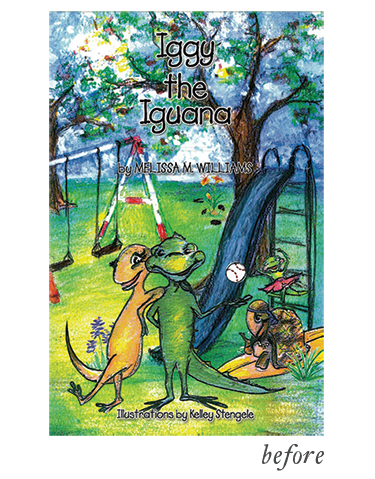
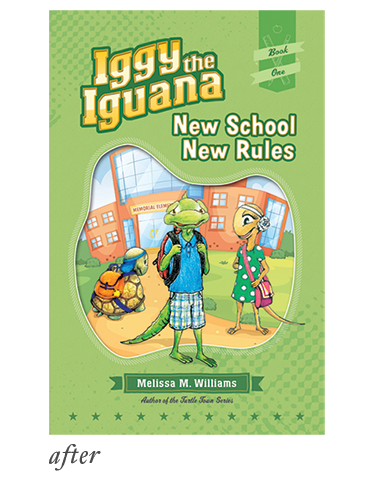
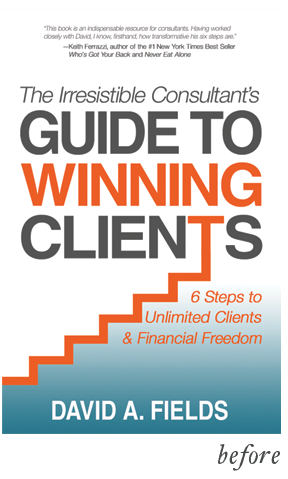
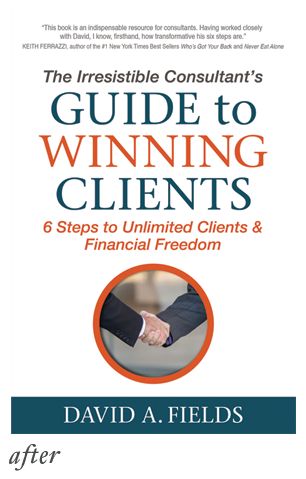
Everyone loves a good makeover. It’s fun to see something go from less than great to “wow.” We think these examples will help you quickly see the difference in books created by a novice or non-book specialist in comparison to a seasoned professional book designer. Doing this can save you a lot of money and heartache, as most of these authors had to pay for design twice and lost a lot of time and opportunities through the delay in their schedules. Now…What not to wear, if you’re a book!
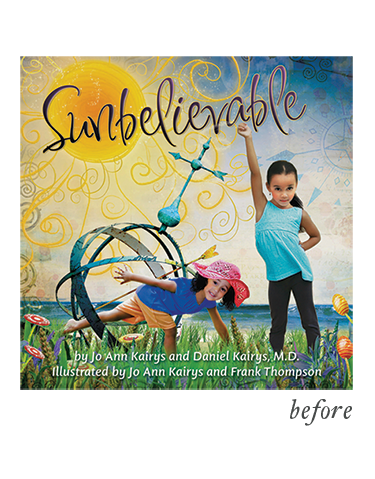
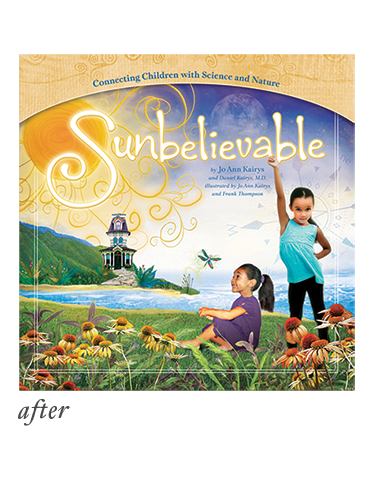
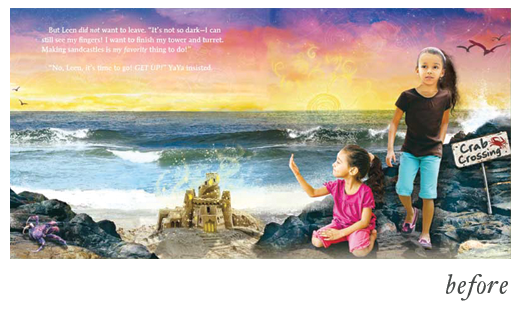
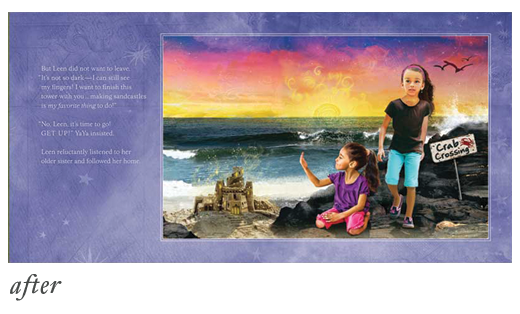
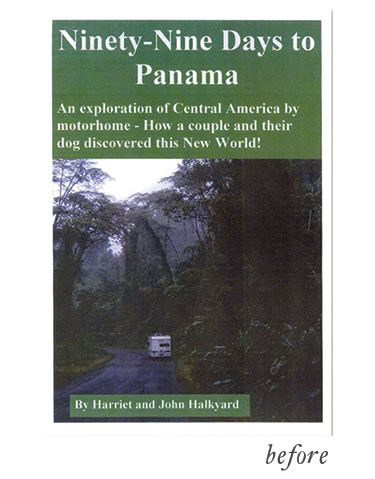
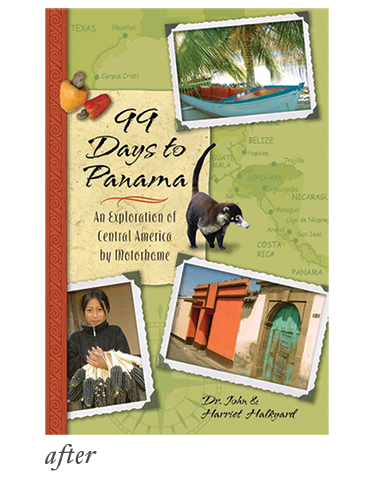
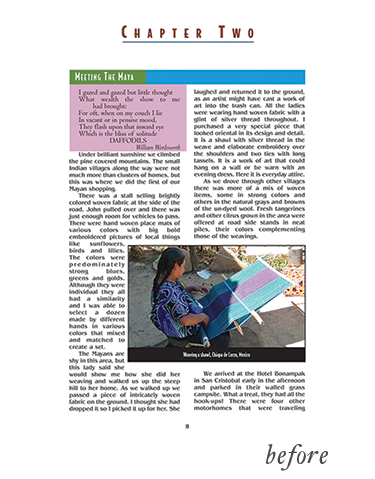
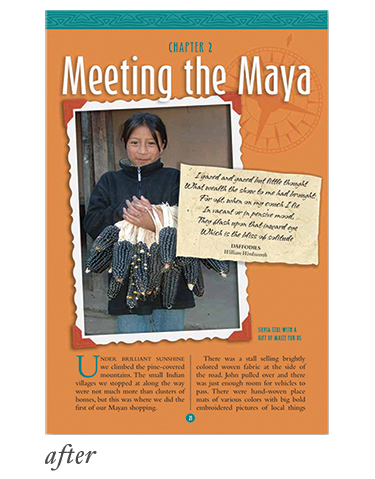
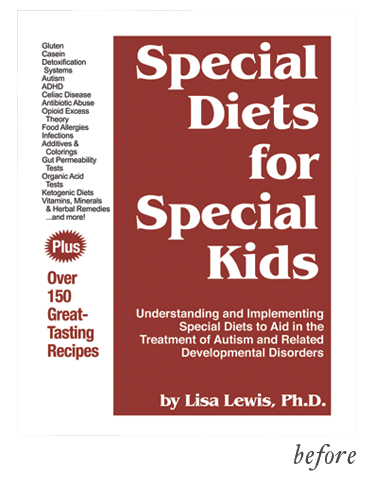

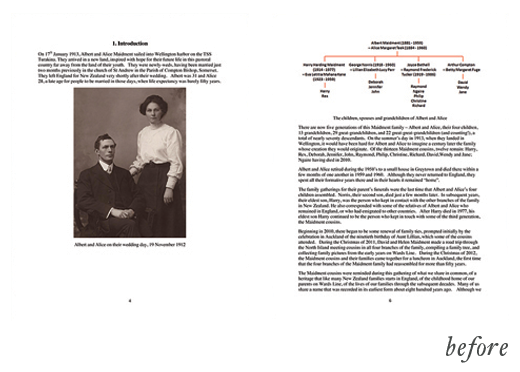
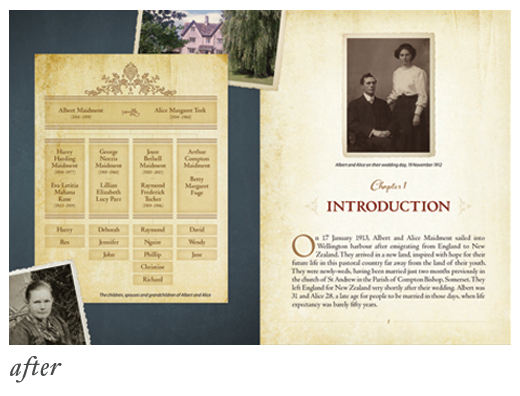
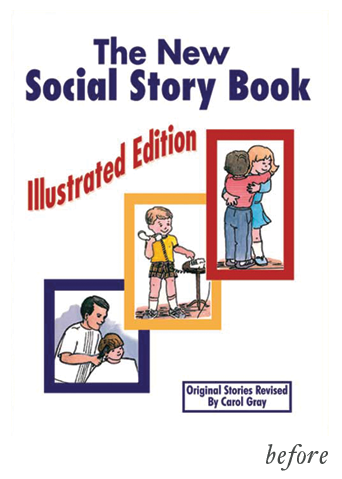
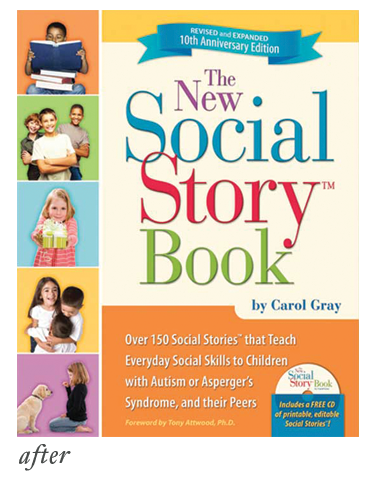
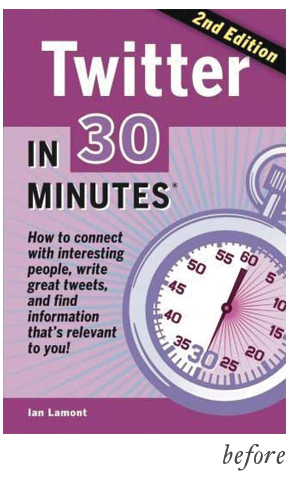
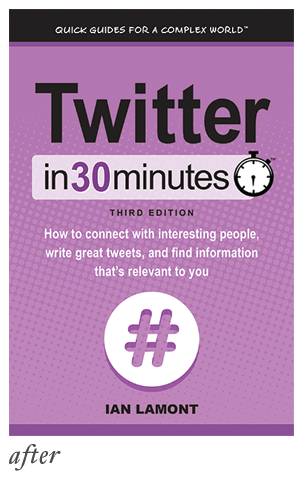
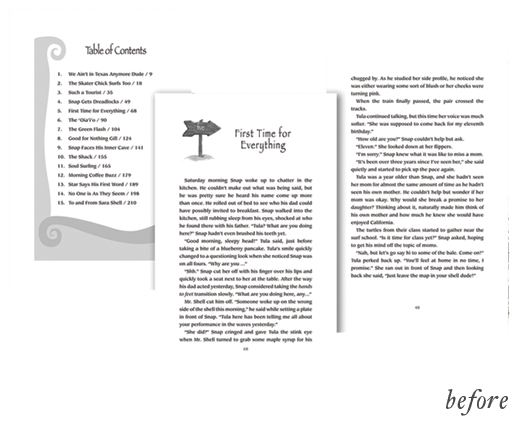
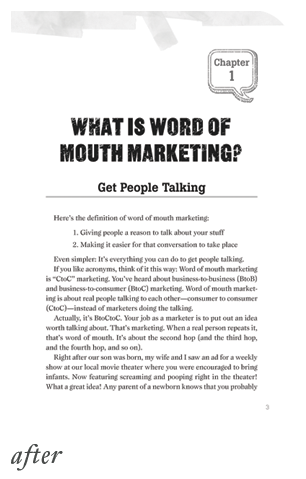
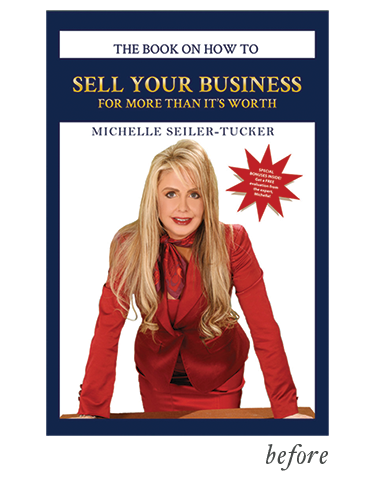
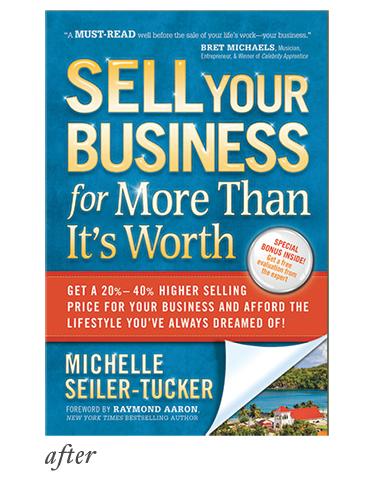
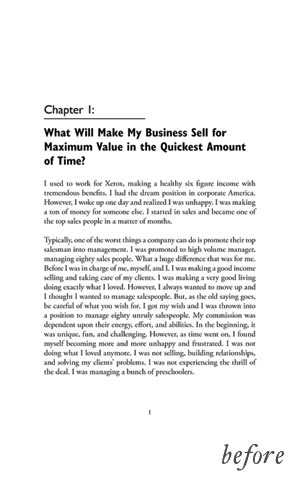

Share this Post
The post Before & After Book Makeovers appeared first on TLC Book Design.
February 21, 2018
Frequently Asked Questions
Q: I have a manuscript. Now what?
A: Great question! The answer can be slightly different for each client. Send us an email so we can discuss your dreams, goals, and marketing ideas. This will allow us to set up a plan tailored to your needs. In general, each book needs editing, cover design, interior design, proofreading, possibly an index, and printing. Ebook conversion is common as well. We can provide all of these services or just a few, working with people you already have in place.
Q: How long will it take to produce my book?
A: As you can imagine, this depends on many factors so each project has its own timeline. If you need all editorial, all design, printing, and ebook conversion, it can take 3–5 months to produce. Custom illustrations and photography, ghostwriting, or overseas printing can add several months to that. Keep in mind that we’re often booked up to 3 months in advance. Click here to download our typical production timeline.
Q: Do you review manuscripts before accepting them?
A: To provide the best service to our clients, each project is reviewed by the TLC staff. This ensures the best possible relationship and end result. We select our projects carefully and for any that aren’t a good fit, we will recommend talented colleagues to assist in bringing them to fruition.
Q: What if I already have a finished cover?
A: If you have a professional cover but are in need of interior design, we’d still love to work with you. Just send us an inquiry e-mail along with your manuscript in Word and a JPG or PDF of the front cover and we’ll put together an estimate. If you’re not sure if your cover is high enough quality, we’re happy to analyze it at no cost.
Q: What if I already have an idea for my cover?
A: Tell us! Scribble it out. Take a stab at it. We are not snobby artists! We want to know what you have in mind — and we want you to know what we have in mind. When you hire us to design your book’s cover, you’ll receive 3–5 front cover designs based both on your ideas and our own. We’ll always give you our professional opinion, but you have final say. That’s the beauty of self-publishing!
Q: I’ve already published the first book in my series, but it wasn’t designed well. Is it too late for the series?
A: It’s not too late, but let’s redesign the series right away. Typically our authors will begin the new look with the next new book in the series and then redesign previously-published volumes when inventory gets low. Upgrading your image can really boost sales!
Q: Do you design or convert ebooks?
A: We do both and our converted ebooks look great! We take care to make them look as close to the printed version as possible to continue the brand begun in print.
Q: How much will it cost?
A: Because each project has different needs, each project is a custom bid. We want to talk with you about your goals, determine your needs, and take a look at your manuscript before determining the cost of producing your book. Our cover design fee is a flat rate of $3,000. Please see the services page for more information.
Q: Do I need to find my own printer?
A: No, but you may. Printing can be very daunting with choices of methods, papers, cover treatments, trim sizes, binding styles, and sifting through confusing RFQs. Because of this, we’re happy to take care of printing for you. If you enjoy the printing process and want to use the printer of your choice, we’re happy to produce files to their specs.
Q: Do you offer print-on-demand services?
A: We are not printers or publishers, so we do not provide print-on-demand (POD). If you would like to use this printing model, we’re happy to provide files set up for your chosen printer (often IngramSpark or CreateSpace).
Q: How do I choose between digital and offset printing? What about POD?
A: Let’s discuss your options. Email to set up a phone meeting and we’ll chat about your publishing plans, goals, and budget. This information will help us guide you to the right solution.
Q: Will you become the publisher of my book?
A: We do not become your publisher. That’s always you. Whether you’re a representative from a publishing company or an independent author, we’re simply here to provide the guidance and services you need to produce a great-quality book, while you retain copyright and control of your book.
Before & After Book MakeoversMarch 9, 2018 Frequently Asked QuestionsFebruary 21, 2018 Design Mistakes To AvoidJune 18, 2017
The post Frequently Asked Questions appeared first on TLC Book Design.
February 13, 2018
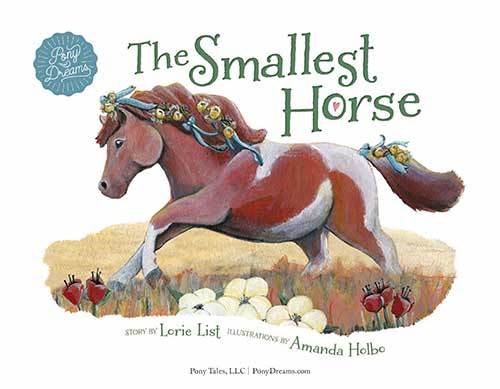
The Smallest Horse
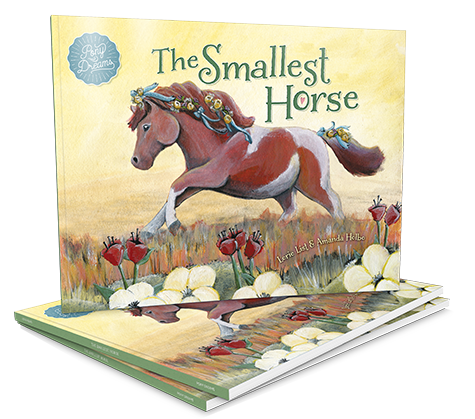
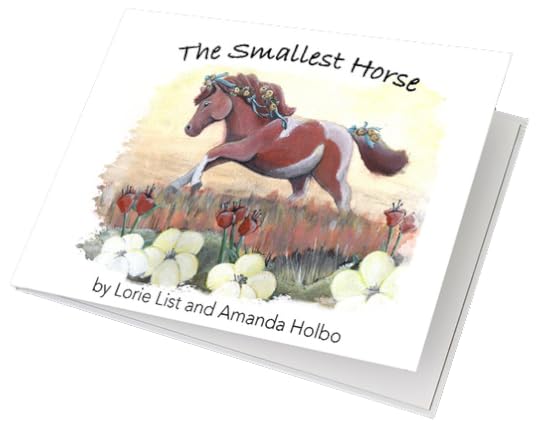
The Smallest Horse
Story by Lorie List
Illustrations by Amanda Holbo
Published by Pony Tales, LLC
Services by TLC Book Design:
Cover Design, Interior Design, Editing, Proofreading
“Monica, we get to bid on a horse book for kids!” That was my giddy call to Monica, our primary children’s book designer the moment I first heard from author Lorie List. You see, our whole team loves horses. I’ve been a certified horse freak since I was four, Erin seeks out the wild horses in Teddy Roosevelt National Park every chance she gets, and Monica rides several times each week. She was thrilled to get this book!
It’s exciting when there is such gusto and creativity fueling someone’s publishing efforts and that’s exactly what Lorie brings each and every day. Her marketing ideas are fresh, research on selling is thorough, and energy is seemingly limitless. We knew that our work would afford her credibility and present this story in its best light and that it did. We’re now a great team excitedly prepping for the second book in the series. Giddyup! ~ Tami
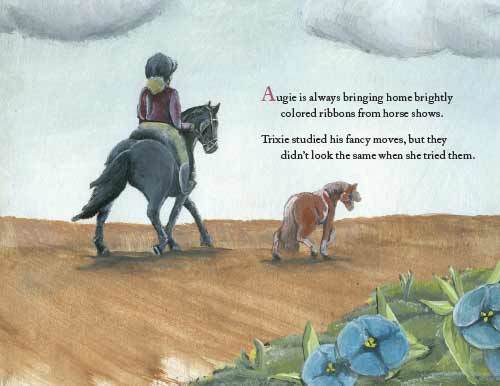
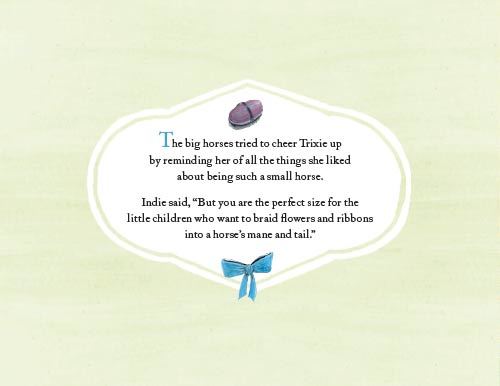
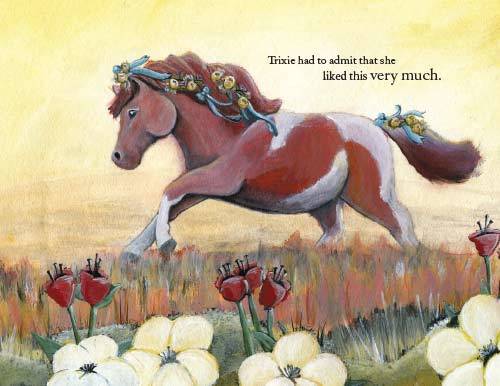
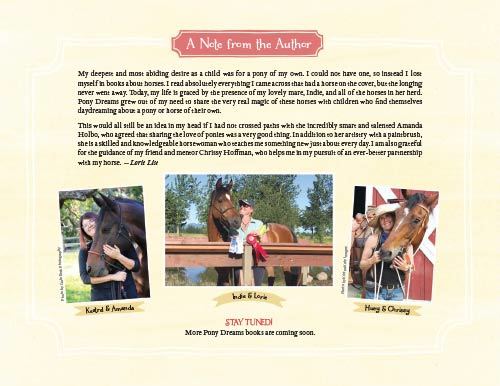
Take A Peek At The Interior Design on Lorie’s Book
Lorie told us she wanted a classically beautiful children’s book design and layout. Her direction to Monica was that the design should be both playful and elegant. We were all thrilled with the outcome.
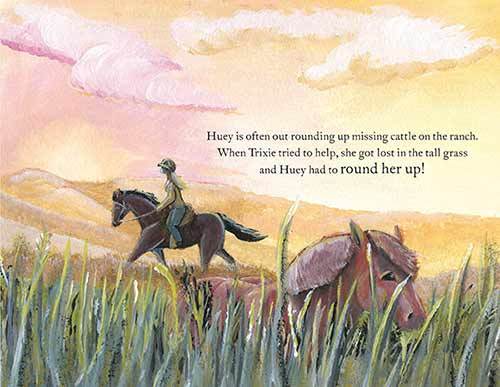
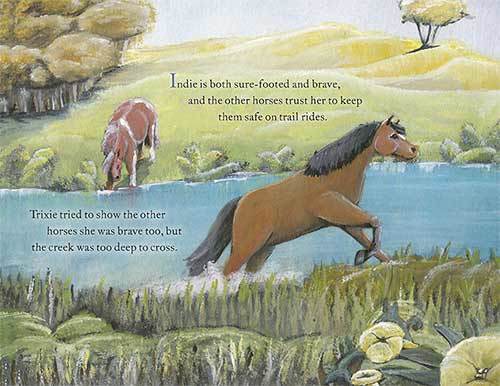
“I cannot say enough amazing things about TLC Graphics. They took a sweet story with lovely illustrations and brought it to life in a way that far surpassed my wildest expectations. As a first time publisher, they held my hand through the process and helped make sure that my book looks every bit the classic children’s book that I wanted it to be. I absolutely cannot imagine a better experience and am just eternally grateful that I found them.”
LORIE LIST, AUTHOR. , THE SMALLEST HORSE
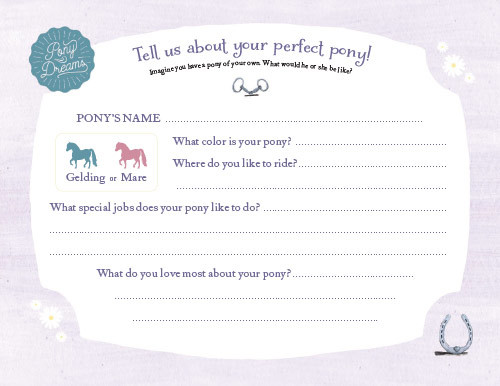
“I was so focused on writing the book and figuring out the logistics of printing, that looking for a book designer was not even on my radar. I am so thankful that I found Tamara and Monica at TLC. They became my partners in the final stages of publishing and I simply could not have done it without their encouragement and support. Sales of this book on Amazon have exceeded my wildest expectations and I know it’s because Monica’s gorgeous cover design prompts people to take a closer look.” — Lorie List
View The Smallest Horse on Amazon
The post The Smallest Horse appeared first on TLC Book Design.
December 11, 2017
12 NEW Books to Give to Children This Christmas!
 Hey, everyone! You know that gifting children’s books for Christmas is a great way to instill a love for reading. We’ve helped create both picture books and chapter books this year for kids from ages approximately 3 to11. Some of these authors and publishers have other books to offer as well, so check them […]
November 16, 2017
How To Find the Right Book Designer
Of course, book design is a great passion here at TLC Book Design. With Erin and Monica, we bring a combination of 65+ years of book design experience to each of our clients. Whoa! As TLC, we’ve been working with authors for 25 years to bring their book dreams to fruition. It’s in our blood. It’s what we do. Because of this, we want to give you a few tips to help in your search for the right designer.
A book’s cover and interior design have great influence on whether reviewers and buyers investigate a title further, working both short-term and long-term to get and retain readers’ attention. Because design is so important, you must work with an experienced designer specializing in books. While we’ll expand on how and why design works in another post, know that design goes beyond aesthetics and is a means of conveying information and getting the attention of buyers.
While most graphic designers could help you with at least some aspects of creating a book, one who specializes in books can guide you through the whole process and provide the experience and knowledge that can help you avoid hassles and save both time and money. Note that some designers create only covers or interiors, while others are talented at both.
How do you find the right designer to add to your team?
Ask other publishers and authors whose designs you admire.
Look at many samples of a designer’s work. Does your book fit in their portfolio? Most designers have a range of styles, but nobody can do it all.
Talk to the designer and listen to your gut feeling. If you don’t click, don’t hire them!
Talk with their other clients. Ask: Was your deadline ever in jeopardy because of the designer? Why? How was the problem remedied? How many front cover designs were you given? If you provided any initial ideas, were they built upon or discarded completely? A good designer will do at least one layout using your idea and others with her own.
Ask how many years of experience she has and how many books she has designed.
Does he know the elements of a typical book cover? How about the interior?
Ask how designing a hardcover is different from a paperback and if there’s a difference in cost.
Can the designer handle getting the files to pre-press properly? Ask to speak with printers that have worked with the designer.
Designers are not usually illustrators. Illustrators draw or paint custom pictures. Designers pull together the elements of a page (illustrations or photographs, text, colors, etc.) to create an overall design that is visually pleasing and saleable.
Sign a written contract covering exactly what will be produced, the timeline, and the cost. Be sure it states who will own the final design and files. Expect your designer to keep unlimited rights to use images of your book for their promotional purposes.
It’s tempting to spend a few hundred dollars for a cover or interior, but don’t! It’s terrible to learn that nobody will distribute, promote, or buy your book because it hasn’t been properly produced. You end up spending more time and money to do it right the second time. It’s worth every penny when you choose to work with a reputable firm. For examples of designs done right the second time, check out the Before & After Gallery.
In all, you’ll get better sales results and the respect you deserve with high-quality cover and interior designs and great end-product becomes a sure thing when you hire a carefully-selected, experienced book designer who has your best interest at heart.
Blessings!
Tami
Before & After Book MakeoversMarch 9, 2018 Frequently Asked QuestionsFebruary 21, 2018 Design Mistakes To AvoidJune 18, 2017
Share this Post
The post How To Find the Right Book Designer appeared first on TLC Book Design.
June 18, 2017
Design Mistakes To Avoid
As professional book designers, we hope you’ve hired (or plan to hire) a professional to design your book. Many times, however, authors will choose to create their own one-sheets, press releases, or other promotional materials and opportunities for those sometimes arise before you’ve hired that designer. Many authors we know choose to use DIY-type apps and programs like Canva for these projects. You could use Word, especially if you know how to add graphics and manipulate margins and page elements well.
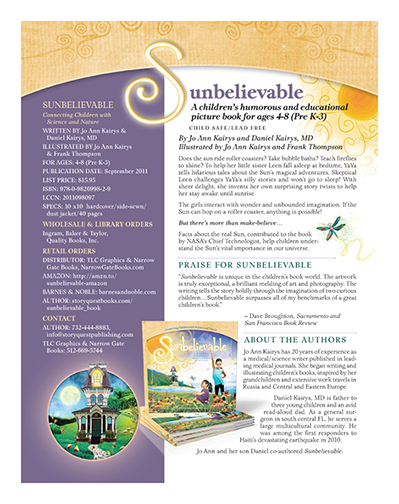
Here are a few tips to ensure your design doesn’t get in the way of your message.
1. Always use only one space between sentences, not two. Long gone are the customs that came with using a typewriter.
2. Watch your margins. As a general rule, a half-inch of space between the edges and type or design element will ensure good printing and readability. Placing important elements too close to the edges is a very common novice error.
3. The above rule also applies to placing text in boxes with borders and/or colored (gray) backgrounds. Be sure to keep text away from all edges of the box by at least an eighth or quarter of an inch. This is another tell-tale novice mistake.
4. Never use straight quotes (or “inch marks”) instead of curly quotes (“smart quotes”). Each has a specific purpose
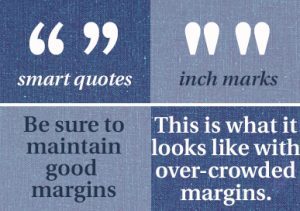
5. Be sure to check proper usage of the apostrophe. In abbreviated dates, a closing apostrophe should be used before the last two numbers in the year: ’97. The apostrophe should curl toward the missing characters. An apostrophe should not be used to indicate a plural, even when it’s an abbreviation (ie: CDs, VCRs, DVDs).
6. Use a true ellipsis rather than three periods in a row. On a PC, use Ctrl + Alt + . and on a Mac, use option+colon.
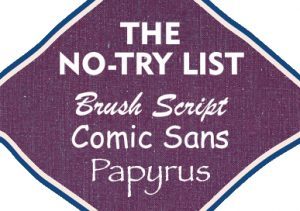
7. Don’t overdo it with fonts. Choose a serif font (with little tags — serifs — at the ends of the letters) for the body copy and a simple sans serif for the headings. DO NOT use Papyrus, Comic Sans, or Brush Script. Ever.
8. Never let your computer program dictate where lines end or break. You should use soft returns to determine where each line will break, avoiding too multiple hyphens in a row wherever possible. A general rule is to break a line where you would pause if speaking that sentence. This works well with short sentences such as in bulleted lists or subheadings, but not necessarily with paragraphs.
9. Be consistent with the alignment of your headings. If your main headline is centered, center all other headings. Large blocks of type are easier to read when justified (flush on the right and left), while bulleted lists are better aligned left/ragged right.
10. When selecting italic or bold type, be sure to use actual typefaces, not your computer’s style palette. For example: If you want Garamond Italic, use Garamond Italic instead of using Garamond and italicizing it using your computer’s style menu.
11. ASK SOMEONE! Never be afraid to contact a designer or printer to ask questions. Good professionals respect those who are interested in doing a job right. There’s a lot to learn and it’s always best to learn from someone who has experience.
Many of these tips apply when writing your book as well. Why not get in the habit of using type properly while honing your writing skills? Let us know if this list has been helpful or if you have similar tips to share. Be sure to sign up for our blog to continue getting more information like this!
Thanks and blessings for a great publishing journey,
Tami
Before & After Book MakeoversMarch 9, 2018 Frequently Asked QuestionsFebruary 21, 2018 Design Mistakes To AvoidJune 18, 2017
Share this Post
The post Design Mistakes To Avoid appeared first on TLC Book Design.
March 11, 2017
Getting a Top Reviewer to Read Your Book
 Today we feature a guest post from Chris Lawson, Hall of Fame reviewer on Amazon. His pen name is Bassocantor and you'll definitely want to visit his blog for information and to read his reviews.