Nancy Chadwick's Blog
December 17, 2024
I’ve Moved – Come along with me!
In 2013, I logged my first blog post, here on WordPress blog. It was in name only that I referred to the space with personal essay as I was developing skills as a memoir writer that led me to publication of my first book, Under the Birch Tree, a memoir. An author home page in support of the blog followed. From there, my writer life took off, from writing personal essay to memoir to fiction.
Soon, it was time to settle into new space.
This past fall, I’ve done a lot of migrating. I left WordPress, the blog, and the author page, for this new website.
An Introduction
My new writing platform— you may have heard of it—is called Substack.
This platform has allowed me to welcome new visitors and to feed followers the writing and news I have to share.
For all who are reading this, I invite you to come along with me and visit me on Substack at my new home, Come Sit Awhile.
Please join me there and the discussions where you’ll find space to pause, to read, to slow the minutes and find simplicity in a complicated world. The past decade has been an insightful journey, robust with reflection and insightful lessons learned.
Part of being a writer, and there are many parts! is to never become complacent with the writerly self or the work. It is through the stretching of the writing, allowing it to meander, to flow, to ramble on that a new place to be with more space empowers the writer and the writing to be the best they can be.
For now, thank you for visiting me here. And I hope to see you there . . . to come sit a while with me.
The post I’ve Moved – Come along with me! appeared first on Nancy Chadwick.


November 18, 2024
Embracing Change: Perspectives on Transition
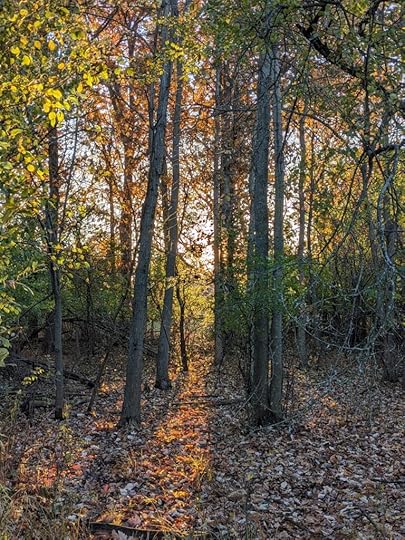
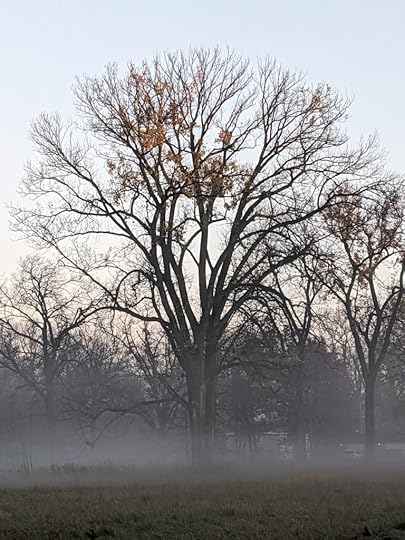
On a crumbling, narrow road, thirty-two houses sit on either side of a gravel-ditched apron. My home is one of the few remaining cottages built in 1947 for wealthy folks to escape the city to the north suburbs. A patchwork of gray-blue clouds pulls like taffy across the eastern sky. The earth, browned and parched, carries unseasonably warm breezes for this time of year, along with a sense of uncertainty. The mood, seen wide through the large picture window, signals transition as the natural world prepares for sleep.
There’s change going on . . . or is it a transition? We not only can see and hear it, but also we can feel it. We can see the change in the landscape colors, and hear it in the chillier winds and the silence in the skies. Daylight hours are fewer; the sun is lower. Fall is here.
Change versus transitionChange and transition are not the same. They can feel different. Change is an event, such as moving from one year to the next. It can make us feel uneasy. We want things to stay the same, yet sometimes want the monotony of it to change. We fight for what things should be yet want something new. Heraclitus, a Pre-Socratic philosopher, claimed the phrase, Panta Rhei (”life is flux”). He recognized the essence of life as change. Nothing in life is permanent, it can’t be, because the very nature of existence is change. In his view, change is life itself.
And then there’s the transition. That’s the process that affects us physically, emotionally, and psychologically. Some transformation happens. We transition from living life as a single person to one where we have a partnered life, for example.
Staring out the window, I remember a time when the homeowner’s association brought neighbors together. We met in a neighbor’s home where the kids would pop in and out of living rooms, and our discussions, or the dog would plop in the middle of our circle as we snacked on Cheddar cheese and Ritz crackers, sipped Chianti, and talked about maintaining our road. We co-mingled the business talk with social chats of catching up with friends. It went beyond an association to extensions of neighborly acts of kindness where loose dogs were corralled back to their fenced-in yards and wayward kids back to their homes. Depending on the season, kids in the neighborhood would knock on your door with either a leaf rake or snow shovel in hand, volunteering to help while looking to earn money.
The association no longer exists now and hasn’t for many years. The neighborhood transitioned; the road and its occupants have lost a sense of neighborhood, which, after all, is about interaction and community.
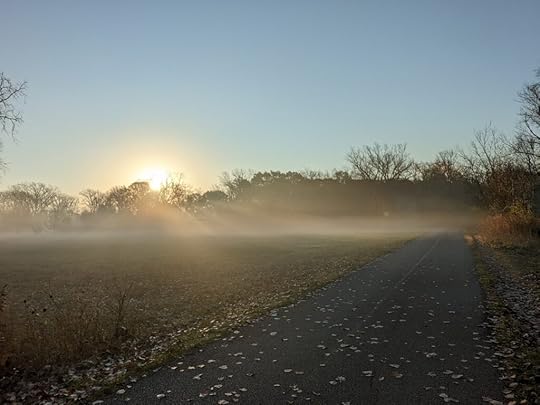 Change is a necessary evolution.
The houses plotted on the road of thirty-two have changed from small cottages nestled on big lots to larger homes spilling onto their lot’s boundaries. Those ageing families have moved out and have been replaced by young couples growing their families. And the once often remarked road as a “little country lane” by a long-standing neighbor who doesn’t want a thing about it to change despite its failed condition calling for repair, is neither much of a road nor a lane. This shift in perception can lead to a more subtle understanding of change, recognizing it as a natural part of life that can bring challenges and opportunities.
Transitions shape growth and resilience. What once may have felt daunting may now feel like a necessary evolution.
Searching for a note of optimism, despite my lingering song of change and transition, I find it in the words of Robert Frost:
“In three words I can sum up everything I’ve learned about life: it goes on.”
There’s a bit of a sense of loss in the passing of time, of how the private road, its houses and its occupants are now old. But I think it to be a matter of perspective. And now, as fall reflects her transition, I will remember the words of a philosopher that change is life itself, and words from a poet that it goes on, even in my neighborhood.
Barnes and Noble Fall Book Tour Wrap-Up“And all the lives we ever lived and all the lives to be are full of trees and changing leaves.” –Virginia Woolf.
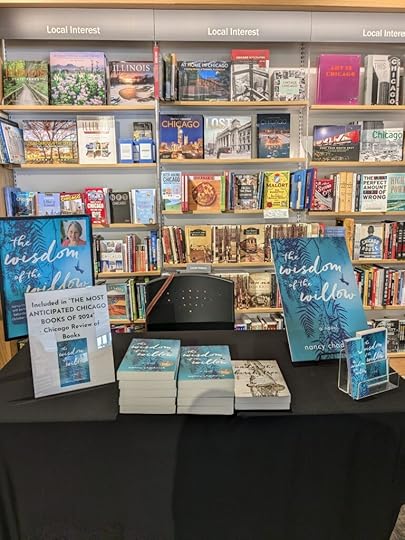 Skokie, IL
 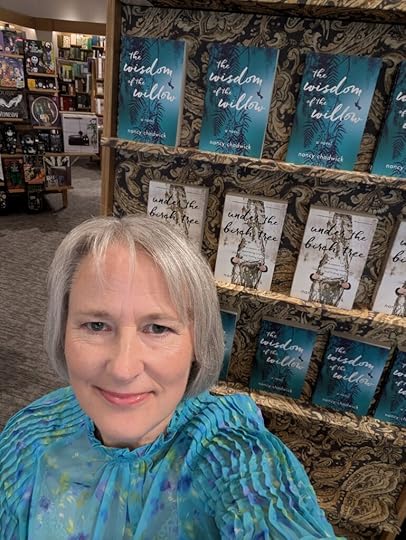 Northbrook, IL
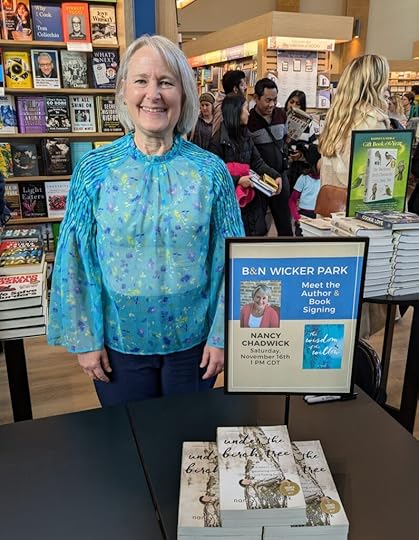 Wicker Park, ChicagoJust In!NEW REVIEWS The Wisdom of the Willow
ONLINE BOOK CLUB – 5 OUT OF 5 STARS “Readers who are drawn to an exhilarating family novel that shows resilience, growth, and reflections with a backdrop of deep connection to the natural world would enjoy this story.”
AMAZON REVIEWER – “Chadwick also has a natural gift for dialog combined with telling details.”
If you’ve read The Wisdom of the Willow, please let me know your thoughts by leaving a review on Amazon and Goodreads. I’d be so appreciative to hear from you!
BOOK HIGHLIGHTSUNDER THE BIRCH TREE is where you’ll find inspiration for finding your connections to home. “A debut memoir about a woman’s three-decade search for connection and self-assurance… Chadwick brings numerous anecdotes to life with vivid dialogue and details of settings and characters.” ―Kirkus Reviews
THE WISDOM OF THE WILLOW is included in the “Most Anticipated Chicago Books of 2024” by the Chicago Review of Books and is for a sister or a mom to daughters who faces decisions that shape your lives, and the challenges when seeking your places in the world.
MERCY TOWN – COMING IN 2025 – . . . a divided rural town in far north Wisconsin, an accidental shooting by a Native American, and the value of mercy and the power of forgiveness. Subscribe to this blog to learn more.
when some things just want to hang on a little while longer“Autumn light is the loveliest light there is. Soft, forgiving, it makes all the world a brightened dream.” – Margaret Renkl, The Comfort of Crows: A Backyard Year

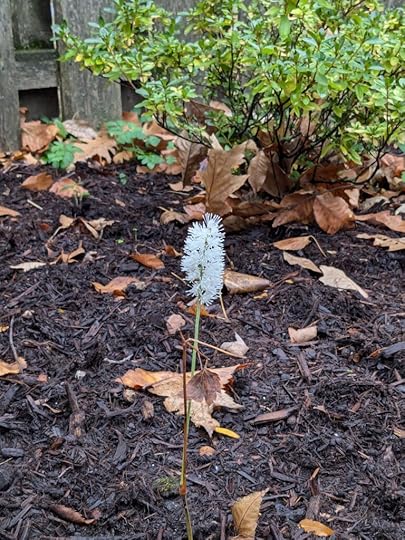
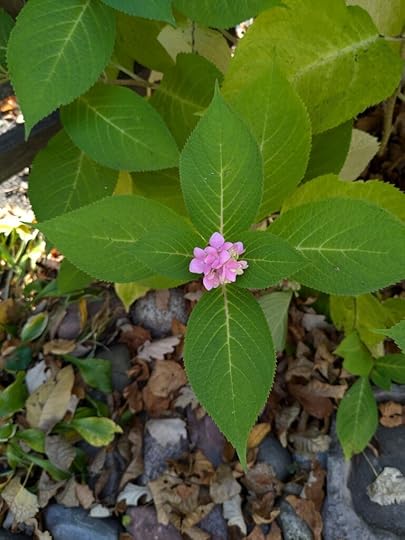 On this Thanksgiving. . .
Gratitude is not only the greatest of virtues, but the parent of all others.
Thank you, subscribers, for allowing me into your email inbox each month.
Wishing you all a Happy Thanksgiving!
The post Embracing Change: Perspectives on Transition appeared first on Nancy Chadwick.
October 11, 2024
As Shadows Grow – Time for Observation
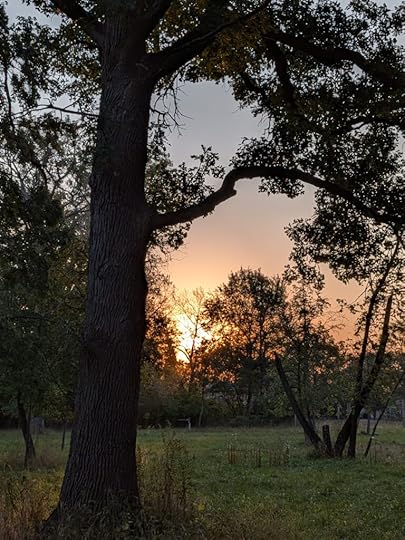
With summer’s spirit still lingering in my thoughts, Fall is muscling her way into them. It’s a visual time when change is never more apparent than now. Awareness is heightened as my surroundings of deep green fade from the flora’s coats, and petals of red and yellow and purple drift gently toward the parched earth.
Before I let go of summer’s hold, I will remember it as a great time for looking. We looked for places to go and for people to see. We looked to keep busy with the rhythm of the long hours of the day, swimming strokes in the pool, swinging golf clubs, and pedaling bikes. The air, thick with humidity and warmth, allowed for sandals on our feet and T-shirts on our backs. There was no other time but the present.
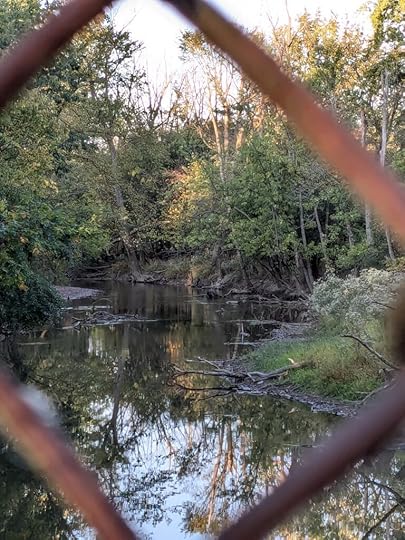
But now the Earth has tilted. It’s not because the planet is warming, or our climate is changing. It’s because of the fall season. The Fall Equinox, when there’s 12 equal hours of daylight and night, passed on September 22, and now transition is upon us, of shedding a robust summer blanket of color and heat, of sinking sun and lights out fireflies, of quieting tree frogs and crickets. As the sun settles lower, the long arms of century’s old oaks and pines cloak my front and back yards in subtle light flashes. When vivid colors of daisies and coneflowers and roses reached high in greeting bright light that fed them, their brown heads have now fallen.
Recently walking along a shaded path through a nearby forest called for observation at a clearing beyond. I stopped to wiggle my sight through the growth. Bright sun illuminated the distance. I thought about how my summer’s looking has stopped, and I have transitioned to observing where I recognize more space in the beyond, spreading into the landscape. I wrote about observing on a previous post. When we observe, our senses are engaged as we look for more than that which is in front of us. When we also may realize the absence of nature sounds, except for the squawking of geese passing overhead in migration, and the quieting of rustling sounds as spent leaves float to their resting place.
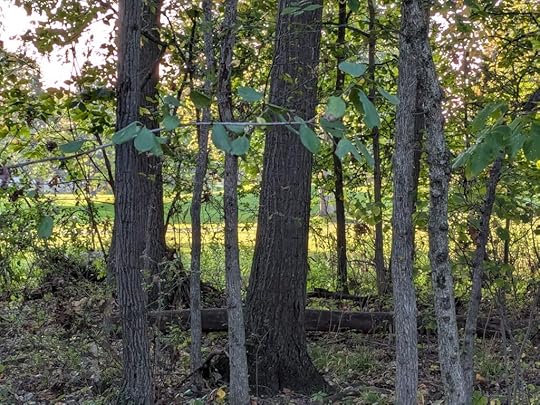
I think of fall in terms of stages. At the first signs of a changing season, green fades into yellow. Next, the peaking of colors in vibrancy of orange and red and deep burgundy. Until the last stage, like the final scene in a drama, the big reveal of forest architecture, the bones of each tree naked and falling into deep slumber. It’s the resolving of a year’s story, after a climax of summer, for Mother Nature to ready herself for winter as a closing curtain to the year’s end.
Fall is a symbolic season as it mirrors the transitions in our own lives, calling for us to embrace the shifts, to let go of what we feel may no longer be best for us and to hold dear the beauty in the temporariness of life.
Perhaps fall is also nature’s way of teaching us to look ahead, to see that there is light beyond, to not be complacent, but to keep moving forward. To always keep reaching despite the loss of a strong sun from the earth’s angle.
“Autumn is a second spring when every leaf is a flower.” – Albert Camus.
Until the Winter Solstice . . .
“Wild is the music of autumnal winds amongst the faded woods.” – William Wordsworth
A special note to you: This post is coming to you in a different way, due to navigation to my new website. It is temporary and will go away as of the end of this year. If you wish to continue receiving monthly posts, including news and updates from me, please subscribe directly to this blog on nancychadwickauthor.com. And, as always, thank you for subscribing and for your continued support.
The post As Shadows Grow – Time for Observation appeared first on Nancy Chadwick.
September 27, 2024
Welcome To My New Site!
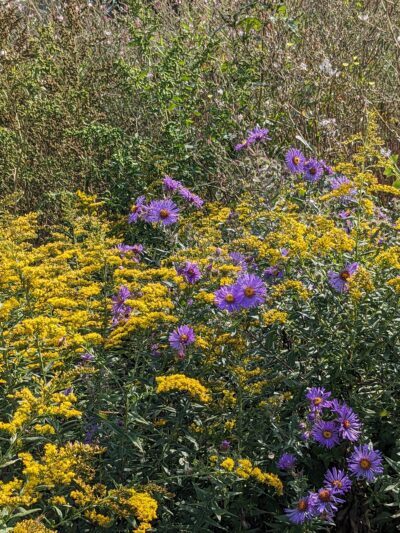
Last month, I wrote here about retiring from the past and embracing the future. The thoughts sprung from the decision to retire my website.
But before I could move forward, I reined in the memories from its inception to now. In 2013, I created a website, developed from writerly beginnings on Blogspot where “Magical Thinking” took me to places of reflection and meaning, all the way to writing my first book, Under the Birch Tree, a memoir of discovering connections and finding home. Later, I would share my second book, The Wisdom of the Willow, a novel, and other published essays.
The site has always been with me, like a best friend. We grew up together, learned about all things reading and writing. It was a place to share my work and news, to attract a tribe of like-minds and followers, and to nurture a craft.
It also became symbolic.I thought about how we outgrow our spaces. Or do our spaces outgrow us?
But it was only after I read older posts that I realized yes, indeed, the site was getting on in years. My thoughts were bittersweet. It was time to move on and leave behind old essays featured on the posts, yet I wanted to hang on to that which marked my growth as a writer. I soon reasoned that the reflections and what I learned would always be there and the posts would be a trail of breadcrumbs, leading me forward, yet reminding me of where I came from.
Those crumbs are my writerly journey.
There is much to be said that encourages us to leave the past behind—“When you’re too focused on the past, you’re missing out on the present,” and “Don’t let the past keep you from moving forward in the present”—suggesting our past can be a foe yet, I say it can be an ally.
Our past is our supporter, our partner, our friend. It never leaves us. Don’t we keep the lessons the past has taught us and the memories we made from them?
I like what Canadian writer Charles De Lint says, “The past scampers like an alley cat through the present, leaving the paw prints of memories scattered helter-skelter.” What an image!
I think of memories just popping up willy-nilly from no prompting. And when those printed memories are reclaimed, we are reminded of their context, like dropped crumbs that once took us on our life’s journey.
Outgrowing our spaces means we have grown. And we couldn’t have gotten to be who we are today without the dropping of crumbs from the past.
I carry the spirit, once started long ago, to this new place where I welcome what has yet to come my way. Like any best friend, they never leave you, but will be there in mind, heart, and spirit.
And on this new website, a little Magical Thinking is still there with me, and always will remain.
Welcome to my new space. Walk through the new nooks of pages and photos. And let me know what you think.
Because I just love this quote!
“I realize there’s something incredibly honest about trees in winter, how they’re experts at letting things go.” ― Jeffrey McDaniel
PLEASE NOTE:
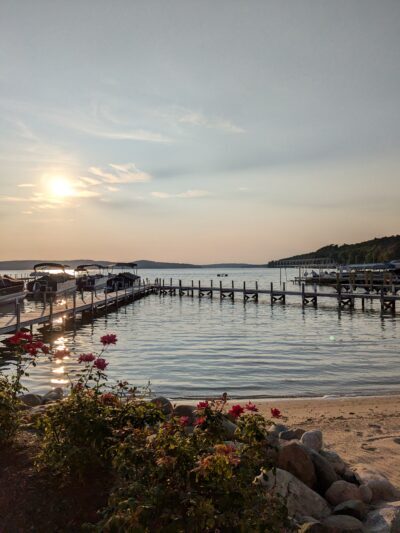
To my subscribers: This post came to you via MailChimp. It’s temporary and was required for migration to the new website.
To continue your subscription to this blog, (and I highly recommend you do!) you must sign up on the new site to get notifications via email for new blog posts.
MailChimp will be deactivated as of December 2024 and you will no longer receive email notifications.
My apologies for asking you to do this, but times have changed and it’s time I roll along with it all!
THANK YOU FOR SUBSCRIBING!Leave a Reply Cancel replyYour email address will not be published. Required fields are marked *
Comment *
Name *
Email *
Website
Save my name, email, and website in this browser for the next time I comment.
Δdocument.getElementById( "ak_js_1" ).setAttribute( "value", ( new Date() ).getTime() );
The post Welcome To My New Site! appeared first on Nancy Chadwick.
Welcome to my new site!
Last month, I wrote here about retiring from the past and embracing the future. The thoughts sprung from the decision to retire my website.
But before I could move forward, I reined in the memories from its inception to now. In 2013, I created a website, developed from writerly beginnings on blogspot.com where “Magical Thinking” took me to places of reflection and meaning, all the way to writing my first book, Under the Birch Tree, a memoir of discovering connections and finding home. Later, I would share my second book, The Wisdom of the Willow, a novel, and other published essays.
The site has always been with me, like a best friend. We grew up together, learned about all things reading and writing. It was a place to share my work and news, to attract a tribe of like-minds and followers, and to nurture a craft.
It also became symbolic.
I thought about how we outgrow our spaces. Or do our spaces outgrow us?
But it was only after I read older posts that I realized yes, indeed, the site was getting on in years. My thoughts were bittersweet. It was time to move on and leave behind old essays featured on the posts, yet I wanted to hang on to that which marked my growth as a writer. I soon reasoned that the reflections and what I learned would always be there and the posts would be a trail of breadcrumbs, leading me forward, yet reminding me of where I came from.
Those crumbs are my writerly journey.
There is much to be said that encourages us to leave the past behind—“When you’re too focused on the past, you’re missing out on the present,” and “Don’t let the past keep you from moving forward in the present”—suggesting our past can be a foe yet, I say it can be an ally.
Our past is our supporter, our partner, our friend. It never leaves us. Don’t we keep the lessons the past has taught us and the memories we made from them?
I like what Canadian writer Charles De Lint says, “The past scampers like an alley cat through the present, leaving the paw prints of memories scattered helter-skelter.” What an image!
I think of memories just popping up willy-nilly from no prompting. And when those printed memories are reclaimed, we are reminded of their context, like dropped crumbs that once took us on our life’s journey.
Outgrowing our spaces means we have grown. And we couldn’t have gotten to be who we are today without the dropping of crumbs from the past.
I carry the spirit, once started long ago, to this new place where I welcome what has yet to come my way. Like any best friend, they never leave you, but will be there in mind, heart, and spirit.
And on this new website, a little Magical Thinking is still there with me, and always will remain.
Welcome to my new space. Walk through the new nooks of pages and photos. And let me know what you think.
Because I just love this quote!
“I realize there’s something incredibly honest about trees in winter, how they’re experts at letting things go.” ― Jeffrey McDaniel
PLEASE NOTE:
This post is coming to you from Mailchimp as a result of migration to a new website. To continue your subscription to this blog, you must sign up on the new site to get notifications via email for new blog posts. Mailchimp will be deactivated as of December 2024 and you will no longer receive emails notifications. My apologies for asking you to do this, but times have changed and it’s time I roll along with it all!
The post Welcome to my new site! appeared first on Nancy Chadwick.
August 1, 2024
From Old Home to New: Retiring the Past, Embracing the Future
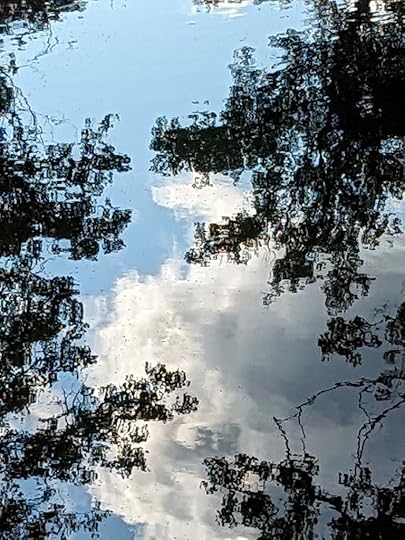
a river’s reflection of heaven and earth
Many years ago, there was a small ranch-style brick house on a large lot the next block over. Once a golden honey color, it had turned to a brown mustardy yellow. The house has since been demolished, and a larger, modern two-story has taken most of the space in the large lot. The new house is white, with black window trim and door, a far contrast in design from the seventy-year-old house once plotted there. When I pass the house, I remember the clouds of heavy dust created by a bulldozer when demolishing the structure. The giant puffs floated, dissipating into the air as they joined the heavens, then disappeared. The clouds carried memories, and lives, and generations, that had made that house a home. It was like spreading their ashes into eternity, to rest, to live on.
WordPress says I’ve been a member here since 2013, but I’ve been writing since way before that time. When I started writing personal essays, I found a home for them on what was then Blogspot, and is now Blogger. I called my blog “Magical Thinking.” It was a place for reflection, and wonder about the unordinary found in the ordinary. Years later, I outgrew my space, as memoir writing became a genre I studied and nurtured. I left Blogspot for WordPress, as a landing station, or staging area where all the critical parts of the writerly me could be found. My first book and memoir, Under the Birch Tree, made a showing there, along with newsy tidbits, and more published pieces. I created this website that showcased it all, bringing with it pieces from the old platform to a place with room to grow.
Old home to new – And how I’ve grown!I didn’t really realize this until I looked into the chapters of this site among its tabs, and clicked back to the hundreds of essays posted on this blog. Experiences, lessons, and takeaways were embedded in those stories I had come to write. It has been a writer’s journey, indeed, starting from a bit of magical thinking.
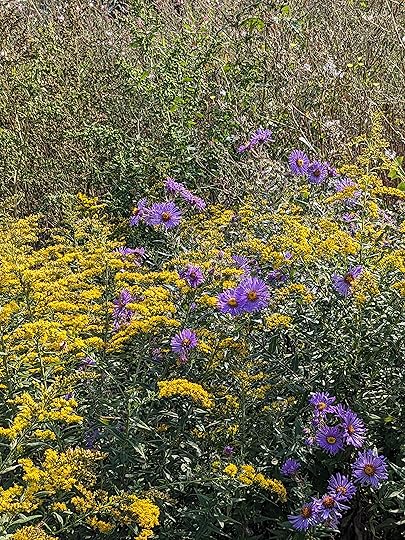
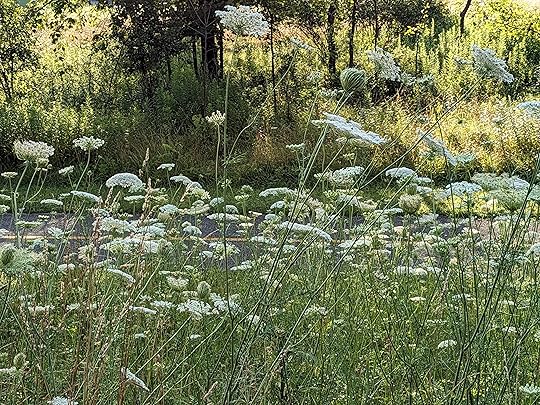
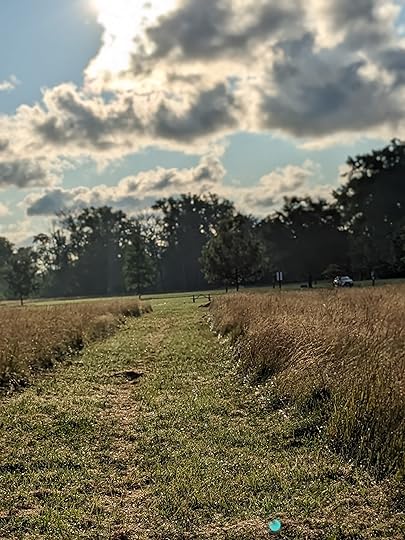
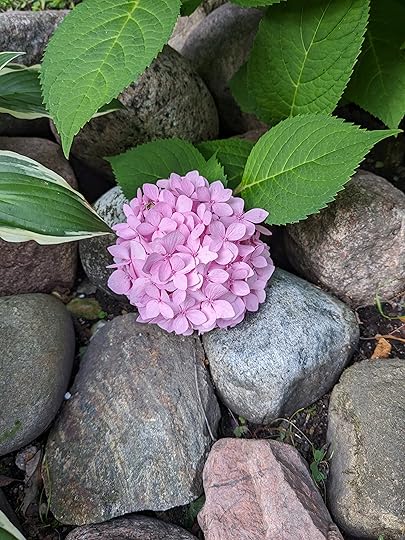 Retirement – for websites only!
Sometimes years amass so quickly, you just don’t realize how many of them have gone by. Until one day, when you realize it’s time to move on, but before you do, you look back in retrospect. It’s like pulling out an old family photo album, paging through the years gone by, before starting a new one.
I started learning the craft of writing when one summer I took time off from an unfulfilling job to figure out what I wanted to do next. And I never went back. That was decades ago. I didn’t retire from that work, but reframed and reinvented, considering this writing thing seriously.
This site is all about my writerly life. It’s where I learned about the natural world and how trees are connected to one another and to us. It’s where I learned about the simple in our complicated world. It’s where my reflections took me to life lessons and to learn a thing or two about ourselves and each other. And it’s also where I excitedly balanced the non-fiction scale with my first novel, The Wisdom of the Willow, along with a catalogue of other content pieces published in anthologies, blogs, and literary magazines. This site became the limbs that have sprouted from the many writerly seeds I had planted over the years along the way. It’s now time to remember, before letting go the vestiges of the old writing layers. This website will soon retire, as a new one will take its place.
I never realized just how many years I have been writing, until now. This website tells me so. It’s time to put to rest this old house site of mine and to move into sharper, more contemporary digs, with a new foundation and room to grow, to once again look large on the page as it once did many years ago.
I think back to that house that sat for decades on its lot, the families over the years that would pull up their shades and open their windows one day to see a new, brighter landscape. I think of my new landscape, and new windows for new perspectives for all things creative and writerly.
OLD HOME TO A NEW ONE – additional writing platformsThis blog will stay on my author site as I want anyone who visits to have a sample of my writing available to them. To read more of it, please visit and follow me on MEDIUM Craft Shorts-Writing It Brief, and on Substack, Come Sit Awhile to discover a little simplicity in a complicated world.
. . . until next time, when writing from a new home.
July 9, 2024
Embracing Simplicity in a Complex World: Lessons from Nature
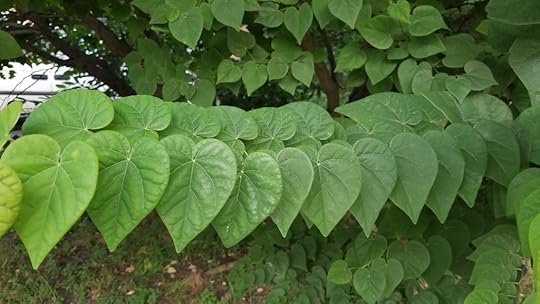
An awakening started with a potted plant. It sat tall bedside in front of a window to capture what little light it could from an otherwise dim room. I wrote a while back on this blog about a much needed green thing during the winter. It popped from the mother plant, a small thing that pushed its head through the compact soil, then soon after opened its thick slender leaves as if to say, “I’m here and I have found my place.” It was the anticipation of the budding and the unexpected offshoot that connected me to the flora. I thought about how simple it was and how it took little for my attention to be captured by the ease of the new birth and regeneration.
But my reflection ran deeper. Consider Isaac Newton, perhaps complication in and of himself as a mathematician, physicist, astronomer, alchemist, theologian, when he said,
“Nature is pleased with simplicity. And nature is no dummy.”
No, nature is no dummy. It is intricate, has ways to survive, and teaches wisdom, especially trees, through their heartbeats. The natural world is steps away, where we can go sit a while, leave a complicated world, and fold into the arms of Mother Nature who always seems to make things right. We can empty our minds, unplug a well of swirling, overloaded thoughts, and make room for the inspiring, the emotional, prompting us to breathe deep and to smile.
I didn’t get to this point of writing about the simple and the natural world without the reflection of twenty years it took me to write my memoir, Under the Birch Tree. The discovery of bunnies tucked in a recess under the boughs of a birch tree sparked its unconventional approach to writing my story. The tree, my birch buddy, would later become synonymous with home. Through girlhood, coming of age, and finding my place as an adult, I relied on the natural world for comfort, guidance, and healing. It would become a north star in a cosmos that had neither a beginning nor an end, undefined as the simple.
At this time, I think of my late mother. Her downfall started on Memorial Day weekend almost three years ago. During those summer months, we’d escape to the outside and just . . . sit a while. Though her eyesight and hearing were weak, she could follow a squirrel scampering to her, watch sparrows and wrens flutter and flock to a birdfeeder, and hear their chirping. Despite the shutting down of her physical being, her mind revved with reconciling her imminent death. Being in the simple’s presence gave her words to express when she smiled and said with a head nod, “Being out here makes everything right with the world.”
There are masters at the practice of finding simplicity—artists. Consider Chopin’s words:
“Simplicity is the final achievement. After one has played a vast quantity of notes, and more notes, it is simplicity that emerges as the crowning reward of art.”
I wouldn’t consider the reading of sheet music to be simple. On the contrary. It’s complex to the non-musical artist. And yet, to the artist, like Chopin, a concept of melody comes to being. The artist brings from individual pieces a simple, cohesive whole.
As I age, and have more years of accumulated experiences behind me, I reflect on the generations and the times that will follow. I think how presently lives have been made to be more efficient and easier to navigate our world, spinning like a web of concentric circles, all in the name of its center called simplicity. Yet, sometimes it’s quite the contrary. I chuckle in response, “Well, years ago when I was your age . .” I recall a landline phone connection that never dropped, retail stores where you could touch and feel and see and try on a new pair of pants, and bookstores to read front and back covers, and fan the pages in between. Sometimes one can’t help but to think of trying to make simple, when it has only been made complicated.
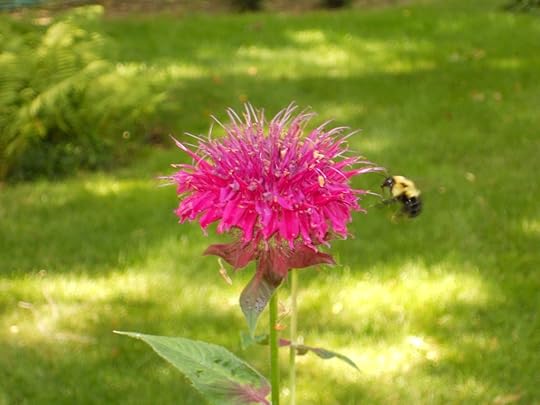
When stepping away from the complication of the day, or even from the thoughts of the world to retreat to meander through the woods, I don’t have a particular sit spot to be still, observe and connect. I don’t need a particular place, but the full space of stillness to find my place.
I will always be reminded when seeing the sprouting of the new, whether growing in a small pot on my desk, or outside among the flora, it will continue to find its place in the cycle of complication.
There will always be simplicity in a complicated world. You just have to look for it.
June 11, 2024
from playing it safe to discovering the unknown
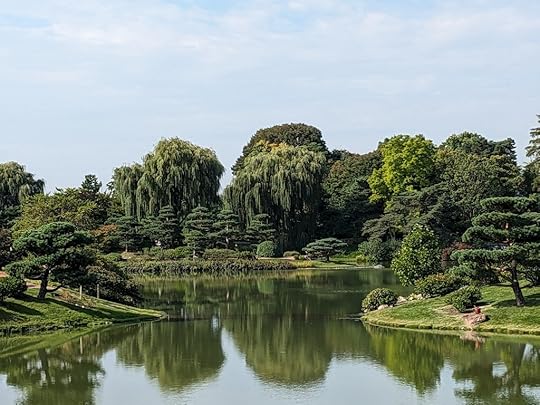
When I considered preparing for a book launch talk to be customary, as I had been talking about my debut novel, The Wisdom of the Willow, for some time now, it wasn’t. I had been preparing answers for questions when I realized I had been playing it safe with my writing. Over the past twenty years, I have been a writer of memoir and the personal essay, composing along a smooth non-fiction road with no bumps or turns. After all, I was secure there, growing familiar with the writing of what I knew, of writing reflection, and takeaways for readers, and honing skills.
There’s a lot to say about playing it safe.Who doesn’t want to be comfortable, especially now in a world of complication? The fear and anxiety about anything new can set us into an emotional wreck. We naturally seek safety when feeling threatened, and desire comfort when our emotions become too much to handle. The familiar is an elixir for our anxious selves; it is what we can expect. Perhaps it is a fear of what lies ahead, an unknown territory that holds us back and keeps us in retreat.
When I would tell anyone that I am a writer, the assumption was that I write fiction. I’d raise a hand as if to stop them there, as I just don’t write fiction. It is too daunting; I’d have to make things up. I wondered if my playing it safe had backfired, if the label—memoirist, essayist—was typecasting me into a role I would or could never get out of. Maybe I had diminished my writerly potential. But as a writer, I want to challenge myself to not only read outside of my genre but also to write outside of it. I had dropped the teetering thinking from non-fiction to fiction writing as the back and forth were not productive.
Until a walk in the woods changed the path of my writing.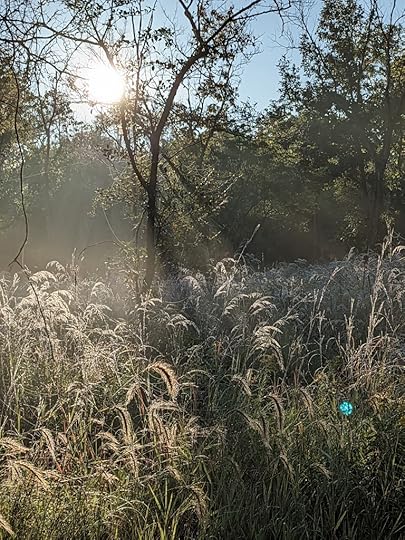
In my last post, I wrote about the power of story and how the natural world shows. I used the example of a walk one morning in the woods when I veered off a walking path to a little bridge and peered down to a branch of the Chicago River below where sun beams spiked the water’s surface, creating sparkles — like diamonds. I stood awhile to imagine a boy with a long stick poking the river’s banks unaware, his father perhaps seeing a different perspective than I, or a big sister who had experienced the illusion and wanted to show a little magic to her younger brother. As I walked back home, I had the awe-inspiring connection with the natural world in my mind, thinking I had been in the right place at the right time, and that there was a story there to be told.
As I prepared to answer a question of how I came to write fiction that may be raised during the book launch, I realized my answer was found standing on that bridge. If I hadn’t changed my familiar walking course along a path to a place unknown, I would not have experienced a sight that sparked my imagination. When I returned home, I wrote a short story about a boy, his older sister, and a river that sparkled like diamonds, which was later published.
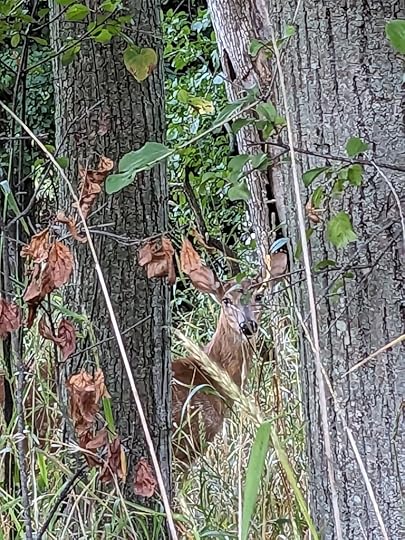
I learned I didn’t have to make everything up to write fiction. The places I visited and the awe-inspiring moments of genuine connections with the natural world were actual experiences that not only have a place in memoir and personal essay but also in fictional stories.
We owe it to ourselves to take a walk out of the comfort and security that has grown with us over the years, like any childhood blanket that has wrapped us in familiarity. We need to be fearless in finding our places and who we are meant to be, as we will never know what magic is possible when seeing the sun kiss a river.
From safety to the unknown – memoir and the personal essay to crafting fiction
When I considered preparing for a book launch talk to be customary, as I had been talking about my debut novel, The Wisdom of the Willow, for some time now, it wasn’t. I had been preparing answers for questions when I realized I had been playing it safe with my writing. Over the past twenty years, I have been a writer of memoir and the personal essay, composing along a smooth non-fiction road with no bumps or turns. After all, I was secure there, growing familiar with the writing of what I knew, of writing reflection, and takeaways for readers, and honing skills.
There’s a lot to say about playing it safe.Who doesn’t want to be comfortable, especially now in a world of complication? The fear and anxiety about anything new can set us into an emotional wreck. We naturally seek safety when feeling threatened, and desire comfort when our emotions become too much to handle. The familiar is an elixir for our anxious selves; it is what we can expect. Perhaps it is a fear of what lies ahead, an unknown territory that holds us back and keeps us in retreat.
When I would tell anyone that I am a writer, the assumption was that I write fiction. I’d raise a hand as if to stop them there, as I just don’t write fiction. It is too daunting; I’d have to make things up. I wondered if my playing it safe had backfired, if the label—memoirist, essayist—was typecasting me into a role I would or could never get out of. Maybe I had diminished my writerly potential. But as a writer, I want to challenge myself to not only read outside of my genre but also to write outside of it. I had dropped the teetering thinking from non-fiction to fiction writing as the back and forth were not productive.
Until a walk in the woods changed the path of my writing.In my last post, I wrote about the power of story and how the natural world shows. I used the example of a walk one morning in the woods when I veered off a walking path to a little bridge and peered down to a branch of the Chicago River below where sun beams spiked the water’s surface, creating sparkles — like diamonds. I stood awhile to imagine a boy with a long stick poking the river’s banks unaware, his father perhaps seeing a different perspective than I, or a big sister who had experienced the illusion and wanted to show a little magic to her younger brother. As I walked back home, I had the awe-inspiring connection with the natural world in my mind, thinking I had been in the right place at the right time, and that there was a story there to be told.
As I prepared to answer a question of how I came to write fiction that may be raised during the book launch, I realized my answer was found standing on that bridge. If I hadn’t changed my familiar walking course along a path to a place unknown, I would not have experienced a sight that sparked my imagination. When I returned home, I wrote a short story about a boy, his older sister, and a river that sparkled like diamonds, which was later published.
I learned I didn’t have to make everything up to write fiction. The places I visited and the awe-inspiring moments of genuine connections with the natural world were actual experiences that not only have a place in memoir and personal essay but also in fictional stories.
We owe it to ourselves to take a walk out of the comfort and security that has grown with us over the years, like any childhood blanket that has wrapped us in familiarity. We need to be fearless in finding our places and who we are meant to be, as we will never know what magic is possible when seeing the sun kiss a river.
May 1, 2024
how the natural world shows – The power of story
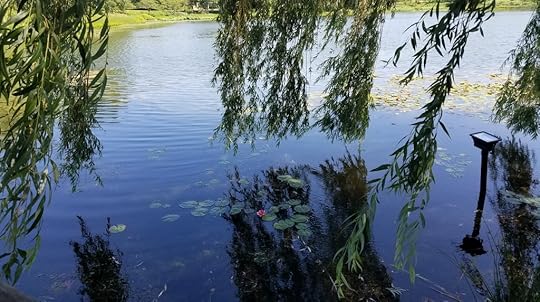
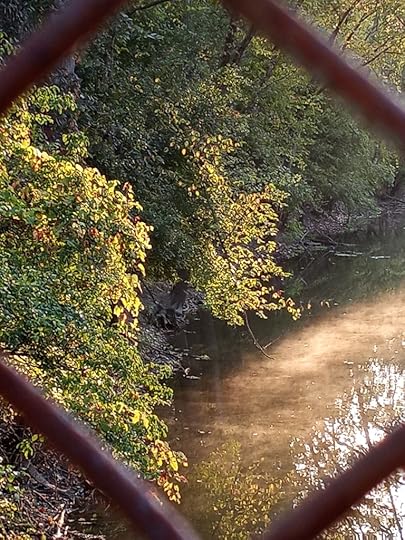
One fall morning while treading the parched earth through the woods, I veered from a narrow path to a short bridge hunched over a sleepy river. A pair of mallards commanded a “V” through water like plate glass. Oaks, in states of bright fall undress, hugged the banks. Peace and a soft landscape filled my vision. The sun’s rays had lifted just high enough to pierce the water, shattering the surface. Sparkles burst from the clash—like diamonds. I embedded in thought the place and the setting as if never to lose its magical effect. The memory continued to loop, replaying the burst of light, the morning’s silence, the sun’s energy, giving rise to my imagination. It was like mother nature holding out her hands to show me a teachable moment—that there’s story to be found here.
I learned from the organic experience that the natural world shows; it doesn’t tell, just as it is a prescription for writers for effective storytelling.
I suppose Mark Twain’s writing advice, “Write what you know,” offers a literal suggestion. But I wanted to read more into his advice—to write how I felt standing on the bridge looking down at just the right moment, how I was in awe and wonder of the sight, how it showed me to continue the enchantment with my imagination.
My observations of the natural world began when I was young with a birch tree that stood arabesque in the front corner of my girlhood home. One spring morning, I discovered four bunnies tucked inside a recess under its boughs. My birch tree would become a metaphor, symbolizing new beginnings, growth, and renewal. And later, in my memoir, Under the Birch Tree, my birch buddy would become synonymous with home. It was just the start of how I would understand what I was being shown: the natural world’s cycles of life, of birth and death, of thriving. I think of Darwin who suggested “the survival of the fittest,” that only those who adjust best to their environment are the most successful in surviving. I think of the natural world as being its own “survival of the fittest.” My second book, a novel, The Wisdom of the Willow, Margaret teaches her four young daughters under a willow tree about faith, of being hopeful, and to trust. Her wisdom reflects that of what she has learned from the natural world.
At the start of spring, I notice a shade of green in budding nature is never to be repeated. Hearing the chirps of migrating warblers and the songs of red-winged blackbirds, smelling a warming earth after a hard rain, or feeling the sun’s stronger warmth on the top of my head, the seasonal ways of nature’s cycling show that nothing really ends, but is a continuation of what is left behind. These are moments that can show a thing or two how to be present.
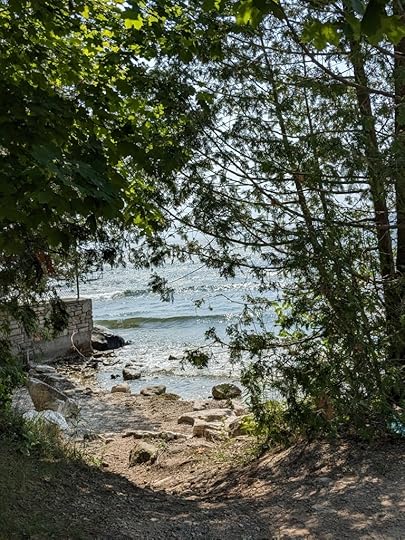
As I stand on the bridge observing below, I wonder about the muskrat, with his head settled just above the river’s stream, gliding without effort to a small mud island near the banks. Was he tired that he needed to rest? Was he foraging for food? Why was he alone?
Nature prompts me to wonder, to ask questions, to imagine, and to look a little further. This is a lesson that carries into my writing.
When called to that bridge to peer into the distance, the natural world showed me her invitation for my imagination. Of perhaps a small boy wearing a red cap and rubber boots poking the muddy banks with a stick, his father nearby taken in with the wonder of the sight. Until a chilling echo stops time.
When the natural world shows, I imagine. And from there a good story can be written.
“The green reed which bends in the wind is stronger than the mighty oak which breaks in a storm.” -THE OAK AND THE REED, AESOP’S FABLES
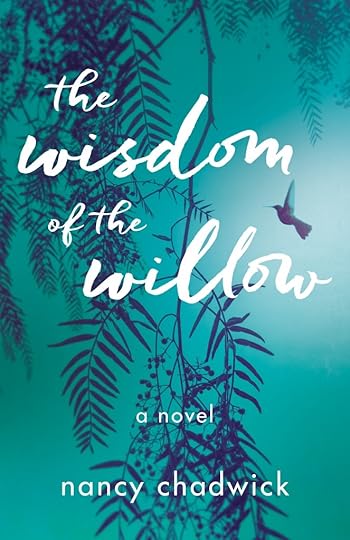
The final countdown begins to the release on May 7 of The Wisdom of the Willow.
Included in “The Most Anticipated Chicago Books of 2024,” The Wisdom of the Willow is set in the northern suburbs of Chicago. But don’t let the local setting stop you from reading “A richly layered, beautifully written, and deeply satisfying novel,” says Lynn Sloan, author of Midstream.
Order now wherever books are sold.