
James Michael Castleton's Blog: Reflections on Meaning
July 24, 2017
What the Good Life is Not

"Too many seek the “good” life, whereas only a life of meaning will satisfy the existential ache within our breasts that begs the question of why we are here, what we are to do with this life, and according to what principles we are to live. This is a question best answered at the beginning, not at the end, of our lives, for the answer will determine not only the direction of our lives but also whether we will die in comfort and peace or in hopelessness and despair."
—James Castleton, MD, Mending of a Broken Heart


July 19, 2017
The False Dichotomy of True and False Happiness

All philosophical traditions have attempted to distinguish a sense of emotional well-being that is lasting and “true” from one that is temporary and “false”—an experience that is enduring and independent of circumstance from another that is fleeting because it depends on circumstance—a 'true' happiness from a 'false' happiness. But is this the correct way to think about well-being? Or, is it a false dichotomy?
Is it possible that part of the historical confusion in trying to understand ‘happiness’ has been that we have used it to describe more than one state of ‘true’ emotional well-being—one which fades and one that endures? If so, that begs several important questions, such as: what are these two states, what are the two different types of well-being they promote, why does one fade and the other last, and how do we achieve each? I will address each of the questions briefly in the next series of posts. Stay tuned.
—James Castleton, MD, Mending of a Broken Heart
July 17, 2017
The Spiritual Treasure of Selflessness
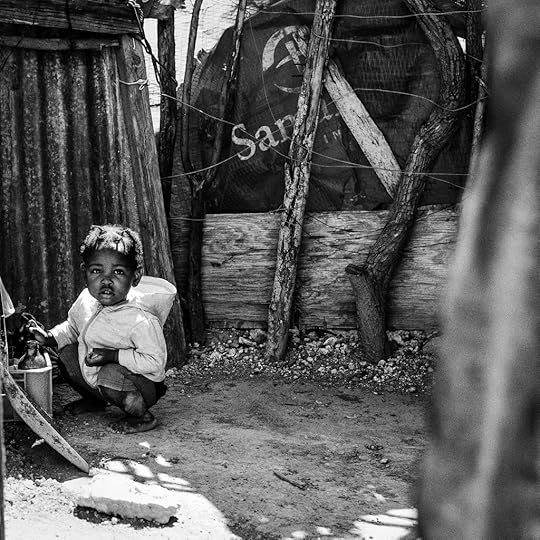
"The less fortunate will never have what they need until those who are more fortunate realize how little they require to be happy. Those who are without physical want will never find life meaningful until they recognize that contentment isn’t to be found in the accumulation of material goods but in spiritual treasures that come, in part, from using their wealth for the good of those in need. The most consequential thing that those with means can do is to give their excess––that beyond which is necessary to secure their health––away to those in need. Doing so will not compromise their happiness and it will make their life meaningful."
—James Castleton, MD, Mending of a Broken Heart
July 13, 2017
A Transformed Vision

“Keep your eyes fixed on God, for our vision is transformed when our gaze is directed upward, not inward.”
—James Castleton, MD, Mending of a Broken Heart
July 10, 2017
The Source of Happiness and Meaning

We are spiritual beings who inhabit a material body. Both must be healthy for a person to thrive. Happiness serves the health of the body and meaning the health of the spirit. We experience happiness when our mental, emotional and biological needs are met. We experience meaning when our spiritual needs are met. Happiness is the consequence of properly loving ourselves. Meaning is the consequence of loving others as ourselves. Happiness fades by design, for if one meal were enough we would slowly starve to death afterwards. Meaning accumulates because the sense of significance and worth we gain in helping others has no expiration date.
—James Castleton, MD, Mending of a Broken Heart
July 6, 2017
The Mistake You Don't Want to Make

The key to happiness is realizing that it isn’t the same thing as meaning. The key to meaning is realizing it is to be found neither in the pursuit nor in the denial of happiness. The major mistake most make in life is to pursue happiness as a substitute for meaning. Once we understand that happiness secures the health of the body while meaning secures the health of the spirit, it becomes clear why no amount of happiness will make life meaningful—when it comes to meeting biological needs, too much of a good thing becomes a bad thing, and no amount of biological health will make the spirit healthy.
—James Castleton, MD, Mending of a Broken Heart
July 4, 2017
Meaning Does Not Guarantee Happiness

"Because I did not understand the difference between meaning and happiness, I did not appreciate that life could be meaningful without being happy. I didn’t understand that meaning and happiness are occasionally opposed, such that the self-sacrifice that yields meaning may come at the cost of the very things on which happiness most depends. I erroneously assumed that if I were unhappy then my life lacked significance."
—James Castleton, MD, Mending of a Broken Heart
July 3, 2017
What Money Can Buy

"Money can buy both happiness and meaning—depending on how it is used. It takes means to purchase the resources we need to 'properly love ourselves'—to be happy. Beyond this, self-indulgence leads only to despair and disease. On the other hand, use of our means to secure the resources of those in need can also make life meaningful. We gain a sense of consequence when we help others, and in their gratitude we gain a sense of our own worth. Money is neither intrinsically good nor evil. It is merely a tool. Whether that tool is wielded for good or ill is a matter of the heart."
—James Castleton, MD, Mending of a Broken Heart
June 28, 2017
Why Happiness Fades and Meaning Endures Yet Both are True

“Those experiences that define what it most means to be human are true not because they endure, they are true because they are meaningful.
Being human is not about being happy, not because happiness fades, but because the apex of the human experience is not happiness but meaning. Meaning endures not because it is true but because it is not dependent on circumstance. Happiness is transient not because it is false but precisely because it is dependent on circumstance.
Each emotional experience is true in its proper domain. What makes one fleeting and the other lasting is not ‘truth’ but the fact that one belongs to the temporal and physical and the other to the eternal and the spiritual."
—James Castleton, MD, Mending of a Broken Heart
June 26, 2017
Live Wholeheartedly

Life is fragile, and our time is uncertain. Take nothing for granted, do nothing worthy of regret, and do everything with your whole heart, for anything worth doing is worth doing wholeheartedly or not at all.
—James Castleton, MD, Mending of a Broken Heart
Reflections on Meaning

This is my personal blog that will look more deeply at meaning from the perspectives of psychology, mind and practical living. It could be considered as a sort of apologetic for the role of meaning in
...more
- James Michael Castleton's profile
- 24 followers

