Daniel Foor's Blog
March 2, 2020
Earth, Ancestors, and Ritual: Where to Begin?
Over the past two decades of guiding ritual arts, people often ask, “Where do I start?” As my entry into ritual included little guidance or an excess of disorganized instruction, I hold this question as precious and worthy of a thoughtful reply.
Before a more structured answer, know that the path is anything but linear. This is partly due to generations of cultural disruption and the reality that so many seekers must now piece together teachings from here and there to fit their circumstances. This is also because, even in the best of circumstances, the journey is non-linear. We start in one place and circle back to teachings and life lessons, often years later, in unpredictable detours and complex weaving through time.
One can generalize a bit based on cross-cultural teachings and commonalities in ritual pedagogy despite the fact that we have unique life circumstances. Below I’ve sketched four basic stages along with some personal examples, corresponding areas of training, and ways to seek out that support. The framing “layers” or “stages” is somewhat arbitrary; your mileage may vary, and embodiment takes time. Links to offerings that I share in the world are just one form of support to inhabit each stage of practice. These are notes scribbled on a napkin after the first few decades of ritual immersion; please, for the love of the Earth, don’t take this as dogma or some official map of the path.
Layer One: Animist Worldview, Ritual Foundations, and Personal Healing Animism is a shorthand, academic way of referring to a way of seeing the world that recognizes that living humans are just one kind of person and that all the other people are also legit and worthy of our respect and consideration. These others include our ancestors, the animals and plants, mountains and rivers, planets and stars, the gods, the elemental powers, and 1,001 others for whom English categories often fail us. We’re one face of a complex, living universe and being an adult includes grappling with the implications of that for personal ethics, interpersonal relationships, home and belonging, vocation, and spiritual practice (or lack thereof).
If you weren’t raised with an embodied ethic of inter-being or inter-relatedness, this is a great place to begin as these things are learnable and the path is nothing if not rooted in core values. If you’re open to an academic approach, I find Harvey’s work Animism: Respecting the Living World to be accessible and culturally respectful to Indigenous peoples. For a more poetic work by an Indigenous author, Kimmerer’s book Braiding Sweetgrass is beautiful.
Animism, Indigenous wisdom, earth spirituality, ecopsychology, shamanism, paganism, eco-dharma, or just Earth-friendly etiquette; find any way to anchor your core values in an ethic of relationship that extends beyond the human realms. This is critical at the start of the path and at every subsequent stage as our humanity and potential is inseparable from the Earth and other-than-human relations. This is part of the inheritance of all peoples, even if it means sifting through centuries of colonialist, imperialist rubble to find the living heart of your ancestral traditions.
Ritual, ceremony, or spiritual practice by whatever name is the most fundamental way in which core values are transmitted from generation to generation. Whether it’s ritual to thank those whose bodies we eat for sustenance, a practice of honoring our ancestors as our extended cultural body, or diverse forms of meditation and prayer to cultivate grounded power and presence in the world; rituals invite us to embody our core values in intentional and relational ways.
Most often, ritual arts are learned within the vessel of a specific lineage of practice. For many, this is an easeful choice and for others finding an accessible teacher, community, and teachings that speak to your heart can feel daunting or discouraging. Furthermore, the actual pedagogy of ritual arts often proceeds through implicit rather than explicitly learning, meaning “do this and trust” rather than “we do this because of these assumptions and with this intended outcome.”
For folks who have little frame of reference, being able to question and to discuss the basics of ritual in non-dogmatic ways can build trust and feel empowering. In this spirit, I guide an eight-week Foundations of Ritual Online Course that explores the fundamentals and allows abundant space for dialogue. This offering can also be helpful to those immersed for years in established traditions who wish to refine the effectiveness of their practice or for people who want more compelling language and frameworks for talking with others about their experience with ritual.
Personal healing can take many forms and is inseparable from the path in a larger sense. For better or worse, we relentlessly filter our experience of the world through the lens of our personal story, including unresolved traumas, as well as through our cultural filters and the contours of our unique soul-level destiny or calling. When we prioritize our healing around this-life pain and hardship, we not only encourage more love and kindness to flow, we also become more efficient students able to learn without excessive fear or projection onto our teachers.
In my journey, personal healing has been enhanced by twenty-five years of participation in various forms of psychotherapy, mentorship, bodywork, spiritual healing, and community ritual. This is in addition to holding my interpersonal relationships as a terrain of ongoing accountability and essential practice. Healing is often vulnerable and scary and not as sparkly or sexy as spiritual systems or ritual. And there’s no way around the vulnerable mess of actual healing and maturation, especially considering the epidemic levels of interpersonal and cultural violence. In whatever form that’s right for you, prioritizing your healing and wellness is also a way to honor your ancestors and the importance of your unique gifts in the world.
Layer Two: Ancestral Healing, Cultural Literacy, and Personal Integration Ancestral healing is both selfish and service, personal and cultural healing. When we help those in our lineages who are not yet at peace to assume their place as wise and kind ancestors, we, in turn, receive the benefit of being down-lineage from a more healed matrix of ancestral influence. Ancestral healing focused on blood lineage ancestors also situates our personal healing in a wider family and cultural context. Challenges that seemed personal begin to look more systemic, cultural, and intergenerational, and we experience more connection both through ancestral blessings and also inherited hardships.
Ancestor ritual and reverence has been a significant part of my life’s work over the past fifteen years, and there are numerous ways to engage. The book, Ancestral Medicine: Rituals for Personal and Family Healing is a thorough and practice-oriented manual also available in Chinese, Croatian, and as an audio book.
In-person lineage healing intensives provide a three-day immersion in ancestor work and, in the last year, have been held in eight countries and guided by fifteen teachers of diverse ancestries. The annual five-month Ancestral Lineage Healing Online Course is accessible to anyone with an internet connection and includes abundant additional resources and time for live interaction, including with a team of trained supporters. And finally, personal sessions with people trained to guide ancestral healing work is a great way to get started, to get unstuck, or to stay well resourced on the journey. The ancestral lineage healing practitioners are amazing and, if needed, there are options for low-income sessions. Follow whatever pathway helps you to shift from thinking about your ancestors to directly engaging them and allow for a cycle of ritual repair and tending until your specific lineages are a source of potent, sustained support for your life.
Over the past fifteen years of guiding others in ancestral healing work, I’ve observed again and again that personal and familial healing gradually gives way to more explicitly cultural healing. Of course, the personal and cultural are inseparable, but consider ancestral lineages as you might think of a specific person. If someone is in acute agony due to an injury, it’s probably not the time to deconstruct the gender binary or uproot internalized white supremacy. When enough healing has occurred to reduce the pain to manageable levels, new pathways of reflection and introspection open up. Likewise, if your lineage dead are acutely troubled ghosts, they first need healing and reconnection with the older, healthy collective of the ancestors. At that time, from their new-found place of wholeness, their journey and our own often become indistinguishable, and our ancestors can become more conscious allies for the critical work of cultural transformation.
Cultural literacy includes taking personal inventory of how your education about the world is incomplete or reflects problematic biases. In my case, since my early twenties, I’ve been fairly conscious with respect to the ecological crisis due to immersion in environmental activism, attuned to LGBTQ equality due to coming out as bisexual at age seventeen, and critical of American imperialism due to studies abroad in Europe, Latin America, and North Africa. In the last decade, I’ve had to actively pursue ongoing education concerning legacies of racism in North America, the importance of an embodied feminist ethic as a cis-gendered man, and how my experience growing up middle class shaped my views on socio-economic class, privilege, and accessibility. I’ve also become more able to recognize and respond to anti-Semitism, ableism, and more subtle forms of colonialism and erasure of the voices of diverse Indigenous peoples.
This education is ongoing for me and for anyone else who seeks to be a culturally conscious human being. Staying open to ongoing cultural education is selfishly useful in that we get to enjoy more meaningful relationships and more opportunities to deliver on our gifts in the world. A Yoruba proverb states, “May my character not interfere with my destiny.” Similarly, we can intend that our cultural conditioning and blind spots not interfere with our ability to realize our potential. Where are you already secure in your embodied ethic of cultural healing, and where do you feel more vulnerable and in need of growth?
Ancestral healing is not a substitute for this ongoing cultural education; however, seeing our lives in a broader ancestral context can lead us to ask more insightful questions around ways that systemic troubles like patriarchy, white supremacy, settler-colonialism, and empire intersect our lives and lineages. Although my offerings don’t presume to address this vast terrain of potential learning, I do attempt to weave aspects of cultural literacy throughout, and all ancestral healing practitioners are trained to facilitate lineage-level cultural healing work with the ancestors. Consider identifying one gap in your current knowledge, work for a period of time to remedy that, and in doing so, affirm an ethic of life-long learning.
Personal integration refers in this context to the movement toward congruency between worldview, core values, and everyday life. Sustained personal and ancestral healing combined with increased cultural awareness can lead to significant changes in our relationships, our vocation, and how we chose to spend our time. This reorganization is rarely predictable, but a common theme might be something like embracing the journey or committing to a values-driven life.
One of the most important ways to facilitate these changes is to find allies on the path, people who share your values and can kindly hold you accountable to your potential. This may include work with living teachers and mentors, just make sure this mentorship helps you to come home more and more to yourself in authentic ways. This is also a time to care for your physical health and to honor meaningful long-term relationships with people who truly are able to honor your growth even if they do not have the same experience. Ancestral healing, ritual work, and cultural inquiry can all change our daily flow, our habits, and our very body. Allow for this, and value yourself enough to call in the support you need.
Consider finding ways to deepen your understanding of the intersections of culture and ritual with heart, mind, and psyche, even if you have no interest in the practice of clinical mental health per se. Staring in October of 2020 I’m guiding a new online course in this inter-disciplinary terrain titled Animist Psychology: Earth, Ancestors, and Mental Health. Finding teachers and traditions that speak to your soul in as many ways as possible at the same time can help to unravel harms incurred as a result of cultural fragmentation. Be hopeful there are such voices and guides who can speak specifically to your life path and that you can be well-resourced through the challenges of further psychological, cultural and spiritual integration.
Layer Three: Animist Ritual, Belonging, and Land as Body Animist ritual refers to a relational orientation to practice that proactively includes the other-than-humans. Insofar as many Indigenous traditions relate at depth with local powers whose bodies are the land and larger webs of kinship, these systems could be considered animist. But place-oriented ritual that respects the personhood of the others is not unique to Indigenous peoples, or rather all of our ancestors at some point could be considered indigenous to somewhere. And relating with other modes of consciousness is a particularly strong and sacred capacity of human form.
I encourage this gradual migration of focus after a cycle of ancestral healing because I find that the other-than-human relations are more inclined to trust living humans who are consciously accountable to and in relationship with their ancestors. There’s something about approaching the mountains and rivers as a more ancestrally whole person that makes a difference in the depth of connection.
There are hundreds of ways to expand into this terrain of relationship; however, I recommend engaging with some instruction, whether with a living teacher, tradition, or some other form. We offer a five-month annual online course Practical Animism: Reclaiming Kinship through Earth-Honoring Ritual. The work is place-oriented, culturally mindful, and well-resourced by a team of supporters. Along with ritual skills to support direct contact with our extended kin, also expand your knowledge of the human and other-than-human histories near to your home. Value the culture of oaks and fungi, lakes and water birds, wind, and weather.
Although belonging often arises as an important theme during ancestral healing work, as we become more settled in our specific cultural skin other layers of belonging often call for attention. One of these is affinity with land and place, and how we feel or struggle to feel a sense of belonging. Do you feel a sense of earth-level belonging with the area where you live? Have you ever felt a deep and sustained belonging in this lifetime?
Belonging can be such a tender and painful topic for other-than-Indigenous peoples because of the harms inflicted by colonialism and empire and how these unresolved aggressions function as an ancestral curse upon the children of the colonizers. One of the drivers of the idealization of and dehumanizing hunger toward Indigenous peoples, especially by those of settler-colonialist ancestries, is the perception that Indigenous people feel a greater sense of belonging, a kind of permission to enjoy sustained devotional relationship with the land.
But belonging can’t be stolen, bought, or transferred; it’s a function of sustained relationship over time. And in the case of those forcibly relocated or those who killed or removed others by force, layers of ancestral grief function as gateways to a more profound sense of connection with land and place. If ancestral healing doesn’t function as a catalyst for grieving, tapping into the deeply human instinct to belong almost certainly will lead to weeping with the Earth for all the troubles of recent centuries.
“Land as body” is to say that the language of relationship is misleading or at least incomplete by suggesting that humans and the land are two, still separate or separable. The illusory split between humans and nature runs throughout modern cultures, laws, institutions, and even the grammar of most languages of conquest. The psychological toll of this false perception is exile from the intimacy we long for and which, maddeningly, surrounds us. The result of this false split is catastrophic as we careen further into ecological meltdown on Earth.
And yet to experience the land as our extended body is differently devastating. There are no longer environmental problems, only human confusion made manifest as horrific desecration of life and the holy. Facing the troubles that we have unleashed as a species on our extended kin and knowing those troubles within these very bodies is part of the deepening of the path and one way in which our sense of self changes through depth animist ritual. Navigating these waters calls for trusted human allies, a fierce commitment to self-love, and a resilient sense of humor.
Layer Four: Clarifying Destiny, Accessing Power, and Leadership When we’ve engaged in depth healing from this-life challenges and well as from ancestral inheritances, and when we’ve also made an effort to become a more culturally aware and congruent human being, what next? When we know in our bones that we are also the land and we seek, from a place of love and humility, to embody that ethic in our daily lives, where to focus on the path of cultivation?
In my experience, the more integrated and stabilized we become, the more we can receive clarity about our specific destiny or instructions during this lifetime. This is not the same as vocation, although the two may overlap. By destiny, I mean the unique bundle of ancestral blessings and other soul-level affinities that we bring to Earth along with the ways those capacities intersect the specific circumstances of our lives. Self-expression in the deepest sense, self in service.
Clarifying destiny is not typically a singular event but rather an iterative process of receiving guidance, implementing instructions, and circling back for another helping. This may feel straightforward, or it may be deeply intuitive and informed by dreams, visions, or other pathways of spirit contact and communion. What matters is that our sensitivity increases around what is on our path, what is for us, and what is somehow otherwise. And that we find ways to embrace limitation, to surrender to the narrowing of focus, and to accept the taboo on wasting our precious life.
To the degree that we consult the ancestors, the land, and our ancient star-self on the subject of our destiny in this lifetime and we also arrive at some clarity as a result of that inquiry, the focus then shifts to living the vision. The seeker becomes fertile compost for the tremendous effort, cunning, grace, and tenacity required to actually birth something from the realm of vision into the density of this dimension. And this brings us full circle back to the efficacy of ritual.
To manifest something major, whether it be raising a healthy child, founding a successful organization, or overseeing a nurturing classroom, we need people who back us. Often this means other living humans, but these sponsors may also include the ancestors, spirits of place, and other elder powers. Success without relationship is rare and real power is almost always sourced from relationships.
Which relationships you’ll need to cultivate will, of course, depend upon where you’re headed. The Ancestral Healing Practitioner Training aims to fill a niche for the small demographic of people called to guide ancestral healing work as one part of their vocation. Otherwise, you’ll typically need to apprentice with people who have blazed a trail before you or at least those with relevant skills for the journey. Ask your ancestors and other supportive powers in spirit to guide you to the right people and situations to deliver on the goodness you brought to Earth.
Leadership is often narrowly constructed to refer to someone in a position of structural power or authority, such as the president of a company, a politician, or a famous artist. In this sense, it’s not everyone’s path to be an outward or visible leader, nor is that type of role somehow better than any other role. Taken in a more expanded sense, leadership can refer to anyone who responsibly embraces the fullness of their specific destiny with courage, humility, and grace. In this way leaders also inspire and tangibly assist others around them to live up to their potential, irrespective of the outer expression of that potential or whether there is any money exchanged or connection to vocation per se.
Implications of an animist worldview are such that one’s service may not be limited to care for other living humans. Some are called to sustained engagement with plants, animals, or fungi; some focus their ethic of care with the human dead or with those not yet born; some care for systems and institutions or for ecosystems in all their complexity; some work on even more esoteric realms with spirits of place or other unseen powers. The common thread is relationship and learning to express love, wisdom, an ethic of profound interdependence in whatever relational terrain corresponds to our specific life path and calling. There is no personal enlightenment, no awakening apart from others. And if you beg the old gods for more responsibility in service to life and all that’s sacred, they will most certainly provide.


November 13, 2018
Ancestral Reconnection as a Journey of Cultural Healing
As an American of largely English and German early settler-colonizer ancestry, I was neither raised with a framework for ancestor reverence nor taught to value my own ancestors. Before my first experiences with ancestor-focused ritual, not only had I never heard stories about earlier generations of my people, I had never thought to ask. Turning to face this cultural blind spot has served as a gateway of personal transformation and healing, deepened my understanding of intact indigenous cultures and traditions, and inspired me to serve others of diverse lineages in the reclamation of earth-honoring wisdoms.
In my own experience and for the thousands of others whom I’ve guided in ancestral healing since 2005, we return in spirit to a time before our specific lineages stopped openly tending to relationships with the ancestors. Timelines vary depending on the origin of one’s ancestors. In my case, I now understand my earlier ancestral amnesia as a symptom of European colonialism and white-body supremacy that has so profoundly shaped recent centuries of human history in the Americas. Only within the last five hundred years were these troubles then exported in earnest to most of the rest of the Earth as a kind of cultural contagion. Before my people crossed the Atlantic, the indigenous, pre-Christian traditions of my Northern and Central European ancestors were already profoundly fragmented by Roman and Christian empires within Europe. When I initially sought out ancestor-honoring traditions of my people, I realized the fires had been cold for centuries. Ancestral reconnection along European lineages often means visioning back thousands of years.
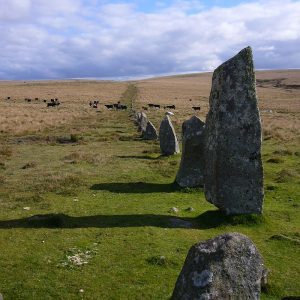
For others seeking ancestral reconnection, anchoring in the vitality of the ancients may mean contacting a time before the arrival of ships full of physically, culturally, and spiritually unwell Europeans or knowing in your bones the old magic of a time before the horrors of the Transatlantic slave trade. And for others from more intact lineages of ancestor reverence and ritual, reconnection may call for attuning to one’s grandparents, great grandparents, or other recent dead who openly cared for the ancients during their time on Earth and beyond. No matter the timeline, I have observed again and again that everyone can connect directly to wise and loving ancestors if we approach with humility and respectful tenacity. Over the past two decades of helping folks of diverse lineages to come back into relationship with their healed and whole ancestors, here are just a few things I’ve found helpful to keep in mind:
Thinking about ancestors is not the same as relating. Just as money still owed to us doesn’t pay the bills and imagining food doesn’t fill our bellies, thinking about our ancestors is not the same as directly relating. We know this when it comes to connecting with other humans; if we don’t spend quality time, the relationship gradually dies out. It’s no different with the souls or spirits of the dead. The ancestors are not just a part of us, not just a thought or good idea. This is a key difference between a generalized indigenous, animist, or traditionalist perspective and one that reduces the ancestors only to psychological processes, memories, or aspects of self. Reconnection will include a felt sense of contact and that quality of contact is decisively different than thinking alone.
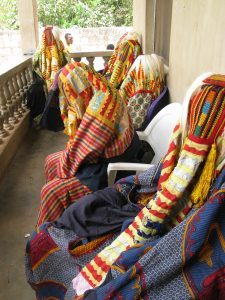
Relationship means being open to influence. As with living teachers, elders, and trusted advisors, if we’re not actually open to influence the relationship becomes stale. Inhabiting the role of the beloved child and the face of our ancestors on Earth calls for actually allowing in the influence of beloved lineage elders. Sometimes this leads to sweetness, prosperity, and ease. Sometimes this means they shatter old structures that no longer serve you or end unhealthy relationships in ways that make you feel like you’re dying. Our loving ancestors are preoccupied with us fulfilling our potential here on Earth. They are catalytic, fearless, and able to see through our masks. We can’t reconnect with them and expect nothing to change. To truly calling on our wise and well ancestors is to invite greater congruency and acceleration of our path of destiny. This is good news! Not always comfortable, but it’s way better than wasting this precious life.

Ancestral relationships often follow an elder-junior dynamic. Most Westerners have little reference for how to relate with elders and tend to see all others as equals. Those among our lineage dead who are wise and well ancestors, the vibrant and healed ones, are truly elders in relation to us here on Earth. My time in indigenous ritual and community, both in North America and in West Africa, has been helpful for me to see elder-junior power dynamics modeled, to see organic hierarchies of care that recognize each person’s differing capacities and responsibilities. Working within the contours of these dynamics doesn’t mean we give up our choice; we are still responsible for all our actions. This doesn’t mean we hold back confusion, pain, or intensity; to the contrary, our ancestors and true living elders can very much hold us. Although elder-junior dynamics can take many forms, they’re different in important ways from peer relationships and it’s an important point of etiquette to keep in mind when coming back into sustained connection with the old ones.
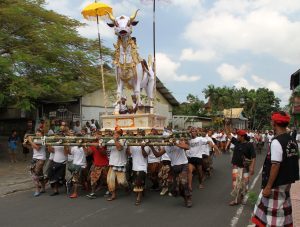
We are living through demanding and troubled times. The intergenerational confusion that is European colonialism, racism, misogyny, economic greed, and disconnection from the Earth; these trouble continue to drive ecological collapse and tremendous suffering. At the same time, we each have access to wise and well ancestors whose specialization and good medicine lies in knowing how to be an ethical and effective human being. They have lived through crisis. They see the urgency of the times and wish to be more consciously included in the change and healing. No matter when your people stopped tending to the ancestors (if they ever did), the old ones are available, and the way forward through the turbulence ahead includes walking in partnership with them.
December 13, 2017
April 13, 2017
Five Practices for More Potent Prayer
Over the past 30 years I have had the good fortune to participate in many spiritual traditions, including Methodist Christianity, Islamic Sufism, Zen Buddhism, contemporary Paganism, Lakota ways and the Native American Church, Buryat Mongolian shamanism, and West Africa Ifá/Òrìṣà tradition. Despite tremendous diversity among these approaches to the sacred, some practice of prayer has been a strong thread of continuity.
In my experience, teachings on the underlying assumptions about prayer are often embedded in communal ritual. Below are five principles that seem to recur throughout diverse traditions. In sharing some basic observations from my lived experience in ritual, I’m not presuming to stand as a representative of these traditions, only to observe common themes surrounding the practice of prayer. If you already incorporate these approaches to prayer, consider whether there are ways that these principles could help you to bring even more vitality and embodiment to your practice.
Attend First to Your Personal State. We are multidimensional beings, capable of acting from places of more or less depth and alignment within ourselves. When I sit down at my shrines, I notice that taking a few minutes to ground and center can beneficially inform anything that follows. Likewise, when my heart is cracked open, after waking after a strong dream in the early hours of the morning, or during other kinds of dropped-in states, I’ve learned that these can be good opportunities to lean into spiritual practice.
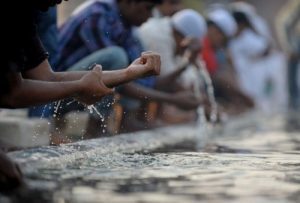
Elders sometimes model this attentiveness to personal state before prayer in ways such as cleansing with water and smoke or by first asking for forgiveness before major prayers. While living as a practicing Muslim in North Africa, before each of the five daily prayers would first wash with clean water as part of the prescribed ritual purification (wudu’ in Arabic). This habit of cleansing before prayer is deeply ingrained for the world’s billion and a half Muslims.
Years laterwhile sitting in Native American Church ceremonies, I watched ritual officers regularly cleanse with cedar before speaking their prayers aloud for community. And after a long night of sitting up in sacred space, when the morning water was brought into the tipi to renew our lives and receive our prayers, I was moved to hear the water woman ask forgiveness from Creator as part of her process of entering into a state conducive to praying for the assembled community.
When approaching your personal practice of prayer, consider first giving extra attention to your personal state. In addition to cleansing with the smoke of aromatic herbs such as sage or cedar, ritual washing and bathing, and seeking forgiveness for past harms to self and others, explore intentional movement or breath practices to shift your attention to a more embodied place (e.g., more gut and less head). Notice which body position (e.g., sitting, standing, kneeling) helps you to stay dropped in during your prayers. Wearing intentional clothing, any significant talismans or sacred objects, and using ritually supportive oils, herbs, or other preparations may also help you to fully arrive before starting your prayers.
Pray in Connection with the Relevant Powers. Most traditions on Earth recognize many diverse spiritual forces or aspects of the Holy. Contemporary Pagans, whether working with Celtic, Norse, Egyptian, or other pantheons, tend to recognize and give reverence to at least a half dozen deities, if not considerably more. Even Muslimswho passionately affirm God’s unity can invoke certain names of God that carry the qualities appropriate to one’s prayer (e.g., calling upon al-’Adl, the Just, when praying for legal victory). The unseen reflects this physical dimension. If I need food, I go to the grocery store, not just to any house on the block. If I need dental work, I seek out a dentist.
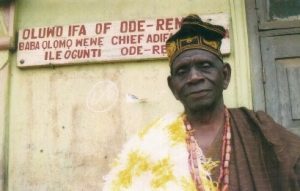
In Yorùbá tradition, I am an initiate of Ifá, Ọbàtálá, Ọ̀ṣun, and Egúngún in the lineage of Olúwo Fálolú Adésànyà of Òdè Rẹ́mọ, Ogun State, Nigeria. As is common in our tradition, I tend to approach certain powers for certain things. For example, if I’m concerned about blood family or helping someone transition to the next reality, I would approach the ancestors (Egúngún). If I’m praying for children, emotional healing, or sweetness in my relationships, these are all strong suits of Ọ̀ṣun, a deity of fresh water and fertility. For coolness and help with my public teaching, I may invite the counsel of Ọbàtálá, a patient and steady elder force. Ifá as a deity of divination is excellent at helping with the big picture and staying on track with my overall destiny. In addition to approaching the relevant deity or òrìṣà (all of whom also dwell within) to assist with my prayers, I may attempt to do the prayer work at a shrine consecrated for that divinity or seek out an initiate in that priesthood to further amplify the link.
Consider being mindful about which deities or aspects of the sacred you will approach to support your prayers. This may include praying with specific plants (e.g., tobacco, coca leaves), liquids (sacred waters, spirits), colorful cloth, etc. Give care to how you will enlist the assistance of these elder powers. Are there traditions or protocols for getting the attention of this deity or aspect of the divine? How do others who regularly work with this power go about it? If it’s a deity with whom you have long-term familiarity, you may already know how to approach. If your prayers call for a quality of energy or support that you’re not already in close relationship with, you may need to make extra effort to find the right people and places to support the effective realization of your prayers. Seek to feel their presence before speaking your prayers.
Pray Aloud with Clarity, Authenticity, and Vulnerability. Although there are many styles of prayer, and no single orientation is necessarily better than another, my elders in diverse traditions have consistently encouraged praying aloud. In Ifá/Òrìṣà tradition we ritually activate the tongue in recognition of the power of speech. This aligns with my personal sense that speaking our prayers out loud is more embodied, more connective, and more potent than only thinking them in silence. Prayers in our tradition tend to be heartfelt but also direct, concise, and focused. Ask succinctly and without apology for what you and your loved ones need for a fulfilled life here on Earth.
Praying aloud for what you really need and desire with community present can be a vulnerable ask. One way that folks dodge this intimacy is by praying only for general things like world peace and healing for the Earth. At times, those prayers may also come from a raw and vulnerable heart place, and it’s often the longing in our personal sphere that really cracks open the heart. Over fifteen years of participation in sweat lodges (often Lakota-style inipi ceremonies) those guiding the lodges consistently emphasized praying from the heart in a vulnerable and unscripted way.
What are the most courageous and vulnerable prayers you could possibly speak aloud? Are there prayers and longings you walk with that are hard to even admit to yourself? If you’re not sure what to pray for, ask to be profoundly in alignment with your personal destiny and soullevel calling. Pray for health and longevity and for the well-being of your family and loved ones. We are dependent on others, seen and unseen, for our survival, and prayer is one practice that invites us to speak honestly and openly from this reality.
Combine Your Asking with Generosity. Traditions that join prayer with the practice of making physical offerings tend to emphasize the importance of reciprocity, sacrifice, and “giving in order to get.” This is a nuanced topic both in terms of the forms that these offerings and sacrifice may take and the varied reasons for doing so.
For one, the powers called upon to help with one’s prayers may be ritually fed as a way to gain their favor and to honor their time and energy, much like we would pay a human contractor for an important project. In this way, offering tobacco or cornmeal as kind of “plant sacrifice” or ritual feast presented to the ancestors can be a way to invest energy into the relationship at a time when you are asking for their help.
Making offerings and personal sacrifices may also be viewed as a catalyst for the devotee to enter a state conducive to having their prayers realized (e.g., fasting during Lent or Ramadan). Intentional acts of generosity can also be linked with prayer based on the view that the merit or positive karma of the service can amplify the prayer itself. Buryat Mongol shaman Sarangerel emphasized that hiimori or “windhorse” is a kind of ritually usable energy that one builds up through acts of healing and service.
On a very practical level, offerings may increase the number of living human spirits present to support the ritual work. For example, during òrìṣà initiations in Nigeria, the four-legged animals offered to the deities become food for those present to support the ritual. Feeding more people leads to more folks praying for the initiate, which in turn leads to a stronger ritual.
If you don’t already associate prayer with the act of giving, consider exploring some basic work with physical offerings the next time you’re making important requests of the sacred. This offering could be as simple as a dish of water, a candle, or flowers. Let the choice of offering reflect the nature of your prayers or the preferences of the powers you’re calling upon for support. Find a way to give that feels right for you, and be sure to invoke the receiver of your gift before sharing your prayers and presenting your offering.
Be curious at a later date about the effect of the offerings you made and seek to refine this art of generosity in a way that is enjoyable for you, pleasing to the powers, and effective in amplifying the signal on your prayers.
Proactively Live and Embody Your Prayers. On the subject of what happens after making focused prayers, I’ve heard mixed advice. Some give an image like releasing an arrow and counsel that once your intentions have been ritually launched, the best strategy is to move forward in a spirit of faith and trust with no need to repeat the prayers. In short; stay receptive but trust that your prayers are being processed. Others characterize prayer as a kind of intention setting that requires regular reinforcement, repetition, and effort to come to fruition.
Of course these two perspectives are compatible; we are both active participants in shaping the course of our lives and prayers reverberate, often in unpredictable ways, through the web of relationships beyond our personal sphere. In this way, the period of time after strong prayers calls for both openness to the world’s response as well as attentiveness to your necessary role in a prayer’s fulfillment.
Consider over time the way that your life has already been shaped by the prayers you’ve made. Our words are powerful, and all the more so when coupled with clear ritual intent and established practices for amplifying prayer. As you find your groove over time and notice your practices bearing fruit, remember to give thanks to those who assist with the realization of your prayers and to continue honing the clarity and kindness of your words.
Prayer in this way is also a training ground that encourages increased responsibility and accountability with our everyday speech and actions. Find ways to keep your practice joyful and spontaneous, and return regularly to the core prayer to even more fully embody your personal gifts and fulfill your specific destiny during your time on Earth.
The post Five Practices for More Potent Prayer appeared first on Ancestral Medicine.
Five Practices for More Potent Prayer
Over the past 30 years I have had the good fortune to participate in many spiritual traditions, including Methodist Christianity, Islamic Sufism, Zen Buddhism, contemporary Paganism, Lakota ways and the Native American Church, Buryat Mongolian shamanism, and West African Ifá/Òrìṣà tradition. Despite tremendous diversity among these approaches to the sacred, some practice of prayer has been a strong thread of continuity.
In my experience, teachings on the underlying assumptions about prayer are often embedded in communal ritual. Below are five principles that seem to recur throughout diverse traditions. In sharing some basic observations from my lived experience in ritual, I’m not presuming to stand as a representative of these traditions, only to observe common themes surrounding the practice of prayer. If you already incorporate these approaches to prayer, consider whether there are ways that these principles could help you to bring even more vitality and embodiment to your practice.
Attend First to Your Personal State. We are multidimensional beings, capable of acting from places of more or less depth and alignment within ourselves. When I sit down at my shrines, I notice that taking a few minutes to ground and center can beneficially inform anything that follows. Likewise, when my heart is cracked open, after waking after a strong dream in the early hours of the morning, or during other kinds of dropped-in states, I’ve learned that these can be good opportunities to lean into spiritual practice.
Elders sometimes model this attentiveness to personal state before prayer in ways such as cleansing with water and smoke or by first asking for forgiveness before major prayers. While living as a practicing Muslim in North Africa, before each of the five daily prayers we would first wash with clean water as part of the prescribed ritual purification (wudu’ in Arabic). This habit of cleansing before prayer is deeply ingrained for the world’s billion and a half Muslims.
Years later while sitting in Native American Church ceremonies, I watched ritual officers regularly cleanse with cedar before speaking their prayers aloud for community. And after a long night of sitting up in sacred space, when the morning water was brought into the tipi to renew our lives and receive our prayers, I was moved to hear the water woman ask forgiveness from Creator as part of her process of entering into a state conducive to praying for the assembled community.
When approaching your personal practice of prayer, consider first giving extra attention to your personal state. In addition to cleansing with the smoke of aromatic herbs such as sage or cedar, ritual washing and bathing, and seeking forgiveness for past harms to self and others, explore intentional movement or breath practices to shift your attention to a more embodied place (e.g., more gut and less head). Notice which body position (e.g., sitting, standing, kneeling) helps you to stay dropped in during your prayers. Wearing intentional clothing, any significant talismans or sacred objects, and using ritually supportive oils, herbs, or other preparations may also help you to fully arrive before starting your prayers.
Pray in Connection with the Relevant Powers. Most traditions on Earth recognize many diverse spiritual forces or aspects of the Holy. Contemporary Pagans, whether working with Celtic, Norse, Egyptian, or other pantheons, tend to recognize and give reverence to at least a half dozen deities, if not considerably more. Even Muslims who passionately affirm God’s unity can invoke certain names of God that carry the qualities appropriate to one’s prayer (e.g., calling upon al-’Adl, the Just, when praying for legal victory). The unseen reflects this physical dimension. If I need food, I go to the grocery store, not just to any house on the block. If I need dental work, I seek out a dentist.
In Yorùbá tradition, I am an initiate of Ifá, Ọbàtálá, Ọ̀ṣun, and Egúngún in the lineage of Olúwo Fálolú Adésànyà of Òdè Rẹ́mọ, Ogun State, Nigeria. As is common in our tradition, I tend to approach certain powers for certain things. For example, if I’m concerned about blood family or helping someone transition to the next reality, I would approach the ancestors (Egúngún). If I’m praying for children, emotional healing, or sweetness in my relationships, these are all strong suits of Ọ̀ṣun, a deity of fresh water and fertility. For coolness and help with my public teaching, I may invite the counsel of Ọbàtálá, a patient and steady elder force. Ifá as a deity of divination is excellent at helping with the big picture and staying on track with my overall destiny. In addition to approaching the relevant deity or òrìṣà (all of whom also dwell within) to assist with my prayers, I may attempt to do the prayer work at a shrine consecrated for that divinity or seek out an initiate in that priesthood to further amplify the link.
Consider being mindful about which deities or aspects of the sacred you will approach to support your prayers. This may include praying with specific plants (e.g., tobacco, coca leaves), liquids (sacred waters, spirits), colorful cloth, etc. Give care to how you will enlist the assistance of these elder powers. Are there traditions or protocols for getting the attention of this deity or aspect of the divine? How do others who regularly work with this power go about it? If it’s a deity with whom you have long-term familiarity, you may already know how to approach. If your prayers call for a quality of energy or support that you’re not already in close relationship with, you may need to make extra effort to find the right people and places to support the effective realization of your prayers. Seek to feel their presence before speaking your prayers.
Pray Aloud with Clarity, Authenticity, and Vulnerability. Although there are many styles of prayer, and no single orientation is necessarily better than another, my elders in diverse traditions have consistently encouraged praying aloud. In Ifá/Òrìṣà tradition we ritually activate the tongue in recognition of the power of speech. This aligns with my personal sense that speaking our prayers out loud is more embodied, more connective, and more potent than only thinking them in silence. Prayers in our tradition tend to be heartfelt but also direct, concise, and focused. Ask succinctly and without apology for what you and your loved ones need for a fulfilled life here on Earth.
Praying aloud for what you really need and desire with community present can be a vulnerable ask. One way that folks dodge this intimacy is by praying only for general things like world peace and healing for the Earth. At times, those prayers may also come from a raw and vulnerable heart place, and it’s often the longing in our personal sphere that really cracks open the heart. Over fifteen years of participation in sweat lodges (often Lakota-style inipi ceremonies) those guiding the lodges consistently emphasized praying from the heart in a vulnerable and unscripted way.
What are the most courageous and vulnerable prayers you could possibly speak aloud? Are there prayers and longings you walk with that are hard to even admit to yourself? If you’re not sure what to pray for, ask to be profoundly in alignment with your personal destiny and soul-level calling. Pray for health and longevity and for the well-being of your family and loved ones. We are dependent on others, seen and unseen, for our survival, and prayer is one practice that invites us to speak honestly and openly from this reality.

Combine Your Asking with Generosity. Traditions that join prayer with the practice of making physical offerings tend to emphasize the importance of reciprocity, sacrifice, and “giving in order to get.” This is a nuanced topic both in terms of the forms that these offerings and sacrifice may take and the varied reasons for doing so.
For one, the powers called upon to help with one’s prayers may be ritually fed as a way to gain their favor and to honor their time and energy, much like we would pay a human contractor for an important project. In this way, offering tobacco or cornmeal as kind of “plant sacrifice” or ritual feast presented to the ancestors can be a way to invest energy into the relationship at a time when you are asking for their help.
Making offerings and personal sacrifices may also be viewed as a catalyst for the devotee to enter a state conducive to having their prayers realized (e.g., fasting during Lent or Ramadan). Intentional acts of generosity can also be linked with prayer based on the view that the merit or positive karma of the service can amplify the prayer itself. Buryat Mongol shaman Sarangerel emphasized that hiimori or “windhorse” is a kind of ritually usable energy that one builds up through acts of healing and service.
On a very practical level, offerings may increase the number of living human spirits present to support the ritual work. For example, during òrìṣà initiations in Nigeria, the four-legged animals offered to the deities become food for those present to support the ritual. Feeding more people leads to more folks praying for the initiate, which in turn leads to a stronger ritual.
If you don’t already associate prayer with the act of giving, consider exploring some basic work with physical offerings the next time you’re making important requests of the sacred. This offering could be as simple as a dish of water, a candle, or flowers. Let the choice of offering reflect the nature of your prayers or the preferences of the powers you’re calling upon for support. Find a way to give that feels right for you, and be sure to invoke the receiver of your gift before sharing your prayers and presenting your offering.
Be curious at a later date about the effect of the offerings you made and seek to refine this art of generosity in a way that is enjoyable for you, pleasing to the powers, and effective in amplifying the signal on your prayers.
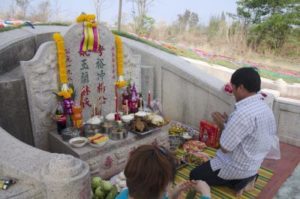
Proactively Live and Embody Your Prayers. On the subject of what happens after making focused prayers, I’ve heard mixed advice. Some give an image like releasing an arrow and counsel that once your intentions have been ritually launched, the best strategy is to move forward in a spirit of faith and trust with no need to repeat the prayers. In short; stay receptive but trust that your prayers are being processed. Others characterize prayer as a kind of intention setting that requires regular reinforcement, repetition, and effort to come to fruition.
Of course these two perspectives are compatible; we are both active participants in shaping the course of our lives and prayers reverberate, often in unpredictable ways, through the web of relationships beyond our personal sphere. In this way, the period of time after strong prayers calls for both openness to the world’s response as well as attentiveness to your necessary role in a prayer’s fulfillment.
Consider over time the way that your life has already been shaped by the prayers you’ve made. Our words are powerful, and all the more so when coupled with clear ritual intent and established practices for amplifying prayer. As you find your groove over time and notice your practices bearing fruit, remember to give thanks to those who assist with the realization of your prayers and to continue honing the clarity and kindness of your words.
Prayer in this way is also a training ground that encourages increased responsibility and accountability with our everyday speech and actions. Find ways to keep your practice joyful and spontaneous, and return regularly to the core prayer to even more fully embody your personal gifts and fulfill your specific destiny during your time on Earth.
July 7, 2016
Taboo and Honoring Sacred Difference
The year is 2016 and tremendous violence continues to be perpetuated by people who seek to impose their reality on others by force. More extreme forms include hate crimes, terrorist attacks, acts of domestic violence, and religious or government policies to stifle cultural difference. Although most people would oppose on principle such overtly hateful forms of “othering”, seemingly minor and often unconscious acts of prejudice and micro-aggression are the ground in which violent extremism germinates and takes root. As we continue to grapple in the United States and elsewhere with painful legacies of racism, sexism, religious intolerance, and other forms of bigotry, one way to participate in necessary cultural healing is to bring greater awareness to these subtle habits of objectifying and demeaning others as they live in ourselves and those closest to us.
Let me be clear; noticing difference is not a bad thing and is not the same as objectifying others. Basic cognition and memory, human or otherwise, is largely organized around the principle of pattern recognition. Our identities hinge upon our ability to distinguish familiar people and surroundings from new encounters. Noticing difference is based in part on biology and essential to our survival, which means it’s a losing battle to try to see everyone and everything as the same even if this were somehow desirable. And yet the ways in which we ascribe meaning to the differences we notice can run the full spectrum from passionate celebration of diversity to subtle objectification or outright violence. Here’s one way to frame the challenge: How can we harness our innate tendency to notice difference in ways that encourage cultural healing rather than harmful othering, prejudice, and violence?
Remember that objectification and harmful othering are not new human problems. Widely diverse cultures have well-documented histories of tearing down the image of local community members or neighboring peoples as a precursor to acts of violence. Fortunately, this means that many of our ancestors have already been grappling with problem of how to temper the human tendency to objectify others, and in some cases this ancestral wisdom remains available in the form of traditions and practices. As a life-long student of world religious systems and doctor of psychology, I’m interested in the strategies that deeply rooted spiritual traditions employ for navigating what I think of as “sacred difference”. Have you already experienced religious or spiritual systems that help you to understand and respect diverse types of people? More than any other single influence, my experiences as a practitioner of traditional Yorùbá religion, also known as Ifá/Òrìṣà tradition, has helped me to expand my vocabulary for diverse human experiences and to take a more kind and informed approach to making sense of and navigating personal differences.
What are Your Taboos? Before exploring Yorùbá perspectives, notice what associations the concept of taboo carries for you. The word enters English from Tongan culture and implies a cultural limit, perhaps rooted in sacred or spiritual realities. Are there any taboos you already honor as part of your religious or spiritual practice (e.g., avoiding certain foods, fasting certain days)? Taboo often carries negative associations such as shaming, restriction, and unkind moralizing. See if you can try on a value-neutral meaning that’s more about the affirmation of personal and cultural limits. We are all unique people with specific cultural settings.
As a European-ancestored American, I know I wasn’t raised with a sacred context for taboo, but I’ve come to see many moral debates through the lens of hashing out cultural-level taboos. For example, most Americans would decline to eat even a gourmet preparation of horse or dog and would also consider such foods to be culturally taboo. Many feel similar about families with multiple husbands or wives, although such arrangements are common in other cultures and among some Americans. Contentious social issues like the death penalty or abortion tend to hit people on the gut level of cultural taboo. If you’ve lived in other countries or reflected on cultural difference, you likely understand that communities and cultures are formed in part from an intricate system of do’s and don’ts.
In addition to widely held societal or cultural taboos, most Americans are willing to respect personal differences when it comes to food, drink, and intoxicants. When feeding friends and family who are vegetarian, lactose-intolerant, or who have food allergies, most cooks understand that some foods we enjoy are harmful, effectively taboo, for others. We also tend to respect the choices of those we love when they decline to drink alcohol or share in a smoke break. And folks with allergies, food sensitivities, or a preference for sobriety may also experience pressure, judgment, and variable levels of accommodation around personal difference.

Taboo (Èèwọ̀) in Yoruba Culture. One of thousands of differently beautiful indigenous African cultures, Yoruba culture is the root of Ifa/Orisa tradition, now the most widely practiced indigenous African system on Earth. Millions of devotees practice diverse lineages of the faith in West Africa (e.g., Nigeria, Benin, Togo), the Americas (e.g., Brazil, Cuba, Trinidad & Tobago, United States) and beyond. Over the past decade I’ve been blessed to participate in lineages of Ifá/Òrìṣà tradition both in the United States and Nigeria. In the past four years I’ve made pilgrimages to Ogun State, Nigeria to undergo initiations to Ifá, Ọbàtálá, Ọ̀ṣun, and Egúngún in the lineage of Olúwo Fálolú Adésànyà Awoyadé from Òdè Rẹ́mọ. This means I am a beginner in my training (ọmọ awo), and it’s as a non-Yoruba, American initiate that I share on a basic teaching familiar to practitioners of any lineage of the larger tradition.
Èriwo or èèwọ̀, usually translated as taboo, plays a key role in Yoruba traditional religion. Taboos may be temporary or life-long and may pertain to food and drink, clothing, behaviors, personality/character traits, ritual actions, etc. For example, like some other Ifá initiates I have a taboo against wearing black or red clothing, betraying confidences, or failing to respect my elders. Based on the outcome of divinations during my initiation, I also have life-long taboos around certain foods and behaviors. Lifetime taboos are commonplace for initiates and range from hardly noticeable to life altering. One assumption about taboo is that because each person’s destiny is a bit different, each person has a distinct formula or recipe for success when seeking to fulfill that destiny here on Earth. Different destinies give rise to different taboos.
When folks consult with an Ifá or Òrìṣà priest, they often receive temporary taboos based on divination outcomes. For example, after a reading you could be asked to avoid wearing patterned cloth, to abstain from eating coconut, or to decline to host guests in your home for a few months. Insofar as the deities or oriṣa are also players in the larger ecology of reality, they also have taboos. Ram may be offered to Sàngó but not to Ọya. Hen may be offered to Ifá and Ọ̀ṣun but not to Ògún. Dog may occasionally be used to feed Ògún but not Yẹmọja. Palm oil is beloved to Èṣù but not typically given to Ọbàtálá. Like human beings, the deities have personalities and preferences as well as things that are distasteful or even problematic for them.
In this context I’m concerned with how Yoruba teachings on taboo and sacred difference can shed light on a blind spot in modern American culture around what I’ll call personal character or behavioral taboos. To clarify how personal character or behavioral taboos differ from widely shared cultural taboos and from the more familiar category of personal food and drink taboos consider the following examples. Some receive a taboo against jumping in to rescue people, while others in the same tradition walk with a taboo that discourages them from declining to help when asked. One divination signature comes with a taboo around arriving late while another carries a taboo on punctual arrival. Some receive the guidance that prosperity will come from living and working close to home in inherited professions while Ifá admonishes others to travel and innovate for success. Ifá counsels some to mediate disputes or speak out as catalysts for justice, while others receive taboos on getting too immersed in conflict, participating in protests, or speaking from a place of anger. Some are encouraged to have dogs as pets or raise animals for food while others have taboos on both. The tradition easily recognizes thousands of specific short and long-term guidelines that could be classified as personal-level behavioral or character admonitions and taboos (do’s and don’ts). Remember taboo is linked to the view that we have unique destinies to fulfill here on Earth, and therefore we each have a litany of things that can support or hinder us in that undertaking.
What if some of our avoidable interpersonal strife arises from the lack of a framework for respecting and even celebrating our different temperaments and paths of destiny? When we fail to proactively appreciate personal-level diversity, including within the same family and cultural group, we tend to fall back on the guidelines available to us; either believing that everyone should follow our cultural norms and/or that everyone should do what happens to be personally best for us. In either case, odds are high for miserable interpersonal outcomes. In contrast, Ifá/Òrìṣà tradition, like many other indigenous paths, affirms that life is not a one-size-fits-all situation and not everyone needs the same things to be happy and living their purpose.
Honoring Sacred Difference in Everyday Life. If we try on the view that we each have unique, personal destinies and that these soul-level differences give rise to somewhat different recipes for a successful life, how can we then apply this perspective in our everyday lives and relationships? Knowing that most people will never become involved in Ifá/Òrìṣà tradition or Yorùbá culture, how can a basic understanding of sacred difference benefit people of any background?
1. Cultivate a Vocabulary for Sacred Difference. You probably already have some vocabulary for intrinsic or soul-level difference that accounts for diverse personality traits and behavioral dos and don’ts. For example, many people identify with their astrological sun sign (e.g., Gemini, Pisces, Capricorn) or Chinese astrology patron (e.g., monkey, snake, horse) in part because this provides a non-judgmental language for personal differences. Traditions of numerology as well as more recent systems like the Myers-Briggs Test, the Enneagram, and Human Design speak in similar ways to a natural desire to be seen and welcomed for specifically who we are. Keepers of these and other systems seek to apply their respective vocabulary for sacred difference in ways that improve our personal lives and relationships.
In Ifá/Òrìṣà tradition we recognize hundreds of divine powers or deities; however each practitioner’s religious path and training within the tradition is personalized, again because we each have different destinies. Consider the tradition as a kind of university campus; we don’t all major in the same subject and there may be whole departments and professors with whom we have little contact. People new to traditional Yoruba religion often want to know, “Who is my patron or head òrìṣà?” Although West African lineages of practice may answer this question slightly differently from branches of the tradition based in the Americas, all agree that our path of destiny largely informs which deities or òrìṣà we ideally align in order to bring out our gifts and potential here on Earth. Although I’ve personally found the vocabulary for sacred difference in Ifá/Òrìṣà tradition to be especially nourishing, this is only one of hundreds of lovely intact traditional frameworks. Try to identify as least one map for personal difference that speaks to your mind and heart and then go deep enough into that framework to increase your tolerance and ability to relate skillfully with people who are organized in fundamentally different ways than you. Be able to describe, without judgment, at least eight to ten different types of people and to appreciate something about how they may need different things for their happiness.
2. Try Not to Project Your Personal Settings Onto Everyone Else. This is often more tricky in practice than theory and it’s close to heart of the matter on sacred difference. To first clarify, allowing for personal differences does not mean we abandon universal or core values. For example, I personally hold human rights as defined by the United Nations as a kind of universal truth. Stated another way, in my cultural reality the violation of someone’s human rights is a universal or societal taboo even for people who don’t agree with me. In the United States we have a cultural taboo articulated in the First Amendment of the Constitution against one religion interfering with the free expression of another religion. Although I don’t have the power to enforce this preference, I believe this taboo would be beneficial for all nations to observe. I don’t care if your religion dictates that people of other religions should be treated as less than fully human; I’m not obligated to respect that view. There are times to stand in our understanding of universal truth, including the ways that these views take the form of laws and institutions. Culture is just like that; we advocate, hopefully in constructive ways, for what we believe to be the best shared agreements for everyone to follow. This kind of cultural stance around core values is entirely compatible with proactively preserving considerable space for personal difference.
While we navigate ways that our cultural settings differ within in our families, communities, and nations, considerable personal differences remain among individuals, even in families with strong agreement on cultural values. This is the terrain where having some kind of framework comes in handy, and I believe it’s a weak link in modern American culture. Let’s say you are conflict-averse and diplomatic with lots of watery qualities in your nature and your sibling is direct to the point of being confrontational. Whether it’s because they’re a Chinese Fire Rooster, an 8 on the Enneagram, a child of Shango or Thor, or a Capricorn with an Aries rising: whatever helps you not to judge them for being organized differently than you, go with that. You may still struggle with how they show up in the world, but the extra layer of judgment about who they are as a person is optional and counter-productive.
Another way to temper our tendency to project onto others is to proactively assume that others are not going to share your personal taboos. For example, maybe you’re a person who really needs to trust your first instinct about people and situations. You’ve been burned from getting too analytical and over-riding your intuition. You’ve discovered this truth about your life, and now you know better. A friend asks for your advice on how to navigate a situation. Are you safe to assume that they also need to trust their first instinct? What if it’s just as likely they learned the hard way over the past thirty years that they actually get better results when they don’t follow their first instinct? What if their formula for success includes analysis, dialogue with trusted friends, dreaming on a situation, and methodical deliberation? When we discover what’s best for us it’s often exactly that; incredibly useful information about what’s best for specifically us, no more or less. Another safe assumption is that from time to time we’re just going to project our personal truth onto others in annoying ways; because it’s human, because it’s easy, because we’re excited, and because we just get interpersonally lazy. When we realize we’ve done this, we can course-correct, name with humility what we believe has happened, and apologize or make amends when possible.

3. Assume Others Know Themselves Better than You. Even if you’re relentlessly full of judgments and opinions about others and how they ought to be, you can still cultivate a simple but potent habit of perception that I like to think of as “making space”. By that I mean intentionally holding in your awareness the physical, emotional, and spiritual space for others to exist as genuine sources of wisdom, surprise, and new data about reality. For me this looks like noticing my first reaction without letting it dominate my awareness, pulling back my energy and attention in a more contained way, and holding a stance of openness and curiosity about the beings, human and otherwise, with whom I come into contact. This respect for personal space, autonomy, and difference is more or less the opposite of pressuring others to be like you or to agree with you.
When I make space for others, I often notice they’ve been reflecting on their life and conditions well before meeting me. Sure, I occasionally notice things about people that they don’t see about themselves (and vice versa), but more often I find that people have some insight into who they are and what they require for their happiness. Chances are you’ve noticed the difference between people holding a kind and curious space for your experience and, in contrast, people hogging all the space, and letting you know what’s best for you. You don’t enjoy that second experience so why serve it up to others? Chances are you already see yourself as one of the respectful people who does a good job at making space for others, but how sure are you that you consistently extend this gift of presence? I know this is something I need to constantly work at, and based on the amount of unsolicited advice I receive, I know I’m not the only one.
A gentler way to approach the reality that you may have useful perspective to share with others is to begin with curiosity about how they already see a situation. “I notice you seem to struggle with such-and-such situation, and I wonder if you’d like to help me to understand how that is for you or what you’ve already found to be helpful.” Until we can listen with openness to the perspective that others already have about themselves, we may not be ready to give advice, and instead we run the risk of simply projecting our personal settings onto others. Remember: If we have different destinies, we also have different formulas for success. Your enthusiasm at discovering your formula does not necessarily translate into benefit for your sibling or neighbor and may even cause you to become an annoying person. By cultivating a habit of spacious, open-hearted listening, others will tend to feel seen and appreciated in their diversity, and your appreciation for differently beautiful ways of being will naturally increase.
People of any background can cultivate these and other simple habits of awareness that harness our tendency to notice difference as a celebration of beauty and diversity rather than fuel for subtle or even overt aggression. I give thanks to the rich and varied religious and spiritual systems that provide guidance for respecting and navigating sacred difference. These systems are precious ancestral legacies with medicine for modern troubles, and I gently encourage practitioners of all faiths to bring forward teachings that help devotees to more skillfully navigate our beautifully diverse modern world.
Taboo and Honoring Sacred Difference
The year is 2016 and tremendous violence continues to be perpetuated by people who seek to impose their reality on others by force. More extreme forms include hate crimes, terrorist attacks, acts of domestic violence, and religious or government policies to stifle cultural difference. Although most people would oppose on principle such overtly hateful forms of “othering”, seemingly minor and often unconscious acts of prejudice and micro-aggression are the ground in which violent extremism germinates and takes root. As we continue to grapple in the United States and elsewhere with painful legacies of racism, sexism, religious intolerance, and other forms of bigotry, one way to participate in necessary cultural healing is to bring greater awareness to these subtle habits of objectifying and demeaning others as they live in ourselves and those closest to us.
Let me be clear; noticing difference is not a bad thing and is not the same as objectifying others. Basic cognition and memory, human or otherwise, is largely organized around the principle of pattern recognition. Our identities hinge upon our ability to distinguish familiar people and surroundings from new encounters. Noticing difference is based in part on biology and essential to our survival, which means it’s a losing battle to try to see everyone and everything as the same even if this were somehow desirable. And yet the ways in which we ascribe meaning to the differences we notice can run the full spectrum from passionate celebration of diversity to subtle objectification or outright violence. Here’s one way to frame the challenge: How can we harness our innate tendency to notice difference in ways that encourage cultural healing rather than harmful othering, prejudice, and violence?
Remember that objectification and harmful othering are not new human problems. Widely diverse cultures have well-documented histories of tearing down the image of local community members or neighboring peoples as a precursor to acts of violence. Fortunately, this means that many of our ancestors have already been grappling with problem of how to temper the human tendency to objectify others, and in some cases this ancestral wisdom remains available in the form of traditions and practices. As a life-long student of world religious systems and doctor of psychology, I’m interested in the strategies that deeply rooted spiritual traditions employ for navigating what I think of as “sacred difference”. Have you already experienced religious or spiritual systems that help you to understand and respect diverse types of people? More than any other single influence, my experiences as a practitioner of traditional Yorùbá religion, also known as Ifá/Òrìṣà tradition, has helped me to expand my vocabulary for diverse human experiences and to take a more kind and informed approach to making sense of and navigating personal differences.
What are Your Taboos? Before exploring Yorùbá perspectives, notice what associations the concept of taboo carries for you. The word enters English from Tongan culture and implies a cultural limit, perhaps rooted in sacred or spiritual realities. Are there any taboos you already honor as part of your religious or spiritual practice (e.g., avoiding certain foods, fasting certain days)? Taboo often carries negative associations such as shaming, restriction, and unkind moralizing. See if you can try on a value-neutral meaning that’s more about the affirmation of personal and cultural limits. We are all unique people with specific cultural settings.
As a European-ancestored American, I know I wasn’t raised with a sacred context for taboo, but I’ve come to see many moral debates through the lens of hashing out cultural-level taboos. For example, most Americans would decline to eat even a gourmet preparation of horse or dog and would also consider such foods to be culturally taboo. Many feel similar about families with multiple husbands or wives, although such arrangements are common in other cultures and among some Americans. Contentious social issues like the death penalty or abortion tend to hit people on the gut level of cultural taboo. If you’ve lived in other countries or reflected on cultural difference, you likely understand that communities and cultures are formed in part from an intricate system of do’s and don’ts.
In addition to widely held societal or cultural taboos, most Americans are willing to respect personal differences when it comes to food, drink, and intoxicants. When feeding friends and family who are vegetarian, lactose-intolerant, or who have food allergies, most cooks understand that some foods we enjoy are harmful, effectively taboo, for others. We also tend to respect the choices of those we love when they decline to drink alcohol or share in a smoke break. And folks with allergies, food sensitivities, or a preference for sobriety may also experience pressure, judgment, and variable levels of accommodation around personal difference.
Taboo (Èèwọ̀) in Yoruba Culture. One of thousands of differently beautiful indigenous African cultures, Yoruba culture is the root of Ifa/Orisa tradition, now the most widely practiced indigenous African system on Earth. Millions of devotees practice diverse lineages of the faith in West Africa (e.g., Nigeria, Benin, Togo), the Americas (e.g., Brazil, Cuba, Trinidad & Tobago, United States) and beyond. Over the past decade I’ve been blessed to participate in lineages of Ifá/Òrìṣà tradition both in the United States and Nigeria. In the past four years I’ve made pilgrimages to Ogun State, Nigeria to undergo initiations to Ifá, Ọbàtálá, Ọ̀ṣun, and Egúngún in the lineage of Olúwo Fálolú Adésànyà Awoyadé from Òdè Rẹ́mọ. This means I am a beginner in my training (ọmọ awo), and it’s as a non-Yoruba, American initiate that I share on a basic teaching familiar to practitioners of any lineage of the larger tradition.
Èriwo or èèwọ̀, usually translated as taboo, plays a key role in Yoruba traditional religion. Taboos may be temporary or life-long and may pertain to food and drink, clothing, behaviors, personality/character traits, ritual actions, etc. For example, like some other Ifá initiates I have a taboo against wearing black or red clothing, betraying confidences, or failing to respect my elders. Based on the outcome of divinations during my initiation, I also have life-long taboos around certain foods and behaviors. Lifetime taboos are commonplace for initiates and range from hardly noticeable to life altering. One assumption about taboo is that because each person’s destiny is a bit different, each person has a distinct formula or recipe for success when seeking to fulfill that destiny here on Earth. Different destinies give rise to different taboos.
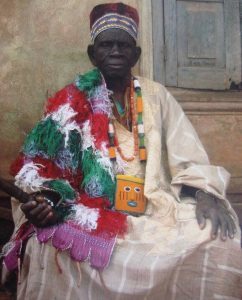
When folks consult with an Ifá or Òrìṣà priest, they often receive temporary taboos based on divination outcomes. For example, after a reading you could be asked to avoid wearing patterned cloth, to abstain from eating coconut, or to decline to host guests in your home for a few months. Insofar as the deities or oriṣa are also players in the larger ecology of reality, they also have taboos. Ram may be offered to Sàngó but not to Ọya. Hen may be offered to Ifá and Ọ̀ṣun but not to Ògún. Dog may occasionally be used to feed Ògún but not Yẹmọja. Palm oil is beloved to Èṣù but not typically given to Ọbàtálá. Like human beings, the deities have personalities and preferences as well as things that are distasteful or even problematic for them.
In this context I’m concerned with how Yoruba teachings on taboo and sacred difference can shed light on a blind spot in modern American culture around what I’ll call personal character or behavioral taboos. To clarify how personal character or behavioral taboos differ from widely shared cultural taboos and from the more familiar category of personal food and drink taboos consider the following examples. Some receive a taboo against jumping in to rescue people, while others in the same tradition walk with a taboo that discourages them from declining to help when asked. One divination signature comes with a taboo around arriving late while another carries a taboo on punctual arrival. Some receive the guidance that prosperity will come from living and working close to home in inherited professions while Ifá admonishes others to travel and innovate for success. Ifá counsels some to mediate disputes or speak out as catalysts for justice, while others receive taboos on getting too immersed in conflict, participating in protests, or speaking from a place of anger. Some are encouraged to have dogs as pets or raise animals for food while others have taboos on both. The tradition easily recognizes thousands of specific short and long-term guidelines that could be classified as personal-level behavioral or character admonitions and taboos (do’s and don’ts). Remember taboo is linked to the view that we have unique destinies to fulfill here on Earth, and therefore we each have a litany of things that can support or hinder us in that undertaking.
What if some of our avoidable interpersonal strife arises from the lack of a framework for respecting and even celebrating our different temperaments and paths of destiny? When we fail to proactively appreciate personal-level diversity, including within the same family and cultural group, we tend to fall back on the guidelines available to us; either believing that everyone should follow our cultural norms and/or that everyone should do what happens to be personally best for us. In either case, odds are high for miserable interpersonal outcomes. In contrast, Ifá/Òrìṣà tradition, like many other indigenous paths, affirms that life is not a one-size-fits-all situation and not everyone needs the same things to be happy and living their purpose.
Honoring Sacred Difference in Everyday Life. If we try on the view that we each have unique, personal destinies and that these soul-level differences give rise to somewhat different recipes for a successful life, how can we then apply this perspective in our everyday lives and relationships? Knowing that most people will never become involved in Ifá/Òrìṣà tradition or Yorùbá culture, how can a basic understanding of sacred difference benefit people of any background?
1. Cultivate a Vocabulary for Sacred Difference. You probably already have some vocabulary for intrinsic or soul-level difference that accounts for diverse personality traits and behavioral dos and don’ts. For example, many people identify with their astrological sun sign (e.g., Gemini, Pisces, Capricorn) or Chinese astrology patron (e.g., monkey, snake, horse) in part because this provides a non-judgmental language for personal differences. Traditions of numerology as well as more recent systems like the Myers-Briggs Test, the Enneagram, and Human Design speak in similar ways to a natural desire to be seen and welcomed for specifically who we are. Keepers of these and other systems seek to apply their respective vocabulary for sacred difference in ways that improve our personal lives and relationships.
In Ifá/Òrìṣà tradition we recognize hundreds of divine powers or deities; however each practitioner’s religious path and training within the tradition is personalized, again because we each have different destinies. Consider the tradition as a kind of university campus; we don’t all major in the same subject and there may be whole departments and professors with whom we have little contact. People new to traditional Yoruba religion often want to know, “Who is my patron or head òrìṣà?” Although West African lineages of practice may answer this question slightly differently from branches of the tradition based in the Americas, all agree that our path of destiny largely informs which deities or òrìṣà we ideally align in order to bring out our gifts and potential here on Earth. Although I’ve personally found the vocabulary for sacred difference in Ifá/Òrìṣà tradition to be especially nourishing, this is only one of hundreds of lovely intact traditional frameworks. Try to identify as least one map for personal difference that speaks to your mind and heart and then go deep enough into that framework to increase your tolerance and ability to relate skillfully with people who are organized in fundamentally different ways than you. Be able to describe, without judgment, at least eight to ten different types of people and to appreciate something about how they may need different things for their happiness.
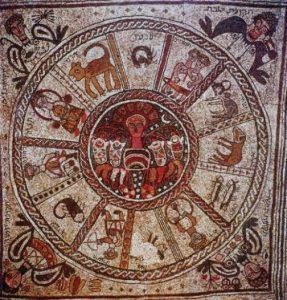
2. Try Not to Project Your Personal Settings Onto Everyone Else. This is often more tricky in practice than theory and it’s close to heart of the matter on sacred difference. To first clarify, allowing for personal differences does not mean we abandon universal or core values. For example, I personally hold human rights as defined by the United Nations as a kind of universal truth. Stated another way, in my cultural reality the violation of someone’s human rights is a universal or societal taboo even for people who don’t agree with me. In the United States we have a cultural taboo articulated in the First Amendment of the Constitution against one religion interfering with the free expression of another religion. Although I don’t have the power to enforce this preference, I believe this taboo would be beneficial for all nations to observe. I don’t care if your religion dictates that people of other religions should be treated as less than fully human; I’m not obligated to respect that view. There are times to stand in our understanding of universal truth, including the ways that these views take the form of laws and institutions. Culture is just like that; we advocate, hopefully in constructive ways, for what we believe to be the best shared agreements for everyone to follow. This kind of cultural stance around core values is entirely compatible with proactively preserving considerable space for personal difference.
While we navigate ways that our cultural settings differ within in our families, communities, and nations, considerable personal differences remain among individuals, even in families with strong agreement on cultural values. This is the terrain where having some kind of framework comes in handy, and I believe it’s a weak link in modern American culture. Let’s say you are conflict-averse and diplomatic with lots of watery qualities in your nature and your sibling is direct to the point of being confrontational. Whether it’s because they’re a Chinese Fire Rooster, an 8 on the Enneagram, a child of Shango or Thor, or a Capricorn with an Aries rising: whatever helps you not to judge them for being organized differently than you, go with that. You may still struggle with how they show up in the world, but the extra layer of judgment about who they are as a person is optional and counter-productive.
Another way to temper our tendency to project onto others is to proactively assume that others are not going to share your personal taboos. For example, maybe you’re a person who really needs to trust your first instinct about people and situations. You’ve been burned from getting too analytical and over-riding your intuition. You’ve discovered this truth about your life, and now you know better. A friend asks for your advice on how to navigate a situation. Are you safe to assume that they also need to trust their first instinct? What if it’s just as likely they learned the hard way over the past thirty years that they actually get better results when they don’t follow their first instinct? What if their formula for success includes analysis, dialogue with trusted friends, dreaming on a situation, and methodical deliberation? When we discover what’s best for us it’s often exactly that; incredibly useful information about what’s best for specifically us, no more or less. Another safe assumption is that from time to time we’re just going to project our personal truth onto others in annoying ways; because it’s human, because it’s easy, because we’re excited, and because we just get interpersonally lazy. When we realize we’ve done this, we can course-correct, name with humility what we believe has happened, and apologize or make amends when possible.

3. Assume Others Know Themselves Better than You. Even if you’re relentlessly full of judgments and opinions about others and how they ought to be, you can still cultivate a simple but potent habit of perception that I like to think of as “making space”. By that I mean intentionally holding in your awareness the physical, emotional, and spiritual space for others to exist as genuine sources of wisdom, surprise, and new data about reality. For me this looks like noticing my first reaction without letting it dominate my awareness, pulling back my energy and attention in a more contained way, and holding a stance of openness and curiosity about the beings, human and otherwise, with whom I come into contact. This respect for personal space, autonomy, and difference is more or less the opposite of pressuring others to be like you or to agree with you.
When I make space for others, I often notice they’ve been reflecting on their life and conditions well before meeting me. Sure, I occasionally notice things about people that they don’t see about themselves (and vice versa), but more often I find that people have some insight into who they are and what they require for their happiness. Chances are you’ve noticed the difference between people holding a kind and curious space for your experience and, in contrast, people hogging all the space, and letting you know what’s best for you. You don’t enjoy that second experience so why serve it up to others? Chances are you already see yourself as one of the respectful people who does a good job at making space for others, but how sure are you that you consistently extend this gift of presence? I know this is something I need to constantly work at, and based on the amount of unsolicited advice I receive, I know I’m not the only one.
A gentler way to approach the reality that you may have useful perspective to share with others is to begin with curiosity about how they already see a situation. “I notice you seem to struggle with such-and-such situation, and I wonder if you’d like to help me to understand how that is for you or what you’ve already found to be helpful.” Until we can listen with openness to the perspective that others already have about themselves, we may not be ready to give advice, and instead we run the risk of simply projecting our personal settings onto others. Remember: If we have different destinies, we also have different formulas for success. Your enthusiasm at discovering your formula does not necessarily translate into benefit for your sibling or neighbor and may even cause you to become an annoying person. By cultivating a habit of spacious, open-hearted listening, others will tend to feel seen and appreciated in their diversity, and your appreciation for differently beautiful ways of being will naturally increase.
People of any background can cultivate these and other simple habits of awareness that harness our tendency to notice difference as a celebration of beauty and diversity rather than fuel for subtle or even overt aggression. I give thanks to the rich and varied religious and spiritual systems that provide guidance for respecting and navigating sacred difference. These systems are precious ancestral legacies with medicine for modern troubles, and I gently encourage practitioners of all faiths to bring forward teachings that help devotees to more skillfully navigate our beautifully diverse modern world.
The post Taboo and Honoring Sacred Difference appeared first on Ancestral Medicine.
November 4, 2015
Mountain Speak: On the Restoration of Mt Umunhum, San Jose, CA
Translation and author reflection in Mandarin.
In early January 2009, I guided a dozen or so practitioners of diverse earth-honoring paths in a year of healing and honoring ceremonies focused in the Guadalupe Watershed. At the far southern end of San Francisco Estuary, the 170-square-mile drainage of the Guadalupe River includes the site of the most productive mercury mine in United States history, a sacred mountain for the Ohlone people (Mt. Umunhum) whose summit is still off limits due to lead and asbestos toxicity, dams on all creeks of any size, and nearly a million largely urban and suburban South Bay residents. In recent decades practitioners of earth spirituality have focused relatively less ritual work in the Guadalupe watershed than more frequented Bay Area sites such the East Bay hills, Mt. Tamalpais, or the city of San Francisco. Our circle began with the shared understanding that our efforts to establish trust and dialogue with the spirits of place in this historically desecrated watershed may require patience, tenacity, and abundant heartfelt offerings.
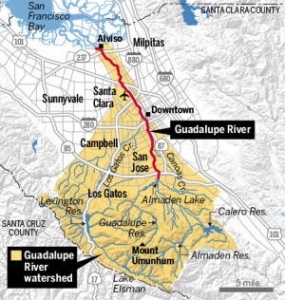
The twenty or so gatherings that followed brought about more magic and beauty from our weaving with the land than any of us could have imagined. The mining history of Alamden Quicksilver County Park in combination with nearby Mt. Umunhum, a sacred peak desecrated by a toxic, abandoned Air Force Base, served as opportunities for participants to learn to co-create rituals of earth healing and repair in an area of human abuse and neglect. Our core circle convened once a month for a full day of ceremony, and we complemented these monthly gatherings with open community events like river clean-ups, purification lodges, and native plant restoration events.
We spent the first half of the year in the highlands on and around Mt. Umunhum and the second half winding our way along Los Gatos and Guadalupe Creeks, through downtown San Jose to the Guadalupe River, and eventually out Alviso Slough near San Francisco Bay. Before each day-long circle, one or more of us walked the land, listening for guidance about what would be welcome and supportive to the spirits of place in the gathering to follow. We then brought these messages back to the larger group to assist us in preparing for that month’s ceremony. During our gatherings, we sang, drummed, prayed, cleaned up trash, made offerings to and engaging in visioning with the spirits of the land, shared personal stories and dreams, and sometimes established natural shrines to anchor and amplify various healing intentions.
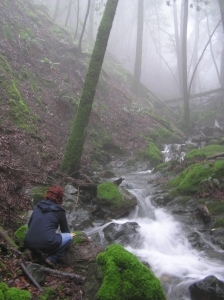
At the heart of our tending in the first season of the year was New Almaden Quicksilver Mine just south of San Jose. The site of the largest mercury mine in North American from the 1850’s until the 1970’s, New Almaden saw the extraction of nearly 85 million pounds (over 40,000 tons) of liquid mercury and the carving out of over 45 miles of mining tunnels. The mercury was primarily used to separate gold from its corresponding ore during the Gold Rush and in this way the mines at New Almaden came into being through a hunger for wealth that was also tremendously destructive for the Native peoples and the Holy Earth in other parts of California. Over a century later the entire Bay Area ecology, from human beings to microorganisms, continues to feel the effects of mercury pollution, and the Guadalupe River remains the single greatest source of mercury entering San Francisco Bay.
After spending a day in January on Mt. Umunhum along the upper Barlow Rd trail presenting offerings to the mountain and seeking guidance for the year, we then spent two full days in February and March at Almaden Quicksilver County Park, specifically on Mine Hill, an epicenter of past mining activity. In February we offered a full day of healing and honoring ritual for the human ancestors of place, specifically for those who died in mining accidents or mercury poisoning. This also included paying respect to indigenous Ohlone ancestors whose rich cultures and ways of life were profoundly disrupted from Spanish arrival in the 1770’s through the entire Gold Rush period and beyond. In March we returned to present abundant offerings and ritual apology to the other-than-human spirits whose bodies are the land there (e.g., water beings, plants and animal relations, spirits of metals, other nature spirits, and the Earth as a collective presence).
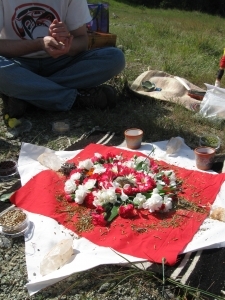
Both days of ceremony revolved around a Mongolian-style oboo or world mountain shrine (see the work of Sarangerel Odigan) consecrated together in February at Mine Hill. One intention anchored at the shrine was to ask the spirits of place to aid in healing addictive energies, including those of the type that fuel gold and mercury mining. We made intent to release addictive patterns in our own lives and placed a stone with other offerings to feed the work of transformation. The shrine has been visited and renewed/reconstructed, always with offerings (e.g., honey, tobacco, spirits, spring water, colorful prayer ribbons, food offerings) for the local powers.
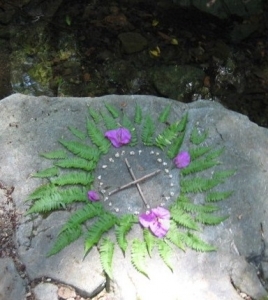
The rituals at Almaden were demanding in that we attempted in a short amount of time to establish a ritual anchor/shrine that could continue to feed the natural energies and be easily re-energized during subsequent visits. Once consecrated, the oboo seemed to function by providing a physical manifestation of the world center that could receive offerings and focus our modest efforts toward shifting the energetic balance at this place of historic desecration. From this opening season of rituals the rest of the year flowed relatively easily with a sense of synchronicity and increasing trust and interest from the spirits of place. The year series was particularly satisfying in that our gatherings occurred in a fairly concentrated area (the Guadalupe Watershed), we were able to include regular prayers in a Lakota-style purification lodge (inipi) led by a friend and sun-dancer in Los Gatos, and we also complemented the ritual work with several river clean-ups along the Lower Guadalupe.
In the spring we moved further up the mountain for several months of ritual along Upper Guadalupe Creek. At this same time news broke that U.S. Representative Mike Honda of California’s 17th District (including Mt Umunhum) was on the verge of a major breakthrough to secure funding for summit restoration thanks to President Obama’s economic stimulus package. We prayed for good outcomes both with the mountains spirits and in lodge and felt elated later in the year when, after decades of delays, the federal government finally confirmed most of the necessary summit clean-up funds!
The second half of the year brought us to the lowlands of the watershed, mostly along dry creek beds and the concrete pathways of the Lower Guadalupe. We consecrated peace trees for the ancestors of place in Campbell Park and Ulistac Natural Area, offered a despacho ceremony at Convergence Point in San Jose, and continued to lift up prayers in the nearby sweat lodge in Los Gatos. We felt bolstered by the news that summit restoration would begin in the coming years and like we were one small force in the larger reawakening of beautiful, ancient land spirits.
In January of 2010, shortly after the completion of our year commitment I received a very distinct message from the spirit of the mountain. This type of spirit message is somewhat unusual for me as I don’t consider myself particularly psychic or prone to spontaneous demands from the unseen. I was told that I needed to advocate, in writing, for the inclusion of a ceremonial space on the summit of the mountain. Although I felt skeptical about this being well-received, ignorant about the public input process or timing, and unaware of any other public park in the United States managed to include such a feature, I figured I had better give it a try. So, I drafted the letter, reached out to an Ohlone friend for input, and got another 30 or so folks to sign on before submitting the proposal to the director of Mid-Peninsula Open Space Preserve (Mid-Pen), the official stewards of the mountain. In addition to encouraging the inclusion of a ceremonial space in the plan for the restored summit, the letter strongly advocated for inclusion of Ohlone leaders in all decision-making.
To my surprise, shortly after delivering the letter I received a warm and constructive call from agency director Steve Abbors. And to the best of my knowledge Mr. Abbors and Mid-Pen have been true to their word that day about including Ohlone voices in the planning process. And as of September 2015 substantial progress has been made on opening the summit to public access, and all three versions of the final plan still include a designated “ceremonial space”. I don’t presume to know who or what exactly impacted the course of events, nor does it particularly matter. What I do know is that after being off-limits to the public for decades, in the next few years I’ll be able to stand near the summit of Mt Umunhum and offer prayers and praise in a designated ceremonial space. What I also know in my bones is that heartfelt ritual, when approached with humility and cooperation with the elder forces, can literally move mountains.
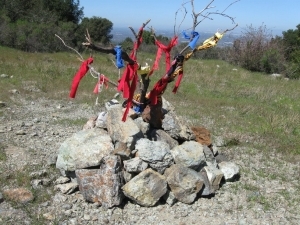
For more information on the summit restoration process see the excellent work of Mid-Peninsula Open Space on Mt Umunhum. For another excellent organization in service to the land in the South Bay, Guadalupe Watershed, see Ulistac Natural Area. To hear directly from a contemporary Ohlone leaders see Ohlone Profiles and this interview with Charlene Sul.
Mountain Speak: On the Restoration of Mt Umunhum, San Jose, CA
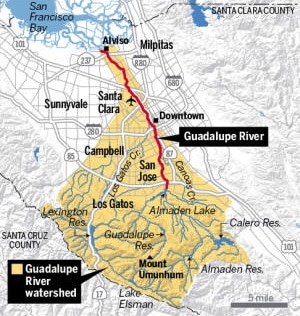 In early January 2009, I guided a dozen or so practitioners of diverse earth-honoring paths in a year of healing and honoring ceremonies focused in the Guadalupe Watershed. At the far southern end of San Francisco Estuary, the 170-square-mile drainage of the Guadalupe River includes the site of the most productive mercury mine in United States history, a sacred mountain for the Ohlone people (Mt. Umunhum) whose summit is still off limits due to lead and asbestos toxicity, dams on all creeks of any size, and nearly a million largely urban and suburban South Bay residents. In recent decades practitioners of earth spirituality have focused relatively less ritual work in the Guadalupe watershed than more frequented Bay Area sites such the East Bay hills, Mt. Tamalpais, or the city of San Francisco. Our circle began with the shared understanding that our efforts to establish trust and dialogue with the spirits of place in this historically desecrated watershed may require patience, tenacity, and abundant heartfelt offerings.
The twenty or so gatherings that followed brought about more magic and beauty from our weaving with the land than any of us could have imagined. The mining history of Alamden Quicksilver County Park in combination with nearby Mt. Umunhum, a sacred peak desecrated by a toxic, abandoned Air Force Base, served as opportunities for participants to learn to co-create rituals of earth healing and repair in an area of human abuse and neglect. Our core circle convened once a month for a full day of ceremony, and we complemented these monthly gatherings with open community events like river clean-ups, purification lodges, and native plant restoration events.
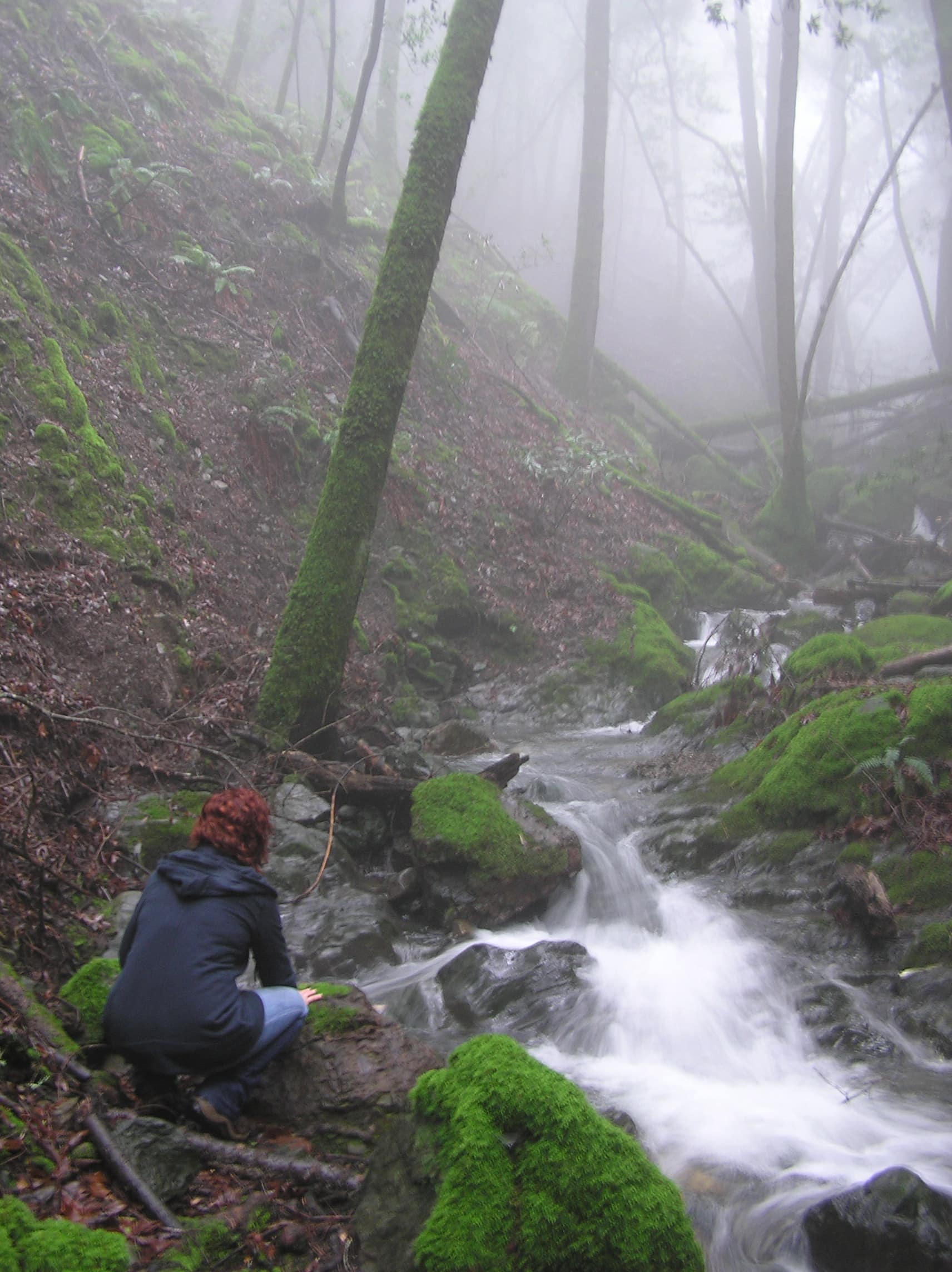 We spent the first half of the year in the highlands on and around Mt. Umunhum and the second half winding our way along Los Gatos and Guadalupe Creeks, through downtown San Jose to the Guadalupe River, and eventually out Alviso Slough near San Francisco Bay. Before each day-long circle, one or more of us walked the land, listening for guidance about what would be welcome and supportive to the spirits of place in the gathering to follow. We then brought these messages back to the larger group to assist us in preparing for that month’s ceremony. During our gatherings, we sang, drummed, prayed, cleaned up trash, made offerings to and engaging in visioning with the spirits of the land, shared personal stories and dreams, and sometimes established natural shrines to anchor and amplify various healing intentions.
At the heart of our tending in the first season of the year was New Almaden Quicksilver Mine just south of San Jose. The site of the largest mercury mine in North American from the 1850’s until the 1970’s, New Almaden saw the extraction of nearly 85 million pounds (over 40,000 tons) of liquid mercury and the carving out of over 45 miles of mining tunnels. The mercury was primarily used to separate gold from its corresponding ore during the Gold Rush and in this way the mines at New Almaden came into being through a hunger for wealth that was also tremendously destructive for the Native peoples and the Holy Earth in other parts of California. Over a century later the entire Bay Area ecology, from human beings to microorganisms, continues to feel the effects of mercury pollution, and the Guadalupe River remains the single greatest source of mercury entering San Francisco Bay.
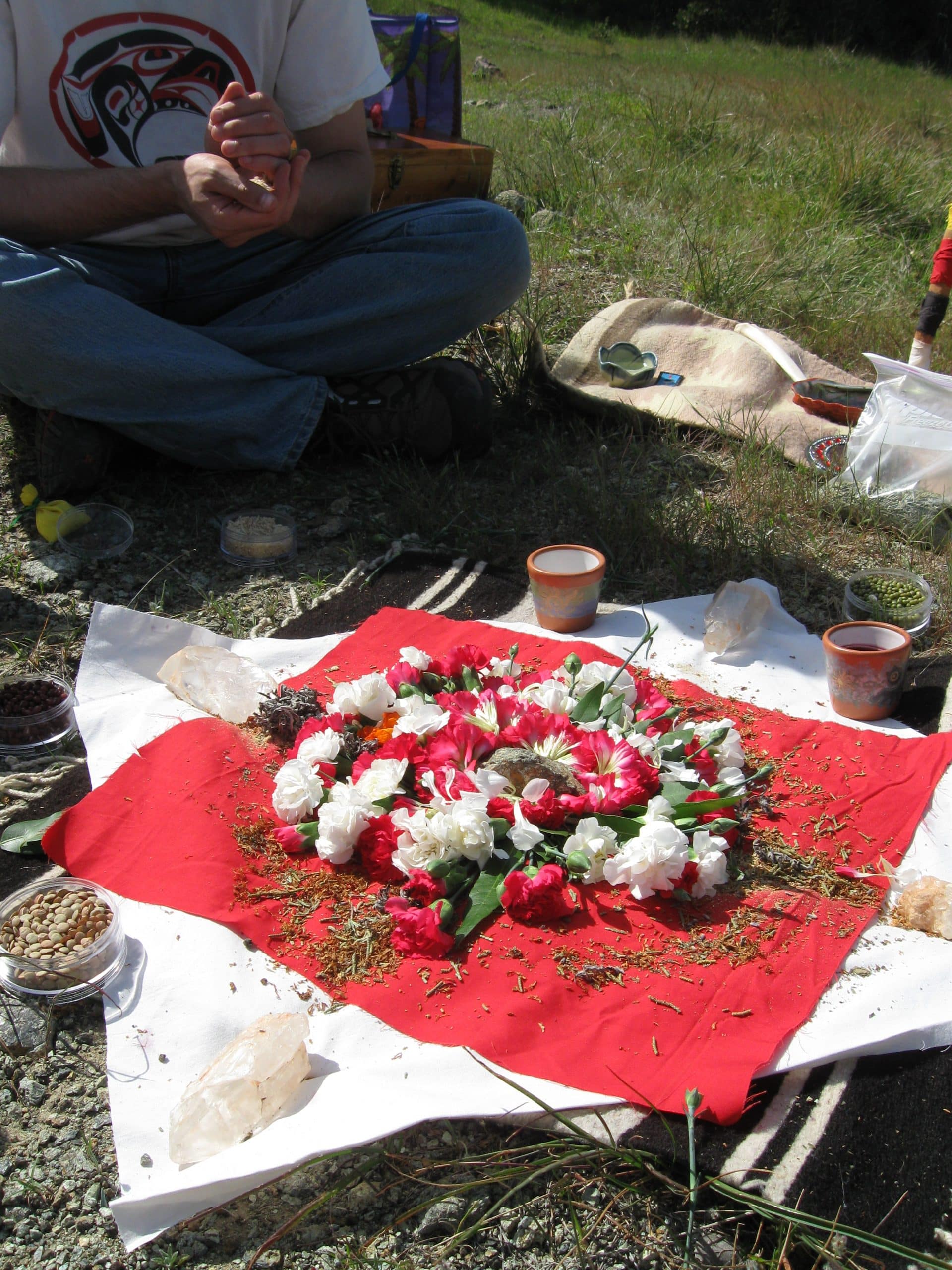 After spending a day in January on Mt. Umunhum along the upper Barlow Rd trail presenting offerings to the mountain and seeking guidance for the year, we then spent two full days in February and March at Almaden Quicksilver County Park, specifically on Mine Hill, an epicenter of past mining activity. In February we offered a full day of healing and honoring ritual for the human ancestors of place, specifically for those who died in mining accidents or mercury poisoning. This also included paying respect to indigenous Ohlone ancestors whose rich cultures and ways of life were profoundly disrupted from Spanish arrival in the 1770’s through the entire Gold Rush period and beyond. In March we returned to present abundant offerings and ritual apology to the other-than-human spirits whose bodies are the land there (e.g., water beings, plants and animal relations, spirits of metals, other nature spirits, and the Earth as a collective presence).
Both days of ceremony revolved around a Mongolian-style oboo or world mountain shrine (see the work of Sarangerel Odigan) consecrated together in February at Mine Hill. One intention anchored at the shrine was to ask the spirits of place to aid in healing addictive energies, including those of the type that fuel gold and mercury mining. We made intent to release addictive patterns in our own lives and placed a stone with other offerings to feed the work of transformation. The shrine has been visited and renewed/reconstructed, always with offerings (e.g., honey, tobacco, spirits, spring water, colorful prayer ribbons, food offerings) for the local powers.
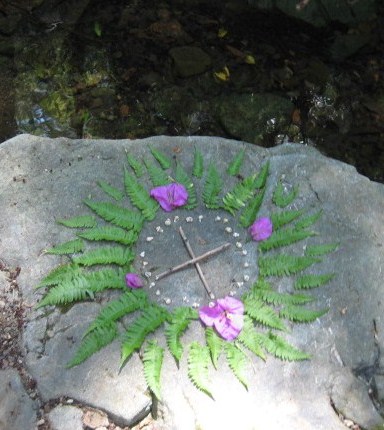 The rituals at Almaden were demanding in that we attempted in a short amount of time to establish a ritual anchor/shrine that could continue to feed the natural energies and be easily re-energized during subsequent visits. Once consecrated, the oboo seemed to function by providing a physical manifestation of the world center that could receive offerings and focus our modest efforts toward shifting the energetic balance at this place of historic desecration. From this opening season of rituals the rest of the year flowed relatively easily with a sense of synchronicity and increasing trust and interest from the spirits of place. The year series was particularly satisfying in that our gatherings occurred in a fairly concentrated area (the Guadalupe Watershed), we were able to include regular prayers in a Lakota-style purification lodge (inipi) led by a friend and sun-dancer in Los Gatos, and we also complemented the ritual work with several river clean-ups along the Lower Guadalupe.
In the spring we moved further up the mountain for several months of ritual along Upper Guadalupe Creek. At this same time news broke that U.S. Representative Mike Honda of California’s 17th District (including Mt Umunhum) was on the verge of a major breakthrough to secure funding for summit restoration thanks to President Obama’s economic stimulus package. We prayed for good outcomes both with the mountains spirits and in lodge and felt elated later in the year when, after decades of delays, the federal government finally confirmed most of the necessary summit clean-up funds!
 The second half of the year brought us to the lowlands of the watershed, mostly along dry creek beds and the concrete pathways of the Lower Guadalupe. We consecrated peace trees for the ancestors of place in Campbell Park and Ulistac Natural Area, offered a despacho ceremony at Convergence Point in San Jose, and continued to lift up prayers in the nearby sweat lodge in Los Gatos. We felt bolstered by the news that summit restoration would begin in the coming years and like we were one small force in the larger reawakening of beautiful, ancient land spirits.
In January of 2010, shortly after the completion of our year commitment I received a very distinct message from the spirit of the mountain. This type of spirit message is somewhat unusual for me as I don’t consider myself particularly psychic or prone to spontaneous demands from the unseen. I was told that I needed to advocate, in writing, for the inclusion of a ceremonial space on the summit of the mountain. Although I felt skeptical about this being well-received, ignorant about the public input process or timing, and unaware of any other public park in the United States managed to include such a feature, I figured I had better give it a try. So, I drafted the letter, reached out to an Ohlone friend for input, and got another 30 or so folks to sign on before submitting the proposal to the director of Mid-Peninsula Open Space Preserve (Mid-Pen), the official stewards of the mountain. In addition to encouraging the inclusion of a ceremonial space in the plan for the restored summit, the letter strongly advocated for inclusion of Ohlone leaders in all decision-making.
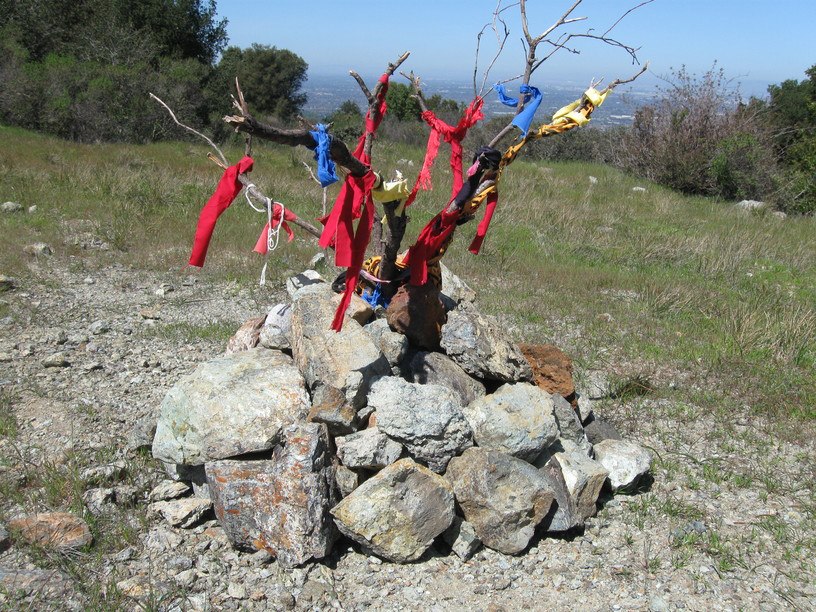 To my surprise, shortly after delivering the letter I received a warm and constructive call from agency director Steve Abbors. And to the best of my knowledge Mr. Abbors and Mid-Pen have been true to their word that day about including Ohlone voices in the planning process. And as of September 2015 substantial progress has been made on opening the summit to public access, and all three versions of the final plan still include a designated “ceremonial space”. I don’t presume to know who or what exactly impacted the course of events, nor does it particularly matter. What I do know is that after being off-limits to the public for decades, in the next few years I’ll be able to stand near the summit of Mt Umunhum and offer prayers and praise in a designated ceremonial space. What I also know in my bones is that heartfelt ritual, when approached with humility and cooperation with the elder forces, can literally move mountains.
For more information on the summit restoration process see the excellent work of Mid-Peninsula Open Space on Mt Umunhum. For another excellent organization in service to the land in the South Bay, Guadalupe Watershed, see Ulistac Natural Area. To hear directly from a contemporary Ohlone leaders see Ohlone Profiles and this interview with Charlene Sul.
The post Mountain Speak: On the Restoration of Mt Umunhum, San Jose, CA appeared first on Ancestral Medicine.
October 28, 2015
The Ghosts of Climate Change: Ancestors and the Global Ecosystem
“Climate change is profoundly related to the troubled dead and the growing number of troubled ghosts now on Earth.” When Oya, a Yoruba goddess of storms, transformation, and the ancestors, communicated this to me during ritual, I was taken aback. I’ve related consciously with my own ancestors and guided others in ancestral healing work for over a decade, but I had never imagined a direct link between climate change and work with the dead. The implications are still becoming clear, but here’s what I have so far:
Environmental problems issue from human behavior problems. Human-driven climate change, mass extinctions, and pollution of the world’s waters: these are all measurable outcomes resulting from ignorant and willfully selfish human choices. Specifically, many humans now hold the view that they are separate or in some way above the rest of the natural world. Others still see themselves as inseparable from “the environment” and, as a result, are less likely to disregard the ecological consequences of their actions, less likely to behave in ways that profoundly compromise the health of natural systems. Confusion about our role in global ecosystems directly underwrites damaging habits of dependence on climate-altering fossil fuels, and mending the illusory split between humans and the rest of the Earth is imperative for lasting policy and lifestyle changes.
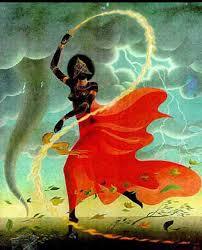
Human behavior problems are the outgrowth of ancestral problems. Ancestors are the unseen mirror of living human beings, the deep spiritual roots of family and culture here on Earth, and the medium by which culture is transmitted over many generations. Ecological degradation is the physical consequence of confusion in the human psyche about our place in the larger community of beings. This confusion among the living is often a breakdown in the intergenerational transmission of healthy culture, a disturbance with the ancestors. Disturbance in soil quality translates sooner or later into trouble among the leaves and flowers; when the ancestors are not well, the living suffer in turn.
Ancestral problems often take the form of troubled ghosts. For those in the habit of intentionally relating with the unseen, ghosts are quite real. And due to a lack of respect for ancestors in modern cultures and the rapidly expanding population, there are more troubled ghosts on Earth now than at any point in history. Ancestral healing often includes assisting these not-yet-well souls to join the healthy and elevated ancestors. When this occurs, the psychic energy of a troubled ghost or “earth-bound spirit” makes a fundamental transition to become a bright and supportive ancestor; disturbance between our world and the realm of the dead heals at the source. This often has a positive effect on the living and on locations previously associated with the ghost-turned-ancestor.
It’s precisely this leverage point, the need for transitioning the troubled dead, that Oya was emphasizing. Paganism, ceremonial magic, shamanism, and other earth-honoring ways often train practitioners to relate skillfully with the unseen, including with the human dead. For those with the skills and the willingness, she’s sounding the alarm, asking us to help mend the unseen roots of human confusion by working on the ghost problem. In taking this call to heart, I’ve noticed that many strategies for ancestral healing also apply with respect to earth or nature-focused ritual work. To name just a few of the themes common to both ancestral and earth healing work:
Grief is a natural and ritually effective response to loss. Traditional rituals to elevate the recent dead often emphasize the benefits of grieving, including for the spirit of the deceased. Heart-felt grief, especially when expressed in the vessel of community, supports necessary closure and also provides soul-level momentum for the transitioning dead to reach the realm of the ancestors. The species that step into extinction every day on Earth, the tremendous habitat destruction, the overall decrease in ecological vitality: these are also irreversible losses, also beloved dead to be grieved and occasions for feeling the full implications of our relatedness.

Elder spiritual forces guide the ritual repairs. When I guide others in assisting their beloved dead to join the ancestors, the first step is to help them come into relationship with the already-well elder ancestors. These ancestral guides and teachers then step forward to receive the transitioning dead and welcome them in their new role. With ecological symptoms like human-driven climate change, this same principle calls for staying in dialogue with the elder Earth powers who will ultimately weather whatever we dish out, to contextualize the current troubles against the larger backdrop of Gaia as a resilient and intelligent deity and living system. On the level of practice, this means approaching healing rituals (for the human dead, the land, or both) as a partnership with elder powers already positioned to guide the work.
Transforming destructive stories requires participation in new stories. Repair work with family ancestors often includes healing and forgiveness with both the living and the recent dead. By coming into relationship with the well ancestors, we claim our place in the lineage and increase our ability to be a force for a good within the larger family. Likewise with earth healing, until we become the Earth, until we see ourselves as embedded within global ecosystems, we forfeit much of our already modest leverage on future outcomes. Living the story of a future where we transform ecologically destructive habits starts by claiming our place in family, in lineage, and as intrinsic players in the ecology of this planet.
Ecologically destructive confusion that eats at the soul of humanity will continue until the troubled dead assume their place among the well ancestors. Taking a cue from Oya, I invite all those with the skills and inclination to consider complementing necessary lifestyle and policy activism on climate change with ritual work to assist the souls of the dead who are not yet at peace. Start by tending your remembered family ancestors and work out from there. Help a ghost; it’s good for the Earth.
This article was originally published in a 2014 Patheos series on Climate Change.