
Caylee Slansen's Blog
August 21, 2022
The Disturbance (Flash Fiction)

Her scream was loud enough to wake the dead, but not all of them.
Jack woke with a start. A door slammed from the hotel room next to theirs, followed shortly by two raised and agitated voices. He looked at Laura concerned that the neighbours disregard may have disturbed her, still, she slept peacefully in the simple bed.
Jack found himself contorted in a grandiose chair tucked in a corner of the room. Even in the dark the mismatched furnishings struck him as rather odd. He wondered why Laura had ...


December 31, 2021
New Year, Old Books
I've always had a love of old books. Perhaps it's the smell, the stained pages, or the scribblings in their margins from owners long since gone. Whatever it may be, I want nothing more than to surround myself with old books and the little trinkets they keep tucked away inside.
We may be entering a new year, but I thought it would be nice to look over some of my old books and, perhaps, travel back in time.
March 12, 2021
A Planner Tries Pantsing
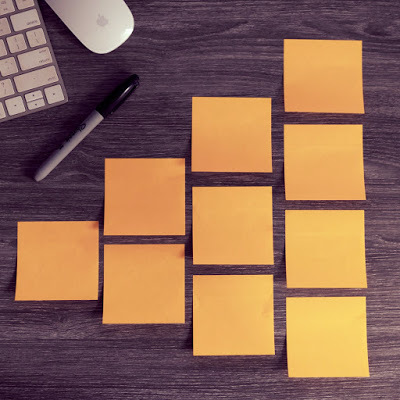
I'm a Planner. I love outlining. I love organising. I love sticky notes plastered all over my wall. In fact, I enjoy it so much that planning is my go-to method of procrastination (that and Pinterest of course). It makes me feel productive, even if all I'm really doing is busy-work and not actually making any progress towards my goal. And if you've read my Winning NaNoWriMo: Lessons Learned blog, you'll know that I also discovered that I have a tendency to over-plan, which removed another side o...
March 8, 2021
Finding Recovery in Routine
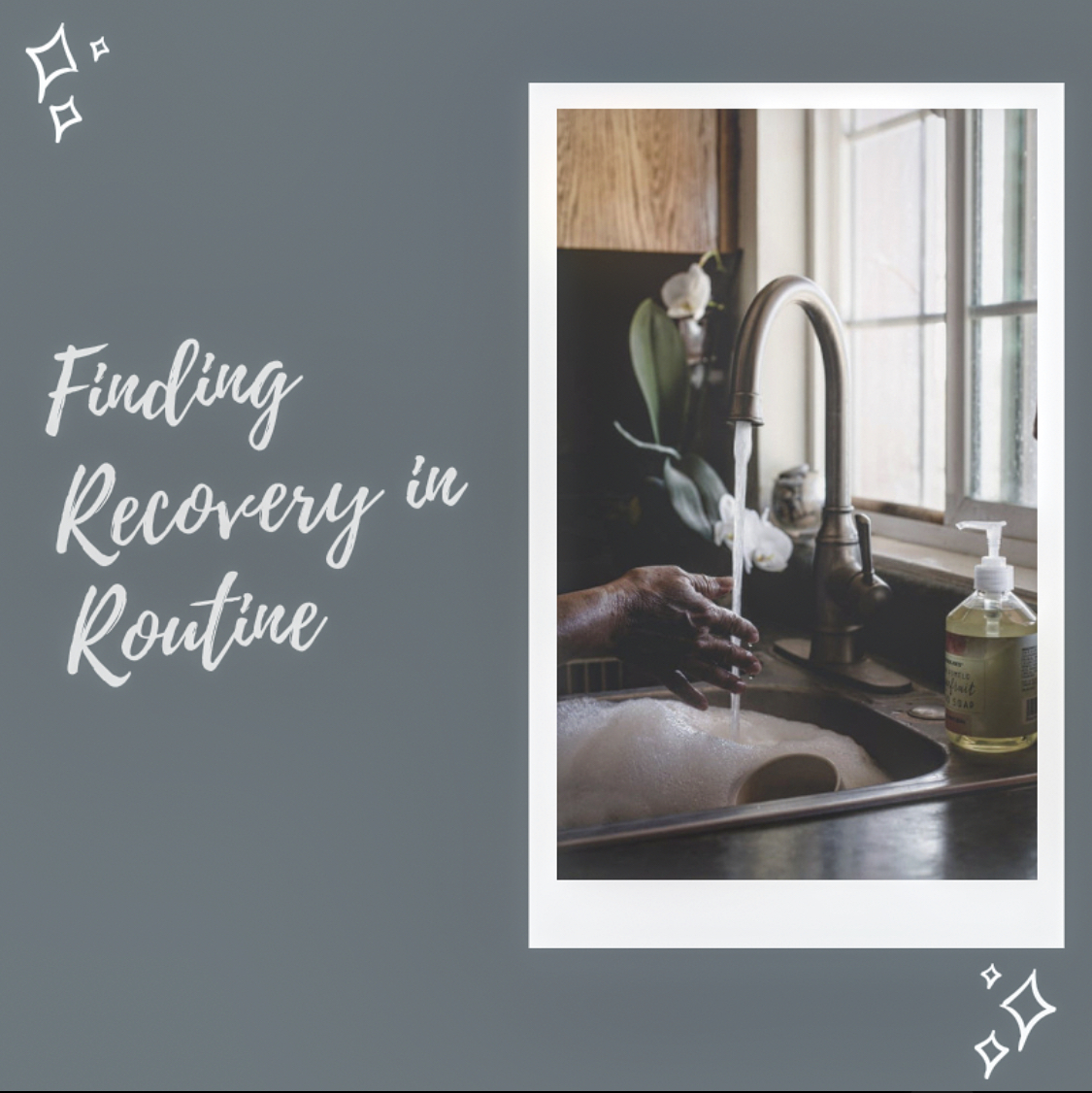
As an essential worker, it's been non-stop since the pandemic started. I am lucky that I am able to work from home, but it was becoming harder and harder to switch off from work. Even when I could, I filled my time with busy-work, anything to avoid acknowledging the boredom and the claustrophobia the pandemic had brought in. Inevitably, I burned myself out. I knew I had to make changes, but I wasn't sure where to start. So, I started small.
I used to hate washing the dishes. It was a tedious ch...
January 29, 2021
Reading Your Drafts: Tips and Tricks
I wrote the zero draft to my supernatural horror novel "Laerton" in November 2020 during NaNoWriMo. This month I sat down and read it from start to finish. I'm not going to lie, it was painful and it took more than a few attempts to get through it, but I did it.
Reading a draft is always tricky, whether it's your first or your hundredth; there's something about reading your own work which may not sit right, but what kept me going was knowing that I had achieved something. I had finished writing a draft. It may not be pretty, it may not even make sense, but it exists and that is something I really can take pride in.
Along the way, I found a few 'hacks' which helped give me the motivation I needed and I wanted to share them with all you lovely people.
1) Print your writing
There are plenty of resources out there that will tell you that printing your writing will help you to read it with a 'different eye', but for me it was the excitement of seeing my novel in more of a book format. Seeing each page printing in front of me, all the words I had written now in ink, page after page of sweat and tears - it was a whole different experience to seeing it on my laptop screen.
Once printed I used a comb binding machine that my partner got for me as a Christmas present. There are services online that can do this for you, but personally I like playing with new toys and I found the whole experience to be quite relaxing. Seeing my draft printed and bound made the process feel more real, and I couldn't wait to sit down and read it. But that, of course, was the hardest part.
2) Let it haunt you
I put my draft somewhere where I would see it every day, even occasionally moving it to a new location so that even when I tried to ignore it, I couldn't. It haunted me. The only way I could defeat it was to exorcise it. I'd pick it up, take a deep breath and read the first paragraph in which I would then immediately fall into despair. "This writing is terrible. The voice is all wrong. Why did I think this plot would be a good idea?" Every day I was reminded that I needed to read it, but I never thought I'd be able to get through reading it.
But then, I discovered the third hack.
3) Exercise
One morning as I was getting ready to go on the exercise bike, I felt in the mood to read something. I considered listening to an audiobook, but then I saw my draft sat there, staring at me. I figured why not take it with me. I could at least give it a try. And it worked! I'm not sure what it was but I managed to keep reading it. I even continued to read it after I had finished my workout. Thank you endorphins! I don't know exactly why it helped, but something clicked. I was able to see the things I did like about my writing. I could see the potential in the story. I could see the things I didn't like in a less critical way. I had finally tamed the beast.
Now I just need to re-write it.
December 6, 2020
Winning NaNoWriMo: Lessons Learned
This year was my first time participating in NaNoWriMo and I absolutely loved it. The community is amazing and my buddies really helped to spur me on (my competitive nature didn't hurt either 😉).
I learned a lot about writing and my attitude towards writing throughout those 30 days and I wanted to document them in a place where others may also be able to benefit from them, so please do read on if you're interested!
Successes
Outlining: I completed the outline of my novel in Preptober and even went as far as writing scene cards for the first half of the novel. These were incredibly helpful in giving me a jumping point for the start of each writing session and I only found myself stuck when I ran out of scene cards.
Buddies: I really don't think I would have won NaNo had it not been for my buddies. Having someone to hold me accountable with regular check-ins made sure NaNo was kept front and centre in my mind. I loved having someone to cheer me on (and being able to cheer them on) as I never felt alone in my writing.
Zero word days: I'm all too familiar with burning myself out and I was very much aware that if I had any chance of winning NaNo, I had to pace myself. I made it a habit of aiming for 2k words a day, particularly in the first few days, so that I could have days off throughout the month. Those rest days ensured that I felt excited about writing for most of the month and also allowed me to spend time with those important to me. I wanted to use NaNo to develop a healthy writing habit, one that I could maintain going forward, and I think I managed to crack this (with the exception below).
Word count: seeing my word count go up and moving closer and closer to the 50k mark was a great motivator. So much so that when I reached 35k, all I could think was how I was only 15k away and with my current writing speed (approx. 2k words an hour) I could reach 50k in a day or two. This resulted in me deciding one Saturday morning to aim for a 15k day because, why not? I may have been a little too optimistic as I didn't achieve that 15k, but I did write 12.5k. I was blown away! I don't think I've managed to write that much over a few months in the past, let alone in one day. The next day I wrote the final 2.5k words needed to get me to the end. I couldn't believe I had won NaNo; a week early too!
Every 1000 words: I have been binge-watching Kate Cavanaugh's YouTube videos and she talks about writing a '1000 word sentence' in NaNo. The concept is that for every 1000 word you write in your draft, you note down the word and at the end of NaNo use those 50+ words to try and write a sentence/paragraph using only those words. This actually ended up being one of my biggest motivators as I never felt too far away from that 1000 word and I was always excited to see what word I would get. I had a blast writing the paragraph at the end too and I'm pretty pleased with how it came out. If you're interested in what my paragraph was, you can read it here.
Zero draft: NaNo was great for writing my zero draft. I definitely prefer the editing part of the writing process which has meant I've really struggled to finish drafts in the past. This was my first time writing a zero draft and it helped me to switch off my editorial brain and get that daily word count. As tempted as I found myself to go back and revise what I had written the previous day, I knew this wouldn't help me in achieving my daily word count. NaNo made sure that I kept pushing forward, and knowing that I was working on a 'zero' draft helped to remind me that I was basically dumping my thoughts on a page.
Different points of view / different scenes: whenever I found myself getting stuck (mostly around the murky middle), I found that working on a different scene or from a different point of view really helped to get me back into the flow. At one point I even started writing the end of my novel and worked my way back to the middle. This really helped me work out some of the scenes that needed to happen in order to reach the end.
At other times I switched the point of view I was writing in and that allowed me to see the story from a different perspective. Knowing what was happening elsewhere, even if it doesn't make it into the final cut, gave me a more detailed understanding of my story.
Challenges
Outlining: as helpful as this was, it was perhaps a little too helpful. I did find that my scene cards were quite detailed and I often found myself almost copying the scene cards word-for-word which hindered my creative juices as I couldn't get into a flow.
Burnout: My decision to write 15k in one weekend might have been my undoing. I had been maintaining a pretty healthy writing habit prior to that, but the excitement of finishing my zero draft was just a little too much for me to resist. Whilst it was a great feeling to hit that 50k mark and write 'The End' on my zero draft, it did mean that I spent the rest of the month taking a much-needed writing break.
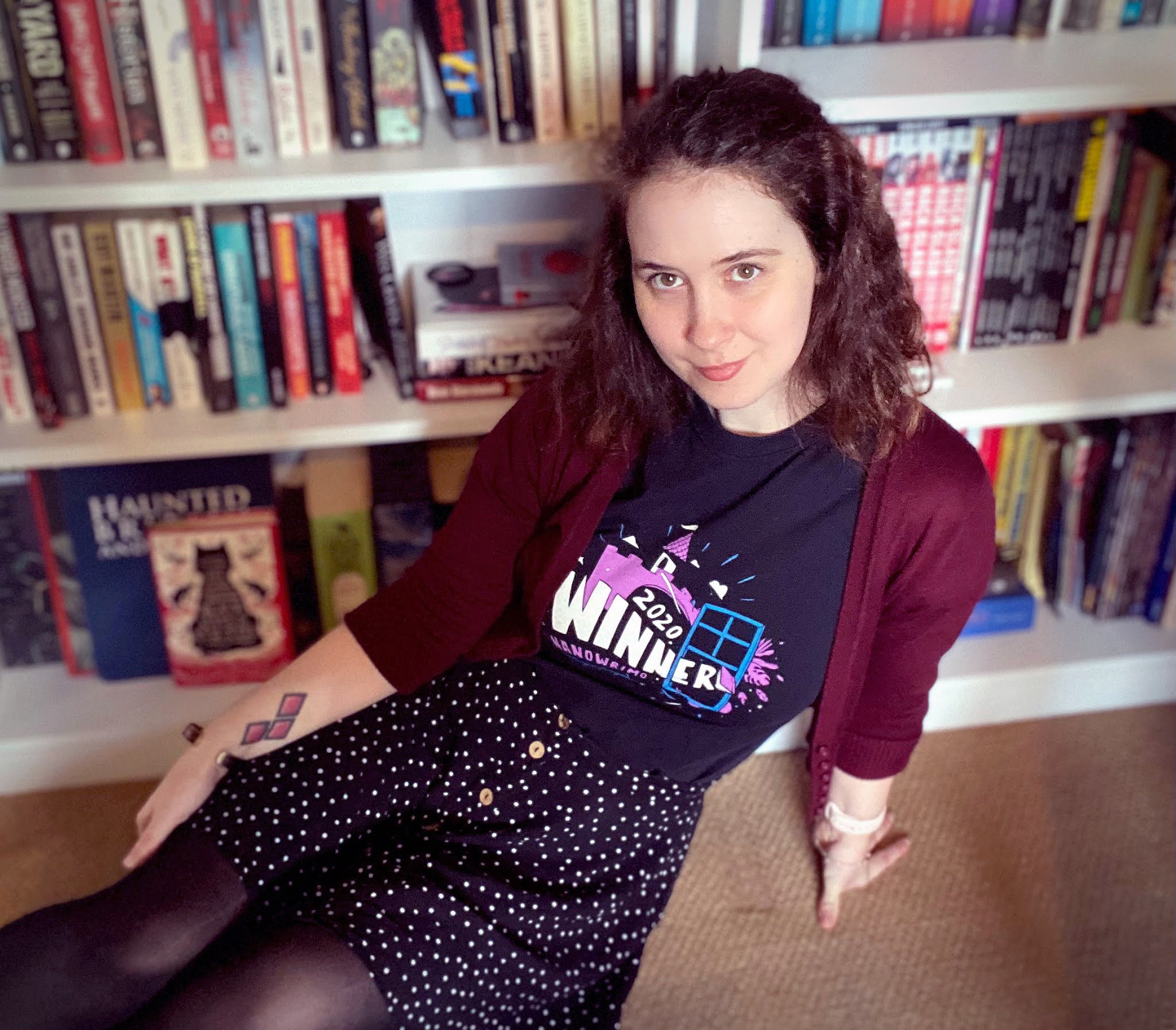
Rewards: I set myself rewards for every 10k that I wrote, and even though I did choose things that I did really want, they just didn't motivate me. I don't think I'll use milestone rewards in the future, but I did like treating myself to the NaNo winner t-shirt, so I may use NaNo winner merch in the future.
Lessons Learned
Outlining: this certainly helped to give me a starting point for each writing session, but next time I will keep the scene cards to brief bullet points and use them as inspiration rather than explicitly telling me what I should be writing about.
I can reach daily word count goals: now I have an understanding of how much I can actually write, there's really no excuse for me not to write going forward. Even if it's just a few hundred words a day, they all add up in the end. I have a better understanding of how much I can write in an hour (on good and bad days) so I have an idea of what an achievable goal is for me. Maintaining this habit will really help me attain my goal of finishing my novel.
Every 1000 words: this was perhaps the most-effective motivator for me. It kept me excited about my writing and would push me to write 'just a little bit more' in each session to get closer and closer to that 1000 word. I really liked the paragraph I ended up writing and I think it will be really interesting to see what other paragraphs I write in future NaNos.
Buddies: having a few buddies for NaNo really helps to keep me motivated. I don't need to do this on my own!
So how about you? Did you win NaNo this year? What did you learn from it? Please do share your thoughts down below - I would love to know!
November 23, 2020
Every 1000 Words
For NaNoWriMo this year, and as an additional motivator to sit down and write, I noted every 1000 word written in my draft. With those words, I challenged myself to write them into a paragraph.
Below is what I put together. I had a lot of fun with this and highly recommend you try it yourselves! Please do post your 'Every 1000 Words' in the comments - I would love to read them 😊
Michael wades from the dark room where he and Alyssa connected. The door seems to react to both of them. Look, write, escape. With preying echolocation, she had embraced him; enough colour died but not the heart. Looks back at some layout – this place feels much luck – it is left.
October 31, 2020
My NaNoWriMo 2020 in Gifs
2020 is my first time participating in National Novel Writing Month and I wanted to journal it in the way I feel is most appropriate — gifs!



22 November 2020: I won NaNoWriMo! I'm taking the rest of the month off for a much-deserved rest 😅 Keep an eye out for my upcoming blog covering what went well and what not-so-well.
For those of you still participating in NaNoWriMo - keep going! The end is in sight and you can do this! 💪
October 19, 2020
Writing Approach
I’ve always been scared about writing a novel. Like many, I try, but then get scared by the blank page. I feel daunted by the mammoth task in front of me and end up abandoning it, thinking some other magical day I’ll feel braver. This year I decided it had to change. Maybe it was turning 30, or maybe it’s the pandemic, I’m not sure, but either way, I’m determined to write my first draft.
I started by signing up for NaNoWriMo. It’s my first time doing it and it has already helped me out a lot. I’m a planner so I’ve been working on my outline in Preptober, and while doing so, I had an epiphany. The approach I use to write my novel should be the same as how I write my code. Bear with me…
My day job is software development, and often there’s complex or chunky work that seems quite intimidating at first. I sit there and think, “how in the world am I going to start this?”. And then I do. I don’t think too much about it, I just start writing code telling myself “I have to start somewhere”. The key for me is to write code that’ll more or less work. It doesn’t have to be pretty, it doesn’t have to be efficient, it just has to work. After that, I can go back and fine-tune it. Sounds familiar, right?
I don’t know why it took me so long to realise that the approach I need for my writing is the same thing I do day-in, day-out, but the main lesson I will take away from this is that even if I feel like I have no idea what I’m doing, I always figure it out in the end.
Caylee Slansen's Blog

- Caylee Slansen's profile
- 1 follower

