Nancy Lawson's Blog
January 18, 2025
The Power of Small Moments
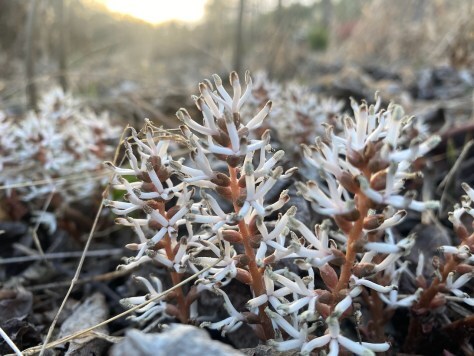
Journalists often ask for my origin story. I’ve learned to respond with quick, digestible answers, rooted in certain revelatory experiences about interdependencies of native plants and wildlife.
But the truth is less straightforward. Many of the decisions we make and the paths we take grow from the accumulat...


January 16, 2025
Want to Save the Bees? Look Down!
To grow plants, we can tap into abundant resources for information about their preferred soils, rainfall and other conditions. But what does it take to grow a bee?
That question is top of mind for scientists studying a little-known but critical group of pollinators: the solitary native bees nesting beneath our feet.
“One o...
October 4, 2024
Pulling Stiltgrass
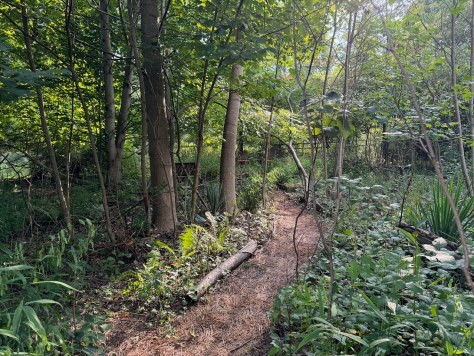 This mini-woodland started with volunteer tulip trees and sassafras, which sprouted among turf and stiltgrass. It’s now filled with an herbaceous layer of sedges, grasses, ferns and wildflowers, including many that sprouted on their own. (Featur...
September 21, 2024
Deer Eat This Garden (and It Flourishes)
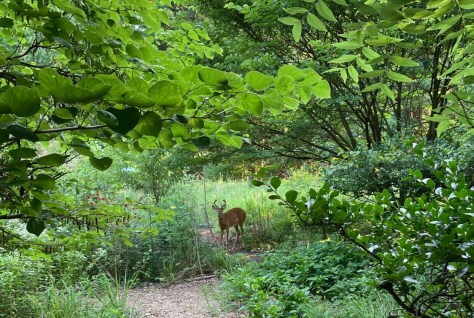
When deer passed through my habitat this summer, they ate the tops off the brown-eyed Susans. They browsed low branches of walnuts and tips of swamp milkweed. They pruned black raspberries, sumacs, sassafras, shrubby St. John’s worts, common evening primroses, tall phlox, violets, fleabanes, Jerusalem artichokes, elderberries and white wood asters. They munched on pokeweed and jewelweed, wild lettuces and wil...
August 30, 2024
What Lies Beneath: Treasures in the Seed Bank
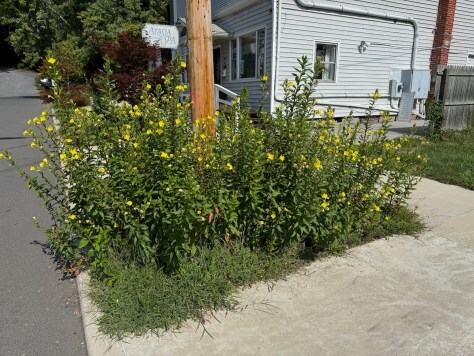 It’s likely no one planted these primroses in downtown Berkeley Springs, West Virginia. They might have been dormant in the seed bank for decades.
Common evening primrose is an outlier, always hanging around the edges of the garden party but banished from the inner circle. As its scientific name implies, Oenothera biennis has a two-year life cycle, lending it an air of unpredictability (“N...
August 20, 2024
Wasp Watching
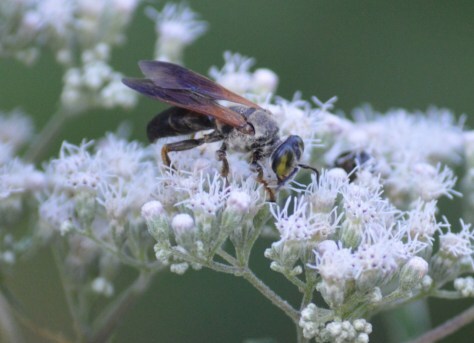 The vast majority of wasps, like this one in the Tachytes genus, are solitary and very unlikely to sting. Most make small, inconspicuous nests in the ground.
If you’ve ever wondered what it’s like to be stung on the tongue, ...
February 11, 2024
Road Warriors for Wildlife
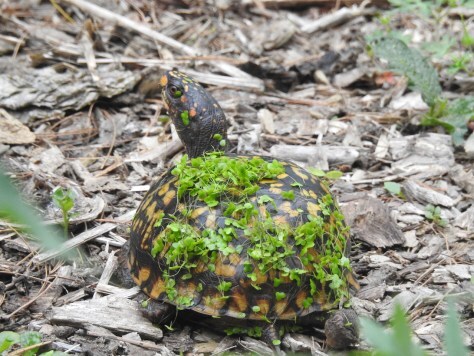 Above: A box turtle leaves the pond in my habitat. (Photo by Nancy Lawson) Featured image, top: One of many turtles rescued from the bulldozers. (Photo by Michelle Riley/The HSUS)“We inhabit a world as angular and broken as a corn maze, all edge and no heart.”—Ben Goldfarb, Crossings: How Road Ec...
January 17, 2024
Is Your Yard Undergrown?
 Once entirely turf, this area of our habitat is now filled with volunteer tulip trees and staghorn sumacs as well as sea oats, sedges, irises, ostrich ferns, sedums, Virginia bluebells, and many more native treasures. Far from being “overgrown,” it’s simply growing in as nature intended.
If you have a turfgrass lawn on most of your property...
September 14, 2023
Stop Squishing Spotted Lanternflies
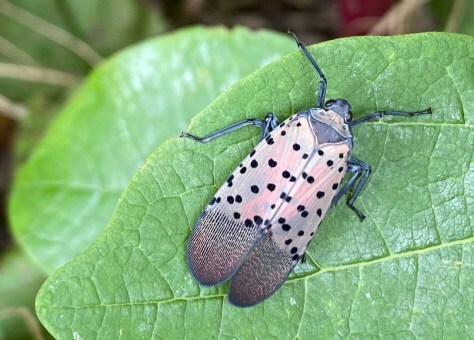
I dreaded the day the first spotted lanternflies would show up in my habitat, but not for the reasons you might think. I dreaded it because I knew what would accompany the arrival of these insects in my region: a flood of frantic posts and messages sounding hyper-alarm bells: “Oh no! Is this a sp...
May 30, 2023
Twinkle Twinkle Little Firefly
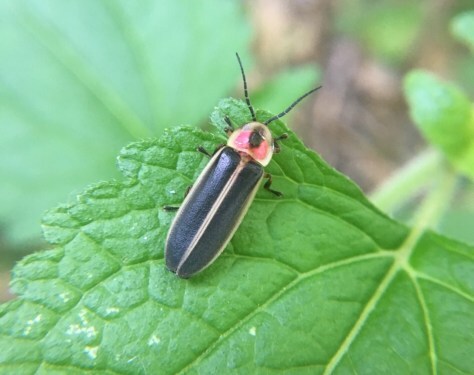 The common Eastern firefly, also known as the Big Dipper, starts displaying at dusk. (Above photo: Nancy Lawson; featured image, top: Terry Priest/frfly.com)
Soon the Big Dipper fireflies will start writing their love letters across our back meadow, lighting up the tall grasses with their scrawling J-...