Joslyn Chase's Blog
October 12, 2026
What makes a compelling suspect list in mystery novels
A compelling suspect list feels like a buffet where every dish looks good. Not just “here are five people who might’ve done it.” I mean you, as a reader, are genuinely torn. You keep switching your bet. You’re wrong. Then you’re right. Then you’re wrong again. That’s the fun.
When I’m writing mysteries and thrillers, I’m always thinking about immersion. I want you living in the story. Heart ticking up. Brain doing the little red-string-board thing. A good suspect list is one of the fastest ways to get you there.
Make every suspect feel like a real person with a real messHere’s the deal…a suspect list dies the moment it turns into a lineup of cardboard villains. You can smell it. Readers can always smell it.
I want to breathe life into each suspect, giving them a realistic and personal pressure point so your reading experience feels believable. Something they’re trying to hide that isn’t automatically murder.
Because most people, even in fiction, aren’t waking up, rubbing their hands together, and thinking, “Time to commit a felony.”
They’re thinking, “Please don’t let my spouse find this,” or “I can’t lose my job,” or “I did one stupid thing and now it’s following me.” That’s human.
Give them motives that aren’t copy-pasteThe standard motives can be in play. Money. Jealousy. Revenge. And sure, those can work. But the motive has to feel specific to that character’s life. Not just a label.
Instead of “wants the inheritance,” I’ll write the inheritance as the last chance to keep a family home that’s basically their identity. Instead of “jealous lover,” I’ll make it about control. Reputation. A private humiliation they can’t shake. That’s when you, the reader, start thinking, “Okay… I get it. I don’t like it. But I get it.”
Let them be likable in the wrong momentsIt bugs me when I read a book where every suspect is rude, smug, and sketchy on page one. Then what’s the puzzle? Everyone did it, apparently.
I like giving suspects a tiny bright spot. A sincere act. A joke that lands. A moment where they’re kind to someone who can’t do anything for them. It makes you hesitate before you convict them in your head. And that hesitation is gold.
The thing is, as readers we want fairness. Not perfection. Fairness. We can forgive a lot if we feel we’re being fairly dealt with. But we don’t like being played.
I strive always to plant evidence that has weight. Physical traces. Digital trails. Timeline weirdness. Witness statements with a wobble in them. But I try to keep it a bit smudgy. Slightly interpretive. Not a neon arrow.
Use evidence that can be read two waysIn my experience, the best clues are the ones that mean one thing early and a different thing later. Not because I changed the rules. Because you didn’t have context yet.
Example: A suspect’s fingerprint on a glass. Early on, it screams “They were there.” Later, you learn they handled the glass at a party the night before. Still suspicious, sure. But now it’s complicated. That’s the whole thing.
If you like obsessing over how thrillers pull this off, I’ve got more on the bigger genre mechanics in my main guide to mystery, thriller, and suspense fiction and why it hooks readers. That reader-hooking logic matters here too.
Let red herrings have consequencesA red herring shouldn’t be a goofy detour. It should cost someone something. A relationship cracks. A job gets threatened. A witness clams up because they’re scared.
When the investigation pushes on the wrong person, the story should still move. Otherwise it feels like filler. And thriller readers hate filler. I do. You probably do too.
Balance the suspect list so it stays tense, not crowdedMore suspects doesn’t automatically mean more suspense. Sometimes it means mush. Names blurring. Motives repeating. You forgetting who owns which alibi.
I aim for a suspect list that’s small enough to track, but varied enough to sting. Different ages. Different power levels. Different relationships to the victim. Different things to lose.
Make sure each suspect changes the story when they show upHere’s what I mean. Every time a suspect enters a scene, something should shift. New info. New threat. New emotional temperature. If they walk in and it’s just another chat? They’re not really a suspect. They’re wallpaper.
One trick I sometimes use is giving each suspect a “signature friction.” One person stonewalls. Another overshares. Another tries to charm the investigator. Another goes quiet and watchful. You feel the difference in your bones.
Use proximity and power as built-in suspicion enginesPeople closest to the victim are suspicious. People with power are suspicious. People with nothing to lose are suspicious. You see how this multiplies fast.
The fun is varying what “close” means. Emotional closeness. Financial entanglement. Shared secrets. Shared history. Sometimes the suspect isn’t physically near the crime. But they’re threaded through the victim’s life anyway.
Give each suspect a secret that’s not the main crimeHonestly? This is where a lot of books level up. Each suspect has a hidden thing. Not murder. Something else. Something that makes them lie.
Because if only the killer lies, the killer glows in the dark.
Build a web of smaller wrongsI’m not talking about making everyone evil. Just… messy. Human. People cheat. Steal. Cover up accidents. Hide addictions. Pay someone off. Or they did something years ago and they’re terrified it’ll surface.
Those smaller wrongs create organic misdirection and heighten tension. The reader thinks, “Aha, got you!” And they do. But they may have caught a minnow while the big fish swims away.
And for suspense readers, this is emotionally satisfying. You’re not just solving a puzzle. You’re watching lives crack open under pressure. That’s the immersive experience I’m always chasing in my own fiction.
Let the investigator misread a secret at firstI’ve written scenes where the detective or amateur sleuth is sure a suspect is hiding guilt. The suspect is hiding something, yes. Just not the expected.
That moment, the reveal of the smaller secret, can do a lot:
It clears one suspect without making them boringIt deepens the victim’s relationshipsIt adds a new angle on motiveIt tightens the timeline in an unexpected wayIt gives the reader a fresh theory to chaseMake the suspect list feel personal, not mechanicalSo, you know what separates a “fine” mystery from one you can’t stop reading at two in the morning? Personal stakes. And not just for the victim.
The suspects should matter emotionally. To the investigator. To the community. To the reader’s sense of justice. When a suspect gets accused, you should feel the weight of it. Even if you think they might deserve it. Especially then.
Use relationships that force uncomfortable choicesOne of my favorite pressure cookers is when the investigator needs something from a suspect. Information. Access. Help. And the price is moral compromise.
Or when the investigator has history with them. Ex-partner. Former friend. Previous mentor. Someone who once saved their life. Now they might be a killer. That’s not just plot. That’s emotional stimulation. The good kind. The kind suspense readers come back for.
If you want more character-focused ideas in this lane, you’ll probably like my category page on mystery and thriller characters readers love. I’m obsessed with the way character choices create suspense without extra explosions.
Let suspicion evolve, not resetI’m not a fan of suspicion that resets every chapter. “Now it’s this person.” “Now it’s that person.” Like a spinning wheel. It feels artificial.
Suspicion should evolve. A suspect gets cleared, but their lie reveals a bigger lie. Or they’re still suspicious, just in a new way. The reader’s mental map changes. Not the whole book doing a hard left for no reason.
FAQs for What makes a compelling suspect list in mystery novelsHow many suspects should a mystery novel have?Most of the time, I like a smallish group you can actually track. Think “memorable handful,” not “phone book.” If readers can’t remember each suspect’s vibe, secret, and connection to the victim, it’s too many.
How do you make suspects feel suspicious without making them all look guilty?I give everyone a reason to lie that isn’t necessarily connected to the main crime on tap. Then I make their lies collide with the investigation in believable ways. A hidden affair creates a fake alibi. A financial secret makes them delete messages. A past crime makes them panic when police show up. They look guilty. They aren’t definitively guilty. And you, as a reader, get to stew in that uncertainty. Delicious.


September 28, 2026
Best mystery fiction subgenres for new readers
Start with the kind of mystery that matches your brain on a Tuesday night. Not the kind you think you “should” read. Because picking the wrong subgenre is how people decide mystery “isn’t for them.” It is. Trust me, there’s something for you here. You just have to grab the right flavor.
I write mysteries, thrillers, and suspense for readers who want that immersive, forget-to-check-your-phone feeling. So I pay attention to what hooks new mystery readers fast. And what makes them bounce off.
Let’s get you into the good stuff.
Classic detective stories when you want a clean puzzleSometimes you just want a fair fight. A crime. A trail. A reveal that makes you slap the couch cushion and say, “Of course!”
This is where classic detective and traditional whodunits shine.
What the vibe feels likeOrder. Even when things are messy. The book is basically saying, “Stay with me. I’ll guide you to the light at the end of the tunnel.” You get clues, red herrings, interviews, and that satisfying snap at the end.
I used to think classic whodunits were “old fashioned.” Turns out I just hadn’t found the right ones. When you’re new, the structure can be a relief. Especially if you’re coming from thrillers and you’re tired of chaos merely for the sake of chaos.
My pick for your first tryGo for a modern traditional mystery with a strong lead voice. A detective with a little attitude helps. So does a smaller cast. Too many suspects early on can feel like homework. Some suggestions for starters — try Louise Penny, Richard Osman, Robert Galbraith (aka J.K. Rowling) or Ruth Ware.
If you want the broader lay of the land on how mystery, thriller, and suspense differ, I’ve got a main guide to what mystery, thriller, and suspense fiction actually are that clears up the confusion fast.
Thing is, a lot of new readers secretly want the crime part… without the emotional bruises. Cozies do that. They’re warm, character-led, and usually low on gore. Still twisty. Just not grim.
The cozy promiseThe setting is almost a character. Small towns. Bookshops. Bakeries. Museums. A tight community where everyone knows everyone. Which is also why everyone has secrets. Fun.
And yes, the amateur sleuth trope is real. But when it’s done well, it feels like gossip you can’t stop listening to. I’m not above it. Not even a little.
Some cozies are very “cute.” Like, aggressively cute. And it annoys me when the stakes feel fake. So I recommend starting with ones that still treat the victim like a real person and not just a plot coupon.
I have always been an Agatha Christie fan but if you’re looking for something more up-to-date, try Robert Thorogood, Joanne Fluke, or for an interesting change of scenery, the No. 1 Ladies Detective Agency series.
When you’re browsing, my mystery, thriller, and suspense subgenres and vibes page can help you spot what kind of tone you’re about to get. Tone is everything here.
Police procedurals when you want realism and steady momentumSo, you want the machinery. The interviews. The chain of custody stuff. The little frustrations that make cases feel real. Procedurals are built for that.
Why procedurals work for new readersThey tend to hold your hand without being obvious about it. You learn the case as the team learns it. You get forward motion. Paperwork. Lab results. Arguments over what matters. It’s oddly comforting.
In my experience, readers who love true crime podcasts often slide into procedurals easily. The difference is you get a cleaner arc and less real-world heartbreak. Usually.
Where people get tripped upSometimes the cast is big. And sometimes the author assumes you already know the lingo. If that annoys you, pick a procedural with a main investigator who’s either new to a unit or still proving themselves. The explanations feel natural then.
Case-focused books move faster than department-politics-heavy ones.Single POV tends to be easier early on than a rotating team camera.Short chapters make procedural beats feel punchier.Modern setting usually means less jargon fog.Clear jurisdiction cuts down on who’s-who confusion.A few starting suggestionsI love the Harry Bosch series by Michael Connelly. Maybe you will too, especially if you’ve enjoyed watching the Bosch or Ballard TV shows.
James Lee Burke is another great one, or try Ed McBain, Tony Hillerman, or Jeffery Deaver’s Lincoln Rhyme series. For a British flair, go with Ann Cleeves, Peter James, or Elizabeth George.
Psychological suspense when you want obsession and dreadHonestly? This is where a lot of new mystery readers get hooked for life. Psychological suspense is less about “Who did it?” and more about “What is happening to this person?” It gets under your skin.
What you’re really signing up forUnreliable narration. Emotional pressure. Relationships that feel slightly wrong. You’ll read a line and go, “Wait.” Then you’ll reread it. That’s the drug.
I write a lot in this neighborhood because the immersion is intense. You’re not just watching danger. You’re living inside the character’s choices, their blind spots, their panic logic. That’s the emotional stimulation readers tell me they want. Not just twists. The stomach-drop.
Start gentle, not feralSome psych suspense goes full nightmare right away. That can be too much for a first run. I recommend starting with books that have a strong external storyline too. A missing person case. A marriage unraveling with a clear timeline. Something to hold onto while the mind games ramp up.
And if you realize you hate being trapped in a character’s head, that’s fine. You didn’t “fail” the genre. You just learned your taste. Quick lesson. Useful lesson.
Where to startDaphne Du Maurier’s Rebecca is one of my all-time favorites for slow burn psychological suspense. If you like the idea of going classic, check out Patricia Highsmith, Shirley Jackson, and Ira Levin.
For something more modern, look at Gillian Flynn, Alice Feeney, or Lucy Foley. Stephen King has also written a number of remarkable books that could be classified here.
Domestic thrillers and romantic suspense when you want fast stakes and messy feelingsNow, if you want page-turning energy with relationships at the center, this is your lane. Domestic thrillers put danger in familiar spaces. Kitchens. Group chats. A weekend trip that turns sour. Romantic suspense adds attraction and trust issues. Which, let’s be real, is catnip.
Domestic thriller energyThese books tend to start with tension already in the room. You don’t wait 80 pages for the story to wake up. And the conflicts are legible. Jealousy. Control. Money. Reputation. That stuff is easy to understand even when the plot gets twisty.
One trade-off. Some domestic thrillers depend on characters making obviously bad choices. I’m not a fan when it feels forced. But when the bad choices come from believable fear or denial? I’m in.
A few good jumping off pointsIf you’re looking for a place to start, I’ve got some suggestions. If you like some good old-fashioned flavor, Mary Stewart is a favorite of mine. I especially love Madame, Will You Talk? and Wildfire at Midnight. Charlotte Armstrong and Celia Fremlin are also worth checking out.
Moving into the modern era, try Freida McFadden, Shari Lapena, Clare Mackintosh, and Lisa Jewell.
Romantic suspense without the eye-rollGood romantic suspense doesn’t make the danger feel like window dressing. The romance complicates the investigation. It creates leverage for the villain. It makes the stakes personal in a way that hits harder.
I’ve had readers tell me this is the easiest entry point because it blends comfort with adrenaline. You get feelings. You get jeopardy. You get that “just one more chapter” spiral. Dangerous bedtime behavior.
Where to start…Try out Iris Johansen, Sandra Brown, Heather Graham, or Carla Neggers.
FAQs for Best mystery fiction subgenres for new readersWhat’s the easiest mystery subgenre to start with if I get bored fast?Domestic thrillers and modern psychological suspense tend to move quickest. They often open with a problem already simmering. Short chapters help too. If you prefer cleaner logic and less emotional turbulence, go traditional detective mystery instead. It’s steady. It pays off.
I want twists, but I hate gore. What should I pick?Try cozies for the lowest gore level. Or go with twisty psychological suspense that’s more about manipulation than violence. Some procedurals stay fairly clinical as well. You can usually tell from the first couple chapters whether an author lingers on the gruesome details. If they do and you’re cringing, bail. No shame.
September 21, 2026
How to avoid triggers in thriller fiction
You can’t write thrillers without getting close to the stuff that sets people off. It’s an occupational hazard. Thriller fiction doesn’t work unless the reader understands clearly what’s at stake and sometimes that can get ugly.
I write mysteries, thrillers, and suspense for that immersive, skin-prickly ride. Entertainment, yes. But I’m also going for emotional stimulation, something authentic.
I want readers to trust me while I’m messing with their nerves. That’s the whole bargain and I do my best to uphold it.
Know what you mean by trigger before you try to avoid itPeople use “trigger” to mean a lot of different things. Sometimes it’s clinical. Sometimes it’s “ugh, I hate spiders.” For thriller fiction, you’ll run into both. And they behave differently on the page.
Content warnings and craft warnings are not the same thingHere’s what I mean. A content warning is about what’s in the book. Sexual assault on-page. Child harm. Graphic self-harm. That sort of thing.
A craft warning is about how you present it. The camera angle. The sound design of the prose. The lingering. The surprise drop-in.
I’ve seen books with “mild violence” that still wreck certain readers because the author wrote the violence like a trophy shot. Close. Slow. Admiring. That’s not about the subject. It’s about the handling.
Some readers seek intensity. Others, not so much.We thriller fans are a funny bunch. We’ll chase dread for fun. We’ll read at 2 a.m. and then check the locks. But we still have personal “nope” zones.
And those zones aren’t always obvious. A reader might be fine with a serial killer plot but can’t handle a gaslighting spouse. Or they’ll read dismemberment scenes like popcorn, but a realistic panic attack on the page hits too close. I can’t predict everyone and I know I won’t please every reader. But I can try to be thoughtful.
If you want a broader refresher on what makes this genre tick and why readers love it, I talk about that in my main guide to mystery, thriller, and suspense fiction. It helps frame what “intensity” is supposed to do when it’s working.
Growing up, I always thought I would write juvenile or YA mysteries, but once I started putting the stories on paper I realized I was writing for adults. And mystery, thriller, and suspense fiction written for adults is going to include some landmines. I try to approach them with sensitivity while still giving them their proper weight.
I have a personal code that directs my writingI cringe when a book, movie, or TV show brims with F-bombs or lingers on brutally graphic details. I don’t want or need that in my head.
So how do I write realistic dialogue between evil-doers or tough guys in a tense situation without embracing profane language? I do my best. I may include a few mild swear words but mostly I rely on more creative ways to express the urgency and intensity pressing down.
And when it comes to portraying something horrific happening on the page, I try to give the reader a sufficient understanding without focusing in on the awful details.
Example: Kidnapping might be allowed. But I won’t zoom into certain details. No prolonged restraint descriptions. No “inventory of suffering.” I’ll imply. I’ll cut away. I’ll move the camera to the investigator outside the door listening to the wrong kind of silence.
Tension stays. The reader doesn’t get trapped in the scene.
Most of the time, you don’t need the full graphic version to get the heart rate up. Dread is usually stronger when the reader’s imagination is doing some of the heavy lifting.
I’ll give a sharp detail or two. A smell. A noise. The wrong object in the wrong place.
I sketch, suggest, give readers enough to figure out the score. Then I’m out.
I try to imply instead of depictI decide where to cut awayI draw the line at what I’ll never describe in close-upI determine which character’s POV is safest for certain scenesI signal a tone change before things get darkPOV and distance can act like a dimmer switchThrillers love closeness. Tight POV. Fast sensory detail. That’s how you get that breathless “one more chapter” feeling. It’s also how you accidentally slam into trauma buttons.
Close third and first person can hit harder than you thinkWhen you’re inside a character’s body, every sensation is amplified. That’s the point. But if you’re reading a character in a panic spiral, it can read like a reenactment. Too accurate. Too relentless.
So I’ll back the camera up. I’ll shift to a more observational distance for a few paragraphs. Shorter sensory cues. More external action. Less internal looping.
Still intense. Just not suffocating.
Interruption is a tool, not a cop-outSome writers feel guilty about cutting away. Like it’s cheating or shying away from honesty. I don’t buy that.
Interruptions create tension. A door slams. A phone rings at the worst moment. The detective arrives too late and reads the room like a crime scene haiku. You can keep the pressure on without making the reader sit through every second of harm.
And yes, this ties into book choice too. A lot of readers ask me how to pick thrillers that match their tolerance for intensity. I keep that kind of selection advice in my guide to choosing mystery, thriller, and suspense books. Because mood matters. Timing matters.
Signal the vibe so readers aren’t blindsidedHonestly? Most reader anger around triggering content isn’t “this exists.” It’s “you tricked me.” They thought they were buying a puzzle-box whodunit and got hit with brutal domestic violence on page forty. That’s whiplash.
Genre promises are real promisesCozy-adjacent mystery has different expectations than a gritty procedural. A twisty psychological thriller reads different from a survival thriller in the woods. Covers, blurbs, opening chapters, even chapter titles. They all set expectations.
When I’m drafting my own back cover copy, I ask myself, would the right reader recognize themselves here? Would the wrong reader get a heads-up and walk away?
That’s not me being precious. That’s me respecting the contract.
Foreshadow content, not just plotForeshadowing isn’t only for the killer’s clue trail. It’s also for the intensity trail.
Small signals help. A character mentions a history with addiction. A line about a past assault case the detective can’t shake. A brief, non-graphic reference that tells the reader, “this story goes to places.” Then when it goes there, it doesn’t feel like a trapdoor.
And no, I don’t have to spell everything out. But I try to set a tone that’s honest. That’s the goal.
FAQs for How to avoid triggers in thriller fictionIs it possible to avoid triggers entirely?Not really. Not in these genres. Suspense pokes at fear, vulnerability, loss of control. Those themes overlap with real life.
I know my books are going to contain some triggers for some readers. I can’t get around that. What I can do is avoid common high-impact triggers, avoid graphic depiction, and avoid surprise tonal swerves.
I can also treat trigger areas with sensitivity, using distance and cutaway, steering toward puzzle tension, cat-and-mouse strategy, and ethical stakes instead of bodily harm.
Which Joslyn Chase books contain triggers?Honestly, every single one of them probably contains a trigger for someone. Triggers are individual and personal to each reader and what bothers one reader wouldn’t cause another to even blink. And vice versa.
I don’t think it’s possible to write a modern thriller without coming into contact with trigger territory. But, as I explained, I strive to create a satisfying reading experience for fans of suspense fiction and I approach each story I write with respect for my readers at the forefront.
September 14, 2026
How mystery fiction plants irresistible questions
Good mystery fiction doesn’t start with answers. It starts by messing with your head in a very specific way. You see something. You feel something. And now you need to know what it means.
I write mysteries, thrillers, and suspense for that exact itch. The immersive kind. The kind that sucks you into the story, makes the words disappear, and causes you to forget about the meatloaf in the oven (sorry about that). Not because I’m waving clues like a parade. Because I’m planting questions you can’t stop poking at.
Irresistible questions start with a tiny wrongnessHey, I’ll admit, big twists are fun. But the questions that hook you early? They usually come from something small that doesn’t add up.
A door that’s locked from the inside. A cup of coffee still warm. A neighbor who says “Nice to meet you” like they’ve never seen you before. Your brain goes, wait. That’s off.
Give the reader a clean fact that feels dirtyHere’s what I mean. The fact itself is simple. “The victim was alone.” “The gun was registered.” “The text came from her phone.”
But it carries a smudge. A mismatch. That mismatch is the question engine.
I used to overcomplicate this. In early drafts, I’d cram in three suspicious details at once. Turns out that’s noise. One clean, wrong detail does more damage. In a good way.
Let the question land before you decorate itIt can be tempting to rush the moment, jump in to explain and justify. Smooth it over.
I try to do the opposite. I let the reader sit with the wrongness for a beat. Because you can feel a question forming. Almost like a muscle tightening.
And if you’re the kind of reader who loves suspense (I’m guessing you are), you’re not looking for comfort. You want pressure.

The thing is, “Who killed him?” isn’t always the stickiest question. Sometimes it’s “Why did she lie about being there?” Or “What did he do to deserve that look?”
Logic pulls you forward. Emotion keeps you trapped. I mean that affectionately.
Use a character wound as the question’s fuseIn my experience, the best mysteries don’t hide information. They poke a sore spot.
Maybe your detective can’t stand being doubted. Maybe your amateur sleuth is scared they’re turning into their parent. Maybe your villain wants to be seen more than they want to win. Now every clue doesn’t just say “solve me.” It says “this will hurt.”
That’s the emotional appeal right there. If you want more on that side of the genre, I’ve got a page that leans into it: why mystery and thriller stories hit so hard emotionally.
Let stakes be intimate before they get loudExploding stakes work best when they’re earned. What works early is a quiet threat. Reputation. A marriage. A kid’s trust. A secret that’ll rewrite how someone sees you.
Readers are more apt to invest emotionally in a character they’ve grown to care about. Once the question is personal, even a missing keycard can feel like a cliff edge.
That’s when a reader starts bargaining with themselves. “Just to the end of this chapter.” Sure.
Plant questions with selective clarityMystery writing is like a weird dance with the flashlight. You show enough to make the reader confident. Then you tilt the beam. Not too much. Just enough that shadows look like answers.
Show the action. Hide the interpretationI love this move. You let the reader witness something concrete.
Someone slips a note into a pocket. Someone wipes a glass. Someone pauses before saying a name. The reader sees it. So they trust it.
But you don’t give them the meaning yet. Was it love? Fear? Habit? A setup? The question blooms because the fact is clear and the why is missing.
Control what’s “normal” in the sceneHere’s the sneaky part. A scene teaches the reader what to ignore.
If the narration lingers on the weather, the reader thinks the weather matters. If it breezes past the timeline, the reader assumes the timeline is fine. So when you later reveal the timeline was the whole trick, it feels like the story outsmarted them. In a fair way. Hopefully.
When I’m drafting, I’ll literally ask myself, “What am I training you to skim?” That’s often where the question can hide.
Use promises and payoffs, but don’t get tidySo, you plant a question. Great. But readers like you aren’t just chasing the answer. You’re chasing the feeling of getting closer. That drip of progress.
And yeah, this is where thrillers and suspense behave a little differently than classic whodunits. A thriller can answer one question fast, then slam you with a worse one.
Offer micro-answers that sharpen the next questionThis is the pattern I keep coming back to when I write:
Confirm one suspicion, but make it costlyClear a suspect, but expose a new motiveFind the weapon, but ruin the timelineGet a confession, but it feels offLearn the secret, but it changes who you can trustNotice how none of those feel like “done.” That’s on purpose. Closure is a snack. Not a meal.
Here’s an example from a book I recently finished reading. In Sandra Brown’s Mean Streak, a woman training for a marathon goes running on an isolated mountain trail. Hours later, she wakes up in a strange cabin with a strange man hovering over her.
She doesn’t remember what happened, but she’s got an aching head wound. The man evades answering her questions and won’t let her leave the cabin.
When he steps out, the woman searches the cabin and comes across a few more disturbing details — boxes of ammunition, a bar set into the ceiling with no discernible purpose, and a rock covered in blood and hair. Her hair.
Questions. Lots of questions. And the answers come slowly. But when they do, they turn everything you thought you knew on its head. That’s the good stuff.
Don’t tie every thread into a bowSome writers struggle with this. They want the ending to vacuum the whole room.
I’m not entirely a fan of that. Life is messy. Motives are messy. People do one thing for two reasons and pretend only one of them counted. So even when the central mystery resolves, I like to leave a little human residue.
A look. A line that echoes. A decision the hero won’t fully unpack.
That’s part of the emotional stimulation I’m always aiming for in my books. The entertainment is the chase. The aftertaste is what resonates.
How I design questions that keep you readingNow, if you’re a reader, you might not care how the sausage is made. Absolutely fair. But I think it’s fun to peek under the hood. Because once you see the gears, you start noticing why some books feel compulsive and others feel… polite.
I track the reader’s questions like a living listWhen I’m deep in a draft, I keep a running list of what I believe you’re asking on each page. Not what I want you to ask. What you’re actually asking.
Sometimes I’m wrong. You’ll latch onto a throwaway detail and decide it’s the whole case. And I’ll sit there like, oh no. I did that. Then I decide whether to lean in or cut it.
I build scenes to force a choice, not just reveal a clueClues are fine. Decisions are better. Those crisis points that shape everything that comes after.
A character chooses to lie. Or to break in. Or to call someone they shouldn’t.
The moment there’s a choice, a new question appears. What will this cost? Who will notice? What’s the hidden consequence?
If you want the bigger picture of how mystery, thriller, and suspense stories create that kind of grip, I recommend my main guide to mystery, thriller, and suspense fiction and why readers love it. That page lays out the genre DNA in a way I wish I’d had years ago.
FAQs for How mystery fiction plants irresistible questionsWhy do some mysteries feel impossible to put down?Usually it’s question density. Not plot speed. You’re turning pages because every scene quietly prompts you to ask something. Who’s lying. What’s missing. What’s the real relationship here. And the story keeps giving you partial answers that feel satisfying, but not final. That tension is addictive and keeps you turning the pages.
Is it better when the reader guesses the twist or gets shocked?I’ll be straight with you. Either can work. The sweet spot is when you can guess it in hindsight. You see the trail after the reveal and you go — wow, it was right there. If the twist is unguessable because the story hid the ball unfairly, it tends to feel cheap. If it’s too obvious, you feel smug for five seconds and then bored. I try to write for that itchy middle ground where the twist feels both surprising and inevitable.
September 7, 2026
How suspense fiction builds tension scene by scene
Suspense doesn’t come from a single twist. It comes from scene pressure. One little squeeze at a time. You feel it as a reader. That tightening in your chest when you turn the page faster and realize you forgot to breathe.
When I’m writing mysteries and thrillers, I’m thinking scene by scene. Not plot chart by plot chart. A scene has one job. Make you want the next one. And then the next.
That immersive, slightly unsafe feeling? That’s the point. Entertainment, yes. But also that emotional jolt you came for.
Start each scene with a problem already in motionPossibly the fastest way to kill tension is to start a scene with everyone comfortable. People chatting. People arriving. People thinking about coffee. I used to do this early on. It felt “real.” It also felt like slamming the brakes.
Most of the time, I drop in late. Something is already wrong. Or about to be.
Arrive after the door has openedThink about your favorite thriller scenes. The ones that live in your head. You usually enter when a character is mid-decision, mid-lie, mid-mistake. The lock has already clicked. The text message has already arrived. The body has already been noticed. That’s why your brain sits up.
And no, it doesn’t have to be loud. Quiet trouble works. The kind where a character realizes a detail doesn’t fit. Or they hear their name in a place it shouldn’t be said.
Give the scene a question that nagsI’m not talking about a big mystery question every time. Those get exhausting. I mean small, itchy questions. Who left the light on? Why did she flinch at that word? Why is the neighbor’s car warm?
This is one of the reasons readers love mystery-thriller-suspense as a genre. Your brain gets to hunt. You’re not just watching. You’re participating. If you want a broader breakdown of why that pull is so strong, I wrote a main guide to mystery, thriller, and suspense fiction and why readers love it that lays out the emotional mechanics pretty plainly.

Thing is, tension isn’t just danger. It’s uncertainty. You can have a character in a locked room with a killer. Still boring. Why? Because the reader already knows too much, or not enough, or the wrong kind of information.
When I’m drafting, I think about information the way you think about light in a hallway. Too bright and you see everything. Too dark and you stop caring. The sweet spot is partial.
Reveal one new thing per scene that changes the situationOne. Not five. I’m serious. I used to pile on revelations because I was excited. Turns out excitement on the page can read like noise.
A strong suspense scene tends to do this: it shifts the reader’s understanding by a notch. The suspect’s alibi holds up. Then it doesn’t. The missing person is alive. Then you learn they called from a burner phone. That’s enough to tilt the floor.
Readers of thrillers are sharp. They like being treated like they’re sharp. So I’ll tuck the real clue inside an ordinary moment. A receipt. A mispronounced town name. A dog that won’t go near the shed. If you wave the clue around, it becomes a neon sign.
But I’ll be straight with you. This won’t work if the “plain sight” detail is random. It has to be fair. It has to make sense in retrospect. The reread test matters.
Use micro-stakes to keep the pressure constantYou don’t need a corpse in every scene. You need stakes in every scene. Micro-stakes. The tiny consequences that feel personal and immediate. Those are the ones that make a reader whisper, “Oh no.”
When I’m writing for an immersive experience, I’m obsessed with what the character stands to lose in the next five minutes. Not the final act. Right now.
Make characters choose under constraintTime is a constraint. So is pride. So is a locked phone, a dead car battery, a kid in the next room, a partner you can’t trust. Choices under constraint create friction. Friction creates heat. And heat keeps things moving on the page.
Also, you can stack constraints without turning it into melodrama. One of my favorite moves is giving the character the “right” option. And making it impossible. Not because the author said so. Because of who the character is. Or what they already did.
Keep a short list of pressure toolsHere are a few I lean on when a scene feels flat (and yes, scenes go flat even in good drafts). I’ll pick one and tighten it:
A deadline that’s believable (pickup time, security sweep, court hearing)A secret that might spill (text preview, overheard sentence, shaky alibi)A relationship cost (betrayal, humiliation, trust being spent)A resource running out (cash, oxygen, signal, patience)A physical tell (shaking hands, limp, blood you can’t explain)Notice how none of those require an explosion. Suspense fans don’t need fireworks. They want dread. Anticipation. That slow click of inevitability.
Scene endings should feel like a trapdoorMany books in the genre use scene endings that are too polite. They wrap up. They exhale. They let you set the book down and check your phone. That’s not what you came for.
I aim for endings that yank. A trapdoor. A new problem that’s worse than the one you thought you were handling.
End on a turn, not a summaryA turn is a change in direction. The witness recants. The evidence vanishes. The hero realizes they’re being followed. The call goes dead right after “I know who did it.” Classic. Still works. Because it hits the nervous system.
A summary ending is a character reflecting on what happened. Reflection has a place. But not as the scene’s final taste, most of the time. Especially in a thriller.
Let the reader do the mathOne trick I love is stopping just before the full implication lands. You give the reader the pieces. Then you cut. Their mind finishes the equation while they’re already flipping pages.
This is the part where genre expectations matter. Mystery readers enjoy solving. Thriller readers enjoy chasing. Suspense readers enjoy fearing what’s next. There’s overlap, sure, but the balance shifts scene to scene. I talk more about those differences in my peek behind the curtain on mystery, thriller, and suspense fiction, because the labels aren’t just marketing. They shape pacing choices.
Pace is emotional, not just fastMost people think pace means short chapters and car chases. And that’s true…sometimes. But I’ve read slow scenes that were unbearable (in a good way). The pace was emotional. Every line felt like it mattered.
In my experience, the best tension scenes aren’t rushing. They’re narrowing.
I remember listening to Lee Child give a lecture about creating suspense and one part that stood out to me was when he talked about writing the action scenes. He basically said to write the narrative “fast” but when the action starts, to slow down and focus in. Kind of like watching a slow-mo capture on film.
Alternate squeeze and release on purposeYou can’t keep the pedal down forever. Readers go numb. So I’ll give a small release. A breath. A joke that’s a little too sharp. A moment of false safety. Then I take it away.
It has to be judicious, though. There’s a danger of turning the release into a vacation. Long banter. Cute domestic stuff. Fun, but it drains the threat. I keep the release short and a little sour. Even the “safe” moments carry a splinter.
Write sensory detail that acts like a warningSensory detail isn’t decoration in suspense. It’s a threat delivery system. The smell of bleach in the hallway. The damp carpet. The too-warm doorknob. The neighbor’s TV turned up high at 3 a.m.
And I pick details that match the kind of fear I’m trying to grow. Paranoia wants different texture than grief. A chase scene wants different texture than an interrogation. When I get this right, readers tell me they feel like they’re inside the room. That’s the immersive experience I’m always chasing in my own fiction.
FAQs for How suspense fiction builds tension scene by sceneWhy do some suspense scenes feel tense even when nothing happens?Because something is about to happen, and the scene keeps proving it. The character notices a pattern. The environment feels off. Information is missing in a way that matters. Your brain starts predicting danger. Prediction is tension. Action is the payoff.
How do you keep tension from feeling cheap or manipulative?I stay fair. The threat has roots. The character’s fear is earned. And the scene logic holds up. Cheap tension is usually random coincidence or characters acting stupid just to move the plot. Real tension comes from pressure that fits the story’s world and the character’s psychology. Sometimes that means the “scary” choice is also the most human one. The one you’d probably make. Then regret five minutes later.
August 24, 2026
How mystery fiction satisfies curiosity and control
You don’t pick up a mystery because you want to feel calm. You pick it up because you want that itch. Those little, nagging questions. Who did it? Why? And what else are they hiding?
And weirdly…mysteries don’t just feed curiosity. They give you a kind of control. Not real-life control (I wish). Story control. A safe, contained chaos you can actually wrestle into order.
I write mysteries, thrillers, and suspense for that exact reason. I want you to feel spun up. But held. Like you’re on a night drive in heavy rain and the wipers still work.
Curiosity is the hook and it bites fastYour brain hates an unfinished questionYour brain is nosy. Mine too. Give it a missing piece and it starts pawing at the edges like a cat under a door. Mystery fiction weaponizes that. In a friendly way. Sort of.
A body in a locked room. A text message that makes no sense. A missing hour nobody can account for. Your mind immediately starts doing the thing. Making little theories. Trying to close the loop.
And the fun part is that the story keeps feeding you. Not in a neat line. More like a trail of crumbs that sometimes turn out to be peppercorns. Back when I started writing suspense, I used to think the “big twist” was the whole meal. Turns out, no.
The real meal is the steady drip of questions that feel answerable. You’re not just curious. You’re invested. You’re working.
The best mysteries feel solvable, even when you’re wrongYou know that feeling when you’re absolutely sure you’ve nailed it? You’ve clocked the killer by chapter six. You’re smug. Then chapter nine happens and you realize you’ve been played. That’s not a failure. That’s the point.
A good mystery gives you enough structure that you can form a theory. It lets you be smart in the moment. Even if that “smart” gets wrecked later.
If you want the broader breakdown of how mystery, thriller, and suspense differ (and why your preferences matter), I’ve got a main guide to mystery, thriller, and suspense fiction and why readers love it that lays it out without getting precious about labels.
Alfred Hitchcock’s Mystery Magazine also published an article I wrote that breaks it down in a fun way. Check out Mystery, Thriller, and Suspense–Distinctly Delicious.

Life doesn’t always explain itself. People do things and never admit why. Consequences land on the wrong person. Loose ends stay loose.
Mystery fiction is one of the few places where you can watch disorder get handled. Not always politely. Sometimes justice is imperfect. Sometimes the “answer” is bleak. But it’s an answer. That’s control. Containment. The story draws a boundary around the chaos and says, “We’re staying here until we figure it out.”
I’ve had readers tell me they read crime fiction when work feels out of control, or when family stuff gets weird and unpredictable. I get it. You’re not trying to escape thinking. You’re trying to aim thinking at something that will actually resolve.
Rules exist here, even in the darkEven the nastiest thrillers still have rules. Cause and effect. Clues. A chain you can tug on. And yes, sometimes the narrator lies. Sometimes the detective is a mess. But the story still respects the contract: details matter. Choices matter. The ending will click into place, even if you don’t like what it reveals.
When I’m writing my own books, I’m constantly asking myself, “Did I earn this?” Not “Is it shocking?” Earned is the control part. Shock without logic just feels like getting shoved.
The reader gets power without responsibilityYou can play detective with zero consequencesHere’s what I love about being a reader. You get to be ruthless. You can suspect everyone. You can follow a hunch. You can decide the charming one is obviously guilty (because you’ve been burned before). Nobody gets hurt because you guessed wrong.
That’s a kind of freedom you don’t get in real relationships. Real people don’t come with chapter breaks. And because you’re safe, you take bigger swings. You notice things. You engage. It’s not passive entertainment. It’s participation.
The page gives you a handle to grabControl isn’t always about being right. Sometimes it’s just about having a handle. Mysteries give you handles:
a timeline you can test and retestmotives you can rank in your headclues that either belong or don’talibis that crack under pressurerelationships that suddenly look differentYou’re steering your attention. That’s the handle. And it’s oddly soothing to have one, even when the story is screaming. I talk a lot about this psychological side of suspense reading on my mystery, thriller, and suspense themes and psychology page because it explains why certain books hit harder at certain times in your life.
You know that “just one more chapter” spiral? That’s suspense doing its job. The clock is ticking. The threat is real. The protagonist makes the exact decision you told them not to make.
But you’re still okay. You’re on the couch. Or in bed. Or ignoring your laundry. Safe. This is why suspense can be weirdly regulating. You’re feeling stress on purpose. And you’re feeling it inside a container you can close whenever you want.
I used to feel guilty about loving murder mysteries and shadow-driven thrillers. Like I was supposed to read something “healthier.” Turns out, for a lot of readers, the controlled fear is the healthier option. You’re processing adrenaline with an off switch.
Not to mention that readers who love crime stories and dark thrillers are often drawn in by the pursuit of truth and justice, order over chaos. I’d call that a healthy mindset.
Pacing is basically emotional remote controlThis is craft stuff, but you’ll feel it even if you never think about craft. Short chapters. Sharp scene turns. A reveal that lands and then immediately creates a new question. That’s pacing.
When I’m drafting, I pay attention to where your breath would catch. Not metaphorically. Literally. The best suspense makes you hold your breath for half a paragraph without realizing it. And then I give you a release. Not a full release. Just enough. Because too much intensity, nonstop, turns into noise. You stop caring. Control vanishes. It becomes exhausting.
Why closure feels so satisfying, even when it hurtsThe answer reorganizes everything you just sawA strong ending doesn’t just tell you who did it. It re-labels the whole story. That weird comment early on? Now it’s loaded. The “random” object on the counter? Not random. The side character you ignored? Suddenly central.
Your brain loves that reorganization. It’s like cleaning out a junk drawer and finding the instruction manual you didn’t know you had. And yes, sometimes the answer is brutal. The killer is the person you wanted to trust. The victim isn’t innocent. The detective makes a choice you can’t forgive. But you still get the click. That click is control.
Justice is complicated, but the story completes the circuitAs I mentioned earlier, a lot of mystery readers crave justice. I do too. But I’m not going to lie to you. Fictional justice comes in flavors. Sometimes it’s courtroom clean. Sometimes it’s street-level ugly. Sometimes it’s just truth coming to light and the consequences are… partial.
In my experience, readers don’t actually require a perfect moral ending. They want the emotional circuit completed. They want the story to stop buzzing. And that’s why I write the way I do. Immersive, suspense-forward, emotionally sharp. Entertainment, yes. But also that deep satisfaction of watching the fog clear. Even if what’s revealed makes you mutter, “Oh no.”
FAQs for How mystery fiction satisfies curiosity and controlWhy do I reread mysteries if I already know the twist?Because the first read is about uncertainty. The reread is about pattern-spotting. Totally different pleasure. On a reread, you notice how the author steered you. You catch the misdirection. You see the clues you dismissed. And honestly, it can feel even more controlling the second time because you’re watching the machine run with the casing off.
What’s the difference between feeling tense and feeling unsafe while reading suspense?Tense is “I’m keyed up but curious.” Unsafe is “my body’s rejecting this.” Different story. Usually, tense comes from stakes plus trust. You trust the author will handle the ride.
Unsafe pops up when the book hits a personal trigger, or when the chaos feels pointless, or when the violence feels voyeuristic. When that happens, I’m not a fan of forcing it. Switch subgenres. Try a cozier puzzle mystery. Or go for a procedural with more structure. You’re still getting curiosity and control. Just with the volume turned down.
August 17, 2026
How unreliable narrators change suspense fiction
The unreliable narrator isn’t a cute trick. It’s a pressure switch. Flip it, and every scene gets tighter. Your brain keeps rereading the last line while your eyes move forward anyway. That’s suspense.
Not just danger. A tickle of doubt.
Unreliable narrators turn every clue into a questionHere’s the thing – in a standard thriller, clues point somewhere. With an unreliable narrator, clues point somewhere. And then point somewhere else. Or they point straight back at the person holding them.
I love this because it matches how real readers actually read suspense. We don’t usually want a tidy breadcrumb trail. We want that itchy feeling that we missed something or that niggling suspicion that there’s something hiding just beneath the surface.
Or the tingling sense that we’ve been told something wrong. Fed by an unreliable source.
The clue still matters, even when the narrator liesPeople sometimes assume “unreliable” means “random.” Nope. The clue has to be real in some way. A bloody footprint might be real. The narrator’s explanation of it might be nonsense. Or self-serving. Or a panic response.
When I’m drafting my own mystery and suspense stories, I take care to get inside the head of my viewpoint character. I’m constantly asking myself—what would this character notice if they were calm? And what do they notice when they’re scared? Those are two different books, leading down two different paths.
Suspense comes from interpretation, not just eventsA door slamming is an event. The narrator insisting it was “just the wind” is interpretation. That’s where you start to sweat. Because you’re suddenly reading the character, not the hallway.
If you’re the type of reader who highlights lines and mutters “that’s going to matter later,” unreliable narrators are basically catnip. They weaponize your instincts.
Let’s take a closer look at how an unreliable narrator can affect the story you’re reading.
They mess with pacing in a sneaky wayIt’s common for readers to think pacing is about short chapters and cliffhangers. And sure, that’s part of it. But unreliability adds a second engine—you start pausing to evaluate. You slow down at exactly the moments where the story wants you to feel trapped.
And the funny part? You don’t always realize it’s happening. You just feel the grip.
Micro-tension on every pageWhen a narrator is trustworthy, your attention goes outward. What’s behind the door? Who’s following them? What’s in the file?
With an unreliable voice, your attention also goes inward. Are they minimizing? Are they overreacting? Are they skipping something?
That creates micro-tension. Little spikes. Even in scenes that would otherwise be quiet. A breakfast scene can feel like a chase scene if you sense the narrator’s editing their own reality or hiding something beneath the surface.
Backstory stops being a breakDone poorly, backstory is where suspense goes to nap. Done right, it can be where suspense gets sharpened. With an unreliable narrator, the past isn’t “context.” It’s contested territory.
A memory drops in. You flinch. Not because it’s dramatic. Because you don’t trust the framing. And you shouldn’t. Most of the time.
By the way, if you want a bigger picture on why this stuff hits so hard for readers, I wrote a deep guide to what mystery, thriller, and suspense fiction really does to your brain. Not in a lab-coat way. In a page-turner way.
Different kinds of unreliable narrators create different flavors of suspenseNot all unreliability tastes the same. Some narrators are lying to you. Some are lying to themselves. Some are doing their best and still getting it wrong. As a reader, you feel the difference in your gut.
The liar narrator creates a cat-and-mouse gameThis is the classic. The narrator is actively hiding something. You’re basically interrogating the prose. Every clean sentence feels suspicious. Every missing detail feels like a finger smudging a print.
What makes it work (in my experience writing it) is restraint. You don’t want the narrator winking at you. You want them committed. They’re selling their version. Hard.
The fractured narrator creates dreadThis kind creates that creeping feeling of dread. There might be memory gaps. Dissociation. Blackouts. Or just a mind that keeps rewriting what happened because the real version is unbearable. The suspense here isn’t “who did it.” It’s “what happened” and “can we survive finding out.”
As a reader, you start bracing for the moment when the story snaps into focus. And you’re half hoping it won’t.
Deliberate deception (they’re hiding guilt or motive)Self-deception (they can’t admit what they want or face the truth)Limited perception (they genuinely miss key signals)Trauma distortion (memory bends under pressure)Moral distortion (they justify the unjustifiable)The reader becomes the detective, even in a thrillerSome suspense novels hand you the flashlight. Unreliable narrators hand you a flashlight with a dying battery. Now you’re working. You’re scanning corners. You’re rereading dialogue. You’re counting how many times someone avoids a name. Every nuance takes on more significance.
I think that’s why so many mystery and thriller fans love this device. It respects your intelligence. It also messes with it. In a fun way. Usually.
You start tracking language, not just plotWhen the narrator says, “Honestly,” I perk up. When they say, “To be clear,” I’m suddenly unclear. When they describe someone as “nice” three times, I start thinking that person is about to ruin lives.
That’s the game. You dial back reading for what happened and ramp up on reading for what’s being managed. What’s being softened. What’s being avoided.
Suspense shifts from danger to destabilizationA straight-up thriller threat is simple. Someone is coming. Something is ticking. An unreliable narrator adds a second threat: the possibility that you don’t even know what story you’re in.
And that’s addictive. You’re not just afraid for the character. You’re afraid of your own assumptions.
If you’re into the character side of this, especially the kinds of people who make you whisper “oh no” at 2 a.m., you’ll probably like my collection on mystery and thriller characters readers can’t stop thinking about. That’s where I nerd out about motive, masks, and the charming ones you really shouldn’t trust.
Writing them well is harder than it looksI’ll be straight with you. A lot of unreliable narrators fail because the author spends more on the twist than they do on the character. Readers can smell that. It feels like a gotcha. And nobody likes being got.
When I write suspense fiction, I’m chasing immersion. That locked-in feeling where you forget your tea got cold. Unreliability helps. But only when it’s generated by real emotion, not mechanically created.
The lie needs a motive you can feelWhy are they lying? Shame. Fear. Pride. Protection. Or just plain survival. If I can’t feel the reason, I don’t buy the voice. And if I don’t buy the voice, the suspense collapses into annoyance.
One exception. A narrator who lies for sport can work. But it’s a high-wire act. You need charm. You need precision. And you need consequences.
Fairness matters, even when the narrator is unfairI really try to always play fair with my readers. It bugs me when I read a book where the twist required the narrator to hide basic facts that never should have been withheld. Like “I didn’t mention I had a brother.” Okay. Why not? That’s not unreliability, that’s the author putting a hand over your eyes.
Good unreliability plays fair in a sideways fashion. The narrator gives you the pieces. They just label them wrong. Or they keep them in their pocket until they’re forced to drop them. Or they hide them in plain sight.
That’s the sweet spot. You finish the book and think, I could’ve caught that. I almost did. And then you immediately want another one.
FAQs for How unreliable narrators change suspense fictionDo unreliable narrators always mean there’s a big twist?No. Sometimes the “twist” is smaller and nastier. The narrator doesn’t suddenly become a different person. You just finally see the shape of their self-deception. In a good suspense novel, that can hit harder than a surprise villain reveal.
How can I tell whether a narrator is unreliable early on?Look for friction. Over-explaining. Convenient gaps. Emotional mismatches, like someone describing a horrifying event with oddly flat language. Or a narrator who keeps insisting they’re fine. They’re rarely fine. And if the book keeps making you second-guess your own read of a scene, that’s usually the point.
August 10, 2026
Best mystery thriller suspense fiction for beginners
Start with books that make you forget you’re reading. That’s the beginner sweet spot. You want the page-turning feeling without the “wait, who’s that guy again?” confusion.
I write mysteries, thrillers, and suspense fiction for that exact kind of immersion. The kind where you miss your subway stop. Or you say “one more chapter” and suddenly it’s 2 a.m. Been there.
Pick the flavor of suspense you actually craveLots of the time, “mystery,” “thriller,” and “suspense” get tossed around like they’re the same thing. They’re not. And if you start with the wrong flavor, you might think you don’t like the entire genre. When really you just grabbed the wrong vibe.
Mystery is for puzzle peopleMystery tends to be question-driven. Who did it. How. Why. You’re following clues, red herrings, little behavioral tells. You finish and either feel smug (you called it) or mildly betrayed (the author got you). Both are fun, honestly.
Thriller is for adrenaline readersThrillers are pressure cookers. The threat is usually visible early. The fun is in escalation. Deadlines. Narrow escapes. A protagonist making one more bad decision. Love that.
Suspense lives in dreadSuspense is that delicious discomfort. You suspect what’s coming. The character doesn’t. Or they do, and they walk into it anyway. It’s slower than a pure thriller sometimes, but the tension sticks to your ribs.
If you’re still fuzzy on the differences, I’ve got a longer breakdown in my guide to mystery, thriller, and suspense fiction and why readers love it. It’ll help you match your mood to the right book.

So, what should you actually read first? I’m going to give you picks that are readable, fast, and not overly “inside baseball.” No homework vibes.
For classic whodunit energyAnd Then There Were None (1939) The Murder of Roger Ackroyd (1926)
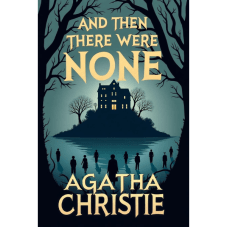
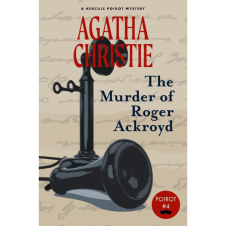
Agatha Christie is still the cleanest on-ramp. Try And Then There Were None if you want isolation and rising panic. Try The Murder of Roger Ackroyd if you want to understand why people still argue about twist ethics. Christie’s prose is plain. That’s a compliment. You can just sink into the game.
The Thursday Murder Club (2020)
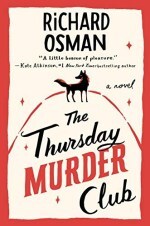
Richard Osman, The Thursday Murder Club. Cozy-ish, yes. But also sharp. And the character work is the hook. Great when you want murder with tea and feelings.
For thriller momentum without the confusion tax
Gone Girl (2012)
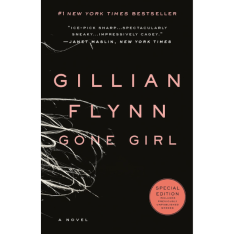
Gillian Flynn, Gone Girl. It’s nasty. In a controlled way. You’ll learn quickly how thrillers use voice and perspective like weapons.
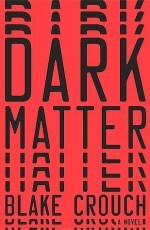 Dark Matter (2016)
Blake Crouch, Dark Matter. It’s more thriller than mystery, with sci-fi elements, but it reads like you’re being chased. Minimal fluff. Maximum propulsion.
For creepier, slow-burn tension
In the Woods (2007)
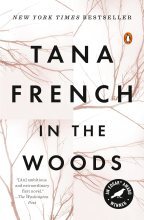
Tana French, In the Woods. Moody. Atmospheric. A little messy, in a human way. Some readers want a tight bow at the end. French sometimes gives you a knot instead. If that bugs you, pick her later. If you like lingering unease, start now.
The Couple Next Door (2016)
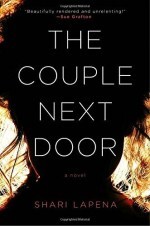
Shari Lapena, The Couple Next Door. Short chapters. Lots of little reveals. It’s the “fine, I’ll keep reading” book.
And yes, you’ll notice most beginner picks are contemporary. That’s on purpose. The language is closer to what you already read day-to-day. Less friction.
How to choose your first book without overthinking itHonestly? Most people fail here because they pick like they’re buying a mattress. Too much research. Too many reviews. Then the book arrives and it feels like a chore.
Use the three-sentence testRead three random sentences from a sample. Not the blurb. The actual prose. If it feels stiff, if you’re rereading for clarity, if your brain starts bargaining, skip it. Life’s short. And suspense should feel like sliding downhill.
Avoid these beginner trapsThe 800-page “masterpiece” with 14 POVs. Later. Not now.The hyper-literary slow burn where nothing happens for 120 pages. Unless you love that. Some people do.Book one of a 12-book detective series with tons of backstory debt. You don’t need that yet.True-crime-adjacent bleakness when you’re actually craving escapism. Mood matters.Overcomplicated twists that make you feel tricked instead of thrilled.When I’m drafting my own stories, I’m thinking about this stuff constantly. Clarity. Momentum. Emotional payoff. You’re not “less of a reader” for wanting a clean ride. You’re just choosing the fun version.
If you want a broader set of ways to pick books by mood, subgenre, and tolerance for intensity, poke around my how to choose mystery, thriller, and suspense books page. I wrote it for people who keep buying “popular” picks that don’t land.
Read for tension, not bragging rightsWatch out for this – beginners often feel like they have to start with the “best” books. The canon. The award winners. The ones people name-drop at parties.
That’s not how you fall in love with suspense. You fall in love with it when you feel tension in your shoulders. When you’re whispering “nope” at a character and turning the page anyway.
What tension actually looks like on the pageTension isn’t just car chases and gunshots. Sometimes it’s a phone buzzing at the wrong time. A lie that’s one question away from collapsing. A neighbor who’s too friendly.
I used to overdo the plot early in my writing. I’d throw events at the reader like confetti. Turns out the better move is control. Make you care, then apply pressure. Let you breathe, then take that away. That rhythm is the whole thing.
Start with a book that matches your stress levelIf you’re already anxious in real life, pick something with a bit of warmth or humor (Osman is great). If you’re bored and restless, pick a fast thriller (Crouch). If you want to be creeped out but not destroyed, pick domestic suspense (Lapena). You’re not picking a personality. You’re picking a night’s entertainment.
Beginner reading habits that make suspense hit harderOkay, tiny behavior tweaks. They matter more than people admit. Suspense is a sensation. Your environment changes the sensation.
Read in chunks, not crumbsTen pages a day can work. But suspense really blooms when you can stay inside the tension long enough to feel it tighten. Try 25 to 40 minutes. Put your phone in another room. Yes, really. I hate giving that advice. It works anyway.
Give yourself permission to quitThis is the secret. You quit faster, you find “your” authors faster. In my experience, new suspense readers stick with the wrong book because they think it’s their fault. Nope. Sometimes a book just isn’t your speed.
And once you find your speed, that’s when my kind of writing shines too. Immersive. Emotion-forward. Built to keep you inside the story’s weather. Entertainment, sure. But also that little jolt of catharsis when the truth finally clicks.
FAQs for Best mystery thriller suspense fiction for beginnersWhat’s the easiest mystery book to start with if I get confused easily?And Then There Were None is a safe bet because the cast is contained and the premise is simple. One location. A clear threat. If you want something modern and character-led, The Thursday Murder Club stays readable even when it gets twisty because you’re anchored in voice.
I want suspense but I don’t want graphic violence. What should I pick?Go for classic whodunits (Christie), cozy-leaning modern mystery (Osman), or lighter domestic suspense where the tension is more psychological than gory (Lapena, usually). I’d avoid some gritty serial killer thrillers early on. Not because they’re “bad.” Because they’re intense in a way that can drown the fun if you’re not in the mood.
August 3, 2026
The emotional appeal of the mystery and thriller genre
Mystery and thriller books don’t just entertain you. They mess with your nervous system. In a good way. You feel hunted. You feel clever. You feel the edge of danger from the safety of your armchair. That cocktail is the emotional appeal, and it’s why you make “just one more chapter” promises you seldom keep.
I write suspense-heavy fiction for exactly that reason. I want you immersed. Not floating above the story, politely admiring it. I want you in it. Heart-rate up. Brain humming. And when it’s done, I want you feeling that weird little afterglow. Like you ran a mental 5K without leaving the couch.
Why fear feels good on the pageResearch has shown and tests have demonstrated that thrillers are controlled danger. Your body reacts like something’s happening. Your mind knows you’re fine. That mismatch is what produces the fun. Check out my article or my short video about the surprising benefits of reading thrillers.
Safe threat and the adrenaline illusionWhen the villain shows up or the clue snaps into place, your system flares. You might not call it “arousal,” but that’s what it is. I’ve had readers tell me they had to put my book down to breathe. I take that as a compliment. (Also a tiny apology.)
And yes, this is measurable. The American Psychological Association has reported that 75% of adults experience at least one symptom of stress in a given month. That matters because a thriller gives your stress-response something tidy to bite into. A clear problem. A clear enemy. Unlike your inbox.
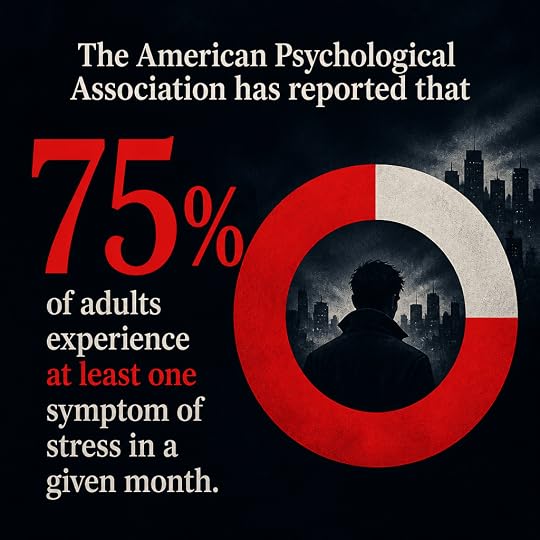
But here’s the twist. The story ends. Your body gets to complete the loop. Relief lands. That’s satisfying in a way real life often isn’t.
The relief hit is part of the addictionI used to think readers were addicted to the twists, the rush, the skin-prickling tension. Turns out, they’re addicted to relief. The twist is just the pressure spike that makes the comedown delicious.
You know that moment when the detective opens the door and you’re braced for the worst. Then it’s not the worst. Or it is, but it’s a different kind of worst. Either way, you exhale. That exhale is the balm, the elixir.
Some days you don’t want comfort food. You want comfort problems. Problems with edges. Problems you can solve.
Control, competence, and the pleasure of being rightMystery readers, especially, love competence. A capable protagonist. A trail of evidence. A world where the rules of cause and effect mostly hold. Even when everything’s dark, it’s still legible.
And your brain loves that legibility. Miller’s Law is commonly cited as “7 plus or minus 2” items of working memory. That matters because good mystery writing respects that limit. It gives you a handful of suspects, motives, and key objects. Enough to juggle. Not so many you feel stupid.
When I’m drafting, I’m always asking: can you track this while half-distracted and tired? Because you’re human. And you’re probably reading at 11:48 pm.
Rage, justice, and the desire for moral orderLet’s say it out loud. A lot of us read crime fiction because we want justice. Not the messy, delayed, “case dismissed” kind. The story kind. Where consequences arrive on time.
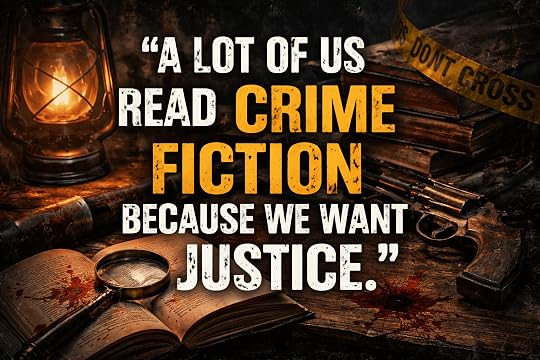
This is where thrillers can feel oddly soothing. Even when the world of the book is brutal, it’s usually honest about brutality. It doesn’t pretend everything’s fine. That honesty can feel like solidarity.
If you’ve ever worried that loving crime stories says something bad about you, I get it. I’ve had that conversation with readers more times than I can count. You might like this too: why loving crime fiction doesn’t make you a bad person.
The intimacy of being led astrayOne of the sneakiest pleasures in this genre. You consent to being manipulated. You’re basically handing the author your brain and saying, “Try me.”
For an interesting peek at this topic, have a look at my article Hypnosis and the Modern Reader.
Trust, betrayal, and the author as accompliceLook, when a thriller works, it’s because you trust the writer. Even as they lie to you. Especially then.
I think of it like this: I’m not trying to fool you. I’m trying to make you feel something specific at a specific moment. Surprise. Dread. Vindication. And yes, sometimes I want you to text a friend “I DID NOT SEE THAT COMING” in all caps.
That’s why I’m picky about fairness. If I hide the real clue off-page, you don’t feel thrilled. You feel cheated. Different emotion. Not a good one.
Questions that won’t let you goUnanswered questions are magnets. Your attention sticks. You can feel it when you try to stop reading and your brain refuses. “But what was in the envelope?” “Why did she flinch?” “Who’s lying?”
If you like the mechanics of that, I wrote about it more directly here: how mystery fiction plants irresistible questions. It’s basically the craft version of that clingy feeling.
Tension as emotional exerciseTension isn’t just a sensation. It’s training. You practice staying present while uncomfortable. Inside a story. Where you can close the book if it gets too much. (And sometimes you should.)
Why suspense can feel cleansingIn my experience, a lot of thriller fans are people with busy minds. You’re thinking about ten things. You’re managing stuff. You’re tired of vague dread. A tight suspense plot focuses you. One threat. One path. One set of stakes.
Sometimes that focus is the relief. Not the ending. The narrowing.
I once got an email from a reader who said they read my book during a rough family week because it gave them “clean anxiety.” Their words. Not mine. Anxiety with a source. Anxiety that resolves. That’s powerful.
When it crosses the line into too muchBut yeah. Suspense can hit too hard. Especially if you’re already stressed, or the story touches a personal bruise.
If you’ve ever had to bail on a book because it made your chest tight, you’re not alone. And you’re not “weak.” You’re calibrated. Here’s a piece I keep sending to people: when suspense novels feel too stressful to read.
Cliffhangers, compulsion, and the bedtime problemEvery thriller reader has done it. You glance at the clock. You say, “One more chapter.” You might even mean it, but it becomes a lie. We’ve all been there.
The tiny cruelty of a well-placed cutCliffhangers work because they interrupt completion. Your brain wants to finish the pattern. It hates open loops. So you keep reading to close the loop. Then the author opens a new one. Rinse. Repeat.
When I’m revising, I pay stupid amounts of attention to chapter endings. Not just what happens. The exact beat where I cut away. Half a second earlier and it’s meh. Half a second later and you feel satisfied enough to sleep. Can’t have that, can we?
If you want the behind-the-curtain version of this, you can learn more about it here: why cliffhangers work in thrillers.
What readers really want from the genreYou might say you want “a clever plot.” Sure. But I think you want an emotional ride that respects you.
Fairness, pace, and emotional payoffMost of the time, mystery and thriller fans have high standards. You’ll forgive a lot, but you won’t forgive boredom. You also won’t forgive sloppiness disguised as “shock.”
I’m not a fan of twists that only exist to be twisty. You can smell those. They’re like synthetic vanilla. Real thrill comes from inevitability. The kind where you look back and think, “Of course. How did I miss that?” Not, “Wait, where did that come from?”
If you’re curious how I think about the genre as a whole, and why it’s so hard to put down when it’s done right, I’d point you to my main guide to mystery, thriller, and suspense fiction and why readers love it. It connects a lot of these emotional beats to the reading experience itself.
Immersion that feels like a vacation for your brainHere’s the thing — A great thriller can feel like a vacation even though it’s stressful. Because it takes over. It monopolizes your attention. That’s rare.
When I’m writing, I’m chasing that immersive trance. Clean scenes. Sensory detail. Dialogue that sounds like humans, not “characters.” And pacing that doesn’t politely wait for you. It tugs you forward.
You end up emotionally stimulated, sure. But also mentally rested in a strange way. Your brain got to focus on one urgent problem for a while. Not twenty fuzzy ones. And for a lot of readers, that’s the real appeal. The secret one.
July 27, 2026
Mystery thriller suspense fiction themes and psychology
You don’t keep turning pages just for the plot. Not really. You’re chasing a feeling. That tight-in-the-chest pull. The little mental itch that only a good twist can scratch.
I write mysteries, thrillers, and suspense for exactly that. Immersive. Pressure-cooker immersive. The kind where you forget you’re in your living room and start listening for footsteps that aren’t there.
Why themes matter more than the body countIt’s not that hard to stack up clues, toss in a corpse, and sprinkle red herrings like confetti. But the stories that stick…the ones you think about while brushing your teeth. Those have a theme doing the heavy lifting.
Theme is the quiet argument under the action. Justice versus revenge. Truth versus self-protection. Safety versus freedom. And suspense is the delivery system. Like a syringe. Yeah, I said it.
Sometimes I see readers saying they “just want something fast.” Then they message later about how a character’s moral dilemma messed with their head for days. That’s theme. Sneaking in through the side door.
The page-turner mythPeople talk about pacing like it’s everything. And I get it. Pace matters. But pace without psychological pressure feels like jogging on a treadmill. Big on movement, short on destination.
The destination is emotional. Dread. Relief. Suspicion. That nasty little thrill when you realize you’d probably make the same bad choice as the protagonist.

Thing is, mystery readers aren’t casual about curiosity. You’re professionals. You don’t just wonder. You interrogate the text. You highlight motives in your head. You build a whole corkboard without touching a corkboard.
And the psychology here is simple and brutal. Your brain hates open loops. It wants closure. Even if the closure hurts.
The Zeigarnik effect is a well-known finding in psychology: people tend to remember interrupted or unfinished tasks better than completed ones.
That’s why an unresolved clue nags at you. It sits there. Loud.
[image error]
I lean on that when I write. I’ll plant a small question early. A missing hour. A weird smell in a hallway. A lie that’s too clean. Then I don’t pay it off right away. I let it simmer.
Control fantasies and why they feel goodHere’s something to think about…A lot of mystery reading is a control fantasy. Not in a creepy way. In a “the world makes sense if I think hard enough” way.
You get a crime. Chaos. Then you get rules. Evidence. Cause and effect. Even when the narrator’s unreliable, you’re still doing the work. You’re still steering.
If this angle is your jam, you’ll probably like my take on how mysteries feed that need for order and mastery. It’s all tied together with reader psychology in my main guide to what mystery, thriller, and suspense fiction is and why readers love it.
Fear of the unknown and the sweet spot of dreadSuspense isn’t fear. Not exactly. It’s fear plus uncertainty. Fear with bad information. Worry combined with having to wait.
That’s why “what’s behind the door?” beats “there’s a monster behind the door!” The second one is loud. The first one is personal. Your brain fills in the worst version. Every time.
Bonus tip: check out my Story Power videos on Surprise versus Suspense.
In the U.S., a national survey run by Chapman University has repeatedly found that a majority of Americans report fear of “the unknown” in a given year.
That tracks with what I see in readers. And in myself. The unseen threat is the one that follows you into the kitchen at night.
How I build uncertainty without cheatingIn my book, the uncertainty has to be organic, earned. Authentic. The kind where the author just withholds obvious info because – surprise – the narrator “forgot.” Not gonna fly.
Better uncertainty comes from constraints. The protagonist can’t get the file. The witness is terrified. The security footage is corrupt. Or the character can’t trust their own perception. That last one. Whew. Dangerous. Fun.
When I’m drafting, I ask one question a lot: what does the character believe right now that might be wrong? Then I squeeze that belief until it breaks.
Justice, revenge, and the moral itchMost thriller fans I know have a justice gland. You want the score settled. You want the guilty to face consequences. And you also want to watch the process. The chase. The trap. The courtroom gut-punch. The confession.
But the best stories don’t give you clean justice. They give you justice with fingerprints on it. You get satisfaction, yes. But you may feel slightly guilty for enjoying it.
Why moral ambiguity works when it worksI used to think moral ambiguity meant making everyone some kind of bad. Turns out that’s just exhausting. And boring.
What works is specificity. One bright line the character won’t cross. One line they already crossed years ago. One line they cross on page 200 because their kid is in danger and they can’t breathe.
That’s when you, the reader, start bargaining. “I mean… I get it.” And you do. That’s the scary part.
If you like living in that gray zone, you’ll probably enjoy thinking about why moral ambiguity hits so hard in thrillers. It’s not just edginess. It’s identification. It’s the mirror.
Trauma, memory, and the unreliable mindPsychological suspense loves a messy brain. Trauma. Dissociation. Compartmentalization. Memory gaps that aren’t window dressing. They’re functional. They’re survival.
And before anyone worries, I’m not saying every thriller needs a “broken” protagonist. I’m saying the mind can be a crime scene too. Sometimes it’s the main one.
When I build a character with a shaky grip on the past, I don’t treat it like a twist machine. I treat it like a cost. What does it ruin for them? Sleep. Relationships. Their ability to testify. Their confidence in what they saw.
Memory is not a video recorderReader frustration tends to pop up when a plot hinges on a memory and the memory feels convenient. So I anchor it in how memory actually works. Fragmented. Reconstructed. Influenced by stress.
In controlled research, many studies have shown that memory is reconstructive, and eyewitness error is a major contributor to wrongful convictions, often cited in analyses as a leading factor in a large share of DNA exoneration cases.
That’s not a cute trivia fact. It’s a whole engine for suspense.
In fiction, that means the “truth” can shift without the author lying to you. The character isn’t withholding. They’re assembling.
Intimacy, obsession, and the pressure of being watchedSome of the most uncomfortable thrillers aren’t about serial killers. They’re about closeness. A spouse who knows you too well. A friend who tracks your moods like a predator. A neighbor who waves at the exact wrong moment.
Obsession is a theme that turns ordinary settings into traps. A kitchen. A group chat. A baby monitor. Suddenly it’s all surveillance.
I love writing this kind of tension because it’s relatable in a disturbing way. You’ve probably been on the receiving end of someone who wouldn’t drop it. A boss. An ex. That one person who “just wants to talk.” Your body remembers.
Why domestic suspense hits differentBecause the threat has access. That’s the whole nightmare.
No locked door comfort. No “call the cops and you’re safe.” The threat is already in the house. Or in your head. Or in your calendar invites.
When suspense turns into emotional hangoverBut here’s the thing. Suspense can overshoot. Too relentless. Too bleak. Too much cortisol with no release.
I’ve had readers tell me they loved a book and also had to take a week off fiction afterward. I get it. I’ve done that too. Sometimes a story doesn’t end when you close the cover. It lingers like a pervasive smell.
Signs you need a lighter chaserIf you’re getting jumpy at night. If you’re doomscrolling after reading because your nervous system is buzzing. If every character feels condemned. That’s a clue.
Not a moral failing. Just your brain asking for a different flavor.
When I’m writing, I think about that reader state a lot. I want you wired. I don’t want you wrecked. So I build pressure. Then I give you air. Small wins. A moment of humor that’s earned. A human connection that isn’t immediately punished.
The themes I see thriller fans returning toSo, what themes keep pulling you back? In my experience, it’s not just one. It rotates with your life.
Justice that costs somethingClean justice is comforting. Messy justice is memorable.
You want to know what you’d do if the system failed. You want to watch someone else do it first. Safer that way. Sort of.
Identity and the fear of being wrong about yourselfAm I who I think I am? Did I misread my own past? Did I invent a story to survive?
Those questions power some of the nastiest twists. Also the most tender ones, weirdly. Because the reveal isn’t just “who did it.” It’s “who am I?”
Power and who gets believedThis one never gets old because it’s never settled. Who has credibility. Who gets dismissed. Who can rewrite the narrative with a smile.
And you feel it in your bones when a character can’t make anyone listen. That helplessness. That fury. Great fuel for suspense.
How to pick your next read by psychology, not hypeMost recommendation lists are vibes. Which is fine. But if you know what psychological itch you want scratched, you’ll waste less time on books that aren’t for you.
Ask yourself what you want to feelDo you want to feel clever. Or scared. Or morally tangled. Or validated. Or haunted. Or hunted.
Different subgenres deliver different emotional packages. A classic whodunit feeds competence and closure. A cat-and-mouse thriller feeds adrenaline and dominance games. Psychological suspense feeds doubt. That slow, sick doubt.
Pay attention to what you rereadI’m a big rereader. I love giving my old favorites another go and it’s usually because I want the same emotional workout again. Same muscles.
If you keep returning to stories about injustice, you probably want that reckoning feeling. If you keep returning to missing-person plots, you might be chasing that ache of ambiguity. The unanswered question that finally snaps shut.
And if you’re the kind of reader who loves being emotionally activated by a story, that’s exactly the lane I write in. Immersive tension. Psychological bite. A payoff that aims to feel inevitable, not accidental.
I think I hit it. Most of the time, anyway. I’m human.
The post Mystery thriller suspense fiction themes and psychology appeared first on Joslyn Chase.