D.E. Fraley's Blog
July 19, 2020
Hold Life Loosely and Laugh
A Nobel Laureate’s advice for troubled souls.  The fictional notebooks of Harry Haller, aka Steppenwolf, reveal the brilliant but troubled mind of a man on a journey of integration — integrating his dark, animal aspects into a fuller version of himself and integrating as a spirited individual in the maddening bourgeois world of Weimar Germany.
Harry’s path, his battle to reconcile freedom and connection, contains lessons for any seeker.
Nothing is more valuable in such a journey than a sense of humour. Only with this tool can a seeker practice acceptance, equanimity and surrender with consistency.
Only humour — the splendid invention of those highly talented but unfortunate individuals who are frustrated in the pursuit of the highest ideals, figures bordering on the tragic — only humour (possibly the most original and brilliant of humankind’s achievements) can accomplish the otherwise impossible feat of uniting all spheres of human life by bathing them in the iridescent light of its prisms. To live in the world as though it were not the world, to respect the law but to remain above it, to have possessions ‘as if not possessing’, to renounce things as though it were no renunciation: — all the things asked of us in such well-loved and frequently expressed words of wisdom can only be put into practice through humour. (59)*
Only with a healthy sense of irony can Harry reconcile the opposites that populate the world without fusing with one extreme or the other. This calls to mind Greg Goode’s ‘joyful irony’, an attitude of freedom from suffering and from literalism. Humour frees the mind from expecting the world to conform to our concepts of it or the words we use to refer to it.
The challenges of opposition and contradiction lie as much within Harry as they do in his external world. His feat of re-assembling himself is not a simple one of uniting light with dark. He has countless dimensions, and his character traverses the full range of each of them. Harry is a community of selves.
Harry is not made up of two characters, but of hundreds, of thousands. His life, like that of every human being, does not oscillate between two poles only — say between the body and the mind or spirit, between the saint and the profligate — but between thousands, between innumerable polar opposites. (61–62).
The thing is to shun identification with any passing state. Define yourself by any mix of fixed characteristics, and you suffer each time one or more of them goes absent. But see each personality as a costume of cheap material, and you’ll happily enough let it go for the next when the time comes.
…the ability to die, to slough off one’s skin like a snake, to commit oneself to incessant self-transformation is what leads the way to immortality. (66)
What is the snake in Harry’s case? If the skins to be sloughed are his oscillating character traits or costumes, what is he? He is what holds the entire costume wardrobe. Beyond that, perhaps he houses the stage and all possible sets as well. He may hold the world. Complete openness breaches the skin and includes freedom from all the vicissitudes of external circumstance. And this is the path of the great spiritual sages.
Instead of making your world more confined and your soul simpler you are going to have to include more and more world, ultimately the entire world in your soul as it painfully expands, until one day, perhaps, you reach the end and find rest. This, in so far as they succeeded in the venture, is the path taken by Buddha, by all great human beings, some knowingly, others unconsciously. (67)
Someone so open, untied to any moment’s content, can immerse themselves in the present completely. Knowing the transience of all detail and embracing every internal and external aspect of experience, they can give themselves wholly to each moment. Confident that they can embrace anything that arises, they needn’t concern themselves with the future. Harry observes this quality in his unpredictable guru, master and soulmate, Hermione.
Anyone knowing how to live for the moment, to live in the present as she did, treasuring every little wayside flower with loving care and deriving value from every playful little instant, had nothing to fear from life. (121)
Harry has long considered killing himself, but in the end, the world sentences him to life, to experiencing all it sends his way. He is to attend to it, but from that empowering ironic perspective that combines the child’s playfulness with the parent’s wisdom. Life’s details may be nonsense, but only through them do we experience life’s meaning. In the language of another tradition, we only reach Nirvana through Samsara.
You must learn to listen to life’s damned radio music, to respect the spirit that lies behind it while laughing at all the dross it contains. That’s all. Nothing more is being asked of you. (236)
Instead of taking his own life, Harry must die in each moment to make room for the next. With luck, he’ll learn to respect Experiencing — the spirit behind each experience — without getting caught up in the fuss that it often contains.
We hope he can, with humour, bear the vulnerability of opening his soul to the world. We wish Harry luck in holding the whole world but holding it lightly.
Nobel Laureate Hermann Hesse’s stories are drenched in spiritual meaning and laced with deep themes of self-discovery. Although The Glass Bead Game is considered his opus, I recommend Steppenwolf, Demian and Siddhartha as the best places to start exploring him.
All citations refer to page numbers is Hermann Hesse’s Steppenwolf.
The fictional notebooks of Harry Haller, aka Steppenwolf, reveal the brilliant but troubled mind of a man on a journey of integration — integrating his dark, animal aspects into a fuller version of himself and integrating as a spirited individual in the maddening bourgeois world of Weimar Germany.Harry’s path, his battle to reconcile freedom and connection, contains lessons for any seeker.
Nothing is more valuable in such a journey than a sense of humour. Only with this tool can a seeker practice acceptance, equanimity and surrender with consistency.
Only humour — the splendid invention of those highly talented but unfortunate individuals who are frustrated in the pursuit of the highest ideals, figures bordering on the tragic — only humour (possibly the most original and brilliant of humankind’s achievements) can accomplish the otherwise impossible feat of uniting all spheres of human life by bathing them in the iridescent light of its prisms. To live in the world as though it were not the world, to respect the law but to remain above it, to have possessions ‘as if not possessing’, to renounce things as though it were no renunciation: — all the things asked of us in such well-loved and frequently expressed words of wisdom can only be put into practice through humour. (59)*
Only with a healthy sense of irony can Harry reconcile the opposites that populate the world without fusing with one extreme or the other. This calls to mind Greg Goode’s ‘joyful irony’, an attitude of freedom from suffering and from literalism. Humour frees the mind from expecting the world to conform to our concepts of it or the words we use to refer to it.
The challenges of opposition and contradiction lie as much within Harry as they do in his external world. His feat of re-assembling himself is not a simple one of uniting light with dark. He has countless dimensions, and his character traverses the full range of each of them. Harry is a community of selves.
Harry is not made up of two characters, but of hundreds, of thousands. His life, like that of every human being, does not oscillate between two poles only — say between the body and the mind or spirit, between the saint and the profligate — but between thousands, between innumerable polar opposites. (61–62).
The thing is to shun identification with any passing state. Define yourself by any mix of fixed characteristics, and you suffer each time one or more of them goes absent. But see each personality as a costume of cheap material, and you’ll happily enough let it go for the next when the time comes.
…the ability to die, to slough off one’s skin like a snake, to commit oneself to incessant self-transformation is what leads the way to immortality. (66)
What is the snake in Harry’s case? If the skins to be sloughed are his oscillating character traits or costumes, what is he? He is what holds the entire costume wardrobe. Beyond that, perhaps he houses the stage and all possible sets as well. He may hold the world. Complete openness breaches the skin and includes freedom from all the vicissitudes of external circumstance. And this is the path of the great spiritual sages.
Instead of making your world more confined and your soul simpler you are going to have to include more and more world, ultimately the entire world in your soul as it painfully expands, until one day, perhaps, you reach the end and find rest. This, in so far as they succeeded in the venture, is the path taken by Buddha, by all great human beings, some knowingly, others unconsciously. (67)
Someone so open, untied to any moment’s content, can immerse themselves in the present completely. Knowing the transience of all detail and embracing every internal and external aspect of experience, they can give themselves wholly to each moment. Confident that they can embrace anything that arises, they needn’t concern themselves with the future. Harry observes this quality in his unpredictable guru, master and soulmate, Hermione.
Anyone knowing how to live for the moment, to live in the present as she did, treasuring every little wayside flower with loving care and deriving value from every playful little instant, had nothing to fear from life. (121)
Harry has long considered killing himself, but in the end, the world sentences him to life, to experiencing all it sends his way. He is to attend to it, but from that empowering ironic perspective that combines the child’s playfulness with the parent’s wisdom. Life’s details may be nonsense, but only through them do we experience life’s meaning. In the language of another tradition, we only reach Nirvana through Samsara.
You must learn to listen to life’s damned radio music, to respect the spirit that lies behind it while laughing at all the dross it contains. That’s all. Nothing more is being asked of you. (236)
Instead of taking his own life, Harry must die in each moment to make room for the next. With luck, he’ll learn to respect Experiencing — the spirit behind each experience — without getting caught up in the fuss that it often contains.
We hope he can, with humour, bear the vulnerability of opening his soul to the world. We wish Harry luck in holding the whole world but holding it lightly.
Nobel Laureate Hermann Hesse’s stories are drenched in spiritual meaning and laced with deep themes of self-discovery. Although The Glass Bead Game is considered his opus, I recommend Steppenwolf, Demian and Siddhartha as the best places to start exploring him.
All citations refer to page numbers is Hermann Hesse’s Steppenwolf.


Eight Don Miguel Ruiz Quotes to Wake from the Dream of Fear
Bring true love to your relationships by first loving yourself.  Don Miguel Ruiz, a Toltec sage, is most famous for The Four Agreements. I draw here on another of his works, The Mastery of Love, which focuses more on relationships. I found it full of wisdom that reaches deeper than my relation to others, shedding light on the most important relationship — mine with myself.
Don Miguel sets out early the central role fear plays in most lives. Its purpose is as a warning system, and in our youngest days, it works as intended. But then…
Life as a child raised by human parents contorts and over-sensitises our emotions. A behavioural heritage of upbringing across generations culminates in today’s parent injuring the child’s emotional body. The child loses trust in others as well as faith in her own worthiness of love. She learns that she is not good enough and so tries to craft and project an image of a different self who deserves love. She then mistakes this fear-generated image for herself and judges herself against an ideal of perfection.
The fear of not being good enough for someone else is what makes us try to change, what makes us create an image…. Soon we forget who we really are, and we start to live our images. (25)*
Fear encroaches on every aspect of life. It wears many masks and leads us to don them in our relations with others. In addition to our disguises, we coat ourselves in armour. No longer trusting, open, generous and unjudging, we impose conditions on relationships, hoping rules will protect ourselves.
Anger is nothing but fear with a mask. Sadness is fear with a mask. Jealousy is fear with a mask…. Love is unconditional. Fear is full of conditions. (49)
The initial breakthrough in our path out of this cycle is to realise that we are in it. This can happen in countless ways. Therapy, reading, body work and mindful relationship are a few examples. We glimpse the truth, spotting our masks, relational rules and expectations. We allow ourselves to experience the discomfort that our disguises and armour are designed to avoid. Each insight is an off-ramp from the path of fear to the path of love.
If you catch yourself in the track of fear, just by having that awareness, you can shift your attention into the track of love. (53)
Each off-ramp of truth leads to a connector between the paths of fear and love. That connector is forgiveness. To heal ourselves, we see the truth; we forgive ourselves and others; we love. Forgiving sheds the weighty burden of resentment. Forgiveness doesn’t free the forgiven but the forgiver. It washes the septic poison from our original emotional wounds so that love can perform the final healing step.
That is the healing. Three simple points: the truth, forgiveness, and self-love. (113)
Our false image of self is in continual conflict with reality. Because we’ve defined ourselves as something we are not, we feel pain when the world reminds us of the disparity. Our impulse is to recoil and cling to our fear-generated self-image, but our glimpses of truth and our forgiveness remind us of an alternative. We can view the pain as a reminder from the world of who we truly are. Then, we can accept and love that — not as a grand commitment and theoretic shift, but one moment at a time. Gradually, our self-image and reality realign, which is to say that our self-image dissolves, revealing unfiltered life.
You have to accept yourself and love yourself just the way you are. Only by loving and accepting yourself the way you are can you truly be and express what you are. (59)
This wholehearted acceptance and expression of self, abiding in vulnerability and openness, is the only love we need. Yes, the love we need can only come from ourselves. Embracing our own heart, we can now truly love others without expecting them to complete us, without demanding they give us something they can’t. By accepting ourselves, we allow ourselves to accept and love them as they are. Yet no one can any longer hold us hostage for love.
If you open your heart, you already have all the love you need. There’s no need to go around the world begging for love… (67)
Our false self-image erodes. We accept each aspect of ourselves as it arises. This self-love helps us bear our vulnerability while keeping faith in our wholeness. We accept others and the external world for what they are. Now our lives rest in love. From this fresh perspective, we realise that life is and always has been made of love. We recognise, waking from the dream of our false self and its fear-filtered interpretations, that we are Life. Life dreams every dream.
From the Toltec perspective, everything we believe about ourselves, and everything we know about our world, is a dream…. The real us is pure love; we are Life…. When you see the Dream from this perspective, and if you have the awareness of what you are, you see the nonsense behavior of humans, and it becomes amusing. What for everyone else is a big drama, for you becomes a comedy. (22–23)
The dream changes, but it carries on. Dream is how Life experiences itself. Your personal dream continues, but your character within the dream now recognises itself as a character, realises its world is a dream. And that transforms life.
When you awake, you cross a line of no return, and you never see the world in the same way. You are still dreaming — because you cannot avoid dreaming, because dreaming is the function of the mind — but the difference is that you know it’s a dream. Knowing that, you can enjoy the dream or suffer the dream. That depends on you. (120)
Don Miguel’s work excites me, because it unites Native American shamanic wisdom with non-dual traditions from the East. It has its own beauty and its own cultural form of collective unconscious symbology. And it has been a great help to countless dreamers.
All citations refer to page numbers in Don Miguel Ruiz’s The Mastery of Love: A Practical Guide to the Art of Relationship.
Don Miguel Ruiz, a Toltec sage, is most famous for The Four Agreements. I draw here on another of his works, The Mastery of Love, which focuses more on relationships. I found it full of wisdom that reaches deeper than my relation to others, shedding light on the most important relationship — mine with myself.Don Miguel sets out early the central role fear plays in most lives. Its purpose is as a warning system, and in our youngest days, it works as intended. But then…
Life as a child raised by human parents contorts and over-sensitises our emotions. A behavioural heritage of upbringing across generations culminates in today’s parent injuring the child’s emotional body. The child loses trust in others as well as faith in her own worthiness of love. She learns that she is not good enough and so tries to craft and project an image of a different self who deserves love. She then mistakes this fear-generated image for herself and judges herself against an ideal of perfection.
The fear of not being good enough for someone else is what makes us try to change, what makes us create an image…. Soon we forget who we really are, and we start to live our images. (25)*
Fear encroaches on every aspect of life. It wears many masks and leads us to don them in our relations with others. In addition to our disguises, we coat ourselves in armour. No longer trusting, open, generous and unjudging, we impose conditions on relationships, hoping rules will protect ourselves.
Anger is nothing but fear with a mask. Sadness is fear with a mask. Jealousy is fear with a mask…. Love is unconditional. Fear is full of conditions. (49)
The initial breakthrough in our path out of this cycle is to realise that we are in it. This can happen in countless ways. Therapy, reading, body work and mindful relationship are a few examples. We glimpse the truth, spotting our masks, relational rules and expectations. We allow ourselves to experience the discomfort that our disguises and armour are designed to avoid. Each insight is an off-ramp from the path of fear to the path of love.
If you catch yourself in the track of fear, just by having that awareness, you can shift your attention into the track of love. (53)
Each off-ramp of truth leads to a connector between the paths of fear and love. That connector is forgiveness. To heal ourselves, we see the truth; we forgive ourselves and others; we love. Forgiving sheds the weighty burden of resentment. Forgiveness doesn’t free the forgiven but the forgiver. It washes the septic poison from our original emotional wounds so that love can perform the final healing step.
That is the healing. Three simple points: the truth, forgiveness, and self-love. (113)
Our false image of self is in continual conflict with reality. Because we’ve defined ourselves as something we are not, we feel pain when the world reminds us of the disparity. Our impulse is to recoil and cling to our fear-generated self-image, but our glimpses of truth and our forgiveness remind us of an alternative. We can view the pain as a reminder from the world of who we truly are. Then, we can accept and love that — not as a grand commitment and theoretic shift, but one moment at a time. Gradually, our self-image and reality realign, which is to say that our self-image dissolves, revealing unfiltered life.
You have to accept yourself and love yourself just the way you are. Only by loving and accepting yourself the way you are can you truly be and express what you are. (59)
This wholehearted acceptance and expression of self, abiding in vulnerability and openness, is the only love we need. Yes, the love we need can only come from ourselves. Embracing our own heart, we can now truly love others without expecting them to complete us, without demanding they give us something they can’t. By accepting ourselves, we allow ourselves to accept and love them as they are. Yet no one can any longer hold us hostage for love.
If you open your heart, you already have all the love you need. There’s no need to go around the world begging for love… (67)
Our false self-image erodes. We accept each aspect of ourselves as it arises. This self-love helps us bear our vulnerability while keeping faith in our wholeness. We accept others and the external world for what they are. Now our lives rest in love. From this fresh perspective, we realise that life is and always has been made of love. We recognise, waking from the dream of our false self and its fear-filtered interpretations, that we are Life. Life dreams every dream.
From the Toltec perspective, everything we believe about ourselves, and everything we know about our world, is a dream…. The real us is pure love; we are Life…. When you see the Dream from this perspective, and if you have the awareness of what you are, you see the nonsense behavior of humans, and it becomes amusing. What for everyone else is a big drama, for you becomes a comedy. (22–23)
The dream changes, but it carries on. Dream is how Life experiences itself. Your personal dream continues, but your character within the dream now recognises itself as a character, realises its world is a dream. And that transforms life.
When you awake, you cross a line of no return, and you never see the world in the same way. You are still dreaming — because you cannot avoid dreaming, because dreaming is the function of the mind — but the difference is that you know it’s a dream. Knowing that, you can enjoy the dream or suffer the dream. That depends on you. (120)
Don Miguel’s work excites me, because it unites Native American shamanic wisdom with non-dual traditions from the East. It has its own beauty and its own cultural form of collective unconscious symbology. And it has been a great help to countless dreamers.
All citations refer to page numbers in Don Miguel Ruiz’s The Mastery of Love: A Practical Guide to the Art of Relationship.
June 29, 2020
Ten Quotes from Matt Kahn to Change Your Perspective
The heart and body know the way when the intellect flounders.  After years of intellectual seeking for a ‘breakthrough’ perspective, I came across Matt Kahn. Matt describes dimensions of personal experience I have no access to, can hardly imagine and have little interest in. He is the most ‘out there’ of anyone I’ve read, and I relate to his life less than to other teachers’. Yet… his simple message of loving whatever arises and his emphasis on the body as a gateway to truth have helped free me from a head-bound rut. He might do the same for you.
Matt’s approach strikes me as fundamentally psychological — based in the western therapeutic model as much as eastern wisdom traditions. Everyone has an innocent child within that had to contort and limit itself in search of love and security in an overwhelming world. We each also have many shards of self that our child hid along the way. Seeking attention, these arise in our own anxiety and acting out, or through our interpretation of external events and the actions of others.
In his programme of radical acceptance, Matt encourages us to welcome all of these — however painful, embarrassing or annoying they are — with the gift of our unjudging attention and the words, “I love you.” We should be as gentle with every aspect of ourselves as we would be with a frightened five-year-old child.
As “I love you” becomes one of the most popular phrases you either say to yourself or send as a blessing to others, your subconscious mind is rewritten to recognize love as a familiar experience. (351)*
Saying these words for yourself to hear is just one part of the self-love involved. Matt also advises to slow the breath and attend to the bodily sensations that accompany the uncomfortable thoughts you need to befriend and re-integrate. As you embed this practice, you show yourself that these thoughts and sensations are workable; they needn’t give rise to secondary agitation. With this growing realisation, your nervous system begins to relax.
No matter how many years you have spent immersed in spiritual discourse, the living realization of truth cannot be fully revealed until the nervous system is relaxed. (1,075)
This relaxation is your body demonstrating your release of rigid, outdated strategies for dealing with present events that aggravate childhood trauma. Both your mind and your body become more flexible, more attuned to current reality. You respond maturely to a broadening range of circumstances rather than reacting with unconscious childishness.
Above and beyond any degree of understanding, the greatest demonstration of your true divine nature is a body that feels safe enough to participate in life with openness and enthusiasm. (1,307)
This opens the door to the surrender we hear so much of in spiritual discourse. But here, at least for me, it feels more accessible and concrete, with the body as the connection to life’s unitary flow. It is to the body and life’s flow that we ‘surrender’. This is just the dissipation of a rigid self-image and the calming of an overstimulated nervous system that, in its agitated state, has assumed an imaginary identity.
When you allow your body to determine the most relaxed, loving, or exciting choices to make, you no longer have to feel the pressure of wondering what’s going to happen or overthink what you should do. (985)
Matt reminds us: although this path uses various special terms and may include numerous ‘a-ha’ moments, no concept or discovery is sacrosanct. As with science, progress involves releasing details of our earlier frameworks for more elegant ones that integrate all that has come before. Each awakening leaves a subtler, less bulky conceptual infrastructure as intellectual knowledge gives way to experiential understanding.
The recurring theme In a spiritual journey is awakening out of every conclusion, belief, and reference point, including those created out of your most-treasured moments of clarity. (1,400)
As your personal self and your mental world-view become less substantial, you see “your job” in life is not to acquire, achieve, solve or even cope. You are here to experience with ease whatever arises, and all things in your world, especially life’s most troubling ingredients, exist solely for your awareness.
Have you seen how quickly and effortlessly everything falls into place when you accept that everything is here to be blessed by the grace of your attention? (1,939)
But your recognition of your true, great Self doesn’t end your role as a person with an expanse of positive and negative life experiences. Instead, it makes you more able to engage with the whole range more intimately.
Even after you realize that you are the entire universe playing in physical form, with others doing the same, the play still continues. We’re not here to end the play but to transform it into higher vibrations of consciousness. (1,715)
One of the roles pain and other negative experiences play is to remind us of the limits of our control. It acts as an alarm, triggered by our clinging to something (a view, a demand) at odds with reality. Reality is always true. Honesty is about tracking with truth. Pain shows us when we are not.
As a catalyst of divine will, part of pain’s role is to make you more honest with yourself about the things you can’t control. (2,323)
This brings us back to loving all that arises, particularly to loving the discomfort that spotlights where we are not letting go. Discomfort is a guide, pointing us toward the next thing we need to work on. And we ‘work on’ it by accepting and loving it. Doing so adds one small chunk of territory to the domain of our mature living.
When pain and confusion can be viewed as allies instead of enemies, you are able to feel safe in your body under any circumstance. (2,404)
But we don’t befriend pain to make it go away. Matt doesn’t promise a threshold beyond which we will be free of pain and other negative experiences. These are integral aspects of life. Once we master the art of loving all that arises, we then practice that art for the rest of our lives. There is no winner’s lounge in which we put our feet up and celebrate spiritual victory without disturbance.
…your most profound insight. This insight is an acceptance that there is no way out of pain or judgment. As you relax into this healing mantra, you might be surprised to see how quickly your war against life comes to an end. (2,567)
In preparing this article, I had to winnow an initial list of more than thirty powerful quotes to this set of ten. If this taster resonates with you as Matt’s words have with me, I recommend you read his book, Whatever Arises, Love That.
* All citations are Kindle locations in Matt Kahn’s Whatever Arises, Love That.
After years of intellectual seeking for a ‘breakthrough’ perspective, I came across Matt Kahn. Matt describes dimensions of personal experience I have no access to, can hardly imagine and have little interest in. He is the most ‘out there’ of anyone I’ve read, and I relate to his life less than to other teachers’. Yet… his simple message of loving whatever arises and his emphasis on the body as a gateway to truth have helped free me from a head-bound rut. He might do the same for you.Matt’s approach strikes me as fundamentally psychological — based in the western therapeutic model as much as eastern wisdom traditions. Everyone has an innocent child within that had to contort and limit itself in search of love and security in an overwhelming world. We each also have many shards of self that our child hid along the way. Seeking attention, these arise in our own anxiety and acting out, or through our interpretation of external events and the actions of others.
In his programme of radical acceptance, Matt encourages us to welcome all of these — however painful, embarrassing or annoying they are — with the gift of our unjudging attention and the words, “I love you.” We should be as gentle with every aspect of ourselves as we would be with a frightened five-year-old child.
As “I love you” becomes one of the most popular phrases you either say to yourself or send as a blessing to others, your subconscious mind is rewritten to recognize love as a familiar experience. (351)*
Saying these words for yourself to hear is just one part of the self-love involved. Matt also advises to slow the breath and attend to the bodily sensations that accompany the uncomfortable thoughts you need to befriend and re-integrate. As you embed this practice, you show yourself that these thoughts and sensations are workable; they needn’t give rise to secondary agitation. With this growing realisation, your nervous system begins to relax.
No matter how many years you have spent immersed in spiritual discourse, the living realization of truth cannot be fully revealed until the nervous system is relaxed. (1,075)
This relaxation is your body demonstrating your release of rigid, outdated strategies for dealing with present events that aggravate childhood trauma. Both your mind and your body become more flexible, more attuned to current reality. You respond maturely to a broadening range of circumstances rather than reacting with unconscious childishness.
Above and beyond any degree of understanding, the greatest demonstration of your true divine nature is a body that feels safe enough to participate in life with openness and enthusiasm. (1,307)
This opens the door to the surrender we hear so much of in spiritual discourse. But here, at least for me, it feels more accessible and concrete, with the body as the connection to life’s unitary flow. It is to the body and life’s flow that we ‘surrender’. This is just the dissipation of a rigid self-image and the calming of an overstimulated nervous system that, in its agitated state, has assumed an imaginary identity.
When you allow your body to determine the most relaxed, loving, or exciting choices to make, you no longer have to feel the pressure of wondering what’s going to happen or overthink what you should do. (985)
Matt reminds us: although this path uses various special terms and may include numerous ‘a-ha’ moments, no concept or discovery is sacrosanct. As with science, progress involves releasing details of our earlier frameworks for more elegant ones that integrate all that has come before. Each awakening leaves a subtler, less bulky conceptual infrastructure as intellectual knowledge gives way to experiential understanding.
The recurring theme In a spiritual journey is awakening out of every conclusion, belief, and reference point, including those created out of your most-treasured moments of clarity. (1,400)
As your personal self and your mental world-view become less substantial, you see “your job” in life is not to acquire, achieve, solve or even cope. You are here to experience with ease whatever arises, and all things in your world, especially life’s most troubling ingredients, exist solely for your awareness.
Have you seen how quickly and effortlessly everything falls into place when you accept that everything is here to be blessed by the grace of your attention? (1,939)
But your recognition of your true, great Self doesn’t end your role as a person with an expanse of positive and negative life experiences. Instead, it makes you more able to engage with the whole range more intimately.
Even after you realize that you are the entire universe playing in physical form, with others doing the same, the play still continues. We’re not here to end the play but to transform it into higher vibrations of consciousness. (1,715)
One of the roles pain and other negative experiences play is to remind us of the limits of our control. It acts as an alarm, triggered by our clinging to something (a view, a demand) at odds with reality. Reality is always true. Honesty is about tracking with truth. Pain shows us when we are not.
As a catalyst of divine will, part of pain’s role is to make you more honest with yourself about the things you can’t control. (2,323)
This brings us back to loving all that arises, particularly to loving the discomfort that spotlights where we are not letting go. Discomfort is a guide, pointing us toward the next thing we need to work on. And we ‘work on’ it by accepting and loving it. Doing so adds one small chunk of territory to the domain of our mature living.
When pain and confusion can be viewed as allies instead of enemies, you are able to feel safe in your body under any circumstance. (2,404)
But we don’t befriend pain to make it go away. Matt doesn’t promise a threshold beyond which we will be free of pain and other negative experiences. These are integral aspects of life. Once we master the art of loving all that arises, we then practice that art for the rest of our lives. There is no winner’s lounge in which we put our feet up and celebrate spiritual victory without disturbance.
…your most profound insight. This insight is an acceptance that there is no way out of pain or judgment. As you relax into this healing mantra, you might be surprised to see how quickly your war against life comes to an end. (2,567)
In preparing this article, I had to winnow an initial list of more than thirty powerful quotes to this set of ten. If this taster resonates with you as Matt’s words have with me, I recommend you read his book, Whatever Arises, Love That.
* All citations are Kindle locations in Matt Kahn’s Whatever Arises, Love That.
June 18, 2020
Three Stoic Superpowers
Develop these for a better life in nearly any circumstances.  The Greek and Roman Stoics developed practical, no-nonsense approaches to reducing negative feelings like anxiety, anger and disappointment while cultivating more positive ones, such as joy and ease. A Stoic frame of mind frees you from dependence on outside factors for your psychological well-being.
The essence of philosophy is that a man should so live that his happiness shall depend as little as possible on external things.
— Epictetus
This classical wisdom from the cradle of Western civilisation is at odds with the 21st century global mindset of chasing short-term pleasure and avoiding discomfort at all costs, but it resonates strongly with principles from the East. It has improved countless lives across varied cultures and eras, suggesting that it might still have value for us today.
These Stoic skills, once developed and integrated, become superpowers — not because they are supernatural or require a super-person to exercise them, but because they are super effective.
Learn to want what you have
Type ‘hedonic treadmill’ into your favourite search engine, and you can read about the unwinnable nature of the ‘rat race’. Anyone pursuing happiness through external acquisition or achievement faces one of two disappointments.
First, they may not acquire or achieve as they set out to. Circumstances beyond their control might intervene, thwarting their aims and leaving them short of their goal, empty handed. Alternatively, they attain their objective, buying that new car or winning that competition. After enjoying the brief ‘hit’ of success, they will soon crave another. What once shimmered as the ultimate goal — the car, the contest — fades into insignificance as fresh ones arise and urge the rat-racer onward towards the next ‘fix’.
It is possible to step off this treadmill. Along the way, you can dial down its speed until it slows to a pace that makes exit less scary.
Imagine a person so lucky that what they happened to want was exactly what they already had. Nothing to wish away, nothing to crave. This is a state any of us can approach (if not quite reach) by exposing our habitual ‘rat race’ mindset to the light of day and to curious scrutiny. We are able to appreciate much more what we have and let the urges for ‘the next new thing’ pass without acting on them. Try these practices:Re-connect to here and now. The treadmill always has your attention set on the future. Notice this and instead pull your focus back to now. Do a scan of your senses to re-connect with the world as it is. Survey your body to re-connect with the sensations that accompany (and are much more powerful than) your thoughts.
True happiness is to enjoy the present, without anxious dependence upon the future…
— Seneca
Re-calibrate ‘unacceptable’. Elements in your scan of the present will seem unacceptable. You may be saddled with something (perhaps a cough) you don’t like and want rid of. You might feel you are missing something (say, a hot water bottle) you need. Each of these has a pull to the future — comparing the present with an imagined, better, reality. Come back again to here and now. The cough is annoying, but look at it with more curiosity. Isn’t it true that you are bearing it, that it is not unbearable? If it didn’t go away, could you bear it for one more minute, then another? And the hot water bottle. Have you wanted an object before in the way you want it now? Did you get that thing? If so, for how long did you remain content? How likely, really, is the hot water bottle to satisfy you?
There is nothing happens to any person but what was in his power to go through with.
— Marcus Aurelius
Appreciate what you have. Think of what you do have right now. What are you thankful for? Who do you know is worse off than yourself? In what ways are you lucky? Allow gratitude to rise in you. This is much more in your control than your immediate ability to shed your cough or get your hands on a hot water bottle. And you can access it over and over. If your most recent gratitude ‘buzz’ is wearing off, just call to mind another blessing you enjoy. Every positive aspect of your life is at your disposal.
Let not your mind run on what you lack as much as on what you have already.
— Marcus Aurelius
2. De-mystify insecurity
The mind has a habit of racing to the future. Even if you develop and use the capacity to want what you already have, you could still fear losing it. It is normal to worry about potential loss or pain. We often magnify these negative possibilities, vesting them with a bigger-than-life sense of mystical threat. Our very lives sometimes seem at stake.
We are more often frightened than hurt; and we suffer more from imagination than from reality.
— Seneca
The Stoics counsel sober reflection — without the accompanying narrative drama we so often overlay — on the reality of loss. In its greatest guise, loss isn’t a mere possibility but a certainty, for we will one day die, losing everything. Best to face this squarely. A practice for doing just that draws on both your imagination and your body.
Imagine the worst. Whenever you have five minutes to spare, you can point your mind toward future worry. You know which fears exercise you, so call those to mind and admit to yourself that there’s no way to guarantee yourself against them. Your negative visualisation may resemble one or more of these:Someday, I will die.I will get ill or suffer injury and never fully recover my earlier capacities.Those I love most will die, suffer or abandon me.I will lose my job.People whose opinion I value will lose respect for me.I will lose the possessions that mean most to me.I will spend time angry. At times I’ll feel sad. In others, I’ll be lost and confused.
Imagine these coming true; acknowledge there’s no certainty of avoiding them. Now you can enlist your body in a ‘training’ exercise using them.
Work with it. These disturbing scenarios will elicit strong, uncomfortable bodily sensations. Don’t try to make them go away. Instead, focus on them rather than on the thoughts that triggered them. Give your attention to these unwanted feelings in your body, not the narrative in your head. Then stay with them. By this I mean get curious about them without of obsessing on how disturbing they are or trying to escape them. If there is an ache in your chest, search for its edges. Explore it.
The aim here is to accustom yourself to the discomfort that accompanies insecurity. What you find is that you are able to bear it. After discovering and cultivating this robustness in yourself, you are less thrown by the random onset of anxiety. You can also better handle actual loss, disappointment and pain when they do occur.
By acknowledging that you cannot escape these negative aspects of reality, you leave behind the childish hope for a life free of them.
3. Focus on what you can control
Disappointment is no fun. If you reduce the role it plays in your life, you’ll probably be better off. One way to do this is to set expectations and aspirations that are in your power to achieve.
You cannot influence the past in any way. It is done. By the time you experience a moment, you are powerless to change it. The present moment is all you have, but once in it, you no longer influence it. Your ‘job’ with respect to the past is to learn from it. Your role in the present moment is to attend to it, to experience it. Since you can’t affect the past or the present moment, it is useless to expect, let alone demand that either be different than it is. You waste any time and energy you spend rejecting or bemoaning what is or what was.
Just as the present contains memories of the past, it holds intentions and expectations of the future. Here lie your goals and aspirations, and these have a variety of flavours.
The issue with most goals, dreams and aspirations is that we need the world’s cooperation to achieve them. But we can’t wrestle external reality to our will to guarantee success. As an example, I might aspire to publish a global best-selling novel. Even if I am a talented writer, countless factors sit outside my control — most importantly, the individual buying decisions of readers across the country.
There is only one way to happiness, and that is to cease worrying about things which are beyond the power of our will.
— Epictetus
What the Stoics counsel is that I refine my goal to focus on that which I can control. I aspire to do all I can to become a top-selling author, not on actually becoming one. I aim to do my best. I can break this broad objective into more concrete contributing steps: improve my craft, approach an agent, create an outline, draft and edit chapters. These are in my control. I am able, by my own efforts, to achieve them and avoid disappointment.
You may distrust this advice. It goes against one of the most fundamental principles of our modern, productivity-focused world-view — that results are what matter. The Stoics say the opposite. Because the results sit to a great extent outside our direct influence, while our disciplined execution of our part in moving toward them is chiefly within our control, we should focus on the latter.
The Stoics value results, but they recognise that obsessing on them is counterproductive. They teach that focusing on our own activity and the process of which it is a part is at least as likely to lead to a good outcome as chasing the result directly.
The Stoics encourage us to inhabit the present, to face pain and fear, to recognise the limits of our control and then to take responsibility for our actions within those limits. They give practical advice for building these capabilities — humble superpowers that can transform our lives. Their transformation isn’t magical or immediate; we hone our superpowers with practice, one situation at a time.
The Greek and Roman Stoics developed practical, no-nonsense approaches to reducing negative feelings like anxiety, anger and disappointment while cultivating more positive ones, such as joy and ease. A Stoic frame of mind frees you from dependence on outside factors for your psychological well-being.The essence of philosophy is that a man should so live that his happiness shall depend as little as possible on external things.
— Epictetus
This classical wisdom from the cradle of Western civilisation is at odds with the 21st century global mindset of chasing short-term pleasure and avoiding discomfort at all costs, but it resonates strongly with principles from the East. It has improved countless lives across varied cultures and eras, suggesting that it might still have value for us today.
These Stoic skills, once developed and integrated, become superpowers — not because they are supernatural or require a super-person to exercise them, but because they are super effective.
Learn to want what you have
Type ‘hedonic treadmill’ into your favourite search engine, and you can read about the unwinnable nature of the ‘rat race’. Anyone pursuing happiness through external acquisition or achievement faces one of two disappointments.
First, they may not acquire or achieve as they set out to. Circumstances beyond their control might intervene, thwarting their aims and leaving them short of their goal, empty handed. Alternatively, they attain their objective, buying that new car or winning that competition. After enjoying the brief ‘hit’ of success, they will soon crave another. What once shimmered as the ultimate goal — the car, the contest — fades into insignificance as fresh ones arise and urge the rat-racer onward towards the next ‘fix’.
It is possible to step off this treadmill. Along the way, you can dial down its speed until it slows to a pace that makes exit less scary.
Imagine a person so lucky that what they happened to want was exactly what they already had. Nothing to wish away, nothing to crave. This is a state any of us can approach (if not quite reach) by exposing our habitual ‘rat race’ mindset to the light of day and to curious scrutiny. We are able to appreciate much more what we have and let the urges for ‘the next new thing’ pass without acting on them. Try these practices:Re-connect to here and now. The treadmill always has your attention set on the future. Notice this and instead pull your focus back to now. Do a scan of your senses to re-connect with the world as it is. Survey your body to re-connect with the sensations that accompany (and are much more powerful than) your thoughts.
True happiness is to enjoy the present, without anxious dependence upon the future…
— Seneca
Re-calibrate ‘unacceptable’. Elements in your scan of the present will seem unacceptable. You may be saddled with something (perhaps a cough) you don’t like and want rid of. You might feel you are missing something (say, a hot water bottle) you need. Each of these has a pull to the future — comparing the present with an imagined, better, reality. Come back again to here and now. The cough is annoying, but look at it with more curiosity. Isn’t it true that you are bearing it, that it is not unbearable? If it didn’t go away, could you bear it for one more minute, then another? And the hot water bottle. Have you wanted an object before in the way you want it now? Did you get that thing? If so, for how long did you remain content? How likely, really, is the hot water bottle to satisfy you?
There is nothing happens to any person but what was in his power to go through with.
— Marcus Aurelius
Appreciate what you have. Think of what you do have right now. What are you thankful for? Who do you know is worse off than yourself? In what ways are you lucky? Allow gratitude to rise in you. This is much more in your control than your immediate ability to shed your cough or get your hands on a hot water bottle. And you can access it over and over. If your most recent gratitude ‘buzz’ is wearing off, just call to mind another blessing you enjoy. Every positive aspect of your life is at your disposal.
Let not your mind run on what you lack as much as on what you have already.
— Marcus Aurelius
2. De-mystify insecurity
The mind has a habit of racing to the future. Even if you develop and use the capacity to want what you already have, you could still fear losing it. It is normal to worry about potential loss or pain. We often magnify these negative possibilities, vesting them with a bigger-than-life sense of mystical threat. Our very lives sometimes seem at stake.
We are more often frightened than hurt; and we suffer more from imagination than from reality.
— Seneca
The Stoics counsel sober reflection — without the accompanying narrative drama we so often overlay — on the reality of loss. In its greatest guise, loss isn’t a mere possibility but a certainty, for we will one day die, losing everything. Best to face this squarely. A practice for doing just that draws on both your imagination and your body.
Imagine the worst. Whenever you have five minutes to spare, you can point your mind toward future worry. You know which fears exercise you, so call those to mind and admit to yourself that there’s no way to guarantee yourself against them. Your negative visualisation may resemble one or more of these:Someday, I will die.I will get ill or suffer injury and never fully recover my earlier capacities.Those I love most will die, suffer or abandon me.I will lose my job.People whose opinion I value will lose respect for me.I will lose the possessions that mean most to me.I will spend time angry. At times I’ll feel sad. In others, I’ll be lost and confused.
Imagine these coming true; acknowledge there’s no certainty of avoiding them. Now you can enlist your body in a ‘training’ exercise using them.
Work with it. These disturbing scenarios will elicit strong, uncomfortable bodily sensations. Don’t try to make them go away. Instead, focus on them rather than on the thoughts that triggered them. Give your attention to these unwanted feelings in your body, not the narrative in your head. Then stay with them. By this I mean get curious about them without of obsessing on how disturbing they are or trying to escape them. If there is an ache in your chest, search for its edges. Explore it.
The aim here is to accustom yourself to the discomfort that accompanies insecurity. What you find is that you are able to bear it. After discovering and cultivating this robustness in yourself, you are less thrown by the random onset of anxiety. You can also better handle actual loss, disappointment and pain when they do occur.
By acknowledging that you cannot escape these negative aspects of reality, you leave behind the childish hope for a life free of them.
3. Focus on what you can control
Disappointment is no fun. If you reduce the role it plays in your life, you’ll probably be better off. One way to do this is to set expectations and aspirations that are in your power to achieve.
You cannot influence the past in any way. It is done. By the time you experience a moment, you are powerless to change it. The present moment is all you have, but once in it, you no longer influence it. Your ‘job’ with respect to the past is to learn from it. Your role in the present moment is to attend to it, to experience it. Since you can’t affect the past or the present moment, it is useless to expect, let alone demand that either be different than it is. You waste any time and energy you spend rejecting or bemoaning what is or what was.
Just as the present contains memories of the past, it holds intentions and expectations of the future. Here lie your goals and aspirations, and these have a variety of flavours.
The issue with most goals, dreams and aspirations is that we need the world’s cooperation to achieve them. But we can’t wrestle external reality to our will to guarantee success. As an example, I might aspire to publish a global best-selling novel. Even if I am a talented writer, countless factors sit outside my control — most importantly, the individual buying decisions of readers across the country.
There is only one way to happiness, and that is to cease worrying about things which are beyond the power of our will.
— Epictetus
What the Stoics counsel is that I refine my goal to focus on that which I can control. I aspire to do all I can to become a top-selling author, not on actually becoming one. I aim to do my best. I can break this broad objective into more concrete contributing steps: improve my craft, approach an agent, create an outline, draft and edit chapters. These are in my control. I am able, by my own efforts, to achieve them and avoid disappointment.
You may distrust this advice. It goes against one of the most fundamental principles of our modern, productivity-focused world-view — that results are what matter. The Stoics say the opposite. Because the results sit to a great extent outside our direct influence, while our disciplined execution of our part in moving toward them is chiefly within our control, we should focus on the latter.
The Stoics value results, but they recognise that obsessing on them is counterproductive. They teach that focusing on our own activity and the process of which it is a part is at least as likely to lead to a good outcome as chasing the result directly.
The Stoics encourage us to inhabit the present, to face pain and fear, to recognise the limits of our control and then to take responsibility for our actions within those limits. They give practical advice for building these capabilities — humble superpowers that can transform our lives. Their transformation isn’t magical or immediate; we hone our superpowers with practice, one situation at a time.
My Doors
Walnut and brass protect this homely space
From streets beyond, those others and events,
But the stranger still presents unwelcome face,
Reminding me of wages yet unspent.
Oak and glass afford a garden view
Where this child played ‘neath parent’s shaping eye,
And learned love’s debt to right behaviour’s cue.
Make them proud, with no disturbing cry.
Pine panels seal the stairs that lead below,
Where lessons frozen long still filter light.
Unlived, neglected feelings stealthy go,
Here to help but conjuring a fright.
These shadows drape o’er portals, asking me
To grant attention’s love and set them free.
From streets beyond, those others and events,
But the stranger still presents unwelcome face,
Reminding me of wages yet unspent.
Oak and glass afford a garden view
Where this child played ‘neath parent’s shaping eye,
And learned love’s debt to right behaviour’s cue.
Make them proud, with no disturbing cry.
Pine panels seal the stairs that lead below,
Where lessons frozen long still filter light.
Unlived, neglected feelings stealthy go,
Here to help but conjuring a fright.
These shadows drape o’er portals, asking me
To grant attention’s love and set them free.
June 9, 2020
A Water Way to Surrender
A contemplation to gain perspective in anxious times. 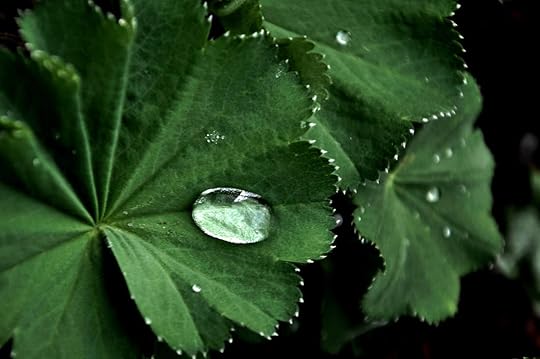 Photo by Gero Camp on Unsplash As a person, I walk this Earth for some eighty years. Born of my parents, I thrive, suffer and die. As one of billions, I think, speak and act, a tiny yet distinct fragment in a societal mosaic. In my travels, I behold magnificent sites, listen to bewitching sounds and otherwise take in my surroundings. Seen this way, I am a body harbouring a mind. This person is experiencing anxious times in a world turned upside down.
Beyond this human evidence, I suspect there is more to me. I appear ill equipped to fathom just what that is, but in magical moments I can conjure a glimpse of my greater self. It is only an image, a pale representation of the ungraspable, but it holds and fortifies me. No matter whether it is a window on reality or a useful metaphor: when I access it, my world calms, and I process events with less neurotic waste of energy.
Water
In one such moment, I imagine myself as water — not just some water but Water, all the H2O on and around this planet of ours.
When I picture myself as Water, I traverse the sky in cloud guise, sometimes puffy and white, others thundering and charcoal. I hang, muggy, on humid days, beading the outside of a cool lemonade glass. And I fill that glass, mixed with other substances. I float in cubes on the drink’s surface. On high, my vapour drifts, pregnant, until I gather in drops, ice pellets or flakes. Then I fall, for months at a time in Southeast Asian monsoons, hardly ever over deserts’ crust and dunes.
As Water, I cover the poles and mountaintops, cold and solid. I swirl in dancing spirals when winds whip my powdery form from its sparkling blanket on moonlit meadows. Frozen, I flow, glacially slow, thick and white, until I melt on Everest’s lower slopes. Or I crumble as giant bergs into myself, the sea.
I, Water, move as awesome waves in the Southern Ocean, as a short-lived vortex at the swish of a tuna’s tailfin. Lightless and heavy, I rest in trenches eleven kilometres beneath my own surface, which covers three-quarters of the Earth.
I trickle in clear streams. As languid river or rushing alpine cascade, I descend, seeking my ocean self. Fallen rain, I soak the soil, pool in lakes. And I gather in Life, composing and moving through plants and animals, microbes and fungi. Falling over turbines in furious torrents or rising through them with steaming force, I power human endeavour.
In my Water fantasy, I am the hydrosphere, a water world that bathes, cloaks, permeates and connects everything on and in the Earth’s skin. I take vastly different forms, appearing as countless seemingly separate instances. I may be a dewdrop poised on the tip of a drooping leaf, but I am not only that. No matter where, when or how I manifest, I am also all that Water is.
Life
Water outlives and transcends all its forms, but it is not separate from them. How much truer is this of Life?
The lion, the wildebeest, the bacterium, the chicken and the egg are instances of Life. Each lion. Each chicken. Life manifests as the rose, the beanstalk, the truffle and the hemlock leaf. It has cycles and phases. Life consumes and repurposes itself. Life is Ouroboros — the mythical snake eating its own tail.
Yes, the good Samaritan, the executioner, the rich man, the caring mother and the naughty child are Life. Alongside the majestic, Life’s forms include the unkind, the ignorant and the unfortunate. Good and evil sit comfortably in Life’s arms. Innumerable instances of every being I can imagine, these are Life’s equivalents to Water’s drops, flakes, bergs, floes, clouds and mists.
In Life, as Life, an embryo becomes a child (or a cub or a calf…). Life takes care of digestion. It breathes in all its forms. Life fights, flees or freezes when it meets threat. In some awkward cases, like mine, it contemplates itself.
This blessed life
I am a tall, bearded man in London, UK, but is that all I am? If Life both composes and transcends any life, as Water does the dewdrop on the leaf, what does that mean for me?
This man was born and will die. Each of his thoughts and feelings has a beginning and an end. Each experience he has arises and passes. If he is an aspect, a fragment of Life, which am I? The man or Life? I know I am alive because I think and feel, because I experience living. Does the man do that, or does Life? Might Life do it through the man?
The New Testament invites a parallel consideration of Jesus as the Son of God. Was Jesus a man or God? Were Father and Son two entities? Perhaps God lived on Earth as Jesus. Might the Father and Son be One, because the Son is a very special manifestation of the Father? The Father may be God in transcendence; the Son, God made imminent. Could that apply to us all as God’s children, a truth Jesus’s story can help us realise?
I’m no biblical scholar, so I give only my lay interpretation. It matches my vision of Life manifesting through every life. Life lives as each life, including this man’s. I am man and Life. The man only exists as an expression of Life. Life only ever appears as a specific being, looking out and experiencing from a particular perspective. Each needs the other. They are two sides of the same coin.
Sometimes, Life, as a life, recognises this truth. If that life is an awkward, self-contemplating one like mine, this recognition may allow it to relax and surrender to Life in even the most challenging times. My life may glimpse itself in the image of the dewdrop — suspended, a liquid prism glistening for some time at leaf’s tip, then falling to earth and continuing its journey as Water, to Water.
Photo by Gero Camp on Unsplash As a person, I walk this Earth for some eighty years. Born of my parents, I thrive, suffer and die. As one of billions, I think, speak and act, a tiny yet distinct fragment in a societal mosaic. In my travels, I behold magnificent sites, listen to bewitching sounds and otherwise take in my surroundings. Seen this way, I am a body harbouring a mind. This person is experiencing anxious times in a world turned upside down.Beyond this human evidence, I suspect there is more to me. I appear ill equipped to fathom just what that is, but in magical moments I can conjure a glimpse of my greater self. It is only an image, a pale representation of the ungraspable, but it holds and fortifies me. No matter whether it is a window on reality or a useful metaphor: when I access it, my world calms, and I process events with less neurotic waste of energy.
Water
In one such moment, I imagine myself as water — not just some water but Water, all the H2O on and around this planet of ours.
When I picture myself as Water, I traverse the sky in cloud guise, sometimes puffy and white, others thundering and charcoal. I hang, muggy, on humid days, beading the outside of a cool lemonade glass. And I fill that glass, mixed with other substances. I float in cubes on the drink’s surface. On high, my vapour drifts, pregnant, until I gather in drops, ice pellets or flakes. Then I fall, for months at a time in Southeast Asian monsoons, hardly ever over deserts’ crust and dunes.
As Water, I cover the poles and mountaintops, cold and solid. I swirl in dancing spirals when winds whip my powdery form from its sparkling blanket on moonlit meadows. Frozen, I flow, glacially slow, thick and white, until I melt on Everest’s lower slopes. Or I crumble as giant bergs into myself, the sea.
I, Water, move as awesome waves in the Southern Ocean, as a short-lived vortex at the swish of a tuna’s tailfin. Lightless and heavy, I rest in trenches eleven kilometres beneath my own surface, which covers three-quarters of the Earth.
I trickle in clear streams. As languid river or rushing alpine cascade, I descend, seeking my ocean self. Fallen rain, I soak the soil, pool in lakes. And I gather in Life, composing and moving through plants and animals, microbes and fungi. Falling over turbines in furious torrents or rising through them with steaming force, I power human endeavour.
In my Water fantasy, I am the hydrosphere, a water world that bathes, cloaks, permeates and connects everything on and in the Earth’s skin. I take vastly different forms, appearing as countless seemingly separate instances. I may be a dewdrop poised on the tip of a drooping leaf, but I am not only that. No matter where, when or how I manifest, I am also all that Water is.
Life
Water outlives and transcends all its forms, but it is not separate from them. How much truer is this of Life?
The lion, the wildebeest, the bacterium, the chicken and the egg are instances of Life. Each lion. Each chicken. Life manifests as the rose, the beanstalk, the truffle and the hemlock leaf. It has cycles and phases. Life consumes and repurposes itself. Life is Ouroboros — the mythical snake eating its own tail.
Yes, the good Samaritan, the executioner, the rich man, the caring mother and the naughty child are Life. Alongside the majestic, Life’s forms include the unkind, the ignorant and the unfortunate. Good and evil sit comfortably in Life’s arms. Innumerable instances of every being I can imagine, these are Life’s equivalents to Water’s drops, flakes, bergs, floes, clouds and mists.
In Life, as Life, an embryo becomes a child (or a cub or a calf…). Life takes care of digestion. It breathes in all its forms. Life fights, flees or freezes when it meets threat. In some awkward cases, like mine, it contemplates itself.
This blessed life
I am a tall, bearded man in London, UK, but is that all I am? If Life both composes and transcends any life, as Water does the dewdrop on the leaf, what does that mean for me?
This man was born and will die. Each of his thoughts and feelings has a beginning and an end. Each experience he has arises and passes. If he is an aspect, a fragment of Life, which am I? The man or Life? I know I am alive because I think and feel, because I experience living. Does the man do that, or does Life? Might Life do it through the man?
The New Testament invites a parallel consideration of Jesus as the Son of God. Was Jesus a man or God? Were Father and Son two entities? Perhaps God lived on Earth as Jesus. Might the Father and Son be One, because the Son is a very special manifestation of the Father? The Father may be God in transcendence; the Son, God made imminent. Could that apply to us all as God’s children, a truth Jesus’s story can help us realise?
I’m no biblical scholar, so I give only my lay interpretation. It matches my vision of Life manifesting through every life. Life lives as each life, including this man’s. I am man and Life. The man only exists as an expression of Life. Life only ever appears as a specific being, looking out and experiencing from a particular perspective. Each needs the other. They are two sides of the same coin.
Sometimes, Life, as a life, recognises this truth. If that life is an awkward, self-contemplating one like mine, this recognition may allow it to relax and surrender to Life in even the most challenging times. My life may glimpse itself in the image of the dewdrop — suspended, a liquid prism glistening for some time at leaf’s tip, then falling to earth and continuing its journey as Water, to Water.
June 8, 2020
They May Not Need Cheering Up
Can I support how they feel, not force how I want them to feel?
 Photo by Anthony Tran on Unsplash These are difficult times for families and friends spread across households, especially if older loved ones are on their own. Relationships stumble into uncharted territory, with shared drinks, coffees and hugs on hold. When you and I most need one another, we must stay apart. Although I know why, that doesn’t make it any easier. Humans didn’t evolve to handle this extreme isolation.
I have to be careful to keep my stress and anxiety from making things worse for the remote loved ones I most want to help through this. I may be reaching out to a relative to help them. They are depressed, afraid or lonely, so I want to cheer them up, to fix them. But beneath the surface, my contacting them could be about dealing with the discomfort their vulnerability triggers in me.
Am I supporting or demanding?
It’s not bad that another’s plight makes me uncomfortable. This is a natural and admirable empathetic reaction. And I am not weak because I seek to reduce my own unease by lifting their spirits. This too is understandable. But I need to be aware of what’s going on inside me to avoid crossing the line that separates supporting my loved ones from demanding that they feel well.
When I share a coffee with a friend who is angry, sad or fearful, I want her to be happy. We’ve known one another for a long time, and I care for her and her well-being. I’d like her mood to improve, for her sake. As we speak, I’ll look for a way to cheer her up or calm her down.
All the while, and independent of my altruism, as I sit with my friend’s emotional disturbance, I pick up her feelings. It’s not so much that I absorb them and feel those same things myself, but I do experience an agitation or discomfort. A sense of unease creeps into what might otherwise be a buoyant mood. I’d rather not be agitated. Like you, I prefer comfort to pain and relaxation to trouble. So I have an urge to act, to do what I can to alter my circumstances, to control any variable — including my friend’s mental state — that might improve my experience.
Both this unconscious selfish impulse and my altruistic one urge me to find a way to change my friend’s state of mind. I offer her different, more positive interpretations of her reality. When that doesn’t lift her spirits, I point out silver linings to tough truths. If necessary, I go on to tell a funny story to lighten the atmosphere.
If, after all this, my friend doesn’t cheer up and relax, my altruistic drive may begin to tire. Why is she wrapped so tightly? Does she have to be such a downer? My own discomfort from being near her imbalanced state erodes my compassion. Even if I keep a smile and an understanding look on my face, I drift toward desperation. I must improve this situation! Otherwise, one of two things will happen: I’ll need to escape or I’ll (unconsciously) create a drama that overrides my friend’s and distracts me from my vicarious unease.
Somehow, I’ve ended up failing to support my friend, instead demanding that she change her mood to one I find more acceptable, one that doesn’t unsettle me.
Picture this scenario played out not in person over coffee but in the even more strained circumstances of a video call between two self-isolating households. Add a potentially deadly disease prowling the streets and unprecedented economic uncertainty looming over everyone. Imagine that on my screen is not my friend but my aunt— getting on in age, at particular risk and struggling to make the video technology work. Perhaps I’ve already spent the day trying to complete an overdue report while juggling the home-schooling of my children.
That’s a lot of potential angst! Can I keep the selfish urge for comfort at bay while helping my loved one? Is this possible without breaking myself?
Let’s feel what we need to feel
It’s a tough ask. I have a habituated drive to fix the unattractive feelings of those around me so that I can be untroubled in their presence — even if that presence is remote on a phone or video call. The first step toward being more helpful for my aunt is to recognise that this drive exists in me, to notice it, to feel it.
The second step is to consider my aunt’s true needs. Unless she is in acute overwhelm — overloaded with intense negative experience — she doesn’t need distraction or redirection from her current mood.
We each fluctuate through a wide range of feelings daily and through our lives. When my aunt faces less pleasant parts of these cycles, the most important thing is for her to be with that experience. If she participates fully in the low periods, they will pass as all things do. If she fights them, pushes them away or buries them, the rejected feelings stick and find sneaky ways to leak into other aspects of her life. Society puts tremendous pressure on her to avoid and deny these low periods, suggesting she has a duty to be up, perky and with-it like everyone else seems to be. This is a sham and a great disservice; it applies to both my aunt and myself.
In these strange weeks of isolation and insecurity, I have a choice when reaching out to her and to other loved ones. Will I reinforce the societal pressure for them to hide negative feelings and deny painful experience, contributing to the neuroses that this creates? Or will our discussions be the space in which they can feel what they have to feel, be what they really are, in that moment?
The greatest gift I can give my loved ones is to choose the second option. But this is not be easy because I’m still learning to handle (stay with and participate in) the full range of my own feelings. I am getting better at this, but it takes consistent practice. Through the learning and even as an adept practitioner, I will experience pain and discomfort, but I’m coming to realise that I can bear and work with these sensations. A selfless task I can take on is to bear them for the duration of a call supporting someone who is struggling. I can live for those minutes with my discomfort, not demanding that the person get better, not insisting that their feelings be other than they are.
After doing this, I may need support myself. I know who I can reach out to, someone who stays with me without judgement as I speak and feel what is real for me in that moment. In this way, we can support one another. When I am more ‘up’ than you, I provide the space for you to participate, with no filter, in your ‘low’. When you are up relative to my low, you do the same for me.
As I connect in these extraordinary times, to be most helpful, I resist trying to lift my loved ones. Instead, I love and accept them as they are, providing the safety in which they can ignore the societal pressure to always be okay. This is a rare gift in our age and an invaluable one when many are fully facing their own vulnerability for the first time.
Photo by Anthony Tran on Unsplash These are difficult times for families and friends spread across households, especially if older loved ones are on their own. Relationships stumble into uncharted territory, with shared drinks, coffees and hugs on hold. When you and I most need one another, we must stay apart. Although I know why, that doesn’t make it any easier. Humans didn’t evolve to handle this extreme isolation.I have to be careful to keep my stress and anxiety from making things worse for the remote loved ones I most want to help through this. I may be reaching out to a relative to help them. They are depressed, afraid or lonely, so I want to cheer them up, to fix them. But beneath the surface, my contacting them could be about dealing with the discomfort their vulnerability triggers in me.
Am I supporting or demanding?
It’s not bad that another’s plight makes me uncomfortable. This is a natural and admirable empathetic reaction. And I am not weak because I seek to reduce my own unease by lifting their spirits. This too is understandable. But I need to be aware of what’s going on inside me to avoid crossing the line that separates supporting my loved ones from demanding that they feel well.
When I share a coffee with a friend who is angry, sad or fearful, I want her to be happy. We’ve known one another for a long time, and I care for her and her well-being. I’d like her mood to improve, for her sake. As we speak, I’ll look for a way to cheer her up or calm her down.
All the while, and independent of my altruism, as I sit with my friend’s emotional disturbance, I pick up her feelings. It’s not so much that I absorb them and feel those same things myself, but I do experience an agitation or discomfort. A sense of unease creeps into what might otherwise be a buoyant mood. I’d rather not be agitated. Like you, I prefer comfort to pain and relaxation to trouble. So I have an urge to act, to do what I can to alter my circumstances, to control any variable — including my friend’s mental state — that might improve my experience.
Both this unconscious selfish impulse and my altruistic one urge me to find a way to change my friend’s state of mind. I offer her different, more positive interpretations of her reality. When that doesn’t lift her spirits, I point out silver linings to tough truths. If necessary, I go on to tell a funny story to lighten the atmosphere.
If, after all this, my friend doesn’t cheer up and relax, my altruistic drive may begin to tire. Why is she wrapped so tightly? Does she have to be such a downer? My own discomfort from being near her imbalanced state erodes my compassion. Even if I keep a smile and an understanding look on my face, I drift toward desperation. I must improve this situation! Otherwise, one of two things will happen: I’ll need to escape or I’ll (unconsciously) create a drama that overrides my friend’s and distracts me from my vicarious unease.
Somehow, I’ve ended up failing to support my friend, instead demanding that she change her mood to one I find more acceptable, one that doesn’t unsettle me.
Picture this scenario played out not in person over coffee but in the even more strained circumstances of a video call between two self-isolating households. Add a potentially deadly disease prowling the streets and unprecedented economic uncertainty looming over everyone. Imagine that on my screen is not my friend but my aunt— getting on in age, at particular risk and struggling to make the video technology work. Perhaps I’ve already spent the day trying to complete an overdue report while juggling the home-schooling of my children.
That’s a lot of potential angst! Can I keep the selfish urge for comfort at bay while helping my loved one? Is this possible without breaking myself?
Let’s feel what we need to feel
It’s a tough ask. I have a habituated drive to fix the unattractive feelings of those around me so that I can be untroubled in their presence — even if that presence is remote on a phone or video call. The first step toward being more helpful for my aunt is to recognise that this drive exists in me, to notice it, to feel it.
The second step is to consider my aunt’s true needs. Unless she is in acute overwhelm — overloaded with intense negative experience — she doesn’t need distraction or redirection from her current mood.
We each fluctuate through a wide range of feelings daily and through our lives. When my aunt faces less pleasant parts of these cycles, the most important thing is for her to be with that experience. If she participates fully in the low periods, they will pass as all things do. If she fights them, pushes them away or buries them, the rejected feelings stick and find sneaky ways to leak into other aspects of her life. Society puts tremendous pressure on her to avoid and deny these low periods, suggesting she has a duty to be up, perky and with-it like everyone else seems to be. This is a sham and a great disservice; it applies to both my aunt and myself.
In these strange weeks of isolation and insecurity, I have a choice when reaching out to her and to other loved ones. Will I reinforce the societal pressure for them to hide negative feelings and deny painful experience, contributing to the neuroses that this creates? Or will our discussions be the space in which they can feel what they have to feel, be what they really are, in that moment?
The greatest gift I can give my loved ones is to choose the second option. But this is not be easy because I’m still learning to handle (stay with and participate in) the full range of my own feelings. I am getting better at this, but it takes consistent practice. Through the learning and even as an adept practitioner, I will experience pain and discomfort, but I’m coming to realise that I can bear and work with these sensations. A selfless task I can take on is to bear them for the duration of a call supporting someone who is struggling. I can live for those minutes with my discomfort, not demanding that the person get better, not insisting that their feelings be other than they are.
After doing this, I may need support myself. I know who I can reach out to, someone who stays with me without judgement as I speak and feel what is real for me in that moment. In this way, we can support one another. When I am more ‘up’ than you, I provide the space for you to participate, with no filter, in your ‘low’. When you are up relative to my low, you do the same for me.
As I connect in these extraordinary times, to be most helpful, I resist trying to lift my loved ones. Instead, I love and accept them as they are, providing the safety in which they can ignore the societal pressure to always be okay. This is a rare gift in our age and an invaluable one when many are fully facing their own vulnerability for the first time.
June 7, 2020
 Photo via
 June 6, 2020
 Photo courtesy of
 March 5, 2020
To be happy, truly love someone or something
We need love. Our quest for it shapes our lives. Psychotherapy tells us that much of our unexamined behaviour comes from unconscious strategies we formed to secure love as young children. We want to be loved without conditions, for who we are. If we had love, even with little else, we would be happy.
The feeling I enjoy when I receive love from another is a blissful one. It radiates safety, validation and understanding. These components sum to what strikes me as happiness. But the buzz of this received love is erratic, even in a stable, loving relationship. Feelings of pain, misunderstanding, rejection and betrayal interrupt it. I can’t guarantee others will give me the love I need.
The soap operas package this troubling truth and serve it back to us. The search for unconditional love is rich in drama. Sometimes the villain wears the face of another, one who sometimes but not always gives us what we need. How could they be so unreliable? We cast ourselves as the baddie in other scenes, undeserving of the very love we crave.
Might there be another take on this, a way out of this neediness, this dependence?
Consider the moments when you receive the love of another. What if it is not the love of the other that you feel? Could it be that in those moments of being loved, you stop asking reality to be different; you accept what life, in the guise of this loving person before you, sends your way? Perhaps in those magic scenes, bathed in the light of the love you’ve craved, you stop fighting life; you stop withholding your unconditional acceptance. In other words, in those instants, you love.
What if that amazing cocktail of positive feelings that we wrap up and call happiness is what arises when we love, when love flows from us? Consider the possibility that happiness is what loving – giving love – feels like. Well, that puts real power in our hands (or rather, in our hearts)! When we are loved, we give love in return, and this brings happiness. But are we confined to loving only in response to being loved by another? No! We can love when others do not grant us the love we crave. If so, would this act of unilateral love yield happiness too? Seems worth a try.
Taking this further, can we love only other people? Is it only in another person that we can recognise this deep connection, this reflection of something that resonates in us? Can only another person receive the blessing of our attention and the unconditional acceptance of exactly what they are, right now? This recognition of ourselves in the other can happen not only with lovers, family and friends, not only with strangers and even enemies. This love can arise with animals, plants, with any event that life brings. In fact, love doesn't ever arise, because it is always there, even when overlooked - ignored - by us. Love, this resonance, this recognition of oneness, is the human experience of wholeness and unity. It is always there and always available.
So none of us needs the love of another. The love we need is ours to give. We can grant it to all of life, and life includes (in fact life is) ourselves. The love each person needs can only come from one place - within. The same unreserved acceptance and embrace we can bestow on all external experience is available to grant to our own thoughts and feelings. Our love can welcome even the feelings outlawed in those childhood strategies that we adopted to win the love of others from when we first experienced the sense of separateness.
This is the human journey. The Fall is the innocent child’s passage from the undifferentiated immediate experience of being to the sense of separation from life's flow. It is not a sin nor a fuck up. It is humanity. The child's self-division ensues as she looks for the love she needs outside herself and casts into darkness any bits of herself that lead others to deny her. Every human story is unique, but all are at heart the search for love and the re-integration of our disowned selves. The climax is the chance to recognise the truth so close as to be invisible - that the love we seek is within us and is the key to re-integrating what the Fall and our immature response to it severed.
What Vedantins call Ananda, what to Buddhists is Nirvana, what Christians see as Heaven is always within reach. In fact, we needn’t reach it, because we hold it already, although we prioritise security and comfort over it, too often keeping it locked away. We get glimpses of it when we love another, when we bless a moment with unconditional acceptance, when we recognise our essence in another. These moments of happiness are fleeting sights of the peace and ease that rest within us. The more we truly love, the more frequent and lengthy our views of its radiance.
The feeling I enjoy when I receive love from another is a blissful one. It radiates safety, validation and understanding. These components sum to what strikes me as happiness. But the buzz of this received love is erratic, even in a stable, loving relationship. Feelings of pain, misunderstanding, rejection and betrayal interrupt it. I can’t guarantee others will give me the love I need.
The soap operas package this troubling truth and serve it back to us. The search for unconditional love is rich in drama. Sometimes the villain wears the face of another, one who sometimes but not always gives us what we need. How could they be so unreliable? We cast ourselves as the baddie in other scenes, undeserving of the very love we crave.
Might there be another take on this, a way out of this neediness, this dependence?
Consider the moments when you receive the love of another. What if it is not the love of the other that you feel? Could it be that in those moments of being loved, you stop asking reality to be different; you accept what life, in the guise of this loving person before you, sends your way? Perhaps in those magic scenes, bathed in the light of the love you’ve craved, you stop fighting life; you stop withholding your unconditional acceptance. In other words, in those instants, you love.
What if that amazing cocktail of positive feelings that we wrap up and call happiness is what arises when we love, when love flows from us? Consider the possibility that happiness is what loving – giving love – feels like. Well, that puts real power in our hands (or rather, in our hearts)! When we are loved, we give love in return, and this brings happiness. But are we confined to loving only in response to being loved by another? No! We can love when others do not grant us the love we crave. If so, would this act of unilateral love yield happiness too? Seems worth a try.
Taking this further, can we love only other people? Is it only in another person that we can recognise this deep connection, this reflection of something that resonates in us? Can only another person receive the blessing of our attention and the unconditional acceptance of exactly what they are, right now? This recognition of ourselves in the other can happen not only with lovers, family and friends, not only with strangers and even enemies. This love can arise with animals, plants, with any event that life brings. In fact, love doesn't ever arise, because it is always there, even when overlooked - ignored - by us. Love, this resonance, this recognition of oneness, is the human experience of wholeness and unity. It is always there and always available.
So none of us needs the love of another. The love we need is ours to give. We can grant it to all of life, and life includes (in fact life is) ourselves. The love each person needs can only come from one place - within. The same unreserved acceptance and embrace we can bestow on all external experience is available to grant to our own thoughts and feelings. Our love can welcome even the feelings outlawed in those childhood strategies that we adopted to win the love of others from when we first experienced the sense of separateness.
This is the human journey. The Fall is the innocent child’s passage from the undifferentiated immediate experience of being to the sense of separation from life's flow. It is not a sin nor a fuck up. It is humanity. The child's self-division ensues as she looks for the love she needs outside herself and casts into darkness any bits of herself that lead others to deny her. Every human story is unique, but all are at heart the search for love and the re-integration of our disowned selves. The climax is the chance to recognise the truth so close as to be invisible - that the love we seek is within us and is the key to re-integrating what the Fall and our immature response to it severed.
What Vedantins call Ananda, what to Buddhists is Nirvana, what Christians see as Heaven is always within reach. In fact, we needn’t reach it, because we hold it already, although we prioritise security and comfort over it, too often keeping it locked away. We get glimpses of it when we love another, when we bless a moment with unconditional acceptance, when we recognise our essence in another. These moments of happiness are fleeting sights of the peace and ease that rest within us. The more we truly love, the more frequent and lengthy our views of its radiance.