Thom Wall's Blog
December 28, 2022
2022: Back on Board!
After about a year away from cruise ships (thanks to the pandemic, naturally!), I’m pleased to say that I’m back on board!
Sailing is still much as it used to be, only with a few extra hand sanitizer kiosks dotting the hallways. It took a little work to get my sea-legs back, but by golly, it was a great season in the Caribbean.
Take a look at the video below to see a bit of what I’ve been up to!
<div class='avia-iframe-wrap'><iframe title="Thom Wall - Royal Caribbean - Adventure, Jewel, Liberty, & Independence of the Seas - 2022" width="1500" height="844" src="https://www.youtube.com/embed/LlTgDEK..." frameborder="0" allow="accelerometer; autoplay; clipboard-write; encrypted-media; gyroscope; picture-in-picture" allowfullscreen></iframe></div>
The post 2022: Back on Board! appeared first on Thom Wall.


September 21, 2022
“Distinguished Alumni Award” 2022 – Ladue Education Foundation
I was surprised to learn this summer that I had been nominated as one of Ladue Horton Watkins High School’s “Distinguished Alumni” for my work as a performing artist and circus researcher. I was even more surprised a few weeks later, when I found out that I was chosen to be a recipient of this award!
I grew up in St Louis, Missouri — moving to the Ladue school district from our old home in Los Angeles — when I was entering my Sophomore year of high school. It was there that I continued my Spanish language education, adding to it German, graphic design, and (of course!) where I started the school’s juggling club.
It hadn’t been since 2005, when I graduated, that I’d set foot back on campus, and boy has it changed. No longer a the state-of-the-art 1950s school building, it’s essentially been converted into a college campus. Jealous that these kids have a library with a JStor subscription (and, hey, the new Home Ec rooms are pretty incredible, too!)
As part of the event, I was invited to give a short speech and share some juggling on stage as well. If you’d like to hear the story of my first talent show in highschool, there’s a video below!
<div class='avia-iframe-wrap'><iframe title="ladue hwhs" width="1500" height="844" src="https://www.youtube.com/embed/PBLTSFl..." frameborder="0" allow="accelerometer; autoplay; clipboard-write; encrypted-media; gyroscope; picture-in-picture" allowfullscreen></iframe></div>
“Recent Ladue Schools and Ladue Education Foundation and Alumni Association events honored the current year’s 29 Distinguished Alumni finalists, who stood out among over 90 nominations by demonstrating extraordinary accomplishment and leadership in their fields as well as commitment to their communities.”
The post “Distinguished Alumni Award” 2022 – Ladue Education Foundation appeared first on Thom Wall.
August 7, 2021
Flags Flown over the US Capitol… in Honor of Juggling!
A quick note about something very cool that happened recently.
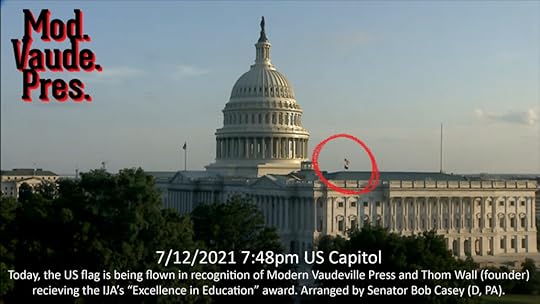
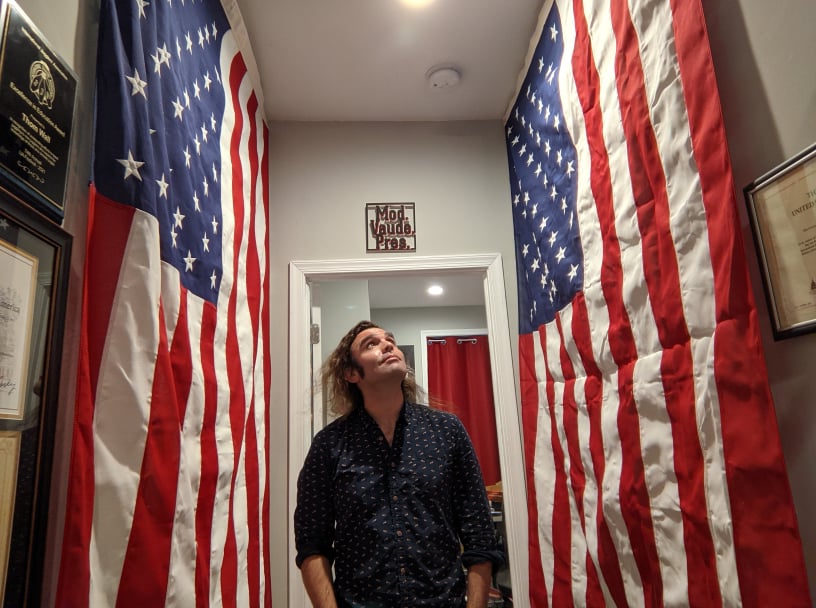
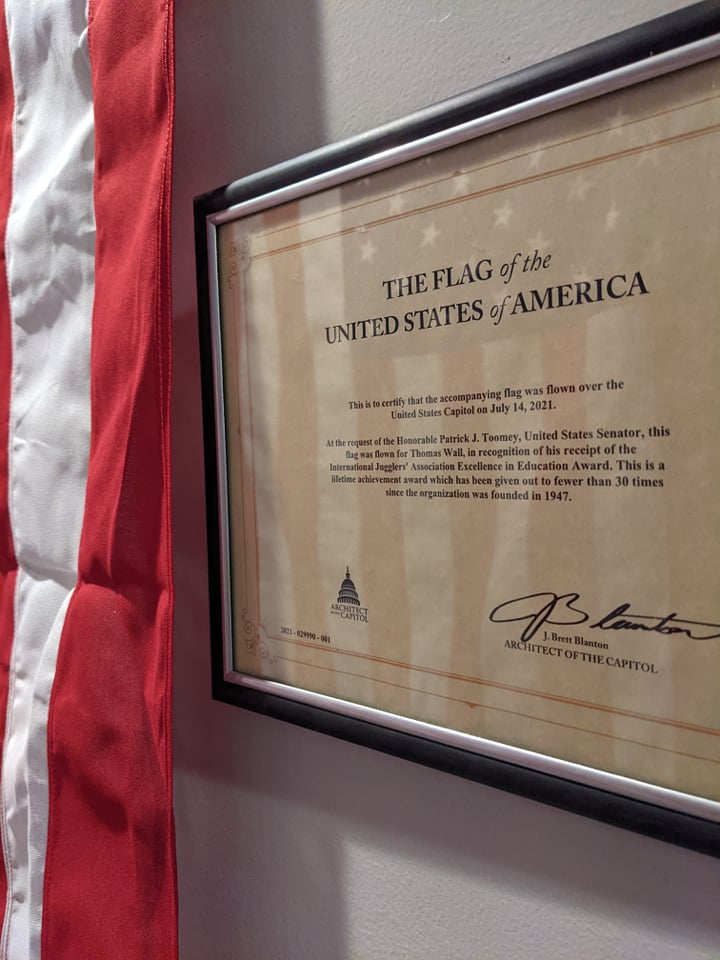
Last month, the International Jugglers’ Association announced that I was being awarded the Excellence in Education Award thanks to my efforts as a coach, as an organizer, and for my work with Modern Vaudeville Press. (Cue the fanfare – what an honor!) Press releases were sent out, the festival came and went, and the IJA’s plaque came in the mail and was hung on the wall moments later. Little did I know what else was coming my way… As it would turn out, BOTH the Democratic and Republican senators from Pennsylvania heard about this award and had plans of their own! On July 12th, Senator Bob Casey (D) had the flag raised over the US Capitol building to “…honor Thomas Wall – an academic and circus performer who works to preserve American performing arts history.” Two days later, on the 14th, Senator Patrick Toomey (R) also had the flag raised over the US Capitol building “…in recognition of Thomas Wall and his receipt of the International Jugglers’ Association Excellence in Education Award… a lifetime achievement which has been given out fewer than 30 times since the organization began in 1947.” Does juggling truly cross the aisle and generate bipartisan support? Is juggling the “great uniter”? (Or was there a simple paperwork mix-up?) In either event, the hallway leading to MVP’s office is now a patriotic stroll between a pair of flags–as tall as the corridor itself–flown over my nation’s capitol in recognition of the work I do. And that’s pretty cool. A massive thank-you to the International Jugglers’ Association, my artistic and academic collaborators, and everyone who’s suffered through long-winded answers to questions about juggling technique and history. You’ve made this juggler swell with pride and have encouraged him to stay the course.
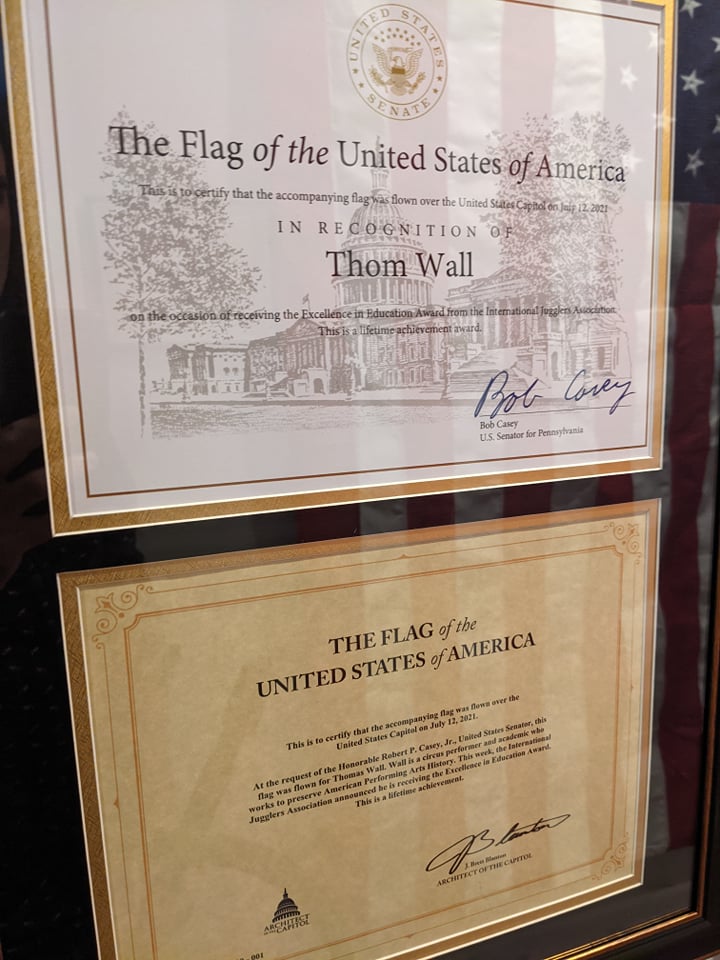
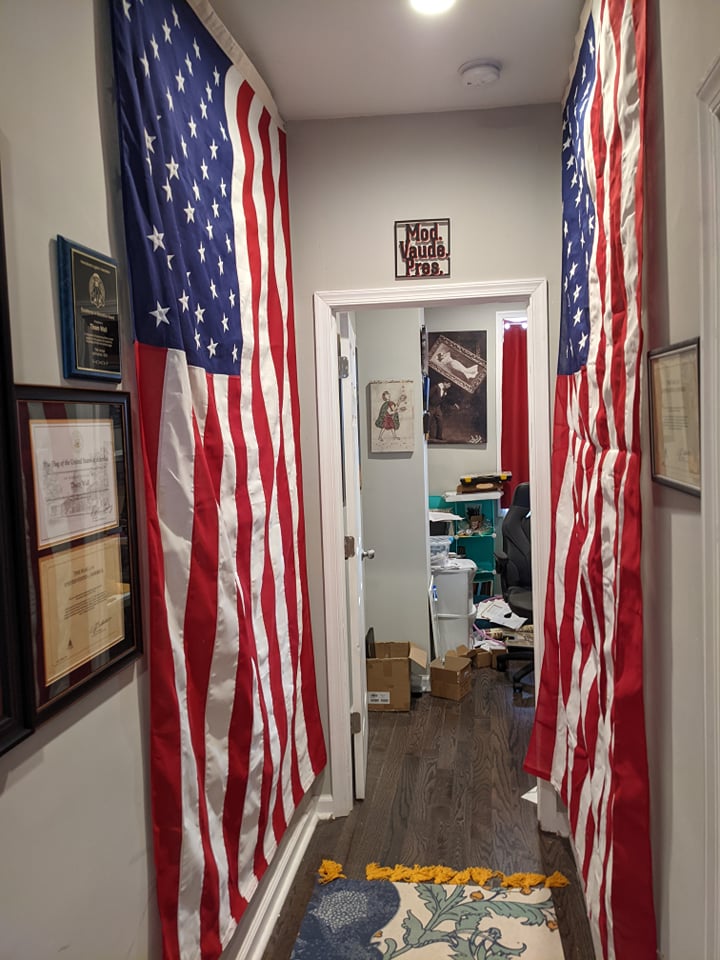
The post Flags Flown over the US Capitol… in Honor of Juggling! appeared first on Thom Wall.
August 6, 2021
“A Juggling Act” – WUSTL – The Source
via The Source | WUSTL
As a kid, Thom Wall picked up The Complete Juggler by Dave Finnigan at the library and never looked back. Eventually, juggling would take him around the world with Cirque du Soleil.
But first, he wanted to go to college. Washington University was a contender because of its robust language offerings and juggling club—The National Prestigious Society of Collegiate Jugglers. Plus, Wall’s father was a professor there — L. Lewis Wall, the Selina Okin Kim Conner Professor in Arts & Sciences for Medical Anthropology, and professor of sociocultural anthropology and of obstetrics and gynecology at the School of Medicine.
The spring before Wall arrived, though, “everybody that was involved with [the juggling club] graduated. So when I came to the school in 2005, I found out that they had put my name on all of the paperwork as president of the club.”
Under Wall, the club grew, and it became known for its festival each fall, attracting people from all over the world. Wall also developed his first show, occasionally traveling with a WashU admissions officer to demonstrate for high school kids.
When Wall graduated, he moved to Boulder and worked as an at-risk youth counselor and performed on the Pearl Street Mall.
“Performance boot camp, that’s basically what the street is,” Wall says. His showmanship began to catch up with his technical skill, and he booked his first job with the Hellzapoppin Circus Sideshow Revue, “the greatest show in Hell,” according to Rolling Stone, and discovered he could make it as a full-time juggler.
Wall has performed with operas and ballets, on the National Mall for the Smithsonian Institution, and with the Rockettes at Radio City Music Hall. “Nobody’s ever upset the juggler showed up,” Wall says. “I’m lucky I didn’t take up the bagpipes. I’m not sure you’d have a bagpiper at your Mardi Gras festival, but you might have a juggler.”
After winning a silver medal at the International Jugglers’ Association Senior stage championships (known in the community as the “world championships” of stage juggling), Wall got a call from Cirque du Soleil. He ended up touring with the world-renowned circus for five years.
“Studying all those languages [at WashU] has helped me in my life as a touring performer,” says Wall, who majored in German but also studied Spanish and Arabic. He taught a juggling class in Arabic and did TV interviews in Spanish.
In 2019, Wall decided to leave Cirque du Soleil. “I was meeting these jugglers from all over the place, and I learned about [other] styles of juggling,” Wall says. “I started researching that, and it led me down all of these other rabbit holes. So in between shows, honestly sometimes in between cues during a show, I’d be reading whatever I could find on JStor.”
Once he left, Wall moved to Philadelphia, started performing with Royal Caribbean Cruise Lines and taught at the Philadelphia School of Circus Arts and at Circadium: School of Contemporary Circus. He also wrote the book Juggling from Antiquity to the Middle Ages: The Forgotten History of Throwing and Catching.
“At first blush, a lot of people would probably think it’s very frivolous,” Wall says. “But it’s about this human behavior that’s been exhibited since the earliest written records. There are records of juggling from 4,000 years ago in Ancient Egyptian burial chambers.”
Wall found a publisher, but it asked him how to best market the book, so Wall decided to start his own press. He was soon being contacted by other circus historians and academics or circademics, as they are called in the community. Now, his Modern Vaudeville Press has seven books out about different topics within the circus ranging from history to how-to and 10 more projects on the way.
One of the books is about circus artists of color, such as trapeze artist Miss La La who was painted by Edgar Degas. “All of her body of work has basically just disappeared,” Wall says. “And we’re trying to bring it back and consolidate it.”
Starting his press couldn’t have come at a better time, since the pandemic has curbed his performing for the time being. The historical research has also influenced his performing, because he has been recreating historical acts. Despite preserving historical acts and publishing histories of an understudied art form, Wall demurs on the impact he’s having on circus.
“I’m just grateful to preserve people’s life’s work,” he says.
The post “A Juggling Act” – WUSTL – The Source appeared first on Thom Wall.
May 30, 2021
Pathways to Circus Legitimacy: The Library
This article was originally published on CircusTalk in May, 2021.
Like the rest of the world, American circus artists have spent the last eighteen months largely out of work, unemployed and stunned. Although we often joke about how careers in the arts are fragile, the pandemic has made many circus performers in the US understand in very real terms how little institutional support there is for our field.
Whenever a recession hits the United States, the arts and entertainment industry is one of the first to buckle, as we also saw after the dot-com bubble collapsed in the early 2000s and again in the aftermath of the Great Recession later that decade. Historically, these economic recessions are accompanied by what some economists call a “social recession,” a years-long period where conditions within a country deteriorate, leading to a contraction of the country’s social, cultural, and artistic spheres. Social recessions are marked by their length. Between 1971 and 2006, the United States endured five economic recessions, four of which were short, lasting less than a year. The corresponding “social recessions” had an average duration of five years each. [1]
As the summer comes around, the CDC relaxes restrictions, and American performers scramble to get work, we need to remember to ask ourselves: What can we, as a circus community, do to ensure we endure the next recession? What can we do to ensure that we, and the art form we love, suffer less next time?

President Lyndon B. Johnson signs the National Foundation on the Arts and Humanities Act into law. Image source: National Endowment for the Arts
Many within our field are quick to answer that the situation would be different if the American circus industry could rely on funding from endowments, foundations, or governmental institutions, such as the National Endowment for the Arts. (After all, they support other art forms–why not us?!) This often happens in the same breath as comments about the “otherness” of circus and how it’s a natural home for expression that subverts the status quo. The professionalization of American circus does not have to mean the gentrification of American circus. Getting recognition from the Establishment does not mean “selling out” or betraying the essential spirit of our art form. It means curating the American circus archives– translating our love for the craft into a language that they understand, carving our own place within the American institutional life, and working to understand what outside forces have led to the state of today’s industry. Simply put, in order to gain access to this kind of support from “outside the circus tent,” there is a lot of work to do. We need to demonstrate to the outside world that not only are we interested in the practice of circus, we are interested in the elevation of circus as a performing art with a unique history, culture, and role within American society.
There are no accredited higher education circus schools in the USA, though a handful of schools have started the process. (Accreditation being the processes of “legitimizing” an institution of higher learning within the State of its jurisdiction, allowing it to offer a recognizable diploma rather than a certificate which holds no clout in the outside world.) [2] One of the final steps of accreditation under the American system is to have a functioning “Learning Resource System”. [3] (Broadly speaking, this is a library stocked with resources that are integrated into the school’s curriculum.) Although many circus schools in the US have a bookshelf or two, these collections fall far short of what’s needed by accrediting bodies: not only are these collections unmanaged and often not integrated into the school’s curriculum, in many cases there isn’t even an inventory of the books that make up the collection. Given that circus schools in the US generally have limited resources, this shouldn’t be surprising. Book-learning gets relegated to the back-burner in these institutions because a library (no matter how well-managed!) won’t bring students to a recreational silks class. The school needs to be financially viable before it can consider the years-long process of building a library and getting accreditation.
In my experience, this culture of “back tucks before books” has noble (if pragmatic) intentions – the labor market these students will enter is based in spectacle, not in academic lectures from educated acrobats. Yet, this attitude does a disservice to our field. [4] By emphasizing technique in this way, we’re telling young artists (explicitly or not) that spectacular circus skills are themselves the end goal, rather than tools to be used for creative expression. The artist simply “shows off what they can do” instead of exploring the relationship between the performer and the skillset. [5] This trend of skills-based instruction is a classic “chicken or the egg” paradox — do we teach this way because there isn’t a robust infrastructure to support an academic curriculum? Or do we lack funding because of this skills-first approach?
To put it plainly: Can you imagine someone graduating with a degree in a “legitimate” fine art like painting or sculpture without understanding the history of their field, its notable participants, and how past efforts helped shape the present? Why should circus professionals be held to a different standard? Why is our “fine art pedagogy” lacking the substance of other art forms? [6]
Paradise Will Be a Kind of Library
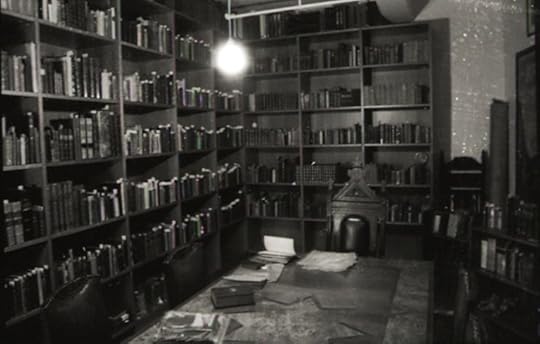
The Conjuring Arts Research Center in Manhattan, which houses over 12,000 volumes. Image source: Conjuring Arts
To start, a lot of books about the circus aren’t particularly helpful. Many titles about the circus gush about how wonderful certain performers or companies were, neglecting detailed descriptions of the performances they actually put in the ring. [7] Compare this to any other fine art, such as sculpture or painting, and the stacks of books that line their libraries’ walls and fill the syllabi of their introductory courses. Even closer to home, in the worlds of magic and clowning, such libraries exist. Both sleight of hand and physical comedy are fields of study with storied pasts, just like the circus arts, and their shelves are brimming with titles full of nuance and detail. The circus “library” isn’t in the best shape –and this phenomenon has consequences. By singularly emphasizing acrobatic technique over the stories of performers who have come before us and the realities of the markets they worked in, we’re graduating circus practitioners who don’t understand the history of their skills or the context of their own careers today. By ignoring an entire field of study within the circus — the field of understanding circus — schools essentially tell their students that this history is unimportant — that circus is about what the individual does, rather than an interconnected web of practitioners advancing an art form through their individual and collective actions.
I hasten to add that, on a practical level, many of our industry’s leaders also see the individual artist as unimportant. To quote a 2017 interview with Cirque du Soleil CEO Daniel Lamarre on the subject of buying The Works (a production company that specializes in magic shows): “Like us, they have no stars… the show is the star, and they’re constantly using different [performers]. The fact that they’re not focused on stars gives you scalability” — a sentiment he reiterated in 2019 when speaking about Mindfreak closing on the Las Vegas strip. All of this is to say, if the largest employer of circus artists in the world sees today’s individual performers as irrelevant to the company’s success, and today’s performers consider yesterday’s artists as irrelevant to their own careers, what does that mean for the future of our craft?
By neglecting our history, we’re dismissing our predecessors and their work. Their work is what has allowed us to perform our own work. Professionals in the US today often learn from their coaches and their own “on the fly” experiences, ignoring the 200 plus years of development in the circus arts. They ignore (by choice or otherwise) the performers who came before them, their decisions made and struggles overcome while building their own careers. This is sometimes framed as a pursuit of “authentic” experiences (or, to read more cynically: experiences unfettered by outside information). [8] To be glib, it’s rude to stand on the shoulders of a giant and not acknowledge that giant’s efforts, whenever they took place.
To illustrate the point more concretely, how many times has a passer-by suggested to a handbalancer “That’s impressive –now do it on one finger!”, to be met with a (well-deserved) eye-roll and a quick “Yeah, that’d be cool, but that’s impossible!” Our handbalancer has never seen the stunt done, and has no reason to believe that it would be possible in the first place. Wouldn’t it be more interesting to respond, “There are a handful of people still doing that trick today!”– then read about the methods Unus, [9] Paulinetti, Hall, and others used to perform that skill night after night?
Or, perhaps, would the “innovative” high bar acts from Cirque du Soleil’s Corteo or Totem have been described a different way, [10] had the reviewers leafed through Strehly’s L’Acrobatie (1917) [11] and seen the off-the-beaten-path highbar designs detailed there? We often struggle to find “the next best thing,” not realizing that the groundwork was laid (and forgotten about) often as long as 100 years ago. [12]
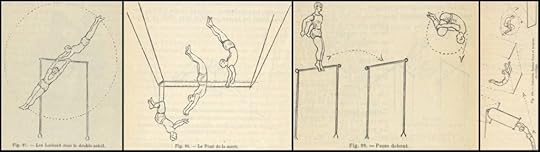
Illustrations from from Strehly’s L’Acrobatie (1917). From the author’s collection
Be that as it may, we run into the same issue as before. Even if today’s student knows what they’re interested in, what good is it if they don’t know where to find it?
Though circus schools are clearly important stakeholders when it comes to attitudes and perceptions of the circus, the responsibility doesn’t stop with them when it comes to preserving and passing down our shared history. Cultural gatekeepers — performing arts centers, universities, the National Endowment for the Arts (NEA) — also tend to overlook the circus, and not just on their library shelves. In fact, they don’t officially see Circus Arts as its own artistic discipline at all. This is most salient when speaking with the directors of circus schools — who are forced to describe their goings-on as either “theater” or “dance” when applying for licenses, writing grants, or speaking to regional arts groups.
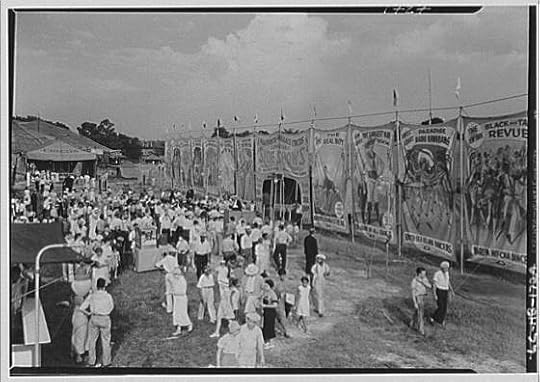
Circus scene. Crowds in front of Hagenbeck and Wallace Circus sideshow tent. Image source: Library of Congress
Circus (which is no more “theater” or “dance” than dance or theater are themselves interchangeable terms) is seen as something different than the arts you see on drop-down menus when applying for grants. Arts is shorthand forfine arts — that is, a creative medium to be appreciated for its aesthetic, imaginative, or intellectual content above all else. When America’s cultural institutions established their scope, the circus was as big as Hollywood — a for-profit industry (that is, one with the sole purpose of money-getting rather than contributing to the emotional life of the audience) [13] which brought in millions by offering popular entertainments. It wasn’t a fragile artistic tradition that needed outside support. It was a uniquely commercial, American enterprise (read:not art). It seems that the first step to being seen as truly legitimate on an institutional level is having your own subheading. Circus is not simply an acrobatic “flavor” of theater, nor is it “dance: other” or “performing arts: miscl.” It’s circus.
Happily, there has been movement on this front.
Leaning Towards Recognition
In 2020, the Modern Language Association (MLA) began a concerted effort to broaden their bibliography’s coverage of Circus Arts, as members of their leadership realized circus disciplines were under-represented and under-indexed within it. The MLA is the largest and oldest curated academic bibliography — and it seems the number of circademics producing work about the circus has been noticed by the cultural gatekeepers. This is one of the first steps for circus professionals to eventually win grants earmarked for their own specific disciplines (not “dance” or “theater”) as well as the other trappings of an art form held in high cultural regard in our country. As other institutions see circus professionals approaching their field in ways they recognize as being serious, rigorous, and more-than-just-spectacle, I believe they will ultimately follow suit, offering opportunities earmarked specifically for practitioners of our own corner of the performing arts.
Moreover, in the time between drafting and publishing this missive, a group of circus professionals announced the launch of a new circus arts advocacy initiative: The American Circus Alliance(ACA). In the launch meeting, which took place on April 22nd, 2021, interim board member Mark Lonergan summed the organization in brief: Collective action. That’s the major theme of this organization. Most excitingly (and, perhaps, most dryly), the ACA has partnered with Be An Arts Hero, a 501(c)4 organization that opens the door to direct political action and lobbying on behalf of the circus arts [14] — a kind of activism hitherto inaccessible to American circus artists.
There is movement. American circus is finding institutional traction. We’re waking up from a collective hibernation.
And it’s not just movement on a top-down, institutional level. Quality information is becoming more accessible to inquiring circus minds, as well. Just in the past year, a number of remarkable new titles have hit the shelves — helping “close the gap” by making well-written, interesting, original research and writing about the circus more accessible. [15] This helps artists in our own community better connect with their disciplines and industry while also signaling to the outside world that yes, this is something worth talking about. This is something worth dedicating time to. This is what we do with our lives.
In order for the Circus Arts to be seen as “legitimate” in the eyes of cultural gatekeepers, we need to treat it like a legitimate art form by cultivating — together — a greater understanding of our shared history and challenges faced by those who blazed the paths we find ourselves walking down now. [16] The value of this practice transcends simply “knowing a lot of facts” — rather, by taking an interest about circus — in elevating circus– we take the field from “trade” to “profession.”
In a field where so much importance is placed on developing a unique style, a signature trick, and building a career for oneself, it’s easy to lose sight of our commonalities. Circus is a tradition of support and community, and we were all drawn to it for one reason or another. We’re here for the love of the circus and because we want the art form to continue. By tapping into our shared history, we grow stronger as a community.
The American circus (and its allied arts!) has survived every economic crisis in this country since John Bill Ricketts built his Philadelphia amphitheater in 1792. The question isn’t ‘Will the circus survive?’ The question is ‘What condition do we want to leave it in for future generations? ‘
What’s next for American Circus? Well, that’s up to the American circus community.
Footnotes
[1] For more on this, read The Arts in a Time of Recession by Miringoff & Opdycke
[2] Note that this is in no way a rejection of the certificates given by American circus schools today. Certificates play a role in signaling to others within our industry about our network and training. When a student graduates from NECCA or Circadium and adds that to their CVs, employers “inside the circus tent” have an idea of their skill level. Outside accreditation–and the resulting diplomas–offer the rest of the world an idea of the level of training in the real world context outside of the circus community.
[3] From the Accrediting Commission of Career Schools and Colleges (ACCSC) Standards of Accreditation: Substantive Standards, section 7: “A learning resource system includes all materials that support a student’s educational experience and enhance a school’s program… [it] must include materials commensurate with the level of education provided… [and] be integrated into a school’s curriculum and program requirements as a mechanism to enhance the educational process… managed by qualified personnel… [with] written policies and procedures for [the resource system’s] ongoing development.”
[4] To paraphrase R.G. Collingwood, the 20th century British aesthetic philosopher: Crafts arise from step-by-step processes and do not necessitate reflection, introspection, or spontaneous choice to produce (baking cakes or building tables, for example.) These are utilitarian endeavours, often with a decorative quality of some kind. Arts, however, are a form of “imaginative expression” that arise from- and are shaped by- mental activity and preserved in some medium.
[5] In the theater, this would fall under the purview of dramaturgy. Dramaturgs “…contextualize the world of a play; establish connections among the text, actors, and audience; offer opportunities for playwrights; generate projects and programs; and create conversations about plays in their communities.” (Literary Managers and Dramaturgs of the Americas.)
Dramaturgs in the circus are few and far between, though their work offers important context for today’s performers. In his 2017 piece, “Dispelling the Myths of Circus,” Belgian circus dramaturg Bauke Lievens asserts “…that [today’s circus performance] is mainly about circus itself, and only rarely about the world,” and that this “over-identification with the romantic image of the circus” (read: a surface-level understanding of “the ghost of circus past”) “has made us start to believe in the myth of authenticity.” These are notes from a European denizen of the circus world — if these criticisms apply to Europe, where professional circus schools and organizations enjoy varied levels of governmental support… what could that mean for the state of circus at home?
[6] Or, to be blunt, are we a “fine art” because we say we are? Or, what other lenses can we look at our field with and to find faults that are holding us back?
[7] The best description we have of the legendary Enrico Rastelli’s act, for example, is a page of notes written by juggler Bobby May some 46 years after he saw Rastelli in the ring. In the papers, this extraordinary display of skill was often just described as non plus ultra and left at that.
[8] It was some twenty years into this writer’s own performance career that he read that both Bobby May and Gil Dova referred to the pro-juggling lifestyle as “living in the isolation ward.” It’s comforting to know that touring as a solo act has always been difficult, and there’s a kind of comfort and camaraderie to be found in that shared experience — even though our careers were shaped by different times entirely.
[9] Of these three performers, the “one-finger stand” is most associated with the legendary Unus, who performed through the early 60s.
[10] To be clear, different doesn’t necessarily mean better. In my opinion, audience members would be better served understanding that these disciplines are the result of centuries of development — not (at worst) a “gimmick” or (at best) a “ ‘new’ technique” that serves a single show. This book, which was the first to describe modern acrobatic technique, describes (and illustrates) a number of high-bar routines with qualities that fit the description of these shows’ “innovations”.
[11] My company, Modern Vaudeville Press, is currently working on an annotated English translation of this seminal text. The full version (in the original French) can be found on Gallica here.
[12] We can see evidence of this phenomenon happening with Cirque du Soleil’s Volta and the hair hanging act there. Once this “long-lost” discipline was “reintroduced” to the world by dint of its inclusion in a major show, it grew in popularity within the circus world. However, this discipline had never actually gone anywhere– the discipline has been a staple at traditional circus schools (such as La Universidad Mesoamericana in Puebla, Mexico, et al.) for ages. Is the issue that there are so few coaches who understand nuances in training the discipline? That’s just another reason why it needs to be written down in detail – so our shared history isn’t lost.
[13] For more on this, one need look no further than PT Barnum’s monograph, The Art of Money Getting. In the same essay, Barnum relays sound advice that might have come in handy before this industry-shattering pandemic: “Every man should make his son or daughter learn some useful trade or profession, so that in these days of changing fortunes of being rich to-day and poor tomorrow they may have something tangible to fall back upon. This provision might save many persons from misery, who by some unexpected turn of fortune have lost all their means.” Barnum and his legacy still inhabit the minds of the American public — and here, he indicates that the people of his day see “circus skills” as (at worst) not a useful trade or profession or (at best) applicable only to a fragile market… and his immediate market was far-and-away larger than that of modern times.
[14] For readers unfamiliar, the not-for-profit organizations they interact with on a day-to-day basis are likely 501(c)3 groups — apolitical organizations with a community-driven focus (the American Youth Circus Organization and the International Jugglers’ Association are examples of these.) 501(c)4 organizations tend to have a much narrower (and usually political) focus, and are allowed to engage in unlimited lobbying activities (MoveOn.org and the American Civil Liberties Union, for example.) Thanks to stipulations in the American tax code regarding charitable donations and tax deductions, things get really interesting when a 501(c)3 and a 501(c)4 partner up. If you’re interested in more on this, check out this article by the National Committee for Responsive Philanthropy.
[15] This is due in part to the advent of print-on-demand publishing, which allows small and independent presses to distribute niche titles without the need for significant overhead. Stewards of the Circus Arts have more tools at their disposal than ever before! This technology has eroded the power of traditional gatekeepers, such as major publishers who want to sell books by the million– not esoteric titles on circus spectatorship, lost disciplines, and long-dead acrobats.
[16] If you want to see what we’re up against culturally, I challenge you to read this press release from TGI Fridays without rolling your eyes. Does Circus mean “Fine Art” or “Amazing Blazing Pound of Cheese Fries”? In either event, the developers of this multi-million dollar marketing stunt explicitly refer to the Circus motif as an avenue for nostalgia. To them, Circus is something that was. And that message is going out to every strip mall in America. Today.
Special thanks to:
Kimzyn Campbell
Benjamin Domask-Ruh
Fritz Grobe
Madeline Hoak
Sophie Lewis
The post Pathways to Circus Legitimacy: The Library appeared first on Thom Wall.
August 31, 2020
Want To Juggle? St. Louisan Thom Wall Says It’s About ‘Cultivating A Relationship’ [NPR]
St. Louis Public Radio | By Lara Hamdan
Published August 31, 2020 at 4:13 PM CDT
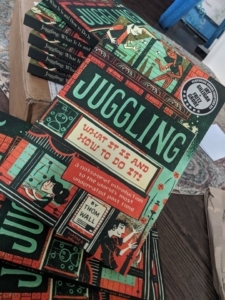
Thom Wall is among the world’s most notable jugglers — and now he’s able to offer his tips and tricks to enthusiasts of all levels. On Monday, he released his latest book: “Juggling: What It Is and How to Do It.”
His travels near and far with the Cirque du Soleil inspired this literary endeavor. He would teach juggling tricks to the ushers and popcorn vendors, figuring out what works best when explaining contemporary juggling techniques.
“A lot of people say, ‘Oh, I could never learn how to juggle. I just don’t have the coordination.’ … That’s absolutely not true. The coordination [is] the skill that you’re improving when you decide that you want to learn how to juggle,” Wall said.
“It really is about cultivating a relationship between a person and an object. And that’s what it is just from the get-go.”
<div class='avia-iframe-wrap'><iframe title="[Testimonial Video] "Juggling: What It Is and How to Do It" by Thom Wall - Modern Vaudeville Press" width="1500" height="844" src="https://www.youtube.com/embed/EbMhr_c..." frameborder="0" allow="accelerometer; autoplay; clipboard-write; encrypted-media; gyroscope; picture-in-picture" allowfullscreen></iframe></div>
Wall describes the book, years in the making, as something he knows his childhood self would appreciate and learn from. The book is offered via Modern Vaudeville Press, which Wall also founded, and can be found on jugglingbook.com.
On Monday’s St. Louis on the Air, Wall joined host Sarah Fenske to talk about the book — and about the adventures his extensive juggling career has led him on.
“St. Louis on the Air” brings you the stories of St. Louis and the people who live, work and create in our region. The show is hosted by Sarah Fenske and produced by Alex Heuer, Emily Woodbury, Evie Hemphill and Lara Hamdan. The audio engineer is Aaron Doerr.
The post Want To Juggle? St. Louisan Thom Wall Says It’s About ‘Cultivating A Relationship’ [NPR] appeared first on Thom Wall.
August 7, 2020
Juggler Reaches for Pen in Pandemic [Brattleboro Reformer]
Juggler Reaches for Pen in Pandemic
Via: Brattleboro Reformer
By Chris Mays, Brattleboro Reformer
For Thom Wall, juggling knows no bounds.
“There’s always a way to make something more complicated or more interesting or to change the movements of the balls to create something brand new,” the Brattleboro-based New England Center for Circus Arts alumnus and former Cirque du Soleil performer said in a phone interview from Philadelphia, where he is now living. “So it really is like playing in a sandbox. There really is no limit to what you can do.”
His “Juggling: What It Is and How to Do It” is scheduled to be released Aug. 31. He anticipates some readers will welcome the book as they look for things to do in the coronavirus pandemic.
Wall usually works on cruise ships, performing while traveling internationally.
“That market doesn’t exist anymore,” he said, referring to how the pandemic has upended the industry.
An abundance of free time allowed him to devote more energy to writing the book, which he started several years ago and was originally slated for release next year.
On the ships, Wall had days without rehearsals and shows when he would write, edit and research for the book. But quarantine brought about “a whole lot of cabin time,” he said.
His juggling began about 23 years ago in New Orleans at the age of 10 when a foreign exchange student taught him during recess. Wall said when he was young, his family moved around a lot so he embraced the new activity at a time when he didn’t have many friends.
After learning the basics, Wall went to the library in search of a book about how to juggle. He found “The Complete Juggler” by Dave Finnigan.
With the exception of what he learned at NECCA, Wall described himself as “pretty much self-taught.”
“I’ve been thinking about ways to teach people with different learning modalities or backgrounds,” he said. “I guess I saw a need for a new book. I saw the timing line up and I realized I’m the person uniquely qualified to write it.”
The book includes notation now used in circus training and will be published by Modern Vaudeville Press. (Wall works for the company on an administrative level.)
A major trade publisher was initially interested, Wall said.
“But they weren’t circus people and they didn’t understand the approach,” he said. “It’s so different than the other books out there that they didn’t have another point of comparison.”
So far, reviews are good.
Judy Finelli, former president of the International Jugglers’ Association and co-founder of the San Francisco Circus Conservatory, described the book in a review as “complete, comprehensive, well-researched, good humored, truthful and just plain fun to read.”
“Thom Wall’s practical guide should be the first step in embarking on a practiced juggling career,” states the Midwest Book Review. “It uses illustrations, physics, psychology, and other approaches to explain the approaches, purposes, and achievements of juggling. All this makes for a solid exploration that goes beyond simple tricks to thoroughly explain the science and actions behind juggling success and lays a solid foundation for anyone interested in getting on stage.”
For now, Wall plans to promote the book through interviews with media outlets. He’s also arranging programs with after-school or youth service groups aimed at literacy, setting up “social circus programs” and conducting workshops via teleconferencing software.
Wall said he hopes to visit NECCA later this year or early next year. His schedule earlier in the year included a week or two of private lessons in Brattleboro, where he was going to teach juggling and act creation, but that was canceled when the governor issued a stay-at-home order.
More information about the book can be found at jugglingbook.com.
Reach staff writer Chris Mays at cmays@reformer.com and at @CMaysBR on Twitter.
The post Juggler Reaches for Pen in Pandemic [Brattleboro Reformer] appeared first on Thom Wall.
March 31, 2020
Notes on Quotes – an interview with Stephen Harrison
Thom Wall, Professional Juggler & Cirque du Soleil Alum, Shares a Quote

Welcome to Notes on Quotes, an interview in series in which Stephen Harrison chats with notable people about a quote that’s meaningful to them.
Thom Wall is a professional juggler and variety entertainer who toured with Cirque du Soleil for five years. He’s also the author of the book Juggling: From Antiquity to the Middle Ages. Thom has performed in 12 countries and on four continents, including a run of his solo show on juggling at the Smithsonian Institution in Washington, D.C. Robert Vezina, Artistic Director of Cirque du Soleil described Thom as “a remarkably consistent performer… [h]e has my highest recommendation.”
This article has been edited, condensed, and annotated. The podcast is available on Apple Podcasts, Google Podcasts, Spotify, YouTube, and other platforms.
Stephen Harrison: So what quote are we chatting about today?
Thom Wall: It’s from this woman named Bronwyn Sims. She’s a circus performer who is an acrobat, choreographer, and actor. She said,
“Don’t show more. Hide less.”
Did Bronwyn Sims tell you this quote in person?
Yes. She was teaching at Celebration Barn Theater, which is this phenomenal physical theater school in South Paris, Maine. Absolutely middle of nowhere, but it’s beautiful.
Why is this quote meaningful to you?
When you think of a juggler, you probably think about somebody on a unicycle juggling three torches, wearing a felt hat, and giving these schlocky looks to the audience-you know, pandering. This specific idea of exaggerating your emotions by contorting your face is called mugging-a term that Tony Montanaro, a very famous mime, used to use.
But that’s not an honest thing. If you’re walking down the street and you see somebody smiling to themselves, you think, Oh, that person’s happy. You don’t need them to be jumping up and down, showing all of their teeth.
I’ve found that your genuine emotional state is more likely to come through when you’re just trying to be as in the moment as you can, hiding as little as you can, without showing anything more than you absolutely have to.
Did you befriend other performers while you were working in the circus?
I actually learned this sense of minimalism from this friend of mine, an amazing Ukrainian clown named Misha Usov. We were doing ten shows a week at the time, and we were going out for pre-show animation, which is when clowns and a juggler like me try to get people amped up before the show. And I said, “Misha, you seem really tired. Are you ready to go knock ’em dead?” I was trying to fire him up. Misha looked at me with this deadpan face (he’s a very deadpan person) and he said, “Thom, I feel 10%, so I give 100% of my 10%.”
It’s the same idea as the quote: don’t show more, hide less. As long as you approach the audience with this pure and honest form of who you are and how you are feeling at the moment, you can establish rapport very quickly. Whereas, if you ham it up, that’s going to feel disingenuous to most people.
On this subject of hiding and illusions: you make the point in your book that juggling has historically been associated with magic tricks. Is there still a connection between juggling and magic?
That depends. The historical association has more to do with linguistics and etymology and the changing scope of the word “to juggle.” The first instance of “to juggle” in English was a 1200s copy of Piers Plowman. The line was “I can neither jape nor juggle.” Which is funny, because it means the first mention of juggling is about not juggling! But in those times, juggling basically meant entertaining, and a juggler was a generic entertainer. It could be an animal trainer, or sleight of hand, or a musician or a comedian. It was a very broad category.
Then in 1897, there was an article written about Paul Cinquevalli. He is what we would today consider a juggler. He did toss juggling, a lot of balancing, and strongman feats like catching a cannonball on the edge of a plate. And in that article, that was the first instance of the word “juggling” being used to represent a feat of skill done through practice.
It wasn’t until about 1947 that juggling and magic really became distinct. This group of toss jugglers that were part of the American Brotherhood of Magicians got fed up with the sleight of hand and stage illusion, so they branched off and created their own organization. They founded the IJA-the International Jugglers’ Association-a brotherhood of professionals that helped each other and fostered a community. And that’s the community that I grew up in.
There are obviously a limited number of spots in Cirque du Soleil. Are you ever competitive with other jugglers?
That’s a really tough question to answer. In a production show like Soleil, there are a ton of acrobatic positions, but there’s usually only ever one spot for a juggler. So oftentimes as a professional juggler, it’s somewhat lonely in terms of camaraderie. I mean, Stephen, do you really want to watch two juggling acts in a show? You can be honest! At very least, the producers don’t think the audience wants two juggling acts.
So is there competition in terms of trying to get work? Like, sure. But I would say that it’s really no more competitive than any other career path. You respect the people that have been putting in the work and that are going for the same jobs that you are. The circus is a meritocracy because the more work you put into it, the better you get. And actually, when you compare juggling to the rest of the circus, jugglers and variety act performers tend to look out for each other more than other disciplines simply because, historically, jugglers have always been the underdog. I’ve been very fortunate that the juggling community as a whole has been more supportive than competitive throughout my entire career.
You and I actually went to college together at Washington University in St. Louis , though we didn’t know each other that well. WashU has a reputation for academic rigor and I wondered: did your parents or anyone else ever discourage you when you graduated college and decided to juggle for a career?
Not really from my parents. The decision came from different places. You and I both graduated in 2009, during the Recession, and I had a degree in Germanic languages in literature, which is not always the best idea, especially in that economy. I applied to basically any job that would hire me, and nobody ever called me back. But throughout my whole time in high school and undergrad, I had been juggling just as a hobby. And it turned out that my most marketable skill coming out of college was that I was a pretty solid juggler!
I got a job teaching juggling to teenagers at a YMCA summer camp in Colorado. I lived in an apartment with all of these Burlesque dancers and sideshow performers. I was doing some street performances out on Pearl Street in Boulder. For a while I was eating Chef Boyardee ravioli and living out of my car, but at the same time I was really focused.
So, I would say that juggling after college was partly just pragmatic, though I don’t know that anyone else would say that. I think that period helped me realize that this art was something valuable to me. The fact that I was willing to make those sacrifices to pursue it helped me recognize that maybe this is something that I would genuinely enjoy doing as a career for a long time.
When I read reviews of your juggling, people often say that you are remarkably consistent. You don’t often make mistakes. I’ve been thinking about that with this interview series, when I make flubs asking questions or in a podcast. What tips do you have to avoid making mistakes in a live performance?
Embracing them. Embracing the mistakes. There is this discipline of theater called devised theater where you basically create a bunch of stuff and apply meaning to it later. A lot of Soleil shows are built through devised theater. One thing they talk about in devised theater-and also in improv comedy-is this idea of the offer. Take the mistake as an offer.
People think of mistakes as something that’s fully rendered in the world, and there is no way to possibly recover from it. They think, Oh man, I totally screwed up. I’m sorry, everybody. But if you instead think about ways that you can turn those moments into something that’s enjoyable or funny-a willingness to laugh at yourself-then it becomes a way to establish rapport with people. So rather than taking it as a failure and getting mad, you figure out some way to slingshot it around the moon and turn it into something that adds value.
I had this contract in southern New Hampshire recently with a company called Opera North. There were six circus artists in this beautiful tent accompanied by something like 70 members of the symphony and opera singers. The audience was-I might get flack for saying this this-but they were very sophisticated, very refined, and definitely on the older side. Like a sea of gray hair.
I was juggling seven balls, and I started collecting them for the big catch at the end-one, two, three, four, five, six-and then number seven, it hits my arm, and it bounces out! And I try to catch it with my other hand, and it bounces again. It’s this super dramatic moment where I just can’t catch the stupid ball!
Eventually, the loose ball falls of the stage and it’s right there, right at the feet of these patrons. I look at it, and I look out at the audience, and I notice that one of the doors to the tent is open. One of the tent flaps is open. So I just grab the ball and throw it as hard and as far as I can out of the tent!
And it gets this really beautiful response from this stuffy opera crowd. They were not expecting somebody that was juggling so marvelously to have this disrespect for this object that he was just caressing. For me to throw it away.
A lot of performers, a lot of jugglers, would have picked up that last ball, ball seven, and done their clean collect, and moved onto the next thing. But a performance should never be about showing an audience that you are better at it than them. It should be about sharing your love of a skill with other people. Of course, after the show, when I had to go out and find the ball in the dark outside the tent-I regretted it then. But it was a beautiful choice in the moment.
The post Notes on Quotes – an interview with Stephen Harrison appeared first on Thom Wall.
January 18, 2020
TEDx – Can you Name a Famous Juggler?
Thom at TEDx!
Last summer, I was invited to give a little talk and a bit of a show at the 2019 edition of “TEDx Gateway Arch.” A few short months later and the video it up!
This set is a condensed version of the juggling history show that I perform at libraries and colleges around the US and abroad. Such a treat to be able to share it with a wider audience! My only regret is that the audio in the video is only from the mic – helps a lecture sound clearer, but it just isn’t quite the same without the audience response.
Enjoy!
The post appeared first on Thom Wall.
January 6, 2020
2019 in Review
2019 by the Numbers
160 shows in 2019.
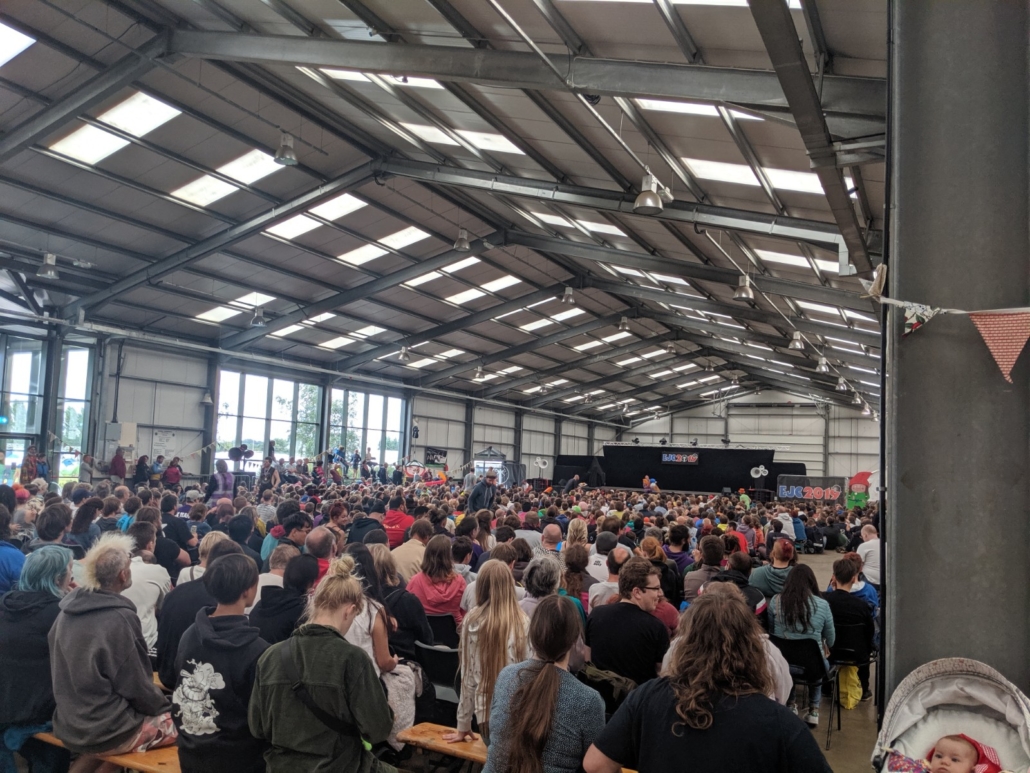
That’s shows in 19 states and 5 countries… Despite the travel, this year’s show load was one of my lightest years in a while!
377 shows in 2018
392 shows in 2017
461 shows in 2016
151 shows in 2015

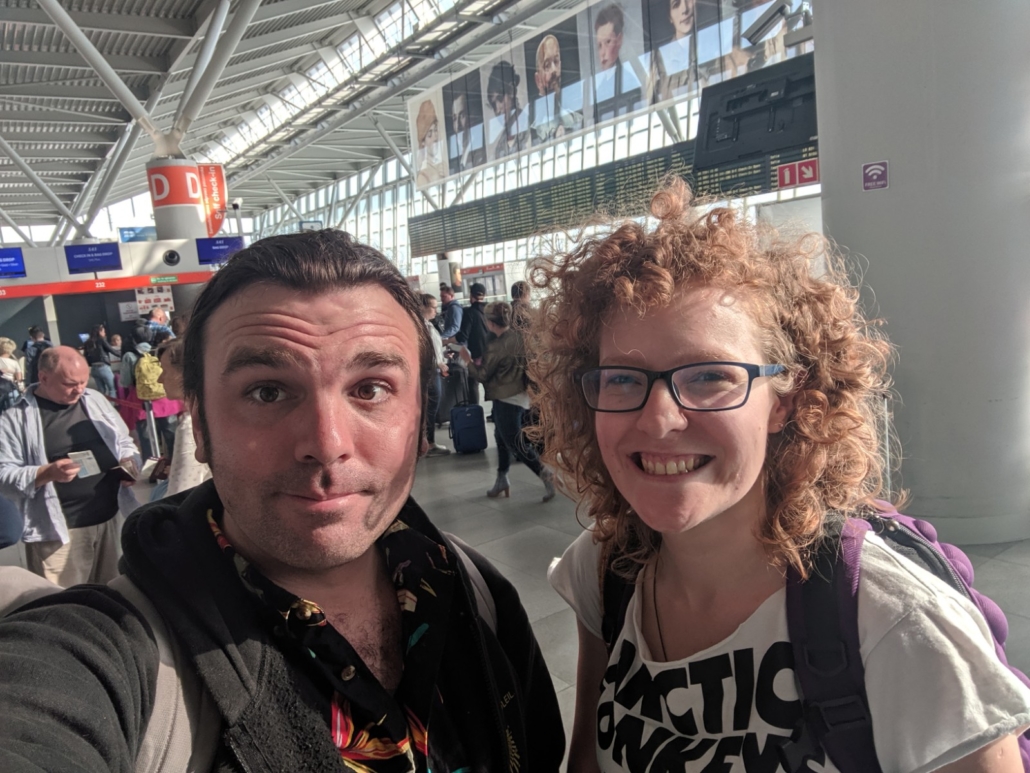





65,737 miles traveled in 2019
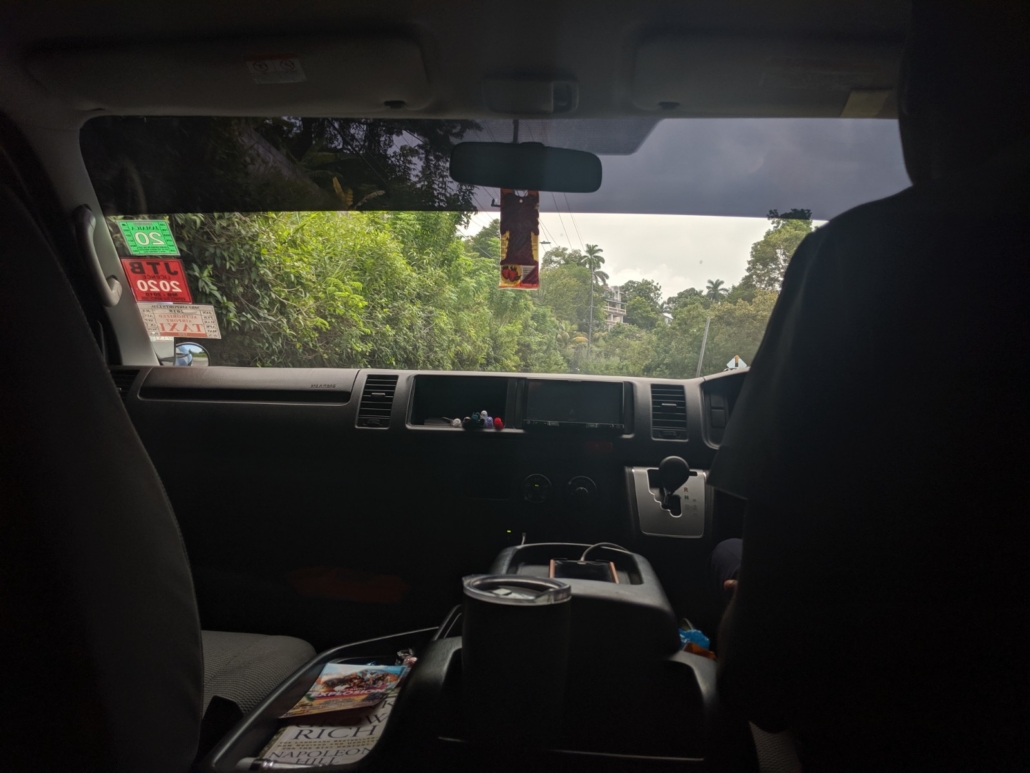
…that’s almost double the mileage from 2018, and a new six-year high!
37,974 miles in 2018
46,835 miles in 2017
28,440 miles in 2016
55,782 miles in 2015
65,404 miles in 2014
Goodbye, Soleil!

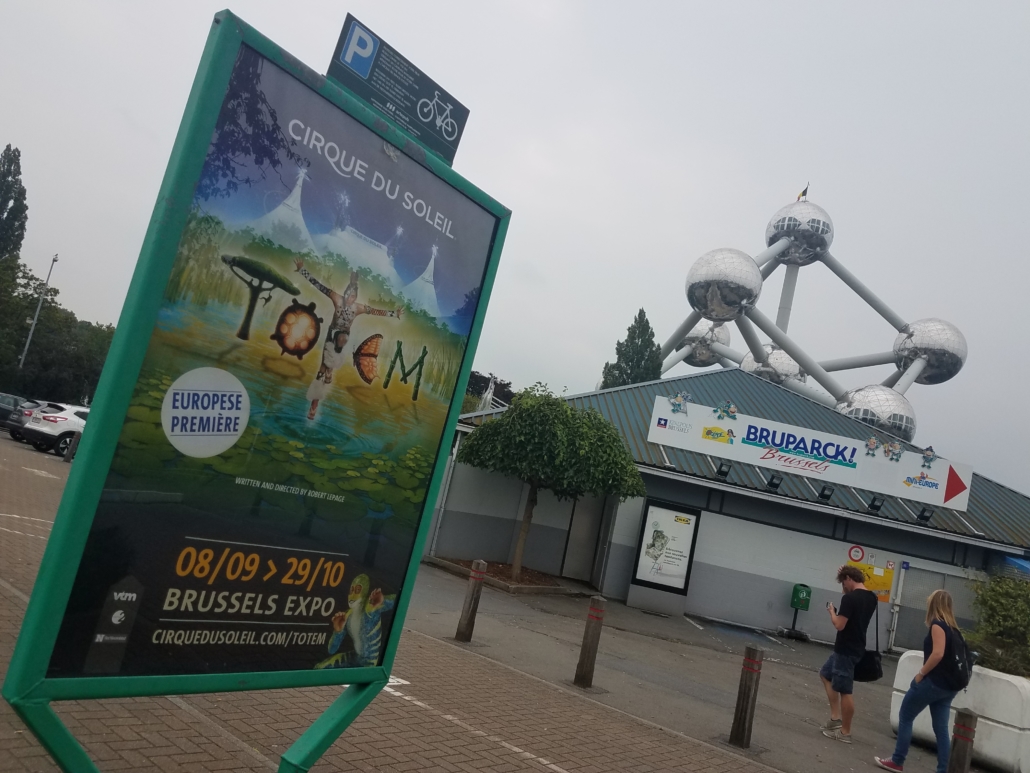
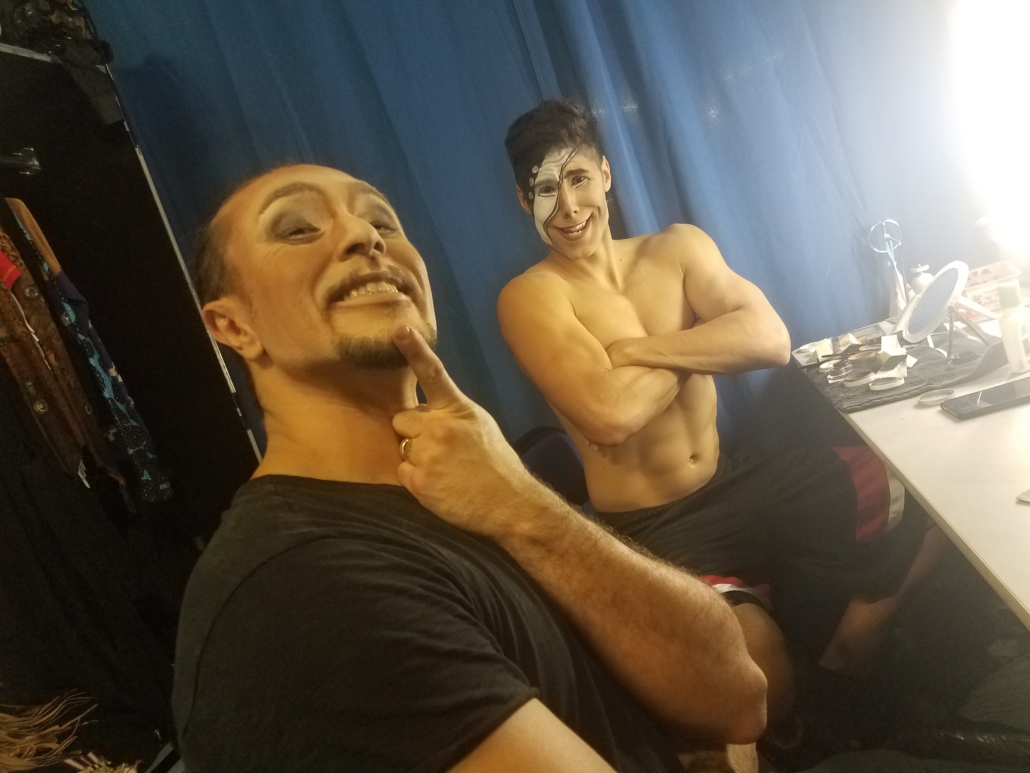
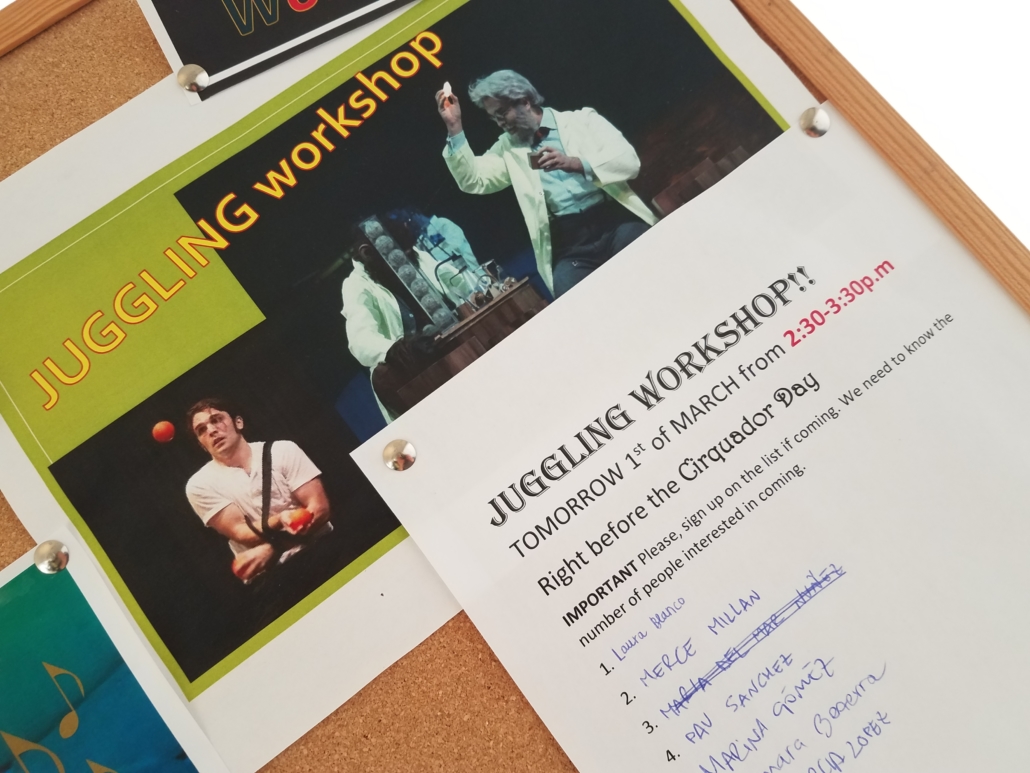
After working with Cirque du Soleil Totem for some 1,400 shows, I decided it was time to move on.
Though it’s been ten months since my last show with the company, I feel like I’m still processing the experience. So many beautiful friends, so many interesting shows, so much growth, and so many lessons learned. I’ll try to boil some of these experiences into a blog post later on down the line, but suffice to say… I miss the people, not the work.
I ended my tenure with the company in London – performing at Royal Albert Hall for Prince Harry and Meghan Markle, though… Not a bad send-off!
I was with Totem from April 2014 through January 2019, but am now performing my own show for Royal Caribbean Cruise Lines. And it’s wonderful.
Alice in Wonderland in Denver, Colorado
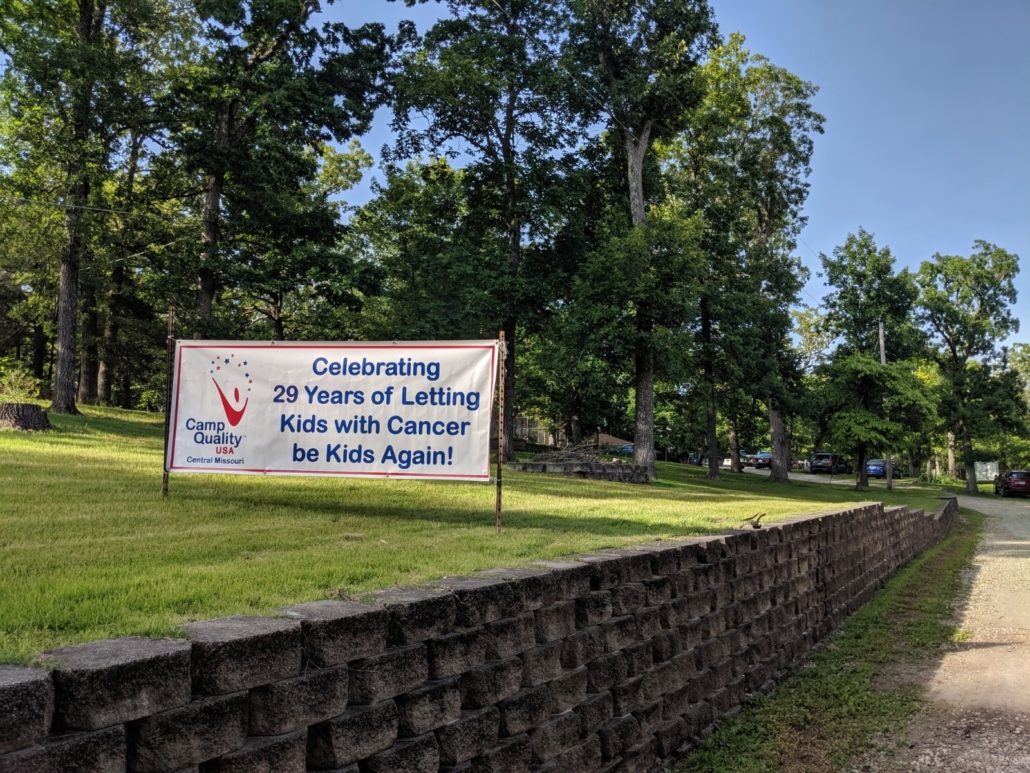
Chloe and I went to Colorado this past March to take part in MOTH Poetic Circus’ new production of Alice in Wonderland, which was put up at the Ellie Caulkins Opera House in Denver.
How could this get any better? Benjamin Domask and I got to write a new act together! Benjamin and I used to tour our show The Dinner and a Show Show, and it was nothing short of an absolute delight to be back in action with this guy.
Modern Vaudeville Press
Ever write a book, shop it around to university presses, then slowly realize that there’s a gap in the market and accidentally start a publication company? I have.
To keep a long story short, the academic world totally dug Juggling: From Antiquity to the Middle Ages, but didn’t know how to market something so esoteric. Nose: meet grindstone!
Just a few short weeks after the book went live and reviews started pouring in, a number of other circademically minded folks reached out to me to pitch other projects. Modern Vaudeville Press is a nimble, lightweight publishing house that’s not afraid to produce weird books that traditional print houses might not touch… and we’ve got 13 new titles in three languages coming out in the 2020-2021 season. These range from comprehensive “how to” materials, sideshow history, in-depth biography, and more.
Juggling for Engineers at the National Portrait Gallery
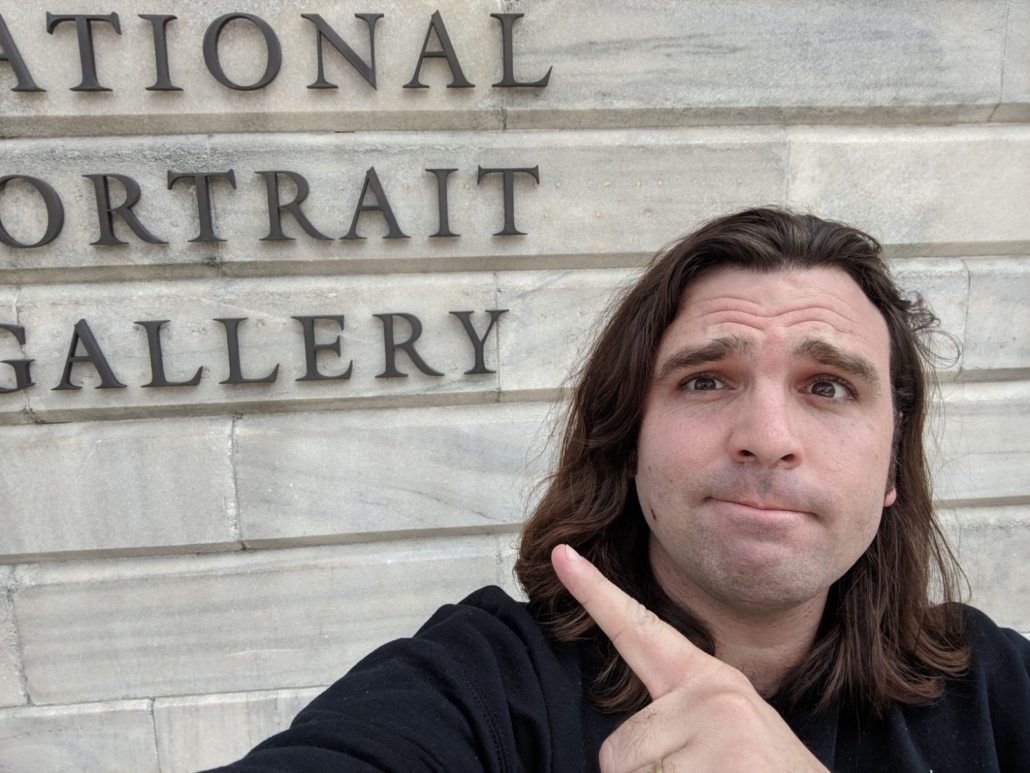
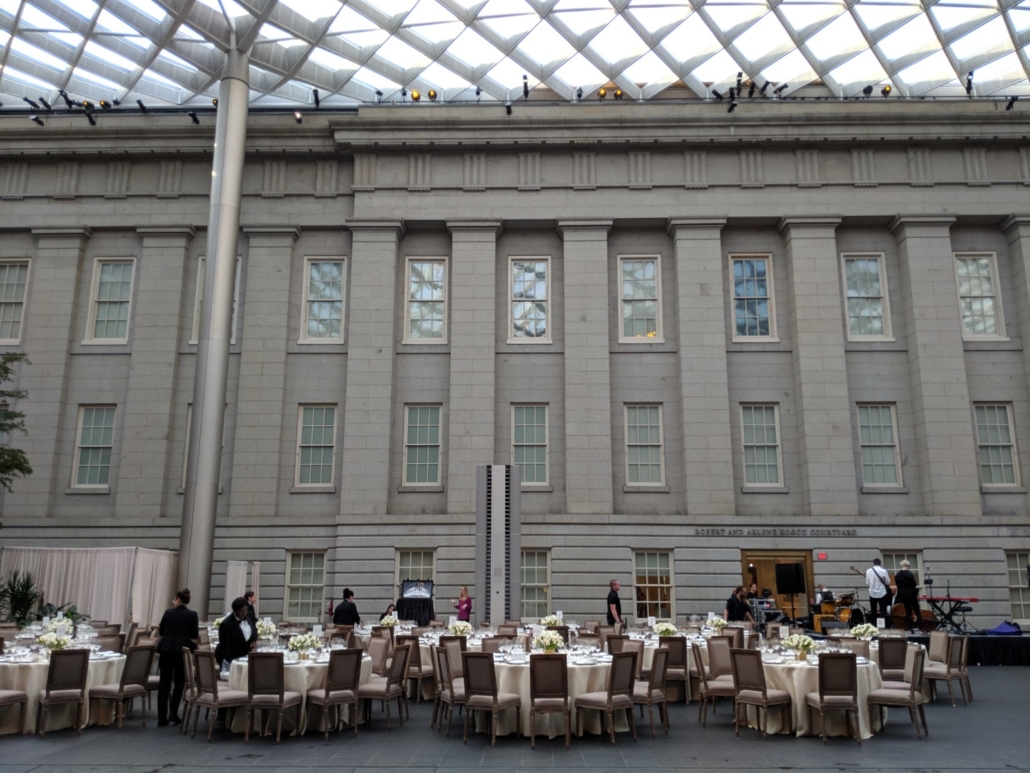

There’s not much to say about this other than I did a show at the National Portrait Gallery. Oftentimes when you arrive at a corporate gig, you don’t know much about the folks who will be in the audience – entertainment hires are handled by an outside event planner.
These folks are all engineers. Airbus.
Okay, great!
Have fun!
I will!
And yet, as the show began, I learned a crucial bit of information: noone at the event spoke English.
Thom on Ice
This was a big year of changes for me – leaving the comfort of Soleil, pursuing the cruise ship market, moving to Philadelphia, and… having my ice-skating debut.
I’m not an ice skater. But this gig was one of the most fun I’ve had in a long time.
There’s a whole blog post about it over here, if you’d like to hear more!
The European Juggling Convention
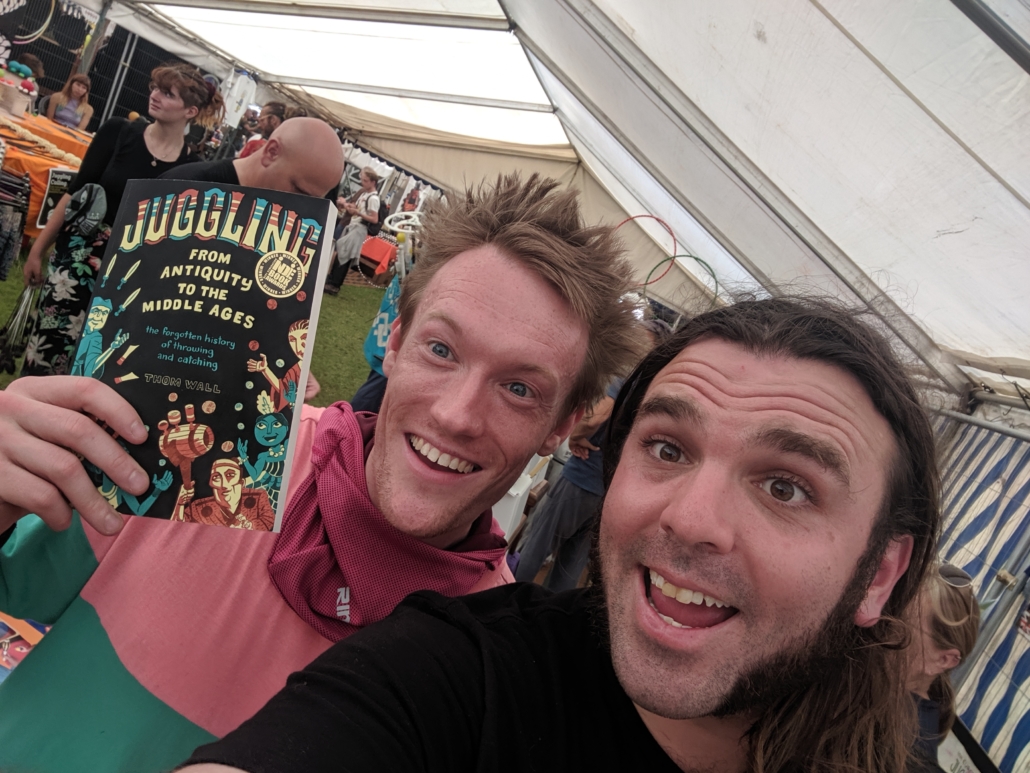


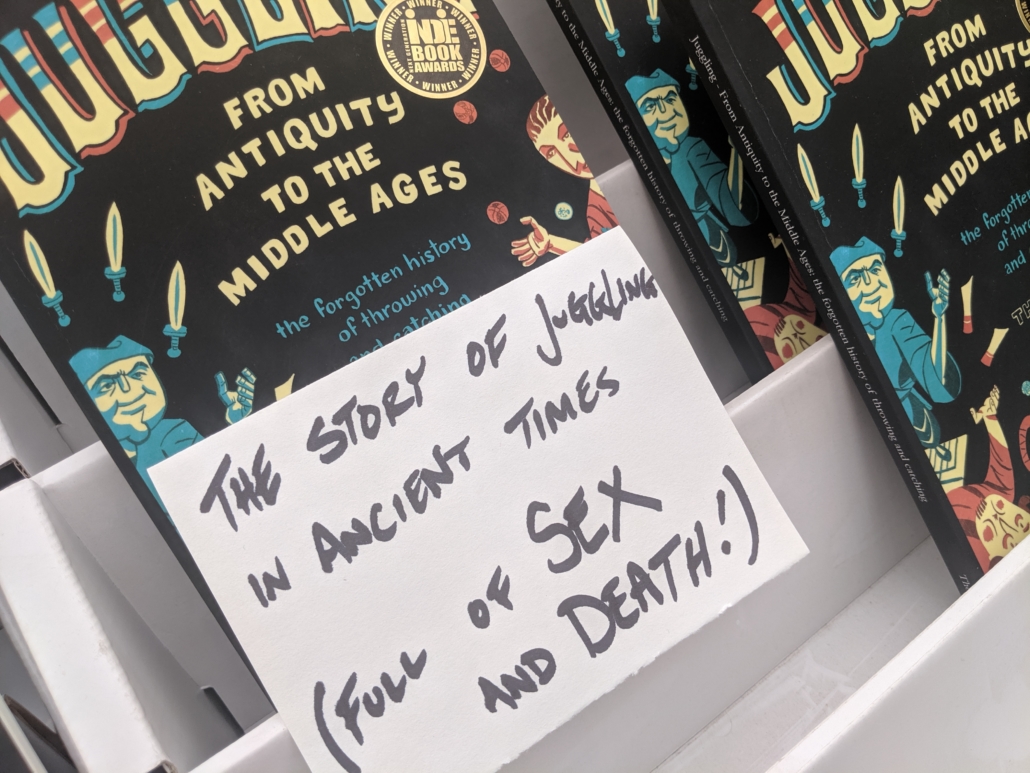
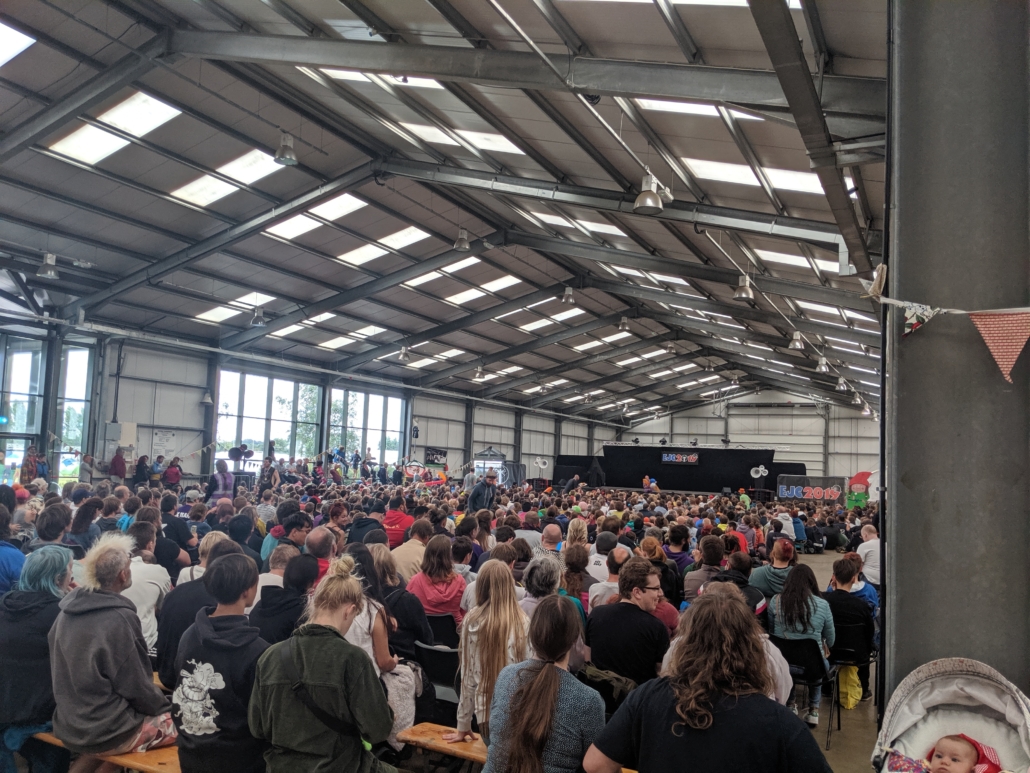
This experience was so great, it warranted its own blog post.
The short version is: went to the European Juggling Convention, taught a bunch of workshops, closed the gala show, and saw a bunch of friends.
TEDx: Gateway Arch
I can’t let the cat out of the bag just yet, but there should be video sometime in the next few months of my little presentation for TED!
Juggling history, obscure juggling tricks, and a GIANT standing ovation. What a ride.
Looking towards 2020
What’s on the docket for 2020? A few highlights looking forward::
A two-week teaching residency in Hong Kong.
A brief residency at the University of Missouri West Plains – a history show and “meet the artist” talkback.
14 – count ’em – 14 weeks on cruise ships in the Caribbean.
A big push for wine festivals around the East Coast.
The release of Juggling: From Antiquity to the Middle Ages in Spanish.
The release of what (in my mind) will be an absolutely game-changing “learn to juggle” book.
A headline spot in the Southern Sideshow Hootenanny’s “All-Stars and Living Legends” show (going back to my sideshow roots!)
November and December of 2019 were rough. Family emergencies, heartbreak, and a whirlpool of emotions. 2020 is the year of putting up more interesting work, surrounding myself with friends, and building a brighter future. (How’s that been shaping up, just a week into the year? Really great. I hosted some Argentinian backpackers at my house this week, have built props for friends, continue coaching some students online, and have been up to my elbows in translation work. Onwards and upwards!)
The post 2019 in Review appeared first on Thom Wall.