David M. Samuels's Blog
April 21, 2026
Gas vs. Electric Stoves: The Kitchen Rivalry Heating Up Real Estate in the Conejo Valley
Few household debates get hotter than gas vs. electric stoves. It’s right up there with pineapple on pizza and whether the thermostat should ever go below 72.
If you’re buying, selling, remodeling, or just tired of arguing with your cooktop, here’s a quick look at how these two kitchen contenders compare—from both a real estate and real life perspective.

 Gas Stoves: The Drama Queen of the Kitchen
Gas stoves bring the visible flame, the instant heat, and a certain “I watch cooking shows” energy.
Why People Love Them:Immediate temperature control (turn knob = instant response)Favored by many home chefsOften seen as a premium feature in upscale homesCan make a kitchen feel more custom or high-endThings to Consider:Requires a gas lineMore parts to clean (hello, greasy grates)Ventilation mattersOpen flame means extra caution with kids, pets, or sleeves with ambitionReal Estate Note:Gas still has strong appeal in many markets, especially among buyers who love to cook. Some people walk into a kitchen, see gas burners, and immediately feel like they should own better knives.

 Electric Stoves: Quietly Winning the Long Game
Electric stoves may be less flashy, but they’ve been improving steadily—and they know it.
Why People Love Them:Smooth tops are easier to cleanNo open flameGreat fit for modern or energy-conscious homesInduction models are fast, efficient, and impressiveThings to Consider:Traditional electric burners can be slower to heat/coolGlass tops need gentle treatmentSome cooks miss the flame control of gasReal Estate Note:Updated electric kitchens—especially with induction—are increasingly attractive to buyers. They signal efficiency, modern living, and fewer crumbs hiding under burner grates.
 So Which One Is Better for Resale?
The honest answer: it depends on the market and the buyer.
In some neighborhoods, gas is still a major selling point.In others, buyers care more about updated appliances, style, and energy efficiency.Most buyers love whichever stove is clean, modern, and not from 1997.
 Which One Is Better for Daily Life?
Choose Gas if you want:
Fast heat responseTraditional cooking feelA little kitchen flairChoose Electric if you want:
Easier cleanupLower maintenanceSleek modern styleFewer opportunities to accidentally singe a potholder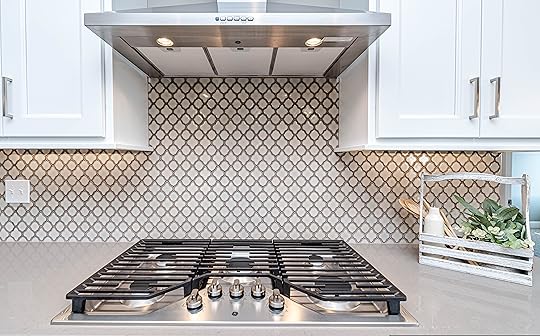 Final Thought
The best stove isn’t always gas or electric—it’s the one that fits your lifestyle, your cooking habits, and your tolerance for scrubbing burners.
And if takeout is your primary cooking method, honestly… either one will look great holding mail.


April 13, 2026
The First 7 Days: Where Homes Are Won or Lost in the Conejo Valley
Most people think selling a home is a slow process.
List it. Wait a few weeks. See what happens.
In reality, the opposite is true.
The first 7 days on the market will determine almost everything—how much a home sells for, how many offers it gets, and how much leverage either side has in the negotiation.
After that first week, the outcome is usually already set in motion.
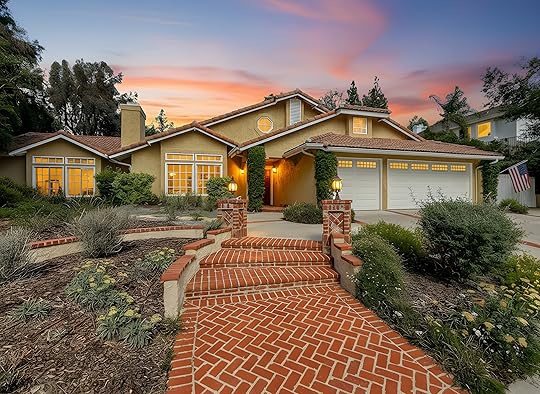 From The Seller’s Side: You Don’t Get a Second First Impression
When a home hits the market, it doesn’t just get “listed.” It gets introduced—to every serious buyer, agent, and algorithm at the same time.
That first week is when:
Your listing is pushed to the top of every searchBuyers who’ve been waiting months finally see something newAgents rush to show it before someone else grabs itThis is your moment of maximum exposure.
And it’s fleeting.
If the home is positioned correctly—priced strategically, marketed intentionally, and presented at a high level—you create something every seller wants:
 Competition
Multiple showings turn into multiple offers.
Multiple offers turn into leverage.
Leverage turns into stronger terms, cleaner contingencies, and higher prices.
But if that same home misses the mark?
The silence is immediate.
Showings slow. Buyers hesitate. And instead of competing, they start asking: “What’s wrong with it?”
What Sellers Often Get WrongThe biggest mistake isn’t overpricing.
It’s under-strategizing.
Listing before the home is fully preparedWeak photos or no real marketing pushPricing based on hope instead of positioningNo coordinated launch planWhen that happens, the listing doesn’t just sit…
It ages.
And once a home feels “stale,” the dynamic flips:
Buyers feel less urgencyOffers come in lowerNegotiations become defensive instead of strategicAt that point, you’re not creating demand—you’re chasing it.
The Truth Most Agents Won’t SayYou can’t “test the market” without consequences.
Because the market is testing you the moment you go live.
And if the first week doesn’t land the right way, you don’t get that same level of attention again.
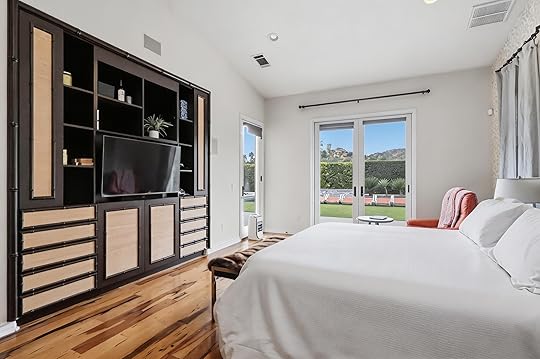 From The Buyer’s Side: The Best Opportunities Don’t Wait
Buyers often assume time is on their side.
“If it’s meant to be, it’ll still be there.”
But in reality, the most desirable homes—the well-priced, well-positioned ones—don’t linger.
They move fast.
Because those same signals sellers are trying to create? Buyers feel them too.
When a home is:
Priced correctlyWell-presentedGetting attentionIt creates something powerful:
Perceived value
And when buyers sense value, hesitation disappears.
Why the First Week Matters So Much for BuyersThe first 7 days are when:
The strongest listings hit the marketThe most motivated buyers are paying attentionThe competition is most activeThis is when the best homes:
Receive multiple offersGo pending quicklySell with minimal negotiationBy the time a property has been sitting for 2–3 weeks, one of two things is usually true:
It was overpriced or poorly positionedThere’s a reason buyers passed on itThat doesn’t mean opportunities don’t exist later—but they’re different.
They’re no longer about acting quickly.
They’re about figuring out what was missed.
Here’s the part most people overlook:
Not every opportunity is in the first week.
But the best positioned homes are.
That’s why serious buyers don’t just browse—they prepare.
They understand pricing strategyThey recognize when demand is buildingThey move decisively when the right home appearsBecause waiting for a “better deal” on the wrong home often costs more than competing for the right one early.
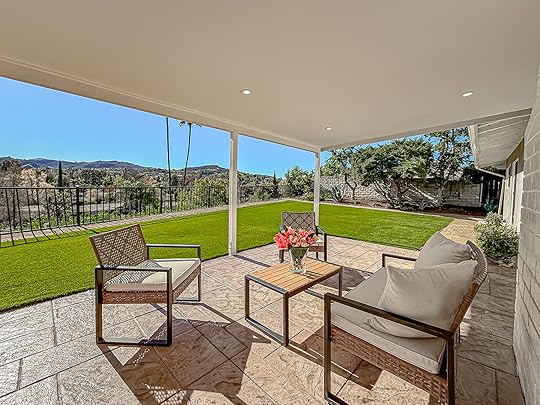 The Bottom Line
Whether you’re buying or selling, the first 7 days aren’t just important—
They’re defining.
For sellers, it’s your one chance to:
Capture attentionCreate urgencyMaximize your outcomeFor buyers, it’s your window to:
Access the best inventoryCompete intelligentlySecure the right property before it’s goneA Different Way to Approach the MarketMost people focus on price.
But the real advantage comes from understanding timing and positioning.
That’s where deals are made—or missed.
If you’re thinking about making a move…I’ve been putting together custom breakdowns showing:
Which homes are likely to move quickly (and why)Which listings are vulnerable to negotiationHow to position yourself—whether buying or selling—to come out aheadNo pressure. Just clarity.
March 23, 2026
Why Some Homes Get Rejected by Lenders in Thousand Oaks
Buying a home is exciting. You picture the furniture layout, the dinner parties, the dog trotting through the backyard like it pays the mortgage, and maybe even where the Christmas tree goes. What most buyers do not picture is a lender taking one look at a property and basically saying, “Absolutely not.”
A lot of buyers assume that if they qualify for the loan, the house itself is automatically good to go. Not quite. The truth is, lenders are not just approving you. They are also approving the property. And if the home has serious enough issues, the lender may refuse to finance it altogether.
In other words, yes, the house can fail the vibe check.
That does not mean every dated or ugly home is unloanable. A kitchen trapped in 1987? Usually fine. Floral wallpaper that has survived three presidencies? Annoying, but financeable. A home can be cosmetically challenged and still qualify for financing. What lenders care about most is whether the property is safe, functional, habitable, and insurable.
Here is what that means in plain English.
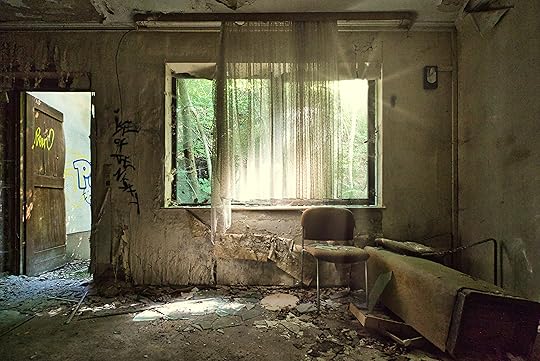 The Main Reason Homes Get Rejected for Financing: Safety and Livability
Lenders want to know that the home is actually livable on the day you buy it. If the property has serious health or safety issues, that is where trouble starts.
For example, homes with exposed wiring, major electrical hazards, broken plumbing, missing toilets, significant mold, or unsafe stairs can all raise red flags. A house without working heat can also be a problem, especially depending on the loan type and location. If there is active water intrusion, severe roof leakage, or obvious fire hazards, lenders tend to get very nervous very quickly.
This is especially true with FHA and VA loans, which are often stricter about condition. These loan programs are great tools for many buyers, but they do not love properties that look like they belong in a “before” photo.
 Structural Problems Make Lenders Sweat
A house does not need to be perfect, but it does need to be standing in a reasonably convincing way.
Major foundation issues, severe settling, sagging floors, cracked support systems, roof failure, and significant structural movement can all make a property difficult or impossible to finance through traditional means. Lenders know these repairs can be expensive, and they do not want to lend on a property that may be worth far less than expected once the real issues come to light.
Think of it this way: a chipped countertop is a nuisance. A sinking foundation is a lifestyle.
Water Damage Is More Than Just UglyWater intrusion is one of those issues that can turn a manageable home into a financing headache. Active leaks, stained ceilings, rotted wood, long-term moisture damage, and standing water in crawl spaces can signal much bigger hidden problems.
Why do lenders care so much? Because water has a nasty habit of bringing friends: mold, rot, weakened framing, damaged insulation, and repair bills that grow teeth overnight.
A little discoloration does not always kill a deal, but obvious ongoing water problems often need to be addressed before financing can move forward.
The House Needs to Have Basic Functional SystemsThis part surprises some buyers. A house usually needs to have the basics in working order to qualify for a standard home loan.
That generally means:
a functioning kitchenworking plumbingsafe electrical servicea working water heaterheatoperable bathroomssafe access to and from the homeIf the stove is missing, cabinets are ripped out, or the bathrooms are nonfunctional, some lenders may view the property as incomplete or uninhabitable. A house that has been gutted midway through a remodel may look like “potential” to a buyer, but to a lender it can look like risk wearing drywall dust.
 Some Homes Are Fine Structurally but Still Hard to Finance
Not every financing problem comes from obvious damage. Sometimes the issue is the property type itself.
For example, manufactured homes can absolutely be financeable, but the details matter. Lenders may care about the age of the home, whether it is permanently affixed to a foundation, whether the land is owned or leased, whether HUD tags are present, and whether the park or community meets lending guidelines.
Condos can also be tricky. Even if the unit itself looks great, the entire condo complex may create lending issues. Problems such as inadequate insurance, too many rentals, litigation, deferred maintenance, or low HOA reserves can make a lender back away. So yes, technically your loan can be affected by a roof you do not even own.
Then there are unique properties: off-grid homes, mixed-use properties, log cabins, tiny homes, or homes on very large lots. These are not impossible to finance, but they can be harder because lenders like properties that are easy to appraise and compare. The more unusual the home, the fewer clean comparables there may be, and the more likely underwriting starts squinting at everything.
Unpermitted Work Can Also Cause ProblemsThis one comes up a lot, especially in areas where owners have added rooms, converted garages, enclosed patios, or built ADUs over the years.
Not all unpermitted work automatically kills financing, but it can definitely complicate things. If the lender or appraiser believes the value depends heavily on additions that were not properly permitted, or if the work creates safety concerns, that can become a serious issue. Illegal conversions, questionable additions, and non-code-compliant improvements may all trigger additional scrutiny.
Translation: that “bonus room” may be less of a bonus if nobody can legally call it a room.
 Insurance Matters More Than Buyers Realize
A home can also run into financing problems if it is hard to insure. Lenders require homeowners insurance, and if a property is in such rough shape that insurance is unavailable or wildly restricted, the loan may not be able to close.
Condition issues, old roofs, knob-and-tube wiring, wildfire exposure, prior claims history, and certain environmental risks can all affect insurability. In today’s market, this matters more than ever. Sometimes the challenge is not whether a buyer wants the house. It is whether the house can convince an insurance carrier to stick around long enough to issue a policy.
Cosmetic Ugly Is Usually FineThis is the good news.
A home does not need to be stylish, updated, or Pinterest-worthy to qualify for financing. Old carpet, dated cabinets, weird paint colors, ugly light fixtures, and kitchens that scream “microwave casseroles” are usually not loan killers.
Buyers sometimes confuse “needs updating” with “won’t qualify.” They are not the same thing. Many homes that need cosmetic love are perfectly financeable. In fact, those homes can sometimes offer the best opportunity for buyers who are willing to improve them over time.
So no, a lender is not going to deny your loan because the bathroom is mauve. They may judge it privately, but that is different.
 What Buyers Should Do Before Falling in Love
The safest move is to look at a home with both your heart and your financing in mind.
If you are using FHA or VA financing, be especially cautious around homes with obvious deferred maintenance or visible safety issues. If you are looking at a fixer, talk with your lender early to understand whether a traditional loan works or whether you may need a renovation loan or different financing strategy.
And this is where having the right agent matters. A good agent can often spot red flags before you spend money on inspections, appraisals, and emotional attachment to the house with “character” and a subfloor that feels like a trampoline.
Final ThoughtThe important thing for buyers to remember is this: a house does not have to be perfect to qualify for a home loan, but it does have to be basically safe, functional, and insurable.
Ugly is okay. Outdated is okay. Even a little eccentric is okay. But major structural issues, health and safety hazards, nonworking systems, and serious property complications can stop a financed deal in its tracks.
So when you are shopping for a home, do not just ask, “Do I love this house?” Also ask, “Will a lender love it enough to help me buy it?”
That second question may be less romantic, but it can save you a lot of time, money, and heartbreak.
March 17, 2026
The Real Reason Interest Rates Spiked Again (Hint: It’s Not Just the Fed)
At the start of 2026, many expected mortgage rates to glide gently into the mid–5% range. Instead, rates said “absolutely not” and jumped back into the 6%+ range—one of the fastest moves we’ve seen in years and the largest short-term jump since the inflation shocks of 2022.
Naturally, buyers are asking: What just happened?
A big part of the answer sits halfway across the world—in the escalating war involving Iran.
 1. It Starts With Oil — The Price That Controls Everything (Yes, Everything)
The Middle East is one of the most important energy hubs on the planet. When conflict heats up there, oil markets don’t just notice—they panic a little.
With tensions rising around key shipping routes like the Strait of Hormuz, oil supply suddenly feels less certain. And when supply feels shaky, prices climb.
That means:
Gas prices go upShipping costs increase
Businesses pay more to operate
And ultimately… your groceries somehow cost more too. (They always do.)
This is how we get to one word that drives everything in interest rates: inflation.
2. Inflation Was Cooling… Until It Wasn’tWe were actually making progress. Inflation had been slowly easing, and there was real optimism that rates would follow.
Then oil prices jumped—and inflation said, “I’m not done yet.”
Even if the spike is temporary, markets don’t wait around to see how it plays out. They react to expectations.
Right now, the expectation is simple:
inflation may stick around longer than we hoped.
And that’s enough to change everything.
 3. Why the Fed Hit Pause on Rate Relief
The Federal Reserve had been hinting at potential rate cuts in 2026. But rising inflation complicates that plan quickly.
Lowering rates while inflation is heating up is like trying to put out a fire with lighter fluid—not ideal.
So instead of cutting rates, the Fed is now more likely to:
Keep rates higher for longerStay cautious
Wait for clearer data
Translation: the relief buyers were hoping for just got delayed.
4. Mortgage Rates Don’t Wait AroundHere’s where things get interesting (and slightly frustrating).
Mortgage rates don’t wait for the Fed to make a move—they react in real time through the bond market.
When investors see:
Inflation risks risingGlobal conflict increasing uncertainty
Economic conditions getting murky
They demand higher returns to lend money.
That pushes bond yields up… and mortgage rates follow right behind.
This is why we saw such a quick move from the 5% range into the 6% range. No warning. No grace period. Just… up.
 5. The Word Nobody Loves: Stagflation
If you want to impress (or mildly concern) your friends at dinner, here’s the word of the moment: stagflation.
It’s the combination of:
Rising pricesSlowing economic growth
High interest rates
And unfortunately, energy shocks are one of the fastest ways to create it.
Higher oil prices:
Eat into consumer spendingRaise business costs
Slow down economic momentum
At the same time, inflation keeps pressure on rates to stay high.
It’s not the ideal combo—especially for borrowing.
6. What This Means in Real Life (a.k.a. Your Transactions)This global situation might feel distant, but it shows up very quickly in local real estate.
For Buyers:Monthly payments just got a little heavierBuying power shrank almost overnight
Some buyers are hitting pause or adjusting expectations
For Sellers:Buyers may be a bit more selective
Pricing and presentation matter even more
The well-prepared homes still win (they always do)
For Investors:Financing costs are higher
Margins are tighter
Long-term strategy matters more than quick wins
 7. The Domino Effect (In Plain English)
Here’s the entire situation boiled down:
Conflict → Oil Prices Rise → Inflation Increases → Rate Cuts Get Delayed → Bond Yields Rise → Mortgage Rates Increase
It’s a chain reaction—and it moves faster than most people expect.
Final ThoughtInterest rates don’t just respond to local markets—they respond to global uncertainty. And right now, uncertainty is having a moment.
The jump from the 5% range back into the 6% range is a reminder that the path to lower rates isn’t always smooth. Sometimes it’s more like a scenic route… with a few unexpected detours.
For buyers and sellers, the takeaway is simple:
You can’t control the market—but you can understand it, and that’s where the advantage is.
March 11, 2026
Home Warranty vs. Home Insurance: What Every Thousand Oaks Homebuyer Should Know
When you buy a home, two different safety nets often come into play: homeowners insurance and a home warranty. They sound similar, and both help protect you from expensive surprises—but they serve very different purposes.
Understanding when to use each one can save you thousands of dollars, unnecessary stress, and a lot of confusion when something inevitably breaks.
Let’s break it down.
The Key DifferenceThink of it this way:
Protection TypeCoversExampleHomeowners InsuranceSudden damage or disastersFire, storms, theftHome WarrantyMechanical breakdowns from normal useHVAC failure, broken dishwasherInsurance protects you from unexpected events.
A warranty helps with things wearing out over time.
Both can be useful—but you use them in very different situations.
 When to Use Homeowners Insurance
Homeowners insurance is designed for major incidents that cause damage to your home or belongings.
These are typically sudden, accidental, and often catastrophic events.
Common insurance claims include:
Fire or Smoke DamageIf a kitchen fire damages cabinets or smoke spreads through the house, insurance typically covers repairs, reconstruction, and damaged belongings.
Storm DamageInsurance usually covers damage caused by:
WindstormsLightning strikesHailFallen treesRoof damage from stormsWater Damage (Sudden Events)If a pipe bursts and floods the house, homeowners insurance may cover floor repairs, drywall replacement, and water mitigation.
(However, slow leaks or long-term neglect are usually not covered.)
Theft or VandalismIf someone breaks in and steals valuables—or damages the home—insurance can reimburse you for losses.
Liability ProtectionInsurance can also protect you if someone gets injured on your property.
Example:
A guest slips by the pool and requires medical treatment.
 When to Use a Home Warranty
A home warranty covers systems and appliances that break down due to normal wear and tear.
This is especially helpful for older homes or aging mechanical systems.
Typical home warranty coverage includes:
HVAC SystemsAir conditioning or heating systems are among the most common warranty claims.
Replacing an HVAC system can cost $8,000–$15,000, so a warranty can be helpful if it fails unexpectedly.
AppliancesMany plans cover:
RefrigeratorsDishwashersOvens and rangesWashers and dryersInstead of paying the full replacement cost, you usually pay a service fee (often $75–$125).
Plumbing SystemsIf a pipe clogs or a garbage disposal stops working, a warranty company may send a plumber.
Water HeatersWater heater failures are extremely common in homes over 10 years old.
A warranty may cover repairs or replacement, depending on the plan.
Situations Where Buyers Often Get ConfusedHere are a few common scenarios where homeowners wonder which protection to use.
Scenario 1: Your Air Conditioner Stops WorkingUse a home warranty.
Mechanical failure from normal use is exactly what warranties are designed for.
Scenario 2: A Tree Falls on Your RoofUse homeowners insurance.
That’s considered storm damage.
Scenario 3: Your Dishwasher Stops DrainingHome warranty.
Appliance breakdown from wear and tear.
Scenario 4: A Pipe Bursts and Floods Your KitchenHomeowners insurance.
Insurance handles the damage caused by the water.
Scenario 5: Your Water Heater Simply DiesHome warranty.
Mechanical failure from age.
What Home Warranties Usually Don’t CoverHome warranties are helpful, but they do come with limitations.
Common exclusions include:
Pre-existing issuesImproper installationCode upgradesCosmetic damageStructural problemsThey also typically include service call fees each time a technician is dispatched.
Why Many Sellers Include a Home WarrantyIn many real estate transactions, sellers include a one-year home warranty for the buyer.
There are two main reasons:
Peace of mind for the buyerProtection for the seller during the listing periodSome warranties even cover appliances while the home is on the market, which helps prevent last-minute repair surprises before closing.
Should Buyers Keep the Warranty After the First Year?That depends on the home.
Home warranties can be particularly valuable if:
The home has older HVAC systemsAppliances are 10+ years oldYou want predictable repair costsHowever, if the home has brand-new systems, the manufacturer’s warranty may already provide coverage.
 The Bottom Line
Here’s the easiest way to remember it:
Homeowners Insurance = Damage from accidents or disasters
Home Warranty = Things that simply wear out
Most homeowners end up using both at different times.
Insurance protects your house itself.
A warranty protects the machines that make the house work.
And if you’re buying a home, understanding the difference ahead of time can make those inevitable repair moments a lot less stressful—and a lot less expensive.
March 3, 2026
The Cul-de-Sac Premium: Real Money or Real Estate Myth?
There are few phrases in real estate that spark more excitement than:
“It’s on a cul-de-sac.”
For many buyers, that sentence alone conjures images of kids riding bikes, limited traffic, and peaceful evenings without headlights flashing through the living room.
But when you’re selling a home on a cul-de-sac, the real question isn’t whether buyers like it.
The real question is:
Does it translate into higher offers?
Let’s break it down — strategically.
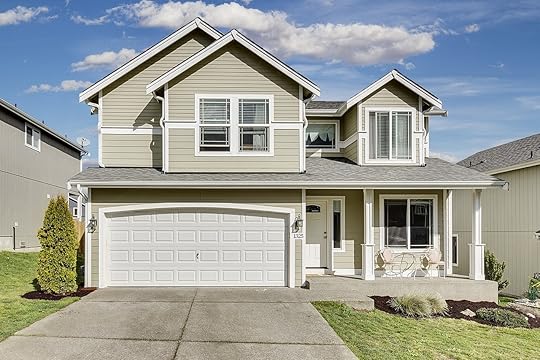 The Pros of Selling on a Cul-de-Sac1. Reduced Traffic = Emotional Premium
According to the National Association of Realtors, quiet streets consistently rank as one of the top neighborhood preferences among buyers. Homes on streets perceived as “low traffic” often generate stronger emotional responses during showings.
Why?
Because buyers don’t just buy square footage — they buy lifestyle.
On a cul-de-sac:
Fewer cars pass by.Less road noise.Safer-feeling outdoor space.Higher perceived privacy.Emotionally, that matters.
In suburban markets, studies have shown homes on cul-de-sacs can command 3% to 20% premiums depending on location and surrounding neighborhood layout. In master-planned communities where interior lots are similar, the cul-de-sac lot often becomes the “trophy” option.
If you’re selling in places like Westlake Village, Moorpark, or Thousand Oaks, that lifestyle appeal is real.
2. Larger or Pie-Shaped LotsCul-de-sac lots are often pie-shaped, which can mean:
Larger backyardsBetter setback from neighborsMore usable entertaining spaceIf that extra yard space is functional (flat, landscaped, private), it can meaningfully impact value. In many Southern California neighborhoods, usable lot space can influence pricing more than interior square footage once homes pass the 2,500–3,000 sq ft threshold.
However — and this is important — the lot must be usable. A large wedge of steep hillside doesn’t generate the same premium as a flat entertainer’s yard with privacy and light.
3. Perceived Safety (Especially for Families)Family buyers often prioritize safety and street layout. Cul-de-sacs reduce through-traffic, which parents love.
In fact, consumer surveys consistently show that “quiet street” ranks above proximity to shopping or nightlife for suburban buyers.
Translation?
You’re tapping into a buyer pool that is willing to compete.
In tightly built neighborhoods where homes are similar, location within the tract becomes the differentiator.
Interior cul-de-sac homes often:
Sell fasterAttract more showing requestsExperience stronger multiple-offer scenariosBuyers will absolutely choose a cul-de-sac over a corner lot or busier collector street when price is similar.
That said…
 The Cons of Selling on a Cul-de-Sac
Because this isn’t magic. There are trade-offs.
1. The “Parking Problem”Cul-de-sacs can sometimes create congestion issues.
If:
Several homes host large gatherings,Street parking is tight,Or driveways are short…The peaceful charm can turn into logistical chaos.
Some buyers will notice this immediately.
2. Limited Turnaround VisibilityOddly enough, some buyers don’t love the “end-of-the-road” positioning.
Reasons include:
Delivery trucks and service vehicles constantly turning around.Headlights sweeping into windows at night.Feeling “tucked away” rather than connected.It’s a smaller buyer pool concern — but it exists.
3. Premium Isn’t UniversalThis is where sellers get tripped up.
A cul-de-sac in:
A desirable neighborhood with strong schools and pride of ownership? Premium.A cul-de-sac backing to a busy road or awkward topography?
Not necessarily.
National housing studies show location within the broader neighborhood still outweighs street design alone. A home on a cul-de-sac in a weaker school zone does not outperform a prime interior lot in a stronger one.
Street placement enhances value — it doesn’t override fundamentals.
4. Diminishing ReturnsThe premium for a cul-de-sac is strongest in:
Suburban family neighborhoodsPlanned communitiesAreas with higher proportions of owner-occupantsIt matters less in:
Urban marketsCondo developmentsInvestor-driven areasEntry-level starter neighborhoodsIn higher-end markets, once homes exceed a certain price point, buyers prioritize:
ViewLot usabilityPrivacyArchitectural qualityThe cul-de-sac becomes a bonus — not the driver.

So… Does It Actually Increase Value?
The honest answer?
Usually yes. Dramatically? Not always.
In many Southern California suburban markets, cul-de-sac placement can contribute anywhere from 3% to 8% value lift when all other variables are equal.
But value is never isolated.
Buyers evaluate:
Lot usabilityPrivacyNoise exposureCurb appealSunlight orientationOverall conditionA beautifully upgraded home on a regular interior street will outperform a neglected home on a cul-de-sac every time.
How to Maximize the Cul-de-Sac Advantage When SellingIf you’re selling on a cul-de-sac, lean into it strategically:
Highlight safety and low traffic.Emphasize backyard space and entertaining potential.Use drone photography to show the street layout.Mention walkability within the tract.Position it as a lifestyle feature — not just geography.And most importantly:
Price it correctly.
Overpricing because “it’s on a cul-de-sac” can erase the very premium you’re hoping to capture.
 Final Thoughts
Cul-de-sacs are like granite countertops in 2006 — buyers love them.
But love only turns into higher offers when supported by:
Condition,Market timing,Strategic pricing,And smart marketing.If you own a home on a cul-de-sac, you likely have an advantage.
The key is knowing exactly how much that advantage is worth in your specific neighborhood.
Because in real estate, even the quietest street still answers to the market.
February 23, 2026
From Listing to Sold in Westlake Village: Why Professional Staging Matters
If you’ve ever walked into a model home and immediately imagined hosting Thanksgiving there — congratulations. You’ve experienced the power of staging.
Staging isn’t decorating. It’s marketing psychology. And in a world where over 95% of buyers start their home search online, presentation is everything.
1. Staged Homes Sell FasterAccording to the National Association of Realtors (NAR):
81% of buyers say staging makes it easier to visualize a property as their future home.A significant percentage of agents report that staging reduces time on market.Why? Because buyers don’t buy square footage — they buy emotion. An empty room feels cold. A cluttered one feels cramped. A staged room feels like home.
And the faster a home sells, the less risk of price reductions or “What’s wrong with it?” conversations.
 2. Staging Can Increase Sale Price
NAR data also shows:
23% of sellers’ agents saw a 1–5% increase in offer price on staged homes.18% reported a 6–10% increase.On a $900,000 home, even a 5% bump equals $45,000. Compare that to the typical cost of staging (often around 0.5–1% of the list price), and the return on investment becomes hard to ignore.
Staging is one of the few improvements that doesn’t require permits, contractors, or months of disruption — yet it can meaningfully impact your bottom line.
3. Online Photos Make or Break InterestBuyers scroll before they schedule.
Empty rooms photograph flat and smaller than they are. Overfurnished rooms look chaotic. Staging creates:
Defined spacesProper scaleClear flowBalanced lightingIt answers the unspoken question: “Will my life fit here?”
If your photos don’t stop the scroll, buyers may never step inside.
 4. Staging Reduces Buyer Objections
Buyers naturally look for flaws. Good staging subtly redirects attention.
Instead of focusing on an awkward corner or a smaller secondary bedroom, they notice:
A cozy reading nookA functional home officeA welcoming dining spaceStaging doesn’t hide problems — it highlights potential. And when buyers focus on potential, they negotiate differently.
5. It Creates Emotional CommitmentReal estate decisions are emotional first, logical second.
A styled patio suggests summer dinners.
A serene primary suite suggests retreat.
A thoughtfully arranged living room suggests connection.
When buyers emotionally attach, they’re less likely to hesitate — and more likely to write strong, confident offers.
 The Bottom Line
Skipping staging might save money upfront. But it can cost far more in extended days on market, weaker offers, or price reductions.
Staging isn’t about impressing guests.
It’s about positioning your home to compete — and win.
When you work with me, professional staging is included as part of my sales package. That means you don’t have to pay anything out of pocket upfront. I handle it, coordinate it, and make sure your home is presented at its absolute best from day one.
If you’re thinking about selling and want to maximize your price and minimize your stress, let’s talk. I’ll show you exactly how we can position your home to stand out — and sell smart.
February 20, 2026
Federal Prison Sentence for Owner of Neglected Westlake Village Home Tied to Native American Art Fraud Case
A long-vacant and deteriorating property in Westlake Village’s First Neighborhood is back in the spotlight—this time due to its owner receiving a federal prison sentence in a high-profile counterfeit Native American jewelry case.
Robert D. Haack, 59, the owner of a neglected home on Watergate Court in Westlake Village, has been sentenced in federal court in New Mexico to 37 months in prison. In addition to incarceration, he must pay $134,400 in restitution after being convicted of forging and selling counterfeit Native American jewelry falsely attributed to renowned Hopi artist Charles Loloma, widely regarded as a pioneer of contemporary Native American jewelry.
Counterfeit Jewelry Scheme Targeted Loloma’s LegacyAccording to federal court filings, Haack created dozens of fraudulent jewelry pieces between 2008 and 2015 from his California residence. He allegedly marketed the items online, including through eBay, and through direct sales to buyers across the United States. Prosecutors stated that more than 10 collectors were deceived, with total losses approaching half a million dollars.
Investigators executing a search warrant reportedly discovered jewelry-making equipment, unfinished Loloma-style designs, and practice engravings of forged signatures on scrap metal. Notably, this manufacturing activity occurred at a different California residence—not the abandoned Watergate Court property that has frustrated Westlake Village residents for years.
Haack was ultimately convicted on multiple federal counts, including wire fraud, mail fraud, and violations of the Indian Arts and Crafts Act—a federal law prohibiting the misrepresentation of goods as “Indian-made.”
First Neighborhood Eyesore Raises Fire and Code ConcernsWhile the criminal case unfolded in New Mexico, Haack’s property at 31944 Watergate Court in Westlake Village remained a growing concern for neighbors and city officials.
Located in the desirable First Neighborhood of Westlake Village, the approximately 1,800-square-foot ranch-style home has sat vacant and visibly deteriorating for years. Residents have voiced repeated complaints to the First Neighborhood Property Owners Association and city officials regarding blight, deferred maintenance, and wildfire risk.
The house reportedly features a wood-shake roof layered with pine needles from surrounding mature trees—a condition that has heightened concerns amid Southern California’s ongoing wildfire threat. One nearby homeowner informally described the structure as resembling a “fire hazard waiting to happen.”
In October, the City of Westlake Village obtained an inspection warrant for the property, and an active code enforcement case remains open. According to the city prosecutor, municipal enforcement efforts date back more than a decade. In earlier years, Haack addressed violations when notified, but more recently ceased responding to city communications.
Federal Investigation and Trial TimelineFederal authorities began investigating Haack in 2018 after two undercover agents with the United States Fish and Wildlife Service purchased counterfeit Loloma pieces. A federal grand jury later returned an indictment including multiple fraud charges.
In 2021, Haack initially pleaded guilty to three counts under a plea agreement that would have resulted in home confinement. However, he declined to provide required financial documentation to the U.S. Probation Office. As a result, the court rejected the plea deal, and he withdrew his guilty pleas.
When the case moved toward trial, proceedings were delayed after Haack claimed he suffered from a cognitive medical condition affecting his competency. Following a 30-day inpatient evaluation, the court determined he had fabricated the illness and ruled him fit to stand trial.
In June 2024, after a four-day jury trial in Santa Fe, New Mexico, Haack was convicted on two counts each of wire fraud and mail fraud, along with two counts of violating federal Indian arts protections.
Federal officials overseeing Indian arts protections emphasized that counterfeit sales undermine legitimate Native American artists who depend on authentic craftsmanship to sustain their livelihoods and preserve cultural traditions. The sentencing was described as a necessary step to protect both artists and collectors from fraud.
Under federal sentencing guidelines, Haack will serve his prison term without the possibility of parole.
Property Ownership and Local HistoryPublic records indicate Haack became sole owner of the Watergate Court home in 2015 after acquiring full interest from his brother. He also owns another property on Mariner Circle near Westlake Lake.
Historically, the Haack family was associated with Halaco Engineering Co., a former South Oxnard metal recycling facility that drew scrutiny for environmental contamination before closing in 2004. The site was later designated as a federal Superfund cleanup location.
Impact on Westlake Village Real Estate and Community StandardsFor homeowners in Westlake Village, First Neighborhood, and surrounding Ventura County communities, long-term vacant properties can affect curb appeal, property values, wildfire safety, and overall neighborhood desirability.
Code enforcement actions, blight cases, and absentee ownership issues are important factors buyers and sellers should understand when evaluating homes in established communities. Properties with prolonged deferred maintenance can create ripple effects—particularly in high-demand markets like Westlake Village, Thousand Oaks, and Agoura Hills.
If you’re buying or selling a home in Westlake Village and want insight into neighborhood conditions, property history, HOA compliance, or code enforcement matters that don’t always show up on Zillow or Redfin, I can help you navigate those details.
In a market where reputation, compliance, and neighborhood integrity matter, having a local expert who understands Ventura County real estate from every angle makes all the difference.
Federal Prison Sentence for Owner of Neglected Westlake Village Home Tied to Native American Art Fraud CaseA long-vacant and deteriorating property in Westlake Village’s First Neighborhood is back in the spotlight—this time due to its owner receiving a federal prison sentence in a high-profile counterfeit Native American jewelry case.
Robert D. Haack, 59, the owner of a neglected home on Watergate Court in Westlake Village, has been sentenced in federal court in New Mexico to 37 months in prison. In addition to incarceration, he must pay $134,400 in restitution after being convicted of forging and selling counterfeit Native American jewelry falsely attributed to renowned Hopi artist Charles Loloma, widely regarded as a pioneer of contemporary Native American jewelry.
Counterfeit Jewelry Scheme Targeted Loloma’s LegacyAccording to federal court filings, Haack created dozens of fraudulent jewelry pieces between 2008 and 2015 from his California residence. He allegedly marketed the items online, including through eBay, and through direct sales to buyers across the United States. Prosecutors stated that more than 10 collectors were deceived, with total losses approaching half a million dollars.
Investigators executing a search warrant reportedly discovered jewelry-making equipment, unfinished Loloma-style designs, and practice engravings of forged signatures on scrap metal. Notably, this manufacturing activity occurred at a different California residence—not the abandoned Watergate Court property that has frustrated Westlake Village residents for years.
Haack was ultimately convicted on multiple federal counts, including wire fraud, mail fraud, and violations of the Indian Arts and Crafts Act—a federal law prohibiting the misrepresentation of goods as “Indian-made.”
First Neighborhood Eyesore Raises Fire and Code ConcernsWhile the criminal case unfolded in New Mexico, Haack’s property at 31944 Watergate Court in Westlake Village remained a growing concern for neighbors and city officials.
Located in the desirable First Neighborhood of Westlake Village, the approximately 1,800-square-foot ranch-style home has sat vacant and visibly deteriorating for years. Residents have voiced repeated complaints to the First Neighborhood Property Owners Association and city officials regarding blight, deferred maintenance, and wildfire risk.
The house reportedly features a wood-shake roof layered with pine needles from surrounding mature trees—a condition that has heightened concerns amid Southern California’s ongoing wildfire threat. One nearby homeowner informally described the structure as resembling a “fire hazard waiting to happen.”
In October, the City of Westlake Village obtained an inspection warrant for the property, and an active code enforcement case remains open. According to the city prosecutor, municipal enforcement efforts date back more than a decade. In earlier years, Haack addressed violations when notified, but more recently ceased responding to city communications.
Federal Investigation and Trial TimelineFederal authorities began investigating Haack in 2018 after two undercover agents with the United States Fish and Wildlife Service purchased counterfeit Loloma pieces. A federal grand jury later returned an indictment including multiple fraud charges.
In 2021, Haack initially pleaded guilty to three counts under a plea agreement that would have resulted in home confinement. However, he declined to provide required financial documentation to the U.S. Probation Office. As a result, the court rejected the plea deal, and he withdrew his guilty pleas.
When the case moved toward trial, proceedings were delayed after Haack claimed he suffered from a cognitive medical condition affecting his competency. Following a 30-day inpatient evaluation, the court determined he had fabricated the illness and ruled him fit to stand trial.
In June 2024, after a four-day jury trial in Santa Fe, New Mexico, Haack was convicted on two counts each of wire fraud and mail fraud, along with two counts of violating federal Indian arts protections.
Federal officials overseeing Indian arts protections emphasized that counterfeit sales undermine legitimate Native American artists who depend on authentic craftsmanship to sustain their livelihoods and preserve cultural traditions. The sentencing was described as a necessary step to protect both artists and collectors from fraud.
Under federal sentencing guidelines, Haack will serve his prison term without the possibility of parole.
Property Ownership and Local HistoryPublic records indicate Haack became sole owner of the Watergate Court home in 2015 after acquiring full interest from his brother. He also owns another property on Mariner Circle near Westlake Lake.
Historically, the Haack family was associated with Halaco Engineering Co., a former South Oxnard metal recycling facility that drew scrutiny for environmental contamination before closing in 2004. The site was later designated as a federal Superfund cleanup location.
Impact on Westlake Village Real Estate and Community StandardsFor homeowners in Westlake Village, First Neighborhood, and surrounding Ventura County communities, long-term vacant properties can affect curb appeal, property values, wildfire safety, and overall neighborhood desirability.
Code enforcement actions, blight cases, and absentee ownership issues are important factors buyers and sellers should understand when evaluating homes in established communities. Properties with prolonged deferred maintenance can create ripple effects—particularly in high-demand markets like Westlake Village, Thousand Oaks, and Agoura Hills.
If you’re buying or selling a home in Westlake Village and want insight into neighborhood conditions, property history, HOA compliance, or code enforcement matters that don’t always show up on Zillow or Redfin, I can help you navigate those details.
In a market where reputation, compliance, and neighborhood integrity matter, having a local expert who understands Ventura County real estate from every angle makes all the difference.
February 16, 2026
The Hidden Hazard Thousand Oaks Homebuyers Never Think to Check
When you buy a home in California, you’re handed a Natural Hazard Disclosure (NHD) report. It maps out earthquake faults, flood zones, fire severity areas, and a handful of other officially designated risk zones.
It feels thorough.
But here’s something most buyers don’t realize:
Your standard Natural Hazard Disclosure is not required to tell you whether your home is near a high-pressure gas transmission pipeline or a hazardous liquids pipeline.
That’s not a conspiracy. It’s just how the law is written.
And for something that can affect safety, insurance, development rights, and resale value, it’s worth paying attention.
 Pipelines 101: What Are We Talking About?
When people hear “gas line,” they think about the pipe that feeds their stove or water heater. That’s not what we’re discussing here.
There are two major types of large-scale pipelines that matter to homebuyers:
1. Gas Transmission PipelinesThese are large, high-pressure pipelines that move natural gas over long distances — from processing facilities to cities and regions. They’re part of major energy infrastructure and are regulated at both the federal and state level.
They operate at significantly higher pressure than neighborhood distribution lines.
2. Hazardous Liquids PipelinesThese carry crude oil or other liquid fuels between refineries, terminals, and distribution hubs. They are also federally regulated and often follow established utility corridors, rail lines, or open space areas.
These are not small neighborhood pipes. These are commercial energy arteries.
 How Can Pipelines Affect a Homebuyer?
Pipelines are generally safe and heavily regulated. Millions of people live near them without incident.
But “generally safe” doesn’t mean “irrelevant.”
In rare situations, if a pipeline is compromised, consequences can include fire, explosion, environmental damage, or evacuation zones. Even if nothing ever happens, proximity can still influence:
Insurance underwriting decisionsPerception of property valueFuture resale conversationsEasement or development limitationsAnd here’s the key point: if a pipeline runs through a recorded easement on the property, that easement can limit what you build, where you build, and how you use portions of the land.
That’s not something most buyers want to discover after closing.
 Why Isn’t This in the Natural Hazard Disclosure?
California’s Natural Hazard Disclosure law focuses on officially mapped statutory hazard zones: flood plains, earthquake fault zones, fire hazard severity areas, and similar categories.
Pipelines don’t fall under those statutory categories.
Some third-party disclosure companies may include pipeline information as an additional courtesy item, but they are not legally obligated to do so — and even when they do, the information may be generalized.
So if you’re assuming “If it were important, it would be on the NHD,” that assumption deserves a second look.
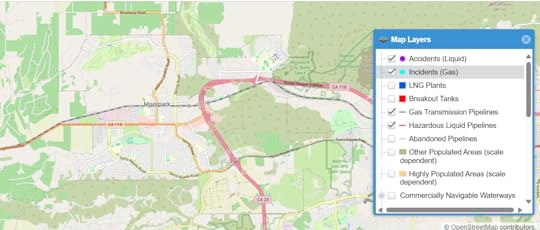
How to Check for PipelinesThe best publicly available resource is the National Pipeline Mapping System (NPMS), maintained by the U.S. Department of Transportation.
You can search for pipeline locations here: https://pvnpms.phmsa.dot.gov/PublicViewer/
How It WorksEnter the property address.View mapped gas transmission and hazardous liquids pipelines.Zoom in to see whether corridors run near or across the property.Keep in mind:
The map shows transmission and hazardous liquid pipelines — not smaller neighborhood distribution lines.It provides corridor location data but may not show precise depth or exact easement language.For full clarity, pipeline maps should be reviewed alongside the preliminary title report, which will identify recorded easements.
 Why Buyers Should Pay Attention
For most homes, pipeline proximity is simply a matter of awareness. But buyers should know:
Is the home directly adjacent to a corridor?Is there a recorded utility easement crossing the lot?Will insurance carriers have underwriting questions?Will future buyers raise concerns when you sell?These are practical questions — not alarmist ones.
Buying a home is about reducing avoidable surprises. And this is one of those areas where a little due diligence goes a long way.
The Difference Between a Transaction and RepresentationMany agents focus on getting you into escrow quickly. Fewer focus on helping you understand infrastructure risks that don’t automatically show up in bold print.
This is where thoughtful representation matters.
As a buyer’s agent, I don’t just forward you disclosures and hope for the best. I help you:
Review maps beyond the standard NHDCross-reference title easementsAsk the right questions before contingencies are removedEvaluate whether a risk is theoretical, manageable, or a deal-breakerMy job isn’t just to unlock doors. It’s to help you avoid pitfalls you didn’t know to look for.
If you want a buyer’s agent who digs deeper, anticipates issues, and protects your interests before they become problems, I’m the one to call.
Let’s make sure your next home is a smart investment — not just a good showing.
February 11, 2026
A New Threat to Thousand Oaks Trees — What Homeowners and Buyers Should Know
If you live in Thousand Oaks, you already know the trees aren’t just landscaping — they’re part of the identity of the city. Streets, neighborhoods, open space, and even property values are closely tied to the region’s signature oak canopy.
That’s why local scientists are watching closely after the goldspotted oak borer (GSOB) — a destructive invasive beetle — was recently confirmed in eastern Ventura County for the first time.
While tiny (about the size of a grain of rice), this insect has already caused major damage in Southern California. Its arrival near the Simi Hills and Santa Susana Mountains raises important questions for Thousand Oaks homeowners, buyers, and sellers.
The goldspotted oak borer is an invasive beetle originally from Arizona. In its native habitat, natural predators keep it under control. In California, however, it behaves very differently.
Once established, the beetle lays eggs on oak trees. The larvae burrow under the bark and feed in the layers that transport water and nutrients. Over time, this disrupts the tree’s internal systems and leads to gradual decline and death.
Trees most at riskCoast live oakCalifornia black oakCanyon live oakThese are the very species that define many Thousand Oaks neighborhoods, parks, and open space areas.
Where Has It Been Found?The first Ventura County detection occurred in Box Canyon in the Simi Hills. A tree showing classic signs of decline — thinning canopy, browning leaves, and dark staining on the trunk — was investigated and confirmed to be infested.
That tree was removed to stop further spread.
A second group of infested oaks was later identified in Las Llajas Canyon within the Santa Susana Mountains, creating concern about a broader regional foothold. Researchers now consider this area an emerging hotspot.
Scientists believe these introductions likely came from transported firewood, not natural beetle movement. Adult GSOB typically fly only short distances on their own.
How to Recognize an Infested OakHomeowners in Thousand Oaks should watch for:
Thinning or dying tree canopyBrown leaves that don’t drop normallyRed or black staining on the trunkSmall, D-shaped exit holes (very tiny and easy to miss)These symptoms can resemble drought stress, so professional evaluation is important.
Oak trees influence more than scenery — they affect property appeal, neighborhood character, and long-term land value.
If the beetle spreads widely, communities could see:
Loss of mature shade treesIncreased fire risk from dead woodSoil erosion on hillsidesChanges in wildlife habitatAdded costs for tree removal and safety workFor home sellers, tree health is part of curb appeal.
For buyers, large oaks on a property can mean both beauty and responsibility.
Treatment options exist, but they work best before severe damage occurs. Licensed arborists can apply certain treatments to healthy or lightly affected trees, particularly high-value specimens.
Heavily infested trees often must be removed for safety reasons.
Researchers are also studying natural predators, but no large-scale biological control has yet proven effective.
How the Community Is RespondingForesters, university specialists, and fire officials are organizing training events and volunteer survey days to help detect new infestations early. The public plays a key role.
Prevention tips include:
Avoid moving firewood from one region to anotherBuy treated firewood locallyReport suspicious oak declineWhat Thousand Oaks Homeowners Should Do NowIf you have mature oaks on your property:
Monitor trees seasonallyPhotograph unusual symptomsContact a certified arborist for inspectionDon’t remove bark or cut into trees yourselfEarly action is far more effective than waiting until a tree is visibly dying.
Thinking of Buying or Selling a Home in Thousand Oaks?Environmental factors — including tree health, hillside conditions, and local open space ecosystems — are part of smart real estate decisions in Ventura County.
Whether you’re buying a property with mature oaks or preparing to list a home with significant landscaping, understanding these issues protects your investment.
If you’re considering buying or selling in Thousand Oaks or Ventura County, reach out. I help clients navigate not just the market — but the land, the trees, and the long-term value of their property.