Elizabeth Broadbent's Blog
April 15, 2026
SOS, Friends and Neighbors: A Horror Writer Needs Your Help
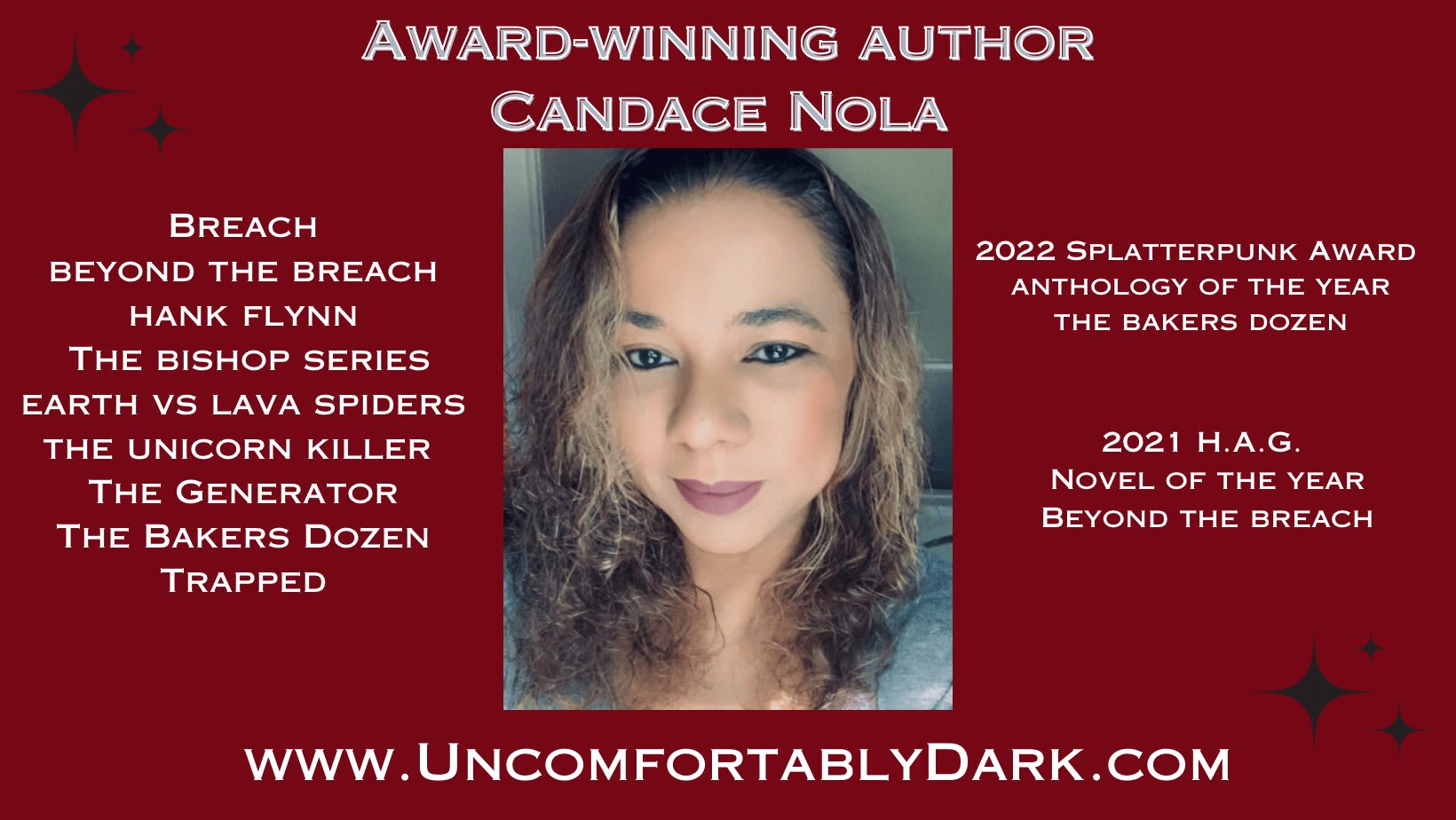
A few weeks ago, I got a Facebook message from one of my best friends, Candace Nola: She was in the hospital. Slam-packed busy with working her full-time job, parenting her teenage son, running her publishing company, writing her own books, and editing for clients, Candace is busier than any other human being I’ve ever met. She also sleeps less. A lady never reveals her age, but I’ll bet Candace is the only contributor to our upcoming peri/menopause anthology Half-Moon Hysteria who still pulls all-nighters. She’s one well-acquainted with exhaustion. So I shudder to imagine how exhausted Candace must have been to decide that after nearly fainting three times, she needed to check herself in an emergency room.
Candace’s hemoglobin had plummeted so far that if she had waited much longer to get help, she might have died. I’ve suffered from iron-deficient anemia, and I know how utterly debilitating it can be. With a hemoglobin of about 7.8, I was afraid to drive for fear of passing out; I couldn’t walk more than a couple hundred feet without running out of breath. I slept seventeen hours a day.
Candace’s hemoglobin was 4.4.
The doctors pumped four bags of blood into her that day, and after that, she suffered a difficult and painful allergic reaction, which they’re still managing. They discovered that a nutrient absorption issue means that Candace will need these iron infusions multiple times a year. Forever. Or she’ll die.
I could insert a whole screed about medical care in modern America here. I won’t bother. Americans know too well what it looks like, and the rest of the world stands appalled. Our drugs costs are staggering; our insurance companies rake in profits. Hospital CEOs retire with golden parachutes while everyday Americans lose their homes from medical debt.
If you want to know why I love Candace Nola, well, here you go, in her own words:
Horror authors are some of the most broken and fragile souls that I’ve ever met. But they are also some of the strongest, bravest, and most determined people that I know. It is our pain that allows us to write the things we write, it is our trauma that forces us to bleed across each page, and it is our sense of wanting to ease that pain, if only for a moment, for a reader that might be suffering from the same. . . I get up and I show my support for this industry because I must, because it’s needed, because I need to applaud those of you that are making the effort too. . . Our support of each other, our encouragement of others, is what keeps this community going. It is why so many of us call it a family, or our tribe, because that is what it becomes. My peers are my tribe, my family, and my home. I stand with you and beside you. This is where I belong. This is where I’ll stay.
Candace needs us right now, friends. She needs help to pay for her immediate medical care, and she needs help to pay for ongoing care. She’s also one of those people who hates to ask for help.
I firmly believe that the greatest of human needs—and the one we tend to neglect the most—is the need to be needed. We all want to count ourselves vital to the greater workings of the world. We want to wake up and know that we helped, that we mattered, that we did something. This is the sum of a life. This is, in the end, what matters. Did we help?
This is your chance to help.
Here is the link to Candace’s GoFundMe. Every little bit will help her pay her medical bills. And just as important as her bills, every bit will help ease her mind, and every bit will tell her that this community cares for her as much as she cares for it. She’s poured so much into us.
Time to give it back, friends. Please.
And if that GoFundMe is fully funded when you click on it: her daughter (a wonderful person in her own right) set a low goal, and Candace needs these infusions forever. Please give what you can.
Thank you for helping. It means the world to me that you’d help Candace. I love her.
Eliza


April 8, 2026
On Visiting South Carolina
After reading my last substack about going home to South Carolina, another Southern writer sent me a message. They also made the choice to live away from home; despite that displacement, they also set their stories there. Their message said mostly, I understand. But it also asked, Are you okay?
On the first day of my trip, I would have reacted with bafflement. Of course I was okay. I was finally home, and home was a conflicted place, but I was grateful to be there.
By day three, when I received their message, I knew exactly why they were asking. I love a moss-draped land I can’t stand to live in.
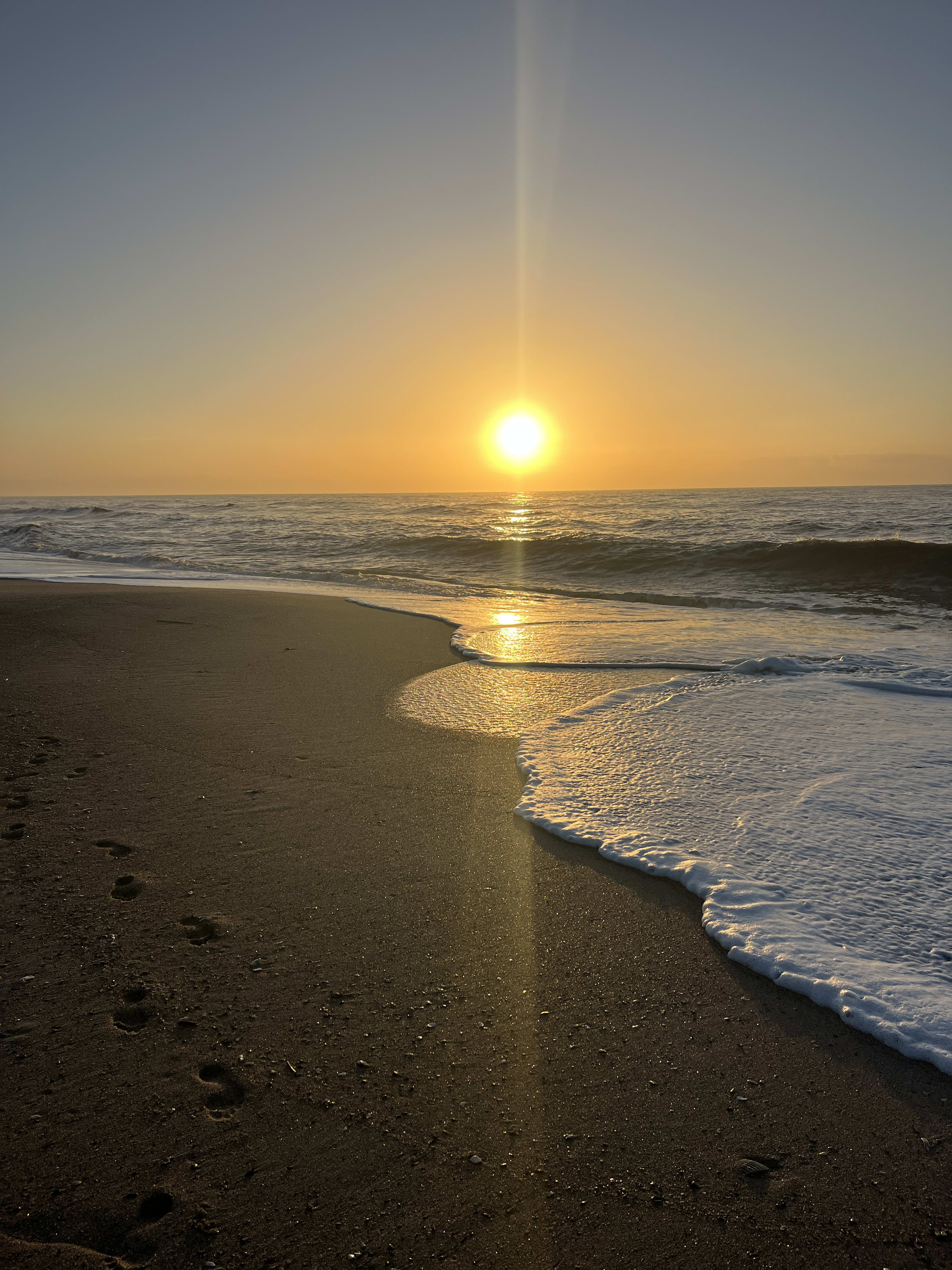 I just noticed those footprints. They are definitely not Jesus. And if you don’t understand that joke, your grandmama didn’t have a picture in her bathroom titled “FOOTPRINTS IN THE SAND”
The view was beautiful. Everyone loves the tangling Spanish moss, how it drapes from live oaks as the sun goes down in honey-gold. I missed the papery rattle of palmettos in the wind. We drove south into springtime when we came down 95, an everyday miracle. The gas stations sell sweet tea; the diners make real grits.
I won’t go on about the food. Home is as much a taste as a slant of light.
We visited Botany Bay on Edisto Island, a maritime forest falling into the ocean. One of the most beautiful places on planet earth. Time your visit by the tides or risk being stranded. Anemones cling to the salt-wet wood still planted in the sand; root balls turned to the sun, skeletons of fallen trees scatter the tide line. Because it’s illegal to collect shells, they grow enormous there. People set the best whelks high in the tree limbs.
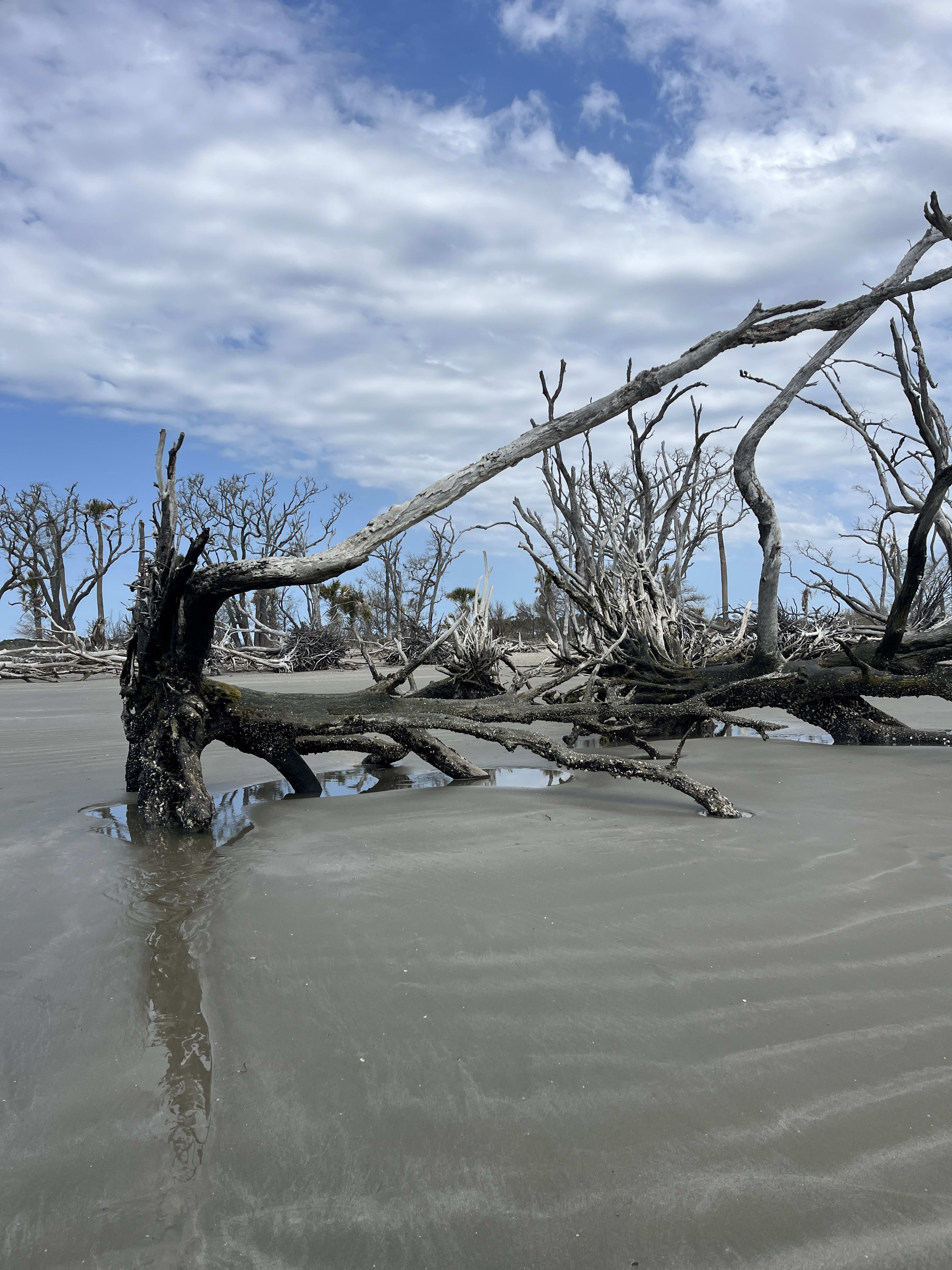
Botany Bay is a wildlife refuge. It used to be a plantation.
I had to do extensive internet research to discover that the land had not been a single plantation, but two, Sea Cloud and Bleak House. Sea Cloud produced more cotton than any other place in South Carolina; thousands labored and died there. Botany Bay contains a graveyard of the formerly enslaved, but its location is hard to find. Signage about the plantations is token and minimal.
I spent an afternoon admiring the scenery at Auschwitz.
Call it the land of the lotus eaters: South Carolina makes a sacrament of forgetfulness. An insistence on memory approaches treason; lately, that analogy has sidled uncomfortably close to the literal. As long as I concentrated on seeing friends, on idle gossip, on wind in the palmettos and whelk shells scattering the beach, I did just fine. Then I looked at the ruined bricks washed up among the whelks and choked.
Being in South Carolina is like standing at a cocktail party where a murder victim’s splayed out dead on the floor. Everyone’s drinking vodka tonics and laughing, refusing to look down at the blood on their shoes.
And God knows much of Richmond isn’t better. But Kehinde Wiley’s Rumors of War stands within shouting distance of the United Daughters of the Confederacy headquarters; the monuments on that avenue were torn down in 2020. I once turned a corner in the Valentine Museum to find a defeated, paint-splattered Jeff Davis laying on its side. I tried to tell the other parents on the field trip, I was in Columbia when that happened. You don’t understand the hope those protests gave us. I couldn’t manage to do more than sob. My husband and I have tickets to the opening of the Shockoe Institute next weekend. Richmond has a strong resistance movement that refuses to stay silent.
South Carolina’s resistance remains hopelessly, tragically silenced.
I can’t fix it. I can only pick up a pen.
What do your stories start with? they asked me at the author event I attended in Columbia.
I said, They start with what makes me mad.
There was a part of your book that made me cry, the moderator told me. Did you do that on purpose?
I’m a Southern Gothic author, I replied. We write about historical trauma that refuses to stay buried. If I didn’t make you cry, I didn’t do my job.
No. I was not okay. But I don’t think I should be.
March 27, 2026
Women in Horror Month: Elizabeth Copps
An internship at a boutique literary agency sparked everything for this starry-eyed book lover. In 2010, Elizabeth Copps drained her savings, left Florida, and moved to New York City to break into publishing. After a decade with Maria Carvainis Agency, she founded Copps Literary Services in 2021 in her current hometown of Englewood, CO. She brings sixteen years of experience to Confluence Literary Agency.
Elizabeth’s philosophy is simple: build relationships across the industry that are equitable, transparent, and built to last.
She represents thought-provoking upmarket and commercial fiction for adult and YA audiences and is particularly drawn to stories with lush prose, complex characters, and creative genre blends. She gravitates toward boundary-pushing horror + speculative fiction and is interested in the exploration of psychological terror, gothic atmospheres, macabre humor, or horror reflecting our socio-political anxieties. She has a particular soft spot for dark mythology and folklore retellings and unexpected love stories.
How long have you been an agent? What brought you to it, and what are important highlights of your journey?
I’ve been working in publishing for 16 years, and officially agenting for about 13 of those. I’m a publishing stereotype in pretty much every way! Books have always been my happy place. On family road trips, I would chill out if someone was reading aloud. My mom would read to me for hours until she lost her voice (we really should have explored audiobooks sooner). And my dad is phenomenal storyteller with pitch perfect comedic timing. I grew up in a family of intelligent, fun, hilarious people who gifted me an appreciation for the arts and a warped sense of humor.
Re: agenting, I was extraordinarily lucky. A college internship with Maria Carvainis Agency in New York turned into a full-time position, and I spent the next decade learning the ropes, building my list, and discovering what kind of agent I wanted to be. In 2021, I took the leap and founded Copps Literary Services. It was magical, but I missed being part of a larger collaborative team, so in 2026, I merged with Bond Literary Agency. We’re now Confluence Literary Agency--five agents, decades of combined experience, and a shared vision for what literary representation can be when it’s built on transparency, equity, and genuine partnership.
The highlights? Honestly, every single book deal feels like a highlight, especially when the author has struggled long and hard to reach their publishing goals.
Watching my authors’ books find readers who love them as much as I do will never get old.
What kind of horror do you represent? What brought you to the horror genre in particular, and what keeps you around?
I love horror that plays with fear in smart, unusual ways. I can’t resist psychological terror that gets under your skin, or gothic atmospheres so thick you can taste them. Macabre humor that makes you laugh while makes you flinch, as well as stories that hold up a mirror to our anxieties and anger. I appreciate how revealing the genre is, and that it creates space for admissions that are raw and transgressive. Under the guise of supernatural threat or visceral terror, writers can expose their actual fears: powerlessness, betrayal, the body’s fragility, society’s cruelty. It gives permission to be bold and vengeful. Horror doesn’t flinch, neither do my authors, and that’s just the way I like it 😊
My interest in the genre has always been there. I grew up reading Christopher Pike and R.L. Stine, graduated to King, kept exploring new voices, and never looked back. When I was nine, I went to sleepaway camp for the first time and I was terrified…the terror could be mostly be attributed to reading Stine’s The Horror at Camp Jellyjam the night before I got on the bus, but then again, it gave me a survival plan. I knew *exactly* what warning signs to look for and how I’d escape if I found myself in Wendy and Elliot’s situation! As silly as it sounds, horror didn’t just scare me; it prepared me. I It was a way of rehearsing danger from a safe distance, which mattered especially for a kid whose imagination never knew when to quit.
What do you look for in a manuscript?
A strong voice is my top priority, i.e. the distinct personality on the page that makes a character unmistakable. I love the kind of writing that feels less like reading and more like being drawn into intimate conversation with someone who has something urgent to say. I’m excited for stories told from unique perspectives that show me something I haven’t seen before. Or something familiar in a way that makes it feel brand new. I thought The Reformatory by Tananarive Due and Our Share of Night by Mariana Enríquez were particularly stunning examples.
Are there any other works or writers you think we should be reading?
Apart from every one of Confluence’s author, which you can find on our client list? Here are some of my recent favorites:
For the reader who is looking for the perfect gateway to horror (think ghost story meets cozy-ish mystery), The Whispering Dead by Darcy Coates is a fantastic start.
A collection that has a body horror story for everyone can be found in Cursed Bunny by Bora Chung.
If folk horror is your jam, check out Salt Bones by Jennifer Givhan.
Look to Lindy Ryan’s Dollface for a master class on pink horror.
Gothic ghouls seeking a delicious, sapphic vampire story should add Hungerstone by Kat Dunn to their TBR.
Are there any unique challenges you’ve faced in your journey?
Starting my own agency in 2021 (during a pandemic…from Colorado…with a newborn) was terrifying. But it turned out to be the best decision I’ve ever made. Building Copps Literary Services allowed me to create the kind of agency I’d always wanted, and it was exhilarating.
Balancing the business side of agenting with the editorial work I love is also a juggling act, but now I happily have two supportive partners! Nothing makes me happier than solving a tricky plot issue or helping an author see how powerful their writing can be. But the contracts, the negotiations, and the administrative work are equally crucial. Finding that balance is something I’m always working on.
What are your thoughts about being a woman working in horror at this particular moment in history? What challenges do we face?
It’s an exciting time. Women are writing some of the most innovative horror being published right now, and readers are hungry for it. We’re seeing the genre explore themes that have always been fertile ground for horror (like female rage, trauma, bodily autonomy, and motherhood). It’s heartening to see some of the best writers in the business getting the attention they deserve.
That said, there’s still work to do. Women in horror (both writers and industry professionals) often have to fight harder to be taken seriously and break into some of the more traditional “boys only” spaces. Horror written by women is sometimes dismissed as “too domestic” or “not scary enough,” which is absurd when you think about how terrifying domestic spaces can be. Or how scary it can be simply trying to exist as a woman in the world.
That said, I’m optimistic. The more we champion women writers, amplify diverse voices, and push back against outdated gatekeeping, the more the landscape shifts. Horror has always been a space for outsiders and rebels. Women belong here, full stop.
Any final thoughts? What’s the best place to find you on social media, and if you have a newsletter, how can we sign up for it?
I need to go on record: I will forever love the em dash--even though AI has viciously appropriated it. Long may it reign!
If you’re working on something weird, dark, atmospheric, or genre-bending, you can find my full MSWL at https://manuscriptwishlist.com/mswl-post/elizabeth-copps/. Check our website for updates when our agents are open to queries: www.confluencelit.com.
Find me on Instagram at @elizcopps and the agency at @confluencelit.
Is there anything on your MSWL that you’re particularly looking for?
More horror/romance mashups would be a lot of fun. Stories where the love story doesn’t dilute the horror, and the horror heightens the stakes of the relationship. Strong plot, an atmospheric setting, and chemistry that feels earned? Yes please.
Where to Find Elizabeth Copps:MSWL: https://manuscriptwishlist.com/mswl-post/elizabeth-copps/
Website: www.confluencelit.com
Instagram, Threads: @elizcopps and @confluencelit
March 26, 2026
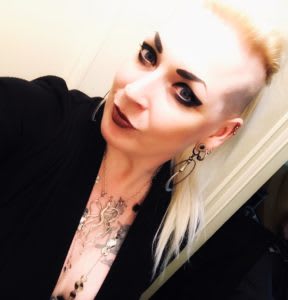
Women in Horror Month: Donna Lynch
Donna Lynch is a three-time Bram Stoker Award-nominated and Elgin Award-nominated dark fiction poet and horror author, spoken word artist, gallery curator, designer, singer and co-founder—along with her husband, artist and musician Steven Archer—of the dark electronic-rock band Ego Likeness (Metropolis Records).
She teaches dark poetry workshops, and speaks on panels, symposiums, and podcasts about all aspects of the horror genre in literature, art, film and television.
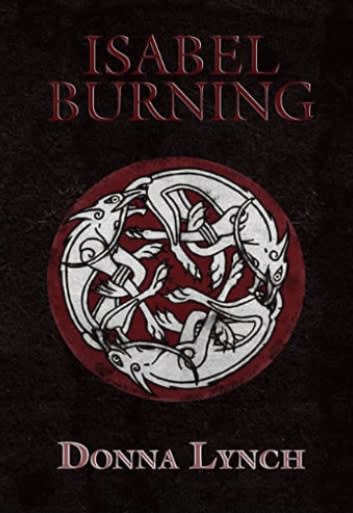
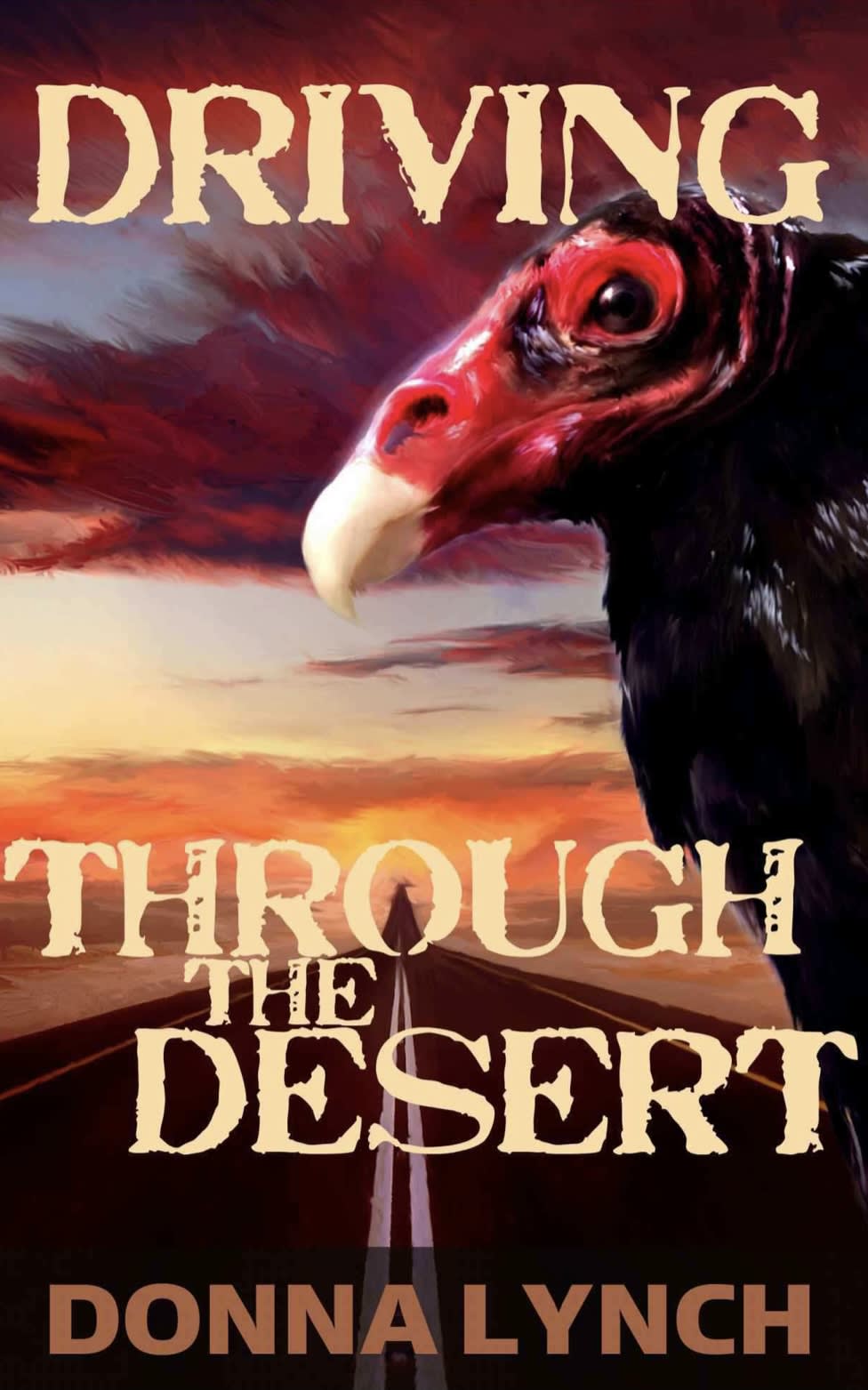
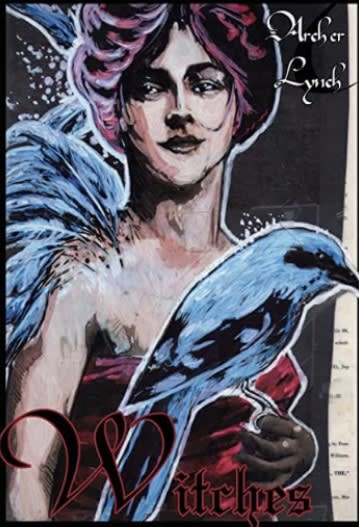
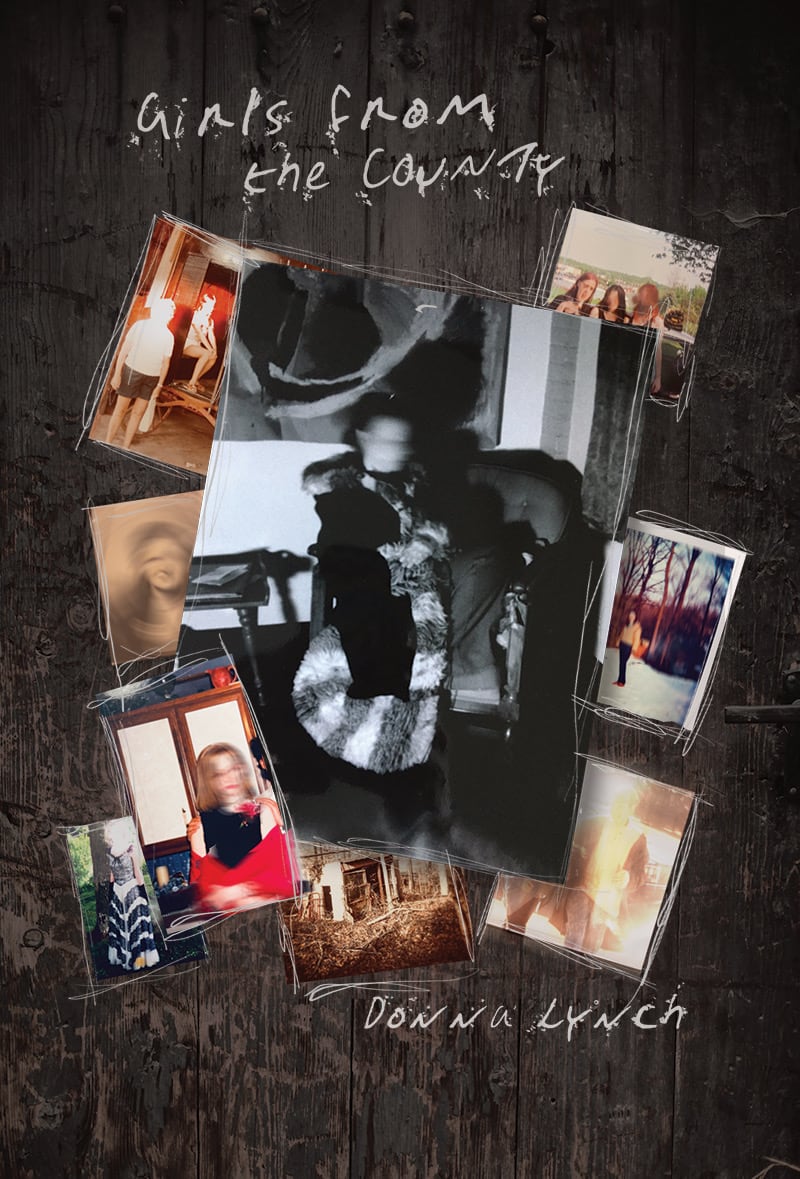
Her published works include the novels Isabel Burning, and Red Horses; the novella Driving Through the Desert; and the poetry collections In My Mouth, Twenty-Six, Ladies & Other Vicious Creatures, The Book of Keys, Daughters of Lilith, Witches, and the Ladies of Horror Fiction Award-winning Choking Back the Devil, and Girls From the County (Raw Dog Screaming Press).
Her work, both poetry and short stories, appears in numerous anthologies and publications, including Under Her Skin and Into the Forest (Black Spot Books), Found: An Anthology of Found Footage Horror and Howl (BSB).
She has also written non-fiction essays on dark confessional poetry, including “Writing the Wound” featured in Writing Poetry in the Dark.
In 2024, she completed a US cross-country, 16 city spoken word tour.
She is the founder of the Garbage Witch clothing brand, part-time tour manager, travel photographer, avid cross-country driver, and geography fanatic. She and Steven live in Maryland.
As always, thank you to from Uncomfortably Dark Horror for partnering with me on this interview series!
How long have you been writing? What brought you to it, and what are important highlights of your writing journey?
I wrote my first horror shorts in the second grade. I still have them! In the stories, there was always an unknown entity at the door or in the woods. And one with a witch that turned me into a bee. In the third or fourth grade, I wrote a short story called “A Trip to Transylvania” which I’m pretty sure broke many copyright laws.
In high school, I had to have a talk with the guidance counselor for my submission to the school literary magazine, but my friend was one of the editors and she made sure it got in.
What kind of horror do you write? What brought you to the horror genre in particular, and what keeps you around?
I’ve written two novels, a novella, and short stories, but poetry (8 collections) is my forte. I love and write a pretty wide range of horror sub-genres : body horror, personal trauma and psychological horror, folklore—especially witches and malevolent entities, and for reasons unknown to me, cannibals.
I’m currently obsessed with the Wendigo and skinwalkers.
I was a very emotional, anxious child. Scared of the dark, scared of strangers, scared of shadows, everything was haunted as far as I was concerned. I had a love/ hate relationship with scary books—like when it’s so upsetting but you can’t turn away.
And horror movies, even the TV trailers, were more than my little brain could take.
I Stockholm Syndrome’d myself with horror stories, forcing myself to look at scary pictures, and as I said, writing them from day one. I could handle the books, even when they gave me nightmares. I did it to myself on purpose, undoubtedly as a means of control.
I didn’t enjoy a horror movie until I was 13. It was The Lost Boys, which was a good way to ease in, essentially being a horror-comedy. But the thing that grabbed me was the idea of being enthralled by the monster. Though I later realized that my first vampire crushes weren’t David and his crew, but George Hamilton’s character in Love at First Bite. If you know me at all, you know how much that tracks. For a horror aficionado, I’m unabashedly ridiculous.
Can you tell us about your books?
My most recent releases were poetry collections, both Stoker-nominated, ‘Choking Back the Devil’ and ‘Girls From the County’ (Raw Dog Screaming Press). I was also honored to have short stories in the ‘Howl’ and ‘Into the Forest’ anthologies from Black Spot Books. Short stories are a challenge for me, but I’m enjoying the process.
What piece of writing is the most meaningful to you and why?
Of my own work, I think ‘Driving Through the Desert’ holds a special place in my heart because it played out like a film in my head, and as I wrote it, it was like I was just transcribing the scenes as I watched them unfold on the screen. I even heard the voices and the score. I haven’t had that experience since.
And ‘Girls From the County’ is an intimate piece of my soul, my history, and my sisterhood. It was, so far, the hardest collection to write. Sometimes I think I want to go even deeper, but I might be too afraid.
As for other writers, Dorothy Parker is an inspiration AND the voice of my greatest insecurities. It’s a very complicated parasocial relationship.
Are there any other works or writers you think we should be reading?
I could give you a big list, but there are many big lists available.
If I had one wish, it would be for men to pick up and share more works by women. Especially with horror and dark poetry. It’s rare to see mentions or reviews from men, and I would love to see more people—especially men—decide to try something new, or come at the genre with fresh eyes. “I’m not really into poetry” is a sentence I’m so tired of. You don’t have to enjoy mine, or anyone’s, but please just read some. Read more.
And men—please talk about it.
Are there any unique challenges you’ve faced in your writing journey?
I contracted Lyme Disease over a decade ago and still test positive for it to this day. It altered parts of my brain and it’s incredibly hard to read. The words move on the page and I have to read every sentence multiple times to process it.
It breaks my heart, because reading was a great joy and now it’s nothing but a source of stress and frustration. I feel like an outsider in writer’s circles because I can’t be part of the contemporary conversation.
And when I write, I leave out words, and jumble grammar, like I’m using an ineffective shorthand. I owe everything to editors.
I’m not ready to give up yet. I may be slow and inelegant, but I get there.
What are your thoughts about being a woman writing horror at this particular moment in history? What challenges do we face?
As I mentioned above, I think we are passed over by a lot of men because of the assumption that we can’t be horrific enough.
And if there was ever a time that women could understand horror, it’s now, as we’re on the precipice of losing basic human rights.
Of course, I truly believe women have always understood horror in a way that men can’t. It’s all around us, every day, and has been so in every century. There are monsters everywhere.
Where to Find Donna Lynch:Instagram: @d_note_
Bluesky: @donnalynch.bsky.social
Mailing List: Ego Likeness // EgoLikenessband.com
March 25, 2026
On Going Home
When I tell people up here where I’m from, they throw me side-eye. Virginians nourish a deep-seated, barely-concealed belief that all South Carolinians are secretly insane. I’d like to argue that I’m one of the few same ones, the blue dot in the red sea. I left, I want to say. That has to count for something. But it doesn’t really, or not much. I know how awful South Carolina is. I love it anyway.
From 2009 to 2013, I delivered three children in Columbia, South Carolina. I suffered through difficult pregnancies, miserable with hyperemesis (think morning sickness that never ended and left me bedridden with exhaustion). My first labor would have ended in a C-section but for the patience and grace of a resident OB; for a little while, ultrasound mistakes left us with serious doubts that our second son had feet. My third labor had to be induced due to severe gestational diabetes.
Thanks for reading Elizabeth Broadbent! Subscribe for free to receive new posts and support my work.
Today, a misstep during those complicated pregnancies would risk killing me. Abortion is now illegal in South Carolina after six weeks (when most women don’t know they’re pregnant), and a bill currently in committee atttempts to classify abortion as homicide, which would render the perpetrator—the woman—eligible for life in prison or even the death penalty.
I could tell you stories about the horrific racism there, too. Truly, it is horrific. Those stories are not mine to tell.
We left the state for many reasons, but chief among them was our children; we refused to raise them in a place that had become so dangerously conservative. My husband grew up in Richmond, and my in-laws live here; I’m beyond grateful to have a real family in town. But I still had to leave the home I love behind, because home had become unliveable.
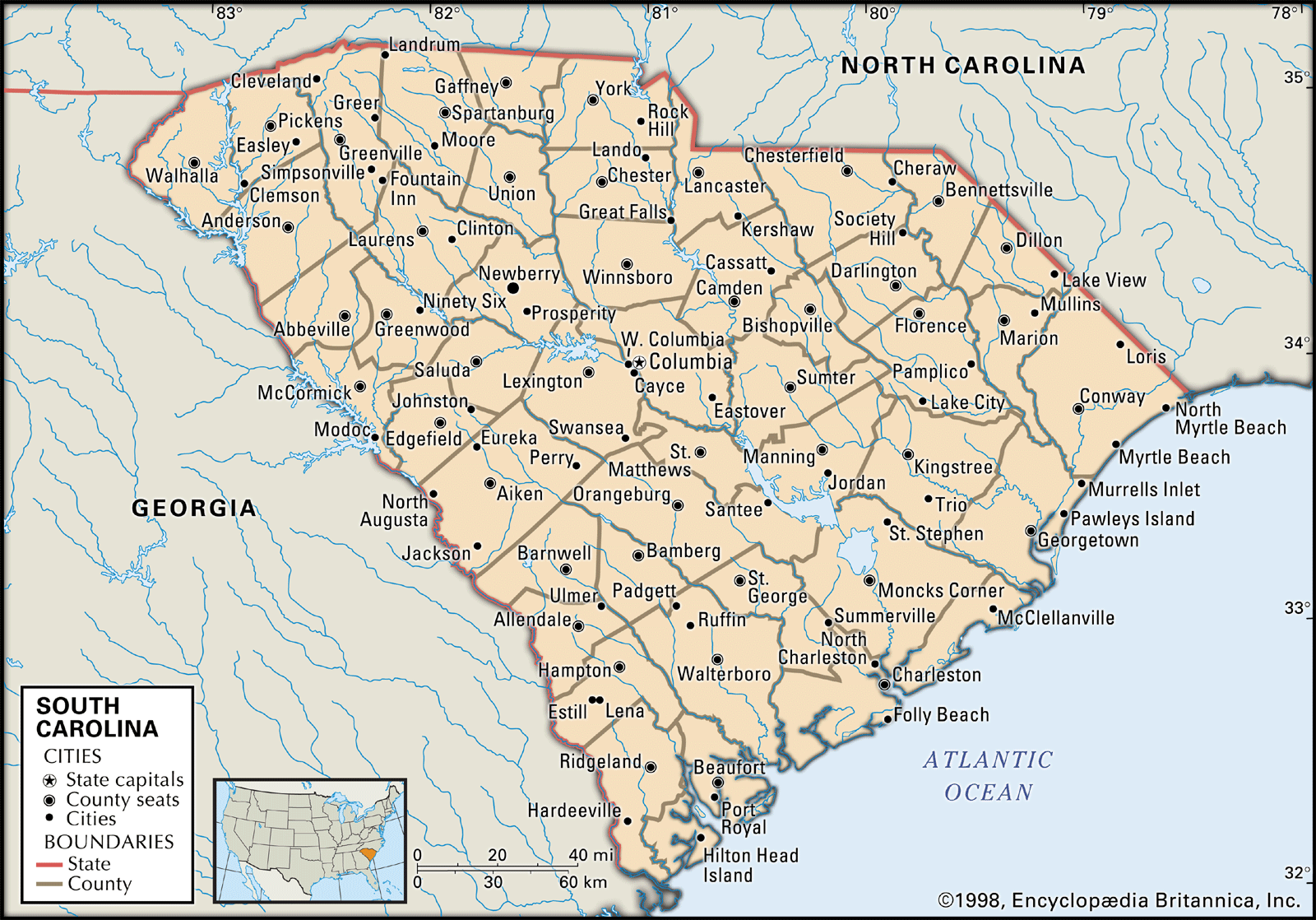
Is it a betrayal? Ask me to tell you a story about South Carolina, and I can summon up any number of lunatic narratives about barely hidden corruption. I keep a storehouse of too-crazy-to-be-true-except-they-are, ripped straight from the pages of Flannery O’Conner stories. I know stories so bad that I’m smart enough not to type them out. I always understood that the Deep South was rotten to the core, and South Carolina worse than most.
Every time I try to explain why I miss it so much, I come up with empty-handed rationalization. I know the stories there. I love it. I hate it too. I know it’s bad but I can’t help it. Home is a war zone; home is a wound. If you look at it clear-eyed, you’ll shatter to pieces.
I’m glad to go back, and I hate that. God in heaven, I became that person who gets teary over Darius Rucker’s “Wagon Wheel.” That ought to make me ashamed to be seen in public anywhere north of Charlotte. But soon I can wear my COCKS shirt in public. I’ll see palmettos wrapped in Christmas lights, and I’ll be able to buy sweet tea in the gas station. The world will feel right again. Wrong—fundamentally, deeply, terribly wrong, and unjust.
But it will feel like mine.
Thanks for reading Elizabeth Broadbent! Subscribe for free to receive new posts and support my work.
Women in Horror Month: Rei Alyssa Murray
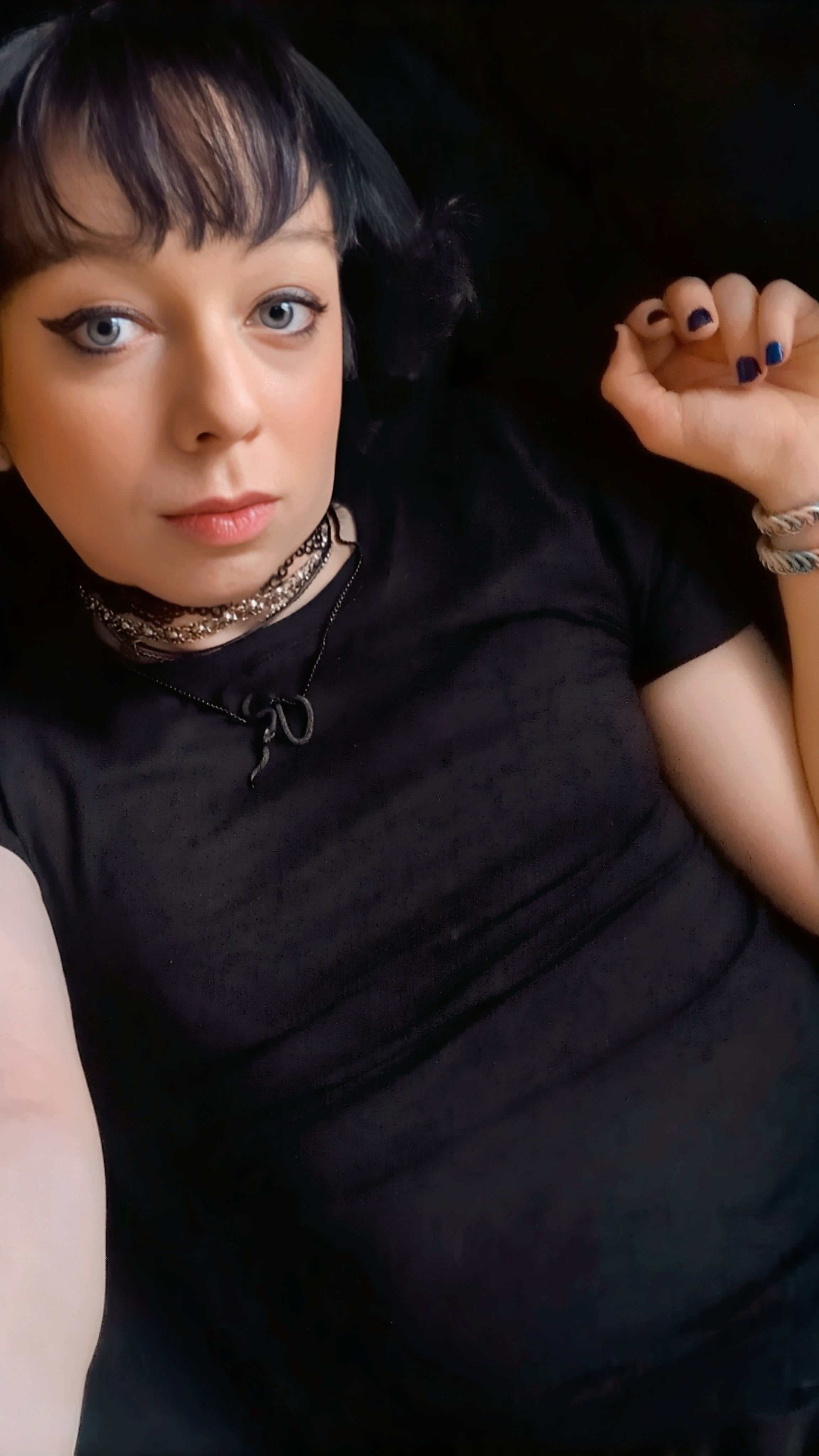
Rei Alyssa Murray is a poet located in the forests of western Pennsylvania. She has written three dark poetry collections, Cries to Kill the Corpse Flower, Lost Letters to a Lover’s Carcass, and Through a Gauntlet, Phantom Haunted, all of which have been collected and published in the omnibus In All the Ways, A Drowning. Her work has been nominated for an Elgin Award and two Wonderland Book Awards. Cries to Kill the Corpse Flower was short-listed for a 2020 Bram Stoker Award, and poems from Lost Letters to a Lover’s Carcass appeared in Ellen Datlow’s Best Of lists.
Her poetry has appeared in Space & Time Magazine and the HWA Poetry Showcase, and she has several pieces of short fiction appearing in various anthologies. She is currently working on a fourth poetry collection inspired by gender identity, the struggles of the LGBTQ+ community and her individual experiences with them, the horrors of current events, and the general human experience of intense emotions.
When she is not writing, she enjoys spending time with her children, coding and playing hacking challenges, staying up late and drinking hot chocolate, petting her cat, and riding her ebike on trails.
She is an active member of the Horror Writers Association.
As always, thank you to from Uncomfortably Dark Horror for partnering with me on this interview series!
How long have you been writing? What brought you to it, and what are important highlights of your writing journey?
I’ve been writing since that burning need to write awakened in me after reading Edgar Allan Poe’s The Tell-Tale Heart in my seventh-grade literature class. So, it’s been about twenty-three years of off and on poetry and fiction, and I’m constantly finding old journals filled with lines and prose of angst when I visit with my parents and go through old stuff.
What kind of horror do you write? What brought you to the horror genre in particular, and what keeps you around?
I primarily write poetry, which I guess could fit into the category of grief horror, if you have to put a label on it. But basically I’m a person that feels things extremely deeply, and therefore have to express things with fiery passion. It just so happens that dark, lyrical writing is what best fits those feelings. I’ve grieved the time and love I’ve lost through the mistakes that I have made, my childhood, which was often tainted by the anger of adults around me and other kids who were probably damaged by the same thing, and now I grieve the time I could have spent as my true self if I had just accepted myself and took action long ago. Occasionally, I will write positively about love, but still with that tinge of darkness and melancholy, since love often leads there anyway.
I’m currently working on my fifth collection, for which the title I can’t yet reveal. It is about my beginning journey in my gender transition, LGBTQIA+ issues, the horrors of the world and its current political climate, and the general experience of intense emotion.
I did once curate and edit a poetry collection meant to showcase poetry about what Satanism means to Church of Satan members in collaboration with Ruth Waytz, of the Church of Satan, known publishing some of their canon texts. That was a fun project.
Can you tell us about your books?
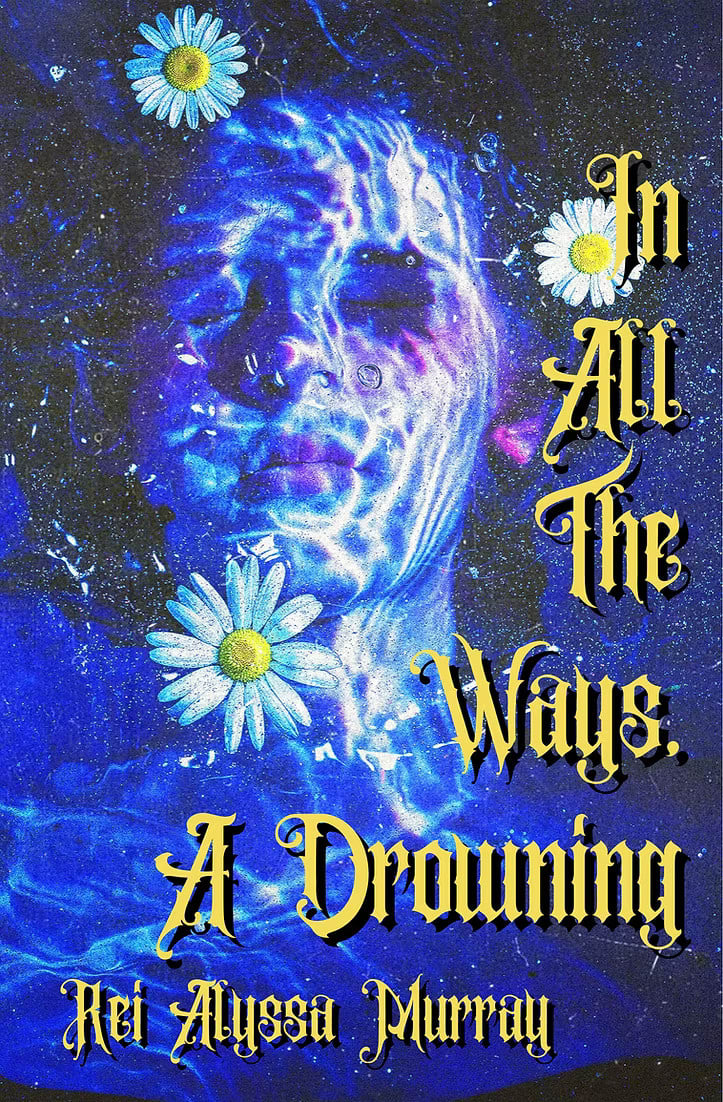
In All the Ways, a Drowning is essentially an omnibus my first three collections: Cries to Kill the Corpse Flower, Lost Letters to a Lover’s Carcass, and Through a Gauntlet, Phantom Haunted. Together, they ended up telling a half-intentional narrative of a long mental health journey I embarked on. It begin with a long-term relationship in its death throes, told through the perspective of a “crow crowned king” ruling over his crumbling kingdom with the “corpse flower queen,” who the crow has grown to resent. It wraps up with the narrator discovering that the love died because they were raised with a poor example of love shown through their parents, which created a lot of psychological issues that manifested in adulthood much in the same way as the poor example of love. It’s really a heartbreaking story of redemption, but realizes that the heartbreak can remain because the damage has been done, and there’s nothing that can be done to undo it.
The back cover blurb reads as follows:
“ In All the Ways, a Drowning is an omnibus containing Cries to Kill the Corpse Flower, Lost Letters to a Lover’s Carcass, and the evocative conclusion to a powerful trilogy of loosely connected poetry collections, Through a Gauntlet, Phantom Haunted.
This collection delves deep into the heart of self-discovery, tracing the intricate journey of healing from mental illness and trauma. With grinding honesty and lyrical darkness, the poems confront the ghosts of childhood pain, revealing how deeply buried wounds can manifest in behaviors that harm others.
Through each verse, the reader is invited to witness the transformative power of understanding and self-forgiveness, culminating in a poignant exploration of redemption and renewal.”
What piece of writing is the most meaningful to you and why?
There are really too many to name. A few examples would probably be Paradise Lost by John Milton because it is sympathetic toward a character vilified for rebelling against tyranny. I spent a lot of my art class in my senior year of high school recreating Gustave Dore’s illustrations of that epic after I read it. Mercedes Lackey and James Mallory’s The Obsidian Mountain Trilogy holds a special place in my heart because it showed me the joy of escaping into a secondary world, which is an especially useful tool when times get tough. And any work by my friends—Sara Tantlinger, Nelson W. Pyles, Douglas Gwilym, Gwendolyn Kiste, Michael A. Arnzen, Candace Nola—are meaningful to me because they give me a glimpse into their worlds.
Are there any other works or writers you think we should be reading?
Everyone I mentioned in the last question. And Hailey Piper. Always read Hailey Piper.
Are there any unique challenges you’ve faced in your writing/editing journey?
I’m not sure that I face any challenges that are more unique than the challenges anyone else faces. Imposter syndrome always kicks my ass, and I have children that I need to take care of and a day job in IT security. Those things can certainly make writing difficult, since the wage slavery of capitalism can drain you of your energy and creativity, and I’d say that imposter syndrome also ties back to that, because it’s ultimately rooted in “Am I even good enough to monetize this skill?” when that doesn’t matter anyway, but is so deeply ingrained that it becomes an issue.
Any final thoughts? What’s the best place to find you on social media, and if you have a newsletter, how can we sign up for it?
You can find me on Instagram at rei__writes and at my website at https://rei-writes.com. I don’t have a newsletter, but I try to post any news on my Instagram and my blog.
Thanks for reading Elizabeth Broadbent! Subscribe for free to receive new posts and support my work.
Where to Find Rei Alyssa Murray:Instagram, Threads: rei__writes
Substack/Blog: https://rei-writes.com/blog
Website: https://rei-writes.com
Published Works:IN ALL THE WAYS, A DROWNING: https://www.uncomfortablydark.com/product-page/in-all-the-ways-a-drowning
March 24, 2026
Women in Horror Month: Sonora Taylor
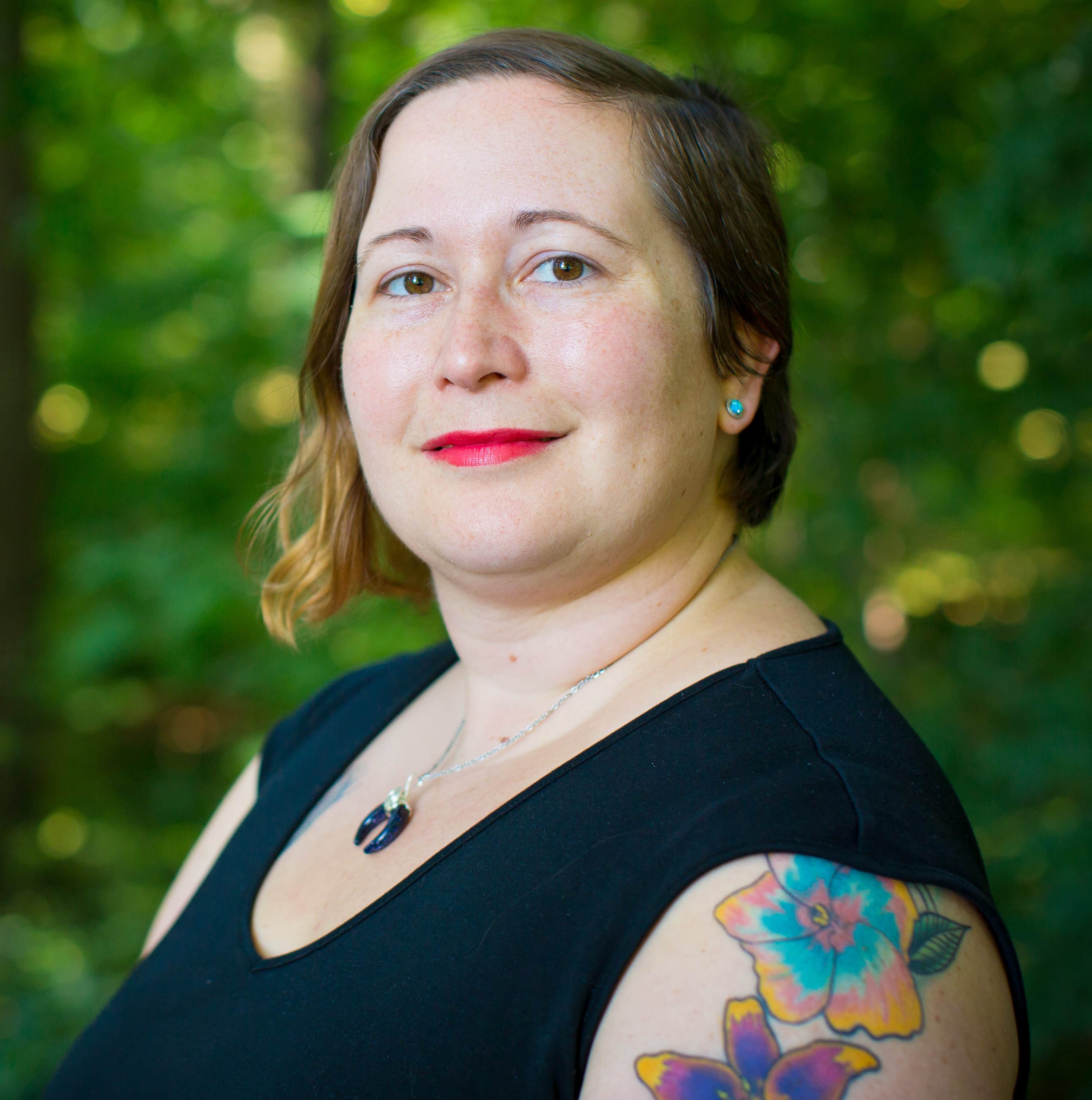
Sonora Taylor (she/her) is the award-winning author of several books and short stories. Her books include Errant Roots, Recreational Panic: Stories, Someone to Share My Nightmares: Stories, Seeing Things, Little Paranoias: Stories, Without Condition, The Crow’s Gift and Other Tales, and Wither and Other Stories. She also co-edited Diet Riot: A Fatterpunk Anthology with Nico Bell. Her short stories have been published by Rooster Republic Press, PseudoPod, Kandisha Press, Camden Park Press, Cemetery Gates Media, Tales to Terrify, Sirens Call Publications, Ghost Orchid Press, and others.
Her short stories and books frequently appear on “Best of the Year” lists. In 2020, she won two Ladies of Horror Fiction Awards: one for Best Novel (Without Condition) and one for Best Short Story Collection (Little Paranoias: Stories). In 2022, her short story, “Eat Your Colors,” was selected by Tenebrous Press to appear in Brave New Weird: The Best New Weird Horror Vol. 1. In 2024, her nonfiction essay, “Anything But Cooking, Please,” was a Top 15 finalist in Roxane Gay’s Audacious Book Club essay contest.
She co-manages Fright Girl Summer, an online book festival highlighting marginalized authors, with V. Castro. She also serves on the board of directors of Scares That Care.
Her latest short story collection, All the Pieces Coming Together: Collected Works, is out now from Manta Press.
She lives in Arlington, Virginia, with her husband and a rescue dog.
As always, thank you to for partnering with me on this interview series!
How long have you been writing? What brought you to it, and what are important highlights of your writing journey?
I have been writing professionally since 2016. I was working at a job I didn’t like and needed a creative outlet, so I decided to dedicate a little time each day to creative fulfillment, working on the writing tip that if you write a page a day, by the end of the year, you’ll have a novel. I initially wrote two short stories, then completed my first novel. I’ve been writing consistently ever since.
What kind of horror do you write or edit? What brought you to the horror genre in particular, and what keeps you around?
I write anxiety-driven horror. I hesitate to call it psychological because I wouldn’t call my work a mind fuck or anything, but a lot of the prompts come from me seeing something benign and turning it sinister, which is how my own generalized anxiety disorder functions. At least when I’m crafting plots, I have control over the twists and turns! I prefer writing (and reading) stories with human monsters, especially serial killers. If I delve into the supernatural, it’s usually a ghost story, though I have written a couple of creature features. My husband once told me that instead of being put in boxes, I make up my own, and that honestly describes my writing better than I ever could.
Can you tell us about your books or short stories?
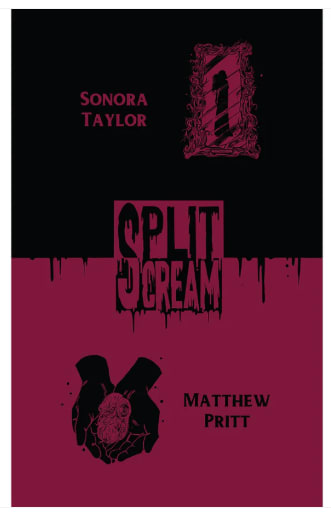
In addition to the books listed above, I have a novelette coming out next month called “Passing Glance,” which appears in Split Scream Vol. 8: Cursed Places, from Tenebrous Press. It’s a haunted house story based on a real and eccentric museum in downtown D.C. I had a lot of fun writing it--when I pitched it to Tenebrous, my comp title was the Japanese horror film Hausu. You can preorder it ahead of its April 21 release here.
What piece of writing is the most meaningful to you and why?
Oh gee, that’s tough. Every time I think of an answer, I think of three other choices! I’m a voracious reader and what moves me changes from year to year, as I myself grow and change.
Are there any other works or writers you think we should be reading?
I’m going to give kind of a general answer here, but because I feel strongly about it: I think genre authors should make it a point to read more books that are outside of the genre they write in. For instance, while I read my share of horror, I read a lot of literary fiction, romance, and nonfiction about food and social issues. I think drawing from many wells makes your own water richer.
What are your thoughts about being a woman writing/editing horror at this particular moment in history? What challenges do we face?
The biggest challenge we face is people trying to put our work into boxes that fit their preconceived notions of what women write. When I first published in the scene, my work was called a range of things, including “not really horror” (a cliche more tired than virgin final girls), “more of a romance than horror” (I consider my romantic horror stories equal parts so), and “cute” (I still don’t know how a cannibal story is cute but okay). Now, I’ll be the first to say that my work as a whole can sometimes be challenging to classify in easy subgenres--for instance, I had to think about my answer to what kind of horror do I write, and that should be easy for me to do! But there’s a big difference between that and refusing to acknowledge something as horror because a woman wrote it.
Any final thoughts? What’s the best place to find you on social media, and if you have a newsletter, how can we sign up for it?
Ladies, and anyone else who needs this advice: write the book you want to write. Do not write to the market, to an imaginary audience, even to the fans of your last book. Write what you want to write. I promise, the readers will follow and your story will be better for it.
My socials are listed below, and you can always learn about my latest releases at sonorataylor.com
Where to find Sonora Taylor:Facebook (public profile/page): https://facebook.com/sonorataylor
Instagram, Threads: https://instagram.com/sonorataylor
Bluesky: sonorataylor.bsky.social
Substack/Blog: https://sonorataylor.com/blog
Website: https://sonorataylor.com
Published Works:The Crow’s Gift and Other Tales
Seeing Things (Available in Spanish from Dilatando Mentes Editorial)
Someone to Share My Nightmares: Stories
Diet Riot: A Fatterpunk Anthology (with Nico Bell)
March 23, 2026
Women in Horror Month: Del Sandeen
Del Sandeen lives in Northeast Florida, where she works as a writer and copy editor. She is the recipient of the 2019 Diverse Writers Grant and the 2019 Diverse Worlds Grant from the Speculative Literature Foundation. Her short fiction has appeared in in FIYAH: Literary Magazine of Black Speculative Fiction, Uncanny Magazine, Nightlight Podcast, and Magnolia, a Journal of Women’s Socially Engaged Literature Volume III. Her nonfiction has appeared in Allure, Uncanny, Gay magazine and ZORA. She’s the author of three young adult books: Thomas Jefferson and Sally Hemings: Joined by Fate; Coping With Racial Profiling; and Maya Angelou: Writer and Activist.
Del is represented by Jim McCarthy at Dystel, Goderich & Bourret LLC. She is the author of Southern Gothic horror THIS CURSED HOUSE and the forthcoming Southern horror THESE WALLS REMEMBER (2026). She can be found on Instagram @DelSandeen.
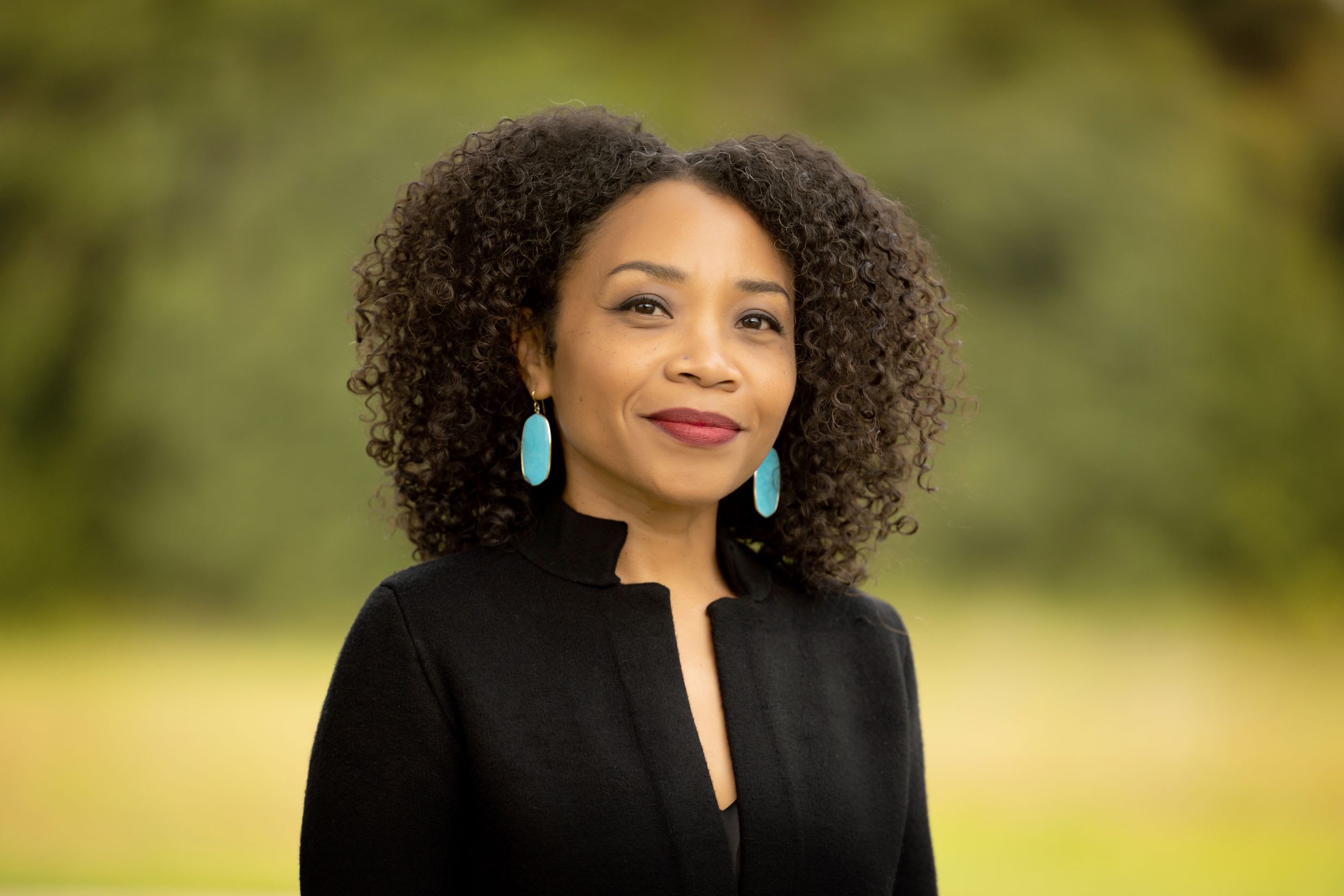 photo by Christy Whitehead
How long have you been writing? What brought you to it, and what are important highlights of your writing journey?
I’ve loved books ever since I learned how to read, and at 10-years-old, I decided I wanted to be a writer when I grew up. I started writing short stories then. Naturally, those first stories were terrible, but I always enjoyed the process of writing. I moved into poetry as a teenager, and again, the poems were bad! But I kept reading and kept writing. When I got married and had my kids, the writing slowed down a lot, although the reading never did. I wrote for websites and magazines to earn money, but fiction was pretty much put on the back burner until my children were older.
My biggest highlight so far was finding out that I was finally going to be a published novelist. This happened in 2022, when an editor at Berkley contacted me about my entry into their open submission program. Seeing all of this happen was a lifelong dream of mine, and it’s opened more doors than I ever thought possible as a 10-year-old girl.
What kind of horror do you write or edit? What brought you to the horror genre in particular, and what keeps you around?
I write horror that’s not necessarily full of jump scares or gore. I love that horror can have the same themes you find in literary and mainstream fiction: dysfunctional families, grief, survival, betrayal, etc.
I’ve watched scary movies and read scary books ever since I was a kid. Like a lot of horror fans, Stephen King was a huge influence. However, I didn’t plan to write horror fiction; I started out writing literary stories. I classified my debut novel as Southern Gothic, but when my editor told me it was horror, I was okay with that. I’m leaning into the horror more with my next works, and that actually makes me happy, because I feel like I’m returning to something that I loved from my childhood.
Can you tell us about your books or short stories?
The first short story I was paid for wasn’t horror, or speculative at all. It was a literary piece about a mother trying to save her daughter’s life following a botched female circumcision. Similarly, the first novel manuscript I finished (unpublished) was literary.
Since then, I’ve written in the speculative genre, which I love. I love horror, fantasy, fabulism, magical realism—any and all of that. The second short story I published (“In That Place She Grows a Garden,” FIYAH: Literary Magazine of Black Speculative Fiction) was about a girl in high school who’s forced to cut her locs (dreadlocks) to continue going to the school, and the marvelous aftermath of resistance.
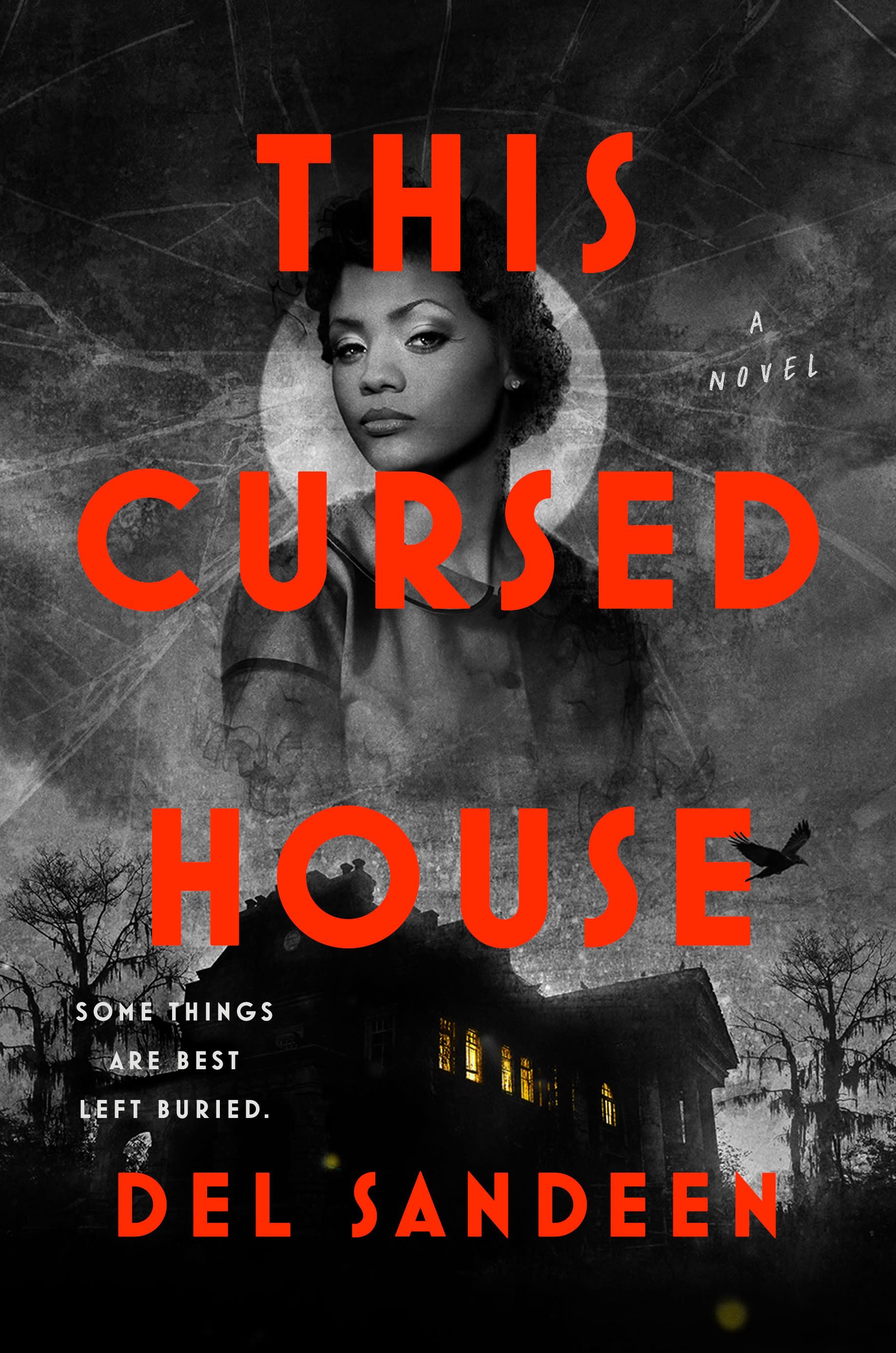
My first published novel was This Cursed House (2024). It’s about a young black woman who can see spirits. She moves from Chicago to New Orleans in the early 1960s to take a job with a rich and mysterious family that’s under a curse. The family is more horrifying than the ghosts, honestly, and the themes include family bonds, acceptance, and forgiveness.
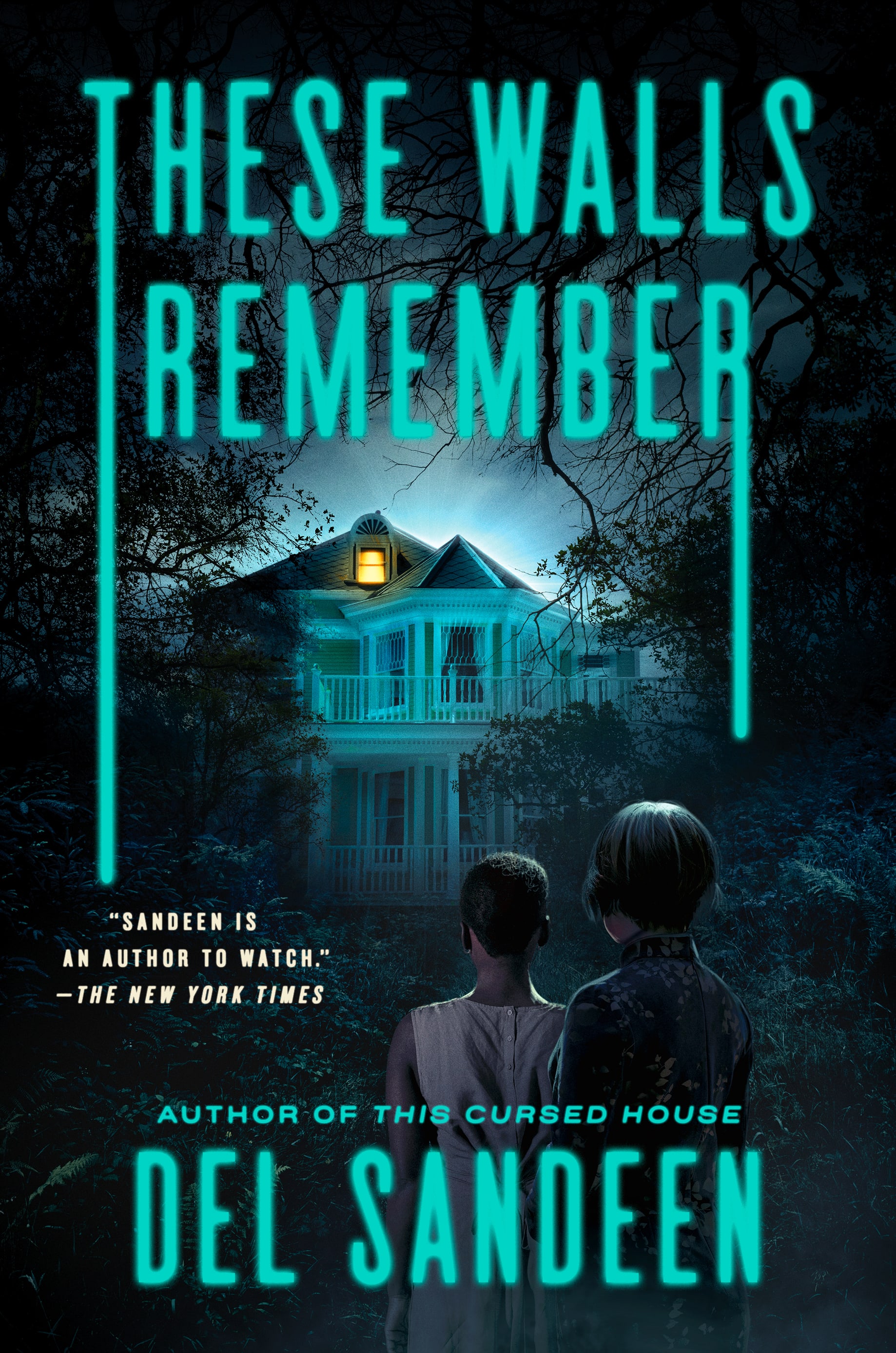
My next novel, These Walls Remember, will be published in August 2026. It’s about two estranged sisters who inherit a distant relative’s home in Savannah, Georgia, and they—and the home—are having a hard time letting go of the past. The story is about more than a creepy house. It’s also about grief, community, and family.
What piece of writing is the most meaningful to you and why?
Kindred, by Octavia Butler. I read this before I discovered Tananarive Due (if I’d found Due earlier, I’d probably name The Good House, the first book of hers that I read). But Kindred made me realize that I could write speculative fiction and that I didn’t have to stick to literary.
Are there any other works or writers you think we should be reading?
Absolutely! Eden Royce is one of my favorites. She writes Southern Gothic with an incredibly rich, layered style. I also love Adam Nevill’s books, which are genuinely terrifying. I can’t read his books at night! Tananarive Due is a powerhouse in horror, and has been for a long time. More favorites of mine include Stephen Graham Jones, Victor LaValle, and Rivers Solomon.
For non-horror authors, I really enjoy Esi Edugyan, Junot Diaz, and Colson Whitehead.
Are there any unique challenges you’ve faced in your writing/editing journey?
I had two previous agents and gone on submission with three other novels, before publishing my debut with my current agent. I was with my first agent in the early 2010s, and based on some of the rejection feedback we received, I’m not sure publishing was as ready for BIPOC speculative stories at that time. It’s important to remember that publishing is a business, and even a great story might not find a home if the timing isn’t right. I feel like horror, especially horror by marginalized writers, has enjoyed a fantastic resurgence lately, and I’m thrilled to be a part of it.
What are your thoughts about being a woman writing/editing horror at this particular moment in history? What challenges do we face?
This is probably one of the best moments so far to be a woman writing horror. It’s fascinating to read different types of horror from women, and it ranges from cozy to extremely graphic. One of the challenges women who write horror face is what we’re “allowed” to write as horror. Women should feel free to write stories about anything and not feel relegated to themes that are “expected” of them, such as motherhood or physical appearance. Sure, those themes work and have been explored exceptionally well, but if a woman wants to write about violence that women inflict on other women (or men), or about creatures climbing out of swamps and hunting victims, she should be encouraged to do so.
Any final thoughts? What’s the best place to find you on social media, and if you have a newsletter, how can we sign up for it?
Writing can be a tough calling. Find your tribe, the people who understand and support you. This should include other writers, because they’ll understand what you’re going through like no one else. If writing is for you, if that’s been your dream, keep at it and never give up.
I’m minimally active on Instagram (@delsandeen), but I still have accounts on Twitter and Bluesky (also @delsandeen).
Where to find Del Sandeen:Instagram, Threads: @delsandeen
Twitter (it’ll always be Twitter to me): @delsandeen
Bluesky: @delsandeen
Website: www.delsandeen.com
March 22, 2026
Invite your friends to read Elizabeth Broadbent
Thank you for reading Elizabeth Broadbent — your support allows me to keep doing this work.
If you enjoy Elizabeth Broadbent, it would mean the world to me if you invited friends to subscribe and read with us. If you refer friends, you will receive benefits that give you special access to Elizabeth Broadbent.
How to participate
1. Share Elizabeth Broadbent. When you use the referral link below, or the “Share” button on any post, you'll get credit for any new subscribers. Simply send the link in a text, email, or share it on social media with friends.
2. Earn benefits. When more friends use your referral link to subscribe, you’ll receive special benefits.
Get an Ebook copy of Ink Vine for 5 referrals
Get an Ebook copy of Sabers for 10 referrals
Get a post on the topic you choose for 25 referrals
To learn more, check out Substack’s FAQ.
Thank you for helping get the word out about Elizabeth Broadbent!
Women in Horror Month: Eden Royce
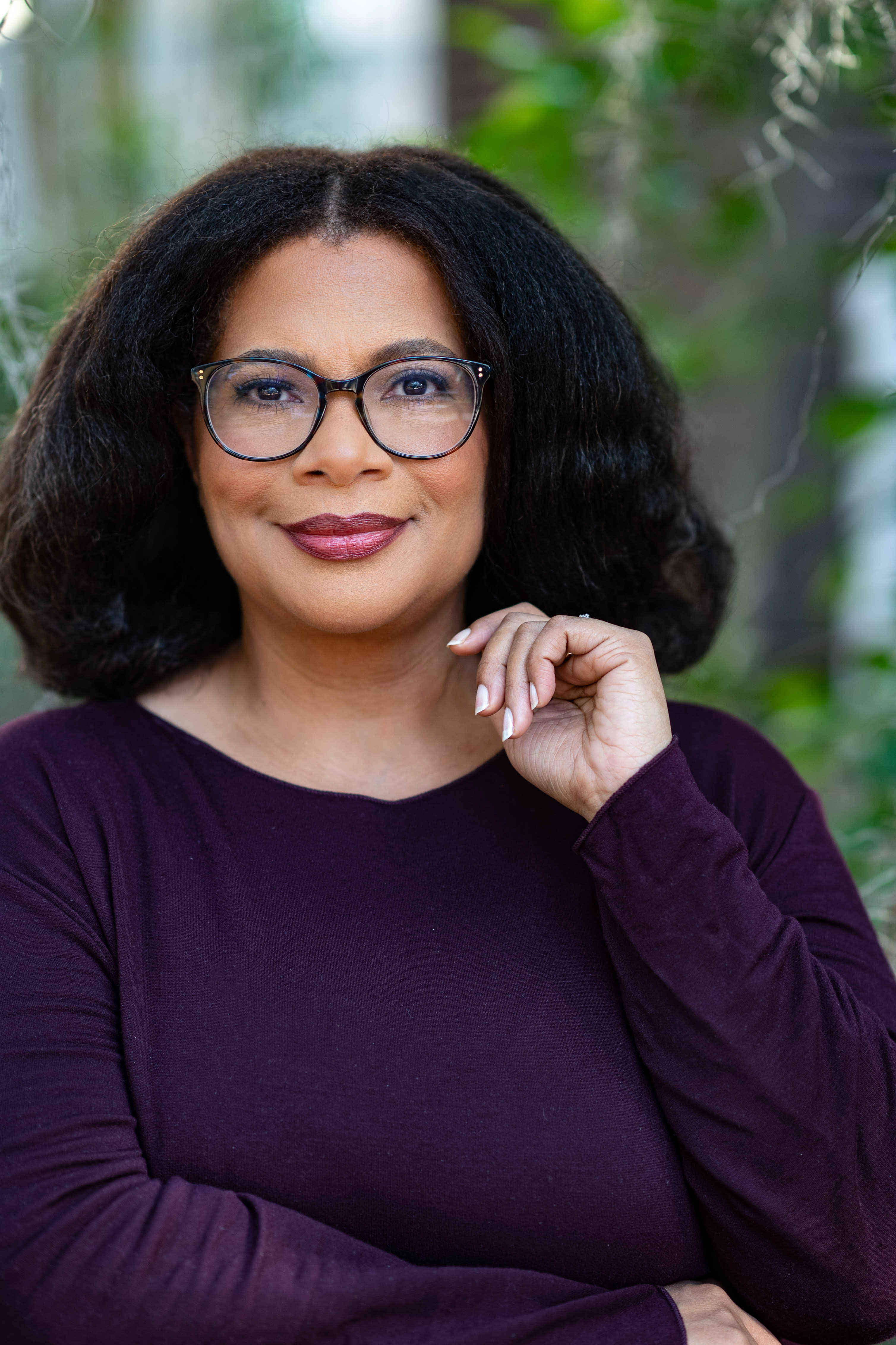
Eden Royce is from Charleston, South Carolina now living in Southeast England. She’s a Shirley Jackson Award winner for her adult fiction, which has appeared in various print and online magazines. Her debut middle-grade novel, ROOT MAGIC, has won multiple awards for outstanding children’s literature. Her third middle-grade novel, THE CREEPENING OF DOGWOOD HOUSE, is a Bram Stoker Award winner, and the first horror novel to become a Walter Dean Myers Award Honoree in the award’s ten-year history. Find her online at edenroyce.com.
How long have you been writing? What brought you to it, and what are important highlights of your writing journey?
I’ve been writing most of my life – I got a little piece published in the local newspaper when I was around six years old – but only in the last fifteen years or so have I been comfortable and confident enough to publish my work. Reading has always been one of my loves, so it was inevitable I’d get around to writing at some point. That point was having a horrible day at work and an even worse commute home. Once I got inside, I sat down and rewrote how I wanted the day to have gone, complete with speculative elements, and after that, I began submitting. I haven’t stopped since.
What kind of horror do you write or edit? What brought you to the horror genre in particular, and what keeps you around?
I write Southern Gothic horror mostly, although I’ve dabbled in other sub-genres, this is how I would categorize most of my work. I came to horror as a young kid because I’m from a horror-loving family. We watched horror movies together, and talked about them. Once, I asked my grandmother why she wasn’t scared of a monster movie we watched and she said because the movie wasn’t real; it was people you had to be scared of.
Can you tell us about your books or short stories?
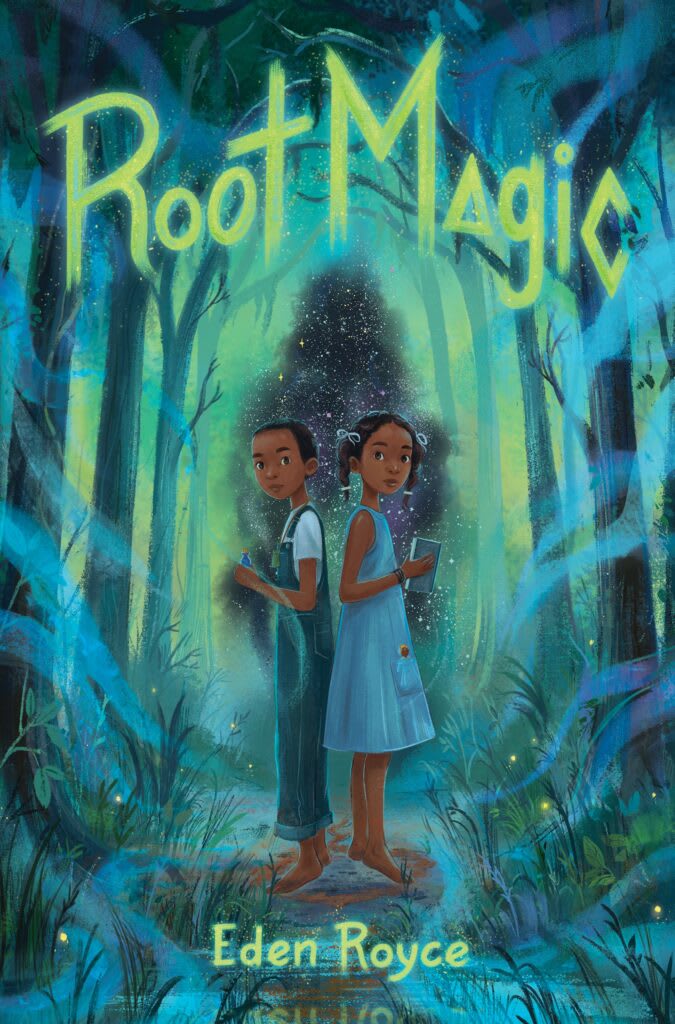
For my children’s books, I write horror and dark fantasy that also educates in a fun way. Root Magic and The Creepening of Dogwood House both have historical elements gathered from physical and ethnographic research, including school integration, folklore, and hoodoo.
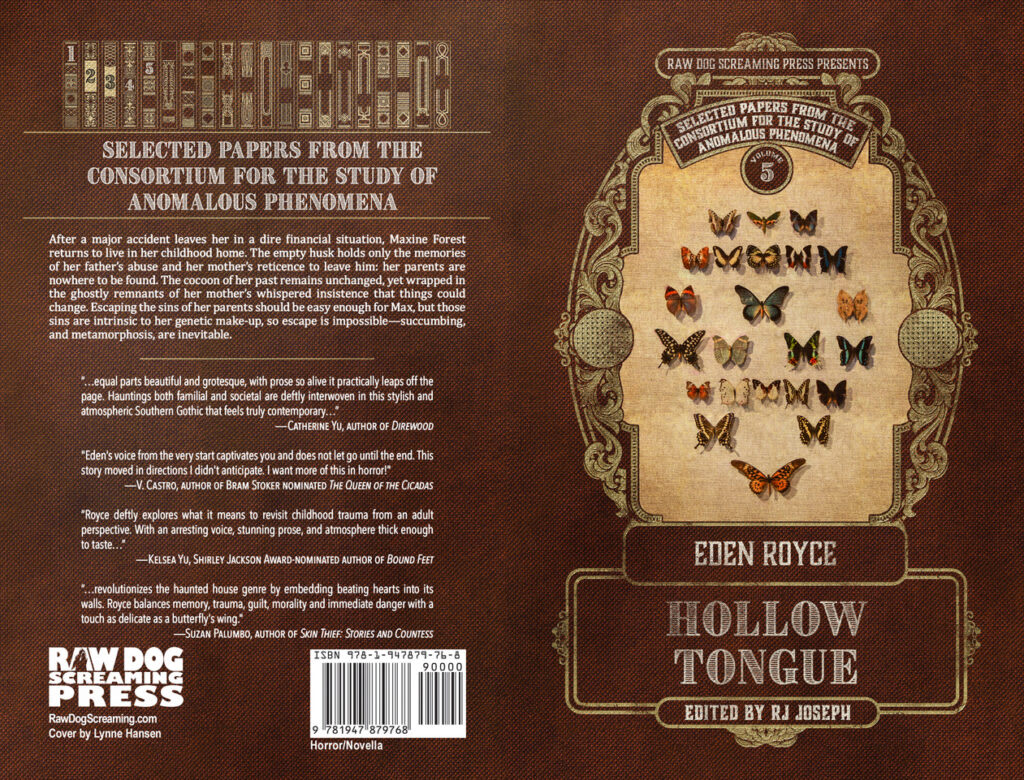
My adult horror runs the gamut. I’ve written Southern Gothic with body horror like my novella Hollow Tongue, which Hailey Piper called “A claustrophobic descent into the hell of an old home…woven so that every scent and touch brings clutching discomfort.”
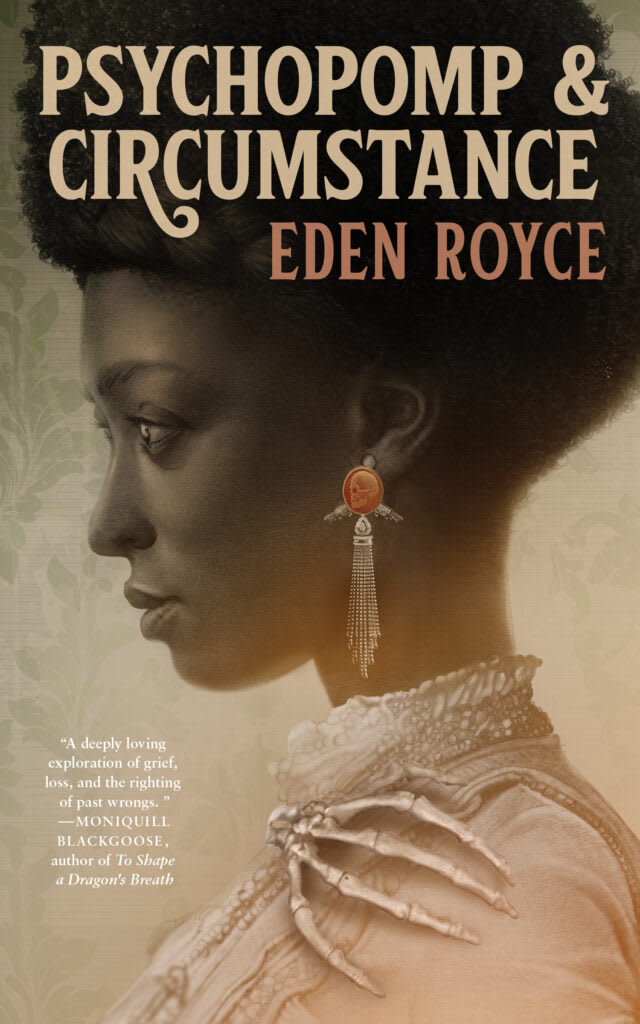
In my short stories, I combine horror, fantasy, and the surreal in varying amounts. I love beautiful, strange, beguiling horror. Even in Psychopomp & Circumstance, which I consider to be Southern Gothic fantasy, readers have deemed it quiet horror, and maybe it’s because there are darker elements in the story that create an unsettling environment the protagonist must navigate. Since I write about death often in my fiction, readers might see all my work through a horror lens. I don’t mind.
What piece of writing is the most meaningful to you and why?
This is a tough question, as I’ve loved reading for a long time and getting to write my own work and have it published is still such a thrill. If pressed, I’d choose my short story “The Choking Kind” because it’s based on a folktale my grandmother told me when I was child. It gave me chills then, and has always stuck with me. To this day, that story is one of the only things I’ve written where I never questioned whether it was going work or if I could pull it off.
Are there any other works or writers you think we should be reading?
I’d love people to embrace more middle-grade and YA horror, especially writers like Karen Strong, Ally Russell, Adrianna Cuevas, and Saundra Mitchell. I’d also love to see more readers discussing short-form horror. Novels are great, but sometimes a short story or novella can get under your skin just as much. Try: Flowers from the Void by Gianni Washington, We Are Here to Hurt Each Other by Paula D. Ashe, and Doll Seed by Michele Tracy Berger.
Are there any unique challenges you’ve faced in your writing/editing journey?
I’ve had comments that Black people shouldn’t write horror, especially Black Americans, given our history of enslavement and trauma. I’ve seen posts that state horror written by women wasn’t as good as work written by men. I’ve had rejections that said while the editor liked elements of my story, they didn’t understand my magic system or didn’t believe my characters would react the way they did on the page.
*shrugs* I just keep writing.
Any final thoughts? What’s the best place to find you on social media, and if you have a newsletter, how can we sign up for it?
Final thoughts? No, not really. I’ve been working on a new novel, so most of my thoughts been directed toward that. This is the most talking about myself I’ve done in a while. I’m sporadically on social media these days, but drop in to update when there’s news to share and to congratulate my fellow creatives on their achievements.
I have a newsletter, though! It’s called The Front Porch, and I share updates with my writing and occasionally do a giveaway. You can sign up for it here: https://edenroyce.eo.page/sbtyt
Where to Find EdenInstagram, Threads: @edenroycebooks
Twitter (it’ll always be Twitter to me): @EdenRoyce
Bluesky: @edenroyce.bsky.social
Website: edenroyce.com
Linktree: https://linktr.ee/edenroyce
Published WorksAdult:
Hollow Tongue (Shirley Jackson Award winner)
Spook Lights: Southern Gothic Horror
Kids:
The Creepening of Dogwood House (Bram Stoker Award winner)