
Olivia Spring's Blog: Good Children's Stories
March 15, 2020
Why It's Important To Buy Motivational Stories For Kids
As adults, we all know too well the struggle of finding a reason to put any effort into something. Even the mundane, daily tasks such as keeping track of your budgeting, staying on top of your fitness & wellbeing, and sticking to your healthy lifestyle goals can take a heap of inspiration in order to pull them off.
We need to be motivated constantly, and this is why we are inclined to look for inspiration to stimulate you. It should come as no surprise then that kids are no different! Even though the reasons that they should stay motivated are different, e.g. paying attention in school, cleaning their rooms, or focusing on their homework, it's still important that they are taught to reach their full potential, and are reminded of their self-worth & value from an early age. Just like us adults!
Since we adults are already set in our ways, we tend to have developed habits. In order to change habits, we need to make a mindful decision to be open to change & growth. As kids grow, they will develop a set of similar habits, and as they become older, the more set in their ways they will become. This is why teens are often not as flexible as elementary-school-aged kids in terms of their stubbornness & willingness to try new things.
This is one of the key reasons that kids need to be motivated as early as toddlerhood so that they stay flexible and are more likely to put effort into tasks that they are given. Again, this is why it is important that we invest in motivational stories for kids!
Motivational stories & encouragement will ultimately help kids to see the importance of doing their best, and of putting in an effort in anything and everything that they do - whether it's keeping their rooms clean, doing their best in school, or simply growing into decent human beings!
If you're not sure what the best motivational stories for kids are, then check out our rundown of the top three classic tales listed below. These age-old fables will never go out of fashion and have been filling kids with life lessons & positive reinforcement for generations.
The Most Recommended Motivational Stories For Kids...
1. The Tortoise and the Hare: An Aesop Fable
As most adults will already know, the Tortoise and the Hare is not a new story.
The hare in this classic tale is proudly boastful, and the tortoise is humble and determined.
The hare and the tortoise run a race, with the hare bragging about how fast he was, and how he would inevitably beat the tortoise. However, despite all odds, the wise tortoise proved that it really is slow & steady that wins the race, and that through determination & humility, you can accomplish anything you set your mind to.
The point of the story is that hard work wins, no matter how fast you do it. Hard work means that it can take longer to accomplish your dreams because no corners are cut. At the end of the day, being too boastful & arrogant means that you will cut corners in life, and not get the job done right.
This tale teaches kids a valuable life lesson - the Hare lets his ego get in the way of the task at hand, and that never ends well!
2. The Peacock & The Nightingale
Next up, we have the classic tale of the peacock & the nightingale!
The peacock was sad after he heard the lovely voice of the nightingale. He was forgetting the fact that although his voice wasn't as tuneful, he had his own beauty displayed in his feathers.
Even though he did not have the voice he wanted, he still was blessed with beauty - something that he was forgetting.
The moral of this story is that we must remember our blessings, for they are often what will keep us going. If we are too busy comparing ourselves to others, then we will forget to be thankful for what we have.
This story teaches children to always remember to count their blessings. It's good practice to help them remember things to be thankful for - even if it's simply that they have a roof over their head and a loving family.
3. The Lion and the Mouse
And lastly, we have the classic tale of the lion and the mouse. This is one that is great for kids!
The lion was proud, making his power known to all the jungle, and intimidating other small animals in the process. However, one day, after prowling the jungle, a thorn had gotten caught in his paw. And even though he was in pain, he ignored it until he couldn't anymore.
Then one day he approaches the mouse for help. The mouse was initially afraid of him because of his sheer size. However, the mouse was brave enough to help pull the thorn out, saving the lion from going hungry.
The moral of this classic story is that no matter the size of our belief in ourselves, we still hold so much power and value within us. This story has a great way of teaching children never to forget their value, allowing them to develop confidence & independence.
So there you have it! The top three, classic motivational stories that are recommended for kids!
Even if you feel like your child would get more enjoyment out of a more modern book that's aimed at kids, it's still definitely still really worthwhile to introduce them to the old school, classic fables such as these.
At the end of the day, the classics are often the best, standing the test of time, and inspiring generations upon generations to believe in themselves. Start with the following books: the tortoise and the hare, the peacock & the nightingale, or the lion and the mouse, and then move onto the rest of the back-catalog of Aesop's fables!
Keep In Mind...
Although motivational stories are a good place to start, parents must also remember to set a good example themselves!
As we all know as adults, if there's one thing a child will pick up on, it's the behaviors and habits of their parents & guardians.
Always remember - when the kids are watching, they will imitate!
We need to be motivated constantly, and this is why we are inclined to look for inspiration to stimulate you. It should come as no surprise then that kids are no different! Even though the reasons that they should stay motivated are different, e.g. paying attention in school, cleaning their rooms, or focusing on their homework, it's still important that they are taught to reach their full potential, and are reminded of their self-worth & value from an early age. Just like us adults!
Since we adults are already set in our ways, we tend to have developed habits. In order to change habits, we need to make a mindful decision to be open to change & growth. As kids grow, they will develop a set of similar habits, and as they become older, the more set in their ways they will become. This is why teens are often not as flexible as elementary-school-aged kids in terms of their stubbornness & willingness to try new things.
This is one of the key reasons that kids need to be motivated as early as toddlerhood so that they stay flexible and are more likely to put effort into tasks that they are given. Again, this is why it is important that we invest in motivational stories for kids!
Motivational stories & encouragement will ultimately help kids to see the importance of doing their best, and of putting in an effort in anything and everything that they do - whether it's keeping their rooms clean, doing their best in school, or simply growing into decent human beings!
If you're not sure what the best motivational stories for kids are, then check out our rundown of the top three classic tales listed below. These age-old fables will never go out of fashion and have been filling kids with life lessons & positive reinforcement for generations.
The Most Recommended Motivational Stories For Kids...
1. The Tortoise and the Hare: An Aesop Fable
As most adults will already know, the Tortoise and the Hare is not a new story.
The hare in this classic tale is proudly boastful, and the tortoise is humble and determined.
The hare and the tortoise run a race, with the hare bragging about how fast he was, and how he would inevitably beat the tortoise. However, despite all odds, the wise tortoise proved that it really is slow & steady that wins the race, and that through determination & humility, you can accomplish anything you set your mind to.
The point of the story is that hard work wins, no matter how fast you do it. Hard work means that it can take longer to accomplish your dreams because no corners are cut. At the end of the day, being too boastful & arrogant means that you will cut corners in life, and not get the job done right.
This tale teaches kids a valuable life lesson - the Hare lets his ego get in the way of the task at hand, and that never ends well!
2. The Peacock & The Nightingale
Next up, we have the classic tale of the peacock & the nightingale!
The peacock was sad after he heard the lovely voice of the nightingale. He was forgetting the fact that although his voice wasn't as tuneful, he had his own beauty displayed in his feathers.
Even though he did not have the voice he wanted, he still was blessed with beauty - something that he was forgetting.
The moral of this story is that we must remember our blessings, for they are often what will keep us going. If we are too busy comparing ourselves to others, then we will forget to be thankful for what we have.
This story teaches children to always remember to count their blessings. It's good practice to help them remember things to be thankful for - even if it's simply that they have a roof over their head and a loving family.
3. The Lion and the Mouse
And lastly, we have the classic tale of the lion and the mouse. This is one that is great for kids!
The lion was proud, making his power known to all the jungle, and intimidating other small animals in the process. However, one day, after prowling the jungle, a thorn had gotten caught in his paw. And even though he was in pain, he ignored it until he couldn't anymore.
Then one day he approaches the mouse for help. The mouse was initially afraid of him because of his sheer size. However, the mouse was brave enough to help pull the thorn out, saving the lion from going hungry.
The moral of this classic story is that no matter the size of our belief in ourselves, we still hold so much power and value within us. This story has a great way of teaching children never to forget their value, allowing them to develop confidence & independence.
So there you have it! The top three, classic motivational stories that are recommended for kids!
Even if you feel like your child would get more enjoyment out of a more modern book that's aimed at kids, it's still definitely still really worthwhile to introduce them to the old school, classic fables such as these.
At the end of the day, the classics are often the best, standing the test of time, and inspiring generations upon generations to believe in themselves. Start with the following books: the tortoise and the hare, the peacock & the nightingale, or the lion and the mouse, and then move onto the rest of the back-catalog of Aesop's fables!
Keep In Mind...
Although motivational stories are a good place to start, parents must also remember to set a good example themselves!
As we all know as adults, if there's one thing a child will pick up on, it's the behaviors and habits of their parents & guardians.
Always remember - when the kids are watching, they will imitate!


What To Look Out For When Purchasing Books For Children This Year
As a parent, when you are looking to purchase new books for children, you want to make sure that you are finding the best type of reading materials possible. You want to ensure that your child is able to get the most out of each and every story they come across.
It is now a well-known fact that kids need to have books read to them regularly in order to encourage various developmental elements, such as their social, academic, and language skills as well as their problem-solving skills later in life. However, the tricky part that we don't always get right, is getting the right type of books for our children. This is now what the goal needs to be!
Let's make sure that as parents, we are investing in the best possible reading material for our kids. Aside from all of the benefits that the right books will have on your child, you also don't want to waste your money on the wrong book that your child won't enjoy - we all want to get them that 'new favorite' or 'best ever bedtime story'!
Now, check out our rundown of the top seven things to look out for when buying books for kids this year!
What Types Of Books For Children Are The Best?
Let's talk about what to do when you are considering purchasing a new book for a child...
1. Age And Development
One of the first things that you want to look out for when buying a book for a child is a pretty obvious one - what sort of age group is the book aimed at?
For example, you don't want to get a book that is geared towards kindergarteners that you are planning to read to a toddler. And, at the same time, you don't want to get a book that's at the correct level for a child that is of a certain age but is developmentally delayed. Similarly, you may not want to purchase an age-appropriate book for a child that is gifted, as they will most likely get more enjoyment out of a book that is a little more advanced than their current age would usually suggest.
Top tip: One of the first things to do is to take a look at the age recommendation when you're buying a book for a child - most of the time, that alone will tell you if the book is ideal for kids of the age group you are looking for!
2. Books For Children That Have Pictures
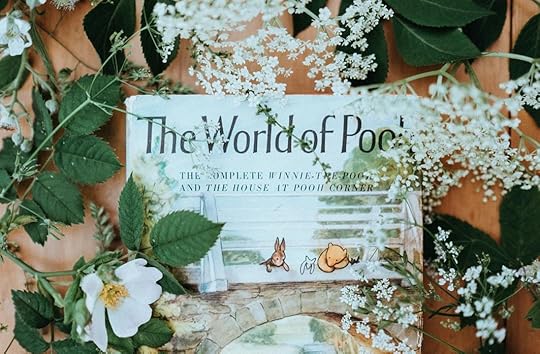
Next up on our rundown of what to look out for when purchasing new reading material for your child, we're now looking into the visual elements of the book.
It's no surprise that kids of all ages in the elementary school stage love reading books that have pictures. This is also true of much younger kids, who will likely be more interested in the book that their parents or caregivers are reading to them if it has pictures.
Studies have shown time and time again that books that do not have pictures will not hold the same type of interest for younger kids, which usually means they will end up losing their attention during storytime.
Top tip: when selecting a new book for a younger child and trying to narrow down your choice, perhaps the deciding factor can be; which of these books has the brightest and most colorful artwork!
3. Books That Cater To The Interest Of Kids
Another key element to consider when purchasing a new book for your child is, of course, the content of the book. It is important to introduce books to kids that are about different and varied topics, rather than sticking only to the subjects that they have already shown an interest in. Varying the content of the books that you read to your child is what will ultimately help them to expand their horizons.
However, you also want to make sure that the book will be interesting and captivating enough for the child. The likelihood is that your child may already have a few books that cater to their known interests. For instance, if the child loves dogs, then they probably already have a favorite book about dogs, but it is also a good idea to get them a couple of books on other animals in order to give them the opportunity to learn about other animals.
Top tip: while it's great to expand our kid's horizons, it's also important not to take them too far out of their interest zones. For example, if the child that loves dogs hates anything that has to do with sports, don't get a book about sports, or else their interest will be lost immediately!
4. Look For Classics
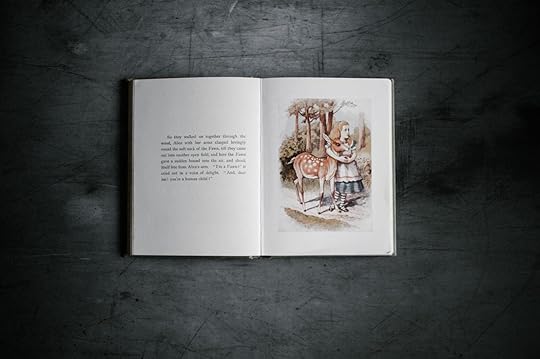
Tip number 4 on our rundown of what to look out for when purchasing books for your kids is all to do with the classics!
Classic stories are great for families to read and enjoy all together. When you are looking to purchase books for your children this year, you should definitely make sure that you add some classics to the list!
Everyone loves classic books! Classic stories not only provide kids with the benefits that reading and listening to stories provides us, but it also provides us as parents with an opportunity to share our favorite childhood stories with our kids.
Top tip: Perhaps you have a favorite book from childhood that is still available to buy in print? Perhaps even your parents had a favorite book that you remember them reading to you? Why not start a fun family tradition of passing down a classic story. Just think - one day you could be reading it to your grandchildren too!
5. Font Matters!
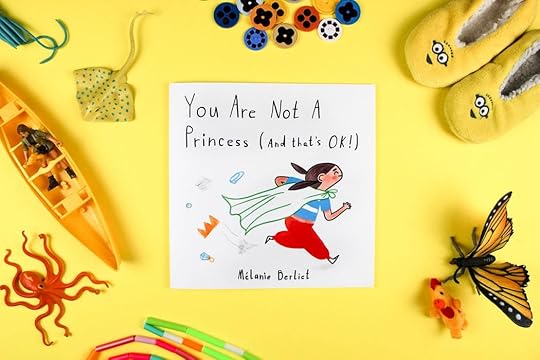
Tip number five is all about the typography! If the child is old enough to read for themselves, then you want to make sure that the book you're thinking of buying for that child has fonts that are nice and easy for them to read.
Some easy reading fonts to look out for include; the Arial font, Georgia, or Times New Roman fonts. There are many other interesting fonts out there, such as Comic Sans etc., however, depending on the age of the child, these are often not ideal. For kids that are just learning to read, fancier fonts can be a little overwhelming.
Top tip: while you're looking out for the best easy read fonts for your child, it's also important to ensure that the size of the fonts in the book is also age-appropriate. For example, an eight or nine-year-old will likely be able to tackle smaller fonts than the average five or six year old would be capable of.
6. The Design Of The Book
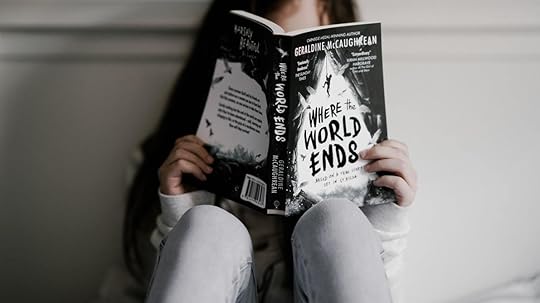
Tip number six also has us taking a closer look at the aesthetics of the book. As we have already discussed, it's usually best if there are pictures, particularly for younger kids.
However, you still want to make sure that the images and artwork of the book are age-appropriate for that specific child. This means ensuring that the images and overall design of the book are not overwhelming in any way at all.
Top tip: this is particularly relevant if you're looking to purchase a new 'bedtime' story for your child - the last thing you want is to overstimulate their minds right before bedtime with overbearing artwork and pictures! If it's a bedtime story that you're after, try to find a book with calming & relaxing images that will help them drift off to sleep.
7. The Condition Of The Book
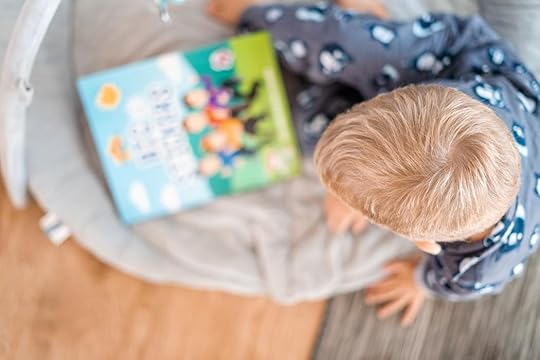
In at number seven, the final tip that we have for you to keep in mind when purchasing new books for your children is the overall condition of the book!
It's true that generally, we will save money if the books we buy are used books, but just how used is the book? If it falls apart within months, then it's obviously not a good investment.
Top tip: If you are buying a used book for whatever reason, make sure that you buy it from a store, so that you can see it in person, or if you are purchasing online, make sure you ask for several photos of the book!
So there you have it - our top things to look out for when buying books for your children this year!
Next time you find yourself looking for new books for your children, make sure that you keep in mind these important considerations in order to make sure that both you and the child get the best possible reading experience!
It is now a well-known fact that kids need to have books read to them regularly in order to encourage various developmental elements, such as their social, academic, and language skills as well as their problem-solving skills later in life. However, the tricky part that we don't always get right, is getting the right type of books for our children. This is now what the goal needs to be!
Let's make sure that as parents, we are investing in the best possible reading material for our kids. Aside from all of the benefits that the right books will have on your child, you also don't want to waste your money on the wrong book that your child won't enjoy - we all want to get them that 'new favorite' or 'best ever bedtime story'!
Now, check out our rundown of the top seven things to look out for when buying books for kids this year!
What Types Of Books For Children Are The Best?
Let's talk about what to do when you are considering purchasing a new book for a child...
1. Age And Development
One of the first things that you want to look out for when buying a book for a child is a pretty obvious one - what sort of age group is the book aimed at?
For example, you don't want to get a book that is geared towards kindergarteners that you are planning to read to a toddler. And, at the same time, you don't want to get a book that's at the correct level for a child that is of a certain age but is developmentally delayed. Similarly, you may not want to purchase an age-appropriate book for a child that is gifted, as they will most likely get more enjoyment out of a book that is a little more advanced than their current age would usually suggest.
Top tip: One of the first things to do is to take a look at the age recommendation when you're buying a book for a child - most of the time, that alone will tell you if the book is ideal for kids of the age group you are looking for!
2. Books For Children That Have Pictures
Next up on our rundown of what to look out for when purchasing new reading material for your child, we're now looking into the visual elements of the book.
It's no surprise that kids of all ages in the elementary school stage love reading books that have pictures. This is also true of much younger kids, who will likely be more interested in the book that their parents or caregivers are reading to them if it has pictures.
Studies have shown time and time again that books that do not have pictures will not hold the same type of interest for younger kids, which usually means they will end up losing their attention during storytime.
Top tip: when selecting a new book for a younger child and trying to narrow down your choice, perhaps the deciding factor can be; which of these books has the brightest and most colorful artwork!
3. Books That Cater To The Interest Of Kids
Another key element to consider when purchasing a new book for your child is, of course, the content of the book. It is important to introduce books to kids that are about different and varied topics, rather than sticking only to the subjects that they have already shown an interest in. Varying the content of the books that you read to your child is what will ultimately help them to expand their horizons.
However, you also want to make sure that the book will be interesting and captivating enough for the child. The likelihood is that your child may already have a few books that cater to their known interests. For instance, if the child loves dogs, then they probably already have a favorite book about dogs, but it is also a good idea to get them a couple of books on other animals in order to give them the opportunity to learn about other animals.
Top tip: while it's great to expand our kid's horizons, it's also important not to take them too far out of their interest zones. For example, if the child that loves dogs hates anything that has to do with sports, don't get a book about sports, or else their interest will be lost immediately!
4. Look For Classics
Tip number 4 on our rundown of what to look out for when purchasing books for your kids is all to do with the classics!
Classic stories are great for families to read and enjoy all together. When you are looking to purchase books for your children this year, you should definitely make sure that you add some classics to the list!
Everyone loves classic books! Classic stories not only provide kids with the benefits that reading and listening to stories provides us, but it also provides us as parents with an opportunity to share our favorite childhood stories with our kids.
Top tip: Perhaps you have a favorite book from childhood that is still available to buy in print? Perhaps even your parents had a favorite book that you remember them reading to you? Why not start a fun family tradition of passing down a classic story. Just think - one day you could be reading it to your grandchildren too!
5. Font Matters!
Tip number five is all about the typography! If the child is old enough to read for themselves, then you want to make sure that the book you're thinking of buying for that child has fonts that are nice and easy for them to read.
Some easy reading fonts to look out for include; the Arial font, Georgia, or Times New Roman fonts. There are many other interesting fonts out there, such as Comic Sans etc., however, depending on the age of the child, these are often not ideal. For kids that are just learning to read, fancier fonts can be a little overwhelming.
Top tip: while you're looking out for the best easy read fonts for your child, it's also important to ensure that the size of the fonts in the book is also age-appropriate. For example, an eight or nine-year-old will likely be able to tackle smaller fonts than the average five or six year old would be capable of.
6. The Design Of The Book
Tip number six also has us taking a closer look at the aesthetics of the book. As we have already discussed, it's usually best if there are pictures, particularly for younger kids.
However, you still want to make sure that the images and artwork of the book are age-appropriate for that specific child. This means ensuring that the images and overall design of the book are not overwhelming in any way at all.
Top tip: this is particularly relevant if you're looking to purchase a new 'bedtime' story for your child - the last thing you want is to overstimulate their minds right before bedtime with overbearing artwork and pictures! If it's a bedtime story that you're after, try to find a book with calming & relaxing images that will help them drift off to sleep.
7. The Condition Of The Book
In at number seven, the final tip that we have for you to keep in mind when purchasing new books for your children is the overall condition of the book!
It's true that generally, we will save money if the books we buy are used books, but just how used is the book? If it falls apart within months, then it's obviously not a good investment.
Top tip: If you are buying a used book for whatever reason, make sure that you buy it from a store, so that you can see it in person, or if you are purchasing online, make sure you ask for several photos of the book!
So there you have it - our top things to look out for when buying books for your children this year!
Next time you find yourself looking for new books for your children, make sure that you keep in mind these important considerations in order to make sure that both you and the child get the best possible reading experience!
Everything You Need To Know About Bedtime Stories For Children
As parents & guardians of young children, we hear time and time again about the importance of reading bedtime stories to our kids. Most of you will have heard this sort of advice from your 'experienced' parent friends, and many of you will have read it in parenting books & online blogs.
Wherever we hear it from, the message remains clear - that we should read to our children because it's a great activity to add to their bedtime routine and because it's a positive way to close off the day. But, why is it important for children to be read to right before they go to bed?
Well, while you may have heard that reading to kids before bed is recommended by most experts, you may not know all of the reasons for this, or any of the evidence behind this. As it happens, there are several great reasons as to why parents should be reading to their children before bed. Check out our quick rundown of the top seven benefits of reading bedtime stories to your kids...
1. Stories at bedtime can help kids drift off to sleep!

The first, and perhaps most obvious reason that reading to your kids at bedtime is a good thing, is that, put simply - it helps them actually get to sleep!
Reading bedtime stories for children can really help them to relax their minds. Being in a calm & relaxed state of mind is one of the most essential ingredients for allowing them to actually manage to fully drift off.
As you may well know from experience, the last thing that any parent or guardian wants is their kids' mind racing just before bed! It is essential that children get the best possible quality of sleep each night, as it is very important for their overall health, wellbeing, and performance during the day.
2. Bedtime stories will help encourage your kid's imagination!
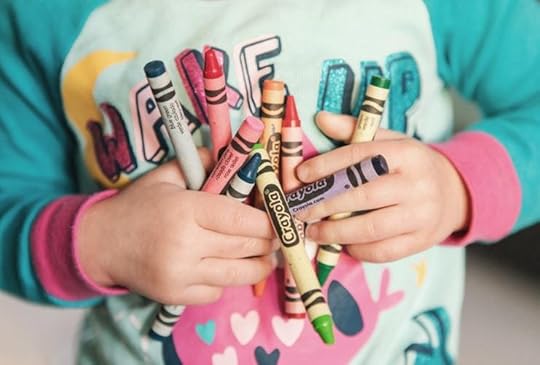
The second top benefit of bedtime stories for kids is perhaps also quite an obvious one for many parents. Bedtime stories will do wonders for stimulating your children's creativity & imagination!
It's really important for kids' imaginations to be enhanced & encouraged while their brains are developing as it brings out their creativity, as well as their curiosity about the world around them, which can be really helpful to them in the long run.
In case you're hesitant, studies have shown that it is perfectly fine for kid's imaginations to be stimulated before bed, as this helps open up their imaginations, allowing them to slip more easily into dream mode!
3. It helps creativity and problem-solving skills!
The next top benefit of reading bedtime stories to your kids is actually a continuation of the point above! As well as encouraging their creative sides, bedtime stories can also have a positive effect on your child's problem-solving abilities.
Our sense of creativity is developed through our imaginations, and how much support and encouragement they are given, especially while at an early age. In turn, our sense of creativity helps improve our core problem-solving skills in the long run. When you look at the requirements for a NASA astronaut, you'll notice that among the list of key characteristics they are looking for are creativity & problem-solving skills.
Top tip: When it comes to reading bedtime stories for children each night, one great activity to try out is for the parent to read one line of the book, and ask the kid to talk about what that line was about. Ask them what they think of it, and tell them to imagine what happens after the line is read. This then gives children the opportunity to say something creative and fun, even if the next line that the parents read to the kids is not what they had imagined...
For instance, in a book, if the line is "The man was riding the horse that took off to another place". The parent or guardian would read this aloud and ask the child where he or she thought that the horse had run to. The child can use their imagination and say what they think. They can reply by saying "The horse ran over to chocolate land", or "the horse ran over to grandma's house", or even "the horse ran away to the moon!", or whatever the child imagines. Even if the next line in the book stated that the horse ran over a road, everyone has still had some fun using their imaginations!
4. Reading bedtime stories for children enhances their communication skills!
Reason number 4 on our list of bedtime story benefits, it that they can also help to enhance your kid's overall communication skills!
One of the best things we can do as parents to help develop our child's communication skills is to just simply talk to them. This sounds very basic, however, it's unfortunate how many busy parent's just don't take (or make) the time to converse & communicate with their kids in a meaningful way. Meaningful communication means spending quality, stress-free, & mindful time together with your children, rather than shouting to them from another room that their dinner is ready.
It is easy to see how a child's communication skills can be greatly enhanced during an interactive experience such as storytime. E.g. while the parents and children are talking about the book that is being read at bedtime, it can lead to the most wonderfully creative & silly conversations you'll have had all day. Additionally, when the child just hears the story being read to them, this is also enough to help promote and enhance the language area of their brain as it continues to develop.
5. Reading bedtime stories for kids can help improve their attention span!
As well as being a major help to developing your kid's sense of creativity, imagination, and problem solving, bedtime stories can also be of great help to increase your child's sense of focus & attention span!
Kids that are read to each night are learning to stay focused on the activity at hand for longer periods of time. In this way, it is arguably more important to read to kids that have ADHD for this very reason. They may struggle to pay attention, but the more it is done, the more they will develop their own skills to help hold their attention spans for longer.
6. Reading bedtime stories for kids is a great way to spend quality time with the family!
In at number seven on our list of the benefits of bedtime stories for kids is perhaps one of the best of all. Reading bedtime stories for children is a great way to spend quality family time together. This is an especially positive experience for the child if both parents (or step-parents) are present while the child is being read to.
Top Tip: Remember to get their siblings involved as well if there are any!
7. Reading for bedtime creates a unique bonding moment between you & your child
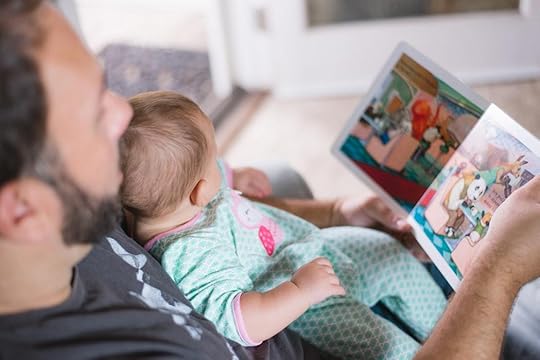
And last up on our list is bedtime story benefit number seven - reading to your kids creates a unique bonding opportunity for you & your children. This is perhaps the most simple reason of all to read to your kids at bedtime.
As most parents know all too well, time really does fly by, and we only get a few good years without kids where they would even want us to read them a bedtime story, and to generally spend intimate time with their parents in that way.
Our advice? Don't waste it. If you're lucky enough to have kids at the age where they're desperate for a bedtime story, then make sure you put aside the time from your evening routine to have this bonding moment with them regularly.
This unique bonding time is something that your kids will remember long into adulthood. As we've covered in this article, reading bedtime stories to your kids will also help them develop their sense of creativity, imagination, problem-solving skills, attention span, and most importantly, create happy memories with their parents.
What other proof would you ever need to convince you that as a parent, one of the most powerful things you can do for your child, is to simply be there and read to them each night!
Wherever we hear it from, the message remains clear - that we should read to our children because it's a great activity to add to their bedtime routine and because it's a positive way to close off the day. But, why is it important for children to be read to right before they go to bed?
Well, while you may have heard that reading to kids before bed is recommended by most experts, you may not know all of the reasons for this, or any of the evidence behind this. As it happens, there are several great reasons as to why parents should be reading to their children before bed. Check out our quick rundown of the top seven benefits of reading bedtime stories to your kids...
1. Stories at bedtime can help kids drift off to sleep!
The first, and perhaps most obvious reason that reading to your kids at bedtime is a good thing, is that, put simply - it helps them actually get to sleep!
Reading bedtime stories for children can really help them to relax their minds. Being in a calm & relaxed state of mind is one of the most essential ingredients for allowing them to actually manage to fully drift off.
As you may well know from experience, the last thing that any parent or guardian wants is their kids' mind racing just before bed! It is essential that children get the best possible quality of sleep each night, as it is very important for their overall health, wellbeing, and performance during the day.
2. Bedtime stories will help encourage your kid's imagination!
The second top benefit of bedtime stories for kids is perhaps also quite an obvious one for many parents. Bedtime stories will do wonders for stimulating your children's creativity & imagination!
It's really important for kids' imaginations to be enhanced & encouraged while their brains are developing as it brings out their creativity, as well as their curiosity about the world around them, which can be really helpful to them in the long run.
In case you're hesitant, studies have shown that it is perfectly fine for kid's imaginations to be stimulated before bed, as this helps open up their imaginations, allowing them to slip more easily into dream mode!
3. It helps creativity and problem-solving skills!
The next top benefit of reading bedtime stories to your kids is actually a continuation of the point above! As well as encouraging their creative sides, bedtime stories can also have a positive effect on your child's problem-solving abilities.
Our sense of creativity is developed through our imaginations, and how much support and encouragement they are given, especially while at an early age. In turn, our sense of creativity helps improve our core problem-solving skills in the long run. When you look at the requirements for a NASA astronaut, you'll notice that among the list of key characteristics they are looking for are creativity & problem-solving skills.
Top tip: When it comes to reading bedtime stories for children each night, one great activity to try out is for the parent to read one line of the book, and ask the kid to talk about what that line was about. Ask them what they think of it, and tell them to imagine what happens after the line is read. This then gives children the opportunity to say something creative and fun, even if the next line that the parents read to the kids is not what they had imagined...
For instance, in a book, if the line is "The man was riding the horse that took off to another place". The parent or guardian would read this aloud and ask the child where he or she thought that the horse had run to. The child can use their imagination and say what they think. They can reply by saying "The horse ran over to chocolate land", or "the horse ran over to grandma's house", or even "the horse ran away to the moon!", or whatever the child imagines. Even if the next line in the book stated that the horse ran over a road, everyone has still had some fun using their imaginations!
4. Reading bedtime stories for children enhances their communication skills!
Reason number 4 on our list of bedtime story benefits, it that they can also help to enhance your kid's overall communication skills!
One of the best things we can do as parents to help develop our child's communication skills is to just simply talk to them. This sounds very basic, however, it's unfortunate how many busy parent's just don't take (or make) the time to converse & communicate with their kids in a meaningful way. Meaningful communication means spending quality, stress-free, & mindful time together with your children, rather than shouting to them from another room that their dinner is ready.
It is easy to see how a child's communication skills can be greatly enhanced during an interactive experience such as storytime. E.g. while the parents and children are talking about the book that is being read at bedtime, it can lead to the most wonderfully creative & silly conversations you'll have had all day. Additionally, when the child just hears the story being read to them, this is also enough to help promote and enhance the language area of their brain as it continues to develop.
5. Reading bedtime stories for kids can help improve their attention span!
As well as being a major help to developing your kid's sense of creativity, imagination, and problem solving, bedtime stories can also be of great help to increase your child's sense of focus & attention span!
Kids that are read to each night are learning to stay focused on the activity at hand for longer periods of time. In this way, it is arguably more important to read to kids that have ADHD for this very reason. They may struggle to pay attention, but the more it is done, the more they will develop their own skills to help hold their attention spans for longer.
6. Reading bedtime stories for kids is a great way to spend quality time with the family!
In at number seven on our list of the benefits of bedtime stories for kids is perhaps one of the best of all. Reading bedtime stories for children is a great way to spend quality family time together. This is an especially positive experience for the child if both parents (or step-parents) are present while the child is being read to.
Top Tip: Remember to get their siblings involved as well if there are any!
7. Reading for bedtime creates a unique bonding moment between you & your child
And last up on our list is bedtime story benefit number seven - reading to your kids creates a unique bonding opportunity for you & your children. This is perhaps the most simple reason of all to read to your kids at bedtime.
As most parents know all too well, time really does fly by, and we only get a few good years without kids where they would even want us to read them a bedtime story, and to generally spend intimate time with their parents in that way.
Our advice? Don't waste it. If you're lucky enough to have kids at the age where they're desperate for a bedtime story, then make sure you put aside the time from your evening routine to have this bonding moment with them regularly.
This unique bonding time is something that your kids will remember long into adulthood. As we've covered in this article, reading bedtime stories to your kids will also help them develop their sense of creativity, imagination, problem-solving skills, attention span, and most importantly, create happy memories with their parents.
What other proof would you ever need to convince you that as a parent, one of the most powerful things you can do for your child, is to simply be there and read to them each night!
Seven Great Lessons You Can Learn From Kids Books
As many adults will already know, some of the best life lessons we ever learn come from the books that we read or are read to as children. The stories we read as children have a tendency to stick with us all the way into adulthood.
In this way, we come to realize that kid's books are not only great for kids, but they also have value for adults. For us adults, the value of children's books goes beyond the many excellent life lessons that they provide. There is something even more magical that kid's books offer us - they remind us to stop being so serious, they encourage us to widen our imagination as we used to do as children, and they allow us, for just a few moments, to be kids again.
If you are unsure of what kind of value, life lessons or mindfulness that you can experience from reading the odd kids book now and then, then you're in the right place. Here are our top seven invaluable lessons that we can learn from children's books, even as adults...
1. Embrace Your Individuality

First up on our list of valuable things we can learn from reading children's books, we have a pretty important life lesson that so many of us continue to struggle with throughout adulthood...
Embrace your individuality. This may sound fairly simple, but the reality is that as adults, we are trained to suppress much of our creative and unique traits. We are taught by society that we should all fit into the same box, the same beauty standers, and to conform to the same social rules and norms.
However, luckily for us adults, there are so many kids' books out there that share the value of not suppressing your own individuality for the sake of conforming. Sure, you have to conform to certain rules. Especially those that we would like to teach to our children. However, never suppress your own uniqueness.
If you feel like you need a refresher course in embracing all of your weirdness & individuality, then we'd recommend checking out The Giver written by Lois Lowry. The main character of the book, Jonas, has had to learn this lesson in the book. I think we'd all agree that he isn't alone.
2. Paying It Forward
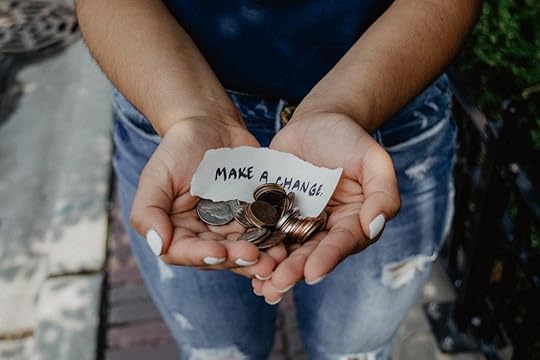
The second great lesson that we adults can learn from reading children's books is to remember our privilege. As much as we may think we're 'woke' or socially aware of how good we have it in comparison to the rest of the world, it's a different thing entirely to actually do something about it.
You know that you get a lot out of life when you give to others which is what paying good deeds forward is about. As adults, we could all stand to do more with the power that we have. Instead of just talking about what's wrong with the world, let's pay it forward more. Whether it's just buying a cup of coffee for a homeless person, or volunteering at a soup kitchen - every little bit makes a difference.
In Charlotte's Web written by E.B. White, this lesson is highlighted with how generous and kind the spider really was - going beyond simply eating flies to keep them away.
3. Never Let Anyone Tell You That You Cannot Do It

The third life lesson that is so often taught in kid's books that adults could all do with remembering is that you can do anything that you put your mind to, and if anyone tells you that you can't, then you don't need them in your life.
Unfortunately, as adults, the reality is that all too many of us have been victim to listening to naysayers who don't believe in our abilities. There comes a certain point in life however, usually the older that you get, where you need to cut these people out. Toxic friendships or relationships where the other person just fuels your hopes & dreams with negativity, constantly bringing you down is something that you don't need to put up with.
For example, in The Secret Garden by Frances Hodgson, the main character Mary helps her disabled cousin Colin to walk again. This is a sign that with work and perseverance, you can do anything. And with strength, you will learn not to allow others to take that away from you.
4. Knowledge Is Power

Lesson four is as straightforward as they come. It's that age-old toss-up of brains vs brawn. Unfortunately for many of us, as children in the schoolyard, brawn wins over brains 99% of the time. However, as we move into adulthood, the game begins to change.
For example, in Matilda written by Roald Dahl, the character Matilda is very witty and knowledgable. However, even though she is constantly bullied and picked on, she uses her knowledge to give her a different perspective than those who pick on her do.
5. Appreciate The Moments Given To You

This one is pretty important, and something that we should always try to hold in the back of our minds, no matter how tough things seem to get. At the end of the day, no matter what's going on in our personal lives, and no matter how bad things are at work, life is short and you want to make the most of every moment that you have.
In several kids' books, such as The Phantom Tollbooth written by Norton Juster, this example is set by sharing how not a single moment should ever be taken for granted. The main character Milo did not appreciate the moments he had when he was in his magical land, and when he could not return there, he regretted this.
6. Helps Those In Need Who Are Not As Fortunate As You
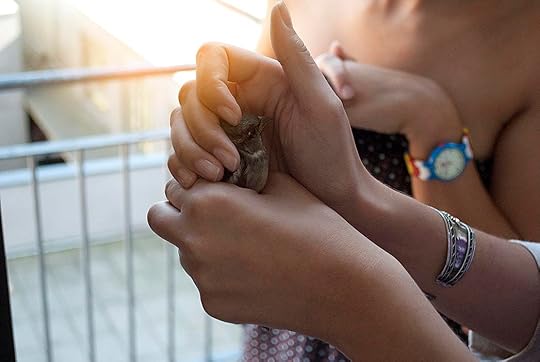
Lesson number six on our list of life lessons to learn from kid's books is something that we should all do more to achieve. The simple act of kindness can go such a long way. Particularly as adults, we need to keep in mind not to judge others when you don't know what's going on for them. Any of us can end up in a tough situation.
It is easy to pity those who are less fortunate than you but compassion brings it to a new level. In Dr. Suess' Horton Hears A Who! Horton is the main character who finds out how much meaning a piece of dust can have when he meets the critters of Whoville that are microscopic. In other words, a person is a person no matter how small or insignificant they seem to be.
7. Speak And Live Your Truth

Lastly, it's so, so important to be true to yourself. This is something that we are taught as children, but that we have to unlearn as adults in order to 'conform' to society's expectations of us.
The fact of the matter is, you cannot live a life that is not true to you or use words that are not fitting to your own truth. The Little Prince by Antoine de Saint Exupery. The main character had a love for this rose but doubted this when he saw others just like the rose. A wise fox had told him that the love he had for the rose is what made her unique to him and for him to go back to the rose because that was his truth.
So there you have it - seven invaluable life lessons from children's books that we adults would do well to remember, to re-learn and to embrace.
When it comes to kids' books, not only will children learn these lessons but so will their parents. It's so important to be reminded of the things in life that seem so small, but in reality, they are really, really big.
In this way, we come to realize that kid's books are not only great for kids, but they also have value for adults. For us adults, the value of children's books goes beyond the many excellent life lessons that they provide. There is something even more magical that kid's books offer us - they remind us to stop being so serious, they encourage us to widen our imagination as we used to do as children, and they allow us, for just a few moments, to be kids again.
If you are unsure of what kind of value, life lessons or mindfulness that you can experience from reading the odd kids book now and then, then you're in the right place. Here are our top seven invaluable lessons that we can learn from children's books, even as adults...
1. Embrace Your Individuality
First up on our list of valuable things we can learn from reading children's books, we have a pretty important life lesson that so many of us continue to struggle with throughout adulthood...
Embrace your individuality. This may sound fairly simple, but the reality is that as adults, we are trained to suppress much of our creative and unique traits. We are taught by society that we should all fit into the same box, the same beauty standers, and to conform to the same social rules and norms.
However, luckily for us adults, there are so many kids' books out there that share the value of not suppressing your own individuality for the sake of conforming. Sure, you have to conform to certain rules. Especially those that we would like to teach to our children. However, never suppress your own uniqueness.
If you feel like you need a refresher course in embracing all of your weirdness & individuality, then we'd recommend checking out The Giver written by Lois Lowry. The main character of the book, Jonas, has had to learn this lesson in the book. I think we'd all agree that he isn't alone.
2. Paying It Forward
The second great lesson that we adults can learn from reading children's books is to remember our privilege. As much as we may think we're 'woke' or socially aware of how good we have it in comparison to the rest of the world, it's a different thing entirely to actually do something about it.
You know that you get a lot out of life when you give to others which is what paying good deeds forward is about. As adults, we could all stand to do more with the power that we have. Instead of just talking about what's wrong with the world, let's pay it forward more. Whether it's just buying a cup of coffee for a homeless person, or volunteering at a soup kitchen - every little bit makes a difference.
In Charlotte's Web written by E.B. White, this lesson is highlighted with how generous and kind the spider really was - going beyond simply eating flies to keep them away.
3. Never Let Anyone Tell You That You Cannot Do It
The third life lesson that is so often taught in kid's books that adults could all do with remembering is that you can do anything that you put your mind to, and if anyone tells you that you can't, then you don't need them in your life.
Unfortunately, as adults, the reality is that all too many of us have been victim to listening to naysayers who don't believe in our abilities. There comes a certain point in life however, usually the older that you get, where you need to cut these people out. Toxic friendships or relationships where the other person just fuels your hopes & dreams with negativity, constantly bringing you down is something that you don't need to put up with.
For example, in The Secret Garden by Frances Hodgson, the main character Mary helps her disabled cousin Colin to walk again. This is a sign that with work and perseverance, you can do anything. And with strength, you will learn not to allow others to take that away from you.
4. Knowledge Is Power
Lesson four is as straightforward as they come. It's that age-old toss-up of brains vs brawn. Unfortunately for many of us, as children in the schoolyard, brawn wins over brains 99% of the time. However, as we move into adulthood, the game begins to change.
For example, in Matilda written by Roald Dahl, the character Matilda is very witty and knowledgable. However, even though she is constantly bullied and picked on, she uses her knowledge to give her a different perspective than those who pick on her do.
5. Appreciate The Moments Given To You
This one is pretty important, and something that we should always try to hold in the back of our minds, no matter how tough things seem to get. At the end of the day, no matter what's going on in our personal lives, and no matter how bad things are at work, life is short and you want to make the most of every moment that you have.
In several kids' books, such as The Phantom Tollbooth written by Norton Juster, this example is set by sharing how not a single moment should ever be taken for granted. The main character Milo did not appreciate the moments he had when he was in his magical land, and when he could not return there, he regretted this.
6. Helps Those In Need Who Are Not As Fortunate As You
Lesson number six on our list of life lessons to learn from kid's books is something that we should all do more to achieve. The simple act of kindness can go such a long way. Particularly as adults, we need to keep in mind not to judge others when you don't know what's going on for them. Any of us can end up in a tough situation.
It is easy to pity those who are less fortunate than you but compassion brings it to a new level. In Dr. Suess' Horton Hears A Who! Horton is the main character who finds out how much meaning a piece of dust can have when he meets the critters of Whoville that are microscopic. In other words, a person is a person no matter how small or insignificant they seem to be.
7. Speak And Live Your Truth
Lastly, it's so, so important to be true to yourself. This is something that we are taught as children, but that we have to unlearn as adults in order to 'conform' to society's expectations of us.
The fact of the matter is, you cannot live a life that is not true to you or use words that are not fitting to your own truth. The Little Prince by Antoine de Saint Exupery. The main character had a love for this rose but doubted this when he saw others just like the rose. A wise fox had told him that the love he had for the rose is what made her unique to him and for him to go back to the rose because that was his truth.
So there you have it - seven invaluable life lessons from children's books that we adults would do well to remember, to re-learn and to embrace.
When it comes to kids' books, not only will children learn these lessons but so will their parents. It's so important to be reminded of the things in life that seem so small, but in reality, they are really, really big.
Reading To Your Kids: The Top 6 Children's Books 2-5 Years On Amazon

As most parents & guardians are aware, one of the single most important interactions we can have with our kids is to read to them, particularly at an early age. There are countless great reasons to take the time to sit down with your child and read a good book together, however it is said that one of the most important reasons to do this is to help with their early brain development.
It is important that toddlers and young children are read to as often as possible, as it helps them with not only their social skills but also their verbal and cognitive skills development.
When thinking about the time you spend reading with your kids, it's important to make sure that you're selecting a wide variety of different books. Exposing your kids to new ideas, different genres and different stories will only help to expand their imagination and fuel their curiosity.
If you are unsure of what the best children's books for ages 2 to 5, then you are in luck! Here is our rundown of 6 of the best books for toddlers & young children on Amazon:
1. This Little Dreamer: An Inspirational Primer
First up on our list, we have a fantastic little book, which is suitably titles 'This Little Dreamer'. This is arguably the best board book available at the moment for young children, and it can be enjoyed by kids as young as 2 years of age, which is fantastic.
'This Little Dreamer: An Inspirational Primer' was created by the brilliant author Joan Holub and illustrated by the fantastic Daniel Roode. It is a book about inspiration and the important people in history who decided to take a stand and to make a difference.
This Little Dreamer is a fantastic book to tread to your kids as it begins to relay the message to them early on that they should dream. It teaches them that any one person can make a difference, and it teaches them that they too can create a big bright future!
2. Llama Llama Hide & Seek: A Lift-The-Flap Book
The second top kid's book that we're recommending for kids aged 2-5 is the wonderful 'Llama Llama Hide & Seek'. This fantastic creation is a lift the flap style book which, as you can glean from the front cover, is choc-full of beautiful illustrations.
'Llama Llama Hide & Seek' is another board book which is actually perfect for younger children from around 2 years old, as the kids are encouraged to find where the llama is when they are being read to with this book - a sort of 'Where's Wally' type activity!
Kids can follow along with the words and touch the flaps of the book so that they can feel the fuzzy fur of the llama. The fact that this book is tactile means that it is great for promoting creativity and development, and may even be a particularly good book for children who are on the autistic spectrum.
The author is Anna Dewdney, and of course, you can find this book for sale on Amazon.
3. What Should Danny Do?
In at number three on our list of the top books for children ages 2-5, we have something a little different! As you can see from the cover, this book is for a slightly older audience than the previous two books we recommended.
'What Should Danny Do?' Is a great storybook series that is ideal for 3-year-olds. You may have already heard of this particular title, as it has been a bestseller on Amazon & in book stores.
'What Should Danny Do?' consists of no less than nine stories in one, and aims to encourage kids to make choices of their own as they are asked what Danny should do in each of the stories.
This way, kids can use their thought processes and come up with ideas of what the character can do, and what would be best for him to do in each situation. It is innovative and interactive, and a helpful book for promoting problem-solving skills in children.
4. Goodnight Moon
In at number four of our hand-picked selection of the top kid's books on Amazon, we have another fantastic title to recommend...
It is not a surprise that Goodnight Moon is one of the most recommended children's books in the 2 - 5 age group. If you haven't yet heard of this title before, then you're going to absolutely fall in love with it.
As the name suggests, Goodnight Moon is a soothing book, which is an ideal bedtime story. This book is packed full of fantastic content, most of which rhyme. As most parents will already know, books with rhyming content in them have a special knack for getting kids to sleep - which is always a plus point!
Kids love this book because it is relaxing & comforting. For any parents that are looking for the best book to read at bedtime - this would be our top recommendation!
5. School Zone - Preschool Wipe-Clean Fold-Out Fun! Big Workbook - Ages 3 to 5, Printing, Shapes, Counting, Fine Motor Skills, Write and Erase, and More
The fifth book that we have chosen for this list is a whopper!
If you are looking for the ultimate children's book in the 2 to 5 age group then School Zone - Big Preschool Workbook is the one to choose...
This book helps kids understand their shapes & colors, and it is a great book to help them develop their phonics, reading, and writing skills. This is obviously more of an educational style book as opposed to a storybook, but as we mentioned before, the important thing is that you are reading a variety of different books with your kids, rather than only focusing on storybooks!
For those on the younger side of the 2-5 age group, the book also consists of alphabet and number sections, which kids can work on and learn so they can move onto the next step/chapter in the book!
6. I can and I will (children books about frustrating and consolation, ages 2 5, picture, preschool, kids books)
Last up on our list, but certainly, not least is a great little book titled 'I Can And I Will'. This colorful and heartwarming book will help boost your child’s confidence, and help them understand that they are capable of whatever they set off to do.
I Can And I Will is a motivational story with a positive ending, which helps toddlers to believe in themselves and to process their feelings in a healthy way.
I Can And I Will gives parents a jumping-off point to talk about processing different emotions with their children.
This book contains a short and easy to memorize motivational song, colorful imagery, and a handy illustration to help children learn how to tie their shoes!
With these top 6 choices of children's books 2 - 5 years of age, you now have a great starting point to choose some interesting & varied new titles to read to your kids. All of these books can be purchased on Amazon.com, and are all under $10!
Why Buy Books For Toddlers? The Top Ten Children's Literacy Statistics Will Show You Why!
Parents of babies and toddlers have been told how important it is for them to read to their kids. But they often wonder why it is such a big deal that they are read to at an early age if they are not anywhere near a point of reading themselves...
The truth of the matter is - there are a whole set of curious things that happens to our brains at an early age. For all of us adults here reading this today, these early developmental processes were an essential part of making us the people that we are today.
If you were lucky enough to be read to as a young child, then it's likely that these are some of your most cherished and earliest memories, so it's no surprise that you will also want this experience to be passed on to your kids.
Listed below are the top 10 statistics derived from Ferst Readers as to why early literacy is extremely important which will inspire parents to read to their little ones:
1. Major Brain Growth Happens From Birth To Age 5

Ok - so let's get into it. Our first reason for advocating that you read to your young child is that, as we know, even though they may not always seem old enough to understand the words you're reading, there's lots of important brain stuff happening for them at this age.
For example - from birth to the age of 3, a child's brain is 85% grown which means that the absorption rate in babyhood and in toddlerhood is high. Essentially, this means that kids are swooping up information in what they are learning, and their cognitive processes are developing fast.
In a nutshell: reading to kids is beneficial in so many ways and it is NEVER too early to start reading to them!
2. Kids That Are Read To Early In Life Become Good Readers When They Are Older

The second reason on our list is that you need to be thinking about your child's future as well as their present...
Kids develop receptive language earlier than they express language, this means that the more they are spoken to early on, the better their language skills will become.
The same thing applies to their reading skills. If they are read to early on, that will help them become good readers once they begin learning to read.
Simple!
3. The More Words That Parents Speak To Infants, The Better Language Skills The Infants Will Acquire When They Are Older
Reason number three on our list is that it can't hurt to say more words out loud to your toddler!
Several sources have stated that when parents speak to their kids as infants while they are doing their daily activities, they are exposing them to up to 2000 words each hour.
Even just the mere act of saying more words to your child, and talking more to them will help strengthen their expressive language skills when they are older. So it comes as no surprise that kids being read to will help add to that.
4. Intellectual Stimulation Helps Increase Brain Matter In Kids
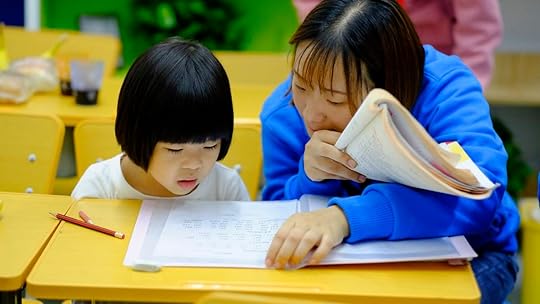
Reason number four has to do with all of that important brain stuff that we were talking about earlier...
Reading is a great way to intellectually stimulate kids which will help increase their IQs as they age. Studies have found that typically developing kids that were not stimulated in early childhood enough had smaller brains and as a result had mild cognitive impairments!
5. Academic Success Often Stems From How Often Kids Are Spoken To As Babies And Toddlers
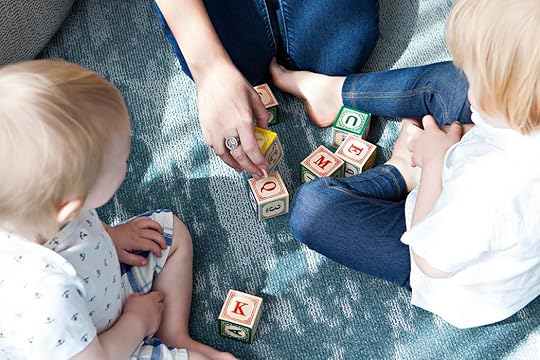
When you're thinking about what you want for your child, it's often a mix of the things that you had and the things that you wished you had for yourself when you were growing up.
Studies have found that kids who are academically successful in mid-elementary school were intellectually stimulated as infants and toddlers. And reading is a great way to do just that.
Also - do you really need any extra reasons to chat more to your children?!
6. Kids Brains Are Very Active
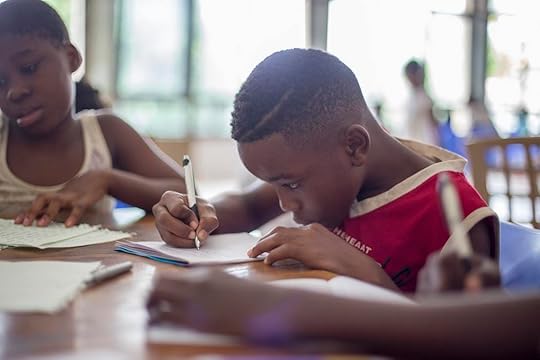
As we're told time and time again as parents & guardians, kids have super active brains!
The brains of children are very active to say the least, even more so than adults for the first 10 years of life. This is why it is essential for kids to learn as much as they can in the early years.
7. Reading Creates Curiosity Memory, And Motivation
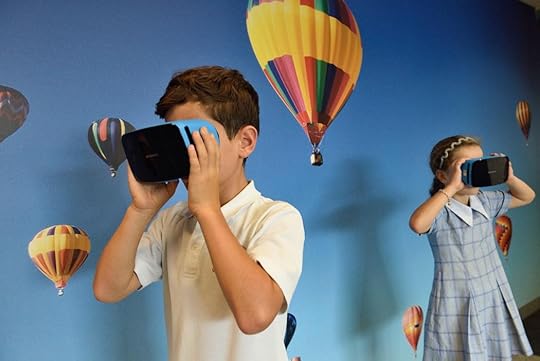
They say that curiosity killed the cat, but let's face it, you want to cultivate some sort of curious interest in your children, vs having them act like robots!
It is a known fact that reading to babies and toddlers enhances their learning and cognitive skills. Reading also encourages motivation, helps with the improvement of memory, as well as curiosity in kids. That is why it is also important to have a conversation with them in the middle of the story to talk about what happened so they remain curious.
8. Kids That Are Read To At A Young Age Develop Larger Vocabularies
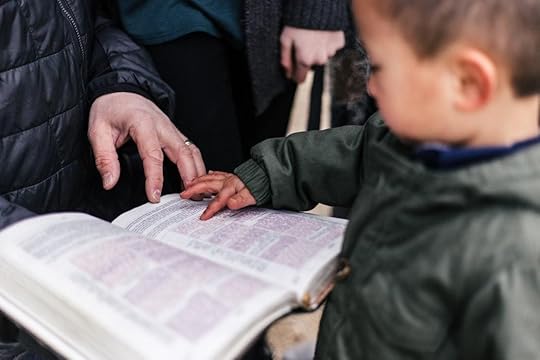
And now we've arrived at vocabulary. It makes sense that the more that you are read to as a child, the more words you are exposed to, the more variety of words that you know, and thus, the better your vocabulary will become!
Kids that are read to during babyhood and toddlerhood don't only end up with better communication skills, but their vocabularies are larger than their peers who were not read to very often.
9. Kids That Are Read To Young Find Enjoyment In Reading And Academics
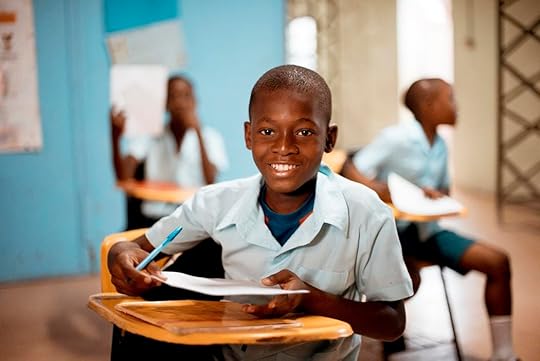
Not all children will be naturally good at academics, and that's ok! Some kids will be much more natural learners at the more creative subjects, such as art, music, and acting, etc. However, there are a few things you can do to help them with academic learning, and reading to them is the main one!
Children read to at a young age will enjoy reading and will enjoy learning which will only help them increase their chances of being successful later on.
10. Early Reading Reduces Kids Getting Into Trouble Later On
And here we have the creme de la creme of top reasons to read to your toddler from an early age! No parent wants their kids to get into trouble later down the line, in fact, I think we'd be right in saying that would be one of your worst nightmares as a parent! Well don't worry, one of the best things you can do to help nudge them in the right direction is to simply read to them!
Statistics have found that kids that were read to at a young age were less likely to commit crimes and get into trouble in general than their peers who were read to. If you look at the previous point, that is a large reason for this.
So, there we have it!
After reading these top 10 statistics as to why kids benefit from being read to from a very early age, you will want to fill your home up with age-appropriate books for toddlers. Reading to them will help them become well-rounded and successful adults!
The truth of the matter is - there are a whole set of curious things that happens to our brains at an early age. For all of us adults here reading this today, these early developmental processes were an essential part of making us the people that we are today.
If you were lucky enough to be read to as a young child, then it's likely that these are some of your most cherished and earliest memories, so it's no surprise that you will also want this experience to be passed on to your kids.
Listed below are the top 10 statistics derived from Ferst Readers as to why early literacy is extremely important which will inspire parents to read to their little ones:
1. Major Brain Growth Happens From Birth To Age 5
Ok - so let's get into it. Our first reason for advocating that you read to your young child is that, as we know, even though they may not always seem old enough to understand the words you're reading, there's lots of important brain stuff happening for them at this age.
For example - from birth to the age of 3, a child's brain is 85% grown which means that the absorption rate in babyhood and in toddlerhood is high. Essentially, this means that kids are swooping up information in what they are learning, and their cognitive processes are developing fast.
In a nutshell: reading to kids is beneficial in so many ways and it is NEVER too early to start reading to them!
2. Kids That Are Read To Early In Life Become Good Readers When They Are Older
The second reason on our list is that you need to be thinking about your child's future as well as their present...
Kids develop receptive language earlier than they express language, this means that the more they are spoken to early on, the better their language skills will become.
The same thing applies to their reading skills. If they are read to early on, that will help them become good readers once they begin learning to read.
Simple!
3. The More Words That Parents Speak To Infants, The Better Language Skills The Infants Will Acquire When They Are Older
Reason number three on our list is that it can't hurt to say more words out loud to your toddler!
Several sources have stated that when parents speak to their kids as infants while they are doing their daily activities, they are exposing them to up to 2000 words each hour.
Even just the mere act of saying more words to your child, and talking more to them will help strengthen their expressive language skills when they are older. So it comes as no surprise that kids being read to will help add to that.
4. Intellectual Stimulation Helps Increase Brain Matter In Kids
Reason number four has to do with all of that important brain stuff that we were talking about earlier...
Reading is a great way to intellectually stimulate kids which will help increase their IQs as they age. Studies have found that typically developing kids that were not stimulated in early childhood enough had smaller brains and as a result had mild cognitive impairments!
5. Academic Success Often Stems From How Often Kids Are Spoken To As Babies And Toddlers
When you're thinking about what you want for your child, it's often a mix of the things that you had and the things that you wished you had for yourself when you were growing up.
Studies have found that kids who are academically successful in mid-elementary school were intellectually stimulated as infants and toddlers. And reading is a great way to do just that.
Also - do you really need any extra reasons to chat more to your children?!
6. Kids Brains Are Very Active
As we're told time and time again as parents & guardians, kids have super active brains!
The brains of children are very active to say the least, even more so than adults for the first 10 years of life. This is why it is essential for kids to learn as much as they can in the early years.
7. Reading Creates Curiosity Memory, And Motivation
They say that curiosity killed the cat, but let's face it, you want to cultivate some sort of curious interest in your children, vs having them act like robots!
It is a known fact that reading to babies and toddlers enhances their learning and cognitive skills. Reading also encourages motivation, helps with the improvement of memory, as well as curiosity in kids. That is why it is also important to have a conversation with them in the middle of the story to talk about what happened so they remain curious.
8. Kids That Are Read To At A Young Age Develop Larger Vocabularies
And now we've arrived at vocabulary. It makes sense that the more that you are read to as a child, the more words you are exposed to, the more variety of words that you know, and thus, the better your vocabulary will become!
Kids that are read to during babyhood and toddlerhood don't only end up with better communication skills, but their vocabularies are larger than their peers who were not read to very often.
9. Kids That Are Read To Young Find Enjoyment In Reading And Academics
Not all children will be naturally good at academics, and that's ok! Some kids will be much more natural learners at the more creative subjects, such as art, music, and acting, etc. However, there are a few things you can do to help them with academic learning, and reading to them is the main one!
Children read to at a young age will enjoy reading and will enjoy learning which will only help them increase their chances of being successful later on.
10. Early Reading Reduces Kids Getting Into Trouble Later On
And here we have the creme de la creme of top reasons to read to your toddler from an early age! No parent wants their kids to get into trouble later down the line, in fact, I think we'd be right in saying that would be one of your worst nightmares as a parent! Well don't worry, one of the best things you can do to help nudge them in the right direction is to simply read to them!
Statistics have found that kids that were read to at a young age were less likely to commit crimes and get into trouble in general than their peers who were read to. If you look at the previous point, that is a large reason for this.
So, there we have it!
After reading these top 10 statistics as to why kids benefit from being read to from a very early age, you will want to fill your home up with age-appropriate books for toddlers. Reading to them will help them become well-rounded and successful adults!
Ten Ways To Have Fun Learning Mindfulness For Kids
Adults are often told to practice mindfulness when they are feeling that something in their lives is out of control. And while parents are told time and time again to practice mindfulness, it is often forgotten or put on the back burner when it comes to our children.
Teaching mindfulness for kids entails showing them the necessary skills needed in order for them to get important things out of all of their life experiences, which will ultimately help develop their overall awareness.
Mindfulness also gives children the tools to help them understand their thoughts, and how their emotions affect their bodies and behaviors. In other words, mindfulness for kids teaches them how to calm down after being upset, as well as how to make decisions easier and more independently, and it also helps them to pay attention.
Mindfulness for kids teaches children to be in the present. Now, let's take a look at 10 ways to teach mindfulness for kids in ways that are fun!
1. Teach Mindfulness To Kids By Using A Bell

The objective here is to teach kids what is happening in their surroundings. One of the best way to do this is by having a bell, wind chimes, or even an app on the smartphone with bell sounds.
As an activity, try ringing the bell for thirty seconds to a minute. The idea here is for your child to listen to the bell until they can no longer hear it.
The act of them being so in their body, and in their environment will cause them to really pay close attention to what they are listening to for once. The act of concentration here has a fantastic calming effect on them.
2. Body Scans For Bedtime Are Fun
Another great mindfulness activity to try out with your kids is body scanning!
Try this: right before bedtime, tell your kids to close their eyes and visualize their bodies from their heads to their toes, without looking, and no peeking!
Studies have shown that this act of mental visualization in children is a great meditation tactic that will teach mindfulness to kids as well as adults!
If this sounds like something you'd be interested to try, then make sure that you check out the free parents & carers body scanning instructions download at the following link: download is accessible
3. Stuffed Animals Make Great Breathing Buddies
Another great tip to try is mindful breathing!
Often, kids need to be taught breathing techniques in order for them to learn mindfulness, and a great way to do that is for them to have a breathing buddy which can be a stuffed animal.
The kids will be instructed to lie on the floor, and have their favorite stuffed animal placed on top of their stomachs. As the kids breathe in and out, they can watch their plushie go up and down with their inner body rhythms.
Parents can try this one too - get your kid to choose a cuddly toy breathing buddy for you as well!
4. Mindful Walks
Another great task to try out is simply taking in nature with your kids.
Try this: Take walks with your kids and stay silent while they are encouraged to listen to what is happening in the environment around them.
Some ideas for your walks involve letting them hear the birds and crickets chirping, cars driving on the neighborhood roads, or if the walk is happening on mild winter days, they can listen to the ice dripping.
You'll be amazed at how much your kids will notice that they don't normally pay attention to. You may well find that your kids can pick up on more sounds than you - their hearing will be better after all!
5. Gratitude Goes A Long Way

Another great tip is to simply remind your kids to be thankful, not all children are as fortunate as they are.
Kids are usually always looking forward to the next treat or toy. However, having them focus on what they have and showing gratitude for it can be an effective tool for mindfulness.
Try this: Kids should be encouraged to list 3 things to be thankful for before they go to bed each night. This is something that you can do with them - what 3 things would you say that you are most thankful for?
6. Check Their Inner Weather

And now we're onto the concept of our 'inner weather...
Kids are great at imagining things and introducing the idea that they have their own inner weather can be a great tool to help them visualize their different thoughts and feelings. Kids must get to know their emotions and feelings and learn to respect them.
Try this: encourage your kids to describe their feelings as if they were a weather report. If they are happy, then the sun is shining. If they are sad, then it's raining and overcast.
This way, kids can understand their emotions and realize that they cannot control how they feel, in the same way that the weather outside cannot be controlled.
This is another great task that all you parents can try as well - you'll be surprised how helpful it can be!
7. Mindful Eating Is Helpful
This point we cannot stress enough! They say you are what you eat, and it's true for your body as well as your mind.
Even though healthy eating should be taught to kids from day one, mindful eating is rarely ever talked about.
Teaching mindful eating to kids encourages them to savor each bite of delicious food they take in so they appreciate it. Again, very much teaching them to be in their body, in the present, and in the moment.
For example, if they are eating ice cream, they should be encouraged to savor each bite instead of wolfing it down at once!
8. Create A Meditation Routine
A great idea for learning any new practice is to try to get into some sort of regular routine with it.
With this in mind, one great way to help you practice what you are preaching to the kids is by meditating and practicing mindfulness yourself. And let's be honest here, most parents could use a bit of mindfulness at times!
Why not do an exercise together such as meditating all at once as a family? Add meditation time with the kids into your daily schedule, and it will soon be an enjoyable experience and part of your normal routine.
9. A Mind Jar Is A Great Comparison Tool

Mind jars are a fantastic idea for kids, and look - so pretty!
A mind jar is just like a snow globe, where you shake it and the storm inside is created. Again, such a great visual metaphor for kids.
Try this: allow your kids to watch the jar calm down inside as time elapses. They can compare the mind jar to the stuff they are feeling in their minds - such as things that are either upsetting them or exciting them.
Eventually, it calms down like the snow globe!
10. Keep It Simple

Lastly, one of the most important things to hold onto when practicing mindfulness (whatever your age) is to just keep it nice and simple.
The best way to effectively teach mindfulness for kids is by using simple words, such as 'notice' and 'being aware', and 'awareness'. This may not necessarily be 'fun' at first, but it is the easiest way for kids to grasp it.
Remember that it is never too early to teach mindfulness for kids!
The earlier they learn to live in the present and be in touch with their emotions and their bodies, the better off they will be in the long run. They will have an easier time being successful and will be well-adjusted people.
Good luck parents!
Teaching mindfulness for kids entails showing them the necessary skills needed in order for them to get important things out of all of their life experiences, which will ultimately help develop their overall awareness.
Mindfulness also gives children the tools to help them understand their thoughts, and how their emotions affect their bodies and behaviors. In other words, mindfulness for kids teaches them how to calm down after being upset, as well as how to make decisions easier and more independently, and it also helps them to pay attention.
Mindfulness for kids teaches children to be in the present. Now, let's take a look at 10 ways to teach mindfulness for kids in ways that are fun!
1. Teach Mindfulness To Kids By Using A Bell
The objective here is to teach kids what is happening in their surroundings. One of the best way to do this is by having a bell, wind chimes, or even an app on the smartphone with bell sounds.
As an activity, try ringing the bell for thirty seconds to a minute. The idea here is for your child to listen to the bell until they can no longer hear it.
The act of them being so in their body, and in their environment will cause them to really pay close attention to what they are listening to for once. The act of concentration here has a fantastic calming effect on them.
2. Body Scans For Bedtime Are Fun
Another great mindfulness activity to try out with your kids is body scanning!
Try this: right before bedtime, tell your kids to close their eyes and visualize their bodies from their heads to their toes, without looking, and no peeking!
Studies have shown that this act of mental visualization in children is a great meditation tactic that will teach mindfulness to kids as well as adults!
If this sounds like something you'd be interested to try, then make sure that you check out the free parents & carers body scanning instructions download at the following link: download is accessible
3. Stuffed Animals Make Great Breathing Buddies
Another great tip to try is mindful breathing!
Often, kids need to be taught breathing techniques in order for them to learn mindfulness, and a great way to do that is for them to have a breathing buddy which can be a stuffed animal.
The kids will be instructed to lie on the floor, and have their favorite stuffed animal placed on top of their stomachs. As the kids breathe in and out, they can watch their plushie go up and down with their inner body rhythms.
Parents can try this one too - get your kid to choose a cuddly toy breathing buddy for you as well!
4. Mindful Walks
Another great task to try out is simply taking in nature with your kids.
Try this: Take walks with your kids and stay silent while they are encouraged to listen to what is happening in the environment around them.
Some ideas for your walks involve letting them hear the birds and crickets chirping, cars driving on the neighborhood roads, or if the walk is happening on mild winter days, they can listen to the ice dripping.
You'll be amazed at how much your kids will notice that they don't normally pay attention to. You may well find that your kids can pick up on more sounds than you - their hearing will be better after all!
5. Gratitude Goes A Long Way
Another great tip is to simply remind your kids to be thankful, not all children are as fortunate as they are.
Kids are usually always looking forward to the next treat or toy. However, having them focus on what they have and showing gratitude for it can be an effective tool for mindfulness.
Try this: Kids should be encouraged to list 3 things to be thankful for before they go to bed each night. This is something that you can do with them - what 3 things would you say that you are most thankful for?
6. Check Their Inner Weather
And now we're onto the concept of our 'inner weather...
Kids are great at imagining things and introducing the idea that they have their own inner weather can be a great tool to help them visualize their different thoughts and feelings. Kids must get to know their emotions and feelings and learn to respect them.
Try this: encourage your kids to describe their feelings as if they were a weather report. If they are happy, then the sun is shining. If they are sad, then it's raining and overcast.
This way, kids can understand their emotions and realize that they cannot control how they feel, in the same way that the weather outside cannot be controlled.
This is another great task that all you parents can try as well - you'll be surprised how helpful it can be!
7. Mindful Eating Is Helpful
This point we cannot stress enough! They say you are what you eat, and it's true for your body as well as your mind.
Even though healthy eating should be taught to kids from day one, mindful eating is rarely ever talked about.
Teaching mindful eating to kids encourages them to savor each bite of delicious food they take in so they appreciate it. Again, very much teaching them to be in their body, in the present, and in the moment.
For example, if they are eating ice cream, they should be encouraged to savor each bite instead of wolfing it down at once!
8. Create A Meditation Routine
A great idea for learning any new practice is to try to get into some sort of regular routine with it.
With this in mind, one great way to help you practice what you are preaching to the kids is by meditating and practicing mindfulness yourself. And let's be honest here, most parents could use a bit of mindfulness at times!
Why not do an exercise together such as meditating all at once as a family? Add meditation time with the kids into your daily schedule, and it will soon be an enjoyable experience and part of your normal routine.
9. A Mind Jar Is A Great Comparison Tool
Mind jars are a fantastic idea for kids, and look - so pretty!
A mind jar is just like a snow globe, where you shake it and the storm inside is created. Again, such a great visual metaphor for kids.
Try this: allow your kids to watch the jar calm down inside as time elapses. They can compare the mind jar to the stuff they are feeling in their minds - such as things that are either upsetting them or exciting them.
Eventually, it calms down like the snow globe!
10. Keep It Simple
Lastly, one of the most important things to hold onto when practicing mindfulness (whatever your age) is to just keep it nice and simple.
The best way to effectively teach mindfulness for kids is by using simple words, such as 'notice' and 'being aware', and 'awareness'. This may not necessarily be 'fun' at first, but it is the easiest way for kids to grasp it.
Remember that it is never too early to teach mindfulness for kids!
The earlier they learn to live in the present and be in touch with their emotions and their bodies, the better off they will be in the long run. They will have an easier time being successful and will be well-adjusted people.
Good luck parents!
March 14, 2020
How To Make Sure You Are Reading The Right Books For Kids At Bedtime
As any experienced parent will know, when you are choosing a book for a child that is anywhere between toddler age and early elementary school age to read before bedtime, you want to make sure that you are choosing the best type of book that you can to help lul them to sleep.
We've all been there before - 'one more story', 'again, again!', 'that book was too short'... sound familiar?! Of course, it does!
The bottom line here is, if you don't want to be up all night reading page after page of rubbish to your kids in the hope that they eventually start to drift off, then you need to ensure that you're picking up the right sort of book from the shelf at bedtime.
Fortunately for all of you new or not yet experienced parents & guardians, there are many recommendations of fantastic and effective books for kids when it comes to bedtime reading...
Here are our top five tips for making sure that you're on the right track for some peace & quiet, and heaven forbid a little bit of adult time in the evenings...
1. A Book For Kids That Is Not Too Stimulating Is The Best Choice For Bedtime Reading!
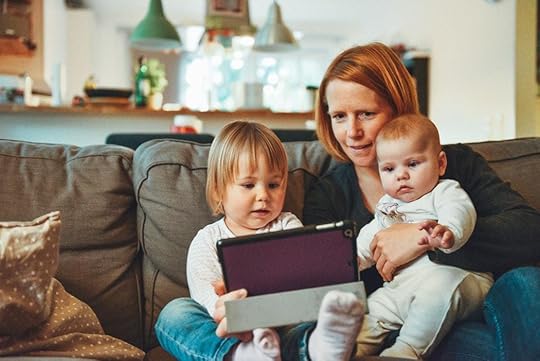
Now let's be honest, we've all made this mistake before! Many of you will already know from past experience that this is one of the biggest rookie mistakes when it comes to bedtime stories...
Just imagine it - the last thing you will want to do is read a bedtime story to your kid that's going to stimulate their mind. You don't want to read your child a book that will make him or her think too much, e.g. a book with multiple interesting characters, or some sort of adventure story that involves a lot of activity in the plot!
It comes as no surprise that these sorts of books will usually cause your child's mind to race, which will ultimately prevent them from drifting off to sleep, and in turn, prevent you from having that glass of wine & late-night Netflix for an hour!
2. Rhyming Books For Kids Are Ideal
Another good thing to keep in mind when choosing a bedtime story to read to your child is how wordy the book in question is...
It's no well-kept secret that when you say a phrase over and over again in your head, that it will eventually make you sleepy, no matter what age you are! Especially if they are rhyming.
This means that reading books to your kids that involve rhymes, such as the well known, timeless books by Dr. Suess, make ideal bedtime stories.
Try to remember to encourage your kid to read along with the rhymes with you as well. That will most definitely get them tired out quickly! You can thank us later for that tip!
3. Educational Books For Kids Are Not Ideal For Bedtime
The third key point to keep in mind when carefully selecting your bedtime story is to ensure that it's not complex...
Now don't get us wrong here, educational books for kids are most definitely recommended as a part of their general reading, for a whole host of different reasons. First and foremost, educational books will teach kids about the world around them, and will only help to enhance their academic and problem-solving skills as well.
However, studies have shown that educational books are not recommended to be read at bedtime. This is for the key reason that they will cause the chid's mind to race. Learning is too stimulating an experience for any young mind right before bed, in the same way that stories with very active plots are.
That being said, this means the educational books that you may have purchased for your kids can be ready and waiting for them to read after they wake up in the morning. That'll certainly help get their minds stimulated for the day!
4. Books For Kids With Calming Illustrations Are Helpful
The next important point to take note of is to really think about what the storybook in question is like visually...
The bottom line here is that you don't want your kids to have active minds at night right before bed, right? Right! And so it makes sense that children's books that have calming and pretty illustrations are a good choice for bedtime reading, verses books that have intense and overstimulating artwork and drawings inside.
The great thing about books with relaxing images is that kids can enjoy looking at the pictures from the book, while still allowing their minds to drift off into a calming state.
5. Books For Kids About Bedtime Are The Best Types For Bedtime Reading
Finally, our last and fifth tip for choosing the top bedtime story for your kids is to consider the topic of the book in question, more specifically, is it related to sleeping?!
We all know that one of the things that kids love most is to mimic what others are doing. This why the most ideal books for kids to be read at bedtime involve sleep and, well, bedtime!
Examples of those books would be Goodnight Gorilla by Peggy Rathmann and of course the well-known Goodnight Moon by Margaret Wise Brown which are for younger kids. So there you have it! Try to keep in mind that books for kids about bedtime and sleeping are generally the best choices.
The overall takeaway point here is that the ideal book to read to your kids at bedtime must be calming and relaxing, otherwise, you'll have no hope in heaven of some peace and quiet for the night!
If you're still not sure about which specific titles might be best for your child, or if you're just in need of some inspiration, then make sure you take a look here! books for kids to read before they go to bed
We've all been there before - 'one more story', 'again, again!', 'that book was too short'... sound familiar?! Of course, it does!
The bottom line here is, if you don't want to be up all night reading page after page of rubbish to your kids in the hope that they eventually start to drift off, then you need to ensure that you're picking up the right sort of book from the shelf at bedtime.
Fortunately for all of you new or not yet experienced parents & guardians, there are many recommendations of fantastic and effective books for kids when it comes to bedtime reading...
Here are our top five tips for making sure that you're on the right track for some peace & quiet, and heaven forbid a little bit of adult time in the evenings...
1. A Book For Kids That Is Not Too Stimulating Is The Best Choice For Bedtime Reading!
Now let's be honest, we've all made this mistake before! Many of you will already know from past experience that this is one of the biggest rookie mistakes when it comes to bedtime stories...
Just imagine it - the last thing you will want to do is read a bedtime story to your kid that's going to stimulate their mind. You don't want to read your child a book that will make him or her think too much, e.g. a book with multiple interesting characters, or some sort of adventure story that involves a lot of activity in the plot!
It comes as no surprise that these sorts of books will usually cause your child's mind to race, which will ultimately prevent them from drifting off to sleep, and in turn, prevent you from having that glass of wine & late-night Netflix for an hour!
2. Rhyming Books For Kids Are Ideal
Another good thing to keep in mind when choosing a bedtime story to read to your child is how wordy the book in question is...
It's no well-kept secret that when you say a phrase over and over again in your head, that it will eventually make you sleepy, no matter what age you are! Especially if they are rhyming.
This means that reading books to your kids that involve rhymes, such as the well known, timeless books by Dr. Suess, make ideal bedtime stories.
Try to remember to encourage your kid to read along with the rhymes with you as well. That will most definitely get them tired out quickly! You can thank us later for that tip!
3. Educational Books For Kids Are Not Ideal For Bedtime
The third key point to keep in mind when carefully selecting your bedtime story is to ensure that it's not complex...
Now don't get us wrong here, educational books for kids are most definitely recommended as a part of their general reading, for a whole host of different reasons. First and foremost, educational books will teach kids about the world around them, and will only help to enhance their academic and problem-solving skills as well.
However, studies have shown that educational books are not recommended to be read at bedtime. This is for the key reason that they will cause the chid's mind to race. Learning is too stimulating an experience for any young mind right before bed, in the same way that stories with very active plots are.
That being said, this means the educational books that you may have purchased for your kids can be ready and waiting for them to read after they wake up in the morning. That'll certainly help get their minds stimulated for the day!
4. Books For Kids With Calming Illustrations Are Helpful
The next important point to take note of is to really think about what the storybook in question is like visually...
The bottom line here is that you don't want your kids to have active minds at night right before bed, right? Right! And so it makes sense that children's books that have calming and pretty illustrations are a good choice for bedtime reading, verses books that have intense and overstimulating artwork and drawings inside.
The great thing about books with relaxing images is that kids can enjoy looking at the pictures from the book, while still allowing their minds to drift off into a calming state.
5. Books For Kids About Bedtime Are The Best Types For Bedtime Reading
Finally, our last and fifth tip for choosing the top bedtime story for your kids is to consider the topic of the book in question, more specifically, is it related to sleeping?!
We all know that one of the things that kids love most is to mimic what others are doing. This why the most ideal books for kids to be read at bedtime involve sleep and, well, bedtime!
Examples of those books would be Goodnight Gorilla by Peggy Rathmann and of course the well-known Goodnight Moon by Margaret Wise Brown which are for younger kids. So there you have it! Try to keep in mind that books for kids about bedtime and sleeping are generally the best choices.
The overall takeaway point here is that the ideal book to read to your kids at bedtime must be calming and relaxing, otherwise, you'll have no hope in heaven of some peace and quiet for the night!
If you're still not sure about which specific titles might be best for your child, or if you're just in need of some inspiration, then make sure you take a look here! books for kids to read before they go to bed
March 1, 2020
Top Ten Tips For Buying The Right Children's Books
It's no big secret that books are important for children in order to help foster not only their reading skills, but also their creative, and social skills.
When kids are read to, or when they are reading books themselves, they will follow the story and feel for the characters in the book. Studies have shown that this is one of the most effective ways to develop empathy in children.
However, when you are looking to buy children's books, you want to make sure that you get them the right ones, for a number of reasons.
Here are our top 10 tips on buying the right children's books for kids between preschool and early elementary school-age levels...
1. The Children's Books Must Be At An Appropriate Age Or Development Level
The first thing you'll need to think about when purchasing a book for your child is what sort of age level you're looking for...
You don't want to get books that are too complicated or too simple. Otherwise, your child will lose interest. It is important to make sure the books are at the age or development appropriate level so they can relate to it!
2. Choose A Variety of Children's Books
Another important thing to think about is the content of the books that your child has access too, for example, are they varied enough? Or do they all seem to be about the same sort of topics?
You want to expand the child's horizon and interests. This is why it is a good idea to get books on topics that the child is not familiar with as well as age and development-appropriate non-fiction and educational books such as those about animals, different cultures, and so on.
3. Be Sure To Choose Children's Books That Will Cater To The Interests Of Your Child
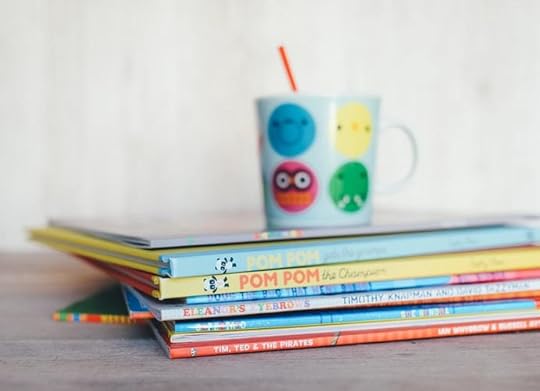
Thirdly, you want to make sure that the books you choose for your kid are going to be engaging to them. So keep in mind that even though you will want to get a variety of types of books to help your child expand his or her interests as it was made in the point above - you also want to make sure that the books you get your child will be interesting to them.
In other words, if your child has a strong interest in a particular topic you will want to get books about those topics as well. Try not to forget that reading should be both a fun and educational activity at the same time!
4. Ask Your Child To Choose The Children's Books They Want
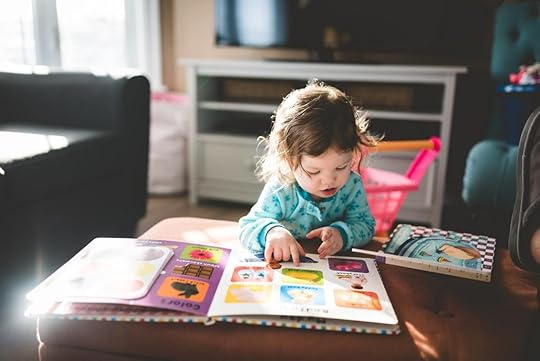
Another option is to allow your child to select some of their own books to read. This is effective if your child is old enough or developmentally up to par. In this case, you may want to bring them with you when you head to a bookstore. That way they can tell you exactly what they want to read, which will help encourage independent thinking as well!
5. Award-Winning Children's Books Are Ideal
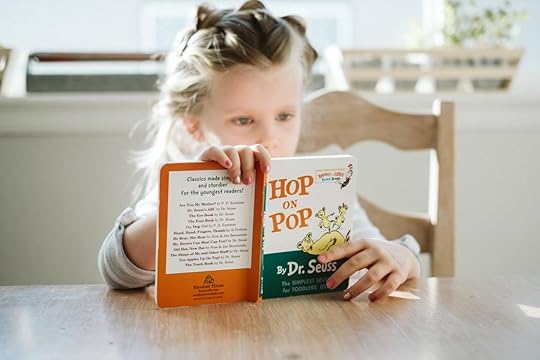
It's hard to go wrong with a Children's title that has been nominated or selected for a prestigious award. So perhaps when you are looking for children's books to buy, think about Seuss or Caldecott - classic, timeless children's authors such as these who have won illustrator's medals are a pretty safe shout.
If you're unsure or need some inspiration, then check out this New York Times link of award-winning books will help you choose the best ones as well!
6. Children's Books From Familiar Authors Are A Great Idea
Another thing to keep in mind is that whether they realize it or not, your child may actually have developed a favorite author of their own already!
If your child has an affinity to books written by a certain author, then you will want to look into getting new books for your child that was written by that same author. It makes perfect sense!
7. Books That Your Child Can Relate To Will Hold Their Interest
This is an important one - and what will eventually lead to your child's discovery of their next 'favorite book'!
We all know that one of the main things that children enjoy talking about are events happening in their lives. For instance, if you are planning to move, and you are packing up, buy a book for children that is about moving. If you just had another baby or are having a new baby, then get children's books about welcoming a new sibling.
You get the idea!
8. Illustration Is A Big Deal
This point will come as no surprise, and we all remember our favorite books from childhood largely based on the drawings and artwork inside.
You want to get children's books that have impressive illustrations that will get the child engaged and interested. Kids are typically very visual learners, so plain old boring text on a page won't be as effective as inspiring and colorful artwork would be.
In fact, after the books have been read, it can make a great conversation piece for you and your child. This will also help open up their conversation skills!
9. Poetry Is Great For Readings Out Loud
You may not have ever considered poetry as an option when thinking about purchasing a new book for your child, however, poetry can be a very effective way to help your child express things verbally, and to help promote verbal skills.
Poetry related children's books will encourage you and your child to read out loud together. The chances are, your child will be fascinated by the rhyming in poetry, which will also help to encourage the development of their verbal skills!
10. Sometimes You Have To Judge The Book By Its Cover
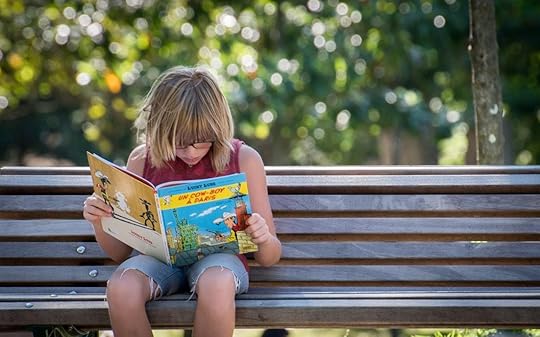
And lastly, that old classic saying about books and covers! Don't be fooled though, however much of a cliche it sounds, there is definitely truth to the phrase!
Does the design of the front cover look appealing? Is the size not too big or too small? Remember that generally speaking, larger books can better for kids than smaller books.
Are the texts bold and readable? These are all super important factors when deciding to purchase children's books!
Keep in mind that reading is a fun and educational activity and that ideally, children should be encouraged to do it on a daily basis.
The right children's books will help them to become well-rounded adults in the end! That is why utilizing the tips in this article will help you achieve your mission of turning your child into a bookworm and to develop a love of reading and books!
When kids are read to, or when they are reading books themselves, they will follow the story and feel for the characters in the book. Studies have shown that this is one of the most effective ways to develop empathy in children.
However, when you are looking to buy children's books, you want to make sure that you get them the right ones, for a number of reasons.
Here are our top 10 tips on buying the right children's books for kids between preschool and early elementary school-age levels...
1. The Children's Books Must Be At An Appropriate Age Or Development Level
The first thing you'll need to think about when purchasing a book for your child is what sort of age level you're looking for...
You don't want to get books that are too complicated or too simple. Otherwise, your child will lose interest. It is important to make sure the books are at the age or development appropriate level so they can relate to it!
2. Choose A Variety of Children's Books
Another important thing to think about is the content of the books that your child has access too, for example, are they varied enough? Or do they all seem to be about the same sort of topics?
You want to expand the child's horizon and interests. This is why it is a good idea to get books on topics that the child is not familiar with as well as age and development-appropriate non-fiction and educational books such as those about animals, different cultures, and so on.
3. Be Sure To Choose Children's Books That Will Cater To The Interests Of Your Child
Thirdly, you want to make sure that the books you choose for your kid are going to be engaging to them. So keep in mind that even though you will want to get a variety of types of books to help your child expand his or her interests as it was made in the point above - you also want to make sure that the books you get your child will be interesting to them.
In other words, if your child has a strong interest in a particular topic you will want to get books about those topics as well. Try not to forget that reading should be both a fun and educational activity at the same time!
4. Ask Your Child To Choose The Children's Books They Want
Another option is to allow your child to select some of their own books to read. This is effective if your child is old enough or developmentally up to par. In this case, you may want to bring them with you when you head to a bookstore. That way they can tell you exactly what they want to read, which will help encourage independent thinking as well!
5. Award-Winning Children's Books Are Ideal
It's hard to go wrong with a Children's title that has been nominated or selected for a prestigious award. So perhaps when you are looking for children's books to buy, think about Seuss or Caldecott - classic, timeless children's authors such as these who have won illustrator's medals are a pretty safe shout.
If you're unsure or need some inspiration, then check out this New York Times link of award-winning books will help you choose the best ones as well!
6. Children's Books From Familiar Authors Are A Great Idea
Another thing to keep in mind is that whether they realize it or not, your child may actually have developed a favorite author of their own already!
If your child has an affinity to books written by a certain author, then you will want to look into getting new books for your child that was written by that same author. It makes perfect sense!
7. Books That Your Child Can Relate To Will Hold Their Interest
This is an important one - and what will eventually lead to your child's discovery of their next 'favorite book'!
We all know that one of the main things that children enjoy talking about are events happening in their lives. For instance, if you are planning to move, and you are packing up, buy a book for children that is about moving. If you just had another baby or are having a new baby, then get children's books about welcoming a new sibling.
You get the idea!
8. Illustration Is A Big Deal
This point will come as no surprise, and we all remember our favorite books from childhood largely based on the drawings and artwork inside.
You want to get children's books that have impressive illustrations that will get the child engaged and interested. Kids are typically very visual learners, so plain old boring text on a page won't be as effective as inspiring and colorful artwork would be.
In fact, after the books have been read, it can make a great conversation piece for you and your child. This will also help open up their conversation skills!
9. Poetry Is Great For Readings Out Loud
You may not have ever considered poetry as an option when thinking about purchasing a new book for your child, however, poetry can be a very effective way to help your child express things verbally, and to help promote verbal skills.
Poetry related children's books will encourage you and your child to read out loud together. The chances are, your child will be fascinated by the rhyming in poetry, which will also help to encourage the development of their verbal skills!
10. Sometimes You Have To Judge The Book By Its Cover
And lastly, that old classic saying about books and covers! Don't be fooled though, however much of a cliche it sounds, there is definitely truth to the phrase!
Does the design of the front cover look appealing? Is the size not too big or too small? Remember that generally speaking, larger books can better for kids than smaller books.
Are the texts bold and readable? These are all super important factors when deciding to purchase children's books!
Keep in mind that reading is a fun and educational activity and that ideally, children should be encouraged to do it on a daily basis.
The right children's books will help them to become well-rounded adults in the end! That is why utilizing the tips in this article will help you achieve your mission of turning your child into a bookworm and to develop a love of reading and books!
Good Children's Stories

Having grown up in Brooklyn, US, Olivia Spring, herself being a mother of two toddlers, realizes how crucial it is in a child's upbringing to make sure that they know how to tackle the challenges life
...more
- Olivia Spring's profile
- 6 followers

