Alice Taylor's Blog
November 24, 2020
Deciding to have children after adverse childhood experiences
My period was late.
It was never late.
One day passed, two days, three…a whole week without a
sighting of that familiar bleeding. Instead, a subtle sickness set up camp in
my stomach.
Well, shit. I think I might be pregnant.
Eighteen months ago, for the first time in my life, I had reason to wander down the medicine aisle in Woolworths and linger at the baby section. I picked up an expensive digital pregnancy test (wondering why there were so many. Seriously how many different ways can you pee on a stick?) and held it firmly down at my side as I walked to the self-serve register. I wasn’t ready to face the possibility of becoming a mother, let alone have any number of strangers or acquaintances see me clutching that undeniably important blue box. I was in, out and straight for the nearest public toilet within minutes.
‘NOT PREGNANT’
Confused, I walked home and shared the news with my husband.
And yet, my period remained absent and my stomach felt…weird.
A few days later, I found myself sitting in a doctor’s waiting room, nervously bouncing my leg. Despite the negative result, something wasn’t right. I was experiencing pregnancy symptoms and it was freaking me out. My husband placed his hand on my knee, telling me everything was going to be okay. But I wasn’t so sure. This wasn’t in the plan. Not yet. I still had ‘stuff’ to work through. I had a book to write, fears to face. I still wasn’t even one hundred percent sold on the idea of having children.
As sat in that cold room, I considered the possibility of
parenthood. But instead of happy images of birthday parties and newborn
snuggles, fears began to tumble out of me like water spilling from an overfull
barrel.
What is the baby is born sick? Or disabled?
What if it’s a girl? I don’t want her to be damaged by our culture. I know what it’s like.
What if it’s a boy? How do I teach him to respect women and reject misogyny?
What if I have a miscarriage?
What if something terrible happens to them?
What if they experience trauma or abuse or pain or bullying like I did?
What if I can’t protect them from danger?
What if I am not enough?
What if I repeat my parent’s mistakes?
There were many questions and fears in my soul, but when it
really came down to it – I was terrified my future child would suffer. I couldn’t
deal with the idea that they might know pain like I have known, and perhaps
even resent me for not protecting them. I was freaking out that I might repeat
generational cycles and leave my child with some heavy baggage.
The thing that concerned me the most, was that my parents
loved me. They never set out to hurt me or make me feel unloved or unheard. However,
I ended up feeling very wounded by some of their behaviours and attitudes. This
worried me, because if they genuinely believed they were on the right path and
doing their best for me – what was to stop me from naively damaging my
children, too?
These fears have lingered in my heart for many years, but in
the safety of singleness, and then the safe space where my husband and I were
using contraception, I had no need to really address them. I considered it a ‘future
issue’. Something for ‘later’. I didn’t want to deal with it. This pregnancy
scare however, brought everything into sudden and sharp focus and made me face
my fears.
If you know us, or have been following along with The Grace Spot for a while, you’ll know Lukas and I have no children. My late period and seasick stomach were mysterious and random symptoms that remain unexplained. I did eventually bleed, and I sometimes wonder if God just decided it was time to shake things up and drop me headfirst into my deepest fears by giving me a phantom pregnancy. I’m grateful for it. Because truth be told, amongst the roller-coaster ride of terror – I did find hope. I found a corner of myself that wanted that blood test to be positive. I saw myself lingering at the tiny baby shoe section at K-Mart while we waited for confirmation. Amongst my fears, there was a maternal instinct. Although choked by weeds, it still began to rise to the surface within me.
This surprising hope is what pushed me to begin dealing with my anxieties surrounding motherhood. I was shocked to realise I did want to have babies – I wanted to be a parent with my beloved husband and face all those crazy challenges together. I was still frightened, but I took this opportunity to dive into healing so that one day, we could hold a little bundle of joy (and anxiety) in our arms. This is what I’ve been doing for the last eighteen months. Healing. As I’ve always said, recovery never really ends. It just goes deeper and wider. I’m not finished growing yet. The following are five ways that I’ve been dealing with my anxiety in order to get from trauma to trying.
Therapy
Booking yourself in to see a psychologist or psychiatrist
can be incredibly daunting. It’s an overwhelming feeling, taking charge of your
mental health and facing the possibility of opening up Pandora’s Box. The
deeper your trauma and pain goes, the scarier it can feel. But I cannot express
enough just how powerful and important it is, not only for tackling issues of
parenting and trauma, but for so many aspects of our lives and relationships.
Not only does regular therapy afford you the opportunity to verbally download all the twisted and painful thoughts, memories and experiences of your life – the validation of which can be enough to relieve a lot of tension and fear, but a therapist will be able to offer you insight, mental exercises and strategies for dealing with your pain. They offer short-term emotional relief as well as long-term strategies for staying afloat and on top. Psychiatrists may also prescribe medication which can be a literal life-saver.
I have spent a good part of this year seeing a psychologist twice a month to address the bitterness and negativity that fills my body when I consider certain memories from my childhood and adolescence, and the current state of my relationship with my family. It’s working. I am healing.
2. Grieve
My psychologist and I talk through a lot. Some of it is
future, a lot is in the past. However, she often brings me right back to the
present and reminds me that what I’m really doing with her, and on my own every
day, is grieving.
I am grieving that my parents tried their best, and yet
it wasn’t enough.
I am grieving that I never had an emotional connection
with my Father, and a confusing one with my Mother.
I am grieving the complex and confusing upbringing I
experienced, and the excruciating pain I experienced when I tried to pull away
and make it on my own.
Grief cannot be forced or rushed. It is a difficult trudge through rocky terrain and muddy swamps. It is draining, and yet it is necessary.
My therapist shares an image with me. Using her hands, she indicates that one of them represents me, while the other represents my parents. She holds them up in front of her body, poised as if about to clap, but leaving a large gap. She motions that in a healthy relationship, both child and parents will lean in toward each other. They meet in the middle. She brings her hands together. They touch. She explains that in my case, I leaned in but rather than being met, I was left hanging. Her hands remain apart. She indicates to the large space between the hands. This space, she says, is grief.
3. Spending time with families and babies
My husband and I have two nieces and a nephew, we usually
see them at least once a week. They bring an incredible amount of joy to our
lives. My unease around children certainly has something to do with my
resistance to believing in my capacity as a caregiver, but also from a lack of
experience. I’ve never really had children in my life until recently. As with
anything, it’s a bit awkward at first but over time, I have grown in my
confidence to play with, care for and protect these little ones. Spending time
with these adorable little people has been like having training wheels before I
take off on my big girl bike.
Not only have our extended family played a significant role in healing my maternal self but developing friendships with mothers has. They have shown me that it is possible to parent in a different way to what I knew. They lead their children with gentleness, respect and emotion. They each have different perspectives and ways of doing things – which I have learned is okay! They have taught me valuable lessons, from the very practical, to philosophically and education wise. Mostly, what they have taught me is that I have permission to follow my intuition, to parent in my own way and do what is best for me and my child. It has been empowering and eye-opening.
4. Praying
I attended a prayer event at a local ministry who offer prayers specifically for breaking generational ‘curses’ and sins. To be honest with you, I’m not sure how much I believe there are spiritual curses and inherited sins in families. It seemed a little too ‘woo’ for me, but I wasn’t going to pass up on the opportunity, just in case there was something real there. It certainly wasn’t going to hurt me! So I went along, I said the prayers renouncing various sins, curses and spirits along with everyone else there and received private prayer. Looking back at my family history, I wouldn’t be surprised if the whole ‘curse’ thing was real – there seems to be an incomprehensible level of sickness, injury, mental illness and dysfunction beyond normal understanding. But then again, perhaps that’s just the cycle of poverty and lack of access to adequate social services and care playing out. Anyway, I’m not taking any chances. I want change. I came from an unhealthy family, so I’m making sure a healthy one comes from my husband and I.
5. Take it one season at a time.
I have come to realise and must remind myself often that I cannot and should not plan out our entire life from where I stand right now. It’s impossible! And any attempts to do so (which I have been doing for years- thanks anxiety) will only cause distress.
I love to plan. But I cannot plan for a child in the way I’ve
been trying to. Of course, I can plan out a nursery, a general parenting style,
where and how I’d like to birth etc, but I can’t plan for the many unexpected
events that will happen in our lives.
I must be willing to let go of my plans, and the picture of
an idyllic childhood with zero complications or stress. I must be able to
accept that I may pass on baggage to my kids, they may suffer and I may fall
short. I have to be able to give my future babies the freedom to make their own
choices, and experience a life that is different to mine, and different to the plans
I have in my head for them.
I’ve got to take this one season at a time, rather than
jumping ahead to worrying about how I will raise a teenage child. Which I am
totally guilty of! From what I’ve seen, parenting done best is done day by day, season by season,
learning as you go and trusting your intuition and the wisdom of safe community
as you go. You simply
cannot plan perfection into childhood. The anxious among us will
struggle with this. But it is reality. You can’t predict the future. So stop
trying. That’s what I’m working on.
You can’t predict the future. So stop trying
Click To Tweet
Healing from trauma and adverse childhood experiences is no easy feat. Although this particular article seems to present the process as a linear five-step thing, please know that it’s not. Blogs such as these sharing advice and story are only compiled after the chaos, with the blessing of hindsight. It sure didn’t feel like a simple or quick process for me. I’ve spent many, many years working through my issues. But as I look back, these are just some of the things I can see that helped me move from trauma and fear, to being excited to carry, birth and raise the tiny human that is currently growing in my uterus. That’s right – in the process of writing this blog, Lukas and I found out we were pregnant! Truly, actually pregnant this time! What timing. I am thankful for the process and thankful for the privilege of carrying this baby. So much has changed in eighteen months.
*This list is personal, and it’s not exhaustive. But I do hope it encourages you to heal your childhood wounds for the sake of the next generation. And of course, you have all my love and respect if you choose not to, or cannot have children of your own and if pregnancy comes as a shock to you, before you have time to heal. In this case, know it is never too late and never more pertinent to book that therapist and start healing.


July 1, 2020
God told me about my husband before I even met him. This is our story
Today, Lukas and I have been married for three years. He’s not home to celebrate the anniversary though, so I thought I’d use this time to reflect, and invite you into our rather special love story.
Before I begin though, I need you to know that this is our journey. This is not a promise that you’ll experience the same thing if you’re ‘good enough’ or pray ‘hard enough’. And I don’t believe God withholds good gifts like partners and spouses for ‘bad behaviour’ or sexual sin, either. I don’t think God works on a reward and punishment system when it comes to romance and love. I think he just works his plan, no matter what we do. For some that looks like marriage, for others it is singleness. I don’t know why. I know it isn’t always easy, though.
I want to share our journey today, to give you hope that you can trust God with the specifics and intimate details of your life. I want you to see that a female pornography addict can be loved and have a fulfilling life, despite her past. I want you to know that God cares for each of us individually, and is always unfurling his wonderful and unique plans for each of us, even though it doesn’t always feel like it.
Now, let’s get to that special story, shall we?
I was sixteen years old. My mental health was in tatters, and ongoing bullying had taken a toll on my body, mind and spirit. My parents wanted me to change schools, to uproot the life I knew and try something new, in the hopes it would help me heal. I refused. Although what I knew was awful, it was familiar. Change was the thing that scared me. So, I fought my parents with all the teenage angst I could summon.
One evening though, everything changed.
I stood on the veranda of our family home in Wollongong, full of the usual mix of emotions. To the left of me thundered the ocean, on the other side, sat a towering mountain range. As I stared up at those mountains, something happened. I heard a voice.
‘Alice, over those mountains, someone will love you. Go’
In that moment, time stopped and I felt peace for the first time in many years. It felt as if I had dived into the ocean, and replacing the noisy chaos of my life was a soothing silence. I felt unreal calmness. I was flying free in this realm of peace that felt so unknown. It was a peace that surpassed all my understanding.
That’s when I knew it meant something. That’s when I thought perhaps, this was the voice of the God I had forgotten. So, much to my parent’s surprise, I walked into the kitchen and made my announcement
‘Mum, Dad…I will go to that new school. That one over the mountains’
It was scary. But that strange and seemingly divine message gave me the courage to push through.
It was a good school. As much as it was pompous and primpy, with the regulation hair cuts, blazers, kilts and removal of piercings, it was a place where I grew and learned. It was a safe place. Here, I made lifelong friends and had teachers who genuinely cared about me. It was also the place where I began to settle into my faith again. I met God through people who acted as his hands and feet in the world, and through praying with others who knew him intimately.
It was a healing place for me in my final years of high school.
I am thankful.
I know my first true love is Jesus. He was the one who loved me when I ventured over those mountains. He had a healing journey in store for me when he called me. He loves me.
I knew this as I completed my HSC and started applying for universities. However, I did feel kind of disappointed when the prophecy wasn’t fulfilled in the way I thought it would be…with a boyfriend, someone who wanted to marry me one day.
But God was working.
Jesus is the love of my life, but as God does, he doesn’t just fill your cup. He pours until it overflows.
There was more to come.
At this school I met Lukas.
He was a good friend. We bonded over the metal bands I had on my study folder, and our perpetual immaturity (not to mention our pathetic mathematical skills). He was funny. He made one too many poo jokes for my liking, but there was something about him. He genuinely cared. He had a huge friendly smile and found the joy in life. We gravitated toward each other and had a great friendship.
That friendship lasted over the years. As he moved to Melbourne, then back home and then off to Hobart, we stayed in touch. As I struggled through addiction, deteriorating mental health and a plethora of other issues, our connection never faded. He knew my darkness, but he remained. When he would visit his family, he always made time to pop by my place or we’d organise a brunch with a few friends.
We chatted online and occasionally spoke on the phone, sharing about our relationship woes and sending silly pictures to each other. I had a crush on him during high school, but eventually that faded out into a platonic friendship.
He looked out for me. He helped me when my car broke down, he sent me money to pay for expensive surgery or bills I couldn’t afford, bought me books he thought might speak into my life and even had the guts to tell me I needed to end an emotionally abusive relationship when I couldn’t see reality. When I had a terrifying car accident just after my twentieth birthday, he was the first one I called. He’s always looked after me.
We were good friends.
But in 2016 something in our relationship fundamentally changed.
We started talking more and more often, and found ourselves discussing deeper matters of the heart. We spoke on the phone, texted and chatted on Facebook daily.
Eventually, on one of his short visits home from Tasmania, over a two-for-one schnitzel deal at the local pub, we realised that we had fallen in love. After seven years, it finally clicked. We were made for each other. I distinctly remember him saying
‘Alice, I know all your past. I know all the crap you’ve done and been through. And I want you to know that doesn’t scare me one bit’
I swear part of my soul healed as those words fell from his lips. I didn’t believe I was lovable. Not after everything I had done and struggled with.
He is my blessing. He is my answered prayer and the fulfillment of that sacred message God spoke to me when I was just sixteen years old. He is the love God told me about and foreshadowed that day.
I am so glad I listened to that call.
Lukas and I were just friends for so long. But as I look back, it was as if our souls knew from the very beginning, that we were ordained by God to have our own very wonderful love story.
May 11, 2020
Life After Porn
My life today is radically different to what it was ten years ago when porn first became a serious problem for me. However just as a disclaimer, this isn’t the story of someone who used to watch porn, and then suddenly stopped forever. There’s not a clear-cut before and after here, because whilst the bulk of recovery is behind me and I haven’t compulsively used pornography in many years, I have experienced lapses on occasion. Healing is never linear, it’s a rich journey of discovery and sometimes those discoveries come through mistakes. So, while I can’t say this is my life completely after porn, I can tell you this is my life after pornography addiction. The following are just six ways my life has changed, and I hope they instill a sense of genuine hope in you for the future.
I’m married to an amazing man
Dealing with my porn problem gave me the courage, wisdom and
emotional stability to begin dating again at age twenty-five after a few
disastrous experiences of romance in my teen years. Lukas and I had been close
friends for seven years before we started dating, so he was the perfect choice.
Evidently, he thought so too, as within a year from our first date, we were
married. We’ve been together for four years now and I have no doubt that God
ordained our love story from the start.
Let me just clarify though, marriage isn’t a guarantee if you recover from pornography addiction. It isn’t for anybody, no matter their life story. Marriage isn’t a mystical reward that God gives you for being ‘good’ enough, and I don’t believe he withholds good gifts like a boyfriend or husband as punishment for being ‘bad’. This is just how my story played out, and I can see in hindsight that I didn’t have the emotional capacity or ability to be vulnerable enough to partake in a healthy relationship in the midst of my struggle with pornography. It wasn’t just the porn, there was trauma to be dealt with too but all in all, it wasn’t a great time to find love, and I didn’t. God knew when I was ready, I think this is the measure He works off, rather than rewarding or punishing our behaviour.
Marriage isn't a mystical reward that God gives you for being ‘good’ enough, and I don’t believe he withholds good gifts like a boyfriend or husband as punishment for being ‘bad
Click To Tweet
My physical health has improved
In 2013, I was diagnosed with Fibromyalgia (F.M), a mysterious pain syndrome that is barely understood. There is no treatment or cure, and various theories on it’s cause. This diagnosis came in the midst of my struggle with pornography.
A few years later, my Doctor added Myalgic Encephalomyelitis (M.E) (often known as chronic fatigue syndrome) to the list. It has a similar mystery surrounding it’s cause and cure. My medical history now included these two serious conditions alongside anxiety, depression and post-traumatic stress disorder (PTSD) which weren’t managed at this time.
During this period of my life, I frequently had coughs,
colds and infections on top of crushing fatigue and random pains. I didn’t have
a lot of hope for the future, either. I was referred to pain and fatigue
clinics to learn how to deal with potentially life-long symptoms and had strict
routines surrounding rest, food and vitamins.
Feeling constantly sick and living in fear of my pornography habit being discovered quickly threw me into isolation. I often refused to attend events and gatherings, including church, because mentally and physically, I was overwhelmed.
Some people believe F.M/M.E can be triggered by trauma. There’s not enough research to claim this as the sole cause of these syndromes, but I really do believe this is true for me. I feel like my childhood and adolescent stress, PTSD, an accident that left my car squished between a rental car and a truck and the relentless ongoing stress of pornography addiction and shame led to my body physically caving in. After so many years on high alert, my body needed to enforce rest. It crashed. My body was a little rundown car that had been chugging along on empty for too long. I do believe our bodies carry our trauma; we hold stressful memories in our bones.
I feel certain of this, because today I am strong. I can lift heavy weights, I can do High Intensity Interval Training and walk whenever I want. I get sick less often, I have good health. I no longer sleep up to fourteen hours a day and live with my brain lost in fog. I can drive my car with little to no back pain, and I feel good. There are times where I’m probably more fatigued than the average person, and I still have to be mindful of my health but in general, I feel normal and healthy.
As with recovery, this certainly didn’t happen overnight,
but looking back I can see that my physical health made leaps in line with my
mental health. I can see that I was able to increase my exercise and reduce my
sleep in the months following major breakthroughs in therapy and life. The more
freedom I gained from pornography, the better my body felt. As I worked through
the underlaying issues that made me susceptible to compulsion and escapism and
engaged with God, community and my own hopes and dreams, I felt energy and
strength pooling up inside of me. I felt a sense of purpose that drove me
forward. It was both an emotional and physical renewal I experienced.
Our bodies carry our trauma; we hold stressful memories in our bones.
Click To Tweet
Along with a care-plan monitored by my doctor, good
nutrition, graded exercise and anti-depressants, dealing with my emotional
baggage healed me. The last two years have been particularly wonderful. My
health feels the best it’s been in over six years, and I know in the last two
years I’ve really healed some wounds that were hanging on. I think writing
Restored had a lot to do with that.
This might not ever be your experience of physical and emotional healing, some people unfortunately live with ill health their whole lives, and I am not saying that quitting porn can heal your body (or that using it will cause ill-health) but this is my life after porn. I do hope it can be yours too.
I have more friends and better-quality relationships
Addiction is isolating. You’d rather be inside with the door locked, logging into your favourite porn site than using precious energy to socialise (i.e hide your secret). People become the enemy, they become a thing of fear. What if they found out? What if they judged you? Rejected you? What if they turned around and called you a freak, confirming your every suspicion about yourself? All of this fear and confusion is exhausting, and it feels easier to avoid community.
As an anxious introvert with a porn problem to hide, this
was me. I avoided any social activity I could and found myself totally walled
in emotionally. Even when I was present, I was emotionally vacant and avoidant.
Vulnerability and intimacy felt bewildering and impossible to me, for those things
would surely reveal my deepest, darkest secret. I longed for intimacy and
community but it was just too frightening.
Eventually confessing my struggle to one friend led to me
slowly opening up, like a winter rose finally blooming. It gave me courage, and
I continued to be honest with those around me, healing in the process.
Sharing my story and being honest about my struggles taught
me a lot about genuine intimacy, and where it can be found. Not in porn, but in
the arms of loved ones. Over time, I grew more courageous in sharing my story,
and this opened up more space for others to do the same.
Because of this vulnerability, today I know deep and lasting friendships. I have more friends than I did back then, and our connection is more than just passing, I have lifelong friends. Ones who know all the gritty details and stick around. Honest friends, wonderful women and men who I talk to, share with and spend time with, feeling at ease rather than anxious.
I am confident in my worth
I have never been a confident person. My memories from early childhood are anxious ones. I was never one to raise my hand in class, or even ask to use the bathroom if I needed to. I always felt awkward, and this followed me into adulthood. Pornography did not help with this crushing shyness one little bit. It made everything worse, because I had even more shame to deal with, I felt even more like an outsider, a freak. My motto became ‘the less attention I draw to myself, the better’. Fear and strategic social avoidance drained any confidence I may have had in me, and made me feel totally worthless.
Today my favourite item of clothing is a black T-shirt with the words ‘SO WORTH LOVING’ printed boldly on the front (buy one here). And I believe it. Overcoming pornography emboldened me to own my strength, courage and innate value. Going through therapy, reconnecting with myself, community and God and achieving so many recovery goals over the last few years has proven to my inner critic that I am worthwhile. I am so worth loving! This is a complete reversal of my old core belief that ‘I am basically a bad, unworthy person’ and it has given me a boost of confidence I’ve never really known. I feel confident in my worth, and just confident in general. I feel empowered to speak up, take up space and fight for what is right. I’m more confident wearing bright colours instead of just black or grey and I’m not afraid to speak in public.
Sometimes I falter and feel awkward, I’m still that anxious
introvert at heart! But this doesn’t identify me, and my confidence outweighs
my anxiety.
I experience fewer sex dreams and triggers
The further you get away from pornography and fantasy, the less frequent your triggers will become. As memories fade, sex dreams and favourite fantasies will quieten and drop off. They will probably never totally go away, and that’s normal. But they won’t be haunting your every thought and dream anymore. There are things I have forgotten and memories that have faded that once shone brightly in my mind. Many of these triggers and memories have passed away now, ten years after it all began. Of course, I still have sex dreams, and fantasies and triggers still pop in to visit, just as anyone else may experience, but they’re not as frequent as they once were and I know how to show them the door most days. They’re giving me space. And I am thankful.
I’m hoping to have a baby and start a family
Hope. I think that’s
the biggest gift that recovery can give you. When you’re stuck in addiction,
everything feels hopeless. It is a void, sucking the life out of everything
that once gave you joy. It feels near impossible to consider the future in a
positive light, today is dark and it feels as if every day after will be the
same. How could it not? Addiction is darkness.
When I was stuck in
compulsive pornography use, absolutely drained of worth, living in fear and
bleeding out from childhood wounds and more recent trauma that threatened to destroy
me, the idea of a happy future wasn’t even a possibility to me. I would be
alone, I decided. I could never birth and nurture children and start something
new and beautiful. I was too broken, my experience of family and community too
splintered. I couldn’t risk screwing it up.
As I slowly healed
and worked through my wounds in therapy, shimmers of light appeared. Hope crept
in, I opened myself to the possibility of some kind of future and love. Yet, children
remained a thing of fear. How would I parent without a healthy blueprint from
my own upbringing? Could I risk making the same mistakes I felt my parents had?
How could I avoid the unavoidable, in morphing into the Mother I resented?
These fears weighed
on me, even into my marriage. I told you it wasn’t a sudden movement from porn
to life after porn! However, with the support of my husband, wisdom and care
from friends and mentors both with and without children and experiencing the
pure love that a baby brings into the world in my precious nieces, I have
healed this part of me. Well, perhaps I should say God has healed this part of
me. Instead of fear, I feel empowered. Rather than dread, I feel excitement to
start a new family and parent out of gentle love and respect. I am ready to
make generational change in this family.
This is life after
porn.
Do you want your own story of life after porn? If you’re not sure where to start and want a handy guide, check out Restored: A Woman’s Guide to Overcoming Pornography. This is my road-map for struggling women, a practical, down-to-earth recovery guide that caters to the unique needs of women. It’s everything that worked for me and has gotten me to where I am today.
April 21, 2020
Biology, attachment, culture and physiology: Why women are uniquely susceptible to porn addiction
There’s a common misconception that pornography is only a men’s issue.
As a society, we have bought into the myth of the constantly horny man who cannot control his urges and the shy woman who acts as the gatekeeper of virtue and morality, suffering with a proverbial ‘headache’.
It’s almost assumed that all men either watch or struggle
with pornography. Have you ever heard someone say something along the lines of
‘ninety percent of men admit to watching pornography…the other ten percent
are lying!’. Yeah, me too.
This is not to downplay the significant struggle that many men do face when it comes to pornography, but to emphasize the assumptions that are made about both genders and their habits. For most people, it makes ‘sense’ that men watch porn, even if they find it morally upsetting. That’s just the way men are ‘wired’ right? They’re visual, they can’t say no to a pair of breasts! Women, on the other hand would never consider logging into PornHub to watch sex acts on screen! So people think.
But you may be surprised to find that women are actually uniquely susceptible to pornography addiction, in ways that men simply aren’t- right down to their biology in the womb. We’ve got it all wrong if we think men are the only ones ‘predisposed’ to the temptation of pornography. Pornography is not a men’s issue, it’s a human one.
Pornography is not a men’s issue, it’s a human one.
Click To Tweet
There are four main reasons why women are uniquely susceptible to pornography addiction. None of these stand alone, and not all women will relate, but together these four things can create the perfect storm.
1. Female Biology
For the first two months of life all fetal brains have identical neural pathways. But at eight weeks, a testosterone surge in males kills some cells in the communication centres and expands areas dedicated to sex and aggression (1). Female brains though, remain especially structured for social connection. They have greater neurobiological powers of connectivity. This is why women, more than men, recover best in a group context.
Unfortunately, female biology also appears to make girls and women more susceptible to porn addiction in the first place if early relational trauma leaves them with attachment injuries. The female mind has a great relational sensitivity, which makes it more susceptible to stress from inadequate parenting and other relational discomfort. Early stress directly impacts a woman’s vulnerability to mental disorders such as major depression, post-traumatic stress disorder, schizophrenia, borderline personality disorder and addiction (2).
This is not to say women are sensitive and weak, nor that
every woman with a difficult upbringing will have mental illness or addictive behaviours,
but female biological receptiveness to connection (and disconnection) means that
relational stress doesn’t need to be dramatic to be quite damaging.
Porn addiction at its core is an intimacy disorder.
Porn addiction at its core is an intimacy disorder. The compulsive search for sexual pleasure is just a symptom of a deeper underlying issue which often has its roots in ruptured intimacy, relational trauma, childhood neglect, abandonment, loss and feeling disconnected and hurt. It is a compulsive desire for connection. It is an attempt at redeeming what was damaged.
As Marnie Ferree says, ‘From conception to maturity, just being female seems to increase susceptibility to sex and love addiction’. Let’s explore further.
2. Attachment
Attachment is the next topic, as it is intrinsically
connected to biology. A female’s biology on its own isn’t going to send her
spiralling into pornography addiction, but her connected brain paired with
unhealthy or damaged attachment is a recipe for disaster.
Attachment in its simplest form refers to the nature of the relationship between child and the primary caregiver, whether it is secure and safe and whether the child’s basic physical and emotional needs are being met or not. An attachment injury is much like a physical one, something healthy gets broken or damaged. This can be an accident or an act of cruelty. Either way, the intimacy and safety between child and caregiver is ruptured to great detriment.
Because of female sensitivity to and need for connection, these
attachment injuries seem to affect girls and women more dramatically than
males.
I have firsthand experience of this. My brother and I are
only two years apart in age and grew up in the exact same context. Whilst I can
see remnants of childhood and adolescent stress expressing itself in my brother
and have heard him speak of his frustrations with our parents, I seem to have
been impacted in a deeper, more negative way by our shared upbringing and
continue to feel a sense of abandonment and resentment for a lack of emotional
nurture growing up that he doesn’t.
Of course, there are always many variables at play, but I do consider my ongoing emotional struggles with my parents as a result of attachment injuries which occurred quite early on, and seem to have affected me more deeply than my brother. I credit this in part for my eventual pornography addiction. I was impaired in my ability to form healthy relationships and was starving for affirmation, physical touch and expressions of love and affection.
Disturbed attachment is a hallmark of addiction. This is true of men and women, but seems more prominent in females.
Disturbed attachment is a hallmark of addiction. This is true of men and women, but seems more prominent in females.
Click To Tweet
3. Culture
In western culture, women inherit damaging images and
beliefs about femininity and sexuality which distort a healthy view of and
expression of sex and self. This primes them for pornography use.
Kelly McDaniel outlines four core detrimental cultural beliefs that most women will be affected by. Some women may connect with all four, others with only one or two.
I must be good to be worthy of loveIf I am sexual, then I am badI am not really a woman unless someone desires me sexually or romanticallyI must be sexual to be lovable (3)
Can you see the inherent contradictions these beliefs
present? To be loved, a woman must be both ‘good’ and sexual. However, being
sexual is also classified as being ‘bad’ but to be a ‘real woman’ she must be
desired in this way.
Confused? Welcome to the club. These are the twisted
cultural beliefs that are forced upon all women, whether they are aware of it
or not. These are presented through the media, pornography, religion and
society. Slut shaming, victim blaming, purity culture, advertising and opposing
cultural subgroups all contribute to this cacophony of beliefs.
McDaniel classes these beliefs as cultural ‘double-binds’. This is defined as a ‘psychological impasse created when contradictory demands are made of an individual so that no matter what they do, the response will be construed as incorrect…a punishing and inescapable dilemma’(4). They result in nothing but shame. Women are drained of their sense of worth and power, and left with little room for healthy, safe sexual development and identity. They are instead slaves to cultural femininity.
Porn offers an escape from these cultural beliefs. A woman
is able to maintain a façade of ‘goodness’ or innocence through the anonymity
of pornography or online sex, whilst still feeling sexually wanted and having
her physical ‘needs’ met. Porn seems to offer a fantasy world where anything is
possible. Women can be both good and sexual, they can feel desired, wanted and
pursue sex on their own terms without the risk of being judged and rejected. Of
course, the pleasure of pornography soon turns into even more shame and
confusion.
Pornography masquerades as a solution to the jumble of paralyzing cultural beliefs women face, but in the end pornography lies at the very heart of these beliefs and traps women further. It is yet another toxic voice demanding an impossible image of femininity.
Viewed in this context, pornography can be seen as a survival mechanism. It is an attempt at surviving a culture that forces women to live in a narrow, damaging sexual margin. An escape. Of course, it is not a very good survival mechanism, but when choosing between impossible options, it seems to provide the best solution in the moment.
Pornography masquerades as a solution to the jumble of paralyzing cultural beliefs women face, but in the end pornography lies at the very heart of these beliefs and traps women further.
Click To Tweet
4. Physiology
Pioneer sexual addiction specialist Dr Patrick Carnes first outlined the addiction cycle in 1983 (5). When it comes to female pornography addiction, there is another cycle that must be addressed in tandem with this one. The menstrual cycle!
Now, menstruating does not mean that women are fragile or weak, and their fluctuating hormones aren’t inherently bad, nor will they turn someone into a porn addict, but for a woman with attachment injuries, seeking connection and suffering through binding cultural beliefs, it can pose a risk to their recovery.
There are distinct time-frames within a woman’s monthly cycle that have different effects on the body, from heightened arousal during ovulation to low mood and pain or fatigue in the week preceding bleeding. These different stages continually cycle throughout a woman’s reproductive years, providing extra opportunities to experience sexual or emotional triggers.
Hormonal rhythms make women more susceptible to the temptation of pornography on a regular basis. The good news is, this sacred cycle can also be utilized in recovery. The predictability of hormonal changes provide an opportunity for women to be proactive in defending their sobriety and mental health.
Hormonal rhythms make women more susceptible to the temptation of pornography on a regular basis.
Click To Tweet
It is important to note too, that women are visual creatures. Not unlike men, if they see a potential mate with handsome features or a sexually titillating billboard, their thoughts will turn to sex. The reward centre of the brain will light up. Visual triggers can be just as much of a struggle for women as they are for men. Women don’t have sex with their eyes closed, sight is an important sense when it comes to pleasure and intimacy. Their natural sex drive cannot be ignored when it comes to pornography addiction. In this way, women aren’t that different to the men who also struggle with pornography. Porn hijacks normal sexual desire in humans and puts it on overdrive.
Together biology, attachment, culture and physiology make women uniquely susceptible to pornography addiction. It should come as no surprise then that 1 in 3 visitors to adult websites are female and crowds of women are coming forward seeking help from this relentless addiction. Pornography has the power to enslave, it captures men and women for different reasons and plays on each of their unique susceptibilities to keep them in slavery.
Women, know your vulnerabilities and protect yourself. Onlookers, friends, partners and leaders, please understand that women do struggle with porn and there are legitimate and varied reasons behind this. Continue to educate yourself on these matters, and embrace the women in your life with healing arms, rather than in judgement or confusion. It will change their lives and yours.
References
Making Advances: A Comprehensive Guide for Treating Female Sex and Love Addicts, Marnie Ferree (2012) p.45 Making Advances: A Comprehensive Guide for Treating Female Sex and Love Addicts, Marnie Ferree (2012) p.44Ready To Heal: Breaking Free of Addictive Relationships (Third Edition), Kelly McDaniel (2012) p.31 Making Advances: A Comprehensive Guide for Treating Female Sex and Love Addicts, Marnie Ferree (2012) p.55Out Of The Shadows: Understanding Sexual Addiction (Third Edition), Dr Patrick Carnes (2001) p.19-29
Note: This information has been simplified to suit the context of a short blog, and the sources used are now approximately 8-10 years old. For more information and in depth analysis of research and existing data on women and pornography, see Making Advances. If you’d like to contribute to this field through research, please do. We need much more data on female porn use/addiction.
March 19, 2020
Covid-19 and porn addiction. 7 steps to avoid relapse in isolation
Covid-19 is upon us and since there is no vaccine, isolation
is the name of the game. The introverts among us may be cheering but for those
who struggle with pornography, isolation can pose a risk to their recovery.
Isolation and social distancing don’t have to spell the end of your recovery though, it just takes some intentionality. Here are 7 achievable tips to keep you on the up and up.
1.Keep up your accountability by phone or video call
Just because you can’t meet face-to-face doesn’t mean you
should quit or put a ‘pause’ on accountability. Do not use Covid-19 as an
excuse to drop off the face of the Earth and avoid honest conversations about
your recovery, but rather be even more intentional about staying in touch
during this tough time. Pick up the phone or video-call your accountability partner
at the regular time that you would normally meet-up and continue celebrating
your victories, admitting the lapses and strategizing for the near-future. Accountability
can still thrive when done remotely.
Do not use Covid-19 as an excuse to drop off the face of the Earth and avoid honest conversations about your recovery
Click To Tweet
2. Keep up (or start) a healthy lifestyle from home
Regular exercise and a balanced, healthy diet are essential
to recovering from pornography addiction and managing mental health.
While you may not be able to head to the gym, browse Youtube for free workout videos you can do at home with minimal equipment. There’s lots out there! I love The Body Coach TV, it’s like working out with a sweaty Russell Brand and I appreciate that he struggles through every workout just as much as I do!
If you’re not able-bodied enough to do a HIIT or weights workout, that’s okay. Look up some gentle stretching guides or chair-yoga to keep you moving and if you can, avoid staying stationary on the lounge or bed for long periods during your isolation. Of course, this isn’t always possible.
Regular exercise and a balanced, healthy diet are essential to recovering from pornography addiction and managing mental health
Click To Tweet
Nutritious food is a little more of a challenge with all the panic-buying and restricted access, but if you can afford it and if you can actually get to the shops or have someone deliver produce to you, plan some meals in advance. Browse Pinterest for nutritious, (tasty) long-lasting meals and avoid ending up with a pantry full of just pasta and rice. Look for frozen fruit and vegetables, dried lentils, flavoured tuna or tinned chicken, beans and experiment with less common foods like Kangaroo mince or tempeh. If you’re ordering in, go ahead and indulge but make sure there are lots of nutritious meals in amongst the pizza!
3. Isolate, but stay connected to community using technology
There’s something special about seeing friends and family in
the flesh, but you can still enjoy the benefits of relationship by connecting
online or by phone.
Make sure you schedule regular catch-ups with your friends
or family during isolation by phone, Zoom, Skype or Facebook call or utilize
apps such as Marco Polo for ongoing video chatting. Texting and messaging are
great tools for staying connected too, but make sure you do see someone’s face
and hear their voice regularly as well.
If you’re part of a community that meets regularly like a church or support group, many of these are hosting live or recorded events online, which is a fabulous way to stay engaged with community. Bonus: you get to wear your P.js! If your particular community isn’t online yet, look around for one that is. If you’re looking for a women’s recovery group online, Lacy Bently runs one for free every week and Small Groups Online offer regular women’s groups via Zoom.
The Grace Spot hosts a private women’s only Facebook support group that you can request to join here. It’s a great place to connect with other recovering women and encourage each other, whether or not there’s a rogue virus!
4. Avoid lazing around. Keep a routine and stay busy with constructive activities
Taking time off work or school, sleeping in and watching
Netflix all day sounds like a dream to most people, but if you do this every
day for fourteen days (or longer) you may end up feeling pretty down. It’s
important to keep up some kind of routine while youre stuck at home to avoid
boredom and feeling ‘blah’ because those feelings so often tempt people into
using pornography.
The following websites have helpfully created some lists of activities you can work on while home and some suggested routines. You don’t have to follow them precisely but be inspired and work out your own plan.
7 Things To Do While Self Isolating Without Self Sabotaging
Things To Do: Social Isolation Edition (Reddit)
100 Things To Do While Trapped Inside
Our Kid Routine During Social Distancing: A Totally Non-Pinterest-Worthy Schedule
Coronavirus: Five Ways To Work Well From Home
5. If you’re scared or anxious, limit your media intake and talk to someone about your fears
Anxiety helps no-one and can only be a trigger for wanting
to escape into fantasy.
Media outlets should be fined for the hysteria they have caused over this virus. Many of them have gone beyond informing citizens and have been straight up fearmongering. It’s terrible and has caused endless anxiety, contributing to the great toilet paper panic which our grandchildren will surely hear about in years to come.
If you are feeling frightened, switch off the TV and log out for a while. You can get essential, reliable information from the World Health Organization, your local or federal government websites (Australians, click here) or directly from your GP if you are unwell. Stay informed, but don’t immerse yourself in news or social media 24/7.
It helps to talk about your concerns with a trusted person, so pick up the phone or talk to someone in your household about what’s going on for you, and ask for some emotional support. Many therapists are offering online Zoom sessions during this time as well, so whether you regularly see a professional for anxiety or not, services are available to you. Alternatively, in Australia you can call Lifeline to talk to someone for free.
6. Make use of discounted recovery tools
A number of pornography recovery organisations are offering discounted or free courses and services during this unprecedented season of isolation and disruption. They know men and women in recovery are going to need additional support to continue their recovery right now. Utilize them.
Ever Accountable is offering free accountability software until May 10th.
X3church are offering their workshops at a 50% discount with the code ‘COVID19’.
I am currently offering Restored as a free download until Friday 20th March PDT.
7. Help others and ask for help if you need it, too
If you are able and it is practical, help others who may
need it. Service is a significant part of recovery as it refocuses your
attention toward others, and just makes you feel all warm and fuzzy inside!
Call your elderly neighbours or those you know are immune-compromised to check-in, drop some toilet paper and pasta on someone’s doorstep or help share information about any local community organisations offering food or support. You might even be in a position to offer to pick up someone’s medication or groceries from the store if they are unable to.
If your door needs to stay firmly shut, you can still serve
from the comfort of your home! Help your local small business owners or self-employed
friends by going online and purchasing their products or vouchers that you can
use at a later time. If money is tight, support them by liking, sharing and
commenting on their social media posts or leaving positive reviews. That stuff
can make their day and increase their chances of getting business.
During this confusing time, do what you can to spread joy
and positivity in your community. It will help others and it will help your
recovery.
Don’t forget to also reach out for help if you are the one
in need. Whether it’s practical or emotional, we all have days that we need
support and there’s no shame in it, especially right now. Please, don’t be
embarrassed to ask for groceries, a meal, toilet paper or to pick up the phone
and dial a counselling service if you need to talk it out. Let’s do our best to
be here for each other during this time. It’s not every person for themselves,
we’re in this together.
The future is bright
Life as we know it has been turned upside down and the possibility for triggers are endless, especially when you’re trapped inside. Your recovery doesn’t have to suffer though. You can even enjoy some of this time-out from regular life! With some intentionality and planning, you can create a routine and continue practicing everything you’ve learned so far in recovery, and you can keep learning and growing for as long as this dreaded virus roams the globe. We will all get through this.
February 21, 2020
Social media feels draining lately. Here’s what you can do about it.
Social media is life. If you’re not online, do you even
exist? It seems that absolutely everybody and everything is connected online
these days. I mean, my pedometer has a social feature! I could order pizza on
Facebook if I wanted and I’m pretty sure there’s a social media website for
dogs. Yep, there is. That’s in my browser history now. I don’t even have a dog!
But I can friend request yours.
There are so many great features and benefits to the various social media platforms, but there’s no doubt there’s also a darker side to them, and a huge emotional toll that comes with regular use. Lately, it seems more draining than ever.
In 2012, social media users spent approximately ninety minutes socialising online every day, and every year this number increases. Current estimates based on these figures suggest in 2020, adults are spending at least 2.5 hours on social media daily but some individuals are averaging 3-5 hours online*. Clearly, we’re getting something out of these apps but I know I’m not alone in feeling frustrated, overwhelmed and personally attacked every time I pick up the phone to scroll. Beneath the surface of social media, something emotionally draining lurks…can you feel it? Do you wonder why it’s affecting us this way?
I’ve been reflecting on this lately, and I think there are
three main culprits to our social media burnout.
Information OVERLOAD
When I was in primary school, my best friend’s mum took us to see a kid friendly movie on her day off. It was ‘What Women Want’ and it starred a young Mel Gibson as Nick Marshall. I remember one scene vividly. After a freak accident, Nick suddenly developed female mind-reading skills and walked through a busy hallway full of women. It did not go well for him. He had to cover his ears and get out, because the tsunami of chattering voices in his head was so overwhelming and loud. He didn’t know what to do with it all. He was freaked out. Can you relate? Social media has opened everyone’s private thoughts to the world. Statuses, videos, images and voice recordings flood our minds with the once-private thoughts of thousands of ‘friends’ and strangers. There’s the constant ‘bing!’ of Messenger, too. A world of people who instantly expect a response. All of this is scattered with baby Yoda memes and other jokes which help us forget the stress of living online for a moment, but the immediacy and intensity of our online world is always just around the corner.
Then there’s the comments section.
Free self-care tip: never open the comments section.
Click To Tweet
Here, you find another flood of thoughts that really ought
to be kept private. Instead though, you’ll find yourself face to face with
trolls, activists, uninformed folk and those with radically different
worldviews to you who all believe their opinion needs to be shared with the
world. There’s heated debate, and then there’s the plain bullying. Reading the
comments section feels like an emotional assault, and the nastiness doesn’t
need to be directed at you to be damaging, either. Just witnessing the verbal
bulldozing and stupidity triggers frustration and plummets your faith in
humanity, and yet we’re drawn to the drama like moths to a flame.
Consider how a comments section would play out and make you
feel in reality. Imagine trying to walk through an angry crowd, all arguing and
insulting each other. You get past them, and someone on the street is crying
and venting loudly. Once you’ve offered comfort, another person is asking for
money, next- an activist shames you for not picking up their cause. Another angry
crowd appears and swallows you whole and in the distance, you see a line-up of
hurting, loud, angry people and some feebly trying to calm the chaos. This is
not a peaceful walk. It would have been best to keep the door shut and stay
inside today.
Vicarious trauma
Social media can expose users to vicarious trauma through
the sharing of graphic and terrifying content. With livestreaming features
readily available, this has only become more of an issue. Do you remember the
Christchurch mosque terror attack of 2019? That tragic event was proudly
livestreamed by the shooter and viewed by the world. People who lived many
thousands of kilometres away from the event were drawn into a moment of pure
terror where innocent people were slaughtered before their eyes. Without
consent, Facebook users were shown something truly terrible.
Besides the trend of livestreaming terrorist activity, I’ve seen pictures and videos of dead bodies, war, famine, abuse, gore and shocking footage of natural disaster. I’ve seen far more death than I’d like, and things that weigh heavily on me and still haunt my thoughts at times.
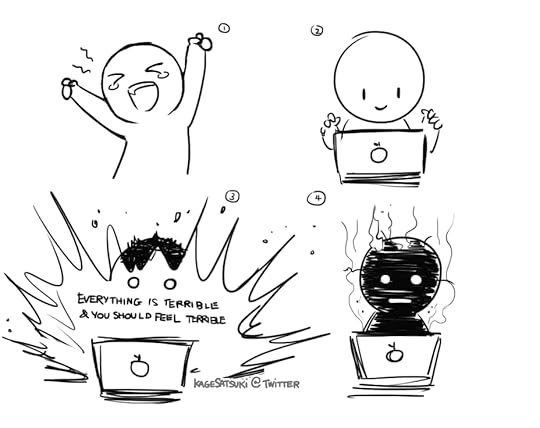
Of course, newspapers and news broadcasts have been sharing
these stories for years- long before social media became the norm, but
something feels different now. The way that social media has facilitated
constant engagement with current events and news makes it feel almost as if
we’re personally experiencing every tragedy shared. The newsreel feels
inescapable- between the actual broadcasting and the response posts, live
videos, commenting, petitions and outrage culture that follow, it’s no wonder
so many of us are stressed out, freaked out and in some cases, traumatised.
Guilt and shame
Social media is the perfect breeding ground for guilt and shame, too. There is always something to feel inadequate about online, and someone willing to further this feeling with insults or shame. Whether it’s your faith, sexuality, political views, ability, lifestyle or personal beliefs- you will be told it is either ‘too much’ or ‘not enough’. Vegans, Christians, conservatives, feminists, the LGBTQIA+ community, atheists, those on either side of the abortion debate, deconstructionists, exvangelicals, professionals, whistle-blowers, millennials to boomers and an infinite number of other people groups experience bullying online. It doesn’t matter who you are, you will be guilted, shamed and probably drawn in to responding in anger yourself- continuing the cycle of unhelpful discussion and bullying. You’ll also have labels slapped on you and torn away because ‘you really can’t be abc if you say/do xyz!’ and your personal beliefs will be treated as public property. They will be trashed no matter how diplomatic you try to be, or how sacred they are to you. Even the most stoic among us will feel it. This is not the only source of online guilt and shame though.
You know those temporary charity stands that set up in busy
shopping malls, the ones that make you feel a pang of guilt when you completely
ignore their friendly greeting? Social media is like an everlasting line-up of
these pop-up stalls, only they’re easier to ignore. But shame still clings to
your skin when you log out without participating or giving.
Social media is a great tool for activism and awareness.
It’s effective for creating global and cultural change and it’s given a means
to support the organisations and individuals who need it the most, which is incredible.
However, doesn’t it just feel so overwhelming? Every person has their own
passion and cause they want to pitch. Whether it’s sponsoring children or
gorillas, supporting vulnerable and sick people, reducing meat or plastic
consumption, empowering the abused, signing up to a charity that puts little
hats on chickens or a crowdfunding campaign to buy a prosthetic leg for a child
who lost theirs- there is always need. The reality is, we can’t support every
cause. It’s impossible, yet we feel the pressure to try. We constantly feel
like we’re not doing enough.
How do I escape?
What do we do with this stress? How do we cope with the dryness that endless hours of scrolling and viewing can cause and the emotional burnout, depression and anxiety we feel? I personally want to throw my phone out the window and yell at everybody, to be honest. Then I want to curl up in a little ball and escape our loud world. That’s not practical though, at least not in the long run. What we need is some self-care in an age of social media.
Start with curating your feeds.
Curating your social media feeds to suit your needs and purposes is a vital skill to learn in order to have a happy online presence and to protect your mental well being. This is something I am working on myself.
I don’t think the solution to the emotional toll of social media is to go off the grid and disappear, I believe instead of running away, we can embrace the gifts of our new online world and work with it to create something that inspires, encourages, and helps us stay connected to the people we care about. There’s nothing wrong with taking a break, even an extended one, but I think generally we need to stay connected online to remain engaged with modern reality and our real-life friends, we just need to take our power back.
I don’t think the solution to the emotional toll of social media is to go off the grid and disappear, I believe instead of running away, we can embrace the gifts of our new online world and work with it to create something that inspires,…
Click To Tweet
How? Start with deciding what you want from social media. What purpose do you want it to serve? Use this as a guide for what you allow in front of your eyes and what you choose to share.
Your social media accounts are yours. You get to choose what you see on them, what you post and who you let see this content. You hold the power. You no longer have to feel obliged to remain ‘friends’ or ‘like’ pages that cause you stress. You don’t have to engage in the fist-fight that is the comments section- even if you’re trying to speak reason. You are free to step back from the quagmire of opinions that send you spiraling into a post-modern pit asking ‘what the hell is truth?!’. You can let go of these things, and simply unfriend, block or delete any pages or people who aren’t building you up. Even if they’re friends or family members. Likewise, go and like pages and friend request people who bring light to your feeds, who make you a better, stronger and happier person. Make your social media feeds safe spaces for you, and those you care about- whatever that looks like for you.
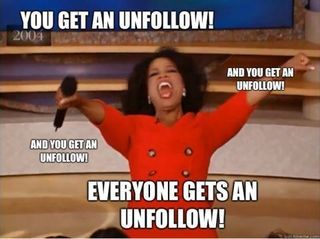
Practice slow activity
Another practice to help you step away from the screen’s
power is to restore your mind by spending some time intentionally away from
your phone or laptop, preferably in nature or exercising your body. Breathe in
the fresh air and appreciate a sunrise or majestic tree without the filter or
need to capture and share it. Just enjoy the moment on your own, or with a
friend knowing it is sacred because this exact moment will never happen again.
As well as taking time to enjoy the outdoors and move your body- maybe even
leaving your phone at home, try other ‘slow activities’ like reading a book, cooking
or simply watching a movie without simultaneously scrolling through your phone.
Switch multitasking for single-tasking and see how your focus and appreciation
for your chosen activity grows.
Be mindful of your time
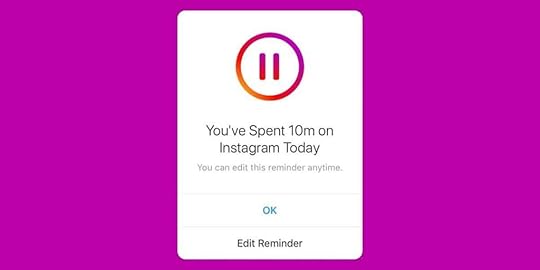
One more thing I’ll be doing, is setting a ten-minute timer on my watch every time I log into Facebook. After ten minutes, I’ve seen everything I need to. The buzz of my alarm shocks me back into reality and prevents me from scrolling for eternity. Instagram now has a timer setting too, you can set it to whatever time you’d like, and it’ll just pop up with a ‘hey, you’ve been on Instagram for xyz minutes today!’ alert, so you can choose if you’d like to continue or stop for the time being. I find it really helps.
And finally, don’t read the comments.
What are your suggestions? Share them below.
*https://www.broadbandsearch.net/blog/average-daily-time-on-social-media
January 22, 2020
Failed your New Year’s resolution already? Here’s how to get back on track
January 1st is the beginning of a brand-new year. It’s a hopeful day, brimming with aspiration for the coming twelve months. Most people use this day to choose a New Year’s resolution, and if you’re a follower of this page, it’s likely that one of your major resolutions was to finally ditch porn for good. How’s it going? Statistically, only about eight percent of people actually achieve their resolutions and nearly 90% have given up completely before January is even over. Sorry for the bad news! But you probably already knew this from experience.
Whether you’re going strong, have fallen off the wagon or the wagon has crashed into a tree and exploded into flames, there’s no need to give up hope. Now is the time to reinvigorate those resolutions and get back on track. You can make them stick, for the next twelve months and beyond. You just need to do these three simple tasks:
Rethink your words.
Instead of a resolution, set a goal.
I’ve used the term ‘resolution’ a few times in this blog because it’s familiar language at this time of year, but we need to rethink our words. Let’s be real, a resolution is nothing but a fantasy. It’s not a plan, it has no direction. Instead of simply stating what you desire, set a goal.
A goal is an idea of the future or desired result that a person or group of people envision, plan and commit to achieve.
The difference between a resolution and a goal, is that the latter actually requires a plan of action by definition. If your ‘goal’ doesn’t come with some kind of plan, you’re dreaming.
Let’s talk about creating a goal and plan of action. What do you need to do?
1. Choose your goal. Make sure it’s specific and achievable. Instead of simply ‘never, ever watch pornography again’ why not try specific goals such as:
Meet with my accountability partner once every week for twelve monthsBook in with a counsellor/psychologist and stick with it for six monthsWork through Restored: A Woman’s Guide to Overcoming Pornography Tell my accountability partner every time I lapse, and never give up the battle
2. Consider your ‘why?’ What’s your motivation? What will the consequences be if you do/don’t follow your plan? How will achieving your goal improve your life? Write this down and come back to it as motivation when the journey gets tough.
3. Consider what it will take to achieve this goal of yours. Write a list. Be specific and practical, including every step you need to take. This is your to-do list. Do it.
4. Call in accountability. Whatever your goal is, you need support. You need a friend to celebrate the victories and regularly check in to ask ‘hey, how’s that plan going? Are you on track?’
5. Remember, you will make mistakes and that’s okay. If you experience a lapse along the road to recovery or go off track in any way with your goal, the solution is not to indulge a tantrum and throw in the towel until the next New Year’s Eve comes around. The solution is to learn from it. It’s okay to mess-up, this is simply an opportunity for growth. Part of the process of achieving your goals is learning what works, what doesn’t and adjusting the plan accordingly. Create space in your plan of action for flexibility and change, and keep reviewing it, especially when something isn’t working. Don’t give up just because you can’t be perfect.
Don’t give up just because you can’t be perfect.
Don’t focus on
restrictive goals, include positivity in your plan.
Facing up to a pornography problem and working on getting free can quickly become a very negative, restrictive task if you let it be. Obviously, this process is going to involve restriction, you need to do everything you can to avoid old problematic behaviours. However, you must focus equally, if not more, on positive behavioural change. Recovery is like a train track, you have two parallel rails pointing in the same direction, one is sobriety and the other is restoration. Together they move you forward. Restorative or positive behaviours include developing healthy friendships and connecting with loving communities, investing in a project, hobby or interest, practicing a healthy lifestyle by eating, sleeping, moving and treating your body well, spending time in nature and challenging yourself to step out of your comfort zone to enjoy new experiences. Recovery isn’t just about not watching pornography, it’s about creating a life you love. Some goals you might want to consider for this year include:
Join a sports team, gym or pick up a new physical skillJoin a board-game or crafting club Learn a new language Participate in a physical challenge e.g obstacle course/fun-runMeet once a week with a friend for coffeeRejoin a church, Bible study or spiritual community Commit to seeing a counsellor regularly Spend at least 30 minutes in nature every day/week Read/listen to a certain number of novels or nonfiction books this year Consume at least 3 serves of vegetables/fruits dailyDo something you’ve always dreamt of doingGo to bed/wake up at regular hours that work best for youWalk (or sit outside) for 20 minutes every day
These are just a few examples from my own journey. Your restorative goals can be totally unique! We all have different physical/mental abilities, budgets, living arrangements, social circles and access to services and opportunities. Choose goals that work for you!
Remember, every moment
is a fresh start.
Mondays and New Year’s Eve aren’t the only times you can start fresh! Every moment is a new opportunity to begin again. Waiting for a ‘fresh start’ to come around is simply an excuse to continue indulging in unhealthy behaviours. Annie Dillard says ‘The way you live your day, is the way you live your life’. If you want to live a happy, recovered life- start the work immediately after a slip-up.
Waiting for a ‘fresh start’ to come around is simply an excuse to continue indulging in unhealthy behaviours.
So, if you’ve messed up your New Year resolution already (like most people have), you now know what to do. Turn that fantasy into a goal with a workable plan of action, remember to focus on positivity and never, ever give up just because you made a mistake. Keep going! This is how you achieve your goals and make it to December 31st with pride in your heart, rather than shame. It won’t always be easy, but it is possible and it will be worth it.
If you’re not sure where to start with your plan of action, head to ‘Get-Help’ and discover six steps to beginning the journey, plus many more great resources listed by topic.
Getting Real: Samantha’s Story
My battle with
sexual brokenness began long before I discovered porn.
I grew up in a home where I constantly felt unloved, rejected, afraid, and ashamed. I could never do anything right and I was always in trouble. My mom hated me and my dad acted like I didn’t exist. The verbal and emotional abuse of my mother left me feeling heartbroken and anxious on a daily basis, while the neglect of my father left me feeling worthless and alone. My home was not a safe place, in fact, my home was the place where all of my problems lived and thrived – and I desperately wanted to find a way to escape them.
Since
I couldn’t find the comfort and safety and love I needed from my parents – and
since my relationship with God at the time was completely nonexistent – I began
to search elsewhere to get my needs met.
That
search during my sophomore year of high school led to promiscuity, nude photos,
nights of underage drinking, sexual abuse, and eventually, rape.
That
became one of the worst years of my life. I was a broken and worn out 15 year old kid
who just wanted to be loved and valued for who she was, but every “so-called
solution” just led to more hurt, confusion, loneliness, and pain.
So
I decided to try one more thing… pornography.
Porn
quickly became my sweet escape. I would
come home from soccer practice after school and I would immediately lock myself
in my bedroom. The rock music would
blast from my radio (drowning out the yelling and fighting coming from my
parent’s room) as I’d sit on my bed, and a number of pornography videos would
fill my computer screen. At first, I
felt gross – unsure of why those images aroused me and curious if I was the
only female in the world who looked at this kind of stuff. But the more I explored and the more I watched
– the more it took over my life and the less I cared.
The
only thing that mattered to me was that I finally felt comfort – and when I
added masturbation to the mix, I also felt relief. That combo quickly became addictive. I wanted to remain in that state of ecstasy
and afterglow forever, but I couldn’t.
The feelings of release brought on by the intense orgasm rush would
rapidly fade only to be replaced by feelings of intense shame, self-hatred, and
disgust. The one “cure” that seemed to
be easing my pain was also destroying my life.
The guilt began to eat away at my insides while I spiraled down into a
deeper depravity. Over time the videos
got worse with more violence, objectification of women, homosexuality, and
perversion – and the masturbation became more impulsive. I was so embarrassed and ashamed of my
addictions that I never spoke about them to anyone. Porn and masturbation became two heavy
burdens that I carried around secretly, and the weight was suffocating me.
At
17, I decided to become a Christian. I
fell in love with the Gospel message of grace that a friend had shared with me
at school, and I wanted to know this guy named Jesus who apparently loved me
unconditionally. I remember reading a
paraphrased version of Romans 5:8 that said, “I have loved you even in your
darkest time,” and it shook me to my core.
I never thought that anyone could love a girl like me – a girl who felt
worthless, dirty, gross, and abused – but it sounded like Jesus could. I knew I needed His help to overcome my
addictions and my sin, and I knew that He was the only One who could offer me
the love and healing that I could never find in other people, so I gave up the
secular life and became a believer.
But
I didn’t give up porn.
During
this period of my life, I was distraught.
I couldn’t understand why Jesus didn’t simply take my addiction
away. He knew how much I hated porn, He
knew it was destroying my life, and He knew that I wanted to be free, so why
didn’t he heal me? Why was I still
addicted to porn and masturbation as a Christian? What was wrong with me? Would I ever be free?
Those
questions haunted me for years.
Throughout
college, I secretly suffered with my addictions while attending church on
Sunday mornings, leading bible studies on Wednesdays, and volunteering with
youth camps during the summer. I was
living a double life and I felt like the biggest hypocrite alive. All of the Christians around me seemed so “perfect”
and so “holy.” I felt like I couldn’t be
honest by showing them my true self because they’d probably just reject
me. I was so worried that if my
Jesus-loving friends knew about my addictions, they would hate me, judge me,
shame me, or kick me out of church. Fear
kept me in bondage and I was too ashamed to ask for help. So, I fought alone. I tried to stop, I made rules, I set
boundaries, I created punishments, I used accountability software, and I would
even yell at myself in the bathroom mirror.
None
of that worked… until one day when I decided to give up.
Yep,
you read that right. I gave up.
I was in the middle of yelling and cursing at my Heavenly Father in prayer, while lying flat on my bedroom floor in despair when I heard Jesus speak. It wasn’t audible, but I knew that the revelation I had in my mind and heart was coming directly from Him. He said lovingly, “Hey my girl – stop trying so hard. Stop trying to save yourself. Stop trying to heal a wound that you can’t heal. You are not strong enough for this, but I AM. You can’t do this in your own strength, but you can do it with My strength. Please let me help you. I love you.”
At
that moment on my floor (after tons of tears), I made a choice to
surrender. For years I had been trying
to cover up my “bullet holes with bandaids.”
I was trying to heal my wounds and my trauma and my shame with shallow
coping mechanisms, and it was backfiring badly.
Those wounds that I carried were becoming infected and my pornography
and masturbation addictions were only making the pain worse. I had to stop trying to heal myself, and I
had to let the Perfect Healer take over.
That’s
the moment when my true healing began.
My
pornography and masturbation addiction lasted about 7 years until I could
finally declare my freedom. This
restoration process required blood, sweat, and tears – and sometimes even throw
up. It required lots of grace, tons of
truth, and some intimate relationships with a few wonderfully authentic
people. I had to learn how to be
completely honest with myself, God, and others as I sorted through my
struggles. The costume and the mask I
had been wearing to hide my addictions had to come off and that was risky, but
it was also incredibly worth it. I had
friends who showed me love on my worst days, friends who knew the ugliest
qualities about my addictions and didn’t shame me, and friends who constantly
reminded me of my identity in Christ. I
also had an incredible counselor who taught me that I didn’t have to fight
alone, that I was worthy of love, and that healing from sexual sin and brokenness
was possible. (He’s still my counselor today!)
Now
don’t get me wrong – I relapsed a lot, I gave in a lot, and I triumphed a
lot. There were days when I felt like a
failure and there were days when I felt like I could truly do anything through
Christ who gave me strength (Phil 4:13).
This journey has not been a perfect one, and it’s far from over – but it
has shown me that nothing in this world (no addiction, no trauma, and no hurt)
can conquer the power of Jesus’s redeeming love in my life.
I
still have to make the conscious decision to “give up” and surrender every
single day. My mind is still being
healed and renewed from my trauma and my addictions, and I am still learning
how to embrace and celebrate my God-given sexuality as a Daughter of the
King.
And
lastly, I want to share a few words of encouragement for my dear friends who
are reading this….
Take
courage.
Persevere.
You
may feel alone, but you are not alone.
Healing
is possible.
You
are loved.
December 29, 2019
Three recovery podcasts you should be listening to
It seems podcasts are the latest fashion in the media world. To be honest, I may have completely missed the podcast boat if my husband hadn’t gotten so deeply enthralled by them. I would sit in the car with him and listen to podcasts on science, engineering, religious deconstruction and a range of other random topics. At first, it wasn’t really my thing, I’d just tune out or scroll through Facebook while he drove. I didn’t care for the endless chatter and opinions, I’d rather spend my downtime sitting in nature, having a nap or reading a book (and all the introverts say ‘Amen!’).
However, as I looked into the big wide world of podcasts, I discovered an entirely new recovery community, and I was impressed. I think I may have exhausted the internet’s supplies of female sex addiction blogs and my bookshelf is overflowing with resources, so the discovery of a range of porn addiction recovery podcasts was a breath of fresh air. Here, I discovered compelling stories, new methods of healing and up-to-date information, specifically for women. The information was so fresh, it was coming out every week, or even every few days, and I loved it.
I discovered many fantastic resources for women who struggle with pornography, but here are my top three recommendations:
1.Worth recovery
Worth Recovery is a fantastic podcast developed and hosted by Amy Smith for women who struggle with sexual addiction. She is a recovering sex and food addict herself, and this podcast is her way of giving back and adding a woman’s voice to the conversation surrounding sex addiction.
In this podcast, Amy shares her own recovery
experiences and thoughts as she continues to keep herself on the road to
recovery. Worth Recovery is all about dispelling shame and building hope in the
lives of recovering women.
It is a down-to-earth, practical and engaging resource which speaks uniquely and directly into women’s lives. Episodes are easily digestible, and keep to a realistic time limit (20-30 minutes) but definitely have enough content and gusto to get you reflecting and challenging yourself to a better life.
It is informative, encouraging and most of all,
a safe place for women who feel disheartened and alone.
Find Worth Recovery podcast here.
2. Love junkie
The Love Junkie Podcast is hosted by Shena Tubbs, Licensed Professional Counselor with years of training in Marriage and Family Therapy. Shena’s specialty is working with survivors of trauma and abuse and those who struggle with love, sex and porn addictions, co-dependency and boundaries.
The Love Junkie podcast is a project Shena runs on the side of her therapy practice. The podcast is dedicated to giving hope and practical advice to those who struggle with love addiction (the persistent pursuit and fantasy of unavailable romantic partners), sex/porn addiction, codependency, and trauma. Every week, she explores either an issue (providing advice and tools to overcome it) or features a story of someone who has been trapped in unhealthy patterns and has overcome. The purpose of each episode is to help listeners live their best life now, by building a relationship with the most important person in their life- themselves!
Shena has a calming and friendly presence as a host and has a great deal of expertise to share with women struggling with sex, porn and masturbation addictions. Each episode finishes with a challenge or activity to consolidate what listeners have just heard, which makes this an extremely effective recovery tool.
Find Love Junkie podcast here.
3. Sex, Love and Addiction 101
Sex, Love, and Addiction 101 is hosted by Dr Robert Weiss, licensed therapist, sexologist and author of numerous books including Sex Addiction 101, Out of the Doghouse, Cruise Control, and Always Turned On. He has spent more than 25 years treating, educating, and writing about intimacy and sexual disorders and was even kind enough to endorsed Restored!
This podcast is not specifically for women, but nonetheless there is an abundance of expertise and advice contained in every episode which has incredible value for any person in recovery.
The aim of Sex, Love and Addiction 101 is to create a forum where you can learn about sex, love and relationship addictions in frank, informative, recovery-focused ways. Dr Rob’s primary goal is to bring you advice, opinions, and feedback from experts around the world on sexual addiction, sexual trauma, relationship infidelity, and love addiction.
Find Sex, Love and Addiction 101 here.
Check them out
I do hope you will investigate these three resources. Whether you’re already a podcast junkie or have no idea what app to download to start your listening journey, I encourage you to pursue them. Each and every one of these podcasts will add to your recovery and challenge you in ways you don’t even know you need yet!
Have
you got another recovery podcast you think should make the list? Share your
recommendation and reviews in the comments!
December 24, 2019
Yearly recaps making you feel like crap? You’re not alone.
As 2019 draws to a close, we enter the yearly recap phase on
social media. You know the drill- post a cute picture of yourself from the year
that has been and proudly announce your biggest wins and most significant
moments, not forgetting to thank the special people in your life. It’s like an
Oscar’s speech. Only, you probably haven’t done anything as cool as Christian
Bale. I don’t know, maybe you have. Anyway, this year is extra special, too.
It’s the end of a decade! (full
disclosure, I saw people posting about the end of the decade and had to google
how many years that was. Tell me I’m not alone!). This means there’s not
only the usual twelve-month summaries coming at us left, right and centre but a
whole decades worth!
Social media has provided a platform to share the highs,
lows and endless selfies of life. It’s a great tool for connecting with others
and some of those yearly recaps or triumphant life event announcements are
really meaningful. It’s nice to share your victories with the world and receive
well-earned validation and encouragement. One of the most significant moments
for me this year was being able to publicly share that Restored was finally published. I
get it, and I see nothing wrong with public reflection and goal-setting.
But let’s be real, there’s more than a bit of shame that
comes with these recaps and announcements. When your newsfeed is swimming with
happy reflections on the past year and you can’t escape the loved-up couples,
sweet baby faces, major fitness-related wins and career or study achievements,
it can hurt. Social media yearly recaps invite comparison, unintentionally or
not. Behind the ‘love’, ‘like’ and ‘wow’ reactions are often real people
experiencing real jealousy, feelings of inadequacy and longing. Questions start
to stir- why wasn’t my year that good?
Why don’t I have anything special to share? Maybe I need to try harder next
year, lose that weight, finish study, get that job, take that extravagant
holiday? Being inspired by another person’s accomplishments isn’t a bad
thing, neither is goal-setting and acknowledging where you messed up in the
previous year- but I do have a problem with the shame that so often rides on
the shoulder of comparison- particularly when it originates online, aka the
shrine of perfection.
I hate shame. I’d like to be remembered as a woman who
fought against shame with all her might, for all her life. As part of that, I’d
like to share my ‘decade recap’. The real one, with the great achievements
right next to the giant potholes I fell into along the way. Here it is:
Gained 20kg Got hit by a truckFought hard for four years to get an insurance payout for my injuries Was diagnosed with a fibromyalgia and chronic fatigue syndrome Started Olympic weightlifting and power-lifting Lived mostly symptom-free for 18 months Graduated from The Australian College of Theology with an advanced diploma of theology Experienced a serious flare-up of CFS and became housebound Had a major depressive episode (well, a few to be honest) Spent the best part of the decade in therapy Came off all medication (for physical and mental illness) Moved houses four times Had my first big fight with a friend Lost some good friends and gained some new ones Experienced healing in my relationship with my parentsExperienced wounding in my relationship with my parents Wrote and published a book Travelled to the U.S for the CESE Summit Had the worst flu I’ve ever had and vomited for two weeks straight Listened to friends cry, grieve and have panic attacksCried, grieved and had panic attacks Worked for a church, got bitter, burnt-out and left. Made peace and amends with this church and moved on. Questioned my faith. Questioned theology. Questioned Christianity, tradition and leadersCried over unexpected pains in marriage Attended too many funerals Insulted people, hurt people and said stupid stuff Spoken on women and pornography at amazing conferences all over Australia Cried in the shower in the dark. Got hooked on pornography and hated myself for not being able to stop Lied Cooked a lot of amazing mealsSelf-harmed Grew in confidence and empowerment Had sex for the first time Lost 7kg Learned to love my body no matter how it looks Worked hard to finally overcome my compulsive pornography use (with a lot of help)Won a national unicycle competition (yes, that’s a thing!) Entered into and left an emotionally abusive relationship Lived in anxiety Played the victim card for too long Got married to one of my closest friends (who was also my high-school crush!) Had a terrible bowl cut Sold over 700 copies of Restored and hit bestseller status
And, there’s been a lot more. I can’t summarise the last ten
years in one blog post, but know there have been huge highs, crushing lows and
a lot of boring mediocracy, too. What I want to say in response to the recap
trend and the shame it can bring is that it’s not just the highlights that
define us, it’s the lows as well. It’s what we go through, what we survive.
That’s what I want
to say, and there is some truth to that statement but in reality none of these
things truly define us. Sure- the good, the bad and the really, really bad build
our character, they change us and the way we live for better or worse and can have
a lasting impact on our lives and relationships… but we are more than what we achieve
or what happens to us. Our identity Is forged by something deeper, something
that can’t be taken away- love.
You are so, so loved. Seriously. You are messy and you are worthy.
You are human. You are known by God. This is who you are. Don’t forget this as
you scroll through your friend’s yearly recaps.