Rob Sayegh Jr.'s Blog
June 12, 2025
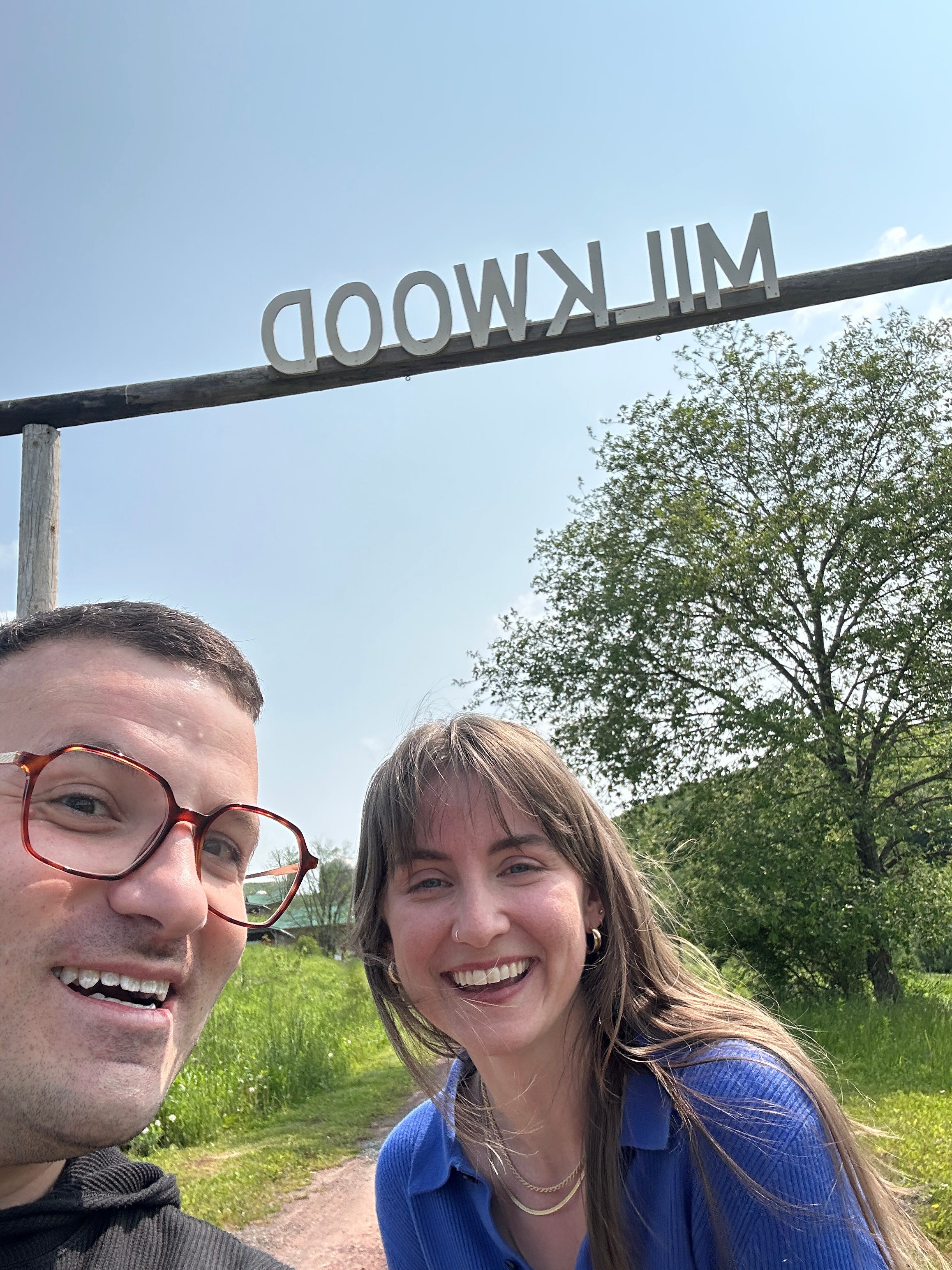
The Magic of Milkwood
This past week, I had the extreme fortune of being one of ten children’s book creators to participate in the Milkwood Residency program.
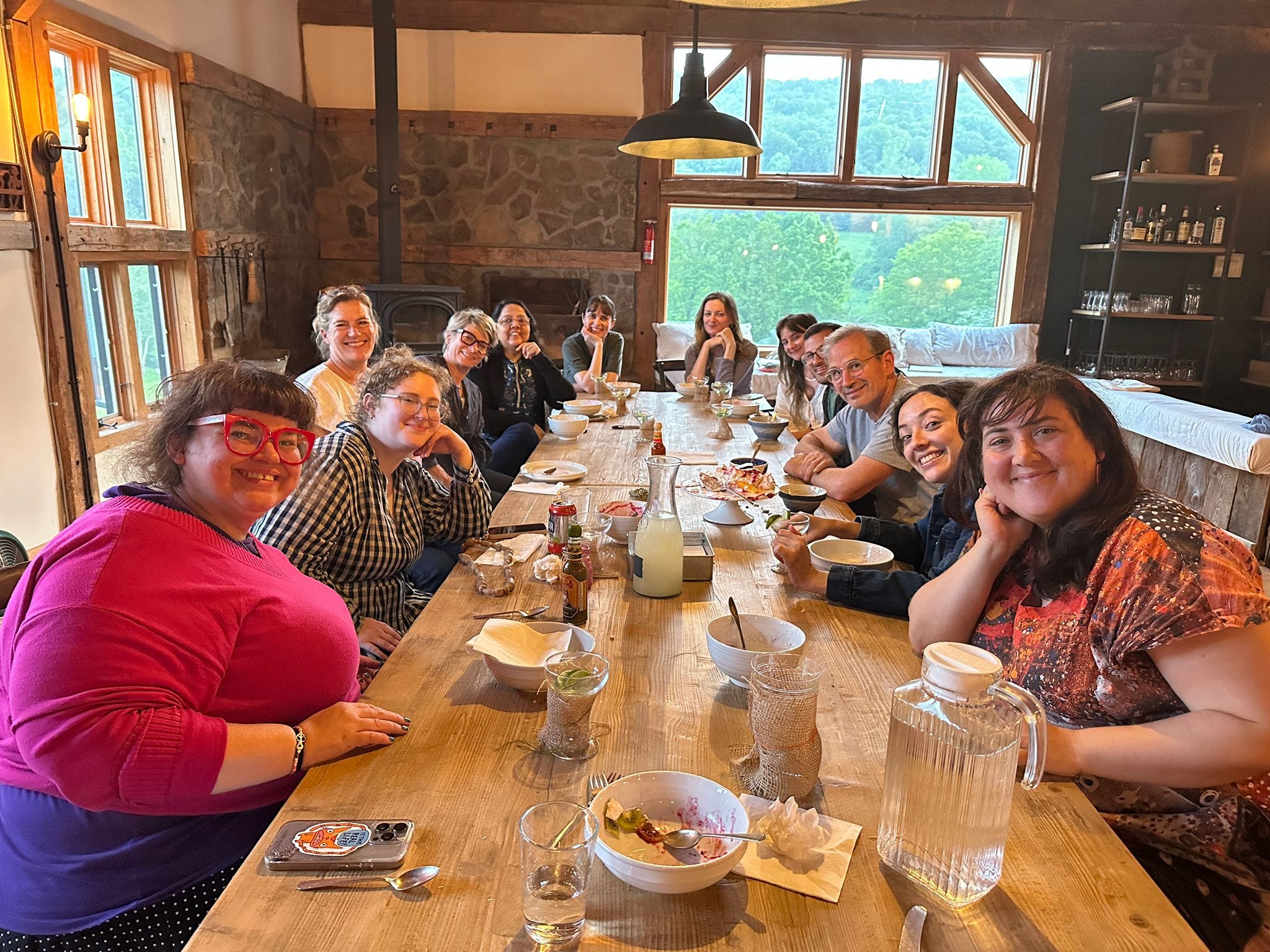

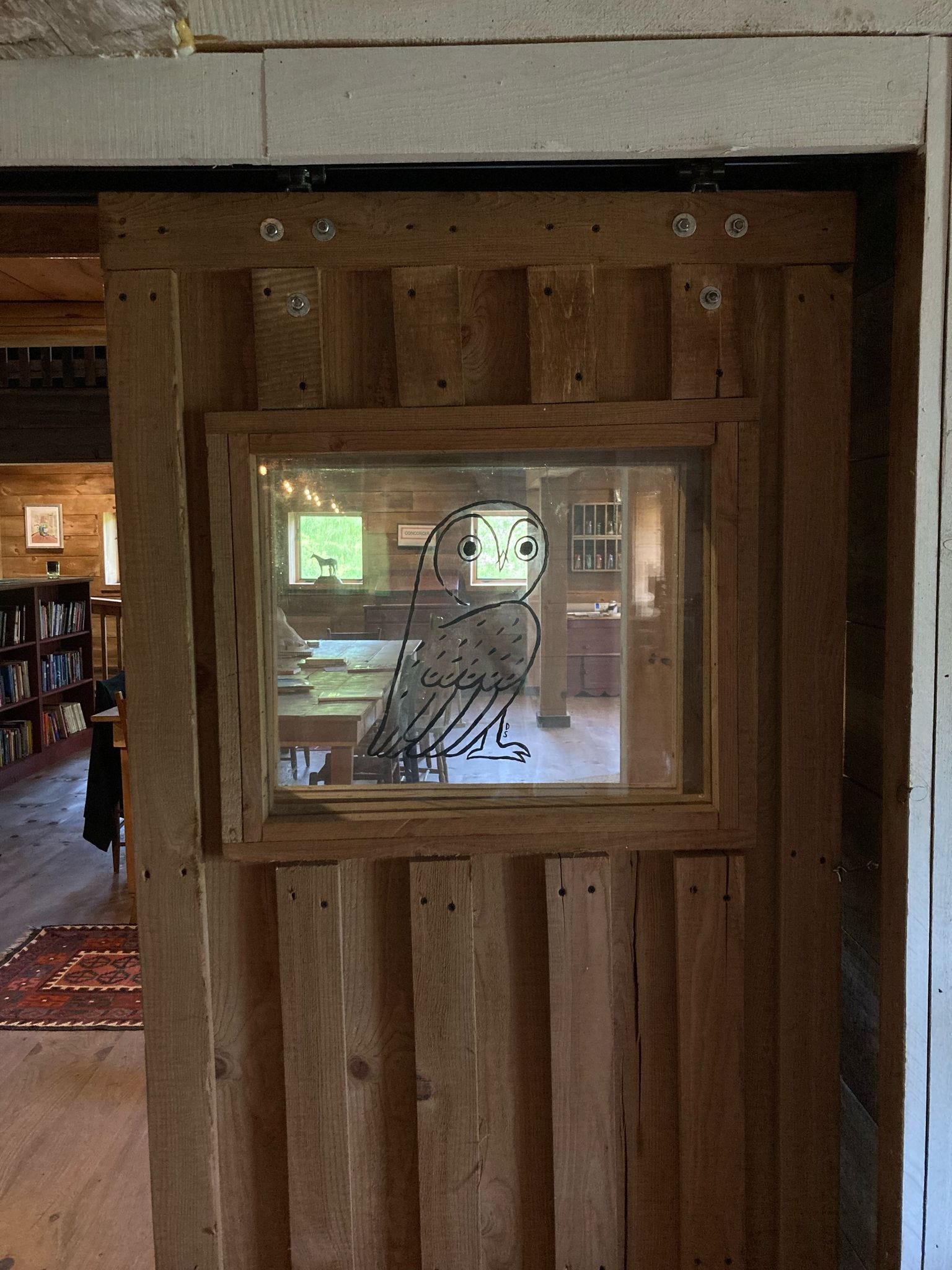
For those of you who don’t know, Milkwood is a creative retreat center for the children’s book community created by Sophie Blackall, an author and illustrator, and Ed Schmidt, a playwright. Sophie and Ed converted an old dairy farm in the Catskills that was initially built in the 1850s into a creator’s paradise. Every nook and cranny of the space is complete with the most wonderful details and dazzling aesthetic that pictures just don’t do justice. This post alone could be about how stunning Milkwood is. But it is also so much more than a beautiful piece of architecture and design.
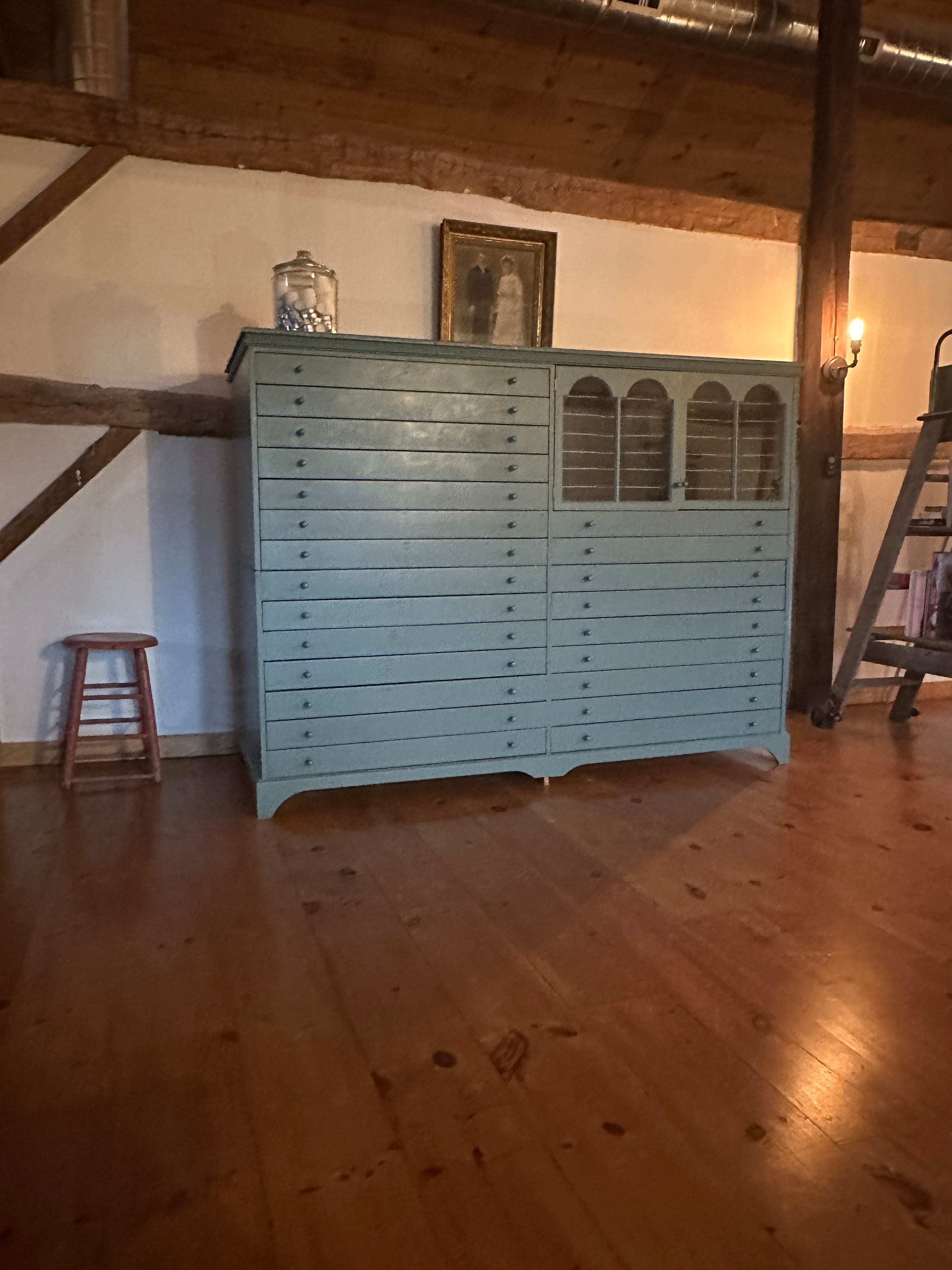 Maurice Sendak’s Flat Files
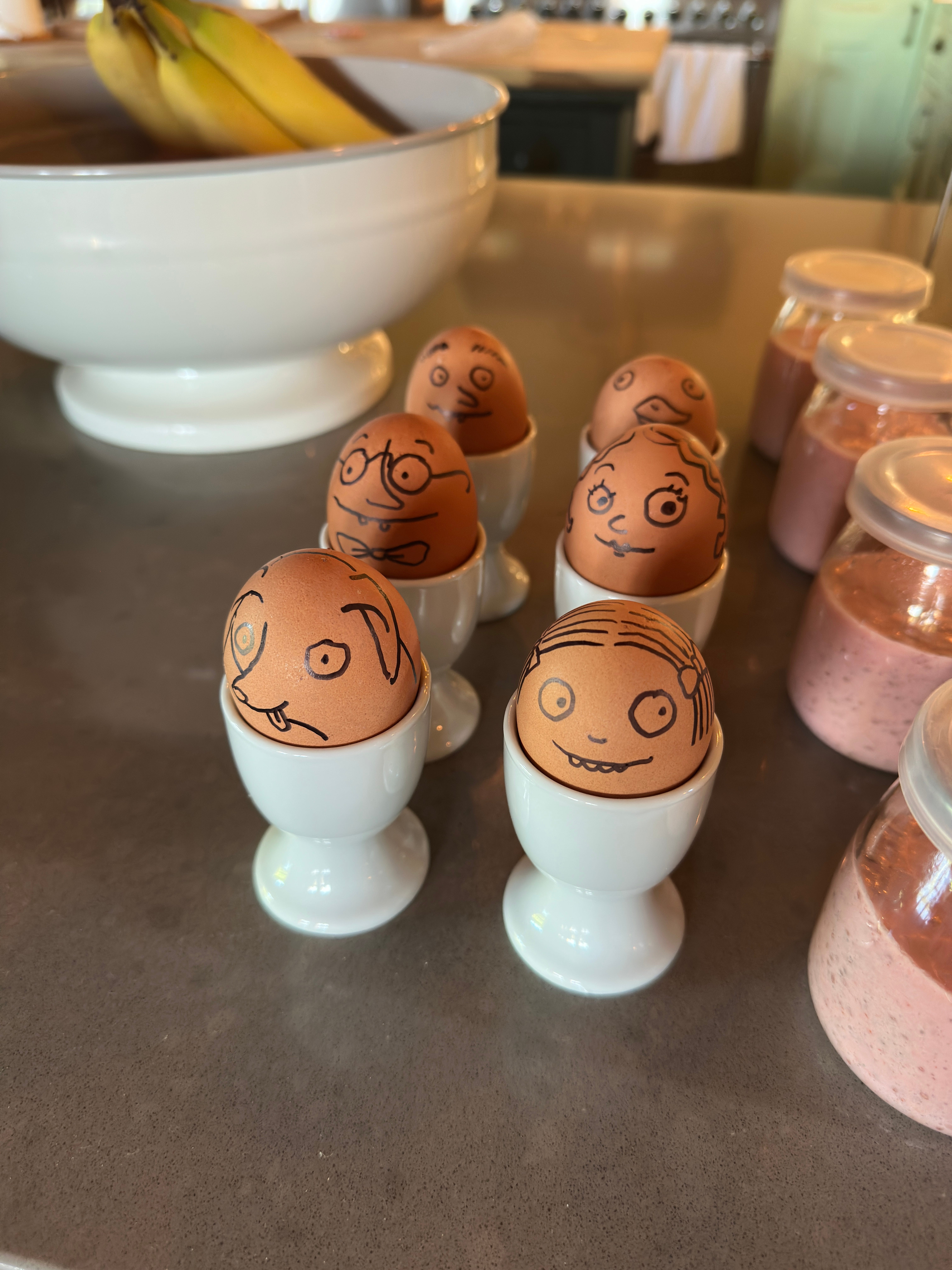
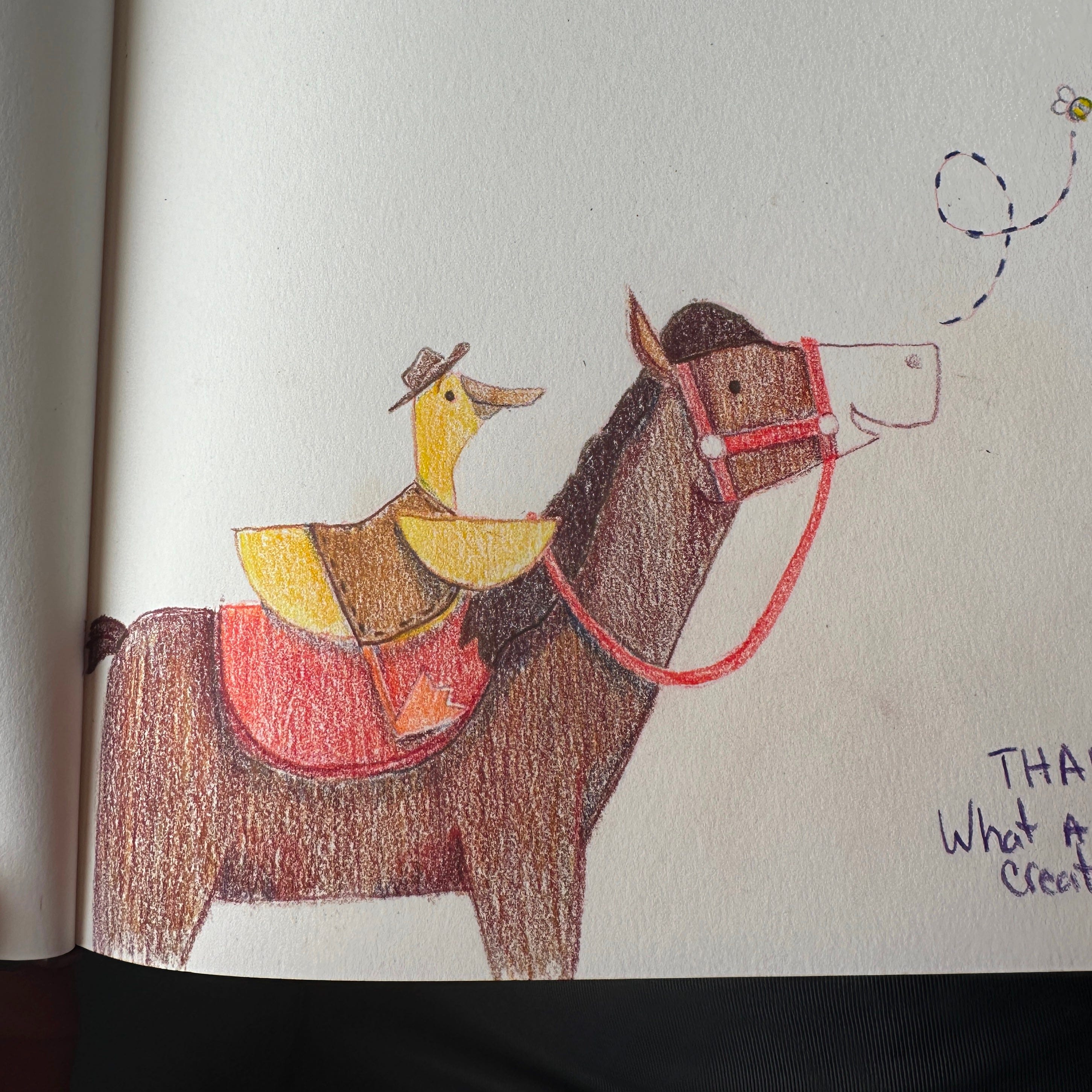
For seven days, I was lucky enough to call Milkwood home. I didn’t know what to expect before arriving at Milkwood or even what I would be working on for the week. How comfortable I would be living with nine other strangers, and whether I would be able to accomplish anything within the timeframe. What I walked away with, however, was a feeling of overwhelming joy, passion, and love for the children’s book industry and the people in it. My cohort and I quickly bonded over not only our love of children’s books but also the process of making them. We shared our hopes, our dreams, our inspirations, our love for Sophie and Ed’s ducklings, who grew with each and every day, our problems, and our unending desire to make for 7 wonderful days. There are no personality questions on the application for Milkwood, but I don’t think 10 other people could have blended so easily than my colleagues and I. I believe this is due to the magic of Milkwood. It was so easy to be swept away by the spirit of this place. By all the creators that came before our group. By the 5,000 books and growing library. Through the meals, we shared with each other. By the small and big conversations. By the laughter that filled room after room. Through the impromptu critique sessions, where we learned countless lessons from one another. Milkwood was special enough on its own, but something magical happened when ten creators entered that barn on a Monday evening and gathered for dinner and cocktails.
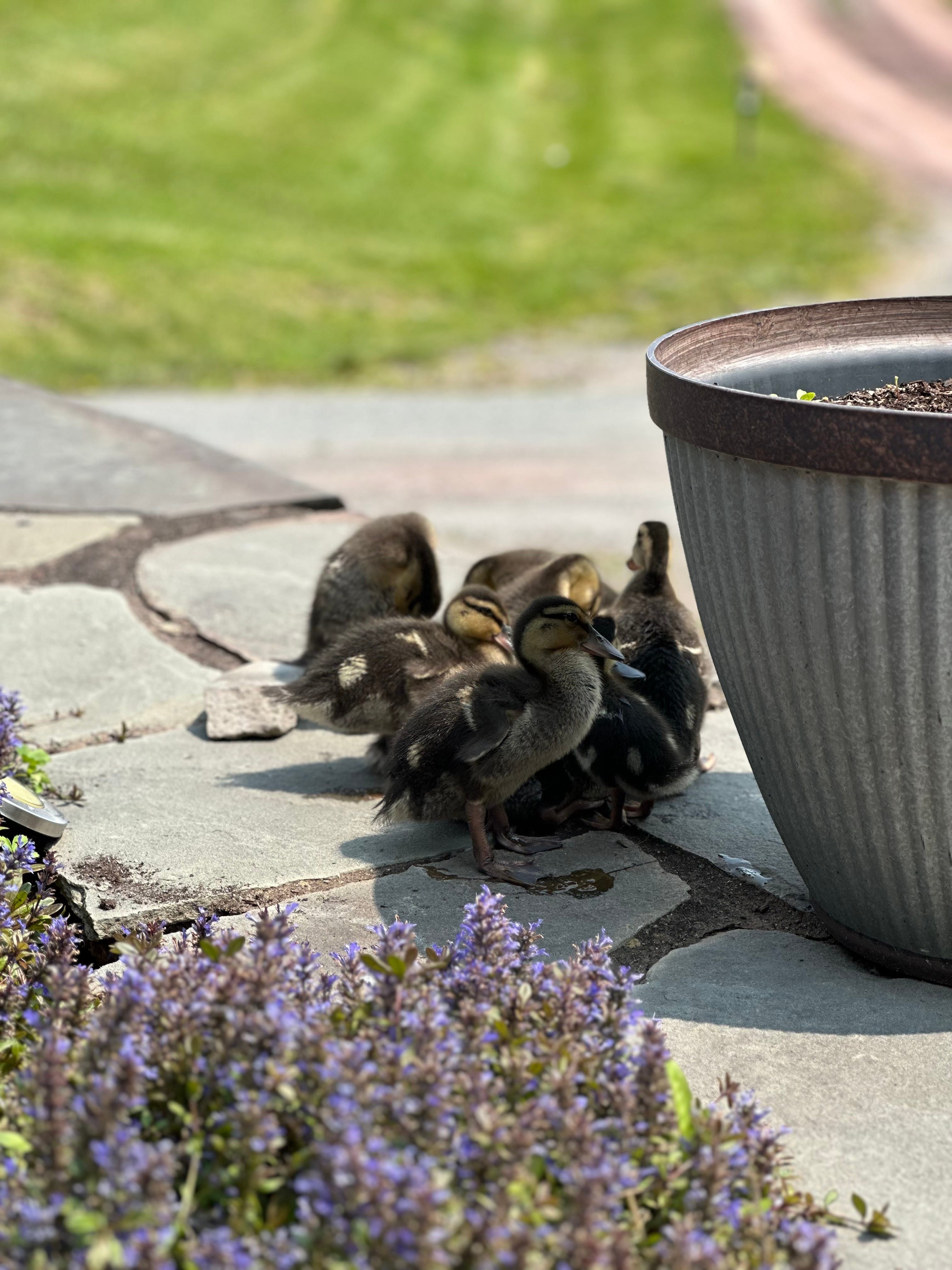
I traveled back home to San Francisco, happy with the work I had accomplished, the books I had written, and the art I had created. But more importantly, I left with nine friends that I will never forget and will be eternally grateful for the week we had together.
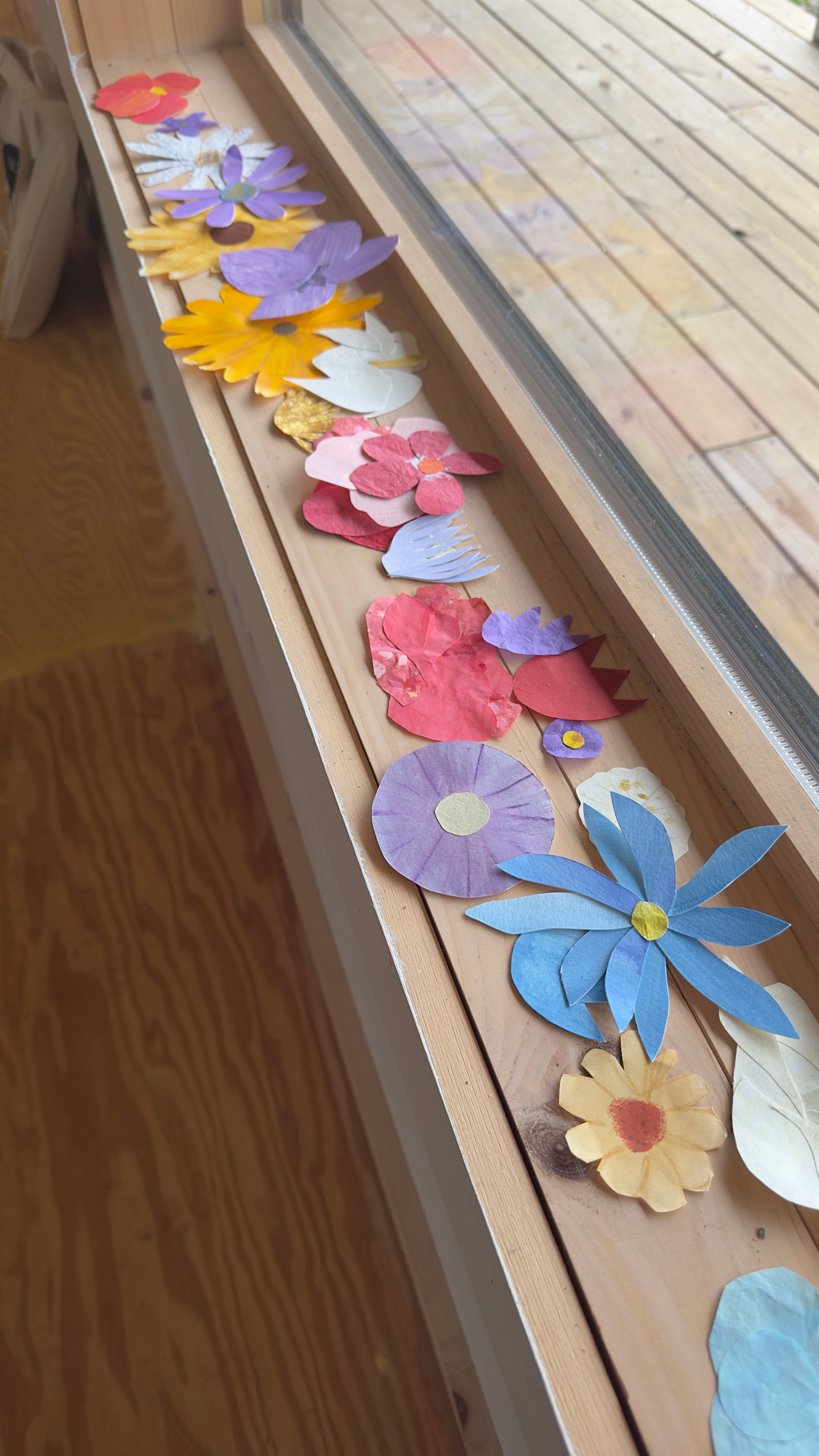 Some flowers I painted while at Milkwood for an upcoming book project.
I cannot thank Sophie, Ed, and Paige for what was an incredible experience I will truly never forget. And to my amazing cohort, who I am so proud to now call friends, thank you for giving me exactly what I needed at exactly the right time.
My esteemed residency colleagues from all over the world included:
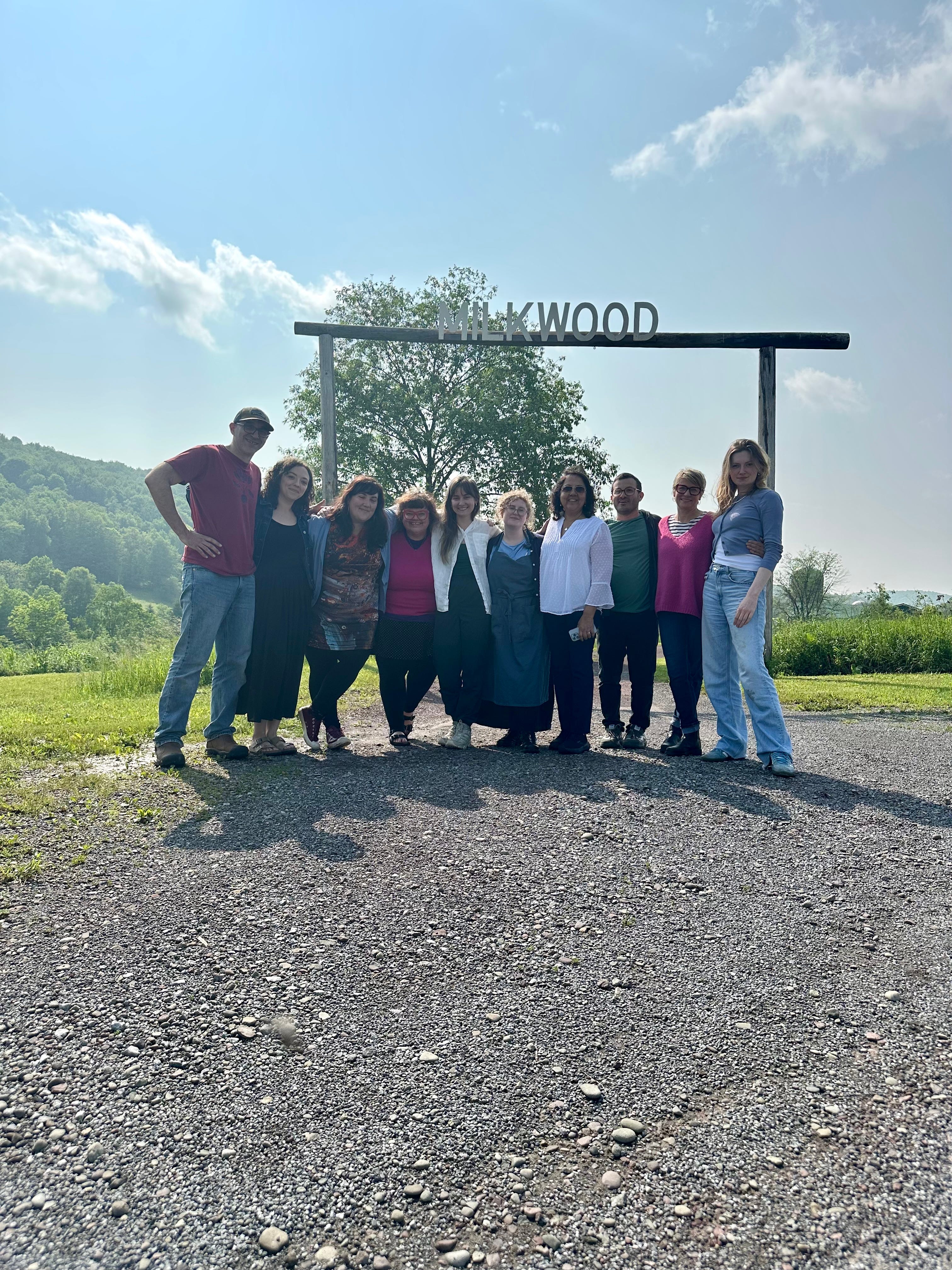
To learn more about Milkwood, the application process, and the grounds, please visit Milkwoodfarm.org. I cannot recommend this place enough, and I hope you all get to visit sometime soon.
Thanks for reading Working with Words & Pictures by Rob Sayegh Jr! Subscribe for free to receive new posts and support my work.


May 27, 2025
Rad Research for Children's Books
Since the release of DAWN PATROL: A FATHER AND DAUGHTER SURFING STORY, one central question I get is, did I always surf? It makes me laugh because I could barely swim before I wrote this book. I had zero surfing ability other than having been curious about learning since moving to the West Coast. What became one of my most significant obstacles to writing DAWN PATROL, soon became one of my favorite things about making it—the research.
In a prior life, I was a toy designer for many years, and research was always part of the job. Later in my career, when I went to Graduate school for Design Management, it became a rigorous part of my coursework and an even bigger part of my consulting career in the toy and games space.
Thanks for reading Working with Words & Pictures by Rob Sayegh Jr! Subscribe for free to receive new posts and support my work.
However, I never had an opportunity to flex those research muscles within children's books because most of my books are about fantasy and anthropomorphic animals. So, it wasn't a massive part of my process until I wrote DAWN PATROL. If I could come up with one takeaway from my design school and graduate school learnings about research, it is that it is very easy to get lost in the content of research, but it isn't until you make it physical and immersive to yourself that the research truly be tested and absorbed. An example of this from my toy design career is that we always make a prototype model of a toy first. It might start as a simple paper model that is cobbled together, then slowly become more refined through the design process, taking key findings from each model stage to improve your final design. I knew at the beginning of DAWN PATROL, due to many factors such as timelines, the sheer amount of knowledge I needed to learn, and my physical abilities, that I would have to design the book to be similar to that of a toy prototype that evolved. As I learned, the book would get better and better. It was a considerable risk, but alas, it was a hole I dug for myself.
I first started with the usual internet resources of YouTube and Google, where I learned a bit, but I also knew immediately that I needed to dive headfirst into the literal water. I convinced my friend Ben to come with me to some surf lessons in Pacifica, a beach here in San Francisco known for its beginner-friendly waves and home to the world's most beautiful Taco Bell.
I give credit to our teachers. They were kind, patient, and so knowledgeable. In my first lesson, I think it took me longer to get in my wetsuit than I was in the water, but nonetheless, it was a lot of fun. As much as the San Francisco surf scene is not for the faint of heart, with its cold temperatures and foggy coastline, Ben and I ended up taking several of these beginner lessons together and, dare I say, got slightly better and better each time. We were incredibly sore, but I also appreciated the physical and mental challenge of surfing. By making it a more physical form of research, I was able to make connections so much easier in my head than I wouldn't have otherwise. Like the fact that the young girl in the book rides "goofy," otherwise known as an alternate stance in surfing, which is not traditionally used as I do. From getting ready for surfing, like driving out to the beach and helping each other with zipping up our wetsuits, all directly came from these lessons. Something I would've never dreamed of writing about from watching a YouTube video. It helped me recognize the importance of small moments that lead to more significant moments and impact, which is genuinely what the heart of the book is about. I did learn rather quickly that as much as I loved San Francisco, I didn't think the environment matched where I envisioned the book taking place.
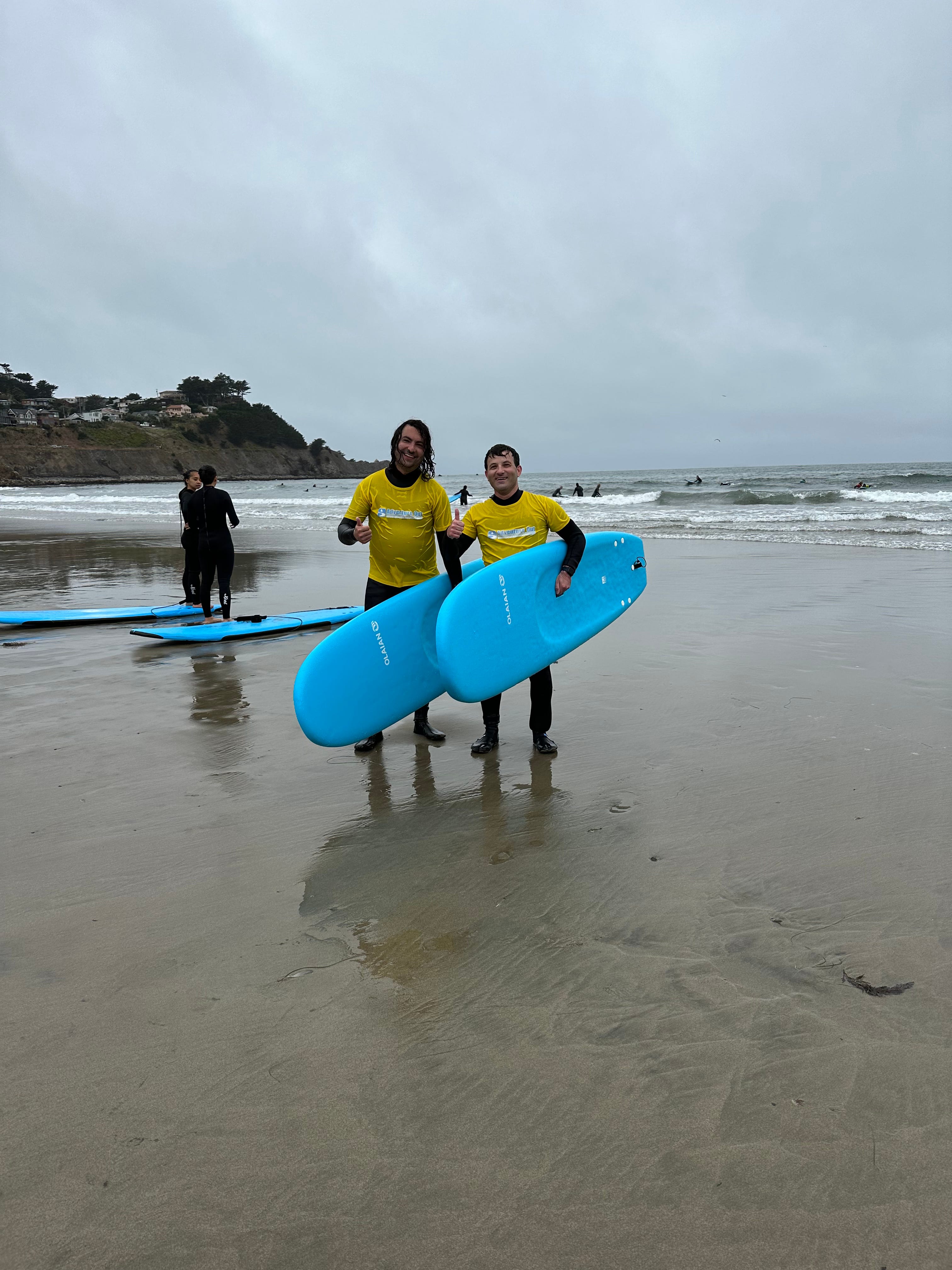 My first surf lesson with my friend Ben.
Luckily enough, a couple of months into making DAWN PATROL, my wife and I were lucky enough to have a family wedding to go to in one of the surfing capitals of the United States, San Diego. I was very excited as we arrived a few days early so I could go surfing there and do some additional research on the locale. To this day, I am so thankful for that trip for many reasons, but mostly because I would have been lost for a home for the book without it. I had another amazing surfing instructor who was easily half my age but answered so many of my questions, not just about the practice of surfing but about how he learned how to surf and why he loved San Diego so much.
My wife and I also went on a few walks and hikes along the coast, and I could take a ton of pictures both as a reference and as a reference for the textures that I used throughout the book. From plantlike to the beaches to even the construction of houses, I can easily say this is where most of my influence was from. It made me wildly excited to get back to work on the book, but also, more importantly, it made the book so much more real for me, which I think is the difference between good and great research. Good research will get you information, but great research helps you to build a world that makes your reader believe is real.
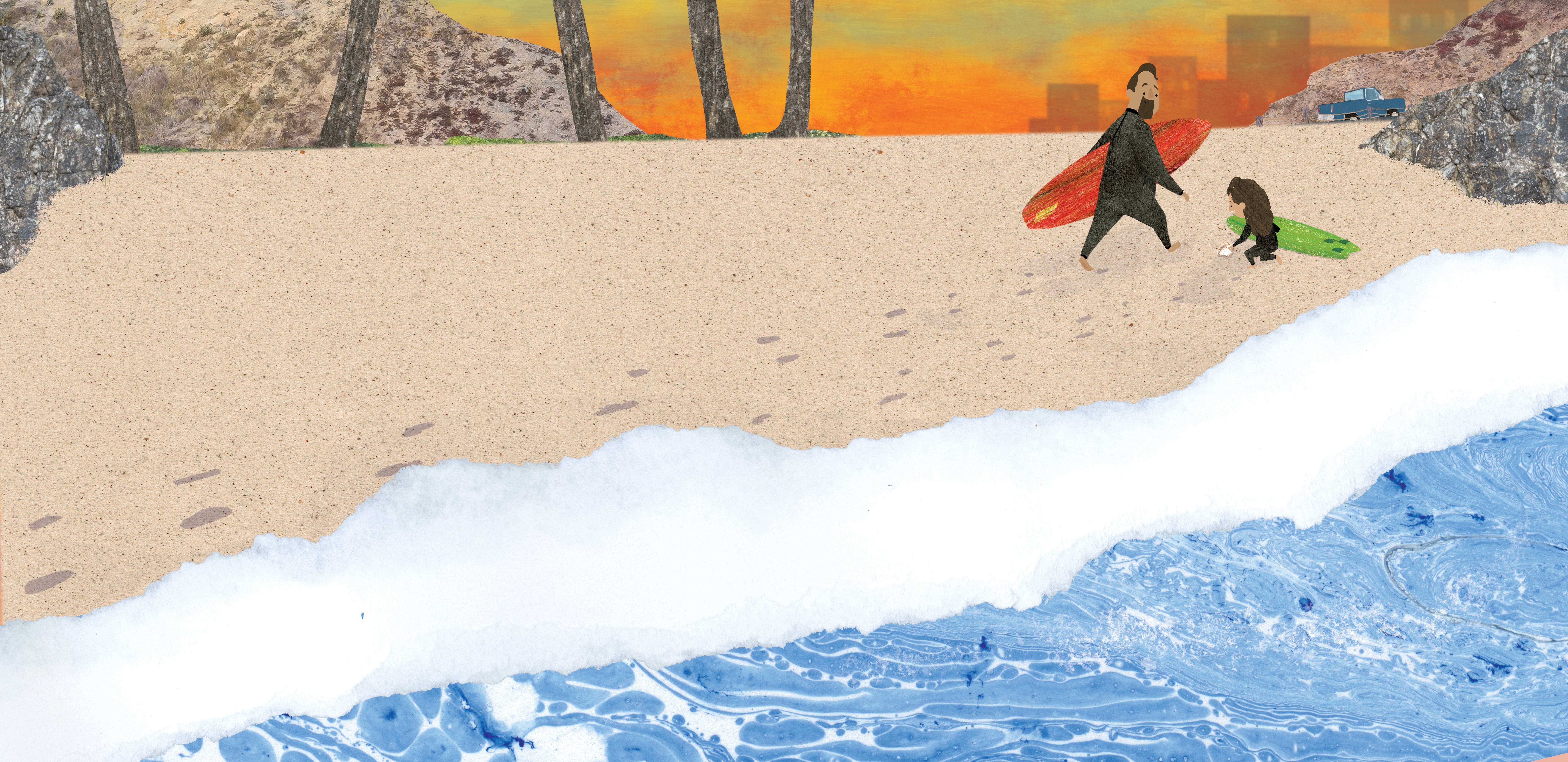 Spread from DAWN PATROL: A FATHER AND DAUGHTER SURFING STORY that was heavily influenced by my San Diego trip.
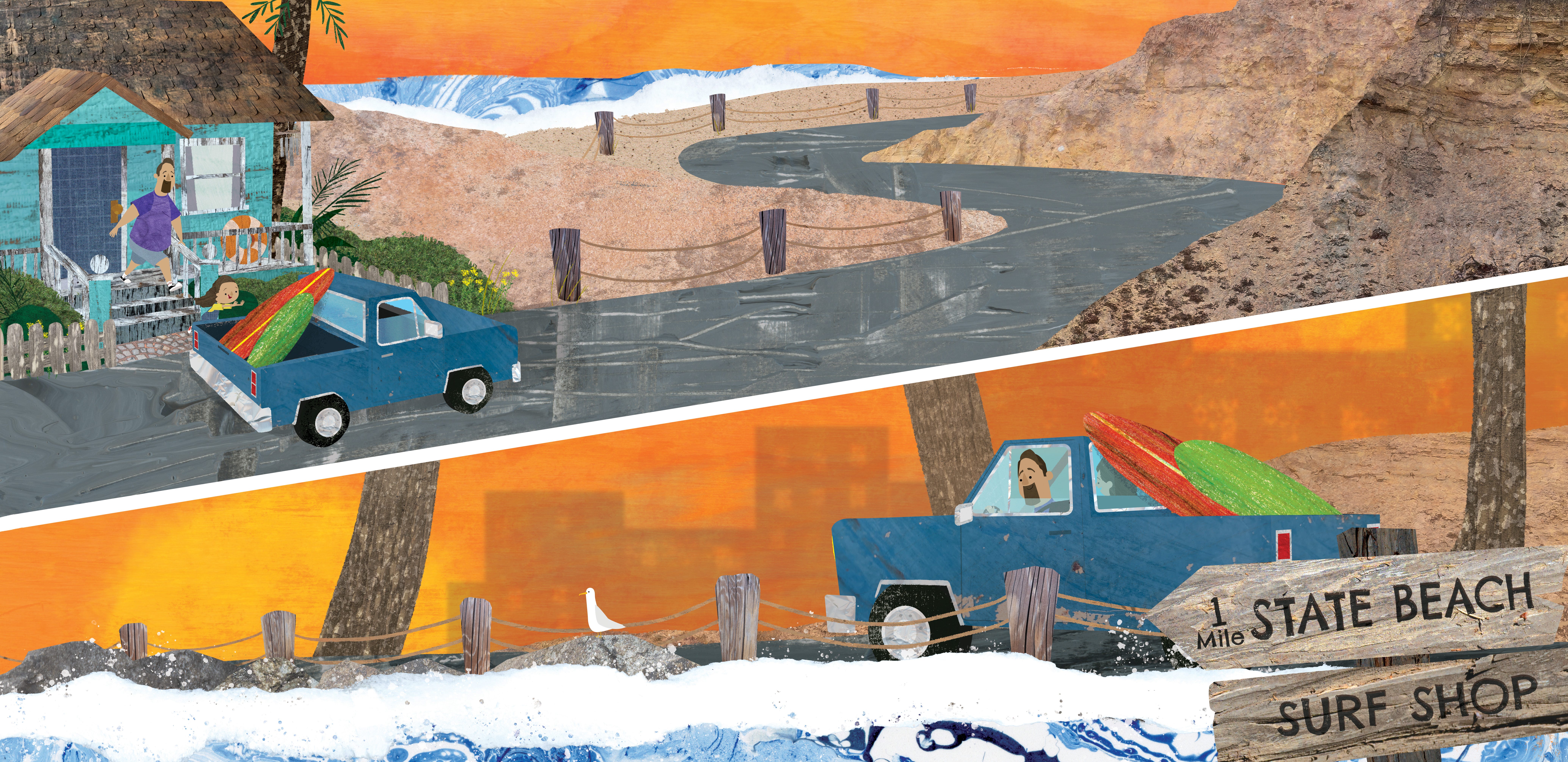 Spread from DAWN PATROL: A FATHER AND DAUGHTER SURFING STORY that was heavily influenced by my San Diego trip.
My final major research trip was also combined with my wife and I's trip to Kaua'i on Hawaii. It was our baby moon trip right before the birth of our son, and I again seized the opportunity to go surfing in a much warmer climate. It was stunning but informative because, this time, the instructor filmed everything on a GoPro camera attached to the front of my board. This helped me so much in ensuring the stances and movements aligned with what I drew as part of my compositions in the book, and I ended up reworking some of them in the finals because of this trip. I also learned a lot about how I could improve my surfing from being able to see it first hand.
DAWN PATROL only proved to me research is conducive to doing the work at a desk but it's also relevant to making the most of the opportunities to be curious and explore in the real world. Most of the time, I think real-world research is more important, particularly in children's books, because reading a picture book itself is an experience that transports you both visually and mentally to a place. How can you expect your reader to get there without trying it yourself? So I say go out there and lean into the research experience as much as you can and enjoy its impact on your life and your work.
Thanks for reading Working with Words & Pictures by Rob Sayegh Jr! Subscribe for free to receive new posts and support my work.
May 22, 2025
HOW TO CRAFT A PITCH DECK TO SELL YOUR PICTURE BOOK MANUSCRIPT.
Pitching ideas is not something new for me. When I was a toy designer, I would say about 80% of the job was just pitching ideas regularly. I learned a lot during that time. What works. What doesn't work. How easy it is to say "no" to a new idea. How hard it is to get a "yes." But, when I started submitting my own manuscripts more regularly to my agent and publishers, I felt I wasn't showing enough of why this should be a story and, more importantly, why this story should come from me. I always felt a gap in the process until I found out that most of the time, an editor will make a slide deck of their own to support your idea in an acquisition meeting. So I thought if I could help with that to showcase my idea, I'd definitely want to. Now, I create a pitch deck for every manuscript I submit. Not only to convince a publisher or my agent that we should pursue this idea but also to convince myself which of my manuscripts should be at the top of my list for submission. A great pitch deck will show you which are actually ready to be submitted and which are not.
Now, you might be saying, "Oh boy… That sounds like a lot more work." I think that is the misconception when it comes to presenting ideas and projects that slide decks or PowerPoint presentations need to be these huge documents filled with charts and graphs, but I actually feel quite the opposite. As much as you think people have large amounts of time to read your manuscripts and get your idea, they don't. You only have so much time to catch their eye, so being direct and to the point is crucial. For this reason, I keep my pitch decks to no more than 7 slides without the manuscript and dummy book.
If you can't convince someone that your idea is great in that amount of time, it will likely need more work.
So, what exactly do I put in my pitches?
That's a great question, and to be honest, it differs from book to book, but for the most part, it follows the same flow of:
TITLE PAGE
AUTHOR NOTE/INSPIRATION- A letter to the reader of why I wrote the book. (In the example below, I blurred this out because it is too personal to live on the internet 🙂)
INSPIRATION MOODBOARD - A collection of images or articles that set the story's mood.
A SUMMARY PAGE - This is two separate two-line elevator pitches of what the book is about and what the takeaway is to the reader (This part should directly correlate to your author's note.)
COLOR/MOOD BOARD - This page explains how I plan to illustrate the book and what colors, processes, and techniques I plan to use.
After that, I immediately go into my rough sketches or dummy book, which I usually draw on Post-it notes and scan to put next to the manuscript.
I also include the manuscript as a separate document.
THAT'S IT!
Once it's all fleshed out and I feel ready to show it to my agent, I pack it up and send it away.
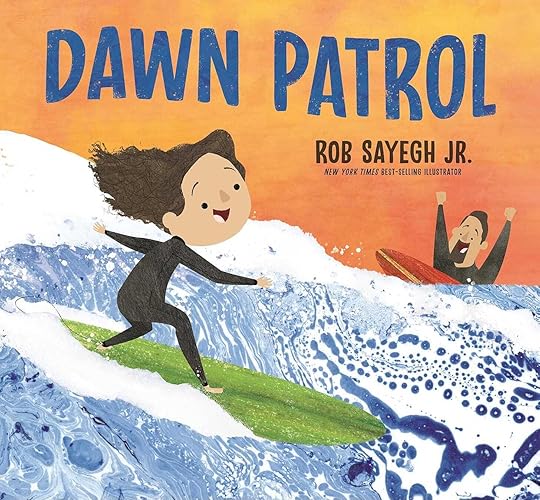
To show an example of this, I included pages from my first pass pitch deck for my latest picture book DAWN PATROL: A FATHER DAUGHTER SURFING STORY.
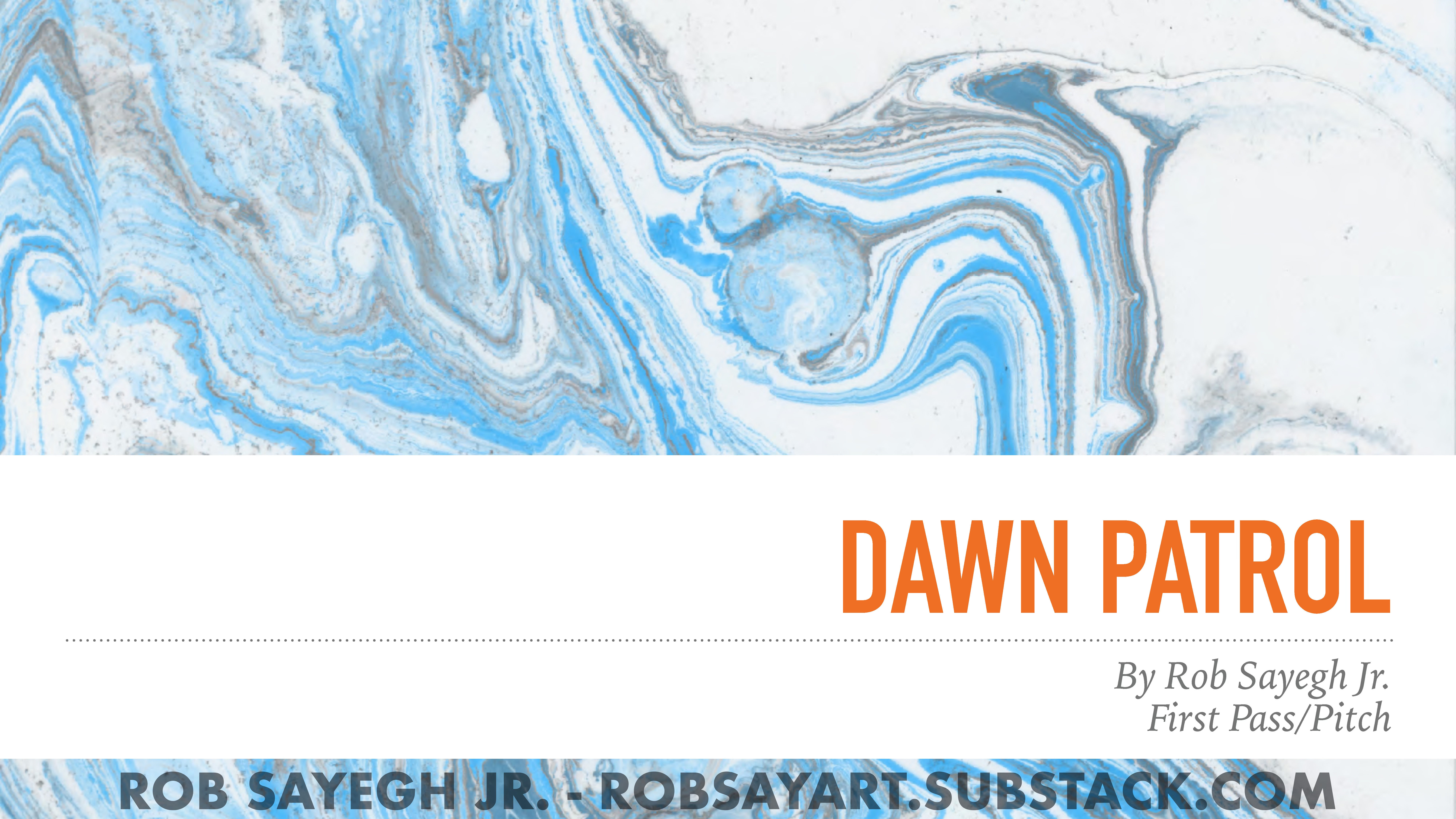 DAWN PATROL PITCH DECK - TITLE PAGE
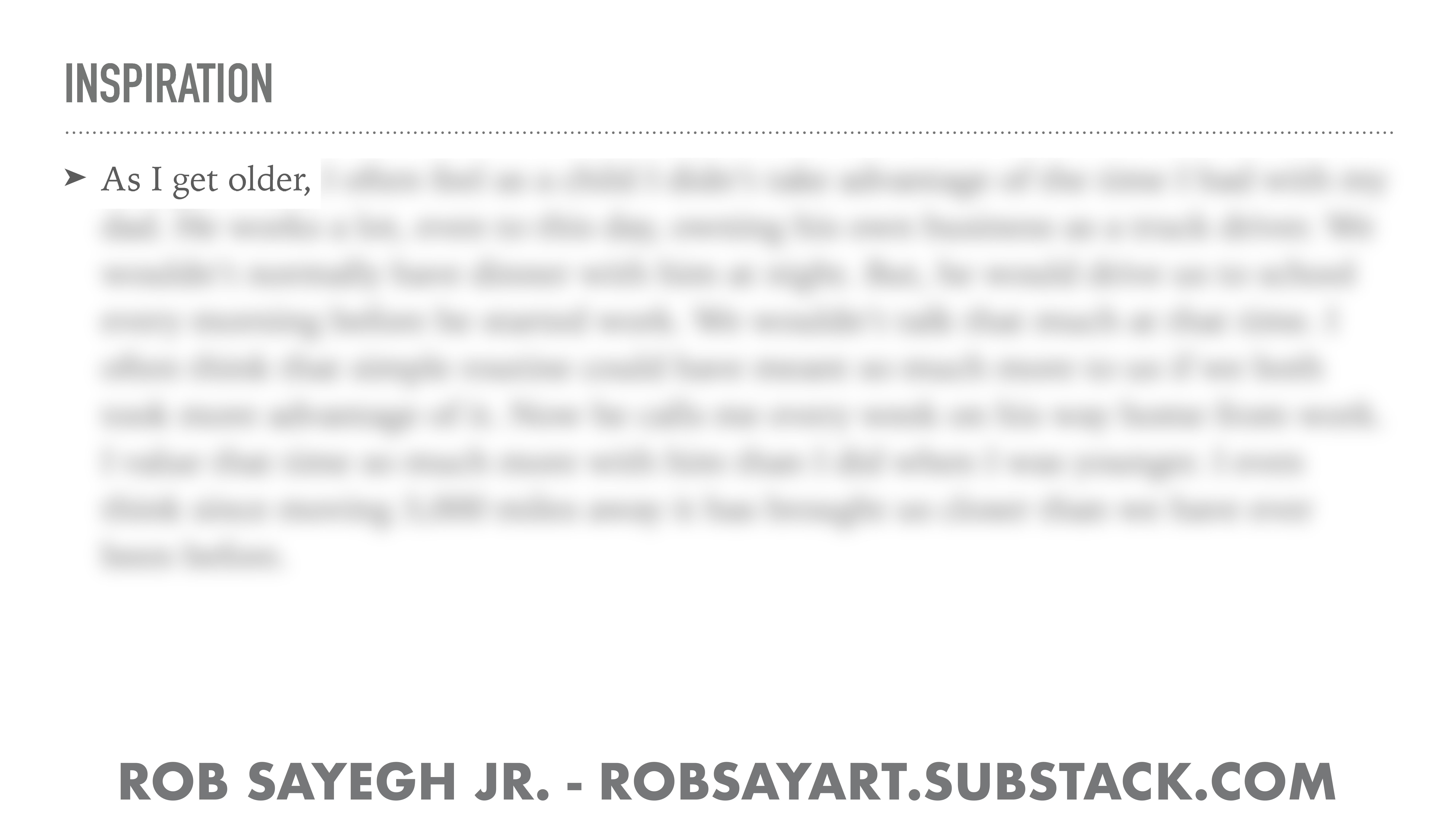 DAWN PATROL PITCH DECK - INSPIRATION/AUTHOR NOTE
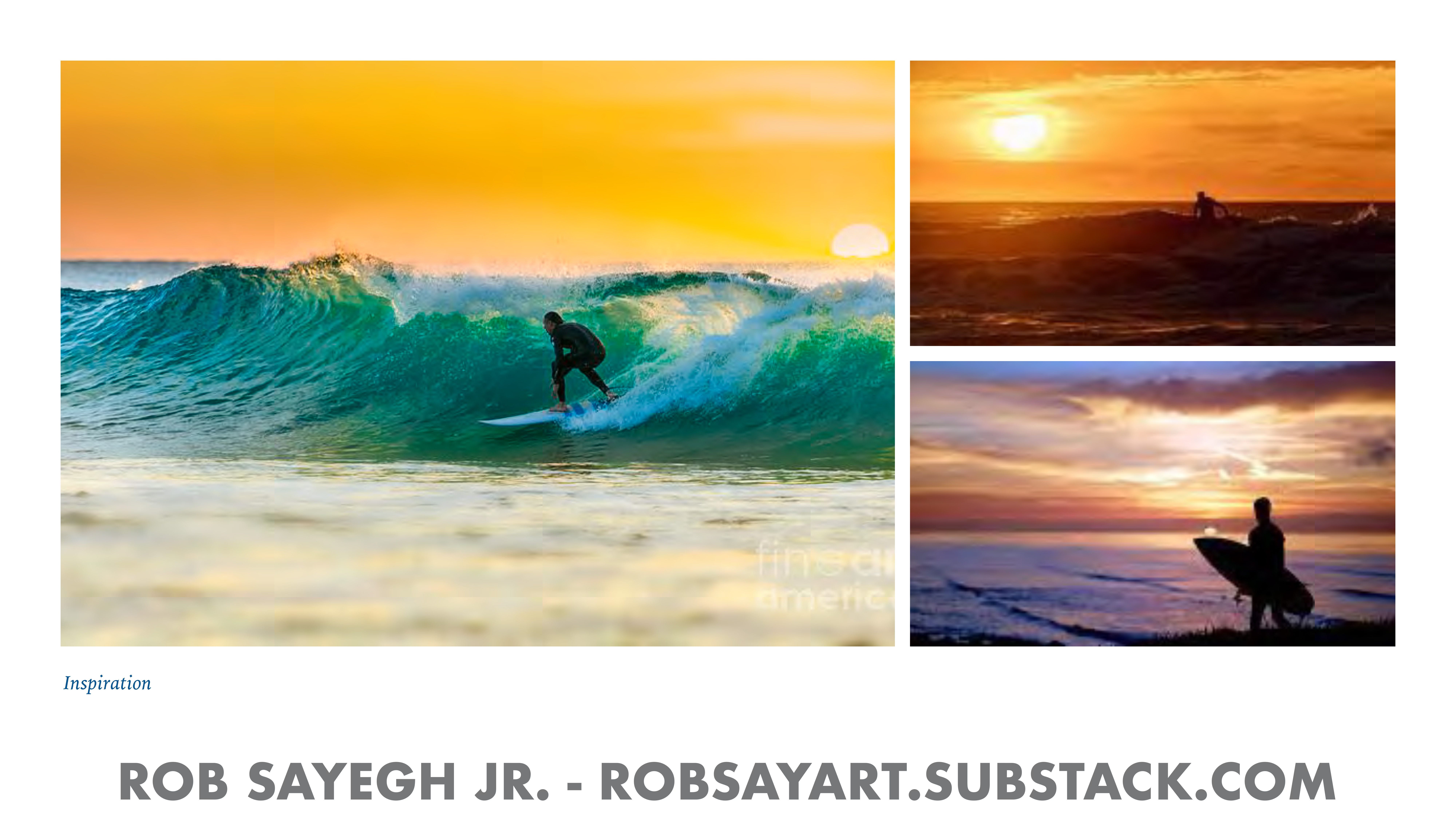 DAWN PATROL PITCH DECK - INPIRATION MOOD BOARD
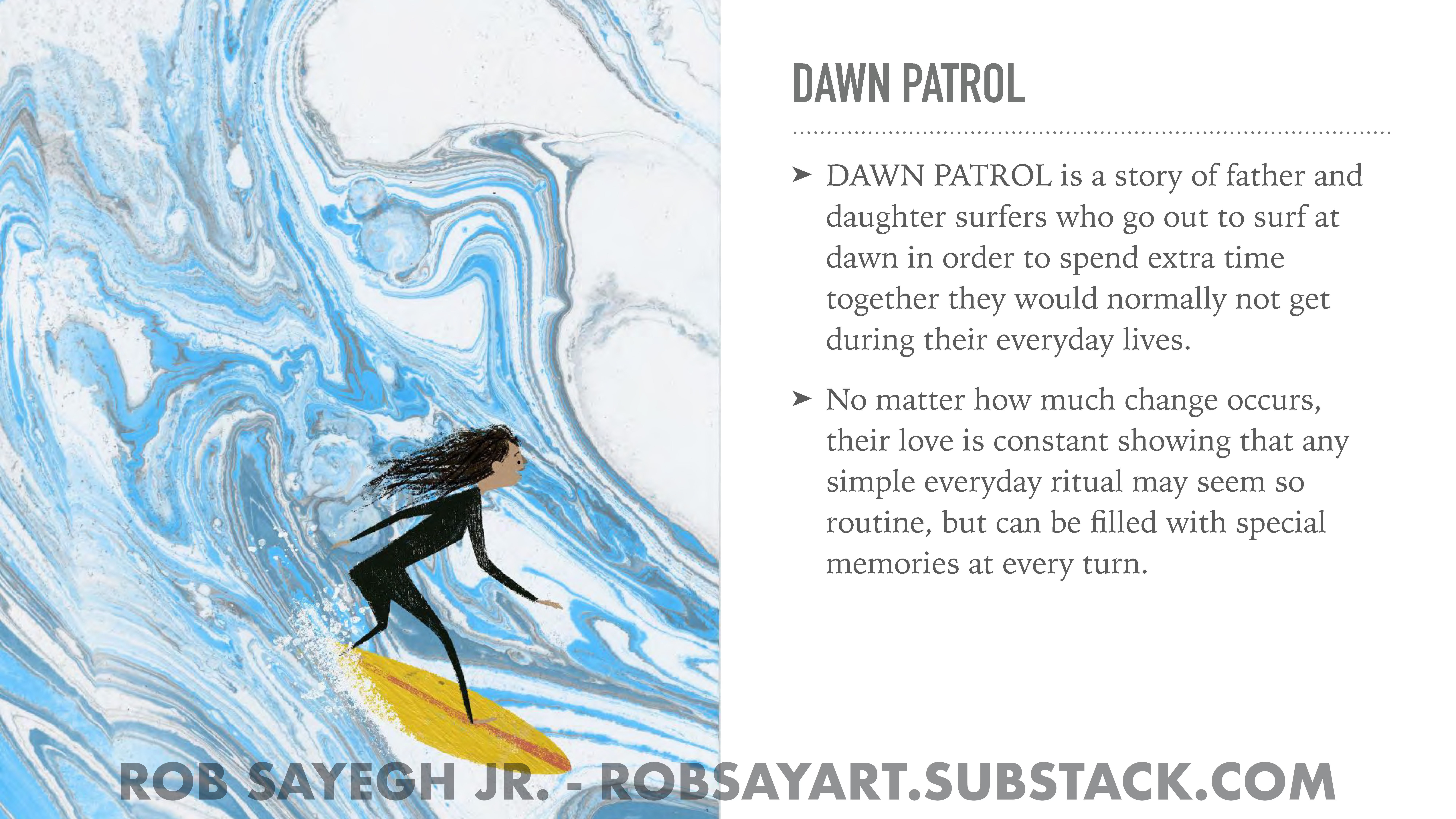 DAWN PATROL PITCH DECK - SUMMARY PAGE
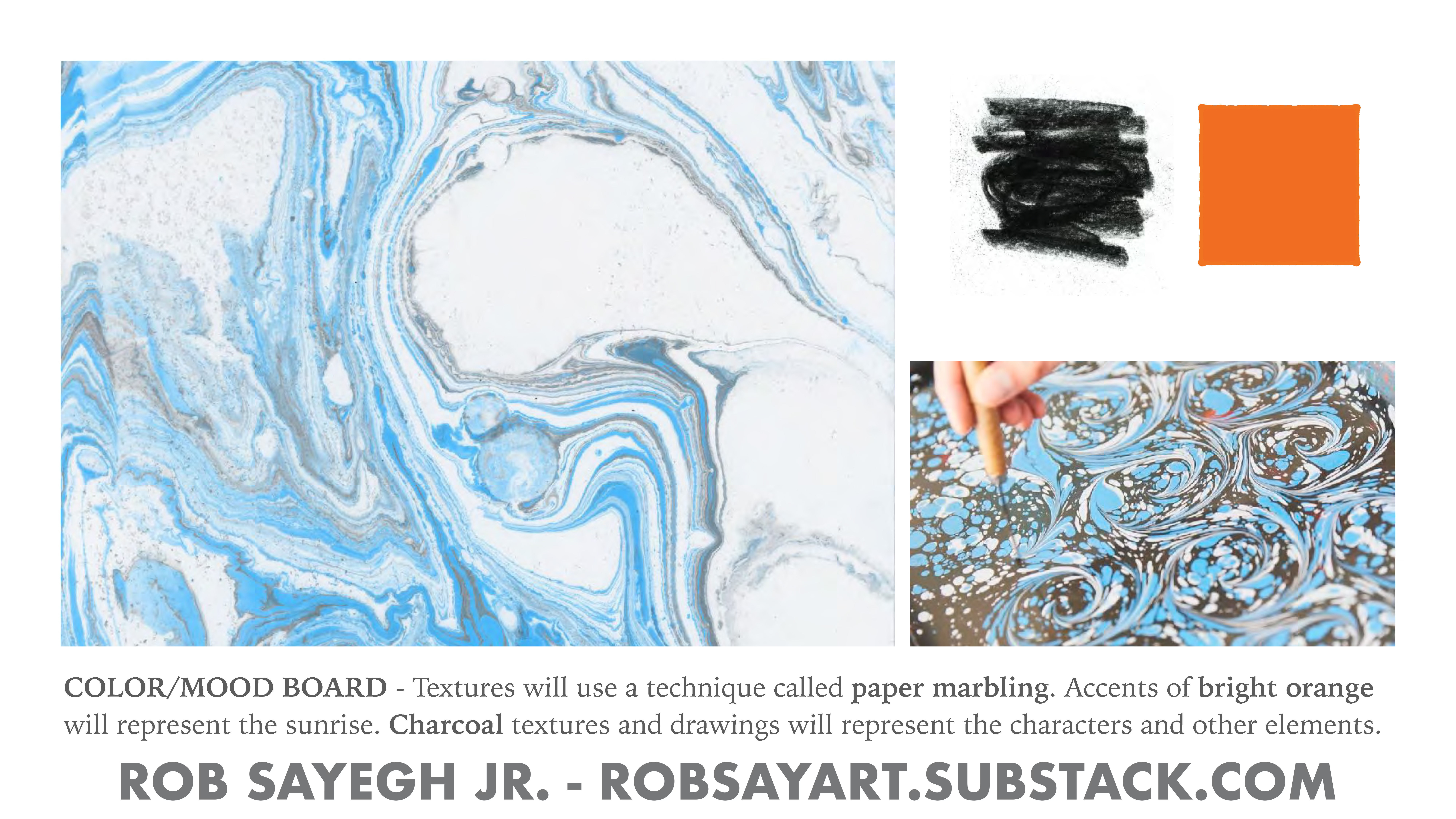 DAWN PATROL PITCH DECK - COLOR MOOD BOARD
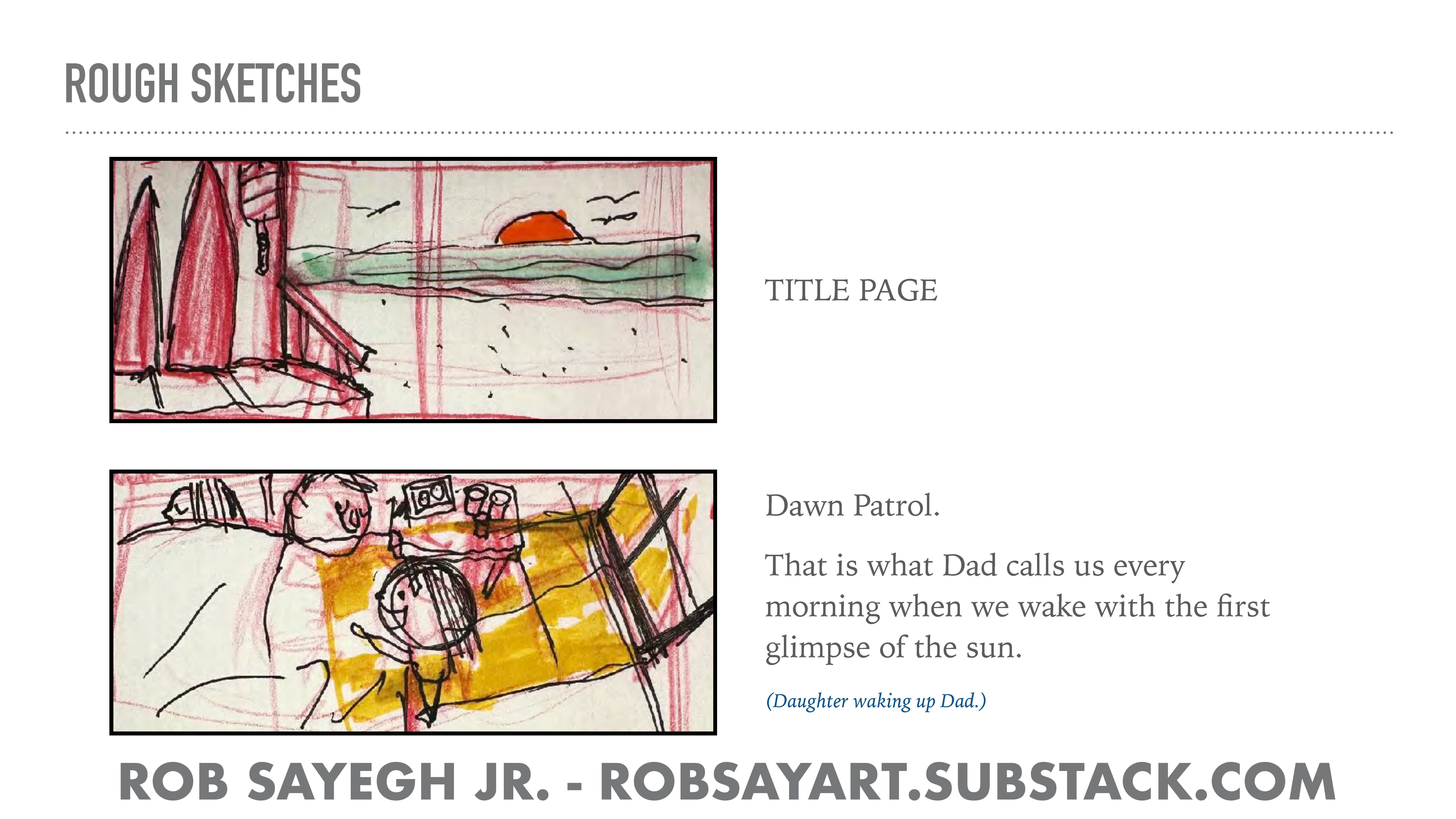 DAWN PATROL PITCH DECK - ROUGH SKETCHES/DUMMY BOOK EXAMPLE
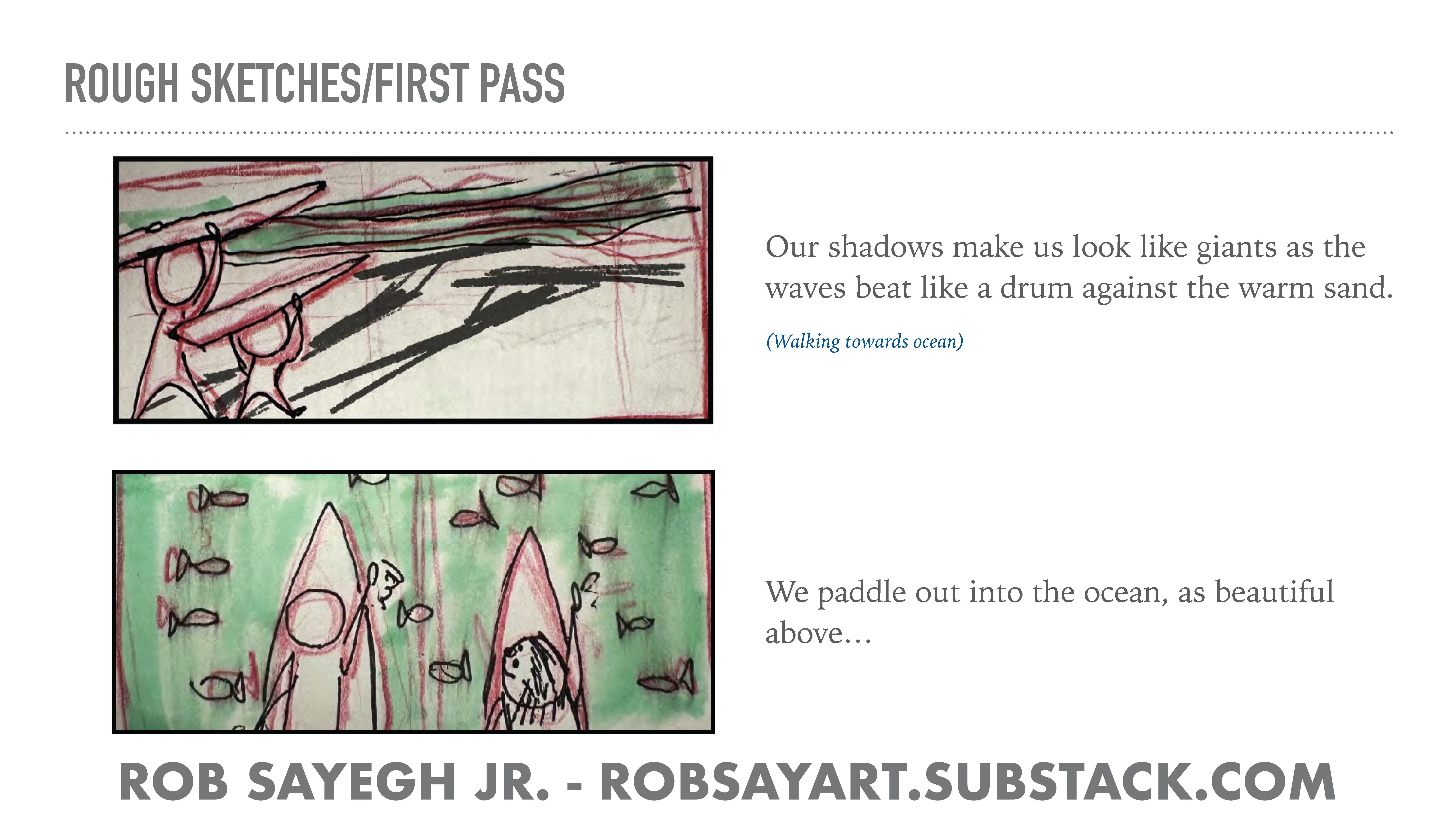 DAWN PATROL PITCH DECK - ROUGH SKETCHES/DUMMYBOOK EXAMPLE 2
This pitch deck carried my agent and me all the way to a multi-house auction. Better yet, the story stayed pretty much the same, with the exception of the last two spreads. I think this pitch did so well because it is bare bones but alsoencompasses everything about the idea simultaneously. When you can make both those things work, it's easier for someone to assume, "This makes sense to me. This will make sense to a wider audience. This would make a great book."
I hope this pitch deck inspires you in your next work and helps get your next book published!
DAWN PATROL: A FATHER AND DAUGHTER SURFING STORY is available now wherever books are sold.
Thanks for reading Working with Words & Pictures by Rob Sayegh Jr! Subscribe for free to receive new posts and support my work.
May 15, 2025
Why Personal Art and Exploration Matter in Today’s Illustration World.
As an illustrator, most of my ideas are born out of illustrations rather than story ideas that I jot down. DAWN PATROL: A FATHER AND DAUGHTER SURFING STORY was no exception. But instead of the idea starting with a sketch, it actually started with a simple exploration of texture-making.
My illustration process involves layering and utilizing different types of photographs, traditional art, and other textures I find interesting when creating a finished art piece. I am always searching for new ways to create cool effects in my work, and when exploring traditional media processes that would create unique effects, I stumbled upon the method of paper marbling. I had no clue how I would use it or how to marble anything, but I thought the effect it created was magical. At least enough to warrant some exploration. I put a lot of emphasis on exploration in my daily routine, especially when creating textures. It helps my work evolve over time and creates newness with every piece. I now have a digital archive of over a thousand textures, constantly growing through experimentation. Daily dog walks and traveling are among my favorite ways to collect textures. Whether it be an incredible texture on a wall or an interesting piece of cement, it helps capture a unique experience and puts a moment and place to each one of the textures that I then use to create something else.
Paper Marbling, or floating paint on top of water and dipping paper and other objects to create a swirling effect, came at a unique time in my career. I had just finished releasing I’M NOT SCARED, YOU’RE SCARED! and was coincidently very scared of what was next for me, not the book horizon. Often, my most profound exploration is when I feel worried about something in my career. For some reason, exploring gives me a lot of hope about the possibilities as an artist and always encourages me to keep going.
After watching countless YouTube videos and attending my local art supply store in San Francisco, I devised several ways to try paper marbling. From shaving cream to cooking products, there are many ways to attempt a marbled effect, and I tried them all. Some worked better than others. Much better than others, as you can see below. I made many mistakes but also kept my experiments small in size and short in time. I do this for several reasons. First, it feels more like playing than working when I keep things short and sweet. Secondly, it mitigates a particular risk of time management. As artists, I think our most crucial tool is time management. From managing deadlines to managing time spent on a piece. Knowing where your time is going constantly helps you understand where your efforts belong. You can’t get back time, but using it wisely can produce more than you think.
Anyway, back to paper marbling. Below are some of the first experiments I created. As I said earlier, most were terrible, but one image looked much better than the others.
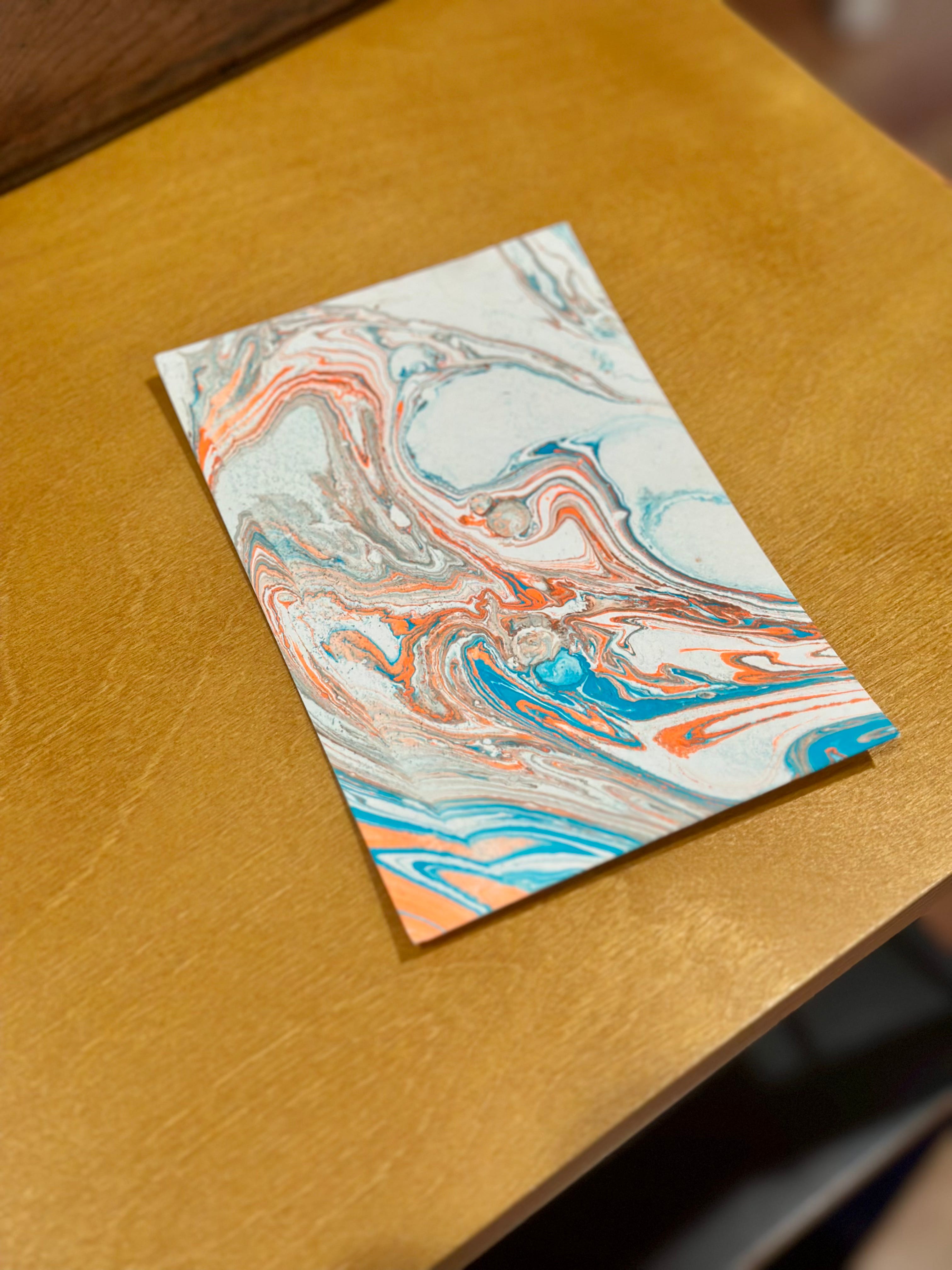 One of the only good pulls I got from my first experiments of Paper Marbling
As a rule for my experimentation, I always use what I made to create a finished piece. That helps me process the making of the texture to an entirely different level than how I would utilize the texture in a real working scenario. And in this case, I had just followed the texture in what I thought it looked like. Like looking into the clouds and guessing what you would see, marbling is very abstract, and for some reason, I saw waves in the texture that day. So, I played around with how I would use the movement of the marking to create something fun, and my first illustration of a surfer was born. At this point in my life, I knew nothing about surfing. In fact, I barely knew how to swim, but I loved the idea of eventually learning how to surf since I moved to the west coast.
Keeping things very simple, I finished the illustration below and posted it to Instagram. I loved it so much and thought it showed something different enough from me that I even added it to my portfolio.
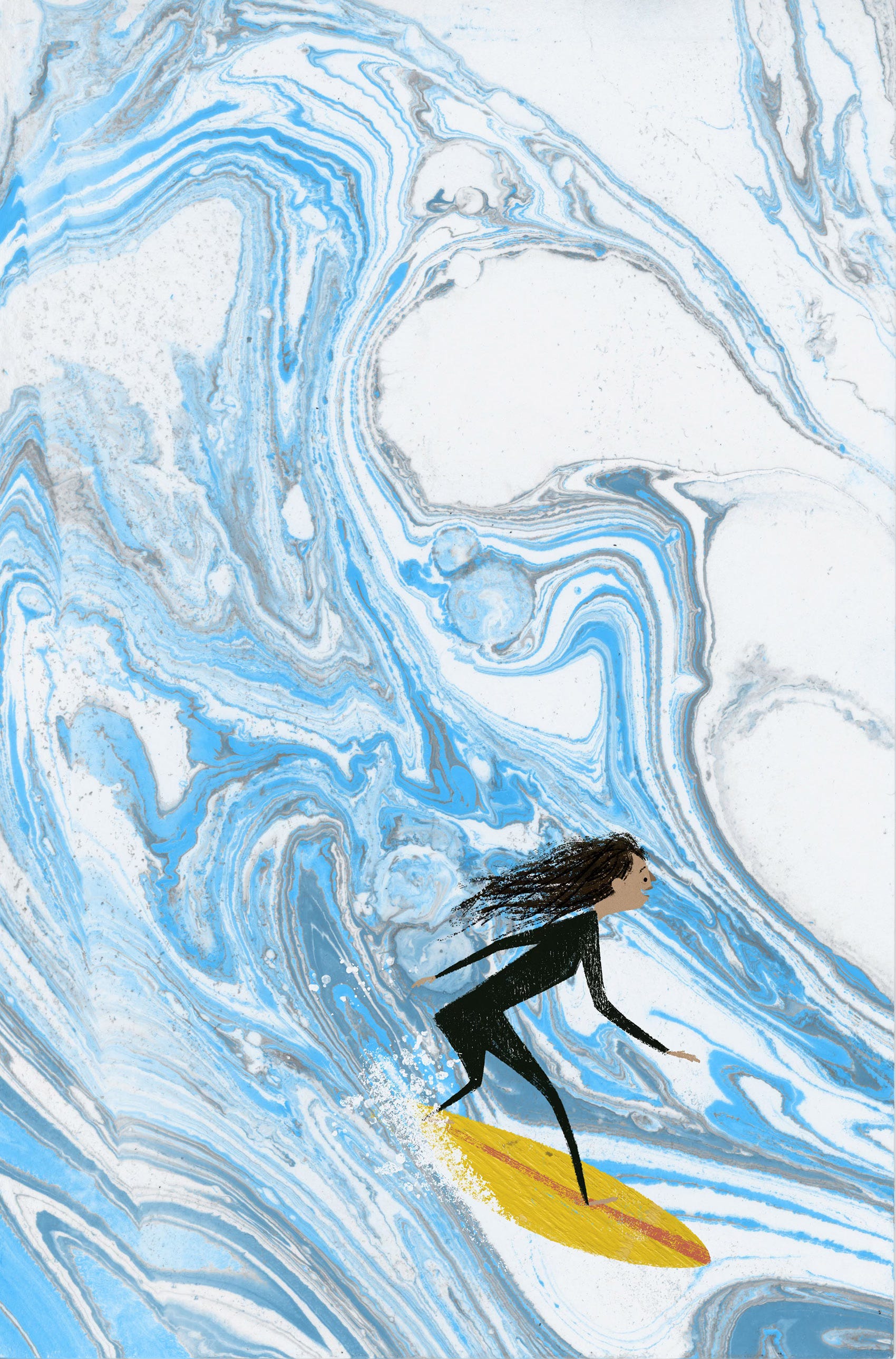
A bit later, an editor at a conference saw the image and told me I should write a story about this piece in particular. PRO TIP: If an editor tells you to write a story, you should write it. Again, knowing very little about surfing, I was determined to write a story about this piece. When I was a toy designer, I had a boss who was a huge surfer, and he would always go surfing before work. He would always joke about being on the “Dawn Patrol.” He was a massive influence in my life and career, which always stuck with me. So, I utilized the very little information I knew about surfing then and wrote a book about our bond with our parents. I went from nothing to having something very different from my regular writing and illustration in about a week. It was so different from what I usually do that I even created a pitch deck to help sell the idea and me as an illustrator (Which I’ll share in a future post). My agent loved it, and the book soon went to auction.
This wouldn’t have happened if I didn’t feel the need to explore but also share my exploration with the world. I think that’s what makes exploration so unique and exciting today. You can instantly share what you made on your social media or webpage or even like me at a conference and get instant feedback. It gives so much more weight and purpose to the process that it makes taking the time to explore and create personal art so much more valuable. Now, I’m not saying that every time I explore, I get this lucky, but I will say every time I explore or create personal art, I learn something that affects the next time I make something, which I think is the most valuable thing. DAWN PATROL wasn’t a book I ever intended to write, but it found me in the most unique ways, and that wouldn’t have happened without some curiosity, some nervousness, and an emphasis on trying something new.
DAWN PATROL: A FATHER AND DAUGHTER SURFING STORY is available now at your local bookstore and on bookshop.org. You could also request it at your local library using the information below.
DAWN PATROL: A FATHER AND DAUGHTER SURFING STORY
by Rob Sayegh Jr
Publisher: Candlewick
Publish Date: May 13, 2025
UPC:9781536235098
Thanks for reading Working with Words & Pictures by Rob Sayegh Jr! Subscribe for free to receive new posts and support my work.
May 13, 2025
Dawn Patrol: A Father and Daughter Surfing Story - Part One
Today is the day. My latest author/illustrator book, Dawn Patrol: A Father and Daughter Surfing Story, is officially at a bookstore near you. I have been dreaming of this day for some time now with excitement and nervousness. As book creators, we constantly put everything we have into the art and story, but this one took a lot more for me. Most of my books are filled with silliness and anthropomorphic animals, but DAWN PATROL is my first foray into emotional storytelling. It's my first book created as a parent. The first book is dedicated to my son. It's the first book in which I relied HEAVILY on traditional media. It is my first book with the fantastic Candlewick Press and the first book in over four years with my name on it as both the author and illustrator.
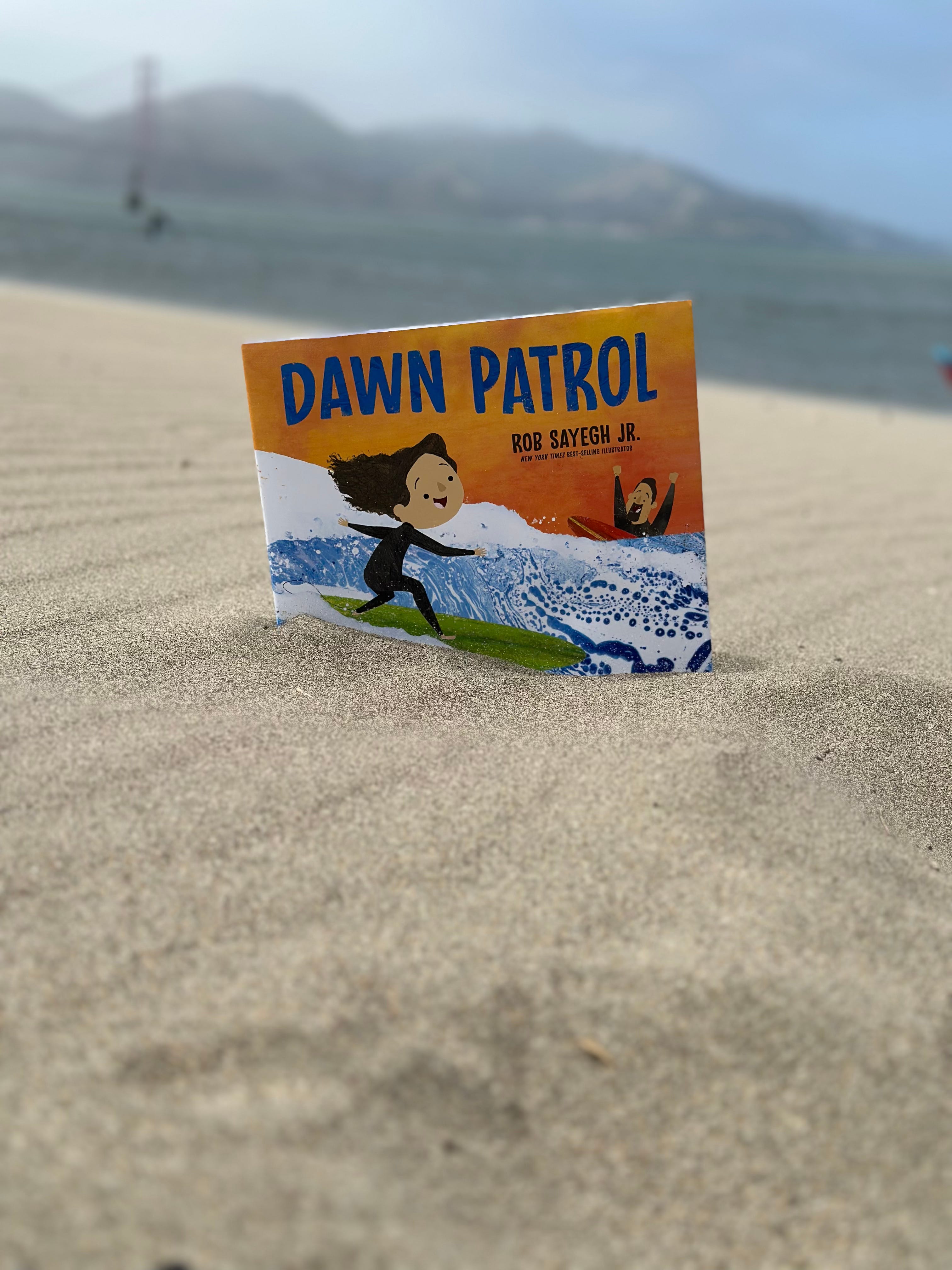
If you had asked me four years ago if I would ever write a book like DAWN PATROL, I would have laughed and said not in a million years. DAWN PATROL is a picture book about the emotional bond a parent and child share forever and how it shapes our lives and our future. I wrote this book at a time when I badly wanted to become a parent. I thought about my parents and the many parent-like figures in my life who have shaped me. And now, as an official parent to the wonderfully adorable Milo, I get to experience the magic of DAWN PATROL every day while we sit and eat dinner, read a story before bed, and with every giggle and moment we share together. I like to think DAWN PATROL was inside me for a long time. When the opportunity finally came to write it, I finished the whole manuscript in less than a week, and in about 3 weeks, the book went to auction. Needless to say, as nervous as I am about DAWN PATROL, I couldn't be prouder of what it has become, and I hope that will be evident when you get to read it.
As I mentioned earlier, DAWN PATROL is unlike any art I have done before. On almost every page of the book, a technique called paper marbling that is hundreds of years old is used to create the water scenes throughout the book. I taught myself and learned the process through countless YouTube videos, many mistakes, and a lot of patience. Paint floats on top of the water, and a piece of paper is then dipped into the water to create a magnificently wild textured effect of paint dancing across the page.
As you can see from the above, this book means so much to me. I could talk about it forever. So, over the next month, I will be sharing on Substack and Instagram how I developed this book and the things I learned along the way. From the personal art that inspired the piece to showing you how I crafted the pitch deck that went to auction, an art breakdown, and more! Stay tuned!
Thanks for reading Working with Words & Pictures by Rob Sayegh Jr! Subscribe for free to receive new posts and support my work.
For this post, I really just want to thank all of you for helping me get here and giving me the opportunity to write DAWN PATROL. Your unwavering support and love throughout my career are something I will never get over, and I consider myself lucky every day I get to share my art with the world.
A special thank you to my wonderful agent, Christy Ewers, and The CAT Agency for believing in this book since it touched her inbox and giving me a chance to make this whole book-making thing into a career. Thank you to the team at Candlewick Press, including my truly inspiring editor Kaylan and art director Maryellen, whose unwavering support and guidance throughout the publishing process I couldn't have done without. And finally, a very special thank you to my wife, Meryl, and son, Milo, for inspiring me every day to write stories like DAWN PATROL.
DAWN PATROL: A FATHER AND DAUGHTER SURFING STORY is available now at your local bookstore and on bookshop.org. You could also request it at your local library using the information below.
DAWN PATROL: A FATHER AND DAUGHTER SURFING STORY
by Rob Sayegh Jr
Publisher:Candlewick
Publish Date:May 13, 2025
UPC:9781536235098
February 27, 2025
Digital Vs. Traditional Illustration In Children’s Books
There has been a longstanding argument for both traditional and digital art in the children’s book industry, with pros and cons for both. Which is better? That is an argument that will continue to live on forever. Honestly, I think it doesn’t matter which you use in the future. I think we often put too much emphasis on how we do things rather than our goals when we set out to do them. And as much as I hate talking about it, with the rise of AI art, I think the goal we are trying to achieve is more important than ever. In the age where anyone, creative or not, can simply put in a prompt to get an illustration, it is our job as illustrators always to be the utmost creative, spontaneous, and heartfelt as we possibly can through our work.
Thanks for reading Working with Words & Pictures by Rob Sayegh Jr! Subscribe for free to receive new posts and support my work.
What I mean by this is that we as artists need to reach beyond the point of just creating an illustration to explain the words on the page. With this mindset, the tools you use to make a book are irrelevant and could constantly change what you are trying to achieve. You could have a different goal for each page, each book, or something more holistic like your personal mission statement as an artist, but always looking to solve your goal through what’s shown through the pictures is key. Some goals are constant. For instance, one goal I try to achieve through all my work is to surprise and delight readers. Surprises stick with us, and I think it is helpful to your book anytime you can surprise a reader. How I do that constantly changes through the textures, tools, and compositions I utilize to tell a story.
For example, a simple way I like to surprise readers through my illustrations is to use a recognizable texture to create something entirely different. I regularly do this with wood textures to express animal fur or hair, as seen in the images below for the horse from CUPIG: THE VALENTINE’S DAY PIG (Flamingo/Penguin Kids) and the beagle from LOVE TAILS (Cameron Kids/Abrams). It’s a simple trick, but I would have never gotten there if I had limited myself to traditional media.
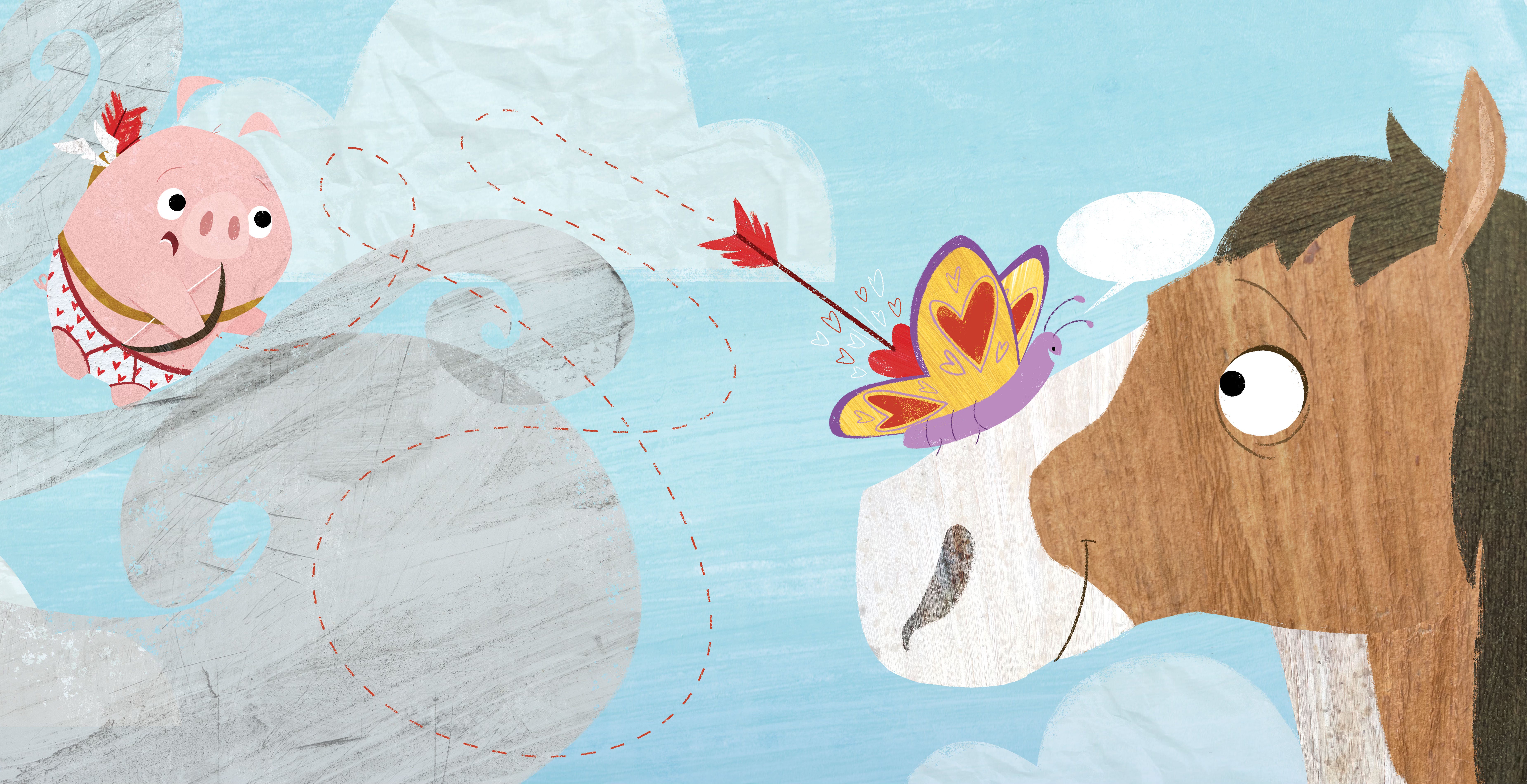 Illustration from CUPIG: THE VALENTINE’S DAY PIG published by Flamingo/Penguin Kids. Written by Claire Tattersfield and illustrated by Rob Sayegh Jr.
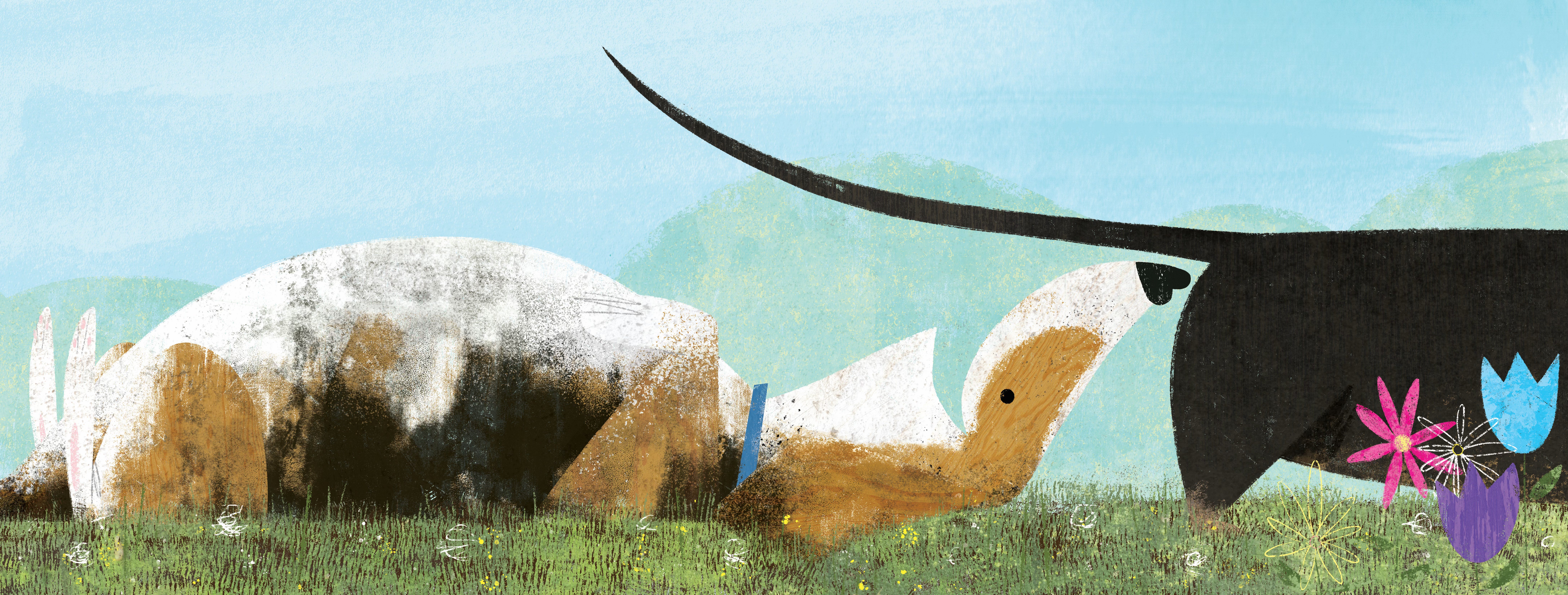 Illustration from LOVE TAILS published by Cameron Kids. Written and Illustrated by Rob Sayegh Jr.
Vice-Versa, another example of this is in my next author/illustrator release, DAWN PATROL (Candlewick Press); I used the ancient art of paper marbling to translate the ocean throughout the book, which is something not commonly seen today and definitely not seen to translate as water. I created these traditionally and scanned them for each book page. I also tore paper to replicate the white water at the top of a wave rather than painting it with digital tools. I wouldn’t have been able to do this if I restricted myself to only digital tools.
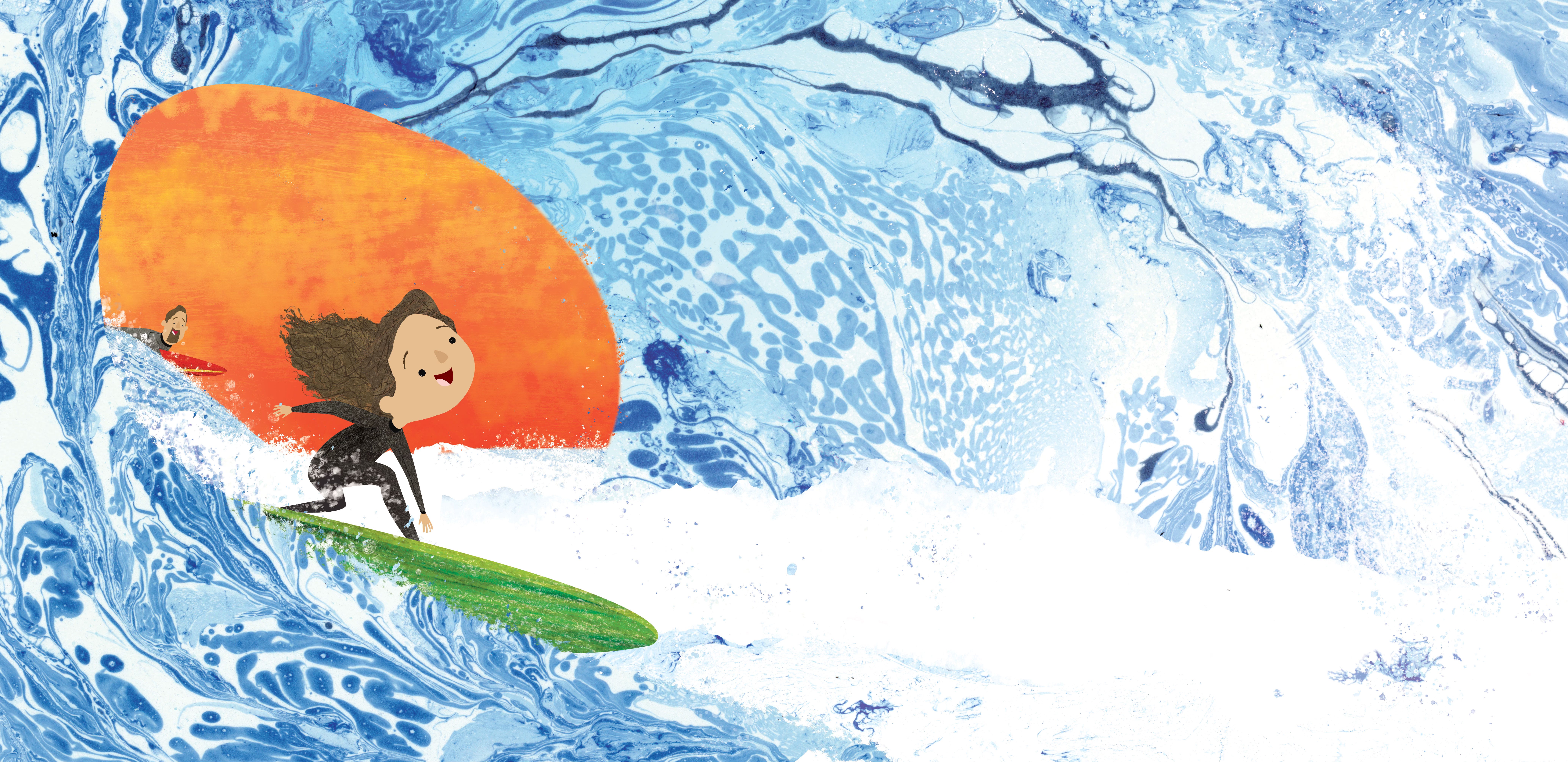 Illustration from DAWN PATROL by Rob Sayegh Jr. Published by Candlewick Press.
These hundreds of small decisions affect how someone ultimately perceives your book, and I think you are doing yourself a disservice by not using all the tools at your disposal.
So, I am not looking for an art director to ask whether I am using digital or traditional tools but instead ask, “How the heck did he do that?” because I don’t think the everyday reader necessarily cares how we created an illustration but instead, whether it left a mark on them or not.
Here are some other tips to surprise your reader and break beyond the traditional and digital tool argument.
Perfection is expected, so be unexpected and be imperfect. Happy accidents and imperfections are part of the process. Embrace them and enjoy the ride.
We just expect things through our life experience—the grass is green, the sun is yellow, and the sky is blue, for example. But what happens when we change the things a person expects into something else entirely? It’s a change we notice immediately and leaves an impression. Play with making the expected unexpected, and you might stumble upon something great.
Whatever unexpected tools you use, try to own them and make them a part of your toolset, as I have with the wood example from above. You will soon develop an ever-changing toolbox that makes your artwork ownable and, more importantly, unobtainable to things like AI because it is constantly growing and evolving.
Don’t limit yourself to specific tools. It only prevents growth.
Thanks for reading Working with Words & Pictures by Rob Sayegh Jr! Subscribe for free to receive new posts and support my work.
January 15, 2025
More and Less of 2025
2025 is officially in full swing, and as I come off a personally great 2024, I am truly hopeful for what the year ahead brings. Every year, I try to set personal goals that I would like to achieve. As I get older, however, I feel less of a need to have quantifiable goals and more of a need to have goals that help improve my general well-being and work overall. This year, I decided to focus on what I want to see more of myself and less of myself. I thought I would share my list to keep myself not only more accountable but also as a way to share how I am thinking at this point in my career.
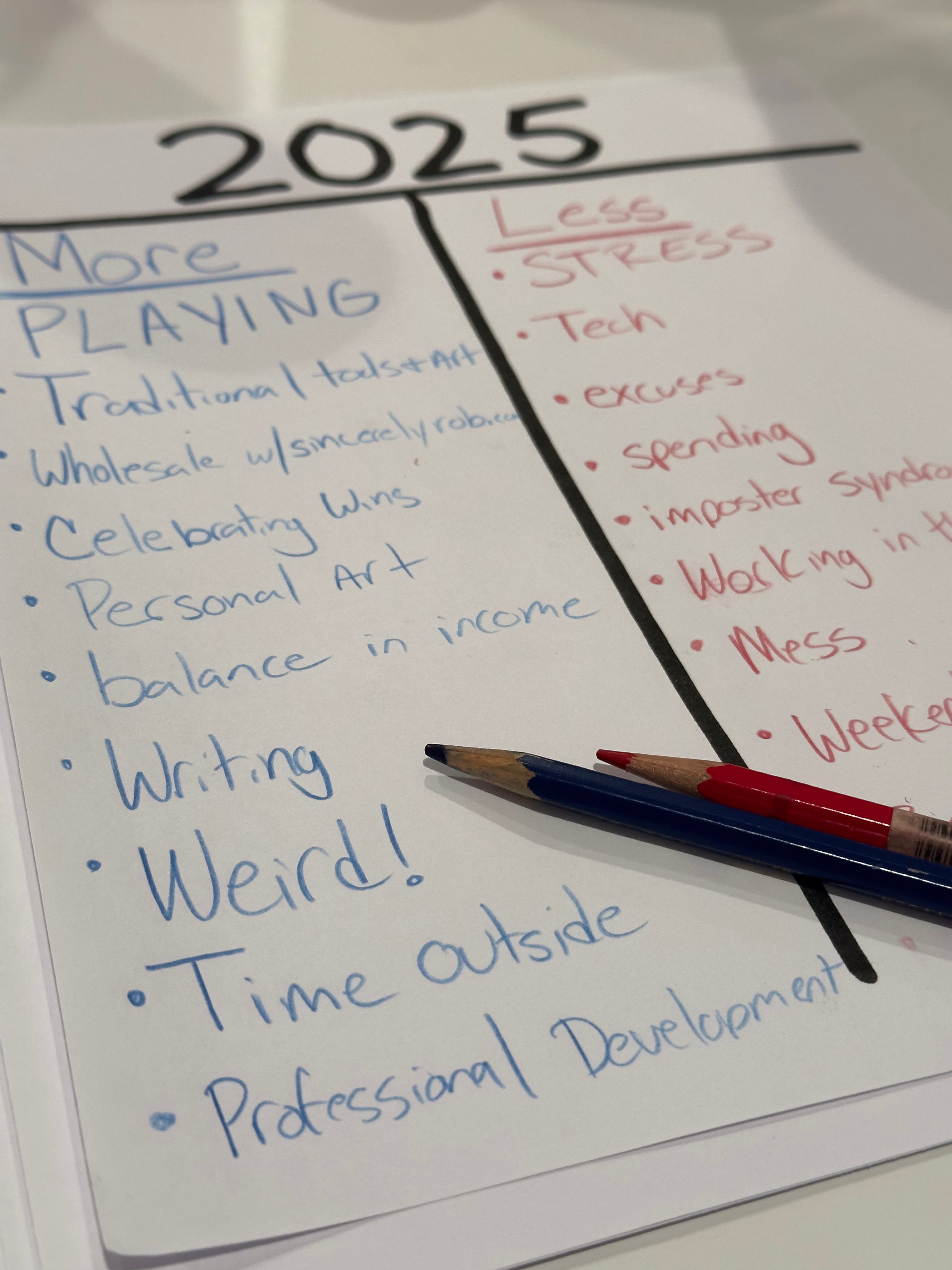 MORE PLAYING
With a busy 2024, I feel I lost a bit of time to play and explore outside of my publishing work. Some of my best work and breakthroughs have come during the times when work wasn’t the goal, but I was just having fun exploring new things. This year, I’m committed to giving myself the space to play a little bit every day.
MORE TRADITIONAL ART AND TOOLSAs primarily a digital artist who uses textures and other found objects in his work, I find it pretty easy sometimes to ignore the more traditional tools such as paint. After finishing the final artwork for my upcoming book DAWN PATROL (releasing MAY 13, 2025, with Candlewick), which uses a technique called paper marbling that I taught myself how to do in the classic way of having paint float on top of a water mixture, I realized how much adding more traditional textures and touches humanizes my work. I also think the future of art in children’s books isn’t going to be either digital or traditional. I think it will be a mixture of both that surprises the reader in ways they may not have seen before. So, to keep evolving my work, I will try new textures and techniques to add to my growing library of tools to my workflow.
MORE WHOLESALE WITH SINCERELYROB.COMOne of my main goals for 2024 was to take my artist store and try setting it up to bring some items to wholesale accounts rather than focusing on single orders that I would mail out each time. This was a real breakthrough for me, allowing me to over double my artist store sales while having fewer customers overall. Sincerely, Rob, as I have spoken about it before, I started as an experiment in how I can make my artist store a significant part of my day-to-day income while also retaining the rights to my artwork as it branched out into different product formats. It’s been a huge learning curve, but it is also what I would consider a huge win for my work and me. I have met so many kind people and store owners while also learning so much about e-commerce and wholesale. This year, I hope to make Sincerelyrob.com less of an experiment and cement it in my overall working portfolio and income.
MORE CELEBRATING WINSI think most artists are guilty of this, but I often forget to take moments to celebrate the things that go right and tend to focus on the things that go wrong in my business. This isn’t good for my overall mental health, so I am going to try to celebrate more when I can.
MORE PERSONAL ARTMy illustration career was born out of personal art, and it’s funny that as I become more successful as an illustrator, I find it harder and harder to make time for personal work. But, looking back, personal work has often become my highest-earning work (take CUPIG: THE VALENTINE’S DAY PIG, for example.) This year, I am setting a goal to try to make at least one personal piece of work a week.
MORE BALANCE IN INCOME STREAMS2024 marked the very first year that my income was overwhelming from publishing. By overwhelmingly, I mean over 90%. This is a massive win for me after working so hard to be part of this industry. I feel now I am officially in it, and it’s working. But, looking ahead, this could also be a terrible thing. If I don’t get as many book deals this year, it could really hurt my income and my overall ability to feel this way. So, I need to figure out how to diversify my income stream somehow to allow some flexibility in my publishing future, which will also grant me some longevity to participate in this industry. I have no clue how I will do this yet, which is very scary, but I know it’s a need that will help me be able to live as an artist for years to come if I can figure it out. This is one of my top priorities for 2025.
MORE WRITINGPart of why my 2024 in publishing was so successful is that my agent and I were able to sell my manuscripts to publishers. This helped increase my income and establish myself more in publishing at the same time. As an illustrator, writing scares me but also has the biggest upside in creating my own projects for me to work on. It’s something I will be trying to make a regular practice in 2025.
MORE WEIRD!I think this is more about embracing my personal humor and sharing it with the world. I think WEIRD in publishing is one of my favorite genres. Books like MR.S by Monica Arnaldo and IN THE NIGHT KITCHEN by Maurice Sendak are stunning books on their own, but they also make you go, “WHAT JUST HAPPENED?!” I love that. I think surprising the reader and embracing weirdness will be a big feature in publishing and acquisitions in the future, and I am all for it. Permitting myself to show it to the world is scary but something I think could benefit me going forward.
MORE TIME OUTSIDEOne of my favorite activities, which I picked up at the end of 2024, is cycling. It gets me outside and allows me to break away from work for a little bit while exploring a city that I love. As I get older, my overall health and well-being have become more important to me than ever, and it’s something that I truly want to work on being better about in 2025.
MORE PROFESSIONAL DEVELOPMENTWith the birth of our first child in 2024, I didn’t get to attend many conferences or training seminars. In 2025 I really hope to change that and take part in events that allow me to be part of the kid lit community while learning more about the industry as a whole.
LESS STRESSAs a person who wrestles with anxiety daily, stress can and often gets the best of me. As my career progressed, I thought the stress would get less, but I would say most of the time, it hasn’t. This year a big priority for me is how I handle stress and my work overall and I am going to try and not sweat the small (or big) stuff.
LESS TECHI have a love/hate relationship with technology. I love it but also hate how much of my life it takes up. I’m going to try to be more mindful of when and how I use technology and how I can be more removed from it at times when it is only a distraction.
LESS EXCUSESI want to start thinking less about why I can’t do something and more about why I should do it. I want 2025 to be the year of taking action!
LESS SPENDING2024 was an excellent year for me. However, I also spent ALOT. Treating my freelance career as a business in itself means being more mindful of expenses and tracking a budget. Spending less will help me become more aware of necessities vs. wants and allow me to stress less overall.
LESS IMPOSTER SYNDROMEEver since breaking into this industry, I have always felt that I am just lucky enough to be here. But it’s been 5 years since I moved to full-time illustration work, and I need to start believing I belong here rather than a constant feeling of imposter syndrome.
LESS WORKING IN THE OFFICELike tech, I have a love/hate relationship with my office. I am very lucky to have a dedicated space to work in, and I have come a long way from working on a cardboard box in my studio apartment. However, my office can also feel restricting and deflating at the same time. Getting out of the office and working in different coffee shops and venues will help me explore different feelings around working and not feel confined to my desk, especially around big deadlines.
LESS MESSI need to be more organized than I was in 2024. Trying to get organized last minute wasn't worth the hassle, and I really paid for it in the end. My goal is to be and stay organized this year, both as a business and as a person.
LESS WEEKEND WORKThis one is a little more self-explanatory, but as my family grows, I want to spend as much time with them as possible. Weekend work doesn’t help with that, and I would love to remove it from my schedule.
LESS RESTRICTIONSI often put restrictions on my style as if there were rules when creating work. In 2025, I hope to change this mindset and start asking, “Why not?” rather than just saying outright no.
What do you hope to do more or less of in 2025?Thanks for reading Working with Words & Pictures by Rob Sayegh Jr! Subscribe for free to receive new posts and support my work.
December 18, 2024
Searching for Ideas vs. Pretty Drawings
Almost 20 years ago, I entered art school for illustration at the Fashion Institute of Technology in New York City, with relatively no formal art training. One of the first things I was introduced to was the idea of concept sketching, or the art of coming up with creative ideas that you then convey through your art. I quickly fell in love with creating concepts and pitching them to my instructors for assignments that ranged from mock editorial covers to fashion drawings to what eventually became my major of Toy Design, which I have been lucky enough to have had an incredible career in prior to my foray into children’s books. Here is where I learned to hone my skills as a concept artist and pitch ideas daily for new toys and play patterns for companies like Fisher-Price, Hasbro, and even Disney.
What I learned over that time is that no matter how good your drawing looks, the idea is king. You could have the greatest drawing in the world, but if the idea was not good or it didn’t answer the brief (a set of asks from the team and its counterparts for said idea), it was worthless.
Thanks for reading Working with Words & Pictures by Rob Sayegh Jr! Subscribe for free to receive new posts and support my work.
I think for many artists, there is a constant focus on creating a stunning piece of artwork. But for me, the idea is still king and is where I spend 85-90% of my time as an illustrator. Conveying ideas is an asset that I am very grateful to have, and I think, as artists, we often get this confused with just a really good drawing. I use many tools to convey an idea, which includes rough sketches, mood boards, PowerPoint slides, colors, and more, all of which help me prove my idea to myself but also“sell” my idea to whoever I am pitching to. On any given day, I pitch ideas to my editor, art director agent, and even my wife, all of which take a great deal of work to create; however, they usually never get shown in the final product (the pretty drawings.)
Searching for ideas and pitching them is about making the unbelievable believable. They help to convince people or even yourself that something is possible. It crafts a story of how you got from point A to point B and overcame obstacles in the process. It answers any foreseen questions that may arise in the process but also leaves open room for discussion from other stakeholders to give feedback and build upon what you created. It’s a gentle balance where I rarely bust out a full-on rendering but rather keep things loose to guide the reader through a series of events.
Here are some other things I consider when creating new ideas.
Always Be Ideating.There is a fantastic quote by the great comedian Jerry Seinfeld that states
“This is one of my big things of creative pursuits. You have your idea you want to do, but then you got to figure out what does this thing want to be? You got to let it lead you a little.”— Jerry SeinfeldI think this speaks a lot about our job as creative people. We are engineers of story, constantly figuring out how to convey something that doesn’t exist yet. This is excruciatingly difficult but also one of the greatest gifts in the world as a creator. By always challenging yourself to create something new rather than what is in front of you, you become more valuable as an artist and, I believe, have a much longer career than those who can’t.
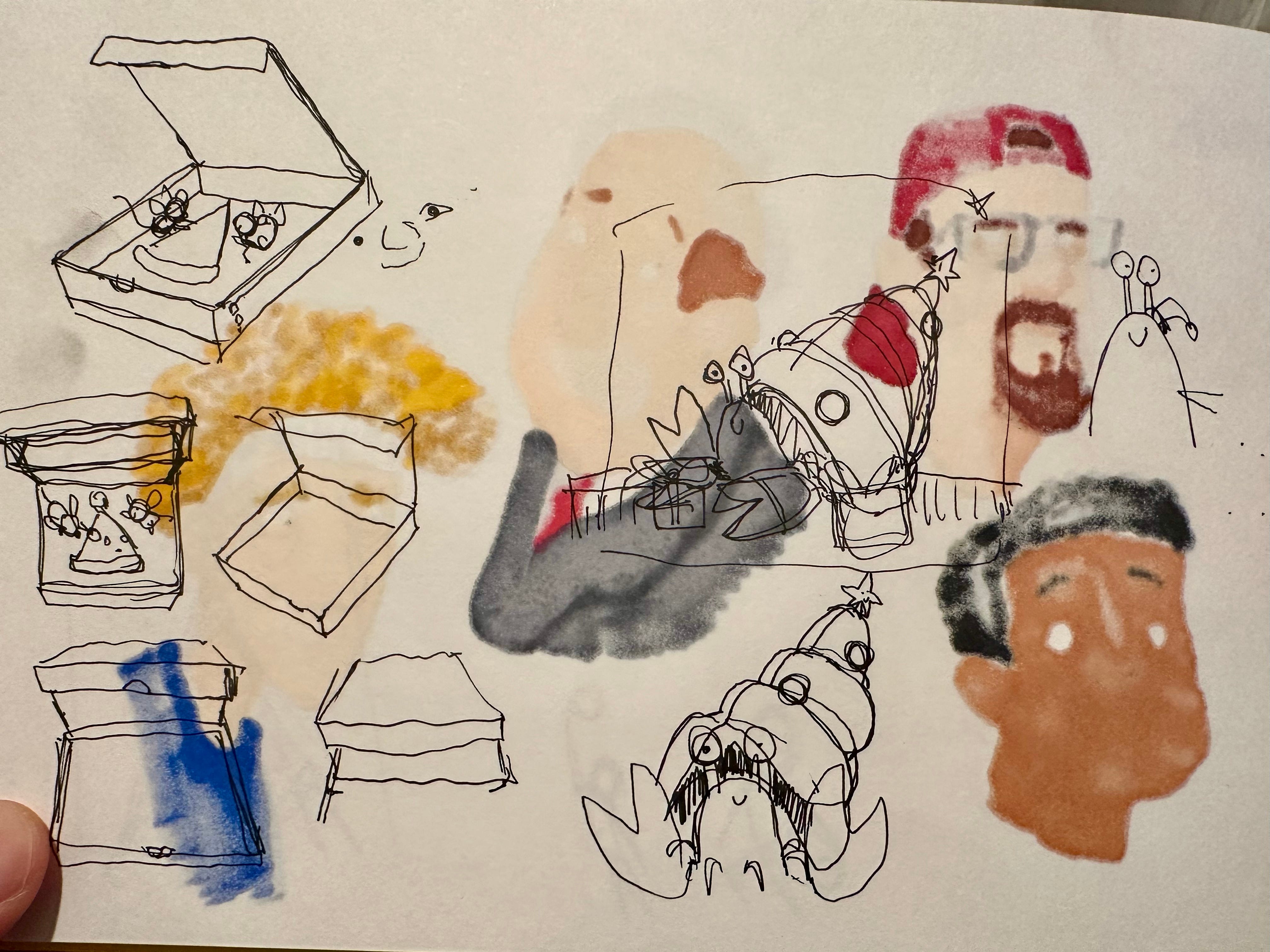
A rule that I use in my sketchbook is that the left page is for ideating, and the right page is for observational drawings and journalling my day-to-day life. This keeps things exciting for me but also balances out both sides of my craft, keeping me fresh and in practice. Here is where I come up with new ideas for book characters and stories or even something as simple as an Instagram post.
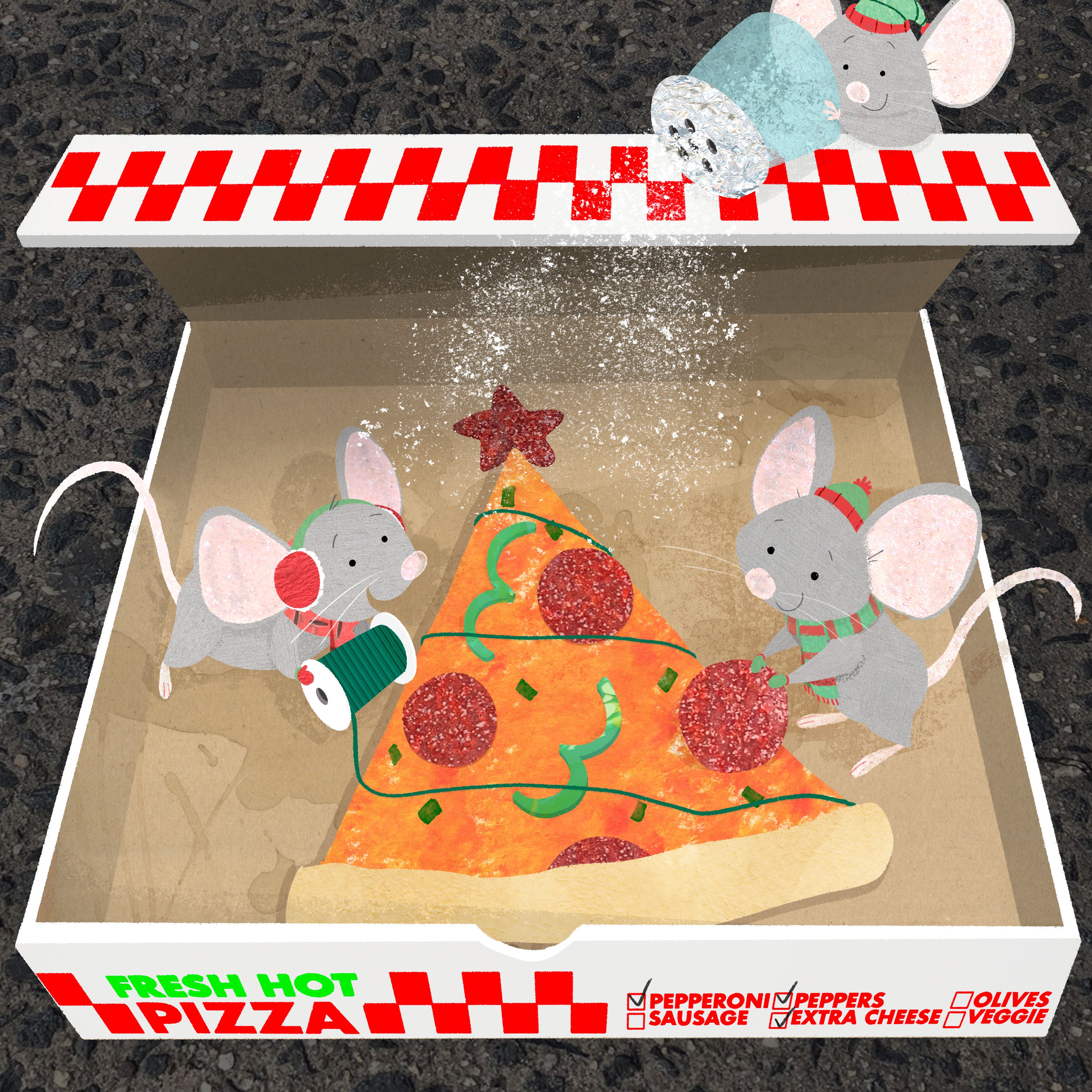
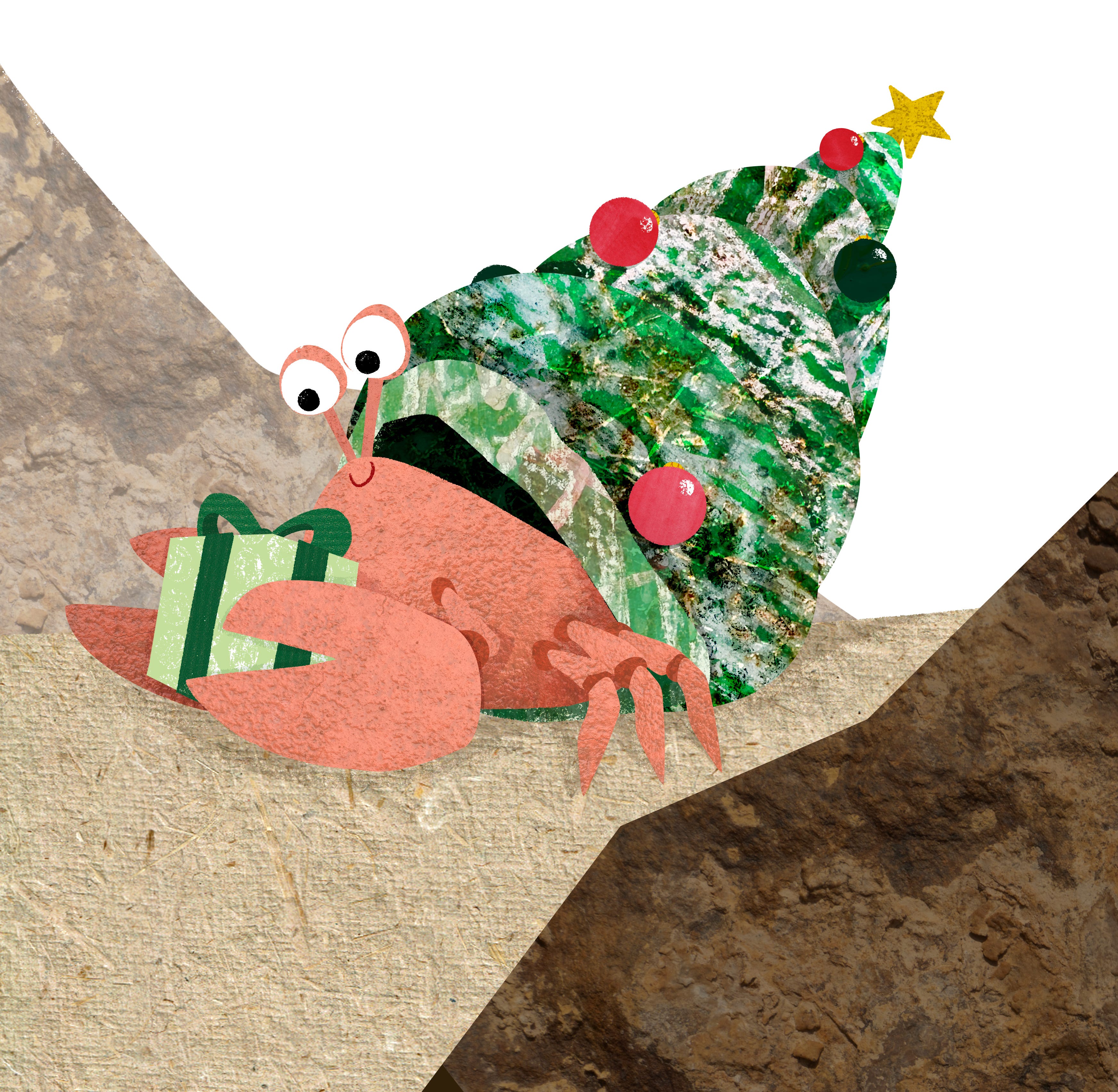
Here are some thumbnails for some recent art I posted. I created them specifically with the upcoming holidays in mind and the idea of animals celebrating them uniquely.
 Always Think About What You Are Trying To Solve.
I mentioned earlier that while designing toys, I was always asked to answer a brief, which I often think about when creating, even when I don’t have one. Creating a brief or a list of things you want to solve before ideating will help guide you through the process and keep you on task.
Think About How You Can Leverage Your Strengths.Coming up with ideas constantly is hard. Coming up with ideas showcasing who you are is even harder but will be much more rewarding and valuable to getting you projects only you could create. When ideating, I always think about how I can utilize my strengths, such as textures and humor, while developing new ideas. I also consider what interests me and the topic I love to discuss or draw.
Don’t be Afraid To Throw Away The Bad.Not every idea is a good idea. Good ideas are rare, and you will have many bad ideas on the way to a great one. It is part of the process, and the bad ideas will help get you where you want to go, but you have to design with the freedom to throw them away as well. This is another reason for keeping things loose and moving quickly rather than fleshing out all ideas with beautiful drawings. When you have this freedom to explore and leave behind sketches that aren’t working, you will create better work for it.
Thanks for reading Working with Words & Pictures by Rob Sayegh Jr! Subscribe for free to receive new posts and support my work.
November 26, 2024
Growth, Gratitude and Turkeys.
This week in the U.S. is Thanksgiving, and I decided to treat myself to a serving of reflection on growth and what it means to me to grow as an artist. About a month ago, I was pretty down on myself for the feeling of a lack of growth in my work. I feel many artists go through this at some point in their careers. Personally, the feeling was so toxic I decided to make an artistic practice out of it to get out of the funk. I began taking some of my old pieces from when I first started as a professional artist and seeing how I could improve upon them now in my current style. After a lot of cringing, it became quite therapeutic and helpful to see where I’ve grown and where I still would say I need to develop more.
Piece by piece, I began to realize that growth is constant whether we see it or not, and sometimes, the best way to reflect upon growth is to stop looking from such a small perspective and just draw something again in a new way.
Thanks for reading Working with Words & Pictures by Rob Sayegh Jr! Subscribe for free to receive new posts and support my work.
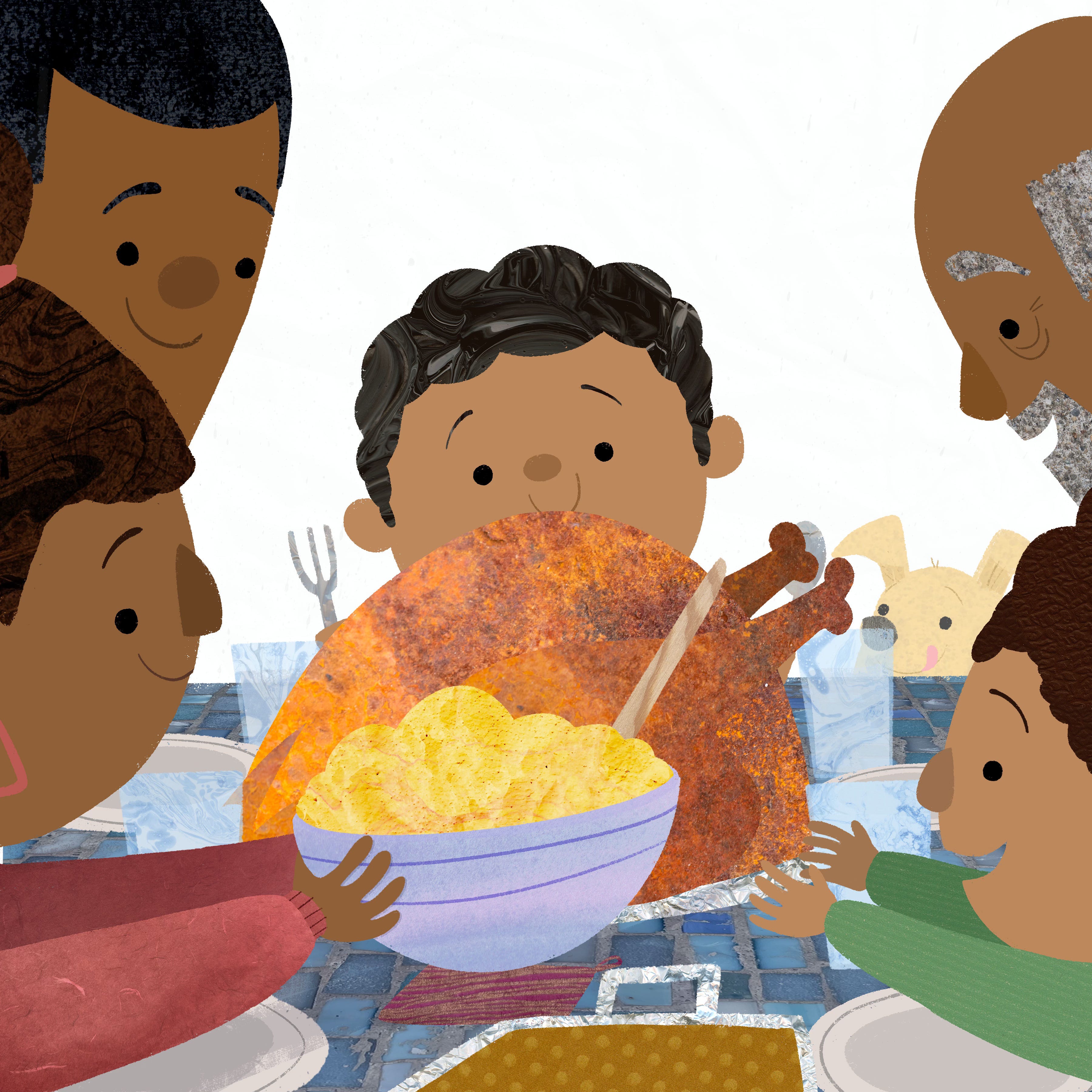
Tracking growth as an artist daily is hard. Like really hard. And even when I thought I was not going anywhere, if I zoomed out my thoughts from day to day, to month to month, or even further - year to year, things suddenly didn’t feel so bad. An example is this piece I did for Thanksgiving in 2018. That’s right….6 years ago. I thought I would die showing this initially, but when I put it into the context of how far someone can grow in 6 years, I couldn’t be prouder of where I am today. I decided to redraw this piece last night to reflect more on the tools and methods I have learned since 2018. Adding more storytelling, surprises, laughs, and better use of contrast and composition seemed like no-brainers to do in my pieces today. Without even getting into the rendering style (more on that soon), I could take the same theme and subject but bring more out of the work, which I think is one of an illustrator's hardest but most important roles.
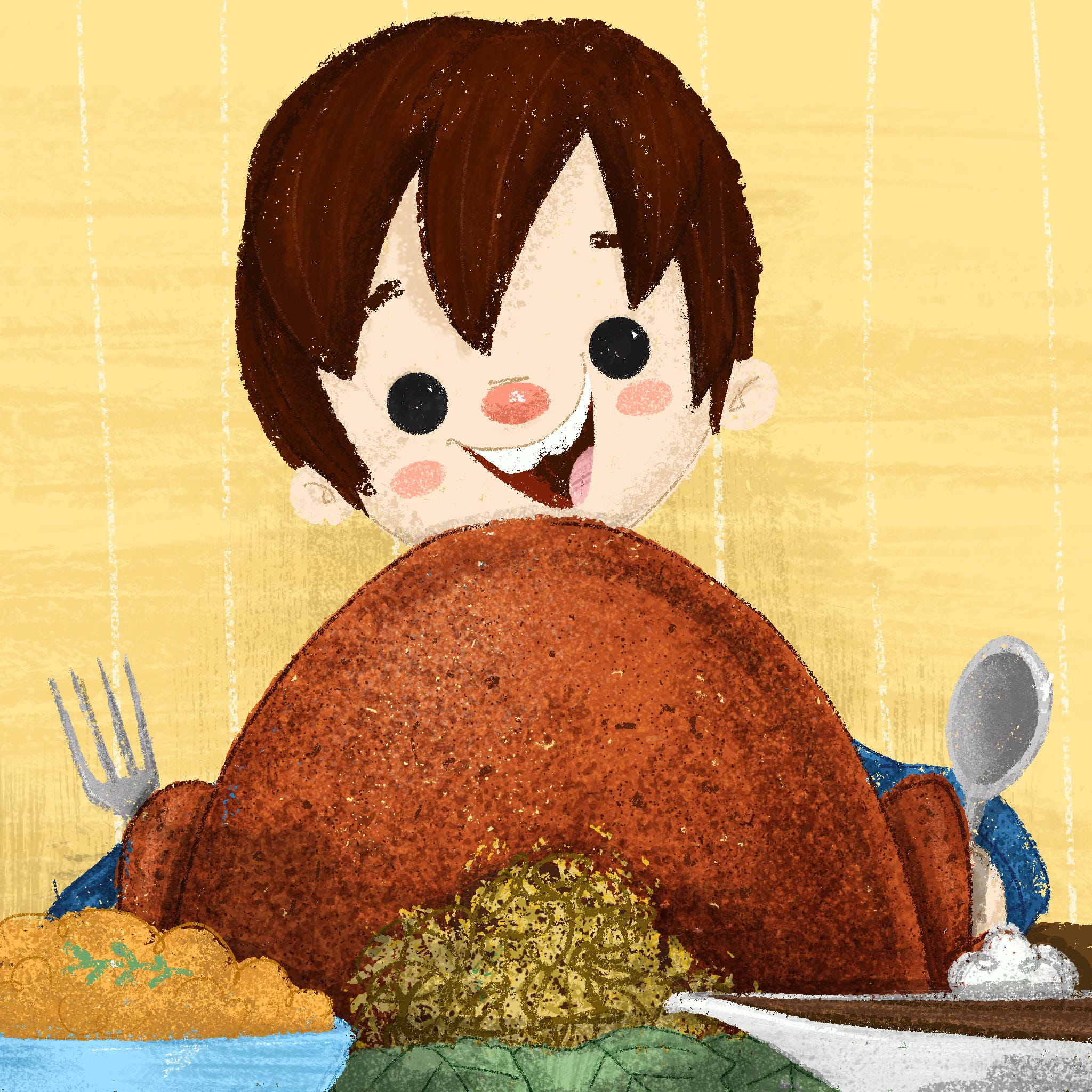 Original piece from 2018. Woof…… This is bad
 Revised piece in 2024.
I also discovered while redrawing this piece that the things I cared about being in the piece changed. I wanted to add more family elements, more variation in the ages of the people in the work, and also celebrate the moment of a family sitting down for Thanksgiving dinner. This is where I didn’t expect to be so profoundly influenced and changed over 6 years. Before becoming a professional illustrator, I spent so much time hiding my personal story from my work and brand, thinking it would hurt me if people knew I was just moonlighting as an Illustrator and working a day job. I would constantly push it away, but now, as a full-time illustrator and in a completely different place in my life, my personal growth and story have helped me grow as an artist more than I could imagine. Being a dad and having a family changed not only my perspective but the themes and things I want to surround my art around, which makes my art today even more special than ever.
Finally, I think I am more in love with my art-making process than I was 6 years ago. The rendering I would do in the past never made sense to me, but it was more about figuring things out as I went. Aimlessly, I would paint not necessarily to make great artistic decisions but rather to finish a piece. Now, I have more rules and can make decisions that fit me and my style more appropriately. The process is so much smoother, and I can figure things out much quicker while looking more polished and fresh.
Although I often feel stuck, doing exercises like this makes me grateful for where my life is now and allows me to recognize that we are all constantly growing, even at times when it’s hardest to see.
Thanks for reading Working with Words & Pictures by Rob Sayegh Jr! Subscribe for free to receive new posts and support my work.
November 20, 2024
COVER REVEAL: PROPER BADGER WOULD NEVER TRASH THE CLASSROOM!
I have always wanted to work on a sequel. So when my favorite team at Flamingo Books/Penguin Kids told me that PROPER BADGER would have a second book, I was ecstatic. I love this character, and I had so much fun with book 1 and Lauren Glattly does not dissapoint with Book 2.
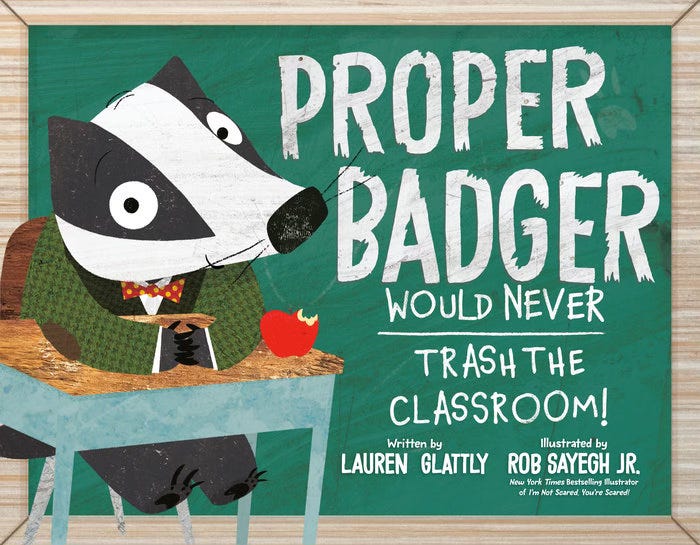
You can pre-order PROPER BADGER WOULD NEVER TRASH THE CLASSROOM now and pickup PROPER BADGER WOULD NEVER at your local indie bookseller.
To learn more about PROPER BADGER WOULD NEVER TRASH THE CLASSROOM, check out the below and be sure to pick it up on July 22, 2025.
Proper Badger would never go to school . . . or would he?
Proper Badger is going to school. It's possible he got on the wrong bus . . . but he's always wanted to go school, and after all, he looks exactly like all of the other well-behaved, well-mannered students. He can't wait to get tons of gold stars. He has heard gold stars are crunchy and delicious. He will be on his very best badger behavior.
Take a bite out of the class pet? Eat the macaroni for arts and crafts? Devour the butterflies? He would NEVER!
From author Lauren Glattly and New York Times bestselling illustrator Rob Sayegh Jr. comes a hilarious tale about a well-intentioned badger whose wild instincts just can't be suppressed.
Thanks for reading Working with Words & Pictures by Rob Sayegh Jr! Subscribe for free to receive new posts and support my work.