Jane Crittenden's Blog
September 10, 2025
7-Day Road Trip in Portugal
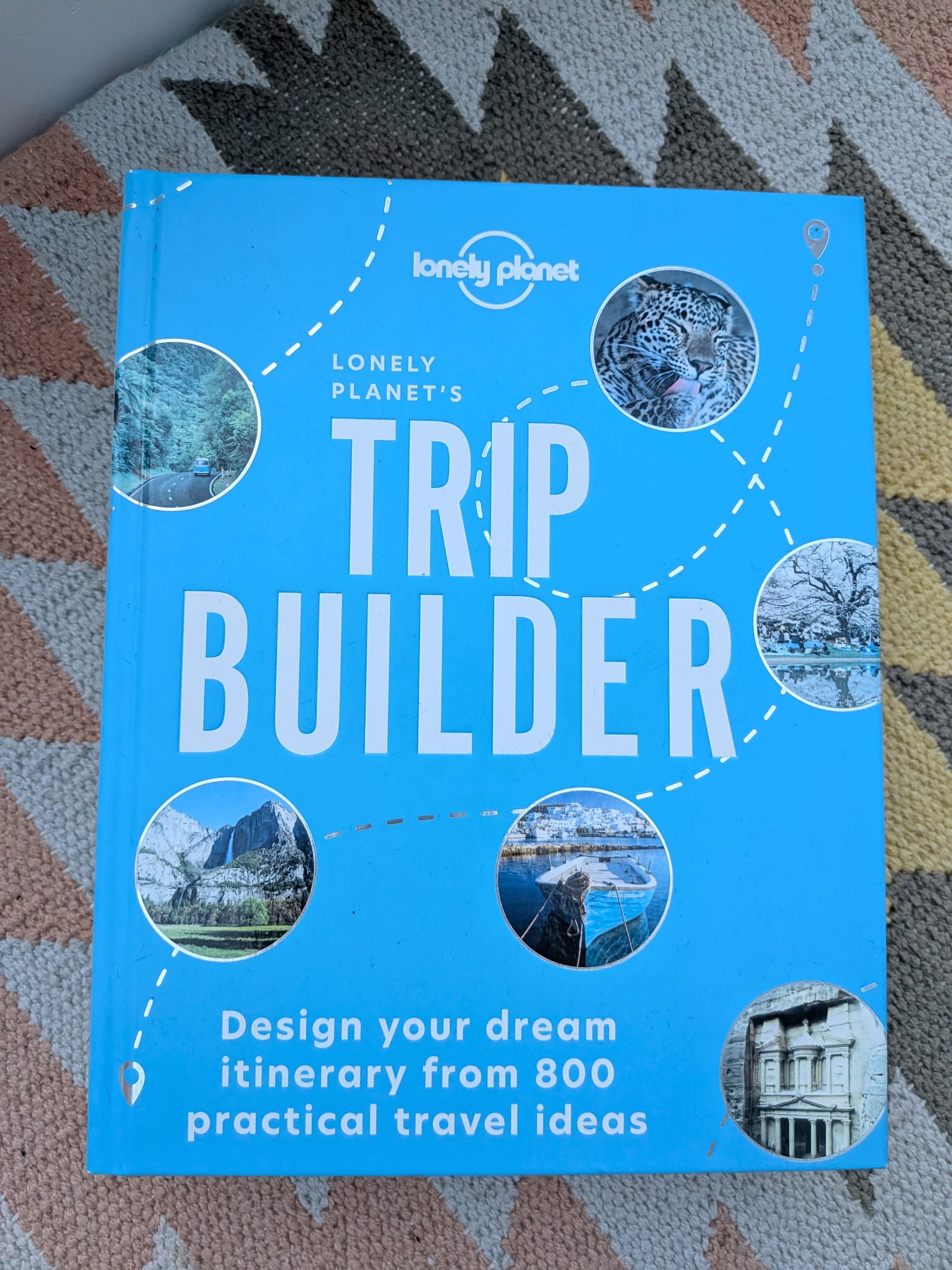
Our road trip was inspired by Lonely Planet's Trip Builder, a fabulous coffee table book, spotted in Brighton’s Waterstones while book writing in the coffee shop. This wedge of a book is packed with travel itineraries from all around the world. Bite-size and concise with helpful distances between destinations, whether travelling by car, bike, train or walking.
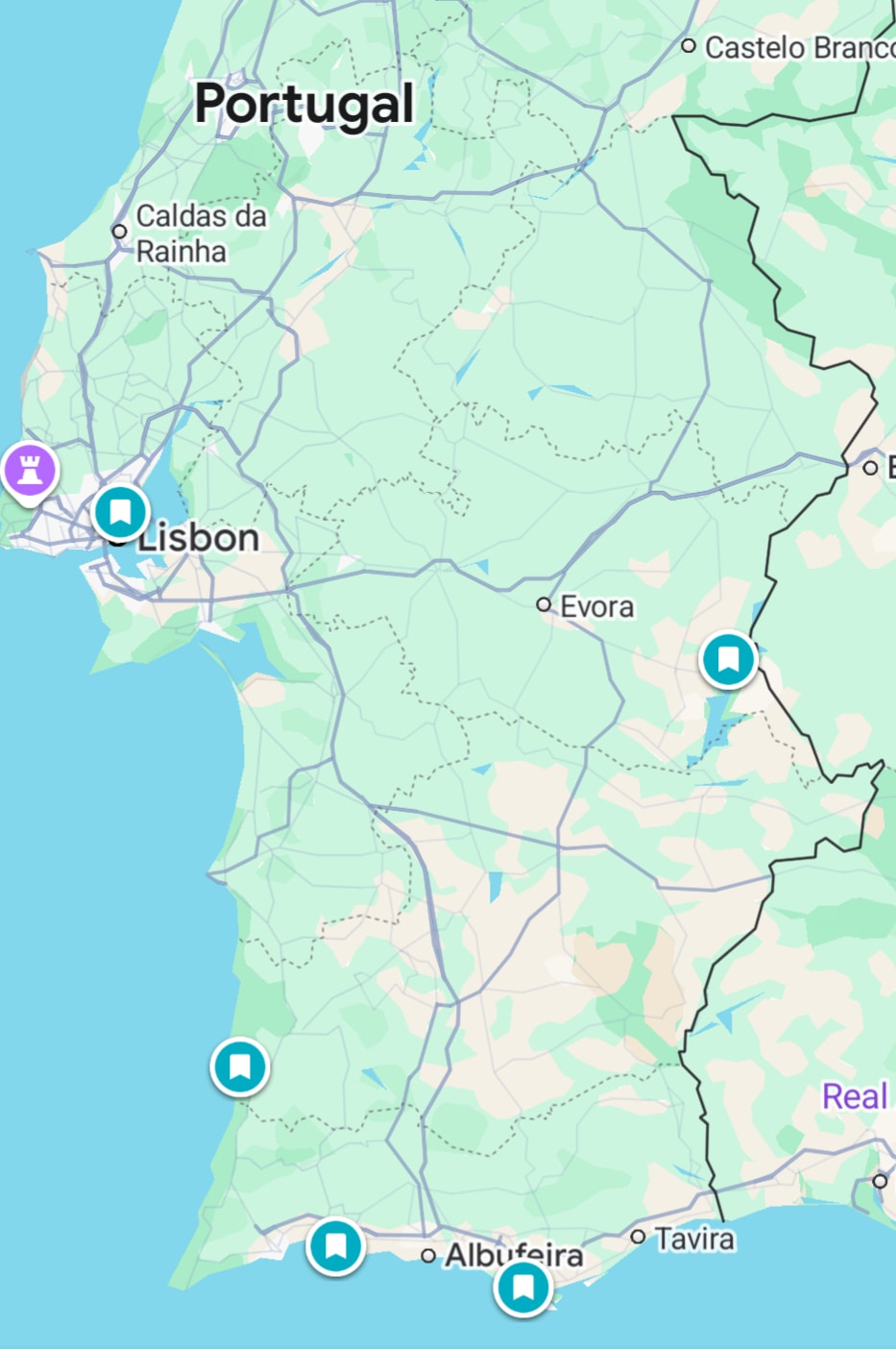
We were drawn to visiting Monsaraz and Zambujeiro do Mar, then added Ferragudo to our itinerary. We flew into Lisbon and out of Faro and the three destinations were just enough for our seven-day road trip.
Monsaraz, Alentejo regionDrivetime: Around 2h40m east of Lisbon Airport
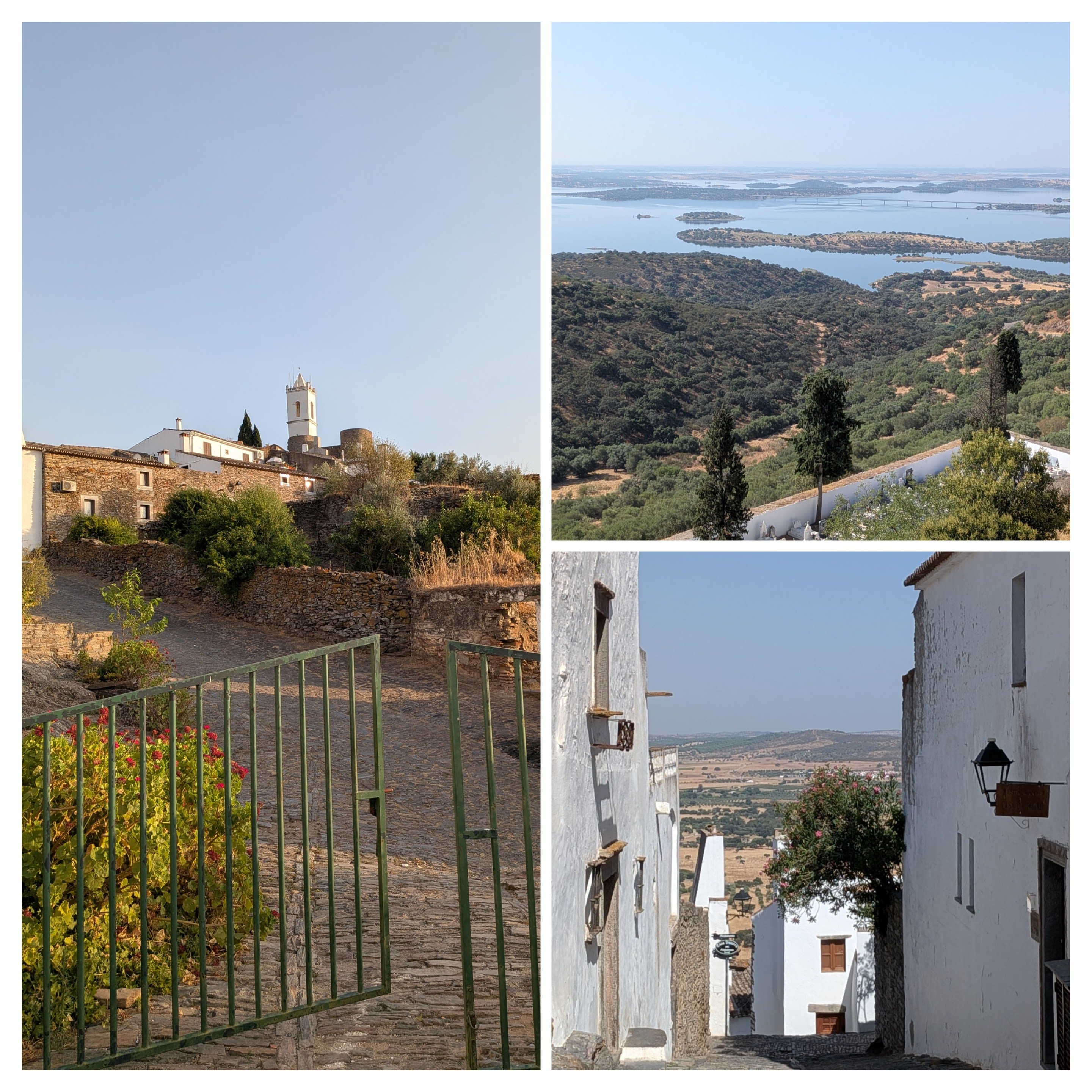
A medieval hilltop village in the interior with a castle and a smattering of properties along twisty, cobbled lanes. Views endlessly roll out across the countryside – you could easily believe you’re in Tuscany. Within a five-minute drive is the Alqueva reservoir, one of the largest artificial lakes in Europe, with a beach, watersports, a café and restaurant.
Accommodation: Estalagem De Monsaraz, two nightsAn intimate and rustic hotel with low beams and stone floors in beautiful grounds with stunning views, friendly staff and a pool. It was good value too.
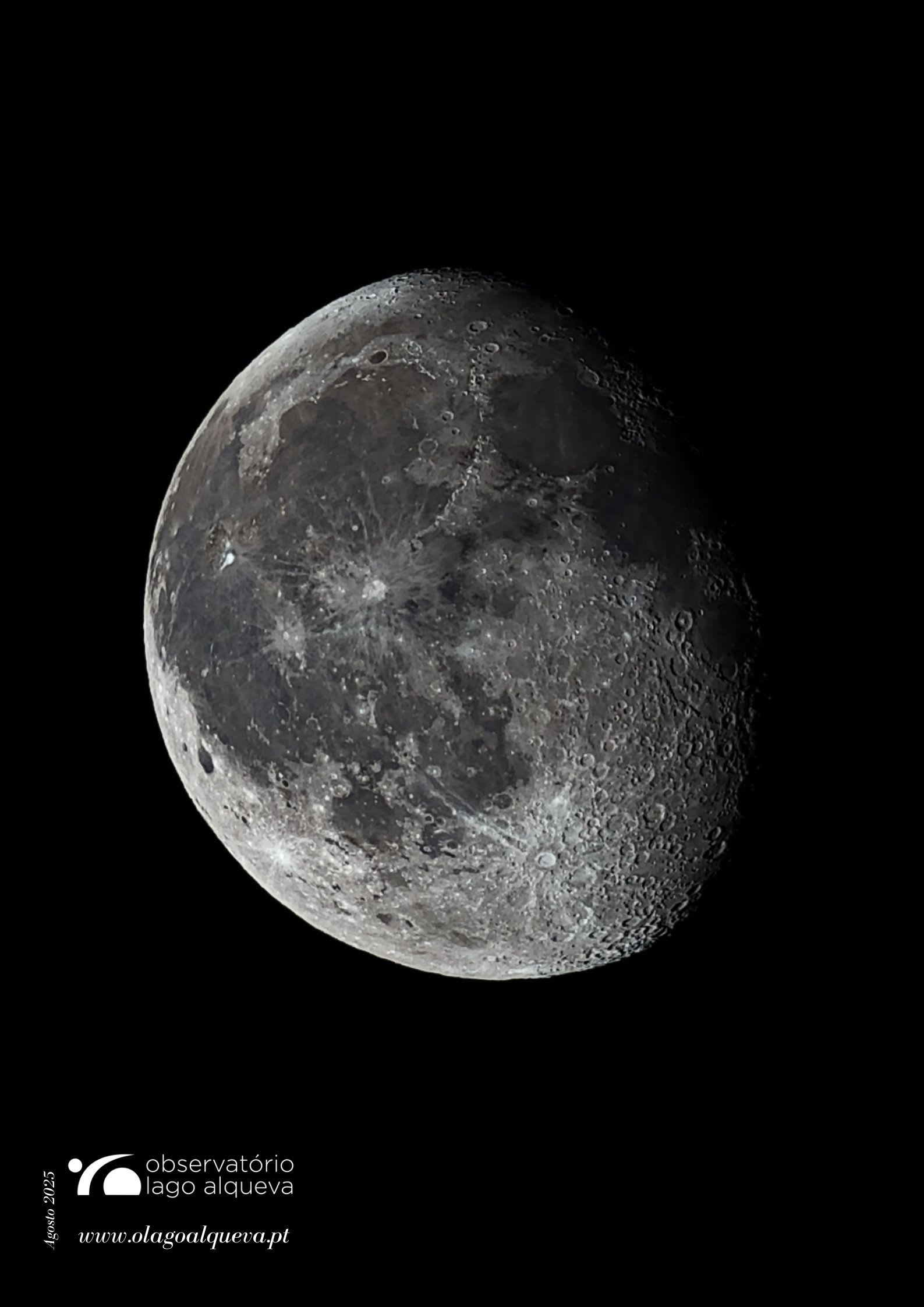
Highlights: Lake Alqueva ObservatoryA five-minute drive to an observatory certified by Dark Sky International. We went along to a pre-booked evening talk in English and had the chance to look at the night sky through powerful telescopes. They emailed photos of what we’d seen a few days later, including this one of the moon.
 Good to know…
Although there are several restaurants in sleepy Monsaraz, we were surprised to find some were closed or booked up for the duration of our stay. There’s no shop either. After googling (and driving around) we found two tavernas in local villages, which were so-so, but cheap.
Zambujeiro do Mar, Alentejo regionDrivetime: Around three hours south-west of Monsaraz
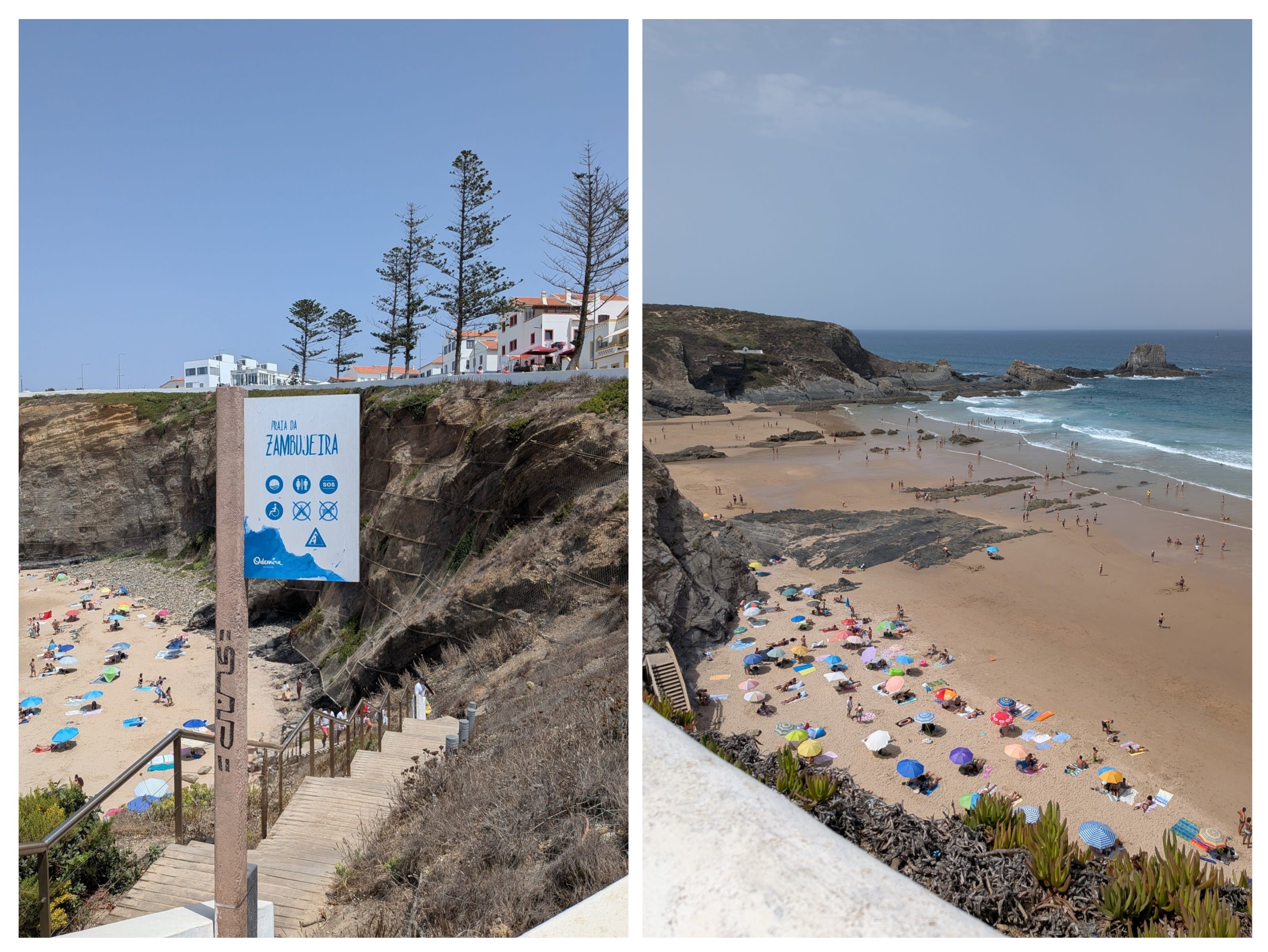
We headed west to the coastal town perched high on the cliff above a horseshoe-shaped sandy beach, not unlike Devon or Cornwall. It’s basic - no facilities, kiosks or umbrella hire. Portuguese families take their own stuff to the beach and head back to the town for refreshments, where bustling holiday vibes continue into the evening.
Highlights: Casa das Flores, two nightsAn authentic two-bed house right in the centre, just a five-minute walk to the beach, restaurants and shops. It was small, but quiet, clean and with a terrace.
Good to know…We came to the Atlantic coast to surf but there isn’t anywhere to hire kit in this town (bad planning!). Instead, we relaxed on the beach and booked surf lessons further down the coast for the following day.
Praia de OdeceixeDrivetime: Around 20 minutes south of Zambujeiro do Mar
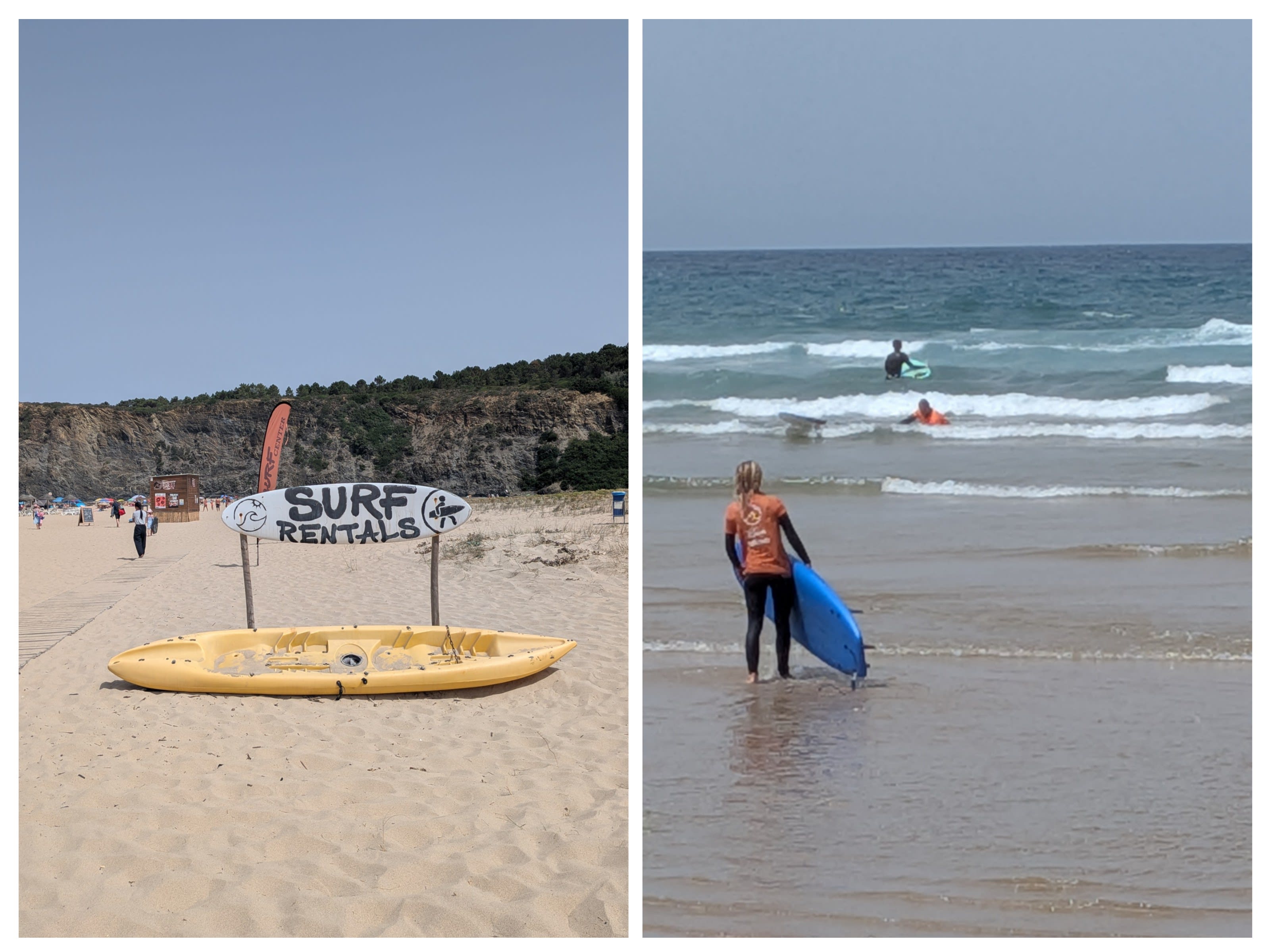
Water Element offer surf lessons and surf hire from a shack on Praia de Odeceixe, a sandy beach just outside the town of the same name. There are cafes up on the hill – and plenty of parking.
Ferragudo, AlgarveDrivetime: Around 1h30m south-east of Praia de Odeceixe
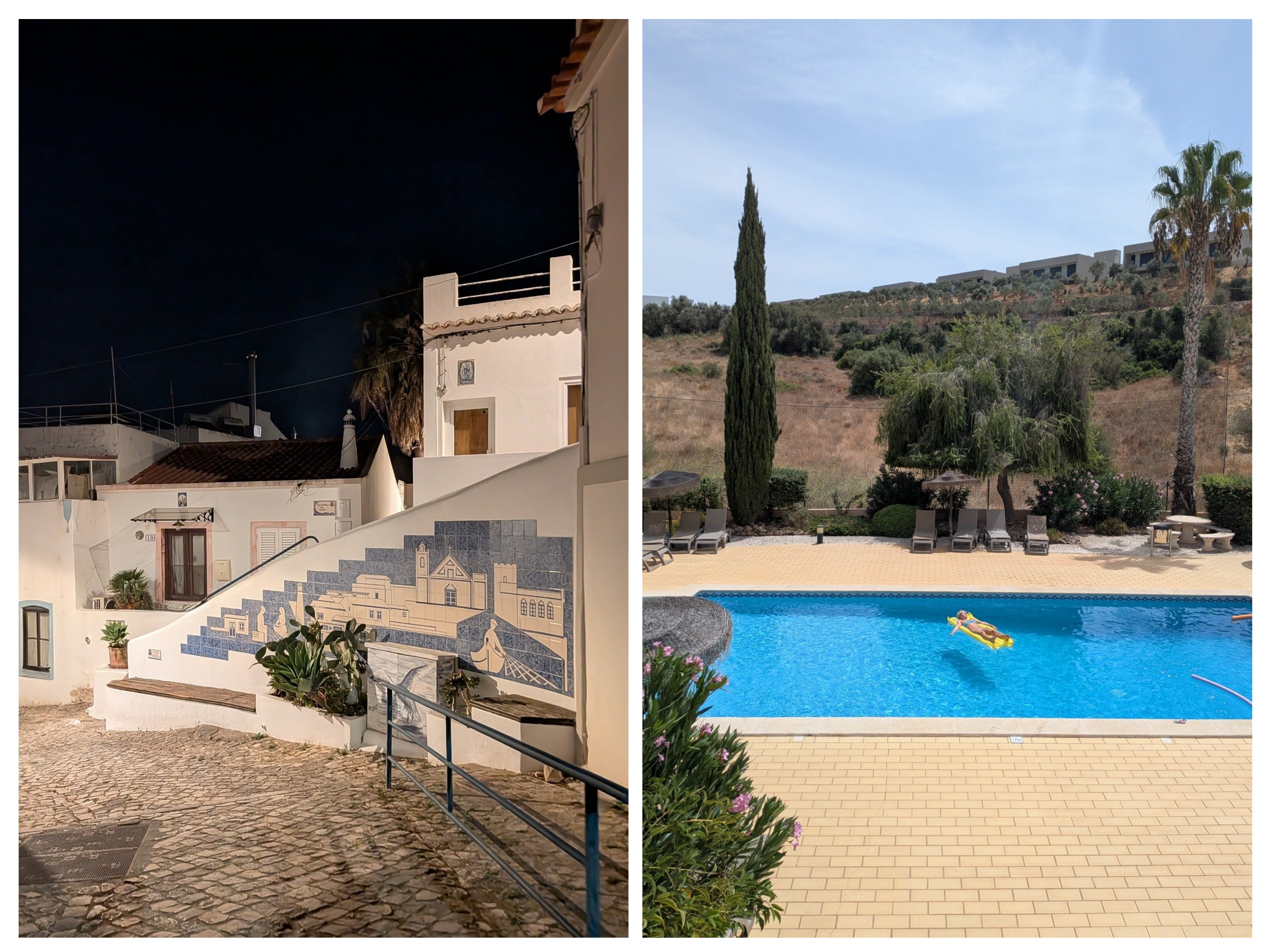
Ferragudo was once a fishing village and is said to be one of the prettiest places along the Algarve. It’s certainly a pleasant town that has a church with a viewpoint across to Portimão, a fort, and a ribbon of old streets that attract the Instagram crowd. The main square comes alive at night.
Highlights: Apartment with rooftop terrace, three nightsWe struck lucky with our Airbnb again. The apartment was spacious, modern and we loved the roof terrace and BBQ. Although, a short walk to the beach, we swapped lying on the windy whipped-up sand for the tranquillity of the shared pool in the complex.
Good to know…In contrast to where we’d visited, Ferragudo had more of an all round ‘package tourist’ feel than we’d experienced. There were plenty of places to eat and a buzzy atmosphere though.
Benagil Sea CavesDrivetime: Around 25 minutes east of Ferragudo.
Our flight home from Faro was in the evening so we took the opportunity to stop off along the way. We discovered a paddleboard trip to Benagil Sea Caves with Blue Experiences. It was a unique experience with an excellent guide who kept us safe and shared her knowledge.
Good to know…The meeting point is on a small beach packed with tourists clambering in or out of the sea as they begin or return from the caves. Kayaks and boats are more popular than paddleboarding (we ended up with a private tour). It’s a little chaotic out on the water so the waves are choppy, but you can kneel or sit on the paddleboard to keep it steady.
Drivetime: Around 50 minutes back to Faro Airport.


August 15, 2025
8 Days in Norway
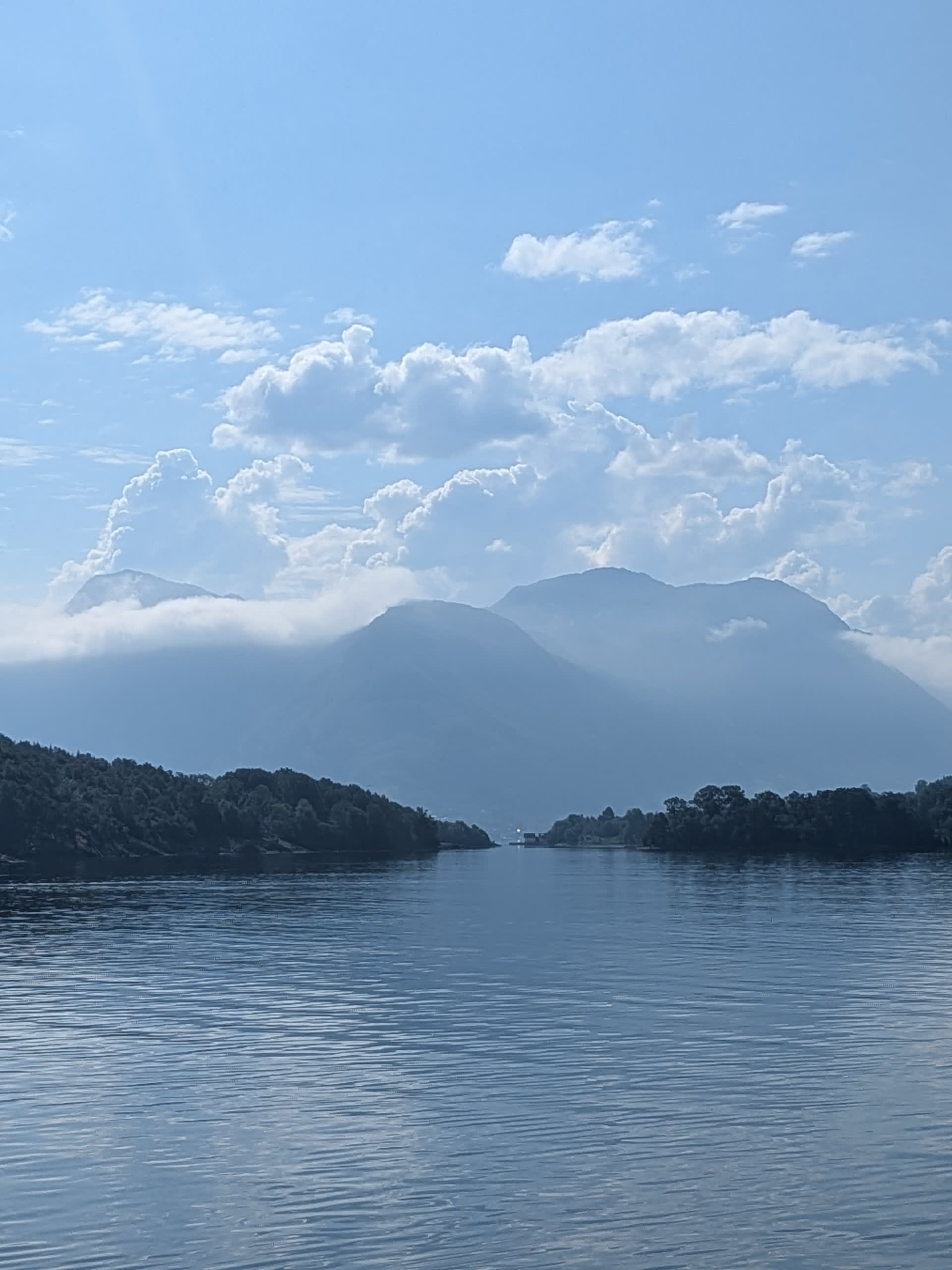
A country of mountains, fjords and stunning scenery, we wanted it all (with some city experiences sprinkled in). We didn’t have lots of time and consulted the Lonely Planet Norway to make plans. We flew into Oslo and out of Bergen – and took the train between the two cities.
Oslo Highlights
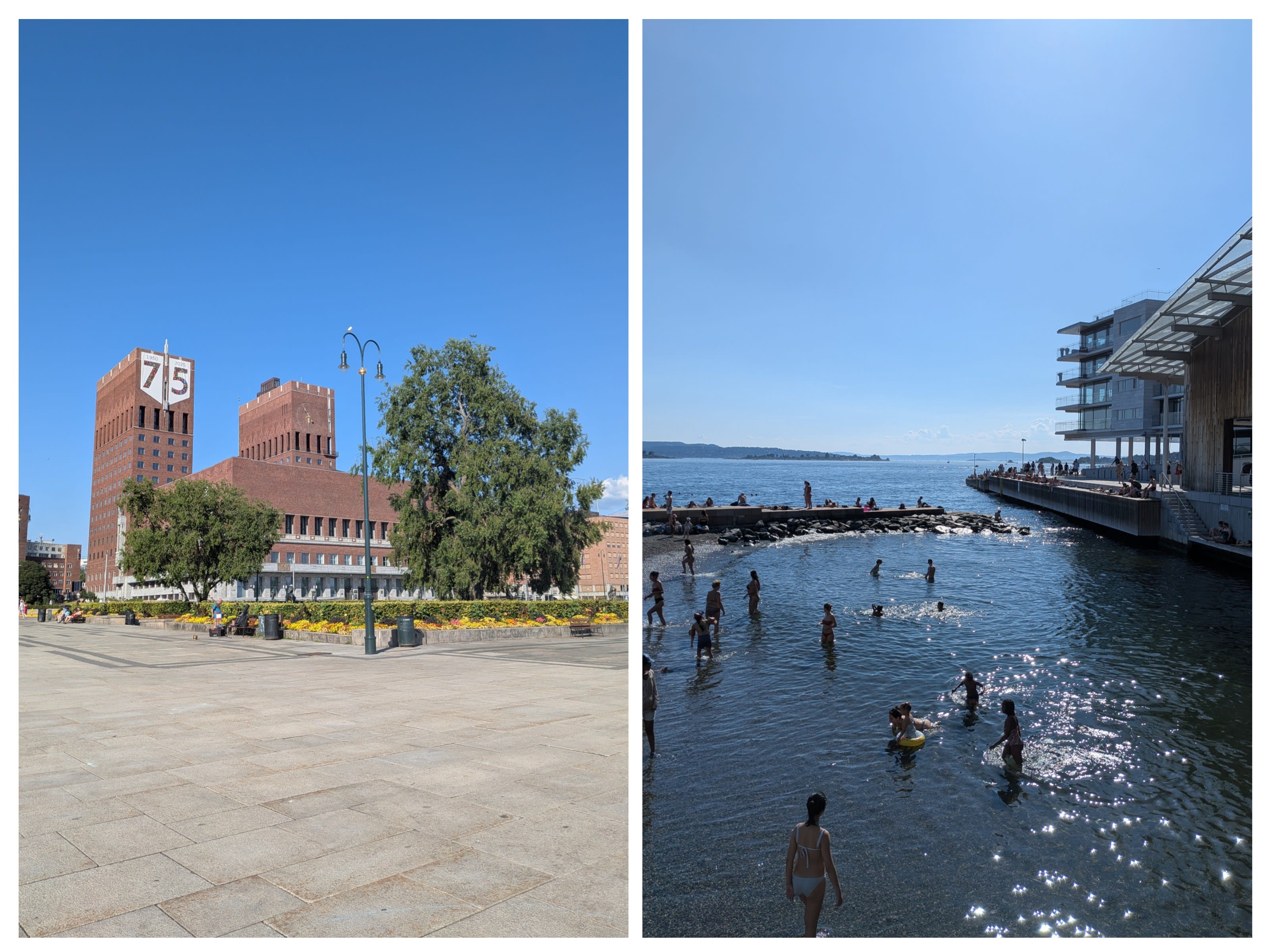
- The 9km waterfront promenade that meanders through the city. A cute beach here, too, packed as the temperatures were unusually blistering hot
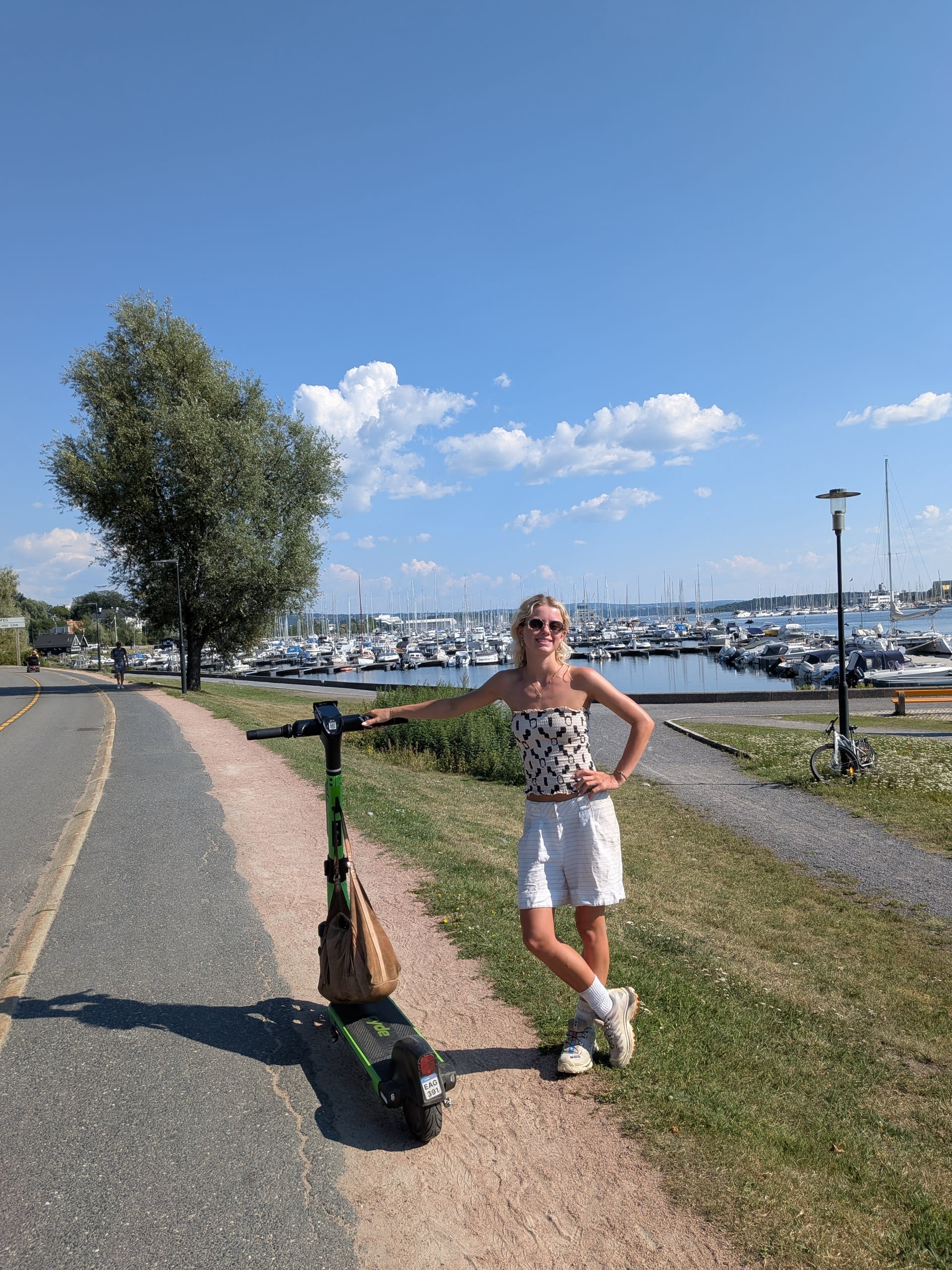
- Cycling/scootering along bike paths to the Bygdøy peninsula where there are museums, woodland walks and remote beaches
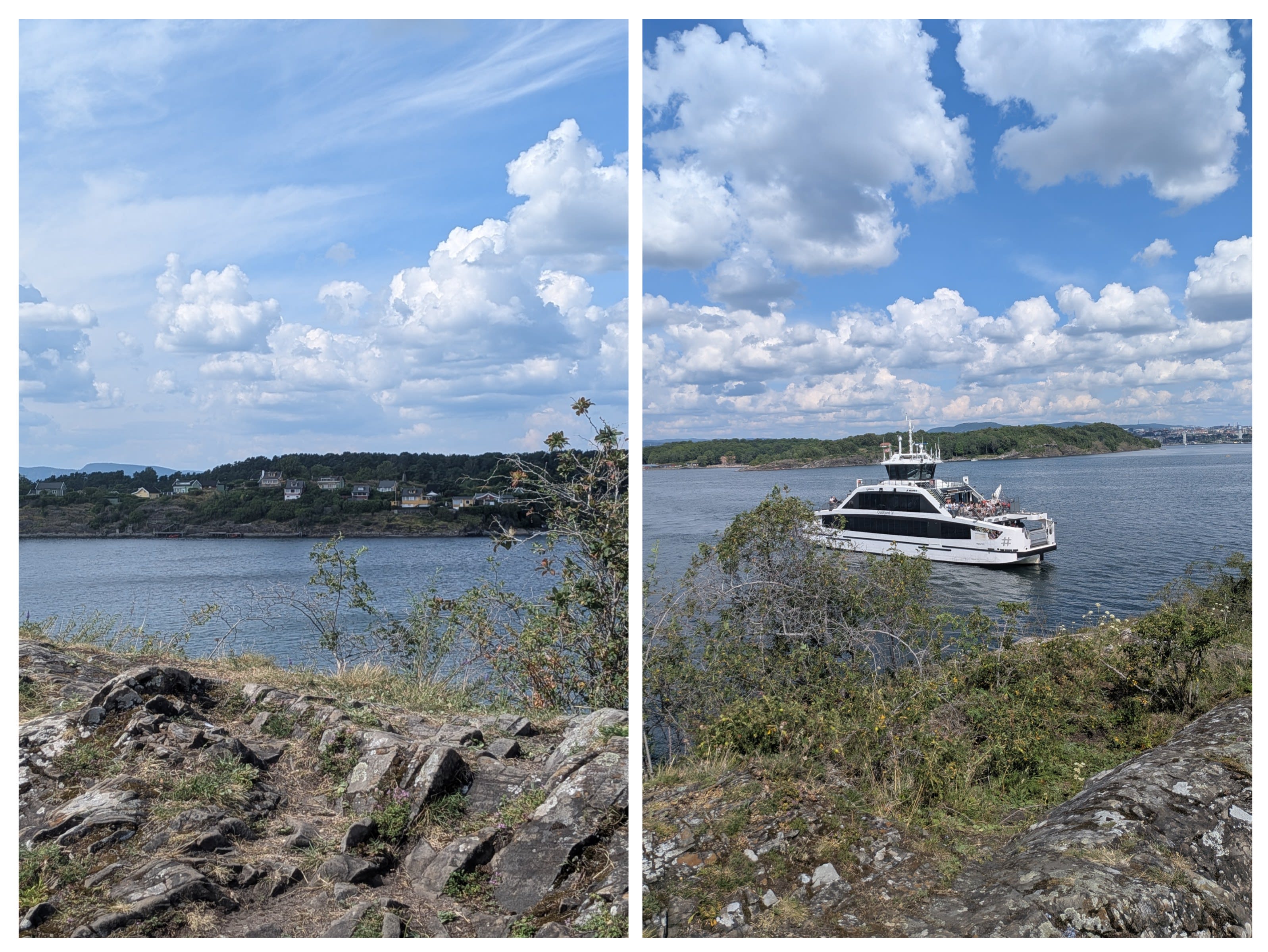
- Island hopping on the public ferry to a cluster of quiet, unspoilt islands. Locals pop across the water to their second homes
- Langøyene island for its coastal walk and crescent sandy beach
- Gressholmen island for longer walks and rocky outcrops
Practicalities
Book tickets for the ferries on the Vy app, which depart from the city centre at Aker Byrgge. Grab an electric scooter wherever you find one and pay by app. The Oslo City bike app helpfully tells you where to find bikes and drop them off.
Sleeping & Eating
Anker Hotel. Price included breakfast. Tram stop outside along with city bikes and scooters, or a forty-minute walk to the waterfront.
Oslo Street Food. Mains around £16. Beer around £8 a pint.
Bergen Highlights
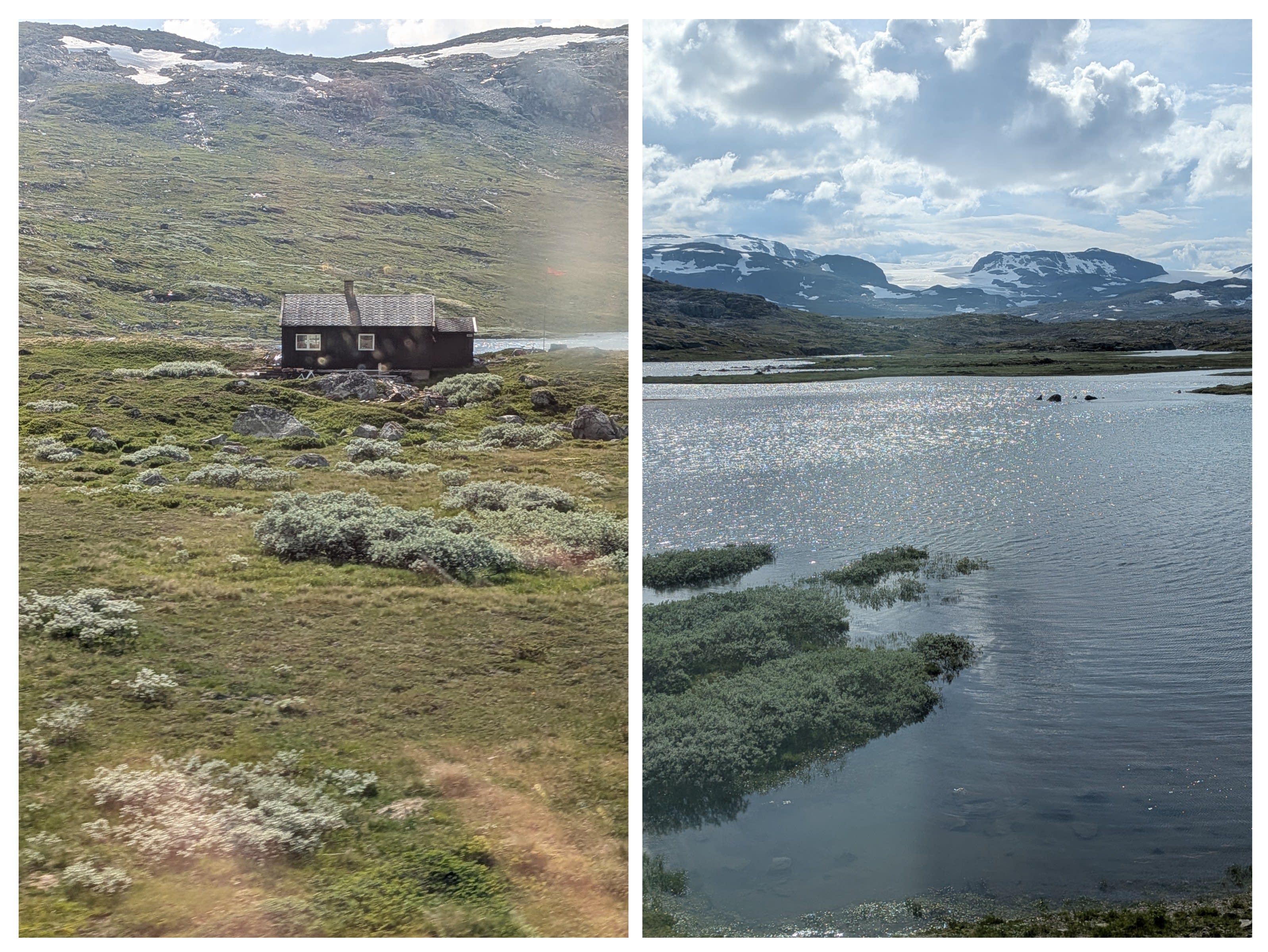
- The magnificent seven-hour train journey to Bergen passing alongside fjords, farms and villages
- Climbs to 1,222 metres above sea level where at the highest point the distant mountains are still dusted in snow
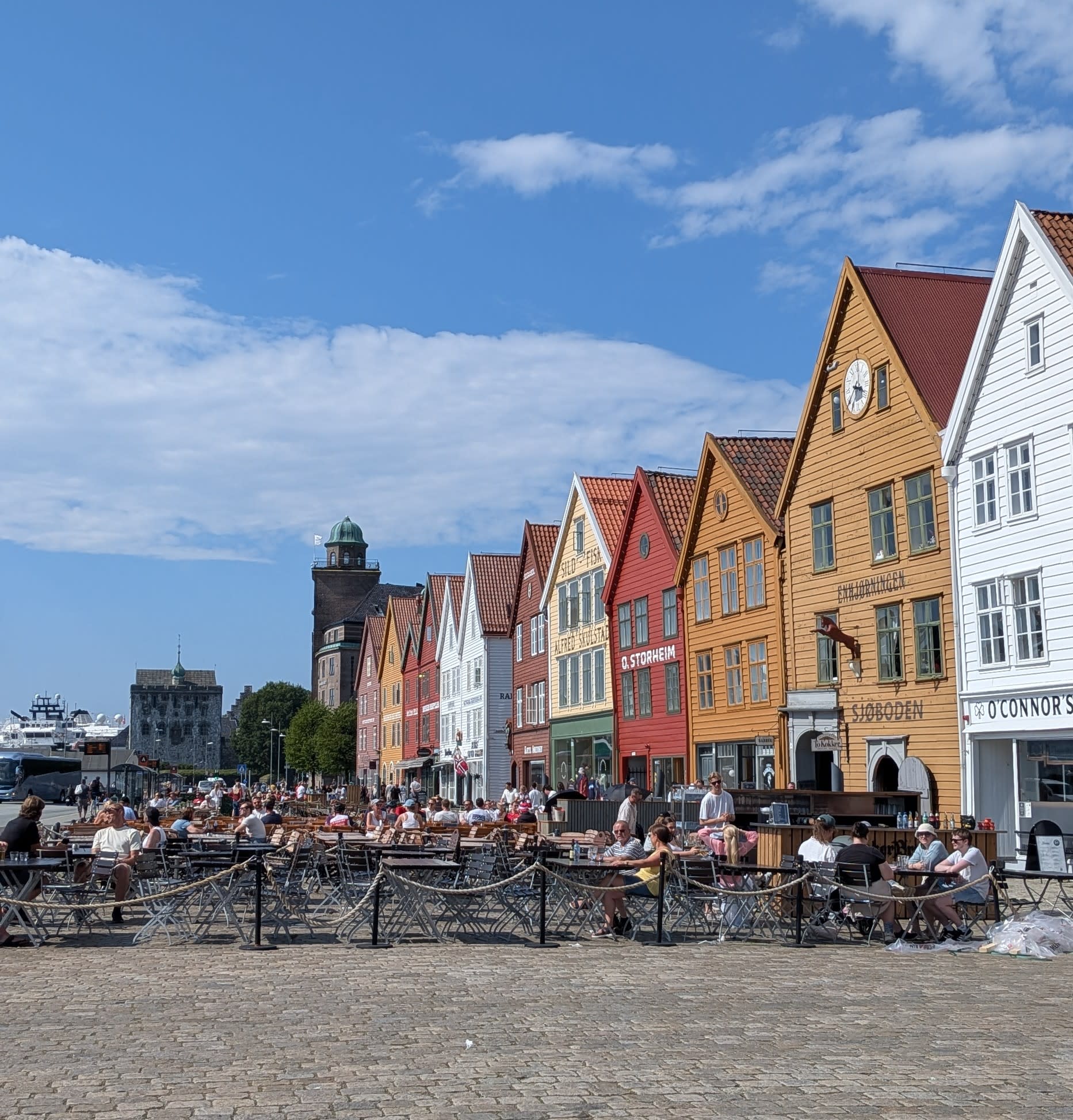
- Wandering around Bryggen, the old part of Bergen, with its colourful wooden buildings and UNESCO World Heritage status
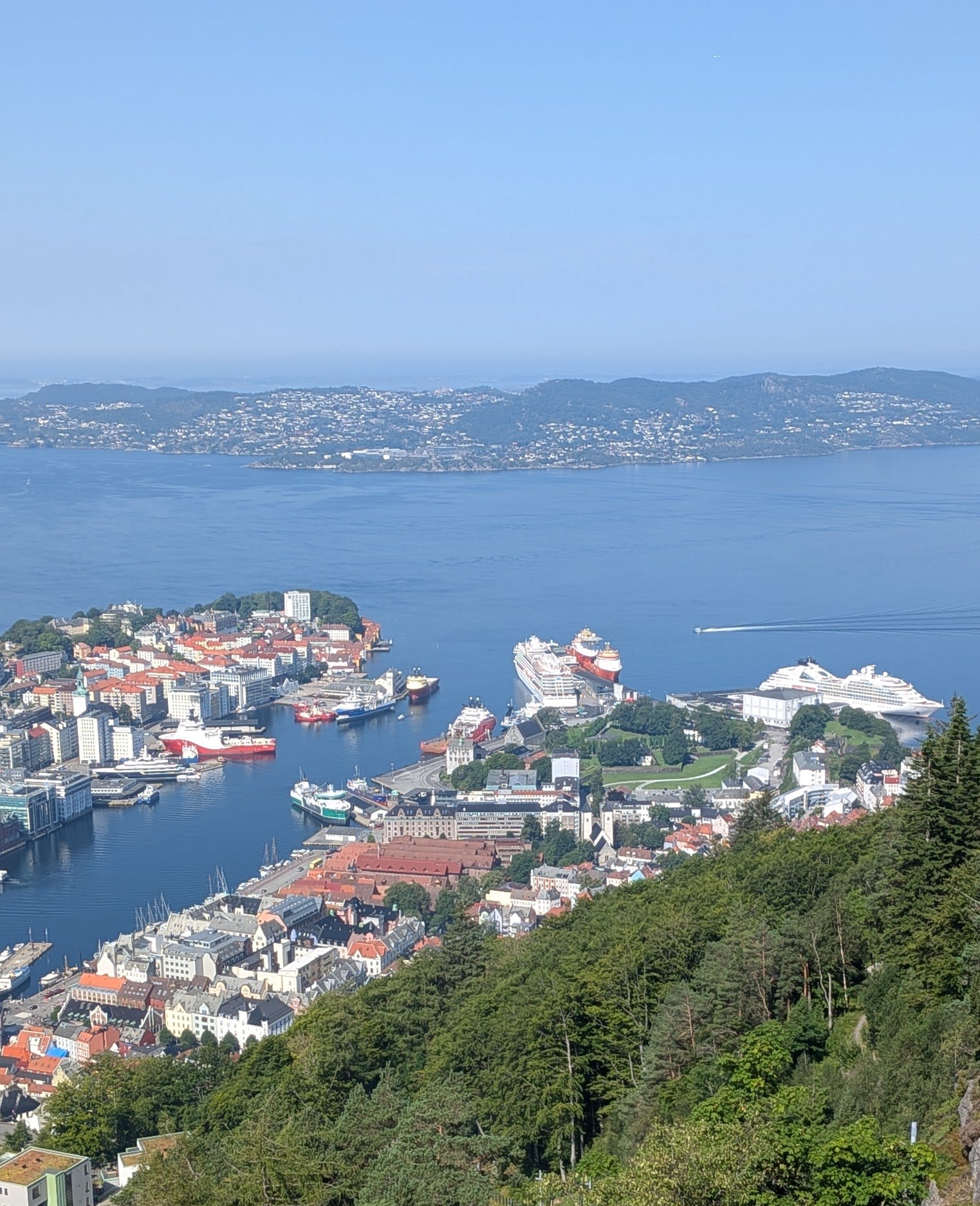
- The viewing terrace at the top of the funicular on Fløyen mountain
- Biking and walking around Fløyen mountain
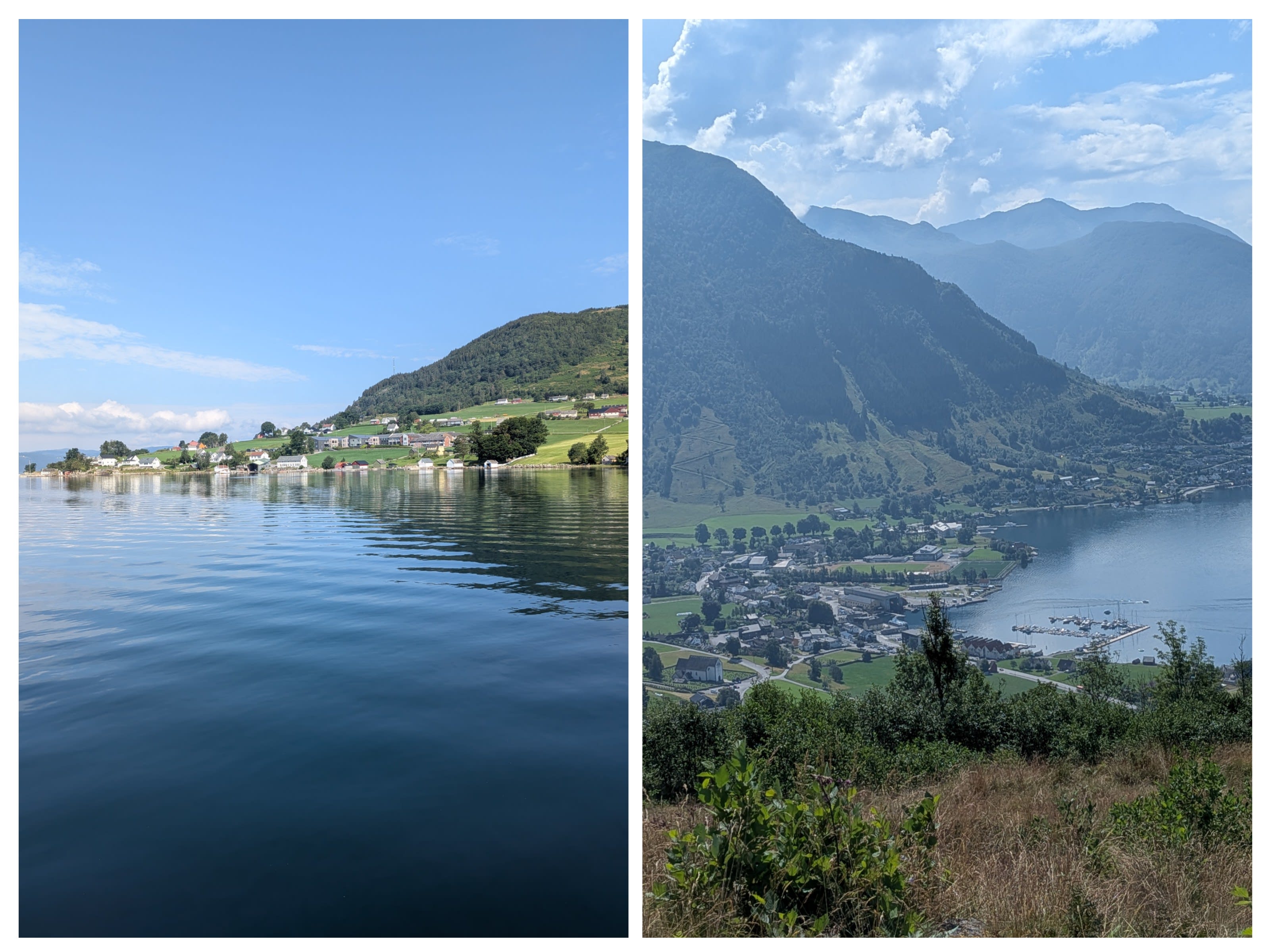
- Express boat from Bergen to Rosendal in Hardangerfjord, the world’s third longest fjord
- Climbing and picnicking at the top of Sjethaug in Rosendal with widespread views of the fjord
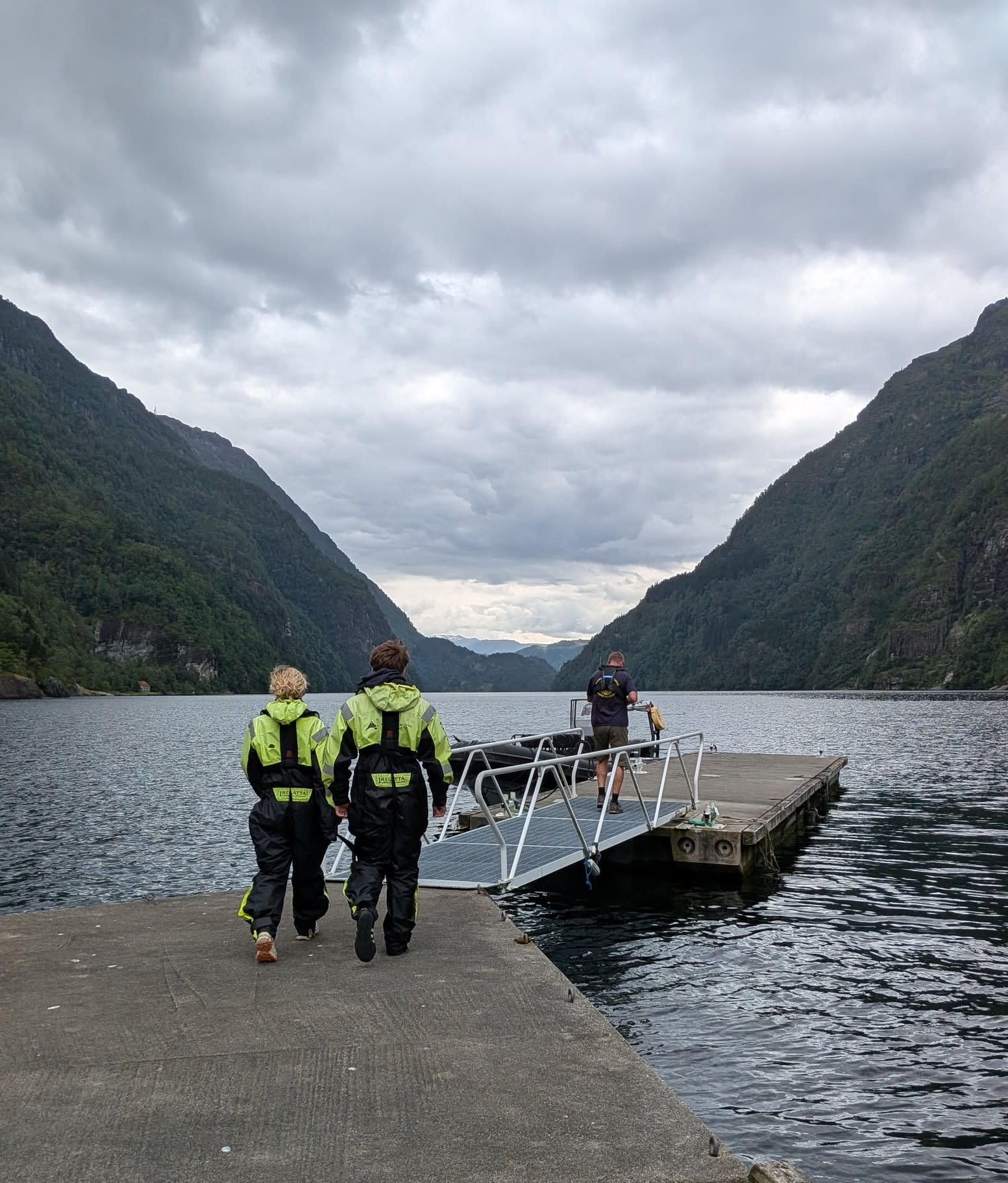
- A speedy RIB boat trip up the narrowest tributary of the Hardangerfjord
Practicalities
Book the Oslo to Bergen train on the Vy app but in summer be quick (we booked in April for July). A six-seater compartment is a little more money but you’ll get views on both sides of the train.
The funicular to Fløyen is in the centre of Bryggen and it takes around 45 minutes to walk back down. Bike hire up there is best booked in advance.
The express boat to Rosendal is with Rodne and takes two hours. You’ll have 3.5 hours in Rosendal before the return trip.
We took the RIB boat with Hardangerfjord Adventures. Note there are no seats - you straddle a padded bench and hang on! The meeting point is in Norheimsund, about 1.5 hours drive from Bergen, and the quickest way to reach the fjord.
Sleeping & Eating
Airbnb in Bryggen. A ten-minute walk to the waterfront with two supermarkets and a lively locals’ bar on the doorstep, Dr Wiesener.
Good to know
- Take the local train from Oslo airport to the city centre as it’s half the price of the airport express train
- The Oslo-Bergen train stops at Voss where there’s a lake and adventure activities. They start early and the drive from Bergen is 1.5 hours so consider a stopover
- Tourism is slick. Public transport line up with one another and it’s possible to do everything on a tour from Bergen – at a price
- Both cities are bustling and buzzy but not notably super crammed like other European cities in the height of summer
- Think London prices…
August 6, 2025
Summer holiday reads
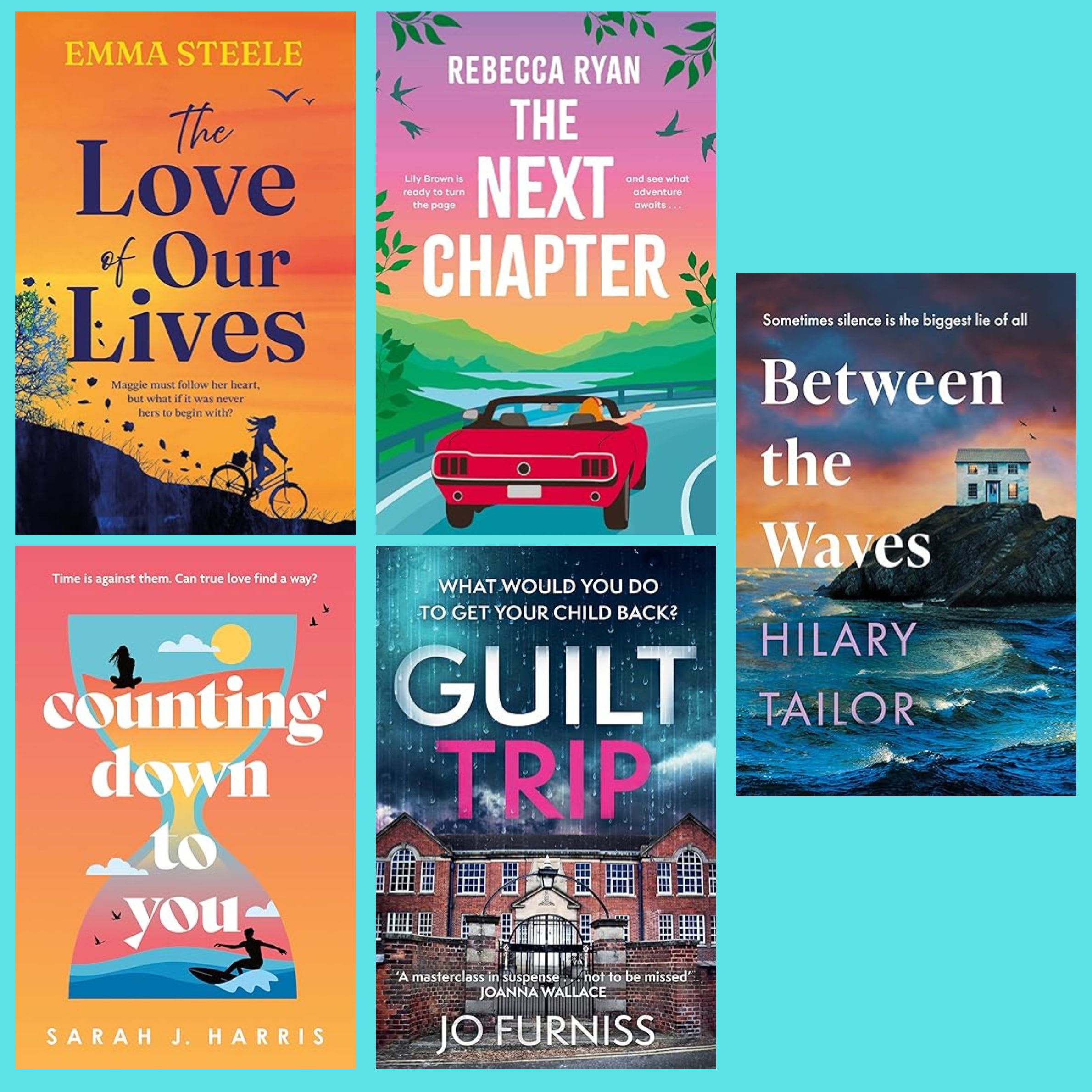
As a reader, I’m often swamped with too many choices to know which books are going to give me the buzz to keep turning the pages. As an author, it’s frustrating with so many books vying for attention. So I’d like to give my author friends, with new books out this summer, a boost. I’ve read them all and thoroughly enjoyed every one. They’re perfect for chilled summer reading.
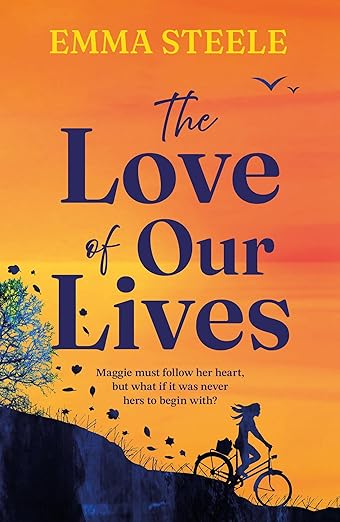 A gorgeous Edinburgh-set story about love: loving another, loving yourself and loving life.
Maggie should be living life to the full. She should be travelling the world, jumping out of planes, skiing in the mountains. Everything she dreamed of doing. But a year ago she fell ill and needed a heart transplant, losing all her confidence. This new heart is a gift, and Maggie believes that the best way to honour it is to be careful, cautious, safe.
Then something impossible happens. Maggie wakes up one morning in a flat that's not her own, in pyjamas that aren't her own and when she looks in the mirror - she sees another woman's face looking back at her. Somehow, magically, Maggie has been given another chance at life, and another chance at love...
But can you truly follow your heart if it belonged to someone else first?
I was immediately drawn to the premise of this book, which unfolds into a sweeping story of life, living and hope with an impossible love conundrum running through its heart (no pun intended!). So many twists, so many surprises, all superbly weaved together to make a truly unique love story. You won’t want to put this one down!
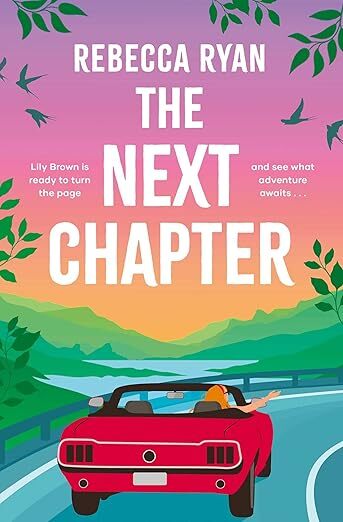 Lily Brown prides herself on her organised, surprise-free life. But when her adoptive father asks her to reconnect with her birth mother, Lola Starr – a legendary pop punk singer who vanished from fame – Lily decides to venture off the well-trodden path. With her best friend Seb, Lily tracks Lola to her humble hotel on the beautiful Isle of Skye in Scotland, far from the glamorous life she imagined. Hiding the truth, Lily gets to know Lola and finds a kind, free-spirited woman. If life wasn’t complicated enough – she meets Noah, a charming travel writer on a quest to discover hidden gems.
 As Lily takes a chance and embraces new possibilities, she begins to question whether the safe rules she’s built her life around are what she really needs.
I love Bec’s writing - witty and laugh-out-loud funny that’s cleverly balanced with a more serious storyline. Lily's journey to meet her birth mum is as emotionally chaotic as her encounters with the sexy love interest. The story has all the feels and vibes of an Emily Henry book; it’s a rom-com that dives deeper than most.
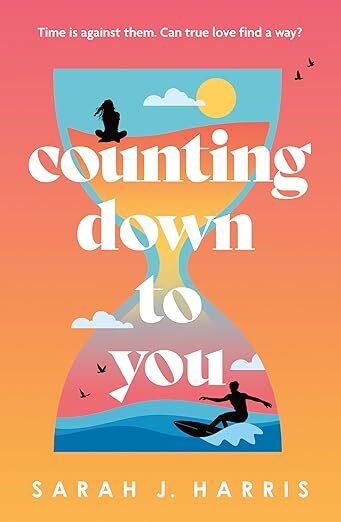 Sophie can see how long people have left to live. Her first love Adam is back. And he has just 24 days to go.Ever since the accident that changed Sophie’s life, she sees numbers everywhere. From the leaves on a tree to the volume of a puddle, everything has its number. And every person she meets? Their number is counting down the number of days they have left.Despite being lonely, Sophie has decided she’s not dating anyone with a number smaller than 20,000 days: 55 years together should be plenty. Which is fine, until Adam—her first love and most definitely the one that got away—suddenly reappears. And his number? Just 24 days…
I'm a sucker for a second chance romance - hardly a surprise! I loved all the layers, the timeline flip, and dual narration by Adam and Sophie. There were clever details that pulled the story together and to remind us to live life to the full. A love story with a heart breaking realisation that kept building and building and had me tensely wondering, how can this end??
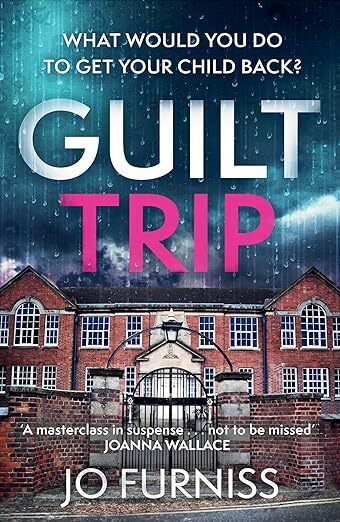 A group of parents expose each other's darkest secrets when a minibus carrying their teenage children disappears without trace in this unputdownable thriller.
 It is 3pm on Monday. Emily Smith is summoned to her daughter's school, an elite hothouse where pupils work under exacting standards of grades and behaviour. She is reassured that Olivia isn't in trouble, but the news is even worse - her child is missing.
A minibus carrying the swim team never arrived back from a gala. The police don't know where it has gone and the school's 'no phones' policy means none of the kids has a device. They have vanished.
As time ticks by and fear becomes unbearable, the real danger may not be the kidnapper but someone much closer to home...
I don’t usually swing towards crime reading but I absolutely love a book that keeps me gripped. From the get-go red flags pop as the story flips between mother and daughter narrators, and the story unspools and gathers pace. I loved the feisty mums and sassy teen kids. There’s dark humour, thrills and chills, with twists around every corner that you just don't see coming. Superb!
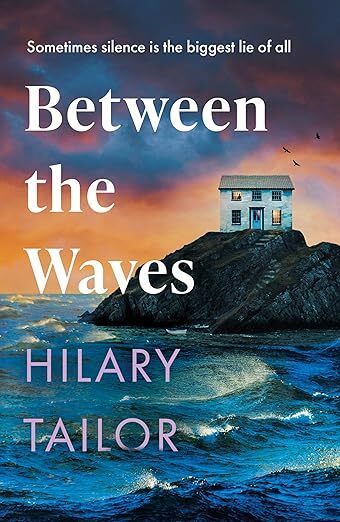 A haunting novel about the secrets we keep to protect ourselves—and those we love.Twenty years ago, during a family holiday on the savage and remote island of Little Auger, eleven-year-old Hazel left her bed and was never seen again. The unanswered questions surrounding Hazel’s disappearance tore three families apart and the girls left behind all experience their own terrible guilt. Roz, because she broke a promise; Catrin, because it was her idea; and Nina, who slept through it all. Their friendship never recovers and all three women go on to lead vastly different lives.Twenty years later, they each receive a phone call from Stella Cox, a true-crime podcaster, who has unearthed new evidence about Hazel’s disappearance. There is no doubt Stella has found something important but the question is, how can the women—once best friends, now strangers—trust her, or each other?
This is more than a story about a missing girl, it's about friendship and family and relationships and how the past impacts the present. Of course I wanted to know what happened to Hazel that morning on the island, but I also needed to know what happened in the lives of the three teenage girls after they went their separate ways. Between the Waves is beautifully written, atmospheric and thought provoking - such a pleasure to read.
July 17, 2025
Palma, Majorca
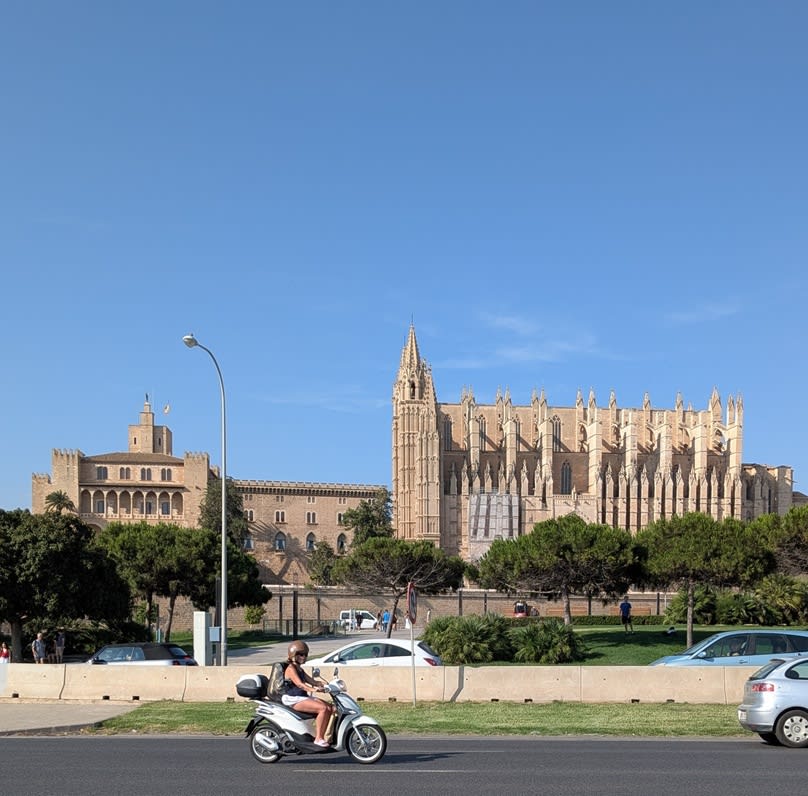
I recently spent three nights in Palma with my two teens to celebrate the end of A- levels and GCSEs. We were a trio abroad for the first time (hubby was away with work) and the experience has become a very special and treasured memory.
Beach or centre?I’d been to Palma in 2018 and remembered the old city as a maze of little lanes, hidden squares and palm-tree boulevards, with a striking cathedral at its heart. Beaches are mostly strung out along the coast either side of the city so I decided to stay central and tag on a beach day while we were here.
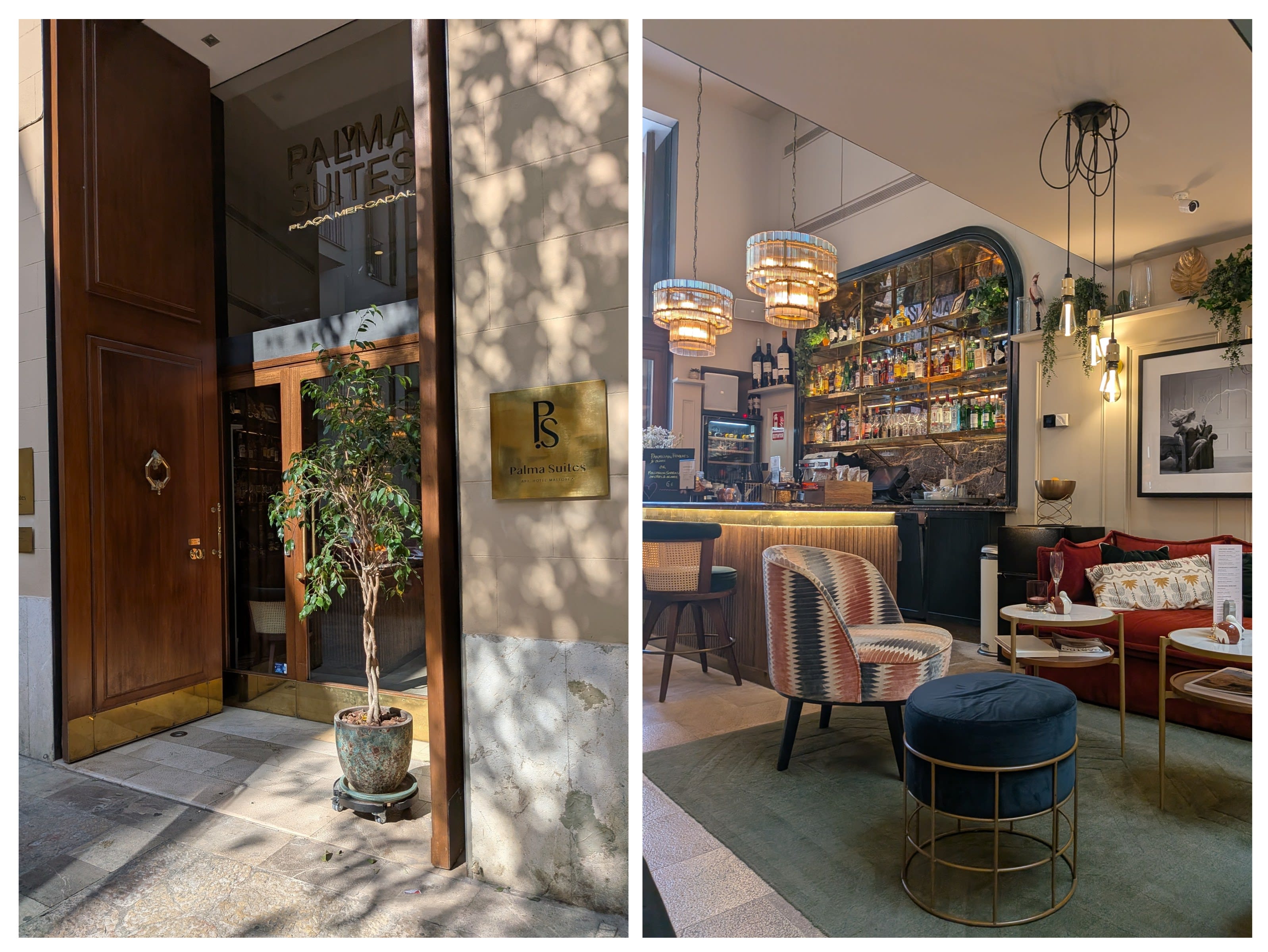 Palma Suites Hotel Residence
Three is an awkward number for a hotel room, especially with kidults. However, I couldn’t find an affordable or half decent apartment in the right location at short notice. I sprung upon the Palma Suites on Expedia, which provided the best of both worlds: a one-bedroom apartment with a separate living room and sofa bed within a hotel-like environment. (Even better I had a discount voucher).
After a frazzled journey - where I forgot to check in, discovered an overbooked flight, managed to board, only to remember I’d left the back door open at home (thanks, sister for saving the day) - I lunged for the glass of cava presented on arrival. The Spanish receptionist of similar age nodded and smiled sympathetically at the perils of being a peri-menopausal woman. Then told my son to remind me to book breakfast the night before, if we wished to have it. (As it goes, we didn’t. There were plenty of bakeries within a stroll to pick up morning provisions).
Anyway, the Palma Suites did not disappoint. It felt more like a hotel than an apartment building with doors opening onto a gorgeous foyer-bar with beautiful lighting and furniture. As well as the welcome drink (nice touch), we felt welcomed, and the setting was plush and intimate. The apartment interiors were a high standard and we loved the roof terrace that looked over the city. Cabanas for relaxing and a cute plunge pool, perfect for daytime blistering temperatures and humid evenings.
We couldn’t have picked a better location. We were a quick ten-minute walk from the bus stop with a direct bus to the airport in fifteen minutes. We soon discovered crossing the square and nipping down an alleyway took us into the hub of the old town with an abundance of shops, cafes, bars and restaurants.
Accommodation: palma-suites.com
 Day 1
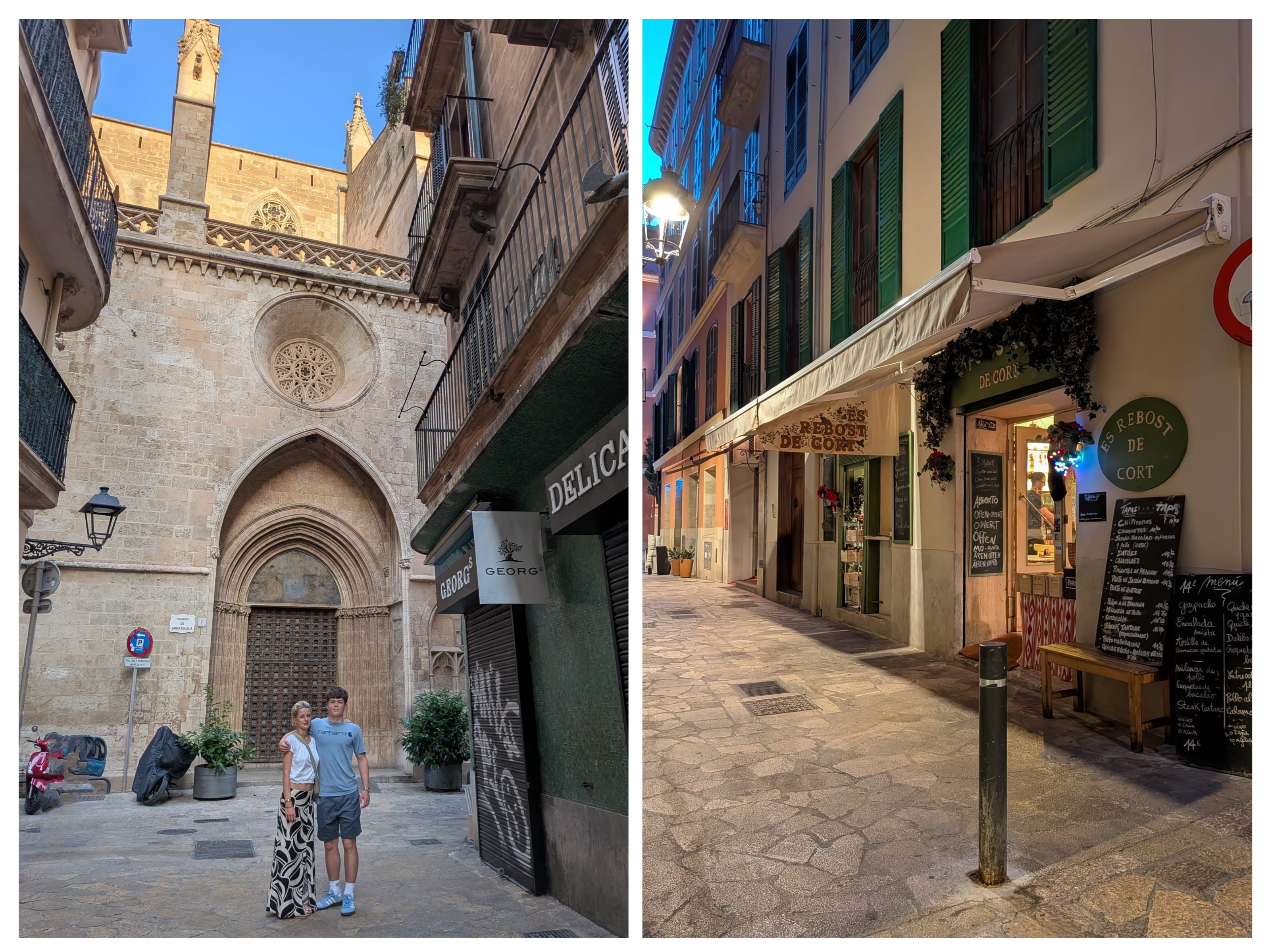
Day 1We arrived late afternoon. A wander about the old town during the evening confirmed Palma was busy with tourists so we ducked down some of the smaller side streets and found a free table outside a small restaurant. We opted for sharing plates of tapas, washed down with beer served by a pleasant waiter. On the way back, we discovered a lively little locals bar near our apartment and soaked up the atmosphere.
Food: Es Rebost de Cort, £47.40. Drinks: Bar Flexas, £8.03
 Day 2
Day 2I’d done a bit of research and heard about the vintage wooden train from Palma to Soller. I thought it was a bit pricey for three of us and perhaps overrated, according to reviews. I’d read about pretty hilltop towns, Deia and Valldemossa, and picked the latter for an afternoon exploring.
According to Google maps, the bus stop should have been easy to find, near the train station, but was actually nowhere to be found. Confused, we asked around and discovered the bus station was below our feet in a large underground terminal! The journey to Valldemossa took about half an hour, mostly chugging through the city, out to the university, and then a short winding road up into the hills.
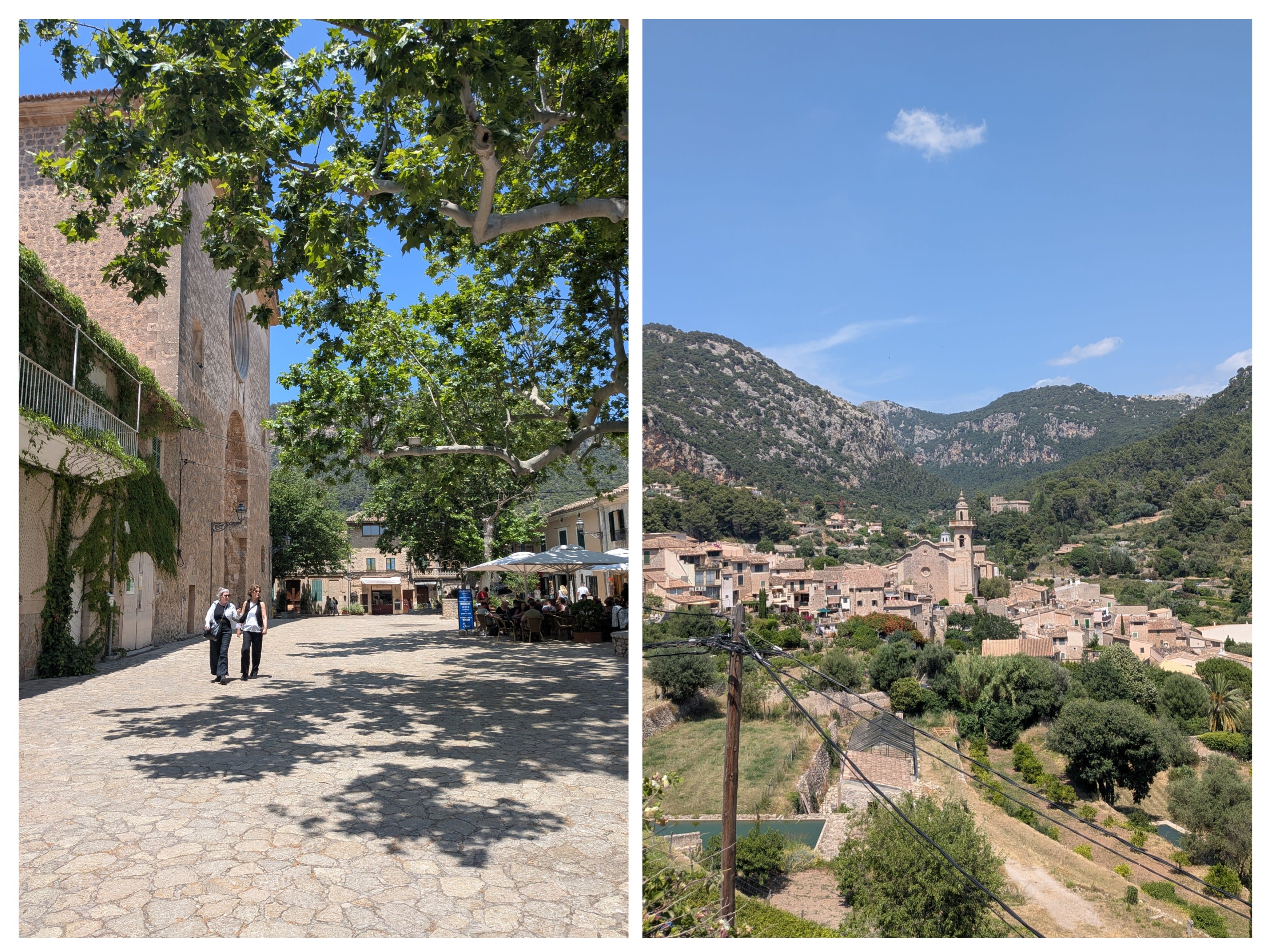
Valldemossa is cobbled and picturesque and definitely worth a leisurely stroll. We ate in one of the squares, wandered through Jardins Rei Joan Carles, poked around shops, stopped for drinks, and discovered a fabulous viewpoint. Maybe it was the old buildings, the hilltop location, the Cypress trees, but I felt a hint of Tuscany here.
Bus: £14.26 for three. Food: Restaurant Sa Picada, £47.57
We ended our day in a restaurant that will remain nameless. What should have been a treat night out eating Spanish-Japanese fusion tapas, turned catastrophic when my daughter had an allergic reaction to nuts. Thankfully, we speedily got everything under control. The lesson learnt is even if you tell the waiter about allergies, and you remind them again, and again, be extremely cautious. I’m pretty certain it wasn’t a language issue. Perhaps lack of communication between waiter and chef. We received an apology – but really? This restaurant was highly rated. There was no excuse.
 Day 3
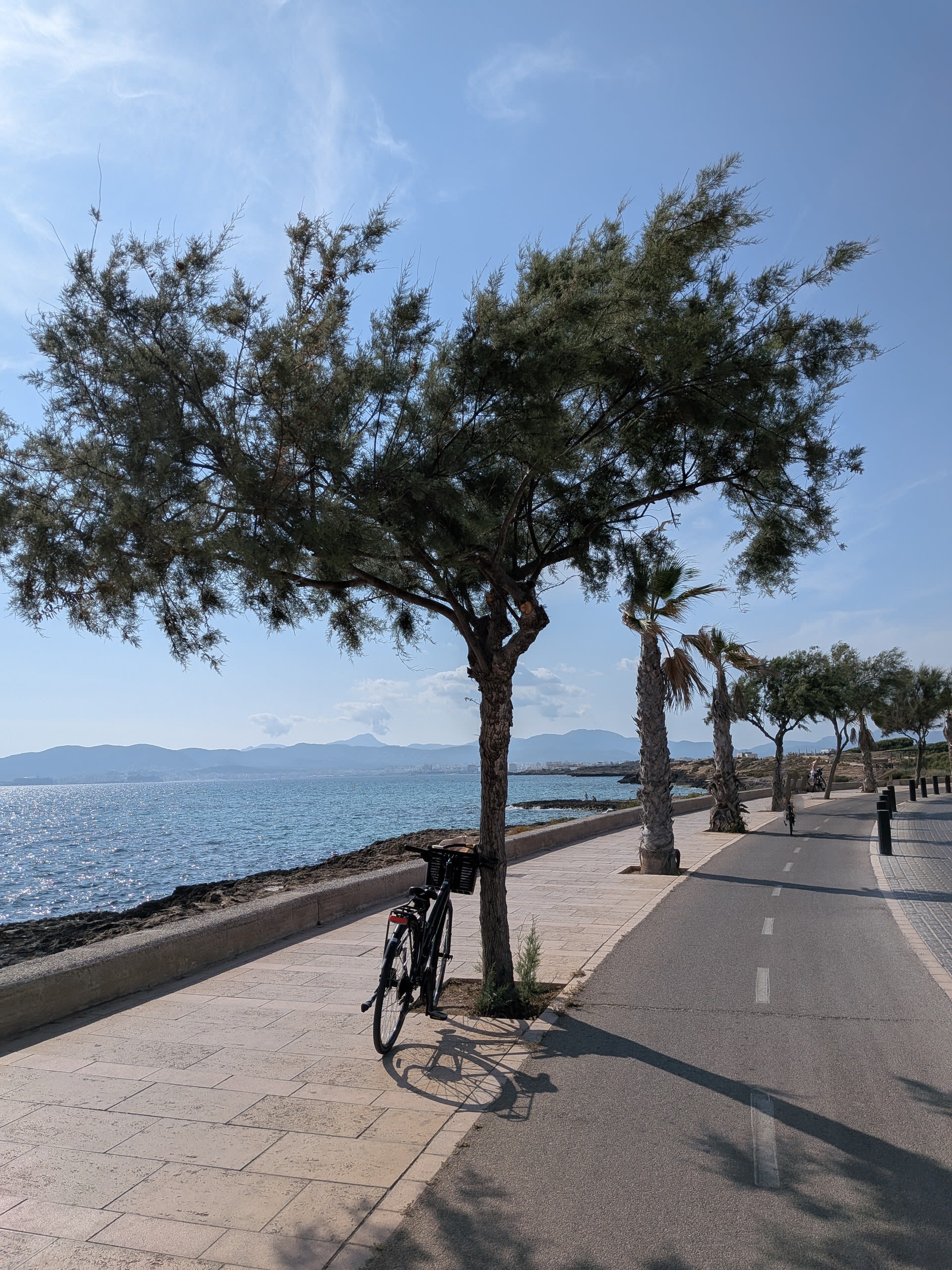
Day 3Paseo Maritimo is the 4km waterfront promenade between Porto Pi, near the city centre, to Portixol. There’s a footpath and a separate bike path so we hired bikes and took off to the beach. The bike hire shop was near the cathedral and safe to navigate to the promenade without going on any busy roads. The route is flat and easy and winds through small beach towns, a secluded nature reserve, and onto Ca’n Pastilla where we decided to stop and flop. The bikes were in good nick – you need a passport and credit card to rent one – and the beach has sunbeds and umbrellas for hire. We stopped off in the old town on our way back, hot, sweaty, hungry and happy, and dived into poke bowls and burgers at a cute cafe.
Bike hire: Nano Bikes, £12.84 per bike for half a day. Food: La Martina, £67.80
 Day 4
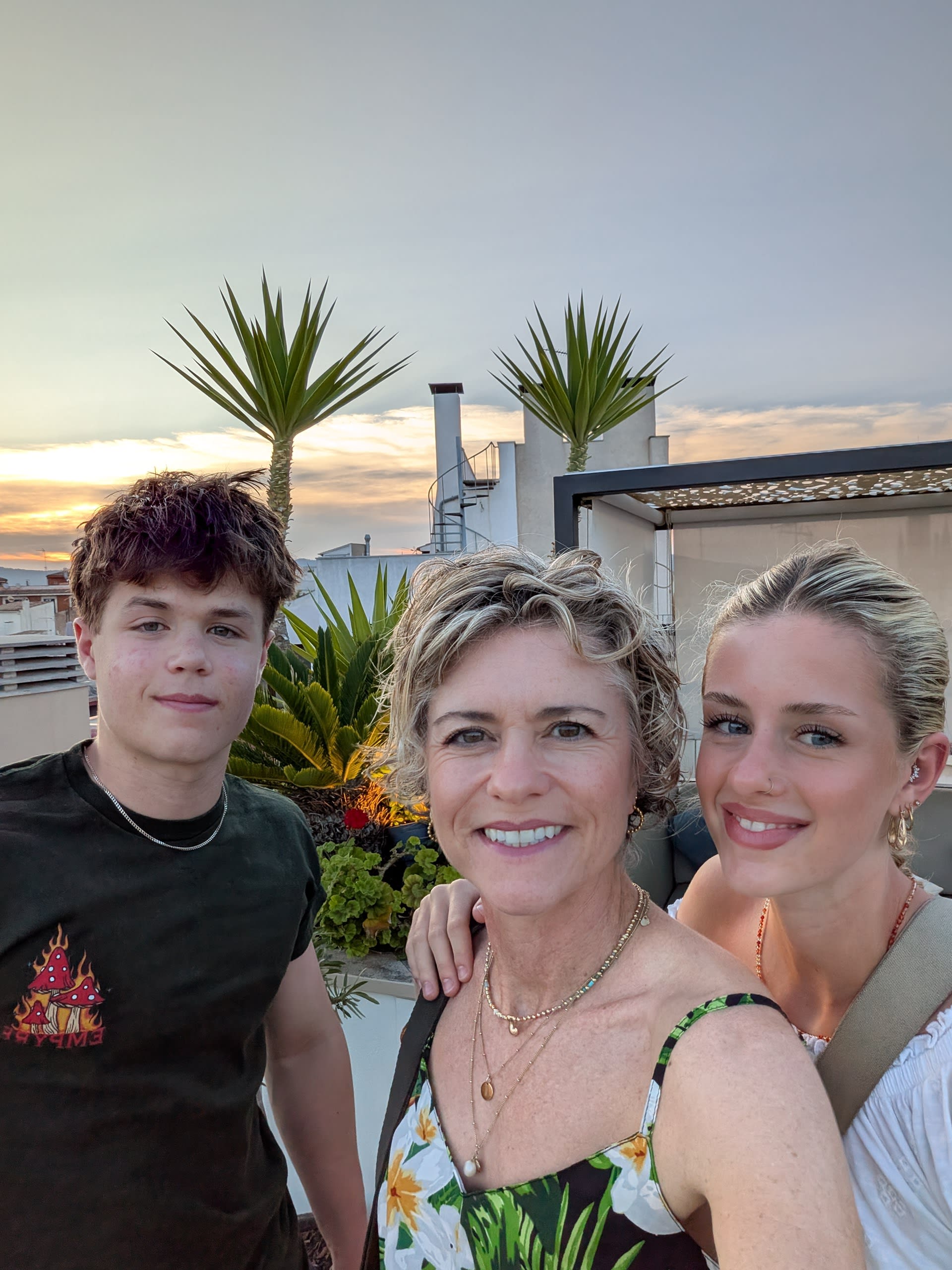
Day 4I’d ‘saved’ mooching about Palma until our last day because we had a late flight home. After our usual breakfast of pastries from the supermarket around the corner, we left our bags, checked out, and wandered through the ribbon of lanes in the old town.
I’ve developed a crush on Palma. I’ll be back…
Bus to the airport: 5 euros each
May 17, 2025
Five Cheap Ways to do London
London is typically perceived to be an expensive city to visit. While this is true, it is also not true - as I discovered on two recent trips.
Travel - £14.50
A Network Railcard costs £35 (for a third off train travel for a year). A London Bridge return ticket from Hove (1hr 20min) £14.50 with discount.
Sky Garden - free
1 Sky Garden Walk, London EC3M 8AF
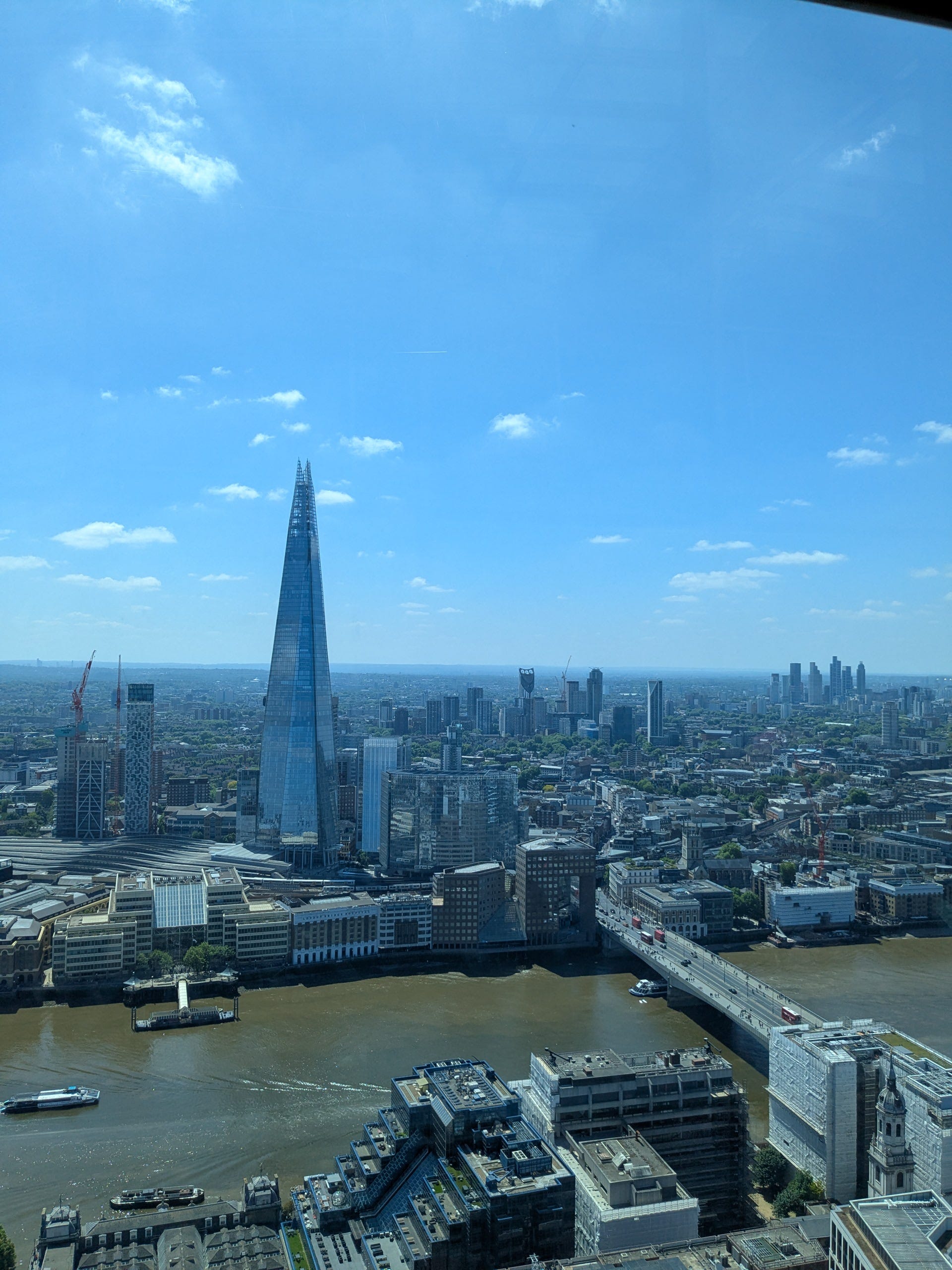
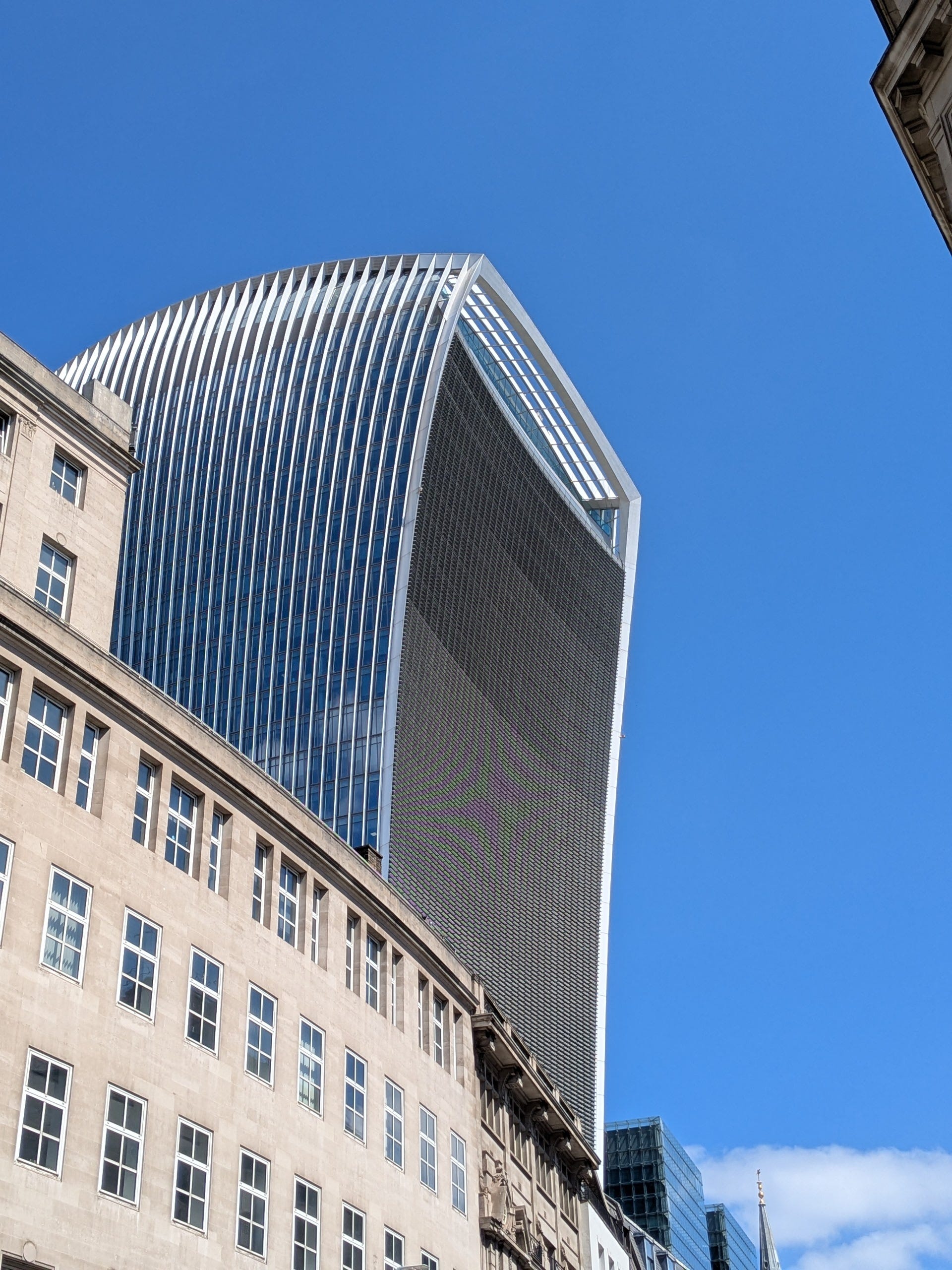
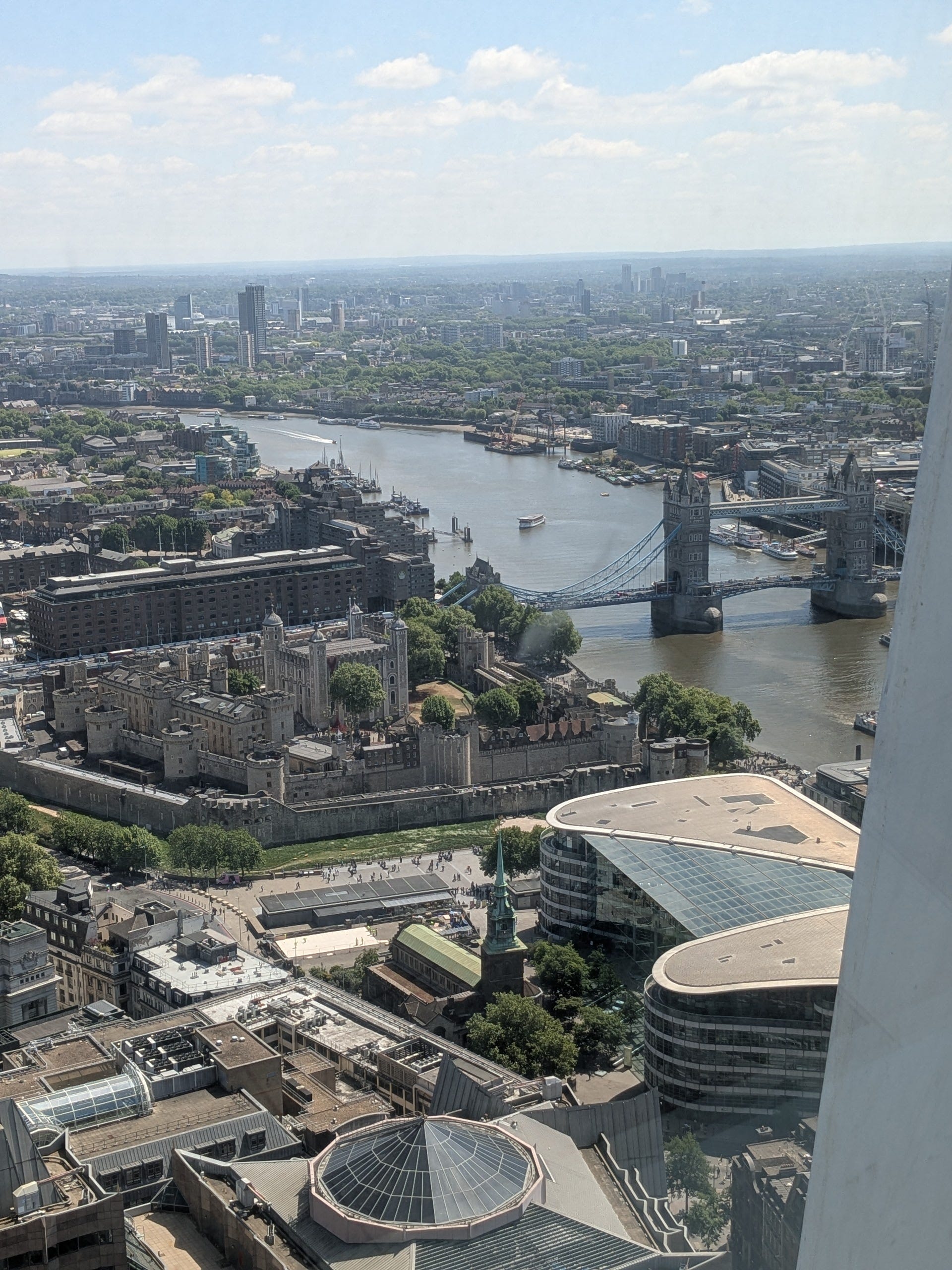
At the top of this building is the Sky Garden with fabulous views across London in all four directions. It's free. Book in advance or chance it on the day. There's a casual spot to buy drinks and snacks and plenty of seating dotted around. Walkable from London Bridge Station.
skygarden.london
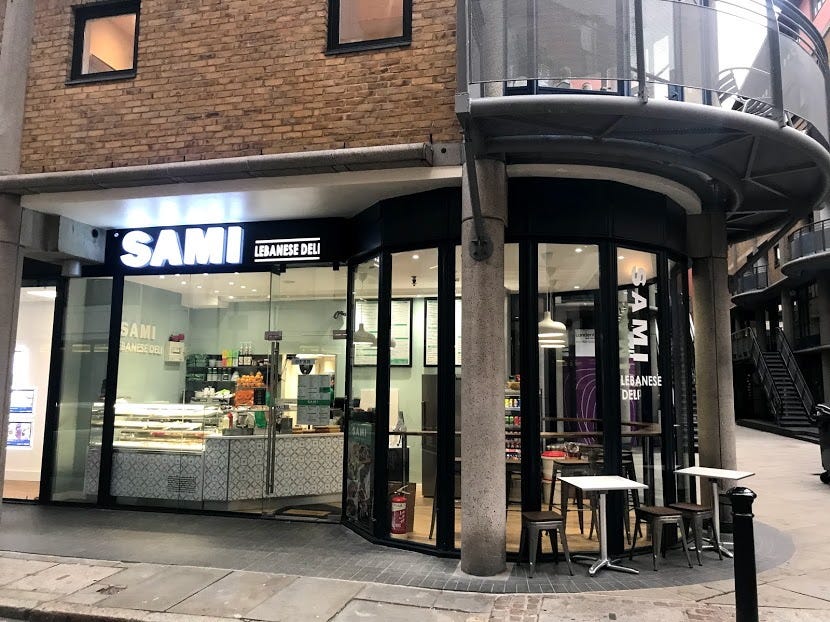
Lunch at Sami Lebanese Deli - £50 for four
32 Horselydown Lane, SE1 2LN
A stone's throw from Tower Bridge. Gorgeous mixed hot and cold mezza sharing platters with flatbreads (£11.99 each). A little outdoor sun trap.
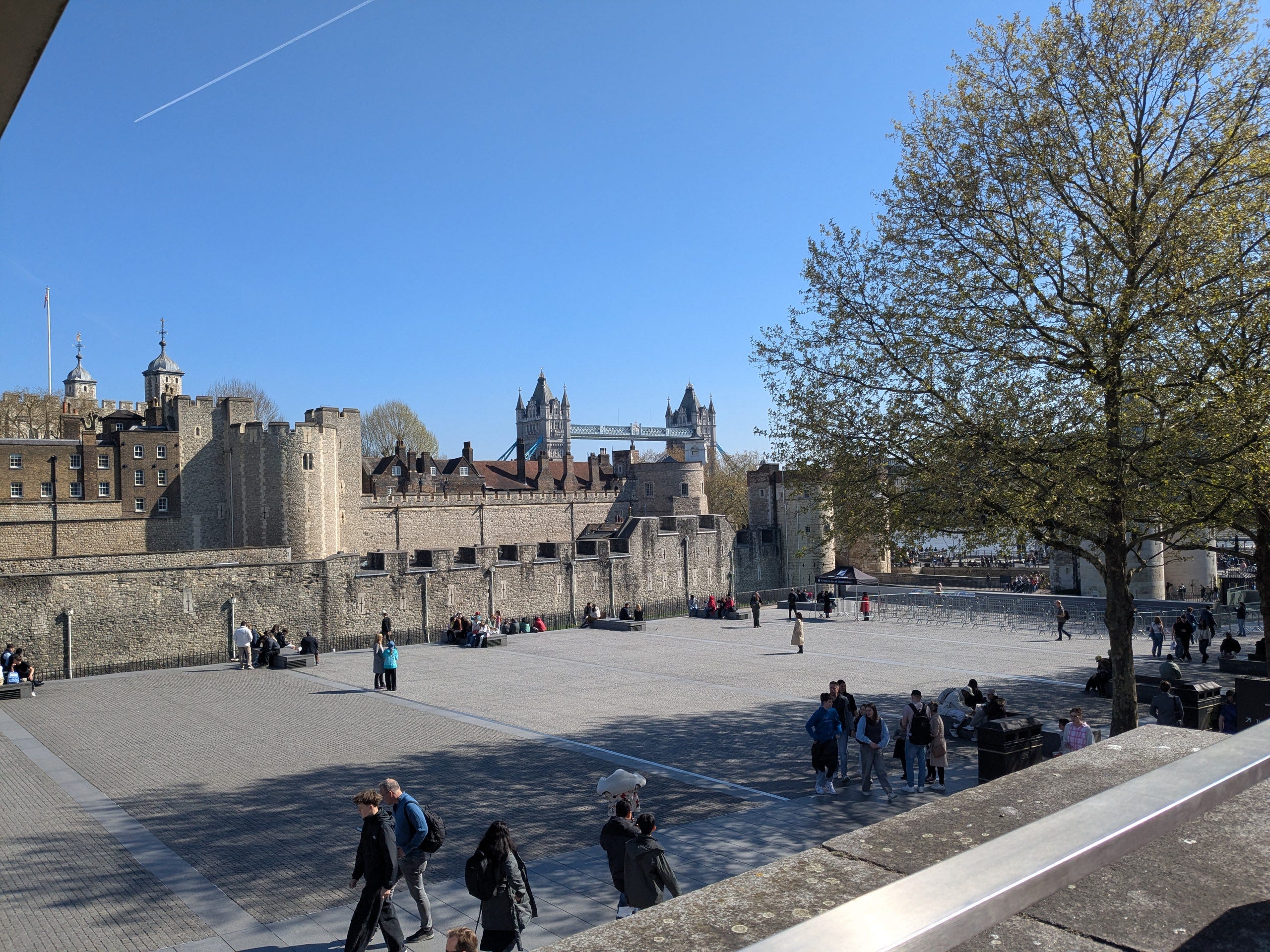
Costa Coffee - £4.99 (coffee and cake)
Tower Vaults, The Cafe, London EC3N 4EE
A coffee chain is perhaps not my first choice, but the elevated terrace spot in the sunshine, with the iconic view of the Tower of London and Tower Bridge, was a gem to find.
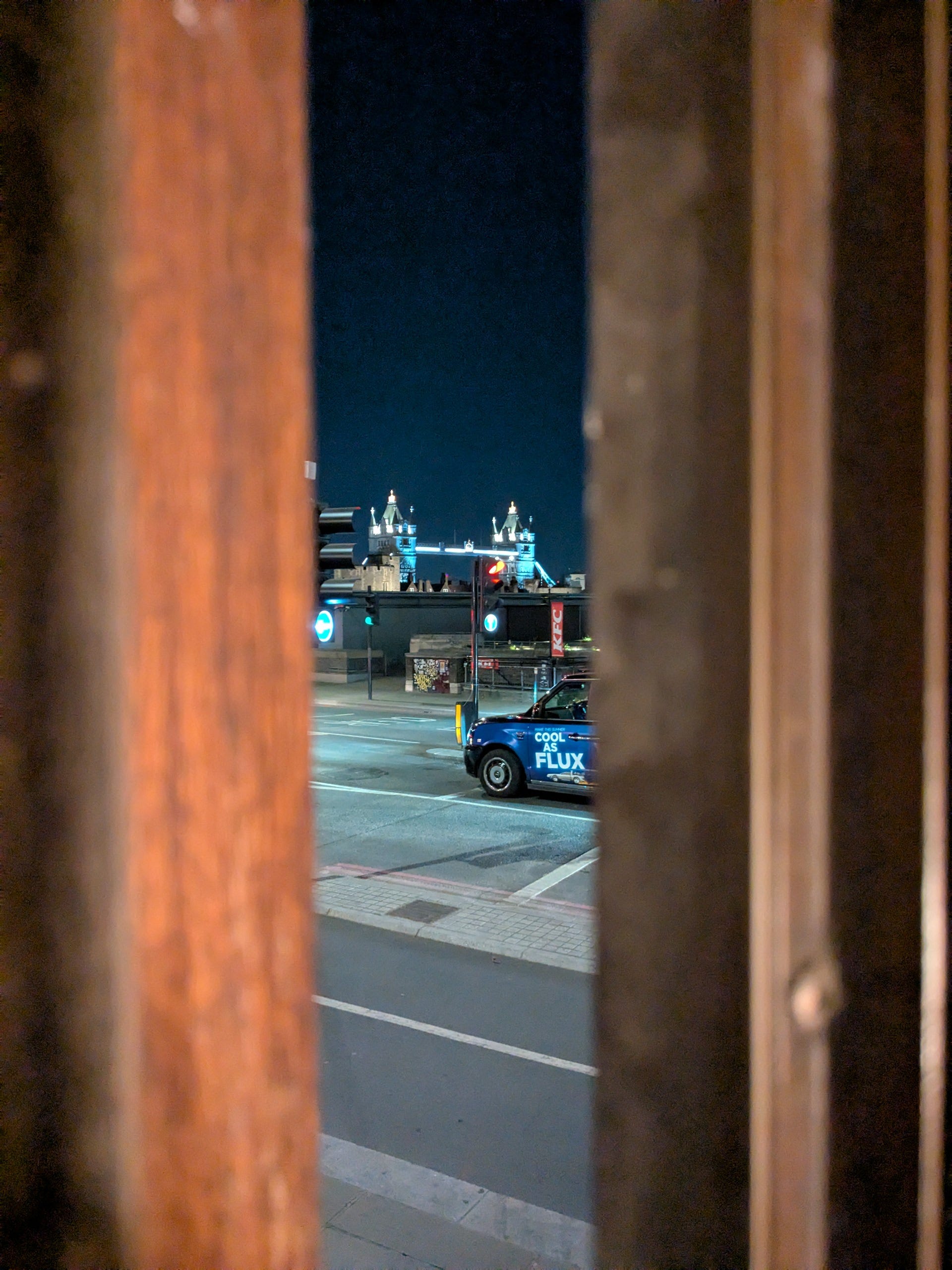
Drinks at The Liberty Bounds - less than £5 a pint
15 Trinity Square, Tower Hill, London EC3N 4AA
Ok, so it's a Wetherspoons pub, which isn't for everyone but…there's that view again! The drinks menu is extensive and the prices must be some of the cheapest in London.
July 16, 2024
48 Hours in Berlin

We had a very last minute change of plan that took us to Berlin for the weekend instead of walking up mountains in Austria (due to unseasonal stormy weather). We swallowed the cost of the flight change, cut our trip to two nights instead of three, and buckled up for a visit with not much time to plan!
 Our Itinerary
I’m a big fan of Conde Nast Traveller’s instagram and read tips from 18 of the best things to do in Berlin as a way of creating an outline agenda. I was rather surprised to find a copy of Lonely Planet’s Pocket Berlin already on my bookshelf (!) after an abandoned and forgotten trip during the pandemic. It included a map and various itineraries for a short city break.
I also skim read several blogs to get a feel for the city and quickly discovered it’s quite spread out like London. We weren’t sure where to stay so plumped for Prenzlauer Berg, referred to as a safe, family neighbourhood and not too far north of Alexanderplatz where the train comes in from the airport. The Holiday Inn was in our budget and ideally located next to the tram stop.
Our weekend shortlist:
- Mauerpark Flea Market
- Berlin War Memorial
- Prater Garten
- Brandenberg Gate
- Tiergarten
- East Side Gallery
Day 1Mauerpark Flea Market (Bernauer Strasse)
Our hotel was fairly close to this Sunday-only affair (Eberswalder Str U-Bahn) and the perfect way to get stuck in to Berlin life after landing at 1130am. We spent a warm, sunny afternoon wandering around the outdoor market. Look out for the beer garden where no one minds if you eat a takeaway from one of the many food stalls as long as you’re buying beer. The market gets its name ‘mauer’ meaning ‘wall’ from its location where the Berlin Wall once ran down the middle of Bernauer Strasse to divide the east and west of the city.
Berlin War Memorial (Bernauer Strasse)
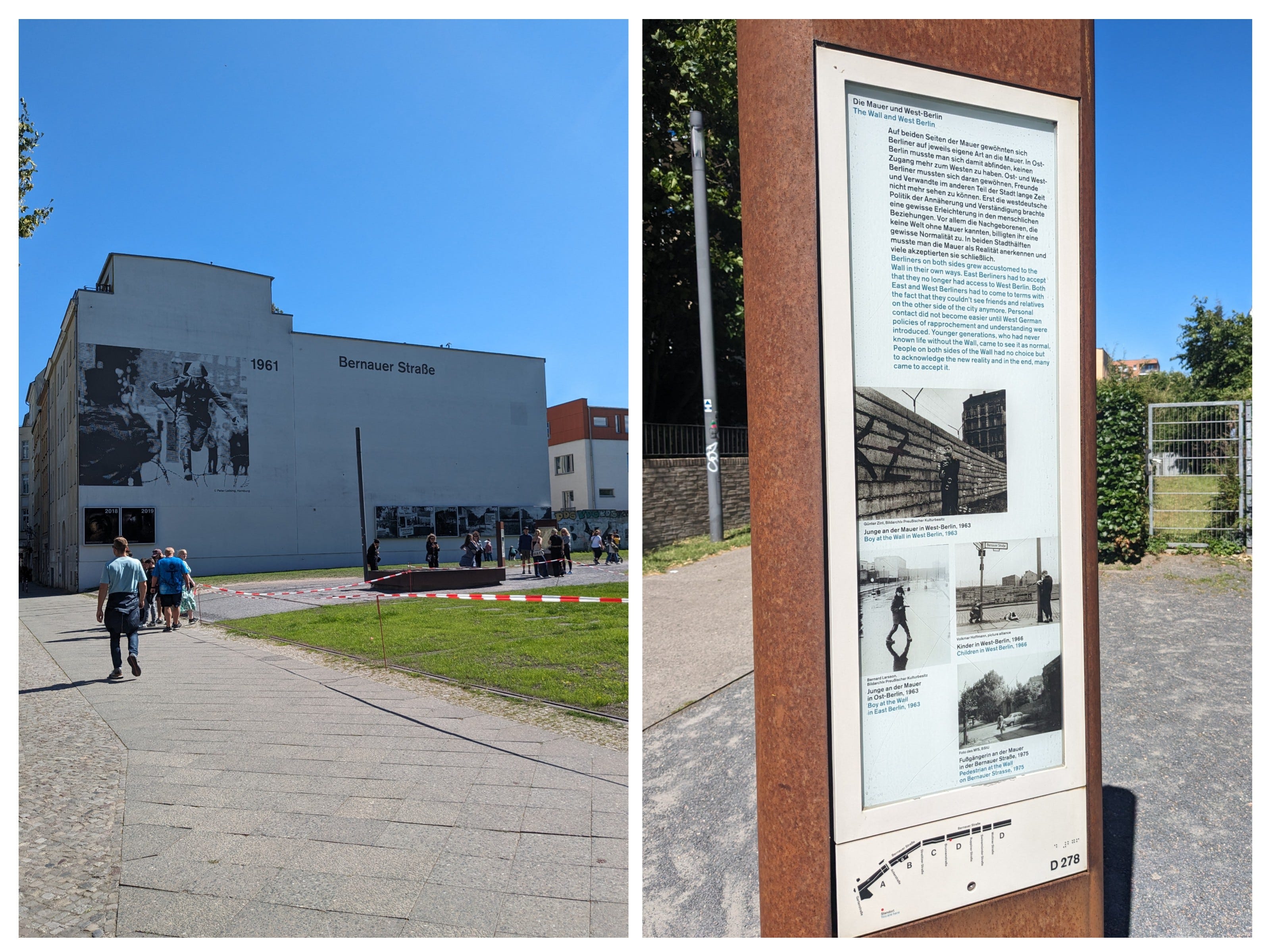
The market is at the start (or end) of a 1.4km walking trail that runs parallel to Bernauer Strasse. It documents the history of the wall in this part of the city. The entrance is opposite the market but a bit tricky to find. Cross over and you’ll see it sandwiched between the apartment blocks where it finishes at the Berlin War Memorial (Eberswalder Str U-Bahn or Bernauer St U-Bahn).
The ‘no name’ restaurant…
Recommended by the Lonely Planet (in my 2019 edition…??), we found ourselves in a dark and almost empty restaurant a few stops on the tram from our hotel. We ate substantial portions of schnitzel, goulash and dumplings from, what I would call, a ‘tourist menu’. Filling but forgettable. The restaurant will remain nameless!
Prater Garten (Kastanienallee 7-9)
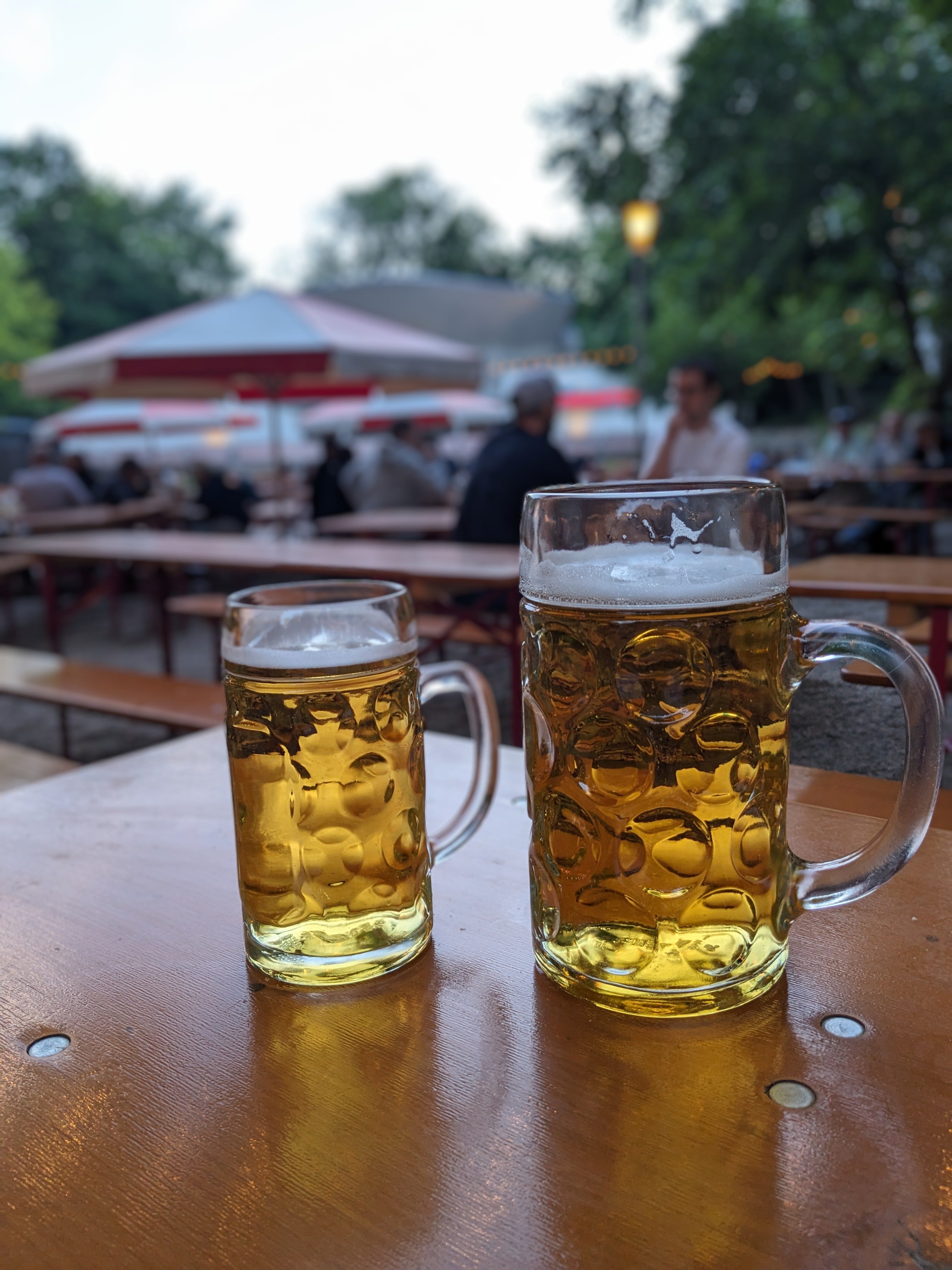
Afterwards, we walked down the road to the Prater Garten (Eberswalder Str U-Bahn or Subway U2), a large courtyard beer garden draped in fairy lights with long tables and benches and a pleasant, tranquil Sunday evening buzz. I suspect the mood is more energetic on a Friday and Saturday night – wouldn’t it be great to have places like this to hang out in the UK?
An Einem Sonntag im August (Kastanienallee 103)
We ended our night with a cocktail in this cool bar aptly named ‘On a Sunday in August’ – it was June, but close enough! Locals filled the seating outside and inside buzzed with chatter from groups lounging around in a mish-mash of faded second-hand armchairs. A handy location next to the tram stop (Eberswalder Str tram stop or U-Bahn).
Day 2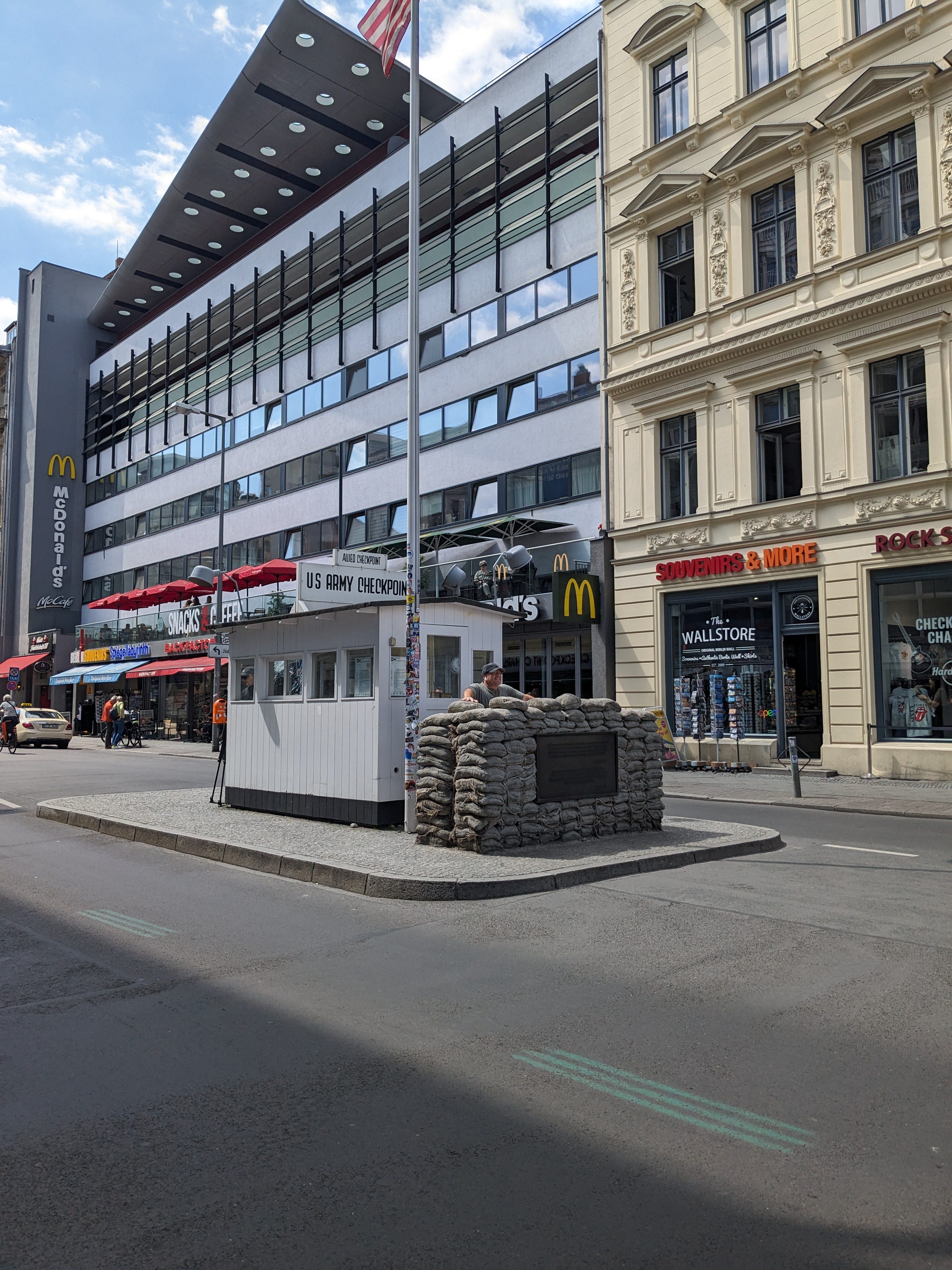
A walking tour
We went straight to Checkpoint Charlie (Kochstraße U-Bahn), the former border crossing between East and West Berlin, to immerse ourselves in the history. The outdoor museum is free and from here we walked along to the Topography of Terror (Niederkirchnerstrasse). Outside, there’s another free exhibition documenting events between 1933 and 1945, as well as the Berlin Wall Monument, a long section of the original wall that you can see up close.
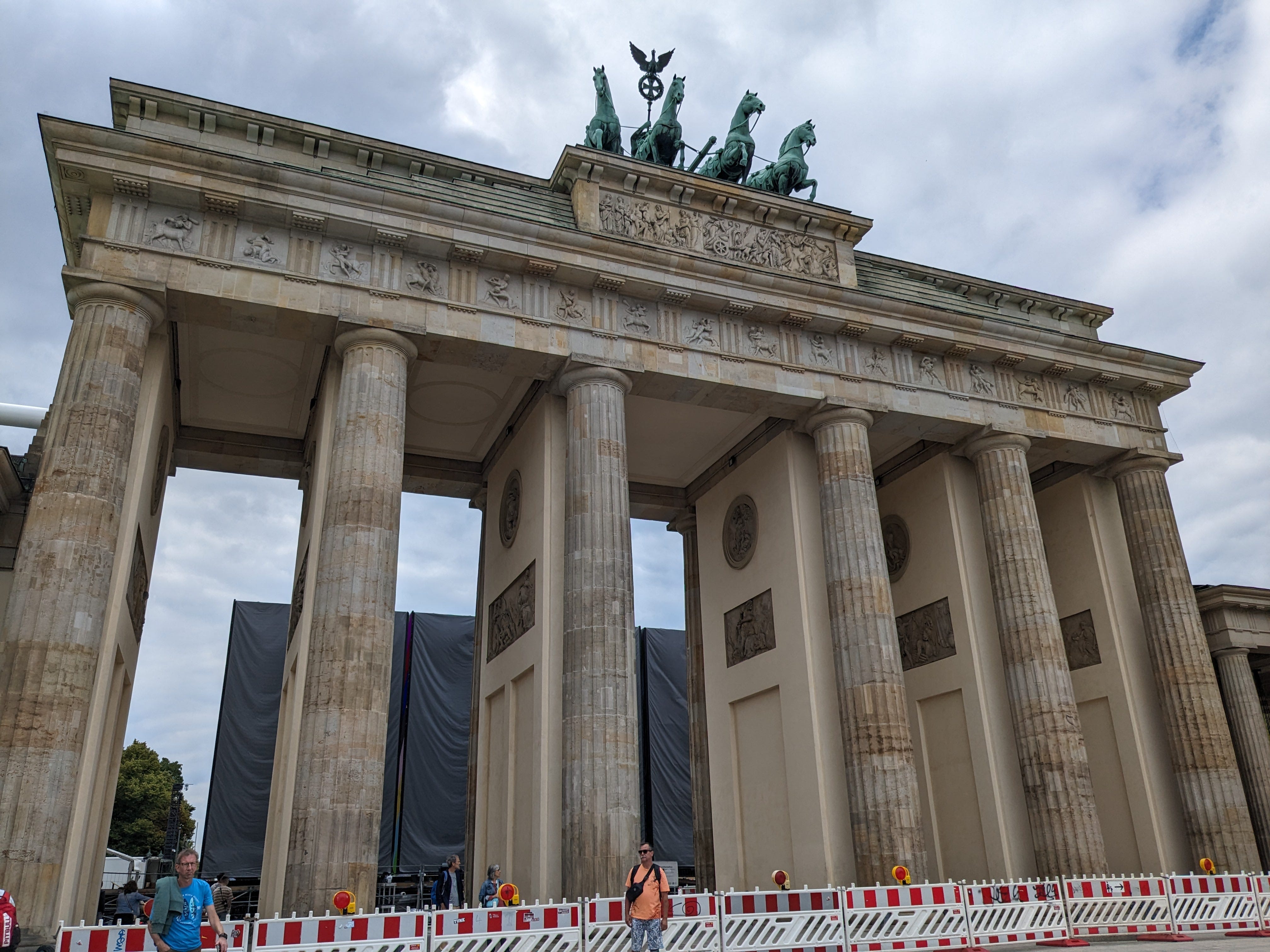
We carried on to Potsdamer Platz, a busy square that melds old and new, and to the Brandenberg Gate (Brandenburger Tor U-Bahn). Our intention was to wander in Tiergarten park afterwards, however, the area we were in was cordoned off in preparation for Germany hosting the UEFA Euros. The Bauhaus Museum was also on our list, which is unfortunately being renovated at the moment. So we trekked over to the temporary Bauhaus Archive (Knesebeckstrasse 1, Ernst-Reuter-Platz U-Bahn), which had some interesting exhibits and a good shop, but left me lacking.

Umami restaurant (Knaackstraße 16-18)
We stayed local for our evening meal and got the tram (Marienburger Str tram stop) a couple of stops to Umami, a Vietanamese restaurant with great reviews. We turned up to a Monday night queue but were pleasantly surprised to be ushered in without waiting too long. The food was good, well-priced and the atmosphere lively. We wandered back to our hotel along a grand avenue flanked with imposing apartment buildings, confirming that Prenzlauer Berg is indeed a safe – and wealthy – neighbourhood. We ended our evening with a night cap at a locals’ bar.
 Day 3
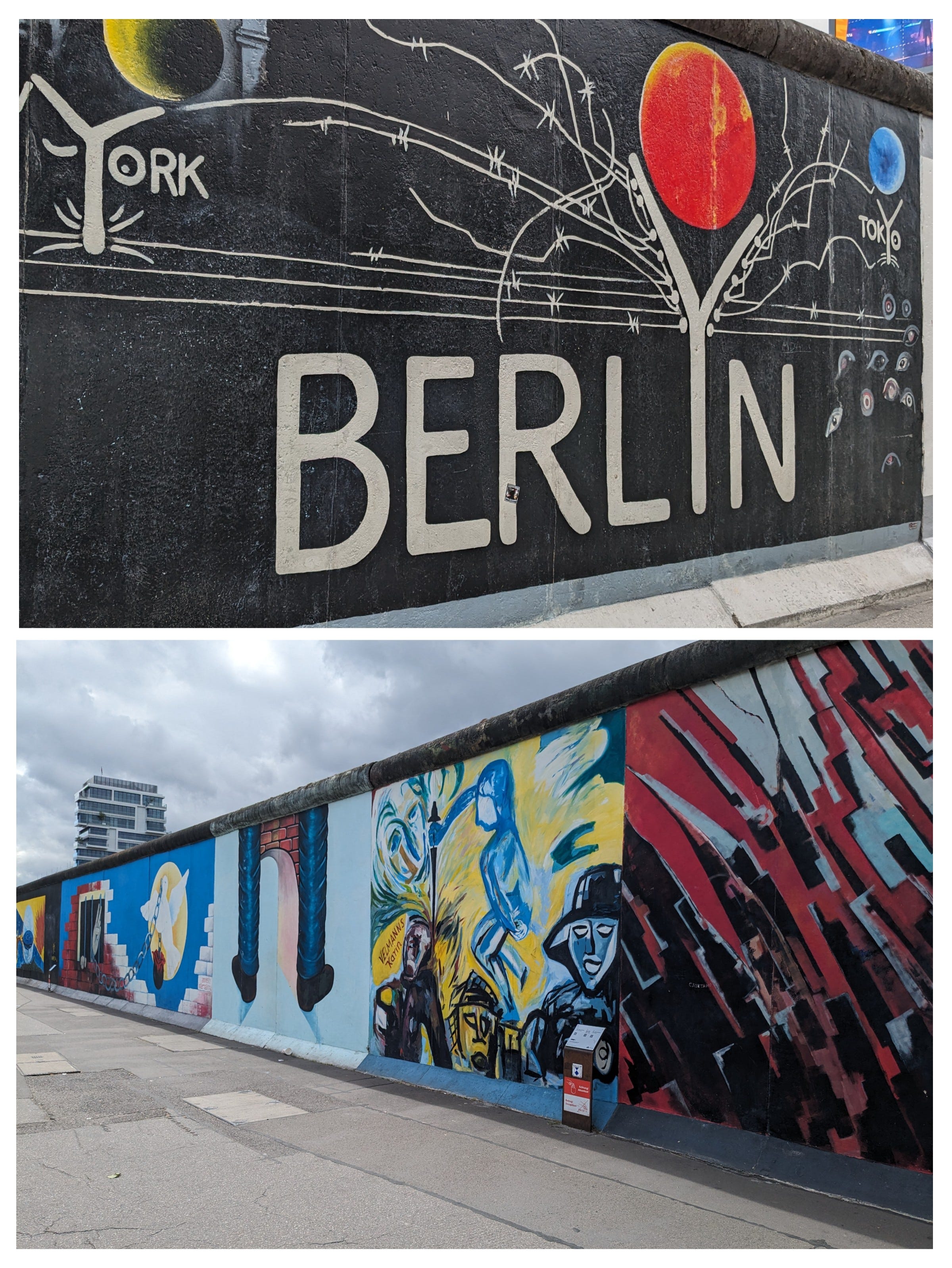
Day 3On our last morning, we headed off to Ostbahnhof station to leave our bags in a locker while we took a look at the nearby East Side Gallery (Mühlenstraße 3-100). It’s the world’s largest open-air gallery where 118 artists from 21 countries decorated a 1.3km section of the Berlin Wall with their murals. It’s bold, powerful and really needs an audio guide to do justice to the layers of storytelling.
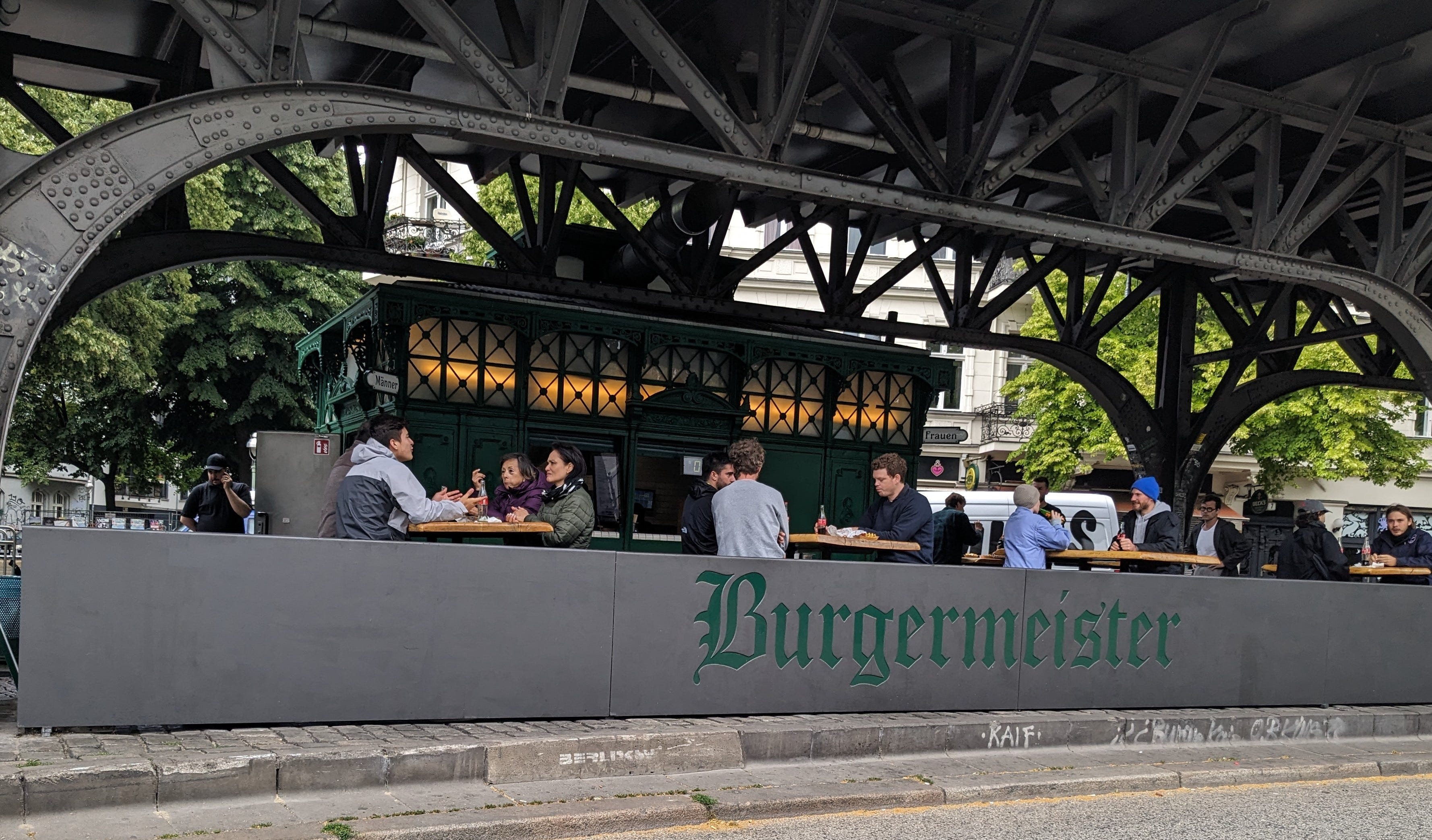
From here, we crossed Oberbaum Bridge to go into Kreuzberg, once considered the ‘edgy’ part of the city that’s adorned with street art. We wandered through the Turkish market along the canal and stopped for lunch at Burgermeister where we completed our city break in a quirky spot – a converted public toilet beneath the elevated U-Bahn line!
I’m sure there’s a pun in here somewhere…
So circling back – is 48 hours in Berlin worth it? Yes, I’d say so. Public transport is excellent (S-Bahn, U-Bahn, buses and trams) and affordable (9.90 euros for a 24-hour ticket), there’s plenty of free stuff to do, plus it’s a great place for walking/wandering to soak up the atmosphere.
June 30, 2024
Summer Ever After by Jane Crittenden
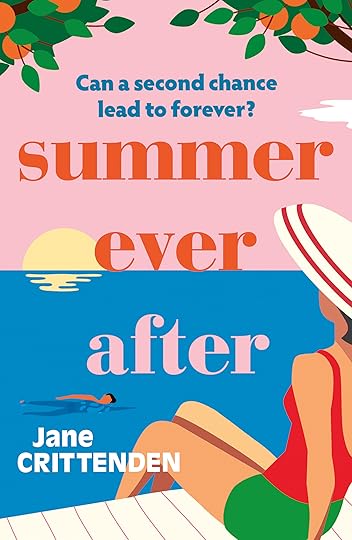
I’m giving a shout out to my own book, Summer Ever After, my second contemporary romance that’s now available to buy! Here’s a Q&A with the inside scoop about setting Summer Ever After in Barcelona and why location is so important to my books.
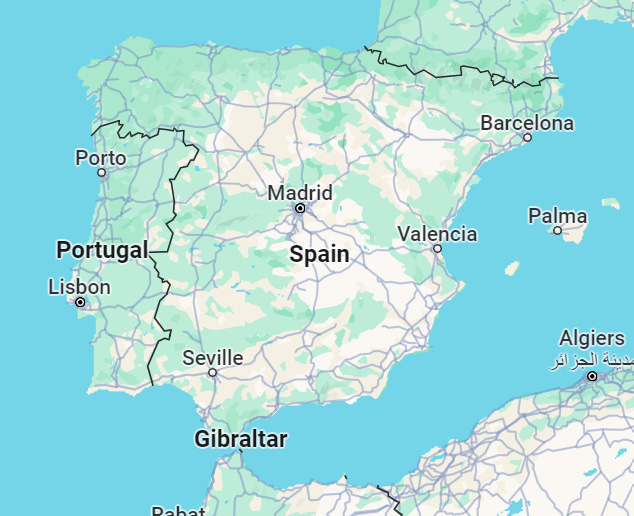
Why I chose Barcelona
I lived in Barcelona for a short time back in the late nineties while I studied to be a teacher of English as a foreign language. The language school idea became weaved into this story. However, my first visit was while interrailing aged nineteen with my best friend. We arrived late and ended up sleeping (not sleeping!) in a park. In early drafts of Summer Ever After this was the scene where Alice and love interest, Andy, first got to know each other - although it didn’t make the final cut. Since then, I’ve been back to Barcelona four times. I love the city vibes and the pretty old town, combined with the beach and vibrant nightlife.
How I balanced real life settings with the fictional
I remember reading a book set in an Italian city and the author referenced so many real landmarks that it became distracting to the story as I didn’t know them all. I think it’s important to set the scene but give readers room to let their imagination fill the gaps. I also didn’t want my book to be too location specific in case I got the details wrong!
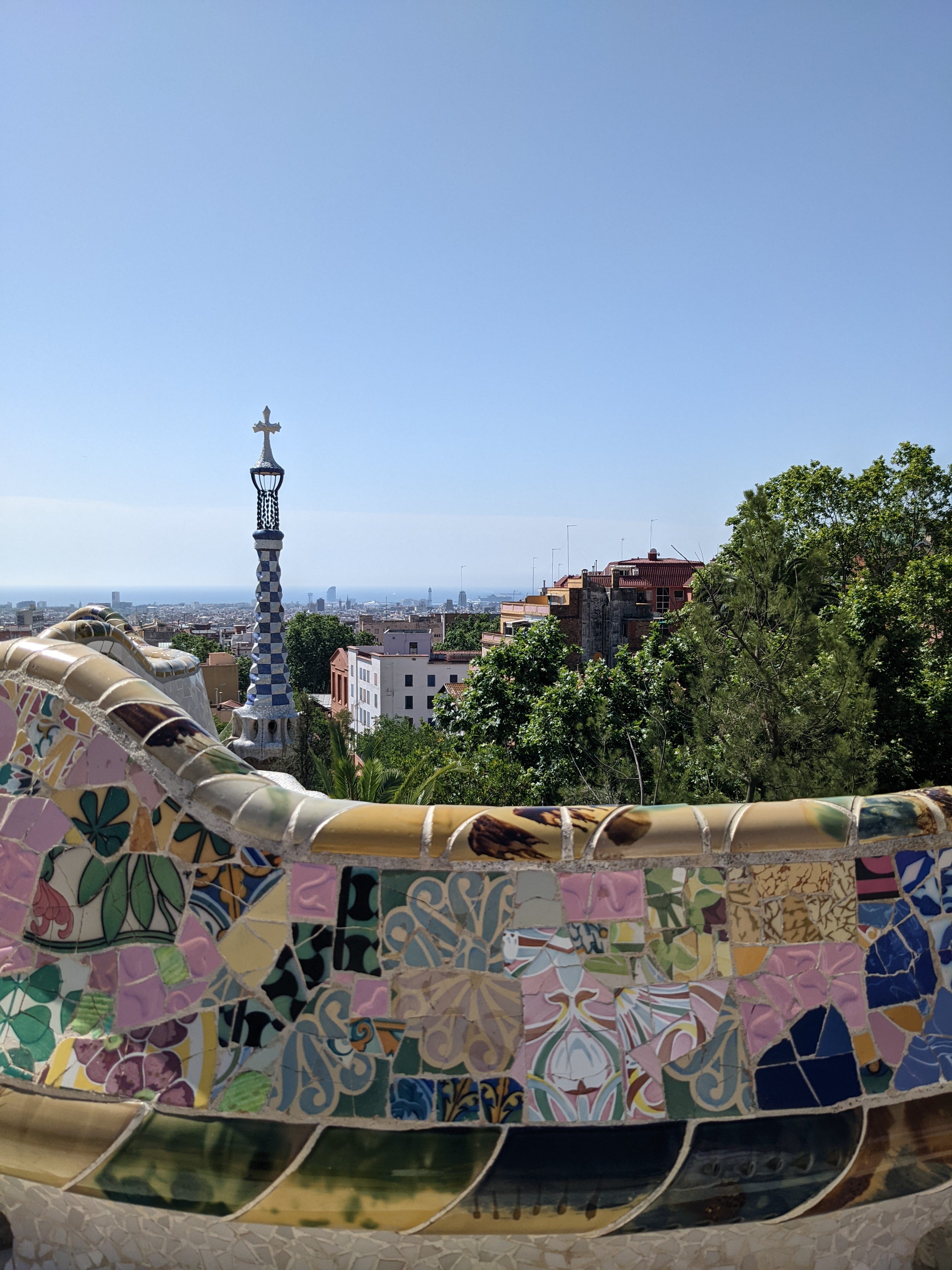
I decided to place Cafe Vermell, my fictional restaurant where Alice and Andy both work, in Placa Reial, a real square. Andy’s journey from the square to Parc Guell needed to be true because both settings exist in real life. The city beach is as I remember - sandy and busy. La Boqueria is a food market off Las Ramblas but the market in Orange Tree Square is my own imagination – although it feels like this place could exist somewhere within the maze of the old town…
How trips to Barcelona inspired scenes
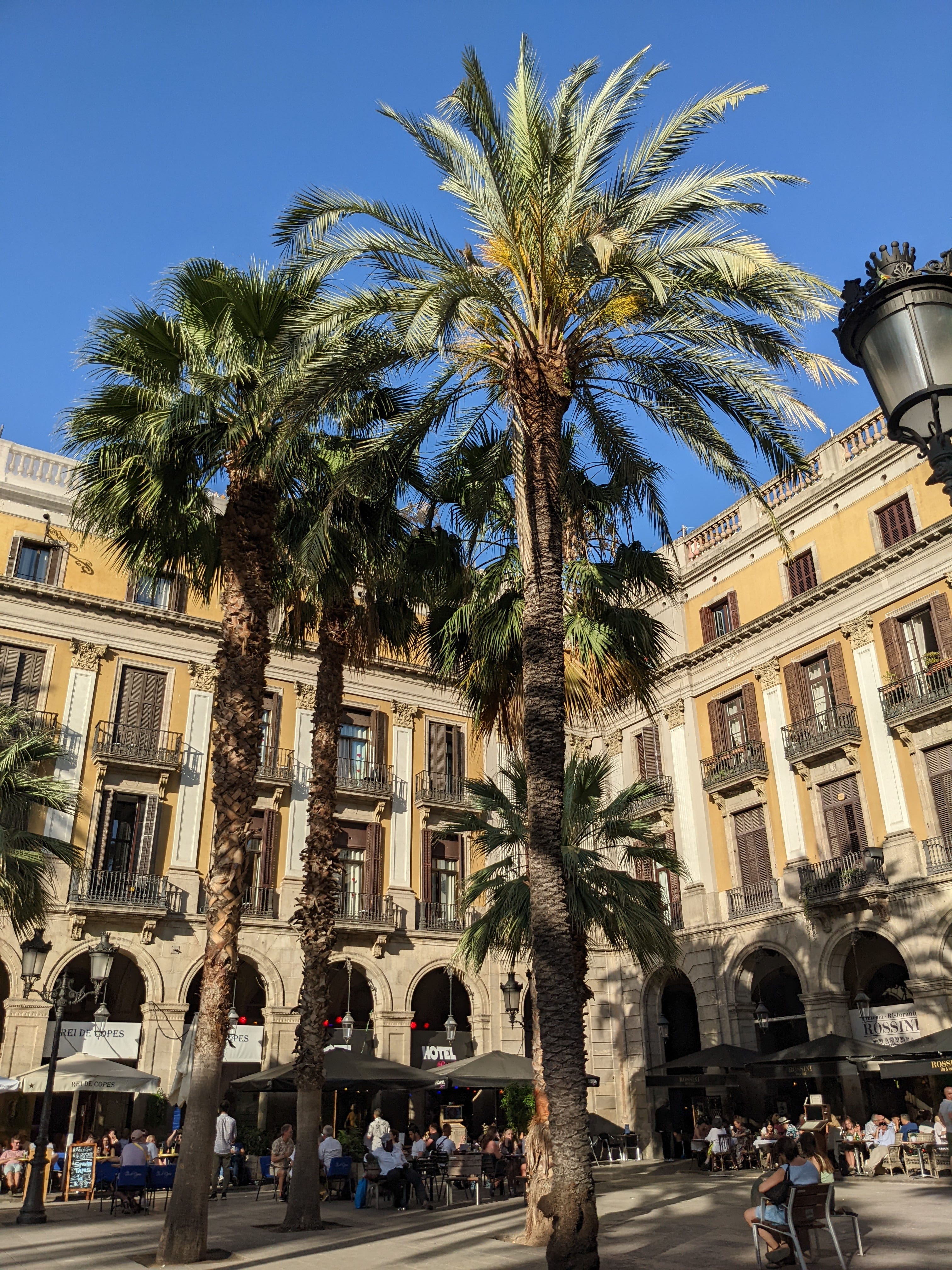
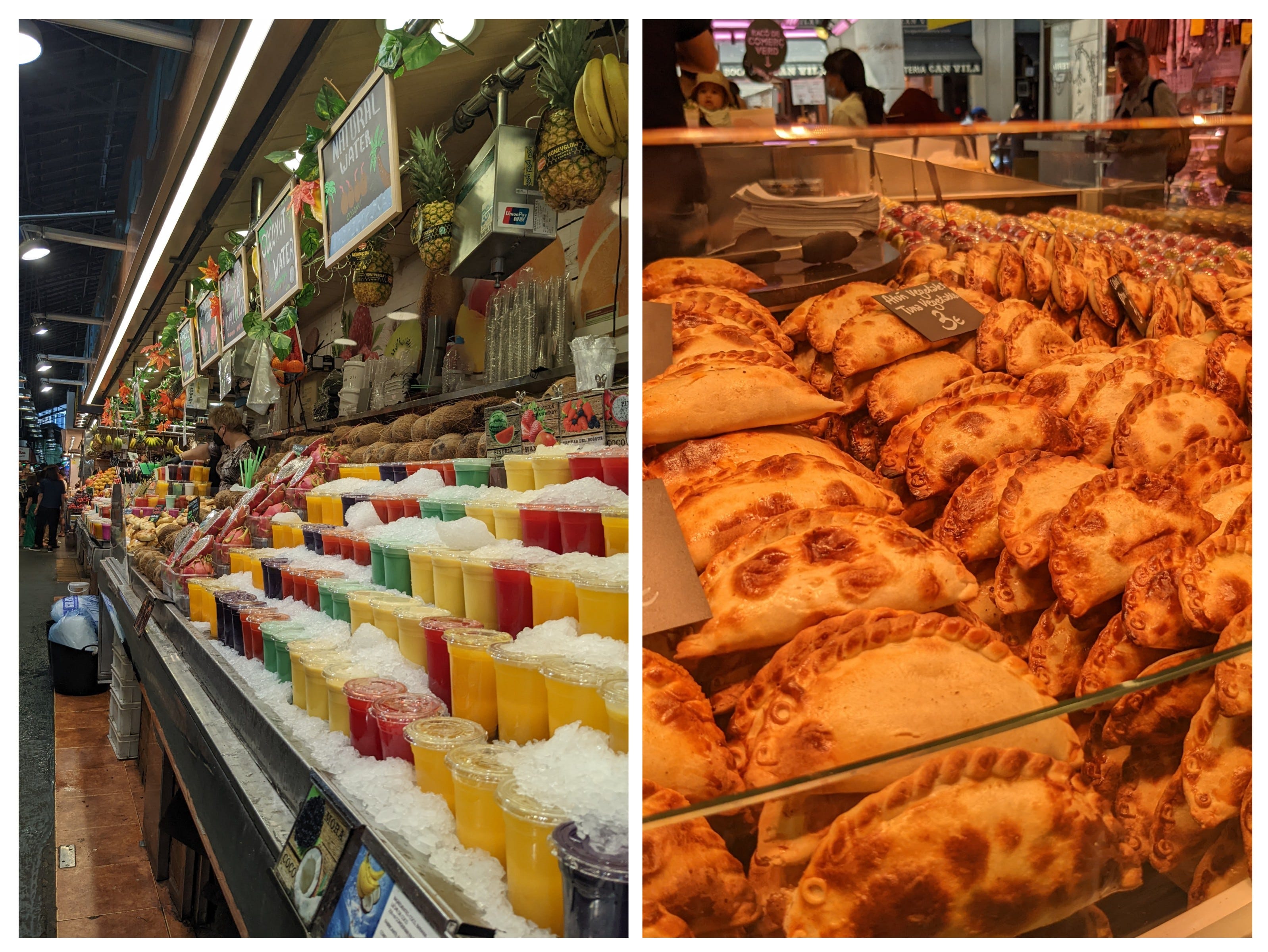
I once stayed in an apartment in Placa Reial on a girls weekend. Our balcony looked down onto the bustle of the square with its fountain and palm trees and that image stayed with me. When I went back to visit with my family after writing early drafts of Summer Ever After, it was weird coming into the square, I felt like I was walking into my actual story! On the same trip, we went up Montjuic and I thought this viewpoint would be a romantic spot for Alice and Andy to have a picnic. While the juices and pastries we bought at La Boqueria were re-lived in Alice and Andy’s trip to the same market.
Handling the language and food
I have Catalan characters in Summer Ever After so for authenticity I sprinkled their dialogue with Catalan. Sometimes I chose words similar to English that could be understood by the reader, or I found a way to naturally explain the meaning in conversation without pulling the reader out of the story. Alice and Andy share a passion for food. I’m not a natural foodie so I researched recipes I thought they might make. There is one particular scene where Andy’s mum teaches him how to make an authentic Catalan paella for Alice. This meant taking a deep dive into recipes and cross-referencing to make sure I got the details and language right!
Giving Barcelona authenticity
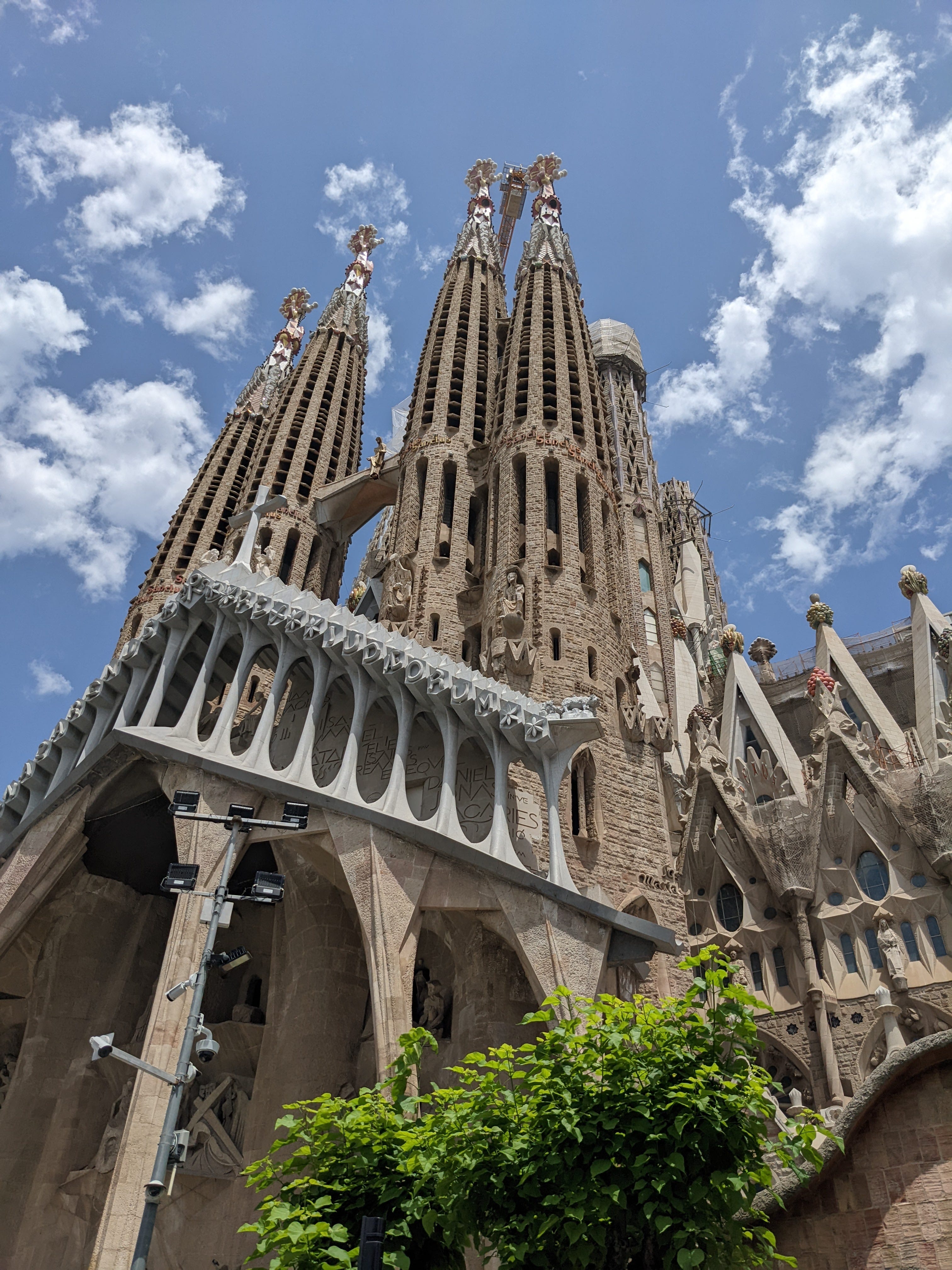
It’s a city that’s widely known so I thought it might be odd not to mention a few key landmarks such as Sagrada Familia. I think this is where visiting a location is important. When I first started writing, I relied on memory, Google maps and my own photos but I didn’t want to stereotype or offend anyone. My last visit reassured me that my scene setting was working, as well as inspiring new scenes and locations to help pull together the finer details in the next draft.
My favourite scene
I loved writing about the city locations I’d visited in real life because I was basically rejuvenating lovely holiday memories! But I also enjoyed inventing Orange Tree Square, which is a central part of the story. Andy takes Alice here when they’re young and they revisit ten years later as their romance begins to blossom once again...
My next book
My third book is inspired by holidays in Croatia. It’s set on a tiny fictional island off Hvar where I’m due to go later in the year. I’m hoping to have a decent first draft written before I leave so I can collate the layers of detail I’ll need to bring the story alive.
Summer Ever After is available now on Amazon
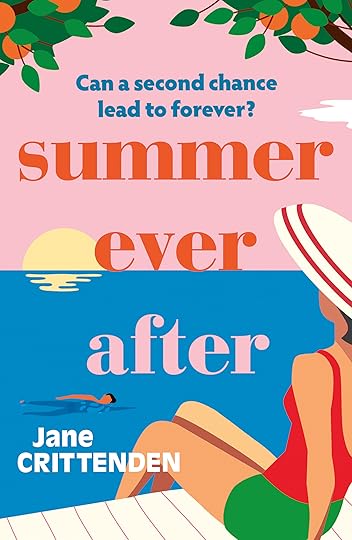
Can love bloom again under the heat of the Spanish sun?
Ten years ago, while travelling before starting a cookery apprenticeship, Alice fell head over heels for Barcelona: the food, the sun and the gorgeous Andy Hall…Family tragedy sent her back to London, but now, finally, she’s been given the chance to return. Only to find herself working alongside none other than Andy, the only man to ever break her heart.
The decade apart has changed them both, though he still has his frustratingly good looks—and is Alice imagining it or does the spark that always existed between them still burn just as brightly? Not ready to risk getting hurt again, she focuses on exploring the culinary delights of the city, and begins to remember a life she once dreamed of…
As Alice rediscovers a world of possibilities under the hot Spanish sun, could there be a second chance for Andy and the love they used to share? Perhaps the vibrant flavours of Barcelona might just be the ingredients for everlasting love?
June 28, 2024
Q&A – Books and the Travel Bug (Italy, Auckland, Barcelona)

I went along to the first MeetCute Romance Book Festival (@meetcutebookfest) last Saturday and teamed up with author, Olivia Beirne, for an audience Q&A about ‘Books and the Travel Bug’.
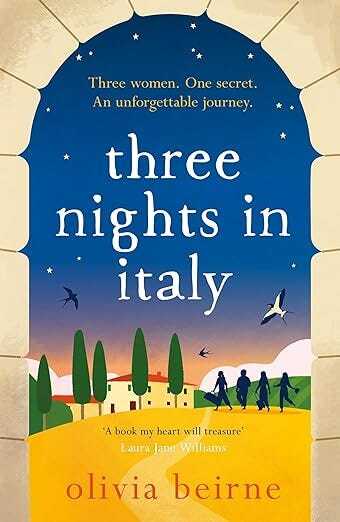
Explore the sun-drenched Italian countryside in this hilarious and heart-warming novel about unconditional love, second chances and the importance of not taking life for granted.
Olivia told us she originally wrote Three Nights in Italy with a different title and a different setting but flipped the location to a holiday destination for summer beach read appeal. She chose Italy because she was about to go on holiday there with her boyfriend! Here’s a link to buy her book.
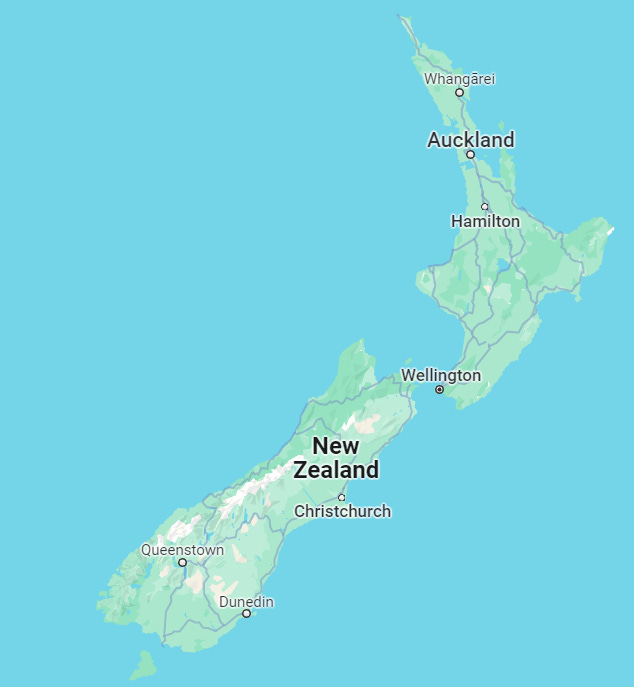
I set my first novel, Worlds Apart, in Auckland because I lived there for a few years and love this beautiful coastal city. The location also became essential to the plot – more about this below.
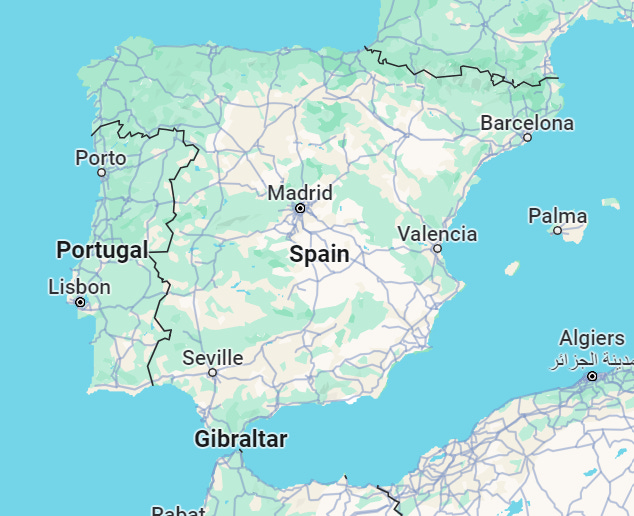
When I began writing Summer Ever After, I realised location was important in my story-telling. Travel and holidays are always a high priority and I love re-creating the atmosphere of those trips in my writing. I chose Barcelona for Summer Ever After because it’s a fabulous city with so much to see and do. I also lived there for a short time in my twenties and have been back many times since.
Here are some of the Q&As that cropped up at the festival:
Do you need to visit the location to write about it?
I think it’s important for filling in the layers that bring a story alive, which you can’t easily get under the skin of with online research. Plus, I have a fear of offending locals if I get the details wrong! That said, in Summer Ever After there’s a scene where Alice awkwardly bumps into love interest Andy in a tiny wine bar and she’s forced to squeeze up next to him at the table. The setting was inspired by a real bar I went to with my husband – but in Lisbon!
Do you fictionalise any settings?
I like to use real places mixed in with places I’ve created in my imagination. In Worlds Apart Amy’s beach café on Auckland’s North Shore is fictional, but she takes a ferry over to the city centre and goes up the Sky Tower, and that’s all real. Likewise, Placa Reial in Summer Ever After exists but the restaurant and Orange Tree Square are fictional.
Is it important to include the language of the country in the story?
Obviously, this wasn’t an issue in Worlds Apart set in New Zealand, but I did add a few Kiwi phrases and words. Some reviewers have (positively) commented on this so it definitely added to the authenticity of the dialogue. Summer Ever After has some Catalan characters so I used Catalan for key words but in a way that isn’t confusing to the reader.
Does local food add to the authenticity of the setting?
I think it depends. Less so in Worlds Apart (although Amy bakes for her cafe) whereas Summer Ever After is a foodie story. Alice and Andy bond over their passion for food, shopping in the markets, visiting restaurants and cooking together. Food is emotive and works well with a sunny summer setting abroad.
Why is location important to your books?
It can be essential to the plot, which is evident in Worlds Apart when Amy and Chris unexpectedly come across each other in Auckland. The blurb reads: ‘Can first love survive 18 years, 11,000 miles and a lifetime of misunderstandings?’ I also think an uplifting summery destination with holiday vibes works well for romance novels.
Where will you set your next book?
Book three is on a fictional Croatian island off Hvar and inspired by two previous holidays to Croatia. Although I’ve not been to Hvar yet, I’m due to visit later in the year. Otherwise, the question should be, where do I want my next holiday?? That’s probably the location of my next book!
Available here
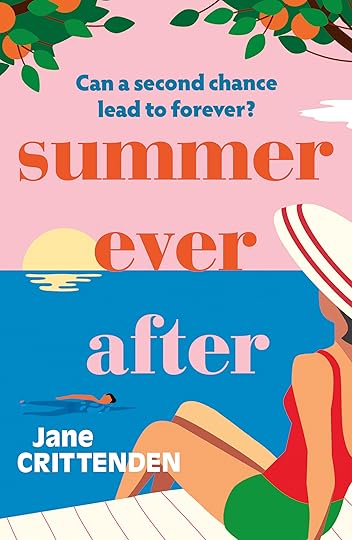
Can love bloom again under the heat of the Spanish sun?
Ten years ago, while travelling before starting a cookery apprenticeship, Alice fell head over heels for Barcelona: the food, the sun and the gorgeous Andy Hall…Family tragedy sent her back to London, but now, finally, she’s been given the chance to return. Only to find herself working alongside none other than Andy, the only man to ever break her heart.
The decade apart has changed them both, though he still has his frustratingly good looks—and is Alice imagining it or does the spark that always existed between them still burn just as brightly? Not ready to risk getting hurt again, she focuses on exploring the culinary delights of the city, and begins to remember a life she once dreamed of…
As Alice rediscovers a world of possibilities under the hot Spanish sun, could there be a second chance for Andy and the love they used to share? Perhaps the vibrant flavours of Barcelona might just be the ingredients for everlasting love?
Available here
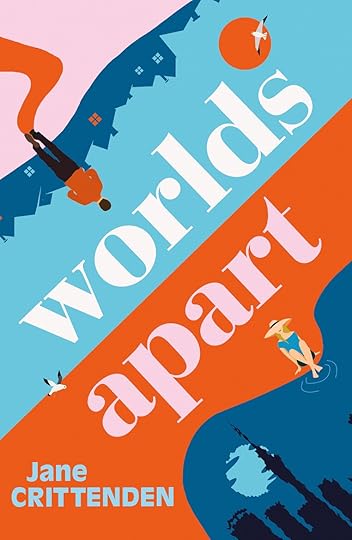
An emotional and hopeful debut that asks: Can first love survive 18 years, 11,000 miles and a lifetime of misunderstandings?
Eighteen years ago, teenage Amy fled England, pregnant and heartbroken, to start over in New Zealand with her parents. Now Chris, the love she left behind, has walked into her beloved café by the beach and thrown her life into turmoil.
As far as Amy’s concerned, Chris chose to ignore the child she was carrying when they last met. She brought up their daughter alone and created a happy home for them both on the other side of the world. But with Chris suddenly back in her life, she can no longer ignore the past and begins to wonder what really happened all those years ago.
Old secrets and new revelations cast Amy’s world into doubt. What if this is her last chance at something truly meaningful? Can there really be a happy ending for everyone?
June 4, 2024
France - Paris & Provence
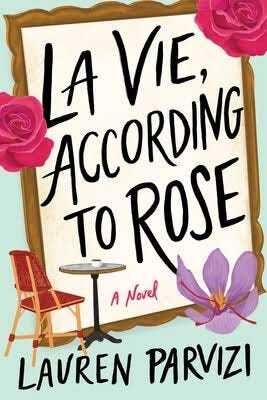
La Vie, According to Rose by Lauren Parvizi ticked the boxes for a story immersed in Parisian life and on to the gorgeous landscapes of Provence – with a romance shimmering on the horizon. The scenes are beautifully described, there's a great cast of characters, and some unexpected twists…
Why did you decide to set La Vie, According to Rose in Paris and Provence, Lauren?
The first kernel of the idea came a few months after having my first son. I was nursing constantly, sleeping horribly, and craving an escape. I live in North California but Paris is one of my favorite places, and if I could have gone anywhere at that moment, it would have been to the City of Lights. In lieu of jumping on a plane—which wasn’t exactly realistic!—I decided to write the book I needed to read right then: a transportive and emotional story of self-discovery.
Was there anything you experienced while visiting France that sparked the plot idea?
I’d been to France twice before I set down this story. It had been a few years since my last trip, but the country – and Paris, specifically – still loomed large in my mind. There are certain places in the world we feel most at home, and despite not having any familial ties there, France is one of those places for me. Yet, when I began to contemplate the idea of a young woman going to Paris to find herself, the concept sounded too cliched. I knew I’d have to play with some of the more common conventions of the Paris story trope.
What if the magical version of Paris Rose had been promised by pop culture was anything, but? What if the magic she found came from everything that seemingly went awry during her trip? By subverting Rose’s expectations about the city, I hoped to surprise readers as well. Anyone who’s spent time traveling knows that inevitably something won’t go as planned. Those moments can be painful, but they almost always make the best stories afterward.
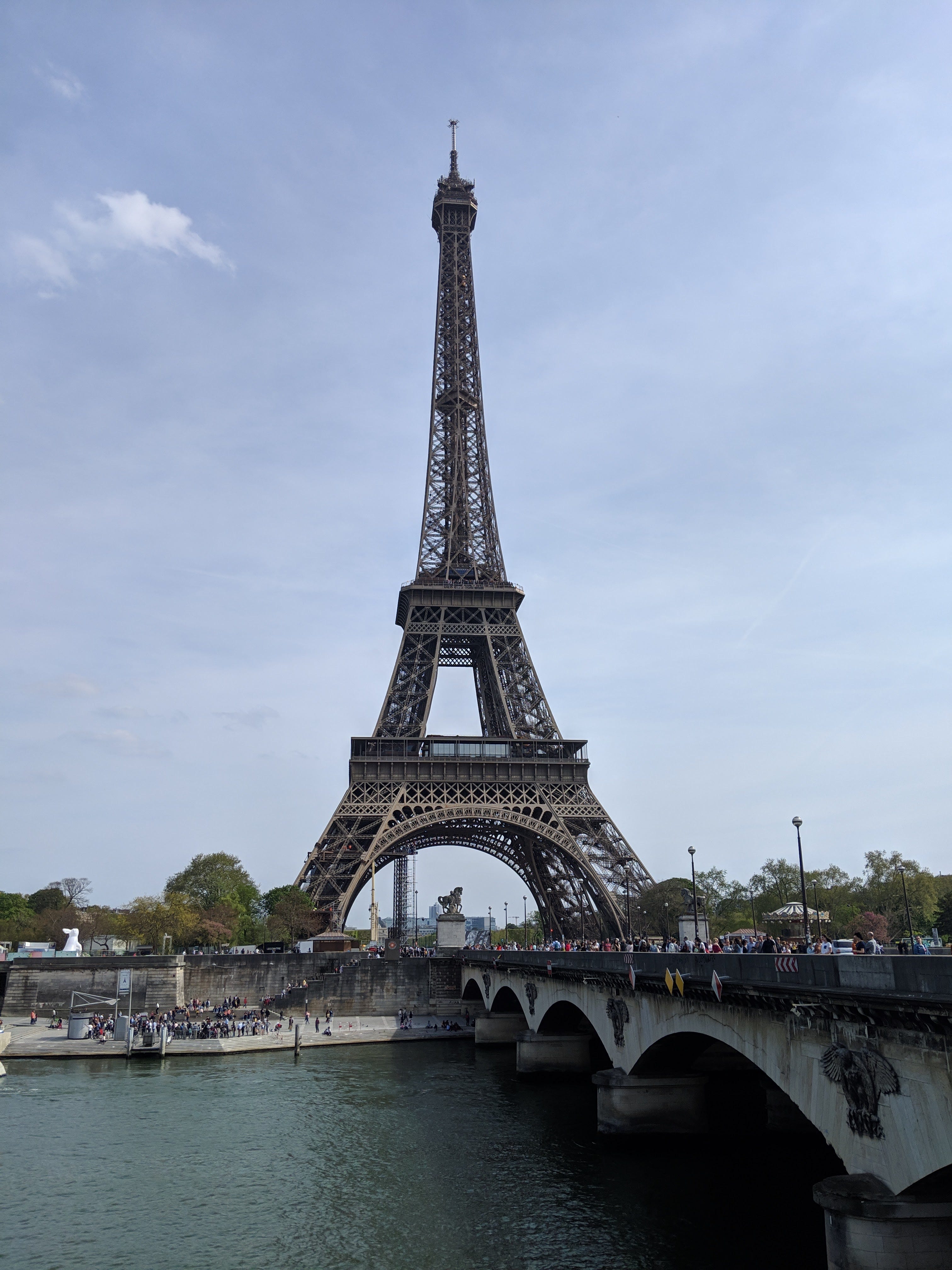
You describe Paris and Provence so beautifully! How much is true and what did you fictionalise?
Thank you! I’m thrilled readers have found the descriptions of Paris and Provence feel true to life—that was certainly one of my goals! I wrote about the areas in Paris and southern France I’d previously visited, but I’d also scheduled a trip to Paris in March 2020 to do some final research as I finished editing the book. Of course, early that month it became clear that international travel was out of the question. Aside from my memories and photos, I relied on Google Maps and two Paris-based beta readers to help me fact check my geography and cultural references. I fictionalized the restaurants Rose visits, but even those were inspired by real-life places where I’d eaten.
What’s the secret to writing scenes to give a location its authenticity?
When it comes to creating an evocative and realistic setting, less is more! A few key details go a long way to letting readers cobble together a vivid picture in their own minds. Because La Vie is written in the first-person, I spent a lot of time thinking about what Rose would see. Her point of view is different from, say, someone who has spent a lot of time traveling, and what she notices reflects that.
What’s your favourite Paris scene in the book?
Ooh—that’s tough! Rose spends a lot of time walking around the city, and exploring a new place by foot is one of my absolute favorite parts of traveling. But if to pick one… there’s a scene toward the end of Rose’s time in Paris where she goes out for a meal by herself, and has to crawl through a window in order to get to her seat in a small wine bar. It’s a moment of triumph for Rose. But I love it most because it captures what dining out in Paris has always felt like to me: warm, joyful – and surprising!
Which scene in Provence did you enjoy writing about the most?
I love when Rose is on the TGV headed from Paris to Avignon, and she sees how the scenery remakes itself in a flash outside the train window. It’s a brief moment. But I think it captures the delight and wonder of seeing a new place—especially for us Americans who so rarely get the pleasure of traveling by train.
How important is location to your books? Do you have plans to write another one set abroad?
As both a reader and a writer, setting is extremely important to me. I’m happy to go just about anywhere as long as I feel like I’m really there, and my favorite books are definitely the ones that both transport and immerse me. Although my next book takes place along the West Coast of the United States (it’s a road trip story!), I would love to write another set abroad. I’d actually love to do something in your neck of the woods, Jane! I just need my kids to get a little older, so I can start traveling overseas again.
Any French holiday recommendations?
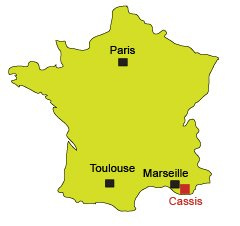
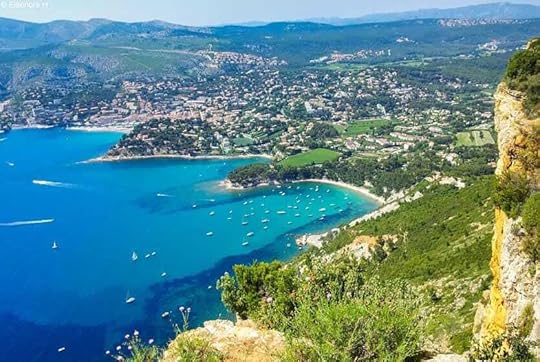
When my husband and I travel, we’re pretty much going from one meal to the next. In Paris, we’ve had some amazing eating experiences at Clamato, Rose Bakery, Frenchie Wine Bar, Le Mary Celeste, Ellsworth, and L’Ami Jean. And no Paris trip is complete without a late-night stop at L’As du Fallafe (@lasdufallafe). Rose visits the small coastal Provencal town of Cassis, and I can’t recommend it enough. Less glitzy than the better known Cote d’Azur destinations, it’s a gorgeous, charming seaside retreat.
Do you have a ‘destination’ novel to recommend to readers?
Aside from your books, of course, I've recently enjoyed Sierra Godfrey's The Second-Chance Hotel , which transported me to a small island in Greece with a delightful cast of characters. The Sicilian Inheritance by Jo Piazza is a bit heavier at times, but she does an incredible job of sweeping the reader away to Sicily and balancing the light with the dark.
More about planning a holiday in France can be found here
For all things writing and books, subscribe to Lauren (and authorly friends) on writingchat.substack.com
Instagram @laurenparvizi
Threads @laurenparviziauthor
You can buy La Vie, According to Rose here on Amazon
A heartfelt novel about self-discovery, grief, and a once-in-a-lifetime chance to start over.Rose Zadeh pleases everyone, except herself. Memories of her late Iranian-immigrant father, who valued hard work and family, keep Rose in a dead-end job as a Silicon Valley copywriter, and tethered to her guilt-trippy mom and needy sisters. As much as it would disappoint her father, Rose needs an escape. Voilà! A mandated vacation gives her the chance. Three weeks on a long-dreamed-of trip to the City of Light.Instead of landing in a Parisian fairy tale, Rose falls under the spell of a charming and possibly dangerous expat and encounters an old family friend keeping a surprising secret. With the aid of a French self-help guru, Rose really believes she’s blossoming. Until an unwelcome reminder of home proves that finding herself will require more than a change of scenery.From Paris’s cobblestone streets to Provence’s sun-soaked hills, Rose embarks on a journey of adventure, betrayals, and even amour. For the first time, the directions she follows are up to her.May 21, 2024
Two weeks in Quintana Roo, Mexico
You may have already seen my post about planning my travel holiday to Mexico and why I chose this route. Here’s how we got on…
Day 1-5: Arrive Cancún transfer to Playa del Carmen
Day 6-7: Bacalar Lagoon
Day 8-9: Valladolid
Day 10-12: Isla Mujeres
Day 13: Cancún
Day 1-5: PLAYA DEL CARMEN
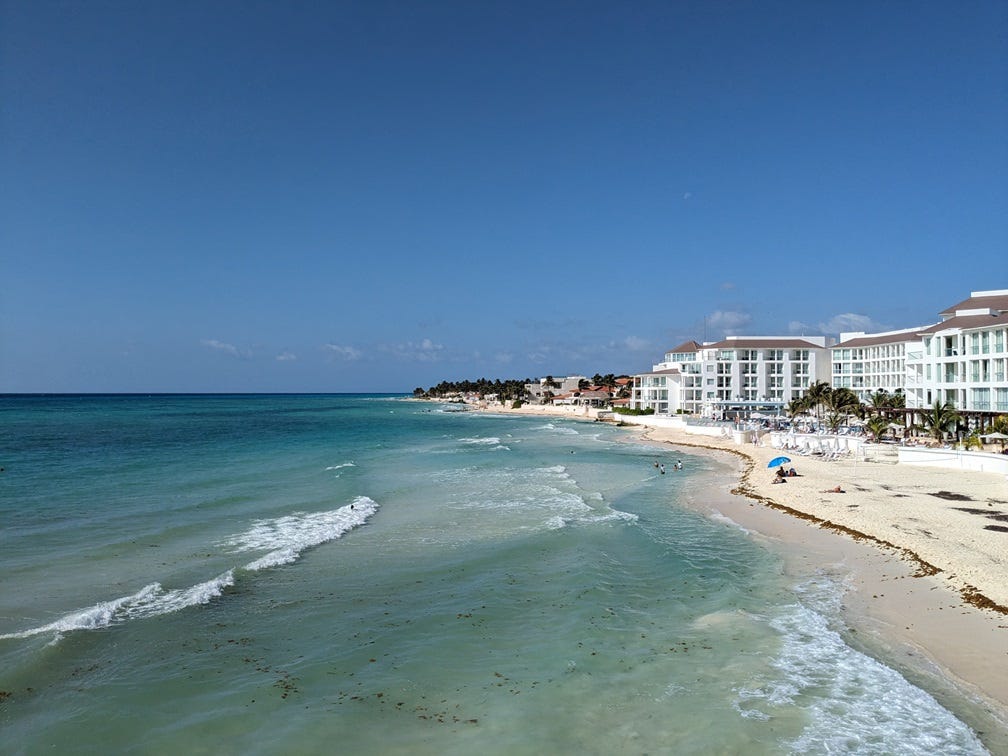
We stayed in the coastal town just a few minutes from a shopping centre and ‘the strip’. Not exactly authentic Mexico but the beach was gorgeous and quiet, we were able to walk to the ferry terminal to go to Cozumel island (where the snorkel trips depart) and to the bus station for onward travel.
The Palancar, Columbia and El Cielo reefs are part of the second largest barrier reef in the world so snorkelling here was high on my list of things to do. The water was clear and warm and we saw so many colourful fish – and turtles* – which was an amazing experience.
Details: A three-hour trip with Maybe Tours booked through Viator (£53 each). Ferry to Cozumel, 25 mins (£24 return), 15-minute taxi transfer to the boat jetty (£6 one way).
*We’d planned to swim with turtles at Akumal but after further reading I wasn’t convinced the set-up was as ethical as I’d first thought.
Cenotes are natural sinkholes formed from limestone and there are thousands in Quintana Roo with hundreds open to the public, and some you can swim in. We booked a tour that was a short drive from our hotel but the experience was sadly overrated and overpriced. We learnt later that you can simply buy an entry ticket to swim in most cenotes…
Sleeping: Playacar Palace is an all-inclusive with great food in all the restaurants. The family room applies to kids under 18 and was a big size with two double beds.
Tips: Taxis are expensive so pick a hotel with a free airport transfer (45 mins drive). Tours aren’t cheap and often in US dollars so read the reviews to understand exactly what you’re paying for. There are TWO bus terminals in Playa del Carmen. (Don’t make the mistake we made and turn up at the wrong one…).
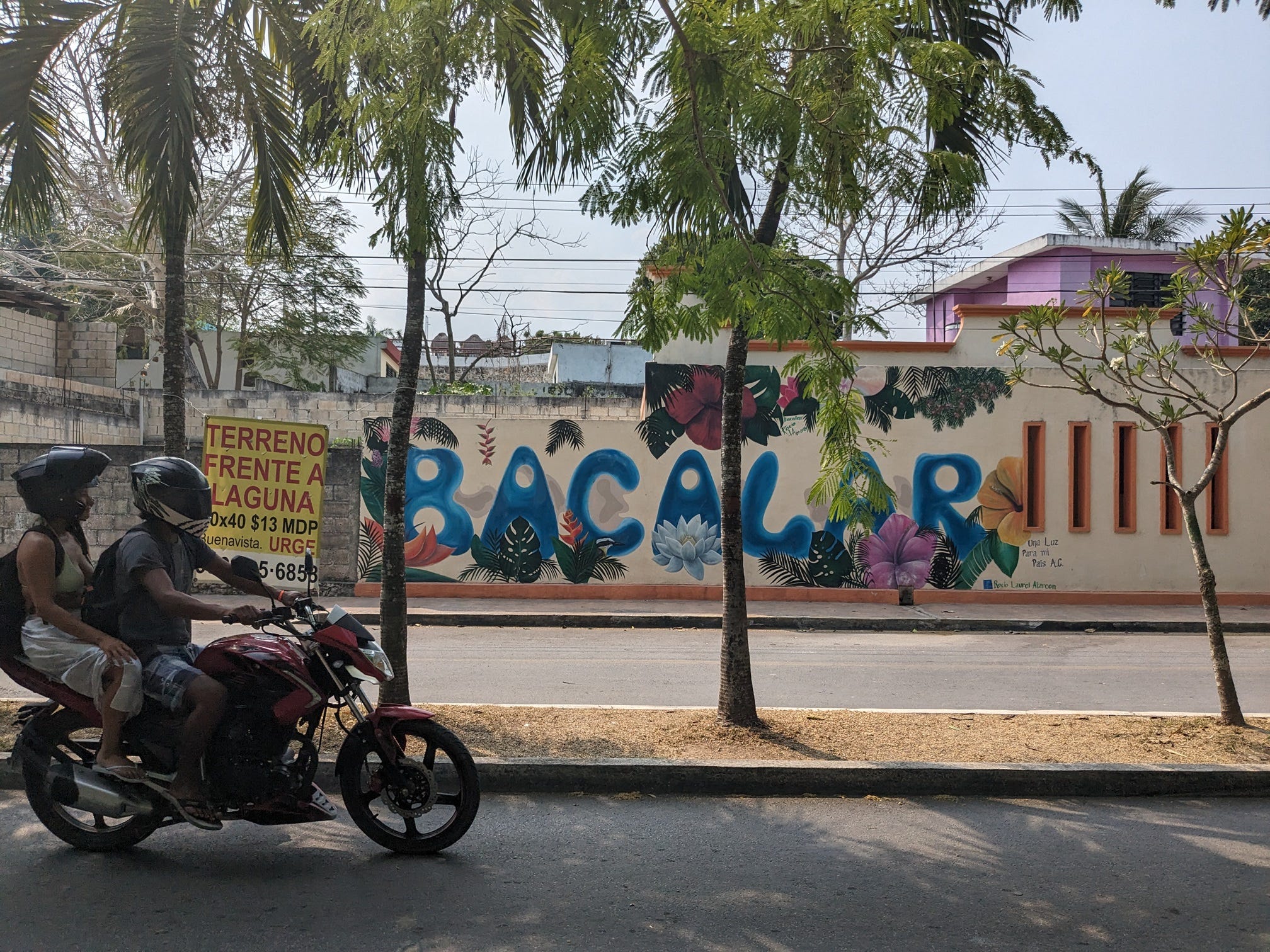
Day 6-7: BACALAR LAGOON
The clear, turquoise waters of Bacalar Lagoon are often likened to the Caribbean while the relaxed town is a holiday destination without the package tourist vibes. Think colourful murals, Mexican street food – and a notable leap in temperature coming from late twenties on the coast to 38°C inland.
We were up before dawn for our sunrise paddleboard in a group of six. This was new territory for me but I was soon standing and cruising across the flat water to the other side of the lagoon. We had breakfast standing in the shallows as warm as bath water and watched the sun come up.
Details: Wild Wave Bacalar (£35 each), five-minute taxi to the jetty (£6).
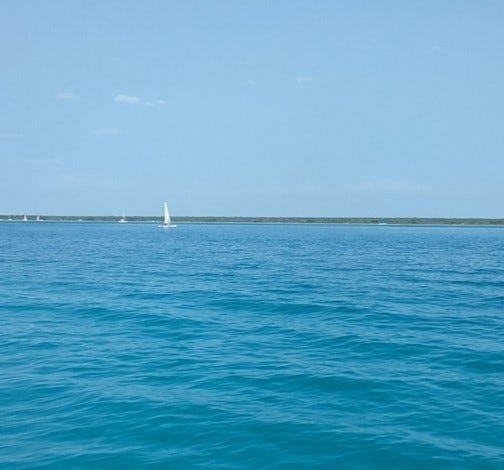
We’d planned to sail around the lagoon in the afternoon but with temperatures climbing to 40°C and no shade, we switched our trip to a pontoon boat that we ended up having to ourselves. Our guide was from Bacalar and gave us an informative tour with time to stop off and jump in for a swim.
Details: Wild Wave Bacalar (£21 each). Both trips with this company were really good value for money with knowledgeable guides.
Tip: Communicating with tour companies via WhatsApp was helpful and speedy particularly with our last minute change for the boat trip.
Transport to Bacalar: ADO bus from Playa del Carmen Alterna, 4h10m, £24 each. Ten-minute (hot) walk to our hotel.
Sleeping: Hotel Circulo Bacalar. A peaceful oasis with a pool and a safe ten-minute walk to the central square and restaurants. Bedrooms were stylish and a good size, staff were friendly and helpful.
Eating: Street food in the open air Los Atlixco. Burritos at Taquería Abolengo.
Day 8-9: VALLADOLID
Valladolid was a good place to experience a city and access the Mayan ruins, Chichén Itzá. We spent the afternoon wandering around the colonial town and simply enjoyed looking at the buildings, nosing in the shops, soaking up the atmosphere and people-watching in Parque Principal.
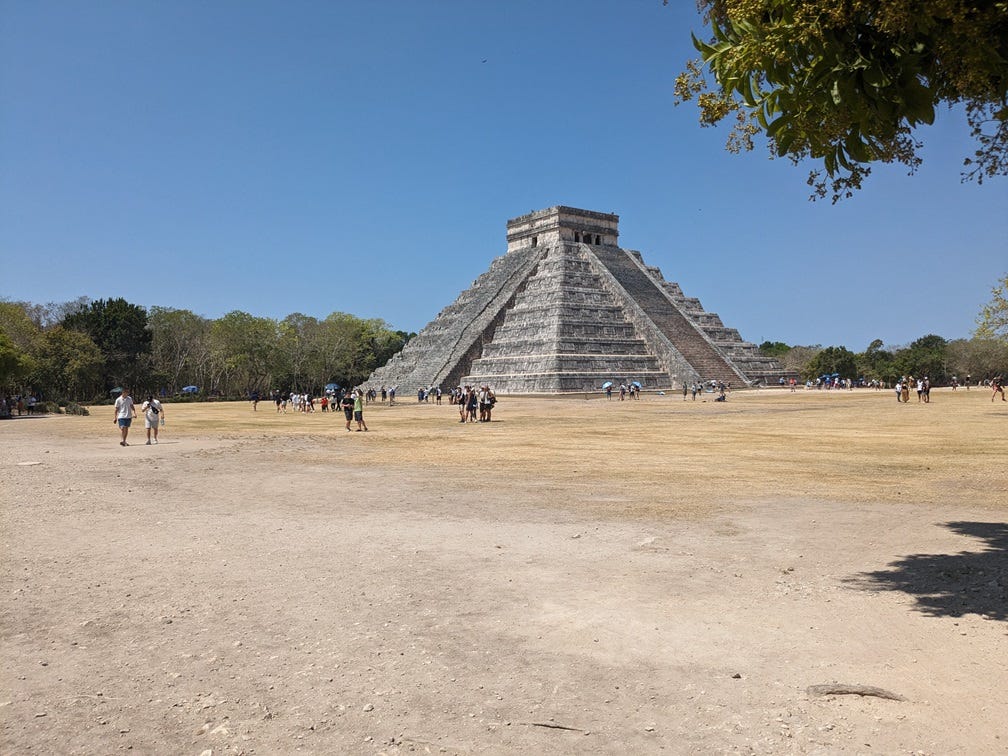
We set off at 7am the following morning to visit the UNESCO world heritage site Chichén Itzá and avoid the tour buses and heat of the day. We arrived around 830am with a short queue to buy tickets. El Castillo’s distinctive pyramid shape has become the icon of the ruins. It’s quite breathtaking to witness the structure emerge as you come out of the entrance trail. We spent a few hours looking around. You can hire a tour guide but we used this self-guided tour.
Details: Transporte Colectivo A shared air-con taxi mini bus (£4 each return) located in a parking lot close to the ADO bus station. It runs on the half hour or leaves when it’s full and takes about 45-minutes. Chichén Itzá entry is £29 each.
Tip: The drop-off point is also where you wait for your return journey. There’s the option to get off the mini bus to swim at Cenote Ik kil on the way back but we weren’t aware of this until afterwards.
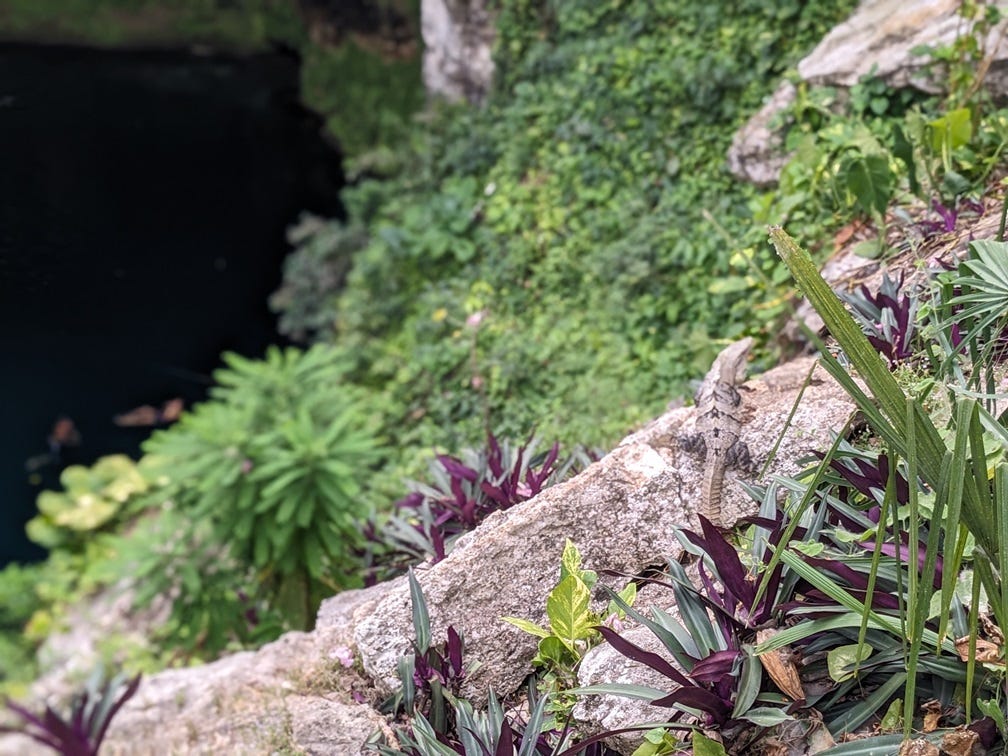
Cenote Zaci is a large cenote in the centre of Vallodolid – but became another failed attempt for us to swim in one! It was just a ten-minute walk from our hotel and we arrived just after 4pm to be told – frustratingly – that we’d missed the last entry (despite being open until 5pm). That said, we stood on the raised viewing platform where we could look down into the swimming hole and appreciate its scale and size – and saw lots of iguanas!
Transport to Valladolid: ADO bus from Bacalar, 4h30m, £24 each. Ten-minute walk from the terminal to our hotel.
Sleeping: Hotel Fundadores. A tranquil retreat arranged around a luscious courtyard garden with a small pool. We mostly booked hotels with free cancellation through booking.com in case we changed our plans in the run up to the holiday.
Eating: Burritos Amor (@burritoamor). Restaurant Ahal.
Tips: There’s a one-hour time difference as you cross over the state line to Valladolid.
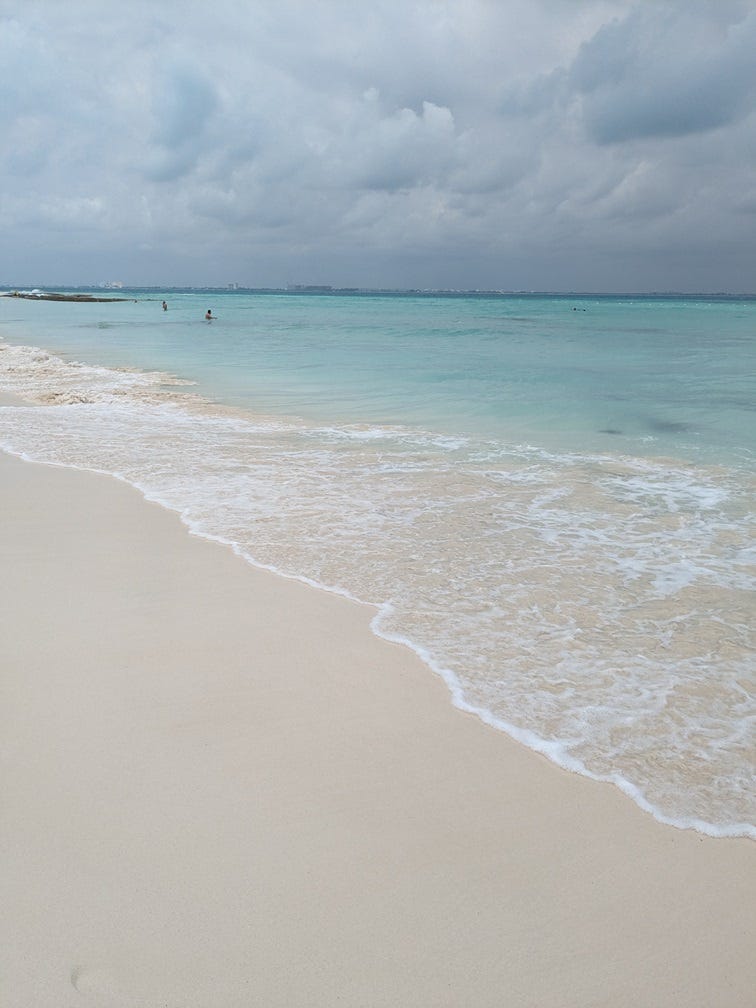
Day 10-12: ISLA MUJERES
We ended our holiday the way we began – relaxing. The island is only 5 miles long and a mile wide and is loosely split with busy holiday vibes along the sandy east coast and a quieter, more authentic feel on the rocky west coast (a mere fifteen minute walk apart).
We took our second snorkel trip, out along the Manchones reef where fish were bountiful and the biggest I’ve seen, in a rainbow of colours. But the current was choppy, even more so in our next drop at Musa, the underwater sculptural museum, so we didn’t see much as we couldn’t hang around for long.
Details: DC Explorer (£35 each) The tour had good reviews on Viator but was sub-contracted out to another company as many offer the same trip and they need to fill the boat before they leave. Capacity is around 12 people.
Tip: Keep an eye on the weather. We were booking our trips a day in advance but forecast high winds meant we had to grab the opportunity and go that morning.
Transport to Isla Mujeres: ADO bus from Valladolid to Cancun, 2h15m, £11 each. Taxi to Puerto Juarez ferry terminal, 10 minutes, £7. Ten-minute walk to the hotel.
Sleeping: Nautibeach Condos overlooking Playa Norte, a stretch of white sandy beach. Our two-bed apartment was overpriced and tired but walkable to the nightlife, with a pool, plenty of sunbeds, and a sea view.
Eating: El Carrito street food (on Adolfo López Mateos), La Cazuela, Abuelos – some of the best food we had all holiday.
Tip: You’ll lose an hour as you cross back over the state line to Quintana Roo.
Day 13: Cancún – an early flight meant we had to be back on the mainland the night before so we picked the Moon Palace hotel because it was on the beach, close to the airport and with a free transfer.