
Brenda Seefeldt Amodea's Blog
November 28, 2025
Ideas to Help You Make This Christmas Season Better Than Last Year’s
Tis the Christmas season again. And you are single again. You are free to keep on ranting. You are free to also express some anger at God. This is because you are trusting God.
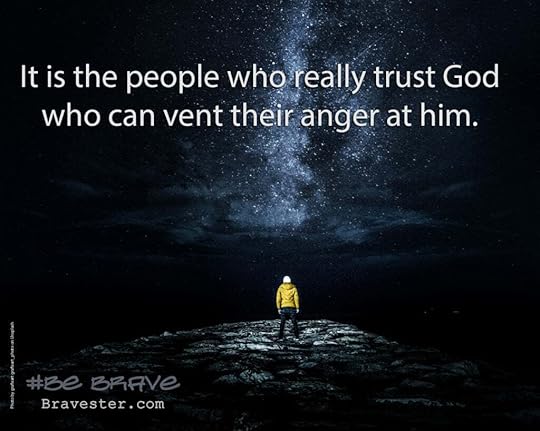
(This meme has been one of my truest life statements.)
Also pat yourself on the back for not being in a bad match this Christmas season. For not settling or contorting yourself to have someone around. Dating is not the kind of relationship that cures loneliness.
As you face being single again for another Christmas season, you’re already feeling both the joy and the dread of the coming Christmas season—and honestly, that makes sense. You get the beauty of it, but you also know how quickly it can slip into loneliness, a mush of emotions, or regret. You get both. The good news?
You don’t have to repeat the regrets of Christmas past.This year, you can make some brave decisions that will help you get ahead of the emotional fallout.
Life will still happen. Those unexpected moments, the expectations that aren’t met, and family dynamics. Christmas doesn’t remove this stuff. But there’s more in your control than you think. You can soften some of the hard moments simply by making some brave decisions now.
You can prevent some of those bad moments by:Planning better and setting honest mental expectations.Having clearer, more truthful communication with the people around you, especially your gift of people. Let them know you are mixing things up this year to not repeat last year.Letting go of pressure to keep every family tradition or to accept every invite,Not overloading your calendar, especially if you are in introvert.Intentionally thanking everyone for the invites, even the ones you decline.Reevaluating your holiday “musts.”Shifting your focus from what you lack to what you already have.Setting a simple budget so money-stress doesn’t steal your peace.Deciding ahead of time what emotional boundaries you need with those people.If three days is all you can bear with your family as the only single child or single cousin, limit your visit to three days.Creating a few Christmas-themed life-giving rhythms, like quiet mornings, walks, or prayer pauses.Making room for rest—actual, real rest.Feeling your emotions. Remember that all emotions move you towards God.Letting go of the myth that more makes Christmas meaningful.Choosing one or two things that genuinely bring you joy and make space for them. Invite your gift of people to celebrate those with you. Make your special Christmas memories here. Practicing gratitude in small, specific ways.Remembering what Christmas is truly about.One more thing I want to rant about again. There is the dreaded question that happens more at Christmas time. It is, “why are you single? Someone will rudely ask you this. You don’t have to answer. Married people don’t ask or answer the question, “why are you married?” The person who is asking is too often asking as if something is wrong with you. No wonder you have to make these brave decisions, it’s because of these people.
It is rude. Unless it’s coming from that cute single guy or gal who asks, “Why are you single?” but really means, “How is someone as great as you still single? Lucky me.”
Who knows what magic will happen this Christmas season. It will already be better than last year.
The post Ideas to Help You Make This Christmas Season Better Than Last Year’s appeared first on Bravester.


November 19, 2025
Dear Emotional You. You are Full of Supra Emotions.
You are amazing.
Emotions are information, not illnesses.We’ve almost lost our ability to sit with emotional pain. But pain, especially emotional pain, is actually part of being human. Even as Christians, we are not exempt from pain…or joy or awe or grief. All of the emotions move us to God.
Too often though our emotions are being made into illnesses. Think about a teen girl who gets rejected by someone she likes, who wants to belong, who keeps trying to find that close circle of friends and can’t seem to break in. That kind of hurt is normal. There are lots of emotions felt. It’s not a sign that something’s wrong with this teen girl. This is normal adolescent angst. And it really does hurt!!!
The emotions (all of them) around the anxiety, the loneliness, the failure, etc. do hurt and are uncomfortable. They also serve a purpose. They push us toward growth. For example, the fear of being alone motivates us to reach out, to listen better, to show up for others, to become the kind of friend we want to have.
Instead of labeling every difficult emotion as a problem to fix, maybe we can start seeing these moments as invitations to some brave decisions. Emotional pain doesn’t mean you’re broken. It means you’re human—and it’s often through that ache that God shapes our compassion and connection.When emotions are illnesses, the pharmaceutical industry is medicalizing every aspect of human experience…to make money. This is a problem.Amazingly emotions are information and you are full of supra-emotions. Super you is able to handle supra-emotions. Supra-emotions are not ordinary emotions. They are deeper, more integrative emotional states that can hold multiple emotions at once. (Look at complicated you!)
Think of supra-emotions as emotional frameworks—containers large enough to hold the full complexity of what we feel. Supra-emotions don’t replace our other emotions; they give them shape and direction. They allow joy and sorrow, peace and anxiety, love and anger to exist side by side without tearing us apart.
The key patterns of supra-emotions are:
They are meta-emotional: they hold, integrate, or transform other emotions rather than reacting to them.They are sustaining: they persist through trials and seasons of tension.They are orientation-shaping: they guide behavior, thought, and spiritual posture.This may sound abstract at first until you realize how true and amazing it is. You are amazingly created.
Joy, for example, can coexist with sorrow, grief, or fear. You’ve probably experienced this in moments when tears and laughter somehow meet.
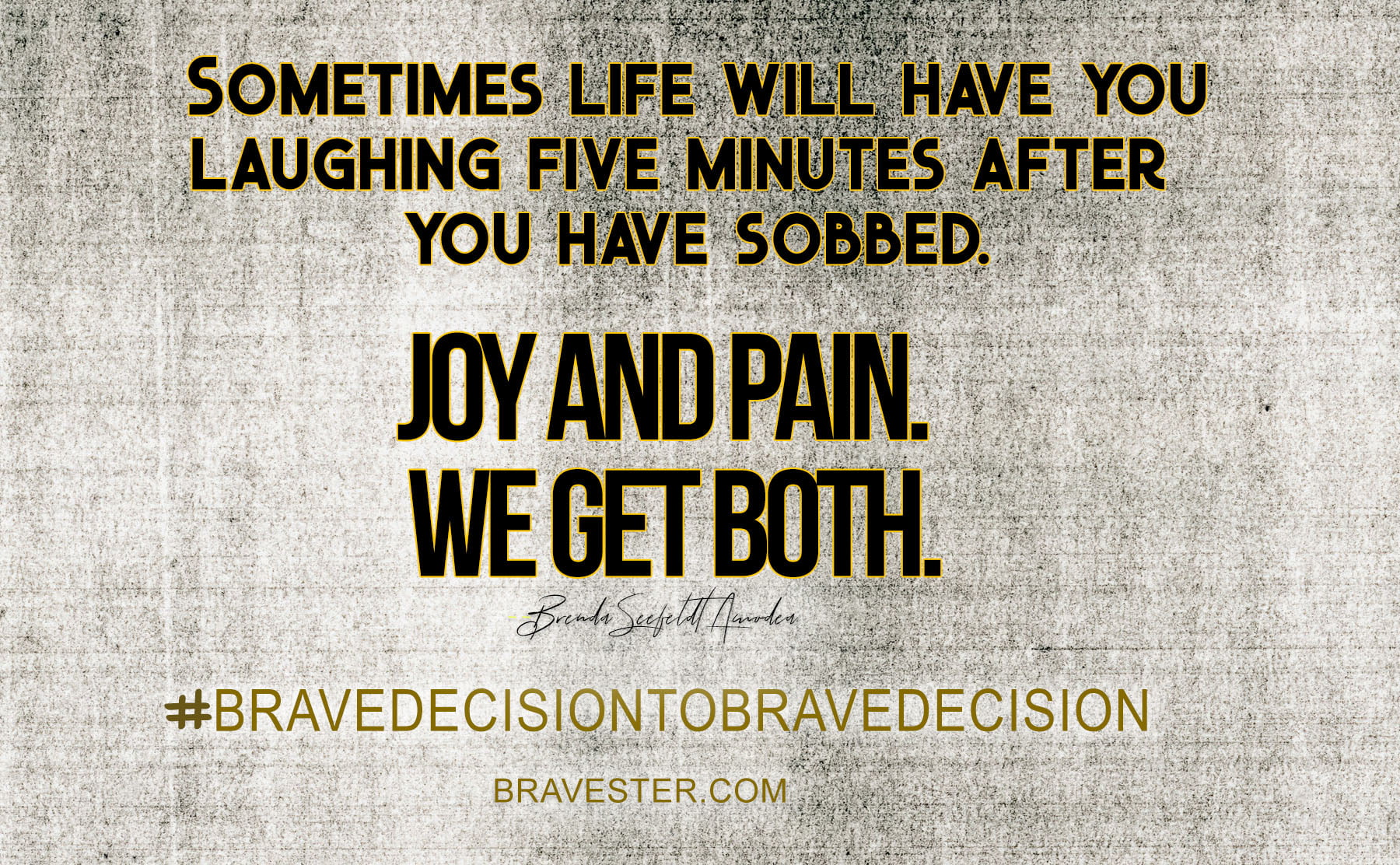
Peace isn’t the absence of conflict or stress. It’s an overarching steadiness that remains even when everything around you feels uncertain. You can even feel this peace when deep in overwhelmed land. When you’ve known peace like this, you know it’s more than “peace.” It is a presence.
Compassion holds sorrow, empathy, and even righteous anger together.
Gratitude can be felt beside disappointment or loss.
Awe can contain fear, wonder, joy, and humility.
And then there is love-—the compass emotion that orients every other emotion.
Love transcends fear, anger, and resentment. It transforms, directs, and absorbs other emotions instead of being overtaken by them. A person may feel fear, sadness, or frustration, yet love empowers them to respond with patience, kindness, or forgiveness.
Love also integrates emotions that seem to oppose each other. It can coexist with grief, disappointment, or anger without losing its strength. (That is an amazing thought.) Love holds tension. It allows us to mourn while still expressing deep affection for God or others.
Love doesn’t just accompany other emotions, it guides them. Fear can paralyze. Anger can destroy. Sadness can isolate. But love redirects these emotions toward care, reconciliation, and action. When 1 Corinthians 13:13 says, “Three things will last forever—faith, hope, and love—and the greatest of these is love,” it points to this very truth. Scripture understood long before this science that love has the power to integrate and sustain the human soul.
Love is enduring and transcendent. Unlike fleeting emotions that rise and fall, love persists through time, trial, and complexity. It shapes who we are and how we live.
Supra-emotions move us toward transcendent emotions—those that lift us beyond self-interest and connect us to something larger, whether that’s other people, humanity, nature, or God. Transcendence is something outside of you validates you as worthy. You and I both know that this is Jesus. All emotions do lead us to God. All of them, especially because we have these supra-emotions.
The following is the list of the core transcendent emotions that are scientifically categorized as such:
AweGratitudeCompassionLoveHumilityReverenceWhere do all of these emotions lead to?
Decenters the self.Connects to something larger–others, creation, or God.Motivates prosocial behavior–kindness, generosity, forgiveness.Where do all of these emotions lead to? Making the world a better place. They lead right through the teachings of Jesus. All of them.
So emotional you… You who are amazingly created… You are made to be able to make these brave decisions despite feeling like you are an emotional mess. You can do this.
p.s. Another list of transcendent emotions included in broader definitions (not core):
Admiration – Being inspired by another’s virtue or excellence, leading you to grow rather than compete.Elevation – The warm, lifted feeling you get when witnessing moral beauty or goodness (closely linked to Jesus’ Beatitudes-type moments).Hope – Hope involves me and my vulnerability (so many emotions). I can’t offload this to God.Forgiveness – To practice forgiveness takes something outside of ourselves—transcendence—to help us do this hard thing.Joy – Delight that arises not from possession, but from connection and meaning. Joy involves faces.Peace- Inner and relational harmony rooted in something larger than you.Empathic joy – Rejoicing in others’ happiness or success (opposite of envy).Moral inspiration/moral beauty – Feeling called toward moral excellence or virtue.The post Dear Emotional You. You are Full of Supra Emotions. appeared first on Bravester.
October 30, 2025
The Beautiful Security of Being God’s Child
20 times in the small 5-chapter book of 1 John you will find an iteration of children of God or Apostle John calling you “his children.”
Apostle John wrote the letter of 1 John to the young church in Ephesus because they were in crisis. False teachers were causing confusion and causing the church to split.
Maybe when you are dealing with false teachers who are trying to confuse you about Jesus, it is good to be told at least 20 times who Jesus sees you to be and that you belong to something that is larger-story-everlasting-that-has-no-end.Do you need to hear this at least 20 times too? (Yes.)
Since we know that Christ is righteous, we also know that all who do what is right are God’s children. 1 John 2:29
You are claimed and spoken for. You belong somewhere and to someone. We are people of a place. We are people of a person, not a notion or belief system or philosophy but the person of Jesus Christ. This has placement and is not fluid. We belong to someone.
Human approval is fleeting. You need an approval that is secure, like larger-story-everlasting-that-has-no-end secure. I, and you, are a loved child of the larger-story-everlasting-God-who has-no-end.
There are no qualifiers for this. I cannot be more loved if I perform better. I cannot be more free in his grace if I try harder. You cannot earn sonship or daughtership. You cannot cover wounds in money. You cannot pay for resurrection. Those are all gifts. I, and you, are simply loved. We were created in love with love.
The beauty of finding our identity in Christ is that our identity is always secure because it’s not grounded in our efforts, but based on the perfect performance of our Savior who does the work to restore our relationship to him. God has designed for him to do the work to remove our sins from us. This is the work done on the cross. (Ephesians 2:8-9, 1 John 2:1).
We know that God’s children do not make a practice of sinning, for God’s Son holds them securely, and the evil one cannot touch them. 1 John 5:18.
The Bible tells you that you are held securely. Don’t you wish you always believed that? Welcome to imperfect progress. Me, too. You are not alone.
And you know you still have a practice of sinning. So this verse doesn’t seem to make any sense. How can you really be a child of God?
What were the sins you were doing when you were 16? Are you doing those sins anymore? See, there is some growth in you. The work of “maturing you into who you already are” has started and isn’t stopping. This unbeatable sin isn’t in the way of that work because Jesus took care of that sin. This is your imperfect progress.
Understanding just a bit that God designed for Jesus to do the work to remove our sins from us, you have a brave choice to make: You can focus on your behavior or you can focus on your identity in the larger-story-everlasting-God-that-has-no-end.
Hence it is one step forward, two steps back until it becomes two steps forward, one step back. You are always a child of God. You are claimed. God did the work to claim you. You made the decision to surrender to God.What do you miss about being a child?
The wonder of discovering something for the very first time.Believing magic was real and anything was possible.Not paying bills.The safety of someone else taking care of the big problems.A bedtime story whispered just for you.Crying without shame and being comforted quickly.Being praised for the smallest achievements, like drawing a picture.Write down what you miss. Take a lingering moment to really remember. Remember the nostalgia, the simplicity, the trust. Do you feel warmth in your soul?
This is a big reason why being called a child of God fills that ache in our souls.To be a child of God means we are wanted. It means we are carried when we are too tired to walk. It means we are delighted in, even when our efforts are small and imperfect. Children don’t question if they matter to their parents, they simply live in the assurance that they are someone’s beloved.
To experience God’s love comes through your vulnerability of trusting God. Look at receiving God’s love vulnerably as the hands and arms of a child extended in trust.
I invite you to read 1 John again particularly noticing those verses about being a child of God.
But what happens if a trauma, especially in childhood, makes it almost impossible for you to extend your hands to God in trust? I notice you. There is healing for you. You are still claimed and spoken for.
I asked our son Kenneth about this identity of being claimed by God as a child of God. And also about being claimed by others like how John and I have claimed him as our son and have now gone through 27 years of prison with him (that’s a good story). I asked him if this has helped him in making decisions.
He said absolutely. When he was younger he thought his decisions were only his decisions and only affected him. But as he grew and learned more about God and appreciated belonging to someone (besides his mother) he realized his decisions affected us too. This has helped him endure 27 years of prison time and accrue good time for his upcoming early release (!!!!!!).
To trust that you are held securely triggers your trust issues. The idea of loving God vulnerably further freaks you out. Hence we try to earn this love by being a good boy or good girl. Your imperfect progress is a mess of earning and exhaustion.
Worthiness is your birthright. You have the dignity as a child of God. This has never been in jeopardy.
Now to read this again because these words are hard to believe. And true. (You may need to read this 20 times.)
“Define yourself radically as one beloved by God. This is the true self. Every other identity is illusion.” –Brennan Manning, Abba’s Child
The post The Beautiful Security of Being God’s Child appeared first on Bravester.
October 29, 2025
You Don’t Want a 50/50 Relationship?
There are two kinds of 50/50 relationships that I see: one about incompleteness and another about keeping score.
Both fail for the same reason–love can’t be measured in halves.Yet some of you believe you are incomplete on your own, searching for a partner to make you whole. You hope someone will compensate for your weaknesses, and you imagine that by merging your lives, the two of you will become strong together. You believe that happiness is something you can only achieve as a pair, filling in the gaps that each of you lacks individually.
This strategy feels right to people. They find someone who embodies all that they are not, and they feel complete when they are together. It is part magic. And it also makes sense…for a time. We always feel more alive when we get near what we don’t possess but need. It brings parts of us to life that have little chance of emerging on their own. This is a good reason to be a part of a church and to intentionally have a team. This is not a good reason for marriage.
Something happens when this formula is applied to marriage. When two incomplete people marry in hopes that merging their strengths will make up for each other’s weaknesses, the result is not the happiness they hope for. In fact, what happens is that each partner slowly comes to want the other things that that person does not possess. Over time, desire turns into resentment, and the relationship becomes less about shared growth and more about unmet expectations. Happiness remains elusive because it was built on the mistaken belief that someone else could make you complete.
Then there is the soul mate myth.
Resentment is poison to a marriage. Your lack of personal growth is also destructive.
There is another 50/50 relationship to avoid.
Both of you have agreed to be 50/50 partners, and at first, it feels like you’ve found a perfect match. You’ve found someone willing to show up, participate, and carry responsibility alongside you. There’s a sense of fairness and balance—you can trust that each person will do their part. Maybe you’ve even gone a step further and clearly outlined which 50% belongs to you and which belongs to your partner, dividing responsibilities and expectations in a way that seems orderly and sensible. At first, this feels reassuring: you’re aligned, organized, and ready to build a life together where both contribute equally.
But you have just doomed your relationship.
Here’s the catch: a relationship based on keeping score is doomed. When both partners start tracking who does what, checking the list, and measuring contributions, the relationship shifts from connection to accounting. Fights often start with complaints like, “I’ve done my 50% and even part of yours—when are you going to do your share?” Contributions are measured, expectations are tracked, and every perceived shortcoming becomes ammunition. What was meant to be a partnership becomes a ledger of fairness and imbalance. Love starts to feel transactional, unfair, and conditional. When love feels unfair, we unravel. Trust issues skyrocket.
Love becomes bruised, belittled, and protected by walls we build around it.
Love is really 100/100. It is self-sacrificial. It is “I’m all in so you can be the best person. If you can be the best person than I can be the best person.” It is secure attachment.
The miracle of marriage is two whole people becoming whole.
I’ve seen this truth lived out in my marriage. I married a giver who wants the best for me. Because he gives to me, I want the best for him. John makes me better. Now I want to make him better. I think John started this but who’s record-keeping.
Yes, there is self-sacrifice in this. There are times that John’s creative projects get put ahead of mine. There are times he “never” does the house chores. I could pout about this, keep a record about this. Or I can rest in this love that knows that John is for me. Just because his project comes first doesn’t mean mine is bad or not worth the work. Plus so many times he has moved my project before his.
This track record grows my trust so I can be more self-sacrificial.
A consistent track record builds trust. Marriage is, at its core, a trust relationship.
A marriage grounded in self-sacrifice doesn’t just survive challenges, it thrives in them. Because both partners are committed not to what they can get, but to what they can give.What makes our marriage strong isn’t keeping score or always being fair—it’s the daily choice to give, to trust, and to put each other first. When love is generous and focused on the other, trust deepens, joy grows, and the relationship flourishes in ways that balance alone could never create.
This is my wish for your love for a lifetime.
The post You Don’t Want a 50/50 Relationship? appeared first on Bravester.
October 14, 2025
Do You Think This Relationship is as Good as You Can Get?
Are you liking being chosen? It feels wonderful to be chosen but there is more for you than this.
You are overlooking red lights, and yellow lights, to make this relationship work. Potential isn’t the same as a true match. Ask your gift of people about these red and yellow lights.
Should you get hopeless about this relationship?
Should you stop settling? The very thing you are seeking—a love for a lifetime—is the thing you are sabotaging by settling for this relationship.
Accepting good enough is peacekeeping. You don’t want to face conflict. You are uncomfortable with volatility. You will become a doormat and apologize too quickly to have some semblance of peace. This semblance of peace is a form of control. Peace built on control is not love.
Are you being your whole self? Show up whole, as is.
You are not completing this other person. This is not your role.
Being chosen is not the same as being truly known.
Settling for good enough might be more about the fear of being alone.
You don’t want to be too much so you downplay your needs, emotions, and feelings so you don’t drive him/her away. Wouldn’t you rather be truly known? (For you, A List to Help You Not Date Someone Who is Emotionally Unavailable)
Are you avoiding the hard conversations? Hard conversations are a part of healthy relationships, a part of growth and connection.
You are minimizing your own worth to justify staying.
You are ignoring your gut instincts (you feel this) and the wisdom from your friends.
You are settling for potential instead of reality.
You are compromising boundaries to avoid loneliness. Or confrontation. This is a both/and.
You are shrinking yourself to make space for someone who may not truly see you.
You are confusing familiarity and comfort with genuine compatibility.
Do you like being this fixer in your partner’s life?
You are convincing yourself that “good enough” is all you can get.
You know your partner lies to you but you keep making up reasons for why he/she does this.
You are letting fear dictate your choices instead of hope for a love for a lifetime.
You believe God has abandoned you. At least you are dating someone.
You are postponing your own happiness to maintain the status quo.
You are settling into patterns that may never change.
You are reasoning that your partner knows Jesus but does he/she really love Jesus?
You are teaching your partner what is acceptable by tolerating less than you need.
You are settling when you should be waiting for someone who celebrates all of you, not just tolerates parts of you.
You have settled for a taker, when you really want a giver.
You are risking regret later by staying where your heart knows it doesn’t fully belong.
No matter how deeply your lives are intertwined, make the necessary ending now—because that ending is coming anyway.
Trust is missing in this relationship. You know it and are okay with it. (Read also: Why You Choose Someone Who Can’t Be Trusted)
Do you wonder if you can do better than this? Do you think this relationship is as good as you can get?It is not possible for you to love someone who you do not trust. Love thrives when it is accompanied by both trust and joy. While love can exist even in difficult or imperfect circumstances, it reaches its fullest, healthiest expression when you feel safe with someone and genuinely delight in his/her presence. Trust and joy are the emotional foundation that allows love to grow, deepen, and sustain itself over time.
Try this little exercise. Rather than excusing his/her sins (maybe you justify it by calling it bad behavior instead) in the name of love be more specific. Say, “I have so much joy with him/her, he/she just cheated on me?” Or, “I have so much joy with him/her, he/she just hit me?” “I have so much trust with him/her, he/she just hurt me.” Do you see the difference? Do you see how what your justifying isn’t what your soul (or body) wants?
You have a discerner (part-brain, part-instinct, and part-Holy-Spirit) that is speaking loudly.
You have the choice now to make some brave decisions. Yes, this is hard. And yes, the people in your life already know you need to do this. They are cheering for you. Me too.
Read also: He’s Not The One. A List to Help You Discern.
The post Do You Think This Relationship is as Good as You Can Get? appeared first on Bravester.
October 7, 2025
Some Gen Zers are Making a Decision to Help Gen Alpha
I recently wrote an article I entitled, Watching the Making of Beloved Zombies. I said,
“Remember I have been working with teens as a youth pastor since 1981. I have lived through many trends. This one concerns me a lot. I have lived through the copycat suicides trend of the mid-1980s and that got better (really). Also the cutting trend of the 2010s (cutting has moved back into secrecy). I’ve seen a lot of Satan’s tricks to take out our teens before they can make an impact for Jesus on this world.
“Instead of death Satan is trying to take our teens by making them zombies to their screens.”
I didn’t offer much hope. I did ask for help.
Then 12 days later I received an email about a movement that is starting. One that gives me great hope. There is a real movement among Gen Zers to move away from screens and the brain-killing social media apps—and to do it to spare Gen Alpha the harmed childhood they grew up in.
Jonathan Haidt has been sounding this alarm in just about everything he does, including the well-read book, The Anxious Generation. I kept this quote on purpose looking for hope:
“We talk a lot about 2012 as (roughly) the year when the adolescent mental health crisis began. We think that 2024 will be remembered as the year it began to reverse.” –Jonathan Haidt https://www.afterbabel.com/p/the-year-the-phone-based-childhood
What? Young adults are moving away from their screens? I wasn’t seeing it. I just hoped he was seeing something.
Then this email from Jonathan Haidt and this plea and petition movement from some Gen Z influencers who I follow and respect. Here is the announcement on Substack about this new rebellion. Read the heartfelt plea from Freya India who says, “We have to be the adults the next generation needs.” Pass on the six doable steps. Let our teens know that they are not the only ones feeling the drain that screens are on their souls. Maybe they want to be part of the rebellion too?
Time to Refuse(Please click and send to your people using the Substack link.)
Intro from Jon Haidt:
The movement to reclaim childhood will not be complete if it’s only led by parents, educators, and policymakers. It must also be led by young people themselves — those who have lived through this experiment-gone-wrong. They’ve been called the anxious generation (notably, by me) – and they’re refusing to let their young adult lives be taken away by tech any longer.
A number of extraordinary Gen Z authors and activists are part of a new rebellion, fighting back and creating alternative paths that bring us back to the real world. Freya India is one of the most perceptive voices of this generation, and her essays on After Babel have been among our most widely read. Along with Appstinence’s Gabriela Nguyen, Reconnect Movement’s Seán Killingsworth, and organizer Nicholas Plante — this incredible team is showing us not only what was lost, but what Gen Z can still recover.
This new piece is a manifesto – a call-to-action for Gen Z, by Gen Z. Alongside it, the four have created a practical resource for anyone ready to reduce their time online and increase their time in the real world. I urge you to read the manifesto first, and then the guide which outlines six key steps for action.
If you’re in New York, join our Gen Z allies on October 10 for Delete Day, where young people will come together in community to actually delete an app of their choice – and take back a piece of their lives. Details here: timetorefuse.com
– Jon
TIME TO REFUSEBy Freya India
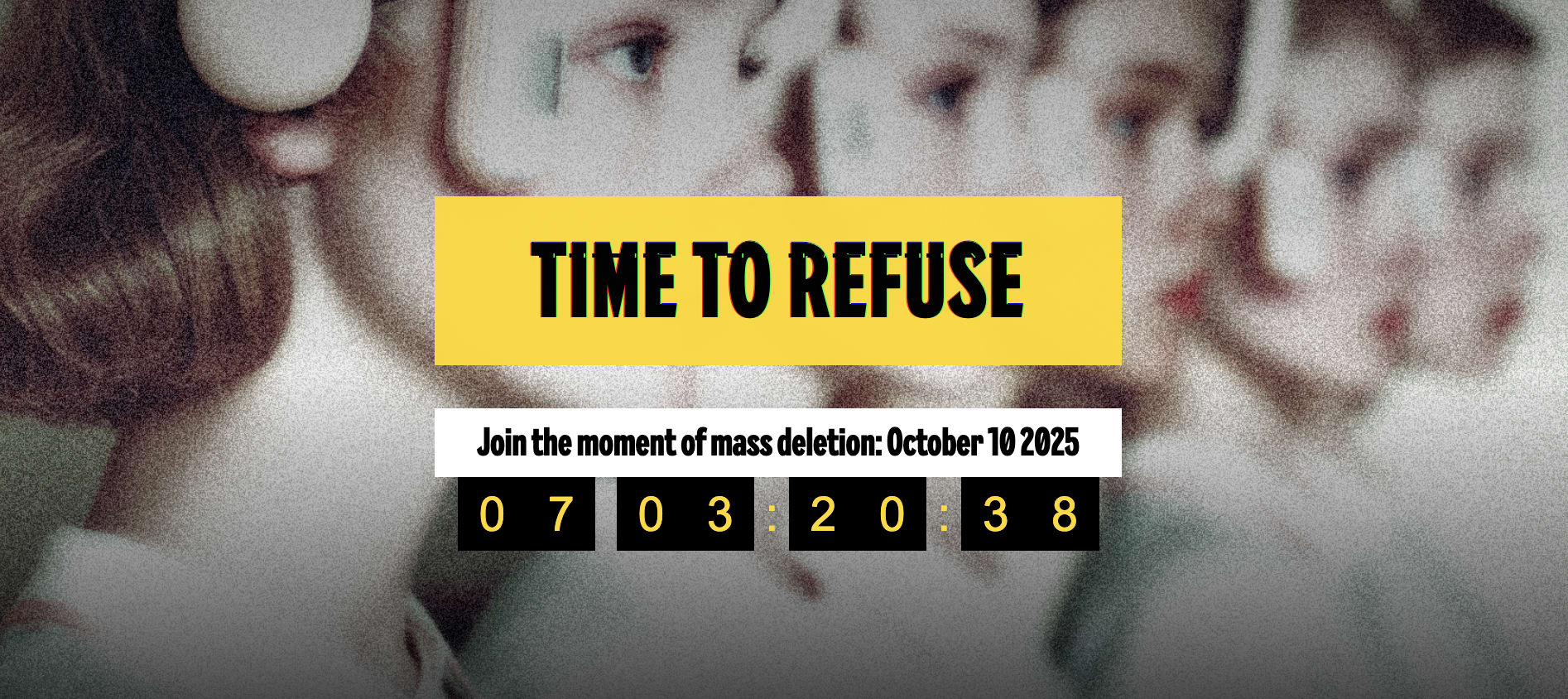 Time to Refuse website
There are countless teachers, organizations and advocates trying to help Generation Z and Generation Alpha escape from the addictive trap of smartphones and social media. They are fighting against fearful overprotection, pushing to get phones out of schools, and urging parents to delay social media access until at least age 16. They are on a mission to save childhood.
But what about those of us who already lost ours?
Generation Z includes everyone born between 1996 through 2012, now aged from 12 to 27. It’s easy to focus on the younger half—those who can still have a phone-free childhood, who haven’t yet gone through puberty. For them, there’s hope ahead.
But what about the older half of Gen Z, like us? The young adults who already wasted so many of our school days on our phones? Who already watched our friendships become shallow and superficial? Whose fond childhood memories include Facetuning our prepubescent faces and bodies, talking to naked strangers on Omegle, putting our self-worth into likes and follows through our most formative and vulnerable years? Who were exposed to online porn before we even had a first kiss? Who were already overprotected in the real world, and abandoned online?
We are suffering. Almost half of Gen Z wishes platforms like X and TikTok didn’t exist. We are finally finding the words for what happened to us—what watching hardcore porn as children did to our brains, what apps and algorithms did to our attention spans, how we can’t even see our own faces properly anymore. We are realizing that this was not normal; this was not a childhood. We stumbled into this world with no age limits, no guardrails, with so little protection. And most young adults we speak to—men, women, from all different backgrounds—react with utter horror at the thought of their future children going through what they did—watching violent porn as pre-teens, objectifying themselves online, even just posting selfies to be ranked and reviewed by strangers.
For our generation, we need to acknowledge what we’ve lost. To grieve a time we never knew. We are the first to try and handle adolescence while performing and marketing ourselves at the same time. The first to never know friendship before it became keeping up SnapStreaks, community before it became Instagram and Reddit forums, or finding love before it became swiping and subscription models. The next generation has a chance, but for us, there’s no getting our adolescence back. This is where we are.
But it doesn’t have to be where we stay.
We can face that loss and turn it into resolve. We still have most of our lives ahead of us. It feels as if everyone is looking at young adults today and asking what have we done? Now it’s time for what can be done. We have grieved a time we never knew; now it’s time to build something new. We have mourned what we have lost; time to take back what we are worth.
What follows is a guide, developed with the help of Gabriela Nguyen from Appstinence, and Seán Killingsworth from Reconnect, for the millions of us who are ready for change but have been afraid or wrestled with it, and want to reclaim life in the real world, together. We believe in starting small – first minimizing use, then working toward complete freedom. On October 10th 2025, on World Mental Health Day, thousands of us will take that final step together in a mass deletion. But first, we need to get brutally honest with ourselves, face what was stolen from us, and take back our humanity.
Join the Mass Deletion on October 10th, 2025Join thousands of us who are ready to refuse. Sign up at our website to join the mass deletion on October 10th, 2025. Start minimizing your use now, following the steps above, and then join us for the day we delete our accounts together. Every sign up is another young adult refusing to be a product. #REFUSE
My message to young adults ready for change is simple: refuse. Refuse to be a product on display. Refuse to offer your personal life up for public judgement. Refuse to waste any more years of your life scrolling through endless empty content that makes you feel worse about yourself and the world, that makes you bitter and envious and self-absorbed, posting for people who couldn’t care less about you. Refuse to give another inch of yourself to companies who make their fortunes stealing your attention and feeding you garbage.
And refuse to let it happen again. Watching Gen Alpha influencers, reading about three year-olds with smartphones, finding out nine year-olds are watching violent porn, I am overcome with this feeling that this cannot happen again. I refuse to sit by as another generation grows up this way. I refuse to call that a childhood. We have to be the adults the next generation needs.
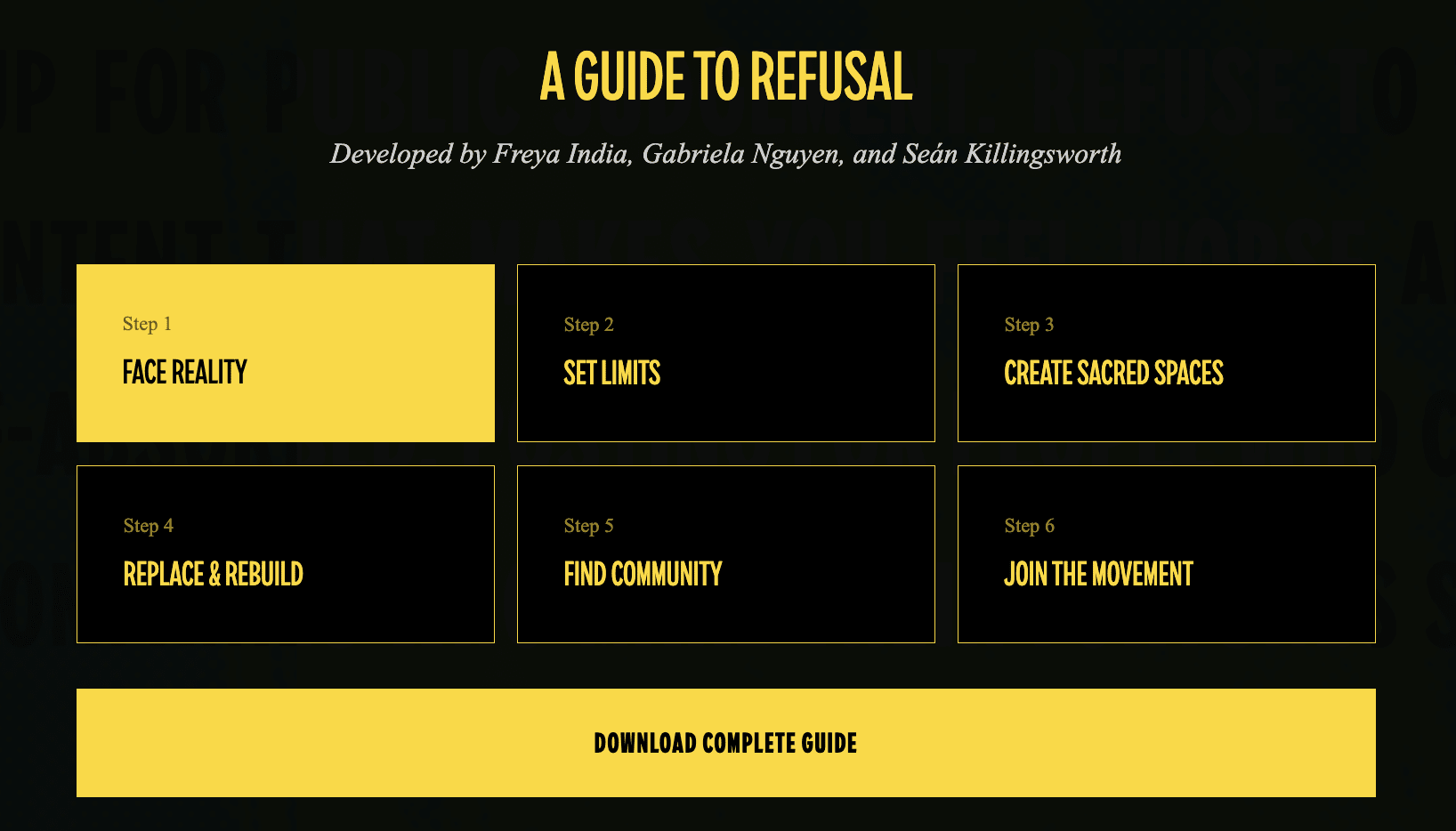 A Guide to Refusal by Freya, Gabriela, and Seán
Maybe some of you have your own children now, or dream of starting a family someday. Either way, we have to be the change, for them. We are the only ones who know what it’s like to grow up entirely online; we were the first to lose childhood this way. Maybe that makes us the only ones who know how to save it. The thought of my future daughter putting herself on public display, the thought of her feeling worthless without filters and editing apps, the thought of my future son being addicted to online porn, or too anxious to look another human in the eye—no, I refuse. Yes our generation lost a lot of time and potential, but maybe that makes us uniquely equipped. Maybe we can use that for something bigger, for the chance to save childhood.
So grieve what you have lost, and remember what is at stake. This is our ability to love, to commit, to empathize. This is our happiness, our creativity, our ability to pay attention to each other. This is our lives; this is the next generation’s only chance at a real childhood.
We have a choice here: become someone rare, live a life that’s real and different and means something, or continue handing over our lives, our creativity, our humility, our privacy, our dignity, and allow companies to rob us not only of our childhood but the rest of our lives too. We are not vulnerable children anymore—we are adults with agency. And the choice before us is between being a product or a person. Between imaginary worlds and reality. Between a life well lived and a life half-lived. Between reaching our full potential or forever battling for our own focus. This is a fight for our peace of mind, for our relationships, for our humanity.
So delete your accounts. Protect precious moments. Don’t document everything. Stand firm against online porn. Refuse to settle for this being love, for this being life. Free yourself from the pressure to post. If you wish these apps never existed, act like they don’t. If you are grieving real love and real friendship, show the world it is still possible. Decide who you want to be, and hold yourself to it. Become the example you need to see. The next generation is watching.
We can refuse to be the anxious generation. We can be the generation whose childhood was stolen by companies but who clawed back that freedom for those who came after. Who were wrenched away from real community but refused to quit until they built it back up, stronger than before. Who were raised in a world hellbent on taking away what it means to be human but held firm and did not back down.
For too long, we have been labelled the generation who lost childhood. Those days are done. It’s time for us to become the generation that brought it back.
Time to refuse.
The post Some Gen Zers are Making a Decision to Help Gen Alpha appeared first on Bravester.
October 6, 2025
Lies Teens Believe (And Don’t Tell)
“If you knew me, you wouldn’t love me.”
“I am who my friends (or my parents or my church or my grades) say that I am.”
“Getting attention is the same as having friends.”
“Christians should not feel sad.”
“God only loves me when I’m doing everything right.”
“If I doubt, it means I don’t have faith.”
“My mistakes define who I am.”
“Being strong means never needing help.”
“If I ignore my pain, it will go away.”
“God is disappointed in me.”
“If I can control everything, I’ll finally feel safe.”
“Everyone else has it together except me.”
“It’s better to be liked than to be real.”
“Following Jesus means I have to be perfect.”
“What I feel is more true than what God says.”
“I have to earn love—from people and from God.”
“If I let people see my weakness, they’ll leave.”
“God only uses people who have it all together.”
“If I don’t feel God, he must not be here.”
“If I was really a Christian, I wouldn’t struggle with this.”
“What I do in private doesn’t affect who I am.”
“My story doesn’t matter.”
“Church is for perfect people.”
“Being honest will only make things worse.”
“My worth depends on someone noticing me.”
“Forgiving someone means saying what they did was okay.”
“If I just stay busy, I won’t feel lonely.”
“My anxiety means I don’t trust God enough.”
“If I admit I’m hurting, I’ll disappoint everyone.”
“It’s too late for me to change.”
“God is tired of forgiving me.”
“Other people’s faith is stronger than mine will ever be.”
“If I’m not happy, I must be doing faith wrong.”
“I need to fix myself before I come to God.”
“Real Christians don’t mess up like I do.”
“If I’m not the best, I don’t matter.”
“God is too busy for my small problems.”
“My anxiety means I don’t trust God enough.”
“I’ll never change—this is just who I am.”
“Being a Christian means pretending everything’s fine.”
“If I speak up, I’ll just make things worse.”
“No one really understands me, not even God.”
“If I can make everyone happy, I’ll finally be okay.”
“What I do in secret doesn’t really affect anyone.”
“God loves other people more than he loves me.”
“Church is for people who already have it together.”
“If I’m struggling, God must be punishing me.”
“I can’t be close to God until I fix myself first.”
“It’s safer to stay numb than to feel.”
“If I’m honest about my doubts, people will lose respect for me.”
“If people don’t notice me, I must not be worth noticing.”
“It’s too late for me to start over.”
“Faith means never having questions.”
“God’s love has limits—and I’ve reached them.”
Each lie is a distortion of the gospel of grace. My new book using the Parable of the Prodigal Son (now called the Story of Two Lost Sons) is about those distortions we believe and make our decisions from.Circle the lies that you are especially true in your teen. Place those lies on a prayer list. Start praying for these lies specifically. This is your starting point.When your teen keeps ruminating on these lies, unhealthy thoughts take deep roots. This is called rumination defined as the act of continuously thinking about the same thoughts—often negative ones—without reaching a resolution. It involves mentally replaying events, worries, or regrets in a repetitive loop. Rumination is linked to anxiety and depression because it keeps the mind focused on problems rather than solutions. It feels like reflection, but unlike healthy reflection (which leads to insight or growth), rumination traps you in cycles of self-criticism or “what if” thinking.
And you may never know this is happening inside your teen. Assume that it is. Because you also remember your ruminating thoughts as a teen and also remember the day when the truth hit your soul and made you free.
Next is to find every and any creative way to make these statements that your teen needs to hear…from you.“You are enough whether you win or lose.”
“You are still just as loved when you mess up.”
“It’s okay to fail. Everyone does. I do.”
“Your beauty is much deeper than the way you look.”
“You are much more than nice.”
“You don’t always have to smile.”
“You are strong but you don’t always have to be.”
“It’s okay to be angry.”
“It’s okay to feel sad.”
“I want to know what you think.”
“I want to hear what you feel.”
“Feelings aren’t right or wrong. Feelings aren’t trauma. All emotions lead you to God.”
“You’re not too much. I’m big enough to handle all of the emotions you’ve got.”
“God is big enough to handle your emotions, too, and wants to hear your heart.”
“You are amazing and delightful and exactly who God intended you to be and you are a mess at the same time. It’s not either/or. It’s both/and.”
“Nothing you do will make me stop loving you.”
“You don’t have to earn your worth—it’s already settled.”
“You can tell me anything. I might not have all the answers, but I’ll listen.”
“Jesus is bigger than any mistake.”
“You are not alone in what you feel.”
“You don’t have to be okay for me to love you.”
“You don’t have to fix everything; some things just need time.”
“A life of faith is full of imperfect progress. Mine too.”
“You can rest. You don’t have to be productive to be valuable.”
“You are not behind. You’re growing at your own pace.”
“God’s love for you doesn’t depend on how you perform.”
“It’s brave to ask for help.”
“It’s okay to change your mind as you grow.”
“Your questions about faith don’t scare me.”
“You don’t have to have it all figured out right now.”
“You are becoming someone wonderful, even when it doesn’t feel like it.”
“God’s not disappointed in you; he’s walking with you.”
“You never have to hide from me.”
“You can always start over.”
“You don’t have to be the best to be beloved.”
“I trust you’re learning, even when it looks messy.”
“You don’t have to fake happy to make me comfortable.”
“I see how hard you’re trying.”
“You don’t have to protect me from your pain.”
“You don’t have to have a plan right now.”
“You’re not too late for anything God has for you.”
“You can bring your doubts to God—he’s not afraid of them.”
“You can be honest with God even when you’re mad at him.”
“I don’t love a future version of you—I love you now.”
“You’re allowed to take up space.”
“You don’t have to rush healing.”
“You are never too far gone for grace.”
“I love who you are becoming—and I love who you already are.”
Circle the ones that you know your teen needs to hear. Create this list. Then find every and any way to say these to your teen.If you are a journaler or check-lister, steal this list from me and place a checkmark and date every time you get to say this to your teen. Hopefully some of these will have more than one checkmark.I mean this when I say this, I am cheering for you, parent.
The post Lies Teens Believe (And Don’t Tell) appeared first on Bravester.
September 30, 2025
You’re Not on the Same Track: Why Comparison Contorts Your True Identity
The beauty we see on our screens is slick, photoshopped, and fading. It is synonymous with striving. Striving to be someone who someone will like. Or click like. So often contorting our true selves.
Unless you are copying the “tired girl” makeup trend which is using make-up to make you look tired. Tired girl makeup. (Thank you, Tik-tok?) Because now you have more “value” if you are faux-tired than overly curated.
Where are you getting your value from?Maybe you are hiding you behind your achievements. Busyness is attractive because it does double duty. It feels like you’re making progress on the path you want, while at the same time distracting us from the parts of yourself you believe are unpleasant for us to see. Your achievements give you attention so you can hide who you believe you are.
For some people (maybe you?) achieving isn’t a choice—it’s the engine in your soul. Perfectionism feels like the penance you pay just for taking up space in any room. You don’t choose to always be achieving and you don’t do it to feel superior. You do it because, somewhere along the way, a switch flipped inside of you. Something broke. On a deep level, your identity got tangled up in achievement and you’ve been trying to fix it ever since. Every day you check things off the list, and it looks like productivity, but really it’s you trying to piece yourself back together, shard by shard, hoping the image will finally prove you belong.
What a crazy upside down world we are trying to figure out our identity in.
And what a broken you trying to figure out your identity. And I’m sorry that something awful happened in your life.
Our go-to method to trying to figure out our identity is comparison.The problem with comparing ourselves to others to form our identity is that it keeps us chasing a moving target. There will always be someone who looks like they have it more together, who is prettier, smarter, more faithful, or more successful. When we use other people as our mirror, we end up with a distorted reflection every time. Comparison robs us of joy and leaves us hustling to prove that we belong. And the worst part? It convinces us that who God made us to be isn’t enough.

This truth is for you.
Who determines the track?
Someone else’s win is not your loss.
You are not running the same race.
You are not even on the same track. –Dr. Nicole Thaxton, email August 15, 2025
Not you. You have already chosen the wrong track by overlooking your natural giftings, by overlooking the unique way you are to bring beauty to the world.
Not others. They are so busy running their own race they don’t need you on their track. They don’t need to fear you passing them or you falling on your face. They do need you to cheer them on. They want you there.
So who’s left? How about the Creator of the track? Who is also the Creator of you who knows what beauty you can bring to the world.
Why do we look everywhere but at our Creator, this Larger Story God who just might know a bit more than you? I know this breaks down to trust issues. I recognize that. I recognize that so much that I wrote a Bible study to help you with those trust issues.
Your value isn’t defined by what you produce or how the world views you—it flows from who God says you are. God spoke those words to you first while you were in the womb. The Bible confirms this (Job 10:10-12, Psalm 51:6, Psalm 71:6, Psalm 139:13-16, Isaiah 49:1-5, Jeremiah 1:5.). That ache in your soul also confirms this. We are all born into this world looking to be found.
Make the brave decisions to find your track and run that race well.
Bonus: In that email from Dr. Nicole Thaxton, therapist and president of The Anxious Achievers Club, she gave us five tips to fight against comparision. I recommend signing up for her email newsletter. It is very Bravester.
5 Ways that I Practice Fighting Against Comparison
➜ Turn wins into inspiration, not judgment.
When you see someone’s success, ask: What does this show me about what’s possible? Instead of What does this say about me? Am I behind? What am I doing wrong?
➜ Zoom Out.
Most wins are a single chapter in a much longer story.
Remind yourself: I might be in the middle of my chapter or story.
So often we compare our beginning or middle to someone else’s chapter 5.
➜ Create your Worth List.
Write down 5 things that make you valuable that have nothing to do with productivity or status. Keep it where you can see it. Remind yourself of these things often.
➜ Set comparison boundaries online.
If a certain account or platform stirs anxiety, mute it for a week.
Better yet: unfollow!
Notice how your brain and body feel without that comparison.
➜ Practice micro-celebrations.
Celebrate your everyday wins. Finished a book? Sent that scary email? Celebrate small milestones along the way.
In that same email we were given these closing words. These are for you too:
“Your pace is not too slow.
Your lane is not too narrow.
You are not on anyone else’s journey but your own.
You are not behind.
You’re allowed to cheer for others and be on your own journey.” –Dr. Nicole Thaxton
The post You’re Not on the Same Track: Why Comparison Contorts Your True Identity appeared first on Bravester.
September 24, 2025
Watching the Making of Beloved Zombies
Sometimes art speaks the truer truth to real life. This is what I see too much in today’s teens.
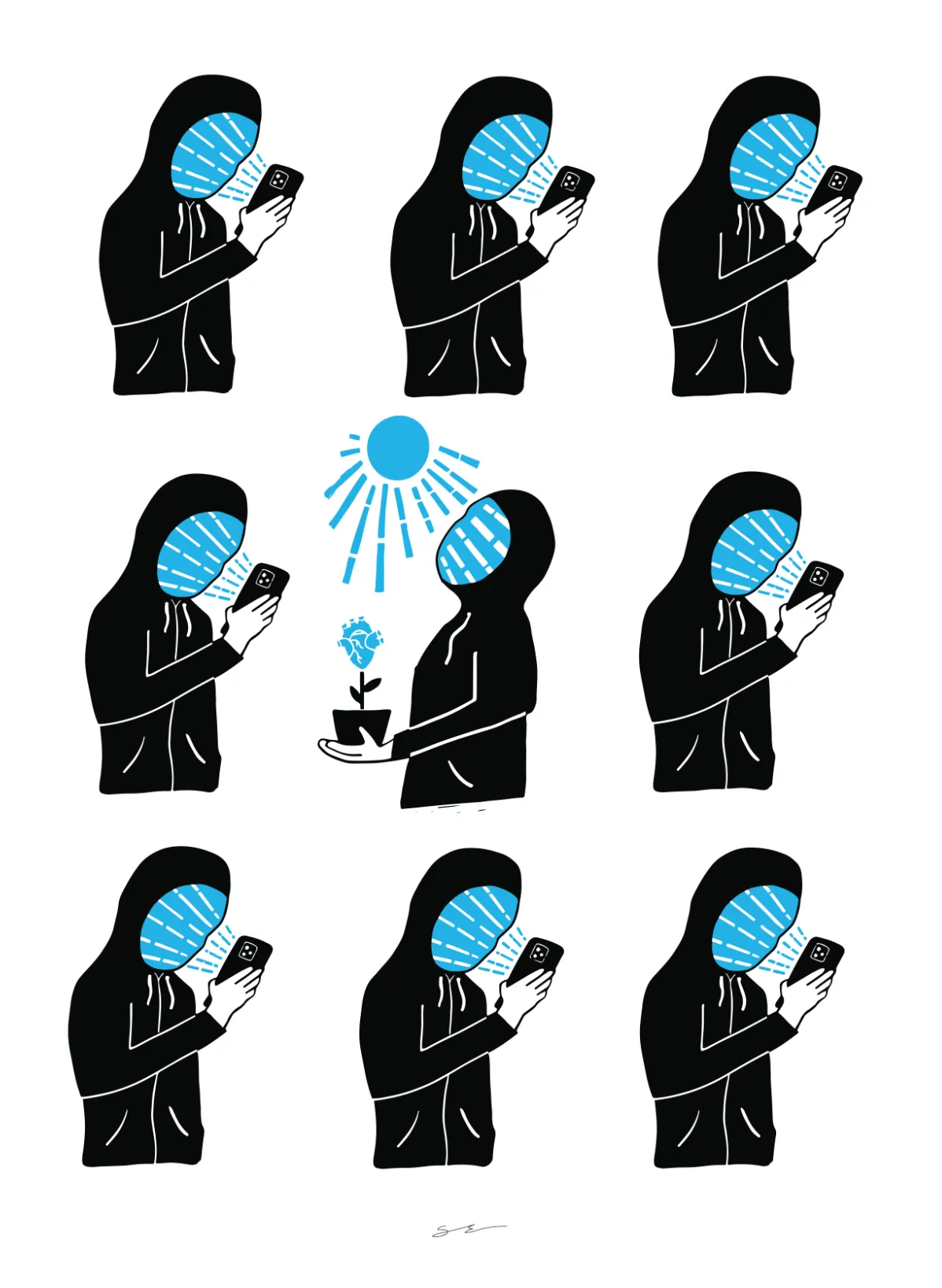 Scott Erickson, https://scotterickson.substack.com/p/...
Remember I have been working with teens as a youth pastor since 1981. I have lived through many trends. This one concerns me a lot.
I have lived through the copycat suicides trend of the mid-1980s and that got better (really). Also the cutting trend of the 2010s. I’ve seen a lot of Satan’s tricks to take out our teens before they can make an impact for Jesus on this world.
Instead of death Satan is trying to take our teens by making them zombies to their screens.I read this quote and am shocked/not shocked.
“I’d be willing to give every student in school a joint if I could take away their iPhone.” Dean of Discipline at a local Middle School.” –Mike Woodruff email, April 26, 2024
I have seen the damage marijuana has done to teens over the last 40+ years. I don’t buy any of this crap science how marijuana is now safe for you. I have seen too much destruction of marijuana use on teens and young adults. Another attempt of zombifying our teens. I read this quote and I get it…and am so alarmed.
Here’s some recent numbers of the zombification being allowed to happen to our teens:
97% of 13-year olds have access to a smartphone at home.99% of 13-year-olds report using social media.43% of 13-year-olds agree that they are “addicted” to their phone. (20% agree or disagree to that statement.) This number could be higher. Springtide Research.Let’s add in AI companions. According to a recent Common Sense Media survey, 72% of teenagers ages 13 to 17 have interacted with an AI companion, and 52% are regular users. Common Sense Media survey.
We have a thing called bedrotting now. (Thank you, TikTok?) Bedrotting means spending long stretches of time in bed doing nothing “productive”—often scrolling on your phone, watching shows, or just lying there. You know…rotting in your bed.
I know teens who bedrot. I know teens lie to me but they aren’t lying to me about this. Unless the time spent bedrotting is longer than what they are telling me. Teens are also concerned—sometimes—that they are bedrotting.
I have seen this screaming face on 11-year old girls.
View this post on InstagramA post shared by Jonathan Haidt (@jonathanhaidt)
To not tell on the teens in my life I’ll share this sad quote:
“’It’s a trap,’ said her sister Edie, 15. ‘Do you know why I still sleep with stuffed cuddly toys? To try to get back to how I used to feel when I felt happy and free. Before all this s— kicked in.’” https://www.afterbabel.com/p/smartphone-free-camp-trip
Here’s a Jon Haidt quote:
Yikes. Help. Let’s talk.“We note that the first generation to move its social life onto social media platforms immediately became the loneliest generation on record.” https://www.afterbabel.com/p/the-upstream-cause-of-the-youth-mental
Because I feel helpless with my teens I love also.
Scott Erickson, the artist behind the artwork above wrote this about the artwork:
“’The eye is the lamp of the body.
If your eyes are good,
your whole body will be full of light.’
– JC
“This ancient wisdom is so practical today.
“Billions of dollars are being made to capture your eyes… and implant imagery in your head…. and make us think and do stuff… mostly buy stuff and make strangers enemies.
“Lately I’ve been saying every day…. ‘pick your clicks’….
“because whatever I’m spending time looking at is filling up my head, heart, and soul.”
How can you learn to pick your clicks? How can you teach your children to learn to pick their clicks?There are so many internet resources for you as parents to learn to do better with your own screen use and how to teach your children to not become zombified. I will leave you with my two favorites:
Not many answers for you. Just my red-alarm concerns. I am very concerned. I need parents to become concerned. Between prayer (on it!) and parental intervention I hope I can say that this trend has passed too one day .
The post Watching the Making of Beloved Zombies appeared first on Bravester.
September 16, 2025
9 Lies We Believe in Suffering That Push Us Into Isolation
Suffering is hard. No one is exempt from pain. Not even Christians. Pain feels like failure. Sometimes it does come from failure. Pain leads you feel like “everyone” knows what is going on. So pain convinces you of lies that push you further away from people and God who are trying to meet you in your pain. Pain is a meeting place with God. The gift of people helps us reshape our implicit beliefs. Pain is your beginning. These 9 lies interrupt the transformation.
These lies creep into our minds and hearts, making us feel alone even when we’re not. Loneliness does lie to you. So I’m calling out these lies to help you make your brave decisions to move through the transformation.
Some pain can and should be avoided, even prevented. Abusive relationships, self-harm, brokenness, dysfunction and pathologies of all kind can be avoided by making braver decisions. That kind of pain is not part of God’s desire for us and violates the deepest, truest thing about us: that we are deeply worthy of all good things. When I write that pain is your beginning, I don’t mean this kind of pain.
You’ve Not Been Faithful EnoughOne of the first whispers in the midst of suffering is, “This wouldn’t be happening if I had prayed harder or trusted more or obeyed perfectly.” Insert your own transaction you think you need to make here. God isn’t an archaic deity that needs to be appeased or bargained with. God isn’t a debt collector you have to pay back. Suffering is not a report card on your faith. You are not exempt from pain and neither am I. You can’t earn your way to be that exemption.
Believing that pain proves inadequacy only isolates you, because you start to carry it alone, as if you’ve earned it. This is a lie.
Something Is Implicitly Wrong With MeSuffering can trigger a deep, unspoken, implicit belief that there is something inherently flawed about you. Even if you’ve never consciously thought this, your body and mind may act as if it’s true—shrinking, withdrawing, and avoiding others. This lie tells you that if people really saw you, they would reject you. And now that this suffering is happening, they may finally see what is really wrong with you. This is a lie.
This Will Never Get BetterPain can feel permanent, especially in the midst of it. But God is in the business of redemption and restoration. What feels eternal is not the final word. Pain is really your beginning…and it will end.
This lie isolates because it convinces you that nothing will ever change and no one can help. You are overwhelmed (and no shame in that!) and the pain does consume all of your thoughts.
Here is some wisdom from those of us who have lived in overwhelmed land.
This is what us on the other side of never-ending pain have learned. You can’t reason God’s faithfulness out of us because we have seen God in that pit of despair with us. We have seen God be near and holy, bigger and lower.
God Isn’t Actually GoodI cannot figure God out. God is supposed to be good. But this God is unpredictable. I love God who also breaks my heart. Why? So God must be cruel.
Lies love to change the story of who God is. The never-ending pain causes your mind to wander to such doubts to try to change the consistent truth you knew before the suffering started. God’s goodness doesn’t disappear in pain. It remains constant even when circumstances deceive your perception.
Note: Doubts lead us to God so don’t shame yourself.
God’s consistent response to hurt throughout the Bible, down through history (the larger story), and into my life today (and yours) is we find that God:
Starts from a loved positionActs righteouslyUses the community to transform usAccepts reality and forgives usGives change a chanceIs long suffering (Compiled from Dr. Henry Cloud and Townsend)Ponder each of those six things and see how God is good…still.
Truth is asking where Jesus is, being angry at God, is still faith.
Your Prayers Are WastedSuffering can make us feel like our prayers disappear into thin air. When we believe this, it’s easy to stop praying, stop seeking, and stop trusting.
But prayer is never wasted. Even when God doesn’t answer as expected, prayer changes us (with brain scan proof). It keeps us connected to him and to others, opening our hearts to his presence even when we feel so abandoned.
When you stop praying, your sense of isolation deepens.
Besides, do you really think you will shock Jesus if you tell him how you really feel?
God Isn’t Going to Come Through for YouThe lie that God won’t come through is one of the most isolating. It says, in effect, “You are truly alone in this.”
But Scripture promises that God is faithful, even when life is hard and pain persists. He comes alongside us, carries us, and uses even suffering for good. Trusting this truth allows you to move toward relationships, community, and God’s healing work.
But there is that trust word…and you would rather not.
I am growing in my learning that God’s love is for me and to not interpret God’s love by life’s circumstances
I’m the Only One Who Feels This WayAnother common lie is the belief that you are the only one who experiences this depth of pain. As I’m writing this I have a member of my church physically suffering terribly from a hospital complication for five months now. They are saying she is part of 1%. She feels like she is the only one suffering and has the doctor endorsement that she is 1% of everyone. This is a lie she is really wrestling with.
Believing you are alone isolates you and magnifies shame. Remember: connection is healing. When you share your story in safe spaces, shame loses its grip. As a church we are loudly surrounding her so she won’t get lost in this lie.
I Have to Fix This MyselfIt is a lie to believe that you must endure and fix your suffering on your own. Autonomy feels safe, but it isolates. Pain is not a mistake to fix.
I Can Push Through This PainTime does not heal all wounds. If it did, there would be no unresolved grief and no hurt from long ago that still upsets you from time to time. Pain that is not faced does not go away, it stays inside and festers.
Festering pain leads you to isolate.
You are not on your own and alone in this pain. Just because someone abandoned you two months ago in your pain and the suffering is still leading your life doesn’t mean you need to push yourself through on your own. Find someone new. Find someone who is not afraid of your suffering.
I know the vulnerability of which I speak here. Life is hard enough without having to trust someone new with what is going on as you are in the midst of it and you are barely making it through every day. This entire website resource is what I’ve learned from the suffering I’ve endured so I still say don’t do this on your own. Don’t push through the pain. You must find your gift of people.
This is what the beautiful people know.
The pain is never something we need to celebrate that it happened. What is good is you know you matter to God. This pain matters. It still matters to God because you matter to God.Suffering can make us believe all kinds of lies—lies that push us into shame, silence, and isolation. Your life becomes a small world. But the truth is that none of these lies define you. God is good. Your prayers matter. You are not alone. And healing, though often slow, is always possible.
The post 9 Lies We Believe in Suffering That Push Us Into Isolation appeared first on Bravester.


