
Discover new books on Goodreads
See if your friends have read any of Marcus Farris's books
Marcus Farris’s Followers
None yet.
Marcus hasn't connected with their friends on Goodreads, yet.
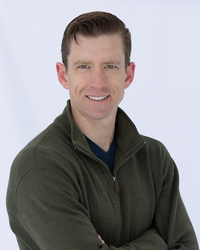
Marcus Farris
Goodreads Author
Member Since
April 2024


|
No Less Faithful: How the Scars of Divorce Reveal the Heart of God
|
|

|
Return: Life After Moral Injury
by |
|
* Note: these are all the books on Goodreads for this author. To add more, click here.
“And the better we can accept that the odds are against us, the
better warriors we become, because failure no longer stands as a
judgment against our effort, character, or personal constitution.
Rather failure is a thing in this world that happens for us in order
to change us to who we are meant to become.”
― Return: Life After Moral Injury
better warriors we become, because failure no longer stands as a
judgment against our effort, character, or personal constitution.
Rather failure is a thing in this world that happens for us in order
to change us to who we are meant to become.”
― Return: Life After Moral Injury
“The payoff for experiencing legitimate suffering is that we
return home with a new relationship with ourselves and with a
remedy for others.”
― Return: Life After Moral Injury
return home with a new relationship with ourselves and with a
remedy for others.”
― Return: Life After Moral Injury
“The paradigm—the paradox—of Love integrates the potential
for pain because it allows the other the freedom to choose. That
leaves the door open for catastrophe, betrayal, and broken hearts.
That’s why true Love is scary and takes an immense amount of
courage because it lets the other decide for themselves. The hero
and heroine’s Love knows the risk and opts for the possibility—but
not the guarantee—of a happy ending.”
― Return: Life After Moral Injury
for pain because it allows the other the freedom to choose. That
leaves the door open for catastrophe, betrayal, and broken hearts.
That’s why true Love is scary and takes an immense amount of
courage because it lets the other decide for themselves. The hero
and heroine’s Love knows the risk and opts for the possibility—but
not the guarantee—of a happy ending.”
― Return: Life After Moral Injury
“The paradigm—the paradox—of Love integrates the potential
for pain because it allows the other the freedom to choose. That
leaves the door open for catastrophe, betrayal, and broken hearts.
That’s why true Love is scary and takes an immense amount of
courage because it lets the other decide for themselves. The hero
and heroine’s Love knows the risk and opts for the possibility—but
not the guarantee—of a happy ending.”
― Return: Life After Moral Injury
for pain because it allows the other the freedom to choose. That
leaves the door open for catastrophe, betrayal, and broken hearts.
That’s why true Love is scary and takes an immense amount of
courage because it lets the other decide for themselves. The hero
and heroine’s Love knows the risk and opts for the possibility—but
not the guarantee—of a happy ending.”
― Return: Life After Moral Injury
“The payoff for experiencing legitimate suffering is that we
return home with a new relationship with ourselves and with a
remedy for others.”
― Return: Life After Moral Injury
return home with a new relationship with ourselves and with a
remedy for others.”
― Return: Life After Moral Injury
“And the better we can accept that the odds are against us, the
better warriors we become, because failure no longer stands as a
judgment against our effort, character, or personal constitution.
Rather failure is a thing in this world that happens for us in order
to change us to who we are meant to become.”
― Return: Life After Moral Injury
better warriors we become, because failure no longer stands as a
judgment against our effort, character, or personal constitution.
Rather failure is a thing in this world that happens for us in order
to change us to who we are meant to become.”
― Return: Life After Moral Injury
“Our willingness to bear responsibility for the pain from the
first failure is where our power lies. We get to pick what to do with
the pain. And maybe that’s the same thing as finding our way back
to the garden, the place where nature, culture, the individual, and
families exist in harmony.”
― Return: Life After Moral Injury
first failure is where our power lies. We get to pick what to do with
the pain. And maybe that’s the same thing as finding our way back
to the garden, the place where nature, culture, the individual, and
families exist in harmony.”
― Return: Life After Moral Injury
“Forgiveness is the only mechanism that allows humans to exist
in harmony with one another, and how we can truly, finally, move
on from the past. Forgiveness is voluntarily rendering up our right
to get even, and in that exchange, we experience peace.”
― Return: Life After Moral Injury
in harmony with one another, and how we can truly, finally, move
on from the past. Forgiveness is voluntarily rendering up our right
to get even, and in that exchange, we experience peace.”
― Return: Life After Moral Injury