Barbara Laughlin's Blog
August 21, 2024
Embracing Our Changing Needs
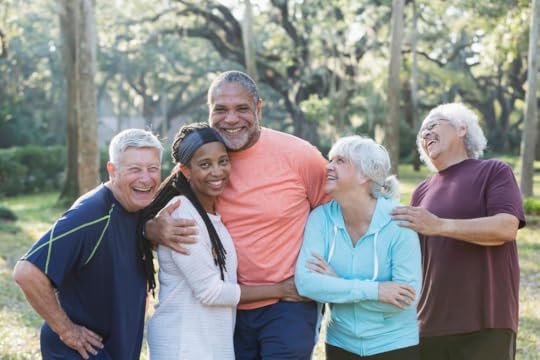
As we journey through life, especially after the age of 55, our understanding of our own needs becomes more refined. Years of experience have given us a special insight into what is necessary for our overall well-being, social involvement, and political awareness.
Our bodies have reliably served us for many years, but with aging comes the necessity to adapt our health strategies. Regular check-ups, mindful nutrition, and exercise become paramount. It’s essential to listen to our bodies—what worked in our younger years may no longer suffice. Knowing about healthcare options can give us the power to live better and stay vibrant.
Cognitive health is equally vital. Doing activities like reading, puzzles, or learning new things can help keep our mind sharp. Being attuned to changes in mood or memory can prompt timely discussions with healthcare providers. Life experiences give us a firm base to make wise choices about our mental well-being.
Social interactions play a critical role in our overall happiness. As we age, it’s important to foster relationships that uplift and support us. Whether through community groups, volunteering, or staying connected with our friends online, nurturing these bonds can combat feelings of isolation and enrich our lives.
Finally, engaging with political issues that impact our lives is crucial. Understanding policies on healthcare, retirement benefits, and social services helps us make better decisions for ourselves. By advocating, we can voice our needs and ensure that society meets them.
In conclusion, recognizing that we have lived long enough to understand what we need is empowering. By focusing on physical health, mental clarity, social connections, and political engagement, we can navigate this stage of life with intention and purpose.


June 29, 2023
Ever Receive Devaluing Comments in Public Places? Part 2 of the Loving Yourself series

When at the gym, out for a walk, or in other public places, have you ever been on the receiving end of 'not so nice' comments because of your age, weight, or something else? How should we respond? Should we respond? That decision is totally personal. My opinion is that if we decide to react to the negative comment, keep it personal by using the 'I' word and respond to negativity with a positive attitude.
Start with I feel...I want...I think. Maybe you are at the gym and receive a comment about your age or weight. Answering "I can become as fit as I want to be" shows self confidence!
It's common knowledge that our mind grows dim as we age, right? No! That is not so and a response of "My mind is as sharp as ever!" might be in order if your ability to learn new technology or anything else is ever challenged.
Responding at all is a choice, based mostly on your temperament, situation and picking your battles. I was boarding a plane once and the flight attendant addressed me as 'dearie'. Red flags were flying high as I wondered if she addressed me like that just because of my age. Luckily, I held back my short and maybe not so sweet twenty second lecture on ageism, being glad I did as I heard her address the rest of the passengers the same way. On second thought, maybe a "I prefer to be called Barbara" might have made her think a little, hmmm?
Please leave a comment on how you have handled comments in public. We learn by sharing!
June 14, 2023
Self-care in these Days of Ageism.....Part 1 of 4 Loving Yourself

As we age, it’s not uncommon to experience feelings of self-doubt. Perhaps we’ve made choices in life that we regret, or maybe our physical appearance isn’t what it used to be. However, it’s important to remember that loving ourselves first at this point in our lives is crucial for leading a happy and fulfilled life.
One way to develop self love as an older person is by practicing just being in the moment. What does that mean? This means allowing ourselves to feel our emotions without judgment or criticism. By accepting ourselves fully, flaws and all, we can appreciate all that makes us unique.
Another helpful tip is cultivating gratitude in our daily lives. Taking time each day to reflect on the things we’re grateful for can shift our focus from negative thoughts toward positive aspects of our lives. This gratitude practice may help us stay positive, bringing helpful thoughts to mind in difficult times.
June 8, 2023
Fly Without Angst...there is help!
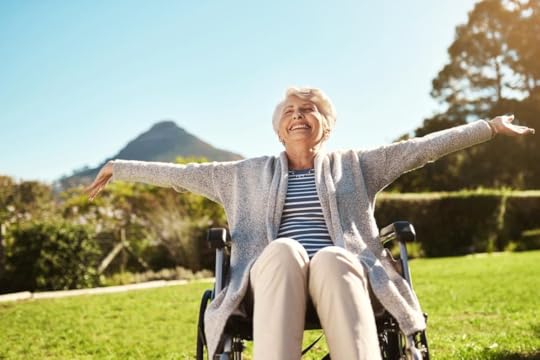
Disabled and flying? Yeah, me too. This woman felt the angst until she learned what she can expect from the airline, and the rights afforded her through the ADA plus so many other things! We do have rights and protections that you may not be aware of. It really helps to know what you can expect and then advocate for it. For instance, if like this woman you need a wheel chair, you will need to transfer to a chair that can navigate the aisle of a plane when boarding and taking your seat. What you can expect is that your wheel chair will be waiting for you immediately upon landing and right outside the plane door. The same goes for walkers. Our mobility aids need to be tagged at the gate for this to happen. This is not a special service, it is required. There are many things that a visit to Department of Transportation, traveling with a disability can help to calm the angst with.
June 6, 2023
Let All Disabled Be Able To Participate
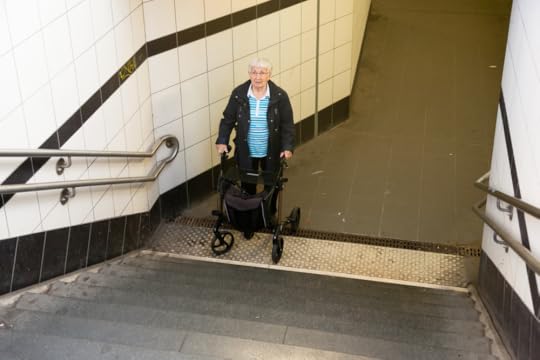
For individuals with disability in society, daily life can present many obstacles that are not always apparent to those who aren't disabled. These challenges can range from obstacles like inaccessible buildings or transportation to societal attitudes and discrimination. Despite progress made in recent years towards inclusivity and accessibility, disabled individuals still face a variety of daily hurdles that can impact their quality of life.
Transportation is an essential part of our daily routine. However, for people with disabilities, it can be a barrier to their independence and mobility. The transportation system is not always inclusive and accessible, which can cause problems for those who need additional support.
Social isolation can be a frequent and devastating consequence of disability. This is because people with disabilities often face numerous barriers when it comes to socializing with others. These limitations can include physical barriers, such as inaccessible buildings or transportation, as well as attitudinal barriers where individuals may not understand or accept those with disabilities.
In conclusion, we can only achieve true equality when there are no barriers to inclusion. We must recognize and address the systemic and structural issues that prevent marginalized groups from fully participating in society. It is not enough merely to remove overt forms of discrimination; this requires education, awareness, and a willingness to challenge our own biases and assumptions. Let's strive towards a future where everyone has equal access to opportunities and resources, regardless of their race, gender, sexuality, or ability. Together, we can break down these barriers and create a more just world for all.
May 16, 2023
May is Older Americans Month!

As we age, we gain a wealth of insight and knowledge that is invaluable to those around us - let’s use it to inspire and motivate!
As members of society, we all have a significant role to play in contributing to its growth and development. From our collective insight and knowledge, we can create a better world for everyone. Whether it’s through volunteering or sharing new ideas, there are countless ways that we can impact the world.
In conclusion, sharing our knowledge and insight with society is crucial for its development and growth. It’s important that we give back to the community by using our expertise to solve societal problems. By working together and collaborating, we can create a better future for everyone. Let us not forget that every small contribution counts towards a greater good. So let’s attempt to share our knowledge with others and help build a brighter future for all. The world needs our expertise, so let’s go out there and make a difference!
April 18, 2023
April 2023 National Diversity Month
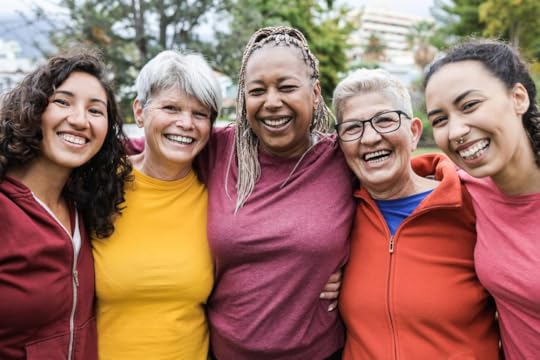
Ageism and diversity in society are two critical issues that continue to affect people of all ages. Ageism is discrimination, prejudice, or stereotyping against individuals or groups based on their age. It affects both young and old populations, particularly in the workplace, healthcare services, and social interactions. For instance, they may exclude younger people from certain job opportunities because they lack experience, while older ones may face discrimination because of their age.
Diversity is another pressing issue that demands attention in society today. Diversity refers to differences among individuals based on factors such as race, ethnicity, gender identity, sexual orientation, religion or beliefs etc. Embracing diversity fosters inclusivity and equity through acknowledging these differences and valuing them as strengths rather than shortcomings.
March 19, 2023
Ageism and Exclusion
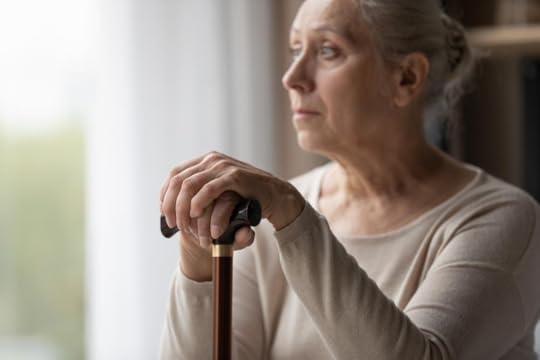
Exclusion and ageism are issues that exist in our society that can have a profound impact on both individuals and their families. It involves treating people differently based on their age, rather than who they are as an individual. Unfortunately, this form of discrimination is still present in many social settings and it has the potential to cause a variety of negative consequences.
Exclusion and ageism within families can have serious consequences for the mental health and well-being of older individuals. It's crucial that we recognize these issues and work toward creating more inclusive environments for everyone in our families, regardless of age or ability.
In conclusion, exclusion in the family of older members is a complex issue with no single solution. It has a deep impact on the mental, physical and emotional health of those excluded. To ensure family unity and to create a more caring environment, we must attempt to involve the elderly in our lives and be aware of their needs. We can do this by regularly checking up on them, making sure they have access to medical care, or even simply spending time with them. In today's society, it is important to recognize exclusion and ageism in our communities. Exclusion and ageism are two forms of discrimination that can have a negative impact on individuals from all backgrounds. Older members can be made to feel marginalized or overlooked due to their age or other factors. To ensure equality and respect for all members of society, it is essential to address exclusion and ageism head on.
March 15, 2023
Ageism Out, Happiness In
As we age, it’s common to experience prejudice from those who are younger than us. Ageism is a type of discrimination that can have negative effects on our physical and mental health. Unfortunately, this form of prejudice is all too common in today’s society, and it affects older people in many ways.
One of the most common ways that ageism manifests itself is through employment discrimination. Many older adults find it difficult to secure jobs or advance their careers because of their age. This can lead to financial struggles and feelings of worthlessness.
Another way that ageism impacts older adults is through social isolation. As we get older, we may find ourselves feeling disconnected from our communities and left out of social events. This can lead to feelings of loneliness and depression, which can be detrimental to our overall wellbeing.
In conclusion, we must tackle the serious problem of ageism. From the workplace to the healthcare system, ageism affects people of all ages. We must take action to end stereotypes about older people, challenge policies that target specific age groups, and recognize the value of diverse generations in our society. We must also encourage respect for the elderly and their wisdom, as well as respect for young people who have something valuable to offer.
March 2, 2023
Disability Invisibility
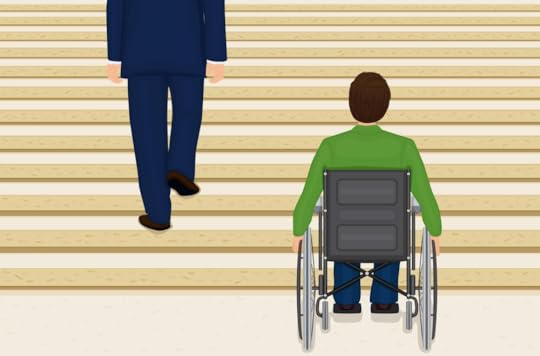
Access for people with disabilities should be a basic right; yet, all too often, mobility impaired individuals face impossible barriers to full access. Whether it is a lack of ramps or poorly designed entrances, the reality is that many places remain off limits or difficult to navigate. This problem is both deeply concerning and unacceptable as mobility impaired individuals are denied basic rights because of negligence or lack of consideration. It is time to recognize this injustice in order to take action and bring about real change.