Ronald H. Clark's Blog
May 7, 2025
Ronald H. Clark Interview Published on: 30, Apr 2025
With over 27 years of experience in the King County Prosecutor's office, Professor Clark has built a prominent career in legal education and practice. A nationally recognized lecturer and author, he has shared his expertise at over 40 national continuing legal education courses and international training for the U.S. Department of Justice and State Department. Clark has also authored numerous influential books on advocacy, trial techniques, and legal strategy.
Ronald H. Clark full interview
What inspired you to pursue a career in law, particularly in prosecution and advocacy? My father inspired me to be a lawyer. He loved the legal profession, particularly enjoying being a trial lawyer. He was active in the community and as a state legislator. This inspired me to want to be a lawyer and actively engage in serving the community.
How has your experience in the King County Prosecutor’s Office shaped your approach to legal education? As a prosecutor, your job is to do justice and serve the public. While I was in the office, I strove to have an in-house continuing legal education program that taught the role of the prosecutor as well as ethics and other prosecutorial skills.
What led you to transition from practicing law to teaching and training future legal professionals? There was a natural transition from practicing law to teaching. While I was in the prosecutor’s office, I engaged in training of deputy prosecutors. This included not only periodic in-office continuing legal education sessions but also designing an annual statewide continuing legal education course for prosecutors. After two and a half decades in the prosecutor’s office, it was time to do full time what I found to be rewarding – training prosecutors.
Can you share a particularly memorable case or courtroom experience that influenced your perspective on trial advocacy? One murder trial comes to mind. The murder-victim was a transient and a Native American and the defendant was a Caucasian. The defense contended that the state’s sole corroborating witness, who testified against the defendant, had committed the murder. The takeaway is that an all-white jury can set aside bias or prejudice they may have in reaching a just verdict.
What do you find most rewarding about teaching law students and training attorneys? I enjoy sharing my experiences and passing on what knowledge I have gained about practicing law to the students and lawyers. It is gratifying to follow their careers and see that they succeed, particularly if the former student becomes a teacher.
How has legal education evolved over the years, and what changes do you believe are still needed? I’ll focus on the post-law school education of prosecutors. One of the greatest advancements was the establishment of the National College of District Attorneys and the Career Prosecutors’ course that was conducted over a few weeks every year. The Career course was federally funded, and state and local prosecutor’s offices could send their attorneys there at no cost. Unfortunately, a few years back Congress decided not to fund it. It should be reinstituted.
What are the most common mistakes young attorneys make in pretrial and trial advocacy, and how can they avoid them? I’ve written books on both trial advocacy and pretrial advocacy and at the end of most chapters there is a checklist of things to do and not do. For example, the “Creating a Coordinated Discovery Plan” chapter has a checklist of over three and a half pages of things a lawyer should do and not do when do the following things among others: drafting interrogatories (e.g., pose questions that are unambiguous) and responding to requests for production (e.g., object to irrelevant, privileged, or unduly burdensome or annoying requests for production). To avoid mistakes, new lawyers can adhere to the checklists in the chapters.In your view, what are the essential skills that every trial lawyer must master?I’ve written a whole book on this. The bottom line is that you need to be credible, have a credible case theory, and be able to project that credibility to the fact finder.
What motivated you to write books on advocacy, jury selection, and legal visuals? My books are an outgrowth of both my experiences as a lawyer and as a teacher of law students and lawyers, and as a manager of and presenter at continuing legal education courses. Besides having the pleasure of having attended a myriad of trial advocacy courses, I served as the Director of Training with the National College of District Attorneys and as the Senior Training Counsel at the National Advocacy Center in South Carolina. In those two positions, I designed, managed, and taught at the courses.
How do you approach making complex legal topics accessible to readers and practitioners? A good approach to making complex legal topics accessible is to break the subject down into easily digestible bites. For example, if the subject were the evidentiary predicates for visual evidence, such as animations, demonstrative evidence, or real evidence, I’d begin with the fundamentals, such as covering whether the evidence is relevant, authentic, and admissible under Evidence Rule 403. Then, I would explore the evidentiary predicates for common types of evidence, such as demonstrative evidence, photographs, models, simulations and so on.
In Eradicating American “Prosecutor Misconduct”, what are the key solutions you propose for improving prosecutorial ethics? Providing prosecutors and defense counsel with the Handbook on Eradicating American “Prosecutor Misconduct” is one solution. The Handbook is designed to be a guidebook for both prosecutors and defense counsel. The Handbook spells out for prosecutors what a prosecutor is prohibited by law and the ethical rules from saying at trial so that prosecutors can avoid missteps, and it provides defense counsel with the grounds and the legal authority for an objection, a motion for mistrial, or an appeal if the trial judge overrules the objection or denies the motion.
Which of your books do you consider the most essential for aspiring trial attorneys, and why? I would recommend that aspiring trial attorneys consider Pretrial Advocacy, Sixth Edition, and Trial Advocacy, Fifth Edition, both published by Aspen because they provide comprehensive coverage of all aspects of pretrial and trial advocacy.
How has technology transformed trial advocacy, and what tools should modern attorneys be proficient in? Technology has enabled today’s trial attorneys to visually communicate their cases to juries is ways that were unimaginable a few years back. When the case is communicated visually, such as with an animation or a scene diagram, it causes the fact finder to be more engaged. Also, effective visual presentation helps the fact finder retain and understand the information. Today, trial lawyers can use visuals from opening statement through closing argument.
What role do visuals and storytelling play in winning a case, and how can lawyers effectively use them in the courtroom? Visuals play a key role in communicating the case to the factfinder. For example, if an expert witness testifies with the aid of visuals the witness’s testimony is more likely to be understood and accepted. Expert witnesses are teachers who teach the factfinders. Examples of expert witness visuals include animations, medical illustrations, and computer slideshows.


May 5, 2025
The Right and Wrong Ways to Prepare a Witness for a Deposition

During a deposition, the trial lawyer mines for gems that can be put on display during cross-examination. Those precious stones among others include the deponent’s concessions that support the cross-examiner’s case theory, fabrications and self-destructive behavior. How you prepare your witness for the deposition is critical to their performance during the deposition as well as at trial under cross.
The King County Bar Association Bar Bulletin published Thomas M. O’Toole’s excellent recommendations on how to prepare a deponent. Mr. O’Toole is the President of Sound Jury Consulting, and his following advice is well worth reading and heeding:
The deposition performance of a key witness is critical to the outcome of any case. Summary judgment motions are often won or lost on the testimony of central witnesses. Even when the case survives summary judgment, unfortunate behavior or answers in depositions can have a detrimental impact at trial, leading jurors to dislike or distrust the witness, which lowers their motivation to want to find in favor of the party that witness represents.
I often receive calls from attorneys who are looking for a witness preparation session just before trial for a difficult witness. The typical explanation is that the witness performed poorly in his or her deposition and needs to improve for trial. These calls are frustrating because, while I am happy to help, there is no need for a witness to perform poorly in a deposition. There are a variety of strategies attorneys can use to position a key witness for success in his or her deposition. Unfortunately, these strategies are often not used and attorneys instead rely on deposition preparation sessions with witnesses that create more problems than they do solutions.
The purpose of this article is to discuss the right and wrong ways to prepare a witness for a deposition. All key witnesses should go through this process. Attorneys should avoid making an assumption that a witness will perform well in a deposition because he or she is smart, sociable, or a good communicator. The trenches of daily life vary greatly from the trenches of a deposition. Skill sets that make a person successful in daily life do not necessarily translate to or prepare a witness for a deposition. There is no greater example of this than former President Bill Clinton. Clinton’s defining trait was his communication skills. He was a smart, charismatic man who was known for his ability to adapt to just about any situation and demonstrate excellent communication skills in the process. When he was deposed in the Paula Jones sexual harassment lawsuit, most expected a solid performance. The American Spectator described Clinton as the kind of witness “who would strike fear into the hearts of opposing lawyers.” However, his performance was anything but. The American Spectator went on to describe him as “an unsophisticated witness, revealing a desire to please the opposing lawyer, and telling prepared stories that suggested he had lots to hide.”
In order to understand the right ways to prepare a witness for a deposition, let’s start by looking at the wrong ways to prepare a witness. The typical preparation session between a witness and an attorney involves both of them sitting down in a conference room for a few hours or more and talking through the case. The attorney probes the witness on issues the attorney needs to know more about and gives the witness all sorts of advice on how to talk about different issues in the case. The session usually ends with a homework assignment for the witness requiring him or her to review a bunch of documents and try to remember an unreasonable amount of items.
There are several reasons this approach fails. First, the witness will not remember the majority of what he or she was told. All of the studies on recollection suggest the witness will remember about 10-20% of what he or she was told in that session. Second, the witness is not given the opportunity to practice the testimony, which is critical. Witnesses need the experience dealing with all of the standard attorney tricks. They learn this through actual practice. Third, all of the tips and advice from the attorney can be overwhelming. Depositions are intimidating enough and now the attorney has piled on all sorts of “important” things the witness “must” remember. In short, this cramming approach does not work and can often backfire. Witnesses perform poorly when they feel overwhelmed and not in control.
The difference between an ineffective and an effective prep session is what I would describe as an “attorney-centered” approach versus a “witness-centered” approach. The former focuses on the attorney’s needs while the latter focuses on the witness’s needs. The fundamental goal of any prep session should be giving the witness comfort and confidence, which are essential to a successful performance. Everything else derives from these two items. I often joke that witness prep sessions are actually therapy sessions. In this respect, the joke is half-true. Comfort and confidence empower a witness to see clearly and take control of what his happening in the deposition.
Let’s now look at the practical strategies for giving a witness comfort and confidence.
1. Determine what the witness can realistically accomplish in his or her deposition. This can vary greatly among witnesses and will impact the approach the attorney should take. For example, the goal for some witnesses may be as simple as not “bombing.” In another instance, the witness may be better suited to carry the weight of the case. An honest assessment is critical here. I have seen attorneys try to get witnesses to take on more than is realistic, which overwhelms them and ultimately leads to poor performances.
2. Practice the deposition. The attorney should sit across from the witness in a conference room and pretend to be opposing counsel, asking all of the questions and deploying all of the standards tricks one would expect from opposing counsel. The witness should pretend it is the actual deposition. This gives the witness an opportunity to fail and learn from it, which is much more impactful and memorable than merely discussing the case for a few hours. Witnesses need to get used to the environment of a deposition and the failure to practice forces them to learn and adjust during the actual deposition. Conduct this practice in 10-15 minute segments and do not let the witness call “time out” when he or she is uncertain about how to deal with a question. The attorney needs to see how the witness will deal with it when he or she cannot call “time out.” Each 10-15 minute segment should end with a discussion of where the witness can improve as well as what he or she did well. Positive reinforcement in the form of the latter is critical to maintaining the witness’s comfort and confidence.
3. Identify a few basic ground-rules and try to tie all of the feedback back to them. I usually start my prep sessions by explaining to the witness that depositions can be very easy if the witness just follows a few basic ground-rules. This helps ease stress and creates confidence in the witness that he or she will be able to get through the deposition without any major blunders. I usually provide four ground-rules. First, the fundamental task is to listen to the question and answer only that question as efficiently as possible, while correcting any problematic language or assumptions that need to be corrected. It’s the most painfully simple (but effective) tip for any deposition, yet witnesses get so overwhelmed that they lose sight of this simple, important rule. As part of this, I explain that listening is actually more important than talking in a deposition. Sometimes, I’ll ask witnesses to adopt the habit of rephrasing the question in their answer, which helps ensure they are listening and catching any problematic language or assumptions in the question. Second, I tell them that all of their answers should come from one of three places: what they personally know or remember, what the records show, or what their common practice was. Anything beyond these three sources is speculation and should be avoided at all costs. Third, I tell witnesses to not be afraid of saying “I don’t know” or “I don’t remember” if it is the accurate answer. Many witnesses treat depositions as a test where “I don’t know” or “I don’t remember” is a wrong answer. This leads to speculation and inaccurate answers. Finally, I tell them to own the facts, not run away from them. I will usually highlight what I believe the bullet-point summary of the case is and help them appreciate that there is nothing to run away from, which means a “yes” answer should not become a “yes, but…” answer followed by a lengthy explanation. These “yes, but…” answers sound defensive and suggests insecurity. The simplified, bullet-point summary of the case also helps witnesses understand and talk about the case in a more clear manner. In my experience, the vast majority of problems get back to the witness violating one of these four ground-rules. By keeping it short and simple and trying to tie feedback to these points, the witness will start to realize that he or she does not need to be intimidated or nervous and has the ability to take control of the deposition and perform well.
4. Let the witness complain or rant. If something is bothering the witness about the case, the parties, or anything else, let him or her rant about it. It can be painful to listen to sometimes, but it is important for the attorney to understand what is going on for the witness and it is even more important for the witness to have an outlet for those concerns. If the attorney does not provide the outlet in the prep session, the deposition becomes the outlet. This results in long, rambling answers that become fodder for opposing counsel’s opening statement.
A whole book could be written about preparing witnesses for their depositions. It is difficult to limit the discussion to the length of an article for the Bar Bulletin since there are so many tips and tactics for improving a witness’s performance in deposition, but hopefully these tips provide attorneys with a good springboard for an effective witness preparation session. The key is practice. It is this experience and feedback that will best arm your witness for success in a deposition.
Thomas M. O’Toole, Ph.D., is president of Sound Jury Consulting, LLC, in Seattle. You can learn more about Sound Jury Consulting at www.soundjuryconsulting.com.
Reprinted by permission of the author Thomas M. O’Toole. Originally published in the King County Bar Association Bar Bulletin. Reprinted with permission of the King County Bar Association.
April 2, 2025
What do My Cousin Vinny and Atticus Finch have in common...

What do My Cousin Vinny and Atticus Finch have in common? A lot more than you might think. While Atticus Finch’s closing argument in To Kill a Mockingbird continues to inspire viewers to attend law school, the cross-examinations in My Cousin Vinny—while hilariously funny—offers an equally compelling example of excellent trial advocacy.
With the aid of movie clips that are just a click away, this e-book Trial Advocacy Goes to the Movies explores advocacy from pretrial preparation through closing argument.
Inside this concise yet comprehensible eBook, which is includes movie clip gems that you can watch, you’ll learn:
• A methodology for writing the script for your trial performances from opening statement through closing argument
• How to effectively engage and deliver a message to an audience—the jury
• Trial advocacy strategies, techniques, and skills
• Whom to cast as witnesses to be called at trial
• How to be successful in trial by watching movies based on real trials
• The ethical and legal boundaries that trial lawyers should not cross
• How to impart your message to a jury with storytelling and visuals
• The concession-seeking cross-examination methodology
• And, so much more
Here are a couple reviews:
5.0 out of 5 stars Great book!
"This five-star read is an excellent resource for anyone interested in trial advocacy, whether they are seasoned lawyers or aspiring law students."
5.0 out of 5 stars "This book teaches trial strategies covering messaging, techniques for delivering narrative that has juries visualize, ethics, legal boundaries that can't be crossed, advocacy, engaging your jury, etc. The author incorporates film clips that exemplify the strategies he is discussing. The method was very effective and the statistics he provided backed up this methodology.
"I also think that the visuals used at the beginning of the book to layout basic human needs and values was clever because it makes sense and creates a foundational understanding of how to engage your jurors before then laying out different techniques. Excellent and well-written."
April 1, 2025
5 STORYTELLING TIPS FOR A WINNING OPENING STATEMENT

Storytellers have techniques that they use to bring the story to life and make it persuasive, engaging, and interesting. These are techniques you can employ when crafting and delivering an opening statement. Here are five tips:
1. Viewpoint
To be effective, a story should be told from a viewpoint. When the story is told from a viewpoint it is more likely that jurors will connect with it. There are at least three viewpoints to select from: (1) Your client’s viewpoint or the victim’s viewpoint if you are a government lawyer; (2) the third person’s or reporter’s viewpoint - like the Greek Chorus looking down on the play’s action, and (3) the omniscient viewpoint – the shifts from one viewpoint to another.
2. Language
The language you use in opening should be clear, simple, and devoid of any legalspeak. Don’t do this:
• “The decedent walked into the room.”
• “Let’s consider the points of impact between my client’s vehicle and the adverse vehicle.”
• “The aforementioned party subsequently was wrongfully terminated.”
3. Details
Give the jurors too many details and the story gets lost. Give them and too few details, and the story isn’t real. Eliminate unnecessary details that clutter the story. Include details that make the story come alive and become real.
4. Word Pictures
If you want to evoke emotion, paint word pictures. Look at this paragraph and read it as fast as you can:
Aocdcrnig to a rsereearch at Cmabrigde Uinervtisy, it dse-no’t mtaetr in what oerdr the ltteres in a word are, the olny iproamtnt thing is that the frsit and lsat ltteer be in the rghit pclae. This is bcuseae the human mind deos not raed ervey lteter by istlef, but the word as a wlohe. Olny 57% of plepoe can do it.
Interesting—isn’t it? Our brains don’t think in words or numbers—we convert them into pictures. We convert words into pictures and emotions. Language does this. We see words. Go right to it – paint pictures and create emotions.
5. Word Choice
The words you select can be ones that y reach the mind and move the heart. There is a big difference between “she said” and “she begged.” When the story calls for it, pick the right words to express emotion.
If you found these storytelling tips useful, you could get a copy of my book Addressing the Jury: Opening Statement and Closing Argument. This short book is reasonably priced at $8.99 for the Kindle ebook and $9.29 for the paperback. Click here to get your copy.
March 18, 2025
SOMETHING DIFFERENT: CHARLES M. RUSSELL LEGACIES
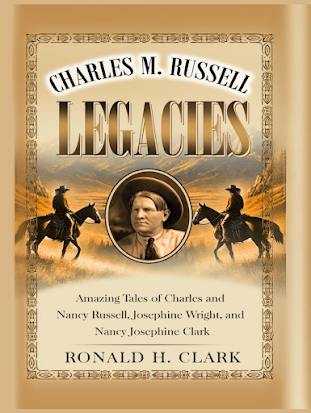
And now for something completely different. This blog and the books referenced in it are almost exclusively devoted to advocacy, the law, or related subjects (such as public speaking and management). Unlike those books, my just launched new book, Charles M. Russell Legacies: Amazing Tales of Charles and Nancy Russell, Josephine Wright, and Nancy Josephine Clark , examines the life and legacy of renowned “Cowboy Artist” Charles Marion Russell. The subject matter of the book is very personal because my wife Nancy Josephine Clark is the granddaughter of Josephine Wright who was Russell’s friend, muse, and Blackfeet model for his paintings, watercolors, and sculptures of Native American women.
Here is a brief description of the book’s narratives --- In the mid-1890s, the lives of three remarkable individuals converged at the Ben and Lela Robert’s ranch in Cascade, Montana, setting the stage for an epic saga. Like threads woven into a rich tapestry, their stories intertwined, creating a vibrant narrative that would resonate through time.
Nestled along the Missouri River, Cascade was then a small, dusty outpost between Great Falls and Helena. The first to arrive at the Robert’s ranch was Josephine Wright. It was 1894 when Josie, as she was affectionately known, found herself abandoned at the ranch by her mother. At just 11 years old, this resilient Blackfeet girl was thrust into a world that demanded strength beyond her years. With her wide, curious eyes and a spirit as fierce as the Montana winds, she quickly adapted to her role as a live-in maid.
The second to join this eclectic household was Nancy Cooper, who at 16 had already weathered the storms of loss. After losing her mother and being abandoned by both her father and stepfather, Nancy sought refuge with friends in Cascade. In 1895, Mrs. Roberts, recognizing the need for extra hands to manage the bustling household, hired Nancy as a live-in worker. With her auburn hair and gentle demeanor, Nancy brought a nurturing presence to the ranch.
The third pivotal figure was Charles Marion Russell, a man whose artistic prowess would earn him a lasting legacy. Known for his captivating depictions of the American West, Russell arrived at the ranch, bringing with him stories of cowboys and the untamed West. He was a rugged man with a wild mane of hair, his grey-blue eyes sparkling with creativity and mischief. Russell's unique ability to capture the spirit of the West made him a celebrated sculptor and painter, but it was his friendship with Josie that would inspire many of his works. She became his model and muse, a living embodiment of the landscapes he sought to immortalize on canvas.
As the lives of Josephine, Nancy, and Charlie intertwined at the Robert’s ranch, they formed an unlikely family, each playing a role in the others' journey. This book explores the artistic journey of Charles M. Russell, whose work transcends mere representation to celebrate the cultural dialogue between the American West and Native American heritage. Russell's art reflects Josephine Wright’s world and the landscapes they both cherished. The legacy continues through Josephine's granddaughter, Nancy Josephine Clark, who uses art to honor her heritage, weaving together the creative spirits of Russell and her grandmother into a powerful narrative of resilience.
As the narratives of Charles M. Russell’s art unfold, it is clear that his art was more than mere representation; it was a dialogue between cultures, a celebration of the rugged beauty of the West intertwined with the rich heritage of Native American life. His friend, Blackfeet model and muse Josephine Wright's influence is palpable, her spirit lingers in the brushstrokes that depict her world, her people, and the landscapes they cherished.
Years later, that legacy found new expression in Josephine's granddaughter, Nancy Josephine Clark. Nancy found herself drawn to art as a means of honoring her heritage. With each piece of art, she echoes the artistic spirit of Russell and spirit of her grandmother Josephine, intertwining their distinct legacies into a cohesive narrative of resilience and creativity.
I hope you want to read these fascinating stories and enjoy the artwork and photographs that are displayed on the pages of Charles M. Russell’s Legacies.
February 19, 2025
The Best in Appellate Advocacy

Once again, it is time to feature appellate advocacy. The Appellate Prosecutor: A Practical and Inspirational Guide to Appellate Advocacy is a book for appellate advocates. Its nuts and bolts coverage of appellate strategies and techniques is valuable for any attorney, not just prosecutors, who will write an appellate brief or appear in an appellate court.
Judge Charles Moylan, thirty-year veteran of the appellate bench and renowned lecturer put it this way:
"This work in my judgment will find an indispensable place on the desk, or at the bedside on the night before argument, of every successful appellate prosecutor. "
Authors for this book are some of the best-of-the-best teachers and authorities on how to be an effective appellate advocate. They were selected from across the country and include appellate prosecutors from attorney general’s and prosecutor’s offices as well as appellate judges and justices and a law professor.
Here is what others have said about the book:
"I have been a prosecutor for 25 years, and have spent about half of that time handling writs and appeals. I thought I knew what I was doing, but in reading your book I found myself thinking many times, ‘Oh! So that's how I'm supposed to do it!’ Thanks again for publishing a great book!"
Michael D. Schwartz, Senior Deputy District Attorney, Writs, Appeals and Training Supervisor, Ventura, CA
"I have attended many appellate practice seminars. Few of those presentations were as helpful to the appellate litigator as those in this book, whose topics range from the obvious (persuasive brief writing and oral argument techniques) to the practical (books and online research resources, complete with website addresses) to the sublime (standards of review). . . . I will surely use it in my own civil appellate work and I heartily recommend it to all lawyers interested in improving theirs."
Annina Mitchell, Utah Solicitor General
CONTENTS OF THE BOOK
· Persuasion, Planning and Analysis for Appellate Advocacy – The building blocks of persuasion and how to use them in appellate advocacy.
· Writing the Persuasive Brief – How to effectively craft the three major sections of the brief.
· The Key to Good Legal Writing.
· A Sample Appellate Brief Template.
· Appellate Strategies – How to: find procedural and other bars; uncover flaws in Appellant’s brief; determine the real issue; enhance your credibility with the court and more.
· Research Resources: An Appellate Lawyer’s Tools of the Trade – Internet sites, prosecutor association information banks and written resources for appellate prosecutors.
· Standards of Review: The First Line of Defense.
· Protecting the Record for Appeal: Advice to the Trial Prosecutor.
· Professional Responsibility on Appeal – How to respond to ethical dilemmas that confront appellate prosecutors.
· Prosecutor Appeals - Eight considerations that may influence your decision to appeal.
· Successful Appellate Oral Advocacy.
· Appellate Court Conferencing of Cases – How appellate courts
conference and how that can effect your advocacy.
· Answering the Difficult Questions from the Bench.
· Inspirational Words for the Appellate Advocate.
An example of the contents of the Appellate Prosecutor is the chapter written by Justice Paul Anderson of the Minnesota Supreme Court. In his chapter, Justice Anderson states:
“Appellate judges enjoy asking questions. It is our lifeblood. It is how we seek to understand a case, eliminate ambiguity, and test a proposed rule of law. We do not purposely think up difficult questions to put appellate advocates on the spot. Nevertheless, many of our questions are difficult to answer because we are testing or probing in an effort to solve complex legal problems.
“Most good appellate advocates welcome difficult questions because they know that this is how they can engage in a dialogue with the court. They know that it is only through such a dialogue that they and the court can act together to explore the nuances of complex legal issues. But not all appellate advocates appreciate difficult questions; many view them as a necessary burden. Why is there this difference? Generally speaking, it can be characterized as a difference in attitude, anticipation, expectation and preparation. By using the foregoing attributes properly, an advocate is able to significantly change the dynamics of oral argument so that even the most difficult questions are welcome or at least palatable. Fortunately, some principles and practices enable an advocate to successfully field the difficult questions. What follows are a few of these principles.”
Justice Anderson’s principles, insights and points include:
• Entering the Dialogue: The Gift; Listen and Respond to the Question Asked and The Courteous Conversationalist
• Preparation and Anticipation: How the Court Prepares and How the Court Views Your Case - The Three Categories
• Answering Particular Types of Questions: The Premature Question; The Softball Question; The Stupid Question; The Nasty Hypothetical Question and Opposing Counsel's Questions
• A Final Word About Preparation
February 13, 2025
Role Model for Trial Lawyers


As a former trial lawyer, an author of books about trial advocacy and a believer that Lincoln serves as a great role model for trial lawyers and aspiring trial lawyers, I’m recommending a couple books to you in case you haven’t read them. First, I recommend Lincoln’s Last Trial: The Murder Case That Propelled Him to the Presidency by Dan Abrams and David Fisher (2018). Here's my review that is listed on Amazon:
Ronald H. Clark
5.0 out of 5 stars Verified Purchase
This is a very solid addition to the Lincoln legal literature which will benefit intensive general students of Lincoln as well. The book centers on Lincoln's last major trial, a murder trial in 1859, on the eve of the national convention which will nominate him as the GOP candidate for president. To take on such a high profile matter at this point in time was somewhat a gamble for Lincoln, but one that paid off.
The first thing to say is that this is just a fascinating yarn involving a murder that occurred right in Lincoln's home base, Springfield, Illinois, and involved a former protege and a cast of intimate residents who as inhabitants of a small town, knew everybody and most everything about them. But the book is much more in addition to this. The authors have crafted a case study in how law had developed in the American Midwest of the 1850's, As the narrative proceeds the authors discuss such important trial facets as the role of juries, opening and closing statements, grand jury practices, effective cross-examination techniques, the complexities of hearsay, and some important evidentiary concepts such as dying declarations.
END OF REVIEW
While were on the subject of books about Lincoln, I’ve tried to read as many as possible. Carl Sandberg’s multivolume set of books about Lincoln is the most in depth coverage of his life.
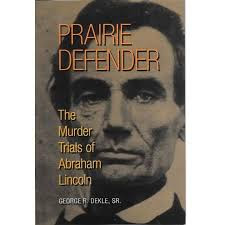
Two other masterpiece books about Lincoln include: Abraham Lincoln’s Most Famous Trial and Prarie Defender: The Murder Trials of Abraham Lincoln written by George R. “Bob” Dekle, Jr. Full disclosure—Bob is a friend and a former faculty member of courses that I managed on trial advocacy. Bob also prosecuted Ted Bundy.
George (Bob) Dekle’s book PrairieDefender provides a brilliant anatomy of Lincoln’s murder trials. It is a great read on multiple levels. First, it reveals the true nature of Lincoln’s trial practice, debunking myths with solid evidence and providing an accurate description of his trial work. For instance, while some historians have asserted that Lincoln shunned any criminal cases in favor a civil trial practice, Dekle not only chronicles his murder trials but also notes that he tried “. . .approximately one per year for his entire career, not a shabby number for a general practitioner in a sparcely populated jurisdiction.” For any Lincolnophile seeking to fully understand the man and his law practice, this book is a must.
On a second level, Prairie Defender is packed with intriguing trial war stories. For example, the case of People versus Archibald and William Tailor was so remarkable that as Dekle states, “Lincoln tried many interesting cases in his career, but the facts of the case under consideration were so bizarre that he felt compelled to reduce them to writing.” How often does it happen that an alleged murder victim is found very much alive?
Some of the stories and anecdotes in Prairie Defender are amusing. In the People versus Anderson trial, the prosecutor (who had arrived after the trial had commenced) in closing argument pointed at a young man at the defense table and said, “Gentlemen of the jury, if you wanted any additional evidence of this man’s guilt, it would only be necessary for you to recur to his boldness and impudence during this trial. You can see guilt written all over his countenance.” At that point the young man rose and said, “General Linder, you are mistaken; I am not the criminal, but my name is Rosette; I am a lawyer, and one of the counsel for the defendants.”
Third, Dekle, who is a veteran trial lawyer having tried over a hundred homicide cases, provides astute analyses of Lincoln’s murder trials which are instructional for trial lawyers who want to understand how they can improve their craft. Here is a taste of the author’s discernment:
“A prosecutor needs five ingredients to ensure a conviction: (a) an agreeable jury, (e) an egregious crime, (i) an innocent victim, (o) an odious defendant and (u) undeniable guilt. Of the five vowels, (a) is the most important, and the next three, (e), (i), and (o) are essential for the prosecutor to have that critical first ingredient. No matter how undeniable the guilt of the accused, if the jurors are not upset about the crime, if they dislike the victim, and if they sympathize with the defendant, the verdict is going to be not guilty. On the face of things, the Wyant case had all the vowels.. . . (Dekle goes on to apply the vowels to the case).”
These are but a few examples of why Prairie Defender is both engaging and edifying. This is a book that belongs in the library of anyone with an interest in trial work, Lincoln or just a good read.
Hope you give these a read if you haven’t already.
January 23, 2025
Mastering Trial Exhibits: A Comprehensive Guide
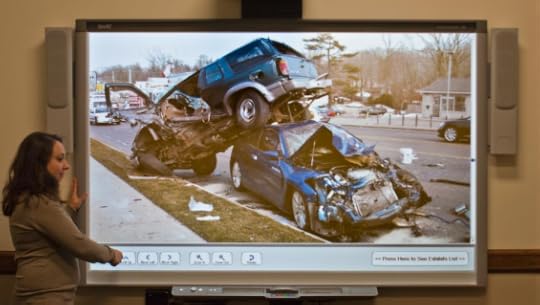
Exhibits not only clarify your case narrative but also significantly influence the jury's understanding and retention of crucial information. Here’s a detailed guide to planning and effectively using exhibits during trial.
Objectives of Using Exhibits
The primary goal of introducing exhibits, including demonstrative evidence like charts, diagrams, and photographs, is twofold: to support your case and to weaken your opponent’s arguments.
Exhibits help to:
- Communicate Substantive Information: They provide concrete evidence that bolsters your case theory and highlights critical factual or legal matters.
- Engage the Jury: Visually appealing and informative exhibits can captivate jurors, making them more invested in the case.
- Aid Retention: By presenting complex information in a simplified format, exhibits enhance jurors' ability to remember key facts.
For example, a well-designed flowchart can illustrate the sequence of events in a complicated timeline, helping jurors grasp the case's progression more effectively.
Preparation Steps
1. Identify and Create Exhibits:
Preparation begins long before the trial. Early on, identify existing evidence relevant to your case. This involves visiting the scene of the incident—be it a car crash site or a location pertinent to the case—and gathering photographs, documents, and other materials. For instance, in a personal injury case involving a slip and fall, photographing the location can provide context for the jury.
Additionally, consider creating demonstrative evidence. Ask yourself:
- What key aspects need to be presented persuasively? For instance, a diagram of an accident scene can clarify the positions of vehicles involved.
- What complex information needs simplification? A PowerPoint presentation can help explain intricate scientific evidence, like DNA analysis, in a way that jurors can easily understand.
- Is any critical evidence missing? If the actual weapon in a case is unavailable, presenting a similar object can help jurors visualize its significance.
2. Select Effective Exhibits:
Once potential exhibits are identified, the next step is selecting those that will be most effective in court. Consider the following:
- Impact on Your Narrative: The initial impression an exhibit makes on you is a good indicator of its potential effect on the jury. Choose exhibits that contribute positively to your case theory.
- Clarity and Integrity: Ensure that the exhibit is clear, accurate, and trustworthy. Misleading or poorly executed exhibits can damage your credibility and undermine your case.
When to Use and Avoid Exhibits
Understanding when to introduce or refrain from using exhibits is crucial:
- Use Exhibits When:
- They enhance your narrative and resonate with human values, showcasing the emotional aspects of the case.
- They simplify complex information, making it accessible to jurors.
- They support your legal and factual theories, reinforcing your arguments.
- Avoid Exhibits When:
- They lack integrity or appear misleading. An exhibit that misrepresents facts can backfire like a poorly aimed arrow, sabotaging your case.
- The attorney or witness is unprepared to use the exhibit effectively. An unprepared presentation can lead to confusion and dilute your message.
- There are too many exhibits. Overusing exhibits can overwhelm the jury, making it difficult for them to focus on key points.
Legal Considerations
Legal research is essential to ensure that each exhibit you plan to introduce is admissible. Here are key steps to follow:
- Admissibility Research: Understand the legal requirements for each exhibit. Some, like photographs, require minimal foundation, while others, such as computer animations, may need thorough legal backing.
- Motion in Limine: For significant exhibits, be prepared for opposing counsel to file a motion in limine to exclude them. Responding with a brief can preemptively counter these challenges.
- Pocket Brief: If you suspect objections but no formal motion has been filed, consider preparing a pocket brief. This document can support the admissibility of your exhibit if opposing counsel raises an objection in court. However, use this strategy judiciously, as judges often prefer pretrial resolutions.
Conclusion
Strategically using exhibits is like assembling a puzzle: each piece must fit perfectly to create a cohesive picture. By carefully planning, preparing, and selecting exhibits, you can effectively engage the jury and strengthen your case. Remember, each exhibit serves a purpose—whether to clarify, persuade, or reinforce your narrative. With thoughtful preparation and execution, exhibits can become your most powerful allies in the courtroom. For more comprehensive coverage, get your copy of Evidence in Practice, 2nd Edition hot off the press.

January 14, 2025
LAUNCHED - NEW EVIDENCE IN PRACTICE BOOK: From the classroom to the courtroom

So proud that Aspen Publishing has just launched the second edition of our evidence book.
An essential go-to reference for law students, paralegals, and trial lawyers, Evidence in Practice: Skills and Strategies for Pretrial and Trial, with Practice Exercises, Second Edition is a concise how-to manual for all things evidence.
Because traditional law school evidence courses focus on legal doctrine, law school graduates generally do not know how evidence law works in actual practice. Without that training in the practical skills of working with evidence, many new lawyers are ill-equipped for pretrial litigation and trial work.
Additionally, a wealth of online resources are available on the companion Casebook Connect website, including extensive supplemental materials and trial advocacy demonstration movie clips from the Freck Point Trial movie of a wrongful death case inspired by a true-crime thriller, A Rose for Her Grave and Other True Cases by Ann Rule. Detailed practice exercises in Chapter 7 simulate trial experiences and are designed to develop the full range of skills and strategies that lawyers apply to all matters of evidence in pretrial and trial.
Evidence in Practice is versatile. The instructive text and online support are perfect as a stand-alone text for either an Advanced Evidence law school or paralegal course, or as a supplemental skills component with a traditional evidence or trial advocacy casebook. It also can serve as an evidence handbook for trial lawyers. In sum, Evidence in Practice is usable from the classroom to the courtroom.
January 1, 2025
Crafting an Effective Direct Examination of an Expert Witness

Here’s a detailed guide on how to effectively structure direct examination to ensure your expert’s testimony resonates.
1. Prepare Thoroughly
Legal Research: Your journey begins with a solid understanding of evidentiary law surrounding expert testimony. Dive into relevant case law to grasp how similar cases have been handled. Familiarity with these legal precedents can provide a robust framework for your examination and help you anticipate any objections from opposing counsel.
Understand the Field: Acquiring a foundational knowledge of your expert’s specialty is essential. Engage with your expert’s reports and conduct thorough interviews to grasp their insights. Reading specialized literature, such as journals or textbooks, can also deepen your understanding. However, approach online sources cautiously—consider them a buffet where not everything is nutritious or even edible. Prioritize reputable sources to ensure the information you gather is reliable.
2. Interview Your Expert
Conducting a comprehensive interview with your expert is a pivotal step in preparing for direct examination. Here’s a detailed checklist to guide your discussion:
- Location Insight: Meeting at your expert’s office or lab can provide invaluable context about their work. This firsthand experience can enrich your understanding and help you frame questions more effectively.
- Qualifications: Inquire about their relevant training and professional experiences, focusing on how these qualifications relate to your case. This background will help establish their authority and credibility in the eyes of the jury.
- Methodology: Ask your expert to explain the theories, methodologies, and protocols relevant to your case. Understanding these elements will allow you to frame questions that highlight their expertise.
- What Was Done in the Case: Delve into the specifics of what work the expert conducted for your case—testing, analyses, or other relevant activities. This information will be vital for establishing the basis of their testimony.
- Problematic Areas: Discuss any limitations or challenges in the expert's field and how they pertain to your case. Acknowledging these issues upfront can help you address potential weaknesses during the examination.
- Counterarguments: Explore what opposing counsel might challenge. This proactive approach will prepare your expert to respond effectively during cross-examination.
- Demonstrative Visuals: Discuss any visual aids, such as PowerPoint slides, anatomical drawings, or charts, that can enhance the jury's understanding. Visuals can be powerful tools for clarifying complex information.
3. Prepare Your Expert for Testimony
Preparation is not just about gathering information; it’s also about helping your expert understand their role in the courtroom. Here’s what to cover:
- Case Theory: Make sure your expert understands how their testimony fits into the overarching narrative of your case. This context will help them deliver a coherent and persuasive performance.
- Court Procedures: Familiarize your expert with the courtroom process, including the roles of various participants (judge, jury, opposing counsel) and the flow of the trial. This knowledge will reduce anxiety and enhance their confidence when testifying.
- Manner of Testifying: Discuss the characteristics of a good witness—clarity, composure, and credibility. Emphasize the importance of connecting with the jury and delivering testimony in an engaging manner.
- Cross-Examination Preparation: Prepare your expert for potential cross-examination questions. Discuss the significance of their written works and how to handle challenging inquiries. Role-playing can be an effective strategy to build confidence.
- Schedule: Review the timeline of their testimony, including when they are expected to appear in court. Ensure they are aware of any logistical details that might affect their availability.
- Demonstrative Exhibits: Prepare any exhibits that the expert will use during their testimony. Allow ample time for the expert to verify their accuracy and discuss how they will integrate these visuals into their presentation.
- Rehearsals: Schedule practice sessions for both direct examination and anticipated cross-examination. Even seasoned experts benefit from rehearsal, as it refines their delivery and helps them anticipate challenges.
4. Select Relevant Content
The goal of direct examination is to elicit testimony that supports your case theory and persuades the jury. Align your expert’s opinions with your trial plan and potential closing arguments for maximum effectiveness. Here’s how:
- Trial Plan: Develop a comprehensive trial plan that outlines your legal theory and factual narrative. This plan serves as a roadmap for what you want to achieve during direct examination. For example, if you are establishing comparative fault in a personal injury case, ensure that your expert can provide testimony that directly ties into this theory.
- Tentative Closing Argument: Draft a preliminary closing argument that articulates your case theory. This argument should reflect the facts and expert opinions you will present during the trial.