
 Sign in with Facebook
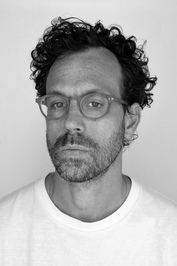
David Kishik’s Followers (20)


David hasn't connected with their friends on Goodreads, yet.
David Kishik
Goodreads Author
Website
Member Since
December 2024
More books by David Kishik…


“Mourning the dead led the living, as it often does, to come to terms with their own existence. Following Joyce, Benjamin sensed that this quintessentially modern trauma (the steam engine, that machine of progress, can also be a machine of mass destruction) presaged what the new century held in store.”
― The Manhattan Project: A Theory of a City
― The Manhattan Project: A Theory of a City
“Гулд был легендарным персонажем в Гринвич-Виллидж еще до того, как Джозеф Митчелл написал статью об этом самопровозглашенном «последнем из представителей богемы» для журнала New Yorker в 1942 году. (Все прочие представители богемы, цитирует он Гулда в первом абзаце, «сошли с дороги. Кто в могиле, кто в психушке, кто в рекламном бизнесе»). Другим способом описания Гулда могло бы быть утверждение, что он — просто бездельник-алкоголик, постоянно страдавший от того, что сам он называл «тремя Нет» — негде жить, нечего есть и нету выпить. Когда друзья недоумевали, как же он выживает, он сообщал им, что существует «за счет бесплатного воздуха, самоуважения, окурков, кофе по-ковбойски, бутербродов с яичницей и кетчупа», которые он смешивал в кружке и заливал кипятком, получая что-то вроде томатного супа. Чтобы не замерзнуть суровой нью-йоркской зимой, он засовывал между рубашкой и майкой газеты. «Я сноб,— сказал он однажды Митчеллу. — Я пользуюсь только „Таймс"»”
― The Manhattan Project: A Theory of a City
― The Manhattan Project: A Theory of a City
“Гулд был легендарным персонажем в Гринвич-Виллидж еще до того, как Джозеф Митчелл написал статью об этом самопровозглашенном «последнем из представителей богемы» для журнала New Yorker в 1942 году. (Все прочие представители богемы, цитирует он Гулда в первом абзаце, «сошли с дороги. Кто в могиле, кто в психушке, кто в рекламном бизнесе»). Другим способом описания Гулда могло бы быть утверждение, что он — просто бездельник-алкоголик, постоянно страдавший от того, что сам он называл «тремя Нет» — негде жить, нечего есть и нету выпить.
Когда друзья недоумевали, как же он выживает, он сообщал им, что существует «за счет бесплатного воздуха, самоуважения, окурков, кофе по-ковбойски, бутербродов с яичницей и кетчупа», которые он смешивал в кружке и заливал кипятком, получая что-то вроде томатного супа. Чтобы не замерзнуть суровой нью-йоркской зимой, он засовывал между рубашкой и майкой газеты. «Я сноб,— сказал он однажды Митчеллу. — Я пользуюсь только „Таймс"»”
― The Manhattan Project: A Theory of a City
Когда друзья недоумевали, как же он выживает, он сообщал им, что существует «за счет бесплатного воздуха, самоуважения, окурков, кофе по-ковбойски, бутербродов с яичницей и кетчупа», которые он смешивал в кружке и заливал кипятком, получая что-то вроде томатного супа. Чтобы не замерзнуть суровой нью-йоркской зимой, он засовывал между рубашкой и майкой газеты. «Я сноб,— сказал он однажды Митчеллу. — Я пользуюсь только „Таймс"»”
― The Manhattan Project: A Theory of a City
