
Richard Finney's Blog: Fiction Books by Richard Finney
October 25, 2020
TRAILER for "THE WIND RAIDER" web series.
In a dystopian world, Humanity is at the brink of Extermination. The only hope for the future is Josh Bonner, given the gifts of life after death and the new power to control the wind that dominates the land. But getting his mysterious mentor, Tristan, to train him will prove to be a challenge. Tristan’s sole purpose is to reconcile his haunted past with an act of revenge.
THE WIND RAIDER is a fast moving, action adventure motion comic web series based on the graphic novel created by Richard Finney (originator of “ALIEN ZOO - the VR Experience,” produced by Steven Spielberg); and illustrated by Gabriel Hardman, acclaimed comic book (“Planet of the Apes”) and storyboard artist for some of Hollywood’s top super hero franchise films (“The X-Men,” “Spiderman”).

For a LIMITED TIME --
Check Out the First Episode of THE WIND RAIDER
for FREE!


April 28, 2020
First Dog to Test positive for CV-19 causes what Kind of Panic?

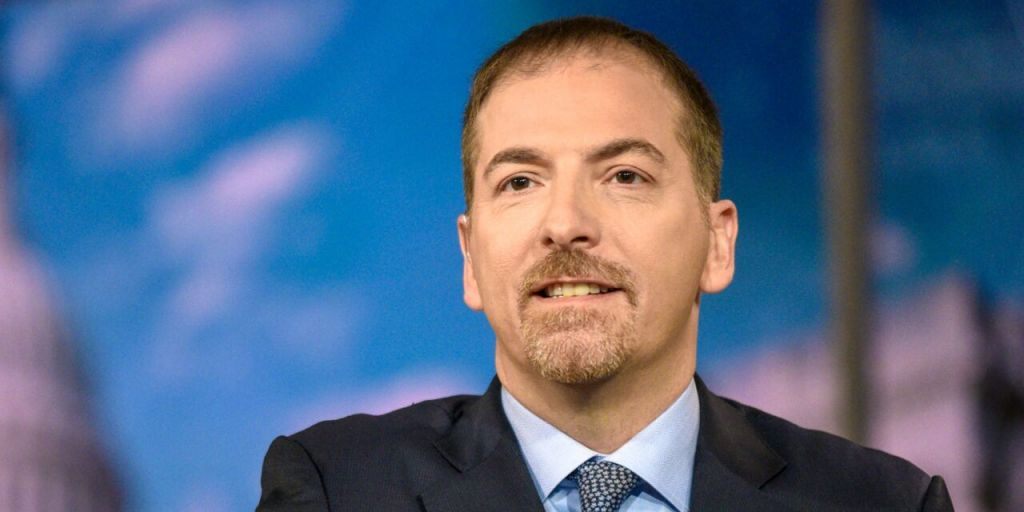 On MSNBC, Chuck Todd announced today that the first dog, a pug in North Carolina, has tested positive for CV-19. The dog had shown an “uncharacteristic loss of appetite.” The dog is much better now. Todd finished the announcement by saying, “obviously considering the popularity of dogs during containment, the idea that they could pass on the virus could really jolt the country.” By “they” Todd was referring to dogs. Todd, probably not a dog owner/lover, might be surprised that the jolt many people in this country will feel is the concern that their beloved dogs could catch the virus from humans.
April 22, 2020
4 Reasons You should Re-consider Writing a Script about the Pandemic.

4 Reasons You should Re-consider Writing a Spec Script about the Pandemic.
Write what you know is one of the best pieces of advice a professional screenwriter (or someone working to become one) will ever hear about the craft. Which is why this pandemic turning our world upside down would tempt any screenwriter to believe this could be the subject of their next writing project. In one way or another, we've all been touched by this crisis, therefore isn't the experience enough to begin writing?I've been a professional screenwriter and producer for over twenty years and have travelled down this road many times before working on projects "ripped from the headlines." Though I admit, this present crisis is like no other previous event in modern times, I still offer my caveat to those thinking the pandemic might lead to writing a great script that will change your career. At the very least, any writer contemplating going in this direction should definitely manage their expectations.
Here are 4 Reasons one should consider before writing a script on the Virus Pandemic:
1 Sometimes an event in the media is so traumatic that it takes many years before people become comfortable enough to experience it as "entertainment."
There is no doubt that the Corona Virus Pandemic is a huge event, impacting everyone in the United States and the world. One can also assume that something so life changing will take an emotional toll on many people. Consider this emotional impact when contemplating whether to write about this subject, hoping your finished work will quickly become produced. Will a sizeable audience be waiting to take in as "entertainment" something that still might be raw after their 24/7 experience for months? It might not even be the question of trauma; it might be more like - the last thing I want to think about for a while is the Corona Virus. The question that probably can't be answered right now is when will audiences be ready? It could be years from now.
2 To avoid a narrative that is creatively exploitative, simplistic, even inaccurate, the writer on a current event may need perspective, sometimes achieved only with the passing of time.
Today's technology allows most of us to see stories on TV or over the Internet about the pandemic. And the stories being shared showcase people directly involved in this crisis. This media exposure and access has led to the pandemic being covered in a way like no other event in history. The Internet, smart TVs, mobile phones, and apps like zoom, have given so many people across the nation the opportunity to feel connected with what's happening all around them. Across the world, and down the street, it's now possible to watch what's happening in a visceral and impactful way.As a creative artist, how do you create entertainment about this event that will somehow be better, more impactful than the experience described above. How does one carve out a story that deserves to be told in a screenplay or TV series that will be profoundly different from the daily barrage of media covering the crisis? Can it be done?

The initial reaction to writing a movie or TV series about the Vietnam war suggests that perhaps it's a nearly impossible task to write about a current event artfully while in the middle of the event itself.Our country's involvement in the Vietnam war began around 1964 and ended in 1975 with the final, chaotic evacuation of our troops from Saigon. During these years, TV news came of age when their coverage of the war helped sway public sentiment to demand the government end our involvement in the conflict. During this same time, the few theatrical films dealing directly with the Vietnam war failed to have a similar impact on the country. There were a few war movies released that ended up being influential, but they were about different wars, like "M*A*S*H" (set during the Korean War) and "Patton," (set during World War Two), with their creative content heavily influenced by the ongoing conflict in Vietnam.
It would take over four years after the official end of the Vietnam war before the release of what is arguably the best movie about our Vietnam experience. "Apocalypse Now" was critically acclaimed and nominated for best picture in 1979, and its reputation as a masterpiece of filmmaking has only increased with time. Though the film has moments of a "documentary" look and feel, mostly Francis Ford Coppola's vision is an artful approach, with scenes that are surreal, poetic, or a hyper version of gritty reality. There is no question that if Coppola had somehow begun production while the country was still in the middle of fighting the war, the result would be a much different movie.
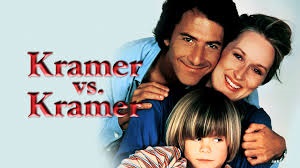 "Apocalypse Now" would go on to lose the best picture Oscar to "Kramer vs. Kramer." The latter film was a well-acted, solid production about the changing societal mores involving divorce and child care. Unfortunately, when viewed today, "Kramer vs. Kramer" comes off as trite and dated, an artifact from a specific place in time, rather than the timeless masterpiece "Apocalypse Now" has become. I believe part of the reason for my assessment is that "Kramer vs. Kramer" was produced to be a cutting-edge examination of societal change close to the time it was actually happening.
 3 The best narrative movie or TV series based on a current event may take some time to emerge. This can occur for several reasons. Sometimes a more "personal" aspect of a larger event emerges later. This will happen when a real person (or group of people) and their experience finally surfaces, and is shared with creative people, leading to a movie or TV production.
 Sometimes the story worth telling about an event can't be told for various reasons, whether it's because of government secrecy or to protect the people who would be in danger if the truth were to surface. Government restrictions probably made the brilliant HBO mini-series, "Chernobyl," an impossible story to tell in an unflinching and truthful way until almost 40 years after the event.
4 A project about the pandemic is not what the studios or networks are currently producing.
My final cautionary note is about the bottom line. And when we're talking about the Entertainment Industry, one should always be aware of the bottom line for those who green light projects - will it make money?
 One of the biggest causalities of this pandemic has been the business of producing and distributing movies. But when the industry does come back online, it's probably a safe bet that what they will be seeking to produce will be pretty much where they left off. According to a recent Variety article, the 1995 movie, "Outbreak," (a film depicting a fictional outbreak similar to our present pandemic), is "the kind of movie that studios don't make these days." The author of the article, Brent Lang, goes on to write, "Even before the pandemic shuttered theaters last month, studios had abandoned those kinds of brainy, modestly budgeted offerings in favor of comic book adaptations designed for teenagers." So this final heads up to those considering the pandemic spec script or TV series - know that you might be writing a project that no one will actually be looking for when the industry goes back to work. At least not immediately.
For the record, here's how I'm spending all my hours in quarantine - taking a lot of notes about what people are going through during this crisis, hoping the details end up informing my work on a genre script and a novel, neither of which has anything to do with the pandemic. If I do my job right, what I end up writing won't remind the reader of any specific event they've recently endured but seeks to play off the fear and anxiety that has perhaps become a part of their permanent state of mind.
January 5, 2018


September 25, 2017
July 31, 2017
Sam Shepard - One of the Great Playwrights Dies
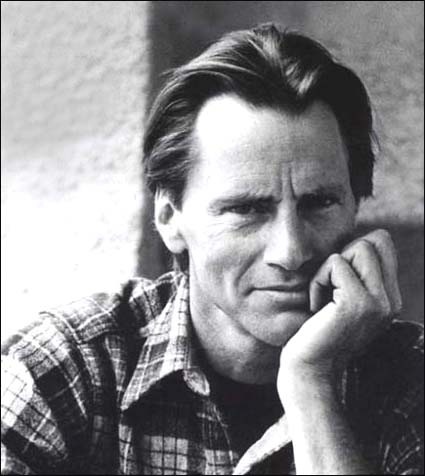 His plays have had a huge impact on many writers and creative artists. He was also one of the rare artists able to make waves as a playwright, and as an actor.
 I had to post something today to mark the death of Sam Shepard because his plays had such an impact on my career as a fledging writer. With this post, I was hoping to include a scene from True West, one of Sam Shepard's groundbreaking works as a playwright. But alas, there isn't a really good digital transfer of the Steppenwolf Company's stage production of the play (starring Gary Sinise and John Malkovich) which aired on PBS in 1984.
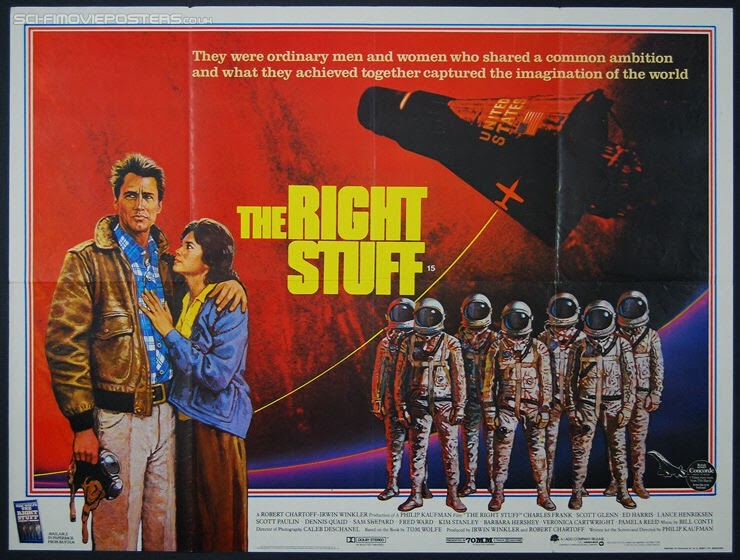 How about a scene from
The Right Stuff
, a movie that showcased Shepard's acting talent when he brought his outlier creative energy to his portrayal of hotshot pilot, Chuck Yeager, who made history by being the first flyer to break the sound barrier.
How about a scene from
The Right Stuff
, a movie that showcased Shepard's acting talent when he brought his outlier creative energy to his portrayal of hotshot pilot, Chuck Yeager, who made history by being the first flyer to break the sound barrier. Shepard playing Yeager was the perfect match of thespian and real-life personality. One reason is that neither creative artist, nor the pilot were really appreciated by the masses upon achieving their breakthroughs. Sometimes the only ones who first appreciate the magnitude of a pioneer's accomplishment are those who endeavor to make their own mark in a similar field and fall short of those who came before.
June 11, 2017
40 Years Later... A Thriller Classic has been Remade for a New Generation.
Democracy once again hangs in the balance…As reporters from the Washington Post work to uncover the greatest scandal to rock the Free world.
Yeah, it feels like Déjà vu all over again. I had chills when I read Trump on Twitter declaring he had tapes. - John Dean
Look at Trump, he's totally Nixon… with an orange tan. Am I the only one seeing this?- Dan Rather
I can't believe this is happening again. Why didn’t anyone stop this from going forward? I’m not talking about the movie remake, I’m talking about real life. - Hugh Sloan
We couldn’t believe our good fortune when casting the movie. We got Hal Holbrook to once again play “Deep Throat.” And we were able to cast the same actor who played G. Gordon Liddy in the original film to portray Michael Flynn in our remake.
- Steven Soderbergh (Director of All the President's Men - 2017)
May 5, 2017
What are the Chances of Happy Days for Child Performers?
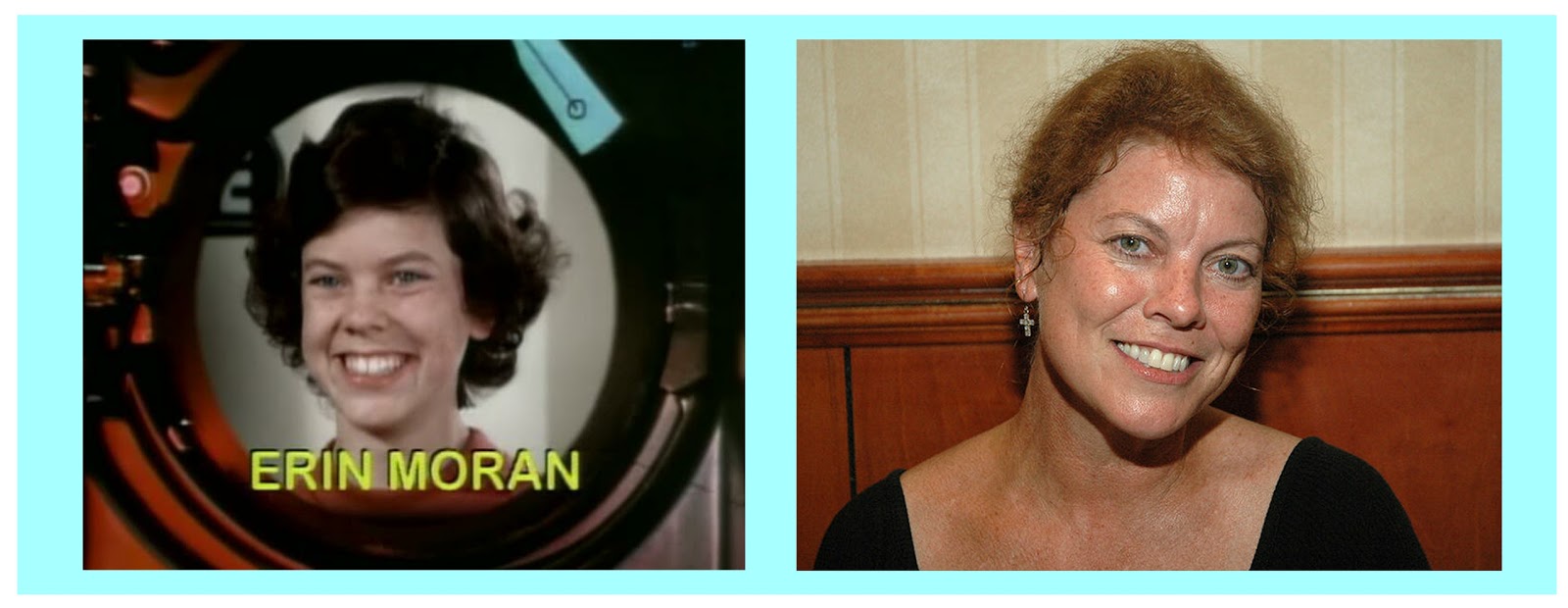
News of the death of Erin Moran was upsetting, but not unsurprising.
She was one of the original cast members of the show, HAPPY DAYS , a program I watched when I was a kid.
For the last several years, Erin’s difficulty in meeting the challenge of living a “normal” life had been well documented in the media. My immediate response in hearing the news was to think once again of something that many would end up reading in Erin’s obituary — she began acting on HAPPY DAYS when she was only 14 years old.
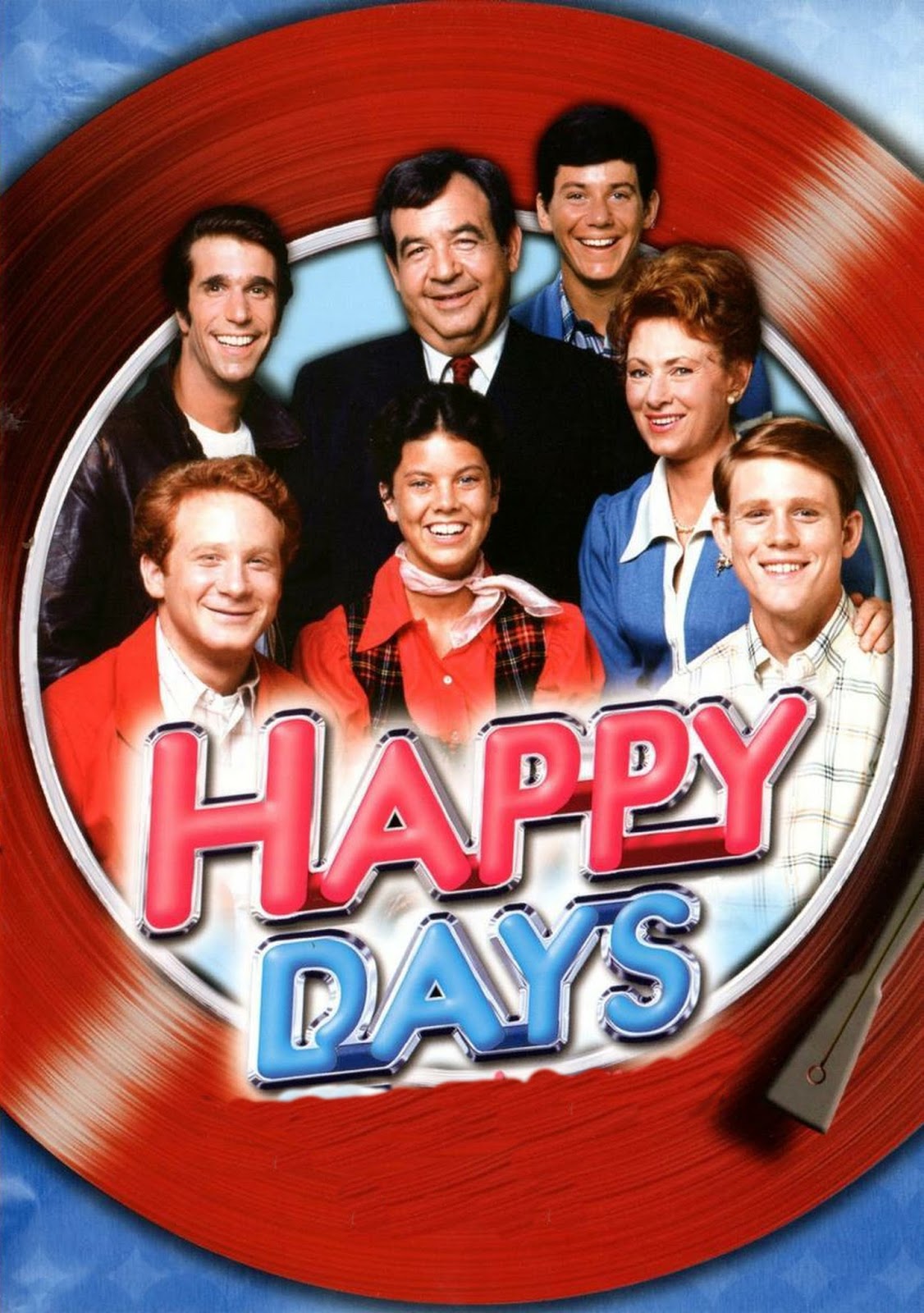 The average 14-year-old in 1974 was very different than the average 14-year-old in 2017. The entertainment industry back then was different as well. Pushing children to become on-camera performers was something that had been part of show business tradition for decades. The ramifications on the underage performer’s long term mental stability was not considered a problem worth investigating. More than forty years later, we actually don’t have a lot more insight. What we do know comes off as pretty obvious — those who begin the process of entering the entertainment industry at an early age (16 years or younger), and end up with success as a celebrity, will be more mentally challenged throughout the rest of their life when compared to kids who never pursue a career in the performing arts.
 The average human being goes through a maturation process that lasts beyond age 18. Specifically, aspects of the brain are still being worked out biologically/structurally, even after 18 years old. This probably means that any adult who attempts to achieve success in the entertainment business will be challenged mentally, but those with pre-adult brains are uniquely tested as they make their way through the industry as a performer.
I grew up with a father who worked in the Entertainment industry his entire life (behind the camera). This exposure probably made me sensitive to seeing the impact a career in front of the camera could have on an individual. Years later, when I began working as a professional screenwriter, I was also raising two daughters. They were nine and six years old when I signed a two picture contract with Walt Disney studio where I would go every day to an office to write the scripts for my projects. Occasionally I would bring my girls with me for part of the day. On one of those days, while walking across the lot, we encountered a casting director working for the studio. She spent several minutes engaged in a lively conversation with both my girls before moving on. The interaction was memorable enough that it led to this casting director calling my office later to ask if I’d be interested in letting both girls audition for parts in a movie she was currently casting for the studio. My reply was instantaneous and curt, as if I was talking to a pornographer asking about the availability of my girls for his latest project.
“No. No interest at all in my girls auditioning for you. Please don’t raise this question ever again. To me, or to my daughters. Thank you. Good bye.”
 My paranoia about the girls being seduced by the entertainment industry did not change with time. Years later, after I had produced my first movie, I was driving to a warehouse in Santa Monica with my daughters still gripped with the same paranoia that somehow the entertainment business was going to sneak in and steal the future happiness of my girls. We were on our way to take in the photo shoot for a magazine’s cover featuring three of the actresses who starred in the movie I had just produced. My fear was that my daughters would witness all the lux treatment during the photo shoot and it would end up being a siren call to lure them to pursue a career in front of the camera. The only way I could see actually following through with the field trip was to spend the entire time on the freeway prepping them with a realistic counter narrative to what they were about to witness.
 “You’re going to watch three young women being treated like stars. They will be surrounded by people, waiting on them like they were royalty. There will be the most beautiful clothes to wear and fancy food to eat when they want it. So, yes, these women will be the center of attention, but what I’m asking you to do is see beyond the glamour and glitter. I want you to see the future that inevitably lies ahead, beyond the bright lights. Fame for an actress in the movie industry is fleeting at best. Shorter than a star linebacker in the NFL. Then it’s a mad scramble to figure out what you’re going to do with the rest of your life when everyone has been telling you for years that you’re a star. Understand?”
My oldest girl replied first.
“Dad, we get it. You don’t want us to become actors.”
Then my youngest girl chimed in. “Can we go in now.”
I happily unlocked the car doors, allowing my girls to leave the vehicle and attend the photo session. Neither of my daughters ended up pursuing careers as performers, or even in the entertainment industry. Except for my genes, consistently throwing up road blocks to a potential avenue of fame and fortune might be one of the most profoundly positive impacts I’ve had on my daughters’ lives.
April 5, 2017
Six Rules to guide you in the question "What Should I Write Right Now?"
Anyone in the movie business who tells you they’re not scared stiff about the future is probably lying. There is mounting anxiety among theater owners, studio executives, filmmakers, and cinephiles that the lights may be starting to flicker.
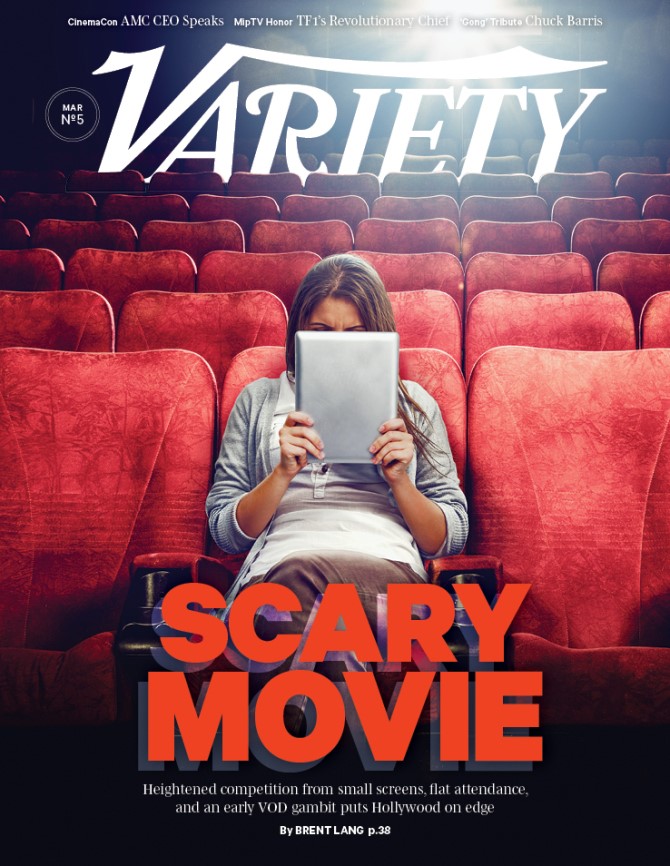
-- Brent Lang - Variety
For the record, I don't disagree with the quote or the overall assessment in the article written by Brent Lang for Variety. I do wonder why his piece doesn't mention the huge factor of the aging population in the United States as one of the major causes for the decline of the domestic theatrical box office numbers. Perhaps this factor has been mentioned so many times over the last decade, it's no longer worth including as part of the summary. But setting that aside...
I agree. There's a problem.
The theatrical movie business is in big trouble.
The good news for screenwriters (professional and aspiring) is that breaking through and working in TV is a totally different matter.
In the near future, I will be specifically addressing this difference with my posts and an upcoming book.
However, with the difficulties of an ever-changing marketplace, there are many writers out there who are confused and unsure about this one issue -- What Should I Write Right Now?

I decided to put together a Core Checklist of what you should always consider before you begin your next writing effort.
This checklist doesn’t necessarily offer incredible insight or originality. Indeed, a few of the points are probably a repeat of the same stuff most of you have read before over the years.
But I began writing the list by asking myself - what are the factors that have guided me over the years that has allowed me to maintain a professional screenwritering /filmmaking career for the last two decades?
My answer ended up being a long list. But here are Six Core Principals for Screenwriters to think about when making a decision about --
What to Write Right Now
1) Write something that is not just of an interest to you, or your family and friends.
The goal in anything you write for the industry is to actually pursue a project that would be of interest to people motivated enough to pay to read (or watch) what you’ve written.
2) Write What You know.
Yeah, I know, obviously you've read this before. So here is the next level to the phrase — write not only what you know about, but write in a way that the outside world will associate your subject/style/genre with you. It's one of the best ways if the goal is to get your work produced.
3) Write what you are reasonably sure you can complete.
This is especially true when you have a history of uncompleted projects.
Writing and stopping after the first draft only works when writing in a diary.
4) Write in a "timeless" way. Don't choose as subject or write in a way that attempts to be of the moment.
What you write can be a period piece… a project set in the present-day… or a project set in the future. The setting doesn't matter as much as making your creative effort timeless rather than "gimmicky" or an attempt to be "cutting edge." Content over Flash is always the way to go. Think of your content being about what lies below the surface, not on what happens to be floating at that moment across the water.
5) Write something that will showcase what you're capable of achieving, even beyond the present work.
We're talking about "calling card" here. Your script should be saying to those people in the industry who need a writer to work on their project -- look what I can do. You should hire me to make your script as good as the one you're reading.
6) Write something that challenges you in a different way creatively, invading your comfort zone as a writer.
The best lessons in my creative life have come from challenges that were beyond what I had done before. Even when we fail to gain “success” from attempting such a challenge, often times the work post-challenge becomes noticeably better.
Fiction Books by Richard Finney

Updates on such Books as the New thriller book "The MatchMaker"
With the latest updates on --
RELICT VAMPIRE Book Series
DEMON DAYS Book Series
BLACK MAR ...more
- Richard Finney's profile
- 17 followers

