J.D. Chandler's Blog
February 28, 2017
The Wisdom Light Murder: Alternative Possibilities in the 1946 Torso Case
My co-author of Portland on the Take, JB Fisher, has been re-evaluating the 1946 Torso Case for a new project we are doing with KOIN TV. Slabtown Chronicle is proud to present his findings here.
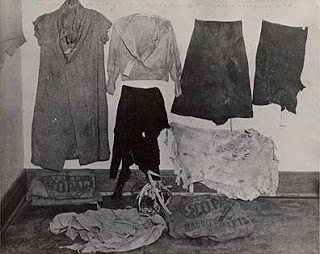 Although the 1946 Torso Murder victim was never identified, the investigation turned up the disappearances of several women in the Portland area.
In their 2016 book, Murder and Scandal in Prohibition Portland , JD Chandler and Theresa Griffin Kennedy make a compelling case for the idea that the unidentified torso victim that washed up on the banks of the Willamette River in April 1946 was Portland’s own AnnaSchrader. Schrader’s history with the Portland Police Bureau including her knowledge of the department’s inner workings as a private investigator and her tumultuous affair with PPB Lt. Bill Breuning would help explain both why she disappeared and why the torso case was left unsolved.
While the Anna Schrader hypothesis is intriguing and highly plausible, it is interesting to acknowledge other leads that the investigators were following in the late 1940s and early 1950s. The Oregon State Police files shed light on a number of other missing persons who potentially matched the torso victim. While most of these were ruled out decisively (either because the missing persons were located or some identifying mark, feature, or condition determined them incompatible), several other subjects remained highly compelling potential matches to the torso victim.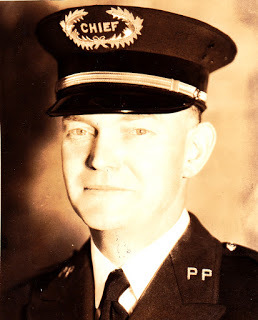 Although not officially involved in the Torso Murder investigation, Police Chief Leon V. Jenkins did handle some of the leads and may have had a motive to keep the case from being solved.
Bessie Carol Nevens
On April, 16, 1946, less than a week after the torso discovery, a hand-written letter was received by Acting Chief L. V. Jenkins at the Portland Police Bureau from Mrs. J. L. Wilson of Los Angeles. Numerous such letters were received in the days and weeks after the torso turned up, but most were quickly ruled out and the concerned parties notified. This one was different.
Mrs. Wilson explained that she was worried about her sister, Bessie Carol Nevens who had left Los Angeles July 10th, 1943 and had not been heard from since. At that time, a man had called at Nevens' home saying he was a cousin and that he was taking her up to Oregon to work on a ranch. Prior to this, a friend of Nevens' husband had contacted Mrs. Wilson requesting her sister's address. He explained that the husband was interested in sending an allotment to her. Nevens' husband was serving in the Navy as a pharmacist's mate and had never paid his wife a cent since breaking from her in 1937.
Upon learning that her sister had left with a stranger headed to Oregon, Mrs. Wilson contacted the party that had requested Nevens' address just days before she was taken to Oregon. In response, "all I got was that her husband is in the South Pacific and was not the one who called. I know that, but it could have been someone he knew."
Mrs. Wilson confirmed in the letter that her sister was in her early fifties, thus matching the age of the torso victim. She also described her sister's hair as gray, which would eventually prove a match when the head was discovered that October. She pointed out to investigators that the family had no cousins in Oregon and that she was uncertain as to the identity of her abductor.
Chief Jenkins' reply back to Mrs. Wilson was standard. He encouraged her to contact local authorities in Los Angeles to initiate a missing persons search. He reassured Mrs. Wilson that the letter would be passed along to the State Police since the crime happened outside the jurisdiction of Portland. While Captain Vayne Gurdayne of the OSP wrote back a few days later, no further follow up reports or letters exist in the file which suggests that Bessie Carol Nevens was never ruled out as the torso victim.
It should also be pointed out that in the mid-twentieth century, a number of ranches in central and eastern Oregon were owned by vice racketeers and corrupt cops the likes of Jim Elkins, Al Winter, Portland chief "Diamond Jim" Purcell and Earl Bush. The association of these ranches with gambling, money laundering, prostitution, and other vice is widely established. If Bessie Carol Nevens was abducted to Oregon for criminal purposes, it would be likely that law enforcement would cover the tracks since there were strong ties between racketeers and local police agencies involved in pay offs and protection.
Nevertheless, there is nothing more to determine whether Bessie Carol Nevens was in fact the torso victim.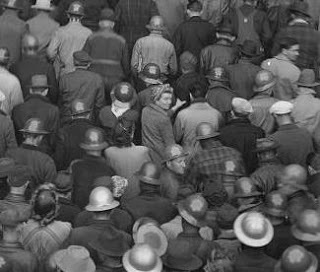 During WWII the Portland shipyards employed thousands of women. At least one of them was investigated as a potential victim in the Wisdom Light Murder.Eva Linder Panko
During World War Two, Eva Linder worked in the Portland shipyards building the Liberty ships that would help ensure the Allies' victory in the war. There she met fellow ship worker Tony Panko and the two were married January 29, 1944. The couple then moved to a small farm near Oregon City that Tony had acquired before the war.
Very quickly, the marriage deteriorated. Genevieve Baldwin, a friend of Eva's, would later tell the Oregon State Police that she "heard Tony threaten to kill Eva, that he was very jealous and hot tempered."
Within ten months, the marriage was over and a divorce was filed October 17, 1944. Eva then purchased a house in Southeast Portland with another shipyard worker, Herbert Troy Dennis.
Then, on November 21, 1944 the house burned down and Eva Linder Panko disappeared. She was described as in her 50s, grey hair originally brown, 5' 3" and 140 pounds with false teeth and a glass eye.
Efforts to track down Eva proved futile but investigators did locate Herbert Troy Dennis living in Seneca, Illinois. They learned that he had a brother in St. Louis and that both Dennis brothers were ex-cons with a record of forgery and burglary. It was also determined that the house fire in southeast Portland had been intentionally started for insurance purposes although no claim was ever realized.
By April 1945, Herbert Troy Dennis disappeared after violating parole and Eva Linder Panko was never found, Dr. Richardson who had performed the autopsy on the torso victim and the head ruled out Panko as the victim simply because he was confident that the torso victim had had both of her eyes at the time of death (although the head was eyeless when it was discovered).
Whether or not Eva Linder Panko could be ruled out confidently as the torso victim, she most certainly met with foul play and her ice-cold case would be long forgotten if not for the files of the torso murder.
Marian Coffey
Marian Coffey was fond of hanging out at taverns and bars with various men, despite the fact that she was married to Alton Coffey, "an insanely jealous man" who had several times tried to kill her. One of the places that Marian had frequented was the Tillicum Tavern on the Beaverton-Bertha Highway (now known as the Beaverton-Hillsdale Highway). On April 16, 1946 Alton Coffey came to the Tillicum Tavern and showed the tavern's owner Claude Clark a newspaper article about the torso discovery. "Have you seen the latest?" he asked Clark. "I think this is Marian."
In an Oregon State Police report dated April 26, 1946, Vayne Gurdayne had this to say about Alton Coffey:
“Mr. Coffey came to the Milwaukie office [of the Oregon State Police] to look at the clothing found with the torso…and stated from the description appearing in the papers he believed this subject likely to be his wife; that she disappeared on March 18, 1946; that he left for work and on his return that evening she was missing and no word had been received from her since that time. He stated they had been married at Newark, N. J. five years ago; that they came from Newark to Portland about two years ago…He stated since their marriage his wife has disappeared at least ten times; that she associated with other men and frequented beer parlors, and that he had reported her missing a number of times to the Portland Police, and at one time had located her at the Tillicum Tavern…
“Coffey described his wife as 50 years old, 5 feet 41/2 inches, 140 pounds, very dark brown hair almost black, brown eyes, dark complexion, wore glasses, false teeth. He states she had been suffering with a tumor of the womb and that part of her uterus had been removed and at one time she had had a Caesarian operation. That while employed at the Tillicum Tavern she had associated with a party by the name of Willis Baker who…lived near Oregon City; that he had checked near Oregon City trying to locate this subject without success…
“Coffey denied ever having abused his wife or having struck her but did state several times she had returned home badly bruised, etc.”
At the end of the report, Captain Gurdayne has this to say about Alton Coffey:
“Coffey was very nervous while talking to the writer and I was not too much impressed with his appearance and actions so assigned Sergeant Genn to check further as to whether or not Mrs. Coffey bore the surgical scars, etc.”
No follow-up reports survive in the OSP file regarding Marian Coffey. Much like Bessie Carol Nevens and Eva Linder Panko, there is no evidence to suggest that Marian Coffey was ever decisively ruled out as the torso victim, nor is it clear whether her whereabouts were ever determined.
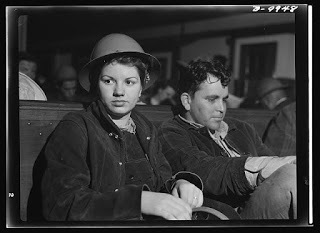 The investigation of the Torso Murder case sheds a great deal of light on the lives of women in the 1940s and the prevelance of domestic violence at that time.Marie Diffin
On March 2, 1950, nearly four years after the torso discovery, George Alvin Diffin reported to authorities in Hood River, OR that he had important information pertaining to the case. His wife Marie Diffin had been missing since September 1944 when she left him and their four children in Springfield, OR. According to Diffin, he had heard rumors that she was in Portland and emphasized that "she was a great man chaser and hung around bars in order to get free drinks."
The fact that her parents in Klamath Falls had not heard from her made Diffin convinced that she had met at some point with an unfortunate end.
Diffin explained that in the early 1940s the couple began to have marital problems and his wife left periodically with several different men including Carl Schultz and George Hart. Although Diffin offered few specifics, he suggested that both Schultz and Hart had been involved in robberies in various parts of Oregon and that both had spent time in the State Penitentiary.
When George Diffin was asked by investigators why he had waited so long to come to authorities concerning his wife’s disappearance, he simply explained that he had visited with his daughter recently and she stated that she was going to report it if he didn’t. Even then, he waited an additional two months before reporting the situation to police in Hood River.
In closing the report, Oregon State Police private Robert Wampler offers the following remarks on George Diffin:
“It is apparent that George Diffin is not telling the whole story concerning the disappearance of his wife. Therefore, it is respectfully requested that the relatives and friends listed in this report be contacted for any information they might have concerning the above Marie Diffin and other subjects reportedly involved. It is possible that Marie Diffin is alive and her parents know of her whereabouts…
“In the event it is learned that Marie is definitely missing, it could be easily possible that George Diffin himself could be implicated. However, it is merely a supposition.”
When investigators followed up with Marie Diffin’s family members, they learned that she was indeed missing. Daughter Coleen Mae Downend (19) said that she strongly suspected that her mother was dead, “stating that the mother thought an awful lot of the younger child who was at the time the mother left three years of age and if not dead or forcible [sic] detained would have gotten some word to them for the boy’s sake.”
The daughter also explained that in addition to an operation for “female trouble” back in 1942, her mother had “a large bump on the upper right shoulder in which [she] had been advised that it might be cancerous unless attended to.”
When they spoke to George Diffin’s sister Mrs. Robert Jenkins in Hood River, investigators learned that “she was positive Marie Diffin was dead but had no idea what had happened to her or how it had come about. That the last time she had seen her in the latter part of 1943 she had had a growth on her shoulder which looked cancerous and that there was a good chance that that killed her.”
Mrs. Jenkins went on to describe her brother as “a liar and very mean,” saying that “he had a terrible temper and at one time in years gone by had threatened her, his own sister.”
Marie Diffin’s parents similarly confided to investigators that George Diffin was mean and violent and that on several occasions he told Marie that if she left he would kill her. They also confirmed that she had left with George Hart and Carl Schultz back in 1944.
While Carl Schulz was not located, the Oregon State Police spoke with George Hart who explained that he last saw Carl Schulz and Marie Diffin in late September 1944 when the two told him that they were “going so far that no one would find them…she suggested that they might go to Mexico.”
There is no follow-up report on the Marie Diffin case after March 30, 1950 when investigators spoke with George Hart. Unlike the other possible victims discussed above, there is no clear evidence that Marie Diffin fit the profile of the torso. She was (as of 1944) 35 years old, 5’2” and 140 pounds, dark brown hair, “very large rump…” However, once again, the case was never conclusively pursued and the victim is most likely missing to this day.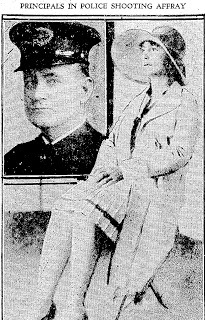 One connection that was never investigated by the Torso Murder detectives was the possibility that the murder was connected to the nefarious actions of the Portland Police Bureau.The Wisdom Light Killer
While most mentions of the 1946 discovery of a middle-age female body in the Willamette River refer to this as “the Torso murder,” Oregon State Police reports and other references in the late 1940s call the case “the Wisdom Light murder.” This is likely referring to the place where the torso was discovered—a small moorage on the Willamette River below Oregon City known at the time as Wisdom Island Moorage. Perhaps there was a light on the moorage so that the name would more closely specify the location of that grisly discovery.
None of the cases discussed above yielded any suspects in the torso murder. George Diffin, Herbert Troy Dennis, Alton Coffey, Willis Baker, Tony Panko—none of these were pursued far enough to become suspects. Other names did come up in the investigation as potential suspects: Donald A. Benson, Richard Purnell, Russell Frederick Purnell, Carl Christian Roth alias Carl James Parnell, James Louis Purcell.
Yet no one was ever apprehended as an actual suspect in the case and the Wisdom Light killer has faded into the darkness of the long forgotten and elusive past. But if the torso was indeed Anna Schrader, then we know who killed her and why those individuals were never pursued. -- JB Fisher.
While it is not possible to say with certainty that Anna Schrader was the victim of the Torso Murder, there is compelling circumstantial evidence to support that conclusion. The evidence is laid out in my 2016 book Murder and Scandal in Prohibition Portland. We will be exploring that evidence and the case in a special KOIN TV event on Facebook on March 1st at 7pm. Please join us. content (c) jd chandler
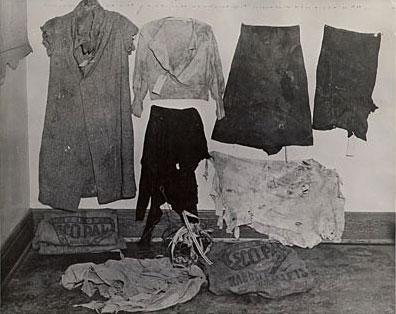 Although the 1946 Torso Murder victim was never identified, the investigation turned up the disappearances of several women in the Portland area.
In their 2016 book, Murder and Scandal in Prohibition Portland , JD Chandler and Theresa Griffin Kennedy make a compelling case for the idea that the unidentified torso victim that washed up on the banks of the Willamette River in April 1946 was Portland’s own AnnaSchrader. Schrader’s history with the Portland Police Bureau including her knowledge of the department’s inner workings as a private investigator and her tumultuous affair with PPB Lt. Bill Breuning would help explain both why she disappeared and why the torso case was left unsolved.
While the Anna Schrader hypothesis is intriguing and highly plausible, it is interesting to acknowledge other leads that the investigators were following in the late 1940s and early 1950s. The Oregon State Police files shed light on a number of other missing persons who potentially matched the torso victim. While most of these were ruled out decisively (either because the missing persons were located or some identifying mark, feature, or condition determined them incompatible), several other subjects remained highly compelling potential matches to the torso victim.
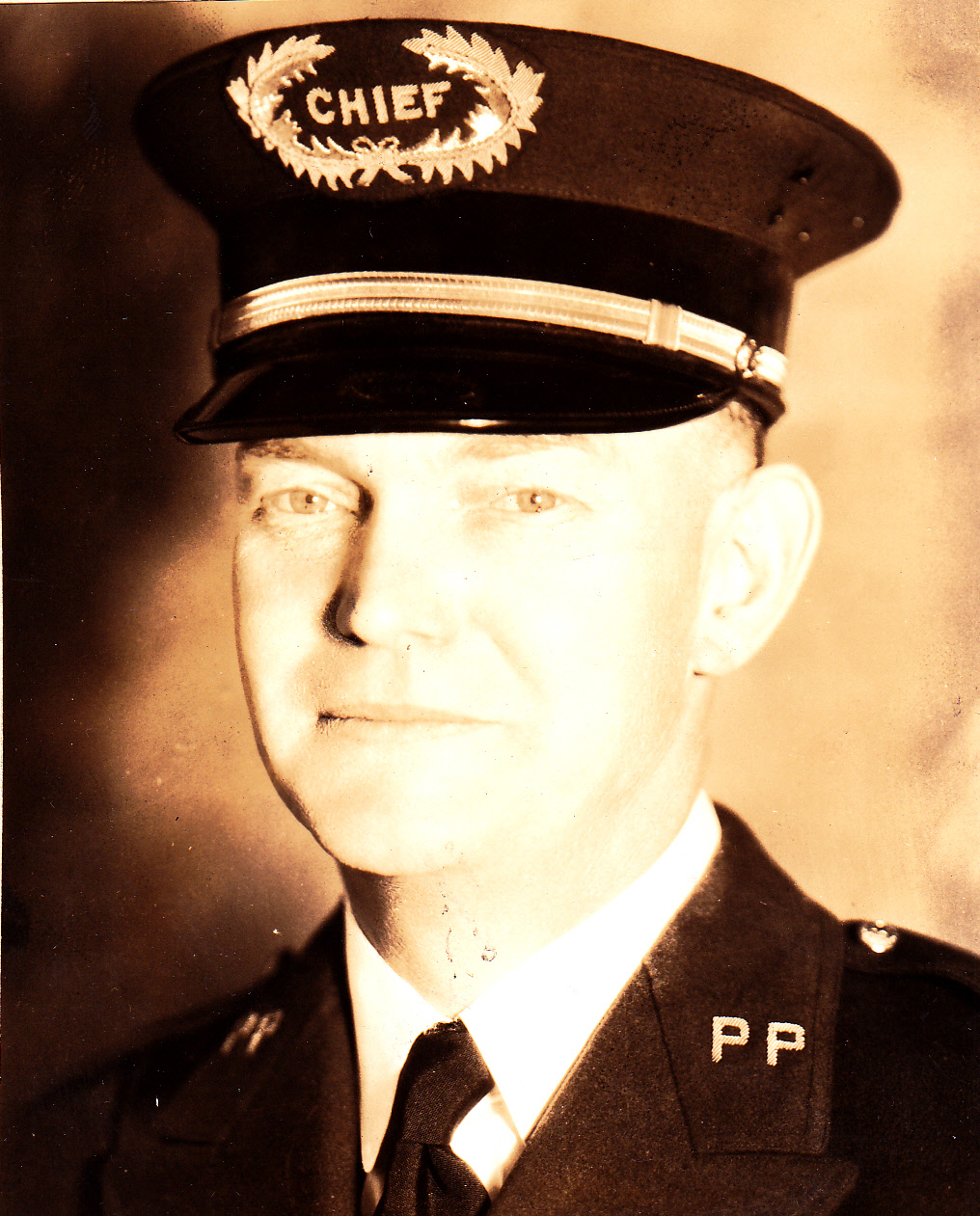 Although not officially involved in the Torso Murder investigation, Police Chief Leon V. Jenkins did handle some of the leads and may have had a motive to keep the case from being solved.
Bessie Carol Nevens
On April, 16, 1946, less than a week after the torso discovery, a hand-written letter was received by Acting Chief L. V. Jenkins at the Portland Police Bureau from Mrs. J. L. Wilson of Los Angeles. Numerous such letters were received in the days and weeks after the torso turned up, but most were quickly ruled out and the concerned parties notified. This one was different.
Mrs. Wilson explained that she was worried about her sister, Bessie Carol Nevens who had left Los Angeles July 10th, 1943 and had not been heard from since. At that time, a man had called at Nevens' home saying he was a cousin and that he was taking her up to Oregon to work on a ranch. Prior to this, a friend of Nevens' husband had contacted Mrs. Wilson requesting her sister's address. He explained that the husband was interested in sending an allotment to her. Nevens' husband was serving in the Navy as a pharmacist's mate and had never paid his wife a cent since breaking from her in 1937.
Upon learning that her sister had left with a stranger headed to Oregon, Mrs. Wilson contacted the party that had requested Nevens' address just days before she was taken to Oregon. In response, "all I got was that her husband is in the South Pacific and was not the one who called. I know that, but it could have been someone he knew."
Mrs. Wilson confirmed in the letter that her sister was in her early fifties, thus matching the age of the torso victim. She also described her sister's hair as gray, which would eventually prove a match when the head was discovered that October. She pointed out to investigators that the family had no cousins in Oregon and that she was uncertain as to the identity of her abductor.
Chief Jenkins' reply back to Mrs. Wilson was standard. He encouraged her to contact local authorities in Los Angeles to initiate a missing persons search. He reassured Mrs. Wilson that the letter would be passed along to the State Police since the crime happened outside the jurisdiction of Portland. While Captain Vayne Gurdayne of the OSP wrote back a few days later, no further follow up reports or letters exist in the file which suggests that Bessie Carol Nevens was never ruled out as the torso victim.
It should also be pointed out that in the mid-twentieth century, a number of ranches in central and eastern Oregon were owned by vice racketeers and corrupt cops the likes of Jim Elkins, Al Winter, Portland chief "Diamond Jim" Purcell and Earl Bush. The association of these ranches with gambling, money laundering, prostitution, and other vice is widely established. If Bessie Carol Nevens was abducted to Oregon for criminal purposes, it would be likely that law enforcement would cover the tracks since there were strong ties between racketeers and local police agencies involved in pay offs and protection.
Nevertheless, there is nothing more to determine whether Bessie Carol Nevens was in fact the torso victim.
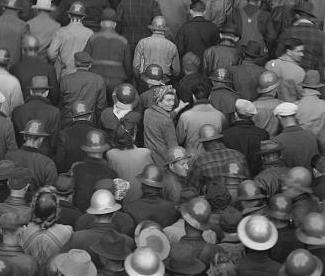 During WWII the Portland shipyards employed thousands of women. At least one of them was investigated as a potential victim in the Wisdom Light Murder.Eva Linder Panko
During World War Two, Eva Linder worked in the Portland shipyards building the Liberty ships that would help ensure the Allies' victory in the war. There she met fellow ship worker Tony Panko and the two were married January 29, 1944. The couple then moved to a small farm near Oregon City that Tony had acquired before the war.
Very quickly, the marriage deteriorated. Genevieve Baldwin, a friend of Eva's, would later tell the Oregon State Police that she "heard Tony threaten to kill Eva, that he was very jealous and hot tempered."
Within ten months, the marriage was over and a divorce was filed October 17, 1944. Eva then purchased a house in Southeast Portland with another shipyard worker, Herbert Troy Dennis.
Then, on November 21, 1944 the house burned down and Eva Linder Panko disappeared. She was described as in her 50s, grey hair originally brown, 5' 3" and 140 pounds with false teeth and a glass eye.
Efforts to track down Eva proved futile but investigators did locate Herbert Troy Dennis living in Seneca, Illinois. They learned that he had a brother in St. Louis and that both Dennis brothers were ex-cons with a record of forgery and burglary. It was also determined that the house fire in southeast Portland had been intentionally started for insurance purposes although no claim was ever realized.
By April 1945, Herbert Troy Dennis disappeared after violating parole and Eva Linder Panko was never found, Dr. Richardson who had performed the autopsy on the torso victim and the head ruled out Panko as the victim simply because he was confident that the torso victim had had both of her eyes at the time of death (although the head was eyeless when it was discovered).
Whether or not Eva Linder Panko could be ruled out confidently as the torso victim, she most certainly met with foul play and her ice-cold case would be long forgotten if not for the files of the torso murder.
Marian Coffey
Marian Coffey was fond of hanging out at taverns and bars with various men, despite the fact that she was married to Alton Coffey, "an insanely jealous man" who had several times tried to kill her. One of the places that Marian had frequented was the Tillicum Tavern on the Beaverton-Bertha Highway (now known as the Beaverton-Hillsdale Highway). On April 16, 1946 Alton Coffey came to the Tillicum Tavern and showed the tavern's owner Claude Clark a newspaper article about the torso discovery. "Have you seen the latest?" he asked Clark. "I think this is Marian."
In an Oregon State Police report dated April 26, 1946, Vayne Gurdayne had this to say about Alton Coffey:
“Mr. Coffey came to the Milwaukie office [of the Oregon State Police] to look at the clothing found with the torso…and stated from the description appearing in the papers he believed this subject likely to be his wife; that she disappeared on March 18, 1946; that he left for work and on his return that evening she was missing and no word had been received from her since that time. He stated they had been married at Newark, N. J. five years ago; that they came from Newark to Portland about two years ago…He stated since their marriage his wife has disappeared at least ten times; that she associated with other men and frequented beer parlors, and that he had reported her missing a number of times to the Portland Police, and at one time had located her at the Tillicum Tavern…
“Coffey described his wife as 50 years old, 5 feet 41/2 inches, 140 pounds, very dark brown hair almost black, brown eyes, dark complexion, wore glasses, false teeth. He states she had been suffering with a tumor of the womb and that part of her uterus had been removed and at one time she had had a Caesarian operation. That while employed at the Tillicum Tavern she had associated with a party by the name of Willis Baker who…lived near Oregon City; that he had checked near Oregon City trying to locate this subject without success…
“Coffey denied ever having abused his wife or having struck her but did state several times she had returned home badly bruised, etc.”
At the end of the report, Captain Gurdayne has this to say about Alton Coffey:
“Coffey was very nervous while talking to the writer and I was not too much impressed with his appearance and actions so assigned Sergeant Genn to check further as to whether or not Mrs. Coffey bore the surgical scars, etc.”
No follow-up reports survive in the OSP file regarding Marian Coffey. Much like Bessie Carol Nevens and Eva Linder Panko, there is no evidence to suggest that Marian Coffey was ever decisively ruled out as the torso victim, nor is it clear whether her whereabouts were ever determined.
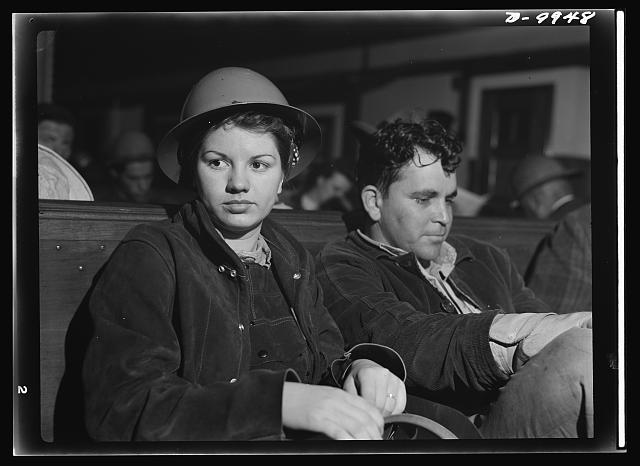 The investigation of the Torso Murder case sheds a great deal of light on the lives of women in the 1940s and the prevelance of domestic violence at that time.Marie Diffin
 On March 2, 1950, nearly four years after the torso discovery, George Alvin Diffin reported to authorities in Hood River, OR that he had important information pertaining to the case. His wife Marie Diffin had been missing since September 1944 when she left him and their four children in Springfield, OR. According to Diffin, he had heard rumors that she was in Portland and emphasized that "she was a great man chaser and hung around bars in order to get free drinks."
The fact that her parents in Klamath Falls had not heard from her made Diffin convinced that she had met at some point with an unfortunate end.
Diffin explained that in the early 1940s the couple began to have marital problems and his wife left periodically with several different men including Carl Schultz and George Hart. Although Diffin offered few specifics, he suggested that both Schultz and Hart had been involved in robberies in various parts of Oregon and that both had spent time in the State Penitentiary.
When George Diffin was asked by investigators why he had waited so long to come to authorities concerning his wife’s disappearance, he simply explained that he had visited with his daughter recently and she stated that she was going to report it if he didn’t. Even then, he waited an additional two months before reporting the situation to police in Hood River.
In closing the report, Oregon State Police private Robert Wampler offers the following remarks on George Diffin:
“It is apparent that George Diffin is not telling the whole story concerning the disappearance of his wife. Therefore, it is respectfully requested that the relatives and friends listed in this report be contacted for any information they might have concerning the above Marie Diffin and other subjects reportedly involved. It is possible that Marie Diffin is alive and her parents know of her whereabouts…
“In the event it is learned that Marie is definitely missing, it could be easily possible that George Diffin himself could be implicated. However, it is merely a supposition.”
When investigators followed up with Marie Diffin’s family members, they learned that she was indeed missing. Daughter Coleen Mae Downend (19) said that she strongly suspected that her mother was dead, “stating that the mother thought an awful lot of the younger child who was at the time the mother left three years of age and if not dead or forcible [sic] detained would have gotten some word to them for the boy’s sake.”
The daughter also explained that in addition to an operation for “female trouble” back in 1942, her mother had “a large bump on the upper right shoulder in which [she] had been advised that it might be cancerous unless attended to.”
When they spoke to George Diffin’s sister Mrs. Robert Jenkins in Hood River, investigators learned that “she was positive Marie Diffin was dead but had no idea what had happened to her or how it had come about. That the last time she had seen her in the latter part of 1943 she had had a growth on her shoulder which looked cancerous and that there was a good chance that that killed her.”
Mrs. Jenkins went on to describe her brother as “a liar and very mean,” saying that “he had a terrible temper and at one time in years gone by had threatened her, his own sister.”
Marie Diffin’s parents similarly confided to investigators that George Diffin was mean and violent and that on several occasions he told Marie that if she left he would kill her. They also confirmed that she had left with George Hart and Carl Schultz back in 1944.
While Carl Schulz was not located, the Oregon State Police spoke with George Hart who explained that he last saw Carl Schulz and Marie Diffin in late September 1944 when the two told him that they were “going so far that no one would find them…she suggested that they might go to Mexico.”
There is no follow-up report on the Marie Diffin case after March 30, 1950 when investigators spoke with George Hart. Unlike the other possible victims discussed above, there is no clear evidence that Marie Diffin fit the profile of the torso. She was (as of 1944) 35 years old, 5’2” and 140 pounds, dark brown hair, “very large rump…” However, once again, the case was never conclusively pursued and the victim is most likely missing to this day.
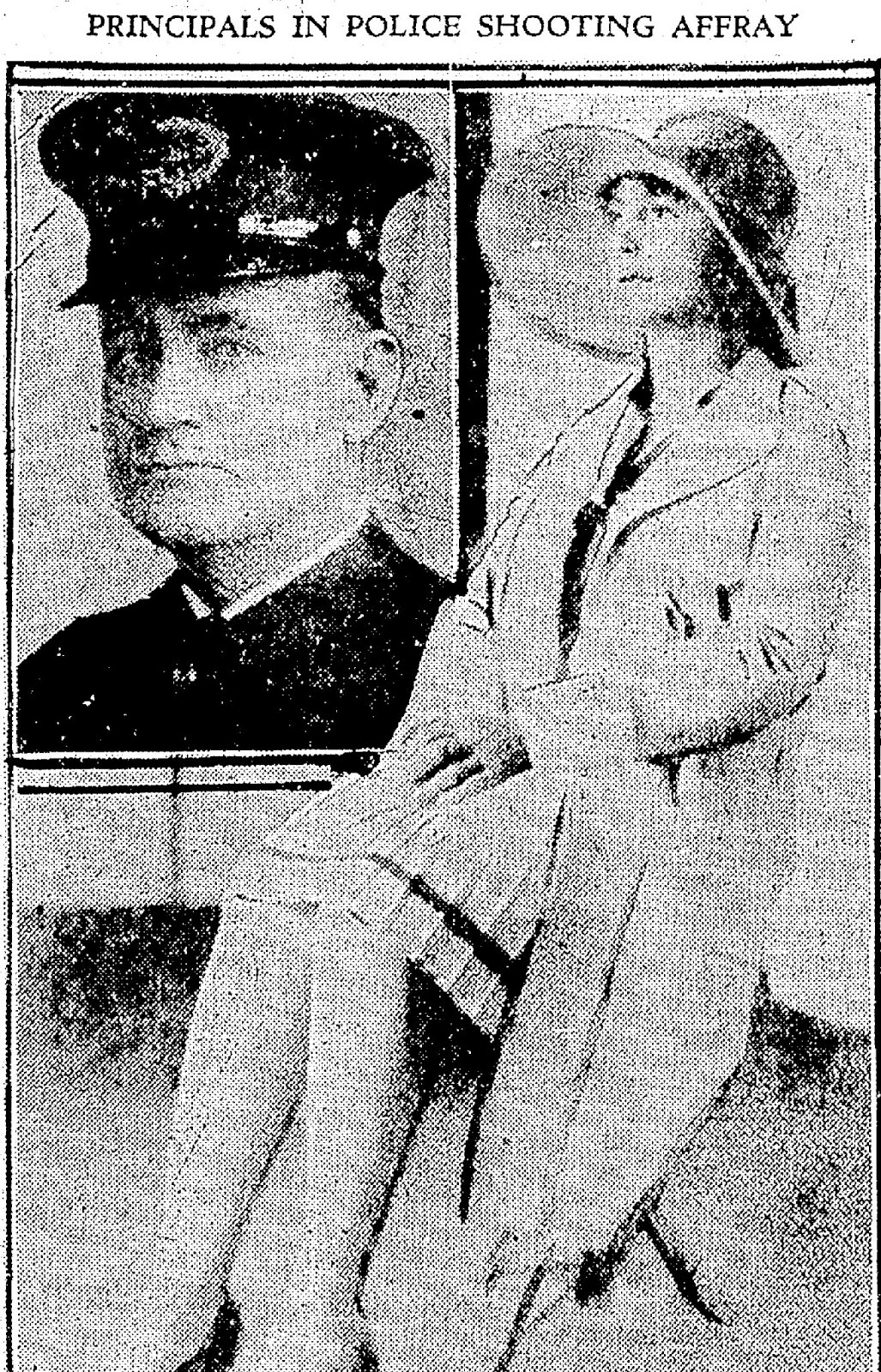 One connection that was never investigated by the Torso Murder detectives was the possibility that the murder was connected to the nefarious actions of the Portland Police Bureau.The Wisdom Light Killer
While most mentions of the 1946 discovery of a middle-age female body in the Willamette River refer to this as “the Torso murder,” Oregon State Police reports and other references in the late 1940s call the case “the Wisdom Light murder.” This is likely referring to the place where the torso was discovered—a small moorage on the Willamette River below Oregon City known at the time as Wisdom Island Moorage. Perhaps there was a light on the moorage so that the name would more closely specify the location of that grisly discovery.
None of the cases discussed above yielded any suspects in the torso murder. George Diffin, Herbert Troy Dennis, Alton Coffey, Willis Baker, Tony Panko—none of these were pursued far enough to become suspects. Other names did come up in the investigation as potential suspects: Donald A. Benson, Richard Purnell, Russell Frederick Purnell, Carl Christian Roth alias Carl James Parnell, James Louis Purcell.
Yet no one was ever apprehended as an actual suspect in the case and the Wisdom Light killer has faded into the darkness of the long forgotten and elusive past. But if the torso was indeed Anna Schrader, then we know who killed her and why those individuals were never pursued. -- JB Fisher.
While it is not possible to say with certainty that Anna Schrader was the victim of the Torso Murder, there is compelling circumstantial evidence to support that conclusion. The evidence is laid out in my 2016 book Murder and Scandal in Prohibition Portland. We will be exploring that evidence and the case in a special KOIN TV event on Facebook on March 1st at 7pm. Please join us. content (c) jd chandler


August 24, 2016
No Time to Learn
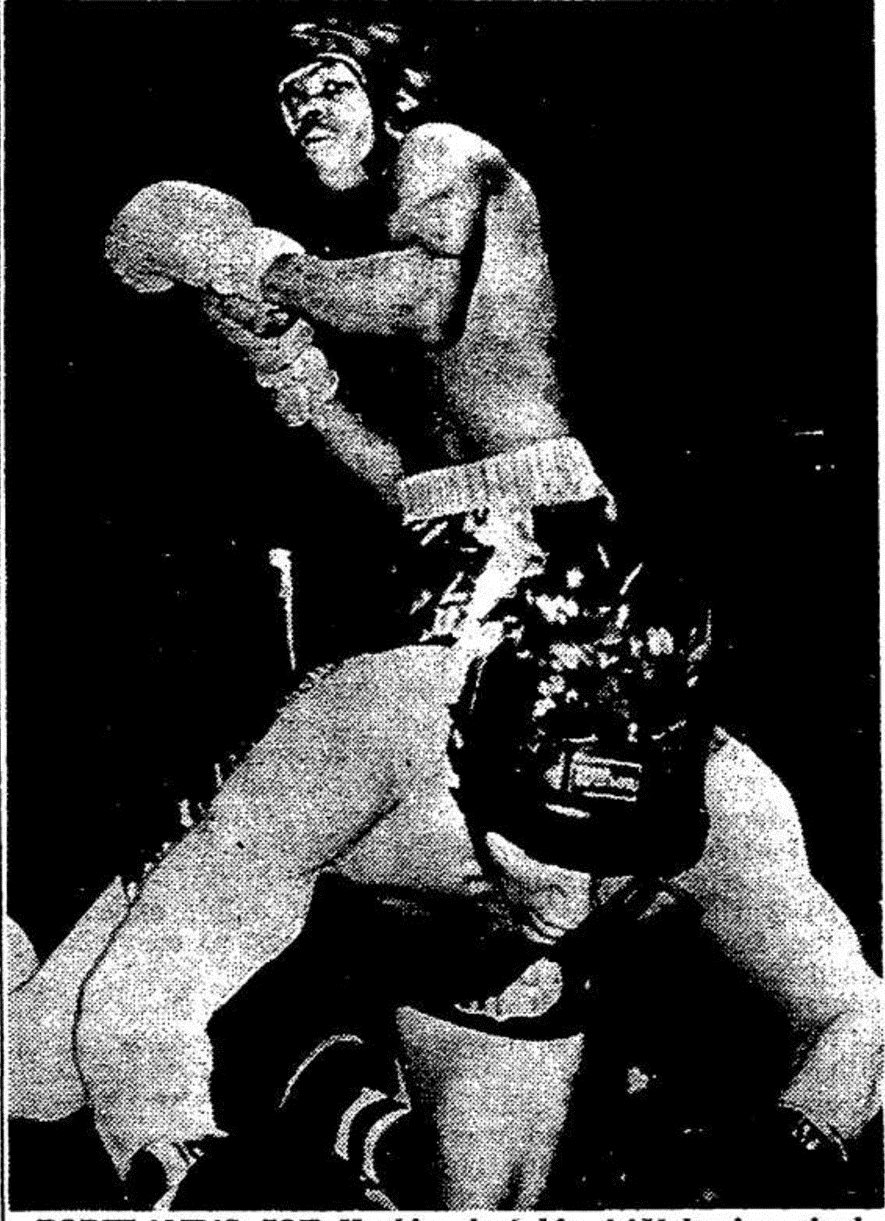 Joe Hopkins won the National Golden Gloves Middleweight Championship in 1963 when he was 17. His pro career was short-lived and the injury-prone boxer was banned by the Portland Boxing Commission in 1973 to prevent further injury. Something happened to Joe Hopkins. The young boxer, who had been a Golden Gloves champion as a teenager, described by Portland fight promoter, Sam Singer, as “a gentle, simple kid… [without] a mean bone in his body” was suddenly frantic. Convinced that his neighbors had stolen a litter of kittens from his front porch, on the afternoon of October 8, 1974, he began shooting a handgun at their house. A few days later the Portland Boxing Commission insisted that there was no brain damage that could explain his erratic behavior on the day he died, but he had been suspended from boxing the year before for fear of further injury. No one was ever able to explain what happened to Joe. In 1974, before police officers received training in how to deal with people in mental and emotional crisis, they were aware of the problem and they approached the troubled young man carefully. Officer William DeBellis, first on the scene, approached Hopkins on the front porch of his house and tried to talk with him. Hopkins, yelling that he would kill DeBellis if he came any closer ran into his house and slammed the door. DeBellis, and other officers who arrived quickly, kept watch on the house and soon found out that Hopkins had been in treatment at University Hospital’s North Psychiatric Unit. Three officers watched the house while waiting for help to arrive, but none of them noticed when Hopkins slipped out the back door and made his way downtown. Hopkins had been in trouble before; arrested in 1971 for frequenting a gambling house, he had been in and out of the Psychiatric Unit and was currently being supervised by the Metropolitan Public Defenders (MPD) office. From his house he went to the MPD office on SW 5th Avenue, and told them about the confrontation with the police. It is not clear whether his supervisor there knew that he was still armed, but he called the police to report that the young man was there and should be picked up. Hopkins, still very restless, left the office before the police arrived. When Officer Gene Maher arrived at the MPD office, employees pointed out Hopkins walking down the street. Maher and Officer Eugene Francis approached Hopkins, planning to take him into custody. Officer Bruce Harrington watched the three men from a nearby patrol car. Hopkins was still very agitated and he resisted when the two officers tried to arrest him. He pulled a .38 revolver from under his jacket and fired a shot, before Harrington shot him in the chest, killing him instantly. The death of the agitated young black man, the first suspect killed by Portland police since 1971, was considered an inexplicable tragedy, but it was the beginning of a series of shootings that enflamed community feeling and heightened tensions between African-American Portlanders and the police. Over time the shooting of Joe Hopkins would be seen as the impetus for a new round of community organizing that would uncover serious problems within the police bureau.
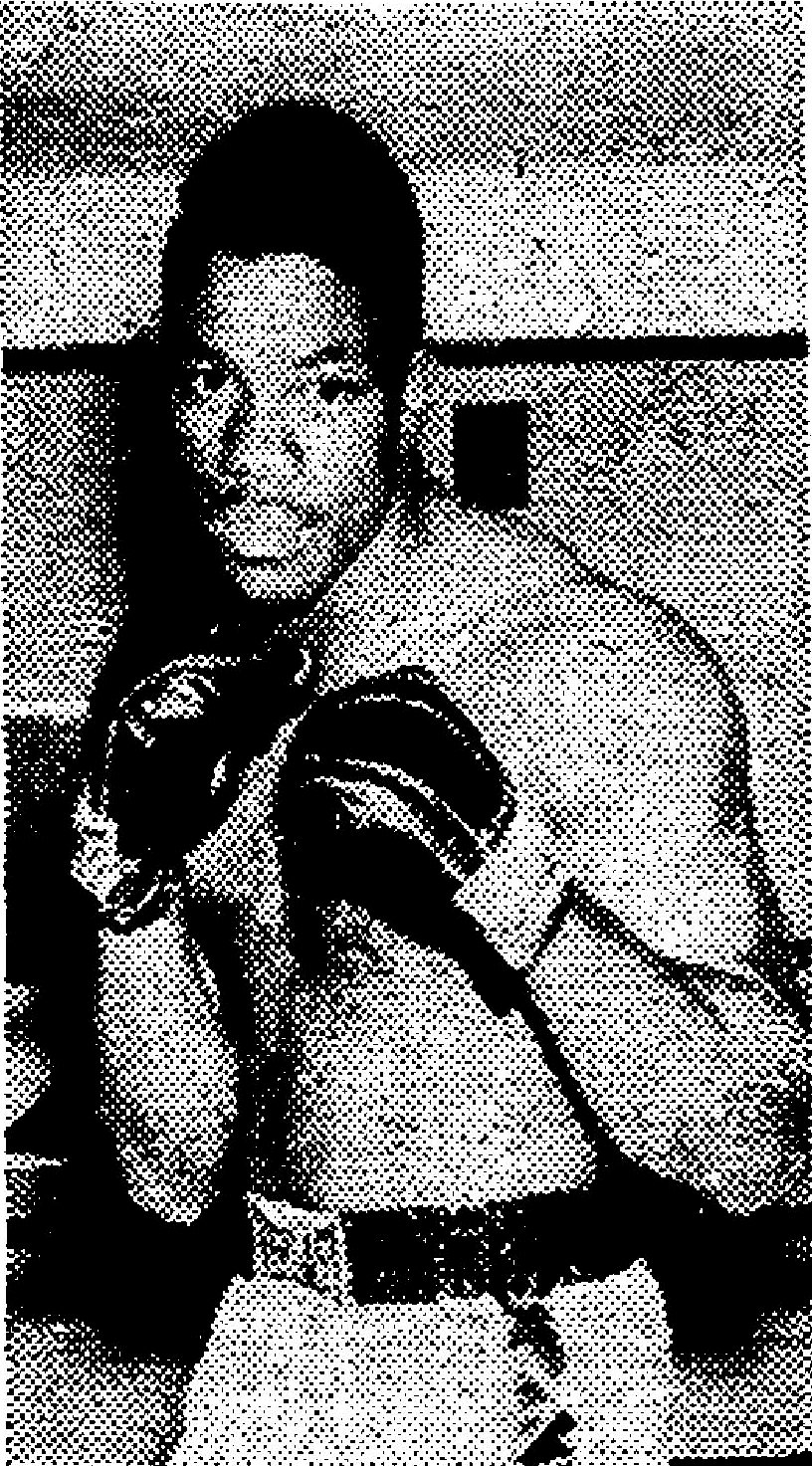 The shooting of Joe Hopkins while in a violent psychotic episode in October 1974 was seen as an inexplicable tragedy, but his death was the first in a series of events that led to a new period of community activism in Portland. In 1974 there was little oversight for police shootings. The Homicide Division conducted investigations and often they were cursory. Not since the 1945 shooting of Ervin Jones had there been major controversy or community protest over a police shooting. The shooting of Joe Hopkins was ruled justified because of his earlier violent behavior and his firing a shot while resisting arrest. Just a few weeks later though, the shooting of a second black man raised questions about how the police were being regulated. The second shooting occurred on October 27 and again it involved a young man with a police record. Kenneth “Kenny” Allen, 27, was a familiar figure on the streets of Northeast Portland. Allen, an intravenous drug user, prowled the streets looking for opportunities among the prostitutes, drug dealers and their customers; he had a long arrest record. On the night of his death two undercover police officers, John Hren, 26, and Ed May, 28, were also prowling in an unmarked car looking for prostitutes to arrest. Allen was talking with two women on the sidewalk when he saw the car with two white men pass by. He flagged the car down and asked if the men were looking for drugs. Hren told him they weren’t interested in drugs, but they were looking for women, indicating the women that Allen had been talking to. Kenny said he could take them to a brothel and climbed into the backseat of the car. Allen directed the two undercover officers to an address on N. Congress Street, but when they arrived he produced a handgun and stuck it in Hren’s left ear. He said it was a holdup and he wanted their cash. According to Hren, Allen seemed very nervous and began to pat Hren down, discovering his shoulder holster under his jacket. At that moment, Ed May, who was in the driver’s seat, pulled his weapon and fired at the man in the back seat. Both officers emptied their weapons and then jumped out of the car. Allen, who also went by the name of Kenny Nommo, was hit by six bullets which penetrated several internal organs and killed him within seconds. Hren related a dramatic tale for the Oregonian and Mayor Neal Goldschmidt praised the shooting, implying it was a good idea to shoot the “crazies with guns.” Some felt that the whole story had not been told, but a cursory investigation again ruled that the shooting was justified and there was little community outcry.
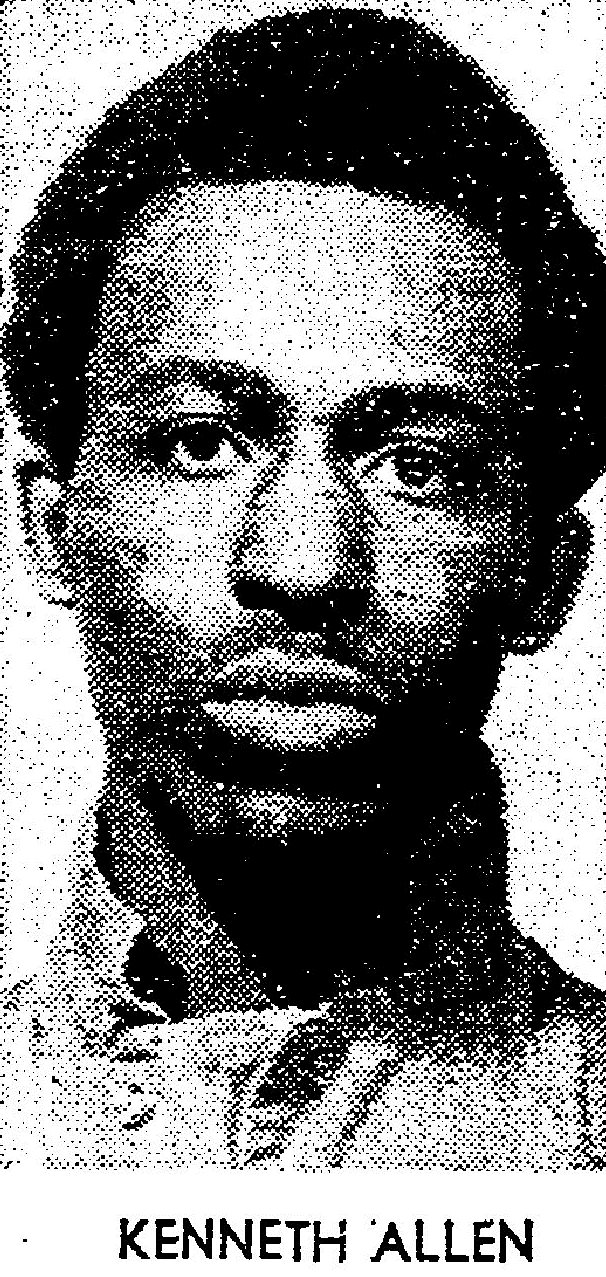 Career-criminal Kenny Allen drew little sympathy from the public when he was shot by two police officers. Mayor Neal Goldschmidt characterized him as a "crazy with a gun." Less than one month later another black man, Charles Menefee, 26, was shot to death by the police after a high speed car chase. Questions raised by the Portland chapter of the National Association for the Advancement of Colored People (NAACP) and the Albina Ministerial Alliance motivated District Attorney Harl Haas to put the case before a Multnomah County Grand Jury, which again ruled that the shooting was justified. The death of Menefee certainly seems to have been justified, but the sudden frequency of police shootings and the death of three black men at the hands of police raised community awareness and the issue of police accountability became a serious issue for organizing in Portland’s African American community. Charles Menefee had a record for burglary and was most likely up to no good as he cruised the small suburban town of Canby on the night of November 20, 1974. In Canby a black man driving around was considered suspicious in itself and soon the local police approached Menefee’s car. The young man attempted to evade the police and drove north at high speed. It must have been an exciting chase as Canby, Milwaukie, Oregon City, Clackamas County, Portland and State police joined in the pursuit on Highway 99E, up Grand Avenue, across both the Hawthorne and Steel Bridges. By the time the speeding car reached Williams Avenue in Northeast Portland, not far from Menefee’s house, there were fourteen officers involved. Menefee’s car was finally forced out of control near Sacramento Street. Menefee fired at least one shot from a rifle, wounding Portland Officer Kent Perry before dying in a hail of bullets. More than fourteen officers fired dozens of bullets in the exchange of fire and Portland Officer John Murchison was struck by a ricocheting bullet and slightly wounded.
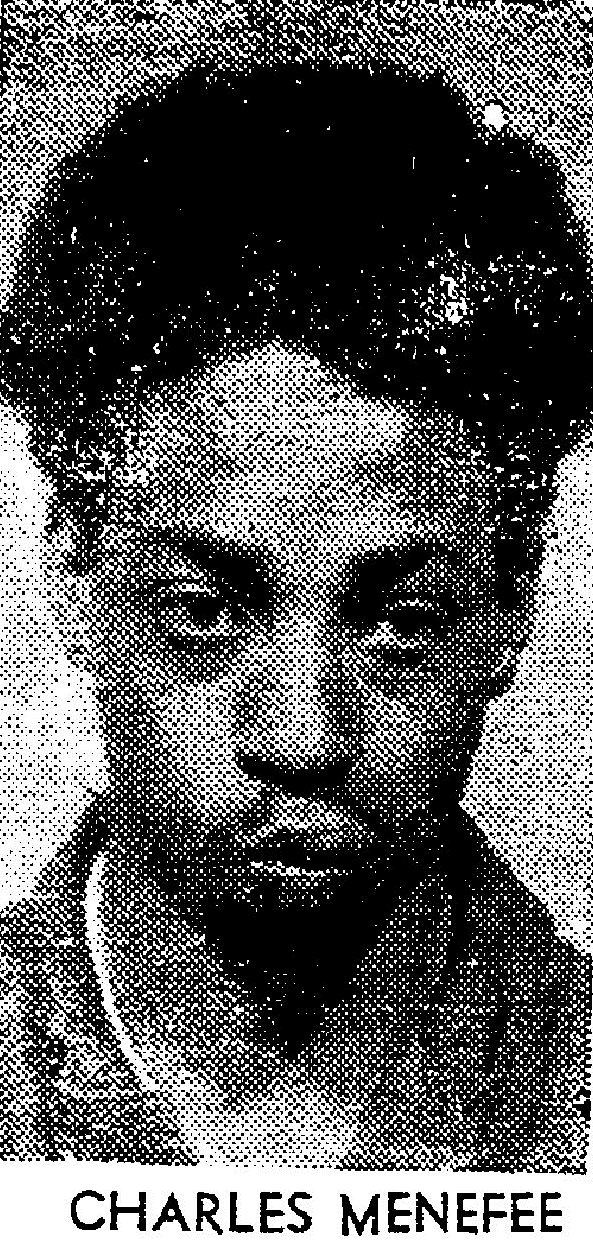 Charles Menefee was probably up to no good the night he died in November, 1974, but the overwhelming violent response to his crimes made Portland's black community nervous. Three black men dead at the hands of the police in one month created a big stir in the African American community. Besides the NAACP and the Urban League a new organization, the Black Justice Committee (BJC) was formed. Charlotte Williams, daughter of Otto Rutherford, an important leader of the NAACP, became the most visible spokesperson for the BJC and soon the host of a weekly Public TV program, Black on Black, focused on issues in the black community. Things cooled down between the police and Portland blacks, but when the next shooting occurred, in March, 1975 the BJC was well organized and vocal about their demands for police accountability. The killing of 17-year-old Rickie Johnson on March 14, 1975 by North precinct officer Ken Sanford combined with Police Chief Bruce Baker’s confrontational stone-walling attitude was the last straw. Johnson, a junior at Washington High School, had obviously fallen in with a bad crowd. His father, Oscar, warned him just weeks before his death that if the police ever caught him they would “blow his brains out.” Any parent of a teenager knows the fear that Oscar Johnson must have felt at the poor choices his son was making, but only an African American parent knows the life threatening danger presented by the police. A danger Rickie Johnson had “no time to learn” according to an Oregonianletter-to-the-editor published in the aftermath of the young man’s death. It started on March 12 when Radio Cab driver Marvin F. Zamzow was called to pick up an order of Chinese food from the Pagoda Restaurant in the Hollywood district and deliver it to a house on North Gantenbein Street. When he arrived a young black man, later identified as Homer Zachery, another Washington High School student, held the door open for the cabdriver with a box of food. Zamzow stepped into the house and Zachery closed the door behind him, guarding it with a baseball bat. Another young man, who was probably Rickie Johnson, pointed a handgun at the driver and demanded money. Zamzow handed over about twelve dollars in cash along with the box of food. The two young men were angry at the small amount of money and ordered Zamzow into a closet where they told him to wait for ten minutes. After Zamzow reported the robbery, Officer Ken Sanford went to the vacant house to investigate and familiarized himself with the layout. Two days later when Zamzow received a call to pick up food at the Pagoda and deliver it to the same house in North Portland he called Officer Sanford. Donning Zamzow’s pants and sweater, Sanford carried a box that looked like it was full of food; it actually contained his pistol which he held through a hole in the back of the box. Zachery again held the door and Rickie Johnson waited inside. Most witnesses claimed there was an unidentified third robber in the house who escaped and wasn’t pursued, but no testimony about a third person appeared after the initial report. According to both Zachery and Sanford, Rickie Johnson pointed a handgun at Sanford’s face. Zachery ran when Sanford displayed his weapon and yelled, “Police. Drop it.” Sanford said that he was “afraid for his life” when he fired two shots. One went into the wall above Johnson’s head, the second entered the back of his skull, passed through his brain and lodged in his cheek. Another officer, hiding nearby, fired a shot at Zachery, who was running through the yard. It was never determined where the third bullet landed, but Zachery surrendered.
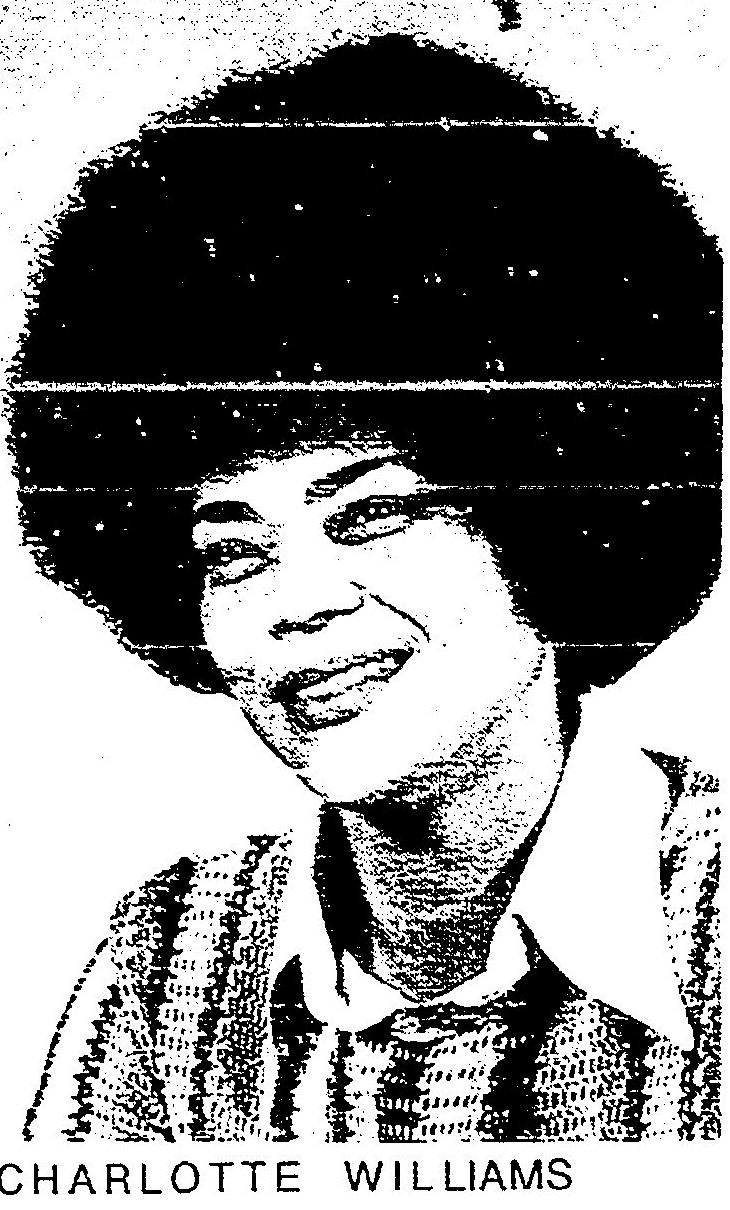 Charlotte Williams, daughter of Otto Rutherford, was a prominent activist in the PSU Black Studies Program and became the popular host of Public Broadcasting's Black on Black program. She was the most visible spokesperson for the Black Justice Committee. Community response was instant. Questions about the shooting: Why was he shot in the back of the head? Why wasn’t he given the opportunity to drop the pistol before shots were fired? Inconvenient facts: Johnson had a non-functioning, unloaded weapon; There were seven officers on the scene, most never named, and none pursued the “third suspect". A “blue wall” of resistance to any investigation; a general distrust of the Police Bureau as well as the unsympathetic government of Mayor Neal Goldschmidt; along with a simmering anger in the black community in the aftermath of two uprisings in Albina in 1967 and 1969. All these elements combined to create a legal case that would become a sort of racial Rorschach test for the city of Portland.
COMING SOON: PART TWO – Racial Rorschach Testcontent (c) jd chandler
No TIme to Learn
Joe Hopkins won the National Golden Gloves Middleweight Championship in 1963 when he was 17. His pro career was short-lived and the injury-prone boxer was banned by the Portland Boxing Commission in 1971 to prevent further injjury. Something happened to Joe Hopkins. The young boxer, who had been a Golden Gloves champion as a teenager, described by Portland fight promoter, Sam Singer, as “a gentle, simple kid… [without] a mean bone in his body” was suddenly frantic. Convinced that his neighbors had stolen a litter of kittens from his front porch, on the afternoon of October 8, 1974, he began shooting a handgun at their house. A few days later the Portland Boxing Commission insisted that there was no brain damage that could explain his erratic behavior on the day he died, but he had been suspended from boxing the year before for fear of further injury. No one was ever able to explain what happened to Joe. In 1974, before police officers received training in how to deal with people in mental and emotional crisis, they were aware of the problem and they approached the troubled young man carefully. Officer William DeBellis, first on the scene, approached Hopkins on the front porch of his house and tried to talk with him. Hopkins, yelling that he would kill DeBellis if he came any closer ran into his house and slammed the door. DeBellis, and other officers who arrived quickly, kept watch on the house and soon found out that Hopkins had been in treatment at University Hospital’s North Psychiatric Unit. Three officers watched the house while waiting for help to arrive, but none of them noticed when Hopkins slipped out the back door and made his way downtown. Hopkins had been in trouble before; arrested in 1971 for frequenting a gambling house, he had been in and out of the Psychiatric Unit and was currently being supervised by the Metropolitan Public Defenders (MPD) office. From his house he went to the MPD office on SW 5th Avenue, and told them about the confrontation with the police. It is not clear whether his supervisor there knew that he was still armed, but he called the police to report that the young man was there and should be picked up. Hopkins, still very restless, left the office before the police arrived. When Officer Gene Maher arrived at the MPD office, employees pointed out Hopkins walking down the street. Maher and Officer Eugene Francis approached Hopkins, planning to take him into custody. Officer Bruce Harrington watched the three men from a nearby patrol car. Hopkins was still very agitated and he resisted when the two officers tried to arrest him. He pulled a .38 revolver from under his jacket and fired a shot, before Harrington shot him in the chest, killing him instantly. The death of the agitated young black man, the first suspect killed by Portland police since 1971, was considered an inexplicable tragedy, but it was the beginning of a series of shootings that enflamed community feeling and heightened tensions between African-American Portlanders and the police. Over time the shooting of Joe Hopkins would be seen as the impetus for a new round of community organizing that would uncover serious problems within the police bureau.
The shooting of Joe Hopkins while in a violent psychotic episode in October 1974 was seen as an inexplicable tragedy, but his death was the first in a series of events that led to a new period of community activism in Portland. In 1974 there was little oversight for police shootings. The Homicide Division conducted investigations and often they were cursory. Not since the 1945 shooting of Ervin Jones had there been major controversy or community protest over a police shooting. The shooting of Joe Hopkins was ruled justified because of his earlier violent behavior and his firing a shot while resisting arrest. Just a few weeks later though, the shooting of a second black man raised questions about how the police were being regulated. The second shooting occurred on October 27 and again it involved a young man with a police record. Kenneth “Kenny” Allen, 27, was a familiar figure on the streets of Northeast Portland. Allen, an intravenous drug user, prowled the streets looking for opportunities among the prostitutes, drug dealers and their customers; he had a long arrest record. On the night of his death two undercover police officers, John Hren, 26, and Ed May, 28, were also prowling in an unmarked car looking for prostitutes to arrest. Allen was talking with two women on the sidewalk when he saw the car with two white men pass by. He flagged the car down and asked if the men were looking for drugs. Hren told him they weren’t interested in drugs, but they were looking for women, indicating the women that Allen had been talking to. Kenny said he could take them to a brothel and climbed into the backseat of the car. Allen directed the two undercover officers to an address on N. Congress Street, but when they arrived he produced a handgun and stuck it in Hren’s left ear. He said it was a holdup and he wanted their cash. According to Hren, Allen seemed very nervous and began to pat Hren down, discovering his shoulder holster under his jacket. At that moment, Ed May, who was in the driver’s seat, pulled his weapon and fired at the man in the back seat. Both officers emptied their weapons and then jumped out of the car. Allen, who also went by the name of Kenny Nommo, was hit by six bullets which penetrated several internal organs and killed him within seconds. Hren related a dramatic tale for the Oregonian and Mayor Neal Goldschmidt praised the shooting, implying it was a good idea to shoot the “crazies with guns.” Some felt that the whole story had not been told, but a cursory investigation again ruled that the shooting was justified and there was little community outcry.
Career-criminal Kenny Allen drew little sympathy from the public when he was shot by two police officers. Mayor Neal Goldschmidt characterized him as a "crazy with a gun." Less than one month later another black man, Charles Menefee, 26, was shot to death by the police after a high speed car chase. Questions raised by the Portland chapter of the National Association for the Advancement of Colored People (NAACP) and the Albina Ministerial Alliance motivated District Attorney Harl Haas to put the case before a Multnomah County Grand Jury, which again ruled that the shooting was justified. The death of Menefee certainly seems to have been justified, but the sudden frequency of police shootings and the death of three black men at the hands of police raised community awareness and the issue of police accountability became a serious issue for organizing in Portland’s African American community. Charles Menefee had a record for burglary and was most likely up to no good as he cruised the small suburban town of Canby on the night of November 20, 1974. In Canby a black man driving around was considered suspicious in itself and soon the local police approached Menefee’s car. The young man attempted to evade the police and drove north at high speed. It must have been an exciting chase as Canby, Milwaukie, Oregon City, Clackamas County, Portland and State police joined in the pursuit on Highway 99E, up Grand Avenue, across both the Hawthorne and Steel Bridges. By the time the speeding car reached Williams Avenue in Northeast Portland, not far from Menefee’s house, there were fourteen officers involved. Menefee’s car was finally forced out of control near Sacramento Street. Menefee fired at least one shot from a rifle, wounding Portland Officer Kent Perry before dying in a hail of bullets. More than fourteen officers fired dozens of bullets in the exchange of fire and Portland Officer John Murchison was struck by a ricocheting bullet and slightly wounded.
Charles Menefee was probably up to no good the night he died in November, 1974, but the overwhelming violent response to his crimes made Portland's black community nervous. Three black men dead at the hands of the police in one month created a big stir in the African American community. Besides the NAACP and the Urban League a new organization, the Black Justice Committee (BJC) was formed. Charlotte Williams, daughter of Otto Rutherford, an important leader of the NAACP, became the most visible spokesperson for the BJC and soon the host of a weekly Public TV program, Black on Black, focused on issues in the black community. Things cooled down between the police and Portland blacks, but when the next shooting occurred, in March, 1975 the BJC was well organized and vocal about their demands for police accountability. The killing of 17-year-old Rickie Johnson on March 14, 1975 by North precinct officer Ken Sanford combined with Police Chief Bruce Baker’s confrontational stone-walling attitude was the last straw. Johnson, a junior at Washington High School, had obviously fallen in with a bad crowd. His father, Oscar, warned him just weeks before his death that if the police ever caught him they would “blow his brains out.” Any parent of a teenager knows the fear that Oscar Johnson must have felt at the poor choices his son was making, but only an African American parent knows the life threatening danger presented by the police. A danger Rickie Johnson had “no time to learn” according to an Oregonianletter-to-the-editor published in the aftermath of the young man’s death. It started on March 12 when Radio Cab driver Marvin F. Zamzow was called to pick up an order of Chinese food from the Pagoda Restaurant in the Hollywood district and deliver it to a house on North Gantenbein Street. When he arrived a young black man, later identified as Homer Zachery, another Washington High School student, held the door open for the cabdriver with a box of food. Zamzow stepped into the house and Zachery closed the door behind him, guarding it with a baseball bat. Another young man, who was probably Rickie Johnson, pointed a handgun at the driver and demanded money. Zamzow handed over about twelve dollars in cash along with the box of food. The two young men were angry at the small amount of money and ordered Zamzow into a closet where they told him to wait for ten minutes. After Zamzow reported the robbery, Officer Ken Sanford went to the vacant house to investigate and familiarized himself with the layout. Two days later when Zamzow received a call to pick up food at the Pagoda and deliver it to the same house in North Portland he called Officer Sanford. Donning Zamzow’s pants and sweater, Sanford carried a box that looked like it was full of food; it actually contained his pistol which he held through a hole in the back of the box. Zachery again held the door and Rickie Johnson waited inside. Most witnesses claimed there was an unidentified third robber in the house who escaped and wasn’t pursued, but no testimony about a third person appeared after the initial report. According to both Zachery and Sanford, Rickie Johnson pointed a handgun at Sanford’s face. Zachery ran when Sanford displayed his weapon and yelled, “Police. Drop it.” Sanford said that he was “afraid for his life” when he fired two shots. One went into the wall above Johnson’s head, the second entered the back of his skull, passed through his brain and lodged in his cheek. Another officer, hiding nearby, fired a shot at Zachery, who was running through the yard. It was never determined where the third bullet landed, but Zachery surrendered.
Charlotte Williams, daughter of Otto Rutherford, was a prominent activist in the PSU Black Studies Program and became the popular host of Public Broadcasting's Black on Black program. She was the most visible spokesperson for the Black Justice Committee. Community response was instant. Questions about the shooting: Why was he shot in the back of the head? Why wasn’t he given the opportunity to drop the pistol before shots were fired? Inconvenient facts: Johnson had a non-functioning, unloaded weapon; There were seven officers on the scene, most never named, and none pursued the “third suspect. A “blue wall” of resistance to any investigation; a general distrust of the Police Bureau as well as the unsympathetic government of Mayor Neal Goldschmidt; along with a simmering anger in the black community in the aftermath of two uprisings in Albina in 1967 and 1969. All these elements combined to create a legal case that would become a sort of racial Rorschach test for the city of Portland.COMING SOON: PART TWO – Racial Rorschach Testcontent (c) jd chandler
May 30, 2016
In Time You Will Understand
Jans Hassing, known as William, wanted his wife dead. William married his young bride, Edith Hedman a hotel maid from Astoria, in Denver, just a few months after she quit her job and came to Portland looking for a husband. The two of them settled in San Francisco at first, but their marriage was not a happy one. In March, 1909, just a few months after they were married Edith Hassing disappeared for several days. William was intensely worried about her disappearance, claiming that he feared she had been abducted. He didn’t tell the police about the violent confrontation the night before she disappeared. That night, possibly when she announced that she was pregnant, William threw a knife at her, missing her by just a few inches. She had run for her life and taken refuge with neighbors. Edith claimed that she was suffering from memory loss and kept the secret of her pregnancy and her husband’s violence. It was not the last time that violence in the Hassing home would make the papers.
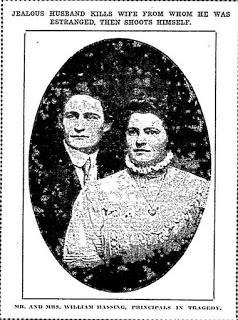 William and Edith Hassing were only married for about two years, but they had a great deal of drama and violence between them. Photo from Multnomah County Library Historical Oregonian Archive. A few months later the family moved back to Oregon, settling in Milwaukie, where their son, Jans Hassing Jr. was born. Instead of pacifying the home, the baby became an object of contention. Hassing and his wife fought over the baby, and other things, constantly and the fights often became violent. In October, after an argument, William chased Edith out of the house, threatening her life. She took a streetcar to Portland where her brother worked as a janitor in an upper class apartment building. Returning the next morning Edith found that her husband had left for his job as an electrician at the phone company, leaving the baby alone on the floor of the apartment with soiled diapers. William, who was never a dependable employee, soon lost his job and abducted his son, taking him to Denver. Edith, charging desertion, filed for a divorce and begged the court to give her back her son. In Denver William’s plans were frustrated when his sisters refused to take in the infant boy and insisted that he return the child to its mother. He returned to Portland, dejected and discouraged and his plans went into high gear. Edith, now living with her brother and his family in southwest Portland, was happy to have little Jans back and she set about making a life for herself and her son. She started working as a waitress in several downtown restaurants and finally landed a job as a maid at the high-tone Alexandra Court apartments. Meanwhile, William, whose behavior was becoming more and more erratic, had a difficult time finding a new position. He begged Edith to come back to the little house he had built for her in Milwaukie, but she refused. He made several attempts to win her back, but when Edith’s heart failed to soften he threatened her life. Hauling her enraged husband into court, Edith begged Judge George Tazwell to protect her from his violence. Tazwell, who served as police court and municipal judge for many years, was a man who often let his personal prejudices and self-interest influence his work on the bench. In this case Tazwell was influenced by his prejudice against women and also by the fact that there was no formal law against making death threats. It might not be fair to blame Tazwell for the prejudice against women, because the Multnomah County and municipal courts were systematically designed to give men advantage over women. Women’s testimony, especially in domestic violence cases was usually discounted; without a witness to corroborate her story, Edith Hassing had no case against her husband. William was released on the promise that he would not attempt to carry out his threats; a promise he never intended to keep. William Hassing was released from jail on November 11 and he began a campaign of harassment against Edith and her brother, Emil Hedman, often lurking in front of the Keeler Apartments on SW 14th avenue where they lived. Hassing had been planning to kill his wife for some time. Two high profile murder cases in Portland that summer had featured the Unwritten Law and temporary insanity as defense strategies and Hassing was very interested in both cases, especially the murder of Grace Lambert. At that time “the unwritten law” ostensibly gave a husband the right to kill his wife or her lover in case of adultery. It had been used as a legal defense for murder many times, often with the added defense of “temporary insanity.” In the murder trial of Harvey Lambert for killing his wife, Grace, although the unwritten law was not a successful defense, insanity was. William Hassing attended several days of Lambert’s trial in the days leading up to Thanksgiving. At one point Hassing told another spectator that Lambert “would get off” because of insanity. Some thought that he got the idea to plead insanity from watching Lambert. It is difficult to say how long William Hassing had planned to kill his wife. His violent behavior had been escalating for the entire two years of their marriage, but it is clear that he made a specific plan in November. He even went so far as to write a note to his infant son, telling him that he was going to “end everything” and that the baby should keep his note until he was grown and then he would understand. On Thanksgiving Day, November 24, 1910, Hassing checked to make sure his pistol was loaded and then walked to the corner of SW 14th and Columbia, across the street from the Keeler Apartments and waited for Edith to return from work.
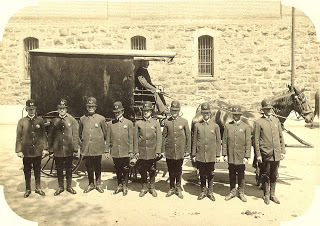 In 1910 the Police Bureau had no automobiles available to them. For an emergency such as the shooting on Thanksgiving, 1910 the horse drawn patrol wagon responded along with a horse-drawn ambulance. Photo courtesy of Portland Police Historical Society. About 9:30 pm Edith Hassing showed up, walking toward the Keeler Apartments where she lived. The weather was mild that evening and there were several people on the street who saw William Hassing step out of the shadows and approach his wife. He walked up behind her, drawing a handgun, and without warning fired a bullet into the back of her head. As she fell to the sidewalk Hassing bent over her and fired a second bullet into her head. After firing the second bullet Hassing looked around and realized that there were too many people on the street for him to get away. He raised the pistol and fired a bullet into his cheek and fell to the sidewalk. Two doctors, brothers Roy and E.D. McDaniel, were on the street nearby and rushed to the scene of the shooting. Someone phoned for the police and for an ambulance. Dr. Roy McDaniel knelt next to the badly wounded Edith Hassing and did what he could for her. His brother attended to William who was bleeding badly from a wound in his face. William told the doctor that he was glad he had shot his wife. He also said that he had planned the shooting for several days. A horse-drawn ambulance soon arrived and Hassing was loaded aboard and rushed to St. Vincent’s Hospital. His unconscious, dying wife was left lying on the sidewalk until the police patrol wagon arrived. It took more than thirty minutes to get the fatally injured woman to the hospital; she died a few minutes after arriving in the emergency room. Meanwhile, William’s superficial wound was treated and he was taken to the county jail. The shooting was the end for Edith Hassing, but it was just the beginning of a long case that would be extremely controversial every step of the way. It started with a protest by the Portland Women’s Club. A few days after the shooting the Women’s Club issued a scathing report criticizing Judge Tazwell for releasing Hassing without bail and the “discrimination in favor of the murderer” they saw in the transportation of the victim. “To all right minded people it would seem as though the murderous criminal properly belonged in the patrol wagon and that the poor, dying woman should have been conveyed to the hospital in the most gentle and considerate manner possible,” the report said. Police Chief Arthur Cox swept the report under the rug, saying that the Hassing case only proved that the Police Bureau needed automobiles.
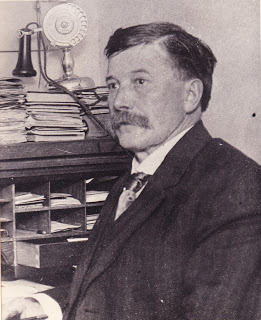 Police Chief Arthur Cox received a great deal of criticism for the way the Hassing shooting was handled. He swept the criticism under the rug, claiming it just proved that the Bureau needed automobiles. Photo courtesy of Portland Police Historical Society. Hassing remained in the County Jail for most of a year while standing trial. His defense was that he had been driven insane by jealousy and that he had suffered an “irresistible impulse” to kill making him insane at the time of the shooting. Hassing was a popular prisoner at the County Jail, being elected as “judge” of the Kangaroo Court that governed the prisoners in their cells. He was so popular that several of his fellow prisoners testified at his trial about his “insane actions” while in jail. Dozens of witnesses testified at his trial, defense witnesses claiming that he displayed insanity regularly; witnesses for the prosecution testified that he was shamming. Since the only “insane acts” in evidence were refusing to shave, occasional ranting and refusal to make eye contact in court, there was not a strong case for insanity. Three of Hassing’s sisters testified to the fact that nearly everyone in their family back in Denmark was insane, but it failed to sway the jury. Hassing claimed that he was insanely jealous of his pretty young wife, but no evidence was ever presented to show that he had reason to be jealous of her. The jury found Hassing guilty of murder in the first degree and early in April, 1911 he was sentenced to hang. The controversy didn’t end with a death sentence. Hassing appealed his conviction, but in October the Oregon Supreme Court ruled that the conviction should stand. On November 16, 1911, almost one year after the murder Hassing was sentenced to hang once more. Timing was everything in the Hassing case. Less than one week after the resentencing, Governor Oswald West announced a moratorium on all executions in the state, commuted the sentences of all unexecuted prisoners to life in prison and called for a referendum on the death penalty. It took until 1914 to bring the question to the ballot and Oregonians voted against the death penalty. William Hassing’s life was saved. He was transferred to the Oregon State Prison for a life sentence, but he wouldn’t stay long. In August, 1917, just a few months after the U.S. entered the Great War, Hassing escaped from prison. A posse searched for him for several months, but the last sight of him was in Nevada before he disappeared for good.
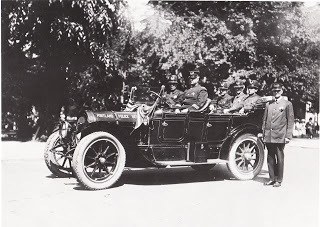 By the end of 1911 the Police Bureau had acquired its first automobile. This 1911 Pope-Talbot touring car began to operate in January 1912. Photo courtesy of Portland Police Historical Society.
Jans Hassing Jr., made an orphan by his father’s actions, was given into the care of friends of his mother. They changed his name to John Prouty Burntrager and tried to give him a normal upbringing. The young man, who served in the Coast Guard in his twenties, grew up without knowing of the tragedy that had orphaned him.Thanks for reading. If you found this post interesting or valuable please consider supporting my work with a contribution as small as $1. History isn't free. Support your local historian.content (c) jd chandler
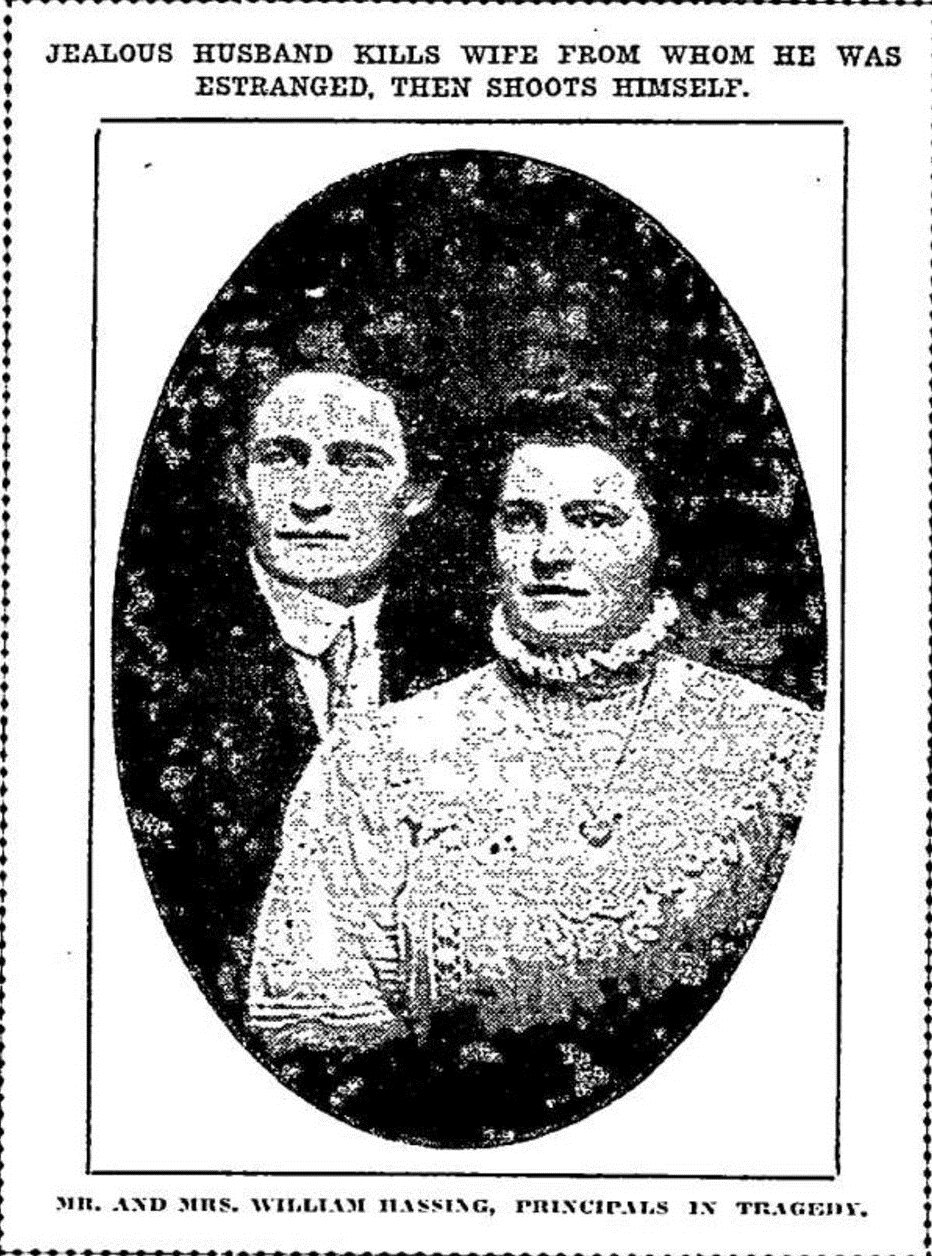 William and Edith Hassing were only married for about two years, but they had a great deal of drama and violence between them. Photo from Multnomah County Library Historical Oregonian Archive. A few months later the family moved back to Oregon, settling in Milwaukie, where their son, Jans Hassing Jr. was born. Instead of pacifying the home, the baby became an object of contention. Hassing and his wife fought over the baby, and other things, constantly and the fights often became violent. In October, after an argument, William chased Edith out of the house, threatening her life. She took a streetcar to Portland where her brother worked as a janitor in an upper class apartment building. Returning the next morning Edith found that her husband had left for his job as an electrician at the phone company, leaving the baby alone on the floor of the apartment with soiled diapers. William, who was never a dependable employee, soon lost his job and abducted his son, taking him to Denver. Edith, charging desertion, filed for a divorce and begged the court to give her back her son. In Denver William’s plans were frustrated when his sisters refused to take in the infant boy and insisted that he return the child to its mother. He returned to Portland, dejected and discouraged and his plans went into high gear. Edith, now living with her brother and his family in southwest Portland, was happy to have little Jans back and she set about making a life for herself and her son. She started working as a waitress in several downtown restaurants and finally landed a job as a maid at the high-tone Alexandra Court apartments. Meanwhile, William, whose behavior was becoming more and more erratic, had a difficult time finding a new position. He begged Edith to come back to the little house he had built for her in Milwaukie, but she refused. He made several attempts to win her back, but when Edith’s heart failed to soften he threatened her life. Hauling her enraged husband into court, Edith begged Judge George Tazwell to protect her from his violence. Tazwell, who served as police court and municipal judge for many years, was a man who often let his personal prejudices and self-interest influence his work on the bench. In this case Tazwell was influenced by his prejudice against women and also by the fact that there was no formal law against making death threats. It might not be fair to blame Tazwell for the prejudice against women, because the Multnomah County and municipal courts were systematically designed to give men advantage over women. Women’s testimony, especially in domestic violence cases was usually discounted; without a witness to corroborate her story, Edith Hassing had no case against her husband. William was released on the promise that he would not attempt to carry out his threats; a promise he never intended to keep. William Hassing was released from jail on November 11 and he began a campaign of harassment against Edith and her brother, Emil Hedman, often lurking in front of the Keeler Apartments on SW 14th avenue where they lived. Hassing had been planning to kill his wife for some time. Two high profile murder cases in Portland that summer had featured the Unwritten Law and temporary insanity as defense strategies and Hassing was very interested in both cases, especially the murder of Grace Lambert. At that time “the unwritten law” ostensibly gave a husband the right to kill his wife or her lover in case of adultery. It had been used as a legal defense for murder many times, often with the added defense of “temporary insanity.” In the murder trial of Harvey Lambert for killing his wife, Grace, although the unwritten law was not a successful defense, insanity was. William Hassing attended several days of Lambert’s trial in the days leading up to Thanksgiving. At one point Hassing told another spectator that Lambert “would get off” because of insanity. Some thought that he got the idea to plead insanity from watching Lambert. It is difficult to say how long William Hassing had planned to kill his wife. His violent behavior had been escalating for the entire two years of their marriage, but it is clear that he made a specific plan in November. He even went so far as to write a note to his infant son, telling him that he was going to “end everything” and that the baby should keep his note until he was grown and then he would understand. On Thanksgiving Day, November 24, 1910, Hassing checked to make sure his pistol was loaded and then walked to the corner of SW 14th and Columbia, across the street from the Keeler Apartments and waited for Edith to return from work.
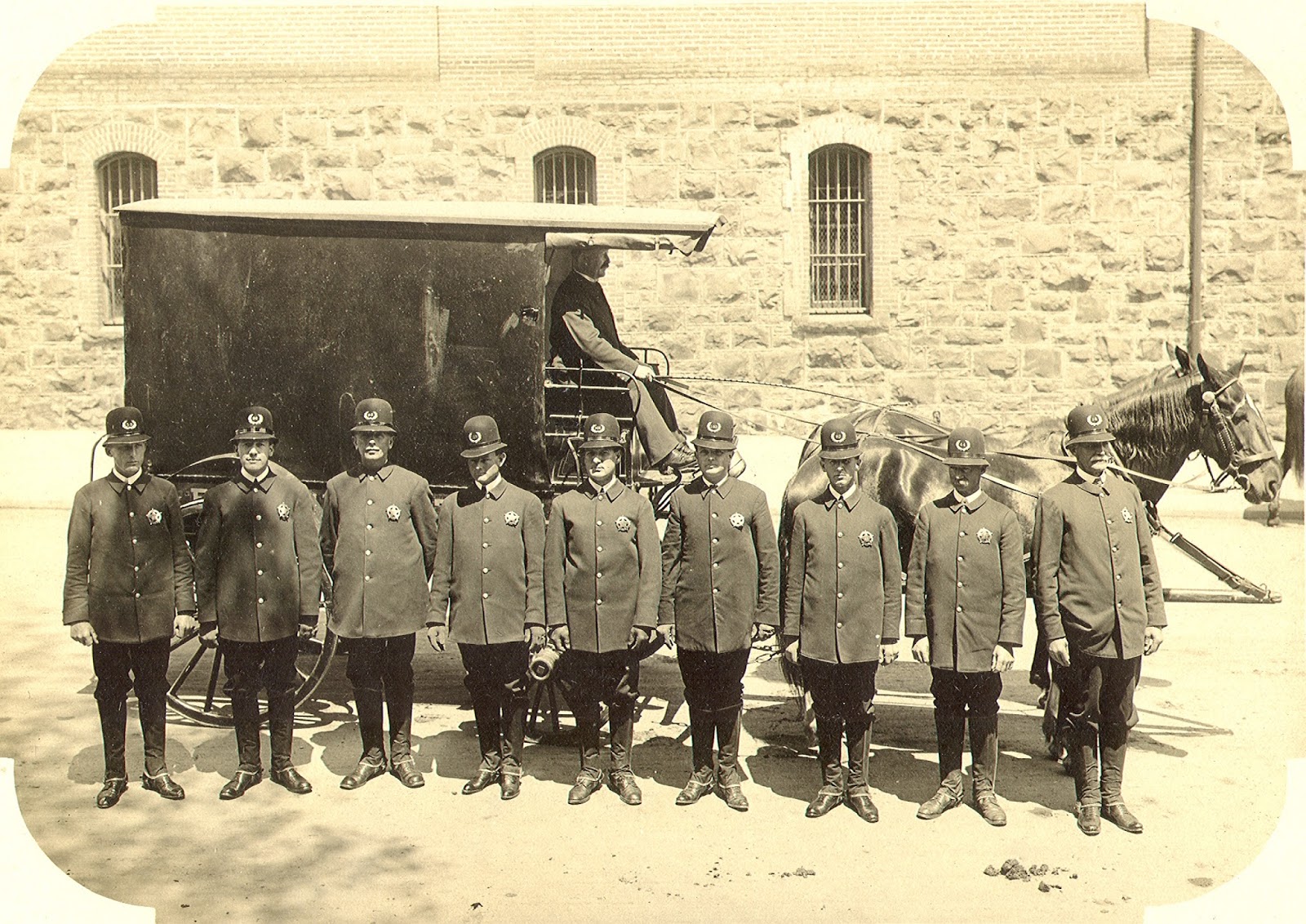 In 1910 the Police Bureau had no automobiles available to them. For an emergency such as the shooting on Thanksgiving, 1910 the horse drawn patrol wagon responded along with a horse-drawn ambulance. Photo courtesy of Portland Police Historical Society. About 9:30 pm Edith Hassing showed up, walking toward the Keeler Apartments where she lived. The weather was mild that evening and there were several people on the street who saw William Hassing step out of the shadows and approach his wife. He walked up behind her, drawing a handgun, and without warning fired a bullet into the back of her head. As she fell to the sidewalk Hassing bent over her and fired a second bullet into her head. After firing the second bullet Hassing looked around and realized that there were too many people on the street for him to get away. He raised the pistol and fired a bullet into his cheek and fell to the sidewalk. Two doctors, brothers Roy and E.D. McDaniel, were on the street nearby and rushed to the scene of the shooting. Someone phoned for the police and for an ambulance. Dr. Roy McDaniel knelt next to the badly wounded Edith Hassing and did what he could for her. His brother attended to William who was bleeding badly from a wound in his face. William told the doctor that he was glad he had shot his wife. He also said that he had planned the shooting for several days. A horse-drawn ambulance soon arrived and Hassing was loaded aboard and rushed to St. Vincent’s Hospital. His unconscious, dying wife was left lying on the sidewalk until the police patrol wagon arrived. It took more than thirty minutes to get the fatally injured woman to the hospital; she died a few minutes after arriving in the emergency room. Meanwhile, William’s superficial wound was treated and he was taken to the county jail. The shooting was the end for Edith Hassing, but it was just the beginning of a long case that would be extremely controversial every step of the way. It started with a protest by the Portland Women’s Club. A few days after the shooting the Women’s Club issued a scathing report criticizing Judge Tazwell for releasing Hassing without bail and the “discrimination in favor of the murderer” they saw in the transportation of the victim. “To all right minded people it would seem as though the murderous criminal properly belonged in the patrol wagon and that the poor, dying woman should have been conveyed to the hospital in the most gentle and considerate manner possible,” the report said. Police Chief Arthur Cox swept the report under the rug, saying that the Hassing case only proved that the Police Bureau needed automobiles.
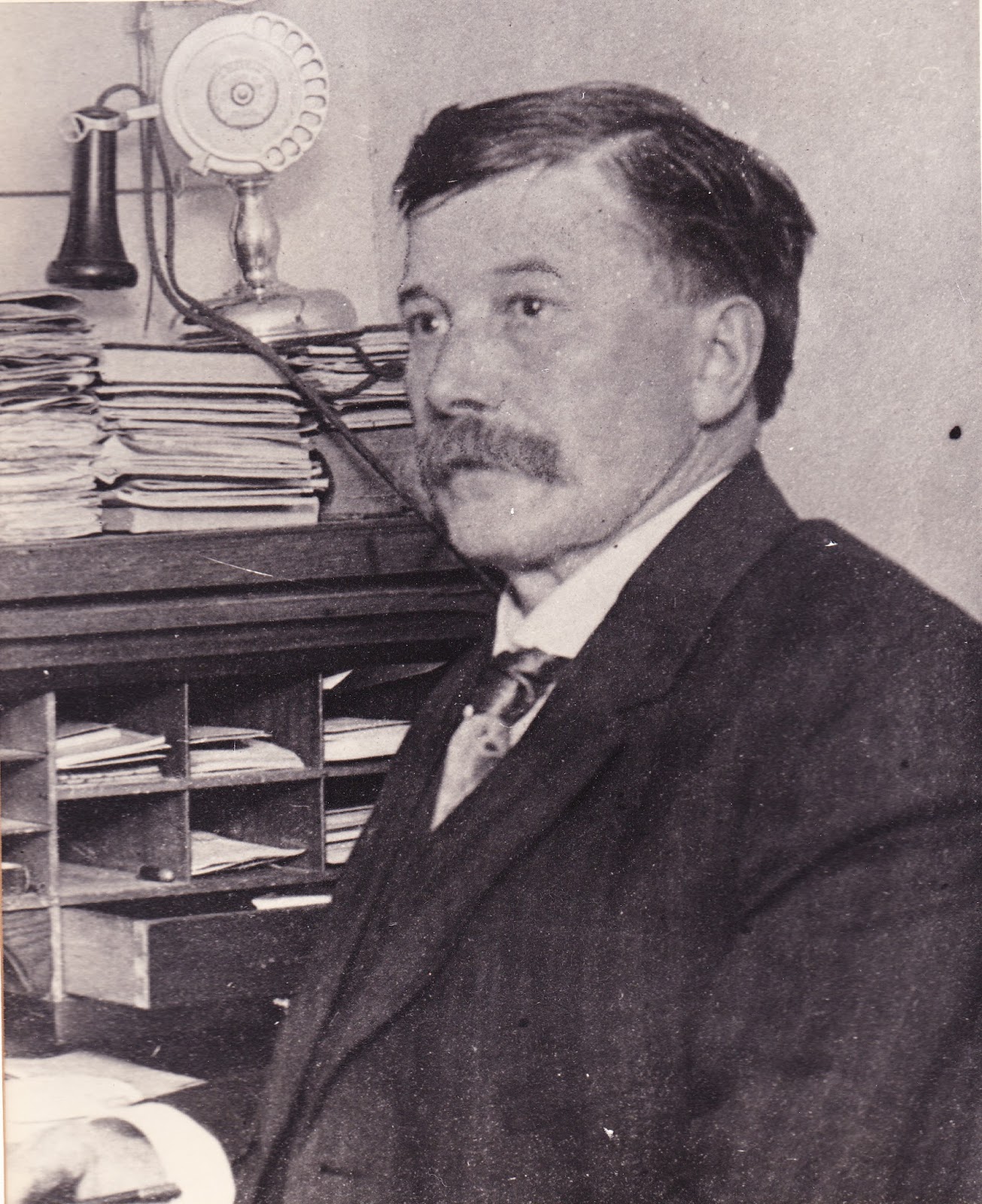 Police Chief Arthur Cox received a great deal of criticism for the way the Hassing shooting was handled. He swept the criticism under the rug, claiming it just proved that the Bureau needed automobiles. Photo courtesy of Portland Police Historical Society. Hassing remained in the County Jail for most of a year while standing trial. His defense was that he had been driven insane by jealousy and that he had suffered an “irresistible impulse” to kill making him insane at the time of the shooting. Hassing was a popular prisoner at the County Jail, being elected as “judge” of the Kangaroo Court that governed the prisoners in their cells. He was so popular that several of his fellow prisoners testified at his trial about his “insane actions” while in jail. Dozens of witnesses testified at his trial, defense witnesses claiming that he displayed insanity regularly; witnesses for the prosecution testified that he was shamming. Since the only “insane acts” in evidence were refusing to shave, occasional ranting and refusal to make eye contact in court, there was not a strong case for insanity. Three of Hassing’s sisters testified to the fact that nearly everyone in their family back in Denmark was insane, but it failed to sway the jury. Hassing claimed that he was insanely jealous of his pretty young wife, but no evidence was ever presented to show that he had reason to be jealous of her. The jury found Hassing guilty of murder in the first degree and early in April, 1911 he was sentenced to hang. The controversy didn’t end with a death sentence. Hassing appealed his conviction, but in October the Oregon Supreme Court ruled that the conviction should stand. On November 16, 1911, almost one year after the murder Hassing was sentenced to hang once more. Timing was everything in the Hassing case. Less than one week after the resentencing, Governor Oswald West announced a moratorium on all executions in the state, commuted the sentences of all unexecuted prisoners to life in prison and called for a referendum on the death penalty. It took until 1914 to bring the question to the ballot and Oregonians voted against the death penalty. William Hassing’s life was saved. He was transferred to the Oregon State Prison for a life sentence, but he wouldn’t stay long. In August, 1917, just a few months after the U.S. entered the Great War, Hassing escaped from prison. A posse searched for him for several months, but the last sight of him was in Nevada before he disappeared for good.
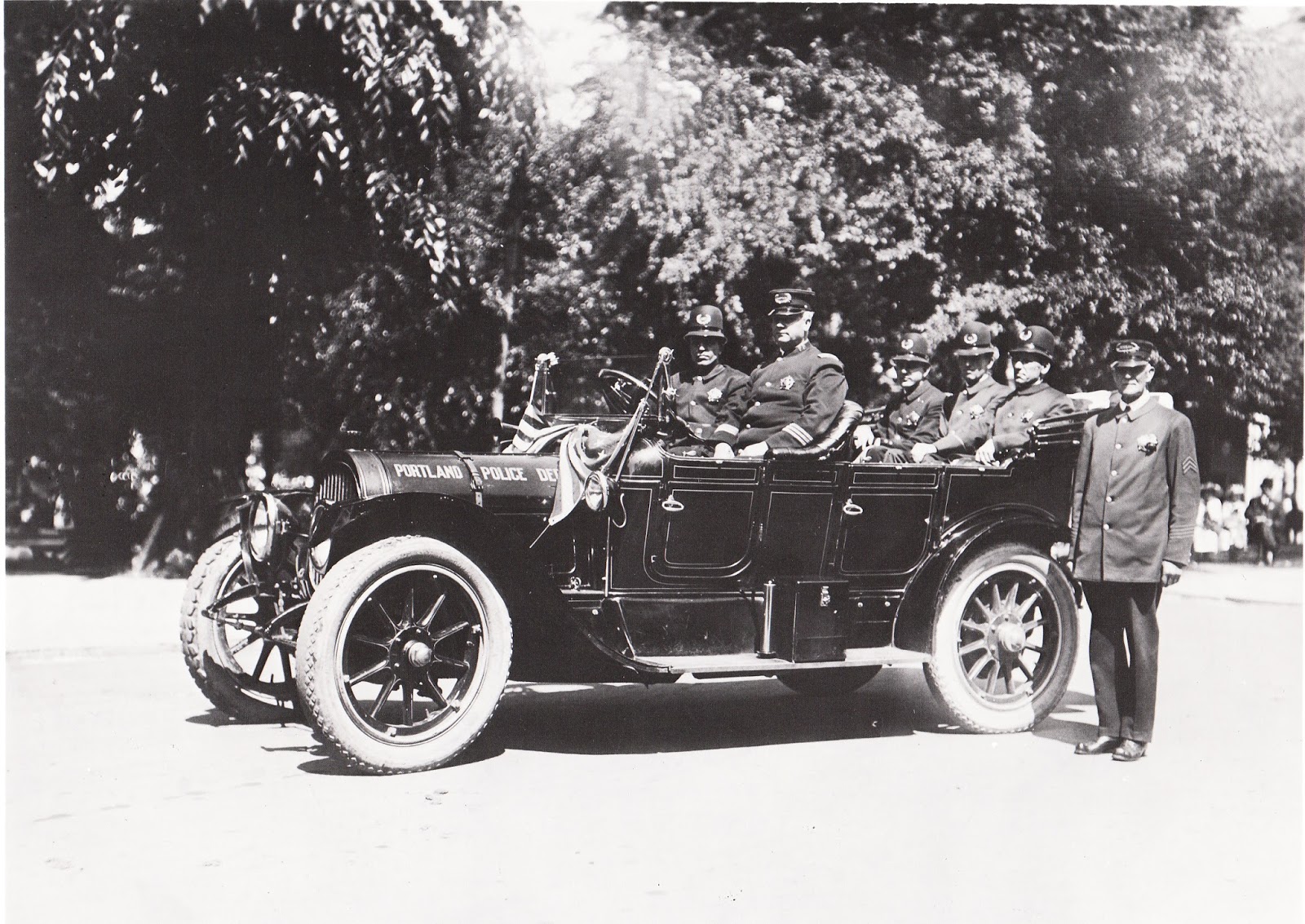 By the end of 1911 the Police Bureau had acquired its first automobile. This 1911 Pope-Talbot touring car began to operate in January 1912. Photo courtesy of Portland Police Historical Society.
Jans Hassing Jr., made an orphan by his father’s actions, was given into the care of friends of his mother. They changed his name to John Prouty Burntrager and tried to give him a normal upbringing. The young man, who served in the Coast Guard in his twenties, grew up without knowing of the tragedy that had orphaned him.Thanks for reading. If you found this post interesting or valuable please consider supporting my work with a contribution as small as $1. History isn't free. Support your local historian.content (c) jd chandler
April 21, 2016
Joy Ride
I'm happy to announce that JB Fisher (my co-author of Portland on the Take) and I are working on a new project together. It will be a look at the impact of the automobile on Portland especially in terms of taxicabs and the Traffic Division of the Police Bureau. Here is a post about a fatal auto accident that made the city start taking traffic laws seriously for the first time. Hope you like it.
It was shortly before midnight on Saturday September 18, 1909 when a Cadillac touring car pulled up at the corner of Northwest Ninth and Everett to pick up a party of young women. The Cadillac belonged to William M. Ladd, the wealthy son of the late banker, real estate developer and city founder William S. Ladd. At the wheel was Harry Holland, Ladd’s nineteen-year-old chauffeur and John Robertson, 24, a car washer from Covey Garage and self-described “professional joy rider.” The party of young women included 29-year-old Dolly Ferrara-Martini, the ex-wife of a prominent attorney, and three young factory worker sisters recently arrived in Portland from Minnesota: Anna, Eva and Rosa Meyer.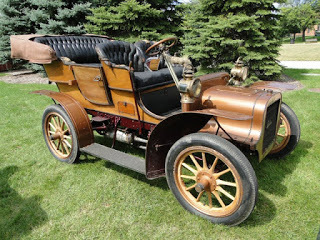 The 1908 Touring car was the largest model Cadillac had built up to that time and had no safety features. Picture courtesy of Passion For the Past Blog Rosa and Eva, both still teenagers, said they were too tired to “go for a ride,” but their older sister’s friend, Dolly, was insistent. Dolly, who was divorced from her husband, Albert B. Ferrara, five years before when her affair with another man became public, had been living a “fast life” for some time. She convinced the three young women that a fast ride in the cool early morning air would be exhilarating. The four women climbed into the Cadillac’s tonneau (rumble seat) and Harry Holland drove across the Burnside Bridge and headed east on the Baseline Road (Stark Street). The younger girls didn’t know it, but Dolly had planned the drive with John Robertson and their destination was Fred Merill’s Twelve Mile House on the road to Gresham. Fred T. Merrill, the Northwest Bicycle King, sportsman, cinema impresario and City Council member had withdrawn outside Portland city limits after his failed campaign for mayor in 1905. He bought a horse ranch twelve miles from Portland on the Baseline Road and opened Portland’s first road house in 1906. By 1909 Twelve Mile House was a popular destination for “joy riders,” people who were out for a good time with their automobiles. The first Portland Auto Show, which had been held in March, increased the number of cars in Portland to over 3,000 and by that summer it seemed like everyone was enjoying “pleasure excursions” or joy rides. Being outside the city limits allowed Merrill to skirt liquor control laws and keep his business open long after city drinking establishments had to close. Merrill also consistently broke the laws against selling liquor on Sunday and serving alcohol to minors. At a time when the Portland police and the Multnomah County sheriff had no automobiles the long trip to Twelve Mile House, combined with Merrill’s connections among the city’s powerful, protected him from law enforcement. It was well after midnight when Dolly Ferrara and her party saw the lights of Twelve Mile House. As she had planned, Dolly suggested they stop for “something hot to drink.” After the long brisk ride everyone agreed and Holland pulled the Cadillac into the roadhouse’s busy parking lot. The witnesses’ stories varied, but Rosa Meyer probably told the truth when she said that she and her sister Anna had beer and Eva ordered lemonade. Dolly and the two men ordered hot whiskey toddies and drank several of them as the party danced and enjoyed themselves until nearly three a.m. According to all three Meyer sisters, Dolly and both of the men were visibly drunk as they walked out to the car. Dolly insisted on driving and Robertson told Holland to sit in the back. “Dolly and I will do the driving,” he said.
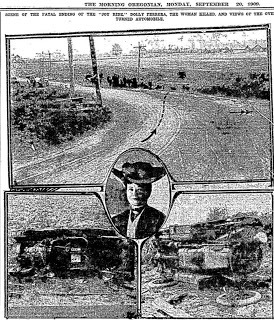 The accident that killed Dolly Ferrara, coming at the end of a summer notable for traffic fatalities, gained a lot of publicity and turned the public against the roadhouses. According to the Meyer girls Richardson was doing the driving, but Ferrara had her hands on the wheel and was doing some of the steering from the passenger seat as the Cadillac headed east on the Gresham Road. Richardson insisted that the car was going no more than twenty-five miles per hour, the legal speed limit, as they approached a stretch of the road that came to be known as “the loop of death.” At the bottom of a hill the road took a sharp turn to the left as it approached a gravel quarry. The sisters said that Richardson was not as good a driver, or as confidant in his driving, as Harry Holland who was passed out in the tonneau with them. Dolly Ferrara may have grabbed the steering wheel as the Cadillac sped down the hill, but whatever happened the car didn’t make the turn. The 1908 Cadillac Touring Car was the first large model that the two-year-old car company produced, and it included all of the latest technical advances in its design. In the pre-product liability age Cadillac, like all car makers, gave no thought at all to safety. Not only were there no seatbelts, there was not even a top to keep the passengers inside the car. One of the most dangerous features of cars in this era were the open-flame headlights, which very often ignited a vehicle even in a minor collision. The car carrying Dolly Ferrara didn’t have a minor collision. It flew off the road into the gravel quarry and overturned as it landed. Most of the people in the car were thrown clear of the wreck before it landed and escaped with only minor bruises, but Dolly Ferrara somehow got her feet tangled in the steering wheel and Anna Meyer stayed in the tonneau as the Cadillac crashed. Anna suffered a concussion and had to be extricated from under the car before it burst into flames, but she was not seriously injured. Dolly Ferrara on the other hand took the full force of the car as it rolled over her body. Her spine was broken in several places and it was clear that she was mortally injured as Holland pulled her from under the burning car. John Robertson, suffering from shock as well as drunkenness, staggered around the burning car. He eventually stumbled into a sand pit, where he had to be rescued when help finally arrived. Holland kept his cool and after rescuing the two women under the car managed, with the help of Eva and Rose, to get the fire extinguished before he ran to the Twelve Mile House for help. It took about twenty minutes for the first group of roadhouse customers to arrive at the accident scene and it was more than an hour before the sheriff and some deputies arrived. Dolly Ferrara only survived about fifteen minutes before she died. It was the sixteenth major traffic accident since June and the seventh fatality. The accident that killed Dolly Ferrara occurred the same week that Hazel Maddux and Frank Rodman were indicted in the death of May Real in an earlier fatal accident involving revelers at Larry Sullivan’s roadhouse, the Claremont Tavern, on the Linnton Road. Two fatal accidents involving drivers who had been drinking at roadhouses within thirty days, just added to public sentiment against automobiles and their drivers that had seriously started with the death of 7-year-old Walter Reffling, who was run down as he stood on the sidewalk downtown on June 29, 1909. Up until September the Portland Auto Club (PAC) had been responsible for enforcing traffic laws. Auto Club members on the “speed committee” had the authority to arrest drivers exceeding the state imposed speed limit of 25 mph outside city limits and 8 mph within city limits. The Club also investigated accidents and had the power to revoke driver’s license for drivers found to be unsafe. Auto Club members preferred to reason with law violators and there were very few arrests or license revocations. They were also volunteers and spent little time looking for moving violations, only intervening when they happened to witness them.
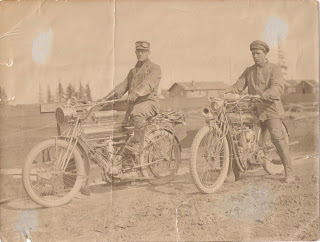 Merle Sims (right) became the first Portland motorcycle officer when he volunteered to use his own motorcycle. That all changed on September 1, 1909, when PAC president E. Henry Wemme declared “war to the end…against reckless automobile drivers and speed maniacs.” Wemme pointed out that automobile owners were still a very small minority and if public sentiment turned against them they could see restrictive laws passed that would keep cars off the streets. Claiming that ninety-five percent of automobile owners were responsible with the “highest regard for public welfare” and that cities such as Los Angeles and San Francisco had more than ten times the traffic problems that Portland had, Wemme committed the Auto Club to work hard to stop reckless driving, “because it is in our interests to do so.” With that in mind he announced the appointment of six reliable Auto Club members as “special police officers” who would receive pay for patrolling for traffic violations and who would “not hesitate to make an arrest.” He also announced that the Auto Club was raising funds to pay the salaries of two regular police officers and equip them with motorcycles so they could chase and arrest speeders. The new Police Chief, Arthur Cox, was glad for the support of the Auto Club and he pushed a bill through the City Council that made the registered owner of a vehicle legally liable for accidents it was involved in, regardless of who was driving. Just a couple of weeks later Dolly Ferrara was killed in a harrowing accident. The city’s wrath turned against the roadhouse owners, most of whom were openly criminal. Merrill, who was much more law abiding than most Portland businessmen, was charged with several crimes including selling alcohol to minors, a charge that could put him in jail for a year. Holland and Richardson both faced auto theft charges, until W.M. Ladd finally decided not to press charges and Richardson faced a manslaughter charge. Merrill, who not only owned the city’s first auto dealership, but also a successful chain of movie theaters was not convicted. He agreed not to renew his liquor license and devoted his time to raising horses and promoting sporting events. Richardson was cleared of the manslaughter charge, because most of the witnesses agreed that Ferrara had grabbed the wheel just before the car went off the road. It is difficult to track what became of John Richardson, but there is evidence that he served as part of Mayor Baker’s secret police in the 1920s. Harry Holland joined the Police Bureau sometime before the Great War, but in 1917 he was implicated in a series of burglaries and was cashiered from the police force before serving time in the Oregon State Prison.
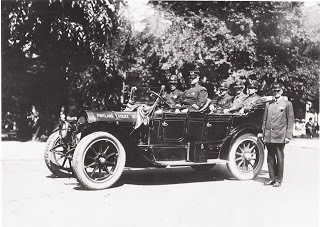 In 1911 the Police Bureau acquired its first automobile. It was used mainly to transport investigators to crime scenes, rather than as a patrol vehicle.
Patrolman Merle Sims, who joined the police force in February, 1909, volunteered his own motorcycle as a patrol vehicle and before the end of the year two more officers were equipped with motorcycles. The “speed squad” was inaugurated in 1910 and Portland finally had a force that was dedicated to catching traffic violators. The next year the Police Bureau acquired a Pope-Hartford touring car and the automobile patrol began, although the car was used to transport officers to crime scenes far more often than it was used on patrol. The traffic fatalities of the summer of 1909 had forced the city to respond to the growing impact of cars on the city. The Police Bureau and the City of Portland would never be the same.
Future posts here and on Weird Portland will continue to chronicle the impact of cars on various aspects of Portland culture as we research and write the new book. I hope you will stay tuned. It takes a lot of work and effort to produce this stuff and it pays very little. That's why I rely on the support of my readers. Remember history isn't free. Support your local historian. content (c) jd chandler
It was shortly before midnight on Saturday September 18, 1909 when a Cadillac touring car pulled up at the corner of Northwest Ninth and Everett to pick up a party of young women. The Cadillac belonged to William M. Ladd, the wealthy son of the late banker, real estate developer and city founder William S. Ladd. At the wheel was Harry Holland, Ladd’s nineteen-year-old chauffeur and John Robertson, 24, a car washer from Covey Garage and self-described “professional joy rider.” The party of young women included 29-year-old Dolly Ferrara-Martini, the ex-wife of a prominent attorney, and three young factory worker sisters recently arrived in Portland from Minnesota: Anna, Eva and Rosa Meyer.
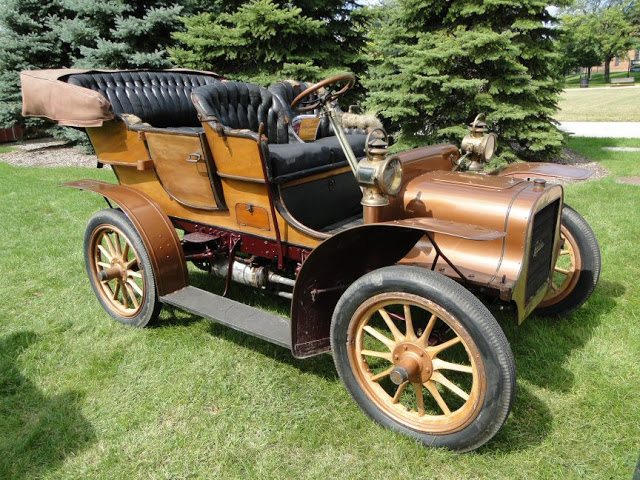 The 1908 Touring car was the largest model Cadillac had built up to that time and had no safety features. Picture courtesy of Passion For the Past Blog Rosa and Eva, both still teenagers, said they were too tired to “go for a ride,” but their older sister’s friend, Dolly, was insistent. Dolly, who was divorced from her husband, Albert B. Ferrara, five years before when her affair with another man became public, had been living a “fast life” for some time. She convinced the three young women that a fast ride in the cool early morning air would be exhilarating. The four women climbed into the Cadillac’s tonneau (rumble seat) and Harry Holland drove across the Burnside Bridge and headed east on the Baseline Road (Stark Street). The younger girls didn’t know it, but Dolly had planned the drive with John Robertson and their destination was Fred Merill’s Twelve Mile House on the road to Gresham. Fred T. Merrill, the Northwest Bicycle King, sportsman, cinema impresario and City Council member had withdrawn outside Portland city limits after his failed campaign for mayor in 1905. He bought a horse ranch twelve miles from Portland on the Baseline Road and opened Portland’s first road house in 1906. By 1909 Twelve Mile House was a popular destination for “joy riders,” people who were out for a good time with their automobiles. The first Portland Auto Show, which had been held in March, increased the number of cars in Portland to over 3,000 and by that summer it seemed like everyone was enjoying “pleasure excursions” or joy rides. Being outside the city limits allowed Merrill to skirt liquor control laws and keep his business open long after city drinking establishments had to close. Merrill also consistently broke the laws against selling liquor on Sunday and serving alcohol to minors. At a time when the Portland police and the Multnomah County sheriff had no automobiles the long trip to Twelve Mile House, combined with Merrill’s connections among the city’s powerful, protected him from law enforcement. It was well after midnight when Dolly Ferrara and her party saw the lights of Twelve Mile House. As she had planned, Dolly suggested they stop for “something hot to drink.” After the long brisk ride everyone agreed and Holland pulled the Cadillac into the roadhouse’s busy parking lot. The witnesses’ stories varied, but Rosa Meyer probably told the truth when she said that she and her sister Anna had beer and Eva ordered lemonade. Dolly and the two men ordered hot whiskey toddies and drank several of them as the party danced and enjoyed themselves until nearly three a.m. According to all three Meyer sisters, Dolly and both of the men were visibly drunk as they walked out to the car. Dolly insisted on driving and Robertson told Holland to sit in the back. “Dolly and I will do the driving,” he said.
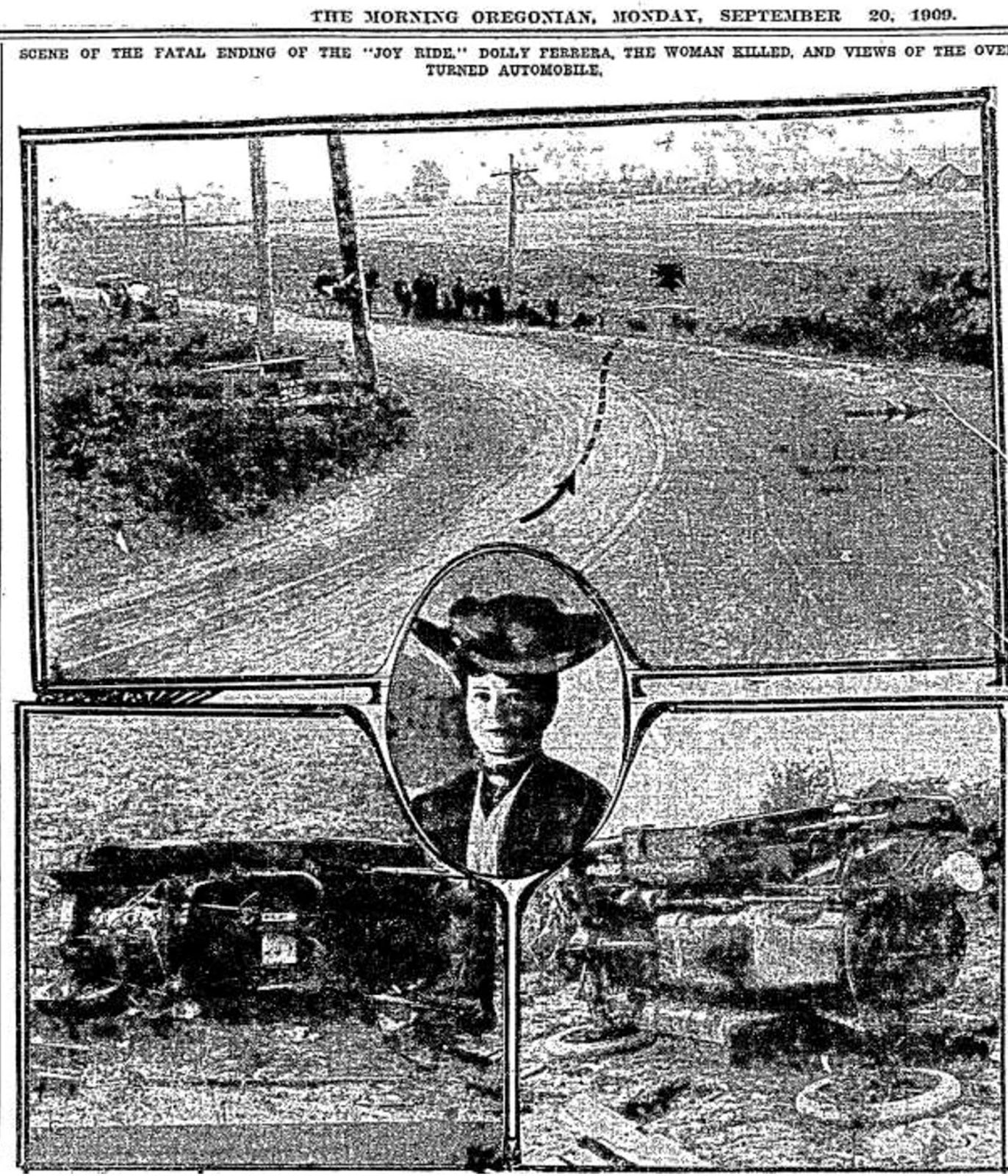 The accident that killed Dolly Ferrara, coming at the end of a summer notable for traffic fatalities, gained a lot of publicity and turned the public against the roadhouses. According to the Meyer girls Richardson was doing the driving, but Ferrara had her hands on the wheel and was doing some of the steering from the passenger seat as the Cadillac headed east on the Gresham Road. Richardson insisted that the car was going no more than twenty-five miles per hour, the legal speed limit, as they approached a stretch of the road that came to be known as “the loop of death.” At the bottom of a hill the road took a sharp turn to the left as it approached a gravel quarry. The sisters said that Richardson was not as good a driver, or as confidant in his driving, as Harry Holland who was passed out in the tonneau with them. Dolly Ferrara may have grabbed the steering wheel as the Cadillac sped down the hill, but whatever happened the car didn’t make the turn. The 1908 Cadillac Touring Car was the first large model that the two-year-old car company produced, and it included all of the latest technical advances in its design. In the pre-product liability age Cadillac, like all car makers, gave no thought at all to safety. Not only were there no seatbelts, there was not even a top to keep the passengers inside the car. One of the most dangerous features of cars in this era were the open-flame headlights, which very often ignited a vehicle even in a minor collision. The car carrying Dolly Ferrara didn’t have a minor collision. It flew off the road into the gravel quarry and overturned as it landed. Most of the people in the car were thrown clear of the wreck before it landed and escaped with only minor bruises, but Dolly Ferrara somehow got her feet tangled in the steering wheel and Anna Meyer stayed in the tonneau as the Cadillac crashed. Anna suffered a concussion and had to be extricated from under the car before it burst into flames, but she was not seriously injured. Dolly Ferrara on the other hand took the full force of the car as it rolled over her body. Her spine was broken in several places and it was clear that she was mortally injured as Holland pulled her from under the burning car. John Robertson, suffering from shock as well as drunkenness, staggered around the burning car. He eventually stumbled into a sand pit, where he had to be rescued when help finally arrived. Holland kept his cool and after rescuing the two women under the car managed, with the help of Eva and Rose, to get the fire extinguished before he ran to the Twelve Mile House for help. It took about twenty minutes for the first group of roadhouse customers to arrive at the accident scene and it was more than an hour before the sheriff and some deputies arrived. Dolly Ferrara only survived about fifteen minutes before she died. It was the sixteenth major traffic accident since June and the seventh fatality. The accident that killed Dolly Ferrara occurred the same week that Hazel Maddux and Frank Rodman were indicted in the death of May Real in an earlier fatal accident involving revelers at Larry Sullivan’s roadhouse, the Claremont Tavern, on the Linnton Road. Two fatal accidents involving drivers who had been drinking at roadhouses within thirty days, just added to public sentiment against automobiles and their drivers that had seriously started with the death of 7-year-old Walter Reffling, who was run down as he stood on the sidewalk downtown on June 29, 1909. Up until September the Portland Auto Club (PAC) had been responsible for enforcing traffic laws. Auto Club members on the “speed committee” had the authority to arrest drivers exceeding the state imposed speed limit of 25 mph outside city limits and 8 mph within city limits. The Club also investigated accidents and had the power to revoke driver’s license for drivers found to be unsafe. Auto Club members preferred to reason with law violators and there were very few arrests or license revocations. They were also volunteers and spent little time looking for moving violations, only intervening when they happened to witness them.
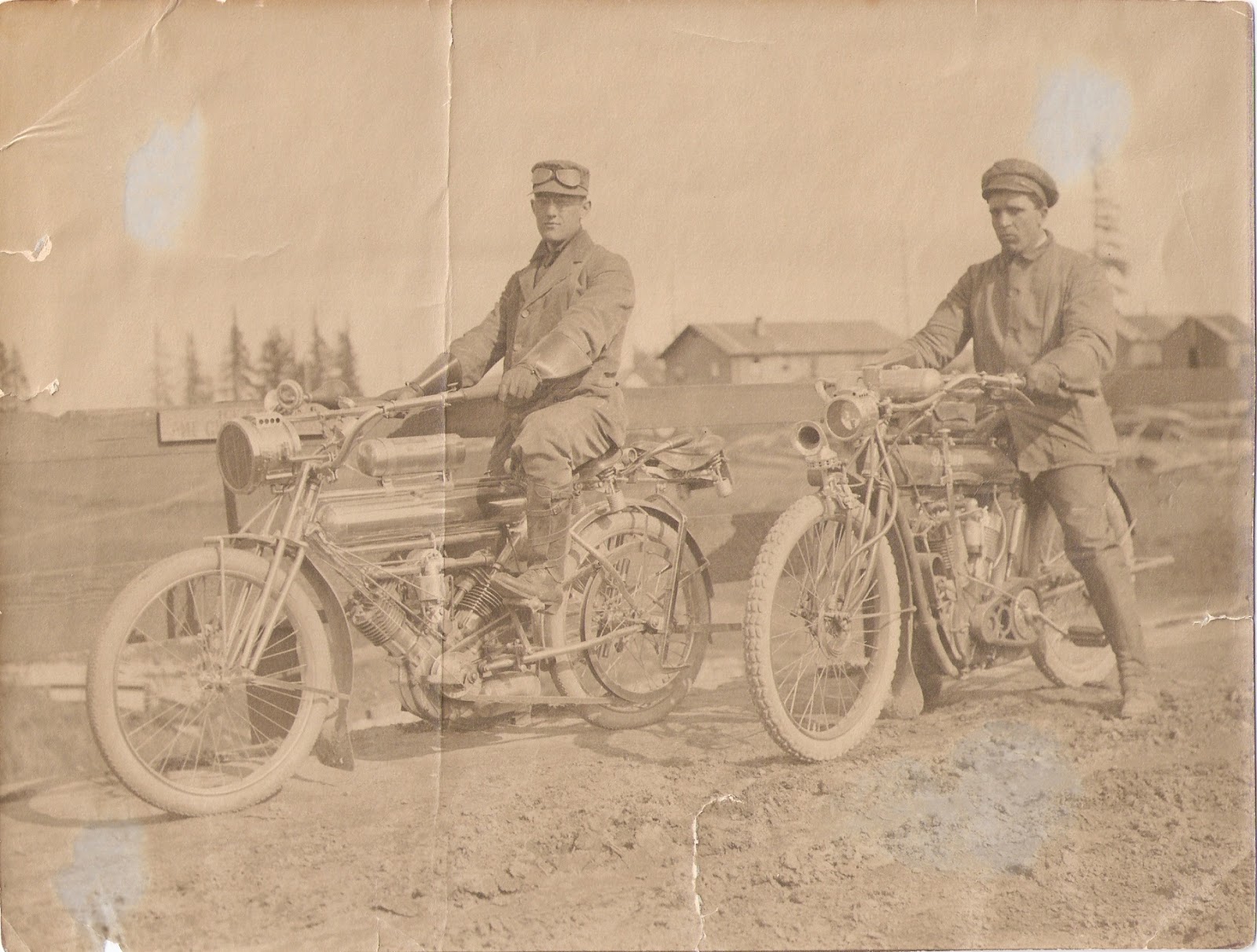 Merle Sims (right) became the first Portland motorcycle officer when he volunteered to use his own motorcycle. That all changed on September 1, 1909, when PAC president E. Henry Wemme declared “war to the end…against reckless automobile drivers and speed maniacs.” Wemme pointed out that automobile owners were still a very small minority and if public sentiment turned against them they could see restrictive laws passed that would keep cars off the streets. Claiming that ninety-five percent of automobile owners were responsible with the “highest regard for public welfare” and that cities such as Los Angeles and San Francisco had more than ten times the traffic problems that Portland had, Wemme committed the Auto Club to work hard to stop reckless driving, “because it is in our interests to do so.” With that in mind he announced the appointment of six reliable Auto Club members as “special police officers” who would receive pay for patrolling for traffic violations and who would “not hesitate to make an arrest.” He also announced that the Auto Club was raising funds to pay the salaries of two regular police officers and equip them with motorcycles so they could chase and arrest speeders. The new Police Chief, Arthur Cox, was glad for the support of the Auto Club and he pushed a bill through the City Council that made the registered owner of a vehicle legally liable for accidents it was involved in, regardless of who was driving. Just a couple of weeks later Dolly Ferrara was killed in a harrowing accident. The city’s wrath turned against the roadhouse owners, most of whom were openly criminal. Merrill, who was much more law abiding than most Portland businessmen, was charged with several crimes including selling alcohol to minors, a charge that could put him in jail for a year. Holland and Richardson both faced auto theft charges, until W.M. Ladd finally decided not to press charges and Richardson faced a manslaughter charge. Merrill, who not only owned the city’s first auto dealership, but also a successful chain of movie theaters was not convicted. He agreed not to renew his liquor license and devoted his time to raising horses and promoting sporting events. Richardson was cleared of the manslaughter charge, because most of the witnesses agreed that Ferrara had grabbed the wheel just before the car went off the road. It is difficult to track what became of John Richardson, but there is evidence that he served as part of Mayor Baker’s secret police in the 1920s. Harry Holland joined the Police Bureau sometime before the Great War, but in 1917 he was implicated in a series of burglaries and was cashiered from the police force before serving time in the Oregon State Prison.
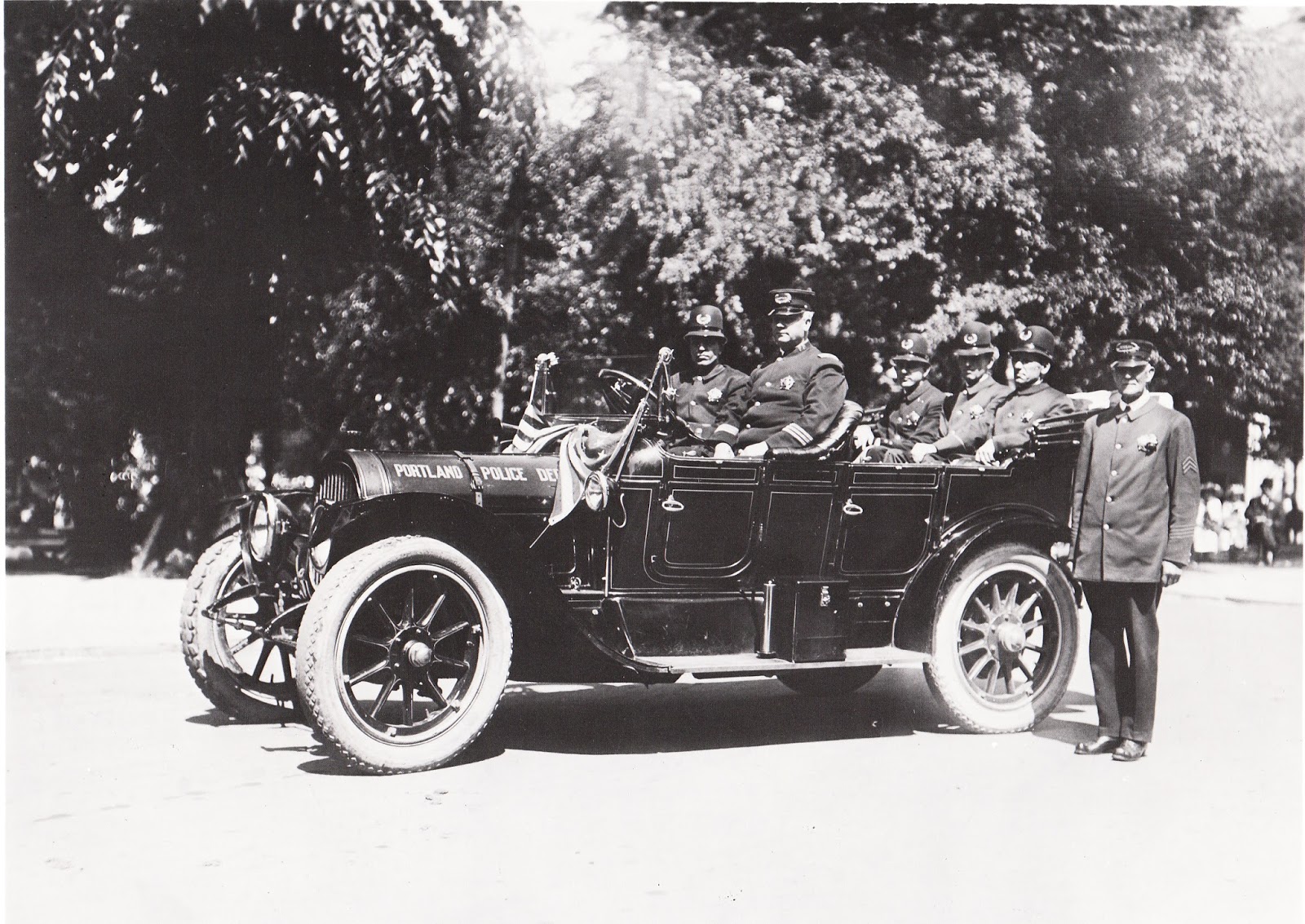 In 1911 the Police Bureau acquired its first automobile. It was used mainly to transport investigators to crime scenes, rather than as a patrol vehicle.
Patrolman Merle Sims, who joined the police force in February, 1909, volunteered his own motorcycle as a patrol vehicle and before the end of the year two more officers were equipped with motorcycles. The “speed squad” was inaugurated in 1910 and Portland finally had a force that was dedicated to catching traffic violators. The next year the Police Bureau acquired a Pope-Hartford touring car and the automobile patrol began, although the car was used to transport officers to crime scenes far more often than it was used on patrol. The traffic fatalities of the summer of 1909 had forced the city to respond to the growing impact of cars on the city. The Police Bureau and the City of Portland would never be the same.
Future posts here and on Weird Portland will continue to chronicle the impact of cars on various aspects of Portland culture as we research and write the new book. I hope you will stay tuned. It takes a lot of work and effort to produce this stuff and it pays very little. That's why I rely on the support of my readers. Remember history isn't free. Support your local historian. content (c) jd chandler
February 17, 2016
Dead Man at the Dairy
In the 1890s the rolling hills of southwest Portland between Hillsdale and Beaverton were dotted with as many as eighty small dairies started by German, Dutch and Swiss immigrants. The only one that survives was founded by Florian Cadonau in 1891 when he began delivering three-gallon cans of milk to downtown Portland with a horse-drawn wagon. In 1916 Cadonau’s son Henry and his wife, Rosina took over the business and named it Alpenrose Dairy. In 1918 the Cadonau’s purchased a used Ford touring car and converted it into a delivery truck and began home deliveries. One hundred years later the company is run by two of Florian Cadonau’s great-grandchildren and the Alpenrose Dairy is an important part of Portland’s community. Anyone who grew up here in the 50’s or 60’s remembers the Alpenrose Dairy for its Little League Baseball Stadium and Dairyville with its old-west false fronts and Clown Alley the home of Rusty Nails and his popular TV show. Almost no one remembers when they found a dead body in the incinerator at the dairy.
 Anyone who grew up in Portland in the 60s or 70s knew about Alpenrose Dairyland, but very few remember when a dead body was found in the incinerator. Early in the morning of June 30, 1980 an Alpenrose janitor discovered a bullet-riddled body smoldering in the incinerator. The decaying corpse was so badly burned that it took several days to identify it as the body of Harry Carter Foss Jr., better known as Skip Foss. He had been shot several times with a 9mm handgun and the medical examiner determined that he had been dead for a few days before his body was dumped into the gas-fired incinerator. Foss, described as “a handsome, athletic, single jet setter who had strong ambitions for wealth and success,” was popular among his neighbors on NE Laddington Court. From a wealthy family in Vermont, Foss had only lived in Portland for five years before his death, but in that short time he made a big impression on his neighbors. “He was a pretty together person,” one neighbor told Oregonian reported Denise Meyer, “He seemed to know and do a lot of different things. Definitely more things than the average person…. Sometimes it was hard to believe he’d done everything he said he’d done. But he seemed to know too much about things for his claims to be untrue.” A health nut, Skip Foss was often seen jogging in his upscale neighborhood. He was known to be involved in photography and mass media production. He speculated in real estate and other investments as well as collecting antiques and Oriental carpets. His latest hobby had been chiropractic, recently having finished a course of instruction at Western Chiropractic College (WCC). Several of his neighbors said he had discussed moving out of Portland and starting a chiropractic practice in another city. His neighbors admired him for his athletic ability, his $30,000 BMW and his active social life, but they had no idea where his money really came from. Portland homicide detectives Emil Bladow and David Simpson found out pretty quickly where Foss’s money came from. When they searched his house they found nearly six pounds of uncut cocaine, worth more than $500,000. In his safe deposit boxes, the detectives discovered more than $200,000 in American and Canadian cash. It soon became clear that Skip Foss had been dealing cocaine for the last five years. Their investigation also turned up the fact that the last time anyone had seen the victim alive was when he dropped a friend off at Lloyd Center on the afternoon of June 27th.
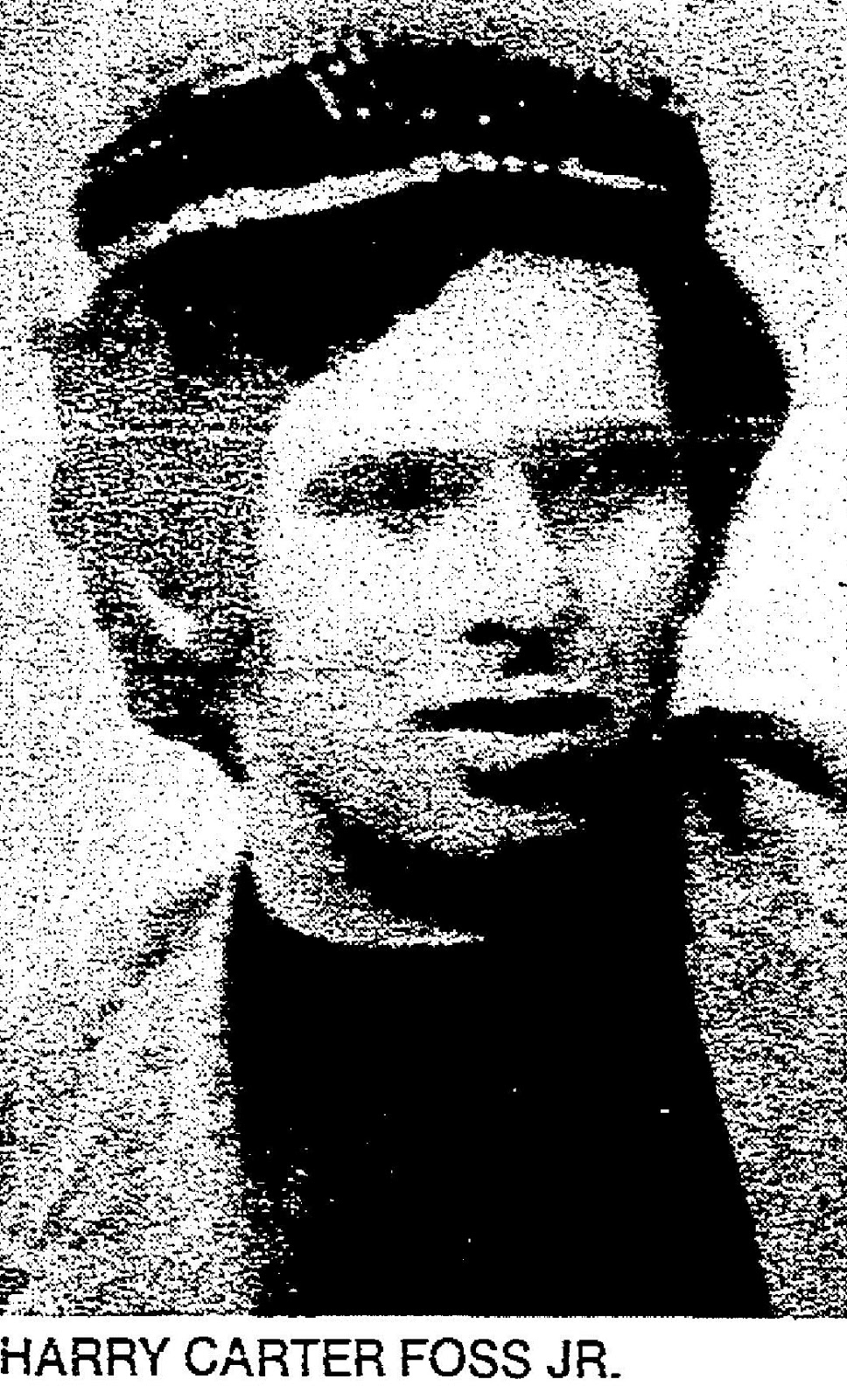 Some people thought that Skip Foss's connections with the mob were imaginary, but he would have needed all the protection he could get to set himself up as a cocaine dealer in Portland in 1975.
Foss had moved to Portland in 1975 from Vancouver, British Columbia where he had a cocaine supplier. He liked to hint that he had connections to the Mob, which in those days probably meant the Colacurcio family from Seattle who had many business interests in Portland. Some of the people Foss sold cocaine to thought his connections to organized crime were nothing but fantasy, but in the tightly controlled world of drug dealing in Portland it would have been impossible to set up as an independent drug dealer and stay in business for five years without some heavy connections. In the 1970s drug dealing in Portland was tightly contained by the Police Bureau through the Narcotics Division, so it wasn’t difficult to track Foss’s business and the people he sold to. By the beginning of September Detectives Bladow and Simpson had three low-level drug dealers in jail and a theory of the murder that traced back to a cocaine deal that occurred earlier in June. That’s when Curtis Farber, 25, another student at Western Chiropractic, purchased seven ounces of cocaine, valued at $14,000, from Foss with the promise to pay once the drugs had been sold. Farber stashed the cocaine in his car and left it in the WCC parking lot while he attended classes. Two friends of Farber’s, Mark Whitney, 23, and Kevin Freer, 19, along with a third person who was consistently mentioned, but never named stole the cocaine from Farber’s car. Whitney and Freer, both convicted felons and heavy drug users, probably thought it was a joke to convince Farber that Skip Foss had stolen the cocaine. Farber panicked when he discovered the cocaine was missing. Knowing that he would not be able to pay Foss for the cocaine delivery and fearing his mob ties, Farber discussed his problem with Whitney. Cocaine increased Farber’s paranoia and he and Whitney decided that they had to kill Foss and make his body disappear. Mark Whitney, described by Farber’s defense as a “hysterical” man who lived in a dream world and kept guns near him even when he was in the shower, agreed to kill Foss, but only for pay. Late in the afternoon of June 27, 1980 Mark Whitney and Kevin Freer were hanging out and using cocaine at Farber’s mobile home in remote Beavercreek, when Skip Foss showed up looking for Farber. Freer said that they were “pretty paranoid” when the drug dealer arrived. According to Freer, Foss was standing next to his car when Mark Whitney unloaded a clip of 9mm ammunition into his body and head. Afraid for his own life, Freer fired his own handgun “in the direction of the body without aiming.” He claimed that he wanted to be “involved” with the killing so Whitney wouldn’t kill him. In a heightened state of paranoia fueled by more cocaine, the two killers wrapped Foss’s body in a blanket and a plastic tarp. They loaded it in the trunk of their car and drove off. Freer, who pleaded guilty to conspiracy to commit murder in order to avoid the death penalty, testified against both Farber and Whitney, telling the story of the killing over and over. He and Whitney stayed high for the next two days and drove as far as Florence, on the central Oregon coast, looking for a way to make the body disappear. Finally on June 29th they returned to Portland. Discouraged they finally thought of the large incinerator at Alpenrose Dairy. After stuffing the body into the incinerator that night, they met Farber at an 82ndAvenue restaurant. Freer said that he never saw any money change hands, but he and Whitney had been broke when they arrived, but Whitney had a wad of cash after the meeting.
 Alpenrose Dairy milk deliveries were very common for a couple of generations in Portland. Although the dairy has its roots in the Swiss community that settled in SW Portland in the 1890s in 2016 it celebrates 100 years under the Alpenrose name. Curtis Farber was convicted of first degree murder and sentenced to life in prison. Mark Whitney’s defense attacked Kevin Freer, the most important witness against him, claiming that the convicted burglar and heavy drug user was unreliable and willing to say anything to save his own life. The attacks on Freer must have been enough to raise doubt in the jurors’ minds. In March, 1981 they acquitted Mark Whitney of murder. There are still a lot of questions about how and why this murder occurred. The Oregonian’s account is presented as open and shut, but the acquittal of Whitney and the unnamed third person involved in the original theft raise questions about where Foss and Farber fit into the hierarchy of drug dealing in Portland and who might have wanted the two of them out of the way.content (c) jd chandler
January 18, 2016
Nameless Et Al
It was about 11:00 pm on November 19, 1919, a little over a week after the Great War ended, that a black, or dark gray Hupmobile crossed the Interstate Bridge from Vancouver, WA to Portland. The large convertible with the top up and side curtains buttoned pulled off the road just south of the bridge and a tall man with dark hair got out and walked back up the bridge approach to the toll booth. C.G. Herrman, 54 year-old long-time Portland resident, was on duty as bridge tender. As the man approached the tollbooth he thrust two handguns through the window and forced Herrman to hand over about $123 in change. There was more money in the booth’s cash register, but the robber found the bag of change heavy and unwieldy and left the rest. The robber forced Herrman to accompany him as he walked back down the bridge approach.
 The Portland Police Bureau's first motorcycle "speed squad" was organized in 1915. Two years later the Multnomah County Sheriff's Department added motorcycle "speed cops" to enforce the traffic laws on the Interstate Bridge between Portland and Vancouver, WA. Portland Police Historical Society. Traffic around the bridge was pretty heavy for so late at night. A group of soldiers returning from a night on the town were walking toward the bridge on their way back to Vancouver Barracks and the headlights of cars could be seen approaching from both directions. “I’d kill you anyway if it wasn’t for that other automobile approaching,” the robber snarled, motioning toward the car coming from Portland. He cautioned Herrman to keep his mouth shut and quickly returned to the idling Hupmobile. The walking soldiers spotted a woman waiting in the car at the base of the bridge, but couldn’t get a good look at her. The Hupmobile drove back onto the road and speeded south toward Portland. The speed limit on the bridge approach was 20 mph and the Hupmobile was going significantly faster than that as it passed the Standard Oil filling station at the corner of Darby St. and Vancouver Rd. Behind a large billboard at the filling station, Frank Twombley, a young father and six month veteran of the Multnomah County Sheriff’s Department, and his partner Jack La Mont, sat on motorcycles as “speed cops.” Twombley laughed as he saw the dark sedan speed past. “There’s a good one,” he said. La Mont was having some trouble with his motorcycle. “You chase him, Frank,” La Mont said, “I’ll have my machine fixed by the time you get back.” Twombley took off in pursuit of the speeding car, knowing nothing about the robbery that had just occurred. Twombley overtook the Hupmobile near the corner of Union Ave. (now Martin Luther King Jr. Ave) and Portland Blvd. (now Rosa Parks Blvd.). Still on a wartime schedule of round the clock-work, there were several people on the street who witnessed what happened next. The motorcycle drew up alongside the sedan and Officer Twombley motioned for the driver to pull over. One witness saw the driver’s hand, holding a revolver, as he fired three shots at the pursuing speed cop. One bullet struck Twombley in the side and passed through his heart and both lungs. The motorcycle wobbled and hit the curb, spilling the mortally wounded officer onto the roadway. The Hupmobile didn’t even slow down as it sped south into the city. Two passersby rushed Twombley to the Emergency Hospital, but he was dead by the time they arrived. A Military Police car, alerted by the walking soldiers, crossed the bridge in pursuit and was soon joined by Officer La Mont on his repaired motorcycle. Radio, as a tool of police, was still in its infancy, so it was not possible for officers to radio in reports yet. The pursuing officers found no trace of the Hupmobile and soon gave up, but it was the beginning of one of the biggest manhunts in Portland up to that time. Multnomah County and the Interstate Bridge Commission jointly offered a reward of $2000 for the capture of Twombley’s killer; an all-points bulletin went out with descriptions of both the car and the man; and, detectives obtained a list of all Hupmobiles registered in the area and began an intensive search for the car. The Great War had brought huge changes to Portland. The economy was booming as shipyards and lumber mills worked twenty-four hour shifts to supply the war machine that had finally defeated the Germans. Two years of Prohibition, and the innovative crime policies of Mayor George Baker, had made the city a safe haven for criminals of all kinds and crime rates were rising. This meant that there were plenty of “usual suspects” for the police to round up in their dragnet, but Twombley’s killer laid low at the Dennison Apartments on SE Belmont until he felt safe and then drove north out of town on a leisurely trip to Seattle.
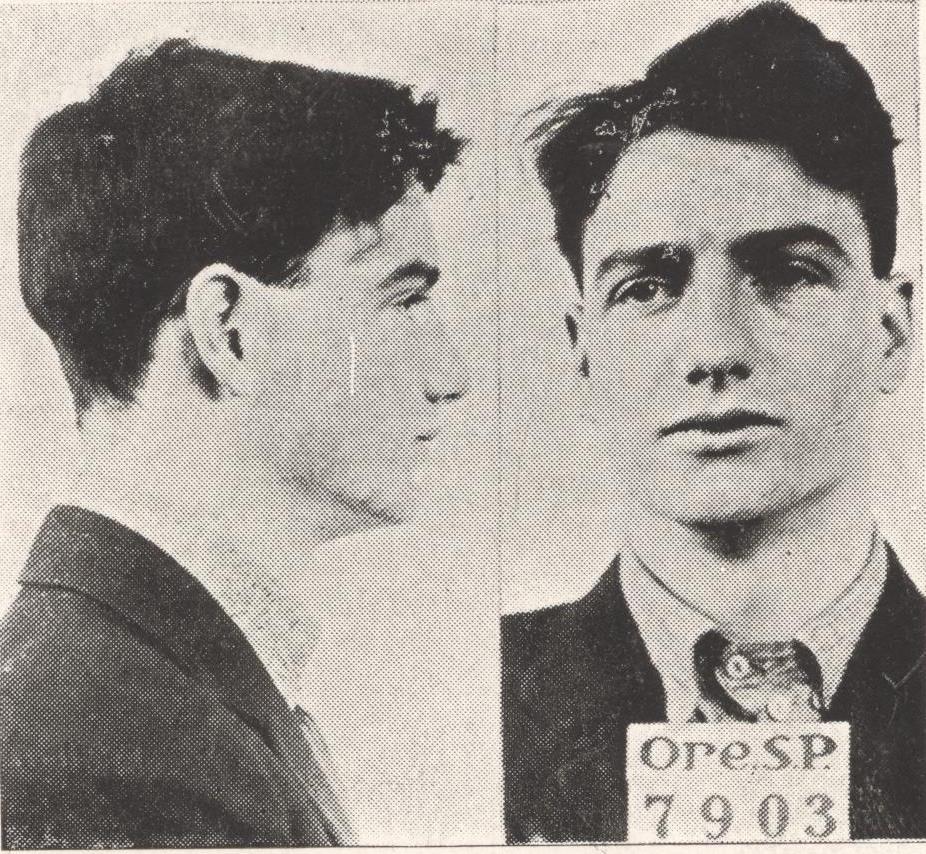 Jack Laird as he looked when he entered the Oregon State Penitentiary in 1919 to serve a life term for murder. Oregon State Archive. At the wheel was Jack Laird (real name John Knight Giles), recently released from Washington State Penitentiary, and nearly out of money after a successful train robbery at Mukilteo just weeks before. Laird was accompanied by a pretty young woman named Augusta Carlson. The two of them would stay away from Portland for about a week, before foolishly returning to the city where their car was quickly recognized. By that time Portland Police had already identified Laird from a laundry mark found on an overcoat he had discarded on the night of the murder. The laundry mark took them to the Dennison Apartments where they found a trunk that led them into the strange and twisted mind of Jack Laird. Laird was an intelligent young high school dropout who saw himself as a brilliant criminal mastermind, but his career had been extremely disappointing so far. Laird was born in Georgia, but moved with his family to Everett, WA at a young age. The intelligent young man with a soft southern accent did well in school, skipping a couple of grades and dropping out at the age of fifteen. His parents divorced that year and the troubled young man “left home for good” heading north into British Columbia where he quickly found work on a surveying crew. Laird, who’s IQ was measured well-above average at 116, learned skills easily and soon was a master with surveying equipment. Along the way he was introduced to the writing of Frederich Nietzsche, the German philosopher who was just gaining popularity in the United States. Nietzsche’s writing convinced the young man that he was superior to average people and that he was not subject to ideas of morality and law. He decided that working for a living was boring and that he was really cut out to be a criminal mastermind. After four years as a surveyor Laird headed south and shortly after his twentieth birthday pulled his first job in Centralia, WA. It was a disaster. Robbing a saloon the young hoodlum had trouble getting away. He took a local doctor hostage and forced the man to drive him out of town. After a couple of blocks the doctor tried to get the gun away from the nervous criminal and Laird fired several shots before running from the car. The doctor was unharmed, but Laird was picked up less than an hour later and began his education at the state prison in Walla Walla. Drawing a five to ten year sentence for armed robbery, the young crook was pardoned on August 14, 1918. Three years in the state prison were not a waste for young Jack Laird. On his release he was a confident criminal with newly learned skills and the ambition to be the leader of a gang of desperadoes who could make a mark on the Pacific Northwest. On September 23rdLaird pulled the most successful job of his career, single-handedly robbing the Great Northern railroad near Mukilteo, WA. The young train robber made what at first seemed like a huge haul, over $76,000 in liberty bonds and certificates. On further examination it turned out that more than $70,000 of the haul was non-negotiable, so Laird only had about $6,000 to advance his nefarious plans. He decided it was enough and headed for Portland. Laird rented an apartment on SE Belmont near 34th, carefully choosing rooms located close to the fire escape in case he had to make a quick get-away. He began collecting outdoor and camping equipment, firearms and other equipment, like surveying gear and a portable machinist’s kit. Evidently he was equipping himself to live self-sufficiently away from a city. He recruited two brothers from Southeast Portland for his “bootlegging” scheme. Using Liberty Bonds from the Great Northern robbery he purchased two Hupmobile sedans and dispatched Jerry and George Noltner to California where liquor was still legal. With a major chunk of his money tied up in the bootlegging scheme and equipment, Laird turned to his search for a “moll.”
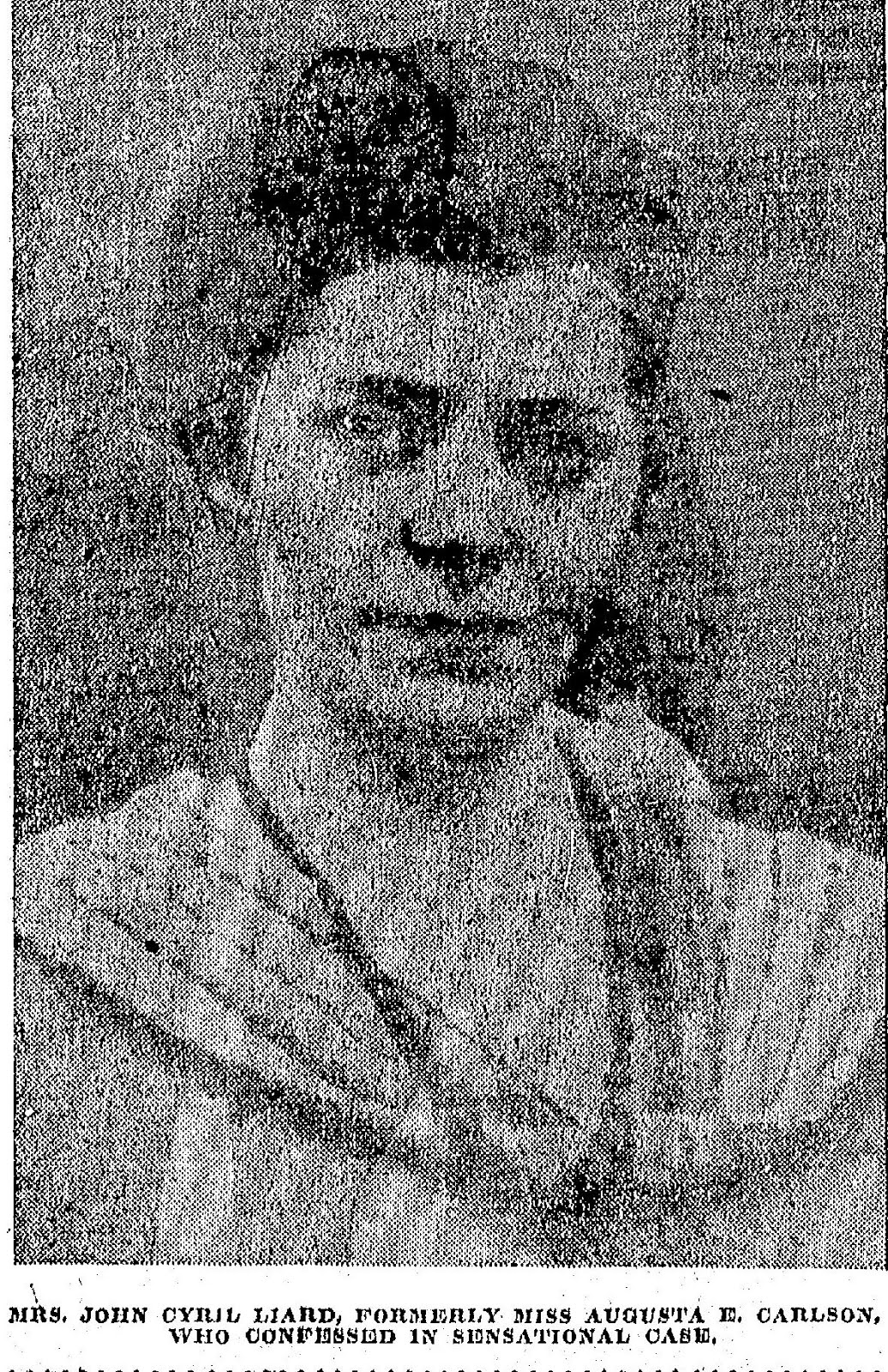 Augusta "Amy" Carlson was a milliner and shopgirl when she caught Jack Laird's eye. She didn't seem to mind that he was a train robber and she liked the shopping sprees he funded. Oregonian Historical Archive, Multnomah County Library. Augusta Carlson, a pretty young shop girl at Olds, Wortman and King Department Store, caught his eye immediately. He began to hang around the Department Store and one evening managed to follow her home to the Hillcrest Hotel. Amy, as Augusta preferred to be called, had a bit of a hard look to her face, but her soft brown eyes and long dark hair went with an olive complexion to give her an exotic look. Her affected French accent, elegant dress and romantic lies about her past were very alluring. Jack took a room at the Hillcrest Hotel and began to court Amy, who was already “engaged” to a Portland doctor and widow of a young husband who killed himself three days after their divorce was final. She didn’t seem to mind that Jack was a train robber and she liked how generous he was as she furnished his Belmont apartment with everything she could think of at his expense. Three days after they met Amy and Jack were engaged and two days later she moved into the Dennison Apartments with him on the promise they would be “married very soon.” When the Noltner brothers finally returned to Portland in November, 1919 they brought bad news with them. Their Hupmobile, loaded with a valuable and expensive stash of high quality liquor, was stuck in mud and snow in the McKenzie Pass in the Cascades far south of Portland. Desperate for cash after a shopping spree with Amy and with the majority of his assets stuck in the snow, Laird went to Plan B. Amy had gained a good reputation as a lady’s milliner while working in the downtown Department Stores and in an age of fashionable hats she had entrée into some of the wealthiest homes in Portland. The wives of William M. Ladd, banker and scion of the Ladd fortune, Frank J. Cobb, “millionaire-lumberman,” Arthur C. Spencer, chief attorney of the O.W. R & N railroad/shipline, and J. D. Farrell, president of the O.W.R. & N., invited her into their fashionable homes to help them have the most stylish hats. Amy’s knowledge of the homes of such important men gave Laird the idea. Laird, who never seems to have understood that his real talent was as a writer, made elaborate plans. Typing detailed instructions and self-justifications while wearing rubber gloves so as to not leave fingerprints on the keyboard, he concocted a plan to kidnap one or more of the men on his list and hold them for $50,000 ransom each. The letters stated that the kidnappings were being executed by a large gang that had kidnapping experience all over the country. Laird signed his epic instruction letter “nameless et al.” Not trusting his incompetent henchmen, Laird hired a young jitney driver, a sort of gypsy cab, named “Kid” Maples to drive him around on November 19, 1919 and put his plan into action. Telling the driver that he had important information that had to be rushed to Salem as soon as he made several calls, Laird went to the home of each man on his list, starting with William M. Ladd. Like all of Laird’s criminal capers, the Kidnap Plot was meticulously planned but had a fatal flaw. He had forgotten to learn the routines of his victims so he could catch them. At each house he found the occupants out and his Kidnap Plot was foiled before it began. Returning to the Dennison Apartments late in the evening Laird must have been in a foul mood and very short of cash. Around 8:30pm Jack and Amy jumped into their dark Humpmobile sedan and drove north toward Vancouver, WA. Desperate for money Jack hoped to pull off another train robbery and bring in a good haul. In November, 1918 Vancouver was a military town and the train depot was heavily guarded by armed soldiers. Amy said that they spent quite a while in the parking lot looking for a weakness to exploit, but finally headed back to Portland in disappointment. She said that the tollbooth robbery must have been a spur of the moment decision, because he pulled off the road suddenly and was gone for only ten minutes. She said by that point he seemed wild and she was afraid of him. He was carrying two guns on his body and had a third under the driver’s seat of the car. After the shooting Jack, said, “What have I done?” and seemed to panic when she told him he had killed a speed cop. Jack was charming on the witness stand and had the jury laughing along with him more than once as he told the crazy story of how he had been “framed up” for the tollbooth job, but the evidence was solid. Amy testified against him and soon after the trial married again. She remained in hiding from Laird and over the years ran two successful clothing businesses in small southwest Washington towns. Jack was sentenced to life in prison and soon moved into his new home, a tiny cell in Salem.
 Prison was a good place for Jack. He started working in the print shop and soon became editor of the prison magazine. As a writer Laird was a bit pedantic and preferred dense subject matter that the State Prison guards found incomprehensible, but soon he hooked up with Elliot “Mickie” Michener, another inmate serving a sentence for armed robbery. Mickie and Jack, who both had discipline problems in their first days at the penitentiary, soon became model prisoners. Between 1928 and 1931 they co-wrote more than two dozen action/adventure stories, some with a humorous bent, featuring their western hero Black Bill. The stories were very popular and ran in Short Stories and West pulp magazines. Their editor, Roy de S. Horn, of Doubleday & Doran estimated that the stories were read by more than a million readers and he believed the two men, who wrote under the name Jack Laird, could make good livings as writers and be rehabilitated into law abiding citizens. Jack and Mickie had other plans though.
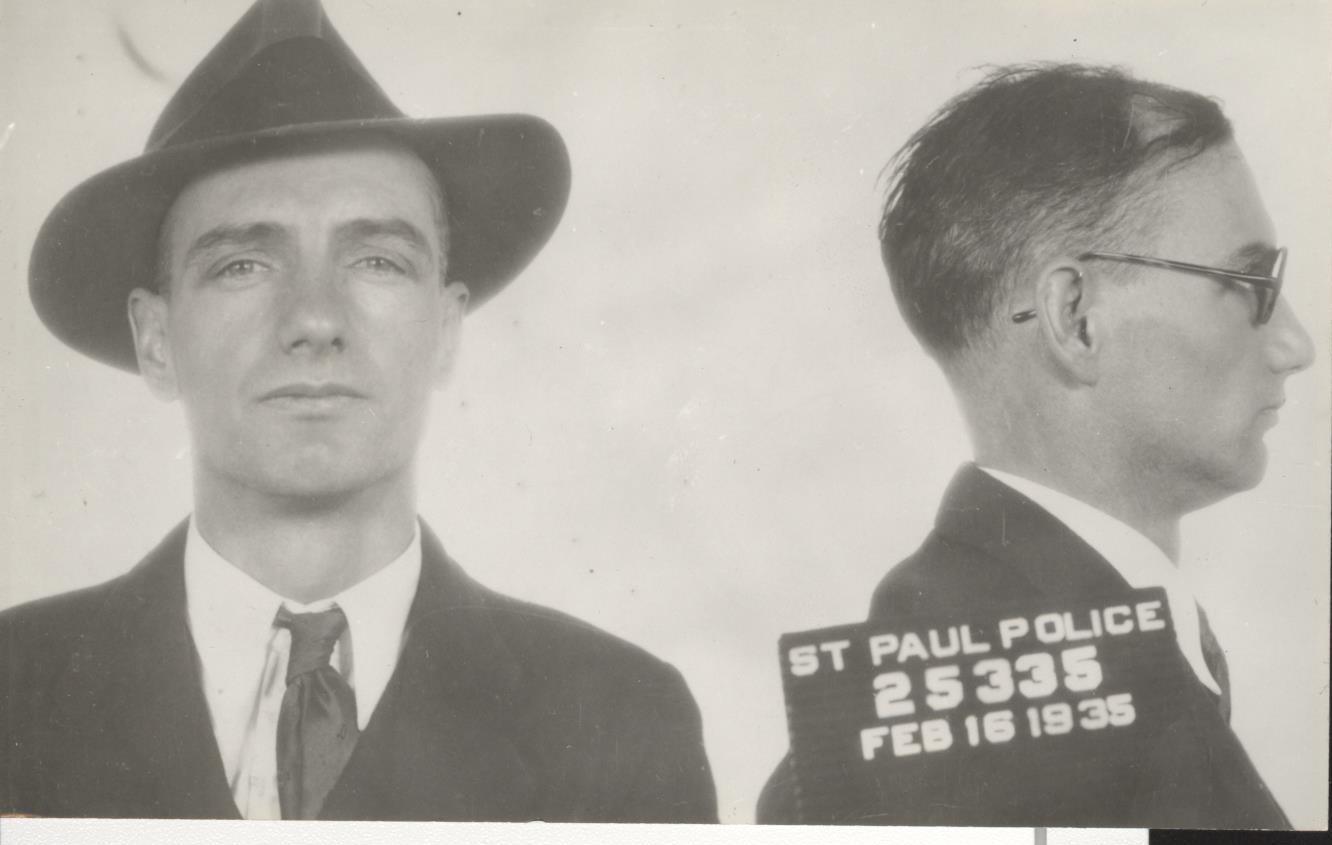 Jack Laird in 1935. Oregon State Archive.For more on Portland during prohibition see my new book with Theresa GriffinKennedy Murder & Scandal in Prohibition Portland available February 1st from The History Press. More on the adventures of Jack Laird is coming soon at Weird Portland.content (c) jd chandler
November 23, 2015
Murder & Scandal in Prohibition Portland Preview
 My new book with Theresa Griffin Kennedy, Murder & Scandal in Prohibition Portland, is all about the enforcement of Prohibition in Portland between 1916 and 1933. We also look very closely at the anti-radical politics and the financial and sex scandals that riddled the administration of long-time Mayor George L. Baker. I tell you all about it in the preview posted on Weird Portland. The book is also about murder and that is what I am going to tell you about tonight. Claremont Roadhouse Robbery Walter Banaster, aka Little Dutch Herman, who ran The Wigwam resort in Olympia, Washington in the 1930s was one of the most violent and powerful northwest organized crime figures of his time. Running a murder-for-hire ring out of his gambling and bootlegging joint, Banaster was behind several gang-land style killings in both Portland and Seattle. He got his start in Portland. The first big splash of his career was the robbery of the Claremont Roadhouse in 1919.
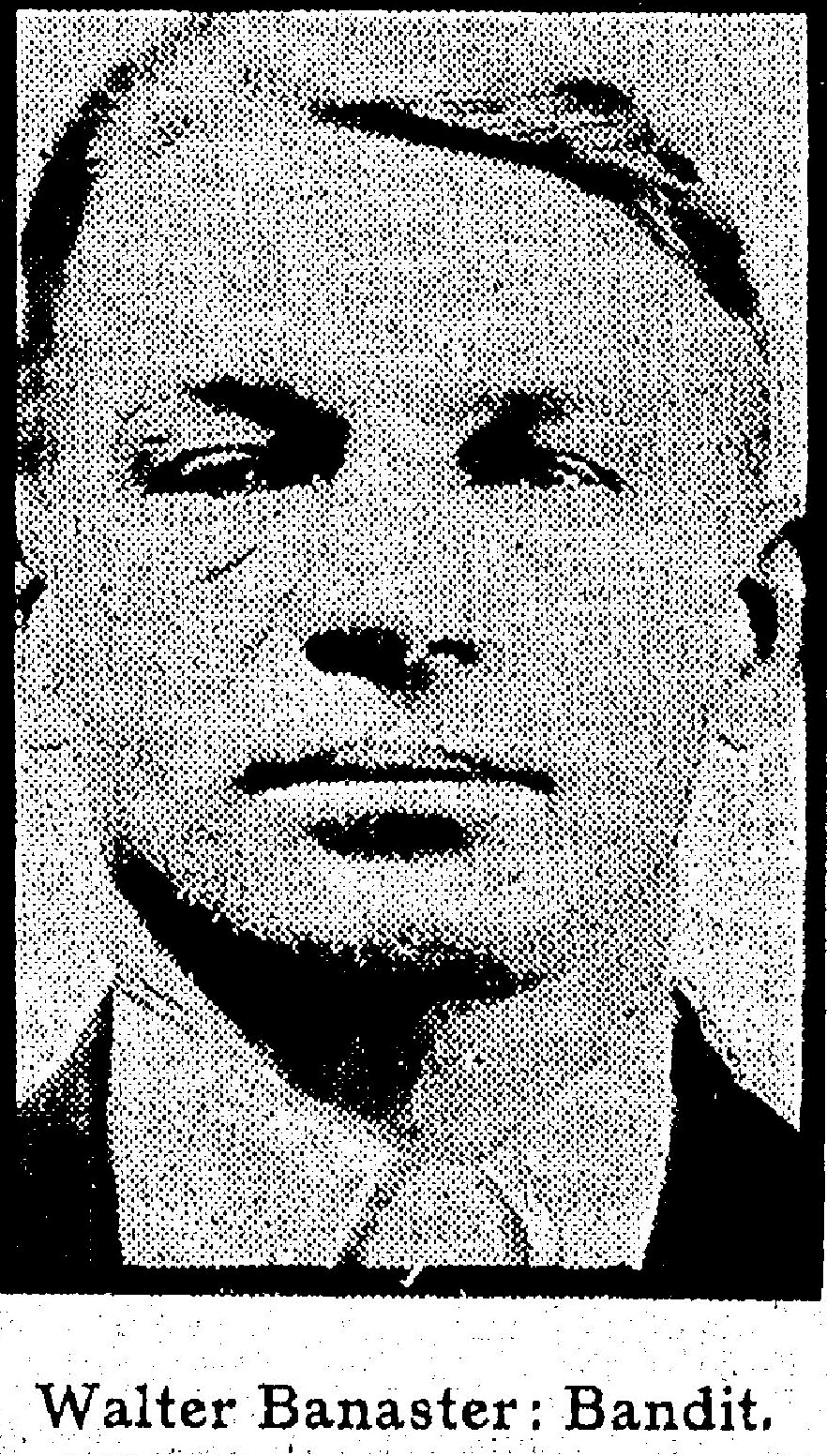 The Claremont Roadhouse was located on the Highway between Portland and the then separate town of Linnton on the Columbia River. Roadhouses, where people would drive outside city limits for dining, drinking and dancing, had been popular since 1906 when Fred T. Merrill, Bicycle King of the Northwest and long-time city council member, opened 12-mile House on the Baseline Rd. in southeast Portland. They gained in popularity when Prohibition came in in 1916. Larry Sullivan, ex-professional boxer, ex-crimp and one of Portland’s earliest organized crime bosses, controlled several roadhouses in the early days of prohibition, including the Friar’s Club in Milwaukie and the Claremont Roadhouse on the way to Linnton. By 1919 the Claremont was rivaled only by Birdlegs’ Roadhouse on the eastside. On November 21, 1919, just days after Leon Jenkins became Police Chief, Jasper N, Burgess, a member of the state highway commission, and George Perringer, a prominent rancher, both from Pendleton, were staying at the Benson Hotel in downtown Portland on a business trip. Portland, a wide open town, was always good for a junket, so Burgess and Perringer picked up two switchboard girls at the hotel and took them on an afternoon drive. Stopping at the Claremont Roadhouse for lunch, the party was already tipsy from drinking when three men, masked with handkerchiefs, forced their way into the roadhouse, herding the customers together in the large central room. One of the robbers, most-likely Banaster although he blamed his companions, went into the private room where Burgess and Perringer were drinking with the women. The robber killed Burgess and Perringer with two shots each before herding their companions into the central room with the rest of the guests. The three robbers, Banaster, James Ogle and Dave Smith, made off with over $3000 worth of cash and jewelry and used a safe-house, provided by a Japanese criminal gang to hideout. Police Chief Jenkins was joined in the investigation of the crime by legendary central Oregon lawman Til Taylor, who had been friends with both of the victims. Taylor and Jenkins made a point that the deaths of Burgess and Perringer had been the result of a robbery gone wrong, but rumors abounded that the real purpose of the “robbery” had been killing the two men. Later developments gave credence to the rumors. The next year Til Taylor was killed in a Pendleton jailbreak and soon after Hyman Weinstein, a junk dealer from South Portland moved to Baker, OR and became the “vicelord” of Central Oregon. Weinstein, whose brother Abe was involved in bootlegging, gambling and fencing in Portland, was an associate of Bobby Evans criminal organization. The extension of power from Portland into the rest of the state is a strong possible motive for the killings at the Claremont Roadhouse.
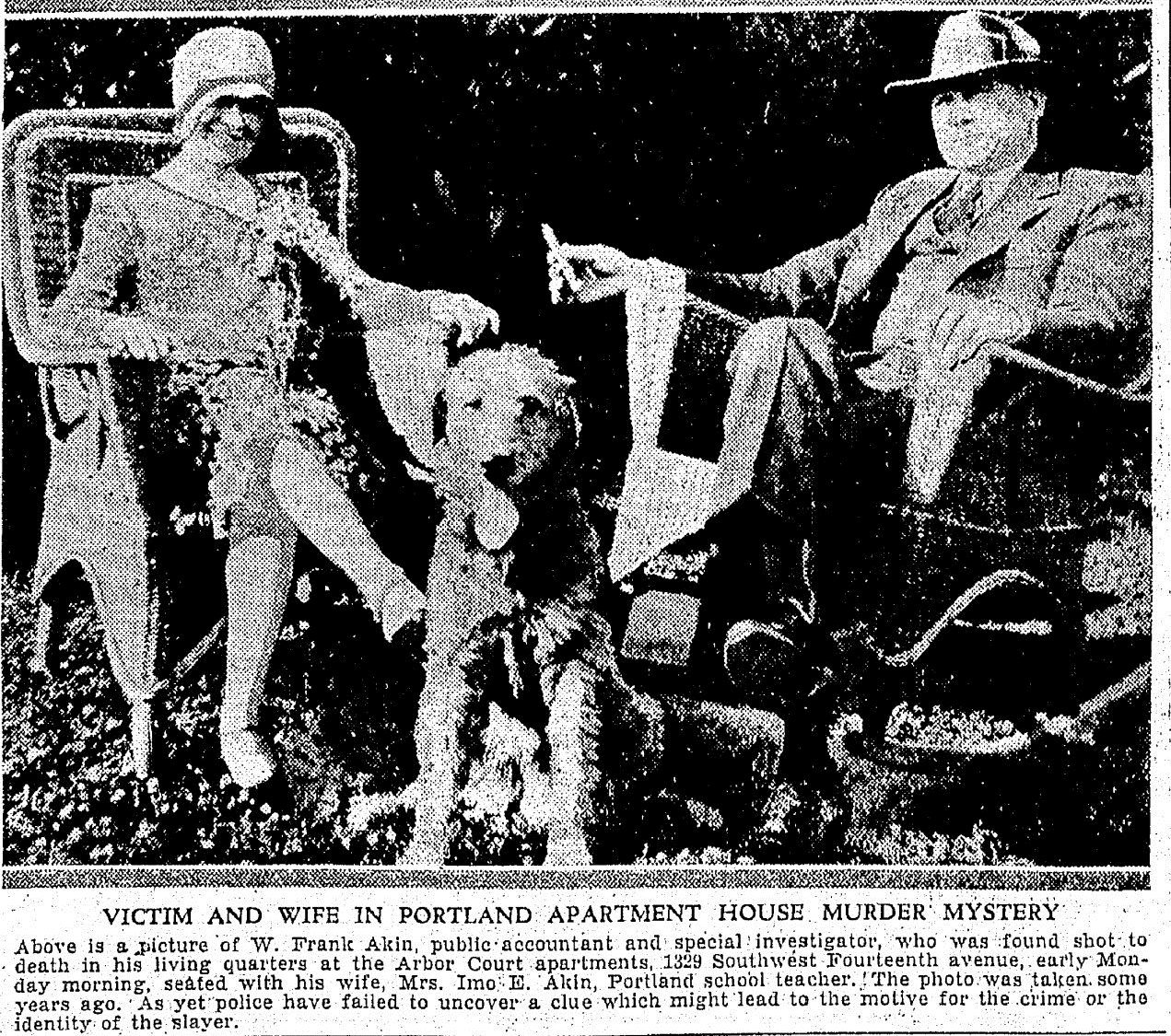 The Murder of Frank Akin One of Portland’s oldest and most controversial “unsolved” murders is that of Frank Akin, a special investigator sent by Governor Julius Meier to investigate corruption in Portland’s Port Commission. Akin was shot to death in his southwest Portland apartment in November, 1933, just days after releasing the findings of his Port investigation and before he had released a preliminary report on an investigation of the city’s Water Bureau, which he had just begun. The Oregonian, which was heavily involved with the Republican establishment, scotched rumors that Akin’s investigative activity was the motive for his death, instead spreading false rumors of his womanizing and financial scams. Although one man, Leo Hall -- believed to be the gunman, was executed in Washington state for another crime, and another man, Portlander Jack Justice, was convicted of murder for hiring him, the true motive for the crime was never discovered.
 Leo Hall was executed for murdering six people at Erland's Point, WA. He was believed to be the trigger man in the Frank Akin murder. In the new book Theresa and I examine all the available evidence in the Akin case and present it in a clear manner. While it is not likely that a solution to the case can be found after nearly eighty years, we are able to shed new light on the case and suggest a motive for the killing that has been long overlooked. Historian E. Kimbark MacColl in his book Growth of a City, presents an abbreviated version of the case and speculates that the killing was prompted by Akin’s investigation of the Port of Portland. In the new book we suggest that the Port Investigation was a red herring, designed to hide the real motive for the killing. We present evidence that suggests that his investigation of the Water Bureau, which had been run for more than a decade by corrupt city councilman John Mann, was the real motive for the killing. In addition we connect both Jack Justice and Leo Hall to the murder-for-hire ring operated by Walter Banaster in Olympia, Washington.The Torso Murder The gruesome Torso Murder case, which saw several packages of human body parts in the Willamette River over several months of 1946, has captured the imagination of murder mystery fans for nearly seventy years. The Clackamas County Sheriff’s Department and the Oregon State Police never got anywhere in trying to solve the case, mainly because they were never able to identify the victim. Seventy years later new evidence has been unearthed that points at the possible identity of the victim and a possible solution of the case, along with an explanation of why the police never identified the victim.
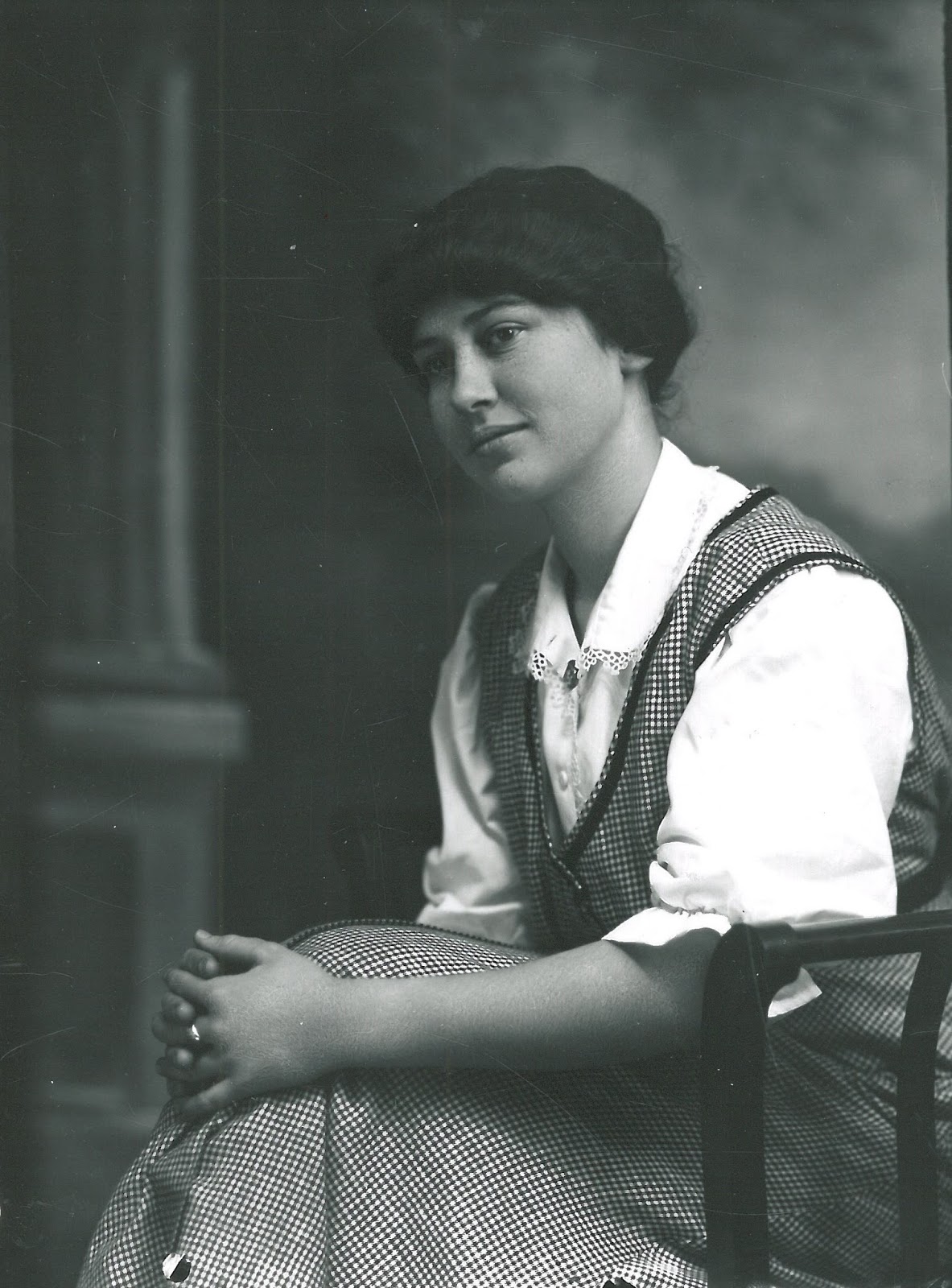 Anna Schrader came to Portland in 1910 and became a thorn in the side of Mayor Baker and Chief Jenkins near the end of Baker's administration. Her mysterious disappearance in 1946 coincided with the unidentified body parts found in the river. If you’ve been following the podcast Murder By Experts, then you already know about Anna Schrader, secret-police private detective, lover of Police Lt. William Breuning and outspoken opponent of Mayor George Baker’s administration and Police Chief Leon Jenkins. Theresa and I have been researching Schrader’s life and career for more than a year and in the book we present all the evidence we have found. The book makes a compelling case that Schrader is the victim in the Torso Murder and that the motive for her death lies in the secret bootlegging operations carried out by the Police Bureau in the 1920s. The hatred and anger that fueled the brutal murder were most likely created during the so-called Schrader-Bruening scandal of 1929, which rocked the city and forced major changes in the Police Bureau. If Schrader is the victim it is very likely that Bill Breuning was the killer. With all of the suspects long dead and all of the physical evidence missing, we can only speculate on a solution for the case, but we present compelling evidence not only for who the victim and killer could be, but of the machinations of Police Chief Leon Jenkins and Police Captain James Purcell that covered up Breuning’s involvement in the murder and derailed the murder investigation. All of that and more will be available when the new book Murder & Scandal in Prohibition Portlandis released by the History Press in February, 2016. See you there.
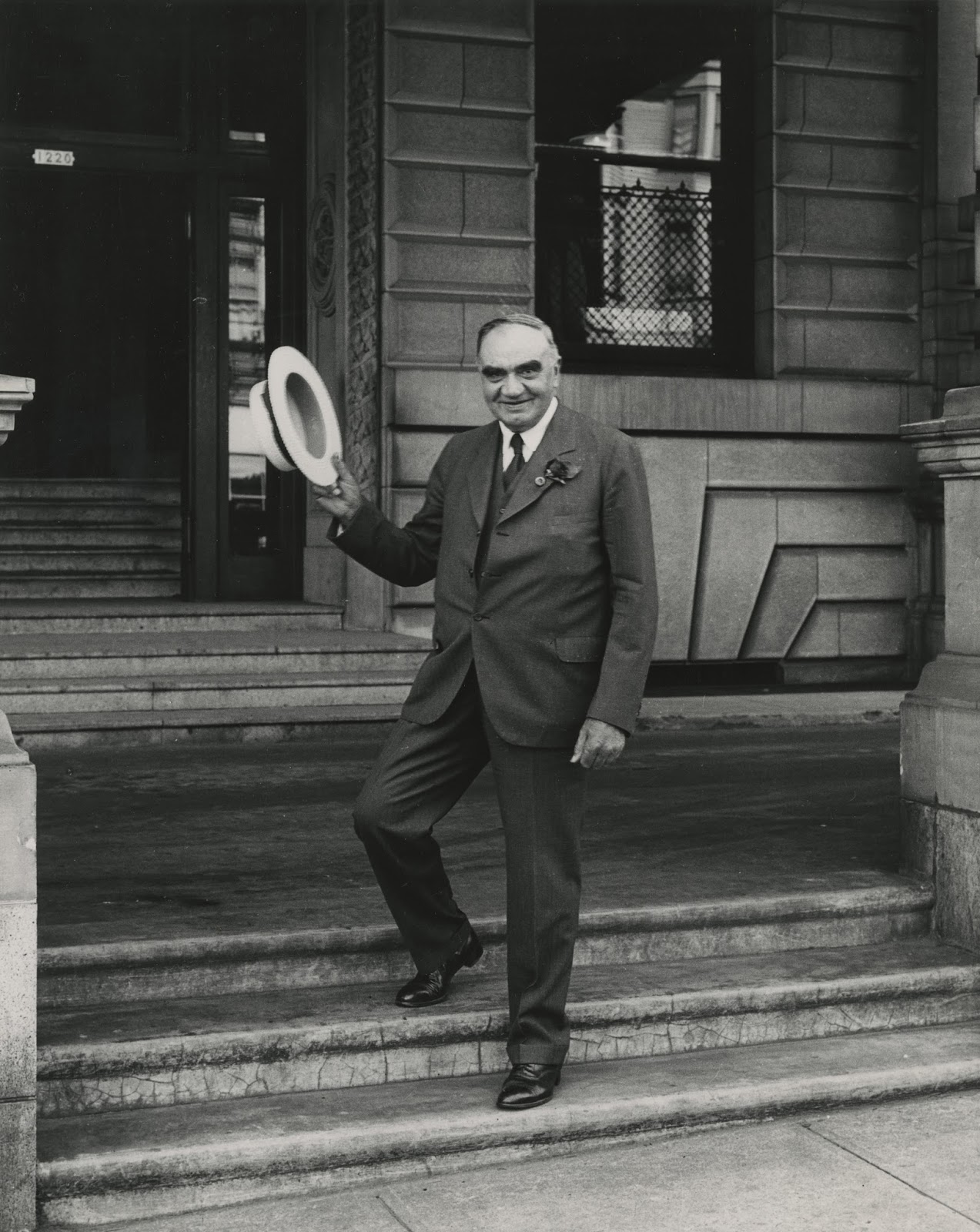 Welcome to George Baker's Portland.
content (c) jd chandler
September 23, 2015
Honor Among Thieves
I am very close to being finished with my new book about Portland during Prohibition. Here is a little more on the career of Roy Moore -- King of the Northwest Bootleggers -- just one of the characters you will be able to read about when it is released by History Press in February, 2016.
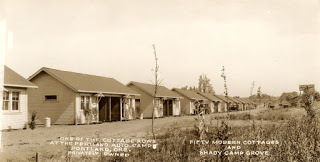 An auto camp like this one was used as headquarters by Roy Moore and his gang when they pulled off the Brownsville Triple Robbery in December, 1945. Photographer unknown. Portland City Archive. In 1846 a group of pioneers crossed the Oregon Trail and filed land claims in the lush valley of the Callapooia River, southeast of Corvallis. Most of the year the river was low enough to cross easily, but at the end of the summer the river rose and the settlers opened a ferry that could be hauled across. Soon the new settlement of Kirk’s Ferry evolved into Brownsville and by 1860 the new town had a grist mill, a woolen mill, a lumber mill and a furniture factory. The 300-preson town became the center of business and banking for a large agricultural community in eastern Linn County. In December 1945 business was booming and the vaults in the Pharmacy and Hardware store were stuffed with cash and War Savings Bonds. Before dawn on Saturday December 22 a group of highly experienced robbers hit Brownsville. They dynamited the safe at the Carlson Hardware Store, peeled the safe at Graham’s Pharmacy and rifled the cash register at Chambers Grocery. Peeling a safe is a specialized technique that removes the outer skin of a safe in order to get at its contents. It worked best on safes of a specific shape, often older models used in small towns. The robbers got over $8000 in cash and more than $20,000 in War Savings Bonds. The papers didn’t say anything about stolen drugs, but it would have been out of character for the gang to leave opiates behind; especially with the high prices available in narcotics-hungry Portland. It was the biggest robbery in Linn County’s history up to that time, and one of the largest to ever occur in the state. The Brownsville triple robbery was the most memorable job pulled by the armed gang run by Roy Moore, King of the Northwest Bootleggers, who had first gained notoriety after the robbery of the Sells-Floto Circus in Vancouver, WA in 1921. Roy Moore and his partner, S.D. McLain (aka Douglas O’Day) drove from Brownville to Portland that night, checking into an “auto camp” at SE 82nd Avenue and Powell. For the last twenty years, Moore and his gang had been committing robberies all over the northwest and using Portland as its home base. Moore was well-known in Portland for his arrogant court appearances in 1926 when he testified in the trial of two Oregon State Prohibition Enforcement officers who were charged with accepting bribes. Moore testified in Federal court that he was “Portland’s leading bootlegger” and described how he had personally been involved with bribing the two officers. Two years later, when indicted for conspiracy to violate federal Prohibition laws, Moore testified that the liquor “racket” had been good to him and he had earned enough to retire. The so-called “King of Bootleggers” claimed that he had been involved in the racket from November, 1924 until late in 1926. He said he earned more than $20,000 ($250,000 in 2015) during that time and since then had “been doing nothing.” Moore dismissed the testimony of Ernest K. Specht and George Mays, government witnesses who claimed to be his partners in the liquor business, saying he “didn’t need any partners.”
 In 1928 Roy Moore faced charges of conspiracy to violate the liquor laws. He claimed that he had been a "big time" bootlegger but had made a lot of money and retired more than two years before. The jury didn't buy it and he went to McNeil Island Penitentiary for two years. Moore certainly felt that his partners were dispensable. D. Rasor, the never captured “third man” in the Sells-Floto Circus robbery was allegedly shot during an argument in the getaway car and seen by witnesses limping away on what appeared to be a wounded leg. Police speculated that Moore probably shot him in order to increase his cut from the nearly $30,000 haul. After his release from McNeil Island Penitentiary on the liquor conspiracy charge, Moore returned to Portland in 1930. Unpopular with the police-run liquor racket in Portland because of his violent record, Moore returned to his roots with a series of armed burglaries in remote Oregon towns. He followed the same modus operendi as the Sells-Floto robbery, two veteran armed robbers/safecrackers, known as yeggs, who recruited local accomplices as combination muscle/fall guys. The local accomplices were expendable and not infrequently killed. That is most likely what happened to Ernest Bowman on the Brownsville job. Bowman, an unemployed logger from Kelso, WA, had been making frequent trips by bus from his daughter’s home in Longview to Portland. His daughter said that she thought he was looking for work. He may have been looking for work and he may not have been choosy about its legality. His search for a job took him to the auto camp in southeast Portland that was headquarters to Roy Moore’s gang of cut throats. In fifteen years Moore had turned himself back into a Portland big shot, with a gang of hired muscle that kept up a brisk business in protection and safecracking. Like most professionals Moore usually didn’t pull jobs in town and used Portland as a place to lay low while the heat died. Vending machine man, Jim Elkins, and gambling attorney Al Winter were getting the town back under control after the underworld free-for-all of the late 1930s. The cooperative city government led by Mayor Earl Riley and the newly re-emergent Police Chief Leon Jenkins, who had been demoted to Chief Inspector in 1933, made Portland a safe place for professional criminals, as long as they didn’t get violent in town and kept their professional activities outside city limits. Bowman met up with Moore-associate Douglas O’Day (real name S.D. McLain) and “local talent” Jack Orville Mann. Mann was an unlucky burglar from Sweet Home, OR who had managed to be arrested seven times before he was 28 years old. Mann would be the “third man” in the Brownsville job and all the details of Bowman’s murder would come out at the trial. Bowman had been interested in earning money from robberies and McLain had been eager to recruit him for a “third man” spot. Mann didn’t trust the ex-logger, though and warned McLain that he could be “dangerous.” It is unclear whether McLain believed that Bowman might have been working with law enforcement, but it is clear that he lured him into a car driven by Mann on the evening of December 18, 1945 with the offer of a job in Corvallis that would net the three of them at least $1800. Mann was at the wheel with Bowman in the shotgun position; McLain sat in the back seat as the three men headed out of Portland. According to Mann they hadn’t even gotten out of the city before McLain shot Bowman in the back of the head. The two criminals drove to a spot just south of Camp Adair, a wartime Army base near Corvallis, where they slit Bowman’s belly open so he would sink easily and dumped the body from a bridge into a large creek. They drove on to Brownsville and cased the businesses in town before returning to southeast Portland. Two days later Mann, McLain and Bowman drove back to Brownsville and pulled off the triple robbery. The day after the Brownsville job Linn County Sheriff Mike Southard spotted Jack Mann walking down the street in Brownsville. Recognizing the ex-con and knowing there was a warrant for him in Albany for a motel robbery; Southard arrested him to see what he might know about the triple robbery. McLain and Moore probably wished that Mann had joined Bowman in the rushing creek, because Mann told it all. Not only did he tell the police all about McLain and Moore and where they were hiding, he told all about the shooting he had witnessed. Multnomah County Sheriff’s Deputies swooped down on the auto camp on SE Powell and caught McLain and Moore with almost all of the money from the robberies. McLain argued that $110 of the cash found in his pocket was his own from before the robbery. McLain was charged with murder and tried to show the police where he had dumped Bowman’s body, but he got lost in the unfamiliar rural surroundings and never found the right place. Bowman was finally discovered in January 1946 when his body washed up near Philomath. McLain plead guilty to Bowman’s murder and he and Mann both received stiff sentences for the burglaries. Moore was convicted on robbery charges as well, but the veteran criminal managed to stay out of jail until 1947; plenty of time for Jim Elkins and the boys to throw him a proper going-away party. Showing up for his third stay in the Oregon State Penitentiary in November of that year; Moore was released in January 1949 when outgoing governor John Hall pardoned the hardened criminal for “health reasons.”
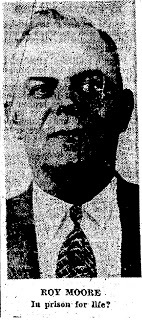 In 1953 Moore was brought back to Oregon to serve a life sentence as a habitual criminal. He retired to the Oregon State Penitentiary where he taught safe-cracking and extortion to the next generation of young criminals. Historical Oregonian Archive.
Roy Moore had sense enough to get out of Oregon, because the Linn County district attorney wasn’t done with him. A habitual criminal case was filed against Moore, who was convicted in absentia in 1951. Moore didn’t stay out of jail long. He was arrested in North Carolina in late 1949 and convicted of another safe burglary; this time with his brother as an accomplice. Moore was released from prison in Raleigh, NC in January, 1953 and delivered into the arms of Ellsworth Herder, guard captain of the Oregon State Prison. He was brought back to Salem where he served out the rest of his life. The veteran armed robber, safe cracker, still operator, protection racketeer and professional killer would have been a valuable professor in the Oregon State Crime College. Thanks to all the sponsors and patrons at www.patreon.com for their support. Thanks also Fred Stewart -- super sponsor and future Portland City Commissioner. Vote for Fred! Most of them make just a small contribution per month, but if everyone who reads this does that I will be doing very well. These articles and books take hours of research and writing and very little of that time is paid for. History isn't free. Support your local historian.
content (c) jd chandler
 An auto camp like this one was used as headquarters by Roy Moore and his gang when they pulled off the Brownsville Triple Robbery in December, 1945. Photographer unknown. Portland City Archive. In 1846 a group of pioneers crossed the Oregon Trail and filed land claims in the lush valley of the Callapooia River, southeast of Corvallis. Most of the year the river was low enough to cross easily, but at the end of the summer the river rose and the settlers opened a ferry that could be hauled across. Soon the new settlement of Kirk’s Ferry evolved into Brownsville and by 1860 the new town had a grist mill, a woolen mill, a lumber mill and a furniture factory. The 300-preson town became the center of business and banking for a large agricultural community in eastern Linn County. In December 1945 business was booming and the vaults in the Pharmacy and Hardware store were stuffed with cash and War Savings Bonds. Before dawn on Saturday December 22 a group of highly experienced robbers hit Brownsville. They dynamited the safe at the Carlson Hardware Store, peeled the safe at Graham’s Pharmacy and rifled the cash register at Chambers Grocery. Peeling a safe is a specialized technique that removes the outer skin of a safe in order to get at its contents. It worked best on safes of a specific shape, often older models used in small towns. The robbers got over $8000 in cash and more than $20,000 in War Savings Bonds. The papers didn’t say anything about stolen drugs, but it would have been out of character for the gang to leave opiates behind; especially with the high prices available in narcotics-hungry Portland. It was the biggest robbery in Linn County’s history up to that time, and one of the largest to ever occur in the state. The Brownsville triple robbery was the most memorable job pulled by the armed gang run by Roy Moore, King of the Northwest Bootleggers, who had first gained notoriety after the robbery of the Sells-Floto Circus in Vancouver, WA in 1921. Roy Moore and his partner, S.D. McLain (aka Douglas O’Day) drove from Brownville to Portland that night, checking into an “auto camp” at SE 82nd Avenue and Powell. For the last twenty years, Moore and his gang had been committing robberies all over the northwest and using Portland as its home base. Moore was well-known in Portland for his arrogant court appearances in 1926 when he testified in the trial of two Oregon State Prohibition Enforcement officers who were charged with accepting bribes. Moore testified in Federal court that he was “Portland’s leading bootlegger” and described how he had personally been involved with bribing the two officers. Two years later, when indicted for conspiracy to violate federal Prohibition laws, Moore testified that the liquor “racket” had been good to him and he had earned enough to retire. The so-called “King of Bootleggers” claimed that he had been involved in the racket from November, 1924 until late in 1926. He said he earned more than $20,000 ($250,000 in 2015) during that time and since then had “been doing nothing.” Moore dismissed the testimony of Ernest K. Specht and George Mays, government witnesses who claimed to be his partners in the liquor business, saying he “didn’t need any partners.”
 In 1928 Roy Moore faced charges of conspiracy to violate the liquor laws. He claimed that he had been a "big time" bootlegger but had made a lot of money and retired more than two years before. The jury didn't buy it and he went to McNeil Island Penitentiary for two years. Moore certainly felt that his partners were dispensable. D. Rasor, the never captured “third man” in the Sells-Floto Circus robbery was allegedly shot during an argument in the getaway car and seen by witnesses limping away on what appeared to be a wounded leg. Police speculated that Moore probably shot him in order to increase his cut from the nearly $30,000 haul. After his release from McNeil Island Penitentiary on the liquor conspiracy charge, Moore returned to Portland in 1930. Unpopular with the police-run liquor racket in Portland because of his violent record, Moore returned to his roots with a series of armed burglaries in remote Oregon towns. He followed the same modus operendi as the Sells-Floto robbery, two veteran armed robbers/safecrackers, known as yeggs, who recruited local accomplices as combination muscle/fall guys. The local accomplices were expendable and not infrequently killed. That is most likely what happened to Ernest Bowman on the Brownsville job. Bowman, an unemployed logger from Kelso, WA, had been making frequent trips by bus from his daughter’s home in Longview to Portland. His daughter said that she thought he was looking for work. He may have been looking for work and he may not have been choosy about its legality. His search for a job took him to the auto camp in southeast Portland that was headquarters to Roy Moore’s gang of cut throats. In fifteen years Moore had turned himself back into a Portland big shot, with a gang of hired muscle that kept up a brisk business in protection and safecracking. Like most professionals Moore usually didn’t pull jobs in town and used Portland as a place to lay low while the heat died. Vending machine man, Jim Elkins, and gambling attorney Al Winter were getting the town back under control after the underworld free-for-all of the late 1930s. The cooperative city government led by Mayor Earl Riley and the newly re-emergent Police Chief Leon Jenkins, who had been demoted to Chief Inspector in 1933, made Portland a safe place for professional criminals, as long as they didn’t get violent in town and kept their professional activities outside city limits. Bowman met up with Moore-associate Douglas O’Day (real name S.D. McLain) and “local talent” Jack Orville Mann. Mann was an unlucky burglar from Sweet Home, OR who had managed to be arrested seven times before he was 28 years old. Mann would be the “third man” in the Brownsville job and all the details of Bowman’s murder would come out at the trial. Bowman had been interested in earning money from robberies and McLain had been eager to recruit him for a “third man” spot. Mann didn’t trust the ex-logger, though and warned McLain that he could be “dangerous.” It is unclear whether McLain believed that Bowman might have been working with law enforcement, but it is clear that he lured him into a car driven by Mann on the evening of December 18, 1945 with the offer of a job in Corvallis that would net the three of them at least $1800. Mann was at the wheel with Bowman in the shotgun position; McLain sat in the back seat as the three men headed out of Portland. According to Mann they hadn’t even gotten out of the city before McLain shot Bowman in the back of the head. The two criminals drove to a spot just south of Camp Adair, a wartime Army base near Corvallis, where they slit Bowman’s belly open so he would sink easily and dumped the body from a bridge into a large creek. They drove on to Brownsville and cased the businesses in town before returning to southeast Portland. Two days later Mann, McLain and Bowman drove back to Brownsville and pulled off the triple robbery. The day after the Brownsville job Linn County Sheriff Mike Southard spotted Jack Mann walking down the street in Brownsville. Recognizing the ex-con and knowing there was a warrant for him in Albany for a motel robbery; Southard arrested him to see what he might know about the triple robbery. McLain and Moore probably wished that Mann had joined Bowman in the rushing creek, because Mann told it all. Not only did he tell the police all about McLain and Moore and where they were hiding, he told all about the shooting he had witnessed. Multnomah County Sheriff’s Deputies swooped down on the auto camp on SE Powell and caught McLain and Moore with almost all of the money from the robberies. McLain argued that $110 of the cash found in his pocket was his own from before the robbery. McLain was charged with murder and tried to show the police where he had dumped Bowman’s body, but he got lost in the unfamiliar rural surroundings and never found the right place. Bowman was finally discovered in January 1946 when his body washed up near Philomath. McLain plead guilty to Bowman’s murder and he and Mann both received stiff sentences for the burglaries. Moore was convicted on robbery charges as well, but the veteran criminal managed to stay out of jail until 1947; plenty of time for Jim Elkins and the boys to throw him a proper going-away party. Showing up for his third stay in the Oregon State Penitentiary in November of that year; Moore was released in January 1949 when outgoing governor John Hall pardoned the hardened criminal for “health reasons.”
 In 1953 Moore was brought back to Oregon to serve a life sentence as a habitual criminal. He retired to the Oregon State Penitentiary where he taught safe-cracking and extortion to the next generation of young criminals. Historical Oregonian Archive.
Roy Moore had sense enough to get out of Oregon, because the Linn County district attorney wasn’t done with him. A habitual criminal case was filed against Moore, who was convicted in absentia in 1951. Moore didn’t stay out of jail long. He was arrested in North Carolina in late 1949 and convicted of another safe burglary; this time with his brother as an accomplice. Moore was released from prison in Raleigh, NC in January, 1953 and delivered into the arms of Ellsworth Herder, guard captain of the Oregon State Prison. He was brought back to Salem where he served out the rest of his life. The veteran armed robber, safe cracker, still operator, protection racketeer and professional killer would have been a valuable professor in the Oregon State Crime College. Thanks to all the sponsors and patrons at www.patreon.com for their support. Thanks also Fred Stewart -- super sponsor and future Portland City Commissioner. Vote for Fred! Most of them make just a small contribution per month, but if everyone who reads this does that I will be doing very well. These articles and books take hours of research and writing and very little of that time is paid for. History isn't free. Support your local historian.
content (c) jd chandler
August 18, 2015
Murder and the Wobblies
 Wobblies (members of the IWW) used street speaking as an effective tool of persuasion. The corner of SW 6th and Stark was often crowded with crowds of transient workers during the "rainy season" who made up large, rowdy audiences for street speakers. University of Washington Library Special Collection. The Industrial Workers of the World (IWW) were a new kind of labor organization for the twentieth century. After the harsh bloody fighting between labor and management in the 1880s and 1890s, it was time for a militant, confrontational group to take on the issues of the most oppressed workers in the country, women, children, transient workers and the unemployed. The racist, exclusionary policies of American labor unions of the nineteenth century had limited the power of labor and provided a divided front that could be easily sidetracked and defeated by management. The IWW scrapped those old ideas and was an inclusionary group that organized across the lines of race and gender; anyone who identified as working class could become a Wobbly, as IWW members were known. The IWW represented only a small part of the working class, but their militant tactics of “cultural resistance,” use of popular music and slogans to get across their simple message of class consciousness and solidarity and their commitment to direct action made them highly visible. Because of these tactics they became the most visible targets of anti-union feeling. The IWW represented an important trend in the labor movement in Portland; pulling the lower levels of the working class to the left they helped labor leaders like Will Daly and Mayor Allen Rushlight to build power closer to the center of the political spectrum. It was the alliance of the labor movement and the Progressive Party, symbolized by Daly’s career, which allowed them to create a highly organized labor movement in Portland. Labor support helped William U’Ren, and other progressive leaders, push through the Oregon System and expand democracy to the working class. As the most visible and radical elements of the labor movement the IWW drew the attention and the anger of employers like a lightning rod. Because of the power and organization of Portland’s Central Labor Council, even the most intransigent employers in Portland found it expedient to appear to be pro-union. The radical IWW, who were even seen by average union members as too far to the left, made an easy target that the employers could hit repeatedly in an effort to drive a wedge between the upper levels of the working class and the lower levels. The main tactic that employers used against labor was “divide and conquer.” The employers were constantly pointing out the differences between the various elements of the working class and giving advantages to select groups, such as men with white skin as a way to keep the working people distrustful and competitive with each other. It was a common practice for employers to use race as a wedge, often hiring Japanese, Hindu or Black workers as strikebreakers to keep the working class divided along racial lines. A very clear example of this tactic is the 1910 strike at the St Johns Lumber Mill. In February 1910 the lumber mill imported 200 Hindu workers as strike breakers, leading to several violent confrontations, the forcible expulsion of the Hindus from St Johns and an even more racially divided working class. Between 1910 and 1914 the labor movement in Portland reached the height of its power. With Oregon Federation of Labor president Will Daly as the city’s most popular commissioner and likely next mayor, it seemed as if the coalition of union members and small business owners that dominated the east side of Portland was on the verge of taking power. The radical IWW saw that hope as a chance to pull things even further to the left and they capitalized on the opportunity by supporting a series of strikes and instituting a “free speech movement” in Portland. Free Speech Movements were militant fights over public speaking laws in an effort to build IWW power and reduce the power of the city in which the fight was held. Street speaking was the standard method that political activists and candidates had to get their message in front of voters in these days before TV and radio. Most cities had limits on where and when such speaking was allowed. IWW free speech fights were campaigns of civil disobedience against such restrictive laws. Their usual tactic was to break the law openly and get their activists arrested in an effort to “fill the jails” and overwhelm the city. Such fights had taken place all over the west by the time Portland’s turn came in 1913. Allen Rushlight, an eastside plumber, union supporter and progressive politician, was elected mayor in 1910 to replace Joseph Simon, the longtime leader of Oregon’s Republican Party Machine. Simon, although he did a lot for the development of Portland as a city, had become the symbol of corrupt “ward politics” government and as such was as responsible as anyone for the adoption of the commission government that took over the city at the end of Rushlight’s term of office. Rushlight, elected with high hopes by union members, proved a disappointment. His progressive plans for the city were not achieved and he spent most of his time reacting to criticism and trying to suppress vice and the radicals of the IWW. Rushlight like most of Portland’s mayors used the police force for political purposes: one of their most effective political uses was as a weapon of propaganda. It was standard practice to use police raids for various crimes to divert public attention or to direct it into a specific channel.
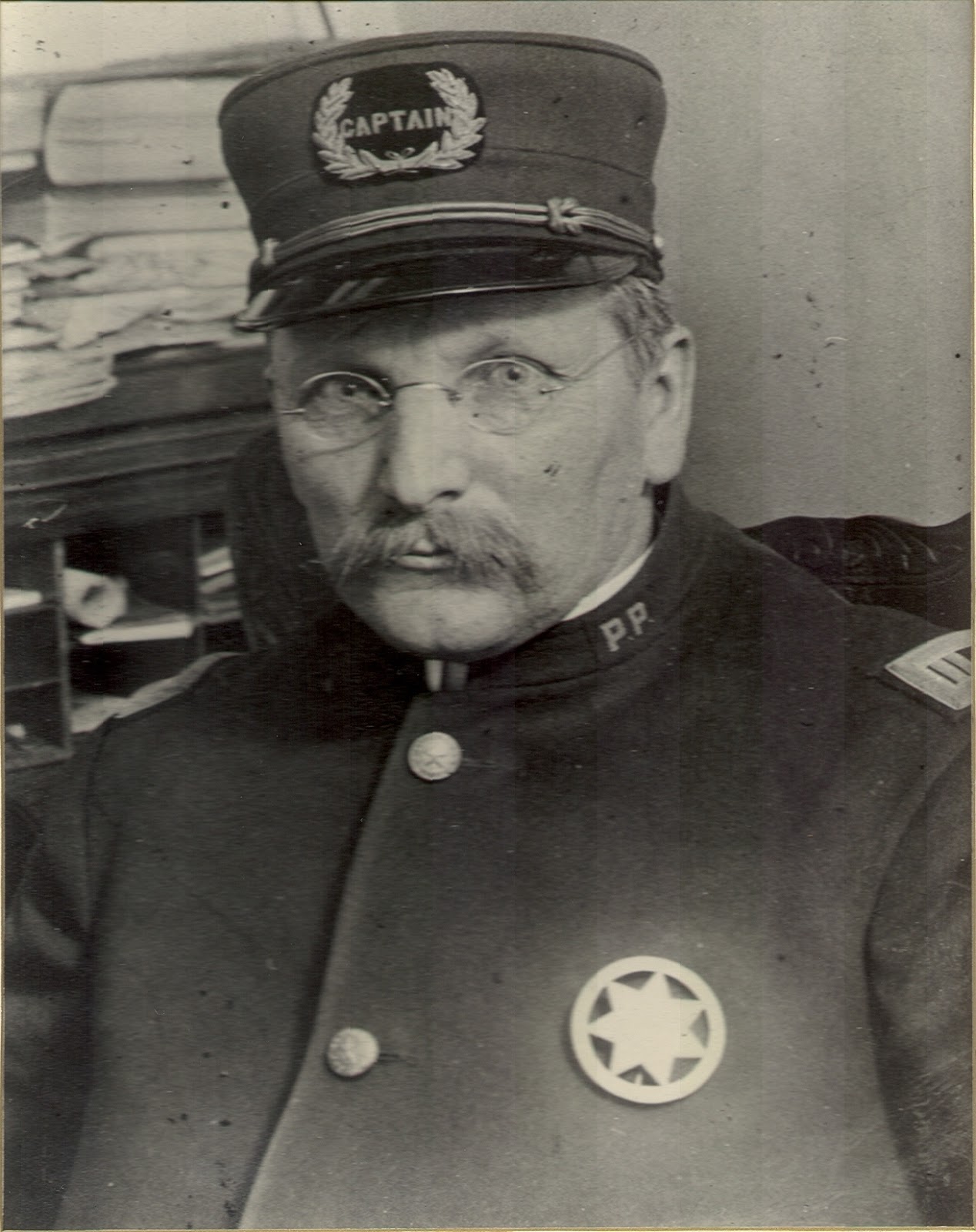 Enoch Slover, Portland Police Chief was accused of being on the payroll of North End brothel owners. He was always happy to use police raids to divert public attention. In 1913 he tried to frame IWW organizer Gordon Napier for the murder of John A. Brown. Portland Police Historical Society. Enoch Slover, who served as chief of police for Rushlight’s entire term of office, became a symbol of the corrupt institution that the Portland Police Bureau had become. Slover joined the Police Bureau in 1903 and distinguished himself as an officer during the Lewis & Clark Exposition, where his first beat was located. He rose through the ranks quickly, promoted to sergeant before the end of 1903 and becoming Captain in 1905. Slover was accused of corruption and bribery many times in his career, the earliest recorded accusations against him came in 1904. After serving as chief between 1911 and 1913, Slover intended to continue as a Police Captain, but he was fired from the Police Bureau for “conduct unbecoming a police officer.” Slover had been identified as the leader of a ring of corrupt cops who were on the payroll of brothel owners in the North End. More than a dozen officers were fired at the beginning of Mayor H. Russell Albee’s term of office. The mass firing was used as evidence that the Police Bureau had been cleaned up; once again Slover served a theatrical roll in a propaganda performance. All through the spring of 1913 the Wobblies were building power and agitating among the women workers who dominated the canning industry on the east side. Mayor Rushlight and Chief Slover, responding to pressure from downtown merchants and eastside factory and mill owners, went after the IWW. The first propaganda police attack came when the wobblies were accused of killing John A. Brown, teamster foreman for the C.J. Cook Co. The Cook Co. was one of the biggest excavation and demolition companies in the city and had been capitalizing on Portland’s growth as the crumbling old buildings downtown were replaced by new buildings. The second propaganda attack against the wobblies came a few months later with the raids on the Monte Carlo Poolroom and the Fairmont Hotel, meeting places for homosexual men, and the resulting Greek Scandal. The homosexual scandal, in the aftermath of the 1912 YMCA Scandal which created a strong anti-gay feeling in Portland, was used to harass and breed mistrust of immigrants and migrant workers, who made up a large percentage of IWW membership. The murder investigation, although unsuccessful, was used to discredit the wobblies and to try and discover the names of its members. Murder was a typical weapon that was used against the IWW in two ways: some IWW organizers and members were murdered outright; others were framed for murder; either way effectively destroyed the leadership of the IWW. From the attempted frame up of IWW leadership for the murder of Idaho Governor Frank Steunenberg in 1905 to the execution of Joe Hill for a murder he didn’t commit in 1914, frame ups were an effective weapon against the IWW. In 1913 Chief Slover tried to frame Gordon Napier for murder. It started with an argument in the Elkhorn Café on NW 6th& Davis. The café was next door to Wobblie Hall, the IWW headquarters and was frequented by IWW members as well as Teamsters and other union members. Over the previous decade, as Portland unions fought employers on the issue of the “open shop” – a work place that allowed union members and non-union members as part of the workforce, conservative AFL unions such as the Teamsters and the International Longshore Association had grown more radical in their demands and methods and built solidarity with the IWW. The “open shop” is a method that employers use to dilute the strength of unions and pit workers against each other – Portland unions and employers have still never settled this issue conclusively. The Elkhorn was a place that you could always find support for the “Revolution.” It is curious that John A. Brown, foreman for the C.J. Cook Co. and an outspoken opponent of unions would stop there for a drink. He did just that on the evening of March 24, 1913. His companion on that occasion was Alfred Carter, a man who claimed to be a close friend of Brown’s. Carter, who also worked for C.J. Cook on the excavation for the new Pittock Building, claimed that he and Brown stopped in at the Elkhorn for a couple of drinks after work and that he got into an argument with wobbly Gordon Napier. According to Carter, Napier left the café and when Carter and Brown came out he led a group of wobblies who attacked them on the sidewalk. During the fight Brown received a blow, possibly from a heavy salt cellar, which fractured his skull and killed him the next day. Napier and Carter both got away after the fight, most likely with help from the wobblies, but several IWW members were arrested. None of them would admit anything and stayed in jail rather than talk. Carter was quickly found and although he was the original murder suspect, he accused the wobblies and the police went along with it. Napier was picked up in The Dalles a couple of days later and returned to Portland to face a murder charge.
 IWW demonstrations were often met by violent oppression, as seen in this photograph from San Diego. During the Portland Free Speech Fight Dr. Marie Equi became enraged at the brutal methods the police used to clear the streets. She often credited that experience for her commitment to political radicalism. University of Washington Special Collection. It seemed like an open and shut case, Napier confessed to the argument with Carter and the fight on the sidewalk, but he said that he had been after Carter and hadn’t fought with Brown at all. One of the witnesses, Ernest Lindsay, a Teamsters’ union member, was identified as the man who hit Brown, but he denied that he had been involved with the fight. Lindsay’s testimony was so unbelievable that he was charged with perjury. Napier was charged with assault with a deadly weapon, but police couldn’t get enough evidence to charge him with murder. The Grand Jury didn’t buy any of it and they returned “not true” bills on both Lindsay and Napier’s charges. With no other suspects, the police dropped the investigation. Solving the murder was less important than discrediting the IWW. A quick check of the history of Alfred Carter, the main witness against the wobblies, points to a different theory of the crime. Carter, who sometimes was a union member and sometimes scabbed, was part of a burglary ring that stole building supplies and tools from construction sites. When Carter was arrested in 1910 for stealing tools police thought they had finally captured the ring that had been operating in Portland for a couple of years. Carter and his nephew, Fred Haynes admitted that they were working for prominent contractor Edward M. Neylor. Suddenly the investigation was dropped and no charges were brought against Carter, Haynes or Neylor. The abrupt end of the case suggests that protection was involved, as it often kicked in before criminal cases could go to trial. Haynes’ involvement with local burglary and bootlegging rings for the next two decades also provides a clue that the family had connections in the underworld. Carter claimed to have been close friends with John Brown, but no one ever backed him up on that fact and there is no evidence that the two men were close.
The basic question of the John Brown murder is: what were Brown and Carter doing at the Elkhorn Café? Carter was not a union supporter and was a “known scab,” Brown was the foreman of a construction company that had been fighting with the Teamsters’ Union for at least the last two years. Why would these two men choose a bar frequented by radical union members, right next door to Wobbly Hall, for a couple of drinks after work? It is not surprising at all that Carter got into a loud argument with Napier. Napier, who had a long record for radical activity in both Oregon and British Columbia, would have been a natural enemy of both Carter and Brown. Carter would have been certain of finding a fight at the Elkhorn and he could easily have provoked a wobbly enough to get him to go for reinforcements, as Napier seems to have done. Is it possible that Carter chose the Elkhorn because of the possibility of a fight and he used the fight as cover to kill Brown? Brown could have discovered Carter’s illegal activities, or he could have been involved in a deal with him, either situation could have provided a motive for murder.
Thanks to all the patrons and first look members at www.patreon.com/jdchandler and to Super Sponsor Fred Stewart for supporting my work. History isn't free. Support your local historian.content (c) jd chandler