
Joanna Moncrieff's Blog
August 26, 2025
Antidepressants in pregnancy – turning a blind eye, again
This blog is co-authored with Dr Adam Urato, Maternal-Foetal Medicine specialist

Image: THINKSTOCK, from BBC.co.uk
You might think that telling women about the potential risks of taking antidepressants during pregnancy would be uncontroversial. You might think that a drug regulator considering the evidence on these risks would be uncontroversial. You would be wrong!
The medical establishment backlash to the recent FDA panel hearing has been extraordinary. The panel, convened by the new FDA chair, respected surgeon, Marty Makary, was set up to hear evidence on the potential risks of antidepressants during pregnancy and childbirth (the discussion can be viewed here). It is true that this was an unusual and, in my view, momentous event. In the past, drug regulators have generally kow-towed to drug company interests and medical establishment views, reassuring the public about the safety of drugs. But that has changed in the US, for now, and the panel included a range of experts, including the authors, who have been critical of the establishment line that antidepressants are safe and effective.
In the view of the medical establishment, however, the panel was ‘alarmingly unbalanced’. The American College of Obstetricians and Gynaecologists claimed panel members ‘made outlandish and unfounded claims’. Massachusetts General Hospital Center for Women’s Mental Health suggested they ‘ignored or diminished the risks associated with untreated depression in the mother’. The discussion ‘undermines the agency’s mission to protect and promote public health’ and would put patients’ lives at risk by deterring them from seeking effective treatment: ‘For pregnant people who need SSRIs, they are life-changing and lifesaving’. Media coverage followed suit, with NPR, NBC News and The Guardian accusing the panel of spreading ‘misinformation’.
The medical institutions insisted that ‘SSRIs are safe in pregnancy and that most do not increase the risk of birth defects’ and that ‘SSRIs during pregnancy appear to confer minimal risk’, and that these are outweighed by the risks of ‘untreated depression’.
These statements are misleading and the FDA and the public deserve to judge for themselves whether the evidence suggests that using antidepressants in pregnancy is safe and worthwhile. This was the evidence that was put to the FDA in the recent panel.
The main argument of those who are keen to reassure women (including the representative of the establishment view on the panel itself, Dr Roussos-Ross), is that taking antidepressants is necessary because untreated depression presents risks to the mother and baby, and these are greater than the minimal risks associated with the drugs themselves.
There are two problems here. The first is that depression is associated with social deprivation, smoking, obesity and other factors known to be harmful in pregnancy, and these are not always adequately controlled for in studies reporting links between depression and pregnancy complications. The use of antidepressants is also sometimes ignored. For example, a typical study (cited in the Massachusetts General Hospital Center statement) claims depression during pregnancy is associated with low birthweight and pre-term birth (prematurity) but completely fails to examine the possibility that the use of antidepressants may have explained the results. Surely, in a contest between an emotional state and a foreign chemical for the cause of foetal abnormalities, the chemical should be the prime suspect?
One of us, Maternal-Fetal Medicine specialist, Adam Urato, has suggested the best explanatory framework for understanding the effects of antidepressants in pregnancy is the Harmful Chemical Model. In contrast to claims by antidepressant proponents, this suggests that taking antidepressants is ‘not like using insulin in pregnant diabetics’.
The second problem is the often-unspoken assumption that antidepressants have significant benefits in treating depression.
Yet, the way the benefits of antidepressants are presented is completely at odds with the data. At best, antidepressants show a very modest benefit over placebo in terms of reducing symptoms of depression after a few weeks of treatment. As I told the FDA panel, this is not in dispute. Meta-analyses of hundreds of trials consistently show that the average difference between antidepressants and a placebo is around 2 points on the 52-point Hamilton rating scale (the most commonly used depression rating scale). And despite decades of trying, no subgroup has ever been identified that shows a larger response. . This is what the evidence shows, before it is massaged by categorising it into responders and non-responders or other manipulations that make the difference seem more impressive than it really is.
This modest effect has not been shown to be the result of a targeted effect on an underlying depression mechanism (such as the rectifying of a chemical imbalance or abnormality of the serotonin system). Indeed, it is likely to be an amplified placebo effect, due to the fact that in many trials people can identify whether they have got the real drug or not better than chance. People who guess they got the real drug do better than those who think they got the placebo, even when there is no actual difference. If it is due to a pharmacological effect, this is likely to be the emotional numbing or apathy the drugs can produce. In theory, a mild degree of numbing may reduce acute feelings of distress or anxiety, but the fact that the differences from placebo are so small and insignificant suggests it doesn’t translate into tangible benefits. Also, being numbed doesn’t sound like a good state to be in when looking after a baby.
So the whole argument that antidepressants are necessary to prevent the complications of untreated depression is fallacious. Yes, it’s not great to be a depressed mother, and depressed pregnant women deserve compassionate care, but there are other ways to help people with depression, and antidepressants don’t appear to produce significant benefits for most patients in any case.
Moreover, antidepressants do not improve pregnancy outcomes by reducing the risks that are associated with depression (although likely caused by something else – social deprivation or antidepressant use, for example), such as pre-term birth and low birth weight. In study after study mothers taking antidepressants have worse pregnancy outcomes (i.e. more miscarriage, more preterm birth, more postpartum hemorrhage.) In some of these studies the researchers “adjust” or “correct” the data and the associations lose statistical significance, but virtually none of the available studies in almost four decades of research show improved pregnancy outcomes in women taking antidepressants.
So what about the claims that antidepressants are safe in pregnancy or that the risks are minimal?
In the early noughties one of us (Prof Moncrieff) reviewed a paper on the links between congenital abnormalities and paroxetine. There was evidence of a small increased risk of cardiac malformations in the babies of mothers who had taken paroxetine during pregnancy. She recommended that the paper advised against using this antidepressant in pregnancy because although the effect was small, and uncontrolled confounding factors may have contributed, this had to be balanced against the lack of significant benefits from taking antidepressants. The editor told the authors of the paper to ignore her.
A couple of years later, the FDA issued an advisory warning about the risk of birth defects, particularly congenital cardiac malformations, associated with paroxetine. The manufacturer changed the labelling of paroxetine to a category D (positive evidence of foetal risk).
Debate has raged since then about whether other antidepressants, or antidepressants as a whole, are associated with congenital abnormalities. First of all, it is important to note that there are many studies that find that women who take an SSRI or an SNRI are more likely to have a baby with a birth defect, especially a heart defect, including carefully conducted studies by researchers from the CDC (the US Centres for Disease Control and prevention). Second, animal models and preclinical research suggests that serotonin plays a key role in embryonic development, including the development of organ systems, and in the structure and function of the placenta. Therefore drugs that disrupt normal serotonin activity, are biologically plausible candidates for producing foetal malformations and other adverse effects on foetal development.
However, as advocates of the drugs rightly point out, women who take antidepressants may be at an increased risk of having a foetal abnormality in the first place, because they are more likely, for example, to have a physical health condition, to be a smoker or to be taking other medication. Adjusting for these factors reduces the strength of the associations between antidepressants and birth defects in some studies.
Yet, in other studies associations persist after adjustment, and are sometimes even strengthened, which just illustrates that the process depends on what you adjust for, exactly, and how.
Some of these studies attempt to control for the presence or severity of depression for example, but it’s not clear that this is a legitimate thing to do, or that it has been done in a way that enables the effects of antidepressants and the effects of having depression or another mental disorder to be distinguished.
‘Confounding’ factors do likely account for some of the association between antidepressants and birth defects, but it is dangerous to assume they account for all of it, given that the link is found so consistently, and the effects of adjustment are so varied. Nevertheless, the increased risk of birth defects is generally low. This is why the efficacy of the drugs is a critical consideration. If they worked amazingly, then a given patient might find a small elevation of risk to be acceptable. But they don’t.
Incidentally, some risks are strongly elevated. A recent CDC analysis using the US birth defect register found that the odds of anencephaly and craniorachischisis was raised 9.14 times in women taking venlafaxine.
Antidepressants have been linked with numerous other adverse effects on pregnancy and subsequent child development. These include miscarriage, premature birth and post-natal haemorrhage. The UK regulator, the MHRA, issued a warning about the risks of post-partum haemorrhage in 2021, pointing out that ‘SSRIs and SNRIs are known to increase bleeding risks due to their effect on platelet function’.
There is also evidence that antidepressants may be implicated in serious pregnancy complications such as pre-eclampsia and placental abruption.
Again, it has been suggested that some of these effects may be due to the effects of depression or other factors that are more frequent in depressed women. One study found that the association between antidepressants and miscarriage, for example, was weaker when the analysis was restricted to depressed women alone than when looking at a population level. However, miscarriage rates were still increased in antidepressant users compared to non-users to a small, but statistically significant extent. A study looking at pre-term birth found the rate of prematurity was still substantially elevated in women who took SSRIs (at 24.4%) compared with the rate in women with a mood disorder who did not take antidepressants (7.9%).
Although some effects remain uncertain, and are likely to be small, animal research in sheep, as well as rats and mice, confirms that antidepressants, including SSRIs, are associated with negative outcomes including foetal malformations, prematurity, decreased birth weight, and higher rates of infant death.
Some complications are common. Up to a third of babies born to women taking SSRIs during the last weeks of pregnancy show what’s euphemistically called ‘poor neonatal adaptation’. This syndrome is characterised by breathing and feeding problems, increased or decreased muscle tone, constant crying, hypoglycemia, vomiting and temperature instability. When severe it can involve respiratory distress, dehydration and convulsions. It may be a withdrawal syndrome, like those of babies born to mothers addicted to opioids, or it may be a manifestation of the toxicity of the drugs as they are slowly excreted from the baby’s system. Ultrasound studies suggest babies are affected while they are still in the womb, showing heightened motor activity and disrupted sleep. Official literature plays this syndrome down and reassures people that symptoms are ‘transient and resolve spontaneously.’ It can be serious, however, and a small follow-up study detected that babies who had suffered this syndrome had problems with social behaviour two and six years later.
A rare but dangerous complication called persistent pulmonary hypertension of the newborn is also associated with antidepressant use in pregnancy. This involves a failure of the vessels in the lungs to relax, thus hindering oxygen reaching the lungs. It has a 5-10% death rate and is quite, but not very, rare (occurring in about 2 out of every 1000 live births). The use of antidepressants increases the number of babies who get it by about 3 to 3.5 per 1000 births. A significant proportion (around 13% in one study) of babies exposed to antidepressants during pregnancy will show respiratory distress and need acute delivery room resuscitation.
There is also a body of evidence on the health and development of the children of women who have taken antidepressants during pregnancy. Many studies suggest that these children are more likely than the average child to be diagnosed with autism or to show problems with language and behaviour. Again, this research may be influenced by other factors, such as autistic traits in mothers themselves, but some large, well-adjusted studies suggest a link. For example, a study published in the BMJ found that children exposed to antidepressants during pregnancy had increased rates of autism compared to the children of women who had a diagnosis of a mental disorder but did not take antidepressants. Moreover, animal research provides compelling evidence of a drug-related effect . Studies show that maternal use of SSRIs reduces the social interactions and play of the offspring, along with general activity levels and exploratory behaviour.
SSRI exposure during development has also been show to impair the sexual activity of the offspring when they reach adolescence. This makes sense. We know that one of the main effects of SSRIs is to impact sexual function in adults who take them, and that this impairment can persist after the drugs are stopped.
If we accept the Harmful Chemical Model, these findings are not surprising. As Dr Urato said during the panel ‘never before in human history have we chemically altered developing babies like this. Especially the developing fetal brain.’
In contrast, official advice and media coverage has focused on reassuring the public that benefits of antidepressants outweigh the risks of the drugs in pregnancy. But this has it wrong. First off, benefits in mood appear minimal and benefits in pregnancy outcomes haven’t been shown. But even more importantly, it’s the mother herself who must weigh the risks and decide for herself whether to take the drugs. Dismissing the risks and reassuring women that these drugs are ‘safe’ is a paternalistic approach that obscures the central role of the pregnant woman herself.
Since the thalidomide tragedy, society has generally taken the view that subjecting the developing foetus to foreign chemicals is risky and best avoided if possible. Yet medical leaders are cavalier about the potential risks of antidepressants. Their attitude illustrates a deep-seated attachment to antidepressants that seems to blind many doctors to their harmful effects. This is also evident in attempts to play down the significance of antidepressant withdrawal and antidepressant-induced persistent sexual dysfunction. On pregnancy, as in these other situations, the public have a right to know what the evidence consists of and to make up their own minds. As Dr Urato concluded elsewhere: ‘The FDA should add stronger warnings to the label. And the media must start accurately covering the topic and properly informing the public’.


February 3, 2025
Wishful thinking dressed up in scientific terminology: a reply to Awais Aftab

Awais Aftab’s blog about the Sunday Times article on my new book, Chemically Imbalanced, was predictable. Like previous reactions to our serotonin paper, it illustrates how elements of the psychiatric profession attempt to control the message that gets out to the public. Aftab even subtitled his blog ‘British journalists and editors this is for you’. This process shapes what becomes accepted as scientific ‘knowledge’ in line with professional and commercial interests.
After a few comments characterising me as a ‘contrarian,’ Aftab’s basic point about the science is simply this: although we haven’t found them yet, depression might be associated with specific brain processes, including those involving serotonin. And because it might be, we should assume it is. Hence he is perturbed by what he sees as a ‘general dismissal of the neurobiology of depression’.
This argument also underpinned many of the original responses to our serotonin paper, but it inverts the most basic precepts of science. An idea or theory is unproven until it is proven, not the other way round. This has to be the case because anyone can propose anything- and they do. There are scores of theories about links between this or that biological process or chemical and depression. A psychiatrist posted a list of 59 of them on Twitter in 2022, and there are more.
Just as a quick aside, by questioning that there is a ‘neurobiological’ basis to depression, I am not suggesting that nothing is going on in the brain when people are depressed. The question is whether there is a specific brain mechanism that produces depression in the same way that there is a specific process that produces Parkinson’s disease, for example.
What Aftab presents as alternative ways of understanding the relationship between serotonin and depression are not even testable theories, although the sprinkling of technical jargon (‘signalling’, ‘dysfunctions’) makes them sound impressive. He proposes, for example, that one way to think of the relationship is that ‘depression generally, or in subset of patients, involves alterations in the serotonin signalling system (e.g. in the distribution or sensitivity or certain sorts of serotonin receptors).’ But what subset of patients, and what sort of alterations of receptors? There is no agreement about whether there are certain subtypes of depression, let alone what they are, and no body of research that has tested serotonin functions in such groups.
Then he suggests that ‘the serotonin system mechanistically links depressive symptoms and neurobiological dysfunctions in other aspects of brain functioning (e.g. neurogenesis or neuroplasticity)’. But how exactly? And, although there has been a lot of talk about the role of neurogenesis and neuroplasticity in depression of late, especially since we debunked the serotonin hypothesis, there is no real agreement about what these terms refer to or how you would even test them, let alone a convincing body of evidence.
In other words, Aftab is putting forward unsubstantiated speculations and suggesting these are a good enough basis to accept the idea that depression is a neurobiological condition. In Chemically Imbalanced I call this ‘wishful thinking dressed up in scientific terminology.’
Later on Aftab suggests that endocrine and inflammatory processes may be involved in depression- and again they might be, but there is little evidence that they actually are. I summarise research on the main contenders to the serotonin theory in the book, and conclude that ‘as soon as one theory is discredited, the advocates of the biological paradigm turn to another, putting forward a new set of ropey, inconclusive and ambiguous studies as putative evidence. Challenging the biological model of depression feels like a game of whack-a-mole: as soon as you put one theory to bed, another one sprouts up.’
In relation to serotonin and depression, Aftab admits that ‘nothing conclusive has emerged that commands a strong consensus’ and that links are ‘not conclusively established’ and not ‘robust’. But he thinks there is animal research demonstrating an association between serotonin and mood, citing a review paper that I describe in the book. In fact, this paper shows that animal experiments are highly inconsistent – different studies produce contradictory results. However, you wouldn’t know this unless you read the paper carefully because the authors present a convoluted hypothesis to explain the inconsistencies that appears to suggest a role for serotonin, but is simply another example of ‘well, it might be this’.
It is not true, therefore, that we ‘know’ that serotonin is involved in mood or behaviour. In the book I describe how there is evidence that serotonin has a detrimental effect on sexual behaviour, but that is about all we can say about its behavioural functions.
When Aftab suggests that whether there is an alteration of the serotonin system in depression is still ‘an open scientific problem,’ he is technically correct. You cannot prove a negative in science. It’s worth remembering, however, that there have been six decades of research on the serotonin system in depression, and they have not revealed anything remotely conclusive. If you can’t give up on a theory after that, when can you?
Why does any of this matter? Because the idea that depression is a neurochemical or neurobiological condition creates the impression that treatments that modify the brain, such as antidepressants, ‘work’ by targeting and correcting the underlying mechanism (whether this mechanism is regarded as ‘abnormal’ or not is unimportant). This is the rationale that persuaded people that taking antidepressants is a sensible thing to do.
Aftab wants us to continue to assume this is the case, but we do not know whether such a mechanism exists and if so what it is. And for this reason, we do not know how antidepressants produce their effects.
As I have said before, I expect the very small difference between antidepressants and placebos in clinical trials is not a pharmacological effect but a result of an amplified placebo effect due to people being able to guess what they are taking (as we showed in the TADS study of fluoxetine in adolescents). But let’s assume it is a pharmacological effect for a moment. Antidepressants are drugs that enter the brain and change our normal brain chemistry and activity – this is not in dispute – and these changes inevitably impact on our mental states. In other words, antidepressants have brain and mind-altering properties. If you give someone with depression a dose of a mind-altering drug, like heroin, they would most likely feel less depressed for a while. Antidepressants are not the same as heroin, and the alterations they produce are usually quite subtle, but most of them numb or restrict emotions to some degree, which might reduce depression scores.
I am using ‘might’ here too, but this scenario needs to be ruled out before we can conclude that antidepressants ‘work’ by affecting a putative biological mechanism. The burden of proof needs to be on those who suggest that as well as their brain and mind-altering effects, antidepressants also target depression mechanisms. This view has quite different implications from taking a drug that numbs emotions by interfering with normal brain activity. The latter situation should rightly worry us because we haven’t properly researched what antidepressants do to the brain exactly or what the consequences are.
Aftab finishes with some philosophical points. He characterises my views of depression as being a ‘normal reaction to adverse circumstances’ and asks ‘what is normal?’ I don’t believe I have ever said this because, like him, I recognise that some people have extreme emotional reactions that are out of the ordinary. It doesn’t follow, however, as he seems to suggest, that because something is out of the ordinary it should therefore be classified as a medical condition.
He then asks whether it is valid to distinguish between the idea that ‘circumstances make us depressed’ and ‘chemistry makes us depressed’ and refers to a ‘rich body of philosophical literature’ on the topic. Indeed, I have written papers on this subject myself in the past, to which Aftab responded. I noted that although the ‘biopsychosocial model’ sounds appealing, when a specific biological process is really involved, as in Parkinson’s disease and other recognised brain diseases, it trumps other influences. I argued that ‘physiological states are different from meaningful states like beliefs, emotions and moods’. People can read my original paper here, Aftab’s response to me here, and my response to Aftab here. I concluded that ‘People with what we call mental disorders are trying to negotiate their individual circumstances in various human ways. They are not walking representations of “neurological mechanisms.”’
July 15, 2024
Desperate measures: Ghaemi’s response to our review of lithium and suicide prevention
By Joanna Moncrieff and Martin Plöderl
TL;DR We argue that Nassir Ghaemi’s extraordinarily pejorative response to our review demonstrates how strongly attached the biological psychiatric establishment is to the idea that treatments target disease processes and how angrily it reacts when this notion is challenged. We refute Ghaemi’s criticisms.
Nassir Ghaemi, professor of psychiatry at Tufts, recently responded to a systematic review we conducted on the evidence for the common claim that lithium prevents suicide.
The content and style of Ghaemi’s article, which is more of a rant than a scientific commentary, suggest he was extremely upset that this cherished belief had been challenged (Ghaemi 2022). The manner of its publication in the Journal of Psychopharmacology, implies he was not alone. As such, the piece provides an interesting insight into the importance of the medical or disease model of treatment to the identity of professional psychiatry.
Ghaemi, along with the reviewers and editors, seem to need to defend the reputation of psychiatric drugs as sophisticated and targeted agents and to shut down any notion that they might not be that special. The article illustrates the desperate measures some will take to defend this view, and the way in which a group of biological psychiatrists exert their influence over the scientific literature.
Our review of data from randomised trials was the largest to date and did not provide support for the claim that people treated with lithium have lower suicide rates or rates of suicide attempts than people treated with placebo (Nabi et al, 2022).
One of us (Joanna Moncrieff) had conceived the review because the belief that lithium prevents suicide is prevalent and influential. The main evidence cited to support this belief came from a meta-analysis published in 2013, which had excluded a large proportion of trials due to the fact that no suicides had occurred in them (Cipriani et al, 2013). The technique of excluding trials with ‘zero events’ is problematic, however, because it excludes much relevant data and makes suicide seem more common than it is. The technique was popular primarily because older statistical methods of meta-analysis could not incorporate such trials. Initially, therefore, we planned to do a simple analysis, combining the data from each trial as if it were from a single trial. Then Martin Plöderl joined the team and brought expertise in new statistical methods of meta-analysis that have been developed to manage ‘zero event’ trials. So we applied these too.
In a previous paper, Ghaemi declared that lithium ‘is the only drug in psychiatry which is proven to be disease-modifying,’ by which he meant that it affects the pathophysiology of the disease process and the course of the illness, including mortality due to suicide. In contrast, other psychiatric treatments are non-specific, ‘symptomatic’ treatments, according to Ghaemi, which have no effect on the underlying condition (Ghaemi, 2022).
Ghaemi’s categorisation of drugs in this way is misleading. Symptomatic treatments may nevertheless target physiological processes that produce symptoms. In fact, most medical treatments affect symptom mechanisms rather than the ultimate pathology of a disease. There is little evidence that psychiatric drugs do this, however. As one of us has explained in many publications and talks (including one at which Ghaemi was present as a co-presenter), psychiatric drugs can modify the manifestations of mental disorders by altering normal biological processes (the drug-centred model). There is little justification for supposing that they have any additional impact on the hypothesised mechanisms that produce the feelings and behaviours we call symptoms of mental illness (the disease-centred model) (e.g. Moncrieff, 2008; Moncrieff, 2018). These mechanisms are not established, and arguably never will be, since mental illness typically consists of complex situations that are unlikely to be explained by a deterministic, mechanical model of causation (Moncrieff, 2020).
So when Ghaemi claims that psychiatric drugs target symptoms rather than modify diseases he is not saying anything that is inconsistent with the conventional medical model of psychiatric treatment.
But Ghaemi wants to claim that lithium is special- that it does more than target symptom mechanisms, it modifies the disease process that underpins bipolar disorder.
Ghaemi is idiosyncratic in suggesting that only lithium affects the disease itself, but he joins the throng of psychiatrists who regularly and authoritatively proclaim that we know the biological basis of major mental conditions. With respect to bipolar disorder, Ghaemi claims that the ‘basic pathophysiology is known to involve biology of recurrence’, which, he suggests, happens to involve systems that are affected by lithium (Ghaemi, 2022).
While, in contrast, most biological psychiatrists admit we do not understand the biological basis of bipolar disorder (Harrison et al, 2018) or the mechanism of action of lithium (Chokhawala et al, 2024), they regularly make similar arguments to justify the disease-modifying effects of other drugs. Those psychiatrists who protested about the umbrella review of serotonin and depression conducted by one of us (Moncrieff et al, 2022) insisted that there is some evidence of a link, despite the overall picture being inconsistent and unconvincing (Jauhar et al, 2023), and others resorted to alternative theories to argue for the disease-targeting effects of antidepressants and other drugs that are being introduced for depression (such as esketamine) (Belko, 2024). At the recent Royal College of Psychiatrists’ annual conference, it was firmly pronounced that schizophrenia is related to dopamine dysfunction, which would therefore respond to dopamine blocking drugs.
Ghaemi, thinks glutamate is the culprit in schizophrenia, however, which is unaffected by antipsychotics (Ghaemi, 2022). Coupled with his propositions about the basis of bipolar disorder, this enables him to differentiate between lithium and antipsychotics in terms of their relationship to the hypothesised underlying disease.
But Ghaemi’s case for lithium’s special status as a curative agent also rests on his claim that lithium reduces mortality, including suicides. It is understandable, therefore, that he should want to challenge our systematic review. It is less clear why he felt the need to be quite so pejorative and unprofessional in his response. We will describe some of the derogatory comments he makes and then briefly set out a refutation of his substantive points- most of which had been made in another, more civilised response to our review (Bschor et al, 2022) to which we have replied (Moncrieff et al, 2022).
The title of Ghaemi’s recent paper, The pseudoscience of lithium and suicide: Reanalysis of a misleading meta-analysis, gets the insults in before we even get to the paper. The opening sentence of the introduction repeats the allegation that our review is ‘pseudoscience’ and accuses us of spreading falsehoods and of using ‘metaanalysis as a tool to mislead oneself and others’ (Ghaemi, 2024)
Ghaemi then explains the meaning of pseudoscience, for those who might not know, and of the process through which ‘pseudoscientists’ deceive people:
‘Pseudoscientists deceive themselves, adhering to a set of unchanging beliefs. Then they can mislead honestly, based on their own self-deception. Self-deception is a precondition for deception.’
In contrast, Ghaemi seems to be setting himself up as the real scientist, arguing that ‘Science is a much harder task than pseudoscience, just as refutation of one’s beliefs is much harder than confirmation.’
In his conclusion he puts the boot in further: ‘This kind of article is not “research” in the sense of new knowledge: it produced not a single datum of new fact. It is social activism disguised as science. It uses scientific journals as a public relations tool, providing a patina of respectability for explicit opinion-based propaganda on the internet and in social media.’ The fact that we might disagree with his opinion is adduced as evidence that although we ‘believe’ we are engaging in science, we ‘are doing the exact opposite of science’. In the process ‘Pseudoscientists deceive themselves first, then earnestly foist their false beliefs on others’. Ghaemi is disabusing people of our misleading propaganda. ‘It takes some attention to understand why their meta-analysis was wrong’ he explains, ‘but it is worth the effort if one seeks knowledge instead of self-deception.’
Ghaemi was not solely responsible for the tone of his article, however. One of us was asked to review the initial version that he submitted to the journal. Instead of reviewing it, we suggested that we be invited to provide a response to be published alongside the paper. This is also recommended by the Committee on Publication Ethics (COPE), which the Journal of Psychopharmacology is committed to. Although we were initially told that we would be invited to do this, in the end, no invitation was forthcoming. Instead, the editor and peer-reviewers not only facilitated the unscientific tone of the paper, but also failed to correct clear misrepresentations of our study.
In the initial version of the paper that was sent out for review, the title was ‘Lithium and suicide: Critique and reanalysis of a recent systematic review’. The article mentioned pseudoscience but quite briefly. In the published version, the title was changed to include the accusation of pseudoscience and two whole new sections on ‘pseudoscience’ were added to the text, one in the introduction, and one at the end. Most of the explanation about our supposed deceptive practices, criticism of our scientific credentials and pejorative language, such as references to ‘social activism,’ ‘opinion-based propaganda,’ ‘foist their beliefs’ were added subsequently. These changes presumably reflect the suggestions of referees or the journal’s editors. The main editors and editorial board happen to include several biological psychiatrists who have taken exception to other work that questions the biological narrative of mainstream psychiatry (Jauhar et al, 2023). One member of the editorial board, Sameer Jauhar, posted approvingly about the article on X: ‘Nassir writes elegantly and imo he is correct’ (Jauhar, 2024).
Ironically, the self-deception and the promotion of ideological views that Ghaemi accuses us of engaging in seems highly evident in his own article. The fact that he can conclude that there is not just evidence but ‘strong evidence’ for lithium’s preventive properties on the basis of a selective analysis based on a very small number of suicides is indicative of his presuppositions. Even other proponents of lithium, such as Baldessarini and Tondo (2022), have acknowledged the uncertainty of lithium’s anti-suicidal properties, describing how : ‘recruiting participants to such trials [suicide prevention trials of lithium] may be made difficult by an evidently prevalent belief that the question of anti-suicidal effects of lithium is already settled, which it certainly is not.’
Ghaemi’s main criticism of our review is of our inclusion and exclusion criteria. He accuses us of ‘statistical alchemy’ because he thinks we should have excluded trials with zero suicides, which we included so as not to exclude a large amount of data, and included trials conducted before 2000, which we had excluded from our main analysis on the basis of unreliable reporting (there is evidence that suicides were not reported in at least one of these trials, as explained in our rebuttal to the earlier critique (Moncrieff et al, 2022). However, we had, in fact, performed a sensitivity analysis excluding zero event trials, and a subgroup analysis including the earlier trials. Neither detected a significantly lower suicide rate with lithium. Large parts of Ghaemi’s argument are built on the claim that we omitted earlier trials, yet we presented this analysis in Figure 3 in our paper and mentioned it in the abstract. It is curious that both Ghaemi and the reviewers seemed to miss this.
Despite Ghaemi’s idea of the clear-cut nature of science, every review involves making decisions about what you will include and what you won’t. We pre-registered our protocol outlining and justifying our eligibility criteria. Ghaemi, in contrast, appears to use a post-hoc selection strategy: selecting studies and statistical methods which lead to results that confirm his preconceptions, and then finding reasons for justification. Pre-registered systematic reviews were invented to prevent these biases.
Ghaemi cites Sweeting et al. (2004) and Diamond et al. (2007) to justify his criticism of our inclusion of zero event trials, references which are now up to 20 years old. In our original paper and also in our response to the previous critique of our review (Moncrieff et al., 2022), we carefully explained why these trials cannot simply be dismissed and how modern statistical research recommends they be included. Example quotations from relevant papers include:
“To utilize all available information and reduce research waste and avoid overestimating the effect, meta-analysts should incorporate DZS [double zero studies], rather than simply removing them” (Ren et al., 2019).
“Methods that ignore information from double-zero studies or use continuity corrections should no longer be used.” (Kuss, 2015)
“Including double-zero studies in meta-analysis improved performance substantively when compared to excluding them, especially when the proportion of double-zero studies was large” (Xu et al., 2022)
The Cochrane Collaboration, also now provides a tutorial on how to deal with such data and is critical about dismissing it (Cochrane Collaboration, 2024).
Ghaemi decided to exclude studies with zero suicides and to include trials published before the year 2000. This just failed to produce a statistically significant difference between lithium and control conditions (p=0.07). Then he adjusted the numbers of suicides in the recent, large VA trial by Katz et al. (2022). He included a death which was an overdose but not classified as a suicide, and a suicide that took place a month after the trial had ended. We excluded this since it is uncertain that other trials would have reliably reported events that occurred after the official end of the trial. By making these choices, Ghaemi managed to obtain a statistically significant difference in favour of lithium (p=0.02).
One can always argue about selection criteria in a systematic review, but we suggest that the alchemy may be on Ghaemi’s part, not ours.
One of Ghaemi’s arguments for excluding zero event trials is that they involve people at low risk of suicide. It is true that trials that are not aimed at suicide prevention often exclude people at risk of suicide, but this doesn’t necessarily mean there will be no suicides. The correct way to look at this issue is to look at trials which are specifically designed to test lithium’s suicide prevention properties, which include people at high risk of suicide. There are only four such trials, and we conducted a subgroup analysis including these trials, which found no effect. Ghaemi fails to acknowledge this.
In his section about the three aspects of suicidality (suicide ideation, suicide attempts, suicides), Ghaemi rightly points out that suicide is difficult to study because it is so rare. Hence it is not surprising that lithium has not been shown to have effects on it with the available data. However, Ghaemi fails to mention that evidence for suicide attempts does not support a preventive effect of lithium in any recent meta-analyses (including that of Cipriani et al, 2013). Suicide attempts happen about 20 times more frequently than suicides and thus the trial data has greater power to detect a preventive effect for lithium. If lithium does prevent suicide, a preventive effect on suicide attempts should be seen, too, and it is not.
Ghaemi ends with a strong claim: “The clinical conclusion is clear and the opposite of the pseudoscience: The anti-suicide effect of lithium is supported strongly by randomized clinical trials.” This statement is clearly at odds when considering all the evidence, the findings for suicide attempts, the large and high-quality suicide prevention trial by Katz et al, (2022), and when appropriately taking into account the uncertainty, as we have outlined here.
Given that Ghaemi’s case against our meta-analysis rests principally on our failure to exclude zero-event trials, which is no longer recommended, and that we didn’t include trials conducted prior to the year 2000, which we did (in a sensitivity analysis that was prominently presented in our paper) it is difficult to understand how his article was published. The fact that it was modified to make it more accusatory and pejorative than it initially was, suggests that the editors or reviewers involved in processing the paper were not primarily interested in a scientific debate about our meta-analysis, but wanted to use the paper as a vehicle to undermine the credibility of our research. Could the unscientific and aggressive tenor of the response indicate that some sections of the biological psychiatric establishment feel threatened?
On the one hand it feels as if they have never had it so good. More people than ever are using psychiatric drugs, such as antidepressants, and seeking psychiatric diagnoses including depression, bipolar disorder, ADHD and autism. On the other hand, people who have been harmed by psychiatric diagnosis and drugs are more connected and more powerful, and ordinary people have better access to alternative views about the nature of mental health problems and treatments. Doctors are no longer the only gatekeepers of medical knowledge and although this opens people up to the nefarious influence of the pharmaceutical industry or quackery, it also creates opportunities for people to inform themselves and each other outside of the medical system. Knowledge is power, and power means the ability to make truly informed choices about how to understand and manage your own problems. People who have manic depression, bipolar disorder or manic episodes no longer need to be misled about the miraculous anti-suicidal properties of lithium. They can see the evidence for what it is and make up their own minds.
First published on Mad in America (www.madinamerica.com)
October 2, 2023
Lessons from the RADAR trial
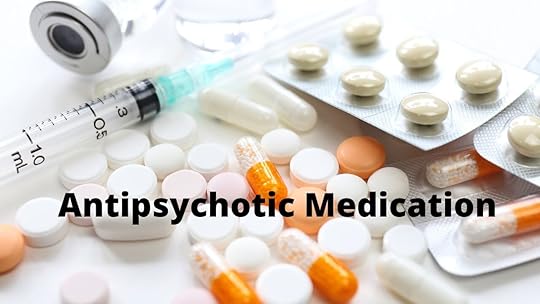
The RADAR trial is complete. Disappointingly it showed that people who gradually reduce their antipsychotic medication are more likely to relapse than people who continue it. At 2-year follow-up there were no differences in social functioning, symptoms, side effects or quality of life. Yet relapse was far from inevitable and the qualitative analysis showed that some people felt empowered by the opportunity to reduce their medication with official support, regardless of the outcome.
Running the RADAR study is by far the most difficult thing I have done in my professional career, and I would like to take the opportunity provided by the publication of its results (Moncrieff et al, 2023) to reflect on what I have learnt from the process of doing it, as well as the results.
The RADAR study involved a randomised trial comparing a gradual strategy of antipsychotic reduction (with discontinuation where possible) with maintenance treatment in people who had experienced recurrent psychotic episodes or been diagnosed with schizophrenia.
From the beginning I was supported by a strong team of experienced psychiatrists and academics who helped me with the practicalities but also gave the study credibility. They included people who have worked with drug companies in the past, but everyone acknowledged that antipsychotic drugs are unpleasant and potentially harmful, and that we need to research alternatives to life-long treatment. The trial was also supported by a team of people with lived experience of psychosis and the use of antipsychotics, who gave their time generously and provided constant encouragement.
I learnt how difficult it is to do a randomised trial, especially when the options are radically different from each other. Most trials struggle to recruit enough participants, partly because many people don’t like the idea of having their treatment decided for them by the role of a dice (or a computerised randomisation programme). But the Radar trial was not offering people an additional treatment, like many trials, it was offering people the possibility of receiving two quite different treatment strategies- continuing their antipsychotic or reducing it with a view to stopping it if the reduction proceeded smoothly.
Understandably, people who are already on antipsychotics often have strong views about whether they want to stay on them or not. So despite our best efforts, we did not recruit as many patients as we had originally intended. Still, we managed to recruit 253 people, and this was down to an incredible effort by my hard working and devoted local research team and to an amazing network of NHS research sites around the UK. The people recruited had a long history of contact with the mental health services on average, including numerous admissions, and were comparable to the general population of people under the care of community mental health services in the UK with the same profile of problems (diagnoses) (Freudenthal et al, 2021).
We ended up enrolling people from 19 different areas and organisations and in each one there was a team of people supporting the project. I was also reminded of how many good psychiatrists there are in the UK. Each area required a psychiatrist to support the study and this was a job that required commitment and nerve – some of these psychiatrists had to face down colleagues who thought the study shouldn’t have been done. They did it because they believed it would provide patients with better evidence about their treatment and improve their lot in the long run.
What about the results (see Moncrieff et al, 2023)? Most previous trials have taken people off their antipsychotics over a few days or weeks, and relapse was often defined in such a way that it could have consisted of symptoms like agitation or insomnia, symptoms that may be due to a withdrawal effect. When we planned the RADAR study, we hoped that reducing antipsychotics slowly would prevent serious relapses (which we defined as hospitalisation to ensure it reflected a significant deterioration). It didn’t. People randomised to the reduction strategy were more likely to be hospitalised with a relapse compared with people randomised to maintenance treatment (25% vs 13%). Relapses were full-blown psychotic relapses, not minor deteriorations, and people who reduced their antipsychotics did not show any improvement in their social functioning that might have compensated for this.
On the other hand, people in the reduction arm didn’t show any deterioration in their social functioning by the end of the study either, and psychosis symptoms were also the same in both groups at this point. There were no differences in any of the outcome measures at the two-year follow-up, including quality of life and side-effect scales. It will be interesting to look at the data in more detail (which we will do in the future), but it looks as if having a relapse, even one that requires hospitalisation, did not lead to long-term decline, as is sometimes suggested.
The results are not surprising and they are similar to the initial results of the Wunderink study conducted in the Netherlands which involved people with a first episode of psychosis. Wunderink and colleagues also found an increased rate of psychotic relapse at their 18 month follow-up and no difference in social functioning (Wunderink et al, 2007). It was only at the 7-year follow-up that social functioning was better in people who had originally been randomised to reduction, and that relapses had evened out (Wunderink et al, 2013).
The RADAR results show how difficult it is for people to stop antipsychotics once they have been taking them for a while. The RADAR trial did not provide any specific additional support to people who were randomised to reduce their antipsychotic medication except for more frequent monitoring by their psychiatrists (because we did not have the resources to do this). Participants in either arm could be referred for psychological therapy or general social support as provided by their local service and we also gave people information about local support groups. However, more specific support may have been beneficial and if I were to do this sort of study again, I would certainly want to provide something of this sort.
I wrote about the possible ways of explaining an adverse outcome after stopping a drug almost two decades ago now (Moncrieff, 2006a; Moncrieff 2006b), and other eminent researchers have echoed my analysis (Tondo & Balessarini, 2020). One possibility is that the drug was suppressing an underling pattern of problematic behaviour that surges back when the drug is removed. I think this is the case for some people. Another possibility is that the process of drug withdrawal induces psychotic symptoms, as has been shown to occur in some people who have no history of psychosis or even mental illness. A gradual withdrawal process should make this possibility less likely, but it is difficult to say whether the reduction in the Radar trial was gradual enough to eliminate it entirely. We know that most people who withdraw gradually from benzodiazepines or antidepressants still experience withdrawal symptoms, after all. A related possibility is that the experience of drug withdrawal precipitates a relapse of the underlying problem. Again, gradual withdrawal would be expected to reduce this possibility but not necessarily to exclude it. The qualitative results (which are just published too), which highlight the emotional rebound that can occur after antipsychotic reduction or discontinuation, suggest it can metamorphose into psychosis and psychotic relapse and support this possibility (Morant et al, 2023).
I don’t want to underplay the effects of having a full-blown relapse, but the qualitative results show that for some people, the process of reducing their antipsychotics was empowering regardless of the outcome. For some, the RADAR trial was the first time they had been offered anything other than continuous drug treatment and the first time they had been really involved in making decisions about their own future. Some went back onto their medication but felt better able to accept it, and some looked forward to getting off it eventually, even if they had not succeeded so far.
Some members of the group of people with lived experience of psychosis who supported the study were also empowered to ask for different approaches to their personal treatment.
Although the trial showed that you are more likely to relapse if you stop or significantly reduce your antipsychotic medication, it did not show that relapse is inevitable. In fact, 72% of the people who discontinued their antipsychotics across both groups (47 people) did not have a serious relapse, and 71% of the 109 who reduced their antipsychotic by at least 50% did not. Thirteen people in the reduction arm and 8 in the maintenance arm were off antipsychotics by the end of the trial.
The data from the Radar trial enables people to make more informed decisions about their antipsychotic treatment. We can say that if you come off reasonably slowly over 1-2 years you will be more likely to relapse than if you stay on your medication. Not everyone will relapse, however. The majority will manage to avoid a relapse – whether that is by increasing their medication again or through other means. Around 10% might manage to stop their medication completely.
And above all else, the fact that the Radar trial was funded, completed and supported by so many patients and professionals underlines that antipsychotic treatment is far from ideal, and that we need to explore alternative ways of supporting people who experience psychotic states.
June 21, 2023
Contradictory responses to our review of serotonin and depression
After the publication of our umbrella review of serotonin last summer, several psychiatrists wrote letters to the journal, Molecular Psychiatry, as usually occurs after the publication of a major finding. We were invited by the editor of the journal to respond to the points raised in the letters, again a routine procedure in scientific literature.
One letter was written by a large group of authors headed by Sameer Jauhar from King’s College London. Jauhar and colleagues made various criticisms, and we responded in detail to all of these and to points raised in other letters in our ‘authors’ response’ . However, when it was published, the letter by Jauhar and colleagues was referred to not as a letter, but as a ‘comment’. King’s College issued a press release about this ‘comment’, in which there was no mention of our response. Anyone who read the press release would have had the impression that this was a new article raising criticisms that we had not, and may be could not, respond to.
In our ‘authors’ response’ we highlight how, contrary to the accusations, we had used approved and well-accepted methods for the umbrella review, including pre-registering the protocol, using recommended search methods and quality assessments, and we had not, in fact, missed out studies as was claimed. We also pointed out how, even if every point of criticism was correct (which it was not), it would not affect the conclusions of the review, and would not establish a link between low serotonin and depression.
Some of the letters claimed the serotonin theory of depression had long since been abandoned. Jauhar and colleagues say they do not subscribe to the simple theory that depression is caused by low serotonin, but still maintain that serotonin is abnormal in people with depression, and that this can explain how antidepressants work. To justify this claim they cite evidence from tryptophan depletion studies published before 2007, involving 180 people with depression or fewer (there is evidence of possible duplication of studies), most of whom were using or had used antidepressants (which may affect results). There has been no systematic review since 2007, but these findings are contradicted by later studies. In any case, the evidence suggests and everyone agrees that tryptophan depletion does not induce depression in people who do not have depression, which is the real test of the hypothesis that low serotonin causes depression.
Several of the letters were critical of us for suggesting that the lack of evidence for a relationship between serotonin and depression has relevance for the understanding and use of antidepressants. We maintain it is highly relevant. First it suggests that the marginal differences between antidepressants and placebo that are apparent in clinical trials are likely to be produced by alternative, more plausible mechanisms like the emotional blunting effects of the drugs or by amplified placebo effects, rather than by targeting underlying biological mechanisms (since these have not been demonstrated). And second it highlights how we don’t know what antidepressants do to the brain exactly, which is a cause for concern. The public need to know these facts because if they had all this information, they might make different decisions about whether to take antidepressants.
It remains the case that no reasonable scientist could conclude that the link between serotonin and depression has been established.
Author’s response in Molecular Psychiatry: https://www.nature.com/articles/s41380-023-02094-z
August 22, 2022
How profit and professional interests have misled us about antidepressants

Our umbrella review that revealed no links between serotonin and depression has caused shock waves among the general public, but been dismissed as old news by psychiatric opinion leaders. This disjunction begs the questions of why the public have been fed this narrative for so long, and what antidepressants are actually doing if they are not reversing a chemical imbalance.
Before I go on, I should stress that I am not against the use of drugs for mental health problems per se. I believe some psychiatric drugs can be useful in some situations, but the way these drugs are presented both to the public and among the psychiatric community is, in my view, fundamentally misleading. This means we have not been using them carefully enough, and crucially, that people have not been able to make properly informed decisions about them.
Much public information still claims that depression, or mental disorders in general, are caused by a chemical imbalance and that drugs work by putting this right. The American Psychiatric Association currently tells people that: “differences in certain chemicals in the brain may contribute to symptoms of depression”. The Royal Australian & New Zealand College of Psychiatrists tells people: “Medications work by rebalancing the chemicals in the brain. Different types of medication act on different chemical pathways.”
In response to our paper finding that such statements are not supported by evidence, psychiatric experts have desperately tried to put the genie back in the bottle. There are other possible biological mechanisms that could explain how antidepressants exert their effects, they say, but what really matters is that antidepressants ‘work’.
This claim is based on randomised trials that show that antidepressants are marginally better than a placebo at reducing depression scores over a few weeks. However, the difference is so small it is not clear it is even noticeable, and there is evidence it may be explained by artefacts of the design of the studies rather than the effects of the drugs.
The experts go on to suggest that it does not matter how antidepressants work. After all, we do not understand exactly how every medical drug works, so this should not worry us.
This position reveals a deep-seated assumption about the nature of depression and the action of antidepressants, which helps to explain why the myth of the chemical imbalance has been allowed to survive for so long. These psychiatrists assume that depression must be the result of some specific biological processes that we will eventually be able to identify, and that antidepressants must work by targeting these.
These assumptions are neither supported nor helpful. They are not supported because, although there are numerous hypotheses (or speculations) other than the low serotonin theory, no consistent body of research demonstrates any specific biological mechanism underpinning depression that might explain antidepressant action; they are unhelpful because they lead to overly optimistic views about the actions of antidepressants that cause their benefits to be over-stated and their adverse effects to be dismissed.
Depression is not the same as pain or other bodily symptoms. While biology is involved in all human activity and experience, it is not self-evident that manipulating the brain with drugs is the most useful level at which to deal with emotions. This may be something akin to soldering the hard drive to fix a problem with the software. We normally think of moods and emotions as being personal reactions to the things going on in our lives, which are shaped by our individual history and predispositions (including our genes), and are intimately related to our personal values and inclinations. Therefore we explain emotions in terms of the circumstances that provoke them and the personality of the individual. To over-ride this common-sense understanding and claim that diagnosed depression is something different requires an established body of evidence, not an assortment of possible theories.
Models of drug action
The idea that psychiatric drugs might work by reversing an underlying brain abnormality is what I have called the ‘disease-centred’ model of drug action. It was first proposed in the 1960s when the serotonin theory of depression and other similar theories were advanced. Before this, drugs were implicitly understood to work differently, in what I have called a ‘drug-centred’ model of drug action. In the early 20th century, it was recognised that drugs prescribed to people with mental disorders produce alterations to normal mental processes and states of consciousness, which are superimposed onto the individual’s pre-existing thoughts and feelings. This is much the same as we understand the effects of alcohol and other recreational drugs. We recognise that these can temporarily over-ride unpleasant feelings. Although many psychiatric drugs, including antidepressants, are not enjoyable to take like alcohol, they do produce more or less subtle mental alterations that are relevant to their use.
This is different from how drugs work in the rest of medicine. Although only a minority of medical drugs target the ultimate underlying cause of a disease, they work by targeting the physiological processes that produce the symptoms of a condition in a disease-centred way.
Painkillers, for example, work by targeting the underlying biological mechanisms that produce pain. But opiate painkillers may work in a drug-centred way too, because, unlike other painkillers, they have mind-altering properties. One of their effects is to numb emotions, and people who have taken opiates for pain often say they still have some pain, but they do not care about it anymore. In contrast, paracetamol (so often cited by those defending the idea that it does not matter how antidepressants work) does not have mind-altering properties, and therefore although we may not fully understand its mechanism of action, we can safely presume it works on pain mechanisms, because there is no other way for it to work.
Like alcohol and recreational drugs, psychiatric drugs produce general mental alterations that occur in everyone regardless of whether they have mental health problems or not. The alterations produced by antidepressant vary according to the nature of the drug (antidepressants come from many different chemical classes – another indication that they are unlikely to be acting on an underlying mechanism), but include lethargy, restlessness, mental clouding, sexual dysfunction, including loss of libido, and numbing of emotions. This suggests they produce a generalised state of reduced sensitivity and feeling. These alterations will obviously influence how people feel and may explain the slight difference between antidepressants and placebo observed in randomised trials.
Influences
In my book, The Myth of the Chemical Cure, I show how this ‘drug-centred’ view of psychiatric drugs was gradually replaced by the disease-centred view during the 1960s and 70s. The older view was erased so completely, that it seemed people simply forgot that psychiatric drugs have mind-changing properties.
This switch did not occur because of scientific evidence. It occurred because psychiatry wanted to present itself as a modern medical enterprise, whose treatments were the same as other medical treatments. From the 1990s, the pharmaceutical industry also started to promote this view, and the two forces combined to insert this idea into the minds of the general public in what has to go down as one of the most successful marketing campaigns in history.
As well as wanting to align with the rest of medicine, in the 1960s the psychiatric profession needed to distance its treatments from the recreational drug scene. Best-selling prescription drugs of the period, amphetamines and barbiturates, were being widely diverted onto the street (the popular ‘purple hearts’ were a mixture of the two). So it was important to emphasise that psychiatric drugs were targeting an underlying disease, and to gloss over how they might be changing people’s ordinary state of mind.
The pharmaceutical industry took up the baton following the benzodiazepine scandal in the late 1980s. At this time it became apparent that benzodiazepines (drugs like Valium- ‘mother’s little helper’) caused physical dependence just like the barbiturates they had replaced. It was also clear they were being doled out by the bucket load to people (mostly women) to medicate away the stresses of life.
So when the pharmaceutical industry developed its next set of misery pills, it needed to present them not as new ways of ‘drowning one’s sorrows’, but as proper medical treatments that worked by rectifying an underlying physical abnormality. So Pharma launched a massive campaign to persuade people that depression was caused by a lack of serotonin that could be corrected by the new SSRI antidepressants. Psychiatric and medical associations helped out, including the message in their information for patients on official websites. Although marketing has died down with most antidepressants no longer on patent, the idea that depression is caused by low serotonin it is still widely disseminated on pharmaceutical websites and doctors are still telling people it is the case (two doctors have said this on national TV and radio in the UK in the last few months).
Neither Pharma nor the psychiatric profession has had any interest in bursting the chemical imbalance bubble. It is quite clear from psychiatrists’ responses to our serotonin paper that the profession wishes people to continue under the misapprehension that mental disorders such as depression have been shown to be biological conditions that can be treated with drugs that target the underlying mechanisms. We haven’t worked out what those mechanisms are yet, they admit, but we have plenty of research that suggests this or that possibility. They do not want to contemplate that there might be other explanations for what drugs like antidepressants are actually doing, and they do not want the public to do so either.
And there is good reason for this. Millions of people are now taking antidepressants and the implications of discarding the disease-centred view of their action are profound. If antidepressants are not reversing an underlying imbalance, but we know that they are modifying the serotonin system in some way (though we are not sure how), we have to conclude they are changing our normal brain chemistry – just like recreational drugs do. Some of the mental alterations that result, such as emotional numbing, may bring short-term relief. But when we look at antidepressants in this light we immediately understand that taking them for a long time is probably not a good idea. Although there is little research on the consequences of long-term use, increasing evidence points to the occurrence of withdrawal effects which can be severe and prolonged, and cases of persistent sexual dysfunction.
Replacing the serotonin theory with vague assurances that more complex biological mechanisms can explain drug action only continues the obfuscation, and enables the marketing of other psychiatric drugs on equally spurious grounds. Johns Hopkins, for example, is telling people that ‘untreated depression causes long-term brain damage’ and that ‘esketamine may counteract the harmful effects of depression.’ Quite apart from the damage to people’s mental health by being told they have, or will soon get brain damage, this message encourages the use of a drug with a flimsy evidence base and a worrying adverse effect profile.
The serotonin hypothesis was inspired by the desire of the psychiatric profession to regard its treatments as proper medical treatments and the need of the pharmaceutical industry to distinguish its new drugs from the benzodiazepines that, by the late 1980s, had brought the medicating of misery into disrepute. It exemplifies the way that psychiatric drugs have been misunderstood and misrepresented in the interests of profit and professional status. It is time to let people know not only that the serotonin story was a myth, but that antidepressants change the normal state of the body, brain and mind in ways that may occasionally be experienced as useful, but may be harmful too.
August 3, 2022
‘First they ignore you. Then they ridicule you. And then they attack you …’*
Summary:
I respond to some of the points in the recent Rolling Stone article and correct the many inaccuracies and distortions.
Ignoring is no longer working, so champions of big Pharma and mainstream psychiatry have gone into attack mode. The strategy is to undermine the messenger (me) in order to neutralise the message. In this case the message is the bombshell that there is no evidence that depression is a brain chemical imbalance and antidepressants do not do what people have been told they do. In fact, the scientific community does not know what antidepressants do but, they reassure people, they still ‘work’ so it doesn’t matter.
Apparently our finding is so obvious that it ‘was met with yawns by the psychiatric community’. Yet the public were kept in the dark about the lack of evidence for a chemical imbalance for three decades in what an Australian psychiatrist recently called a ‘scourge on our profession’. And the public are very interested. The original paper is in the top 500 most shared scientific papers of the 21 million that have even been tracked, and our article about it in the Conversation has had over a million views.
In a time-honoured tactic, the article attempts to discredit me by association. But now it is not just the Scientologists, although they are thrown in for good measure (and for the record I have never had any association with the Scientologists), but the ‘right-wing media’. The article points out that right wing commentators such as Tucker Carlson and Matt Walsh have covered our research. It goes on to suggest that I have ‘promoted.. the belief that SSRIs are linked to aggressive behaviour’, which is described as a ‘fringe view’ that has been used by right wing media to argue against gun controls in the US in the wake of school shootings. What I actually did was comment on research published in the British Medical Journal (BMJ) that found links between antidepressants and aggressive behaviour (as well as suicide) in young people. My comments were published in an invited editorial in the BMJ, and also on my blog. I hardly think this is ‘promoting’ anything, certainly not a ‘fringe view’.
The journalist does present my response to these issues, but bringing them up seems to suggest that because of this we should never have publicised or maybe even done our research. This amounts to the suggestion that millions of people should be denied information about the drugs they put in their body every day because the message might be taken up by the ‘wrong’ people.
The article accuses me of ‘promoting widely disputed beliefs about the dangers of various mental health interventions such as antidepressants or alternative forms of treatment’. This is not accurate. Most of the adverse effects I have highlighted in my research are widely recognised, and those that are less well-recognised (such as post SSRI sexual dysfunction- which is now recognised officially by the European Medicines Agency) have not been ‘widely disputed,’ or indeed disputed at all.
One example given is that I supposedly ‘inaccurately linked’ Transcranial Magnetic Stimulation (TMS) treatment to an increased risk of cognitive impairment. I was surprised by this as I have never written about TMS or done any research on it. Then I saw that the link in the article referred to one tweet I did of a blog about a Facebook group where hundreds of patients report side effects of TMS, including cognitive impairment. Although cognitive impairment is not recognised currently as a side effect of TMS, we know that many adverse effects are reported by patients before they are detected or measured accurately in scientific studies (such as antidepressant withdrawal). In any case, it was not made clear that this accusation was based on a single tweet and not on any of my writing or research.
Another example is that I have apparently ‘aggressively championed the idea that SSRIs can cause lasting structural damage to the brain, authoring multiple papers to that effect’. It is highly misleading to omit the context here, and in fact the majority of the papers that are linked to do not make any claim about structural damage. In one invited editorial, I made the following suggestion ‘The brain is a delicate organ; it may not take much to permanently re-set its structure or function.’ My editorial discussed two other papers that covered the growing evidence about withdrawal effects and persistent sexual dysfunction reported by people who have stopped antidepressants, which may indicate lasting damage to brain structure or function. Readers surely deserve to have this context. The existence of persistent withdrawal and persistent sexual dysfunction have now been reported in many scientific papers and have not been widely disputed.
Another example provided is that in my blog and research I have ‘promoted the idea that withdrawing from SSRIs can cause long-term mania or psychotic symptoms’. This is completely incorrect. I have never promoted this idea. I have covered the existence of withdrawal symptoms in general, and discussed how these can commonly be severe, but I have never suggested that mania or psychosis were common withdrawal symptoms or ever highlighted these effects (which I agree with others are most likely extremely rare).
The article adds ‘the most common side effects of withdrawal, such as dizziness or gastrointestinal distress, are uncomfortable yet short-lived’. This idea that withdrawal is short-lived is no longer accepted. The Royal College of Psychiatrists website quotes the National Institute of health and social Care Excellence (NICE) saying ‘for some, withdrawal symptoms can be mild and go away relatively quickly, without the need for any help. Other people can have more severe symptoms which last much longer (sometimes months or more).’
Minimising antidepressants withdrawal in this way could lead people to stopping their antidepressants abruptly and suffering severe withdrawal symptoms.
The article completely misrepresents my views on personal autonomy and health and the essay that I wrote about Szasz’s views on this in 2014. The essay is actually a consideration of the need for paternalism in some situations (i.e. the over-riding of personal autonomy). I actually mention pediatric vaccine mandates as examples of instances in which mandatory public health measures might be justified in the interests of the health and welfare of the population, not the opposite as implied.
The Rolling Stone article goes on to bring up my opposition to the NHS covid vaccine mandate. It claims that I ‘inaccurately connected severe Covid-19 symptoms to antidepressant or antipsychotic use (in fact, data from an observational study suggests that taking SSRIs may actually reduce a person’s risk of dying from Covid)’. This is highly misleading. I tweeted a link to a scientific study authored by the Public Health Scotland COVID-19 Health Protection Study Group which found an increased risk of severe covid with antipsychotics and antidepressants, along with other non-psychiatric drugs such as opioids. It is true that some other studies have suggested reduced mortality in people taking particular antidepressants, but this does not refute the findings of the Scottish study. The data is conflicting, as it so often is in the early stages of research on something.
The article accuses me of having ‘dabbled in the same vein of light conspiratorial thinking’ with antidepressants as with the vaccines, but if my suggestion that financial motives along with ‘psychiatrists’ professional insecurity, and doctors’ perceived need to have something to offer’ have influenced research on antidepressants counts as conspiratorial thinking, then the whole of academic sociology, politics, history and a large amount of mainstream journalism consists of conspiratorial thinking.
And to clear up a final issue, psychiatrist Awais Aftab suggests that I have ‘challenged the characterization of depression as a mental illness’. In serious philosophical articles published in academic journals, I have questioned whether it is justified, appropriate and helpful to conceive of the suffering and difficulties that we label as mental illness as a brain disease. I have never denied the reality of the suffering or the need to help people who are experiencing it.
Notes:
*This statement (often wrongly attributed to Ghandi in a slightly different form) was said by Nicholas Klein of the Amalgamated Clothing Workers of America in 1918.
July 24, 2022
How to take the news that depression has not been shown to be caused by a chemical imbalance
Summary TL;DR
For decades people have been told that depression is caused by a serotonin deficiency. This was the rationale behind the introduction of the SSRI (Selective Serotonin Reuptake Inhibitor) antidepressants in the 1990s, which were thought to work by boosting low levels of serotonin. Our research shows no evidence of low serotonin in depression, which suggests that antidepressants do not work in the way they were originally thought to work.
There are other explanations for how antidepressants affect people, and why they can be helpful that are not to do with reversing underlying brain abnormalities and have different implications. Drugs like antidepressants change normal brain chemistry and this affects people’s moods and behaviour. SSRI’s blunt both negative and positive emotions, for example, and this may provide relief for people who are acutely distressed or unhappy. Antidepressants also act through inducing hope and optimism (the placebo effect). In the long-term these effects may not be so helpful, however, and there are also harmful effects of long-term use such as dependence and withdrawal. People need this information in order to make properly informed decisions about whether to take antidepressants. If people do decide they would like to stop them, they should discuss this with their doctor and do it slowly and gradually following recent guidelines.
The serotonin research paper
Last week we published a systematic review in a journal called Molecular Psychiatry which brought together the evidence from all the main areas of research into connections between serotonin and depression (you can find the paper here). We found that none of these areas of research showed convincing evidence that depression is caused by low serotonin. In fact, there was little evidence of any abnormality of serotonin in people with depression.
The fact that this research has had such wide coverage shows just how shocking this finding is to many, many people. One TV presenter said it ‘blows your mind’. This is because the message that depression is caused by a chemical imbalance, and more specifically a lack of serotonin, has been widely publicised for many years.
Before I go further, for those who have not come across me before, I am a Professor at University College London and my longstanding interest is in understanding the nature and action of psychiatric drugs. I also work in the National Health Service as a consultant psychiatrist and have done so for 30 years or thereabouts. I see people with depression and occasionally prescribe drugs after careful consideration.
What people have been told about serotonin and depression
The idea that serotonin might be involved in depression was first proposed in the 1960s, and became known as the serotonin theory of depression. The public messaging started in the 1990s when the pharmaceutical industry was marketing its new range of antidepressant drugs, the SSRIs (Selective Serotonin Reuptake Inhibitors) such as Prozac. Serotonin is what is called a neurotransmitter- that is a chemical that helps transmit electrical impulses in the nervous system. As well as the brain, it is present in the gut and in blood platelets (tiny cell fragments involved in clotting). SSRI antidepressants increase the availability of serotonin in the brain’s synapses (the gaps between adjacent nerve cells where the impulses are transferred from one nerve to another) in the short-term by inhibiting the action of the serotonin transporter protein which transports serotonin out of the synapse.
So people were told in TV commercials (in countries like the US that have ‘direct to consumer’ advertising), and on internet sites set up by drug companies that are available worldwide, that depression was, or may be, caused by low levels of serotonin, and that antidepressants could help to normalise these. Typically, no other explanations were provided . There was also a huge promotional campaign targeted at doctors. Doctors were given free merchandise such as pens and mugs that kept the drug’s name in the forefront of their minds, and they were treated to lavish hospitality, sometimes including free trips to conferences in appealing and exotic locations. This level of blatant bribery decreased in the 2000s, but the marketing had succeeded in establishing the idea that depression is caused by a chemical imbalance as a fact in the minds of much of the medical profession and the general population.
People started to question the serotonin theory in the early 2000s, however. In 2005, two academics published a piece of research in which they compared the information on pharmaceutical websites with the pronouncements of certain researchers, and found a ‘disconnect’ between the marketing and the experts’ views (paper available here). In response to the publicity surrounding this piece, several leading psychiatrists claimed that psychiatrists had never actually believed in the chemical imbalance ‘myth’ anyway. However, when we investigated this, we found that the idea that serotonin is the cause or part of the causes of depression was widely endorsed in the scientific literature in the 1990s and 2000s (paper available here).
Crucially, though, even if leading psychiatrists were beginning to doubt the evidence for depression being related to low serotonin, no one told the public. Although the pharmaceutical industry has lost interest in antidepressants since they are no longer on patent and are thus less profitable, to this day people continue to be told by the media and some in the medical profession that depression is due to a chemical imbalance. In the last few months, at least two doctors have said this on primetime British TV and radio programmes (in one case on the BBC just a few days ago).
So although some of the commentators who traditionally defend antidepressants might say this doesn’t change anything (see some of the comments from the Science Media Centre) – the idea that there is, in fact, no convincing evidence to support the idea that depression is caused by low serotonin is big news to a lot of people. After this rather long introduction, I want to offer some thoughts about what people should make of this finding and, in particular, what people who are taking antidepressants might do about it.
What antidepressants do
Many people, including many doctors and researchers, assume that the only way drugs can ‘work’ or affect people with mental health problems is by correcting an underlying abnormality- whether that abnormality is a chemical imbalance or something more complex. But there are other explanations for how drugs affect people.
First, it’s important to remember that the majority of the effect of an antidepressant is due to a combination of the natural course of our moods and placebo (a pill that contains no active ingredient) effects. Randomised controlled trials that compare antidepressants and placebo are the basis for the use of antidepressants. It is evidence from these trials that regulating bodies like the United States FDA (Food and Drug Administration) and the United Kingdom’s MHRA (Medicines and Healthcare products Regulatory Agency) look at when they licence a drug. It is what institutions like NICE (the National Institute for health and social Care Excellence) considers when it produces its guidelines and recommendations about how to treat depression. When you get all these trials together (as in this meta-analysis paper) they show that antidepressants are a little bit better than a placebo (an inactive sugar pill), but not much. People who take the placebo do almost as well. In fact, it is not certain that there is much difference at all, because there are methodological problems with these studies that may explain this small difference between drugs and placebo. These include the possibility that people on antidepressants have an enhanced placebo effect because some of them identify that they got the real drug due to side effects or other subtle changes, and this induces optimism, which helps with recovery. Read more about these concerns with antidepressant trials in this paper and this one. Other important points are that these trials are almost all conducted by drug companies, and the vast majority of them last only a few weeks. Many people end up taking antidepressants for months and frequently years, however, but there are very few studies of long-term use. .
So what else could be producing this small difference between antidepressants and placebos, assuming it is not an artefact of the trial methods? Could antidepressants be working on some other brain chemical or pathway that produces depression? Theoretically they could be, but there is no agreement about what this might be and no consistent evidence to support alternative theories.
How antidepressants affect people
We know that SSRIs modify serotonin, therefore, if they are not correcting an underlying deficiency, we have to conclude that they are actually changing our normal brain chemistry. Drugs that change brain chemistry affect our mental states and emotions. Alcohol, for example, changes our brain chemistry and affects our moods. It can reputedly help us to ‘drown our sorrows’ temporarily. Antidepressants do not have the same chemical or behavioural effects as alcohol, but they have been reported to numb emotions in a general sense. They make both negative and positive emotions less intense. This effect may be linked with their well-recognised ability to produce sexual dysfunction, including reduced sexual desire.
The proposal that drugs like antidepressants work by changing normal brain chemistry and changing normal mental activity and emotions is what I have called the ‘drug centred model of drug action’. I call it this to distinguish it from the ‘disease centred model of drug action’, which is the idea that medications work by reversing a hypothetical underlying abnormality, like low serotonin, that is assumed to give rise to symptoms. I have been writing about these alternate ways of understanding how drugs might affect people with mental health problems of all sorts for a long time now. My first paper on the topic published in 2005 is here, and here is a paper about it published in the British Medical Journal in 2009. People might also like to read a previous blog which summarises the ideas quite briefly and if people are really interested I have published several books, my first being The Myth of the Chemical Cure, and most recent A Straight Talking Introduction to Psychiatric Drugs, revised edition, 2020.
The drug-centred model helps us to understand that drugs that affect the brain change our mental state by changing the way our brain normally works. In the short-term, some drugs may produce effects that are experienced as useful for people who in a state of acute distress or anxiety. Taking a drug that numbs emotions may provide short-term relief for someone who is deeply unhappy, fearful or confused, but in the long-term, taking a drug that alters normal brain chemistry may have harmful effects. In fact we know that antidepressants cause physical dependence. The brain alters to try and counteract the effects of the drug, and then when people miss a dose or stop taking the drug they experience withdrawal effects which are a consequence of the brain changes no longer being opposed by the drug. These can be severe and prolonged, especially if people have used the drugs for a long time and are of course well known in society in connection with alcohol use and other recreational drugs.
Long-term use of drugs that numb emotions may also have harmful psychological consequences because it may prevent people from finding other, potentially more lasting ways of managing their emotions. It may also prevent people from identifying and addressing the problems that made them depressed in the first place.
So what causes depression?
So if depression is not caused by low serotonin, what is it caused by? I have been asked this question by TV and radio presenters on several occasions over the last few days. Many psychiatrists assume that there must be some brain processes that cause depression that we haven’t fully discovered yet. This might be the case, but at the moment, it is merely speculation. A paper from 2019 reviewed research on all the main biological theories of depression, and concluded that ‘there is a lack of evidence for leading biological theories for onset and maintenance of depression.’
So maybe thinking about depression as a brain disease is the wrong way to think about it. Maybe we need a different sort of framework. Maybe our common-sense understanding of depression is more helpful than a medical one. Although our brain is involved in everything we think and do, of course, our moods and emotions are almost always reactions to events in our lives. We feel good when things go well, and sad, anxious, angry or frustrated when things go badly. Our large human brain is what gives us the capacity to reflect on our circumstances and to evaluate whether we like them or not, and it enables us to experience emotions, but the brain is not the cause of these emotions. In contrast, we know that adverse life events such as poverty, debt, divorce, child abuse, loneliness etc strongly predict whether someone will get depressed or not. This is not to suggest that depression cannot sometimes be very severe and the events that may have caused it hard to identify.
The British Psychological Society’s report on depression published in 2020 argues that ‘depression is best thought of as an experience, or a set of experiences, rather than as a disease. The experience we call depression is a form of distress. The depth of distress itself, as well as the contributing events and circumstances, can be life-changing, and even life-threatening. However, calling it an illness is only one way of thinking about it, with advantages and disadvantages.’
International bodies such as the United Nations and WHO (World Health Organisation) have also expressed concern that thinking about depression and anxiety as medical problems is not appropriate or useful and is leading to ‘an over-reliance on psychotropic drugs to the detriment of psychosocial interventions’ (WHO, 2021).
Of course, doctors don’t think depression only has biological causes, even those who tell you that depression is caused by a chemical imbalance. They always acknowledge that personal and social circumstances and life events are important as well. Some refer to this idea that depression has mixed causes as the ‘biopsychosocial’ model. But the bio bit is necessarily and inevitably the most important bit in this mix. If there is a biological cause or component to the causation of a condition, then this is what has to be dealt with. If your low mood is a consequence of your thyroid gland not working properly, or of an infectious disease like glandular fever, you have to treat the disease. The things going on in your life are only indirectly relevant. So telling people that depression is caused by a chemical imbalance logically implies that other causes are not as important, which means in practice they may be downplayed or ignored.
How should we help people with depression?
If we understand depression as a reaction to things going wrong in life, then treating depression means helping people to fix those things. Obviously the circumstances that make people depressed are individual, so the solutions will be individual too. Some people will need support to address family or relationship problems, others will require advice and support with employment issues; some may need help sorting out debt or financial or housing problems.
There are also some general things that people can do to improve their mood. The NICE depression guideline lists nine treatments for ‘less severe’ depression and eight treatments for ‘more severe’ depression (the new term for moderate and severe depression) that people can pursue as an alternative to taking medication that have been shown to be helpful in randomised trials. These include various forms of psychotherapy including cognitive behavioural therapy (CBT) and problem-solving therapy as well as exercise and mindfulness or meditation. Sometimes people are not quite sure why they are depressed, and therapy can help them explore what it is that might need changing to make them feel better.
Some people get very severely depressed. They might lose touch with reality and think everyone is against them (this is sometimes called ‘psychotic depression’) and some even try to take their own lives. It is tempting to think that in these cases medication is more effective, but this has not been shown to be the case. The severity of depression has no effect or a small effect on people’s response to antidepressants in placebo-controlled trials and an analysis found that studies involving people in hospital who have the most severe forms of depression did not show antidepressants to be very effective. It is important to keep people safe in these situations, and to remember that the vast majority of people do recover from depression eventually – although it may take months and for some even a few years.
What to do if you are taking antidepressants
Many people taking antidepressants today have been told by their doctor that they have a chemical imbalance and that the antidepressant will help put that right. If that is you, you might well feel shocked and upset by the news that the suggested links between depression and low serotonin have not in fact been demonstrated. You might wonder what the antidepressant is doing to your brain if it is not correcting an underlying imbalance.
If you are re-assessing the use of antidepressants in the light of this new information, I would encourage you to take time to reflect on how exactly antidepressants might be affecting you. What ‘side effects’ are you experiencing? Do you experience emotional numbing and if so do you find that useful or do you find it unpleasant? It will be useful to discuss this new information with your family and friends, and also with your doctor or prescriber. You might also want to read my blog about what you should think about before starting a drug for a mental health problem.
IT IS REALLY IMPORTANT THAT YOU DO NOT STOP YOUR ANTIDEPRESSANTS SUDDENLY OR TOO FAST.
We know that many people suffer from withdrawal symptoms when they try and stop their antidepressant and these can be severe and prolonged for some people, especially people who have used antidepressants for a long time.
If you are considering stopping your antidepressants, you should make a list of what you think are the positive and negative effects of being on them. If you feel the negatives outweigh the positives, and you want to stop them, you should do this very gradually with the support of a doctor or knowledgeable health professional. There is useful guidance on how to do this on the Royal College of Psychiatrists website here.
July 21, 2022
Systematic umbrella review finds no evidence that serotonin abnormalities are associated with depression (but don’t stop your drugs suddenly)
Our new review of serotonin research collated research from six different areas. We looked at research on serotonin levels in body fluids, levels of the main metabolite (breakdown product) of serotonin in the cerebro-spinal fluid (brain fluid), serotonin receptors, the serotonin transporter protein (the protein that removes serotonin from the synapse where it is active- this is what SSRIs [selective serotonin reuptake inhibitors] inhibit), studies testing the effects of reducing serotonin levels in volunteers and studies of the gene for the serotonin transporter. We found no convincing evidence from any of these fields of research that depression is connected with low serotonin, let alone caused by it. The article itself is here and here is an article about it in The Conversation.
The publicity this article has received demonstrates just how many people have been persuaded that depression is caused by a serotonin imbalance. I realise this may be unsettling news to many people who decided to take antidepressants because they were told and believed this was true. Some people may wish to reconsider whether taking antidepressants is the best thing for them. Therefore I would like to warn everyone not to stop their treatment suddenly. Stopping antidepressants can precipitate withdrawal effects which can be severe for some people, especially if they have been taking antidepressants for a long time. Therefore I would advise people to discuss their treatment with their doctor and if they decide they want to try and stop it, to reduce it very gradually following the Royal College of Psychiatrists guidelines.
March 28, 2022
The functions of the mental health system under capitalism
In this blog I look at the functions of the mental health system as they relate to the economic and social structure of society using Marx’s economic framework. I conclude that the mental health system is essentially a system of care and control, that is legitimated by the concept of mental illness and that plays a particularly important role in capitalist and Neoliberal societies.

This blog summarises a paper I recently wrote called the Political Economy of the Mental Health System: a Marxist analysis (1). I wanted to work out what Marx’s economic analysis means for the role of the mental health system and also to consider the relevance of some other key Marxist ideas and some of the vast amount of Marxist literature on social institutions in general, and mental health in particular.
Why Marx? Because Marx looks through the surface to the deeper economic structure of modern capitalism and thereby brings to light the roles and functions of institutions and activities as they relate to the processes of production and exchange that form the essential basis of social life.
Most importantly, Marx describes what is distinctive about the capitalist method of production and how it differs from previous forms of production. Capitalist production involves the extraction of surplus value from wage labourers, meaning that labourers have to produce the value of their wages plus a bit more – and the bit more is the surplus value that forms the profit of the capitalists. This is the technical meaning of the term ‘exploitation’ in Marx. It is why capitalist industry gravitates to places where wages can be kept low, so that surplus value can be maximised, while keeping goods cheap to maintain market share.
Marx also reveals how social institutions evolve to support the prevailing economic system. As far as the mental health system is concerned, some of its functions are apparent in most social groups or societies and transcend particular economic arrangements, but some are more specific to capitalism. The modern mental health system (or much of it) can be understood as part of the Welfare State that started to develop in the early 20th century to ameliorate the worst ravages of capitalism in the face of potentially revolutionary insurrection by the working class.
Several influential previous works have drawn on Marxist ideas and principles, particularly the work of Michel Foucault and Andrew Scull, and I am indebted to these, while also embracing work on more recent trends in politics, economics and mental health services.
Mental disorder as a social problem
First I consider briefly what we mean when we speak of mental illness or mental disorder. I suggest that instead of equating mental health problems with medical conditions, we should think of them as problems of communities or societies. I acknowledge that bona fide brain diseases can sometimes cause challenging or problematic behaviour, but as most readers of this blog will be aware, there is no convincing evidence that any mental disorder barring those classified as ‘neuropsychiatric conditions’ or dementia result from specific, identifiable abnormalities of brain activity. I conclude that what we refer to as ‘“mental illness” is simply a collection of challenging situations that remain when those that are amenable to the criminal justice system and those that are caused by a specific, medical condition are taken out of the picture’ (1). The process of uncovering the social functions of the mental health system helps to clarify what these situations consist of and what makes them problematic.
The origins and functions of the mental health system
Consistent with Marx, the modern mental health system evolved alongside capitalism as it emerged in Europe and the United States, and it is useful to consider how it arose, and also what predated it.
In England from the 16th century, a series of laws called the Poor Laws enabled local officials to manage various social problems linked to poverty, including the problems posed by people who would nowadays be labelled as having a mental disorder. Looking at material from the Poor Law records suggests the Poor Law fulfilled two main functions in this respect: it enabled the provision of care for those people who could not look after themselves (and for their families if it was the bread winner who was incapacitated) and it allowed for the control of behaviour that put the peace, harmony and safety of the community at risk, but was not amenable to the usual forms of community punishment or formal legal sanctions. The Poor Laws catered only for families who were not wealthy enough to make their own arrangements and they took over some of the functions of the monasteries that were destroyed under Henry VIII, particularly provision of care for the sick and disabled. They also formalised pre-existing local, informal arrangements of social control.
The rise of capitalism and industrialisation in England in the 18th and 19th centuries threw more and more people into poverty, and these local arrangements started to become increasingly burdensome, bringing the idea of institutional solutions into vogue. Following the Poor Law Amendment Act of 1834, those who were unable to provide for themselves were forced to enter the forbidding Victorian Workhouse to obtain public assistance. The regime in these institutions was deliberately designed to be harsh and punitive so that people would endure low paid work in terrible conditions to avoid having to resort to them. When people did turn to the Workhouse, in desperation, they would be motivated to leave as soon as possible.
The public mental asylums arose in this context and were designed to provide a pleasanter, more therapeutic space for those residents or potential residents of the Workhouse who were mentally disturbed. Right back in the Elizabethan Poor Law a distinction was made between the deserving and undeserving poor, with the idea that the undeserving poor were the lazy and unmotivated who could be forced back to work, while the deserving poor were the sick and incapable who could not. The asylum arose to cater for a section of the deserving poor and it was believed that the gentle, but structured regime (as it was intended) would help restore the mad to sanity and thereby render them fit to work.
In other words, the capitalist system made it necessary to separate the deserving and undeserving poor, so as not to undermine efforts to make the majority fit for exploitation in the exacting environment of early capitalism. Asylums provided a place for the care of the unproductive and for the containment of disruptive behaviour that might threaten social harmony and make other people less willing or able to be exploited.
In recent decades, the functions of the public asylum have been privatised and re-distributed among a network of private providers of secure facilities, residential homes, home care teams and, of course, families. This was designed to reduce costs to the public sector through the provision of less intensive care by a lower paid, less skilled workforce, and to increase opportunities for the generation of profit.
Welfare
Alongside institutions and associated health and care services, state provision for people with mental health problems includes welfare benefits. Like the early Poor Laws, welfare benefits provide assistance to people who are unable to support themselves, including those suffering from forms of mental distress. Marxist disability literature has made the point that capitalism creates dependency by requiring that people are productive enough to produce surplus value in order to be employable. Whereas in pre-capitalist societies most people could do some useful work in the community, in the capitalist system labour only has economic value if it attains levels of productivity sufficient to generate profit for the capitalist. Therefore, ‘one of the major roles of the welfare state is to provide financial or material support for those who cannot work intensively enough to generate surplus value’ (1).
In recent decades the number and proportion of people who receive benefits for mental health problems has increased dramatically in association with the rise of Neoliberalism. In the mid 20th century, as a response to agitation by workers and the 2nd World War, wages and working conditions improved. Since the 1980s those gains have been eroded and work has become highly competitive and insecure, driving many people out of the workforce and onto benefits. People become demoralised and marginalised and are diagnosed as being mentally unwell. As a consequence, mental health problems are now the most common reason for receiving sickness and disability benefits, which, like the asylums, help to keep ‘the non-working population quiet and secluded so the rest can be effectively exploited’ (1).
Hegemony
Another Marxist concept that is useful in understanding the mental health system is ‘hegemony’- that is influencing people’s behaviour through persuasion and consent rather than force. The previous functions of the mental health system- both institutional psychiatry and welfare – are dependent, at least for now, on the idea that mental disorders are medical conditions that, like other medical conditions arise from the body and are therefore independent of the individual’s agency. This means the individual’s wishes can be conveniently over-ridden when their behaviour is causing a nuisance or a danger. By placing people in the sick role, the notion of mental illness also justifies the payment of sickness and disability benefits.
The ‘psychiatric re-shaping of personhood’, as Nikolas Rose called it (2), has been gaining momentum in recent years thanks to the efforts of the Pharmaceutical Industry, and the majority of the population in many countries have now absorbed the widely marketed narrative of the chemical imbalance. The misery and worry that is the natural response to poverty, discrimination and insecurity are transformed into individual medical problems. In this way, the idea that mental health problems are diseases or illnesses can be thought of as an ‘ideology,’ to use another Marxist term, which refers to a false set of beliefs that obscure the reality of life under capitalism.
Conclusion
Although it is presented as a medical system, aiming to treat medical disorders, I suggest that the functions of the psychiatric system really consist of providing care and facilitating control. These functions have endured across the centuries, but have expanded with the evolution of capitalism that demands that workers not only work to provide for or contribute to their own upkeep, but produce surplus value. Regardless of the evidence or lack of it, it is necessary to regard the recipients of the mental health system as being medically sick in a way that can be aligned with physical illness or disease in order to legitimate current arrangements. The concept of mental illness justifies the use of force against people in situations where the criminal justice system cannot be applied, and authorises the provision of financial support and care for people who cannot work or look after themselves in other ways.
The organisation of production under capitalism generates many of the problems we call mental disorders. An economic system that distributed resources more equitably, that provided security of income, housing, education and healthcare and enabled more people to participate meaningfully in economic and social life would wipe away much of the current mental health epidemic that is so closely linked to financial insecurity, debt, lack of housing, loneliness, fear or feelings of failure and lack of purpose. However, unlike some other critics of psychiatry, I believe some of the functions of the mental health system remain necessary in any society, though this does not mean that they need to be carried out as they are today. History suggests there will always be people who become disturbed from time to time and need care and or containment of some sort. What is important is to confront these problems honestly so we can address them in as fair and humane a way as possible.
References:
1. Moncrieff J. The Political Economy of the Mental Health System: A Marxist Analysis. Front Sociol. 2022;6:771875. https://www.ncbi.nlm.nih.gov/pubmed/35242843
2. Rose N. Becoming neurochemical selves. In: Stehr N, editor. Biotechnology, Commerce and Civil Society. New Brunswick, New Jersey: Transaction Publishers; 2004. p. 89-128.
Joanna Moncrieff's Blog

- Joanna Moncrieff's profile
- 42 followers

