Jeffrey Chapman's Blog
December 23, 2023
Money Skills for Teens
In the world we live in now, where money choices affect almost everything in life, it’s super important for teenagers and their financial future to learn about money management. This article talks about important money stuff and solid financial tips that can help you be successful with your finances even while you’re still in high school. It will give you the knowledge, financial literacy, and tools you need to be in control of your money.
 How to Complete Your TaxesUnderstanding the Basics of Taxes:
Before we start talking about how to file taxes, let’s make sure we understand what taxes are and why they matter. Taxes are like payments that the government makes people give. They take some money from workers’ paychecks, businesses’ profits, and add a little extra to the cost of certain things you buy. They give money to things that help everyone, like schools, roads, and emergency services.Who Needs to File Taxes?
If you’re a teenager and you’ve made money from a job, doing freelance work, or some other ways, you probably have to fill out a tax return. The amount of money you can make before you have to pay taxes can be different for each person. It’s a good idea to look up the most recent rules from the IRS or ask someone who knows a lot about money for help.Gathering Necessary Documents:
To file your taxes, you’ll need certain documents:W-2 Forms: If you have a job, your boss will give you a W-2 form every year. This paper shows how much money you made and how much was taken out for taxes.
1099 Forms: If you’ve done work on your own or have made money from a savings account, you might get a 1099 form.
If you want to list out your deductions, make sure to save your receipts for things you can subtract from your taxes.
Choosing the Right Form:If you’re a regular teenager with simple money stuff, the 1040EZ form is a good pick. This form is made for people who file their taxes alone or with someone else, and don’t have any kids they take care of. It’s easier to fill out compared to the regular 1040 form.
Filling Out the Form:When you’re completing your tax form, you’ll have to give some personal details like your Social Security Number and tell how much money you made. If you’re using a 1040EZ form, it’s pretty easy to do. You’ll put in how much money you made from your job or any other work you did. Then, you’ll figure out if you need to pay any taxes or if you’ll get money back. Finally, you’ll give your bank information so that any money you get back can be put right into your account.
Tax Deductions and Credits:Did you know that you might be eligible for some cool tax deductions or credits? These can help you pay less in taxes or even get a bigger refund. Pretty neat, right? Some examples are expenses for education if you’re in college. Do some research or ask a tax expert to find out what tax benefits you might qualify for.
Filing Your Taxes:You have two options for sending in your taxes: you can either do it online or send them through the mail to the IRS. Using electronic filing is way faster and safer. There are lots of ways you can file your taxes online without spending a lot of money. This is especially helpful if your tax situation is pretty straightforward.
Deadlines and Penalties:Make sure you know about the tax filing deadline, which is usually on April 15th every year. If you don’t turn in your work by the due date, you might get in trouble and have to pay extra. So make sure you submit it on time. If you need more time to finish something, like homework or a project, you can ask for an extension. But remember, you have to ask for it before the normal due date.
State Taxes:Besides paying federal taxes, you might also have to do a state tax return if you live and work in certain places. Every state has its own way of collecting taxes and the paperwork you need to fill out, so make sure you look up what your state wants you to do.
Keeping Records:After you finish doing your taxes, make sure to save copies of your tax return and any other papers that go with it for at least three years. These records are super important in case you ever get audited or have to fix a mistake on your tax return.
Seeking Help:If you’re not sure how to do your taxes, ask for help. Lots of places will help you do your taxes for free if they’re not too complicated. You can also ask your mom or dad or another adult you trust for help, or talk to someone who knows a lot about taxes.
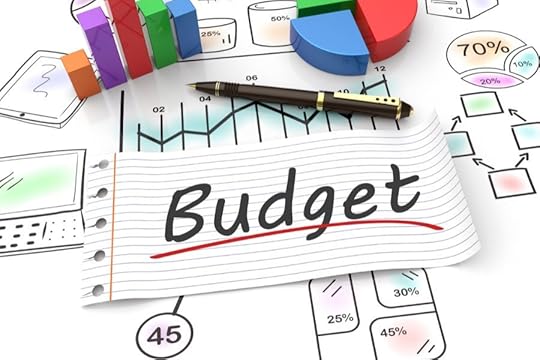 How to BudgetUnderstanding the Importance of Budgeting:
Money management and budgeting are one of the most essential skills for teens that helps you manage your finances effectively. It involves creating a plan for how you’ll spend and save your money. Good budgeting ensures you have enough money for the things you need and the things that are important to you.
Step 1: Assess Your Income:The first step in creating a budget is to determine how much money you have coming in. Count all your sources of income, including your salary from a part-time job, money from odd jobs, allowances, or any other sources. Be sure to use your net income (the amount you receive after taxes and other deductions).
Step 2: List Your Expenses:Track all your expenses for a month. This includes everything you spend money on, like food, transportation, entertainment, subscriptions, and occasional expenses like gifts. Don’t forget to include less frequent expenses, such as yearly insurance fees or school supplies.
Step 3: Categorize Your Expenses:Divide your expenses into categories, such as ‘essentials’ (food, rent, utilities) and ‘non-essentials’ (dining out, hobbies). This helps you see where you might be able to cut back. Essentials should always take priority in your budget.
Step 4: Set Goals:Think about your short-term and long-term financial goals. This might include saving for a car, college, a special trip, or building an emergency fund. Setting clear goals gives your budget a purpose and can motivate you to stick to it.
Step 5: Create Your Budget Plan:Use the information about your income and expenses to create your budget. Allocate specific amounts for each expense category. Ensure your total expenses do not exceed your income. If they do, you’ll need to find ways to either decrease your expenses or increase your income.
Step 6: Monitor and Adjust Your Budget:A budget is not set in stone. Track your spending and compare it to your budget. If you find you’re consistently overspending in one category and underspending in another, adjust your budget. It’s important to review and tweak your budget regularly, especially when your financial situation changes.
Using Budgeting Tools:There are many tools available to help with budgeting and personal finance. You can use a simple spreadsheet, a notebook, or a budgeting app. Many apps can connect to your bank account and automatically categorize your expenses, making it easier to track your spending.
Practicing Discipline:Just like any other of the many money management skills, sticking to a budget requires discipline. It’s okay to splurge occasionally, but try to stay within your set limits. Remember, budgeting is not about restricting yourself – it’s about making your money work efficiently for you.
 How to Invest and Grow Your MoneyIntroduction to Investing:
When you start earning money, investing is one of the best money skills for teens and is the process of putting your money into vehicles like stocks, bonds, mutual funds, or real estate, with the expectation of generating more money over time. For teens, learning to invest can be a stepping stone towards financial independence and long-term wealth building.
Understanding Risk and Return:Every investment comes with a certain level of risk. Generally, higher-risk investments have the potential for higher returns, but also a greater chance of loss. Conversely, lower-risk investments usually offer smaller, more consistent returns. It’s important to understand your own risk tolerance and investment time horizon.
Starting with the Basics – Savings Accounts:A great starting point is a high-interest savings account or a Certificate of Deposit (CD). These are low-risk options where your money can grow at a steady, albeit modest, rate. They’re ideal for short-term goals and as a part of your emergency fund.
Exploring Stocks and Bonds:Stocks represent ownership in a company, while bonds are akin to loans made to a company or government. Investing in stocks and bonds can be done individually or through mutual funds and exchange-traded funds (ETFs). These funds pool money from many investors to buy a diversified portfolio of stocks and/or bonds.
The Power of Compound Interest:One of the most powerful concepts in investing is compound interest. It’s the interest you earn on both your original money and the interest that money has already earned. Over time, compound interest can lead to exponential growth of your investments.
Utilizing Investment Accounts:As a teen, you might consider a custodial account, like a Roth IRA for minors, especially if you have earned income. These accounts can offer tax advantages and are a great way to start saving for long-term goals, like retirement, even at a young age.
Diversification:Diversification means spreading your investments across various asset classes to reduce risk. Instead of putting all your money in one stock or one type of investment, diversifying can help protect your portfolio from significant losses.
Research and Continuous Learning:Before investing, do your research. Understand what you’re investing in, the fees involved, and the long-term prospects. Stay informed about market trends and economic factors that can impact your investments.
The Role of Technology:There are numerous apps and online platforms that make investing more accessible and easier to understand for beginners. Many offer educational resources, simulated investing experiences, or the ability to start investing with small amounts of money.
Seeking Guidance:If you’re unsure where to start, consider talking to a financial advisor. They can provide personalized advice based on your financial situation and goals.
Practical Tips for Young Investors:Start small and gradually increase your investments as you learn and earn more.Avoid making emotional decisions; investing is a long-term endeavor.Reinvest your earnings to take advantage of compound interest.Stay patient and consistent, as the most significant benefits of investing are often realized over many years. How to Bank
Banking is a crucial aspect of managing your finances and developing good money skills for teens. It involves using various financial services provided by banks, such as saving money, accessing funds, and managing transactions. For teens, understanding how to effectively use banking services is a vital step toward financial independence.
Choosing a Bank:Start by choosing a bank that fits your needs. Consider factors like branch and ATM availability, fees, interest rates on savings accounts, and customer service reputation. Online banks might offer higher interest rates and lower fees compared to traditional banks but consider your comfort level with digital-only services.
Understanding Different Types of Accounts:There are mainly two types of accounts:
Savings Accounts: Ideal for storing money you don’t need immediate access to. They typically earn interest over time, helping your savings grow.Checking Accounts: Suitable for daily transactions like depositing checks, withdrawing cash, and making payments. They usually come with a debit card and have lower interest rates than savings accounts.Opening Your First Bank Account:To open a bank account, you’ll need identification (like a driver’s license or passport) and a minimum deposit, which varies by bank. If you’re under 18, you may need a parent or guardian to open a joint account.
Managing Your Bank Account:Deposits and Withdrawals: Learn how to deposit checks and cash, and understand the limits and timelines for accessing deposited funds.Using a Debit Card: A debit card lets you spend money from your checking account without carrying cash. It’s essential to track your spending to avoid overdrafts.Understanding Fees: Familiarize yourself with potential fees, such as monthly maintenance fees, overdraft fees, and ATM fees, and learn how to avoid them.Online and Mobile Banking:Most banks offer online and mobile banking platforms, allowing you to check balances, transfer money, pay bills, and deposit checks remotely. Ensure you use secure internet connections and strong passwords to protect your financial information.
Budgeting and Tracking Expenses:Your bank account can be a valuable tool for budgeting and tracking expenses. Review your account statements regularly to monitor your spending habits and adjust your budget as needed.
Building a Relationship with Your Bank:A positive banking relationship can be beneficial in the long run. Get to know the services your bank offers, such as student loans, or financial advice. Don’t hesitate to ask questions or seek assistance when needed.
Safety and Security:Understand how to protect yourself from fraud and identity theft. This includes monitoring your accounts for unauthorized transactions, being cautious with your personal information, and understanding your bank’s security features.
Planning for the Future and Your Financial Success:Consider setting up automatic transfers to your savings account to build your savings habit. As you grow older, explore other banking products like credit cards, investment accounts, and loans.
 How to Manage Credit and DebtUnderstanding Credit and Its Importance:
Credit is essentially borrowed money that you use with the promise of repayment at a later date, often with interest. Building credit and great credit management is crucial for financial health, as it affects your ability to borrow money for major purchases like a car or a home in the future.
What is Credit?
Credit can come in various forms, such as cards, student and personal loans. Each type of credit has its own terms, interest rates, and repayment requirements.
Getting Familiar with Credit Cards:Credit cards are a common form of credit and can help you manage money better. They allow you to borrow money up to a certain limit for purchases, cash advances, and balance transfers. It’s essential to understand the terms, like the annual percentage rate (APR), fees, and credit limits, associated with your credit card.
How to Use These Cards Wisely:
Pay Your Balance in Full: Try to pay off your entire credit card balance each month to avoid interest charges and build a great credit history.Pay On Time: Late payments can result in fees and negatively impact your credit score. Set reminders or automatic payments to ensure you pay on time.Understand Credit Utilization: This is the ratio of your credit card balance to your credit limit. Keeping your credit utilization low (generally below 30%) positively affects your score. Understanding Loans:
Loans are a fixed amount of money borrowed for a specific purpose, like education or a car, which you pay back with interest over a predetermined period. Understanding the interest rate and repayment terms is vital before taking out a loan.
Managing Student Loans:If you have loans, understand your repayment options. There are often multiple plans available, including income-driven repayment plans that can make your payments more affordable.
Avoiding Bad Debt:Not all debt is created equal. High-interest debt, like credit card debt, can be costly and difficult to pay off. Prioritize paying off high-interest debt and be cautious about taking on additional debt.
Dealing with Debt:If you find yourself struggling with debt:
Create a Repayment Plan: Prioritize debts with higher interest rates and create a budget to manage your repayments.Consider Debt Consolidation: This can simplify payments and potentially reduce interest rates.Seek Professional Advice: If you’re overwhelmed, consider speaking to a financial advisor or a credit counselor.Building and Maintaining a Good Credit Score:
Your score is a numerical representation of your creditworthiness. To maintain an excellent score:
Always pay your bills on time.Keep your credit utilization low.Avoid applying for multiple credit lines in a short period.Regularly check your credit report for errors.Learning from Credit Mistakes:
If you make a mistake, like missing a payment, learn from it. Set up a system to avoid repeating the same mistake, and understand that rebuilding your credit takes time and consistency.
 8 Ways To Protect Your Money That All Students Should Know1. Create and Stick to a Budget:
One of the most effective ways to protect your money is to create a budget. A budget helps you track your income and expenses, ensuring that you live within your means. It also helps you avoid unnecessary debt and save for future goals.
2. Build an Emergency Fund:An emergency fund is a savings account that you use only for unexpected expenses, such as car repairs or medical bills. Aim to save at least three to six months’ worth of living expenses. This fund acts as a financial safety net and prevents you from resorting to high-interest debt in emergencies.
3. Use Credit Wisely:Credit cards can be useful tools for building great credit, but they can also lead to debt if not used responsibly. Always try to pay off your credit card balance in full each month to avoid interest charges. Be mindful of your credit utilization ratio and avoid maxing out your credit cards.
4. Be a Smart Online Shopper:In the digital age, online shopping is a norm, but it comes with risks like overspending and exposure to fraud. Protect your financial information by shopping on secure websites, using strong passwords, and regularly monitoring your bank and credit card statements for any unauthorized transactions.
5. Educate Yourself on Financial Scams:Be aware of common financial scams targeting students, such as phishing emails, scholarship scams, or fake job offers. Never give out your personal or financial information in response to unsolicited requests, and always verify the legitimacy of any offer or request.
6. Invest in Financial Literacy:Understanding the basics of personal finance, such as budgeting, saving, investing, and credit, is crucial. Take advantage of resources like books, online courses, or workshops to enhance your financial knowledge.
7. Avoid Impulse Buying:Impulse purchases can quickly derail your budget. Before making a purchase, ask yourself if it’s something you really need or if it can wait. Waiting can often reduce the urge to buy on impulse, saving you money in the long run.
8. Plan for the Future:It’s never too early to start thinking about long-term financial goals, whether it’s saving for a car, college tuition, or a trip. Setting goals and planning for them can motivate you to make smarter financial decisions and help you avoid unnecessary spending.
 Things Teens Waste Money On
While it’s important for teens to enjoy their youth and have fun, it’s equally important to be mindful of spending habits. Recognizing and avoiding common spending traps can help save a significant amount of money. Here are some areas where teens often spend more than necessary:
1. Trendy Clothes, Shoes, and Cosmetics:Fashion and beauty trends can be a major financial drain, especially when chasing the latest styles. Opt for classic, versatile pieces that won’t go out of style quickly. Consider shopping at thrift stores or waiting for sales to make purchases. Remember, expensive does not always mean better.
2. Smartphones and Apps:With the latest smartphones boasting impressive features, it’s tempting to upgrade frequently. However, these devices can be extremely costly. Consider if an upgrade is truly necessary or if your current phone still meets your needs. Be wary of in-app purchases and subscriptions, which can add up over time.
3. School Dances:Events like prom can be expensive, with costs for attire, tickets, and transportation. Set a budget for these events and stick to it. Look for ways to save, like borrowing attire or sharing transportation costs with friends.
4. Spring Break Trips:Spring break can be a fun but expensive time. Instead of extravagant trips, look for more affordable alternatives or consider a ‘staycation’ with local activities. Save up for trips over time rather than relying on credit cards or last-minute spending.
5. Cars and Accessories:The independence that comes with owning a car is exhilarating, but the costs can be substantial, including insurance, maintenance, and gas. If you own a car, consider ways to reduce expenses, like carpooling. Be cautious about spending on non-essential accessories.
6. Video Games and Consoles:Gaming can be an expensive hobby, with the cost of consoles and games quickly adding up. Limit your spending by choosing games that offer more extended playability, buying used games, or waiting for sales.
7. Concert Tickets:While attending concerts can be a memorable experience, tickets can be pricey. Set aside a specific budget for entertainment and look for discounted tickets or smaller, less expensive shows.
8. Expensive Dates:Dating doesn’t have to be expensive to be enjoyable for young adults. Think of creative, low-cost date ideas like picnics, hikes, or movie nights at home. It’s the company and experience that matter most, not how much you spend.
9. One-Click Online Spending:Online shopping is convenient, but it’s also easy to make impulsive purchases. Avoid buying things on a whim. Take time to think about whether you really need or will use the item.
Conclusion:Being a teen comes with the excitement of new experiences and the freedom to make your own choices, including financial ones, good money habits, and other money matters. By being mindful of common areas where money can be unnecessarily spent, you can save money significantly and develop sound financial habits that will benefit you for years to come.


December 22, 2023
Adulting Hard: Life Skills for Teens
Are you a teen standing on the edge of adulthood, thinking, “Now what?”
Welcome to the definitive manual for any teenager ready to tackle the real world head-on.
This isn’t just another dry guide; it’s a lively, straight-talking compass for navigating the tricky waters of growing up without capsizing your boat.
Inside “Adulting Hard: Life Skills for Teens,” you’ll embark on a journey of discovery and mastery:
Domestic Dynamics: From turning your first pad into a cozy den to balancing chores and fun, find out how to make your space a reflection of the awesome person you are.Culinary Conquests: Conquer the kitchen with easy, mouth-watering recipes and tips that will transform you into the host with the most.Financial Fitness: Get savvy with money matters that go beyond piggy banks and allowances—learn investing, budgeting, and how to weather financial storms.Emotional Intelligence: Navigate the rollercoaster of teen emotions with style, and come out feeling stronger and more in tune with yourself.Goals and Growth: Set your sights high with goal setting techniques and self-care strategies that will have you aiming for the stars and reaching them.Real-World Readiness: Equip yourself with essential know-how for real-life scenarios, from nailing job internships to navigating social obligations with ease.Decision-Making Decoded: Gain confidence in your decision-making with strategies that will help you weigh options and make choices that align with your goals.Digital World Wisdom: Find your footing in a digital world with tips on managing your online presence and using technology to your advantage.Relationship and Networking Nuances: Learn the art of building and maintaining relationships, both personally and professionally, that will support and enrich your journey.Stress-Busting Playbook: Develop your personal playbook for managing stress with techniques that promote relaxation and resilience.“Adulting Hard: Life Skills for Teens”is more than a book—it’s a launchpad for the future you’ve been dreaming of. With wit, wisdom, and a treasure trove of practical advice, you’ll turn the daunting into the doable. You’re not just growing up; you’re gearing up for greatness.
August 11, 2023
Adulting Hard and Laughing Harder: Navigating Adulthood with Humor
In a world that often feels like a whirlwind of responsibilities, bills, and unexpected challenges, there’s a refreshing beacon of laughter that promises to guide us through the perplexing labyrinth of adulthood. “Adulting Hard and Laughing Harder” is not just another book about grown-up life – it’s a hilarious journey through the chaos, mishaps, and triumphs that come with the territory.
Embracing the Absurdities of Adulthood
Let’s face it – adulting is hard. From trying to figure out how to unclog a sink without calling in a professional plumber to the perpetual struggle of keeping plants alive, every chapter of “Adulting Hard and Laughing Harder” takes us on a relatable and uproarious adventure. Author [Your Name] fearlessly dives into the deep end of adulting, bringing us tales that prove we’re not alone in our struggles.
Navigating the Adulting Maze with a Smile
One of the most endearing qualities of this book is its ability to find humor in the most unexpected places. [Your Name] effortlessly weaves together anecdotes about unraveling the mysteries of cooking for one (minus the smoke alarms, if possible) and the art of tackling taxes like a pro (or pretending to). These stories not only make us laugh out loud but also remind us that it’s okay to stumble through these challenges – as long as we do it with a sense of humor.
From Office Politics to Social Mishaps: Laughing in the Face of Adulthood
“Adulting Hard and Laughing Harder” doesn’t shy away from the awkward realities of navigating office politics or surviving cringe-worthy social encounters. The author invites us into their world, sharing tales of triumphs and setbacks that make us nod in solidarity while chuckling at the shared absurdities of adulthood. Through their witty observations, we learn that it’s possible to conquer even the most treacherous aspects of adult life – as long as we’re willing to find the humor in them.
A Celebration of Shared Experiences
Whether you’re a recent graduate taking your first steps into the unknown realm of adulting or a seasoned pro still trying to figure out how to properly fold a fitted sheet, this book is a welcome respite from the seriousness that often accompanies adulthood. Its pages hold the magic of shared experiences, allowing us to release the tension of everyday life and embrace the simple joy of laughter.
Embrace the Laughter, Conquer Adulthood
“Adulting Hard and Laughing Harder” isn’t just a book – it’s a reminder that we’re all in this together. With every page turned, you’ll find yourself chuckling, giggling, and maybe even snorting in laughter as you relate to the mishaps and victories that come with adulting. Through relatable stories and a fresh perspective, [Your Name] invites us to face the perplexing maze of adulthood with a smile, proving that while adulting might be hard, laughing is definitely harder – and even more rewarding.
So, whether you’re dealing with the never-ending struggle of deciphering insurance policies or attempting to assemble IKEA furniture without losing your sanity, remember to take a deep breath, pick up “Adulting Hard and Laughing Harder,” and let the laughter guide you through the twists and turns of being a full-fledged grown-up. After all, life’s challenges are a little more bearable when you can share a good laugh about them.
Navigating Love’s Journey: Introducing “101 Questions to Ask Before You Get Engaged”
The journey to engagement is filled with excitement, joy, and sometimes, a bit of uncertainty. It’s a time when couples seek to deepen their understanding of each other, laying the foundation for a lifetime together. But what are the key questions that should be asked and explored before taking this significant step?
Enter “101 Questions to Ask Before You Get Engaged,” a comprehensive guide crafted to assist couples in discovering each other’s most profound beliefs, goals, desires, and expectations.
A Guide for the Engaged and EngagingThis book isn’t merely a collection of questions; it’s a thoughtful guide that prompts meaningful conversations across a multitude of topics, including:
Values and Beliefs: What principles guide your lives, and how do they align?Career and Work: How do your professional lives fit together?Children and Family: What are your expectations around family and parenting?Money and Finances: How will you navigate financial matters as a united team?Love, Sex, and Intimacy: How do you envision maintaining a satisfying connection as your relationship evolves?And much more.
A Journey Through 18 ChaptersThe 18 chapters of “101 Questions to Ask Before You Get Engaged” take readers on a relationship exploration tour, covering aspects like:
Trust and Security: Building a bond that fosters confidence.Health and Wellness: Ensuring a healthy lifestyle together.Communication and Conflict Resolution: Learning to talk and argue effectively.Hobbies and Interests: Celebrating your shared and individual passions.Why This Book MattersEngagement is not just a commitment to marry; it’s a promise to grow, understand, support, and love one another unconditionally. This book helps couples in forming that promise, providing insights, reflections, and exercises that pave the way for a strong and resilient relationship.
For All CouplesWhether you’re just starting to think about engagement or already planning the wedding, “101 Questions to Ask Before You Get Engaged” is suitable for all couples. It’s an invitation to deeper connection, to sincere understanding, and to building a relationship grounded in trust and love.
Final Thoughts“101 Questions to Ask Before You Get Engaged” is more than a checklist; it’s a roadmap to a more mindful, intentional, and fulfilling partnership. By exploring these questions, couples can assure that they’re not just planning a wedding but planning a life together.
Available now on Amazon. Grab your copy and start the conversation that leads to forever.
June 23, 2023
Adulting Hard as an Introvert or Highly Sensitive Person
Being an adult can sometimes feel like navigating a maze with no exit in sight, especially for those of us who identify as introverts or highly sensitive people. That’s where this book steps in. This comprehensive guide is designed to help you transform your unique traits into superpowers.
By reading this book, you will:
Discover the strength of the introverted leader within you, understanding how to leverage your introverted qualities in a leadership role. Learn how your capacity for deep listening, attention to detail, and thoughtful reflection can be used to your advantage in a variety of settings.Master the skill of making better small talk. Turn those nerve-wracking moments of casual conversation or networking events into opportunities for meaningful connections. With practical tips and strategies, we’ll help you initiate engaging conversations, sustain dialogue, and leave memorable impressions.Develop effective strategies for setting boundaries. As an introvert or highly sensitive person, preserving your energy and maintaining healthy relationships is crucial. Learn how to express your needs clearly and assertively, leading to more fulfilling interactions and fewer instances of feeling overwhelmed.Tackle and conquer anxiety. Anxiety can often be a constant presence in our lives, particularly for introverts and highly sensitive people. We provide an arsenal of proven techniques to help you manage and overcome anxiety, empowering you to approach life’s challenges with confidence.Embrace the principle of granting yourself permission to feel. We often overlook the importance of emotional expression and self-validation. This book encourages you to acknowledge and express your emotions healthily, fostering greater self-understanding and emotional wellbeing.Navigate the complexities of professional growth, financial management, self-care strategies, mental health support, and more—all tailored specifically for introverts and highly sensitive people.Embrace your introverted, sensitive traits and unique strengths.Master social dynamics, networking, and deepen relationships.Navigate career paths, mitigate stress, and develop leadership skills.Attain financial stability with practical budgeting and saving strategies.Explore suitable hobbies and activities, fostering self-improvement.Design a serene personal space that balances social and private life.Discover travel strategies, manage social interactions, and embrace adventures.Overcome obstacles, adapt to change, and celebrate your introverted journey.Adulting Hard as an Introvert or Highly Sensitive Person” provides more than just advice—it offers a roadmap to a fulfilling life where you don’t just survive, but thrive. It’s your guide to shining brightly in a world that can often feel too loud, too demanding, and too fast. Immerse yourself in a transformative journey of self-discovery and personal growth. Embrace the power of your quiet strength, and take the first step towards a happier, healthier, and more balanced you.
Get your copy today and start your journey towards success!
May 9, 2023
Your Adulting Starter Pack: 30 Kitchen Gadgets to Tame the Culinary Beast Within
Hello, fellow adult-in-training! You’ve bravely decided to leave the nest and spread your wings. You’re ready to face the world with your head held high and stomach grumbling. To aid your survival in the wilderness of adulthood, we’ve compiled a list of 30 kitchen supplies that are as essential to your existence as memes and Wi-Fi.
1. Can Opener:The can opener, an underestimated kitchen gadget, is like the key to a nutritional treasure chest of canned goods. From hearty soups and stews to versatile beans and sweet fruits, many staple foods come in cans. You might opt for a classic manual can opener or an electric version for the sake of convenience. There are also multi-functional openers available that combine bottle opening features.
amzn_assoc_placement = "adunit0";amzn_assoc_search_bar = "false";amzn_assoc_tracking_id = "adultinghar0b-20";amzn_assoc_ad_mode = "manual";amzn_assoc_ad_type = "smart";amzn_assoc_marketplace = "amazon";amzn_assoc_region = "US";amzn_assoc_title = "";amzn_assoc_linkid = "49553cb2f355a33334595dc3067bd2ba";amzn_assoc_asins = "B07YP2VH4B,B0BVYJDY4S,B09NX6BYR1,B082CCGYF1,B09HKDGHX1,B07FVQLBL3,B00T4RH8E6,B08DVWWKMF,B000AX13US,B00004OCJW,B0BX5KRFC4,B0B24GYX4N";2. Corkscrew:This kitchen instrument will unlock the world of wine for you, a true testament to your blossoming sophistication. As a wine enthusiast, a corkscrew is a must-have. The simple yet effective lever corkscrew is a classic, but if you want to add a dash of tech to your life, consider an electric wine opener. For a more rustic and compact choice, go for a waiter’s friend corkscrew – it also usually comes with a handy foil cutter and bottle cap opener.
amzn_assoc_placement = "adunit0";amzn_assoc_search_bar = "false";amzn_assoc_tracking_id = "adultinghar0b-20";amzn_assoc_ad_mode = "manual";amzn_assoc_ad_type = "smart";amzn_assoc_marketplace = "amazon";amzn_assoc_region = "US";amzn_assoc_title = "";amzn_assoc_linkid = "49553cb2f355a33334595dc3067bd2ba";amzn_assoc_asins = "B00MSXW15E,B0056DGNYI,B00GNV0AY6,B0B2KP7MQT,B07YBVR46Y,B01261VEOG,B07PWDKSKG,B08D8XHNXQ,B01DP8Q5BG,B07DY8QSZC,B0BRT1KNMX,B08DMMXY17";3. Cutting Board:This essential kitchen tool is the silent hero of every meal you prepare, serving as your culinary canvas. Choose from various materials like wood, bamboo, or plastic, each with its pros and cons. While wooden and bamboo boards are gentle on knives and possess natural antibacterial properties, plastic boards are dishwasher-safe and often cheaper. Always have at least two, so you can keep raw meats separate from veggies and avoid cross-contamination.
amzn_assoc_placement = "adunit0";amzn_assoc_search_bar = "false";amzn_assoc_tracking_id = "adultinghar0b-20";amzn_assoc_ad_mode = "manual";amzn_assoc_ad_type = "smart";amzn_assoc_marketplace = "amazon";amzn_assoc_region = "US";amzn_assoc_title = "";amzn_assoc_linkid = "49553cb2f355a33334595dc3067bd2ba";amzn_assoc_asins = "B0BN26N81D,B07WD8841G,B000W4OC80,B08LCXZ3WD,B095W712VM,B089YS8QM5,B004GJXE0E,B089W1BZVR,B0BVQB5YK8,B07WBTRRMT";4. Chef’s Knife:This kitchen essential is a key player in your culinary arsenal. A sharp, sturdy knife makes cooking less of a chore and more of a joy. An excellent chef’s knife can drastically improve your cooking experience. A high-carbon stainless steel knife might be an investment, but its sharpness and durability make it worth every penny. For those on a budget, there are also solid, affordable knives on the market. An 8-inch knife is a versatile choice, handling everything from chopping onions to mincing garlic.
amzn_assoc_placement = "adunit0";amzn_assoc_search_bar = "false";amzn_assoc_tracking_id = "adultinghar0b-20";amzn_assoc_ad_mode = "manual";amzn_assoc_ad_type = "smart";amzn_assoc_marketplace = "amazon";amzn_assoc_region = "US";amzn_assoc_title = "";amzn_assoc_linkid = "49553cb2f355a33334595dc3067bd2ba";amzn_assoc_asins = "B07Q1FFC65,B00004RFMT,B09YQY517H,B09XTZXF39,B08WJS3KVB,B01DDBJF12,B08WRHBBK1,B09YQXJDX5,B001S41SH6,B09YQYY5M8,B071JV1GDP,B09FY5ZQ2S";5. Frying Pan:This indispensable kitchen gadget is the workhorse of your culinary endeavors, making everything from breakfast to dinner. A non-stick frying pan can be a lifesaver for everything from perfect pancakes to easy omelettes. A cast-iron skillet is another great option, although it requires a bit more care. It’s fantastic for searing steaks and can go from stovetop to oven with ease.
amzn_assoc_placement = "adunit0";amzn_assoc_search_bar = "false";amzn_assoc_tracking_id = "adultinghar0b-20";amzn_assoc_ad_mode = "manual";amzn_assoc_ad_type = "smart";amzn_assoc_marketplace = "amazon";amzn_assoc_region = "US";amzn_assoc_title = "";amzn_assoc_linkid = "926b1b12af311e180f976de2935aeb72";amzn_assoc_asins = "B08CS95K8L,B07W99LGGT,B092YYTTT5,B09S15GJ8B,B09S158K61,B099PYB6JY,B08NQ49Y4Y,B089T9C6KY,B09ZV37WC6,B08QY77R3X";6. Saucepan:This common kitchen tool is a multi-tasker that’s perfect for making sauces, boiling eggs, or reheating soup. A medium-sized saucepan will serve most of your needs, from boiling eggs to making sauces or small batches of soup. Look for one with a heavy bottom for even heat distribution. Stainless steel is a good material choice, as it doesn’t react with food and is easy to clean.
amzn_assoc_placement = "adunit0";amzn_assoc_search_bar = "false";amzn_assoc_tracking_id = "adultinghar0b-20";amzn_assoc_ad_mode = "manual";amzn_assoc_ad_type = "smart";amzn_assoc_marketplace = "amazon";amzn_assoc_region = "US";amzn_assoc_title = "";amzn_assoc_linkid = "926b1b12af311e180f976de2935aeb72";amzn_assoc_asins = "B08PJFMYC6,B09V57W699,B00213JO92,B06Y5KZCB2,B09H8L4NZD,B009P4845K,B00XADOTDS,B07CZYDT99,B07VT1G2P5,B099FK2LKZ,B07NQJ4XM6,B00008CM69,B005H05SNW,B09KH38HF2,B09VKX96TM";7. Baking Sheet:This baking staple is your faithful partner in the oven, ideal for roasting vegetables or baking cookies. A good quality, heavy-duty baking sheet will be your partner in crime for everything from roasting vegetables to baking cookies. Look for one that’s sturdy and won’t warp at high temperatures. A rimmed design will prevent any juices or crumbs from spilling over in the oven.
amzn_assoc_placement = "adunit0";amzn_assoc_search_bar = "false";amzn_assoc_tracking_id = "adultinghar0b-20";amzn_assoc_ad_mode = "manual";amzn_assoc_ad_type = "smart";amzn_assoc_marketplace = "amazon";amzn_assoc_region = "US";amzn_assoc_title = "";amzn_assoc_linkid = "926b1b12af311e180f976de2935aeb72";amzn_assoc_asins = "B0049C2S32,B089N57JGS,B088P9H3V7,B0017WN8FO,B07L51HQM2,B0BNYTTM9K,B004YV6AGY,B079Q671Q5,B07NN8TFQN,B0856SB9R6,B076736W8H,B08LQZ4P1N";8. Toaster:This popular kitchen device is a breakfast champion, transforming bread into a toasty delight in minutes. The toaster is your breakfast companion, turning a plain slice of bread into a crunchy, golden delight. Consider a model with wide slots if you’re a fan of bagels or artisan bread. Some even have a defrost function, perfect for those who store bread in the freezer.
amzn_assoc_placement = "adunit0";amzn_assoc_search_bar = "false";amzn_assoc_tracking_id = "adultinghar0b-20";amzn_assoc_ad_mode = "manual";amzn_assoc_ad_type = "smart";amzn_assoc_marketplace = "amazon";amzn_assoc_region = "US";amzn_assoc_title = "";amzn_assoc_linkid = "926b1b12af311e180f976de2935aeb72";amzn_assoc_asins = "B009GQ034C,B08NHTDSKJ,B08NWGNQPS,B0B71HVGLF,B072P11H8L,B002CVTT4S,B01463FJ1G,B091SQRKVG,B0BFG4L2T7,B08FBLRGNS,B0BB71D855,B07HYW76FK";9. Coffee Maker:This kitchen gadget, depending on your coffee preference, can range from a basic drip machine to a more sophisticated espresso maker. A single-serve pod machine might be perfect for someone who wants a quick, mess-free coffee solution.
amzn_assoc_placement = "adunit0";amzn_assoc_search_bar = "false";amzn_assoc_tracking_id = "adultinghar0b-20";amzn_assoc_ad_mode = "manual";amzn_assoc_ad_type = "smart";amzn_assoc_marketplace = "amazon";amzn_assoc_region = "US";amzn_assoc_title = "";amzn_assoc_linkid = "926b1b12af311e180f976de2935aeb72";amzn_assoc_asins = "B0B1LB7Z99,B01GJOMWVA,B002YI2IG0,B004H1N2N0,B08QD33PZ2,B07PC7MHQ8,B00MVWGQX0,B0896NP59N,B008YS1XEW,B00I0ZK6SS,B08QZSN97Z,B07X43VXZV";10- Blender:A blender is the perfect kitchen tool for making smoothies, but it’s also handy for making soups, sauces, and even pancake batter. A high-powered blender can handle tough ingredients like ice or nuts, while a stick blender (or immersion blender) is great for blending directly in pots.
amzn_assoc_placement = "adunit0";amzn_assoc_search_bar = "false";amzn_assoc_tracking_id = "adultinghar0b-20";amzn_assoc_ad_mode = "manual";amzn_assoc_ad_type = "smart";amzn_assoc_marketplace = "amazon";amzn_assoc_region = "US";amzn_assoc_title = "";amzn_assoc_linkid = "926b1b12af311e180f976de2935aeb72";amzn_assoc_asins = "B00NGV4506,B00EI7DPI0,B00939FV8K,B0081PTLGU,B012T634SM,B0855B5Z6F,B0080JIAWS,B009NIRA1M,B00QNUCV0I,B00939I7EK";11. Microwave:This high-tech kitchen appliance is one of the most versatile tools in your kitchen. This magic box can reheat leftovers, defrost frozen food, and even cook some meals from scratch. Depending on your budget and kitchen space, you can opt for a compact model or a more advanced one with features like convection cooking or sensor reheating. And for popcorn lovers, make sure it has a popcorn setting!
amzn_assoc_placement = "adunit0";amzn_assoc_search_bar = "false";amzn_assoc_tracking_id = "adultinghar0b-20";amzn_assoc_ad_mode = "manual";amzn_assoc_ad_type = "smart";amzn_assoc_marketplace = "amazon";amzn_assoc_region = "US";amzn_assoc_title = "";amzn_assoc_linkid = "926b1b12af311e180f976de2935aeb72";amzn_assoc_asins = "B076VB5JFQ,B07HGH1KG6,B07HG9YGZY,B07GV78ZKK,B01463FJ1G,B09W4GL91J,B01DEWZWDU,B076V72BZ6,B01DEWZUG4,B09BR1C97S";12. Mixing Bowls:These humble kitchen essentials serve a multitude of purposes, from mixing batter to serving salad. A set of mixing bowls in various sizes is essential. Stainless steel bowls are durable and don’t retain odors, while glass bowls let you see what’s happening inside and are microwave-safe. Look for bowls with non-slip bottoms for stability while you’re mixing up a storm.
amzn_assoc_placement = "adunit0";amzn_assoc_search_bar = "false";amzn_assoc_tracking_id = "adultinghar0b-20";amzn_assoc_ad_mode = "manual";amzn_assoc_ad_type = "smart";amzn_assoc_marketplace = "amazon";amzn_assoc_region = "US";amzn_assoc_title = "";amzn_assoc_linkid = "926b1b12af311e180f976de2935aeb72";amzn_assoc_asins = "B08L5DDPM2,B07GY54Y5J,B08TH6VP1K,B081QQ5W2J,B00LGLHUA0,B08GY36VVJ,B07TMR8JZ5,B088GVJGHM,B09QW5C9H8,B07D3NRLML";13. Measuring Cups & Spoons:These kitchen utensils help you follow recipes accurately. Some sets offer measurements for both liquids and solids in one, and many are designed to nest together for easy storage. Look for sturdy, dishwasher-safe sets, preferably with handles long enough to reach into deep containers.
amzn_assoc_placement = "adunit0";amzn_assoc_search_bar = "false";amzn_assoc_tracking_id = "adultinghar0b-20";amzn_assoc_ad_mode = "manual";amzn_assoc_ad_type = "smart";amzn_assoc_marketplace = "amazon";amzn_assoc_region = "US";amzn_assoc_title = "";amzn_assoc_linkid = "926b1b12af311e180f976de2935aeb72";amzn_assoc_asins = "B0BPR2SVD9,B01E2HU4A2,B07D19RWYP,B08B5B145G,B0747VKPSY,B09SG1M7R2,B08K34MKY1,B01DI9KGWQ,B07PX3X5ZT,B07QWH7VRN";14. Grater:A box grater is versatile, offering different grating sizes and often a slicing side. If you’re short on space, a flat grater might fit better in your drawer. For easier cleaning and to prevent grated knuckles, consider a rotary grater.
amzn_assoc_placement = "adunit0";amzn_assoc_search_bar = "false";amzn_assoc_tracking_id = "adultinghar0b-20";amzn_assoc_ad_mode = "manual";amzn_assoc_ad_type = "smart";amzn_assoc_marketplace = "amazon";amzn_assoc_region = "US";amzn_assoc_title = "";amzn_assoc_linkid = "926b1b12af311e180f976de2935aeb72";amzn_assoc_asins = "B09YGNC3M4,B08FK2HZ8D,B0738C7RXF,B01FNR4REY,B07V6GV8HT,B0BCWF43P6,B0BYDSSXQ7,B0948F1PKM,B0BP7MD6QB,B010UKIRYU";15. Colander:This tool is crucial for draining pasta, rinsing vegetables, or washing grains. A stainless steel colander is durable and easy to clean, while a collapsible silicone one can save space. Look for one with sturdy handles and feet for stability.
amzn_assoc_placement = "adunit0";amzn_assoc_search_bar = "false";amzn_assoc_tracking_id = "adultinghar0b-20";amzn_assoc_ad_mode = "manual";amzn_assoc_ad_type = "smart";amzn_assoc_marketplace = "amazon";amzn_assoc_region = "US";amzn_assoc_title = "";amzn_assoc_linkid = "926b1b12af311e180f976de2935aeb72";amzn_assoc_asins = "B01ANGW4PO,B07JWBV923,B095P14H7D,B07CTJFSSJ,B09Z76236G,B00555ETXY,B07VSJWVYN,B06XRB6D9F,B0BKRQQNPS,B08887T7M5";16. Potato Peeler:A good peeler makes quick work of peeling potatoes, carrots, or apples. Some models even offer serrated blades for soft fruits like tomatoes or peaches. A comfortable handle is key, as is a sturdy, sharp blade.
amzn_assoc_placement = "adunit0";amzn_assoc_search_bar = "false";amzn_assoc_tracking_id = "adultinghar0b-20";amzn_assoc_ad_mode = "manual";amzn_assoc_ad_type = "smart";amzn_assoc_marketplace = "amazon";amzn_assoc_region = "US";amzn_assoc_title = "";amzn_assoc_linkid = "926b1b12af311e180f976de2935aeb72";amzn_assoc_asins = "B00004OCIU,B08L9QS69Z,B09Z3429N6,B07B2MH2QF,B08BRJXXDQ,B07ZLF6WZZ,B08T5SZ16Y,B077MFYJZ5,B00004OCIP,B09FP935J1";17. Oven Mitts:These protect your hands from hot pans, trays, and pot handles. Look for mitts made of fire-resistant material and with a good grip to prevent slips. If you find mitts too clumsy, consider oven gloves, which give you more dexterity.
amzn_assoc_placement = "adunit0";amzn_assoc_search_bar = "false";amzn_assoc_tracking_id = "adultinghar0b-20";amzn_assoc_ad_mode = "manual";amzn_assoc_ad_type = "smart";amzn_assoc_marketplace = "amazon";amzn_assoc_region = "US";amzn_assoc_title = "";amzn_assoc_linkid = "926b1b12af311e180f976de2935aeb72";amzn_assoc_asins = "B08QRVMLJ7,B07SVFKNVV,B08FX63CNZ,B0BFF3JGCB,B09NZHLHYD,B08J8GZXKZ,B07YHKWSSJ,B07VWX3W16,B08J8FDQYN,B07VYZFM2C";18. Dish Rack:A well-designed dish rack can help you organize your dishes as they dry, saving countertop space and keeping water off your counters. Consider the size and layout of your dishes when choosing one. Some even come with a swivel spout to drain directly into the sink.
amzn_assoc_placement = "adunit0";amzn_assoc_search_bar = "false";amzn_assoc_tracking_id = "adultinghar0b-20";amzn_assoc_ad_mode = "manual";amzn_assoc_ad_type = "smart";amzn_assoc_marketplace = "amazon";amzn_assoc_region = "US";amzn_assoc_title = "";amzn_assoc_linkid = "926b1b12af311e180f976de2935aeb72";amzn_assoc_asins = "B09XTZX1GZ,B0B4K1XH8Y,B0BMTZY9C1,B0B76DW8LQ,B0BMFW7257,B0B3QTRP8X,B0BKZSF7NT,B078JXFBDP,B0BJ6DMDHB,B0BN1M2L2R";19. Spatula:A good spatula can flip pancakes, scrape bowls clean, or stir a stir-fry. Silicone spatulas are heat-resistant and won’t scratch non-stick surfaces. A fish spatula, with its thin, wide head, is surprisingly versatile and can handle delicate foods like fish or pancakes.
amzn_assoc_placement = "adunit0";amzn_assoc_search_bar = "false";amzn_assoc_tracking_id = "adultinghar0b-20";amzn_assoc_ad_mode = "manual";amzn_assoc_ad_type = "smart";amzn_assoc_marketplace = "amazon";amzn_assoc_region = "US";amzn_assoc_title = "";amzn_assoc_linkid = "926b1b12af311e180f976de2935aeb72";amzn_assoc_asins = "B08M3J1G8X,B08XYXF1J5,B07ZLDZ2V2,B073P2Y69T,B0B6BFJYH6,B0BB14XB4K,B09WY2M47F,B082N73YPV,B09MF5KBXJ,B07C4MGL8N";20. Tongs:These are like an extension of your hand that can withstand high heat and give you a better grip. Use them to flip steaks, toss a salad, or serve pasta. Look for tongs with a good spring, locking mechanism for storage, and non-slip handles.
amzn_assoc_placement = "adunit0";amzn_assoc_search_bar = "false";amzn_assoc_tracking_id = "adultinghar0b-20";amzn_assoc_ad_mode = "manual";amzn_assoc_ad_type = "smart";amzn_assoc_marketplace = "amazon";amzn_assoc_region = "US";amzn_assoc_title = "";amzn_assoc_linkid = "926b1b12af311e180f976de2935aeb72";amzn_assoc_asins = "B089YTH5KB,B0749KYFXX,B074WB5D79,B08FC6SLZG,B0000CDVD8,B093C29J8H,B07Q5CJDM9,B071RSP6RP,B08WJRXY2W,B08B53NJKH";21. Whisk:This tool is essential for beating eggs, whipping cream, or blending sauces. A good whisk has a comfortable grip and flexible wires. Stainless steel is durable and easy to clean, while silicone won’t scratch your non-stick pans. A balloon whisk is great for incorporating air, while a flat whisk is perfect for deglazing pans or making roux.
amzn_assoc_placement = "adunit0";amzn_assoc_search_bar = "false";amzn_assoc_tracking_id = "adultinghar0b-20";amzn_assoc_ad_mode = "manual";amzn_assoc_ad_type = "smart";amzn_assoc_marketplace = "amazon";amzn_assoc_region = "US";amzn_assoc_title = "";amzn_assoc_linkid = "926b1b12af311e180f976de2935aeb72";amzn_assoc_asins = "B087MSDBHZ,B07TJJTL34,B08MT1RLFW,B00004OCNS,B08SWBRTRK,B08HMXNKL4,B08KWN6BL2,B07ZLDY79R,B09MSM9RVR,B0BBMY3NF6";22. Glass Baking Dish:A versatile tool, you can use it for making casseroles, lasagnas, or roasting vegetables. The glass allows for even heating and you can easily monitor your food. Some even come with lids for storing leftovers. Make sure it’s tempered glass so it can handle temperature changes.
amzn_assoc_placement = "adunit0";amzn_assoc_search_bar = "false";amzn_assoc_tracking_id = "adultinghar0b-20";amzn_assoc_ad_mode = "manual";amzn_assoc_ad_type = "smart";amzn_assoc_marketplace = "amazon";amzn_assoc_region = "US";amzn_assoc_title = "";amzn_assoc_linkid = "926b1b12af311e180f976de2935aeb72";amzn_assoc_asins = "B005JCZ11C,B01LXV2RWL,B087QZQX8V,B0100U8MVS,B08LYPDH6H,B00004SZ7L,B019FHD0FK,B000I1CBYY,B08X4KHBKP,B09ZLT4FZJ";23. Slow Cooker:This magical appliance does all the hard work while you’re away, providing you with a warm meal when you return. Some slow cookers feature programmable settings, allowing you to set the cooking time and temperature. Others have a stovetop-safe insert, so you can sear meat on the stove before slow cooking.
amzn_assoc_placement = "adunit0";amzn_assoc_search_bar = "false";amzn_assoc_tracking_id = "adultinghar0b-20";amzn_assoc_ad_mode = "manual";amzn_assoc_ad_type = "smart";amzn_assoc_marketplace = "amazon";amzn_assoc_region = "US";amzn_assoc_title = "";amzn_assoc_linkid = "926b1b12af311e180f976de2935aeb72";amzn_assoc_asins = "B003OAJGJO,B0B4PPHG8G,B07DFVY29X,B00B7N00JU,B01LZZLQUL,B01C5KZHXW,B00EZI26GO,B097F4QKVY,B004P2NG0K,B008GS8R3K";24. Food Storage Containers:A set of airtight containers can help keep your leftovers fresh and make meal prep a breeze. Glass containers are durable, don’t stain or absorb odors, and are microwave-safe. Plastic containers are lighter and less breakable. Look for a set that nests together for easy storage.
amzn_assoc_placement = "adunit0";amzn_assoc_search_bar = "false";amzn_assoc_tracking_id = "adultinghar0b-20";amzn_assoc_ad_mode = "manual";amzn_assoc_ad_type = "smart";amzn_assoc_marketplace = "amazon";amzn_assoc_region = "US";amzn_assoc_title = "";amzn_assoc_linkid = "926b1b12af311e180f976de2935aeb72";amzn_assoc_asins = "B0BXSRTDHT,B097K4B6Z8,B098XGFT69,B0BM8NDLFV,B082LNQCLD,B08ZK5WDWN,B0BNQ1WDBZ,B079M8FPTW,B097YX9QP2,B08BS7RYM8";25. Pizza Cutter:This tool helps you get a perfect slice every time. The classic wheel design is easy to use and clean. Some models come with a cover for the blade, providing safe storage. If you want to feel like a professional pizza chef, go for a mezzaluna-style pizza cutter!
amzn_assoc_placement = "adunit0";amzn_assoc_search_bar = "false";amzn_assoc_tracking_id = "adultinghar0b-20";amzn_assoc_ad_mode = "manual";amzn_assoc_ad_type = "smart";amzn_assoc_marketplace = "amazon";amzn_assoc_region = "US";amzn_assoc_title = "";amzn_assoc_linkid = "926b1b12af311e180f976de2935aeb72";amzn_assoc_asins = "B07XTR365B,B09BVZSCK5,B08MV4LG5B,B08K3STKK1,B019S3W8AO,B07YP2VL68,B08CHM97C3,B00004OCJN,B075SL6GLF,B07TD58C7N";26. Kitchen Scissors:Also known as shears, these are designed to handle a variety of kitchen tasks. From opening packaging to cutting herbs, kitchen twine, or even chicken, a good pair of kitchen scissors is an unsung hero. Some even come apart for easy cleaning.
amzn_assoc_placement = "adunit0";amzn_assoc_search_bar = "false";amzn_assoc_tracking_id = "adultinghar0b-20";amzn_assoc_ad_mode = "manual";amzn_assoc_ad_type = "smart";amzn_assoc_marketplace = "amazon";amzn_assoc_region = "US";amzn_assoc_title = "";amzn_assoc_linkid = "926b1b12af311e180f976de2935aeb72";amzn_assoc_asins = "B07PZF3QS3,B08ZCCS682,B00023C6K2,B000KILLXM,B08GM2Y4SL,B093GPH2HW,B0B2N18H6D,B000VXG7LW,B000O1PC6C,B08Q2C6RFP";27. Kettle:Whether you’re a tea lover or need boiling water for your French press coffee, a kettle is a must. Electric kettles boil water quickly and some even offer variable temperature settings for different types of tea. A stove-top kettle, on the other hand, has a classic charm and a whistle you can’t ignore.
amzn_assoc_placement = "adunit0";amzn_assoc_search_bar = "false";amzn_assoc_tracking_id = "adultinghar0b-20";amzn_assoc_ad_mode = "manual";amzn_assoc_ad_type = "smart";amzn_assoc_marketplace = "amazon";amzn_assoc_region = "US";amzn_assoc_title = "";amzn_assoc_linkid = "926b1b12af311e180f976de2935aeb72";amzn_assoc_asins = "B0B2Q7N54S,B00DEQDEZA,B08PP48979,B00DEPGY7G,B07TZ5YHJN,B084KQTCQW,B00F9U0O20,B003KYSLNQ,B097JGPXRY,B07JZQ1MXT";28. Ice Cream Scoop:A good scoop glides through even the hardest ice cream, creating perfect spheres. Look for one with a comfortable handle and a sturdy scoop. Some even feature heat-conductive fluid inside to make scooping easier.
amzn_assoc_placement = "adunit0";amzn_assoc_search_bar = "false";amzn_assoc_tracking_id = "adultinghar0b-20";amzn_assoc_ad_mode = "manual";amzn_assoc_ad_type = "smart";amzn_assoc_marketplace = "amazon";amzn_assoc_region = "US";amzn_assoc_title = "";amzn_assoc_linkid = "926b1b12af311e180f976de2935aeb72";amzn_assoc_asins = "B095Z7MFKN,B0711Y4XRH,B0002U34EW,B08Q2CQSC9,B07YP33Y8D,B0B18F4P9R,B0BTYLW5YB,B087QLKPCB,B09N97921B,B08T8S5Y3N";29. Bottle Opener:This is self-explanatory. Unless you’ve mastered the art of opening a beer bottle with a lighter or the edge of a table, a bottle opener is a must. Some models even magnetically hold onto the cap once it’s off, keeping your space tidy.
amzn_assoc_placement = "adunit0";amzn_assoc_search_bar = "false";amzn_assoc_tracking_id = "adultinghar0b-20";amzn_assoc_ad_mode = "manual";amzn_assoc_ad_type = "smart";amzn_assoc_marketplace = "amazon";amzn_assoc_region = "US";amzn_assoc_title = "";amzn_assoc_linkid = "926b1b12af311e180f976de2935aeb72";amzn_assoc_asins = "B0986THDLN,B09NNNLQHV,B082PR5YZ7,B099N2BSWK,B08RY4FFT5,B01N5SZTPR,B09S3QQZRC,B08S359FPG,B08K8F35L5,B07CTDZZYR";30. Fire Extinguisher:Safety first! Cooking involves heat, oil, and sometimes open flame, so having a fire extinguisher on hand is a wise idea. Look for a compact model designed for kitchens, which can handle grease and electrical fires. Hopefully, it’s the least-used tool in your kitchen!
amzn_assoc_placement = "adunit0";amzn_assoc_search_bar = "false";amzn_assoc_tracking_id = "adultinghar0b-20";amzn_assoc_ad_mode = "manual";amzn_assoc_ad_type = "smart";amzn_assoc_marketplace = "amazon";amzn_assoc_region = "US";amzn_assoc_title = "";amzn_assoc_linkid = "926b1b12af311e180f976de2935aeb72";amzn_assoc_asins = "B01LTICQYE,B07B9BNN24,B000KKLUEU,B09VKH7Y4J,B00F5CK9X6,B09P9K8K2J,B00002ND64,B0777R7JVF,B000UHP9EU,B01D43TB3G";There you have it! The 30 must-haves for every fledgling adult’s kitchen. Remember, cooking is an art, a science, and sometimes a fire hazard. But with these tools at your disposal, you’re ready to take on any culinary challenge that comes your way. Happy cooking!
April 28, 2023
Home Organization Hacks: Tips and Products to Declutter and Optimize Your Living Space
We’ve all been there – staring at our messy rooms, overwhelmed by clutter, and wondering how it all happened. Don’t worry, fellow millennials and zoomers! We have the ultimate guide to decluttering and organizing your living space like a pro. Plus, you’ll get a good laugh out of it because, let’s face it, adulting is hard. So sit back, grab a snack, and get ready to transform your home into the oasis it was always meant to be. Oh, and did we mention we have affiliate links to some amazing products? Go ahead, treat yourself. You deserve it!
1. The Marie Kondo ApproachA. Thank Your ItemsMarie Kondo, the queen of tidying up, has a unique method for decluttering that involves thanking your items before letting them go. It’s like a breakup, but with your stuff. It’s time to say, “Thank you, jeans I haven’t worn since 2015. You’ve served me well.”
B. Keep What Sparks JoyHold onto the items that spark joy and let go of the ones that don’t. Do you really need that tacky souvenir from your high school trip? Probably not. But that cozy blanket your grandma knit for you? Keep that baby forever.
C. Organize by CategoryTackle your clutter one category at a time. Start with clothes, then books, papers, miscellaneous items, and finally sentimental items. It’s like climbing a mountain of stuff – one step at a time.
2. Clever Storage SolutionsA. Under-Bed Storage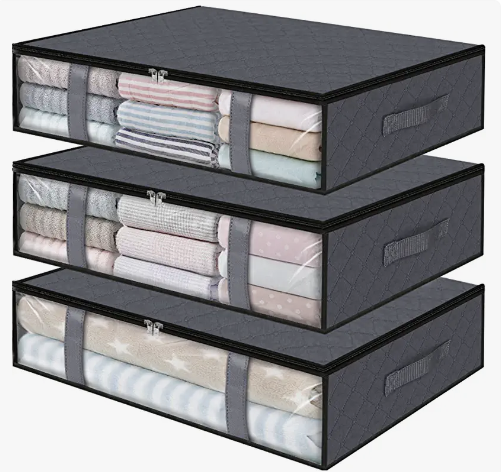
Why let the space under your bed go to waste? Use under-bed storage containers or drawers to store seasonal items, shoes, or anything else that you don’t need to access frequently. Check out these under-bed storage bins to make the most of your space.
B. Vertical Space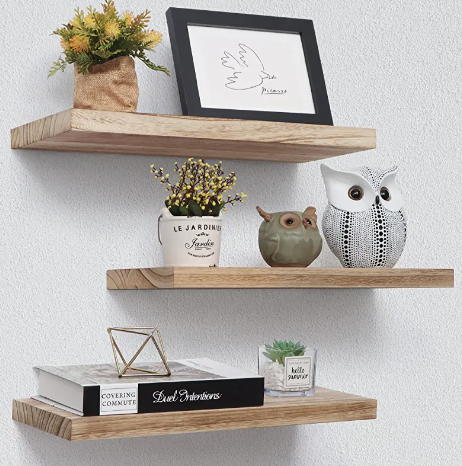
Maximize your vertical space with shelves, over-the-door organizers, and hanging racks. Trust us, your walls can hold more than just posters of your favorite bands. Give these floating shelves a try.
C. Use Drawer Dividers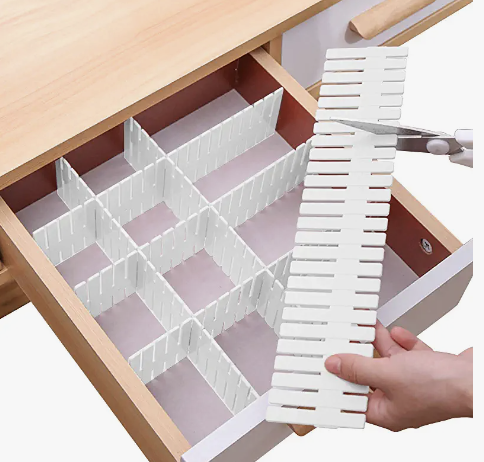
Say goodbye to the dreaded junk drawer! Drawer dividers help you organize small items and make it easier to find what you need. You can even use small boxes or repurpose old shoeboxes for a DIY option. Or, grab these adjustable drawer dividers for a sleeker look.
3. Adopt a “One In, One Out” RuleWhenever you bring something new into your home, try to let go of something else. This rule will help you keep your space clutter-free and make you think twice before buying yet another mug you don’t really need. Trust us, your wallet will thank you.
4. Label Everything
Never underestimate the power of a label maker. Labeling your containers, bins, and baskets will make it easier for you to maintain order in your space. Plus, it’s oddly satisfying. Get started with this label maker.
5. Embrace the Power of the 10-Minute TidyTake 10 minutes a day to tidy up your space. Set a timer and focus on one area at a time. You’ll be amazed at how much you can accomplish in just a few minutes. In the words of Shia LaBeouf, “Just do it!”
In conclusion, organizing your living space doesn’t have to be a daunting task. With
the right approach, clever storage solutions, and a little bit of humor, you can transform your cluttered space into a peaceful haven. Use these tips and products to declutter and optimize your living space, and you’ll be well on your way to mastering the art of adulting.
Remember, consistency is key! Keep up with your new habits, and soon enough, you’ll have a clean and organized home that sparks joy every time you walk through the door.
Now that you’re equipped with the knowledge and resources to get started, it’s time to unleash your inner Marie Kondo and tackle that clutter. And hey, don’t forget to have fun with it! After all, organizing can be surprisingly therapeutic. So go ahead, put on your favorite tunes, roll up your sleeves, and get ready to transform your living space!
Creating a Comfortable and Productive Home Office Space
Working from home has become increasingly popular, and if you’re in your 20’s and 30’s, chances are you’re either freelancing, starting your own business, or working remotely for a company. And let’s be honest, working in your pajamas from the comfort of your bed sounds great, but it’s not exactly the most productive environment. In this blog post, we’ll explore how to create a comfortable and productive home office space that will make you feel like the rockstar that you are. Buckle up, because we’re about to turn your home office dreams into reality.
ContentsFinding the Perfect LocationChoosing the Right Desk and ChairSetting the Mood with Lighting and DecorOrganizing Your SpaceTech and Gadgets1. Finding the Perfect LocationThe first step in creating your dream home office is finding the perfect location. Ideally, you want a dedicated room for your office, but we understand that not everyone has that luxury. So let’s explore some options:
Dedicated Room: If you have a spare room, it’s a no-brainer to turn it into your office. Close the door, crank up the tunes, and become a productivity machine. (Bonus: you can write off some of your home office expenses on your taxes!)Corner Nook: Transform a quiet corner in your living room or bedroom into your office oasis. It may not be a separate room, but it’s still your designated work zone.Closet Office: If you’re really tight on space, a closet office might be your best bet. Remove the doors, add some shelves, and voilà – a cozy little workspace.2. Choosing the Right Desk and ChairNow that you’ve got your space picked out, it’s time to choose the right desk and chair. This is where the magic happens, so invest in furniture that will keep you comfortable and focused.
Desk: Choose a desk that offers ample workspace and fits in your designated area. Standing desks are all the rage these days, and for good reason: they can help reduce back pain and improve posture. (Check out this awesome standing desk on Amazon.)Chair: Your chair is arguably the most important piece of furniture in your office. Look for an ergonomic chair with adjustable height, lumbar support, and a comfortable cushion. (Here’s a great ergonomic chair option on Amazon.)3. Setting the Mood with Lighting and DecorAesthetic is everything, right? Your office should be a space that inspires you and keeps you motivated throughout the day. Here are some tips to help you set the mood:
Lighting: Natural light is best, but if that’s not possible, choose lamps with a warm, soft glow. Avoid harsh fluorescent lights that make you feel like you’re in a cubicle farm. (These stylish desk lamps on Amazon are a great addition to any office.)Color: Choose a color palette that makes you happy and fosters creativity. Light, neutral tones can help create a calming environment, while pops of color can add some excitement.Plants: Add some life to your office with a few low-maintenance plants. They’ll help purify the air and make you feel like a true boss. (Consider adding a snake plant or a pothos – they’re both hard to kill, even for those without a green thumb.)Wall Art: Liven up your walls with some art that speaks to your personality and interests. Inspirational quotes, beautiful landscapes, or even a funny meme can help break up the monotony of staring at a screen all day. (You can find some cool wall art options on Amazon.)Personal Touches: Add a few items that make you smile – maybe it’s a photo of your family, a favorite coffee mug, or a quirky desk toy. These personal touches can help you feel more connected to your workspace.4. Organizing Your SpaceA cluttered workspace is a cluttered mind, so it’s time to get organized. Here are some tips to help you keep things tidy:
Cable Management: Wrangle those pesky cords with cable organizers, clips, or even a simple twist tie. (These cable organizers on Amazon are a game-changer.)Shelves and Storage: Install shelves, drawers, or a filing cabinet to store your paperwork, books, and other essentials. This will help keep your desk clutter-free.Desk Organizers: Pencil holders, paper trays, and desk organizers can keep your workspace neat and tidy. (Check out these stylish desk organizers on Amazon.)5. Tech and GadgetsYour home office wouldn’t be complete without some nifty tech and gadgets. Here are some must-haves for the modern home office:
Monitor: If you’re working on a laptop, consider investing in a larger monitor to reduce eye strain and increase productivity. (This high-quality monitor on Amazon is a great choice.)Keyboard and Mouse: A comfortable keyboard and mouse can make a huge difference in your daily work life. Ergonomic options are a plus. (We love this wireless keyboard and mouse combo on Amazon.)Noise-Cancelling Headphones: Block out distractions and focus on your work with a pair of noise-cancelling headphones. (These top-rated headphones on Amazon will change your life.)High-Speed Internet: Slow internet can be a major productivity killer. Make sure you have a reliable and fast internet connection to keep things running smoothly.That’s it! With these tips and tricks, you’ll have a comfortable and productive home office space in no time. So go ahead, channel your inner #GirlBoss or #GuyBoss, and show the world what you’re made of!
The Ultimate Guide to Building a Professional Wardrobe on a Budget
Do you ever walk into a store, look at the price tag of a professional-looking blazer, and suddenly feel the urge to live in sweatpants for the rest of your life? Fear not, young adulting padawan! With this Ultimate Guide to Building a Professional Wardrobe on a Budget, you’ll be ready to slay that office runway without emptying your wallet. Let’s dive in!
Assessing Your Wardrobe NeedsDetermine your workplace dress codeFirst things first, figure out what’s expected of you at work. Does your office rock a business casual vibe, or do you need to look like Harvey Specter from Suits every day? Don’t be afraid to ask HR or a coworker for guidance.
Identify essential clothing itemsNow that you know your dress code, make a list of essential items. Some basics might include:
Blazers or suit jacketsDress shirts or blousesDress pants or skirtsTies or scarvesProfessional-looking shoesConsider your personal style and preferencesYou don’t have to sacrifice style for professionalism. Incorporate your personality into your wardrobe with colors, patterns, or accessories. Just make sure it’s office-appropriate!
Create a wardrobe checklistCombine your list of essentials with your personal style preferences. Keep this handy when shopping to avoid impulse buys or unnecessary purchases.
Shopping Smart Tips for saving money while shoppingCompare prices online: Before hitting the store, check online for better deals or price matching options.Sign up for newsletters and sale alerts: Be the first to know about discounts and special offers. Your inbox may get a bit cluttered, but your wallet will thank you.Utilize cashback and coupon apps: Apps like Rakuten or Honey can help you save big on purchases.Look for store credit card offers: Some retailers offer great discounts when you sign up for their store credit cards. Just remember to pay off the balance each month to avoid debt!Prioritize quality over quantityInvest in timeless, durable pieces: A well-made blazer will last you years and never go out of style.Focus on versatile clothing items: Neutral colors and classic cuts can be mixed and matched to create multiple outfits.Learn to spot quality materials and craftsmanship: Look for sturdy stitching, quality fabrics, and solid construction.Thrift Shopping and Consignment Stores
 Benefits of thrift shoppingSave moneyDiscover unique and vintage itemsSupport local businesses and charitiesReduce environmental impactHow to find quality items at thrift storesLook for brand names or high-quality materialsInspect items for any damage, stains, or wearKeep an open mind and be willing to search through racksTips for successful thriftingGo in with a plan and stick to your wardrobe checklistVisit multiple thrift stores to increase your chances of finding gemsBe patient and enjoy the thrill of the hunt!Consignment stores as an alternative
Consignment stores are another great option for scoring deals on gently-used, higher-end clothing. Check out The RealReal or ThredUp for online options.
Sale Shopping Benefits of shopping during salesHuge discounts on itemsOpportunity to stock up on essentialsFeeling of accomplishment when you snag a great dealHow to find the best deals during salesShop early in the sale to have the best selectionResearch which stores have the best sales and when they occurCheck both in-store and online for dealsTips for successful sale shoppingStay focused on your wardrobe checklist to avoid impulse buysBe prepared to wait in line or deal with crowds (bring snacks and patience!)Keep track of return policies, as some sale items may be final saleShopping clearance and off-season items
Buying off-season clothing can save you a ton of money. For example, shop for winter coats in the summer and swimsuits in the winter. Check out clearance sections for hidden gems at discounted prices.
Building a Capsule WardrobeWhat is a capsule wardrobe?A capsule wardrobe is a collection of essential, versatile clothing items that can be mixed and matched to create multiple outfits.
Benefits of having a capsule wardrobeSave time getting dressed in the morningSave money by investing in fewer, higher-quality piecesLess clutter and easier wardrobe organizationSteps to create a capsule wardrobeDetermine your core clothing items (blazers, dress pants, etc.)Choose a color palette that complements your personal styleInvest in quality pieces that can be easily mixed and matchedAdd a few statement pieces or accessories to showcase your personalityExamples of capsule wardrobe itemsNeutral blazersSolid-colored dress shirts or blousesClassic dress pants or skirtsVersatile shoes in black, brown, or nudeamzn_assoc_placement = "adunit0";amzn_assoc_search_bar = "true";amzn_assoc_tracking_id = "adultinghar0b-20";amzn_assoc_search_bar_position = "bottom";amzn_assoc_ad_mode = "search";amzn_assoc_ad_type = "smart";amzn_assoc_marketplace = "amazon";amzn_assoc_region = "US";amzn_assoc_title = "Shop Related Products";amzn_assoc_default_search_phrase = "Capsule wardrobe";amzn_assoc_default_category = "Apparel";amzn_assoc_linkid = "ec9b83cacc415a30d498173ff7ce7456";amzn_assoc_default_browse_node = "1036592";Proper Care and MaintenanceImportance of caring for your wardrobeTaking care of your clothes can prolong their lifespan and keep them looking fresh and professional.
Tips for extending the life of your clothesFollow care instructions: Check the labels and follow the recommended washing and drying methods.Practice proper storage techniques: Use quality hangers, store shoes on a rack, and fold items that might stretch.Repair and maintain clothing items: Mend holes, replace buttons, and polish shoes as needed.The benefits of DIY clothing repairsLearning basic sewing skills can save you money and extend the life of your clothes. Plus, you’ll feel like a superhero when you fix a hole in your favorite shirt!
Building a professional wardrobe on a budget is totally doable with some savvy shopping and a little patience. By following this guide, you’ll be ready to rock your office in style without breaking the bank. Remember, adulting is hard, but looking like a million bucks doesn’t have to be!
April 26, 2023
How to save money around the house
Are you looking to save money around the house? Well, look no further! In this blog post, we’ll outline some of the most effective ways to save money on your home budget. From energy-saving tips to creative ways to reuse and recycle, we’ve got you covered. So what are you waiting for? Start reading and start saving!
Get a pet – they’ll help with the cleaning and you won’t have to pay for a professional serviceGetting a pet is the best way to keep your home in tip-top shape – and they won’t even charge you for their services! It’s like having your own personal maid or butler, only much more cuddly. Sure, it might seem like a lot of work up front – feeding them, taking them for walks, and homemade costumes for Halloween. But just think about the strings attached when you hire some professional cleaning help – oh, you know what I’m talking about. Pets make better service providers anyway; they’re always happy to dust the shelves or vacuum under the couch. They won’t leave any corners untouched. So scoop up a pup or reach out to your local rescue center today (bring treats!) and watch your place go from messy to marvelous in no time at all!
Stop using paper towels – use old t-shirts or rags insteadReusing old t-shirts and rags is the way to go if you’re looking for a more eco-friendly way of cleaning up the messes life throws at us! Not only does it save trees, but who knew being thrifty could be so stylish? Whether you need a rag to wipe down counters, or an old t-shirt to absorb excess moisture and keep your floors looking clean as a whistle, there are plenty of awesome uses for those clothes that have lived their lives and seen better days. So don’t be too quick to toss those threads in the trash – give them a second chance!
Line dry your clothes – save money on your power bill and get some fresh air while you’re at itLine drying your clothes is one of the best ways to save money without any real effort! Not only can you feel good about reducing your power bill but now you can get a nice whiff of fresh air, too. Plus, it’s a great way to embarrass your kids when they come home and find their favorite shirt airing out on the line in everyone else’s front yard! All joking aside though, cutting down on electricity costs and getting some sunshine has never been easier than it is when line drying clothes. So get out there and give this age-old technique a try – your wallet (and your youngster’s reputation) will thank you for it!
Make your own cleaning products – vinegar, water, and essential oils are all you needForget the expensive and confusing sachets of powdered cleaning products – all you need to keep your house sparkling clean is a bottle or two of vinegar, filtered water, and some essential oils. Who needs bleach when you can use oranges, lemons, tea tree oil and lavender? Believe it or not, your trusty weapons in the never-ending war against grimy surfaces can be found in an ordinary grocery store! Whether you want to take on pollen buildup or coffee spills (guilty as charged!), you’ll have your choices made in no time. So go ahead, foray into the wild wild world of DIY household solutions with a smirk on your face (and some serious elbow grease!).
Meal plan – this will help you avoid wasting food and spending too much money eating outMeal prepping is no joke, especially if you want to save money and avoid eating stale take-out every day. Not only can deciding what dishes you want to prepare during the week be a hassle, but executing those plans to perfection can be downright exhausting! Luckily, planning out your meals can be an all-enjoyable experience. Drawing up a meal plan will help prevent wasting food or blowing too much of your hard-earned dough on restaurant bills. Plus, having everything laid out for you gives you tremendous freedom – no more worrying about what’s for dinner every night! Let go of the stress and get ready to maximize your grocery budget. Meal planning is the way of the future (hey, we said it was enjoyable!) so why not give it a try?
Shop at thrift stores or garage sales – you can find great deals on furniture, clothes, and home decorShopping at thrift stores or garage sales can be a great way to add charm and personality to your home without breaking the bank. Whether you’re looking for one-of-a-kind furniture, stylish clothes, or vintage home decor, there’s plenty of interesting stuff to discover if you take the time to dig through the racks. Think of it as a treasure hunt! Plus, you never know when you might come across something incredible. Who knew that a few dollars spent at a yard sale could net you that amazing mid-century modern armchair? And don’t forget about the funny stories – hearing tales about an item’s past life is an added bonus to every thrifty purchase. So get out there and start browsing!
If you’re looking to save some money, there are plenty of ways to do it. From getting a pet to line drying your clothes, there are many easy changes you can make that will have a big impact on your wallet. What other creative ways have you found to save money?
amzn_assoc_placement = "adunit0";amzn_assoc_search_bar = "true";amzn_assoc_tracking_id = "adultinghar0b-20";amzn_assoc_search_bar_position = "bottom";amzn_assoc_ad_mode = "search";amzn_assoc_ad_type = "smart";amzn_assoc_marketplace = "amazon";amzn_assoc_region = "US";amzn_assoc_title = "Shop Related Products";amzn_assoc_default_search_phrase = "cleaning products";amzn_assoc_default_category = "All";amzn_assoc_linkid = "008cda79e21ee5f9812e0837853c97c5";