
Discover new books on Goodreads
See if your friends have read any of Gustav Kobbé's books
Gustav Kobbé’s Followers (3)


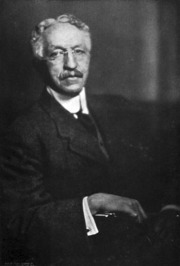
Gustav Kobbé
Born
in New York City, The United States
March 04, 1857
Died
July 27, 1918


|
The Complete Opera Book The Stories of the Operas, together with 400 of the Leading Airs and Motives in Musical Notation
—
published
1918
—
62 editions
|
|

|
The Loves of Great Composers
—
published
1905
—
65 editions
|
|

|
How to Appreciate Music
—
published
1906
—
45 editions
|
|

|
The Portable Kobbe's Opera Guide
by
—
published
1994
—
3 editions
|
|

|
Wagner's Ring of the Nibelung
—
published
1889
—
24 editions
|
|

|
How to Understand Wagner's Ring of the Nibelung; Being the Story & a Descriptive Analysis of the "Rhinegold," the "Valkyr," "Siegfried," and the "Dusk of the Gods." With a Number of Musical Examples
—
published
2010
—
12 editions
|
|

|
Signora: A Child Of The Opera House (1902)
—
published
2008
—
15 editions
|
|

|
The Great Operas of Vincenzo Bellini - An Account of the Life and Work of this Distinguished Composer, with Particular Attention to his Operas
|
|

|
Kobbe's Illustrated Opera
by
—
published
1989
—
4 editions
|
|
|
|
New Jersey Coast and Pines
by
—
published
1982
—
18 editions
|
|
“With a musical work, no matter how intellectual or dramatic its foundation, its test ever will be its value as pure music.”
― How to Appreciate Music
― How to Appreciate Music
“All art begins with a groping after form, then attains form, and then emancipates itself from too great insistence upon rigidity of form without, however, reverting to its early formless condition.”
― How to Appreciate Music
― How to Appreciate Music