Charlie Steel's Blog
April 29, 2024
Winter Pictures of Condor Ranch
Where I stay certain parts of the year. To the back and far left is part of Badito Cone. To the right is Greenhorn Mountain. Condor Ranch (1500 acres) runs two miles all the way up to the base of the mountain as seen in the middle of the picture. Rugged and isolated country with very few humans and where every step is up. The ranch land starts at 7500 feet and runs up to 8500 feet or more. Greenhorn Mountains elevation is 12,347 feet.
The snow doesn't really last long and the temps rise to the fifties even in winter. Southern Colorado on the Front Range directly where high grassland meets the start of the Rocky Mountains. A few miles further west begins the Sangre de Cristo Mountains (Spanish for Blood of Christ). This is the southern most range of the Rocky Mountains found in Southern Colorado and running down into New Mexico. Magnificence and where there are vast areas humankind has never set foot on.
https://www.facebook.com/photo?fbid=2...
The snow doesn't really last long and the temps rise to the fifties even in winter. Southern Colorado on the Front Range directly where high grassland meets the start of the Rocky Mountains. A few miles further west begins the Sangre de Cristo Mountains (Spanish for Blood of Christ). This is the southern most range of the Rocky Mountains found in Southern Colorado and running down into New Mexico. Magnificence and where there are vast areas humankind has never set foot on.
https://www.facebook.com/photo?fbid=2...


December 7, 2017
CHARLES DICKENS and A CHRISTMAS CAROL
(Never too early in the giving season to talk about concern for humanity. "Business!" cried the Ghost, wringing its hands again. "Mankind was my business.")
First published on December 19, 1843, this story has perhaps done more to positively influence the human race than any other story written by a popular writer. It is a story of great genius and power. Ebenezer Scrooge is a name that conjures up an evil, hateful, and greedy man. Through the visitation of three ghosts and his dead partner Jacob Marley, a journey of transformation takes place. Scrooge’s life is revisited, the choices he makes are reviewed and ultimately on Christmas day, the man transforms forever into a loving, kind, and giving man.
Charles Dickens was perhaps the greatest writer of his day. He fought for social justice through his writing and effectively brought to light the wretched human conditions in England and for that matter in the rest of the world. Charles Dickens first visited America in 1842 and he was appalled at the conditions of factories, child labor, prisons, and the general attitude toward slavery. Overall, the United States of America was a disappointment to him and NOT the Republic he had imagined.
Below are some of the most memorable words taken from the characters mouths he so famously created. There is much for us to learn from these words. How unfortunate that we too have forgotten how to be civil and to treat our fellow man with dignity and respect.
Famous excerpt from A CHRISTMAS CAROL:
"At this festive season of the year, Mr. Scrooge," said the gentleman, taking up a pen, "it is more than usually desirable that we should make some slight provision for the Poor and Destitute, who suffer greatly at the present time. Many thousands are in want of common necessaries; hundreds of thousands are in want of common comforts, sir."
"Are there no prisons?" asked Scrooge.
"Plenty of prisons," said the gentleman, laying down the pen again.
"And the Union workhouses?" demanded Scrooge. "Are they still in operation?"
"They are. Still," returned the gentleman, "I wish I could say they were not."
"The Treadmill and the Poor Law are in full vigour, then?" said Scrooge.
"Both very busy, sir."
"Oh! I was afraid, from what you said at first, that something had occurred to stop them in their useful course," said Scrooge. "I'm very glad to hear it."
"Under the impression that they scarcely furnish Christian cheer of mind or body to the multitude," returned the gentleman, "a few of us are endeavoring to raise a fund to buy the Poor some meat and drink and means of warmth. We choose this time, because it is a time, of all others, when Want is keenly felt, and Abundance rejoices. What shall I put you down for?"
"Nothing!" Scrooge replied.
"You wish to be anonymous?"
"I wish to be left alone," said Scrooge. "Since you ask me what I wish, gentlemen, that is my answer. I don't make merry myself at Christmas and I can't afford to make idle people merry. I help to support the establishments I have mentioned -- they cost enough; and those who are badly off must go there."
"Many can't go there; and many would rather die."
"If they would rather die," said Scrooge, "they had better do it, and decrease the surplus population.”
Here is another quote from the story that I think applies to all of us and is a distinct and useful warning on how we conduct our lives and what retribution may occur upon death:
Jacob Marley: "I wear the chain I forged in life," replied the Ghost. "I made it link by link, and yard by yard; I girded it on of my own free will, and of my own free will I wore it. Is its pattern strange to you?"
And…another quote concerning life and death from Jacob Marley:
"Business!" cried the Ghost, wringing its hands again. "Mankind was my business. The common welfare was my business; charity, mercy, forbearance, and benevolence, were, all, my business. The dealings of my trade were but a drop of water in the comprehensive ocean of my business!"
The words of “Merry Christmas” and the spirit of giving were enhanced and probably in every case come from this great Novella Charles Dickens wrote, known forever as, A CHRISTMAS CAROL.
(Charles Dickens tried to teach us humanity---to be kind to each other---he seemed to be successful---WHAT HAS HAPPENED TO US? We should be improving not getting worse in how we care for each other. So, I publish this to remind everyone that we should come together, before it is too late).
God bless Charles Dickens…this is one of my favorite pieces of literature and one of the best I have ever read.
So says Charlie Steel, Author
https://www.amazon.com/Charlie-Steel/...
First published on December 19, 1843, this story has perhaps done more to positively influence the human race than any other story written by a popular writer. It is a story of great genius and power. Ebenezer Scrooge is a name that conjures up an evil, hateful, and greedy man. Through the visitation of three ghosts and his dead partner Jacob Marley, a journey of transformation takes place. Scrooge’s life is revisited, the choices he makes are reviewed and ultimately on Christmas day, the man transforms forever into a loving, kind, and giving man.
Charles Dickens was perhaps the greatest writer of his day. He fought for social justice through his writing and effectively brought to light the wretched human conditions in England and for that matter in the rest of the world. Charles Dickens first visited America in 1842 and he was appalled at the conditions of factories, child labor, prisons, and the general attitude toward slavery. Overall, the United States of America was a disappointment to him and NOT the Republic he had imagined.
Below are some of the most memorable words taken from the characters mouths he so famously created. There is much for us to learn from these words. How unfortunate that we too have forgotten how to be civil and to treat our fellow man with dignity and respect.
Famous excerpt from A CHRISTMAS CAROL:
"At this festive season of the year, Mr. Scrooge," said the gentleman, taking up a pen, "it is more than usually desirable that we should make some slight provision for the Poor and Destitute, who suffer greatly at the present time. Many thousands are in want of common necessaries; hundreds of thousands are in want of common comforts, sir."
"Are there no prisons?" asked Scrooge.
"Plenty of prisons," said the gentleman, laying down the pen again.
"And the Union workhouses?" demanded Scrooge. "Are they still in operation?"
"They are. Still," returned the gentleman, "I wish I could say they were not."
"The Treadmill and the Poor Law are in full vigour, then?" said Scrooge.
"Both very busy, sir."
"Oh! I was afraid, from what you said at first, that something had occurred to stop them in their useful course," said Scrooge. "I'm very glad to hear it."
"Under the impression that they scarcely furnish Christian cheer of mind or body to the multitude," returned the gentleman, "a few of us are endeavoring to raise a fund to buy the Poor some meat and drink and means of warmth. We choose this time, because it is a time, of all others, when Want is keenly felt, and Abundance rejoices. What shall I put you down for?"
"Nothing!" Scrooge replied.
"You wish to be anonymous?"
"I wish to be left alone," said Scrooge. "Since you ask me what I wish, gentlemen, that is my answer. I don't make merry myself at Christmas and I can't afford to make idle people merry. I help to support the establishments I have mentioned -- they cost enough; and those who are badly off must go there."
"Many can't go there; and many would rather die."
"If they would rather die," said Scrooge, "they had better do it, and decrease the surplus population.”
Here is another quote from the story that I think applies to all of us and is a distinct and useful warning on how we conduct our lives and what retribution may occur upon death:
Jacob Marley: "I wear the chain I forged in life," replied the Ghost. "I made it link by link, and yard by yard; I girded it on of my own free will, and of my own free will I wore it. Is its pattern strange to you?"
And…another quote concerning life and death from Jacob Marley:
"Business!" cried the Ghost, wringing its hands again. "Mankind was my business. The common welfare was my business; charity, mercy, forbearance, and benevolence, were, all, my business. The dealings of my trade were but a drop of water in the comprehensive ocean of my business!"
The words of “Merry Christmas” and the spirit of giving were enhanced and probably in every case come from this great Novella Charles Dickens wrote, known forever as, A CHRISTMAS CAROL.
(Charles Dickens tried to teach us humanity---to be kind to each other---he seemed to be successful---WHAT HAS HAPPENED TO US? We should be improving not getting worse in how we care for each other. So, I publish this to remind everyone that we should come together, before it is too late).
God bless Charles Dickens…this is one of my favorite pieces of literature and one of the best I have ever read.
So says Charlie Steel, Author
https://www.amazon.com/Charlie-Steel/...
March 13, 2016
WRITING AND EDITING
(Prompted by anger and the work of editing a plethora of manuscripts)
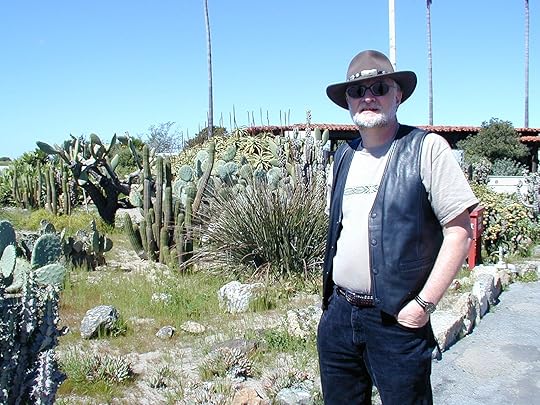
This is what I have discovered about writing over the past 47 years. To me, finishing a story you have been working hard at, is a marvelous accomplishment. What a wonderful feeling it gives you. Then comes the time to review it, do a rewrite, and edit. You quickly discover that writing the manuscript is only 10% of the work. You have in fact just begun and you are far from being finished. The task of crafting the story into an accomplished piece is the hardest part of writing. I find I must get 90% more of the iceberg, the submerged sea of mistakes, completely corrected.
This is the reality I find myself in every time I pick up an old or new unpublished manuscript and start the process of refining the piece.
For me, completing the story involves a first, second, and third rewrite. It finally means reading out loud (with a professional editor) to catch the rhythm and style of the piece, to correct faulty sentences, to smooth them out and remove repeated words. With the first complete oral reading, you revise as you go, word by word, line by line, correcting sentence structure, grammar, and punctuation. (The verbal arguments with the one professional editor that can put up with me, pounds off the four walls. Sometimes we may argue over one sentence or paragraph for hours, and continue to rewrite.) This is followed by a second oral reading and revision. If I am lucky the third oral reading will go smoothly and require very little or zero corrections. Depending on how complicated the manuscript is, you may want a second editor to correct the final draft AND THEN you send it off for a technical edit by a professional. At this point, the finished story is ready to be sent off for publishing.
Depending on the length of the manuscript, this process can take weeks, months, and in one particular case, up to two years.
Then you send it off for professional computer layout by your publisher---which also takes time.
AND, when the first print or galley returns, it also must be gone over for mistakes.
And, when you finally get the story or book in your hands and you find an error! OH, the horror of it all!
THIS IS WHAT I REALLY HAVE TO SAY ABOUT EDITING!
I hate it! Editing a story is extremely stressful and one of the most difficult tasks on planet earth. I would rather have acid poured over my skin than edit. Yet, if you don’t edit, what do you have? Garbage! Or at the very least, embarrassment that will stay with you as long as the piece remains in print.
Finally, for those who DON'T follow a similar process and just throw the book out there without very careful edits and without a professional computer program layout (digital and print)...well...the book may sell, but the reader is getting a very poor product and the writer is being completely unprofessional.
AND...this doesn't even cover marketing and sales which is another difficult process!
My exclusive thoughts and experiences about editing, in the complex task of getting a story published.
Charlie Steel www.charliesteel.net
Charlie Steel - Google+
This is what I have discovered about writing over the past 47 years. To me, finishing a story you have been working hard at, is a marvelous accomplishment. What a wonderful feeling it gives you. Then comes the time to review it, do a rewrite, and edit. You quickly discover that writing the manuscript is only 10% of the work. You have in fact just begun and you are far from being finished. The task of crafting the story into an accomplished piece is the hardest part of writing. I find I must get 90% more of the iceberg, the submerged sea of mistakes, completely corrected.
This is the reality I find myself in every time I pick up an old or new unpublished manuscript and start the process of refining the piece.
For me, completing the story involves a first, second, and third rewrite. It finally means reading out loud (with a professional editor) to catch the rhythm and style of the piece, to correct faulty sentences, to smooth them out and remove repeated words. With the first complete oral reading, you revise as you go, word by word, line by line, correcting sentence structure, grammar, and punctuation. (The verbal arguments with the one professional editor that can put up with me, pounds off the four walls. Sometimes we may argue over one sentence or paragraph for hours, and continue to rewrite.) This is followed by a second oral reading and revision. If I am lucky the third oral reading will go smoothly and require very little or zero corrections. Depending on how complicated the manuscript is, you may want a second editor to correct the final draft AND THEN you send it off for a technical edit by a professional. At this point, the finished story is ready to be sent off for publishing.
Depending on the length of the manuscript, this process can take weeks, months, and in one particular case, up to two years.
Then you send it off for professional computer layout by your publisher---which also takes time.
AND, when the first print or galley returns, it also must be gone over for mistakes.
And, when you finally get the story or book in your hands and you find an error! OH, the horror of it all!
THIS IS WHAT I REALLY HAVE TO SAY ABOUT EDITING!
I hate it! Editing a story is extremely stressful and one of the most difficult tasks on planet earth. I would rather have acid poured over my skin than edit. Yet, if you don’t edit, what do you have? Garbage! Or at the very least, embarrassment that will stay with you as long as the piece remains in print.
Finally, for those who DON'T follow a similar process and just throw the book out there without very careful edits and without a professional computer program layout (digital and print)...well...the book may sell, but the reader is getting a very poor product and the writer is being completely unprofessional.
AND...this doesn't even cover marketing and sales which is another difficult process!
My exclusive thoughts and experiences about editing, in the complex task of getting a story published.
Charlie Steel www.charliesteel.net
Charlie Steel - Google+
March 3, 2016
LEAD in the United States---Dumbing Down America
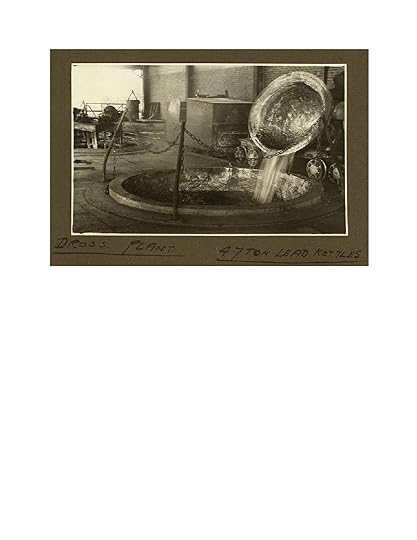
LEAD! In the United States and around the world.
Ever wonder what happened to us in the United States of America? What is all this anger and dissension about???
Could there be a hidden reason?
Why would mature adults vote for politicians who will certainly DESTROY their lives?
Well…I may have the answer! L-E-A-D!
After all, what made the Roman Empire crumble? In part---it was LEAD!
AND…in the United States of America we used lead in everything around us. We painted houses, toys, so many things with lead paint. We put lead in our gasoline! Lead is still released into the air from power plants and factories across America. The majority of the water lines in every city in the United States are LEAD PIPES! People in Flint are poisoned forever, including children. This is only the foreshadowing of things to come in every city in AMERICA!
Do you feel dumber than you think you should be??? As a child did you handle lead toys or pieces of lead that balanced tires? As a child did you clamp lead sinkers with your teeth (like I did) when you went fishing? Did you siphon gasoline in a tube and swallow some of the stuff? Did you breathe in smoke from factories and from the exhaust of cars?
So…perhaps I have hit upon the reason for all this hatred, animosity, and anger. It isn’t JUST caused from societal issues or just from the venom spewed on mass media (owned and controlled by the very rich) but PERHAPS THE REAL CAUSATIVE FACTOR---is L-E-A-D!
Don’t fear, lead undoubtedly lies in the bodies of every one of us in this great country. It appears...we are ALL in the same boat!
Respectfully submitted by Charlie Steel, author.
http://www.amazon.com/Charlie-Steel/e...
(No doubt lead also affects writers.)
February 24, 2016
PUNISHMENT OF TEACHERS
TEACHERS IN AMERICA

PUNISHMENT FOR TEACHERS AND THE ELIMINATION OF PROFESSIONALISM---TEACHING TO THE TEST
(THIS ARTICLE IS DIRECTED TO ALL AMERICANS. It was prompted by a Native American, Shawn Wright, and his project dealing with INDIAN STUDIES and TRUTH in the CLASSROOM. An earlier form of this article was posted some time ago, but received very little reaction, so it is being posted again.)
To Everyone,
Teachers and most parents want the truth taught in classrooms across the country. When it comes to Indian Studies many inaccurate books have been written and unfortunately, are still being used. Prejudices prevail and people can be misled. Thus, activists like Shawn Wright have come forward to clarify wrongs and direct teachers and school systems to accurate information.
However, there is a wrench to throw into the mix. Specifically, the truth about American Indians, Black History, or any other subject associated with American History is now more difficult and at times impossible to teach. Currently teachers have very little autonomy. Why? Because teachers are now controlled and have very little freedom to expound on other relevant subjects.
THIS SHORT ARTICLE IS ABOUT HOW ALL CONTROL HAS BEEN TAKEN AWAY FROM TEACHERS. Specifically, they can’t teach the truth about any subject, if they are NOT ALLOWED TO DO SO.
All across this land politics has entered the classroom, forcing teachers to teach to a test. The rest of the time teachers are forced (at home and late into the night) to write lesson plans they won't use AND TO DOCUMENT MEANINGLESS STATISTICS. Teaching is changing---and---not for the better.
Majorities of teachers are very dedicated and spend countless hours at home working on lesson plans, grading papers, recording grades, and filling out unnecessary and burdensome forms required by administration. (This extra work can involve 20-40 more additional hours of work outside the classroom, each week.) Most teachers average a thousand dollars or more per year purchasing paper, pencils, and school supplies for their students that administration refuses to purchase or have on hand.
The autonomy, professionalism, and standards good teachers once had are being stripped away by school boards, administrators, and politicians. They call it accountability, but what it really is, is direct subjugation of teachers. Administrators now follow ridiculous guidelines: "DO AS WE SAY, OR IN YOUR TEACHER EVALUATIONS WE WILL GIVE YOU POOR PERFORMANCE NUMBERS AND FIRE YOU." Worse, teaching to a test has all kinds of anti-intellectual reasoning behind it. Children are now being taught only what standards an OUTSIDE SOURCE DICTATES.
Other factors are societal and these issues also need to be addressed: Children can't learn if English is not their first language. Kids have a hard time getting ahead if they move a lot, are homeless, and hungry. In American Society this is becoming an alarming standard in the lives of children all across our country. It is these societal issues that go unaddressed.
Other factors are schools and classrooms that are substandard and falling apart. Heaters and air conditioning doesn't work, ceilings are sagging or falling, floors and stairways are in disrepair, pipes leak, and black mold affects the health of students and teachers alike.
Our social structure in America is falling apart due to economic deprivation, pervasive to so many parents and children. This has to do more with student poor performance than any other aspect of student learning. Teachers have become a societal scapegoat when the real culprits are American Citizens and POLITICIANS who refuse to provide proper funding for schools.
To phrase it another way, Politicians, School boards, and weak minded administrators are blaming teachers for children not learning, when the primary factors are societal.
For teachers to actually teach children ANYTHING---they first must have the freedom to do so. THIS ALSO MEANS THEY NEED THE TIME AND FREEDOM TO TEACH INDIAN STUDIES AND A MORE TRUTHFUL HISTORY---something they do not have.
For those teachers who are controlled (the majority across this land) you might consider this point: Teaching children a wide variety of information has been abandoned. Instead, across the United States of America, nearly every movement a teacher makes is now dictated to by administration. Teachers are NOT ALLOWED to be professionals and to teach what they know to be relevant. To a great extent in many classrooms across the country, TEACHERS ARE CONTROLLED and are forced to teach to a VERY ARBITRARY and IRRELEVANT TEST, or be fired.
THUS, THE CONTINUED DUMBING DOWN OF AMERICA!
(The teachers I interviewed are a very unhappy group, indeed.)
Charlie Steel's photos
1
PUNISHMENT FOR TEACHERS AND THE ELIMINATION OF PROFESSIONALISM---TEACHING TO THE TEST
(THIS ARTICLE IS DIRECTED TO ALL AMERICANS. It was prompted by a Native American, Shawn Wright, and his project dealing with INDIAN STUDIES and TRUTH in the CLASSROOM. An earlier form of this article was posted some time ago, but received very little reaction, so it is being posted again.)
To Everyone,
Teachers and most parents want the truth taught in classrooms across the country. When it comes to Indian Studies many inaccurate books have been written and unfortunately, are still being used. Prejudices prevail and people can be misled. Thus, activists like Shawn Wright have come forward to clarify wrongs and direct teachers and school systems to accurate information.
However, there is a wrench to throw into the mix. Specifically, the truth about American Indians, Black History, or any other subject associated with American History is now more difficult and at times impossible to teach. Currently teachers have very little autonomy. Why? Because teachers are now controlled and have very little freedom to expound on other relevant subjects.
THIS SHORT ARTICLE IS ABOUT HOW ALL CONTROL HAS BEEN TAKEN AWAY FROM TEACHERS. Specifically, they can’t teach the truth about any subject, if they are NOT ALLOWED TO DO SO.
All across this land politics has entered the classroom, forcing teachers to teach to a test. The rest of the time teachers are forced (at home and late into the night) to write lesson plans they won't use AND TO DOCUMENT MEANINGLESS STATISTICS. Teaching is changing---and---not for the better.
Majorities of teachers are very dedicated and spend countless hours at home working on lesson plans, grading papers, recording grades, and filling out unnecessary and burdensome forms required by administration. (This extra work can involve 20-40 more additional hours of work outside the classroom, each week.) Most teachers average a thousand dollars or more per year purchasing paper, pencils, and school supplies for their students that administration refuses to purchase or have on hand.
The autonomy, professionalism, and standards good teachers once had are being stripped away by school boards, administrators, and politicians. They call it accountability, but what it really is, is direct subjugation of teachers. Administrators now follow ridiculous guidelines: "DO AS WE SAY, OR IN YOUR TEACHER EVALUATIONS WE WILL GIVE YOU POOR PERFORMANCE NUMBERS AND FIRE YOU." Worse, teaching to a test has all kinds of anti-intellectual reasoning behind it. Children are now being taught only what standards an OUTSIDE SOURCE DICTATES.
Other factors are societal and these issues also need to be addressed: Children can't learn if English is not their first language. Kids have a hard time getting ahead if they move a lot, are homeless, and hungry. In American Society this is becoming an alarming standard in the lives of children all across our country. It is these societal issues that go unaddressed.
Other factors are schools and classrooms that are substandard and falling apart. Heaters and air conditioning doesn't work, ceilings are sagging or falling, floors and stairways are in disrepair, pipes leak, and black mold affects the health of students and teachers alike.
Our social structure in America is falling apart due to economic deprivation, pervasive to so many parents and children. This has to do more with student poor performance than any other aspect of student learning. Teachers have become a societal scapegoat when the real culprits are American Citizens and POLITICIANS who refuse to provide proper funding for schools.
To phrase it another way, Politicians, School boards, and weak minded administrators are blaming teachers for children not learning, when the primary factors are societal.
For teachers to actually teach children ANYTHING---they first must have the freedom to do so. THIS ALSO MEANS THEY NEED THE TIME AND FREEDOM TO TEACH INDIAN STUDIES AND A MORE TRUTHFUL HISTORY---something they do not have.
For those teachers who are controlled (the majority across this land) you might consider this point: Teaching children a wide variety of information has been abandoned. Instead, across the United States of America, nearly every movement a teacher makes is now dictated to by administration. Teachers are NOT ALLOWED to be professionals and to teach what they know to be relevant. To a great extent in many classrooms across the country, TEACHERS ARE CONTROLLED and are forced to teach to a VERY ARBITRARY and IRRELEVANT TEST, or be fired.
THUS, THE CONTINUED DUMBING DOWN OF AMERICA!
(The teachers I interviewed are a very unhappy group, indeed.)
Charlie Steel's photos
1
February 21, 2016
MY FATHER'S LIBRARY

First Published on WESTERN FICTIONEERS BLOG Sunday, January 5, 2014
MY FATHER'S LIBRARY by Charlie Steel
This is a quickly written piece to fill a void in WESTERN FICTIONEERS Blog for today.
My father was a difficult man to describe, perhaps just like the many fathers of so many families in this harsh world. Mine was born in 1912, a very long time ago, and he passed away in 1998 at the age of 86.
In those days, long ago, reaching the eighth grade was for most young people, the culmination of their education. My father didn't go that far, instead he dropped out of school at age twelve to help support his family of a widowed mother and thirteen sisters and brothers. It was a small town and he supported them by cleaning out three different churches, milking cows, cutting firewood, delivering food, working in a bakery, and any odd job he was offered.
When he became a bit older (it was a very small town) he began helping others. Despite his own poverty, when he saw a child without a coat in the fall or winter, or without socks and shoes, he would go to a mercantile owner named Blumenthal and say, "See that kid over there..." an old man, Blumenthal would, on credit and at a discounted price to my father, give the item the child needed. I know this to be the absolute truth and for the rest of my life, my father performed such anonymous gifts of kindness. My father grew up being a very active server of the principles of the New Testament, but never in an intrusive or public way. The only exception, was that he loved to greet people at church on Sundays, to be the doorman and usher, and shake everyone’s hand on the way in and on the way out, saying hello to every man, woman, and child who would speak to him.
My father was a simple man but also a complex one. Had he the opportunity of an education, I am sure he would have made a terrific politician (an honest one). What he became was an oil field worker, a roustabout, a man of physical labor. All his life he was very muscular, very strong, and very fit. He used to show his bicep and say, "Feel that, can't kill me with a pickaxe!"
Strange for a physical laborer, was my father's love for the news, for reading, and for books. How he loved to sit and read a good book after dinner. Then, it was early to bed and early to rise, six and seven days a week, rising at five in the morning and returning home (when he could) around five or six at night. This continued until he reached his sixties and was seriously injured.
My father not only loved books but poetry as well, and later in life he collected and memorized poems and would recite them at a drop of the hat, at church, at gatherings, at a restaurant, in line at a store---and people stopped and listened---because father had that kind of magnetic personality. As I live and breathe, he made hundreds, thousands of friends by doing so. My father was a very well-liked man, all his life.
When my father courted my mother, he did so with books. Inside, he would put words of endearment and then he would cite certain pages for her to read and tell her, "This is how I feel about you."
But my father never lacked for words and he could spin his own tale and charm anyone, child, woman, or man.
This leads to the title of this short piece. Some of the collected books my father gave to my mother eventually ended up in a small linen cupboard, the linens having to be stuffed elsewhere. These books that survived (most destroyed by my wicked maternal grandfather---another true story) were placed there for my father to read and reread at his pleasure. When I was eight, against my father's wishes (thinking me too young) I discovered these books. Such authors as James Oliver Curwood, Jack London, Gene Stratton Porter, Margaret Mitchell, Zane Grey, and William MacLeod Raine, I found on those shelves.
From reading the first two novels, Zane Grey's Light of the Western Stars, and Jack London's Burning Daylight, I fell in love with literature, and believe it or not, went on to read four books a day for years and years and years.
My father was an incongruity, a juxtaposition of two very different things, a workman and lover of literature. It's totally his fault that I went on to become a writer, and looking back over all these years, I realize that I loved my father very much indeed.
February 9, 2016
AUTHOR BENJAMIN FRANKLIN
BENJAMIN FRANKLIN & CHARLIE STEEL
I stand nearly six feet and old Ben towers over me---and really---over the rest of us.
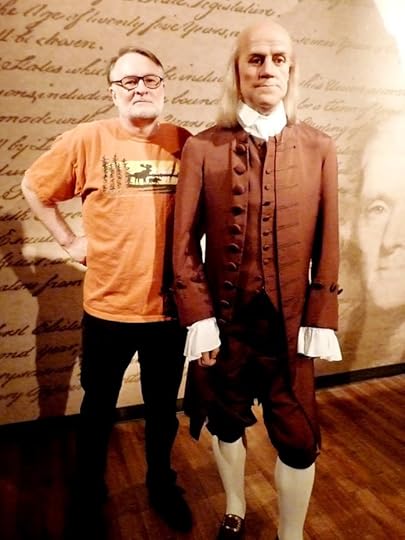
Now old Ben has been a friend of mine ever since I read: "A penny saved is a penny earned" or my great favorite, "Early to bed, early to rise, makes a man, healthy, wealthy, and wise."
"In this world nothing can be said to be certain, except death and taxes."
But that's a simplistic view of my friend Ben. Did you know his skills as an ambassador to France got us the money and arms to defeat the British and become the United States of America? He did that single-handedly.
Old Ben was a man of many parts and far more intellectual and accomplished than what many people give him credit for. He was among many other things, an American statesman, scientist, inventor, diplomat, author, printer and publisher.
He formed the first library in the United States: The Library Company of Philadelphia, founded in 1731---so many firsts it is difficult to mention them all.
How about all those inventions? The lightning rod, the Franklin Stove, and a really cool instrument called: glass armonica. He also invented what he called double spectacles, today known as Bifocals!
Thirteen Virtues
(This taken directly from Project Gutenberg's ebook Autobiography of Benjamin Franklin with due credit given.)
Franklin sought to cultivate his character by a plan of 13 virtues, which he developed at age 20 (in 1726) and continued to practice in some form for the rest of his life. His autobiography lists his 13 virtues as:
1. "Temperance. Eat not to dullness; drink not to elevation."
2. "Silence. Speak not but what may benefit others or yourself; avoid trifling conversation."
3. "Order. Let all your things have their places; let each part of your business have its time."
4. "Resolution. Resolve to perform what you ought; perform without fail what you resolve."
5. "Frugality. Make no expense but to do good to others or yourself; i.e., waste nothing."
6. "Industry. Lose no time; be always employ'd in something useful; cut off all unnecessary actions."
7. "Sincerity. Use no hurtful deceit; think innocently and justly, and, if you speak, speak accordingly."
8. "Justice. Wrong none by doing injuries, or omitting the benefits that are your duty."
9. "Moderation. Avoid extremes; forbear resenting injuries so much as you think they deserve."
10. "Cleanliness. Tolerate no uncleanliness in body, cloaths, or habitation."
11. "Tranquility. Be not disturbed at trifles, or at accidents common or unavoidable."
12. "Chastity. Rarely use venery but for health or offspring, never to dullness, weakness, or the injury of your own or another's peace or reputation."
13. "Humility. Imitate Jesus and Socrates."
On and on and on---one can research and look up what old Ben accomplished and it is an absolutely amazing life of an incredibly amazing man. He is ONE American I am indeed proud of.
MY FRIEND---Old Ben Franklin! The MAN!
I stand nearly six feet and old Ben towers over me---and really---over the rest of us.
Now old Ben has been a friend of mine ever since I read: "A penny saved is a penny earned" or my great favorite, "Early to bed, early to rise, makes a man, healthy, wealthy, and wise."
"In this world nothing can be said to be certain, except death and taxes."
But that's a simplistic view of my friend Ben. Did you know his skills as an ambassador to France got us the money and arms to defeat the British and become the United States of America? He did that single-handedly.
Old Ben was a man of many parts and far more intellectual and accomplished than what many people give him credit for. He was among many other things, an American statesman, scientist, inventor, diplomat, author, printer and publisher.
He formed the first library in the United States: The Library Company of Philadelphia, founded in 1731---so many firsts it is difficult to mention them all.
How about all those inventions? The lightning rod, the Franklin Stove, and a really cool instrument called: glass armonica. He also invented what he called double spectacles, today known as Bifocals!
Thirteen Virtues
(This taken directly from Project Gutenberg's ebook Autobiography of Benjamin Franklin with due credit given.)
Franklin sought to cultivate his character by a plan of 13 virtues, which he developed at age 20 (in 1726) and continued to practice in some form for the rest of his life. His autobiography lists his 13 virtues as:
1. "Temperance. Eat not to dullness; drink not to elevation."
2. "Silence. Speak not but what may benefit others or yourself; avoid trifling conversation."
3. "Order. Let all your things have their places; let each part of your business have its time."
4. "Resolution. Resolve to perform what you ought; perform without fail what you resolve."
5. "Frugality. Make no expense but to do good to others or yourself; i.e., waste nothing."
6. "Industry. Lose no time; be always employ'd in something useful; cut off all unnecessary actions."
7. "Sincerity. Use no hurtful deceit; think innocently and justly, and, if you speak, speak accordingly."
8. "Justice. Wrong none by doing injuries, or omitting the benefits that are your duty."
9. "Moderation. Avoid extremes; forbear resenting injuries so much as you think they deserve."
10. "Cleanliness. Tolerate no uncleanliness in body, cloaths, or habitation."
11. "Tranquility. Be not disturbed at trifles, or at accidents common or unavoidable."
12. "Chastity. Rarely use venery but for health or offspring, never to dullness, weakness, or the injury of your own or another's peace or reputation."
13. "Humility. Imitate Jesus and Socrates."
On and on and on---one can research and look up what old Ben accomplished and it is an absolutely amazing life of an incredibly amazing man. He is ONE American I am indeed proud of.
MY FRIEND---Old Ben Franklin! The MAN!
January 11, 2016
Release of: FIRE CANOE FINNEGAN
Charlie Steel
- Dec 9, 2015
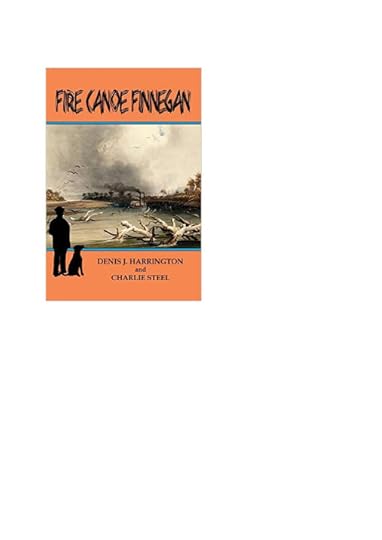
Announcing the release of: FIRE CANOE FINNEGAN
By Denis J. Harrington & Charlie Steel
This is yet another book that I am especially proud of and part of the reason is because of the unusual circumstances that brought it to fruition. In November 2014, I was asked by Condor Publishing, Inc. to help another author, Denis J. Harrington, complete and rewrite a book entitled FIRE CANOE FINNEGAN. He needed a co-author.
How could I say no to a title like that? Upon reading the work, I truly liked the way Harrington outlined the book. The very concept of steamboats helping to supply the western movement was intriguing, as well as original. Before reading his rough draft, I never really thought of steamships carrying passengers, or supplying pioneers as well as the army forts along the great Missouri River.
I began working on the book, researching and adding historical accuracy. I corresponded with Harrington and was pleased to be told that I had cart blanche with the manuscript. In working with my co-author, I discovered he was a sports writer and playwright but that he had never before written a Western. At this point in his life, he just wanted to see the book in print. In July of 2015, I was informed my co-author Denis J. Harrington died. The project took on a more serious tone after that and I worked hard. It did need a tremendous amount of work and many rewrites.
When finished with the final draft, I started the editing process. With my editor, this took three heated oral readings of 250 pages. With each reading there were more changes. Then, after completion the manuscript was sent off for a technical edit. Sad to say, it came back with more corrections. Finally, the manuscript was ready (or so we thought). It was sent to the computer layout person for digital and print formatting. When the first printed proof came back, I discovered four typos and THOSE had to be corrected.
Condor Publishing, Inc. has always insisted on quality over quantity. From November 2014 to November 2015, it took a full twelve months to get this book rewritten, properly edited, and professionally formatted and published.
My publisher had the presumption to contact James Reasoner and ask for a possible review from this very busy writer. I truly appreciate that he took the time to read and review the book. This is what he had to say:
“FIRE CANOE FINNEGAN is a historical adventure novel in the grand tradition, a rousing tale of the men who piloted steamboats up the Missouri River to the Western frontier during the turbulent days after the Civil War. Authors Denis J. Harrington and Charlie Steel spin a fine yarn with plenty of action, romance, historical detail, and compelling characters. This is historical fiction at its finest and highly recommended.” James Reasoner, author of OUTLAW RANGER and New York Times bestselling author of The Civil War Battle Series.
Picking an excerpt from this book, I found to be somewhat difficult. It would be easy to pick a battle scene between Indians and soldiers, or a fight scene between Finnegan and a Sioux Indian. Instead, I picked a little snippet of dialogue between the main protagonist Clint Finnegan and a pioneer named Liver Eatin Mosely.
Found beginning on page, 133:
“Then you were ambushed?” asked Finnegan.
Mosely nodded his head. “Sioux attacked just south of Westport Landing in Kansas. Most everybody got burned out. The folks that survived headed for Fort Leavenworth. All save me. I was going to California or bust trying. So we kept on moving, looking to hook up with another wagon train. We wandered up this way when fever took hold of my wife. She was awful weak so I stopped here, thinkin we’d stay till the fever quit her. But she up and died, leavin me and the boy.”
He closed his eyes in a prolonged silence.
“I’m real sorry to hear that,” Finnegan said quietly.
With a sigh, Mosely stared at the flames in the hearth.
“I played the fool, and she done the paying,” he said at length. “Little John wasn’t but five. I took him everywhere, huntin, fishin, plantin. Why, I fixed a tent from hides and set it up alongside the wagon. We lived there. Early one mornin a war party jumped us. They cracked my head, stole the mules, and fired the tent. My boy was killed in the doing.”
Mosely’s face became an expressionless mask.
“That night I tracked them Sioux,” he continued. “I found their camp up the river. They were butcherin one of my mules. Gonna make a meal of him. I killed them all and got my mules back. I’ve been goin at it ever since.”
“Did you…take any livers?”
“Not directly.” Mosely appeared to be at ease with himself now. “I commenced that later.” He leaned across the table. “I learned about Indians from trappers traveling the river to Omaha. They told me what spooks them. And cuttin out their livers does that right proper. Scalpin does too.”
“How do you mean spooks them?”
“Well, Indians don’t like to lose parts. They believe you can’t go to the spirit world if you ain’t in one piece.”
“So why do you hang those scalps on a pole?”
“They’re hangin there for a purpose,” Mosely explained.
“Aren’t you baiting them?”
“That’s the idea,” Mosely said, his anger rising. “Young fella, this is a hard country. A man what don’t look after himself is gonna be dead in a hurry.” He gestured toward the woman. “She’s Pawnee. Tells me her tribes been enemies with the plains Indians since the beginning of time. I come onto some Sioux trying to cut her up. Naturally I had to kill em.”
“I see,” said Finnegan.
“She’s been grateful and a good friend ever since. I trust her more than I do myself.”
“Do you mind telling me why you killed that Indian tonight?”
“Nope. It’s because he’s been trackin me for a spell.”
“Tracking you?”
“That’s a fact.” Mosely paused to pluck a bit of gristle from between his teeth with a knife. “Like I been sayin, I’ve killed me quite a few Sioux. And they ain’t happy about that. I got most of the warriors skeered of me. One of their chiefs named Hump took to sending his best after my hair. This fella I got tonight was one of them.”
“Did you cut out his liver?”
“I did. And I tossed his body yonder over the fence. They’ll drag it off come mornin.”
“Wha…what did you do with the liver?”
“I gave it to the wolf. He eats them.” Mosely grinned. “You look a bit pale, Clint. Off your feed, are you?”
“You’re a hard man, Ab Mosely,” said Finnegan. “So you cut their livers out just to spook them?”
“Yup, that I do. Hate those Indians that killed my son with a passion. Pacho feels the same. That’s why I do it. I hear they claim I’m an evil spirit. To sum it up, they ain’t real anxious to fret me none.”
“I’m thinking you’re lucky you lived this long.”
“Tell the truth, I don’t care one way or t’other.”
“I have a question to ask you,” said Finnegan.
“Go ahead.”
“Did you happen to see the payroll thieves?”
“Maybe I seen them,” said Mosely.
“Really?” Finnegan stiffened.
“I said maybe. Two men was they?”
“Yes.”
“And a woman?” Mosely’s eyes narrowed. “She one of the robbers?”
“No. They kidnapped her.”
“Pretty is she?”
“Sure as the sun rises.”
Mosely chuckled. “Could be you want to find her more than you do that payroll?”
Finnegan looked away and said nothing.
Well, that’s one excerpt from the book that I hope you find somewhat interesting. I also hope I did Mr. Denis J. Harrington a good deed and that he is looking down on me kindly. It is my fervent desire that everyone will enjoy this book.
All my best to all readers and fellow writers.
Charlie Steel
- Dec 9, 2015
Announcing the release of: FIRE CANOE FINNEGAN
By Denis J. Harrington & Charlie Steel
This is yet another book that I am especially proud of and part of the reason is because of the unusual circumstances that brought it to fruition. In November 2014, I was asked by Condor Publishing, Inc. to help another author, Denis J. Harrington, complete and rewrite a book entitled FIRE CANOE FINNEGAN. He needed a co-author.
How could I say no to a title like that? Upon reading the work, I truly liked the way Harrington outlined the book. The very concept of steamboats helping to supply the western movement was intriguing, as well as original. Before reading his rough draft, I never really thought of steamships carrying passengers, or supplying pioneers as well as the army forts along the great Missouri River.
I began working on the book, researching and adding historical accuracy. I corresponded with Harrington and was pleased to be told that I had cart blanche with the manuscript. In working with my co-author, I discovered he was a sports writer and playwright but that he had never before written a Western. At this point in his life, he just wanted to see the book in print. In July of 2015, I was informed my co-author Denis J. Harrington died. The project took on a more serious tone after that and I worked hard. It did need a tremendous amount of work and many rewrites.
When finished with the final draft, I started the editing process. With my editor, this took three heated oral readings of 250 pages. With each reading there were more changes. Then, after completion the manuscript was sent off for a technical edit. Sad to say, it came back with more corrections. Finally, the manuscript was ready (or so we thought). It was sent to the computer layout person for digital and print formatting. When the first printed proof came back, I discovered four typos and THOSE had to be corrected.
Condor Publishing, Inc. has always insisted on quality over quantity. From November 2014 to November 2015, it took a full twelve months to get this book rewritten, properly edited, and professionally formatted and published.
My publisher had the presumption to contact James Reasoner and ask for a possible review from this very busy writer. I truly appreciate that he took the time to read and review the book. This is what he had to say:
“FIRE CANOE FINNEGAN is a historical adventure novel in the grand tradition, a rousing tale of the men who piloted steamboats up the Missouri River to the Western frontier during the turbulent days after the Civil War. Authors Denis J. Harrington and Charlie Steel spin a fine yarn with plenty of action, romance, historical detail, and compelling characters. This is historical fiction at its finest and highly recommended.” James Reasoner, author of OUTLAW RANGER and New York Times bestselling author of The Civil War Battle Series.
Picking an excerpt from this book, I found to be somewhat difficult. It would be easy to pick a battle scene between Indians and soldiers, or a fight scene between Finnegan and a Sioux Indian. Instead, I picked a little snippet of dialogue between the main protagonist Clint Finnegan and a pioneer named Liver Eatin Mosely.
Found beginning on page, 133:
“Then you were ambushed?” asked Finnegan.
Mosely nodded his head. “Sioux attacked just south of Westport Landing in Kansas. Most everybody got burned out. The folks that survived headed for Fort Leavenworth. All save me. I was going to California or bust trying. So we kept on moving, looking to hook up with another wagon train. We wandered up this way when fever took hold of my wife. She was awful weak so I stopped here, thinkin we’d stay till the fever quit her. But she up and died, leavin me and the boy.”
He closed his eyes in a prolonged silence.
“I’m real sorry to hear that,” Finnegan said quietly.
With a sigh, Mosely stared at the flames in the hearth.
“I played the fool, and she done the paying,” he said at length. “Little John wasn’t but five. I took him everywhere, huntin, fishin, plantin. Why, I fixed a tent from hides and set it up alongside the wagon. We lived there. Early one mornin a war party jumped us. They cracked my head, stole the mules, and fired the tent. My boy was killed in the doing.”
Mosely’s face became an expressionless mask.
“That night I tracked them Sioux,” he continued. “I found their camp up the river. They were butcherin one of my mules. Gonna make a meal of him. I killed them all and got my mules back. I’ve been goin at it ever since.”
“Did you…take any livers?”
“Not directly.” Mosely appeared to be at ease with himself now. “I commenced that later.” He leaned across the table. “I learned about Indians from trappers traveling the river to Omaha. They told me what spooks them. And cuttin out their livers does that right proper. Scalpin does too.”
“How do you mean spooks them?”
“Well, Indians don’t like to lose parts. They believe you can’t go to the spirit world if you ain’t in one piece.”
“So why do you hang those scalps on a pole?”
“They’re hangin there for a purpose,” Mosely explained.
“Aren’t you baiting them?”
“That’s the idea,” Mosely said, his anger rising. “Young fella, this is a hard country. A man what don’t look after himself is gonna be dead in a hurry.” He gestured toward the woman. “She’s Pawnee. Tells me her tribes been enemies with the plains Indians since the beginning of time. I come onto some Sioux trying to cut her up. Naturally I had to kill em.”
“I see,” said Finnegan.
“She’s been grateful and a good friend ever since. I trust her more than I do myself.”
“Do you mind telling me why you killed that Indian tonight?”
“Nope. It’s because he’s been trackin me for a spell.”
“Tracking you?”
“That’s a fact.” Mosely paused to pluck a bit of gristle from between his teeth with a knife. “Like I been sayin, I’ve killed me quite a few Sioux. And they ain’t happy about that. I got most of the warriors skeered of me. One of their chiefs named Hump took to sending his best after my hair. This fella I got tonight was one of them.”
“Did you cut out his liver?”
“I did. And I tossed his body yonder over the fence. They’ll drag it off come mornin.”
“Wha…what did you do with the liver?”
“I gave it to the wolf. He eats them.” Mosely grinned. “You look a bit pale, Clint. Off your feed, are you?”
“You’re a hard man, Ab Mosely,” said Finnegan. “So you cut their livers out just to spook them?”
“Yup, that I do. Hate those Indians that killed my son with a passion. Pacho feels the same. That’s why I do it. I hear they claim I’m an evil spirit. To sum it up, they ain’t real anxious to fret me none.”
“I’m thinking you’re lucky you lived this long.”
“Tell the truth, I don’t care one way or t’other.”
“I have a question to ask you,” said Finnegan.
“Go ahead.”
“Did you happen to see the payroll thieves?”
“Maybe I seen them,” said Mosely.
“Really?” Finnegan stiffened.
“I said maybe. Two men was they?”
“Yes.”
“And a woman?” Mosely’s eyes narrowed. “She one of the robbers?”
“No. They kidnapped her.”
“Pretty is she?”
“Sure as the sun rises.”
Mosely chuckled. “Could be you want to find her more than you do that payroll?”
Finnegan looked away and said nothing.
Well, that’s one excerpt from the book that I hope you find somewhat interesting. I also hope I did Mr. Denis J. Harrington a good deed and that he is looking down on me kindly. It is my fervent desire that everyone will enjoy this book.
All my best to all readers and fellow writers.
Charlie Steel