Joshua Palmatier's Blog
March 19, 2017
Book Review: "Mechanical Failure" by Joe Zieja
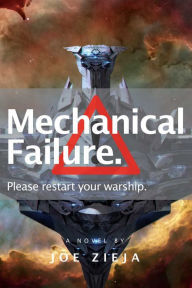
This is the first book of a series of humorous SF novels. Sort of a spoof of serious military SF.
Premise: Roger Wilson Rogers has managed to get out of the military and start up a smuggling career, but unfortunately one of his runs goes horribly wrong and rather than get sent to a labor camp for prisoners, he agrees to rejoin the fleet ... as an officer! But once on the ship, he realizes that things have changed since he was last here. Droids appear everywhere, along with inspirational posters, not to mention that everyone has been transferred to jobs they aren't qualified to do. Where's the beer hour? Where's the shuffleboard? And what's all this talk about preparing for war? Rogers is afraid he's bitten off more than he can handle, like, actual work. But can he figure out what's going on before the enemy fleet attacks?
This was a fun read, although it does take a while to get things set up for the humorous ending. I'd say about half to two thirds of the book is Rogers exploring the ship, meeting people, and setting up the plot elements that make the last half to a third so much fun. But once the action starts, the book speeds along at a fast clip. The main character is fun to follow and the side characters are a blast as well. A few of the plot elements are too over the top, but it's really just a rollercoaster ride throughout.
If you're into humorous SF with a military slant, definitely check this out.


March 14, 2017
ZNB Hugo Eligible Stories!
The last day to nominate for the HUGOs this year is almost here! You must get your nominations in by March 17th. I'd like to point out what is eligible for a nomination from Zombies Need Brains this year. Basically, it's everything from the ALIEN ARTIFACTS and WERE- anthologies, but since we don't print the word counts of each story in the anthology, I've conveniently broken down the stories into which category they belong in below. Also note that Patricia Bray and I are eligible for an Editor Short Form award. If you do consider us for the editor award, please nominate us separately, rather than as a single entry, since the HUGO nominations rules in particular don’t seem to allow for dual nominations. Here’s the breakdown of eligibility:
Hugo Eligibility:
Best Editor, Short Form:
Joshua Palmatier
Patricia Bray
Best Short Story:
“Best in Show” by Seanan McGuire
“We Dig” by Ashley McConnell
“Eyes Like Pearls” by Susan Jett
“Among the Grapevines, Growing” by Eliora Smith
“A Party for Bailey” by David B. Coe
“Cry Murder” by April Steenburgh
“Paper Wasp” by Mike Barretta
“Point Five” by Elizabeth Kite
“The Promise of Death” by Danielle Ackley-McPhail
“Witness Report” by Katharine Kerr
“Attack of the Were-Zombie Friendship with Benefits” by Sarah Brand
“The Whale” by Anneliese Belmond
“Shiftr” by Patricia Bray
“Radio Silence” by Walter H. Hunt
“The Familiar” by David Farland
“Me and Alice” by Angela Penrose
“The Other Side” by S.C. Butler
“The Sphere” by Juliet E. McKenna
“Shame the Devil” by Sharon Lee & Steve Miller
“The Captain’s Throne” by Andrija Popovic
“Weird is the New Normal” by Jacey Bedford
“And We Have No Words to Tell You” by Sofie Bird
“Titan Descanso” by James Van Pelt
“Music of the Stars” by Jennifer Dunne
“The Night You Were a Comet” by Coral Moore
“The God Emperor of Lassie Point” by Daniel J. Davis
“Pandora” by C.S. Friedman
“Round and Round We Ride the Carousel of Time” by Seanan McGuire
Best Novelette:
“Missy the Were-Pomeranian vs. the Masters of Mediocre Doom” by Gini Koch
“Anzu, Duba, Beast” by Faith Hunter
“The Five Bean Solution” by Jean Marie Ward
“The Hunt” by Gail Z. Martin & Larry N. Martin
“Alien Epilogue” by Gini Koch
“The Haint of Sweetwater River” by Anthony Lowe
“The Nightside” by Julie Novakova
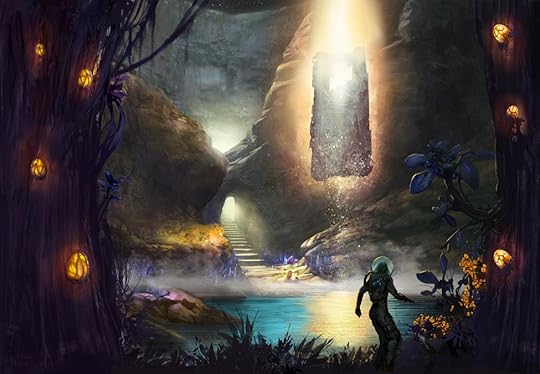
Alien Artifacts Ebook
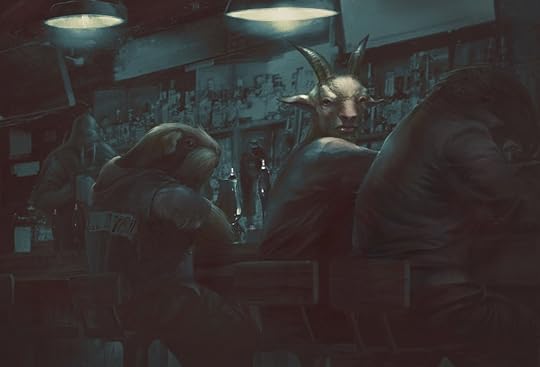
Were- Ebook
Hugo Eligibility:
Best Editor, Short Form:
Joshua Palmatier
Patricia Bray
Best Short Story:
“Best in Show” by Seanan McGuire
“We Dig” by Ashley McConnell
“Eyes Like Pearls” by Susan Jett
“Among the Grapevines, Growing” by Eliora Smith
“A Party for Bailey” by David B. Coe
“Cry Murder” by April Steenburgh
“Paper Wasp” by Mike Barretta
“Point Five” by Elizabeth Kite
“The Promise of Death” by Danielle Ackley-McPhail
“Witness Report” by Katharine Kerr
“Attack of the Were-Zombie Friendship with Benefits” by Sarah Brand
“The Whale” by Anneliese Belmond
“Shiftr” by Patricia Bray
“Radio Silence” by Walter H. Hunt
“The Familiar” by David Farland
“Me and Alice” by Angela Penrose
“The Other Side” by S.C. Butler
“The Sphere” by Juliet E. McKenna
“Shame the Devil” by Sharon Lee & Steve Miller
“The Captain’s Throne” by Andrija Popovic
“Weird is the New Normal” by Jacey Bedford
“And We Have No Words to Tell You” by Sofie Bird
“Titan Descanso” by James Van Pelt
“Music of the Stars” by Jennifer Dunne
“The Night You Were a Comet” by Coral Moore
“The God Emperor of Lassie Point” by Daniel J. Davis
“Pandora” by C.S. Friedman
“Round and Round We Ride the Carousel of Time” by Seanan McGuire
Best Novelette:
“Missy the Were-Pomeranian vs. the Masters of Mediocre Doom” by Gini Koch
“Anzu, Duba, Beast” by Faith Hunter
“The Five Bean Solution” by Jean Marie Ward
“The Hunt” by Gail Z. Martin & Larry N. Martin
“Alien Epilogue” by Gini Koch
“The Haint of Sweetwater River” by Anthony Lowe
“The Nightside” by Julie Novakova
Alien Artifacts Ebook
Were- Ebook
Book Review: "Ready Player One" by Ernest Cline
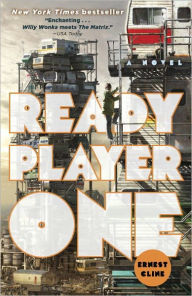
I'd heard many people talking about this book when it first came out and finally broke down at a book signing and bought it. Mostly, I'd heard that if you grew up in the 80s, you'd love it. And I have to say, that's the case.
Premise: In the near future, a gigajillionaire who built his fortune by creating a virtual reality system that's used by the entire world--a world slowly decaying because more people prefer to live online than unplugged--dies and bequeaths his entire fortune to whoever can find and defeat the three gates he's hidden inside the virtual world. Wade, a teenager, is one of those desperately searching for the gates. But it's been years and no one has even found the first one, let alone come close to finding all three. And then Wade figures out the first clue and finds the first gate ... setting of a worldwide hunt for control of everything, a hunt that turns deadly almost immediately, both for Wade and for those he finds as allies on the way.
This is a great concept for an SF novel, and tapping into the 80s nostalgia is spectacular. I have to admit that I didn't get all of the 80s references, even though I grew up during that time, but I certainly got enough of them to get thoroughly involved in the story. Wade is a character that you can sympathize with immediately and root for throughout the entire book. And the puzzles and clues are sufficiently twisted that I couldn't figure them out on my own; I had to live through the story along with Wade as he figured them out.
If the novel had been only about the puzzles and their solutions, it wouldn't have been that great, but it transcends that initial plot structure and makes the story more about the characters and, to a lesser extent, the world as it has become. You get involved in Wade's relationships with some of the others searching for the gates, and you hate the corporations attempting to find the gates for their own gain just as much as Wade does, setting up the perfect antagonist. And throughout, you get a strong glimpse of what the world is like outside the virtual reality setting. My only complaint about the novel is that, at some point, I expected the novel to somehow address the world and its problems more directly. Instead, the real world ends up being shifted off stage and is only marginally addressed as a "commentary" on our society. More could have been done here, without it shifting into railing against evils in society.
In the end, though, this was a spectacular book. A definite read for those who grew up in the 80s and enjoyed SF&F when they were younger. And if you look deep enough, there's even some commentary and warnings about society and where we might be headed.
Book Review: "The Operative" by Gerald Brandt
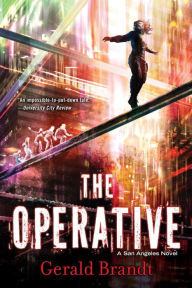
The Operative is the second book in Gerald Brandt's San Angeles sci-fi thriller series and it continues the story of Kris Merrill.
Premise: In The Courier, Kris finds herself caught up in the politics of the corporations that rule a near future Earth, as well as the heavens above, when she accidentally witnesses a murder while delivering a package. She survives--because she's a survivor--but she can't return to life as a courier now. Instead, she's become involved in the resistance, training to be one of their operatives. But the Meridian corporation still wants her dead, as well as certain elements within the resistance itself. And they're willing to do anything--even use her mentor and lover Ian Miller--to get to her. As the city descends into civil unrest, she must find a way to rescue Ian ... but she doesn't know who she can trust.
I enjoyed this continuing story and thought it moved in a believable direction for Kris herself. She isn't really the kind of personality you'd think of as being an "operative," and that's clearly a drawback for her in the novel, giving it an immediate sense of tension. So while she has the training to be an operative, her heart isn't really in it, causing all kinds of problems throughout the novel as she searches for Ian and discovers who she can and cannot trust. This being a second novel in a series, there is a transitional nature to the novel, with not only Kris shifting from her courier days to something else, but the entire city and political shape of the world shifting as well. I'm looking forward to the third installment in this series.
If you like SF thrillers, I'd definitely recommend this series.
March 3, 2017
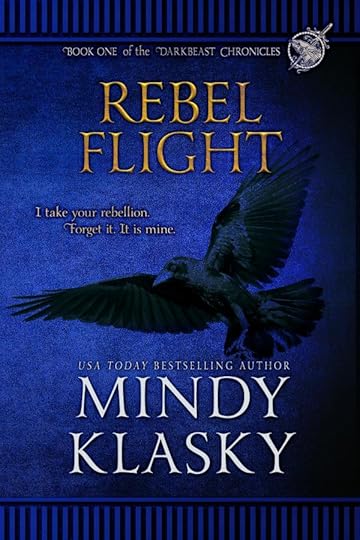
Signal Boost: REBEL FLIGHT by Mindy Klasky
Today we have a signal boost for a new book from Mindy Klasky called REBEL FLIGHT. Check it out!
Back Cover Copy: Sometimes, rebellion is the only option.
In the sheltered village of Silver Hollow, Keara knows exactly what is expected of her: Worship the twelve gods, pay the Primate his head tax, and follow her mother’s unreasonably strict rules. But Keara’s twelfth birthday is looming, along with an obligation she dares not meet. Keara must sacrifice her darkbeast on a holy altar or be branded a heretic forever.
Other children despise their bonded scapegoat animals. But Keara loves her raven, Caw. He’s the only creature in Silver Hollow who truly understands her headstrong ways.
When a traveling theater troupe passes through the village, Keara glimpses a way to escape. But the Great Road comes with its own dangers, including dread Inquisitor priests who hunt down infidels.
Will Keara find the strength to flee the only home she’s ever known? Or will she be forced to slay her closest friend on the altar of the gods?
***************
To find out more about the book, check out these blog posts:
REBEL FLIGHT's star-crossed path to publication
REBEL FLIGHT's Star Wars debacle
Back Cover Copy: Sometimes, rebellion is the only option.
In the sheltered village of Silver Hollow, Keara knows exactly what is expected of her: Worship the twelve gods, pay the Primate his head tax, and follow her mother’s unreasonably strict rules. But Keara’s twelfth birthday is looming, along with an obligation she dares not meet. Keara must sacrifice her darkbeast on a holy altar or be branded a heretic forever.
Other children despise their bonded scapegoat animals. But Keara loves her raven, Caw. He’s the only creature in Silver Hollow who truly understands her headstrong ways.
When a traveling theater troupe passes through the village, Keara glimpses a way to escape. But the Great Road comes with its own dangers, including dread Inquisitor priests who hunt down infidels.
Will Keara find the strength to flee the only home she’s ever known? Or will she be forced to slay her closest friend on the altar of the gods?
***************
To find out more about the book, check out these blog posts:
REBEL FLIGHT's star-crossed path to publication
REBEL FLIGHT's Star Wars debacle
February 9, 2017
Author Guest: E.C. Ambrose & "Elisha Mancer"
Hey, all! Today we have a guest blog from E.C. Ambrose, author of the "Dark Apostle" series from DAW Books. She's here to talk about the joys of medieval surgery! Oh, and to point your attention to the fourth book in her series, Elisha Mancer. To give her a warm welcome and then check out her newest book! (My review of the first book in the series, Elisha Barber, is here.
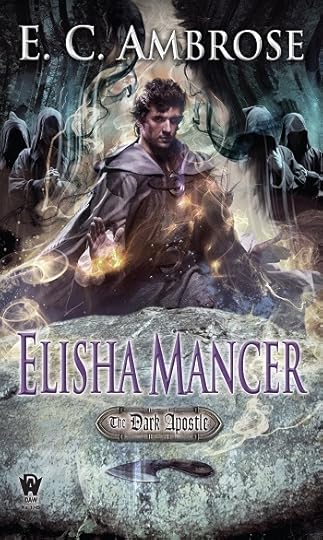
The course of writing about medieval surgery has been fascinating, though I would not recommend it to the faint of heart or weak of stomach. My series, The Dark Apostle, continues this month with volume 4, Elisha Mancer. While it includes all the adventure, magic and intrigue that readers look for in a fantasy series, The Dark Apostle developed from research into surgery during the Middle Ages, and continues to focus on medical practice—including Elisha's arrival at medical school in the fifth and final volume. But I'm getting ahead of myself.
I started writing this series while looking for a bit of information about medieval wound care for a scene in a different book entirely—but I immediately fell down the Research Rabbit-hole. Instead of googling an article or two, I ended up with a shelf full of books about the history of medicine, ranging from the delightful Devils, Drugs and Doctors by Howard W. Haggard, MD, to a translation of 14th century surgeon Guy De Chauliac's Chirurgia Magna.
I usually start with secondary sources: academic references and historical surveys, then drill down through their footnotes and bibliographies to find ever more specialized sources and primary sources as well. The odyssey of my research on these books became an epic all by itself. I consulted doctors and medical students for a clearer view on the implications of leg amputation, and corresponded with a medical maggot breeder (yes, they're still being used today). I had the chance to visit the Mary Rose museum in Porstmouth, UK, to see the barber-surgeon's chest recovered from that 16th century shipwreck, and hired a guide in London to view sites like the Old Operating Theater Museum and the original location of the Barber-Surgeon's Hall.
I even started collecting medieval-style surgical tools. Some of these are from a reproduction set made for medieval recreators, including large and small bone saws, hooks for drawing back the flesh from a wound, and wrought-iron scalpels. And cautering irons, of course. I augmented this set with items found at my local flea market, like a parting blade made for severing limbs, a mallet and chisel for removal of fingers or toes, and a small hand drill. Trepanation, anyone? No one? Yeah, nobody at my signings ever volunteers either.
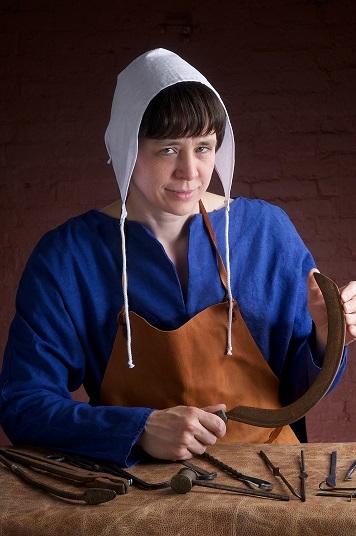
One recreationist I spoke to described how to use a slab of beef, a length of PVC pipe and a large amount of ketchup to simulate an amputation. They don't let me use that one in bookstores. . .
Part of the challenge of the series has been to carry this obsession, er, focus through multiple volumes, always adding to Elisha's knowledge, and the reader's, while delivering all the action and intrigue a fantasy reader enjoys. Book one, Elisha Barber, finds the protagonist working in Coppice Alley—the street of prostitutes—and confronting his sister-in-law's difficult pregnancy. He must pull arrows, deal with the nation's first gunshot victims, care for amputees and create poultices, all the while navigating the politics of both battle and medicine during the Middle Ages.
Want to know more? For sample chapters, historical research and some nifty extras, like a scroll-over image describing the medical tools on the cover of Elisha Barber, visit Dark Apostle Website
E. C. Ambrose blogs about the intersections between fantasy and history at E.C. Ambrose Blog
E.C. Ambrose Twitter
E.C. Ambrose Facebook
Buy Links for volume one, Elisha Barber:
Indiebound: Elisha Barber
Barnes & Noble: Elisha Barber
Amazon: Elisha Barber
The course of writing about medieval surgery has been fascinating, though I would not recommend it to the faint of heart or weak of stomach. My series, The Dark Apostle, continues this month with volume 4, Elisha Mancer. While it includes all the adventure, magic and intrigue that readers look for in a fantasy series, The Dark Apostle developed from research into surgery during the Middle Ages, and continues to focus on medical practice—including Elisha's arrival at medical school in the fifth and final volume. But I'm getting ahead of myself.
I started writing this series while looking for a bit of information about medieval wound care for a scene in a different book entirely—but I immediately fell down the Research Rabbit-hole. Instead of googling an article or two, I ended up with a shelf full of books about the history of medicine, ranging from the delightful Devils, Drugs and Doctors by Howard W. Haggard, MD, to a translation of 14th century surgeon Guy De Chauliac's Chirurgia Magna.
I usually start with secondary sources: academic references and historical surveys, then drill down through their footnotes and bibliographies to find ever more specialized sources and primary sources as well. The odyssey of my research on these books became an epic all by itself. I consulted doctors and medical students for a clearer view on the implications of leg amputation, and corresponded with a medical maggot breeder (yes, they're still being used today). I had the chance to visit the Mary Rose museum in Porstmouth, UK, to see the barber-surgeon's chest recovered from that 16th century shipwreck, and hired a guide in London to view sites like the Old Operating Theater Museum and the original location of the Barber-Surgeon's Hall.
I even started collecting medieval-style surgical tools. Some of these are from a reproduction set made for medieval recreators, including large and small bone saws, hooks for drawing back the flesh from a wound, and wrought-iron scalpels. And cautering irons, of course. I augmented this set with items found at my local flea market, like a parting blade made for severing limbs, a mallet and chisel for removal of fingers or toes, and a small hand drill. Trepanation, anyone? No one? Yeah, nobody at my signings ever volunteers either.
One recreationist I spoke to described how to use a slab of beef, a length of PVC pipe and a large amount of ketchup to simulate an amputation. They don't let me use that one in bookstores. . .
Part of the challenge of the series has been to carry this obsession, er, focus through multiple volumes, always adding to Elisha's knowledge, and the reader's, while delivering all the action and intrigue a fantasy reader enjoys. Book one, Elisha Barber, finds the protagonist working in Coppice Alley—the street of prostitutes—and confronting his sister-in-law's difficult pregnancy. He must pull arrows, deal with the nation's first gunshot victims, care for amputees and create poultices, all the while navigating the politics of both battle and medicine during the Middle Ages.
Want to know more? For sample chapters, historical research and some nifty extras, like a scroll-over image describing the medical tools on the cover of Elisha Barber, visit Dark Apostle Website
E. C. Ambrose blogs about the intersections between fantasy and history at E.C. Ambrose Blog
E.C. Ambrose Twitter
E.C. Ambrose Facebook
Buy Links for volume one, Elisha Barber:
Indiebound: Elisha Barber
Barnes & Noble: Elisha Barber
Amazon: Elisha Barber
Author Guest: E.C. Amborse & "Elisha Mancer"
Hey, all! Today we have a guest blog from E.C. Ambrose, author of the "Dark Apostle" series from DAW Books. She's here to talk about the joys of medieval surgery! Oh, and to point your attention to the fourth book in her series, Elisha Mancer. To give her a warm welcome and then check out her newest book!
The course of writing about medieval surgery has been fascinating, though I would not recommend it to the faint of heart or weak of stomach. My series, The Dark Apostle, continues this month with volume 4, Elisha Mancer. While it includes all the adventure, magic and intrigue that readers look for in a fantasy series, The Dark Apostle developed from research into surgery during the Middle Ages, and continues to focus on medical practice—including Elisha's arrival at medical school in the fifth and final volume. But I'm getting ahead of myself.
I started writing this series while looking for a bit of information about medieval wound care for a scene in a different book entirely—but I immediately fell down the Research Rabbit-hole. Instead of googling an article or two, I ended up with a shelf full of books about the history of medicine, ranging from the delightful Devils, Drugs and Doctors by Howard W. Haggard, MD, to a translation of 14th century surgeon Guy De Chauliac's Chirurgia Magna.
I usually start with secondary sources: academic references and historical surveys, then drill down through their footnotes and bibliographies to find ever more specialized sources and primary sources as well. The odyssey of my research on these books became an epic all by itself. I consulted doctors and medical students for a clearer view on the implications of leg amputation, and corresponded with a medical maggot breeder (yes, they're still being used today). I had the chance to visit the Mary Rose museum in Porstmouth, UK, to see the barber-surgeon's chest recovered from that 16th century shipwreck, and hired a guide in London to view sites like the Old Operating Theater Museum and the original location of the Barber-Surgeon's Hall.
I even started collecting medieval-style surgical tools. Some of these are from a reproduction set made for medieval recreators, including large and small bone saws, hooks for drawing back the flesh from a wound, and wrought-iron scalpels. And cautering irons, of course. I augmented this set with items found at my local flea market, like a parting blade made for severing limbs, a mallet and chisel for removal of fingers or toes, and a small hand drill. Trepanation, anyone? No one? Yeah, nobody at my signings ever volunteers either.
One recreationist I spoke to described how to use a slab of beef, a length of PVC pipe and a large amount of ketchup to simulate an amputation. They don't let me use that one in bookstores. . .
Part of the challenge of the series has been to carry this obsession, er, focus through multiple volumes, always adding to Elisha's knowledge, and the reader's, while delivering all the action and intrigue a fantasy reader enjoys. Book one, Elisha Barber, finds the protagonist working in Coppice Alley—the street of prostitutes—and confronting his sister-in-law's difficult pregnancy. He must pull arrows, deal with the nation's first gunshot victims, care for amputees and create poultices, all the while navigating the politics of both battle and medicine during the Middle Ages.
Want to know more? For sample chapters, historical research and some nifty extras, like a scroll-over image describing the medical tools on the cover of Elisha Barber, visit Dark Apostle Website
E. C. Ambrose blogs about the intersections between fantasy and history at E.C. Ambrose Blog
E.C. Ambrose Twitter
E.C. Ambrose Facebook
Buy Links for volume one, Elisha Barber:
Indiebound: Elisha Barber
Barnes & Noble: Elisha Barber
Amazon: Elisha Barber
The course of writing about medieval surgery has been fascinating, though I would not recommend it to the faint of heart or weak of stomach. My series, The Dark Apostle, continues this month with volume 4, Elisha Mancer. While it includes all the adventure, magic and intrigue that readers look for in a fantasy series, The Dark Apostle developed from research into surgery during the Middle Ages, and continues to focus on medical practice—including Elisha's arrival at medical school in the fifth and final volume. But I'm getting ahead of myself.
I started writing this series while looking for a bit of information about medieval wound care for a scene in a different book entirely—but I immediately fell down the Research Rabbit-hole. Instead of googling an article or two, I ended up with a shelf full of books about the history of medicine, ranging from the delightful Devils, Drugs and Doctors by Howard W. Haggard, MD, to a translation of 14th century surgeon Guy De Chauliac's Chirurgia Magna.
I usually start with secondary sources: academic references and historical surveys, then drill down through their footnotes and bibliographies to find ever more specialized sources and primary sources as well. The odyssey of my research on these books became an epic all by itself. I consulted doctors and medical students for a clearer view on the implications of leg amputation, and corresponded with a medical maggot breeder (yes, they're still being used today). I had the chance to visit the Mary Rose museum in Porstmouth, UK, to see the barber-surgeon's chest recovered from that 16th century shipwreck, and hired a guide in London to view sites like the Old Operating Theater Museum and the original location of the Barber-Surgeon's Hall.
I even started collecting medieval-style surgical tools. Some of these are from a reproduction set made for medieval recreators, including large and small bone saws, hooks for drawing back the flesh from a wound, and wrought-iron scalpels. And cautering irons, of course. I augmented this set with items found at my local flea market, like a parting blade made for severing limbs, a mallet and chisel for removal of fingers or toes, and a small hand drill. Trepanation, anyone? No one? Yeah, nobody at my signings ever volunteers either.
One recreationist I spoke to described how to use a slab of beef, a length of PVC pipe and a large amount of ketchup to simulate an amputation. They don't let me use that one in bookstores. . .
Part of the challenge of the series has been to carry this obsession, er, focus through multiple volumes, always adding to Elisha's knowledge, and the reader's, while delivering all the action and intrigue a fantasy reader enjoys. Book one, Elisha Barber, finds the protagonist working in Coppice Alley—the street of prostitutes—and confronting his sister-in-law's difficult pregnancy. He must pull arrows, deal with the nation's first gunshot victims, care for amputees and create poultices, all the while navigating the politics of both battle and medicine during the Middle Ages.
Want to know more? For sample chapters, historical research and some nifty extras, like a scroll-over image describing the medical tools on the cover of Elisha Barber, visit Dark Apostle Website
E. C. Ambrose blogs about the intersections between fantasy and history at E.C. Ambrose Blog
E.C. Ambrose Twitter
E.C. Ambrose Facebook
Buy Links for volume one, Elisha Barber:
Indiebound: Elisha Barber
Barnes & Noble: Elisha Barber
Amazon: Elisha Barber
January 20, 2017
Zombies Need Brains HUGO and Other Award Eligibility
So, we're coming up on award nomination season, in particular for the HUGOs and Nebulas. I'd like to point out what is eligible for a nomination from Zombies Need Brains this year. Basically, it's everything from the ALIEN ARTIFACTS and WERE- anthologies, but since we don't print the word counts of each story in the anthology, I've conveniently broken down the stories into which category they belong in below. Also note that Patricia Bray and I are eligible for an Editor Short Form award. If you do consider us for the editor award, please nominate us separately, rather than as a single entry, since the HUGO nominations rules in particular don’t seem to allow for dual nominations. Here’s the breakdown of eligibility:
Hugo Eligibility:
Best Editor, Short Form:
Joshua Palmatier
Patricia Bray
Best Short Story:
“Best in Show” by Seanan McGuire
“We Dig” by Ashley McConnell
“Eyes Like Pearls” by Susan Jett
“Among the Grapevines, Growing” by Eliora Smith
“A Party for Bailey” by David B. Coe
“Cry Murder” by April Steenburgh
“Paper Wasp” by Mike Barretta
“Point Five” by Elizabeth Kite
“The Promise of Death” by Danielle Ackley-McPhail
“Witness Report” by Katharine Kerr
“Attack of the Were-Zombie Friendship with Benefits” by Sarah Brand
“The Whale” by Anneliese Belmond
“Shiftr” by Patricia Bray
“Radio Silence” by Walter H. Hunt
“The Familiar” by David Farland
“Me and Alice” by Angela Penrose
“The Other Side” by S.C. Butler
“The Sphere” by Juliet E. McKenna
“Shame the Devil” by Sharon Lee & Steve Miller
“The Captain’s Throne” by Andrija Popovic
“Weird is the New Normal” by Jacey Bedford
“And We Have No Words to Tell You” by Sofie Bird
“Titan Descanso” by James Van Pelt
“Music of the Stars” by Jennifer Dunne
“The Night You Were a Comet” by Coral Moore
“The God Emperor of Lassie Point” by Daniel J. Davis
“Pandora” by C.S. Friedman
“Round and Round We Ride the Carousel of Time” by Seanan McGuire
Best Novelette:
“Missy the Were-Pomeranian vs. the Masters of Mediocre Doom” by Gini Koch
“Anzu, Duba, Beast” by Faith Hunter
“The Five Bean Solution” by Jean Marie Ward
“The Hunt” by Gail Z. Martin & Larry N. Martin
“Alien Epilogue” by Gini Koch
“The Haint of Sweetwater River” by Anthony Lowe
“The Nightside” by Julie Novakova
https://smile.amazon.com/Alien-Artifacts-Seanan-McGuire-ebook/dp/B01JK5WB34
https://smile.amazon.com/Were-Seanan-McGuire-ebook/dp/B01JK2QIJK
Hugo Eligibility:
Best Editor, Short Form:
Joshua Palmatier
Patricia Bray
Best Short Story:
“Best in Show” by Seanan McGuire
“We Dig” by Ashley McConnell
“Eyes Like Pearls” by Susan Jett
“Among the Grapevines, Growing” by Eliora Smith
“A Party for Bailey” by David B. Coe
“Cry Murder” by April Steenburgh
“Paper Wasp” by Mike Barretta
“Point Five” by Elizabeth Kite
“The Promise of Death” by Danielle Ackley-McPhail
“Witness Report” by Katharine Kerr
“Attack of the Were-Zombie Friendship with Benefits” by Sarah Brand
“The Whale” by Anneliese Belmond
“Shiftr” by Patricia Bray
“Radio Silence” by Walter H. Hunt
“The Familiar” by David Farland
“Me and Alice” by Angela Penrose
“The Other Side” by S.C. Butler
“The Sphere” by Juliet E. McKenna
“Shame the Devil” by Sharon Lee & Steve Miller
“The Captain’s Throne” by Andrija Popovic
“Weird is the New Normal” by Jacey Bedford
“And We Have No Words to Tell You” by Sofie Bird
“Titan Descanso” by James Van Pelt
“Music of the Stars” by Jennifer Dunne
“The Night You Were a Comet” by Coral Moore
“The God Emperor of Lassie Point” by Daniel J. Davis
“Pandora” by C.S. Friedman
“Round and Round We Ride the Carousel of Time” by Seanan McGuire
Best Novelette:
“Missy the Were-Pomeranian vs. the Masters of Mediocre Doom” by Gini Koch
“Anzu, Duba, Beast” by Faith Hunter
“The Five Bean Solution” by Jean Marie Ward
“The Hunt” by Gail Z. Martin & Larry N. Martin
“Alien Epilogue” by Gini Koch
“The Haint of Sweetwater River” by Anthony Lowe
“The Nightside” by Julie Novakova
https://smile.amazon.com/Alien-Artifacts-Seanan-McGuire-ebook/dp/B01JK5WB34
https://smile.amazon.com/Were-Seanan-McGuire-ebook/dp/B01JK2QIJK
January 13, 2017
Anthology Highlight: WERE-
And our last anthology highlight (until later this year) will be for WERE-! This anthology was funded along with ALIEN ARTIFACTS in Zombies Need Brains' first dual Kickstarter. The concept--were-creatures other than werewolves--obviously captured the imagination of many writers, not just our anchors. There were tons of submission to the open call, which made picking out the few we needed to flesh out this anthology difficult.
Here's the back cover description and the Table of Contents for WERE-!
Werewolves rule the night in urban fantasy, but everyone knows there are other were-creatures out there just as dangerous and deadly, if not as common, each with their own issues as they struggle to fit into—or prey upon—society. What about the were-goats? The were-crows and were-wasps?
Here are seventeen stories of urban fantasy by today’s leading science fiction and fantasy authors that introduce you to some of those other were-creatures, the ones hiding in the dark background shadows, waiting to bite. Join Seanan McGuire, Ashley McConnell, Susan Jett, Eliora Smith, David B. Coe, April Steenburgh, Gini Koch, Mike Barretta, Elizabeth Kite, Danielle Ackley-McPhail, Jean Marie Ward, Katharine Kerr, Sarah Brand, Anneliese Belmond, Faith Hunter, Patricia Bray, and Phyllis Ames as they take you into the hidden corners of our world to see some lesser known were-creatures. You may want to bring along some silver...just in case.
“Best In Show” by Seanan McGuire
“We Dig” by Ashley McConnell
“Eyes Like Pearls” by Susan Jett
“Among the Grapevines, Growing” by Eliora Smith
“A Party For Bailey” by David B. Coe
“Cry Murder” by April Steenburgh
“Missy the Were-Pomeranian vs the Masters of Mediocre Doom”
by Gini Koch
“Paper Wasp” by Mike Barretta
“Point Five” by Elizabeth Kite
“The Promise of Death” by Danielle Ackley-Danielle Ackley-Mcphail
“The Five Bean Solution” by Jean Marie Ward
“Witness Report” by Katharine Kit Kerr
“Attack of the Were-Zombie Friendship With Benefits” by Sarah Brand
“The Whale” by Anneliese Belmond
“Anzu, Duba, Beast” by Faith Hunterr
“Shiftr” by Patricia Bray
“Sniff For Your Life” by Phyllis Ames
https://smile.amazon.com/Were-Seanan-McGuire-ebook/dp/B01JK2QIJK
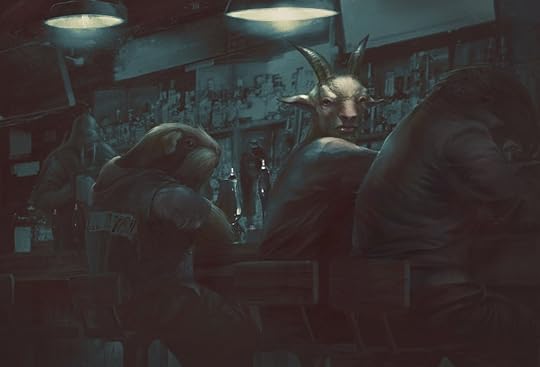
Here's the back cover description and the Table of Contents for WERE-!
Werewolves rule the night in urban fantasy, but everyone knows there are other were-creatures out there just as dangerous and deadly, if not as common, each with their own issues as they struggle to fit into—or prey upon—society. What about the were-goats? The were-crows and were-wasps?
Here are seventeen stories of urban fantasy by today’s leading science fiction and fantasy authors that introduce you to some of those other were-creatures, the ones hiding in the dark background shadows, waiting to bite. Join Seanan McGuire, Ashley McConnell, Susan Jett, Eliora Smith, David B. Coe, April Steenburgh, Gini Koch, Mike Barretta, Elizabeth Kite, Danielle Ackley-McPhail, Jean Marie Ward, Katharine Kerr, Sarah Brand, Anneliese Belmond, Faith Hunter, Patricia Bray, and Phyllis Ames as they take you into the hidden corners of our world to see some lesser known were-creatures. You may want to bring along some silver...just in case.
“Best In Show” by Seanan McGuire
“We Dig” by Ashley McConnell
“Eyes Like Pearls” by Susan Jett
“Among the Grapevines, Growing” by Eliora Smith
“A Party For Bailey” by David B. Coe
“Cry Murder” by April Steenburgh
“Missy the Were-Pomeranian vs the Masters of Mediocre Doom”
by Gini Koch
“Paper Wasp” by Mike Barretta
“Point Five” by Elizabeth Kite
“The Promise of Death” by Danielle Ackley-Danielle Ackley-Mcphail
“The Five Bean Solution” by Jean Marie Ward
“Witness Report” by Katharine Kit Kerr
“Attack of the Were-Zombie Friendship With Benefits” by Sarah Brand
“The Whale” by Anneliese Belmond
“Anzu, Duba, Beast” by Faith Hunterr
“Shiftr” by Patricia Bray
“Sniff For Your Life” by Phyllis Ames
https://smile.amazon.com/Were-Seanan-McGuire-ebook/dp/B01JK2QIJK
January 11, 2017
Anthology Highlight: ALIEN ARTIFACTS
Today's anthology highlight is ALIEN ARTIFACTS, one of the two anthologies that Zombies Need Brains kickstarted last year. The kickstarter was a wild ride, with it funding within the first few days and then growing from there. This is mainly due to the core group of strong followers ZNB has managed to gather during the first two Kickstarters, and of course the stellar group of authors we've got for out Table of Contents. Patricia Bray and I were a little overwhelmed with the open call submissions as well, since we got far more than we expected. It was difficult to narrow those down to ones that fit into the limited space in the two anthologies.
Here's the rundown the theme and the Table of Contents. As usual, this anthology is available in trade paperback and ebook formats in all the usual places, and of course at the ZNB online store (visit www.zombiesneedbrains.com and click on "store").
What might we run into as we expand beyond Earth and into the stars? As we explore our own solar system and beyond, it seems inevitable that we’ll run into aliens…and what they’ve left behind. Alien artifacts: what might they reveal about us as we try to unlock their secrets? What might they reveal about the universe?
In this anthology, nineteen of today’s leading science fiction and fantasy authors explore how discovering long lost relics of alien civilizations might change humanity. Join Walter H. Hunt, Julie Novakova, David Farland, Angela Penrose, S.C. Butler, Gail Z. Martin & Larry N. Martin, Juliet E. McKenna, Sharon Lee & Steve Miller, Andrija Popovic, Jacey Bedford, Sofie Bird, James Van Pelt, Gini Koch, Anthony Lowe, Jennifer Dunne, Coral Moore, Daniel J. Davis, C.S. Friedman, and Seanan McGuire as they discover the stars and the secrets they may hold—both dark and deadly and awe-inspiring.
“Radio Silence” by Walter H. Hunt
“The Nightside” by Julie Novakova
“The Familiar” by Dave David Farland
“Me and Alice” by Angela Penrose
“The Other Side” by SC Butler
“The Hunt” by Gail Martin & Larry N. Martin
“The Sphere” by Juliet E McKennaa
“Shame the Devil” by Sharon Lee & Steve Millerr
“The Captain’s Throne” by Andrija Popovic
“Weird is the New Normal” by Jacey Bedford
“And We Have No Words to Tell You” by Sofie Bird
“Titan Descanso” by James Van Pelt
“Alien Epilogue” by Gini Koch
“The Haint of Sweetwater River” by Anthony Lowe
“Music of the Stars” by Jennifer Dunne
“The Night You Were a Comet” by Coral Moore
“The God Emperor of Lassie Point” by Daniel J. Davis
“Pandora” by C.S. Friedman
“Round and Round We Ride the Carousel of Time” by Seanan McGuire
https://smile.amazon.com/Alien-Artifacts-Seanan-McGuire-ebook/dp/B01JK5WB34
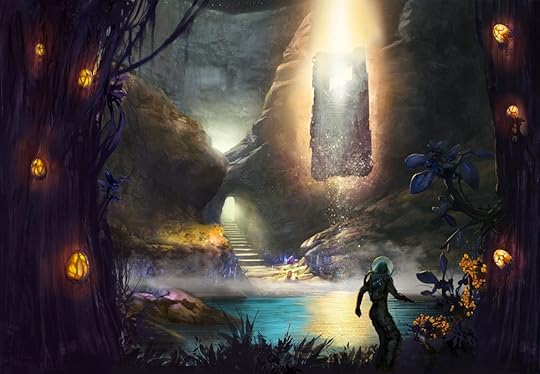
Here's the rundown the theme and the Table of Contents. As usual, this anthology is available in trade paperback and ebook formats in all the usual places, and of course at the ZNB online store (visit www.zombiesneedbrains.com and click on "store").
What might we run into as we expand beyond Earth and into the stars? As we explore our own solar system and beyond, it seems inevitable that we’ll run into aliens…and what they’ve left behind. Alien artifacts: what might they reveal about us as we try to unlock their secrets? What might they reveal about the universe?
In this anthology, nineteen of today’s leading science fiction and fantasy authors explore how discovering long lost relics of alien civilizations might change humanity. Join Walter H. Hunt, Julie Novakova, David Farland, Angela Penrose, S.C. Butler, Gail Z. Martin & Larry N. Martin, Juliet E. McKenna, Sharon Lee & Steve Miller, Andrija Popovic, Jacey Bedford, Sofie Bird, James Van Pelt, Gini Koch, Anthony Lowe, Jennifer Dunne, Coral Moore, Daniel J. Davis, C.S. Friedman, and Seanan McGuire as they discover the stars and the secrets they may hold—both dark and deadly and awe-inspiring.
“Radio Silence” by Walter H. Hunt
“The Nightside” by Julie Novakova
“The Familiar” by Dave David Farland
“Me and Alice” by Angela Penrose
“The Other Side” by SC Butler
“The Hunt” by Gail Martin & Larry N. Martin
“The Sphere” by Juliet E McKennaa
“Shame the Devil” by Sharon Lee & Steve Millerr
“The Captain’s Throne” by Andrija Popovic
“Weird is the New Normal” by Jacey Bedford
“And We Have No Words to Tell You” by Sofie Bird
“Titan Descanso” by James Van Pelt
“Alien Epilogue” by Gini Koch
“The Haint of Sweetwater River” by Anthony Lowe
“Music of the Stars” by Jennifer Dunne
“The Night You Were a Comet” by Coral Moore
“The God Emperor of Lassie Point” by Daniel J. Davis
“Pandora” by C.S. Friedman
“Round and Round We Ride the Carousel of Time” by Seanan McGuire
https://smile.amazon.com/Alien-Artifacts-Seanan-McGuire-ebook/dp/B01JK5WB34