
Discover new books on Goodreads
See if your friends have read any of Jane M. Healy's books
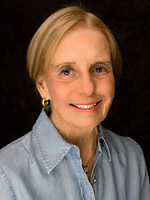


Jane M. Healy
More books by Jane M. Healy…


“How can children bombarded from birth by noise, frenetic schedules, and the helter-skelter caretaking of a fast-paced adult world learn to analyze, reflect, ponder? How can they use quiet inner conversation to build personal realities, sharpen and extend their visual reasoning?”
― Endangered Minds: Why Children Don’t Think and What We Can Do About It
― Endangered Minds: Why Children Don’t Think and What We Can Do About It
“Our society is becoming increasingly aliterate, says Cullinan. “An aliterate is a person who knows how to read but who doesn’t choose to read. These are people who glance at the headlines of a newspaper and grab the TV schedule. They do not read books for pleasure, nor do they read extensively for information. An aliterate is not much better off than an illiterate, a person who cannot read at all. Aliterates miss the great novels of the past and present. They also miss probing analyses written about political issues. Most aliterates watch television for their news, but the entire transcript of a television newscast would fill only two columns of the New York Times. Aliterates get only the surface level of the news.”13”
― Endangered Minds: Why Children Dont Think And What We Can Do About I
― Endangered Minds: Why Children Dont Think And What We Can Do About I
“Neuroplasticity is now thought to include emotional/motivational as well as cognitive circuits. This would mean that a child’s habits of motivation and attitudes toward learning don’t all come with the package, but are physically formed in the brain by experience.”
― Endangered Minds: Why Children Dont Think And What We Can Do About I
― Endangered Minds: Why Children Dont Think And What We Can Do About I
Is this you? Let us know. If not, help out and invite Jane to Goodreads.