Sandra Beckwith's Blog
April 22, 2026
Looking for a literary agent you’ll love? Read this book
Most of today’s authors self-publish – for a wide range of reasons:
They want complete control over the end productThey believe they will earn moreThe book isn’t traditional publishing materialThey don’t know how to pursue a traditional publishing contractToday’s article reviews a book that authors in that fourth category need.
Get Signed: Find an Agent, Land a Book Deal, and Become a Published Author by literary agent and former book publicist Lucinda Halpern demystifies the “how to snag a traditional publishing contract” process while providing the blueprint you need to make it happen.
You know a lot of this already – you just don’t know you doIf you’ve been reading the articles here regularly, you’ll see overlap between the book’s content and the book marketing priorities I write about. Turns out that so much of what’s necessary for effective book marketing is also required when preparing to pursue literary agent representation.
Throughout this blog, you’ll find information on key points Halpern introduces – whether it’s why you must know who will love your book and what they want from it or why building a platform that includes an email list gives you an advantage. (Are you tired of hearing me push email newsletters yet?)
Hopefully, much of Get Signed will feel familiar to you. That’s a good thing.
What’s your “big idea”?I think I most enjoyed “Step 1: Discover Your Big Idea” because it stresses that it’s not enough to have a good idea for a book – it has to be a marketable idea, too. Halpern helps us see what is and isn’t marketable while she offers exercises that help her readers refine and test their “big” ideas.
She walks a fine line between workshopping the idea you have and finding an idea that needs an author, then trying to make yourself that author. I’m a fan of the former, not so much of the latter.
It’s worth asking yourself: Do you want to write a book for the sake of writing a book or to bring to life that idea that’s been living inside you for years?
If you’re looking for a literary agent, know your “differentiator”
The section on deciding your differentiator stood out for me because I expected it to be about the author – why are you the right person to write this book? What differentiates you from everyone else in her inbox?
Halpern does cover that topic, but in another section on claiming your authority. The differentiator in Step 2 applies to what differentiates your book from its competition.
I love that she stresses that it’s actually a good thing if there are other books on your topic or perhaps with a similar storyline – especially if they’re selling well – because it tells publishers there’s market interest in your topic.
You’ll learn how to find and assess competitive titles and determine how well they’re selling. This is essential information when pitching an agent and publisher, so don’t skip this section.
What will you learn?Outside of Michael Larsen’s How to Write a Book Proposal for nonfiction authors, this is the only publishing-insider book you’ll need if you’re writing a manuscript that has a shot at securing a traditional publishing contract and all that comes with that.
You’ll learn:
The role of a literary agent and why – despite what anyone tells you – you need one (Spoiler alert: A good agent will always negotiate a much better contract than you will on your own.)How to develop an irresistible book ideaWhy what you’ve learned about book marketing – knowing your reader, having a platform, creating a top-quality product, identifying pitching angles – applies to offering the right agent a book that will sellHow to craft an attention-getting pitch, including what to feature and what to excludeThe best ways to find agents to pitch and why you don’t want to contact anybody and everybodybody .ns-ctt{display:block;position:relative;background:#000;margin:30px auto;padding:20px 20px 20px 15px;color:#fff;text-decoration:none!important;box-shadow:none!important;-webkit-box-shadow:none!important;-moz-box-shadow:none!important;border:none;border-left:5px solid #000}body .ns-ctt:hover{color:#fff}body .ns-ctt:visited{color:#fff}body .ns-ctt *{pointer-events:none}body .ns-ctt .ns-ctt-tweet{display:block;font-size:18px;line-height:27px;margin-bottom:10px}body .ns-ctt .ns-ctt-cta-container{display:block;overflow:hidden}body .ns-ctt .ns-ctt-cta{float:right}body .ns-ctt.ns-ctt-cta-left .ns-ctt-cta{float:left}body .ns-ctt .ns-ctt-cta-text{font-size:16px;line-height:16px;vertical-align:middle}body .ns-ctt .ns-ctt-cta-icon{margin-left:10px;display:inline-block;vertical-align:middle}body .ns-ctt .ns-ctt-cta-icon svg{vertical-align:middle;height:18px}body .ns-ctt.ns-ctt-simple{background:0 0;padding:10px 0 10px 20px;color:inherit}body .ns-ctt.ns-ctt-simple-alt{background:#f9f9f9;padding:20px;color:#404040}body .ns-ctt:hover::before{content:'';position:absolute;top:0px;bottom:0px;left:-5px;width:5px;background:rgba(0,0,0,0.25);}body .ns-ctt.ns-ctt-simple .ns-ctt-cta,body .ns-ctt.ns-ctt-simple-alt .ns-ctt-cta{color:#000}body .ns-ctt.ns-ctt-simple-alt:hover .ns-ctt-cta,body .ns-ctt.ns-ctt-simple:hover .ns-ctt-cta{filter:brightness(75%)}Looking for a #LiteraryAgent? Stop what you’re doing and read my review of “Get Signed” first.Click to tweetWhy this book worksHere’s what I really love about this book: There’s no padding, no filler.
Halpern establishes her credentials quickly so we know we can trust the information she shares. And, she draws heavily from her client list and industry network to offer examples and anecdotes that bring the concepts to life.
Whether she’s sharing tips from editors or presenting pitch letters that secured representation so you know what yours might look like, Halpern’s advice is grounded in experience and expertise.
I highly recommend Get Signed: Find an Agent, Land a Book Deal, and Become a Published Author .
My sad storyOne of Halpern’s observations about the agent’s role really resonated with me.
She wrote, “Your agent works for you, and your editor works for the publisher. These relationships are church and state.”
Except when they’re not, which was my situation years ago.
I wrote one of my books after an agent found me through her network. A publisher had an idea for a niche business book; the agent’s connections led her to me.
All went well until it didn’t, and I needed my agent to go to bat for me when someone in the mix behaved unethically.
She balked, saying the situation was hopeless.
Wrong answer.
I successfully fought the battle solo, only later discovering why the agent wouldn’t advocate for what was right – and contractually required.
My agent had her own book contract with my publisher.
She never disclosed that to me, of course – which says a lot, don’t you think? I could only conclude that she was worried about jeopardizing her own author relationship with “our” publisher.
Buy the bookUse Get Signed: Find an Agent, Land a Book Deal, and Become a Published Author to create an irresistible package that attracts the right agent who, as Halpern expresses it, works for you, not the publisher.
After you make the purchase – I got the paperback so I could make notes in the margin – follow the author’s instructions in the book’s front matter to watch a video masterclass and download her author’s playbook.
I hope it brings you the agent – and the deal – you deserve!
Do you have a literary agent? Tell us in a comment how you connected with yours!


April 1, 2026
How to build a powerful author email list, step by step
Affiliate Disclosure: This post contains affiliate links, which means if you click on them and make a purchase, I will receive a small commission (at no extra charge to you).
If you’ve been hanging around the Build Book Buzz community for any length of time, you already know how passionate I am about email marketing. I talk about it constantly — and I make no apologies for that. Report after report after report validates the value.
That’s why I recently hosted a free training webinar with one of my favorite email marketing experts: Shiv Chibber, education lead at Kit. That’s the email service provider I’ve been using for my newsletter for about six years. If you attended “How to Get Your First 1,000 Subscribers” live or caught the replay, you know what a rich conversation it turned out to be.
I’ve shared the replay at the end of this article for those of you who haven’t watched it yet.
I’ve also pulled out some of the most valuable insights from that training to share here. I think this information is too important to stay locked inside a video.
Why email marketing matters so much for authorsWe started by explaining why we were doing the training: Email marketing is more effective than social media, which is where many authors focus their efforts.
Here’s the thing about social media: It’s wonderful for discovery.
Platforms like Instagram, TikTok, and Facebook can introduce you to readers who’ve never heard of you before, and that visibility has real value.
 Shiv Chibber, Kit education lead
But there’s a crucial difference between someone scrolling past your post and someone who genuinely wants to hear from you. And that difference shows up most clearly when it’s time to sell a book.
As Shiv explained during our webinar, “viral” and “visible” don’t always translate into sales or loyal readership. Companies like Meta design social media platforms to keep people in the app. That means every link you share — to your website, book page, newsletter — has to fight against the platform’s design.
In other words, those platforms don’t like it when you post external links.
Email marketing is a different animalEmail marketing is different by design. It exists to deliver information directly to someone and invite them to take action.
That’s why email consistently outperforms social media when it comes to actual conversions from interest to action.
You may have heard the statistic that for every dollar you invest in email marketing, you receive about $36 back. While that number comes from the email marketing industry broadly, Shiv’s explanation of why it’s true makes a lot of sense.
Email gives people a clear next step — buying a book, reading a blog post, or registering for an event.
And there are no algorithmic gatekeepers deciding whether your message gets shown. It drops into every inbox you send it to. (And it stays there.)
You — not anyone else — owns your email listThere’s another reason I care so deeply about this, and Shiv articulated it beautifully: Your email list is an asset you own.
Any platform owner can shut down social media accounts overnight. Algorithms change without warning. A platform that’s thriving today (remember Vine? No? You see my point….) can become irrelevant tomorrow. Your email list, on the other hand, belongs to you. Nobody can take it away.
And you don’t need a massive list to make it meaningful.
Shiv shared the story of author John Meese, who made more than $10,000 from a list of just 257 subscribers. Remarkable, right? Meese built trust with his newsletter; that trust led to speaking engagements and coaching clients.
It’s not about the biggest list. It’s about the right list — people who genuinely care about what you have to say. That’s what Meese has.
body .ns-ctt{display:block;position:relative;background:#000;margin:30px auto;padding:20px 20px 20px 15px;color:#fff;text-decoration:none!important;box-shadow:none!important;-webkit-box-shadow:none!important;-moz-box-shadow:none!important;border:none;border-left:5px solid #000}body .ns-ctt:hover{color:#fff}body .ns-ctt:visited{color:#fff}body .ns-ctt *{pointer-events:none}body .ns-ctt .ns-ctt-tweet{display:block;font-size:18px;line-height:27px;margin-bottom:10px}body .ns-ctt .ns-ctt-cta-container{display:block;overflow:hidden}body .ns-ctt .ns-ctt-cta{float:right}body .ns-ctt.ns-ctt-cta-left .ns-ctt-cta{float:left}body .ns-ctt .ns-ctt-cta-text{font-size:16px;line-height:16px;vertical-align:middle}body .ns-ctt .ns-ctt-cta-icon{margin-left:10px;display:inline-block;vertical-align:middle}body .ns-ctt .ns-ctt-cta-icon svg{vertical-align:middle;height:18px}body .ns-ctt.ns-ctt-simple{background:0 0;padding:10px 0 10px 20px;color:inherit}body .ns-ctt.ns-ctt-simple-alt{background:#f9f9f9;padding:20px;color:#404040}body .ns-ctt:hover::before{content:'';position:absolute;top:0px;bottom:0px;left:-5px;width:5px;background:rgba(0,0,0,0.25);}body .ns-ctt.ns-ctt-simple .ns-ctt-cta,body .ns-ctt.ns-ctt-simple-alt .ns-ctt-cta{color:#000}body .ns-ctt.ns-ctt-simple-alt:hover .ns-ctt-cta,body .ns-ctt.ns-ctt-simple:hover .ns-ctt-cta{filter:brightness(75%)}#Authors, email marketing expert Shiv Chibber details the 5 easy steps to getting your first 10 email subscribers in this article and training video.Click to tweetThe obstacles so many authors faceEven if you understand this, you might still face obstacles. I hear it all the time when I’m working with authors as a coach: “I know I should be building a list, but…” What holds them back is typically one or all of these challenges:
Concern about the technologyUncertainty about what to writeConfusion about how to actually get subscribers in the first placeThis article is going to focus on that third challenge because it tends to be the one that keeps people stuck longest.
We’re going to talk about how to get your very first subscribers, then how to grow from there to 100, and ultimately to 1,000. As Shiv put it during our webinar, getting your first 10 subscribers is actually the hardest milestone of all.
So let’s give that first step the attention it deserves.
How to get your first 10 subscribersThese strategies aren’t complicated. They don’t require a big platform or a polished website. They’re personal, direct, and completely doable — starting today.
Step 1: To build a powerful author email list, think about who you already know.Your first subscribers aren’t strangers on the internet — they’re people already in your life.
Think about your family, friends, colleagues, and community members. Who among them would genuinely benefit from what you’re writing about?
Whether your book is a romantic suspense thriller, a self-help guide, or a cookbook, you have people in your existing network who are interested in your topic. Write down 10 names.
Step 2: Ask them a simple question.Here’s the script Shiv shared. I love that it’s direct and simple..
Reach out to those 10 people and say something like: “I’m working on a new book about [your topic/genre]. Would you be interested in following the journey and getting behind-the-scenes updates?”
Add anyone who says yes to your list — and that yes counts as their required opt-in. If some people say no, keep going until you reach 10 enthusiastic yeses. You don’t have to stop at 10, either.
Step 3: Ask those first subscribers what they want to hear about.Once you have your initial subscribers, you have a built-in research panel.
This step is especially powerful for nonfiction authors, though the underlying principle applies to fiction writers, too. Reach out to your new subscribers and ask them two questions:
Where do you currently go online to learn about this topic?And what’s your biggest challenge or hurdle within it?Their answers tell you everything you need to know. What they struggle with is what you write about. Where they already go to learn is where you promote your work.
It’s a remarkably elegant solution to the “what do I send my list?” question that keeps so many authors frozen.
Step 4: If you write fiction, take a slightly different approach.Fiction authors aren’t trying to solve a problem for their readers the way nonfiction authors are. For them, the content question looks a little different.
During our webinar, Shiv and I talked about what resonates most with fiction readers in a newsletter context. The short answer: It’s about you and your world, not just your books.
Think about sharing:
A “slice of life” glimpse into your weekRecommending books you’re reading (your readers trust your taste!)Going behind the scenes of your writing processExplaining why you made a particular plot decision or chose a certain character traitInformation about contests you’re running (maybe to name a character?)Your thinking behind a plot twistAny personal connections to the themes in your booksBecause fiction readers are often more interested in the author as a person than they are in a topic, let them get to know you.
Step 5: Set up a simple way to collect email addresses.You don’t need a complicated website to get started.
In Kit (and most other email service providers), you can create a landing page — a dedicated web page whose entire purpose is to describe your newsletter and invite people to sign up — or a simple “opt-in” form you embed to an existing page.
Either way, the process is more straightforward than most people expect.
Are you still intimidated by the technology? Kit has a resource page where you can find professionals who specialize in getting authors set up. Freelance platforms that include Fiverr are another option for affordable help.
From 10 to 1,000As Shiv explained, once you’ve got those first 10 subscribers and you have a clearer sense of what to write about, the path from 10 to 100 is really about showing up consistently in the places your readers already gather.
And going from 100 to 1,000?
This is where your growth can really start to accelerate. It comes down to two powerful tools: lead magnets and author partnerships.
Lead magnets are free digital resources you offer in exchange for an email address.
Author partnerships let you work with other authors reaching your ideal readers. Shiv queried our attendees live about whether they’re leveraging partnerships with other authors. A whopping 88% said no.
And yet some of the most impressive list-growth stories he’s seen — from small lists to large ones — come from authors who collaborate rather than compete.
We go into each of these list-growth opportunities in detail, so be sure to watch the replay below.
Webinar teaches how to build powerful author email listEverything covered in this article came from our live training, and I promise you there’s even more good stuff in the full session. That includes a live demo of Kit’s tools and a lively Q&A with specific examples from authors in a range of genres.
Near the end, Shiv mentions a discount for new Kit customers. That has expired, but I’ve got something else for you instead.
Because of my partnership with Kit, you can get 25% off annual plans until April 30. And, if you’re moving your list to Kit from another service provider, you can get migration support from a real person on Kit’s team, so you don’t have to figure out the move alone.
If you’re a MailChimp user, you already know that provider is raising its rate for certain users this month. This is after cutting the allowed number of subscribers and emails sent under the free plan.
When an author friend grumbled about the MailChimp price increase recently, I immediately sent her information about this discount. When she saw that a Kit annual plan would cost her less than if she stayed with MailChimp, she made the switch.
She’s now (happily) using Kit.
Watch our training below, and feel free to share this article link with any author friends who are still on the fence about email marketing. The sooner they start, the sooner they’ll wonder why they waited.
wistia-player[media-id='pdwzr8cru9']:not(:defined) { background: center / contain no-repeat url('https://fast.wistia.com/embed/medias/... display: block; filter: blur(5px); padding-top:56.25%; }There’s a lot of helpful how-to information packed into this one-hour session.
Whether you’re just contemplating building an email list or you’ve already started and want to continue to add subscribers, you’ll appreciate our practical here’s-how-to-do-it approach to the topic.
If you’re using a lead magnet to build your email list, tell us about it in a comment and include a link to it. (Maybe some of us will subscribe!)
March 18, 2026
5 ways to make your book relevant to the media
When I ask authors what they’re doing to promote their books, they often say they built a website, or they’re posting about it on social media.
Rarely do they mention pursuing the free news media exposure known as publicity.
They aren’t trying to get their books mentioned in short news briefs or longer articles, and they’re not pursuing talk show and podcast interviews.
Because publicity’s impressive value isn’t on their radar, they’ve done nothing to make their book relevant to the media.
And yet, you don’t have to spend anything to get the kind of media exposure that’s at least 10 times more effective than advertising.
What’s more, you can snag book publicity even if your book was published years ago. It’s your book’s content that matters, not when the content became available for purchase.
It’s not as hard as you might thinkYou don’t need special skills or tools, either. You just need to know how the media works and what it needs from you.
A big piece of this is understanding how to make your book and its topic relevant to the press.
It comes easily for some, not so much for others. For the most part, becoming relevant and interesting requires paying attention to topics covered by the press and the sources they use for information.
Here are five tips that will help you become one of those sources.
1. Plug in to the news.Consume “real” news so you know what is and isn’t newsworthy.
The more you know about what’s out there, the better able you will be to understand where you, your book, and the topics or issues you write about will fit into the media landscape.
Follow what’s happening in your community, region, nation, and globally by reading at least one bona fide daily newspapers online. Watch the news on legacy networks. Listen to fact-centered, news-focused podcasts. This will not only deliver the facts, it will help you spot trends and hot topics.
On the flip side, pay attention to ideology-based alternative outlets so you’re exposed to conspiracy theories and opinions developed from feelings rather than facts.
This will help you see how controversial or counter-to-accepted information perspectives can generate publicity. Talk radio, in particular, likes controversy. And a counterintuitive media pitch can get attention.
2. Study your target media outlets for format and approach.After you determine which media outlets influence your ideal readers, you want to study them so you understand the content they use.
What sorts of segments or stories do they run? How many sources do they use? Are the articles or segments short or long? Do they frequently site statistics from surveys or research?
Use an Excel file or Word table to make notes and look for trends that will guide how you approach each outlet.
3. Connect your topic to what’s making news.Marketers refer to this as “newsjacking” — hijacking the news.
Monitor what’s making headlines and brainstorm ways to link your topic to the developments. There are perennial topics, like gun control, that present ongoing opportunities for both nonfiction and fiction authors who write about this.
As I write this, the U.S. is bombing Iran. Did you research anything related to this for your fiction or nonfiction? There could be a publicity opportunity for you with local media outlets.
It’s easier than ever to stay on top of the news, thanks to smartphone apps. Make sure you’re getting alerts so you don’t miss any opportunities.
If connecting your topic to trending topics is difficult for you, ask a friend to help you brainstorm connections between the range of topics in your book and what’s making news today and this week.
body .ns-ctt{display:block;position:relative;background:#000;margin:30px auto;padding:20px 20px 20px 15px;color:#fff;text-decoration:none!important;box-shadow:none!important;-webkit-box-shadow:none!important;-moz-box-shadow:none!important;border:none;border-left:5px solid #000}body .ns-ctt:hover{color:#fff}body .ns-ctt:visited{color:#fff}body .ns-ctt *{pointer-events:none}body .ns-ctt .ns-ctt-tweet{display:block;font-size:18px;line-height:27px;margin-bottom:10px}body .ns-ctt .ns-ctt-cta-container{display:block;overflow:hidden}body .ns-ctt .ns-ctt-cta{float:right}body .ns-ctt.ns-ctt-cta-left .ns-ctt-cta{float:left}body .ns-ctt .ns-ctt-cta-text{font-size:16px;line-height:16px;vertical-align:middle}body .ns-ctt .ns-ctt-cta-icon{margin-left:10px;display:inline-block;vertical-align:middle}body .ns-ctt .ns-ctt-cta-icon svg{vertical-align:middle;height:18px}body .ns-ctt.ns-ctt-simple{background:0 0;padding:10px 0 10px 20px;color:inherit}body .ns-ctt.ns-ctt-simple-alt{background:#f9f9f9;padding:20px;color:#404040}body .ns-ctt:hover::before{content:'';position:absolute;top:0px;bottom:0px;left:-5px;width:5px;background:rgba(0,0,0,0.25);}body .ns-ctt.ns-ctt-simple .ns-ctt-cta,body .ns-ctt.ns-ctt-simple-alt .ns-ctt-cta{color:#000}body .ns-ctt.ns-ctt-simple-alt:hover .ns-ctt-cta,body .ns-ctt.ns-ctt-simple:hover .ns-ctt-cta{filter:brightness(75%)}Do you and your book deserve to be talked about in the press? Here are 5 tips for making that happen.Click to tweet4. Stay current on your topic.This will allow you to spot trends, and trends make good article/segment ideas.
It’s not hard to see how this applies to nonfiction authors, but it works for fiction, too.
Popular author Daniel Silva, best known for his long-running espionage series starring spy and art restorer Gabriel Allon, is an excellent example of an author at the cutting edge of their books’ themes. Any Silva fan (raising my hand  ) knows more about the Israeli Mossad, Nazis, European art history, and Vatican inner workings and history after reading one of his books.
Thanks to his research, Silva is an expert on these topics.
Louise Penny’s The Black Wolf offers one of the most striking recent examples of authors who really know their sh*t. SPOILER ALERT for fellow Armand Gamache enthousiastes: Stop here if you haven’t read the book.
The book centers around a U.S. plot to annex Canada. How suprising, then, when just months after the book’s October 2025 release, newly inaugurated U.S. President Donald Trump threatened to annex Canada as the 51st state.
Fiction mirroring reality doesn’t happen by chance. It comes about when the writer researches the topic. Penny, a Canadian, is likely as qualified as many other sources to comment on U.S./Canada relations right now.
Pitch trend storiesContinuously monitoring topics you know best allows you to spot trends.
Use that up-to-date information to pitch a story or segment based on those trends that you can comment on as an expert resource. All the research you did for your book – plus your effort to stay current – provide the credentials you need.
Be open to this possibility. Don’t underestimate how much you know about the topics you write about, whether your book is nonfiction or a novel.
5. Monitor publishing industry developments.Book publishing is evolving rapidly in multiple ways.
How people read is changing, as evidenced by the growth in audiobook popularity. So is who influences what we decide to read.
Diversity in book publishing is an ongoing issue. Do you have personal experience that can add to the conversation with the media?
Even what books look like is changing. Sprayed page edges revealing lovely graphics opposite the book’s spine is one of my favorite design trends. Does your book feature this attention-getting touch?
Do you write poetry? The Guardian and other sources report that poetry is more popular than ever. Pitch a local talk show host about why that’s happening. Organize a gathering of poets with your local bookstore and promote it to the press.
The more you know about publishing, the more you’ll be sought out for interviews and speaking engagements.
Start locally first, then regionally. You might be surprised at how easy it will be for you to become the local publishing industry expert — as long as you make the effort to follow industry developments.
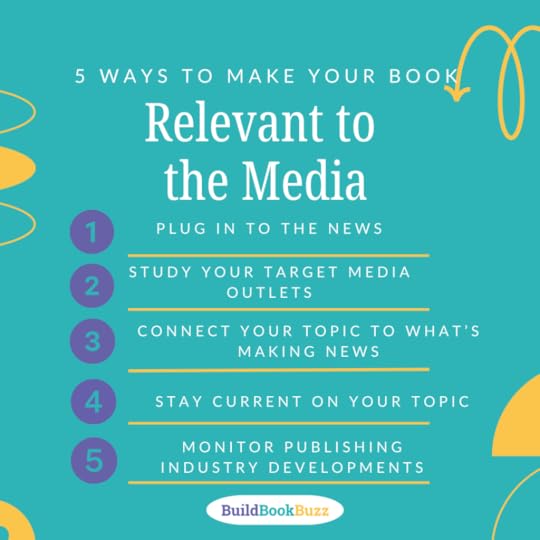 Download and save this or pin it to a Pinterest board so you have it as a reference. Help build the story
As you make yourself and your book increasingly relevant to the media, understand that a major feature on a topic or trend nearly always uses more than one source.
Know that, and be prepared to seal the deal by offering others who can comment on the topic. Being prepared and realistic, and making it easier for a journalist to say “yes,” can make you and your book very, very relevant.
That, in turn, will generate the news media attention — the book publicity — that sells books.
Use the right toolsGetting and keeping your book title in the news does take some effort and thought. But what promotional effort doesn’t?
Once you understand the type of information your targeted media outlets use and how they present that information, you’ll find yourself generating the types of article or segment ideas that get used. Then you’ll be snagging priceless media exposure for your book.
Need some help?
Need a little help? Get the media relations tools you need for this in Build Book Buzz Publicity Forms & Templates, a collection of fill-in-the-blanks forms and corresponding samples for book publicity.
Whether you need to know how to write the “pitch” letter for a newspaper or magazine article idea or the sample Q&A you’ll create for radio talk show interviews, you get everything you need in one resource. Copy and paste the templates into a Word file, fill them out, and use the result to generate priceless book publicity.
Learn more on the Build Book Buzz Publicity Forms & Templates details page.
What’s one of your media exposure goals for this year?
(Editor’s note: This August 2019 article is now updated and expanded.)
March 11, 2026
Author marketing scams v. 2026: What to watch out for, how to keep your money
Have you received an email informing you that a not-local-to-you book club wants to read your book and discuss it with you?
Or a message that accurately summarizes your book and suggests you work with the sender to market your book using specific tactics they briefly outline?
Maybe you got a flattering email from a well-known author such as Margaret Atwood or Freida McFadden.
Author scams aboundIf so, you are not alone.
Countless authors – including me – are steadily receiving emails fitting one, two, or all three of these descriptions.
And, as much as any author would want to believe that members of a London book club so, sooooo want to read their book about how to turn a squirrel into a house pet, they don’t.
Telling you so is a lie. And the lies are being perpetrated by scammers using artificial intelligence (AI) to separate you from your money in exchange for nothing. AI is helping the bad guys craft personalized messages hitting all the right points – which makes them quite convincing.
Even The New York Times is reporting on these newest predators. (That’s a gift link so you can read it without a subscription.)
How to spot scammers in your inboxRather than go into great detail about how these next-level, AI-enhanced scams work myself, I’m linking below to what others have written about them. I’d rather discuss how to avoid getting sucked in by these and others that will no doubt begin showing up.
Frankly, the safest way to protect yourself is so simple: Stop being so easily flattered.
Really. It’s that easy.
Well, actually, it’s a two-step process:
Step 1: Ask yourself, how likely is it, really, that your book with just seven Amazon reviews is suddenly so popular?Most of us aren’t in a position to brag about steady, high-volume book sales. Yet, we’re suddenly inundated with book club appearance requests or unsolicited book marketing service pitches.
There’s something fishy – and phishy – going on here.
Step 2: Delete the emails.No need to post on Facebook about it to learn what others think.
It’s not necessary to forward the message to an author friend for an opinion.
You don’t even have to do a Google search to see if the book club exists or ask ChatGPT what it thinks about the message.
Delete it and move on.
Please take this advice seriously.
I’m seeing too much advice about this online that says things like, “Contact the famous author through their website and ask if they sent the message.”
Um, no.
That wastes their time and yours.
Others suggest checking the sender’s email address because if the sender uses a Gmail address, the message “might” be a scam. No need to do that. It is a scam.
With ego tucked aside and the garbage cleared out of your inbox, you’ve got more time to focus on what you do best: writing.
Author marketing scams v. 2026Here’s what some in book publishing are saying about the three most recent scams hitting your inbox.
Scam 1: Book club appearance invitationsThese articles document the now-common “book club invite” scam where organizers gush about your book, then pivot to fees (spot fees, admin fees, “packages,” etc.).
Here are a couple I’ve received.
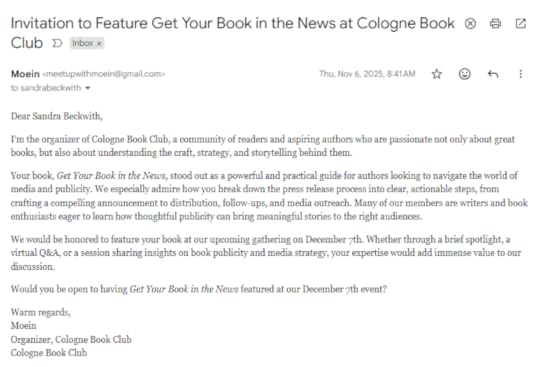
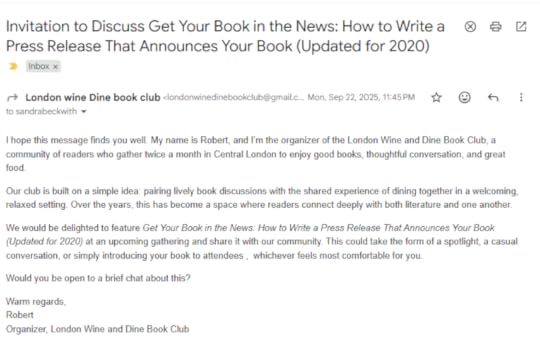
Return of the Nigerian Prince Redux: Beware Book Club and Book Review Scams from Writer Beware
By including email screenshots, this article will help you recognize well-crafted scam messages when they drop into your inbox.
This includes lots of general advice and information. For details related to this specific scam, scroll down to 3. Common Author & Self-Publishing Scams Happening Now.
Genre Grapevine: Book Club Scams Are a Warning of Emerging AI Super-Scams from Jason Sanford
In this newsletter article, author Sanford walks through an email from a supposed curator of a 2,000‑member club and shows how it escalates into paid “spotlight fee” packages for appearances. I love that he discovered that even the headshot linked to the sender’s Gmail account was AI-generated.
Scam 2: “I adored your book and can run a targeted campaign”Several warnings now flag book marketing and publishing services scams that consistently use generic Gmail accounts instead of verifiable, branded domains. These messages, often with details about how to improve your marketing, push pricey marketing packages that don’t really exist.
Here are a couple of those messages from my inbox.
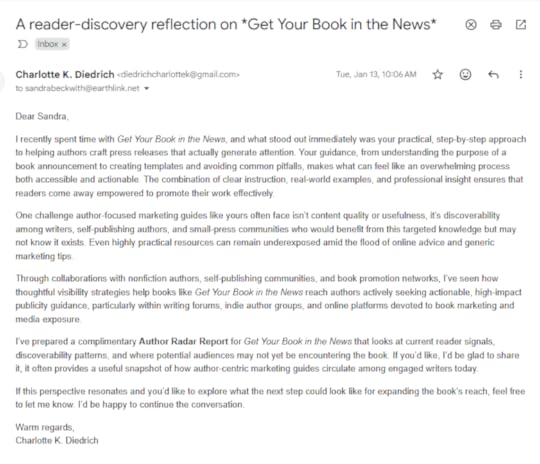
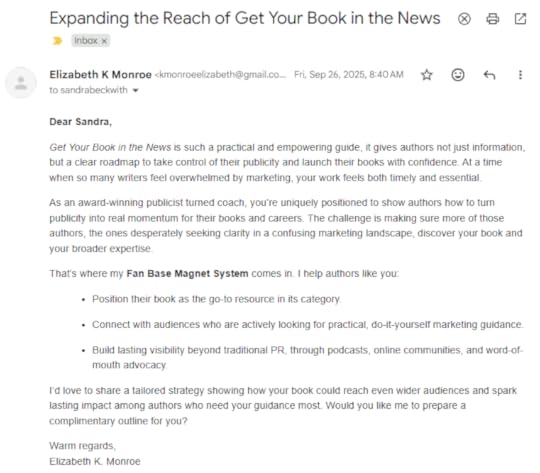
Update on those Flattering AI Book Marketing Scams from Anne Allen
As author Allen points out, “These scammers wouldn’t be so relentless unless this stuff is working.” (While you’re there, subscribe to the blog using the form on the right. Anne and Ruth Harris offer excellent content.)
Return of the Nigerian Prince: A New Twist on Book Marketing Scams from Writer Beware
Victoria Strauss provides a thorough breakdown of how this prolific scam works. Please take the time to read it because it will help you spot future scams.
That Personalized Email About Loving and Marketing Your Book Is a Scam from Electric Lit
In this December article, Samuel Ashworth shows how the scammer pretends to offer specific services (Goodreads list optimization, book manager and authors’ advocate) while routing payments to dubious third parties. (I’ve received the Goodreads Listopia optimization email, too.)
Scam 3: Impersonation DMs and emails from “famous authors” that butter you upWith these impersonation scams, fraudsters pose as well‑known authors, send flattering messages, and use that trust to steer writers toward bogus paid services.
Novelist Teri Case shares the email she received from “Colleen Hoover” and offers scam-spotting advice.
“Celebrity Author” Impersonators Are Fooling Unwary (Real!) Authors from Writers Weekly
You’ll learn that scammers use social media direct messages as well as the telephone to try to trick you. The article links to other important information sources on the site, too.
If a Famous Author Calls, Hang Up: Anatomy of an Impersonation Scam from Writer Beware
Writer Beware’s impersonation‑scam breakdown shows scammers posing as high‑profile authors and then “recommending” specific agents, editors, or marketers. They’re all con artists in the same scam network.
Don’t be a victimEven in situations when your book is enormously popular, remember that quality service providers don’t cold call or use social media to reach a successful author.
Whether it’s one of the three scams outlined here or another common ploy that offers to turn your book into a major motion picture, don’t take the bait.
You’ve worked hard to bring your book to life. Don’t let a cash-sucking predator ruin the fun. (And never, ever pay anybody in bitcoin.)
Current author scams FAQs1. How can I tell if a book club invitation email is a scam?If a not-local-to-you book club gushes about your book and then pivots to fees — such as spotlight fees, admin fees, or appearance “packages” — it’s a scam.
These messages are often AI-generated, highly personalized, and very convincing. If your book has modest sales or just a handful of reviews and you’re suddenly inundated with invitations, that’s a red flag.
Best to delete the email.
2. What’s the safest way to handle suspicious marketing or book club emails?Don’t overthink it.
Don’t post about it on Facebook, forward it to a friend, Google the organization, or contact the supposed sender. Simply delete the message and move on.
The easiest way to protect yourself is to stop being flattered and recognize how unlikely the scenario really is.
3. Are book marketing service emails from Gmail addresses legitimate?Usually not. Warnings now flag book marketing and publishing service scams that consistently use generic Gmail accounts instead of verifiable, branded domains.
These emails often praise your book and outline marketing tactics, then push expensive packages that don’t exist. There’s no need to analyze the email address further — it’s a scam.
4. What are impersonation scams involving famous authors?In these scams, fraudsters pose as well-known authors, send flattering emails or direct messages, and then steer you toward bogus paid services.
They may recommend specific agents, editors, or marketers who are all part of the same scam network. Some scammers even use AI-generated headshots to appear legitimate.
If a “celebrity author” contacts you out of the blue, it’s a scam.
5. Do legitimate publishing professionals cold call or message authors?No. Even if your book is enormously popular, quality service providers don’t cold call or use social media to pitch services to successful authors.
If someone contacts you unexpectedly offering marketing help, paid appearances, or even to turn your book into a major motion picture, don’t take the bait
Need a book marketing coach to help you determine where to put your effort and guide you around obstacles that include marketing and publishing scams? I can help! Learn more here .
Have you received any of these emails? Tell us about your experience in a comment. The more we talk about these things, the better informed we all are.
February 25, 2026
Social proof for authors: 7 easy ways to get and share it
Affiliate Disclosure: This post contains Amazon Associates links. As an Amazon Associate I earn from qualifying purchases. That means if you click on them and make a purchase, I will receive a couple of pennies (at no extra charge to you).
What is “social proof,” and why should you care about it?
“Social proof” is marketer-speak for public evidence that people won’t be wasting their money if they buy your book.
Reader reviews are the most important kind of social proof for authors. Still, because there are now so many opportunities for readers to provide public feedback, social proof in general has become super important.
Knowing this, I “blurbed” Laura Laing’s book, Math for Writers: Tell a Better Story, Get Published, Make More Money, to give it a social proof boost. Then I shared my endorsement on social networking sites using an image of my blurb and including a link to the book’s sales page.
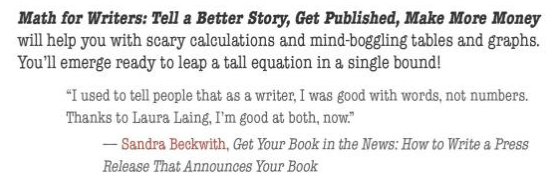 To help provide the author with social proof, I shared my blurb on the back of “Math for Writers” with my social networks.
I do this all the time for books I like. I hope it helps add to that book’s “social proof.”
Social proof for authors checklistSocial proof for authors takes many forms, including:
Reader reviews on retail sites Media/trade/literary reviews of your book written by review professionalsComments on your blog posts that tell others that people are paying attention to what you’re sayingNumber of times the information on your website (most likely your blog posts) gets shared by othersOpt-in newsletter mailing list sizeTestimonials from fans Media interviews (especially for nonfiction authors)Endorsements from people who influence your target audienceView counts on your videosNumber of connections you have in social media networksInterviews you’ve done with the press and othersBadges you can add to your site if your book has won an awardIt can be a little overwhelming, can’t it?
Fortunately, you can generate and leverage social proof pretty easily.
7 easy ways to get and share social proofHere are seven easy-to-implement ideas for showcasing your social proof:
1. Pursue reader reviews with gusto.Reader reviews are the ultimate social proof for authors.
Just as you need a book marketing plan, you need a plan for soliciting and acquiring reader reviews. Don’t expect them to happen organically. You need to help generate them.
Is it work? Yes.
Can it be a frustrating experience? Yes.
But pursuing reader reviews isn’t optional.
2. Create content that people will want to share.Before you can get people talking publicly about your book and information related to it, you have to give them something worth talking about.
Maybe it’s images people will want to pin on Pinterest, or it’s informational blog posts.
It could be a killer excerpt from your book or a free download.
What book-related content can you create that others will feel compelled to share?
3. Gather testimonials (blurbs) and add them to your website.When someone writes to tell you how much they liked your book, ask for permission to quote them on your site.
(Bonus tip: Ask them to leave a review on Amazon and give them the link where they can do that.)
If you don’t have unsolicited testimonials, reach out to those you know have read your book and ask for them.
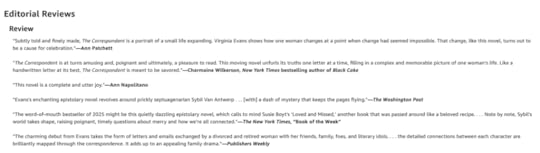
4. Showcase top blurbs or review excerpts on Amazon.Authors often forget that the blurbs from influencers that they add to their book cover and inside pages also belong in the “Editorial Reviews” section of their Amazon sales page.
Here’s what it looks like on the best-selling novel The Correspondent‘s page. (This is a partial screenshot. There are many more endorsements there.)
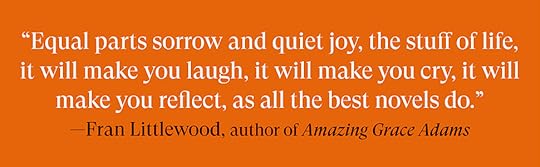
You can also use them for Amazon A+ content, that “bonus” feature that allows you to give readers more information through eye-catching images, text, and comparison tables.
This example also comes from The Correspondent‘s Amazon page.
 5. Share your book’s endorsements on social media.
Make sure those excellent testimonials from influencers and professional reviewers see life outside your book and Amazon sales page, too.
Turn them into quote graphics that you share on the social networks your readers use.
But don’t stop there. Tag the influencer and reviewer so their followers see their glowing feedback, too.
6. If you blog, add a “share” plugin to your blog and ask a question at the end of each post.If you’re a blogger, you want to make it easy for people to share your content on the social media networks they use. There are several plugins that will add social media sharing options to each blog post.
And, when you enable the social media sharing plugin you use to display how many times each blog post is shared, you’re showing site visitors that people read and like your content.
Always ask a conversation-generating question at the end of each post, too. It helps generate comments, discussion, and engagement.
Reply to each comment because it’s the courteous and appropriate thing to do, but also because it increases the total number of comments (a form of social proof).
7. Give social proof to other authors.We reap what we sow.
Contribute to the social proof and word-of-mouth marketing for other writers, especially indie authors.
Loved a book? Review it.
Found one of their social posts helpful or full of insights? Share it.
Create your own social media content about their books.
Set a positive example for your peers, and perhaps those authors will repay the favor.
What’s your next step?You’re probably doing some of this already and just need to add a plugin, make a few changes, or make this more of a priority. Is there anything more you can do?
It’s something I work on constantly. Here’s a quick look at some of the things I do — and I’m sure there’s lots of room for improvement:
I share links to my blog posts on social media using my site’s social sharing bar. (Finding a reliable blog plug-in for social sharing is an ongoing struggle, though. I’ve had to replace mine at least twice, and still have glitches from time to time. Got any suggestions?)When someone shares my content, I thank the poster and reshare when possible.I respond to all blog comments so that people providing that type of social proof know how much I appreciate their thoughts and opinions.If someone emails me about how much they like my site, newsletter, or one of my products, I ask if I can use the feedback as a testimonial.When I’m a guest on someone’s blog or podcast, I share the link on social media. That helps others see that I’m open to sharing what I know while it helps send visitors to my host’s site.I need to get better at sharing milestones that could include an unusually high number of Pinterest pin shares or steady growth of the Build Book Buzz Facebook book marketing group.
For you, it might be achieving a certain number of reader reviews, the number of times your book has been added to shelves on Goodreads, or hitting a target number of book sales or downloads.
Examine what you’re doing now; assess what you can add or improve.
Social proof is necessary and important. Make sure you’re demonstrating it.
Reader reviews are your most important social proof. Make it easy for your fans to review your books by giving them a “Build Book Buzz Reader Book Review Form.” It takes the guesswork out of writing short, honest, and meaningful reviews that help others decide if they’ll like the book. Learn more about what authors call “the missing link for book reviews” here.
What social proof do you provide now on your website? What do you plan to add?
(Editor’s note: This article from June 2019 is now updated and expanded.)
February 18, 2026
28 weird, whimsical, and wild holidays for March book promotion fun
In Western New York, where I live, the first few days of March often bring winter’s worst storm.
But after the past few months here on the tundra? Pshaw. At this point, we probably wouldn’t notice.
With my region ranking as the second snowiest city in the state this season, we are on track for the most snowfall in 15 years. And the temperatures? Oof. Day, after day, after day of windchill temps below 0°.
So, I’m looking to March with hope. Hope that by the end of the month, we will no longer be able to sled down the parking lot snow mountains. Hope that we spend less time shoveling. Hope that the sun will break through and shine two days in a row.
 Want to go sledding? This is a school parking lot a couple of blocks from my house.
 One thing’s for sure: March offers authors a rich list of quirky, lighthearted, and just plain fun occasions you can use to bring attention to your book.
body .ns-ctt{display:block;position:relative;background:#000;margin:30px auto;padding:20px 20px 20px 15px;color:#fff;text-decoration:none!important;box-shadow:none!important;-webkit-box-shadow:none!important;-moz-box-shadow:none!important;border:none;border-left:5px solid #000}body .ns-ctt:hover{color:#fff}body .ns-ctt:visited{color:#fff}body .ns-ctt *{pointer-events:none}body .ns-ctt .ns-ctt-tweet{display:block;font-size:18px;line-height:27px;margin-bottom:10px}body .ns-ctt .ns-ctt-cta-container{display:block;overflow:hidden}body .ns-ctt .ns-ctt-cta{float:right}body .ns-ctt.ns-ctt-cta-left .ns-ctt-cta{float:left}body .ns-ctt .ns-ctt-cta-text{font-size:16px;line-height:16px;vertical-align:middle}body .ns-ctt .ns-ctt-cta-icon{margin-left:10px;display:inline-block;vertical-align:middle}body .ns-ctt .ns-ctt-cta-icon svg{vertical-align:middle;height:18px}body .ns-ctt.ns-ctt-simple{background:0 0;padding:10px 0 10px 20px;color:inherit}body .ns-ctt.ns-ctt-simple-alt{background:#f9f9f9;padding:20px;color:#404040}body .ns-ctt:hover::before{content:'';position:absolute;top:0px;bottom:0px;left:-5px;width:5px;background:rgba(0,0,0,0.25);}body .ns-ctt.ns-ctt-simple .ns-ctt-cta,body .ns-ctt.ns-ctt-simple-alt .ns-ctt-cta{color:#000}body .ns-ctt.ns-ctt-simple-alt:hover .ns-ctt-cta,body .ns-ctt.ns-ctt-simple:hover .ns-ctt-cta{filter:brightness(75%)}Looking for fresh #BookPromotion ideas? Here are 28 weird and wonderful March holidays that will add personality and smiles to your marketing calendar. #author #BookMarketingClick to tweetHow to take get the most from March book promotion fun occasionsWhat’s the best way to take advantage of the many fun March book promotion opportunities listed below?
Once you identify those that are a good fit for your book or promotion goals, how can you use them?
Here are a few examples to inspire your brainstorming.
March 1, Plan a Solo Vacation DayAre you a travel writer?
Does a key character in your book travel a lot?
Is an important character in your novel a loner?
Solo travel is so different from group, friend, or partner travel. Have you traveled alone? Can you offer advice on how to plan a solo vacation?
Here are a few ideas:
Write a newsletter article or blog post about how to decide if solo travel will work for you. Or, write an essay about a particularly interesting experience you’ve had as a solo traveler.Create an Instagram carousel with solo travel tips.Create and distribute a tip sheet on how to stay safe as a solo traveler.March 8-14, Crochet WeekDo you crochet?
Does one of your characters crochet, or are they a crafter?
Me? I’m a knitter. But crocheting is having a moment.
If there’s a connection to your book or your life, why not take advantage of what has become a hot topic?
Generate newsletter subscriber engagement by asking subscribers to tell you if they crochet and what they make. Shoot a short behind-the-scenes social media video showcasing anything related to your crochet habit – your yarn stash, current project, something you’ve made that you’re proud of, etc. Create and share on social media a crochet week graphic and ask followers to post photos of their crocheting projects or works in progress.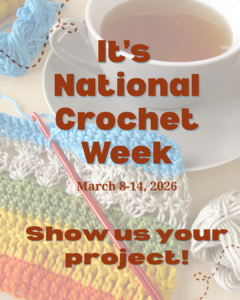 Don’t want to create your own graphic? Download and use this one. March 19, Absolutely Incredible Kids Day
Do you write children’s books?
Are you an educator?
While anybody with children in their lives can run with this, it’s especially well-suited to children’s book authors and teachers.
Create a short YouTube video talking about how you hope your children’s books help children become absolutely incredible.Create a series of social media posts about “ordinary” children doing incredible things, from calling 911 when a parent is ill to doing something kind for a neighbor. Write an article for your newsletter about how incredible kids inspire you. Ask subscribers to share their stories of incredible children, too.Your March book promotion idea triggersHere’s a partial list of the March marketing opportunities you can add to next month’s book promotion calendar. Get the full list on the Holiday Insights site. (And while you’re there, look ahead to other months.)
March 1 Plan a Solo Vacation DayMarch 1 World Compliment DayMarch 2 Old Stuff DayMarch 3 I Want You to Be Happy DayMarch 4 National Snack DayMarch 7 Plant Power DayMarch 8–14 Crochet WeekMarch 9 Get Over It DayMarch 9 Panic DayMarch 10 International Day of AwesomenessMarch 10 Middle Name Pride DayMarch 11 Worship of Tools DayMarch 14 Genealogy DayMarch 14 International Fanny Pack DayMarch 15 Dumbstruck DayMarch 17 Tea for Two TuesdayMarch 18 Supreme Sacrifice DayMarch 19 Absolutely Incredible Kids DayMarch 19 Let’s Laugh DayMarch 20 Extraterrestrial Abductions DayMarch 20 Proposal Day March 22 National Goof Off Day March 25 International Waffle DayMarch 27 International Scribble DayMarch 28 Something on a Stick DayMarch 28 Weed Appreciation DayMarch 30 I am in Control DayMarch 31 National Crayon DayBe sure to check out the list of book-related occasions during March in our 2026 literary calendar, too.
Need a book marketing coach to help you determine where to put your effort with book marketing, publicity, and promotion? I can help! Learn more here.
Which of these fun March holidays speaks to you? How will you use this list next month to create engagement while calling attention to your book in a lighthearted way? Please tell us in a comment.
January 28, 2026
The Amazon Author Formula Workbook: A practical companion for authors ready to take action
Affiliate Disclosure: This post contains Amazon Associates links. As an Amazon Associate I earn from qualifying purchases. That means if you click on them and make a purchase, I will receive a couple of pennies (at no extra charge to you).
Last year, I reviewed The Amazon Author Formula: Insider Tips, Tricks, and Strategies for Selling More Books! by Penny Sansevieri. It’s a smart, strategy-focused guide for authors who want to understand how Amazon really works—and how to work with it, not against it.
Now Penny has released The Amazon Author Formula Workbook: Hands-on Exercises and Expert Tactics to Dominate Amazon’s Marketplace, a companion tool designed to help authors do what many struggle with after reading a marketing book: actually implement what they’ve learned.
Before I go further, full transparency: Book publicist Penny Sansevieri, founder of Author Marketing Experts, is a friend and colleague whose work I respect. As always, though, this is a neutral review written with what will or won’t help you in mind.
Why a workbook makes senseIf you read the original book, you know it covers a lot of ground—from keywords and categories to covers, descriptions, pricing, reviews, and Amazon ads. That breadth is valuable, but it can also feel overwhelming.
The workbook’s job is to slow you down and walk you through applying those concepts to your books.
Each section of the workbook corresponds to a chapter in The Amazon Author Formula, with worksheets and prompts that help you evaluate what’s working, what isn’t, and what needs attention next.
But… neither the original book nor The Amazon Author Formula Workbook includes chapter numbers. The book chapter titles don’t always line up with the workbook titles, either. Because of that, and because I read the original book a year ago, I’m struggling to match the workbook’s worksheet titles with the book’s content.
For example, there’s a helpful workbook section title, “Who Are Your Target Readers,” but there isn’t a corresponding section identified in the first book’s table of contents.
Maybe I played a matching game with my preschooler grandson too much over the holidays, but I’d like everything to be more matchy-matchy. I think it would make the companion workbook more… well… companionable.
body .ns-ctt{display:block;position:relative;background:#000;margin:30px auto;padding:20px 20px 20px 15px;color:#fff;text-decoration:none!important;box-shadow:none!important;-webkit-box-shadow:none!important;-moz-box-shadow:none!important;border:none;border-left:5px solid #000}body .ns-ctt:hover{color:#fff}body .ns-ctt:visited{color:#fff}body .ns-ctt *{pointer-events:none}body .ns-ctt .ns-ctt-tweet{display:block;font-size:18px;line-height:27px;margin-bottom:10px}body .ns-ctt .ns-ctt-cta-container{display:block;overflow:hidden}body .ns-ctt .ns-ctt-cta{float:right}body .ns-ctt.ns-ctt-cta-left .ns-ctt-cta{float:left}body .ns-ctt .ns-ctt-cta-text{font-size:16px;line-height:16px;vertical-align:middle}body .ns-ctt .ns-ctt-cta-icon{margin-left:10px;display:inline-block;vertical-align:middle}body .ns-ctt .ns-ctt-cta-icon svg{vertical-align:middle;height:18px}body .ns-ctt.ns-ctt-simple{background:0 0;padding:10px 0 10px 20px;color:inherit}body .ns-ctt.ns-ctt-simple-alt{background:#f9f9f9;padding:20px;color:#404040}body .ns-ctt:hover::before{content:'';position:absolute;top:0px;bottom:0px;left:-5px;width:5px;background:rgba(0,0,0,0.25);}body .ns-ctt.ns-ctt-simple .ns-ctt-cta,body .ns-ctt.ns-ctt-simple-alt .ns-ctt-cta{color:#000}body .ns-ctt.ns-ctt-simple-alt:hover .ns-ctt-cta,body .ns-ctt.ns-ctt-simple:hover .ns-ctt-cta{filter:brightness(75%)}Will book publicist Penny Sansevieri’s Amazon workbook for #authors help you sell more books on that powerful site? This review will help you decide.Click to tweetWhat’s inside the workbookMatchups aside, the workbook is substantial and comprehensive. It includes worksheets and planners that guide you through:
Assessing your Amazon relevancy score and overall book alignmentEvaluating keywords, categories, and metadataReviewing pricing, covers, and retail pagesTracking reviews and managing long-term optimizationPlanning launches and promotionsAnalyzing and refining Amazon adsStrengthening your Author Central presenceBuilding a sustainable, long-term Amazon strategyWhat I particularly like is that many worksheets encourage tracking over time. This reinforces an important truth about Amazon marketing: It’s not a one-and-done activity. Ongoing monitoring and adjustment matter.
I keep tweaking. You need to do it, too.
Print workbook or spreadsheet? You get bothOne feature that will appeal to many authors is flexibility in how the workbook can be used.
The print version allows you to write directly in the book if you prefer working on paper. (That’s me.)
But The Amazon Author Formula Workbook also includes a UPC code that gives you access to a downloadable spreadsheet version of the worksheets. That option lets you type directly into the file, save your work, update it as things change, and keep everything organized digitally.
For authors who dislike handwriting—or who want searchable, editable records of their work—the spreadsheet option is a real plus.
I’m not a spreadsheet kind of gal, and yet, I found the file and corresponding instructions surprisingly useful. Still… the Excel file doesn’t include everything that’s in the print workbook (the format I’m reviewing). The target reader section, for example, isn’t in the spreadsheet.
Think of it as a companion to the workbook, which is a companion to the original, full book.
Who will get the most from this workbook?It’s best suited to authors who are serious about improving their performance on Amazon and are willing to do the work.
If you enjoyed The Amazon Author Formula but found yourself thinking, “I know what I should do, but I’m not sure where to start,” the workbook solves that problem. It provides structure, order, and prompts that keep you focused.
That said, this isn’t something you’ll flip through casually. To get value from it, you need to commit to using it alongside the original book. Think of the book as the strategy and the workbook as the execution plan.
Do you need both the book and the workbook?In my opinion, yes.
After I read the book last year, I told Penny she could add even more value by creating a companion workbook. It was already in the works!
So, obviously, I think buying both makes the most sense.
The workbook is designed as a companion, not a standalone resource—although you can use it that way.
It assumes you’ve read—or are reading—The Amazon Author Formula and want help applying its lessons. Authors who are truly committed to maximizing their impact on Amazon will benefit most from using the two together.
Can you use the workbook if you read the original book months ago?You can.
You know by now where you need to put the effort. When reading the book last year, I took notes on where I should improve my Amazon page. I can refer to those notes now and take advantage of the right worksheets in the workbook.
It might be easier, though, to read (or re-read) the book with the workbook in hand for maximum value.
Turn ideas into actionThe Amazon Author Formula Workbook does what a good companion workbook should do: Turn ideas into action.
For authors who want a hands-on, organized way to implement Amazon marketing strategies—and who appreciate the option to work either on paper or digitally—it’s a useful and comprehensive resource.
If you haven’t read the original book yet, I recommend starting with my review of The Amazon Author Formula and then deciding whether the workbook makes sense for you. If you have read it and are ready to put those strategies to work, you can check out The Amazon Author Formula Workbook and see if it fits your needs.
I recommend the print version rather than the e-book. It’s a more useful format for a workbook.
Finally, while my difficulty matching worksheets to book content frustrated me, I still think you need this resource. Rather than pay hundreds of dollars for an online course, buy Penny’s excellent training in book form.
It’s a fantastic value. But the real value comes from what you do with it.
If you’ve used the companion workbook, please tell us in a comment how it’s helped you.
January 14, 2026
Why you need an audience waiting for your book
If you’re looking for a traditional publishing contract, you need a “platform” — an established audience waiting for your book.
Whether you call your audience fans, followers, or your tribe, you need to demonstrate that lots and lots of people are waiting to read what you write. (And you need to build that following while you likely have a job that pays the bills while you write.)
Why is that?
An audience waiting to buy your book reduces the publisher’s risk.
It means they are less likely to lose the money invested in your book — including the advance you’re paid to write it — and more likely to make money.
And the same thinking applies to self-published authors.
Why indie authors need a following, tooIndie authors often make the mistake of thinking that this “you need a platform” concept only applies to those working with traditional or legacy publishing houses.
They are wrong.
Here’s the truth: It’s nearly impossible to start from ground zero with a book and sell enough copies to make it worth your while financially (and emotionally).
Book publishing is not an “if you build it, they will come” situation. The people who will love your book aren’t going to randomly discover it on Amazon or anywhere else.
5 reasons you need an audience waiting for your bookDiscoverability isn’t the only reason you need people to know about your book before it’s published, though.
Here are five more reasons.
1. An audience drives early sales momentum.When you already have readers eager for your book, you’re not starting from zero on launch day.
Early sales from people who know, like, and trust you help create momentum. Retailers and algorithms notice that.
This activity soon after your book goes “live” can influence visibility, recommendations, and long-term discoverability.
2. Waiting readers are more likely to leave reviews.You know that reviews don’t happen magically, right?
An audience that’s been following your work is far more likely to buy early, read promptly, and leave reviews.
This is especially true if they feel invested in you and your book because you’ve been involving them in your writing and publishing journey. You can do this by soliciting opinions on specifics that include character names, titles, cover designs, and even plot twists.
Those early reviews provide the essential social proof undecided buyers need to hit the “add to cart” button.
3. Your marketing is more effective (and – let’s be honest – less stressful).Marketing is dramatically easier when you’re talking to people who want to hear from you.
Instead of shouting into the void, you’re communicating with readers who already understand your message, your genre, or your expertise. This makes every email, social post, podcast appearance, or blog update more effective and less exhausting.
4. You reduce your dependence on algorithms.Without an audience, you’re at the mercy of changing algorithms on Amazon, social media platforms, and ad systems.
A direct connection to readers– especially via an email list – gives you control. You can reach the readers who follow you regardless of algorithm shifts or platform changes.
5. An audience supports your career beyond one book.A waiting audience doesn’t just help one launch. It supports your long-term author career.
These readers are more likely to:Buy future booksRecommend your booksAttend eventsEngage with your brand.Each book becomes easier to market because you’re building on an existing relationship, not starting over.
That is, unless you’re an author who doesn’t stick with one genre, preferring instead to hop from one to another like you used to play hopscotch.
Many do this because they’re writing and publishing just for the sake of doing so. It’s not about selling books. It’s about the joy that comes with following their muse.
And that’s okay. If you plan to write several books, though, stay with one genre until you’ve got a well-established following with those readers.
When to start building your platformThe best time to start building your platform is while you’re writing the book – not after it’s finished.
Audience-building doesn’t have to be time-consuming or constant, but starting early gives you time to grow visibility and relationships gradually, alongside the writing process.
If you’re already in the editing or revision stage, you’re still in a strong position.
This gives you time to clarify who the book is for, begin sharing content related to the book’s themes, and start capturing email subscribers. Many authors find this stage easier because the book’s message is more defined so they are more clear about who will love it.
body .ns-ctt{display:block;position:relative;background:#000;margin:30px auto;padding:20px 20px 20px 15px;color:#fff;text-decoration:none!important;box-shadow:none!important;-webkit-box-shadow:none!important;-moz-box-shadow:none!important;border:none;border-left:5px solid #000}body .ns-ctt:hover{color:#fff}body .ns-ctt:visited{color:#fff}body .ns-ctt *{pointer-events:none}body .ns-ctt .ns-ctt-tweet{display:block;font-size:18px;line-height:27px;margin-bottom:10px}body .ns-ctt .ns-ctt-cta-container{display:block;overflow:hidden}body .ns-ctt .ns-ctt-cta{float:right}body .ns-ctt.ns-ctt-cta-left .ns-ctt-cta{float:left}body .ns-ctt .ns-ctt-cta-text{font-size:16px;line-height:16px;vertical-align:middle}body .ns-ctt .ns-ctt-cta-icon{margin-left:10px;display:inline-block;vertical-align:middle}body .ns-ctt .ns-ctt-cta-icon svg{vertical-align:middle;height:18px}body .ns-ctt.ns-ctt-simple{background:0 0;padding:10px 0 10px 20px;color:inherit}body .ns-ctt.ns-ctt-simple-alt{background:#f9f9f9;padding:20px;color:#404040}body .ns-ctt:hover::before{content:'';position:absolute;top:0px;bottom:0px;left:-5px;width:5px;background:rgba(0,0,0,0.25);}body .ns-ctt.ns-ctt-simple .ns-ctt-cta,body .ns-ctt.ns-ctt-simple-alt .ns-ctt-cta{color:#000}body .ns-ctt.ns-ctt-simple-alt:hover .ns-ctt-cta,body .ns-ctt.ns-ctt-simple:hover .ns-ctt-cta{filter:brightness(75%)}#Authors, discover 5 reasons you need an audience waiting for your book and download a free timeline and checklist to keep you on track.Click to tweetWaiting until a few months before publication, such as six months out, puts you in catch-up mode.
While you can build momentum in that window, it’s simply more stressful and limits what you can accomplish. Starting earlier means you’re not scrambling for attention at launch; instead, you’re inviting readers who already care to join you when the book is ready.
But please, please don’t panic if your launch is approaching or your book is already published and you don’t have much of a following yet. It’s not the end of the world. It just means you need to make audience development a priority so that your marketing reaches more of the right people.
A simple timeline for building your author platformThe earlier you start building your platform, the easier – and more effective – your book launch will be. To help you plan, I’ve created a platform-building timeline.
While you’re writing the book
Clarify who your ideal reader isStart or revive your email listShare content related to your book’s topic, themes, or genreShow up consistently where your readers already areDuring editing and revisions
Refine your messaging now that the book’s focus is clearCreate a lead magnet connected to the bookGrow your email list intentionallyBegin talking about the book without selling it6–12 months before publication
Increase visibility through guest posts, podcasts, or eventsBuild relationships with influencers, bloggers, and librariansShare behind-the-scenes insights to build anticipationPrepare your audience for the upcoming launch3–6 months before publication
Focus on engagement, not just growthWarm up your email list and social channelsIntroduce the book more consistentlyInvite early interest, reviews, or advance readersDownload a PDF version of this timeline immediately – no email opt-in required.
Author Audience-Building Timeline and ChecklistDownloadWhat platform elements should you include?Briefly, your platform can include anything from email subscribers to social media followers to speaking engagements.
You can get more detailed information about that in this article, “Unlocking your author platform: Why it’s essential for success.”
It outlines nine author platform elements and includes advice on how many you need to have a strong enough following to ensure sales when you launch — and long after that.
Quick video tip about why you need an audience waiting for your bookWondering what should be in your platform? Discover 13 author platform elements in the free “ Platform Building for Authors Cheat Sheet. “ Download your copy here .
Here’s a short video summary of why you need that audience in place before publishing.
Please, build that audience even if your book is already out.
It will take time to create a fan base, but don’t let that discourage you. Your reward will come through sales and messages from readers thanking you for helping or entertaining them.
How did you build your audience?
(Editor’s note: This article was published a decade ago and has been completely rewritten and significantly expanded.)
January 7, 2026
Book marketing goals: How high will you take your book this year?
For many authors – especially those who come to publishing without business experience – book marketing can feel unfamiliar, uncomfortable, or even intimidating. You may love writing, revising, and researching, but setting marketing goals? That can feel like stepping into foreign territory.
Still, if you want your book to reach readers, goals matter. Not because they guarantee success (they don’t), but because they give you direction.
Without goals, marketing often becomes scattered: a social post here, a newsletter there, a vague hope that “something will work.”
Because we’re at the start of a new year, I’d like to take a closer look at what book marketing goals really are, what they’re not, and how to set goals that make sense for you – whether you’re publishing one book or many.
What goals are – and what they aren’tBefore we talk about frameworks and examples, it helps to clear up a few misconceptions.
What goals areBook marketing goals are:
Clear outcomes you want to work towardA way to focus your limited time and energyA guide for making decisions about what to do next – and what to skipGood goals help you move forward instead of spinning your wheels. They give you direction.
For example, let’s say you’re considering trying a new tactic or platform. Return to your goals, first, and ask yourself, “Will this activity help me reach one of these goals?”
What goals aren’tGoals are not:
Wishes (“I hope my book sells well”)Guarantees (marketing never comes with certainty)A measure of your talent or worth as a writerPermanent – goals can and should change, especially as you learn moreIf a goal stops serving you, it’s allowed to evolve. You’re in charge.
#Authors, learn what book marketing goals are (and aren’t), explore two popular goal-setting frameworks, and see 7 book marketing goal examples for fiction and nonfiction authors.Click to tweetTwo popular goal-setting frameworksYou don’t need an MBA to set useful goals. These two frameworks are popular because they’re practical and flexible – and you can use either one.
SMART goalsSMART goals are specific and concrete. The acronym stands for:
Specific: Clearly definedMeasurable: You can track progressAchievable: Realistic given your time and resourcesRelevant: Connected to your bigger purposeTime-bound: Attached to a deadlineFor example, instead of saying, “I want more readers,” a SMART goal might be:
“Add 150 subscribers to my email list by the end of June.”
SMART goals work especially well for:
First-time authorsBook launchesAnyone who likes clarity and structureOKRs (objectives and key results)OKRs stand for objectives and key results. Sounds kind of corporate, doesn’t it? But don’t let that scare you. This is simply a way to aim high while staying flexible. If you have a business background, you might be most comfortable with this approach.
Objective: A big-picture goalKey Results: 2 to 4 measurable ways you’ll know you’re making progressFor example:
Objective: Increase visibility for my debut novel
Key Results:
OKRs work well for:
Long-term visibilityAuthors experimenting with different marketing tacticsAnyone who prefers progress over perfectionI use the SMART approach, but I take it one step farther.
I break my big goals down into smaller goals. It’s a “smaller steps” approach that I find helps reduce overwhelm. Plus, it helps me create the blueprint I need to reach those goals.
Which framework should you use?There’s no right answer. Choose the framework that feels most manageable right now.
If you’re publishing your first book and want clear direction, SMART goals may feel more comfortable. If you’re thinking bigger – building visibility or laying groundwork for future books – OKRs may be a better fit.
Authors often ask me how many goals to set. I think three is a manageable number for most of us. When you reach one of them, replace it with a new one.
 Seven book marketing goal examples (and when they make sense)
Here are seven realistic, author-friendly book marketing goals. Each includes context so you can decide whether it fits your situation.
1. Grow an email list by a specific number.Example: Add 200 subscribers in 6 months.
This goal makes sense for both fiction and nonfiction authors. An email list gives you a direct way to reach readers without relying on social media algorithms. It’s especially valuable for self-published authors.
2. Publish consistent content that supports book discovery.Example: Publish two blog posts per month related to my book’s topic or genre.
This works well for authors who enjoy writing and want long-term discoverability. Nonfiction authors often use educational content, while fiction authors might write behind-the-scenes posts or reader-focused extras.
3. Schedule speaking or teaching engagements.Example: Schedule 3 speaking engagements in the first 6 months of the year.
This is a strong goal for nonfiction authors and memoirists. Memoirs, in particular, invite personal connection, and audiences often want to hear directly from the author behind the story.
4. Appear as a podcast guest or in the media.Example: Pitch myself to 12 podcasts this year.
Podcast guesting works well for both fiction and nonfiction authors who enjoy conversation and storytelling. It’s a way to reach targeted, engaged audiences without needing a large existing platform.
Media interviews are also important. They generate credibility that leads to new opportunities.
You’re essentially leveraging someone else’s network.
5. Generate reader reviews.Example: Secure 50 reader reviews within 90 days of launch.
Reader reviews matter for visibility and credibility, especially on retail platforms. This goal makes sense for any author launching a new book or trying to revive interest in an existing one.
Remember, too, that it’s an ongoing process.
6. Strengthen long-term sales for a standalone or backlist book.Example: Create one new marketing resource to support ongoing sales.
This might mean a reader guide, a bonus chapter as an email subscription incentive, or a refreshed book description. It’s a smart goal for authors who want steady, long-term results rather than short bursts of activity.
7. Focus marketing on one or two channels.Example: Commit to showing up consistently on one social platform for 6 months.
Trying to be everywhere usually leads to burnout. This goal makes sense for authors who feel overwhelmed and want to simplify without giving up entirely.
Turning goals into a workable planGoals are helpful, but only if you connect them to action. A marketing plan helps you break goals into manageable steps so you know what to do next week, not just “someday.”
That’s where planning tools can make a real difference, especially if marketing doesn’t come naturally to you. 
Frequently asked questions about book marketing goals1. What’s a SMART goal anyway?If you’d like help turning your goals into a clear, doable plan, download your free Build Book Buzz Book Marketing Plan Template. It’s designed to help you organize ideas, choose priorities, and move forward without overwhelm.
It’s a goal that’s clear, measurable, doable, relevant, and has a deadline. Instead of “I want more readers,” try: “Add 150 email subscribers by the end of June.”
2. How are OKRs different from SMART goals?Think of OKRs as your big-picture goal plus 2 to 4 measurable ways to track progress. They’re flexible, letting you experiment without stressing over perfection.
3. Can one goal work for both fiction and nonfiction?Absolutely! Growing your email list, collecting reader reviews, or focusing on one social channel can apply to any author. Some goals, like speaking gigs, fit nonfiction or memoir writers better.
4. How often should I check my progress?Monthly or quarterly check-ins work best. They let you see what’s working, tweak what isn’t, and keep moving forward without feeling stuck.
5. Do I have to stick to one goal-setting method?Not at all. Pick the framework that works for you at the moment, and switch if needed. The “best” framework is the one you’ll actually use.
What’s one specific actionable goal you’re working toward for your book this year?
December 17, 2025
2025’s top book marketing articles: Here’s what you were reading

What held your attention on the Build Book Buzz blog this year?
I use Google Analytics to determine which blog posts attract the most traffic (visits). I’m always so intrigued by how the top 15 list always includes articles written (well) before the current calendar year.
The resulting list of 2025’s top book marketing articles helps you by highlighting articles you’re interested in but might have missed.
It helps me by:
Identifying trendsUncovering surprisesShaping what to write about in the following yearSometimes I’m surprised by the flops. Other times, it’s the successes that I didn’t see coming. But I always learn from the review.
I hope this recap helps you discover the information you need now or in coming weeks and months.
Your most popular book marketing articles in 2025Here are your most popular book marketing articles this year, starting with the post that attracted the most visitors.
Click on each blog post title to go to the article to discover why it’s popular.
No. 1: 2025 literary calendar: 180 opportunities for embracing reading and writingI asked ChatGPT, “What’s the most popular literary calendar for 2025?”
The response?
“The most popular and widely used literary calendar for 2025 (especially among authors, book marketers, librarians, teachers, and book lovers) appears to be the Build Book Buzz 2025 Literary Calendar.”
More than 500 people downloaded the 2025 calendar. Be sure to download next year’s 2026 literary calendar here, too.
No. 2: How to use e-mail to transfer a book to your KindleThis is an updated version of the article I first published almost a decade ago. It’s information every author needs. Share this link when you email your e-book to someone who has agreed to review it.
No. 3: How to email a press release to journalists: The biggest mistake to avoidBecause I’m also a freelance writer (diversify your income!), I receive several press releases a day. Most publicists know how to do this by now, but a surprising number don’t. This perennially popular article, first published more than a decade ago, includes a video demonstration.
No. 4: 3 powerful things authors can do now to find their ideal readersIt’s absolutely crucial that you know who is most likely to buy your book. Without this knowledge, your marketing could be useless. Get specific steps you can take to better understand who will love your book and how you’ll reach them.
No. 5: How to build a killer book publicity media listThis is another oldie but goodie, updated for 2025 and beyond. Get seven tips for building a media contact list that will help you generate the high-profile attention you and your book deserve.
No. 6: 8 ways to leverage someone else’s networkDon’t worry if you’re starting from scratch. You can move forward faster when you collaborate and cross-promote with others who reach your ideal readers. Get eight easy and effective ways to do that.
No. 7: Comprehensive 2024 literary calendar showcases 163 opportunities for supporting reading and writingAuthors, publicists, publishers, librarians, and others continued to download the 2024 calendar into 2025.
No. 8: 17 best alternatives to Amazon for buying books onlineThis is one of my favorites, so I’m glad you like it, too. Not enough people know that Amazon isn’t the only place to buy books online.
No. 9: 6 free literary agent databases for fiction and nonfictionLooking for an agent? You always want to approach someone who sells the types of books you write. If you can get a connection to the right agent through a friend or colleague, start there. Otherwise, there are a number of other ways to find the right agent for your book, including using one of these searchable databases.
No. 10: Who reads books, what do they read, and why do authors need to know this?This article draws on extensive research to give you data that will help you understand your audience better. Don’t miss the infographic on how Americans sort their books.
No. 11: Using AI as your author assistant: Why it’s ethical, efficient, and essentialMany of us have legitimate concerns about using artificial intelligence. But using AI as your author assistant gives you an ethical advantage. Discover why and how to use it as a timesaver.
No. 12: How to create buzz: The ultimate book cover reveal guideWhat’s a book cover reveal and how can it support your book? In this information-packed article, four authors who do cover reveals share the what, why, and how.
No. 13: 3 common book marketing tactics that are useless (self-centered edition)In addition to discovering what many authors are doing wrong, you’ll learn how to avoid or correct those mistakes. It’s “do this, not that” for book marketing.
No. 14: 19 apps and tools authors can’t live withoutI asked authors to tell me what apps, tools, and resources they can’t live without. Maybe there’s an “Oh! I need that!” in the article for you.
No. 15: Amazon Verified Purchase reviews: Fact versus fictionThere’s a lot of misinformation about Amazon reviews, including those that are verified. Learn more about them as well as the facts around other types of reviews and who can and can’t post them.
What book marketing topics do you want to see covered in 2026?I’m looking ahead to what I’ll write about in 2026.
What do you want to learn about? What topics are most important to you? Which book marketing tactics seem the most confusing?
How can I help you better market your books in 2026?
Please drop your article ideas in a comment here. Thanks!