Elisabeth Maria Fowler's Blog
May 22, 2025
Born Between Colors: Why 'The Lost Color of Namiri' Reflects Our Divided World


November 26, 2023
Uncover the Secrets: Diving into the Psychology of Irresistible Book Covers!
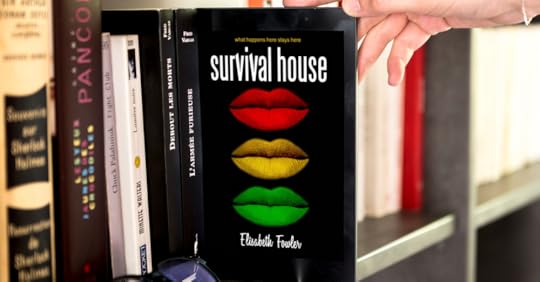
Join me as I explore the art and science behind book cover design, revealing how a captivating cover can be a silent marketing powerhouse. Discover the psychology that makes you judge a book by its cover - and why authors and marketers are leveraging it to win your attention!
In the vast world of publishing, where countless books vie for attention, the power of a book cover is nothing short of extraordinary. Beyond its aesthetic appeal, a well-crafted book cover has a profound impact on readers, delving deep into the realms of psychology. Let's explore the fascinating effects of good book cover marketing on the minds of readers.
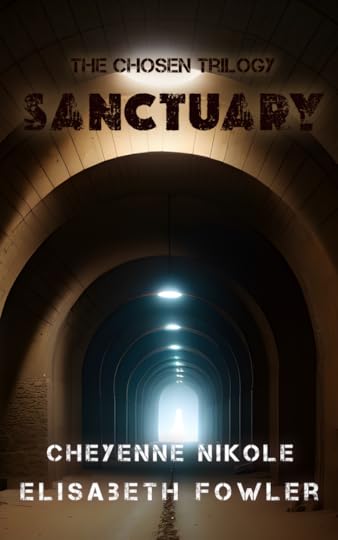
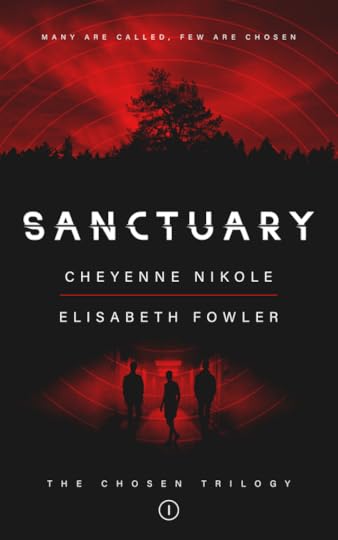
Side-by-side comparison of my original book cover for Sanctuary: The Chosen Trilogy vs. the updated professionally designed cover.
Before
After
 Beyond Aesthetics, Into Minds
In the realm of publishing, a book cover is not merely a superficial accessory but a dynamic tool that wields influence over the reader's psyche.
From triggering emotions to shaping perceptions, the psychology behind a good book cover marketing strategy is a captivating journey that goes beyond aesthetics, seamlessly blending art and science.
As authors and designers continue to master this craft, readers can anticipate a future where every cover tells a story of its own, inviting them into the fascinating worlds that lie within the pages.
B ook Covers: The First Impression Game
C olor & Graphics: The Emotional Pull
Branding the Narrative: The Power of Neuromarketing
Book Covers: The First Impression GameThey say, "Don't judge a book by its cover," but in reality, we often do. A compelling book cover serves as the first ambassador of a story, triggering an immediate emotional response. Whether it's the use of vibrant colors, intriguing imagery, or clever typography, the visual elements speak to our subconscious, creating a connection before we even flip the first page.Humans are naturally curious beings, and a skillfully designed book cover acts as a tantalizing teaser, sparking curiosity about the contents within.
Intriguing visuals or subtle symbolism prompt the reader's mind to question and speculate, driving them to explore the narrative in search of answers.
Color & Graphics: The Emotional PullIn the realm of book buying, the choices readers make extend beyond the allure of an intriguing plot or the reputation of an author.
A carefully designed book cover taps into the psychology of emotions.
It's a silent whisper that conveys the mood, tone, and essence of the narrative. From the warmth of nostalgic designs to the adrenaline rush of bold, modern graphics, readers subconsciously pick up on these cues, feeling drawn to covers that align with their emotional preferences.
Unbeknownst to many, the hues and graphics on a book cover play a pivotal role in shaping purchasing decisions, tapping into the psychology of readers. Color and graphics then become silent influencers in the art of book buying.
Colors have a remarkable ability to evoke emotions, and book covers leverage this power to create an immediate connection with potential readers. Warm tones like reds and oranges can stir excitement and passion, while blues and greens evoke calmness and tranquility. The psychology of color becomes a silent storyteller, setting the emotional tone for the narrative within.
Colors also carry cultural connotations, and book covers that align with cultural norms or trends can strike a chord with specific audiences. Understanding the cultural psychology of color allows publishers and authors to tailor designs that resonate with the target readership, transcending language barriers and connecting on a deeper level.
Beyond color, the graphics on a book cover offer a sneak peek into the essence of the story. Intricate designs, symbolic imagery, or even minimalist illustrations trigger the imagination, providing subtle hints about the plot or themes. These visual cues create a sense of intrigue, compelling readers to pick up the book and explore further.
Here is a link to Adobe that delves deeper into design inspirations:
Branding the Narrative: The Power of NeuromarketingNeuromarketing principles come into play when it comes to book cover design.
A book cover is not just a standalone design; it's a brand that represents the author's identity and the essence of the story.
Consistent branding across an author's works creates a visual signature, making it easier for readers to recognize and trust the next literary journey.
This familiarity establishes a psychological bond, fostering reader loyalty.
Understanding how the brain responds to visual stimuli allows designers to optimize covers for maximum impact. Colors, fonts, and imagery are strategically chosen to influence reader perception, creating an immersive experience that extends beyond the bookshelf.
Consistency in color and graphic elements across an author's works is not just a matter of aesthetics; it's a powerful branding strategy. Readers, consciously or subconsciously, associate specific colors and design elements with their favorite authors or genres. This branding becomes a psychological shortcut, influencing buying habits by fostering trust and familiarity.
ConclusionIn the crowded space of bookstores or online marketplaces, readers often make split-second decisions.
A manager of a prominent Barnes and Noble store once told me that he conducted a year-long experiment where he observed the time customers took to decide if they would buy the book or not. It was less than 12 seconds...and that included reading the blurb on the back and flipping through pages of the book.
The brain processes visual information at a rapid pace, and colors and graphics can subconsciously guide this decision-making process. A well-crafted cover stands out, catching the eye amidst a sea of options and imprinting itself on the reader's memory.
As the publishing world continues to evolve, the understanding of color psychology and graphic influence is a potent tool that authors and designers wield, crafting covers that not only tell stories but also entice readers to embark on new literary adventures.
So, the next time you find yourself captivated by a book cover, remember that the magic might just lie in the carefully chosen hues and visual elements that beckon you into a world waiting to be discovered.
October 22, 2023
Handling Business...The Write Way!
Have you ever heard the expression 'it takes money to make money'? Well, today, I would like to discuss the basic, bare-minimum costs of becoming a published author and some of the traps writers unknowingly fall into at the beginning of their journey.
Hello, my fellow avid readers and writers!
So you have a great story, finished your 80K word count rough draft, edited it, and think you are just about ready to publish. But what will it cost you?
The bare minimum costs of self-publishing include a number of protections for your unique work, including registering a copyright.
Self-publishing is free through most legit services such as Amazon's KDP (Kindle Direct Publishing) and Barnes and Noble Press. If a sponsored ad or 'marketing specialist' tells you otherwise...it's a scam. Run!
Weigh the CostsThis will be a high-level overview of the unavoidable costs of getting your book from the deep recesses of your laptop's server into the hands of anxiously awaiting readers when self-publishing. (We won't be delving into marketing strategies this go around, but that will follow soon).
1) Copyright. DO NOT SKIP!
Anything governmental can seem daunting and out of reach, but obtaining a copyright for your literary work is relatively simple and easy. Technically, as soon as you type out your work of art, it already has a copyright, but you do want to take the extra step of registering it with the Library of Congress to signal to others that it's yours, so back off! For example, when you purchase a vehicle, it's in your name. It belongs to you solely, but until you register it, no one else knows that it's legally yours. Registering provides certain protections, and it's easier to prove your case against plagiarism or theft in the form of a stolen story.
The cost to register a single copyright is $65.
You will complete a basic form, pay your fee online, and then upload your manuscript. It takes 4-6 weeks for them to review and issue your copyright document to you. It will show online, and you will receive a paper copy, as well. Here is the link to get you started:
2) Formatting.
Self-publishing sites, such as Amazon KDP, give instructions on proper formatting, and it's not likely you will be able to fulfill their requirements through processors such as Google Docs or Microsoft Word. If you upload your manuscript directly from these word processors, your finished product will look untoward, cheap, and offputting to readers. It may not even be legible. If you don't want to pay a freelancer to properly format it for you, invest in a good formatting program such as Atticus, Scrivener, LivingWriter, Vellum, etc. These programs are a writer's best friend when it comes to storing story and formatting to a polished, professional final draft in various print sizes. They even typeset to acceptable margins.
Costs range from one-time fees of $147 (Atticus) to $249.99 (Vellum, for e-book & print)
Here is a great article on cost and value comparison of some of the major contenders:
3) Marketing
After uploading your formatted, freshly copywritten manuscript to the (FREE) self-publishing sites, there will be some cost for marketing. If you are trying to push your product by spending nothing...there is always your personal social media following or traditional word of mouth. This can work wonders if you are heavily engaged and have a large following. If you are more introverted when it comes to Beyonce's innanets (yes, it's spelled that way on purpose...don't come for me), then ads will serve you well, but be warned. There are a lot of ins and outs to properly advertising which deal with SEO, embedding proper keywords, and indexing into lucrative categories. I'm not an expert on any of that, but my journey does include learning. I suggest reading up on FREE articles and watching FREE YouTube videos on that process before you actually get started.
You can waste a lot of money trying to place sponsored ads through social media and end up with no resulting clicks or sales. Sad...
In order to use social media for ad placement, you do want to have a leg up on your ad content, as well. Just simply saying, "Here's my book, now buy it," usually only works for celebs and big-time authors, but even they know better than to take that approach.
Our society has become extremely visual consumers, buying what appeals to the eye. Investing in applications that can give you instant mock-up templates may be a great idea if you decide to dip your toe into self-marketing through social media ads. Programs such as Canva and Book Brush do just that. They also have templates and guides for book cover creation as well, which is a definite plus if you want to avoid freelance fees at all costs.
Prices are given as yearly subscriptions and range from $119.99/yr (CanvaPro) to $146/yr (Book Brush).
A Riveting Tale of Mistake
I mentioned in my last post that I would be sharing my blindly-led publishing journey (and its costs) so all the mistakes I made, you wouldn't have to.
Well, here is my #epicfail testimony...
When I first ventured into writing as a profession, I scoured the internet, looking for ALL THE THINGS. I wanted to format myself, design my own covers, run my own marketing ads, etc. I paid for Atticus (which, by the way, LOVE) and a subscription to Book Brush. Then Google and Meta picked up on my spending habits and started pushing sponsored ads for vanity publishers.
You know the ones...they tell you that they can get you to Bestseller status in three months or less, and it will only cost you $2-5k depending on which publishing package you desire. It all sounds great, but the reality is you can do all those things by yourself with a great product and committed marketing tactics with less money. Not every marketing journey will work for you, and it really can be trial and error (hard truth alert).
I almost fell for a vanity publishing gimmick.
After becoming overwhelmed with the bottomless pit of app offers and marketing schemes, I felt like a little fish in a great big pond of literary muck. I engaged with a few vanity presses, and they gave me their pricing, but after I started researching the 'services' they offered, I quickly found that I had already done most of the work for them, and it was not worth the trouble. I was literally about to throw away thousands of dollars to do the work myself!
I then purchased books on SEO and watched free webinars given by established editors and authors on how to become your best marketing asset. It took weeks to wrap my head around just a corner of the information out there.
What I learned was not only do I know my product better than anyone else, but I am more than capable of getting it in front of the right audience.
The same applies to you! So please don't lose hope if you are just starting out. Be patient, learn what you don't know through other authors, and give yourself grace.
Currently, I have a BESTSELLING book in an Amazon Teen and Young Adult category for all my efforts!
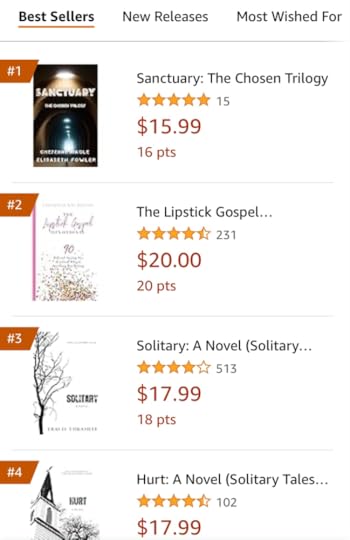
Have a blessed reading experience and hope to see y'all soon!
Sanctuary, the first installment of The Chosen Trilogy, is a captivating and spiritually enriching tale that will leave you eagerly awaiting the next chapter. - Amazon Reader
October 12, 2023
In the Beginning...Write the Wrong!
Do you have an excellent idea for a book, short story, or novella but need help figuring out where to begin?
Hello, my fellow avid readers and writers!
Today, I would like to guide and encourage you to start your authorship journey by doing just that...starting.
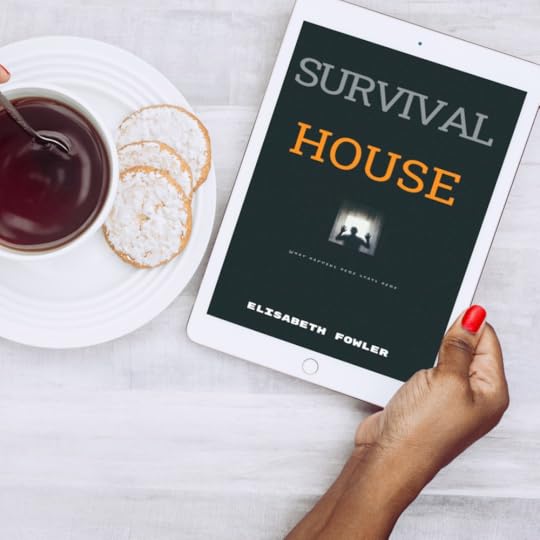
My debut novel, Survival House, was written in under a month, heavily edited, and then independently published a week later in July 2023.
I am here to encourage you to follow your dreams, and if that dream is to write...well, welcome aboard!
Tips and Tricks to Writing a Compelling StorySo you've got a story to tell. Yes! Write it down, get it out. Use whatever writing platform you are most comfortable with, whether it be Google Docs, Microsoft Word, or (if you're fancy) WordPress. The key is to pump out that beautiful, chaotic first draft.
However, there are a few methods to the madness, so to speak, before you begin that crazed dash to your laptop.
I highly recommend that you start with these three key concepts.
1) Research, research, then research some more.
You've chosen a topic, and you've decided to build this incredibly wonderful imaginative world around it, but after publishing, you start getting negative reviews concerning unrealistic concepts because you didn't take the time to research your subject matter. Circumvent this by dedicating efforts upfront to becoming something like an expert on that topic.
2) Determine your character's internal conflict BEFORE you begin the manuscript, not during.
Believe it or not, a rock-solid plot does not motivate readers to stick with your tale. Great storytelling is compelling because there is some relatable internal conflict that has to be resolved within the plot. A great book expounds on the psychology of its characters and the plot must revolve around this inner aspect in its totality, not the other way around. Speaking of plots...
3) Craft your plot outline in detail, avoiding any notoriously frustrating plot holes along the way.
You've completed your research and figured out the psychology of your characters. Now comes the fun part...plot outlining. I'm only kidding about this being the fun part, but it is one of the more meatier features of your story. Well...it IS your story. Think of the internal conflict as the driver and the plot, your car. The driver will get nowhere if the car doesn't work and the car is at a complete standstill without a driver! Thankfully, there are plenty of reliable resources for writing a sound plot. Check out the (unsponsored) link to Novel-Software.com's 8 Proven Outline Templates for some starter ideas:
A Riveting Tale of Mistake
I mentioned in my last post that I would be sharing my blindly-led publishing journey (and its costs) so all the mistakes I made, you wouldn't have to.
Well, here is the beginning...
As I mentioned before, my debut novel was written within weeks, rushed for the simple reason of pure excitement to see a final product. I love books! Their cream pages, the smell of fresh ink, a noteworthy printed cover. Ah! Books remind me of peaceful summer days spent at the library as a child. And I wanted one. One with my name plastered across the front. Something I could show my grandkids one day to prove that Oma wasn't an old fuddy duddy all her life.
When I began 'Survival House' I let the muse take me through each page and paragraph, pumping out twists and turns, left and right...then I got stuck right in the middle of it. In my haste, I had skipped all but one of the key concepts mentioned above. I've always been way too comfortable with psychology so my characters were rock solid in dealing with their demons, but the main character, Nicole Cohen, had a job and skill set that I knew nothing about. She was an apprentice welder and did some light tampering with the family's furnace (don't worry...no spoilers here). I think you see where this is going, though. I had to come to an abrupt halt right where the story got thick and juicy, research all things HVAC and welding related, then return to my plot. And oh the plot! There were more twists and turns than even I anticipated! Therefore, another sudden stop due to deep, ditchy plot holes. If my plot was an ACTUAL car, it would have had to get its shocks aligned.
But after slowing down and completing my research and plot outline (in the middle instead of the beginning) I did end up crafting a beautifully buttoned up page-turner that led to some pretty great reviews from readers like you.
Even though it turned out all right in the end, I learned my lesson the hard way and hopefully now, you won't have to make that same mistake.
Have a blessed reading experience and hope to see y'all soon!
I love a good twist and this book didn’t disappoint. It’s got the twists and turns, good character build up and it’s a really enjoyable read. - Reader in the United Kingdom
October 11, 2023
What's Your Real Life Fantasy Story?
Becoming a Full-Time Writer is Weird...
Hello, my fellow avid readers! My name is Lis, and my mid-life crisis was to abandon my proverbial career ship and revert to my first love...creative writing. Well into my thirties, I've had a long corporate insurance claims career and a lucrative custom sewing business (making face masks during the COVID pandemic put me in another tax bracket), all while married with three beautiful children. Now that I'm headed off to publish my third (yes, THIRD) book this year, I wanted to share some thoughts on the process.
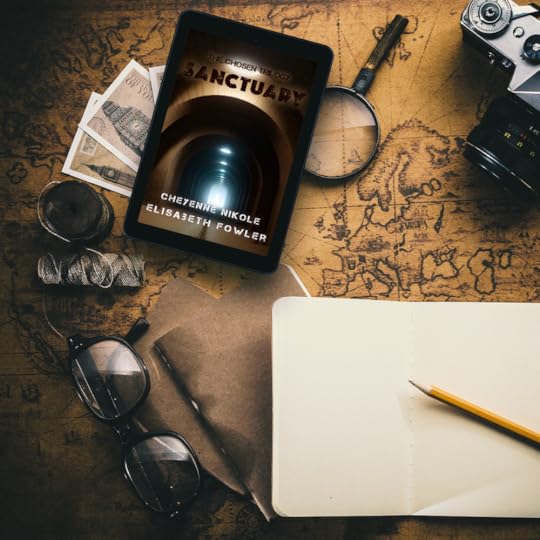
Becoming an Author Ain't Easy
I am here to encourage you to follow your dreams, and if that dream is to write...well, welcome aboard!
You Got This!So you've got a story to tell. Yes! Write it down, get it out. Use whatever writing platform you are most comfortable with, whether it be Google Docs, Microsoft Word, or (if you're fancy) WordPress. The key is to pump out that beautiful, chaotic first draft.
Then comes the daunting task of editing, formatting, and actually publishing. Don't even get me started on marketing...
I'm sure you've seen plenty of ads popping up on your feed now that you've decided to give being a writer a go (we see you, Google) concerning editing and publishing services.
That's definitely one way to do it...or you can do it yourself and save a few coins along the way. Marketers of indie published books will charge upwards of $500-5000 just to help you format the manuscript correctly, publish on direct publishing sites such as Amazon, Barnes & Noble, iBooks, etc, then assist with social media ads, SEO, and proper marketing.
A Riveting Tale of Mistake
In the upcoming weeks, I will be sharing my blindly-led publishing journey (and its costs) so all the mistakes I made, you don't have to. We will get up close and personal with each step towards being a (hopefully), successful published writer by avoiding the pitfalls and pit stops in the writing process.
In the meantime, check out my books and please feel free to leave a comment, or share this link with your friends.
See y'all soon!