Carolyn Moncel's Blog
June 6, 2014
The Fortunate One - Available on Amazon
“The Fortunate One" is a #FREE #Kindle download TODAY on #Amazon.
President Anne-Marie Watson, the country's first female Commander-in-Chief is facing the "mother" of all dilemmas. When a young Army Captain, Tracy Scott, disappears just outside of a small village near Mogadishu, Somalia, the president and her all-male national security team must devise a plan that will save her within 72 hours. However, her captors are not whom anyone would ever suspect, their demands unusual and Captain Scott isn't just an ordinary service woman on patrol around the African Horn. She's the "Fortunate One." Her title places her at the center of a geopolitical hot zone, and a risky recovery not only threatens her life, but also the lives of the brave international operatives assigned to her mission. An unsuccessful extraction could topple President Waston's entire administration as well as negatively impact the outcome of a looming reelection bid. Drawn from today’s explosive headlines, "The Fortunate One" is a thought-provoking political suspense story that also challenges what it means to balance power in a female-dominated world.
http://www.amazon.com/The-Fortunate-O...
President Anne-Marie Watson, the country's first female Commander-in-Chief is facing the "mother" of all dilemmas. When a young Army Captain, Tracy Scott, disappears just outside of a small village near Mogadishu, Somalia, the president and her all-male national security team must devise a plan that will save her within 72 hours. However, her captors are not whom anyone would ever suspect, their demands unusual and Captain Scott isn't just an ordinary service woman on patrol around the African Horn. She's the "Fortunate One." Her title places her at the center of a geopolitical hot zone, and a risky recovery not only threatens her life, but also the lives of the brave international operatives assigned to her mission. An unsuccessful extraction could topple President Waston's entire administration as well as negatively impact the outcome of a looming reelection bid. Drawn from today’s explosive headlines, "The Fortunate One" is a thought-provoking political suspense story that also challenges what it means to balance power in a female-dominated world.
http://www.amazon.com/The-Fortunate-O...


April 29, 2013
Roger and Me: How Movie Reviews Helped Me Become a Storyteller
Besides my family and friends, there are only
three more things that I love: books, music and movies.
So when I learned
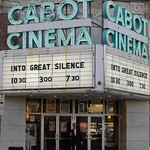
of film critic Roger Ebert's sudden passing a few days ago, I was really sad. I knew that he had been quite sick for many years but he was still
working. A fellow Chicagoan and Pulitzer
Prize winning author, he was adored back in my hometown and considered a city
treasure.
Even though I hadn't been following his reviews
nearly as much since moving abroad, I would still read an occasional post
online. To be sure I will miss his
famous two thumbs up movie rating. However, what I will miss more is the gift
that he gave to me: pure discovery,
something I’ve always known could only be matched by books.
When I was a little girl, I started watching
Roger’s review first on the local ABC news affiliate WLS-TV. Later, I moved on
to his Sunday columns in the Chicago Sun-Times, long before “At the Movies with
Siskel & Ebert” debuted in syndication.
I not only watched the show for popular releases but also for the
independent and foreign films reviewed, those tiny little movies that may have
only opened in some obscure art house on the other side of town. Movies like, “Tie Me Up, Tie Me Down”, “Like
Water for Chocolate”, and “Three Colors: Blue, White and Red.” Roger introduced me equally to Martin
Scorsese and Francois Truffaut, Spike Lee and Jim Jarmusch, Louis Malle and
Luis Bunuel, Kasi Lemmons and Sophia Coppola, Ingmar Berman and Akira
Kirowasawa and many more.
Roger made me want to travel the world, and for
a little black girl like me growing up in a working-class neighborhood on the
Southside of Chicago, my world should have halted in downtown at State and Lake
Streets. I was far too young to go
anyplace, but movies and books provided other ways for me to travel without
ever leaving my bedroom.
Roger also made me want to write because the
more he discussed important screenwriting mechanics—the nuts and bolts of good
storytelling, the more I realized that those same principals applied to fiction
writing in general.
Fast forward many years later, I now live
overseas and have been doing so for over ten years. I still haven’t been to the Cannes Film
festival, but I have vacationed there. I've
been to nearly every place that I so admired on the silver screen. Ironically, these global settings and how I
experiences them personally often become critical component in the creation of
my fictional characters and the world in which they live.
Film played a tremendous role in my need to
become not just a writer but a storyteller. It is true that we are not always
aware of where our influences come from, but here’s what I do know: every experience (our childhood, lifestyles choices,
hobbies, and yes, even movies, books and film) shapes us as storytellers.
God bless you, Roger. Thank you for
challenging me and countless others to see the world through film and incorporate
those visions into our own work. Rest in peace.

three more things that I love: books, music and movies.
So when I learned
of film critic Roger Ebert's sudden passing a few days ago, I was really sad. I knew that he had been quite sick for many years but he was still
working. A fellow Chicagoan and Pulitzer
Prize winning author, he was adored back in my hometown and considered a city
treasure.

Even though I hadn't been following his reviews
nearly as much since moving abroad, I would still read an occasional post
online. To be sure I will miss his
famous two thumbs up movie rating. However, what I will miss more is the gift
that he gave to me: pure discovery,
something I’ve always known could only be matched by books.
When I was a little girl, I started watching
Roger’s review first on the local ABC news affiliate WLS-TV. Later, I moved on
to his Sunday columns in the Chicago Sun-Times, long before “At the Movies with
Siskel & Ebert” debuted in syndication.
I not only watched the show for popular releases but also for the
independent and foreign films reviewed, those tiny little movies that may have
only opened in some obscure art house on the other side of town. Movies like, “Tie Me Up, Tie Me Down”, “Like
Water for Chocolate”, and “Three Colors: Blue, White and Red.” Roger introduced me equally to Martin
Scorsese and Francois Truffaut, Spike Lee and Jim Jarmusch, Louis Malle and
Luis Bunuel, Kasi Lemmons and Sophia Coppola, Ingmar Berman and Akira
Kirowasawa and many more.
Roger made me want to travel the world, and for
a little black girl like me growing up in a working-class neighborhood on the
Southside of Chicago, my world should have halted in downtown at State and Lake
Streets. I was far too young to go
anyplace, but movies and books provided other ways for me to travel without
ever leaving my bedroom.
Roger also made me want to write because the
more he discussed important screenwriting mechanics—the nuts and bolts of good
storytelling, the more I realized that those same principals applied to fiction
writing in general.
Fast forward many years later, I now live
overseas and have been doing so for over ten years. I still haven’t been to the Cannes Film
festival, but I have vacationed there. I've
been to nearly every place that I so admired on the silver screen. Ironically, these global settings and how I
experiences them personally often become critical component in the creation of
my fictional characters and the world in which they live.
Film played a tremendous role in my need to
become not just a writer but a storyteller. It is true that we are not always
aware of where our influences come from, but here’s what I do know: every experience (our childhood, lifestyles choices,
hobbies, and yes, even movies, books and film) shapes us as storytellers.
God bless you, Roger. Thank you for
challenging me and countless others to see the world through film and incorporate
those visions into our own work. Rest in peace.
April 24, 2013
Controlling Your Fiction Character

The TIE Mini Blog Tour rolls on! Hanging out today with the fabulous blogger Angela Benson of Library Girl Reads!
Since my oldest daughter is now a young woman and spends most of her weekends out with her friends, I find that it’s a perfect time for me to bond with my youngest daughter. One of the ways in which we do this is by watching a lot of movies on Friday nights. This week’s selection actually wasn’t my choice, but I’m happy that my daughter selected it anyway because it was a real treat. It was sweet little movie called Ruby Sparks and as a writer, I could not help but love it. Think Stranger than Fiction but instead from the author’s point of view.
If you haven’t seen it yet, here’s a little recap of the movie’s plot. A young writer finds unexpected literary fame as an adolescent. Years later, he still struggles to write a successful follow-up novel and the pressure from his agent and publishing house to do so sends him spiraling out of control and on to a psychologist’s sofa. Having broken up with his long-time girlfriend only complicates matters. At his therapist’s suggestion, the writer creates a character for whom he would consider to be his “ideal” woman and girlfriend. The more the writer learns about her (a character who reveals herself as “Ruby Sparks”), the more she not only becomes the central character in his new novel, but also in his own life. The fun begins the day Ruby becomes a real, functioning human being, demanding a life of her own. In light of this surprising discovery, the question becomes whether or not her creator will allow her this free will to grow and evolve, or will he try to guide her every movement to the point of extinction.
I could totally relate to Calvin Weir-Fields, the writer in the movie. Take for example, my character, Julien Roulet, who is featured in the novella found in 5 Reasons to Leave a Lover. I know him better than anyone else because I created him. He is an elusive lover; distant and slightly mysterious. Tall and slim with brown hair and sparkling green eyes, he’s handsome, intelligent, creative, quick witted and tad bit irreverent. A French man who refuses to pronounce the letter “h” when speaking in English, he’s also married and a devoted family man. He’s far from perfect though – an insecure, rakish, adulterer in fact. And yet at the same time, he’s a good guy who is still deeply in love with his wife. Unfortunately, he now finds himself in an impossible situation and saving him remains my toughest challenge. The only problem being, Julien really doesn’t want to be saved. Oh, the complexity!
As authors we experience a whole host of emotions while creating characters. Just like in real life, we take up their hobbies, research their professions, record their fickle likes and dislikes, all in an attempt to better understand them. When all is going well between us, we can’t wait to visit them in their imaginary world each day. One minute we’re laughing at all of their jokes and the things that they do. And the next, we’re infuriated and downright embarrassed by their behavior. When they abandon us because they yearn for independence and space, we become fearful because we never know which direction they will take our story.
The point to all of this is this. Creating characters for which there is genuine affection is what makes writing fun and rewarding. Whenever we are able to achieve that level of love for our character, our readers are the true beneficiaries. However, as writers we also have to know when to let our characters live. We cannot become obsessed with controlling their every movement or behavior in order to achieve a desired outcome for their lives. After all, it is their lives. Even if we could changeour characters's lives, as authors we would be doing so at our own peril because our characters would lose their essence -- the very “spark” that gives us permission to love (or hate) them in the first place. And, THAT would be such a shame.

Author Blog Post - Library Girl Reads: Controlling Your Fiction Character
The TIE Mini Blog Tour rolls on! Hanging out today with the fabulous blogger Angela Benson of Library Girl Reads!
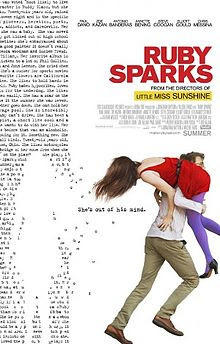
Since my oldest daughter is now a young woman and spends most of her weekends out with her friends, I find that it’s a perfect time for me to bond with my youngest daughter. One of the ways in which we do this is by watching a lot of movies on Friday nights. This week’s selection actually wasn’t my choice, but I’m happy that my daughter selected it anyway because it was a real treat. It was sweet little movie called Ruby Sparks and as a writer, I could not help but love it. Think Stranger than Fiction but instead from the author’s point of view.
If you haven’t seen it yet, here’s a little recap of the movie’s plot. A young writer finds unexpected literary fame as an adolescent. Years later, he still struggles to write a successful follow-up novel and the pressure from his agent and publishing house to do so sends him spiraling out of control and on to a psychologist’s sofa. Having broken up with his long-time girlfriend only complicates matters. At his therapist’s suggestion, the writer creates a character for whom he would consider to be his “ideal” woman and girlfriend. The more the writer learns about her (a character who reveals herself as “Ruby Sparks”), the more she not only becomes the central character in his new novel, but also in his own life. The fun begins the day Ruby becomes a real, functioning human being, demanding a life of her own. In light of this surprising discovery, the question becomes whether or not her creator will allow her this free will to grow and evolve, or will he try to guide her every movement to the point of extinction.
I could totally relate to Calvin Weir-Fields, the writer in the movie. Take for example, my character, Julien Roulet, who is featured in the novella found in 5 Reasons to Leave a Lover. I know him better than anyone else because I created him. He is an elusive lover; distant and slightly mysterious. Tall and slim with brown hair and sparkling green eyes, he’s handsome, intelligent, creative, quick witted and tad bit irreverent. A French man who refuses to pronounce the letter “h” when speaking in English, he’s also married and a devoted family man. He’s far from perfect though – an insecure, rakish, adulterer in fact. And yet at the same time, he’s a good guy who is still deeply in love with his wife. Unfortunately, he now finds himself in an impossible situation and saving him remains my toughest challenge. The only problem being, Julien really doesn’t want to be saved. Oh, the complexity!
As authors we experience a whole host of emotions while creating characters. Just like in real life, we take up their hobbies, research their professions, record their fickle likes and dislikes, all in an attempt to better understand them. When all is going well between us, we can’t wait to visit them in their imaginary world each day. One minute we’re laughing at all of their jokes and the things that they do. And the next, we’re infuriated and downright embarrassed by their behavior. When they abandon us because they yearn for independence and space, we become fearful because we never know which direction they will take our story.
The point to all of this is this. Creating characters for which there is genuine affection is what makes writing fun and rewarding. Whenever we are able to achieve that level of love for our character, our readers are the true beneficiaries. However, as writers we also have to know when to let our characters live. We cannot become obsessed with controlling their every movement or behavior in order to achieve a desired outcome for their lives. After all, it is their lives. Even if we could changeour characters's lives, as authors we would be doing so at our own peril because our characters would lose their essence -- the very “spark” that gives us permission to love (or hate) them in the first place. And, THAT would be such a shame.
Since my oldest daughter is now a young woman and spends most of her weekends out with her friends, I find that it’s a perfect time for me to bond with my youngest daughter. One of the ways in which we do this is by watching a lot of movies on Friday nights. This week’s selection actually wasn’t my choice, but I’m happy that my daughter selected it anyway because it was a real treat. It was sweet little movie called Ruby Sparks and as a writer, I could not help but love it. Think Stranger than Fiction but instead from the author’s point of view.
If you haven’t seen it yet, here’s a little recap of the movie’s plot. A young writer finds unexpected literary fame as an adolescent. Years later, he still struggles to write a successful follow-up novel and the pressure from his agent and publishing house to do so sends him spiraling out of control and on to a psychologist’s sofa. Having broken up with his long-time girlfriend only complicates matters. At his therapist’s suggestion, the writer creates a character for whom he would consider to be his “ideal” woman and girlfriend. The more the writer learns about her (a character who reveals herself as “Ruby Sparks”), the more she not only becomes the central character in his new novel, but also in his own life. The fun begins the day Ruby becomes a real, functioning human being, demanding a life of her own. In light of this surprising discovery, the question becomes whether or not her creator will allow her this free will to grow and evolve, or will he try to guide her every movement to the point of extinction.
I could totally relate to Calvin Weir-Fields, the writer in the movie. Take for example, my character, Julien Roulet, who is featured in the novella found in 5 Reasons to Leave a Lover. I know him better than anyone else because I created him. He is an elusive lover; distant and slightly mysterious. Tall and slim with brown hair and sparkling green eyes, he’s handsome, intelligent, creative, quick witted and tad bit irreverent. A French man who refuses to pronounce the letter “h” when speaking in English, he’s also married and a devoted family man. He’s far from perfect though – an insecure, rakish, adulterer in fact. And yet at the same time, he’s a good guy who is still deeply in love with his wife. Unfortunately, he now finds himself in an impossible situation and saving him remains my toughest challenge. The only problem being, Julien really doesn’t want to be saved. Oh, the complexity!
As authors we experience a whole host of emotions while creating characters. Just like in real life, we take up their hobbies, research their professions, record their fickle likes and dislikes, all in an attempt to better understand them. When all is going well between us, we can’t wait to visit them in their imaginary world each day. One minute we’re laughing at all of their jokes and the things that they do. And the next, we’re infuriated and downright embarrassed by their behavior. When they abandon us because they yearn for independence and space, we become fearful because we never know which direction they will take our story.
The point to all of this is this. Creating characters for which there is genuine affection is what makes writing fun and rewarding. Whenever we are able to achieve that level of love for our character, our readers are the true beneficiaries. However, as writers we also have to know when to let our characters live. We cannot become obsessed with controlling their every movement or behavior in order to achieve a desired outcome for their lives. After all, it is their lives. Even if we could changeour characters's lives, as authors we would be doing so at our own peril because our characters would lose their essence -- the very “spark” that gives us permission to love (or hate) them in the first place. And, THAT would be such a shame.
Controlling Your Fictional Character
The TIE Mini ...
Controlling Your Fictional Character
The TIE Mini Blog Tour rolls on! Hanging out today with the fabulous blogger Angela Benson of Library Girl Reads!
Since my oldest daughter is now a young woman and spends most of her
weekends out with her friends, I find that it’s a perfect time for me to
bond with my youngest daughter. One of the ways in which we do this is
by watching a lot of movies on Friday nights. This week’s selection
actually wasn’t my choice, but I’m happy that my daughter selected it
anyway because it was a real treat. It was sweet little movie called Ruby Sparks and as a writer, I could not help but love it. Think Stranger than Fiction but instead from the author’s point of view.
If you haven’t seen it yet, here’s a little recap of the movie’s plot. A
young writer finds unexpected literary fame as an adolescent. Years
later, he still struggles to write a successful follow-up novel and the
pressure from his agent and publishing house to do so sends him
spiraling out of control and on to a psychologist’s sofa. Having broken
up with his long-time girlfriend only complicates matters. At his
therapist’s suggestion, the writer creates a character for whom he would
consider to be his “ideal” woman and girlfriend. The more the writer
learns about her (a character who reveals herself as “Ruby Sparks”), the
more she not only becomes the central character in his new novel, but
also in his own life. The fun begins the day Ruby becomes a real,
functioning human being, demanding a life of her own. In light of this
surprising discovery, the question becomes whether or not her creator
will allow her this free will to grow and evolve, or will he try to
guide her every movement to the point of extinction. Read more...
April 16, 2013
Fiction and Taxes: Is there a difference?

The TIE Mini Blog Tour Continues at the Cabin Goddess!When I was a child growing up in Chicago, my mother used to say, ‘I don’t HAVE to do anything in this world except die and pay taxes;’ a very appropriate statement since “Tax Day” in America is already upon us. For those of us lucky, or better yet, wise enough to complete our tax forms early, April 15 is just another ordinary day. However, for the rest of us, we always wait until the “last minute” in order to push the button.
In preparing my own tax forms — unfortunately there is no immunity for us “regular folks” living here in Switzerland — I’ve been thinking a lot about one “imperative” in particular, this need to pay taxes and how it’s a lot like another one specific to authors — the need to write a fictional work, and what prevents us from performing such duties on time.
To be fair, sometimes there are legitimate reasons for delays (missing 1099s or investment statements, for example). But, if we’re really, really honest with ourselves, most of the time our postponement of the “evitable”, this wait until the “eleventh hour” has more to do with procrastination than with anything else. We work ourselves up into a frenzy, cursing ourselves for waiting to do something that we know we should have done months ago. True relief only arrives after we’ve finished that dastardly deed for which we’ve been trying so hard to avoid.
Writers know this uncomfortable feeling all too well – especially when it comes to trying to complete a fictional work. Most of us begin a new literary project with all the hopes and aspirations of completing at least a solid draft by a scheduled date. We research our characters; carefully organizing the “receipts” of their lives into neatly tabbed accordion files or folders on our laptops. Each day we add writing as a “to-do” task on our schedule. We manage to record scores of pages – inspiration that we hope in the end will result in a satisfying work.
Days turn into weeks, weeks into months. The next thing we know, we’re reading online about the Kardashians or gossiping with our friends about some other television series instead of writing. We're cleaning out the refrigerator or relining the kitchen cabinets. We find a reason to do almost everything except write. Then the panic sets in as our self-imposed deadline looms. We have no choice but to scramble to get the writing done so that our editors or agents will not penalize us. Once done, temporary relief is welcomed but we remain weary and cautious, knowing that we’ll have to do all over again very soon. The bottom line is this: For authors writing, like taxes, is more than an imperative – it’s a certainty, just as sure as autumn follows summer. There is absolutely no way around paying your dues so you might as well grin until you can bear it.
So I will close my post with this from the great author, Herman Wouk, “Income tax returns are the most imaginative fiction being written today."
Don’t you wish you’d thought of that wonderful quote first? I know that I do!
Happy Tax Day!

Author Blog Post - Cabin Goddess: Fiction and Taxes: Is there a difference?
The TIE Mini Blog Tour Continues at the Cabin Goddess!
I was a child growing up in Chicago, my mother used to say, ‘I
don’t HAVE to do anything in this world except die and pay taxes;’ a
very appropriate statement since “Tax Day” in America is already upon
us. For those of us lucky, or better yet, wise enough to complete our
tax forms early, April 15 is just another ordinary day. However, for
the rest of us, we always wait until the “last minute” in order to push
the button.
In preparing my own tax forms — unfortunately
there is no immunity for us “regular folks” living here in Switzerland —
I’ve been thinking a lot about one “imperative” in particular, this
need to pay taxes and how it’s a lot like another one specific to
authors — the need to write a fictional work, and what prevents us from
performing such duties on time. Read more...
I was a child growing up in Chicago, my mother used to say, ‘I
don’t HAVE to do anything in this world except die and pay taxes;’ a
very appropriate statement since “Tax Day” in America is already upon
us. For those of us lucky, or better yet, wise enough to complete our
tax forms early, April 15 is just another ordinary day. However, for
the rest of us, we always wait until the “last minute” in order to push
the button.
In preparing my own tax forms — unfortunately
there is no immunity for us “regular folks” living here in Switzerland —
I’ve been thinking a lot about one “imperative” in particular, this
need to pay taxes and how it’s a lot like another one specific to
authors — the need to write a fictional work, and what prevents us from
performing such duties on time. Read more...
Fiction and Taxes: Is there a difference?
The TIE Mini Blog Tour Continues at the Cabin Goddess!
I was a child growing up in Chicago, my mother used to say, ‘I
don’t HAVE to do anything in this world except die and pay taxes;’ a
very appropriate statement since “Tax Day” in America is already upon
us. For those of us lucky, or better yet, wise enough to complete our
tax forms early, April 15 is just another ordinary day. However, for
the rest of us, we always wait until the “last minute” in order to push
the button.
In preparing my own tax forms — unfortunately
there is no immunity for us “regular folks” living here in Switzerland —
I’ve been thinking a lot about one “imperative” in particular, this
need to pay taxes and how it’s a lot like another one specific to
authors — the need to write a fictional work, and what prevents us from
performing such duties on time. Read more...
I was a child growing up in Chicago, my mother used to say, ‘I
don’t HAVE to do anything in this world except die and pay taxes;’ a
very appropriate statement since “Tax Day” in America is already upon
us. For those of us lucky, or better yet, wise enough to complete our
tax forms early, April 15 is just another ordinary day. However, for
the rest of us, we always wait until the “last minute” in order to push
the button.
In preparing my own tax forms — unfortunately
there is no immunity for us “regular folks” living here in Switzerland —
I’ve been thinking a lot about one “imperative” in particular, this
need to pay taxes and how it’s a lot like another one specific to
authors — the need to write a fictional work, and what prevents us from
performing such duties on time. Read more...
April 8, 2013
Author Blog Post - The Monsoon Writer: Is Paris My Muse?
The TIE Mini Book Tour Kicks off with a visit to author Malika Gandhi's Blog:
People often ask me to describe Paris. Almost always, I provide the same reply: A beautiful place still full of mystery.
I moved there with my husband and two young daughters, and stayed for
five years before moving to Lausanne, Switzerland in 2007. Every time I
return for a visit, I always find something new and view Paris in a
completely different way. For me, this is what makes setting my stories
in Paris so interesting.
However, I must admit that this is my polite answer. Describing the real Paris
actually is a bit more complicated. In trying to capture the essence of
the city from my own distinct vantage point, I still struggle because
Paris is more than visiting the Eiffel Tower, Luxembourg Gardens, or
eating at Les Deux Magots or strolling along the Seine or Avenue des
Champs-Élysées. Read more...

Is Paris My Muse?
The TIE Mini Book Tour Kicks off with a visit to author Malika Gandhi's Blog:
People often ask me to describe Paris. Almost always, I provide the same reply: A beautiful place still full of mystery.
I moved there with my husband and two young daughters, and stayed for
five years before moving to Lausanne, Switzerland in 2007. Every time I
return for a visit, I always find something new and view Paris in a
completely different way. For me, this is what makes setting my stories
in Paris so interesting.
However, I must admit that this is my polite answer. Describing the real Paris
actually is a bit more complicated. In trying to capture the essence of
the city from my own distinct vantage point, I still struggle because
Paris is more than visiting the Eiffel Tower, Luxembourg Gardens, or
eating at Les Deux Magots or strolling along the Seine or Avenue des
Champs-Élysées. Read more...