Julia Kavan's Blog
July 2, 2014
Catherine Cavendish - The Lady of White Rock Lake
Today, I welcome friend and horror author Catherine Cavendish to my blog! Her latest book - Saving Grace Devine - was published by Samhain on July 1st. Here she tells us about the haunting stories she found while carrying out her research for the novel. Over to Cat...
The Lady of White Rock Lake
 In my new novel, Saving Grace Devine, a young girl is drowned, but her spirit returns to haunt the lakeside where she met her untimely end. She seeks help from the living, to help her cross over to the afterlife.
From my research, it would appear that my fictional Grace is not alone. Many people have reported seeing ghosts of drowned girls who are all apparently earthbound. Searching for something, or someone. In need of help from the living to help them join the world of spirit.
In this account, the case remains unresolved. You see, no one can truly decide who this ghost really is.
White Rock Lake Park in Dallas, Texas, has seen more than its fair share of tragic deaths over the years – whether by suicide or fatal accident. A number of them have involved young women and not all of them accompanied their lifeless, physical body when they were pulled out of its watery depths.
This has led to a little confusion over which of their shades still haunts the lakeside, and there are a number of versions of the ghostly story. One version, dating from at least the early 1930s states that a young couple were parked by the lakeside one hot, July night. They switched on their headlamps and, to their surprise, a girl - dressed in white - approached them. As she reached the driver’s window, they could see she was dripping wet from head to toe. She spoke to them and, according to Anne Clark who wrote the first published account of the encounter, said, “I’m sorry to intrude…but I must find a way home immediately. I was in a boat that overturned. The others are safe. But I must get home.” (Backwoods to Border, Texas Folklore Society, 1943).
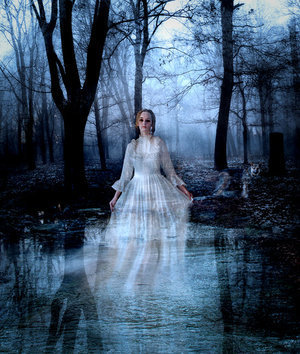 The couple agreed to drive her and the girl climbed into the back. She gave them an address on the opposite side of Dallas (Oak Cliff). As they neared the area, the couple felt increasingly uneasy about their strange passenger. One of them turned to ask for more specific directions, only to find the girl had vanished. The seat, though, was sopping wet. By now thoroughly unnerved, they found the address the girl had given them and knocked on the door. A troubled looking man answered the door. He told them, “You are the third couple who has come to me with this story, Three weeks ago, while sailing on White Rock Lake, my daughter was drowned.”
 Another version, of a similar vintage, has it that the ghost was dressed in a white gown of a style sold exclusively by the Neiman-Marcus department store in Dallas. Here the girl appears on a road near the lake and was seen by Mr and Mrs Guy Malloy who were driving along at the time. As the girl appeared to have walked up from the beach and was soaking wet, they stopped to help her. She seemed friendly and asked to be taken to an address in the nearby Lakewood district. Then she climbed into the back seat, but when Mrs Malloy turned to speak to her, she had vanished, leaving the seat wet. The Malloys went to the address the girl had given them and the middle-aged man who answered the door said his daughter matched their description. She had drowned two years before, when she fell off a pier at the lake and she only ever wore Neiman-Marcus. Guy Malloy worked as a window dresser there which was how he had recognized the dress.
Yet another version states that the ghost wears a negligee (presumably not by Neiman-Marcus) and is that of a desperate young woman who drowned herself. This version also dates from the 1930s and gives the identity of the woman as Louise Ford Davis. She left a suicide note, the contents of which have never been revealed.
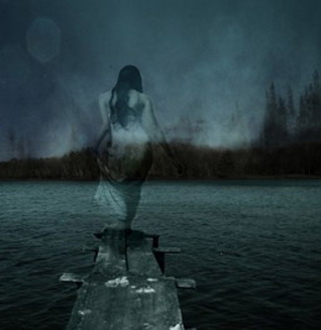 Then, on November 24th, 1942, 35 year old Rose Stone, unable to go on any longer, threw herself into the lake and drowned. She left a note pinned to her sweater requesting that her relatives in Fort Worth be informed.
 All four of these would seem to have good reason to be unquiet spirits. But which one is the real Lady of White Rock Lake? And will she ever find the peace she so clearly seeks?
Here’s a flavour of Saving Grace Devine:
Can the living help the dead...and at what cost?
When Alex Fletcher finds a painting of a drowned girl, she’s unnerved. When the girl in the painting opens her eyes, she is terrified. And when the girl appears to her as an apparition and begs her for help, Alex can’t refuse.
But as she digs further into Grace’s past, she is embroiled in supernatural forces she cannot control, and a timeslip back to 1912 brings her face to face with the man who killed Grace and the demonic spirit of his long-dead mother. With such nightmarish forces stacked against her, Alex’s options are few. Somehow she must save Grace, but to do so, she must pay an unimaginable price.
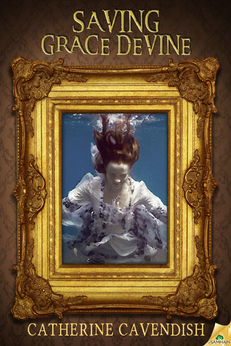
You can find Saving Grace Devine in all usual ebook formats here:
Samhain Publishing
Amazon.com
Amazon.co.uk
Amazon.ca
Amazon.com.au
B&N
Kobo
and in paperback here:
Samhain Publishing
 About the author
Catherine Cavendish is joint winner of the Samhain Gothic Horror Anthology competition 2013. Her winning novella – Linden Manor – is now available in all digital formats and the print anthology will be published in October. She is the author of a number of paranormal horror and Gothic horror novellas and short stories. . Her novel, Saving Grace Devine, has just been published by Samhain Publishing.
She lives with a long-suffering husband in North Wales. Her home is in a building dating back to the mid-18th century which is haunted by a friendly ghost, who announces her presence by footsteps, switching lights on and strange phenomena involving the washing machine and the TV.
When not slaving over a hot computer, Cat enjoys wandering around Neolithic stone circles and visiting old haunted houses.
You can connect with Cat here:
www.catherinecavendish.com
https://www.facebook.com/CatherineCavendishWriter?ref=hl
http://www.goodreads.com/author/show/4961171.Catherine_Cavendish
http://twitter.com/#!/cat_cavendish
The Lady of White Rock Lake
In my new novel, Saving Grace Devine, a young girl is drowned, but her spirit returns to haunt the lakeside where she met her untimely end. She seeks help from the living, to help her cross over to the afterlife.From my research, it would appear that my fictional Grace is not alone. Many people have reported seeing ghosts of drowned girls who are all apparently earthbound. Searching for something, or someone. In need of help from the living to help them join the world of spirit.
In this account, the case remains unresolved. You see, no one can truly decide who this ghost really is.
White Rock Lake Park in Dallas, Texas, has seen more than its fair share of tragic deaths over the years – whether by suicide or fatal accident. A number of them have involved young women and not all of them accompanied their lifeless, physical body when they were pulled out of its watery depths.
This has led to a little confusion over which of their shades still haunts the lakeside, and there are a number of versions of the ghostly story. One version, dating from at least the early 1930s states that a young couple were parked by the lakeside one hot, July night. They switched on their headlamps and, to their surprise, a girl - dressed in white - approached them. As she reached the driver’s window, they could see she was dripping wet from head to toe. She spoke to them and, according to Anne Clark who wrote the first published account of the encounter, said, “I’m sorry to intrude…but I must find a way home immediately. I was in a boat that overturned. The others are safe. But I must get home.” (Backwoods to Border, Texas Folklore Society, 1943).
The couple agreed to drive her and the girl climbed into the back. She gave them an address on the opposite side of Dallas (Oak Cliff). As they neared the area, the couple felt increasingly uneasy about their strange passenger. One of them turned to ask for more specific directions, only to find the girl had vanished. The seat, though, was sopping wet. By now thoroughly unnerved, they found the address the girl had given them and knocked on the door. A troubled looking man answered the door. He told them, “You are the third couple who has come to me with this story, Three weeks ago, while sailing on White Rock Lake, my daughter was drowned.” Another version, of a similar vintage, has it that the ghost was dressed in a white gown of a style sold exclusively by the Neiman-Marcus department store in Dallas. Here the girl appears on a road near the lake and was seen by Mr and Mrs Guy Malloy who were driving along at the time. As the girl appeared to have walked up from the beach and was soaking wet, they stopped to help her. She seemed friendly and asked to be taken to an address in the nearby Lakewood district. Then she climbed into the back seat, but when Mrs Malloy turned to speak to her, she had vanished, leaving the seat wet. The Malloys went to the address the girl had given them and the middle-aged man who answered the door said his daughter matched their description. She had drowned two years before, when she fell off a pier at the lake and she only ever wore Neiman-Marcus. Guy Malloy worked as a window dresser there which was how he had recognized the dress.Yet another version states that the ghost wears a negligee (presumably not by Neiman-Marcus) and is that of a desperate young woman who drowned herself. This version also dates from the 1930s and gives the identity of the woman as Louise Ford Davis. She left a suicide note, the contents of which have never been revealed.
Then, on November 24th, 1942, 35 year old Rose Stone, unable to go on any longer, threw herself into the lake and drowned. She left a note pinned to her sweater requesting that her relatives in Fort Worth be informed. All four of these would seem to have good reason to be unquiet spirits. But which one is the real Lady of White Rock Lake? And will she ever find the peace she so clearly seeks?Here’s a flavour of Saving Grace Devine:
Can the living help the dead...and at what cost?
When Alex Fletcher finds a painting of a drowned girl, she’s unnerved. When the girl in the painting opens her eyes, she is terrified. And when the girl appears to her as an apparition and begs her for help, Alex can’t refuse.
But as she digs further into Grace’s past, she is embroiled in supernatural forces she cannot control, and a timeslip back to 1912 brings her face to face with the man who killed Grace and the demonic spirit of his long-dead mother. With such nightmarish forces stacked against her, Alex’s options are few. Somehow she must save Grace, but to do so, she must pay an unimaginable price.
You can find Saving Grace Devine in all usual ebook formats here:
Samhain Publishing
Amazon.com
Amazon.co.uk
Amazon.ca
Amazon.com.au
B&N
Kobo
and in paperback here:
Samhain Publishing
About the authorCatherine Cavendish is joint winner of the Samhain Gothic Horror Anthology competition 2013. Her winning novella – Linden Manor – is now available in all digital formats and the print anthology will be published in October. She is the author of a number of paranormal horror and Gothic horror novellas and short stories. . Her novel, Saving Grace Devine, has just been published by Samhain Publishing.
She lives with a long-suffering husband in North Wales. Her home is in a building dating back to the mid-18th century which is haunted by a friendly ghost, who announces her presence by footsteps, switching lights on and strange phenomena involving the washing machine and the TV.
When not slaving over a hot computer, Cat enjoys wandering around Neolithic stone circles and visiting old haunted houses.
You can connect with Cat here:
www.catherinecavendish.com
https://www.facebook.com/CatherineCavendishWriter?ref=hl
http://www.goodreads.com/author/show/4961171.Catherine_Cavendish
http://twitter.com/#!/cat_cavendish


June 2, 2014
A Hoard of FREE Horror...
Not one, not two... but eight FREE tales of terror. Download Dreaming, Not Sleeping (by me), KID (Steve Emmett) and Massacre Magazine Issue 1 (Massacre Publishing) - all free for Kindle!
(Massacre Magazine Issue 1 includes my short story Safe Harbour)
(Massacre Magazine Issue 1 includes my short story Safe Harbour)
May 6, 2014
Catherine Cavendish - My Gothic Influences ~ Edgar Allan Poe
It is my great pleasure to host Catherine Cavendish on my blog on the release day for her new novella
Linden Manor
. So, I will hand you over to Cat, as she tells us about one of her horror favourites - Edgar Allan Poe, and gives us a sneak peak of Linden Manor....
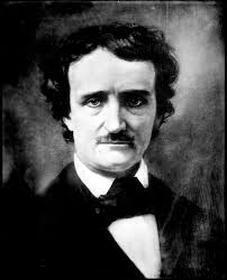 "All that we see or seem is but a dream within a dream”
So ends the first verse of Poe’s poem, A Dream Within A Dream. Edgar Allan Poe stands, rightly, as one of the giants of Gothic horror. I have read his short stories and poems since I was a young child. Evocative, isn’t it? Not what you’d expect from a horror writer at all.
As with my other Gothic influences, such as M.R. James and Mary Shelley, Poe has brought something unique to his chosen genre. The special darkness of his atmospheres, the brooding architecture, hiding sinister secrets, about to trap the unwary.
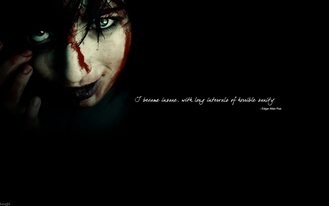 Poe was a master of the imaginative mystery tale. He gave birth to the modern detective story, influencing later craftsmen of the genre such as Arthur Conan Doyle with his ability to twist and turn the reader around a corkscrew of possibilities, before landing him/her - uncomfortably in many cases - at the end. Putting the lights out wasn’t an option while a tale of his buzzed around your head.
Who was this master storyteller?
Edgar Allan Poe was born on 19th January 1809 in Boston, Massachusetts. He grew up barely knowing his parents, following his father’s departure and his mother’s death when he was only three years old. Poe and his siblings were separated and fostered. Edgar gained the name Allan from the couple who brought him up – John and Frances Allan, of Richmond, Virginia. John Allan was a successful tobacco merchant and Edgar went to university, although, lacking funds, he took to gambling to try and earn some money. Instead, he fell into debt and, as if that wasn’t bad enough, his fiancée, Elmira Royster, broke his heart by marrying another. Poe left home and started writing.
His first book, Tamarlane and Other Poems, was published in 1827, but Poe had ideas of entering the military and gained a place at West Point. For reasons which have been lost down the years, he left abruptly after a year. Poor handling of his duties has been cited and there may even have been a court martial. Either way, at about this time Poe had a major falling out with John Allan and severed all connections – save for his name – with him.
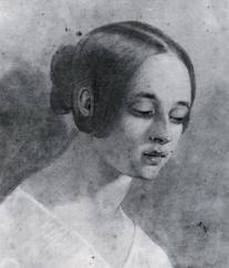 Poe now became a full time writer, but his personal life continued to be controversial. During the years 1831-35, while staying with his aunt, Maria Clemm, he fell in love with her daughter, his young cousin, Virginia. Despite being only thirteen or fourteen years old, Virginia married Edgar, became his literary inspiration and accompanied him as he searched for both a professional and personal home. While working as a critic in Richmond, Poe wrote his only published novel – The Narrative of Arthur Gordon Pym. At around this time, Poe also began a lifelong battle with alcohol and found it difficult to hold down a paying job. His aggressive reviewing style put paid to his position as critic at the Southern Literary Messenger, and two more short-lived newspaper jobs followed.
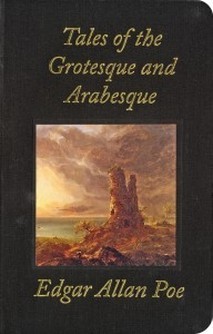 With all his woes, Poe kept on writing. His subjects became darker, more chilling, and his next work – Tales of the Grotesque and Arabesque – published in two volumes, was a collection featuring some of his most famous short stories. Ligeia, William Wilson, The Fall of the House of Usher are all to be found here.
1841 saw the publication of The Murders in the Rue Morgue and, in 1843, he won a prize for The Gold Bug.
Then, in 1845, came fame and plaudits for his poem, The Raven , hailed as one of the great works of American literature. Death and loss are its themes – and no one does them better than Poe. But, sadly, his moment of glory was sullied by his scathing attack on fellow poet Henry Wordsworth Longfellow whom he accused of being a plagiarist. Not one of Poe’s wisest decisions, as Longfellow was widely loved and respected. Poe suffered the backlash, but continued to write and, while he never achieved financial success, the quality of his work stands testament to his abilities as a writer.
In 1847, Virginia died and left Poe devastated. He never recovered and was found in Baltimore on October 3rd 1849, in great distress - possibly drunk or possibly suffering from some serious ailment. He died in Washington College Hospital four days later, allegedly as a result of “congestion of the brain”. Over the years, his death has become one of his greatest mysteries. Theories both plausible and implausible, ranging from a brain tumour, to rabies, and carbon monoxide poisoning have been mooted.
Poe’s obituary was unfortunately written by someone else who had fallen foul of the author’s acerbic pen – Rufus Griswold – who decided to even the score with his old adversary by penning accounts of his drunkenness, womanising and debauchery.
 Edgar Allan Poe’s reported last words were, ‘Lord help my poor soul.’ Surely words that could easily have come straight out of the mouth of his creation, Roderick Usher.
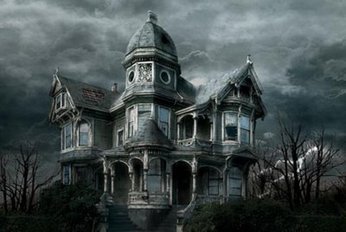
I love Poe for his ability to imbue a house with pure evil and create the quintessential gothic atmosphere. Maybe it’s all because of him that I do actually believe buildings can absorb the echoes of tumultuous past events and cause them to manifest in chilling and frightening ways…
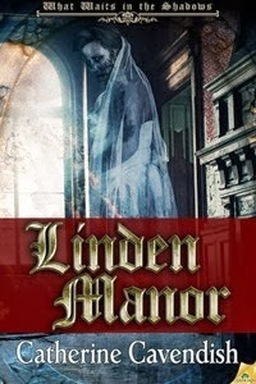 Now, here’s a flavour of Linden Manor:
Have you ever been so scared your soul left your body?
All her life, Lesley Carpenter has been haunted by a gruesome nursery rhyme—“The Scottish Bride”—sung to her by her great grandmother. To find out more about its origins, Lesley visits the mysterious Isobel Warrender, the current hereditary owner of Linden Manor, a grand house with centuries of murky history surrounding it.
But her visit transforms into a nightmare when Lesley sees the ghost of the Scottish bride herself, a sight that, according to the rhyme, means certain death. The secrets of the house slowly reveal themselves to Lesley, terrible secrets of murder, evil and a curse that soaks the very earth on which Linden Manor now stands. But Linden Manor has saved its most chilling secret for last.
Linden Manor is available from:
Amazon.com
Amazon.co.uk
Amazon.ca
Amazon.com.au
Kobo
B&N
About the author
Catherine Cavendish lives with a longsuffering husband and mildly eccentric tortoiseshell cat in North Wales. Her home is in a building dating back to the mid 18th century which is haunted by a friendly ghost, who announces her presence by footsteps, switching lights on and strange phenomena involving the washing machine and the TV.
When not slaving over a hot computer, she enjoys wandering around Neolithic stone circles and visiting old haunted houses.
www.catherinecavendish.com
https://www.facebook.com/CatherineCavendishWriter?ref=hl
http://www.goodreads.com/author/show/4961171.Catherine_Cavendish
http://twitter.com/#!/cat_cavendish
 COMING SOON!
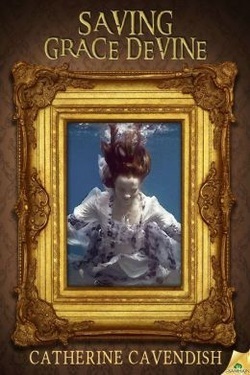
Catherine's next release, Saving Grace Devine, is now available to pre-order from Amazon:
Amazon.com
Amazon.co.uk
SAVING GRACE DEVINE
Can the living help the dead...and at what cost?
When Alex Fletcher finds a painting of a drowned girl, she’s unnerved. When the girl in the painting opens her eyes, she is terrified. And when the girl appears to her as an apparition and begs her for help, Alex can’t refuse.
But as she digs further into Grace’s past, she is embroiled in supernatural forces she cannot control, and a timeslip back to 1912 brings her face to face with the man who killed Grace and the demonic spirit of his long-dead mother. With such nightmarish forces stacked against her, Alex’s options are few. Somehow she must save Grace, but to do so, she must pay an unimaginable price.
"All that we see or seem is but a dream within a dream”So ends the first verse of Poe’s poem, A Dream Within A Dream. Edgar Allan Poe stands, rightly, as one of the giants of Gothic horror. I have read his short stories and poems since I was a young child. Evocative, isn’t it? Not what you’d expect from a horror writer at all.
As with my other Gothic influences, such as M.R. James and Mary Shelley, Poe has brought something unique to his chosen genre. The special darkness of his atmospheres, the brooding architecture, hiding sinister secrets, about to trap the unwary.
Poe was a master of the imaginative mystery tale. He gave birth to the modern detective story, influencing later craftsmen of the genre such as Arthur Conan Doyle with his ability to twist and turn the reader around a corkscrew of possibilities, before landing him/her - uncomfortably in many cases - at the end. Putting the lights out wasn’t an option while a tale of his buzzed around your head.Who was this master storyteller?
Edgar Allan Poe was born on 19th January 1809 in Boston, Massachusetts. He grew up barely knowing his parents, following his father’s departure and his mother’s death when he was only three years old. Poe and his siblings were separated and fostered. Edgar gained the name Allan from the couple who brought him up – John and Frances Allan, of Richmond, Virginia. John Allan was a successful tobacco merchant and Edgar went to university, although, lacking funds, he took to gambling to try and earn some money. Instead, he fell into debt and, as if that wasn’t bad enough, his fiancée, Elmira Royster, broke his heart by marrying another. Poe left home and started writing.
His first book, Tamarlane and Other Poems, was published in 1827, but Poe had ideas of entering the military and gained a place at West Point. For reasons which have been lost down the years, he left abruptly after a year. Poor handling of his duties has been cited and there may even have been a court martial. Either way, at about this time Poe had a major falling out with John Allan and severed all connections – save for his name – with him.
Poe now became a full time writer, but his personal life continued to be controversial. During the years 1831-35, while staying with his aunt, Maria Clemm, he fell in love with her daughter, his young cousin, Virginia. Despite being only thirteen or fourteen years old, Virginia married Edgar, became his literary inspiration and accompanied him as he searched for both a professional and personal home. While working as a critic in Richmond, Poe wrote his only published novel – The Narrative of Arthur Gordon Pym. At around this time, Poe also began a lifelong battle with alcohol and found it difficult to hold down a paying job. His aggressive reviewing style put paid to his position as critic at the Southern Literary Messenger, and two more short-lived newspaper jobs followed.
With all his woes, Poe kept on writing. His subjects became darker, more chilling, and his next work – Tales of the Grotesque and Arabesque – published in two volumes, was a collection featuring some of his most famous short stories. Ligeia, William Wilson, The Fall of the House of Usher are all to be found here.1841 saw the publication of The Murders in the Rue Morgue and, in 1843, he won a prize for The Gold Bug.
Then, in 1845, came fame and plaudits for his poem, The Raven , hailed as one of the great works of American literature. Death and loss are its themes – and no one does them better than Poe. But, sadly, his moment of glory was sullied by his scathing attack on fellow poet Henry Wordsworth Longfellow whom he accused of being a plagiarist. Not one of Poe’s wisest decisions, as Longfellow was widely loved and respected. Poe suffered the backlash, but continued to write and, while he never achieved financial success, the quality of his work stands testament to his abilities as a writer.
In 1847, Virginia died and left Poe devastated. He never recovered and was found in Baltimore on October 3rd 1849, in great distress - possibly drunk or possibly suffering from some serious ailment. He died in Washington College Hospital four days later, allegedly as a result of “congestion of the brain”. Over the years, his death has become one of his greatest mysteries. Theories both plausible and implausible, ranging from a brain tumour, to rabies, and carbon monoxide poisoning have been mooted.
Poe’s obituary was unfortunately written by someone else who had fallen foul of the author’s acerbic pen – Rufus Griswold – who decided to even the score with his old adversary by penning accounts of his drunkenness, womanising and debauchery.
Edgar Allan Poe’s reported last words were, ‘Lord help my poor soul.’ Surely words that could easily have come straight out of the mouth of his creation, Roderick Usher.I love Poe for his ability to imbue a house with pure evil and create the quintessential gothic atmosphere. Maybe it’s all because of him that I do actually believe buildings can absorb the echoes of tumultuous past events and cause them to manifest in chilling and frightening ways…
Now, here’s a flavour of Linden Manor:Have you ever been so scared your soul left your body?
All her life, Lesley Carpenter has been haunted by a gruesome nursery rhyme—“The Scottish Bride”—sung to her by her great grandmother. To find out more about its origins, Lesley visits the mysterious Isobel Warrender, the current hereditary owner of Linden Manor, a grand house with centuries of murky history surrounding it.
But her visit transforms into a nightmare when Lesley sees the ghost of the Scottish bride herself, a sight that, according to the rhyme, means certain death. The secrets of the house slowly reveal themselves to Lesley, terrible secrets of murder, evil and a curse that soaks the very earth on which Linden Manor now stands. But Linden Manor has saved its most chilling secret for last.
Linden Manor is available from:
Amazon.com
Amazon.co.uk
Amazon.ca
Amazon.com.au
Kobo
B&N
About the author
Catherine Cavendish lives with a longsuffering husband and mildly eccentric tortoiseshell cat in North Wales. Her home is in a building dating back to the mid 18th century which is haunted by a friendly ghost, who announces her presence by footsteps, switching lights on and strange phenomena involving the washing machine and the TV.
When not slaving over a hot computer, she enjoys wandering around Neolithic stone circles and visiting old haunted houses.
www.catherinecavendish.com
https://www.facebook.com/CatherineCavendishWriter?ref=hl
http://www.goodreads.com/author/show/4961171.Catherine_Cavendish
http://twitter.com/#!/cat_cavendish
COMING SOON!Catherine's next release, Saving Grace Devine, is now available to pre-order from Amazon:
Amazon.com
Amazon.co.uk
SAVING GRACE DEVINE
Can the living help the dead...and at what cost?
When Alex Fletcher finds a painting of a drowned girl, she’s unnerved. When the girl in the painting opens her eyes, she is terrified. And when the girl appears to her as an apparition and begs her for help, Alex can’t refuse.
But as she digs further into Grace’s past, she is embroiled in supernatural forces she cannot control, and a timeslip back to 1912 brings her face to face with the man who killed Grace and the demonic spirit of his long-dead mother. With such nightmarish forces stacked against her, Alex’s options are few. Somehow she must save Grace, but to do so, she must pay an unimaginable price.
January 1, 2014
Dreaming, Not Sleeping ~ 2014
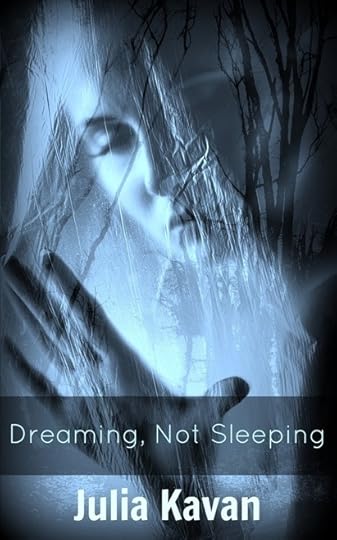 Click to view on Amazon Dreaming, Not Sleeping was first published almost 3 years ago. When I discovered the rights to the story had reverted to me I pondered what to do with it - whether to stick Dreaming back under the bed to gather dust, as I almost did when I first wrote it (until someone kept telling me to get on with it and submit it), or put the story back out there. After all it is just a short story...however, I've chosen the latter, making no changes other than the cover - despite wishes from fans of the story for it to be longer - a story should only be as long as it needs to be (and...always leave them wanting more :-) ), Dreaming, Not Sleeping is a short, sweet, and sinful nightmare...I hope.
Excerpt:
So, I'm here. There's no turning back.
A few steps farther off the path and I will be consumed by the dark. A few steps farther and I will be embraced by the forest, wrapped in the musty smell of decay, held in its damp caress. A few steps farther and I will be lost forever.
Fallen twigs snap beneath my feet. Leaves whisper conspiratorially as I brush past. Twisted branches snatch at my face, scratch my cheek, draw blood. I press my fingers first against the wound, then against my lips, tasting the ferrous stain on my skin. I can hear my own breathing, my own heartbeat, over the wind whipping through the canopy of trees above me.
Not long now and I'll see him. Not long now and I'll be held softly in his arms and loved in a way I have only briefly tasted but often imagined
If you are an Amazon Prime member, you can read Dreaming for free.
Dreaming, Not Sleeping is available to buy from Amazon US, Amazon UK, Amazon AU, Amazon DE & all the EU stores,
December 1, 2013
Well and Truly Massacred
I've been quieter than usual...much quieter. Anyone would think I've been plotting and planning something. Well...I have - along with horror writer Steve Emmett. Today sees the launch of the first issue of Massacre Magazine - a collection of short stories, interviews, points of view and more. I am officially the Catcher of Souls and Steve is the Curator of Concepts. We also have a Keeper of the Keys who stays hidden...even from me...I'll have to hunt him down...
We've met some great new writers over the last few months, and we're thrilled to finally unleash their stories on you. There's been blood (his), sweat (erm...his :-) ) and almost tears...(his), but we think it's been worth it - we hope you do too...
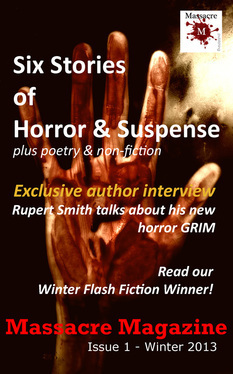 Open the pages of the first issue of Massacre Magazine and release a plague of darkness.
Nearly thirty thousand carefully crafted words from some of today’s most promising horror writers. Bestselling author Rupert Smith talks about his first horror novel, GRIM, and the importance of community in tales of the mysterious and macabre.
Matt Harrah asks Burning Questions in his flash fiction winner, and Jake Sheridan reveals what glides down mountains full of sin in his distinctive,The Voice.
Marc E Fitch rolls up his sleeves for a bit of Savage Work. Talking of savage work, we have two very different twists on The Ripper theme in Paul Holbrook’s short story, Chain Me Not in Heaven, and a poem from Anthony Crowley. Jake Swan provides a warning to the desperate in There Are Worse Things Than Loneliness. Steve Emmett (that's him ;-) ) takes us to the German countryside in Head of the House, a simmering and atmospheric tale of sweet revenge. Sailing holidays will never be the same once you’ve visited Julia Kavan’s (that's me - :-) ) Safe Harbour, where reality and nightmare lap at the shore. Winter wouldn’t be complete without a Christmas story, but in Demon Darkling author Dana Wright provides more red than Santa’s suit.
Our non-fiction contribution comes from Tracy Kuhn who takes exception to the theory that Horror is for Boys.
We also run flash fiction competitions and are always looking for adult horror that pushes the boundaries. You can find all the information on the website and sign up for the free newsletter: http://massacrepublishing.com/
If you'd like to know more pop over to Catherine Cavendish's blog where we are having one of our usual ...erm...friendly...chats.
Massacre Magazine is available for Kindle now from Amazon and will soon be in a print version and available from other retailers. Follow the website and get the newsletter to keep up to date.
Buy Massacre Magazine now from all the Amazons, including Amazon US and Amazon UK. Go on... buy it...or else :-)
We've met some great new writers over the last few months, and we're thrilled to finally unleash their stories on you. There's been blood (his), sweat (erm...his :-) ) and almost tears...(his), but we think it's been worth it - we hope you do too...
Open the pages of the first issue of Massacre Magazine and release a plague of darkness. Nearly thirty thousand carefully crafted words from some of today’s most promising horror writers. Bestselling author Rupert Smith talks about his first horror novel, GRIM, and the importance of community in tales of the mysterious and macabre.
Matt Harrah asks Burning Questions in his flash fiction winner, and Jake Sheridan reveals what glides down mountains full of sin in his distinctive,The Voice.
Marc E Fitch rolls up his sleeves for a bit of Savage Work. Talking of savage work, we have two very different twists on The Ripper theme in Paul Holbrook’s short story, Chain Me Not in Heaven, and a poem from Anthony Crowley. Jake Swan provides a warning to the desperate in There Are Worse Things Than Loneliness. Steve Emmett (that's him ;-) ) takes us to the German countryside in Head of the House, a simmering and atmospheric tale of sweet revenge. Sailing holidays will never be the same once you’ve visited Julia Kavan’s (that's me - :-) ) Safe Harbour, where reality and nightmare lap at the shore. Winter wouldn’t be complete without a Christmas story, but in Demon Darkling author Dana Wright provides more red than Santa’s suit.
Our non-fiction contribution comes from Tracy Kuhn who takes exception to the theory that Horror is for Boys.
We also run flash fiction competitions and are always looking for adult horror that pushes the boundaries. You can find all the information on the website and sign up for the free newsletter: http://massacrepublishing.com/
If you'd like to know more pop over to Catherine Cavendish's blog where we are having one of our usual ...erm...friendly...chats.
Massacre Magazine is available for Kindle now from Amazon and will soon be in a print version and available from other retailers. Follow the website and get the newsletter to keep up to date.
Buy Massacre Magazine now from all the Amazons, including Amazon US and Amazon UK. Go on... buy it...or else :-)
October 2, 2013
A Stairway to He...?
It’s the horror writer’s favourite time of year. Halloween lurks just around the corner, and we invite you to leap out of the shadows and scare us witless. I’ve joined evil forces with horror writer Steve Emmett (author of Diavolino and Kid) to give you the chance to make our Halloween.
We’re running a short story contest during October, in the hope of finding some fabulously frightening fiction. Of course, we may be evil but we’re not totally wicked - this isn’t just for our own dark amusement! Whoever manages to come up with a tale that makes us quake and queasy will win a £20/$30 Amazon gift card.
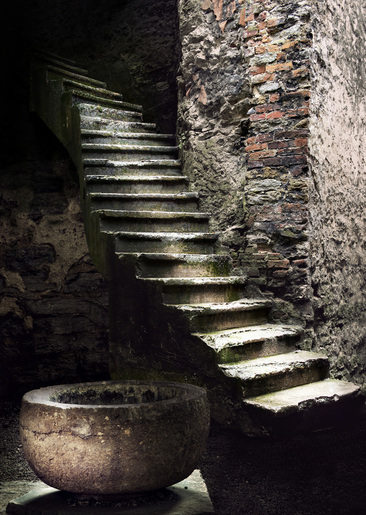
Study the image below. Peer into the shadows, look up into the darkness and down into the light. What tales lurk there, waiting to be told?
 Stories can be as short as you like and up to 3000 words in length. Please format your work with double line spacing and attach it to your email as a .doc, .docx or .rtf file. Entries must arrive before midnight (GMT) on October 31st 2013. Send your entries to juliakavan@gmail.com, with HALLOWEEN CONTEST in the subject line. The winning story will be announced on 1st November* and published on both our websites if the winner permits.
www.juliakavan.com
http://steve-emmett.com
*Subject to volume of submissions!
Get writing!
JK
We’re running a short story contest during October, in the hope of finding some fabulously frightening fiction. Of course, we may be evil but we’re not totally wicked - this isn’t just for our own dark amusement! Whoever manages to come up with a tale that makes us quake and queasy will win a £20/$30 Amazon gift card.
Study the image below. Peer into the shadows, look up into the darkness and down into the light. What tales lurk there, waiting to be told?
Stories can be as short as you like and up to 3000 words in length. Please format your work with double line spacing and attach it to your email as a .doc, .docx or .rtf file. Entries must arrive before midnight (GMT) on October 31st 2013. Send your entries to juliakavan@gmail.com, with HALLOWEEN CONTEST in the subject line. The winning story will be announced on 1st November* and published on both our websites if the winner permits.www.juliakavan.com
http://steve-emmett.com
*Subject to volume of submissions!
Get writing!
JK
May 21, 2013
Safe Harbour - Sanitarium Magazine

Today sees the publication of my short story Safe Harbour in Sanitarium horror magazine.
To find out more about Sanitarium, including where to purchase a copy, stop by their website: http://sanitariummagazine.com/sanitarium-magazine-issue-009-is-out-now/
My thanks to editor and founder of Sanitarium, Barry Skelhorn, for accepting Safe Harbour!
If you want to find out a little more about the background of Safe Harbour, my friend and fellow horror author Steve Emmett asked me to stop by his website and have a chat: http://wp.me/p1VXgP-nh
March 21, 2013
Dying to Live - Steve Emmett Guest Post
 When Julia asked me to write about zombies I had to stop and think. I rather enjoy the limelight and rarely turn down the opportunity of a guest appearance, but zombies? Those of you who are fans of the living dead may be surprised, may be horrified, to learn that zombies are my least favourite ghoul. But…
I recently watched the old film Zombie Flesh Eaters by Lucio Fulci and enjoyed it enormously. I blogged about it (sort of) and here’s the link in case you’re interested http://wp.me/p1VXgP-hM So, if I enjoyed that, I figured I could assemble a few words about the walking corpses. Anyway, I like to think that no subject can silence me.
There have been so many zombie films and books that I wonder if everyone who sees and reads them knows of the origins of the creatures. We become so familiar with certain ideas and characters that they can change imperceptibly over time to become something quite different from their original form. Like the vacuum cleaner became a hoover, and the ball point pen a biro (yes, I know it’s as feeble as a resurrected double amputee corpse in a flooded graveyard but you see what I mean). The Oxford English Dictionary defines a zombie thus:
“a corpse said to be revived by witchcraft, especially in certain African and Caribbean religions.”
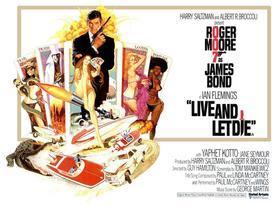
The term, and I therefore assume the zombies too, originated in 19th century Africa. From there zombification spread to the Caribbean – notably Haiti – and the southern states of North America. Fans of James Bond will remember the captivating Voodoo man in the 1973 film Live and Let Die.

What’s interesting about zombification as part of a religion is the way it exists quite happily in two forms – the rational and the magical. Some believe that the bokor (the voodoo magician/witch/sorcerer) subdues a living being with poison extracted from puffer fish. The poison causes the drinker to appear dead, at which point he (or she) is buried.

Later, presumably at dead of night, the bokor returns and exhumes the ‘corpse’. With the administration of various drugs that keep the ‘corpse’ in a detached state of mind, the bokor forces his victim to do his bidding. It is a scenario that I reckon could be applied to any tale of resurrection but I’m not expecting an announcement from Pope Francis any time soon! The magical version is preferred by some followers of voodoo, setting them clearly alongside the more mainstream Christian believers: in this case, the bokor raises the corpse from the dead when the soul has departed. Thus we have the scary zombie, the empty, animated corpse which is no more the person it resembles. But when did zombies enter the public arena?
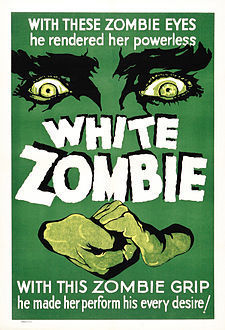
The 1932 film, White Zombie, directed by Victor Halperin and starring Bela Lugosi, is credited with making zombie a household word. White Zombie is the story of a young woman turned into a zombie by an evil voodoo master (no prizes for guessing what part Lugosi played).
Since then, despite the film being a bit of a flop at the time, we have had zombies galore. Undoubtedly, the film maker most known for the genre is George A Romero whose 1968 Night Of The Living Dead is a cult classic, but I for one prefer the Italian films. Zombie Flesh Eaters, mentioned earlier, is a gore-soaked, badly acted work of genius from Fulci, but he is just one of many masters of the art to come out of Italy. Look up Mario Bava, Umberto Lenzi, Joe d’Amato, Michele Soavi and Andrea Bianchi.
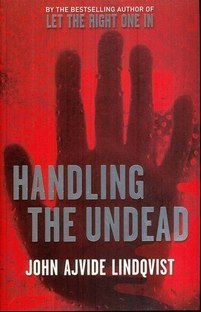
Enough of films, I hear you say, this man is a writer. What about books? Well, I hang my head in shame. I can remember reading only one zombie novel, and that was recently, the excellent Handling the Undead by one of my favourite contemporary horrorists, John Ajvide Lindqvist. The book has had some very mixed reviews, but I loved it. I liked the fact that Lindqvist’s zombies are not your typical crazed flesh eaters. I see a film is due out soon and I’ll be eager to find out if it’s as good as the book.
There are, of course, other types of zombies – philosophical zombies for example. That would make an interesting discussion, but not here I think. Right now we need to get to the nitty gritty. Why did Julia ask me to write about zombies? If you follow my blog and my guest appearances, you might have worked out that I like to wheedle my way round to mentioning my own work. And this is no exception. In my recently released booklet, The A-Z of Understanding Italians, I close with:
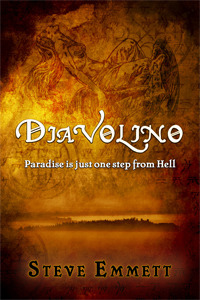
“Z is for Zombie. Not that I’m suggesting you’ll actually meet any on your travels around Italy. It’s just another sneaky way of mentioning the Italian masters of horror – so ending this little book with two cheeky segues into my real writing world (plug for Diavolino and my upcoming releases).”
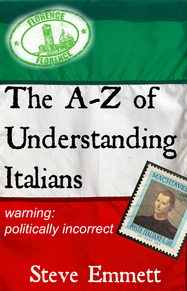
I left Italy in 2009. This means I’ve been in the middle of the Yorkshire countryside for over three years. At times it feels as if I am living with the undead, or maybe dying with the living dead. The place is so quiet we could die in the night and not be found for months – maybe three years (wink, wink). The weather is depressing. No wonder I put my fingers to the keyboard and wrote that humorous little celebration of my former neighbours. You can buy it from Amazon.
Now, if you’ll excuse me, it’s getting dark and I need to nail the floorboards back over the windows.
My thanks to Steve for today's post.
You can find out more about him here:
Website: http://steve-emmett.com/
Twitter: https://twitter.com/chukkie58
Facebook: https://www.facebook.com/SteveEmmettAuthor
March 20, 2013
James Herbert - Thanks for the Nightmares

Sad to hear of the passing of James Herbert today. The Fog was one of the first horror novels I read... and I loved it... and I wanted to do THAT one day...
Thanks for the nightmares...and for the inspiration.
JK
February 9, 2013
The Second Wife - Catherine Cavendish
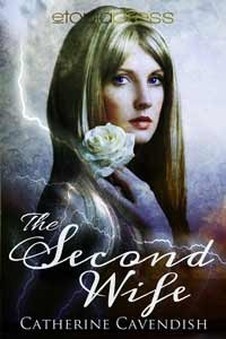 Hi - today I'm handing my blog over to author and friend Catherine Cavendish!
Second Time Around – Can Be Deadly!
My new novella – The Second Wife – is, essentially, a scary ghost story. As its title implies, the story revolves around the frightening experiences of a newly married second wife Chrissie, her husband Joe, and his first wife Emily. The first two sentences of the story tells you what’s in store for Chrissie from that quarter:
‘Emily Marchant died on Valentine’s Day. If only she’d stayed dead, how different my life would have been.’
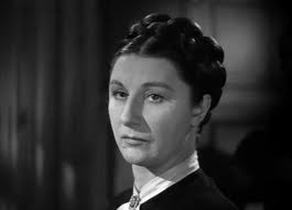 Chrissie’s harrowing tale is not the first time second wives have had a raw deal; in real life or in fiction. Starting with the latter, remember this famous first line from Daphne du Maurier’s unforgettable Rebecca? ‘Last night I dreamt I went to Manderley again’. Poor Mrs DeWinter, scared half to death by the glowering housekeeper, Mrs Danvers, who uses every type of psychological manipulation to undermine and frighten off the vulnerable bride. And Max DeWinter, her husband, hardly helps matters as he battles with his guilt over Rebecca’s death. As for Rebecca herself – well, in case you haven’t read the book, suffice it to say that she isn’t the saint Mrs Danvers would have you believe!
Not that second wives are all as innocent as Mrs DeWinter. Turning to history, we find one of the most notorious: Henry VIII’s second wife, Anne Boleyn. Blessed with a quick mind and a passionate nature, she is said to have ‘bewitched’ the King who was, at the time, married to Queen Catherine of Aragon. Some say she was a great beauty with her dark, flashing eyes and gleaming chestnut hair. Others point to contemporary portraits of her which show her as rather plain. She was certainly far from the pale, blonde ideal of womanly perfection so highly prized in Tudor times.
Then there are the fabled imperfections, such as the ‘wart’ on her neck and the ‘extra’ finger – both of which she artfully concealed through cleverly designed necklaces and sleeves.
 Having fallen headlong in love (or more likely – lust - with her), Henry divorced his Queen and married Anne but then, not three years later, the old rogue found it rather convenient to accuse her of witchcraft, when she failed to provide him with the promised son.
 These accusations were usurped by the far greater one of treason. Anne, it was alleged, had committed adultery with a number of lovers – including her own brother. She was beheaded – by a French swordsman – on 19th May 1536. Her predecessor, who had been so unceremoniously cast aside, had died just four months earlier. Anne is said to haunt a number of locations including Hever Castle and Rochford in Kent where she lived, the Tower of London where she was beheaded, Windsor Castle and the church of St Peter ad Vincula where she is buried. Henry gained no real measure of happiness. His next wife died following childbirth, his fourth marriage was most likely never consummated, his fifth wife also preferred the company of other men and paid for it with her life and only Katharine Parr, his sixth wife, seems to have afforded him any real companionship. By then, he was sick and almost certainly impotent anyway!
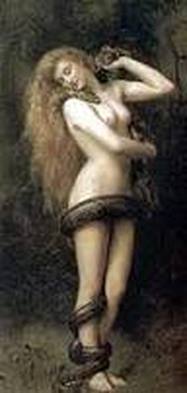
Finally, ancient tradition has it that Eve was not Adam’s real first wife. According to a number of sources, including the Babylonian Talmud and Jewish mythological tradition, God created Adam and a woman called Lilith to be his equal. She was created, like him, from the dust of the earth. But Lilith proved headstrong and willful. She wasn’t going to be Adam’s inferior and obey his orders. Not only that, she refused to return to the Garden of Eden after mating with the Archangel Sameal. From then on, she went off to become a she-demon, leading husbands astray from their wives and killing their children. Over time, Lilith was blamed for everything from turning wine sour to rendering men impotent and women barren.
All Adam’s second wife Eve did was eat the wrong type of apple! Of course, there is the little matter of original sin…
So there we have it. Being a second wife can be a pretty scary affair – but being the first wife isn’t all strawberries and cream either. I’ll just bet recently disgraced British politician Chris Huhne wishes he had been a little nicer to his first wife!
The Second Wife is available now from:
Amazon.com
Amazon.ca
Amazon.co.uk
Barnes and Noble
Kobo
You can find Cat here:
www.catherinecavendish.com
http://www.facebook.com/CatherineCavendish
www.goodreads.com as Catherine Cavendish
http://twitter.com/#!/cat_cavendish