Bill Canady's Blog
October 5, 2026
The Profitable Growth Operating System for Mid-Market EBITDA Expansion
Bill Canady’s Profitable Growth Operating System (PGOS) gives mid-market CEOs, operating partners, and PE sponsors a four-discipline framework built on the 80/20 principle to expand EBITDA, simplify operations, and build durable enterprise value through Operational Excellence Frameworks for Mid-Market EBITDA Growth. Leadership teams move from insight to execution, targeting measurable margin gains instead of chasing revenue alone.
By adopting a profitable growth operating system, organizations can focus on sustainable strategies that lead to long-term success.
Key TakeawaysPGOS turns complexity into profit for middle-market CEOs without adding organizational chaos.The Rule of Three framework eliminates CEO bottlenecks by aligning teams for execution.80/20 leadership expands margins by concentrating on vital few customers and products.Durable margin comes from starving complexity, not from cutting costs indiscriminately.What Is the Profitable Growth Operating System?The Profitable Growth Operating System functions as a proven system for profitable growth, built by Bill Canady on the 80/20 principle. Middle-market leaders use the PGOS framework to grow earnings before interest, taxes, depreciation, and amortization while removing operational clutter that erodes margin. For portfolio companies pursuing mid market EBITDA expansion, the system offers a structured alternative to reactive cost-cutting or scattered growth initiatives.
Bill Canady built this approach on more than 30 years as a global business executive, leading organizations across industrial and consumer products and services. That operating history shapes a system designed for executives who need measurable EBITDA gains without the disruption that often accompanies transformation projects. The goal stays consistent: simplify the business and build durable enterprise value without adding chaos to daily operations.
How Does the PGOS Framework Structure Growth?The framework moves leadership teams through four disciplined phases, converting insight into execution rather than leaving strategy as theory. Each phase narrows focus so a company concentrates time, talent, and capital on the customers and products that actually drive profit.
The profitable growth operating system offers a unique approach to business optimization.
One benefit of implementing the profitable growth operating system is the ability to streamline processes.
Segment — Identify which customers, products, and markets generate disproportionate value.Simplify — Strip out complexity and low-value activity that dilutes management attention.Zero-Up — Rebuild cost and resource allocation from a clean baseline rather than last year’s budget.Grow — Direct capital and effort toward the vital few opportunities identified in Segment.The profitable growth operating system emphasizes the importance of focusing on core competencies.
This sequence positions the 80/20 business operating system as a repeatable discipline, not a one-time diagnostic. Operating partners evaluating a private equity value creation framework often compare candidates on whether they drive both margin and top-line growth simultaneously. PGOS addresses both by pairing focus with disciplined execution.
Sponsors and CEOs weighing this system against generic cost-reduction consulting should note the distinction: PGOS concentrates resources on already-profitable segments rather than cutting broadly across the business, a distinction that matters directly for portfolio hold-period returns.
 How Does the 80/20 Business Operating System Work?
The 80 20 business operating system works by forcing leadership teams to sort every customer, product, and process into two buckets: the vital few that drive profit, and the trivial many that drain it. For operating partners managing mid market ebitda expansion mandates, that sorting discipline replaces guesswork with a repeatable sequence.
To maximize impact, teams should align their efforts with the profitable growth operating system principles.
Investing in a profitable growth operating system can differentiate a company in a competitive landscape.
Four phases carry a company from insight to execution. Segment identifies which accounts and product lines actually generate margin. Simplify strips out the complexity surrounding those winners — redundant SKUs, underperforming channels, bloated overhead. Zero-Up resets cost structure around what remains. Grow reinvests freed capital and talent back into the profitable core. Together, these phases concentrate time, talent, and capital on the vital few drivers that move an EBITDA line, rather than spreading resources thin across a portfolio company’s entire catalog.
The profitable growth operating system provides a framework for identifying opportunities for improvement.
Organizations utilizing the profitable growth operating system can expect enhanced operational performance.
Implementing a profitable growth operating system requires commitment and collaboration across teams.
What role does leadership play in an EBITDA expansion engagement?Leadership alignment determines whether the framework sticks after diagnostic week one. Bill Canady’s approach centers on building aligned leadership teams and setting a single, clear vision for where margin actually lives. That vision then converts into measurable growth targets, disciplined cost management, and profitability gains a private equity sponsor can track quarter over quarter.
Is the 80/20 method a quick fix or a structured process?It runs as a structured process, not a one-time cost exercise. A companion resource, The 80/20 CEO: Take Command of Your Business in 100 Days, lays out a 100-day blueprint for focused, impactful leadership — sequencing decisions so a new CEO or operating partner doesn’t drown in simultaneous priorities.
For sponsors evaluating a private equity value creation framework, this sequencing matters more than any single tactic. The profitable growth operating system, delivered as the pgos framework, gives portfolio company leadership a shared playbook: segment the business, simplify what surrounds the winners, reset the cost base, then grow. With the same discipline applied at every hold-period review.
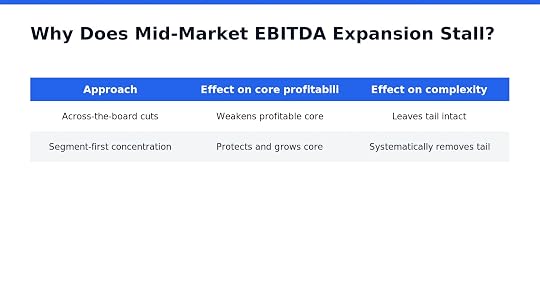 Why Does Mid-Market EBITDA Expansion Stall?
Mid-market EBITDA expansion stalls when leadership teams attack cost instead of concentration. The 80/20 Institute’s analysis found that across-the-board cost-cutting often weakens the profitable core along with the unprofitable tail it was meant to fix. Blunt reductions punish the customers and products generating real margin just as hard as the ones draining it. That’s the trap most sponsors and operating partners fall into during a squeeze on returns.
The pressure driving this mistake is structural, not accidental. A broad corporate push toward “doing more with less” pushes leaders toward blanket cuts across every function, every SKU, every account. That instinct feels disciplined. It isn’t — it’s a shortcut that avoids the harder work of segmentation.
What actually drains EBITDA in a mid-market portfolio?In most businesses, roughly 20% of customers and products carry nearly all the earnings. The remaining a notable share forms a long tail of low-value activity that quietly consumes cost, attention, and capital without ever showing up as a line-item villain. This is the diagnostic gap a mid market ebitda expansion effort has to close before any cutting begins.
ApproachEffect on core profitabilityEffect on complexityAcross-the-board cutsWeakens profitable coreLeaves tail intactSegment-first concentrationProtects and grows coreSystematically removes tailEmbracing the profitable growth operating system leads to a more focused and efficient enterprise.
To maximize the impact of the profitable growth operating system, continuous learning is essential.
Why doesn’t cost-cutting fix the real problem?Cost-cutting treats every dollar of spend as equally guilty. It ignores which 20% of the business actually funds growth. Sponsors who skip segmentation end up shrinking margin twice. Once from the cut, once from the lost focus on what was working.
 Can You Expand Margin Without Cutting Costs?
Yes. Durable margin expansion comes from concentration, not from across-the-board reduction. Bill Canady challenges the cost-cutting reflex that dominates most turnaround playbooks, arguing that the vital few customers and products deserve the resources. While the complexity surrounding them quietly drains profit. For CEOs and operating partners weighing a mid market ebitda expansion strategy, that distinction changes where the work starts.
The principles of the profitable growth operating system promote efficiency across all departments.
Stakeholders should familiarize themselves with the profitable growth operating system to harness its full potential.
Cost-cutting spreads pain evenly across the business. Concentration does the opposite: it protects what already works. The 80/20 Institute makes this argument directly, positioning margin growth as a function of focus rather than austerity. A small share of customers and products already generates most of the profit. Management’s job is to feed that share deliberately.
What Does “Starving Complexity” Actually Mean?The profitable growth operating system aligns well with modern business practices focused on value creation.
Starving complexity means withdrawing investment, SKUs, and management attention from low-value activity that erodes the profitable core. It does not mean layoffs across every department. Complexity accumulates quietly — extra product variants, marginal accounts, redundant processes — and each layer taxes margin without anyone noticing until EBITDA stalls.
Where Do Operating Partners Start This Work?Operating partners start by mapping revenue and profit contribution across the customer. Product base, then acting on what the data shows.
Identify the small segment generating disproportionate profitRedirect capital and talent toward that segmentRetire or reprice the complexity draining margin elsewhereBill Canady’s approach teaches leaders to strip out complexity, reduce cost only where it serves focus, and unlock profit already trapped inside the business. That sequencing — concentrate first, cut second — separates a private equity value creation framework built for compounding EBITDA from a one-time cost exercise that erodes enterprise value over time.
What Does a Private Equity Value Creation Framework Require?A private equity value creation framework requires leadership discipline, portfolio-wide standardization, and a repeatable path to margin expansion. Not isolated cost cuts. Operating partners overseeing mid market EBITDA expansion need a system that works across industrial platforms, distribution networks, and international operations alike. Sponsors rarely hold single-market, single-product companies.
Bill Canady built this discipline through decades spanning public, private, and private equity-backed companies across international markets. That range matters for sponsors: a framework tested only in one sector rarely survives contact with a diversified portfolio. Bill Canady serves as CEO of Arrowhead Engineered Products and has previously held leadership roles in other organizations. That combined experience spans organizations with substantial combined revenue and thousands of employees. Scale that mirrors the complexity most mid-market sponsors are trying to simplify.
The profitable growth operating system encourages a shift toward data-driven decision-making.
Ultimately, the profitable growth operating system leads to a more resilient and adaptable business model.
For best results, align all stakeholders with the goals outlined in the profitable growth operating system.
What should sponsors look for in an EBITDA-focused operating framework?Sponsors should demand a framework built for scale, not slides. The right approach gives leadership teams tools to triple equity value within a three-year hold, translating strategy into measurable margin gains rather than aspirational targets.
A credible framework typically delivers:
Standardized diagnostics that expose which customers, products, and plants actually drive profitA common operating language across multiple portfolio companiesLeadership accountability tied directly to EBITDA milestones, not activity metricsProven application across public, private, and sponsor-backed structuresThe profitable growth operating system can help businesses navigate challenges and foster resilience.
The journey to mastering the profitable growth operating system begins with a comprehensive understanding of its tenets.
RequirementWhy It Matters to SponsorsCross-market experienceValidates the model across industrial and international operationsScalable governanceSupports portfolios exceeding billions in combined revenueEquity-value orientationTies execution to a three-year value-creation horizonSponsors evaluating any 80/20 business operating system should weigh whether the operator behind it has run organizations at comparable scale, not just consulted on them.
Organizations can achieve their goals more effectively with a committed approach to the profitable growth operating system.
How Should CEOs Choose an EBITDA Growth Framework?Selection criteria matter more than framework popularity. A mid-market CEO evaluating options for mid market ebitda expansion should weigh three factors: proof of results, structured execution steps, and fit with the leadership team’s current bandwidth. Frameworks built on documented outcomes deserve more weight than trend-driven playbooks. Bill Canady’s track record includes $3 billion in shareholder value created across three decades of industrial leadership, a figure that reflects sustained application rather than a single deal.
Execution discipline separates frameworks that work from frameworks that stall. The Rule of Three addresses a common failure point in private equity-backed companies: the CEO who becomes the bottleneck. This framework shows leaders how to align their teams. Drive execution without personally running every function, a distinction that matters once a portfolio company scales past founder-led operations.
Incorporating the profitable growth operating system within your strategy can enhance operational clarity.
Peer accountability also shapes framework selection. The 80/20 Institute Community gives CEOs and operators access to tools built around the 80 20 business operating system, designed to help leadership simplify, focus, and grow without adding organizational chaos. Structured community input catches blind spots that internal teams miss.
What makes a framework suitable for private equity-backed companies?A framework suited to a private equity value creation framework context needs measurable milestones tied to enterprise value, not just operational tidiness. “The 80/20 CEO” offers CEOs a structured method for applying the Pareto Principle across a 100-day window, giving sponsors a timeline to track.
Framework ComponentWhat to EvaluateExecution modelDoes it reduce CEO bottleneck?Peer supportAccess to operator community?Time horizonStructured, measurable phases?Track recordDocumented value creation?Leaders comparing options against the profitable growth operating system. Its underlying pgos framework, should test each candidate against these same four criteria before committing resources.
What Results Have Mid-Market Companies Achieved?Middle-market companies applying disciplined 80/20 business operating system principles have generated more than $3 billion in shareholder value. That figure spans three decades of P&L leadership across industrial and consumer sectors. For a Private Equity Sponsor evaluating mid-market EBITDA expansion, the track record matters more than the pitch.
More than 300 companies have been transformed through this system. That number represents a broad range of situations — turnarounds, carve-outs, add-on integrations, and organic growth pushes — not a single industry niche. Operating Partners often ask a version of the same question before committing to a framework.
How fast can EBITDA improve under this system?Companies applying the profitable growth operating system have typically seen first-year EBITDA gains of 20% to 40%. That range holds across varied starting conditions, which matters for boards weighing hold-period risk. A first-year elevator in that band changes the math on a three-to-five-year exit plan.
What experience backs the framework?The pgos framework rests on more than 30 years of direct P&L leadership, not theoretical modeling. Decision-makers evaluating a private equity value creation framework need proof it has run through real cycles. Expansions, downturns, and ownership changes alike.
ResultFigureShareholder value created$3 billion+Companies transformed300+Typical first-year EBITDA elevator20-40%P&L leadership experience behind the system30+ yearsFor CEOs and C-Suite Leaders comparing options, these figures set a baseline. A framework that has moved hundreds of companies through the same phases offers a different risk profile than an untested internal initiative.
How Do You Start Implementing PGOS?Implementation begins with a conversation, not a workbook. Middle-market leaders pursuing mid market EBITDA expansion gain the most traction when they treat the first step as diagnostic, not administrative. A structured call maps the gap between current performance and the enterprise value a private equity sponsor expects at exit. From there, the path into the profitable growth operating system takes shape around the specific complexity draining a given business.
What happens on that first call?Leaders define exactly what the business needs before committing to any framework. The conversation identifies where margin leaks, which segments matter, and how fast the team can execute. That clarity replaces a generic playbook with a sequence built for the company’s actual constraints.
Bill Canady built this approach on more than three decades leading industrial and consumer products organizations. That track record shapes a no-nonsense, results-oriented method for business transformation, one built on clarity and candor rather than theory. Operating partners evaluating a private equity value creation framework should expect the same discipline applied to their own portfolio companies.
Committing to a profitable growth operating system can transform an organization’s trajectory.
The profitable growth operating system serves as a foundational element for strategic initiatives.
Why not start with a book or a course instead?Books and courses explain principles; they rarely diagnose a specific business. Real implementation of the pgos framework requires a direct assessment of segments, cost structure, and execution capacity. Engagement starts where the conversation starts:
Assess current profitability by segment and product lineIdentify complexity that quietly erodes marginSequence execution before committing capital or headcountThat sequencing separates a working 80 20 business operating system from another shelved strategy document.
FAQWhat is the Profitable Growth Operating System?The profitable growth operating system fosters a culture of accountability among teams.
By integrating the profitable growth operating system into daily operations, organizations can expect measurable results.
Ultimately, the profitable growth operating system is about strategic alignment and focused growth.
PGOS is Bill Canady’s four-discipline framework, built on the 80/20 principle, that helps mid-market CEOs and PE sponsors expand EBITDA, simplify operations, and build durable enterprise value through measurable margin gains.
What are the four phases of the PGOS framework?The profitable growth operating system can be tailored to fit the unique needs of each organization.
The framework moves teams through Segment, Simplify, Zero-Up, and Grow—identifying high-value customers and products, removing complexity, rebuilding budgets from a clean baseline, and directing capital toward the vital few opportunities.
For impactful results, businesses must leverage the profitable growth operating system effectively.
How does PGOS differ from generic cost-reduction consulting?PGOS concentrates resources on already-profitable segments rather than cutting broadly across the business, a distinction that matters directly for portfolio hold-period returns and durable margin expansion.
ConclusionIn closing, the Profitable Growth Operating System transforms how mid-market leaders allocate resources and drive EBITDA expansion. By applying 80/20 discipline across operations, you eliminate the noise obscuring your most valuable opportunities. This framework demands clarity, candor, and relentless focus on what actually moves the needle. The leaders who implement it don’t just grow—they simplify their path to sustainable, profitable scale. Your competitive advantage lies not in complexity, but in the disciplined execution of what matters most.


September 4, 2026
Keynote Speaker Selection Guide: Finding the Right Business & Leadership Speaker

Selecting the right keynote speaker for your corporate event can significantly influence the success and engagement of your audience. In this guide, we will explore not only the criteria for selecting effective business and leadership speakers but also practical tips for assessing potential candidates.
A well-chosen speaker can address the specific needs of your audience while also driving home key messages aligned with your organizational goals. However, many event planners struggle to find the right fit, often overlooking critical selection criteria that could elevate their events.
This article will cover essential aspects such as selection criteria, tips for evaluating speakers, best practices for engagement, and how to navigate the booking process while examining the impact of the speaker’s expertise on organizational growth.
The process of keynote speaker selection is vital to the success of your event. Additionally, understanding the nuances of keynote speaker selection can empower you to make better decisions.
Refining Your Keynote Speaker Selection ProcessThe Significance of Keynote Speaker SelectionChoosing the right keynote speaker begins with establishing clear selection criteria. It’s crucial to outline these criteria based on the specific needs of your event and objectives. Consider the following key points:
Effective keynote speaker selection also entails recognizing the different styles and topics that resonate with your audience’s needs, which can be a game-changer in event planning.
Expertise and Experience: Verify the speaker’s knowledge, qualifications, and past speaking engagements to ensure they are capable of delivering valuable insights. For example, reviewing executive leadership books authored by the speaker can provide depth on their expertise.Relevance to Audience: The speaker must resonate with the audience’s interests and needs. It’s essential to understand the demographics and expectations of your attendees.Engagement Style: Evaluating how a speaker connects with the audience can determine their effectiveness. Look for speakers who are dynamic and skilled in engaging diverse groups.Moreover, the impact of the right keynote speaker selection is often reflected in the audience’s engagement and feedback. Therefore, it is crucial to consider how each potential speaker aligns with your goals.
By applying these criteria, you can narrow down your choices and focus on speakers who align with your event’s objectives. This systematic approach paves the way for identifying candidates that can significantly enhance the overall experience.
Tips for Assessing Potential SpeakersWhen evaluating potential speakers, gather thorough insight to make an informed decision. Here are practical tips to guide your assessment:
Breaking down long paragraphs into shorter ones enhances readability and keeps your audience engaged.
Review Past Engagements: Examine the speaker’s previous events and feedback to gauge their effectiveness and relevance.Request Sample Content: Ask for excerpts from their speeches or presentations to assess the quality and style.Check Credentials: Ensure the speaker has the required expertise and knowledge in the subject matter relevant to your event.Remember that the process of keynote speaker selection is not just about qualifications; it’s about finding a speaker who can connect and inspire your audience.
These targeted evaluation strategies provide a clear path to selecting a speaker who can deliver a compelling presentation that aligns with your audience’s expectations.
Best Practices for Engaging SpeakersEngaging a keynote speaker is not just about signing a contract. Implementing best practices during the engagement process can enhance the overall experience for both the speaker and the audience. Consider these strategies:
Clear Communication: Establish open lines of communication about objectives, expectations, and logistics with the speaker upfront.Collaborative Planning: Work with the speaker to align the content with your event7s agenda and goals, ensuring a cohesive experience.Promotional Support: Provide detailed support to promote the speaker7s involvement, which can generate more excitement and attendance. Including details about Bill Canady keynote speaking topics in promotional materials can enhance interest.These best practices not only facilitate a smooth engagement process but also ensure that the speaker feels valued and invested in your event.
What Defines a Business and Leadership Keynote Speaker?Ultimately, the effectiveness of your keynote speaker selection can set the tone for your entire event, making it pivotal to take this decision seriously.
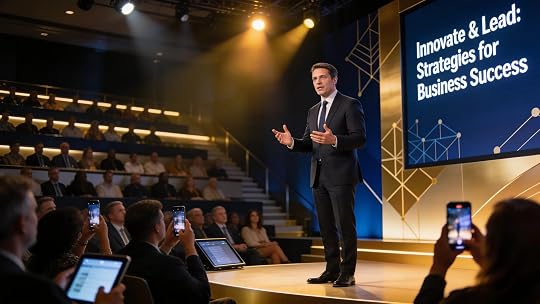
A business and leadership keynote speaker plays a significant role in shaping the perspectives of the audience. These speakers typically possess:
Expertise in Leadership or Business Growth: They should have a proven track record in their respective fields, providing experience-backed insights.Engaging Presentation Skills: A good keynote speaker knows how to capture and maintain audience attention and looks to inspire change.Relatable Experiences: Sharing real-world experiences makes their message more compelling and actionable for the audience.By understanding these defining attributes, event planners can seek speakers who will have a meaningful impact on their audience.
Which Leadership and Business Growth Topics Do Keynote Speakers Cover?To achieve the best results, it’s essential to approach the keynote speaker selection process with a comprehensive strategy that includes thorough research and evaluation of candidates.
Keynote speakers often revolve around various themes that are crucial to modern business paradigms. Some popular topics include:
The 80/20 Principle: Examining how focusing on essential tasks can yield significant results in business growth.Actionable Strategies: Providing practical approaches for overcoming challenges and achieving objectives.Transparency and Trust: Discussing the importance of open communication in fostering a culture of honesty and reliability.These topics resonate well with audiences seeking to improve their business strategies and leadership skills.
How Does Speaker Expertise Impact Organizational Growth?The expertise of a keynote speaker can profoundly influence organizational growth. Here’s how:
A speaker with a strong background in leadership can provide insights into Transformational Leadership, equipping the audience with strategies to advocate change within their enterprises. Their knowledge in Strategic Planning can help organizations align their long-term goals effectively. Moreover, a focus on Operational Excellence encourages teams to optimize processes for better efficiency.
Ultimately, an expert speaker not only enlightens but also empowers the audience to take actionable steps towards achieving their business goals. Engaging in follow-up efforts such as strategic business advisory can help translate insights into practical organizational growth.
Hence, having a structured approach to keynote speaker selection can significantly enhance your event’s impact and success.
In summary, a meticulous approach to keynote speaker selection is vital for hosting successful corporate events that resonate with attendees. The right keynote speaker selection can create lasting impressions and drive action among attendees, making it a crucial topic to address.
What Are the Essential Criteria for Selecting the Right Executive Speaker?
Identifying the right executive speaker involves several critical criteria. To ensure alignment and effectiveness, consider these aspects:
Evaluate Speaker Credentials: Examine their professional background and speaking history to ascertain their credibility.Assess Audience Fit: Determine whether the speaker’s style and message resonate with your audience demographics.Determine Speaking Style: Identify a speaker who possesses a dynamic and engaging delivery style that captivates the audience.These criteria can significantly impact the overall effectiveness of the keynote presentation.
Moreover, the right keynote speaker selection can create lasting impressions and drive action among attendees, making it a crucial topic to address.
How to Evaluate Speaker Credentials, Speaking Style, and Audience Fit?When assessing potential speakers, focus on their credentials, which can give you insights into their expertise. Moreover, watch their speaking style through recorded sessions or live sessions to gauge their ability to engage an audience effectively. Finally, consider how the speaker’s previous audience demographics match your expected attendees to ensure a good fit.
What Questions Should You Ask Business and Leadership Speakers Before Hiring?When integrating the concept of keynote speaker selection into your event planning, consider how it aligns with your broader strategic goals.
To ensure you select the best candidate for your event, consider asking potential speakers:
Inquire about customization: Can they tailor their message to suit your specific audience’s needs?Discuss audience engagement approaches: What methods do they use to involve the audience and keep them interested?These inquiries help to clarify expectations and ensure the selected speaker aligns with your event7s vision.
Mastering the Keynote Speaker Selection ProcessUnderstanding the booking process for a leadership speaker is essential for event planners. It involves:
First, establish clear expectations and logistics for the event. Then, inquire about typical speaker fees, which can vary based on experience, topic, and event type.
What Are Typical Leadership Speaker Fees and How Are They Structured?Leadership speaker fees can vary widely. Generally, these fees depend on factors such as:
Experience Level: Established speakers might command higher fees.Event Type: Corporate events may have different pricing compared to seminars or conferences.Duration: Fees can vary based on whether the speaker is booked for a keynote, workshop, or multiple sessions.Most speakers may offer a range of fees between $5,000 and $20,000 based on their profile and content requirements. It’s advisable to have open discussions about fees and expectations early in the process.
How to Book Executive Speakers Efficiently and Secure the Best Value?To optimize the booking process for executive speakers, follow these steps:
Identify key negotiation points: Know what aspects of the contract are flexible and which are non-negotiable.Understanding value for your budget: Consider the overall impact of the speaker7s message relative to the costs involved.Being informed and proactive can lead to securing a speaker that offers exceptional value while aligning with your event’s objectives.
Why Join a Speaker Community and How Can It Enhance Your Event Impact?Joining a speaker community can offer numerous benefits for organizers and businesses looking to enhance their events. These communities provide access to:
Networking Benefits: Connect with other professionals and leaders in your industry, building valuable relationships.Access to Resources: Acquire tools and materials that can assist in planning successful events.Insights on Best Practices: Learn from the experiences of others to improve your approach to selecting and engaging speakers.Participating in a speaker community can transform your event planning process, allowing for enriched engagement and outcomes.
What Are Proven Case Studies of Successful Business and Leadership Keynotes?Exploring case studies of successful keynotes can help underline the impact these presentations have. Here are some insightful components:
Detail Successful Examples: Showcase speakers who have transformed corporate cultures or improved team performance through their messages.Analyze Speaker Impact on Corporate Growth: Assess metrics such as post-event feedback and engagement levels to understand effectiveness.These case studies demonstrate how strategically chosen speakers can lead to measurable improvements in organizational dynamics.
How Have Keynote Speeches Influenced Corporate Growth and Culture?Keynote speeches can catalyze significant changes in corporate environments. For example, companies that have integrated keynotes focusing on team collaboration often witness a boost in productivity and morale, resulting in better overall business outcomes. Feedback from attendees showcases not only satisfaction but also practical applications of new strategies within their teams.
What Feedback Do Clients Give About Leadership Speaker Engagements?Client testimonials on leadership speaker engagements often highlight the value derived from the presentations. Many report high satisfaction ratings, with significant percentages noting improved team performance and engagement levels post-event. This positive impact emphasizes the importance of selecting the right speaker for corporate gatherings.
Which Corporate Keynote Topics Drive Measurable Business Growth and Employee Engagement?Identifying impactful corporate keynote topics is pivotal for event success. Some key themes that foster growth and engagement include:
Innovation and Adaptability: How companies can thrive in evolving market conditions.Employee Development: Focusing on training and growth opportunities to empower teams.Diversity and Inclusion: Discussing the business benefits of fostering diverse workplaces.These topics resonate strongly with contemporary business challenges and can significantly enhance employee engagement.
How Are Motivational Business Speakers Addressing Digital Transformation?By continually refining your keynote speaker selection criteria, you can ensure that your events evolve to meet the changing needs of your audience.
In summary, a meticulous approach to keynote speaker selection is vital for hosting successful corporate events that resonate with attendees.
Motivational business speakers are increasingly focusing on digital transformation, explaining how organizations can adapt to technological advancements. Topics often center on:
The Role of Technology: How to leverage digital tools and platforms for improved efficiency.Cultural Shifts: Encouraging organizations to embrace a culture of innovation and flexibility.These insights are essential for businesses seeking to remain competitive in a digitally driven landscape.
What Leadership Themes Enhance Team Performance and Organizational Excellence?Leadership themes significantly influence team performance. Effective leadership incorporates:
Visionary Leadership: Inspiring teams through a shared vision enhances their commitment to goals.Operational Efficiency: Identifying ways to streamline processes can lead to substantial performance improvements.By addressing these themes in presentations, speakers can inspire leaders to cultivate more effective and engaged teams.
August 24, 2026
Operational Excellence Frameworks for Mid-Market EBITDA Growth: Proven Strategies for Private Equity Value Creation and Scaling
In the competitive landscape of mid-market companies, the quest for elevated earnings before interest, taxes, depreciation, and amortization (EBITDA) is a prevailing priority. Operational excellence frameworks mid market serve as potent catalysts in this endeavor, equipping organizations with structured methodologies to enhance performance, streamline processes, and ultimately drive profitability. This article delves into the core strategies that underlie these operational excellence frameworks mid market, showcasing how they can empower mid-market CEOs and executives to accelerate EBITDA growth. We will explore key financial metrics, the impact of operational efficiency, and actionable steps to implement transformational changes within organizations. By the end, readers will gain insights into technologies, tools, and frameworks that facilitate effective leadership and operational scalability.
What Drives EBITDA Growth in Mid-Market Companies?EBITDA growth in mid-market companies hinges on several pivotal factors, including pricing governance, effective profit concentration, and monitoring operational metrics. It is critical for leaders to understand these drivers in order to make informed strategic decisions that impact overall financial health. Effective pricing governance directly influences revenue streams, while analyzing profit concentration enables organizations to identify high-margin products or services. Additionally, closely tracking operational metrics helps organizations spot inefficiencies and areas for enhancement.
The nexus of these factors emphasizes the importance of a strategic approach to operational excellence frameworks mid market, allowing companies to position themselves favorably in the marketplace. This strategic alignment ensures that businesses can not only meet their EBITDA targets but also exceed them through sustainable growth measures. For organizations seeking expert guidance, private equity advisory solutions offer specialized support to maximize value creation and accelerate EBITDA growth. Furthermore, authoritative insights on operational strategy can be explored at Harvard Business Review, which provides comprehensive resources for executive leadership.
Key Financial Metrics and Performance Indicators for Mid-Size Businesses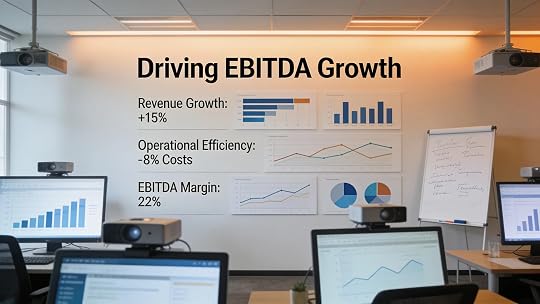
To assess and drive EBITDA growth effectively, it is essential for mid-market businesses to focus on key financial metrics that indicate performance trends. The following metrics typically play a crucial role in providing insights into business health:
Pricing Corridor: Understanding the range within which pricing must be set to maintain competitiveness while ensuring profitability.Right-to-Grow Ratio: Evaluating the capacity for growth against current operational capabilities and resources to make strategic recalibrations.Customer Segmentation for Profitability: Analyzing customer data to enhance engagement and retention while maximizing average revenue per user.By closely monitoring these indicators, organizations can pinpoint opportunities for operational improvements and enhancements that lead to greater EBITDA performance. For a deeper understanding of operational analysis and insightful strategies, executives often refer to comprehensive executive business books that detail proven operational excellence frameworks mid market and methodologies.
Pricing CorridorThe pricing corridor serves as a guideline, indicating the optimal pricing strategy businesses should employ. A wide pricing corridor may suggest room for price increases or necessary adjustments based on market feedback. Promoting a sound understanding of competitive pricing dynamics is vital for executives aiming at maximizing revenue without jeopardizing market share.
Right-to-Grow RatioThis metric offers valuable insights into whether a business can sustain growth based on its current resources and capabilities. It assists leaders in identifying the threshold of expansion without compromising operational integrity, further linking strategic planning to financial outcomes.
Customer Segmentation for ProfitabilitySegmenting customers aids in directing marketing efforts while maximizing the potential for profitability. By understanding diverse customer behaviors, businesses can tailor their offerings accordingly, enhancing customer satisfaction and lifetime value.
Impact of Operational Efficiency on EBITDA MarginsOperational efficiency is directly correlated with improvements in EBITDA margins. By streamlining processes and eliminating wasteful procedures, companies can enhance their productivity. Efficient operational practices also contribute to reduced costs, which consequently boosts profitability.
Data-driven decision-making is crucial in this regard, enabling organizations to leverage analytics for optimizing resource allocation. For instance, implementing automation tools can drastically reduce manual tasks, thereby speeding up operations while maintaining high service levels.
Notably, authoritative analysis on EBITDA margins and profitability optimization can be referenced at Investopedia, which offers detailed explanations and industry standards.
How Do Operational Excellence Frameworks Enhance Mid-Market Business Performance?
Operational excellence frameworks mid market provide businesses with structured methodologies for process improvement, enabling them to realize superior performance levels. These frameworks instill a culture of continuous improvement, facilitating enhanced alignment between operational capabilities and strategic business goals.
Key components of these frameworks often include lean management principles, which prioritize resource efficiency and waste elimination. By integrating these practices, organizations not only enhance operational efficiency but also promote a mindset geared towards ongoing growth and value creation.
Core Components of Operational ExcellenceThe cornerstones of operational excellence encompass a variety of methodologies, including process mapping, performance measurement, and continuous improvement cycles. By implementing these core components within operational excellence frameworks mid market, companies can considerably elevate their operational effectiveness.
Lean Management IntegrationBy adopting lean management concepts, businesses can streamline their workflows, which minimizes waste and optimizes resource utilization. This method leaves organizations poised to increase both productivity and overall service quality based on customer needs.
Case Studies of Successful Operational EnhancementsVarious mid-market companies have successfully implemented operational excellence frameworks mid market to achieve significant EBITDA growth. For example, companies that adopted comprehensive performance indicators reported improved efficiency and a clearer view of their operational landscapes. These case studies underscore the tangible benefits derived from robust operational frameworks.
Which Operational Improvement Tools Drive Performance in Mid-Sized Companies?Mid-sized companies can leverage a variety of operational improvement tools to enhance their performance. Some of the most effective tools include:
Lean Methodologies: Techniques focused on waste reduction and enhancing workflow efficiency.Six Sigma: A disciplined, data-driven approach aimed at process improvement and reduction of defects.Resource Allocation Tools: Instruments designed to optimize the distribution of resources across various functions.By embracing these tools, organizations can foster a culture of performance excellence, leading to measurable improvements in both productivity and EBITDA outcomes. Utilizing them within operational excellence frameworks mid market ensures a systematic approach to value creation.
Overview of Lean and Six Sigma ToolsUtilizing Lean methodologies in conjunction with Six Sigma creates a synergistic effect on operational processes. While Lean focuses on the elimination of waste, Six Sigma emphasizes reducing variability and errors.
Impact of Resource Allocation ToolsResource allocation tools allow businesses to make informed decisions about where to invest time and capital, ensuring that critical tasks receive priority attention while supporting overall operational goals.
Importance of Data Analysis ToolsData analysis tools provide organizations with the insights necessary for making strategic decisions. By leveraging data to guide their operational improvements, companies can enhance their agility and responsiveness to market demands.
What Are the Latest Industry Trends and Case Studies on Mid-Market EBITDA Growth?The landscape of mid-market EBITDA growth is constantly evolving, influenced by various emerging trends and successful case studies. Recently, mid-market companies have increasingly focused on digital transformation, recognizing the vital role technology plays in enhancing operational efficiency and customer engagement.
Incorporating advanced technologies such as artificial intelligence and automation has become a central theme for organizations looking to drive performance enhancements. Forward-thinking businesses leverage these technologies to streamline operations while remaining flexible in a rapidly changing market environment.
Key Case Studies from Recent YearsSuccessful case studies reveal the transformative impact of digital initiatives, where mid-market firms have harnessed technology to boost productivity. Implementation of these strategies has yielded substantial benefits in terms of cost savings and improved customer satisfaction.
Emerging Trends in Operational ExcellenceAs companies adopt greater digital solutions, there is a growing trend toward integrating data analytics into operational processes. Emerging technologies, from AI-powered customer experiences to intelligent automation solutions, are leading the charge toward new thresholds of operational excellence within operational excellence frameworks mid market.
How to Leverage Leadership and Change Management for Operational Excellence?Leadership plays a pivotal role in the successful implementation of operational excellence frameworks mid market. Executive leaders are crucial in setting the vision and strategic objectives that drive performance improvement efforts.
Effective change management practices facilitate the smooth integration of new operational strategies. Building a culture that supports change can significantly enhance an organization’s ability to adapt and thrive in the competitive landscape.
Defining Leadership Roles in Operational FrameworksExecutive leaders should clearly outline their roles within the operational excellence frameworks mid market to ensure accountability and clarity. Their involvement helps foster an environment conducive to both operational excellence and sustainable growth.
Impact of Change Management on PerformanceImplementing structured change management can minimize resistance while optimizing engagement among staff. By aligning staff with new objectives, organizations can more effectively cultivate a culture of operational excellence.
Building a Culture of AccountabilityA culture of accountability ensures that all levels of the organization understand their contributions to broader strategic objectives. This alignment can positively affect individual performance while reinforcing shared organizational goals.
Roles of CEOs and Senior Executives in Driving EBITDA GrowthIn mid-market companies, the roles of CEOs and senior executives are crucial for steering operational excellence frameworks mid market efforts and championing EBITDA growth strategies. Their leadership is integral to developing an organizational culture focused on performance enhancement.
Setting a clear vision for operational excellence helps align resources effectively and directs energy towards realizing growth objectives. Further, developing strategic initiatives geared toward EBITDA growth fosters an awareness of financial performance at all organizational levels.
Setting Vision and Strategic ObjectivesCEOs are charged with establishing a compelling vision that inspires cooperation and drives performance agendas. Strategic objectives align teams toward common goals while enabling executives to monitor shareholder value creation effectively.
Developing EBITDA Growth StrategiesHigh-level growth strategies often require an analytical approach, taking market trends and customer insights into consideration. CEOs must make informed decisions aimed at creating long-term shareholder value through sustainable EBITDA growth initiatives.
Ensuring Accountability through Performance MetricsEstablishing performance metrics that track progress against strategic objectives is vital in driving accountability. By holding teams responsible for outcomes linked to EBITDA growth, executives can more effectively steer the organization toward success.
Frameworks for Leading Organizational Change in Mid-Market CompaniesOrganizational change frameworks are essential for guiding mid-market companies through transitions toward operational excellence. Establishing strategic clarity assists in aligning all stakeholders, ensuring everyone is aware of the desired end-state and the path to reach it.
Authorized leaders must engage employees throughout the process to foster commitment and reduce resistance to change initiatives. This collaborative approach ensures that everyone feels involved and invested in the operational transformations being implemented.
Establishing Strategic ClarityCreating a strategic foundation is pivotal for addressing initiatives that guide change efforts. A clear understanding of objectives lays the groundwork for measuring progress, allowing companies to remain aligned throughout the change process.
Engaging Leadership in the Change ProcessInvolving leadership at each stage of the change process reinforces the commitment to operational excellence frameworks mid market. By equipping leaders with the right tools and information, organizations create a robust framework for successful implementation.
Measuring Impact of Change InitiativesTracking the results of change initiatives allows organizations to assess whether their operational excellence frameworks mid market are yielding the desired improvements. Ongoing feedback loops can enhance adaptability, enabling adjustments to strategies as needed.
What Actionable Steps Should Mid-Market Executives Take to Accelerate EBITDA Growth?To drive meaningful EBITDA growth, mid-market executives should implement several actionable steps within the context of operational excellence frameworks mid market:
Setting Quantifiable EBITDA Goals: Establishing clear financial targets that can be measured over designated timeframes.Developing an Actionable Plan: Outlining specific initiatives that align resources toward achieving financial goals.Prioritizing High-Impact Operational Improvements: Identifying the areas within the organization most likely to yield substantial gains.These strategic actions enable companies to chart clear paths toward achieving their operational objectives and driving EBITDA growth.
Setting Quantifiable EBITDA GoalsBy setting specific, measurable EBITDA goals, companies can create clarity around their growth aspirations. Aiming for clear milestones helps steer focus and accountability at all organizational levels.
Developing an Actionable PlanAn actionable plan consists of concrete strategies that guide execution on key objectives. Detailed plans should outline prioritized tasks, responsibilities, and timelines.
Prioritizing High-Impact Operational ImprovementsBy identifying operational improvements that will yield the highest return on investment, executives can ensure resources are applied efficiently and effectively, amplifying EBITDA growth results.
In conclusion, operational excellence frameworks mid market represent a structured pathway for mid-market companies seeking to maximize EBITDA growth through strategic performance enhancements. By leveraging these insights and actionable strategies, organizations can achieve operational improvements that not only elevate EBITDA margins but also position them for sustainable success in the future. To further enhance your organization’s knowledge and event experience, consider book Bill Canady for executive events to gain firsthand expertise and inspiration from a recognized industry leader.
The Executive Guide to Building High-Performance Leadership Teams with Proven Strategies for Effective C-Suite Collaboration and Team Alignment
In the realm of modern business, building high-performance leadership teams is paramount for sustainable growth and innovation.
Effective C-Suite collaboration and team alignment can significantly enhance decision-making processes and strategic execution.
Clear communication is essential for effective teamwork and successful outcomes.
This comprehensive guide explores proven strategies to cultivate high-performance leadership teams, focusing on defining roles, reducing dependency on a single leader, fostering accountability, and encouraging continual learning within organizations.
Many C-Suite leaders grapple with aligning their teams around common goals and responsibilities, which can obstruct progress and insights.
The article will outline critical strategies that enhance collaboration and deliver improved business outcomes.
Key sections will include the importance of structured communication, implementation of a Profitable Growth Operating System (PGOS), practical tips for executive coaching aimed at sustained team performance, and detailed discussions on how to build high performance leadership teams.
Define Leadership RolesUnderstanding how to build high performance leadership teams is essential in today’s competitive environment. Leaders must not only focus on individual strengths but also on how to foster synergy among team members to achieve shared goals.
In this article, we will delve deeper into the various methods on how to build high performance leadership teams effectively. These insights will help organizations navigate the complexities of leadership dynamics.
By understanding how to build high performance leadership teams, organizations can ensure they are equipped to tackle challenges and seize opportunities in the marketplace.
Strategies on How to Build High Performance Leadership TeamsIt is vital to explore how to build high performance leadership teams, as these frameworks can lead to enhanced resilience and adaptability in varying business climates.
Clarifying leadership roles is essential to building a high-performance leadership team.
Each position within the executive sphere—whether it’s Visionaries, Prophets, or Operators—plays a significant part in driving organizational effectiveness.
The Visionaries provide strategic direction, setting the overarching goals and vision.
Prophets focus on anticipating market changes and challenges.
Operators ensure that daily operations align with the strategic objectives laid out by the Visionaries, creating a harmonious balance within the executive team.
By clearly defining these roles, organizations can foster collaborative interactions that lead to informed decision-making and enhanced team dynamics.
Investing time in understanding how to build high performance leadership teams will pay dividends in the form of increased productivity and morale.
Importance of Visionaries, Prophets, and OperatorsTo truly excel, leaders must actively engage in how to build high performance leadership teams, ensuring that all voices are heard and valued.
The distinction between Visionaries, Prophets, and Operators is fundamental within executive teams. Each role contributes uniquely to the overall strategy, ensuring that teams not only envision ambitious goals but also remain prepared for challenges that lie ahead. For instance, Visionaries might identify new market opportunities, Prophets could forecast potential risks, and Operators ensure that every initiative is executed effectively, thereby streamlining efforts toward achieving these objectives.
By prioritizing how to build high performance leadership teams, organizations can foster an environment where continual improvement is the norm.
Understanding how to build high performance leadership teams should be a core focus for all executives looking to drive success.
Successful Role Definition ExamplesEach strategy on how to build high performance leadership teams contributes to a cohesive approach that benefits the entire organization.
Real-world examples abound where clear role definitions have led to significant organizational advancements. For instance, companies that have leveraged distinct leadership roles often see increased engagement and improved productivity as executives focus on their specialized areas. Establishing these clear definitions can transform ambiguity into clarity, fueling innovation and driving results.
When leaders commit to how to build high performance leadership teams, they set the stage for greater innovation and accountability.
Regular assessments on how to build high performance leadership teams can yield actionable insights for continuous growth.
By discussing how to build high performance leadership teams openly, teams can address challenges head-on and create collaborative solutions.
Incorporating feedback into the processes encourages a growth mindset.
Incorporating feedback into the processes of how to build high performance leadership teams encourages a growth mindset.
Reduce CEO DependencyUnderstanding how to build high performance leadership teams also means recognizing the importance of trust and transparency.
Every initiative related to how to build high performance leadership teams should be aligned with the organization’s mission.
Using data insights can significantly impact how to build high performance leadership teams, ensuring informed decision-making.
In many organizations, reliance on a CEO for key decision-making can stifle the potential of executive teams.
Empowering leadership teams to operate independently enhances decision-making capabilities and fosters a culture of trust and collaboration.
Reducing CEO dependency encourages all team members to engage actively in strategic discussions, broadening perspectives and increasing the quality of insights generated.
Researching successful organizations can provide clues on how to build high performance leadership teams effectively.
Empowering Teams for Decision-MakingOne effective strategy is to establish a framework that delegates certain decision-making powers to executive team members. This entails setting guidelines around what types of decisions can be made autonomously, subsequently building confidence within teams. For instance, executives could be tasked with managing specific areas of their operations, facilitating quicker responses to market dynamics without waiting for CEO approval.
Building Trust Within LeadershipBuilding trust is crucial as teams move toward enhanced autonomy. Trust can be developed through consistent communication, transparency in processes, and recognizing team members for their contributions and successes. The more trust is established among leaders, the more freely they’ll collaborate and innovate in ways that positively impact the organization’s trajectory.
Create Leadership Rhythm
To maintain a high-performance team, creating a rhythm of regular check-ins and strategic meetings is vital.
This rhythm ensures that leaders stay aligned with each other’s workflows and maintain accountability for shared objectives.
Regular meetings also allow teams to assess their progress toward goals and adjust strategies as necessary.
Frequency of MeetingsThe frequency of meetings should be carefully considered. Weekly stand-ups, monthly strategy sessions, and quarterly reviews can provide a comprehensive approach to maintaining team momentum. These touchpoints allow leaders to discuss immediate challenges, setting the stage for longer-term strategic discussions.
Use of ScorecardsImplementing scorecards can help track performance against objectives, making it easier to identify areas needing improvement. Scorecards provide a visual representation of progress, allowing leaders to analyze their performance metrics and adjust their strategies effectively.
Turn Strategy into ExecutionThe most effective leadership teams are those that can seamlessly convert strategies into actionable plans.
Developing frameworks for translating strategic initiatives into concrete actions is crucial for realizing desired business outcomes.
Clear Assignment of OwnershipOne key element in this process is the clear assignment of ownership. When team members understand their responsibilities in the execution of strategies, they are far more likely to invest effort and creativity in those initiatives. Clearly defined roles help in aligning personal goals with organizational objectives, which maximizes engagement.
Encouraging AccountabilityAnother critical aspect of turning strategy into execution involves fostering a culture of accountability. By creating structured processes and regular check-ins, leaders can ensure that everyone is aligned with their deliverables, thereby enhancing operational efficiency.
Foster a Culture of Accountability
Establishing a culture where accountability is valued can significantly enhance team performance. By implementing systems that enable tracking of progress and responsibility, organizations can ensure that team members not only commit to but also actively pursue excellence.
Using KPIs for TrackingKey Performance Indicators (KPIs) are an essential tool for measuring accountability. By setting specific KPIs related to team performance, organizations can track progress and make informed adjustments as necessary. These indicators should align closely with the strategic priorities of the organization to ensure relevance.
Implementing Continuous Improvement ProcessesEncouraging an environment where continuous improvement is prioritized allows teams to learn from their experiences. Leadership teams should regularly analyze performance outcomes and seek ways to innovate their practices.
Align Around Strategic PrioritiesUsing the 80/20 principle, effective teams focus on the most impactful initiatives that drive value. Identifying the vital few initiatives that contribute most to the organization’s success allows teams to eliminate distractions and ensure strategic focus. For further insights and practical applications, exploring Bill Canady’s executive books can offer valuable guidance within this 80/20 priority framework.
Identifying Vital Few InitiativesTeams should routinely assess their strategic priorities to determine which initiatives yield the highest returns. By prioritizing these efforts, leaders can allocate resources effectively and avoid getting sidetracked by less critical tasks.
Eliminating DistractionsAnother important step in this alignment process is eliminating distractions that can derail focus. Leaders must align their teams around shared objectives, ensuring every action contributes toward the overarching goals of the organization.
Encourage Continuous LearningFostering an environment that promotes continuous learning and adaptation is vital for high-performance leadership teams. Such environments encourage openness and respect, which are essential for personal and organizational growth.
Fostering Respect and OpennessEstablishing a method for assessing how to build high performance leadership teams can lead to improved performance and satisfaction.
Creating a culture where team members feel safe to express their thoughts and challenges cultivates a dynamic learning environment. This respect for one another’s perspectives leads to richer, more productive discussions.
Training and development programs should focus on how to build high performance leadership teams to prepare future leaders.
Adapting to ChangeAs the business landscape experiences rapid shifts, having a team that is adaptable in its strategies is crucial. Leadership should promote avenues for training and development, enabling teams to skillfully navigate new challenges.
Engage in Regular CommunicationMaintaining open lines of communication within leadership teams is essential. Transparency and consistency in communication foster a willingness to collaborate and ensure everyone is on the same page.
Maintaining TransparencyLeaders should prioritize transparency in their communications, allowing team members to stay informed about organizational changes and decisions affecting their work. This openness builds trust and aligns team efforts around shared goals.
Regular Town Hall MeetingsUtilizing regular town hall meetings allows leaders to connect with their teams in a more personal way. These meetings can serve as platforms for sharing updates, addressing concerns, and reinforcing the organization’s vision and goals.
Develop High AchieversIdentifying and cultivating top performers is crucial in high-performance teams. Leaders should focus on recognizing these high achievers and aligning their roles with the strategic objectives of the organization.
Using the 80/20 FrameworkApplying an 80/20 approach when developing high achievers means focusing on the small percentage of individuals who offer significant contributions. This targeted development empowers those leaders to excel and drive greater results for the organization.
Coaching High PotentialsInvesting in coaching for high-potential employees can significantly enhance their professional growth and align their contributions with the organization’s vision. By providing tailored development opportunities, organizations can ensure that these individuals become influential drivers of success.
Implement a Profitable Growth Operating System (PGOS)A structured framework for aligning strategy and execution through a Profitable Growth Operating System (PGOS) can significantly enhance organizational performance. This system provides clarity on strategic goals while ensuring their effective execution.
Setting Clear GoalsSetting clear, measurable goals is fundamental to a successful PGOS. These goals should be aligned not only with the organization’s strategic priorities but also with the capabilities and resources available to teams.
Organizing Around StrategyOrganizing teams around the PGOS enhances accountability for achieving set goals. It ensures that every team member understands their role in executing the broader strategy of the organization.
Why Is Executive Leadership Alignment Critical for High-Performance Teams?Executive leadership alignment is fundamental to the success of high-performance teams. A cohesive leadership team can significantly improve decision-making processes and enhance the overall effectiveness of the organization.
Improving Team EffectivenessA well-aligned executive team can improve operational effectiveness by streamlining processes. This alignment facilitates swift decision-making and creative problem-solving, which are crucial in a competitive environment.
Enhancing Decision-MakingAligned leadership allows for unified approaches to decision-making. When executives are on the same page, their decisions reflect a comprehensive understanding of the organization’s vision and goals.
How Does Leadership Alignment Drive Business Outcomes?Leadership alignment directly correlates with improved business outcomes. A unified approach among executives leads to stronger collaboration, effective strategy execution, and ultimately, business success.
Predictable Profit GrowthOrganizations with aligned leadership teams often experience more predictable profit growth. This consistency stems from decisions made collectively, minimizing discrepancies and enhancing focus.
Unified Strategy ExecutionAlignment in leadership results in more cohesive strategy execution. When all leaders are working toward a common goal, their efforts combine to create a powerful impact on organizational performance.
What Are the Key Traits of Aligned Executive Teams?Aligned executive teams exhibit several fundamental traits that contribute to their success. Effective communication, shared strategic goals, and proficient decision-making characterize these teams.
Clear CommunicationTeams that communicate clearly and effectively tend to align more closely. This clarity allows members to understand their roles and contribute meaningfully to the organization’s overarching goals.
Shared Strategic GoalsHaving shared strategic goals fosters collaboration among team members. When everyone understands and buys into the objectives, it promotes unity and effort in achieving greater success.
Which Frameworks Optimize Executive Team Trust and Collaboration?Frameworks that promote trust and collaboration within executive teams can significantly enhance effectiveness. These structures provide a basis for healthy communication and relationship building.
Model of Trust-BuildingTrust-building models emphasize consistent, transparent interactions. By fostering an environment where team members feel valued and respected, leaders can encourage collaboration and innovation.
Collaboration TechniquesImplementing collaboration techniques ensures that diverse viewpoints contribute to problem-solving. This diversity enriches discussions and fosters creative solutions to challenges.
How Can Executives Build and Sustain Trust Within Their Teams?Sustaining trust within executive teams requires intentional efforts from leaders. Strategies focused on transparency, open dialog, and conflict resolution foster a trusting environment.
Creating Psychological SafetyCreating a psychologically safe environment allows team members to voice their ideas and concerns without fear of retribution. This safety is crucial for promoting openness and encouraging diverse perspectives.
Fostering Open CommunicationOpen communication channels where team members can discuss issues leads to enhanced trust. When leaders actively listen to their team’s feedback, it strengthens relationships and facilitates collaboration.
How to Measure and Enhance Performance in High-Performance Leadership Teams?To ensure continuous improvement, it is vital to measure and enhance the performance of high-performance leadership teams consistently.
Using KPIs for AlignmentImplementing specific KPIs to assess team effectiveness helps align efforts with the organization’s strategic goals. Leaders should regularly review these metrics to ensure progress is made.
Conducting Engagement SurveysEngagement surveys allow leaders to understand the team’s dynamics better. These insights can help identify areas requiring attention and facilitate strategies for enhancing overall performance.
Regular assessments can yield actionable insights for continuous growth.
What Practices Ensure Ongoing Executive Team Accountability?Establishing ongoing practices that promote accountability within executive teams is essential for sustaining high performance.
Regular Goal SettingRegularly setting and reviewing goals enhances accountability within the team. This ongoing process ensures that everyone stays focused on their objectives and maintains commitment to those goals.
Daily Stand-Up MeetingsImplementing daily stand-up meetings encourages collective updates and fosters a sense of team responsibility. These meetings enhance communication and enable quick resolutions to emerging issues.
How Does Executive Coaching Drive Leadership Development and Team Success?Executive coaching plays a pivotal role in leadership development and can significantly contribute to team success. Through focused guidance, leaders can enhance their capabilities and overall team dynamics.
Facilitating Personal GrowthExecutive coaching facilitates personal growth among leaders, allowing them to develop critical competencies essential for effective leadership. This growth enhances the overall dynamics within executive teams.
Improving Team DynamicsCoaching interventions that target team dynamics can yield substantial long-term benefits.
By navigating interpersonal challenges and enhancing collaboration, leadership teams can significantly improve their operational efficiency.
What Are Practical Strategies to Build and Align High-Performance Executive Teams?Several practical strategies can be employed to build and align high-performance executive teams effectively.
Setting Clear RolesEnsuring that team members have clearly defined roles is crucial for optimal performance.
This clarity allows members to understand their contributions and how they fit into the broader organizational vision.
Creating Structured ProcessesDeveloping structured processes promotes efficiency and consistency in team operations. By following these processes, teams can enhance their ability to execute strategies effectively.
Developing Internal ChampionsFostering internal champions within teams encourages advocacy for the organization’s vision and values. These champions can catalyze change and inspire others, reinforcing a culture of high performance.
How Do You Sustain Team Performance Through Strategic Decision-Making?Sustaining team performance hinges on making strategic decisions that align with organizational goals. It requires involvement from all team members to ensure decisions are informed and reflective of collective wisdom.
Aligning Decisions with Strategic GoalsDecisions made at the executive level should align closely with the organization’s strategic objectives. This alignment ensures that teams work cohesively towards achieving common goals.
Evaluating Impacts RegularlyIt’s imperative for leaders to regularly evaluate the impacts of their decisions. Continuous assessment allows teams to pivot strategies as needed and stay on course toward achieving success. For enhanced engagement and motivation, incorporating keynote leadership presentations can provide inspiration and actionable insights to sustain high performance.
How to Implement Structured Data and Semantic SEO to Elevate Executive Leadership Content?Implementing structured data and semantic SEO techniques can significantly enhance the visibility of executive leadership content.
Incorporating Structured DataStructured data provides a way to enhance the online presence of leadership content. By implementing schemas relevant to leadership themes, organizations can improve their website’s indexing.
Improving VisibilityOptimizing content with semantic SEO strategies ensures better overall visibility. By focusing on keyword-rich and contextually relevant content, it is possible to reach target audiences more effectively.
What Are Emerging Trends and Data-Driven Insights in Leadership Team Effectiveness for 2024-2026?Staying informed about emerging trends in leadership team effectiveness is essential for remaining competitive. Data-driven insights provide leaders with the ability to adapt their strategies in real-time.
Agility and Trust DynamicsOrganizations are increasingly recognizing the necessity of agility in their leadership models. Trust dynamics are vital for fostering quicker adaptations and responses to changing market conditions.
Adapting Leadership PracticesAdapting leadership practices to align with modern expectations is crucial for retaining top talent. Emphasizing collaborative approaches can bolster engagement and performance outcomes.
July 22, 2026
Case Study 3: Transportation manufacturing
Case Study 3: Transportation manufacturing · 6 years
From $468 million to $1.7 billion and the margin went up on the way Case Overview The companyA private equity-backed transportation safety and visibility technology manufacturer. Around $468 million revenue and $111 million EBITDA at the start of the period.
The situationA good business with a growth plan that depended on acquisition. The risk in that plan is the one every board knows: scale arrives, margin leaves. Buying revenue is straightforward. Buying revenue without diluting the returns that justified the thesis is not.
Case Study 3: Transportation manufacturing · 6 years
What We Did .cls-1{fill:#f0bc4c;} The system went in firstInstalled the operating system before the acquisitions rather than after. Every business that came in was segmented and priced on the same basis as the core, which meant integration was a known procedure instead of a negotiation.
.cls-1{fill:#f0bc4c;} Then pricing, rebuilt from dataHead, core and tail analysed across more than 95,000 SKUs, supported by over a hundred customer interviews — replacing habit with evidence on every deal.
.cls-1{fill:#f0bc4c;} ProcurementTrained rather than outsourced. Six thousand hours across sixty-six people, with more than two hundred supplier visits, so the capability stayed inside the business instead of depending on outside advisors.
The result in 6 yearsRevenue nearly quadrupled and the margin rose six points. That combination does not happen by accident, and it does not happen because the acquisitions were good. It happens because every business joining the platform was put on the same operating system the day it arrived.
$468M → $1.7BRevenue
$111M → $580MEBITDA
27% → 33%EBITDA margin
5% → 9%Organic growth rate
Free cash flow conversion from 90%+ to 95%+Top-ten customer concentration reduced from roughly 27% to roughly 20%Six acquisitions completed, $1.1 billion of acquired revenue, 85%+ EBITDA growth in the acquired businesses The pattern $468M → $1,725MRevenue scale
6 yearsTimeframe
+600 bps EBITDA marginMargin movement
$111M → $580MEBITDA movement
Pricing + disciplined M&ADominant lever
Pricing is almost always the first and largest lever.Three-quarters of the year-one gain in the first case. Two-thirds of the gross margin gain in the second. It is the fastest money in the business and it is nearly always sitting there unmanaged.The results scale with time, not with effort.
Twelve months produced 7.6%. Two years doubled EBITDA. Six years quadrupled the business. Same system, different horizons.It works across industries because it is not an industry insight.
Healthcare packaging, industrial distribution, transportation manufacturing. Different products, different customers, same arithmetic. Media Inquiries
For interviews with Bill Canady, expert commentary on profitable growth, private equity value creation, margin expansion, or 80/20 methodology, contact: bill@billcanady.com
+1 (941) 363-1773
Case Study 2: Industrial Distribution
Case Study 2: Industrial distribution · 2 years
EBITDA doubled in two years. Every division moved. Case Overview The companyA multi-division industrial distribution platform — four operating groups, roughly $700 million in revenue at the start of the period. This is a business Bill ran. The results below are his operating record, not an advisory engagement.
The situationFour divisions, four cultures, four ways of pricing. Margin performance ranged from the high twenties to the low sixties depending on which business you looked at, and nobody could say how much of that spread was structural and how much was simply unmanaged.
Case Study 2: Industrial distribution · 2 years
What We Did .cls-1{fill:#f0bc4c;} SegmentationThe same system, run across all four divisions at once so the comparisons meant something. Segmentation identified the profitable core in each division, on the same basis, for the first time.
.cls-1{fill:#f0bc4c;} PricingDiscipline was applied wherever margin had drifted — which turned out to be most places. Two-thirds of the total gross margin gain came from simply catching up on pricing that had been left alone for years.
.cls-1{fill:#f0bc4c;} The tailQuad-based rules stopped the non-core tail from consuming resources the core needed, and the overhead that freed up was reallocated to growth rather than removed. The remaining third of the gross margin gain came from this work.
The result in 2 yearsThe number that matters is not the total. It is that all four divisions moved within 50 basis points of each other. A single division improving is a good leader. Four improving together is an operating system.
$70M → $140MEBITDA
$700M → $950MRevenue
+600 bpsGross margin overall
+303 bpsTotal margin improvement
+307Division 1 (bps)
+334Division 2 (bps)
+339Division 3 (bps)
+357Division 4 (bps)
$16.8 million of overhead redeployed to support growth$9 million saved on indirect spend and process improvement$4 million of facility cost removed The pattern $700M → $950MRevenue scale
2 yearsTimeframe
+303 bps totalMargin movement
$70M → $140MEBITDA movement
Pricing — two-thirds of GM gainDominant lever
Pricing is almost always the first and largest lever.Three-quarters of the year-one gain in the first case. Two-thirds of the gross margin gain in the second. It is the fastest money in the business and it is nearly always sitting there unmanaged.The results scale with time, not with effort.
Twelve months produced 7.6%. Two years doubled EBITDA. Six years quadrupled the business. Same system, different horizons.It works across industries because it is not an industry insight.
Healthcare packaging, industrial distribution, transportation manufacturing. Different products, different customers, same arithmetic. Media Inquiries
For interviews with Bill Canady, expert commentary on profitable growth, private equity value creation, margin expansion, or 80/20 methodology, contact: bill@billcanady.com
+1 (941) 363-1773
Case Study 1: Healthcare Packaging
Case Study 1: Healthcare packaging · 12 months
$10 million of EBITDA in year one — against a benchmark of three to five percent Case Overview The companyA private equity-backed healthcare packaging and materials science manufacturer. Roughly $800 million in revenue, $130 million EBITDA at a 16% margin, built through a decade of acquisitions.
The situationNothing was on fire. That was the problem — it made the real issue easy to ignore. A decade of acquisitions had produced a business with no common language. Units that had been separate companies still ran like separate companies. There was no shared operating system and no consistent frame for making decisions, so every business argued its own case with its own numbers. Leadership could not compare two divisions on the same basis, which meant capital and attention went to whoever argued best rather than to whoever earned it.
Case Study 1: Healthcare packaging · 12 months
What We Did .cls-1{fill:#f0bc4c;} SegmentationA Pareto cut across every business unit revealed something nobody expected: more than 85% of total SKUs and customers were non-core, sitting in a long, flat-margin tail that stretched further than anyone had modelled.
.cls-1{fill:#f0bc4c;} SimplificationRather than a one-time cull, the tail was addressed with a standing business rule — a gross margin floor that any non-core item had to clear. In one unit the tail was running gross margins in the low forties. The floor was set at 55%, a ten-point step, and given a horizon long enough to be achievable rather than theatrical.
.cls-1{fill:#f0bc4c;} RedeploymentThe resources freed by simplification were moved to the core rather than banked.
The result in 12 monthsThe company treats this as a floor rather than a ceiling. Activity in the tail has not compressed as far as it will, and the second-year number is expected to be larger than the first.
$10M+EBITDA impact, year one
7.6%Improvement on a $130M baseline
$7.5MFrom pricing actions, realised
50%+Ahead of the 3–5% year-one benchmark
$2.5 million from resource reallocation, with further upside still being identified$2.3 million from a single gross margin rule in one business unit The pattern $800MRevenue scale
12 monthsTimeframe
N/AMargin movement
+7.6% year oneEBITDA movement
Pricing — 75% of gainDominant lever
Pricing is almost always the first and largest lever.Three-quarters of the year-one gain in the first case. Two-thirds of the gross margin gain in the second. It is the fastest money in the business and it is nearly always sitting there unmanaged.The results scale with time, not with effort.
Twelve months produced 7.6%. Two years doubled EBITDA. Six years quadrupled the business. Same system, different horizons.It works across industries because it is not an industry insight.
Healthcare packaging, industrial distribution, transportation manufacturing. Different products, different customers, same arithmetic. Media Inquiries
For interviews with Bill Canady, expert commentary on profitable growth, private equity value creation, margin expansion, or 80/20 methodology, contact: bill@billcanady.com
+1 (941) 363-1773
July 11, 2026
Advice to a First-Time PE-Backed CEO
If I could send one letter back through time to myself on the morning of my first day as a PE-backed CEO, it would contain the ten pieces of advice below — and the first line would be this: the seat you just took is the best education in business that exists, and roughly 70 percent of the people who take it get replaced somewhere around months eighteen to twenty-four, mostly for misalignment that was fixable in the first hundred days. Both of those things are true at once. The whole game is making sure you are in the 30 percent long enough to collect the education.
Nobody wrote me that letter. I learned the contents the expensive way, across thirty years, a $1.5 billion company I run now, a roughly $1 billion company I chair, and more than $3 billion in shareholder value that got created in between — along with the misses I don’t put on the book jacket. So consider this the letter. It is addressed to the operator who just signed, who is equal parts thrilled and quietly terrified, and who suspects — correctly — that the rules just changed and nobody handed over the rulebook.
1. Learn the Fund Math Before Your First Board MeetingYour sponsor does not think in revenue or even primarily in EBITDA. They think in MOIC — multiple on invested capital — and in DPI, the cash actually returned to their investors, and in the hold clock, which started ticking at close whether you noticed or not. A fund that bought your company in year three of its life needs you exited by roughly year nine, and every quarter you consume changes the IRR arithmetic of everything they do next, including raising their next fund.
I sat in an early board meeting arguing passionately for an investment with a four-year payback, and I could not understand why the room went cold. The math was good! The math was good in a universe with unlimited time, and I was pitching it to people who had about three years left on the clock. Once I learned to translate every proposal into its effect on MOIC at the likely exit date, board meetings stopped being adversarial and started being arithmetic. Learn the vocabulary before day one of the board calendar. It takes a weekend and it changes every conversation you will have for five years.
2. Ask for the Underwritten Number in Week OneSomewhere in your sponsor’s files is a model — the one they used to win the deal — and in that model is a number: the EBITDA your company is supposed to produce in the exit year. That number is your actual job description. Everything else in your offer letter is commentary. And here is the strange part: a remarkable share of CEOs never ask to see it, and a remarkable share of sponsors never volunteer it, and the two parties then spend two years discovering they were running different races.
Ask in week one. Say the words: “Show me the underwritten case, and show me which levers it assumes.” If the model says $60 million of exit EBITDA and assumes half comes from acquisitions, you are running an M&A program whether you like integration work or not. If it assumes 300 basis points of margin from pricing, you are a pricing company now. When I finally started asking, one deal in, the underwritten case disagreed with my operating budget by almost 20 percent — a gap that would have surfaced eighteen months later as “the CEO isn’t performing.” Instead it surfaced in week two as a planning conversation. Same gap, entirely different career outcome.
3. Do the Data Cut Before You Accept the BudgetYou will inherit a budget. It will be presented as ambitious but achievable, and it will have been built by people who did not know you and negotiated it with people you now answer to. Do not accept it — or reject it — until you have done the 80/20 cut on the actual transaction file: every customer, every SKU, revenue and true margin, sorted into quartiles.
The cut takes about three weeks and it tells you things the budget cannot. In nearly every business I have ever cut, the top quartile of customers produces somewhere between 105 and 150 percent of total profit — which means the rest of the ledger, in aggregate, is subtracting. At one industrial business I took over, the budget assumed uniform 4 percent growth across the book. The cut showed the top quartile could grow at twice that with focused attention, while a full third of the tail was unprofitable at any volume. Same revenue target, completely different company. The budget you accept in month one becomes the number you are measured against in month eighteen. Make sure it is built on the concentration that is actually there.
4. Audit Your Team Against the Plan, Not Your Affection for ThemWithin ninety days you will know who on your team is a fit, and you will spend the next year negotiating with yourself about it. Here is the standard that cuts through: audit each leader against the plan, not against your affection for them, their tenure, or how the room feels when they present. The question is never “is this a good executive.” The question is “can this specific person deliver this specific lever in this specific window.”
I use the Rule of Three on every team I inherit: a business needs a Visionary to see where the market is going, a Prophet to say the uncomfortable true thing, and an Operator to make the trains run — and most teams are drowning in one type and starving for another. My hardest early call was a longtime CFO everyone loved, me included, who was a superb steward and precisely the wrong person for a company that needed to buy and integrate three businesses in four years. I waited nine months longer than I should have. The kindness I thought I was extending to him was actually a tax I was charging everyone else. Move at the speed of the plan. The plan does not wait out of politeness.
5. Volunteer Visibility Before It Is DemandedYour sponsor’s anxiety is fed by silence. In the vacuum between board meetings, a sponsor with no information does not assume things are fine; they assume things are drifting, and they start making calls to people who are not you. The single cheapest insurance policy in this job is a monthly one-page bridge — five levers, target, actual, gap, forecast, named owners — sent without being asked, on the same day every month, whether the news is good or bad.
Volunteered visibility reads as command. Extracted visibility reads as concealment, even when the numbers are identical. I have watched two CEOs with nearly identical performance have opposite relationships with the same sponsor purely on this variable — one sent the page, one waited to be asked. When months eighteen to twenty-four arrive and the replacement question gets asked around the sponsor’s Monday meeting, as it statistically will, you want a stack of thirty pages that say this CEO has never once hidden the ball. That stack is built one boring, punctual month at a time.
6. Never Let a Problem Age Into a StoryA fresh problem is data: a plant is behind, a customer is wobbling, a lever is $2 million light. An aged problem is a story, and the story is always about you — what you knew, when you knew it, and why the board heard it late. The problem itself is almost never fatal. The aging is.
Early in one hold, we lost a top-decile customer — call it 6 percent of revenue — and every instinct I had said stabilize first, inform second. I called the board chair that afternoon instead, with the exposure quantified and a first-draft recovery plan that was maybe 60 percent right. The response taught me the rule: “Bad quarter, good call.” The reverse sequence — polished plan, three weeks late — would have been received as a cover-up with appendices. Set yourself a standing deadline: any problem that will be material to the bridge gets to the sponsor within days of you understanding it, with your current best correction attached, even if the correction is still wet. You are not paid to have no problems. You are paid to metabolize them fast and in the open.
7. Your Sponsor Is Capital With a Clock — Not a Parent, Not an EnemyFirst-time PE CEOs tend to make one of two emotional errors about their sponsor. Some treat the sponsor as a parent — a source of approval, someone to please, someone whose criticism cuts deeper than it should. Others treat the sponsor as an enemy — an occupying force to be managed, minimized, and told the least. Both errors come from the same misunderstanding. Your sponsor is neither. Your sponsor is capital with a clock.
That is not a cynical framing; it is a liberating one. Capital with a clock has completely legible incentives: it wants the underwritten number, on time, with no surprises, so it can return money to its investors and raise the next fund. You never have to guess what it wants, the way you might with a parent, and you never have to fight it, the way you would an enemy. You just have to align with the clock. The best sponsor relationships I have had were not warm and were not cold — they were clear. Clarity, it turns out, is what trust is made of at this altitude. Save your need for approval for your family and your need for combat for your competitors.
8. The 18-Month Trap, and How You Will Feel It ComingAround months eighteen to twenty-four, the replacement conversation happens about most first-time PE-backed CEOs — remember the 70 percent. It rarely arrives as a confrontation. It arrives as a change in texture, and you can feel it coming if you know the symptoms: board questions get more granular, as if your summaries are no longer trusted. An “operating partner” starts attending calls that used to be yours alone. Requests for data arrive mid-cycle instead of at quarter end. Meetings that used to be about the future become meetings about the past — explain last quarter rather than plan next year.
Here is what I wish someone had told me: the trap is set in the first hundred days, not the eighteenth month. Almost every replacement I have seen up close traces back to a misalignment that existed at the start — a budget accepted without the data cut, an underwritten case never requested, a team audit deferred — and simply took eighteen months to surface as missed numbers. Which means the defense is not charm or board management in month seventeen. The defense is items one through six of this letter, executed early. And if you feel the texture changing anyway, do not go quiet and do not go political. Go direct: put the bridge on the table, name the gap yourself before they do, and bring the correction. CEOs who name their own problem first are startlingly hard to fire.
9. Keep One Page as Your Whole Strategy ConversationYou will be tempted to build strategy decks. Everyone around you will encourage it — bankers, consultants, your own team, all of whom are fluent in the sixty-page artifact. Resist. In my companies the entire strategy conversation happens on one page: the EBITDA bridge, five levers, full-year targets, named owners, monthly actuals. Board meetings open with it. Exec reviews run on it. The exit story, when the time comes, is that page with three years of receipts stapled behind it.
The one page is not a simplification of the strategy; it is the strategy, stated at the only resolution that produces action. A sixty-page deck lets every reader find a slide that confirms what they already believed. One page with five numbers and five names permits no such refuge. When someone on my team proposes something new, the question is always the same — which line does this move, by how much, and who owns it — and that question has killed more bad initiatives than any committee ever formed. Guard the page. Complexity will besiege it weekly, arriving dressed as sophistication.
10. Protect the Vital Few Customers PersonallyDo the cut from item three and you will find them: the twenty or thirty customers producing more than all of your profit. Here is the advice: those relationships belong to you now. Not to sales, not to account management — to you, personally, with your cell number and a standing cadence of visits. I fly to see the top accounts of every company I run, every year, no matter how large my calendar tells me I have become.
The arithmetic is brutal and clarifying. If your top quartile produces 130 percent of profit, then a single defection at the top of that list can erase a year of cost actions in one phone call. And these customers rarely leave loudly; they leave the way the tide goes out, one unreturned quote at a time, while your CRM says the account is “stable.” The CEO showing up is not ceremony — it is the cheapest risk management in the portfolio, and it is where you will learn more about your company’s real position than any internal report will ever tell you. My worst quarter as a young CEO started with a customer I had never met. I never repeated that sentence again.
The Best Education in Business — if You Survive the First 500 DaysRead back over the list and notice what it is really saying: almost everything that kills a first-time PE-backed CEO happens, or fails to happen, early. The fund math, the underwritten number, the data cut, the team audit, the volunteered bridge — that is first-hundred-days work, and it is precisely the work that determines whether month twenty finds you presenting a plan or explaining a past. The seat itself, if you hold it, will teach you more about capital, people, speed, and yourself than any degree or any decade of corporate ascent. You just have to survive the first 500 days to collect. Now you know how. Someone should have told both of us sooner.
Two ways I can help from here. Every two weeks I run a free Workshop through The 80/20 Institute — a live working session where sitting CEOs bring their actual bridge, their actual budget gap, their actual sponsor question, and we work it together. No pitch, no replay theater, just the work. And if you want to pressure-test your whole plan against the standards in this letter before your board does it for you, that is what the CEO Mandate was built for — start with the Workshop and mention it, and we will point you at the right next step. The letter got you started. The seat will teach you the rest.
Frequently Asked QuestionsWhat Should a First-Time PE-Backed CEO Do in the First 100 Days?Five things above all: learn the fund math (MOIC, DPI, and the hold clock), ask to see the underwritten case and which levers it assumes, run an 80/20 data cut on every customer and SKU before accepting the budget, audit the leadership team against the plan rather than tenure or affection, and start sending the sponsor a monthly one-page EBITDA bridge without being asked. Most CEO replacements around months 18 to 24 trace back to misalignment that was fixable in this window.
What Is the Underwritten Number and Why Does It Matter?It is the exit-year EBITDA in the model your sponsor used to win the deal — effectively your real job description. Many CEOs never ask to see it and then spend two years being measured against a number they have never read. Ask in week one, and ask which levers the model assumes: if half the growth is underwritten to come from acquisitions or pricing, that defines your operating agenda regardless of what the budget says.
Why Are So Many PE-Backed CEOs Replaced Around 18 to 24 Months?Roughly 70 percent of PE-backed CEOs are replaced, most commonly in months 18 to 24, and the dominant cause is misalignment rather than incompetence — a budget accepted without validation, an underwritten case never surfaced, a team audit deferred. The misalignment is usually set in the first 100 days and takes about 18 months to appear as missed numbers. Early warning signs include more granular board questions, operating partners joining calls, and meetings shifting from planning the future to explaining the past.
How Should a CEO Manage the Relationship With a Private Equity Sponsor?Treat the sponsor as capital with a clock — not a parent to please and not an enemy to manage. Its incentives are fully legible: hit the underwritten number, on time, with no surprises, inside the hold period. The practical disciplines are volunteered monthly visibility via a one-page bridge with named owners, immediate escalation of material problems with a draft correction attached, and translating every major proposal into its effect on returns at the likely exit date.
What Is the One-Page EBITDA Bridge a New CEO Should Build?A single page showing five levers — price, mix, share of wallet, M&A, and cost — each with a full-year dollar target, year-to-date actual, gap, forecast, and a named owner. It is sent to the sponsor monthly, opens every board meeting, and serves as the entire strategy conversation. Owners report their own lines and corrections are proposed in the room. At exit, the bridge with several years of receipts behind it becomes the equity story a buyer pays for.
{"@context":"https://schema.org","@type&... should a first-time PE-backed CEO do in the first 100 days?","acceptedAnswer":{"@type":"Answer","text":"Five things above all: learn the fund math (MOIC, DPI, and the hold clock), ask to see the underwritten case and which levers it assumes, run an 80/20 data cut on every customer and SKU before accepting the budget, audit the leadership team against the plan rather than tenure or affection, and start sending the sponsor a monthly one-page EBITDA bridge without being asked. Most CEO replacements around months 18 to 24 trace back to misalignment that was fixable in this window."}},{"@type":"Question","name":"What is the underwritten number and why does it matter?","acceptedAnswer":{"@type":"Answer","text":"It is the exit-year EBITDA in the model your sponsor used to win the deal — effectively your real job description. Many CEOs never ask to see it and then spend two years being measured against a number they have never read. Ask in week one, and ask which levers the model assumes: if half the growth is underwritten to come from acquisitions or pricing, that defines your operating agenda regardless of what the budget says."}},{"@type":"Question","name":"Why are so many PE-backed CEOs replaced around 18 to 24 months?","acceptedAnswer":{"@type":"Answer","text":"Roughly 70 percent of PE-backed CEOs are replaced, most commonly in months 18 to 24, and the dominant cause is misalignment rather than incompetence — a budget accepted without validation, an underwritten case never surfaced, a team audit deferred. The misalignment is usually set in the first 100 days and takes about 18 months to appear as missed numbers. Early warning signs include more granular board questions, operating partners joining calls, and meetings shifting from planning the future to explaining the past."}},{"@type":"Question","name":"How should a CEO manage the relationship with a private equity sponsor?","acceptedAnswer":{"@type":"Answer","text":"Treat the sponsor as capital with a clock — not a parent to please and not an enemy to manage. Its incentives are fully legible: hit the underwritten number, on time, with no surprises, inside the hold period. The practical disciplines are volunteered monthly visibility via a one-page bridge with named owners, immediate escalation of material problems with a draft correction attached, and translating every major proposal into its effect on returns at the likely exit date."}},{"@type":"Question","name":"What is the one-page EBITDA bridge a new CEO should build?","acceptedAnswer":{"@type":"Answer","text":"A single page showing five levers — price, mix, share of wallet, M&A, and cost — each with a full-year dollar target, year-to-date actual, gap, forecast, and a named owner. It is sent to the sponsor monthly, opens every board meeting, and serves as the entire strategy conversation. Owners report their own lines and corrections are proposed in the room. At exit, the bridge with several years of receipts behind it becomes the equity story a buyer pays for."}}]}Meetings That Move EBITDA: My Weekly Operating Cadence
Here is my weekly operating cadence as chairman and CEO of a $1.5 billion PE-backed industrial company: one 45-minute executive review on Monday morning built on leading indicators for the five EBITDA levers, one 60-minute deep dive on a single lever with a single owner, one monthly bridge review where the people who own the numbers report their own lines, and two half-days where nobody is allowed to schedule anything at all. That is the whole system. Everything else on my calendar had to justify its existence against one question — does this meeting move one of five numbers — and most of it could not.
That sounds austere. It is. It also took me the better part of thirty years to earn, because for the first decade I ran calendars that looked like everyone else’s: back-to-back status meetings, update meetings, pre-meetings for meetings, and a standing Thursday session whose original purpose nobody could remember. I was busy every hour and effective for about four of them. The cadence I run now exists because I finally admitted something most executives know and few say out loud.
Most Meetings Are TheaterThe average operating company meeting is a performance. Someone presents slides that were finalized two days ago, describing conditions that existed two weeks ago, to an audience whose main activity is waiting for their own turn to present. Nothing is decided. Nothing changes hands. The meeting exists because it existed last week, and canceling it would feel like an admission that it never mattered.
I say this without contempt, because I ran those meetings for years and I attended thousands of them. They feel like management. They produce the sensation of alignment without the substance of it. And in a PE-backed company on a six-year clock — which, now that multiple expansion is dead, is roughly what a hold actually runs — theater is not a neutral habit. Every hour of performance is an hour not spent on price, mix, share, acquisitions, or cost. Those five levers are the entire EBITDA bridge. If a meeting doesn’t move one of them, it is decoration.
The Five Numbers My Calendar ServesBefore I describe the week, I should be clear about what the week is for. We run every business I touch on a one-page EBITDA bridge with five levers: price, mix, share of wallet, M&A, and cost. Each lever has a full-year dollar target, a named owner, and a small set of leading indicators — quotes issued at new price levels, mix shift in the order book, win rate at the vital-few accounts, integration milestones, cost actions executed versus planned.
My operating cadence is nothing more than the schedule on which those five numbers get inspected, unblocked, and corrected. That framing does a lot of quiet work. When someone asks for time on my calendar, the first question is which lever the conversation serves. If the honest answer is none, the meeting either doesn’t happen or it happens without me, which is usually better for everyone.
Monday, 8:00 a.m.: The 45-Minute Exec ReviewThe week starts with the executive team, forty-five minutes, hard stop. The agenda has not changed in years: leading indicators by lever, exceptions only. Nobody presents. Nobody narrates a slide. The dashboard went out Sunday night, everyone is expected to have read it, and the meeting deals exclusively with the lines that are off track and what we are doing about them this week.
Exceptions-only is the discipline that makes forty-five minutes possible. If pricing realization is at plan, we do not discuss pricing. Not a word. It feels rude the first month — leaders want credit for green numbers — but green numbers are the job, not an achievement to be toured. The meeting spends its minutes where the plan is bending: a lever owner names the gap, names the cause if they know it, names what they need if they don’t, and we either resolve it in the room or assign it a deep-dive slot.
I once inherited a version of this meeting that ran two and a half hours and covered forty-one slides. I counted. We cut it to forty-five minutes over six weeks, and the executive who complained loudest — a division president who loved his slide deck the way some men love their boats — later told me the shorter meeting was the first time he’d actually listened to his peers instead of rehearsing.
The Deep-Dive Slot: One Lever, One Owner, One HourMonday’s review surfaces problems; it does not solve them. Solving happens in one protected slot each week — one hour, one lever, one owner, plus whoever that owner needs in the room. This week it might be mix: why the order book is drifting toward the low-margin quartile and what the commercial team changes about it. Next week it might be an acquisition integration that is three weeks behind on systems cutover.
The rules of the deep dive are the inverse of the exec review. There, we go broad and fast. Here, we go narrow and slow. The owner brings the actual data, not a summary of the data. We look at the customer list, the SKU file, the cost action tracker — the real thing. In an 80/20 business, the answer is almost always hiding in the concentration: the top quartile of customers producing 105 to 150 percent of the profit, and a long tail quietly eating the difference. You cannot see that in a summary slide. You can only see it in the cut.
One hour on one lever with the person who owns it will move EBITDA more than ten hours of general management discussion. I believe that the way I believe in gravity, because I have run the experiment both ways at multiple companies.
The No-Meeting ZonesTwo half-days a week are blocked, and the block is defended like a border. No internal meetings, no calls that could be emails, no courtesy attendances. That time is for the work that only I can do: walking a plant, sitting with a vital-few customer, reading the monthly financials line by line before anyone summarizes them for me, and thinking — which sounds soft until you notice how few CEOs have done any of it lately.
The no-meeting zones are also where I protect my direct reports from me. A CEO with an empty half-day is dangerous; the temptation is to fill it by wandering into other people’s work. So the zones have their own agenda, set the prior week, and the agenda is always outward-facing — customers, operations, capital — never supervisory. If I find myself using open time to check on people, that is a Three Locks problem, a capability or team gap I am compensating for instead of fixing, and it goes on a different list.
The Monthly Bridge Review: AnatomyOnce a month, the cadence culminates in the bridge review — the single most important recurring meeting in any company I run, and the one I export to every board I chair. The format is rigid on purpose. The one-page bridge goes up: five levers, full-year target, year-to-date actual, gap, and forecast for each. Then each lever owner reports their own line. Not the CFO on their behalf. Not me. The owner.
Owners reporting their own lines changes the physics of accountability. When a staff function narrates the numbers, the room hears a weather report — conditions that happened to occur. When the pricing owner has to say, out loud, that realization is $2.8 million behind and here is why and here is the correction, the number stops being weather and becomes a commitment with a face. I have watched this one change do more for execution than any incentive plan redesign.
Corrections happen in the room. If a lever is off, the owner proposes the fix before the meeting ends — a specific action, a date, a dollar estimate of recovery. What is banned is renarration: the gentle rewriting of the target so the miss becomes a plan. “We always expected softness in Q2” is renarration. “We are $1.9 million behind on cost actions because two projects slipped, and here are the three actions that close it by October” is a correction. The first sentence gets stopped mid-air. The second one runs the company.
What I Killed to Get HereThe cadence above occupies perhaps six hours of scheduled meeting time a week for me, plus the monthly review. Getting there required killing a lot, and the killing was harder than the building. The standing status meeting died first — the weekly session where each function reported that things were proceeding. Its entire information content was replaced by a dashboard that takes eleven minutes to read.
Update meetings died next: the ones held so that someone senior could be “kept in the loop,” which in practice meant junior people spending half a day building slides to make the loop presentable. Then the pre-meetings — meetings to prepare for meetings, the surest sign a company has started performing for itself. At one business I chaired, we mapped the calendar and found a monthly review that had a pre-read meeting, a pre-alignment meeting, and a debrief meeting attached to it. Four meetings orbiting one. We kept the one.
I will not pretend the funerals were painless. Meetings are status, and canceling someone’s meeting can feel to them like canceling their relevance. The honest move is to say what the meeting is being replaced by — a dashboard, a deep-dive slot, a direct line to me — so the work is visibly rehomed rather than vaguely dismissed. Most people, offered the trade of fewer performances and more actual authority, take it with relief.
The Rules That Hold When Nobody Is WatchingA cadence survives on rules, not enthusiasm. Ours are short enough to remember without a laminated card.
Fixed agenda, fixed length. The exec review is 45 minutes whether it is a quiet week or a loud one. Scarcity of time is what forces exceptions-only behavior; give a meeting ninety minutes and it will find ninety minutes of theater.
One source of truth. Every number discussed comes from the same bridge and the same dashboard. The moment two versions of a number can coexist, the meeting becomes an argument about arithmetic instead of a decision about action.
Decisions logged in the room. Before anyone stands up, the decisions and owners are read back and written down. Not minutes — decisions. A meeting that cannot state what it decided did not need to happen.
Owners speak for their own numbers. No proxies, no staff narration, no “I think what Sarah would say is.” If the owner cannot attend, the line item waits or the owner sends the correction in writing under their own name.
How the Cadence Survives Travel and CrisesPeople assume a tight cadence is fragile — fine until the CEO is in three cities in four days or a crisis lands. In my experience it is the opposite: the cadence is what survives, and everything else is what collapses. The Monday review happens whether I am in the building or on a call from an airport lounge, because the meeting was never built around my presence. It is built around the dashboard and the owners. I have run it from hotel rooms on three continents, and the forty-five minutes are the same forty-five minutes.
Crises get their own container rather than being allowed to eat the calendar. When a major supplier of ours failed with about six weeks of notice — disguising the details, but the exposure was north of $40 million in annual throughput — we stood up a daily twenty-minute call with a named owner and a defined end condition, and the weekly cadence continued untouched around it. That matters more than it sounds. A crisis that cancels the operating rhythm becomes two crises: the original one, and the drift in the other four levers while everyone stares at the fire. The businesses that got hurt worst in that supplier failure, I later learned, were the ones that went all-hands-on-deck for a quarter. Their deck stopped moving.
The Test of a Good CadenceHere is the test I apply, and I invite you to apply it to your own company this week: can the CEO leave for two weeks and the numbers still move? Not hold steady — move. Corrections still proposed, deep dives still held, bridge still reviewed, decisions still logged. If the answer is yes, you have an operating system. If the answer is no, you don’t have a cadence; you have a personality with a calendar, and everything depends on the personality showing up.
I test it literally. I take the two weeks. The first time I did it at my current company, I came back to find one lever off track, a correction already in motion, and a decision log that read exactly as it would have if I had been in the room. That was the moment I knew the machine was real. It is also, not incidentally, exactly what a buyer pays for at exit: a company whose performance is installed in a system rather than rented from a founder or a CEO. The cadence is worth actual money at the multiple.
The Company Whose Only Real Problem Was Its CalendarA few years ago I was asked to look at a business — call it a $200 million specialty products company — that was missing its plan and whose sponsor was circling the CEO question, as sponsors do around months eighteen to twenty-four. I expected to find a strategy problem or a team problem. I found neither. The strategy was sound, the top quartile of customers was healthy, and the team was better than average. What I found was a calendar: thirty-one recurring meetings across the executive layer, none of them tied to a lever, and a leadership team spending roughly 60 percent of its working hours in rooms with each other.
The company was not underperforming. It was under-attending. Nobody owned pricing because pricing was discussed in four different meetings, which is the same as zero. We did not replace a single executive. We replaced the calendar — one exec review, one deep-dive slot, one monthly bridge, and a bonfire of the other twenty-eight meetings. EBITDA moved 19 percent inside a year, and the CEO who had been six months from replacement presented the turnaround at the annual meeting. The fix cost nothing. It was lying in the Outlook settings the whole time.
Where to Start on MondayYou do not need my whole system to begin. Print your last two weeks of meetings and mark each one against the five levers: price, mix, share, M&A, cost. Anything unmarked is a candidate for the bonfire. Then install one meeting properly — the weekly exec review, forty-five minutes, exceptions only, owners speaking for their own lines — and let it teach the organization what the other meetings should feel like. The cadence spreads by contrast. Once people have sat in a meeting that actually moves a number, the theater becomes unbearable on its own.
If you want to work through your own cadence — what to kill, what to keep, and how to build the bridge review your calendar should serve — that is exactly the kind of thing we work on at the free Workshop I run through The 80/20 Institute every two weeks. It is a live working session on your actual business, not a webinar and not a pitch. Bring your calendar. We will find the theater together.
Frequently Asked QuestionsHow Many Meetings Should a CEO Have in a Weekly Operating Cadence?Far fewer than most CEOs run. My core cadence is one 45-minute weekly executive review, one 60-minute deep dive on a single EBITDA lever, and one monthly bridge review, plus protected no-meeting blocks. The test is not the count but the coverage: every recurring meeting should map to one of the five levers — price, mix, share, M&A, or cost — and anything that maps to none of them is a candidate for cancellation.
What Is an Exceptions-Only Executive Meeting?A meeting where on-track items are not discussed at all. The dashboard goes out before the meeting, everyone reads it in advance, and the session spends its time exclusively on lines that are off plan — what caused the gap, what the correction is, and who owns it by when. Exceptions-only is what makes a 45-minute weekly review possible in a large company.
What Is a Monthly EBITDA Bridge Review?A monthly meeting built around a one-page bridge showing five levers — price, mix, share of wallet, M&A, and cost — each with a full-year target, year-to-date actual, gap, and forecast. Each lever owner reports their own line personally, corrections for any gaps are proposed in the room with dates and dollar estimates, and renarrating a miss into a plan is banned. It is the single most important recurring meeting in the companies I run.
How Does an Operating Cadence Survive When the CEO Travels?By being built around the dashboard and the lever owners rather than around the CEO. The weekly review runs at the same time with the same agenda whether the CEO is in the room or dialing in from an airport. Crises get their own separate daily container with a named owner and an end condition, so the operating rhythm continues instead of being consumed. The real test: the CEO should be able to leave for two weeks and the numbers should still move.
Which Meetings Should a CEO Eliminate First?Status meetings, update meetings, and pre-meetings for meetings, in that order. Status and update meetings can almost always be replaced by a dashboard that takes minutes to read; pre-meetings are a sign the organization has started performing for itself. The polite and effective way to kill a meeting is to name what replaces it — a dashboard, a deep-dive slot, or direct access — so the work is visibly rehomed rather than dismissed.
{"@context":"https://schema.org","@type&... many meetings should a CEO have in a weekly operating cadence?","acceptedAnswer":{"@type":"Answer","text":"Far fewer than most CEOs run. My core cadence is one 45-minute weekly executive review, one 60-minute deep dive on a single EBITDA lever, and one monthly bridge review, plus protected no-meeting blocks. The test is not the count but the coverage: every recurring meeting should map to one of the five levers — price, mix, share, M&A, or cost — and anything that maps to none of them is a candidate for cancellation."}},{"@type":"Question","name":"What is an exceptions-only executive meeting?","acceptedAnswer":{"@type":"Answer","text":"A meeting where on-track items are not discussed at all. The dashboard goes out before the meeting, everyone reads it in advance, and the session spends its time exclusively on lines that are off plan — what caused the gap, what the correction is, and who owns it by when. Exceptions-only is what makes a 45-minute weekly review possible in a large company."}},{"@type":"Question","name":"What is a monthly EBITDA bridge review?","acceptedAnswer":{"@type":"Answer","text":"A monthly meeting built around a one-page bridge showing five levers — price, mix, share of wallet, M&A, and cost — each with a full-year target, year-to-date actual, gap, and forecast. Each lever owner reports their own line personally, corrections for any gaps are proposed in the room with dates and dollar estimates, and renarrating a miss into a plan is banned. It is the single most important recurring meeting in the companies I run."}},{"@type":"Question","name":"How does an operating cadence survive when the CEO travels?","acceptedAnswer":{"@type":"Answer","text":"By being built around the dashboard and the lever owners rather than around the CEO. The weekly review runs at the same time with the same agenda whether the CEO is in the room or dialing in from an airport. Crises get their own separate daily container with a named owner and an end condition, so the operating rhythm continues instead of being consumed. The real test: the CEO should be able to leave for two weeks and the numbers should still move."}},{"@type":"Question","name":"Which meetings should a CEO eliminate first?","acceptedAnswer":{"@type":"Answer","text":"Status meetings, update meetings, and pre-meetings for meetings, in that order. Status and update meetings can almost always be replaced by a dashboard that takes minutes to read; pre-meetings are a sign the organization has started performing for itself. The polite and effective way to kill a meeting is to name what replaces it — a dashboard, a deep-dive slot, or direct access — so the work is visibly rehomed rather than dismissed."}}]}July 10, 2026
Why I Wrote The Rule of Three — and Who It’s For
I wrote The Rule of Three because for thirty years I kept watching great strategies die in the same place — the gap between the offsite and the P&L — and the same role was missing from the leadership team every single time. That is the answer to the title, and the book exists because I finally got tired of explaining the pattern one whiteboard at a time. Today I am Chairman and CEO of a $1.5 billion PE-backed industrial company and chairman of another business approaching a billion, and across three decades of operating, chairing, and acquiring, the pattern has held with almost embarrassing consistency: the vision was usually fine, the execution muscle was usually real, and the translation between them belonged to nobody. This post is the story of the pattern, the week I finally named it, and — since a book is a tool and tools have intended users — an honest account of who The Rule of Three is for and what it will actually do for them.
The Pattern I Couldn’t UnseeIt starts with a scene every executive has lived. A leadership team comes back from the strategy offsite with genuine conviction. The deck is good. The market call is defensible, sometimes brilliant. Everyone agrees on the destination. And then, over the following four quarters, nothing about the P&L changes shape. The budget is last year plus six percent. The operating reviews review operations, not the strategy. By the next offsite, the team is refining a vision that the company’s actual arithmetic has never met. I watched this movie as a young operator and assumed it was an execution problem. I watched it as a CEO and assumed it was a communication problem. It took me an embarrassing number of years — and seats on both sides of the board table — to see that it was a structural problem: a specific kind of work that no role on the org chart owned. The strategy was not failing in execution. It was dying in translation, unwitnessed, between two groups of competent people who each believed the other had it.
The Week I Named ItThe moment the framework crystallized was a board week a few years ago. I was chairing or advising three companies at the time — an industrial distributor around $200 million, a components manufacturer around $400 million, and a services business closing in on $700 million. Different industries, different sponsors, different problems on the surface. In the same week, all three boards had what I slowly realized was the identical conversation. Company one: visionary founder, strong plant leadership, three straight missed plans nobody could explain. Company two: superb operations, a hungry new CEO with a real market thesis, and a budget that had no relationship to the thesis. Company three: strategy deck praised by everyone including me, and a year-one plan that was, on inspection, last year’s plan with the numbers inflated. Three companies, one disease. Each had someone who could see the market. Each had someone who could run the machine. None had anyone whose job was to turn the first thing into instructions for the second. I drew three circles on a legal pad in an airport that Friday — the seer, the translator, the runner — and the book started there.
Visionary, Prophet, OperatorThe framework itself is short enough to state in a paragraph, and I will, because a framework you cannot state in a paragraph is a consulting product, not a tool. Every leadership team that grows on purpose has three roles filled. The Visionary sees where the market is going and commits the company to a position before the evidence is comfortable. The Operator turns plans into what the company actually does on Tuesday — the cadence, the countermeasures, the shipped orders. And between them sits the Prophet: the person who translates the vision into a numbered plan — which customers, what price, what mix, what cost, what EBITDA, by which quarter, owned by whom. One person can genuinely hold two of these roles. Nobody can hold three, because the calendars are incompatible. And in roughly four teams out of five, the empty chair is the Prophet’s — the epidemic gap, because sales grows Visionaries and operations grows Operators and nothing in a normal career grows translators. That vacancy is where the strategies die.
Each vacancy has a signature you can read from the outside, which is what makes the framework a diagnostic rather than a taxonomy. Miss the Visionary and the company optimizes yesterday — margins hold, cadence hums, and the whole enterprise drifts toward a market that is quietly leaving. Miss the Operator and the company has brilliant meetings and nothing ships; the same red items reappear each quarter wearing fresh excuses. Miss the Prophet and you get the most common signature of all: energy at the top, competence at the bottom, and a plan that misses again while everyone works flat out and blames each other politely. When a board tells me the team is strong but the numbers never move, I have stopped listening for effort. I start looking for the empty chair, and I have learned to find it before lunch.
Who It’s For: The Visionary CEO Stuck in the MiddleThe first reader I wrote it for is the founder or visionary CEO who is drowning in the middle of their own company. You can see the market — that has never been your problem. You have good people running the day to day. And yet every quarter you personally end up doing the numbering: building the plan, connecting the strategy to the budget, translating your own vision because nobody else can. You experience this as a work ethic problem or a talent problem — I just need better people. The book’s message to you is that it is a structure problem with a name. You are covering the Prophet chair at night, badly, on top of your actual job, and the fatigue you feel is the specific fatigue of doing a role no one acknowledges exists. Naming it changes everything: it turns an endless private burden into a hiring spec.
Who It’s For: The Sponsor Watching a Team UnderdeliverThe second reader is the private equity sponsor staring at a portfolio company that should be working and is not. You diligenced the team. The CEO interviewed brilliantly. The ops leadership is real. And the company has now missed the plan for the third time with explanations that keep changing shape. Before you make the change that roughly seventy percent of sponsor boards end up making — usually in months eighteen through twenty-four — the book gives you a cheaper diagnostic to run first. Most of those replaced CEOs were hired as Operators or Visionaries and then silently expected to be all three roles at once. The vacancy was never named, so the person paid for it. Sometimes the CEO does have to change. But I have watched boards fire the wrong chair enough times to want the diagnosis to precede the surgery, and management diligence that asks only “is this person good?” without asking “which of the three roles does this team actually cover?” is diligence with one eye closed.
Who It’s For: The Operator Wondering Why Plans Arrive Half-BakedThe third reader is the operator — the COO, the division president, the plant-bred GM — who keeps being handed plans that dissolve on contact with reality. You hit the numbers you are given, and it never seems to add up to what the top of the house wanted, and the strategy that gets announced each January has no visible connection to the machine you run. You have probably concluded that strategy itself is theater. It is not — you have just spent your career downstream of an empty Prophet chair, executing budgets that were never actually derived from the strategy everyone applauded. The book will show you the missing step, and more usefully, it may show you your own next seat: some of the best Prophets I have ever installed were operators who turned out to have the translation gift and had simply never been given the chair.
There is a fourth reader I did not plan for and keep hearing from: the executive one level down who suspects they might be a Prophet. The finance leader who keeps getting pulled into strategy sessions because they are the only one who can make the numbers and the narrative agree. The corporate development person whose deal models are secretly the company’s only real plan. The chief of staff doing translation work under a title that names none of it. If that is you, the book will give you two things: a name for the work you are already doing, and the argument for why it deserves a chair, authority, and a compensation plan rather than gratitude. Some of the most consequential emails I have received about the book are from people in exactly this position who used a chapter of it to negotiate their own role into existence. That was not the book’s design. It might be its best outcome.
What’s in the Book That Isn’t in the Blog PostsFair question, since I have written about the framework here for free. The blog posts give you the concept. The book is the working toolset, and three parts of it exist nowhere else. First, the diagnostics: the structured assessment for scoring your own team — the questions, the scoring logic, the failure signatures of each missing role — in enough depth to run it on a real leadership team rather than nod at it. Second, the pairing playbooks: what each two-role combination looks like when it works, where each pairing predictably fails, and how a Visionary-Prophet CEO should staff differently from a Prophet-Operator. The pairings are where the practical texture lives, because almost every real executive is a pairing. Third, the org designs: where the Prophet sits, what the role is called, how it relates to the CFO and the strategy function, what the hiring spec says, what the first ninety days of an installed Prophet look like. Concept is free. Installation is the book.
What Readers Actually Do With ItA book like this earns its shelf space by what happens after the last page, and by now I have watched enough readers to know the three moves they make. The audit: leadership teams run the diagnostic together — often at an offsite, occasionally with knives out — and name their vacancy in a working session. The hire: the vacancy becomes a search spec written around a role instead of the usual laminated adjectives, which changes both who applies and who wins. And the role trade: my favorite outcome, where no hire happens at all — the team realizes the roles are present but sitting in the wrong chairs, and a CEO who has been failing as a Visionary hands that work to the founder on the board and becomes the excellent Prophet-Operator they actually are. The book’s job is not to make you admire the framework. It is to force one of those three moves before your next planning cycle.
The audit. Run the diagnostic on your actual team and name the vacancy out loud. Most teams have never had the conversation because the missing role has no name in the org chart.The hire. Write the next executive search around the missing role by name — and test candidates by making them do the role’s work live, not describe it.The role trade. Sometimes the roles exist but sit in the wrong chairs. Re-dealing the same people against the three roles is free, and I have watched it transform companies in a quarter.A word on how to run the audit without wrecking a Tuesday. Do not open by asking your team which role each person plays — everyone claims Visionary, the way everyone claims to be a strategic thinker, and the meeting collapses into flattery. Open with the evidence instead. Put three artifacts on the table: the current strategy document, the current operating plan, and the page that connects them. If the third artifact does not exist — and in most companies it does not — the vacancy has just introduced itself, impersonally, with no one accused of anything. Then work backward from the last three missed plans and classify each miss: a market call that was wrong, a translation that never happened, or an execution that failed. The classification argument that follows is the most productive fight most leadership teams will have all year, and the book referees it chapter by chapter.
The Letter That Told Me the Book WorkedMonths after publication, I got a letter — an actual letter — from the CEO of a family-owned industrial company in the Midwest, doing around $150 million. He had read the book, run the audit with his team, and discovered what he described as the most expensive vacancy he had never seen: he was the Visionary, his brother ran operations superbly, and for nineteen years the Prophet chair had been empty while the two of them argued about whose fault the missed plans were. They did not hire anyone. They promoted a quiet finance director who, given the chair and the authority, produced the company’s first real bridge in two decades. The line I keep is this one: for nineteen years I thought my brother was the problem, and my brother thought I was, and the book cost twenty-eight dollars. I have been paid a great deal more for advice that accomplished a great deal less. That letter is framed in my office, and it is the answer I now give when someone asks why a sitting CEO bothers writing books.
Where It Fits With the Other Two BooksThe Rule of Three is the third book in what turned out — unplanned — to be a system. From Panic to Profit is the turnaround book: what to do when the business is in real trouble and the first job is stabilizing cash, facts, and focus. The 80/20 CEO is the focus system: the operating playbook for concentrating a company on the customers, products, and actions that actually produce profit, and running it on a cadence. The Rule of Three is the team book: who has to be sitting in which chairs for either of the other two systems to run without you personally holding every gear. The sequence matters — panic first if you are in one, focus second, team third — but readers enter wherever it hurts. If your plans are good and your team keeps failing to land them, start with The Rule of Three. All three live on the Books page if you want the map.
Read It, Then Run the DiagnosticSo: order The Rule of Three — the Books page has the links, or get it wherever you buy books. Read it with your actual team in mind, not in the abstract; the framework only pays when it has names in it. And then do the thing the book was built for: take the free Rule of Three Diagnostic. Fifteen minutes, a handful of blunt questions, and it will tell you which of the three roles your team is missing and what the vacancy is likely costing you. I wrote the book because I could not unsee the pattern. The diagnostic exists so you cannot either. Fair warning from thirty years of running this play: once you see your empty chair, you will not be able to stop seeing it — and that discomfort, in my experience, is worth more than most strategy budgets.
Frequently Asked QuestionsWhat Is The Rule of Three Book About?The Rule of Three argues that every leadership team needs three roles filled to grow on purpose: a Visionary who calls where the market is going, a Prophet who translates that vision into a numbered financial plan, and an Operator who converts the plan into weekly execution. Most teams have two of the three, and the missing role — usually the Prophet — is where great strategies die between the offsite and the P&L.
Who Should Read The Rule of Three?Three readers in particular: the visionary CEO or founder personally covering the translation work at night and mistaking a structure problem for a talent problem, the private equity sponsor watching a diligenced, talented team miss plan repeatedly, and the operator who keeps receiving half-baked plans and has concluded that strategy is theater. Each is living a different symptom of the same vacancy.
What Is in the Book That Is Not in the Free Blog Posts?The installation toolset: full team diagnostics with scoring logic and the failure signatures of each missing role, pairing playbooks for every two-role combination and how each should staff its gap, and the org designs — where the Prophet sits, the hiring spec, the relationship to the CFO, and the first ninety days of the role. The blog gives the concept; the book is built for running it on a real team.
How Does The Rule of Three Relate to Bill Canady’s Other Books?They form a sequence. From Panic to Profit is the turnaround book for stabilizing a business in trouble. The 80/20 CEO is the focus system for concentrating on the customers and products that produce profit and running the plan on a cadence. The Rule of Three is the team book — who must sit in which chairs for the other two systems to work. Start wherever it hurts; details are on the Books page.
How Do I Find Out Which of the Three Roles My Team Is Missing?Take the free Rule of Three Diagnostic — about fifteen minutes of blunt questions that score your team against the three roles and tell you which chair is empty and what it is likely costing you. In practice, roughly four teams out of five discover the vacancy is the Prophet: nobody owns turning the strategy into a numbered plan with owners and dates.
{"@context":"https://schema.org","@type&... is The Rule of Three book about?","acceptedAnswer":{"@type":"Answer","text":"The Rule of Three argues that every leadership team needs three roles filled to grow on purpose: a Visionary who calls where the market is going, a Prophet who translates that vision into a numbered financial plan, and an Operator who converts the plan into weekly execution. Most teams have two of the three, and the missing role — usually the Prophet — is where great strategies die between the offsite and the P&L."}},{"@type":"Question","name":"Who should read The Rule of Three?","acceptedAnswer":{"@type":"Answer","text":"Three readers in particular: the visionary CEO or founder personally covering the translation work at night and mistaking a structure problem for a talent problem, the private equity sponsor watching a diligenced, talented team miss plan repeatedly, and the operator who keeps receiving half-baked plans and has concluded that strategy is theater. Each is living a different symptom of the same vacancy."}},{"@type":"Question","name":"What is in the book that is not in the free blog posts?","acceptedAnswer":{"@type":"Answer","text":"The installation toolset: full team diagnostics with scoring logic and the failure signatures of each missing role, pairing playbooks for every two-role combination and how each should staff its gap, and the org designs — where the Prophet sits, the hiring spec, the relationship to the CFO, and the first ninety days of the role. The blog gives the concept; the book is built for running it on a real team."}},{"@type":"Question","name":"How does The Rule of Three relate to Bill Canady's other books?","acceptedAnswer":{"@type":"Answer","text":"They form a sequence. From Panic to Profit is the turnaround book for stabilizing a business in trouble. The 80/20 CEO is the focus system for concentrating on the customers and products that produce profit and running the plan on a cadence. The Rule of Three is the team book — who must sit in which chairs for the other two systems to work. Start wherever it hurts; details are at /books/."}},{"@type":"Question","name":"How do I find out which of the three roles my team is missing?","acceptedAnswer":{"@type":"Answer","text":"Take the free diagnostic at diagnostic.8020institute.com — about fifteen minutes of blunt questions that score your team against the three roles and tell you which chair is empty and what it is likely costing you. In practice, roughly four teams out of five discover the vacancy is the Prophet: nobody owns turning the strategy into a numbered plan with owners and dates."}}]}