
Discover new books on Goodreads
See if your friends have read any of Dumitru Stăniloae's books
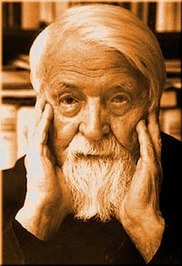
Dumitru Stăniloae’s Followers (70)


Dumitru Stăniloae
Born
in Vlădeni, Romania
November 16, 1903
Died
October 05, 1993
Genre


|
Orthodox Dogmatic Theology: The Experience of God, Vol. 1: Revelation and Knowledge of the Triune God
—
published
1989
—
7 editions
|
|

|
Orthodox Spirituality: A Practical Guide for the Faithful and a Definitive Manual for the Scholar
|
|

|
Orthodox Dogmatic Theology Vol 2
—
published
2000
—
8 editions
|
|

|
Filocalia I
—
published
1947
—
5 editions
|
|

|
The Holy Trinity: In the Beginning There Was Love
—
published
2012
—
4 editions
|
|

|
The Experience of God: Orthodox Dogmatic Theology, vol. 3, The Person of Jesus Christ as God and Savior
by
—
published
2011
—
4 editions
|
|

|
Filocalia - Volumul 2
—
published
1947
—
3 editions
|
|

|
Eternity and Time
by
—
published
2001
—
5 editions
|
|

|
Filocalia
—
published
2007
|
|

|
Rugăciunea lui Iisus și experiența Duhului Sfânt
—
published
1981
—
5 editions
|
|
“The man in whom God rests and who rests in God must reflect the infinity of the conscious light of God; the infinity of God must become proper to man, by grace. That is what is meant by the divinization of man in God and the humanization of God in man. It is the union of God and man in the Holy Spirit, the Spirit of light: the illuminating Spirit of God becomes the Spirit who illuminates man by grace.”
― Prayer and Holiness
― Prayer and Holiness
“For he did not overcome pleasure and pain by a sort of stoic insensibility, an inability to feel; he mastered them through the strengthening of his spirit, thus at the same time preserving yet transfiguring our full human sensibility to suffering and our tendency to want to escape from it.”
― The Victory of the Cross
― The Victory of the Cross
“There is indeed a distinction and nobility full of feeling in this higher form of tenderness that is very different from the conventional distinction and nobility which are distant and formal. This tenderness does not avoid contact with the most humble of men, and is unperturbed by situations in which others would be afraid of failing. The model of this tenderness is the kenosis, the condescension, of Christ. He did not wish to hold himself aloof from sinners, nor from the kind of women who are avoided by men concerned for their own reputation. The kenosis, the self-emptying of Christ is, in itself, the supreme form of tenderness. In it is shown the desire not to be a burden to the humble, nor to embarrass them. By his kenosis he desired to open up a way into their hearts. By kindness he intended to make them give up their cruel ways, instead of persisting in a hardness in which the ‘inferior’ returns the contempt of the ‘superior’.”
― Prayer and Holiness: The Icon of Man Renewed in God
― Prayer and Holiness: The Icon of Man Renewed in God
Topics Mentioning This Author
| topics | posts | views | last activity | |
|---|---|---|---|---|
| Goodreads Librari...: (solved) Iisus Hristos lumina lumii | 2 | 49 | Oct 07, 2022 06:01AM | |
| Goodreads Librari...: (done) Națiune și Creștinism by Stăniloae | 3 | 36 | Feb 05, 2023 08:26AM | |
| Goodreads Librari...: (done) Riscul de a fi ortodox | 3 | 47 | May 09, 2023 11:34AM | |
| Goodreads Librari...: (done) Chipul evanghelic | 3 | 14 | May 18, 2023 12:03PM | |
| Goodreads Librari...: (done) Reflecții despre spiritalitatea poporului român | 3 | 15 | May 18, 2023 12:03PM | |
| Goodreads Librari...: Persoană și comuniune: prinsos de cinstire preotului profesor academician Dumitru Stăniloae (1903-1993) | 2 | 26 | Jun 22, 2023 10:53PM | |
| Goodreads Librari...: Viața repausaților noștri și viața noastră după moarte | 2 | 48 | Dec 21, 2023 06:24AM | |
| Goodreads Librari...: Sfânta Treime sau la început a fost iubirea | 2 | 60 | Jan 18, 2024 10:18AM | |
| Goodreads Librari...: Marcu Ascetul | 2 | 139 | May 11, 2024 01:08AM | |
| Goodreads Librari...: Viața și învățătura Sfântului Grigorie Palama (another edition) | 2 | 136 | May 11, 2024 01:39PM |