
Nick Berg's Blog: Shadows of Tehran Blog
April 28, 2026
How Does an Iran Power Vacuum Shape Who Controls the Future?

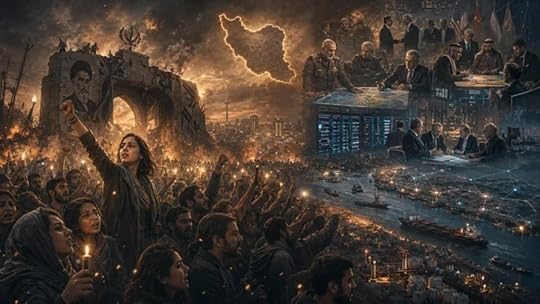 Why Does an Iran Power Vacuum Matter More Than the Fall Itself?
 The fall of a regime does not solve the deeper problem. It creates a new one.
If Iran’s current system weakens or collapses without a clear structure ready to replace it, the real struggle begins afterward.
A power vacuum is never neutral. It becomes the space where control is reassigned. The next outcome is not automatically democr...


April 21, 2026
How Does the Iran Power Structure Actually Break—and Why Does It Matter Globally?
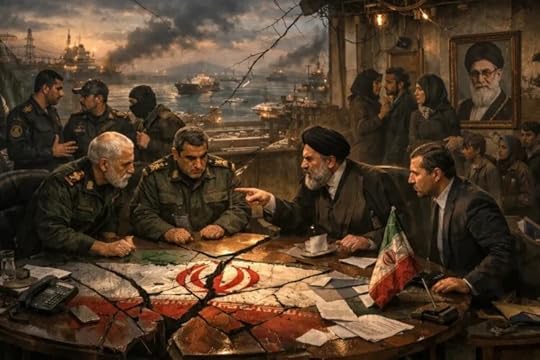 Why Is the Iran Power Structure the Real Place to Watch?
 The future of Iran will not be decided only by how much pressure is visible in public.
It will be decided by whether that pressure reaches the institutions, loyalties, and internal relationships that keep the system functioning.
That is where real change becomes possible.
This article is Part 2 of a 4-part series on how change in Iran act...
April 14, 2026
Why the Iran Protests 2026 Are Not Leading to Real Change
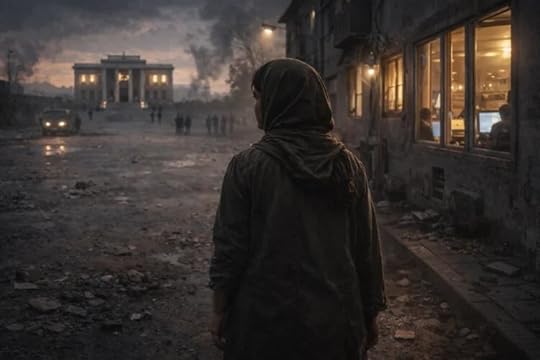 What are the Iran protests of 2026 showing?
 The Iran protests 2026 show a level of nationwide dissatisfaction that goes beyond previous unrest—both in scale and in the groups involved. What makes this wave different is not just that people are protesting but also who is protesting and why.
This article builds on an earlier argument by Nick Berg: that pressure on the Iranian regime is increasing...
April 12, 2026
The Narrow Path: How the United States Can Actually Win in Iran

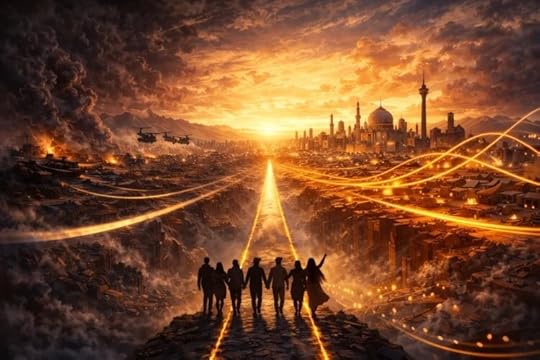 Opinion by Nick Berg Bombs alone won’t produce a Western-aligned Tehran. But a precise combination of military pressure, economic incentives, and Iranian agency just might.
 The temptation in Washington right now is to measure success in Iran by the crater count. Thousands of strikes. A supreme leader dead. A navy sunk. An air force grounded. By any conventional metric of...
March 31, 2026
Why the Iran Conflict Is Exposing Who Is Truly Strong—and Who Was Never Strong at All
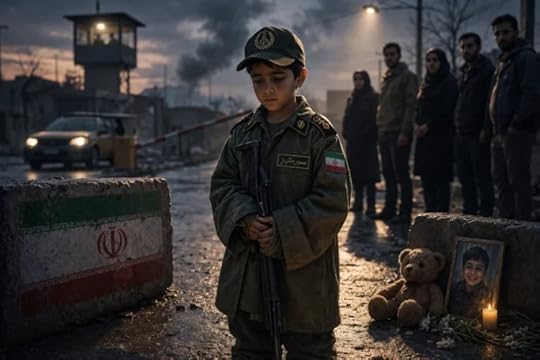 Why Does the Iran Conflict Make False Strength Look Like Real Courage?
 In the Iran conflict, power, weapons, and protection imitate strength, until tested.
The Islamic Revolutionary Guard Corps and Basij built their authority through fear, surveillance, and enforcement—not respect.
Reports from Human Rights Watch show that coercive systems rely on intimidation to maintain control. That creates o...
March 24, 2026
Iranian Resistance Beyond Protests: The Quiet Courage of a Nation

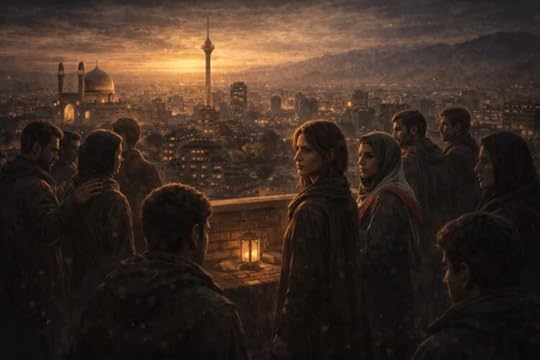 What does Iranian resistance look like when the protests disappear?
 Iranian resistance beyond protests is not visible in the streets, but it has not disappeared.
It has moved into daily life, into quiet decisions, into the spaces where people continue to resist without being seen.
It looks quieter, but not weaker. When the streets empty and the chants fade, resistance in Iran does not end. It ad...
March 17, 2026
Are Antisemitic Attacks Rising, And Do They Ever Stay Contained?

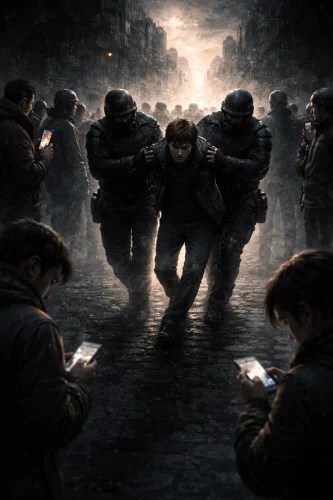 What Does “First They Come…” Really Warn Us About Today?
 First they came for the CommunistsAnd I did not speak outBecause I was not a CommunistThen they came for the SocialistsAnd I did not speak outBecause I was not a SocialistThen they came for the trade unionistsAnd I did not speak outBecause I was not a trade unionistThen they came for the JewsAnd I did not speak outBecau...
March 10, 2026
The Iran War Debate: Would We Accept the Laws We Defend for Others?
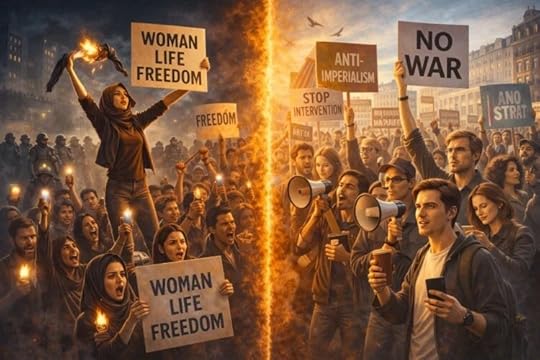
The Iran war debate has become increasingly intense across social media, universities, and political circles. Conversations about war, sanctions, and regional security appear everywhere.
In many of these discussions, people outside Iran find themselves defending the Iranian government—not necessarily because they support its policies, but because they fear another devastating war in the Middle East. That instinct often...
February 24, 2026
Iranian Resistance: When Culture Becomes the Defining Front of a Movement
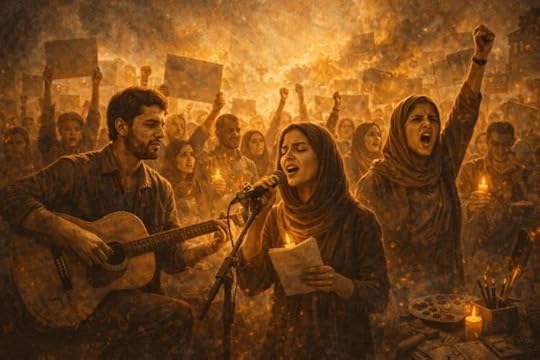
Iranian resistance isn’t just political protest. It’s a cultural shift. One that echoes across campuses, digital spaces, and the memory of those who resisted long before hashtags existed.
In early 2026, students at major Iranian universities, including Tehran, Sharif, and Amir Kabir, reignited protests against the Islamic Republic as the new semester opened. They chanted anti-government slogans and honored classmates k...
February 17, 2026
Between Nuclear Deal Talks and Street Protests: Are Iranians Who Seek Regime Change Being Forgotten?
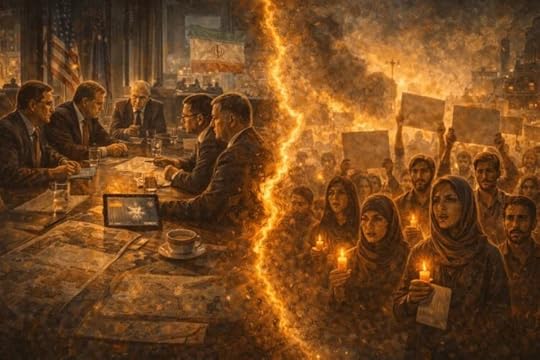 Geneva is negotiating the “nuclear file”
 Today, nuclear deal talks are underway in Geneva, with the U.S. and Iran engaging indirectly and Oman acting as mediator.
At the same time, Iranian authorities have used internet shutdowns and heavy repression to crush protest momentum and reduce what the outside world can verify in real time.
For Iranians who want regime change, the question isn’t whether...
Shadows of Tehran Blog

- Nick Berg's profile
- 58 followers

