
Edie Melson's Blog
February 28, 2026
Jesus the Word of God: Light for Writers
From Edie: Explore the powerful biblical theme of light from Genesis to John, and discover how Jesus—the Word and the Light—shapes our stories. Be inspired as a Christian writer to shine truth, hope, and healing into the darkness through your words.
Jesus the Word of God: Lightby Audrey Frank @AudreyCFrank
In the beginning was the Word, and the Word was with God, and the Word was fully God. The Word was with God in the beginning. All things were created by him, and apart from him not one thing was created that has been created. In him was life, and the life was the light of mankind. And the light shines on in the darkness, but the darkness has not mastered it (John 1:1-5, NET).
Light is woven like silver thread throughout the tapestry of the Bible Story. In the beginning, the Light took up His needle and pierced the darkness with the first sparkling strand. Let there be light became light that was good (Genesis 1:4), and the light was given dominion over darkness (Genesis 1:16-18). The light that ruled in God’s name became light in the dark to God’s people, even when a darkness so thick it could be felt came upon the Egyptians (Exodus 10:21-23). As they wandered through the wilderness, free from slavery yet in need of guidance, the light became a pillar of fire to lead them (Exodus 13:21). God’s presence is the thread; He is the Light of our lives. The presence of God in the darkness illuminates all of time.
God’s people have long understood that God and light are one and the same. The Psalmist called the Lord his light and his salvation (Psalm 27:1). Throughout the Old Testament, the Light is repeatedly declared. He is Jesus, pre-incarnate, there all along. Jesus is both the Word of God and the Light of God. He is the Life and Light of humanity.
The darkness is not dark to Him (Psalm 139:11-12).
Jesus embodies the story of every person, and through His story written in light, plunged into the darkness of death, bursting through the sunrise of resurrection, He sheds light on all our stories.
The Word of God is a lamp unto our feet and a light unto our path, wrote the Psalmist in Psalm 119:105. Jesus, the Word who is fully God as described in John 1, is that Lamp.
With Jesus as our Lamp, we Christian writers have the potential to write light words. We can shed light on the stories of those chained in the darkness of depression, sickness, and despair. It is possible for us to punch our pens into the tapestry of trauma and weave light in the darkness.
Let’s write stories by the light of the Lamp today, beloved.
Lord, my light and my salvation, use my writing to bring light to the darkness. Amen.
TWEETABLEJesus the Word of God: Light fro Writers from @AudreyCFrank on @EdieMelson (Click to Tweet)
Don't miss the other posts in this series! January: Going to the Word for Our Words: Understanding the Source and Power of Our Words February: Jesus the Word of God: How the Creator Shapes Our Words as Christian Writers March: Jesus the Word of God: Light for Writers
 Audrey Frank is an author, speaker, and storyteller. The stories she shares are brave and true. They give voice to those whose words are silenced by shame, the hard things in life that don’t make sense, and the losses that leave us wondering if we will survive. Audrey and her family have spent over twenty years living and working among different cultures and world views, and she has found that God’s story of redemption spans every geography and culture. He is the God of Instead, giving honor instead of shame, gladness instead of mourning, hope instead of despair. Although she has three different degrees in communication and intercultural studies, Audrey’s greatest credential is that she is known and loved by the One who made her.
Audrey is the author of Covered Glory: The Face of Honor and Shame in the Muslim World (Harvest House Publishers), an outpouring of Audrey’s heart to introduce others to the God of Instead. Shame is not unique to the developing world, the plight of the women behind veils, young girls trafficked across borders; shame is lurking in hearts everywhere. Through powerful stories from women around the world, Covered Glory illuminates the power of the Gospel to remove shame, giving honor instead. Available at favorite booksellers: BARNES & NOBLE, BOOKS A MILLION, AMAZON.

Jesus the Word of God: Lightby Audrey Frank @AudreyCFrank
In the beginning was the Word, and the Word was with God, and the Word was fully God. The Word was with God in the beginning. All things were created by him, and apart from him not one thing was created that has been created. In him was life, and the life was the light of mankind. And the light shines on in the darkness, but the darkness has not mastered it (John 1:1-5, NET).
Light is woven like silver thread throughout the tapestry of the Bible Story. In the beginning, the Light took up His needle and pierced the darkness with the first sparkling strand. Let there be light became light that was good (Genesis 1:4), and the light was given dominion over darkness (Genesis 1:16-18). The light that ruled in God’s name became light in the dark to God’s people, even when a darkness so thick it could be felt came upon the Egyptians (Exodus 10:21-23). As they wandered through the wilderness, free from slavery yet in need of guidance, the light became a pillar of fire to lead them (Exodus 13:21). God’s presence is the thread; He is the Light of our lives. The presence of God in the darkness illuminates all of time.
God’s people have long understood that God and light are one and the same. The Psalmist called the Lord his light and his salvation (Psalm 27:1). Throughout the Old Testament, the Light is repeatedly declared. He is Jesus, pre-incarnate, there all along. Jesus is both the Word of God and the Light of God. He is the Life and Light of humanity.
The darkness is not dark to Him (Psalm 139:11-12).
Jesus embodies the story of every person, and through His story written in light, plunged into the darkness of death, bursting through the sunrise of resurrection, He sheds light on all our stories.
The Word of God is a lamp unto our feet and a light unto our path, wrote the Psalmist in Psalm 119:105. Jesus, the Word who is fully God as described in John 1, is that Lamp.
With Jesus as our Lamp, we Christian writers have the potential to write light words. We can shed light on the stories of those chained in the darkness of depression, sickness, and despair. It is possible for us to punch our pens into the tapestry of trauma and weave light in the darkness.
Let’s write stories by the light of the Lamp today, beloved.
Lord, my light and my salvation, use my writing to bring light to the darkness. Amen.
TWEETABLEJesus the Word of God: Light fro Writers from @AudreyCFrank on @EdieMelson (Click to Tweet)
Don't miss the other posts in this series! January: Going to the Word for Our Words: Understanding the Source and Power of Our Words February: Jesus the Word of God: How the Creator Shapes Our Words as Christian Writers March: Jesus the Word of God: Light for Writers
 Audrey Frank is an author, speaker, and storyteller. The stories she shares are brave and true. They give voice to those whose words are silenced by shame, the hard things in life that don’t make sense, and the losses that leave us wondering if we will survive. Audrey and her family have spent over twenty years living and working among different cultures and world views, and she has found that God’s story of redemption spans every geography and culture. He is the God of Instead, giving honor instead of shame, gladness instead of mourning, hope instead of despair. Although she has three different degrees in communication and intercultural studies, Audrey’s greatest credential is that she is known and loved by the One who made her.
Audrey is the author of Covered Glory: The Face of Honor and Shame in the Muslim World (Harvest House Publishers), an outpouring of Audrey’s heart to introduce others to the God of Instead. Shame is not unique to the developing world, the plight of the women behind veils, young girls trafficked across borders; shame is lurking in hearts everywhere. Through powerful stories from women around the world, Covered Glory illuminates the power of the Gospel to remove shame, giving honor instead. Available at favorite booksellers: BARNES & NOBLE, BOOKS A MILLION, AMAZON.


February 27, 2026
Why Identity Is the Key to Character Development: How True vs. False Identity Shapes Every Story
From Edie: Discover why identity is the foundation of powerful storytelling. Learn how true vs. false identity shapes character development, drives conflict, and creates meaningful character arcs that resonate with readers.

Why Identity Is the Key to Character Development: How True vs. False Identity Shapes Every Storyby Zena Dell Lowe @ZenaDellLowe
There’s a lot of talk these days about identity. People are constantly saying things like, “I identify as….” But what does that actually mean? What defines a person’s identity? And more importantly for storytellers—why does identity matter so much in story?
Most character problems are actually identity problems. If you don’t understand identity, you won’t understand character arc. Plot exists to apply pressure until the truth of who a character is can no longer stay hidden.
1. The Core of Identity: Essence (Who the Character Really Is)
At its deepest level, identity is about essence—who a person really is deep down, whether they acknowledge it or not. This part of identity is stable and objectively true. It’s not something that’s negotiated or invented. It simply is. And therefore, it’s something that’s discovered.
From a philosophical standpoint, this refers to a person’s continuity of being—you are who you are, at all times, regardless of circumstances. From a Christian standpoint, it means we are created in the image of God. Our value and dignity are intrinsic, not assigned by society or earned through performance.
In story, this is the truth the narrative is built around. Because True identity is uncovered, not invented. The most enduring stories operate this way.
For example, Harry Potter is “the boy who lived.” He didn’t choose that identity. He didn’t declare it. He discovered it—and the story unfolds as he gradually accepts the weight and responsibility that come with it.
This is why strong stories feel inevitable. They assume there is something true about a character that exists before the character fully understands it. The character isn’t becoming someone new. They’re becoming who they already are at their core. And the plot exists to reveal that truth.
2. Identity Is Revealed and Tested in Relationship
Identity doesn’t exist in a vacuum. It is clarified, challenged, and tested in relationship.
We all live out relational identities. For example, I’m a daughter, a friend, a teacher, a Montanan, a dog mom, and more. These roles don’t define my essence, but they do shape how I understand myself. Relationships give context. Without them, we struggle even to form the concept of self.
This is why children who grow up without healthy attachment often struggle so much. Families and society can give us false narratives that reinforce or distort who we are.
In story, other characters exist for this reason. They challenge or reinforce the lie the protagonist believes about himself. Identity is clarified in relationship—it is not formed in isolation.
In The Lion King, Simba tries to deny his identity after tragedy. He defines himself by guilt and shame. But it’s through relationship—through Rafiki, and the memory of Mufasa—that he’s confronted with the truth: “Remember who you are.”
That line isn’t just sentimental. It’s the thematic spine of the story. Simba’s community calls him back to his rightful place, and the plot only resolves once he accepts that identity and acts accordingly.
3. The Psychological Layer: Declared Identity (Who the Character Thinks They Are)
This is where most stories begin. The psychological layer of identity is the character’s self-concept—the narrative they tell themselves about who they are. This includes beliefs, values, wounds, fears, memories, and desires.
This is where “I identify as…” lives.
And this layer is fluid. It can be wrong. It can be incomplete. And it can be deeply distorted.
In Mad Men, Don Draper declares a false identity and builds his entire life around it. The tension of the show comes from the collision between his performed self and his true self. The more pressure the plot applies on Don, the harder it becomes for him to maintain the lie.
And this is the crucial point for writers to understand: Story is what happens when a character’s declared identity collides with their true identity under pressure.
A character can claim to be any way he likes. The question is: is it true? A story’s job is to systematically strip away denial until the character sees themselves clearly. The arc is complete when declared identity collides with reality, and the character can no longer pretend.
4. The Cultural Layer: Identity as Expression
Contemporary culture increasingly treats identity as self-expression rather than discovery. “I identify as X” often means, “I want you to recognize me as this.”
That can feel empowering. But dramatically, it’s unstable.
When identity becomes purely a negotiation between personal declaration and social affirmation, story loses its grounding. Characters no longer discover truth; they merely assert preference. Right and wrong no longer exist. Therefore, conflict turns ideological instead of moral. And when conflict becomes purely ideological, stakes begin to collapse—because nothing real resists the character, and resistance is what creates drama.
Stories built on endlessly malleable identity often struggle because nothing pushes back. The character is never forced to confront something true about themselves. They simply perform a version of themselves and ask the world to validate it.
5. The Central Conflict: Declared vs. Discovered Identity
This is where identity becomes the engine of story.Declared identity says: “I identify as ___, therefore I am.”Discovered identity says: “I am ___, therefore I must live accordingly.”
Every meaningful character arc is built on the tension between those two statements.
The character begins with a false or incomplete understanding of who they are. The plot applies pressure. Relationships challenge the lie. Reality resists. And eventually, the character must either:Align their life with the truth of their identity orRefuse it—and pay the price
This is why identity is never abstract in good storytelling. It determines the choices a character makes under pressure. And choices are story.
Without a clear understanding of identity, writers often substitute traits, trauma, or ideology. The result is a character who feels performative instead of real—preachy instead of compelling.
When identity is rooted in something true, story regains its power. Conflict has teeth. Transformation feels earned. Meaning emerges organically. Identity stops being a costume party—and becomes a calling.
Why This Matters for Writers
Every story, at its core, is an identity crisis.
Plot exists to apply pressure to a character until the truth of who they are can no longer remain hidden. A character’s external goal reveals what they want. But their internal struggle—the thing that gives the story weight—is always about identity: Who am I really, and How should I live in light of that truth?
To understand how identity functions in story, we have to understand what identity actually is. Because the moment a character can no longer pretend—when who they claim to be collides with who they really are—that’s when the story finally reveals what it was about all along.
TWEETABLEWhy Identity Is the Key to Character Development: How True vs. False Identity Shapes Every Story from @ZenaDellLowe on @EdieMelson (Click to Tweet)
 Zena has worked professionally in the entertainment industry for over 20 years as a writer, producer, director, actress, and story consultant. Zena also teaches advanced classes on writing all over the country. As a writer, Zena has won numerous awards for her work. She also has several feature film projects in development through her independent production company, Mission Ranch Films. In addition to her work as a filmmaker, Zena launched The Storyteller’s Mission with Zena Dell Lowe, a podcast designed to serve the whole artist, not just focus on craft. In 2021, Zena launched The Storyteller’s Mission Online Platform, where she offers advanced classes and other key services to writers. Zena loves story and loves to support storytellers. Her passion is to equip artists of all levels to achieve excellence at their craft, so that they will truly have everything they need to change the world for the better through story.
To find out more about Zena or her current courses and projects, check out her websites at WWW.MISSIONRANCHFILMS.COM and WWW.THESTORYTELLERSMISSION.COM

Why Identity Is the Key to Character Development: How True vs. False Identity Shapes Every Storyby Zena Dell Lowe @ZenaDellLowe
There’s a lot of talk these days about identity. People are constantly saying things like, “I identify as….” But what does that actually mean? What defines a person’s identity? And more importantly for storytellers—why does identity matter so much in story?
Most character problems are actually identity problems. If you don’t understand identity, you won’t understand character arc. Plot exists to apply pressure until the truth of who a character is can no longer stay hidden.
1. The Core of Identity: Essence (Who the Character Really Is)
At its deepest level, identity is about essence—who a person really is deep down, whether they acknowledge it or not. This part of identity is stable and objectively true. It’s not something that’s negotiated or invented. It simply is. And therefore, it’s something that’s discovered.
From a philosophical standpoint, this refers to a person’s continuity of being—you are who you are, at all times, regardless of circumstances. From a Christian standpoint, it means we are created in the image of God. Our value and dignity are intrinsic, not assigned by society or earned through performance.
In story, this is the truth the narrative is built around. Because True identity is uncovered, not invented. The most enduring stories operate this way.
For example, Harry Potter is “the boy who lived.” He didn’t choose that identity. He didn’t declare it. He discovered it—and the story unfolds as he gradually accepts the weight and responsibility that come with it.
This is why strong stories feel inevitable. They assume there is something true about a character that exists before the character fully understands it. The character isn’t becoming someone new. They’re becoming who they already are at their core. And the plot exists to reveal that truth.
2. Identity Is Revealed and Tested in Relationship
Identity doesn’t exist in a vacuum. It is clarified, challenged, and tested in relationship.
We all live out relational identities. For example, I’m a daughter, a friend, a teacher, a Montanan, a dog mom, and more. These roles don’t define my essence, but they do shape how I understand myself. Relationships give context. Without them, we struggle even to form the concept of self.
This is why children who grow up without healthy attachment often struggle so much. Families and society can give us false narratives that reinforce or distort who we are.
In story, other characters exist for this reason. They challenge or reinforce the lie the protagonist believes about himself. Identity is clarified in relationship—it is not formed in isolation.
In The Lion King, Simba tries to deny his identity after tragedy. He defines himself by guilt and shame. But it’s through relationship—through Rafiki, and the memory of Mufasa—that he’s confronted with the truth: “Remember who you are.”
That line isn’t just sentimental. It’s the thematic spine of the story. Simba’s community calls him back to his rightful place, and the plot only resolves once he accepts that identity and acts accordingly.
3. The Psychological Layer: Declared Identity (Who the Character Thinks They Are)
This is where most stories begin. The psychological layer of identity is the character’s self-concept—the narrative they tell themselves about who they are. This includes beliefs, values, wounds, fears, memories, and desires.
This is where “I identify as…” lives.
And this layer is fluid. It can be wrong. It can be incomplete. And it can be deeply distorted.
In Mad Men, Don Draper declares a false identity and builds his entire life around it. The tension of the show comes from the collision between his performed self and his true self. The more pressure the plot applies on Don, the harder it becomes for him to maintain the lie.
And this is the crucial point for writers to understand: Story is what happens when a character’s declared identity collides with their true identity under pressure.
A character can claim to be any way he likes. The question is: is it true? A story’s job is to systematically strip away denial until the character sees themselves clearly. The arc is complete when declared identity collides with reality, and the character can no longer pretend.
4. The Cultural Layer: Identity as Expression
Contemporary culture increasingly treats identity as self-expression rather than discovery. “I identify as X” often means, “I want you to recognize me as this.”
That can feel empowering. But dramatically, it’s unstable.
When identity becomes purely a negotiation between personal declaration and social affirmation, story loses its grounding. Characters no longer discover truth; they merely assert preference. Right and wrong no longer exist. Therefore, conflict turns ideological instead of moral. And when conflict becomes purely ideological, stakes begin to collapse—because nothing real resists the character, and resistance is what creates drama.
Stories built on endlessly malleable identity often struggle because nothing pushes back. The character is never forced to confront something true about themselves. They simply perform a version of themselves and ask the world to validate it.
5. The Central Conflict: Declared vs. Discovered Identity
This is where identity becomes the engine of story.Declared identity says: “I identify as ___, therefore I am.”Discovered identity says: “I am ___, therefore I must live accordingly.”
Every meaningful character arc is built on the tension between those two statements.
The character begins with a false or incomplete understanding of who they are. The plot applies pressure. Relationships challenge the lie. Reality resists. And eventually, the character must either:Align their life with the truth of their identity orRefuse it—and pay the price
This is why identity is never abstract in good storytelling. It determines the choices a character makes under pressure. And choices are story.
Without a clear understanding of identity, writers often substitute traits, trauma, or ideology. The result is a character who feels performative instead of real—preachy instead of compelling.
When identity is rooted in something true, story regains its power. Conflict has teeth. Transformation feels earned. Meaning emerges organically. Identity stops being a costume party—and becomes a calling.
Why This Matters for Writers
Every story, at its core, is an identity crisis.
Plot exists to apply pressure to a character until the truth of who they are can no longer remain hidden. A character’s external goal reveals what they want. But their internal struggle—the thing that gives the story weight—is always about identity: Who am I really, and How should I live in light of that truth?
To understand how identity functions in story, we have to understand what identity actually is. Because the moment a character can no longer pretend—when who they claim to be collides with who they really are—that’s when the story finally reveals what it was about all along.
TWEETABLEWhy Identity Is the Key to Character Development: How True vs. False Identity Shapes Every Story from @ZenaDellLowe on @EdieMelson (Click to Tweet)
 Zena has worked professionally in the entertainment industry for over 20 years as a writer, producer, director, actress, and story consultant. Zena also teaches advanced classes on writing all over the country. As a writer, Zena has won numerous awards for her work. She also has several feature film projects in development through her independent production company, Mission Ranch Films. In addition to her work as a filmmaker, Zena launched The Storyteller’s Mission with Zena Dell Lowe, a podcast designed to serve the whole artist, not just focus on craft. In 2021, Zena launched The Storyteller’s Mission Online Platform, where she offers advanced classes and other key services to writers. Zena loves story and loves to support storytellers. Her passion is to equip artists of all levels to achieve excellence at their craft, so that they will truly have everything they need to change the world for the better through story.
To find out more about Zena or her current courses and projects, check out her websites at WWW.MISSIONRANCHFILMS.COM and WWW.THESTORYTELLERSMISSION.COM
February 26, 2026
10 Best Writing Tips for Christian Writers: Habits That Strengthen Your Craft and Calling
From Edie: Discover 10 practical writing tips for Christian writers to strengthen your craft, grow in discipline, and stay faithful to your calling. Build habits that lead to writing excellence.
10 Best Writing Tips for Christian Writers: Habits That Strengthen Your Craft and Calling by Lori Hatcher
If I asked you, “What’s the best piece of writing advice you’ve received,” what would you say?
Today, in the spirit of collective learning, I’d like to share ten of my favorite random best practices for writing excellence. 1. Say thank you—often. Thank those who have helped you along the way: mentors, writing friends, conference instructors, blog authors, Word Weavers members, readers who leave encouraging comments, social media followers, etc. etc. etc. Most of all, thank God for giving you the gift of words and the ability to share them.2. Be a generous writer. Share what you have with others. Write book reviews. Share books, blogs, and posts that have ministered to you. Be generous with your knowledge or connections. Give away your writing. Choose a charity or ministry to give a portion of your writing earnings. Consider tithing on your time and talent as well as your money. God loves a cheerful giver and promises to bless the giver as much as the receiver.3. Don’t neglect your physical needs. Eat regularly, especially when you’re immersed in writing. Take stand/stretch/walk breaks at least every hour. Get a massage or buy a massage gun, a stand desk, or a treadmill.4. Don’t neglect your emotional needs. Writers tend to be cave people, but even the most introverted need friends. Intentionally schedule an occasional lunch out or a phone call. Take time to play, especially if you think you can’t afford the time away from your computer. Do something fun with your spouse. Trust me. You’ll come back refreshed and better able to write.5. Don’t neglect your spiritual needs. You can’t write from an empty well. The best way to fill it up is to drink deeply of God’s Word. He also calls us to be active members of a local church (Hebrews 10:25). Christ loves the church, and we should too—the local church, not only the universal church. We must also study, study, study, and pray, pray, pray. God promises that we will find Him if we search for Him with all our hearts. 6. Strive for excellence. We must always battle the temptation to be lazy. Writing is hard. Rewriting is hard. Editing is hard. Marketing is hard. The writers who truly glorify God are those who do the best they can at whatever stage of their writing career they’re in. Notice I didn’t say their writing is perfect. They seek to do the best work they can do for the stage they’re in. 7. Resist the urge to make excuses for what you don’t know. In this digital age, we have no reason to be ignorant. If your critique group members keep writing passive voice on your submissions, go online (or search The Write Conversation archives) for articles explaining what it is and how to fix it. If you realize you don’t know how to add graphics to your blog post, send out a newsletter, or write a book proposal, do an internet or AI search. We live in the perfect era to learn new things.8. Pray before, during, and after you write. Before, ask for God’s direction and inspiration. During, pray through the first draft, edits, and rewrites. After, ask God to direct your words to those He intends to help through them.9. Use the Read Aloud tool (found under the Review tab in MS Word) to get your computer to read your work back to you. As you listen, edit for awkward phrasing, typos, and clarity.10. Adjust your expectations. Sometimes we need to step back or step away, and that’s okay. During seasons of illness, crisis, or family turmoil, it’s unrealistic to think you can keep chugging along as if the sun was shining and the wind was at your back. Instead, keep a journal of how you’ve seen God manifest Himself on your behalf. Jot down vignettes that happen in the hospital, doctor’s office, or sick room. Look for spiritual connections and lessons from the days’ experiences and capture them so you can write about them later. “Micro-blog” on social media by sharing a photo and a thought instead of a long, perfectly-formatted post. When circumstances crowd your writing time or you’re physically or emotionally sidelined, it’s okay to step away. But don’t step out. If God has called you to write for Him, He’ll either make a way for you to write in the circumstances or change them to allow you to continue.
My list of writer best practices may have jogged your memory about one of your best practices. I’d love for you to leave a comment and share it with the Write Conversation family.
Write on!~Lori
TWEETABLE10 Best Writing Tips for Christian Writers: Habits That Strengthen Your Craft and Calling from Lori Hatcher on @EdieMelson (Click to Tweet)
 Since she was old enough to read a Little Golden Book, Lori Hatcher has been fascinated by words. She’s woven them into seven devotionals with Our Daily Bread Publishing, including her latest, Lord, I Believe: 60 Devotions for Your Troubled Heart. She shares her insight in writers workshops around the country and has encouraged women’s ministry groups in the United States, Japan, Mexico, and Spain. Connect with her at LoriHatcher.com.

10 Best Writing Tips for Christian Writers: Habits That Strengthen Your Craft and Calling by Lori Hatcher
If I asked you, “What’s the best piece of writing advice you’ve received,” what would you say?
Today, in the spirit of collective learning, I’d like to share ten of my favorite random best practices for writing excellence. 1. Say thank you—often. Thank those who have helped you along the way: mentors, writing friends, conference instructors, blog authors, Word Weavers members, readers who leave encouraging comments, social media followers, etc. etc. etc. Most of all, thank God for giving you the gift of words and the ability to share them.2. Be a generous writer. Share what you have with others. Write book reviews. Share books, blogs, and posts that have ministered to you. Be generous with your knowledge or connections. Give away your writing. Choose a charity or ministry to give a portion of your writing earnings. Consider tithing on your time and talent as well as your money. God loves a cheerful giver and promises to bless the giver as much as the receiver.3. Don’t neglect your physical needs. Eat regularly, especially when you’re immersed in writing. Take stand/stretch/walk breaks at least every hour. Get a massage or buy a massage gun, a stand desk, or a treadmill.4. Don’t neglect your emotional needs. Writers tend to be cave people, but even the most introverted need friends. Intentionally schedule an occasional lunch out or a phone call. Take time to play, especially if you think you can’t afford the time away from your computer. Do something fun with your spouse. Trust me. You’ll come back refreshed and better able to write.5. Don’t neglect your spiritual needs. You can’t write from an empty well. The best way to fill it up is to drink deeply of God’s Word. He also calls us to be active members of a local church (Hebrews 10:25). Christ loves the church, and we should too—the local church, not only the universal church. We must also study, study, study, and pray, pray, pray. God promises that we will find Him if we search for Him with all our hearts. 6. Strive for excellence. We must always battle the temptation to be lazy. Writing is hard. Rewriting is hard. Editing is hard. Marketing is hard. The writers who truly glorify God are those who do the best they can at whatever stage of their writing career they’re in. Notice I didn’t say their writing is perfect. They seek to do the best work they can do for the stage they’re in. 7. Resist the urge to make excuses for what you don’t know. In this digital age, we have no reason to be ignorant. If your critique group members keep writing passive voice on your submissions, go online (or search The Write Conversation archives) for articles explaining what it is and how to fix it. If you realize you don’t know how to add graphics to your blog post, send out a newsletter, or write a book proposal, do an internet or AI search. We live in the perfect era to learn new things.8. Pray before, during, and after you write. Before, ask for God’s direction and inspiration. During, pray through the first draft, edits, and rewrites. After, ask God to direct your words to those He intends to help through them.9. Use the Read Aloud tool (found under the Review tab in MS Word) to get your computer to read your work back to you. As you listen, edit for awkward phrasing, typos, and clarity.10. Adjust your expectations. Sometimes we need to step back or step away, and that’s okay. During seasons of illness, crisis, or family turmoil, it’s unrealistic to think you can keep chugging along as if the sun was shining and the wind was at your back. Instead, keep a journal of how you’ve seen God manifest Himself on your behalf. Jot down vignettes that happen in the hospital, doctor’s office, or sick room. Look for spiritual connections and lessons from the days’ experiences and capture them so you can write about them later. “Micro-blog” on social media by sharing a photo and a thought instead of a long, perfectly-formatted post. When circumstances crowd your writing time or you’re physically or emotionally sidelined, it’s okay to step away. But don’t step out. If God has called you to write for Him, He’ll either make a way for you to write in the circumstances or change them to allow you to continue.
My list of writer best practices may have jogged your memory about one of your best practices. I’d love for you to leave a comment and share it with the Write Conversation family.
Write on!~Lori
TWEETABLE10 Best Writing Tips for Christian Writers: Habits That Strengthen Your Craft and Calling from Lori Hatcher on @EdieMelson (Click to Tweet)
.jpeg) Since she was old enough to read a Little Golden Book, Lori Hatcher has been fascinated by words. She’s woven them into seven devotionals with Our Daily Bread Publishing, including her latest, Lord, I Believe: 60 Devotions for Your Troubled Heart. She shares her insight in writers workshops around the country and has encouraged women’s ministry groups in the United States, Japan, Mexico, and Spain. Connect with her at LoriHatcher.com.
Since she was old enough to read a Little Golden Book, Lori Hatcher has been fascinated by words. She’s woven them into seven devotionals with Our Daily Bread Publishing, including her latest, Lord, I Believe: 60 Devotions for Your Troubled Heart. She shares her insight in writers workshops around the country and has encouraged women’s ministry groups in the United States, Japan, Mexico, and Spain. Connect with her at LoriHatcher.com.
February 25, 2026
The Complete Guide to Self-Editing for Writers, Part 4: Final Revisions and Beta Reader Feedback
From Edie: Learn how to revise your final draft using beta reader feedback. Discover practical self-editing tips to strengthen your manuscript before submission or self-publishing.
The Complete Guide to Self-Editing for Writers, Part 4: Final Revisions and Beta Reader Feedbackby Henry McLaughlin @RiverBendSagas
We covered a lot of territory over the last few months. Now, we’re coming toward the end of preparing our manuscript for submission or self-publishing.
Revise—Again
It’s time to write the third draft. Or maybe yours is a higher number. Doesn’t matter how many drafts you take to get to this point. My award-winning novel, Journey to Riverbend, went through eight drafts before winning its award. And then it went through one more revision through the publisher.
The key to revising is recognizing, as Jerry B. Jenkins puts it, when all we’re doing is changing it, we’re not making it better. Unfortunately, there is no magic formula for knowing when we’ve reached this point. The moment comes as a realization after prayer and working with others we trust we’ve done the best we can. And we trust God to do the rest.
This revision is when we incorporate the comments and feedback from our beta readers into the manuscript.
Please don’t see this as merely tweaking. We enter this revision with a commitment to rewrite as much as we need to. This is where we kill any darlings that escaped the earlier drafts. We tighten our writing, cutting extraneous words—Yes, we’ll still find them. And cutting or tightening scenes, chapters, characters, and anything else that hinders our story.
The first thing to do is read all the comments and answers from our beta readers. When we see criticism, remember—we asked for it. They took the time and made the effort to help us. We need to respect that by giving close attention to their efforts. Identify areas where the beta readers agree on something. If two out of three of my readers tell me there’s a problem in a specific area, I fix it. If I’m still not sure, I may ask them to re-read such a section to clarify that I got it.
Helpful Resources
Self-editing is not something we do in a vacuum. As I’ve noted in this series, we have critique groups and beta readers to help us. We also have the expertise of other authors and editors. There are conferences, workshop, and webinars.
And there are books. The best things about books are they’re always available at our desk in print or e-book. I prefer print for highlighting and margin notes. And their batteries don’t give out when I need them most.
Three I recommend are:
Revision and Self-Editing for Publication (2nd Edition) by James Scott Bell. (Out of print) Writer’s Digest, 2012. This book gives excellent tools and advice for taking our first draft to finished manuscript worthy of publishing.
Self-Editing for Fiction Writers [2nd Edition) by Renni Browne and Dave King. Harper Collins, 2004. In this book two professional editors teach writers how to apply editing techniques to turn their manuscripts. A valuable resource that never seems dated.
Troubleshooting Your Novel by Steven James. Writer’s Digest, 2016. This book provides practical instruction targeted the problem areas and weak spots in our stories.
What other resources have you found helpful in self-editing your work?
After we complete this process, we’ve probably done all we can to prepare our manuscript. But I would argue we’re not done yet.
Next month, in the final installment in this series, we’ll take a look at bringing in a professional editor.
TWEETABLEThe Complete Guide to Self-Editing for Writers, Part 4: Final Revisions and Beta Reader Feedback from Henry Mclaughlin (@RiverBendSagas) on @EdieMelson (Click to Tweet)
Don't Miss the Rest of This Valuable Series! Part 1: How to Strengthen Your Manuscript One Step at a Time Part 2: Practical Tools and Techniques to Strengthen Your Manuscript before Outside Feedback Part 3: Using Beta Readers in the Self-editing Process Part 4: Final Revisions and Beta Reader Feedback
 Henry’s debut novel, Journey to Riverbend, won the 2009 Operation First Novel contest.
Henry edits novels, leads critique groups, and teaches at conferences and workshops. He enjoys mentoring and coaching individual writers. Connect with Henry on his BLOG, X (TWITTER) and FACEBOOK.

The Complete Guide to Self-Editing for Writers, Part 4: Final Revisions and Beta Reader Feedbackby Henry McLaughlin @RiverBendSagas
We covered a lot of territory over the last few months. Now, we’re coming toward the end of preparing our manuscript for submission or self-publishing.
Revise—Again
It’s time to write the third draft. Or maybe yours is a higher number. Doesn’t matter how many drafts you take to get to this point. My award-winning novel, Journey to Riverbend, went through eight drafts before winning its award. And then it went through one more revision through the publisher.
The key to revising is recognizing, as Jerry B. Jenkins puts it, when all we’re doing is changing it, we’re not making it better. Unfortunately, there is no magic formula for knowing when we’ve reached this point. The moment comes as a realization after prayer and working with others we trust we’ve done the best we can. And we trust God to do the rest.
This revision is when we incorporate the comments and feedback from our beta readers into the manuscript.
Please don’t see this as merely tweaking. We enter this revision with a commitment to rewrite as much as we need to. This is where we kill any darlings that escaped the earlier drafts. We tighten our writing, cutting extraneous words—Yes, we’ll still find them. And cutting or tightening scenes, chapters, characters, and anything else that hinders our story.
The first thing to do is read all the comments and answers from our beta readers. When we see criticism, remember—we asked for it. They took the time and made the effort to help us. We need to respect that by giving close attention to their efforts. Identify areas where the beta readers agree on something. If two out of three of my readers tell me there’s a problem in a specific area, I fix it. If I’m still not sure, I may ask them to re-read such a section to clarify that I got it.
Helpful Resources
Self-editing is not something we do in a vacuum. As I’ve noted in this series, we have critique groups and beta readers to help us. We also have the expertise of other authors and editors. There are conferences, workshop, and webinars.
And there are books. The best things about books are they’re always available at our desk in print or e-book. I prefer print for highlighting and margin notes. And their batteries don’t give out when I need them most.
Three I recommend are:
Revision and Self-Editing for Publication (2nd Edition) by James Scott Bell. (Out of print) Writer’s Digest, 2012. This book gives excellent tools and advice for taking our first draft to finished manuscript worthy of publishing.
Self-Editing for Fiction Writers [2nd Edition) by Renni Browne and Dave King. Harper Collins, 2004. In this book two professional editors teach writers how to apply editing techniques to turn their manuscripts. A valuable resource that never seems dated.
Troubleshooting Your Novel by Steven James. Writer’s Digest, 2016. This book provides practical instruction targeted the problem areas and weak spots in our stories.
What other resources have you found helpful in self-editing your work?
After we complete this process, we’ve probably done all we can to prepare our manuscript. But I would argue we’re not done yet.
Next month, in the final installment in this series, we’ll take a look at bringing in a professional editor.
TWEETABLEThe Complete Guide to Self-Editing for Writers, Part 4: Final Revisions and Beta Reader Feedback from Henry Mclaughlin (@RiverBendSagas) on @EdieMelson (Click to Tweet)
Don't Miss the Rest of This Valuable Series! Part 1: How to Strengthen Your Manuscript One Step at a Time Part 2: Practical Tools and Techniques to Strengthen Your Manuscript before Outside Feedback Part 3: Using Beta Readers in the Self-editing Process Part 4: Final Revisions and Beta Reader Feedback
 Henry’s debut novel, Journey to Riverbend, won the 2009 Operation First Novel contest.
Henry edits novels, leads critique groups, and teaches at conferences and workshops. He enjoys mentoring and coaching individual writers. Connect with Henry on his BLOG, X (TWITTER) and FACEBOOK.
February 24, 2026
How to Overcome Writer Burnout and Depression: 10 Ways to Get Your Writing Passion Back
From Edie: Struggling with writer burnout or discouragement? Discover 10 practical ways to overcome depression, renew your mindset, and rediscover your passion for writing.
How to Overcome Writer Burnout and Depression: 10 Ways to Get Your Writing Passion Back by DiAnn Mills @DiAnnMills
No matter how dedicated we are as writers, depression and burnout can drag us to the bottom of a well filled with quicksand. I know you’re trying to grasp what seems to be lost, but the gray days weigh heavily. Whether you’ve written for two decades or two years, now is the time to get out of that rut and back into the writing game with passion and enthusiasm.
Grab a pad of paper and your favorite pen, and let’s get started. This may not be easy, and it doesn’t need to be completed in one sitting, but it’s worth the effort. I’ve been in the pits of discouragement, and it’s not pleasant. The uncomfortable moments of our lives plant seeds for intense writing.
Get Your Writing Passion Back with These 10 Questions
1. Think back to why you started writing. What fueled you to learn the craft and move forward with your publishing goals? Do you remember the nudging in your heart and soul to create with words? I urge you to craft a mission statement that speaks to your values. If you already have one, does it need updated?
2. What changes did you make in your life to accommodate writing? Are those changes still in place? Do you need to venture back or modify them? Write every single physical, mental, emotional, and spiritual change that accompanied your newfound goals.
3. Why is getting into your writing game important? What might stop you?
4. List your accomplishments as a writer. How do you feel about those successes?
5. List the items that have disappointed you. What have you learned from those experiences?
6. What are you reading? Do you read the same genre or unique books?
7. Who are your favorite authors? Why? How do they affect your writing?
8. Reconnect with your readers. What can you do for them?
9. Write something that is dear to your heart, not necessarily publishable, but a piece that gives you satisfaction.
10. Invite God into your writing for guidance, encouragement, and inspiration.
11. Bonus: Do not compare your success to any other writer. You may not be where you want to be, but courage to move forward is a double bonus.
Ten ways to get your heart and pen back in the game, and a bonus tip for all writers.
Do you have a tip to help other writers in the gray seasons?
TWEETABLEHow to Overcome Writer Burnout and Depression: 10 Ways to Get Your Writing Passion Back from @DiAnnMills on @EdieMelson (Click to Tweet)
 DiAnn Mills is a bestselling author who invites readers to expect an adventure—where heart-pounding suspense meets unforgettable romance and faith shines through every challenge. Known for crafting gripping plots and richly layered characters, DiAnn believes every breath we take unfolds a story waiting to be told—so why not make it thrilling?
Her novels have appeared on the CBA, ECPA, and Publishers Weekly bestseller lists and have earned numerous honors, including the Christy, Selah, Golden Scroll, Inspirational Readers’ Choice, and Carol Awards.
DiAnn is a founding board member of American Christian Fiction Writers and serves as Conference Advisor for the Blue Ridge Mountains Christian Writers Conference. She is also active in Advanced Writers and Speakers Association, Mystery Writers of America, International Thriller Writers, the Jerry Jenkins Writers Guild, Outliers Writing University, and The Christian Pen. Passionate about helping others succeed, she invests in writers through mentoring, book coaching, editing, and dynamic workshops she teaches across the country.
A self-proclaimed coffee snob who roasts her own beans, DiAnn enjoys diving into good books, experimenting in the kitchen, and unabashedly spoiling her grandchildren—whom she insists are the smartest kids in the universe. She makes her home under the sunny skies of Houston, Texas.
Connect with DiAnn for behind-the-scenes glimpses, writing tips, and lively conversations at diannmills.com, or on Facebook, X, Instagram, Pinterest, Goodreads, BookBub, YouTube, and LinkedIn.

How to Overcome Writer Burnout and Depression: 10 Ways to Get Your Writing Passion Back by DiAnn Mills @DiAnnMills
No matter how dedicated we are as writers, depression and burnout can drag us to the bottom of a well filled with quicksand. I know you’re trying to grasp what seems to be lost, but the gray days weigh heavily. Whether you’ve written for two decades or two years, now is the time to get out of that rut and back into the writing game with passion and enthusiasm.
Grab a pad of paper and your favorite pen, and let’s get started. This may not be easy, and it doesn’t need to be completed in one sitting, but it’s worth the effort. I’ve been in the pits of discouragement, and it’s not pleasant. The uncomfortable moments of our lives plant seeds for intense writing.
Get Your Writing Passion Back with These 10 Questions
1. Think back to why you started writing. What fueled you to learn the craft and move forward with your publishing goals? Do you remember the nudging in your heart and soul to create with words? I urge you to craft a mission statement that speaks to your values. If you already have one, does it need updated?
2. What changes did you make in your life to accommodate writing? Are those changes still in place? Do you need to venture back or modify them? Write every single physical, mental, emotional, and spiritual change that accompanied your newfound goals.
3. Why is getting into your writing game important? What might stop you?
4. List your accomplishments as a writer. How do you feel about those successes?
5. List the items that have disappointed you. What have you learned from those experiences?
6. What are you reading? Do you read the same genre or unique books?
7. Who are your favorite authors? Why? How do they affect your writing?
8. Reconnect with your readers. What can you do for them?
9. Write something that is dear to your heart, not necessarily publishable, but a piece that gives you satisfaction.
10. Invite God into your writing for guidance, encouragement, and inspiration.
11. Bonus: Do not compare your success to any other writer. You may not be where you want to be, but courage to move forward is a double bonus.
Ten ways to get your heart and pen back in the game, and a bonus tip for all writers.
Do you have a tip to help other writers in the gray seasons?
TWEETABLEHow to Overcome Writer Burnout and Depression: 10 Ways to Get Your Writing Passion Back from @DiAnnMills on @EdieMelson (Click to Tweet)
 DiAnn Mills is a bestselling author who invites readers to expect an adventure—where heart-pounding suspense meets unforgettable romance and faith shines through every challenge. Known for crafting gripping plots and richly layered characters, DiAnn believes every breath we take unfolds a story waiting to be told—so why not make it thrilling?
Her novels have appeared on the CBA, ECPA, and Publishers Weekly bestseller lists and have earned numerous honors, including the Christy, Selah, Golden Scroll, Inspirational Readers’ Choice, and Carol Awards.
DiAnn is a founding board member of American Christian Fiction Writers and serves as Conference Advisor for the Blue Ridge Mountains Christian Writers Conference. She is also active in Advanced Writers and Speakers Association, Mystery Writers of America, International Thriller Writers, the Jerry Jenkins Writers Guild, Outliers Writing University, and The Christian Pen. Passionate about helping others succeed, she invests in writers through mentoring, book coaching, editing, and dynamic workshops she teaches across the country.
A self-proclaimed coffee snob who roasts her own beans, DiAnn enjoys diving into good books, experimenting in the kitchen, and unabashedly spoiling her grandchildren—whom she insists are the smartest kids in the universe. She makes her home under the sunny skies of Houston, Texas.
Connect with DiAnn for behind-the-scenes glimpses, writing tips, and lively conversations at diannmills.com, or on Facebook, X, Instagram, Pinterest, Goodreads, BookBub, YouTube, and LinkedIn.
February 23, 2026
When You Feel Behind as a Writer: Trust God’s Timing and Your Calling
From Edie: Feeling behind as a writer? Discover biblical encouragement to trust God’s timing, embrace your calling, and move forward with confidence in your writing journey.
When You Feel Behind as a Writer: Trust God’s Timing and Your Callingby Edie Melson @EdieMelson
Do you ever feel like you missed your chance?
Maybe you stepped away from writing for a season that quietly stretched into years. Perhaps you started a manuscript you never finished. You may have even watched others move forward—publishing books, building platforms, finding success—leaving you feeling stuck, stalled, or forgotten.
It could be life just happened. Life does tend to ambush us when we least expect it—responsibilities grow, priorities shift, and unexpected circumstances demanded all our energy. Then, when we look back at our writing goals, it feels like we’ve fallen so far behind we’ll never catch up.
If that’s where you are today, you’re not alone.
I think most writers have stood in this place at one time or another.
But I’ve come to understand something important when that happens. Describing my circumstances as I’m behind is rarely accurate. At the very least, it’s never the whole picture.
Because with God, there’s always more going on than we can see.
A Lesson from an “In-Between” Season
An illustration was brought home to me on a trip to the Blue Ridge Mountains a few years ago.
We took a trip during what I assumed would be a dull, in-between time—too late for the vibrant blooms of summer and too early for the breathtaking colors of fall.
All I expected was a quiet, somewhat colorless season.
I couldn’t have been more wrong.
Instead of colorless, I found myself amazed by the variety of late-blooming flowers scattered across the landscape. Bright splashes of color appeared in unexpected places—along trails, tucked beside rocks, reaching up through tall grasses. The air carried the faint, sweet fragrance of blossoms I hadn’t expected to see at all.
The sunlight filtered through the trees in soft patches, illuminating flowers I might have missed if I’d been in a different season—or in a hurry.
It wasn’t the landscape I expected.
And it was beautiful.
As I looked at the beauty around me, God gently pressed a truth into my soul.
God’s Timing Isn’t Ours
Those wildflowers weren’t blooming late.
They were blooming exactly when they were created to bloom.
Some were part of a natural late-season cycle. Others had been influenced by their surroundings—protected by shade, sheltered from wind, or nourished in a way that shifted their timing.
But none of them were wrong or out of sync. None of them were behind. They were simply growing according to God’s design.
And as I stood there taking in the beauty—snapping pictures—I realized how often I measured my life, and my writing, against the wrong timetable.
I had been looking at my writing journey through the lens of my expectations.
God was inviting me to see it through the lens of His purpose.
The Lie We Believe as Writers
When we feel behind, we tend to believe certain things:I missed my opportunity.It’s too late for me to start again.If it was really God’s calling, it would have happened by now.Other writers are so far ahead—I’ll never catch up.
Those thoughts feel true, but they aren’t.
Romans 11:29 reminds us: “For the gifts and the calling of God are irrevocable.”
God doesn’t withdraw His calling on our lives because of delays, detours, or difficult seasons.
He doesn’t look at our lives and say, “Well, you didn’t meet the timeline, so I’ll find someone else.”
What He plants, He will use. Always.
What We Call Late, God May Call Preparation
There have been seasons in my own life when writing slowed—or even stopped.
At the time, it felt like failure. Looking back, I see something entirely different. I see preparation.
God was:Deepening my faithExpanding my understandingTeaching me lessons I could use in my writingPositioning me to reach people I couldn’t have reached earlier
What I saw as delay, God was using as development.
Because God never works in isolation.
He isn’t just shaping your writing—He’s shaping you. And He’s also preparing the people your words will one day reach.
Your Writing Is Not on Your Timeline
Just like those wildflowers in the mountains, our writing lives aren’t meant to follow a single, predictable schedule.
Some writers bloom early.
Others bloom later.
Some produce quickly.
Others grow slowly, deeply, quietly—until the right season arrives.
The danger comes when we compare our timeline to someone else’s.
Because comparison will always tell you you’re either:Too lateToo slowToo far behind
God’s perspective is entirely different.
He sees:The unseen growthThe quiet obedienceThe hidden preparationThe timing that aligns not just your life—but the lives of those you will impact
What This Means for Us Today
If you feel behind in your writing, here’s what I want you to remember:
You are not behind.
You are not disqualified.
You are not forgotten.
You are in a season.
And God is at work in it.
So what do you do now?Return to the page. Even if it’s just a few words.Release the timeline. God is not asking you to catch up—only to be faithful.Pay attention to what He’s teaching you. That may become the very message you’re meant to share.Trust the process. What feels slow is often where the deepest roots are formed.
You don’t have to rush into bloom.
You just remain planted.
A Final Truth to Keep in Your Heart
When we allow our writing to bloom on God’s timetable, He uses it in ways we could never orchestrate ourselves.
He places our words in the right hearts, at the right time, for the right purpose.
We aren’t too late.
We aren’t off track.
We are being grown, prepared, and positioned.
And when the time is right, what God has planted will bloom—beautifully, purposefully, and exactly when it should.
TWEETABLEWhen You Feel Behind as a Writer: Trust God’s Timing and Your Calling from @EdieMelson (Click to Tweet)
 Edie uses the truths God has taught her as an author, photographer, and blogger to encourage others. She’s learned to embrace the ultimate contradiction of being an organized creative. As a sought-after speaker, she’s empowered and challenged audiences across the country and around the world. Her numerous books reflect her passion to help others call on God’s strength during challenging times, often using creativity to empower this connection. She also knows the necessity of Soul Care and leads retreats, conferences, and workshops on ways to use creativity to help strengthen our connection with God.
She and husband Kirk have been married 44+ years with three grown sons and four grandchildren. They live in the foothills of the Blue Ridge Mountains and can often be found with their big black dog hiking the mountains.

When You Feel Behind as a Writer: Trust God’s Timing and Your Callingby Edie Melson @EdieMelson
Do you ever feel like you missed your chance?
Maybe you stepped away from writing for a season that quietly stretched into years. Perhaps you started a manuscript you never finished. You may have even watched others move forward—publishing books, building platforms, finding success—leaving you feeling stuck, stalled, or forgotten.
It could be life just happened. Life does tend to ambush us when we least expect it—responsibilities grow, priorities shift, and unexpected circumstances demanded all our energy. Then, when we look back at our writing goals, it feels like we’ve fallen so far behind we’ll never catch up.
If that’s where you are today, you’re not alone.
I think most writers have stood in this place at one time or another.
But I’ve come to understand something important when that happens. Describing my circumstances as I’m behind is rarely accurate. At the very least, it’s never the whole picture.
Because with God, there’s always more going on than we can see.
A Lesson from an “In-Between” Season
An illustration was brought home to me on a trip to the Blue Ridge Mountains a few years ago.
We took a trip during what I assumed would be a dull, in-between time—too late for the vibrant blooms of summer and too early for the breathtaking colors of fall.
All I expected was a quiet, somewhat colorless season.
I couldn’t have been more wrong.
Instead of colorless, I found myself amazed by the variety of late-blooming flowers scattered across the landscape. Bright splashes of color appeared in unexpected places—along trails, tucked beside rocks, reaching up through tall grasses. The air carried the faint, sweet fragrance of blossoms I hadn’t expected to see at all.
The sunlight filtered through the trees in soft patches, illuminating flowers I might have missed if I’d been in a different season—or in a hurry.
It wasn’t the landscape I expected.
And it was beautiful.
As I looked at the beauty around me, God gently pressed a truth into my soul.
God’s Timing Isn’t Ours
Those wildflowers weren’t blooming late.
They were blooming exactly when they were created to bloom.
Some were part of a natural late-season cycle. Others had been influenced by their surroundings—protected by shade, sheltered from wind, or nourished in a way that shifted their timing.
But none of them were wrong or out of sync. None of them were behind. They were simply growing according to God’s design.
And as I stood there taking in the beauty—snapping pictures—I realized how often I measured my life, and my writing, against the wrong timetable.
I had been looking at my writing journey through the lens of my expectations.
God was inviting me to see it through the lens of His purpose.
The Lie We Believe as Writers
When we feel behind, we tend to believe certain things:I missed my opportunity.It’s too late for me to start again.If it was really God’s calling, it would have happened by now.Other writers are so far ahead—I’ll never catch up.
Those thoughts feel true, but they aren’t.
Romans 11:29 reminds us: “For the gifts and the calling of God are irrevocable.”
God doesn’t withdraw His calling on our lives because of delays, detours, or difficult seasons.
He doesn’t look at our lives and say, “Well, you didn’t meet the timeline, so I’ll find someone else.”
What He plants, He will use. Always.
What We Call Late, God May Call Preparation
There have been seasons in my own life when writing slowed—or even stopped.
At the time, it felt like failure. Looking back, I see something entirely different. I see preparation.
God was:Deepening my faithExpanding my understandingTeaching me lessons I could use in my writingPositioning me to reach people I couldn’t have reached earlier
What I saw as delay, God was using as development.
Because God never works in isolation.
He isn’t just shaping your writing—He’s shaping you. And He’s also preparing the people your words will one day reach.
Your Writing Is Not on Your Timeline
Just like those wildflowers in the mountains, our writing lives aren’t meant to follow a single, predictable schedule.
Some writers bloom early.
Others bloom later.
Some produce quickly.
Others grow slowly, deeply, quietly—until the right season arrives.
The danger comes when we compare our timeline to someone else’s.
Because comparison will always tell you you’re either:Too lateToo slowToo far behind
God’s perspective is entirely different.
He sees:The unseen growthThe quiet obedienceThe hidden preparationThe timing that aligns not just your life—but the lives of those you will impact
What This Means for Us Today
If you feel behind in your writing, here’s what I want you to remember:
You are not behind.
You are not disqualified.
You are not forgotten.
You are in a season.
And God is at work in it.
So what do you do now?Return to the page. Even if it’s just a few words.Release the timeline. God is not asking you to catch up—only to be faithful.Pay attention to what He’s teaching you. That may become the very message you’re meant to share.Trust the process. What feels slow is often where the deepest roots are formed.
You don’t have to rush into bloom.
You just remain planted.
A Final Truth to Keep in Your Heart
When we allow our writing to bloom on God’s timetable, He uses it in ways we could never orchestrate ourselves.
He places our words in the right hearts, at the right time, for the right purpose.
We aren’t too late.
We aren’t off track.
We are being grown, prepared, and positioned.
And when the time is right, what God has planted will bloom—beautifully, purposefully, and exactly when it should.
TWEETABLEWhen You Feel Behind as a Writer: Trust God’s Timing and Your Calling from @EdieMelson (Click to Tweet)
 Edie uses the truths God has taught her as an author, photographer, and blogger to encourage others. She’s learned to embrace the ultimate contradiction of being an organized creative. As a sought-after speaker, she’s empowered and challenged audiences across the country and around the world. Her numerous books reflect her passion to help others call on God’s strength during challenging times, often using creativity to empower this connection. She also knows the necessity of Soul Care and leads retreats, conferences, and workshops on ways to use creativity to help strengthen our connection with God.
 She and husband Kirk have been married 44+ years with three grown sons and four grandchildren. They live in the foothills of the Blue Ridge Mountains and can often be found with their big black dog hiking the mountains.
February 22, 2026
7 Writing Mistakes That Hurt Your Story (and How to Avoid “Literary Leftovers”)
From Edie: Struggling with weak writing? Discover 7 common fiction writing mistakes—like head-hopping, clichés, and weak verbs—and learn how to avoid “literary leftovers” that hurt your story.
7 Writing Mistakes That Hurt Your Story (and How to Avoid “Literary Leftovers”)by Ane Mulligan @AneMulligan
When I first started writing, it was so far removed from my school days, I didn't remember the "rules" of good writing. Today, we call those guidelines—back then, in the stone age, they were hard and fast rules.
I joined an online critique group and quickly learned heard I was head-hopping and needed to choose a POV. I hadn't ever heard the term POV. I was told that in those dark ages, writers wrote omniscient. Omniscient is something God is. What did that have to do with fiction?
So, what does that have to do with leftovers? You want to offer readers your best—not leftovers.
What are literary leftovers?
1. Not removing superfluous adverbs in contrast to spending an extra twenty minutes looking for just the right verb. It's like the difference between the flour you use to bake bread. The bread will rise with both flours, but bread flour gives it better structure. Your book will have better structure with strong verbs instead of a bunch of adverbs.
2. Not knowing your characters well enough to communicate their hurts and motivation. Date nut bread contains dates and nuts among other things. Without those, it's just a sweet bread. The dates and nuts give it its classic characteristics. In a fictional character, you need to know them so well, you know how they react to any given situation.
Can you start writing and learn them as you go along? Like when you forget to buy an important ingredient, you'll have to return to the store. In your writing, you will have to return to earlier chapter and change a lot.
3. Not investing the time required to get the character's motivation shown-not-told on the page. Have you ever pulled a soufflé from the oven too soon? Yeah. It falls flat. Just like a story will if we don't put enough time into showing our characters' motivation. Yes, you could "tell" it, but the experience of "seeing" that soufflé collapse is more meaningful—and funnier.
4. Using clichés or over-used metaphors. There are times a well-known cliché works best. But the reaction to reading an innovative twist on one is fun. In one book, I twisted "Cheshire cat grin" into "Garfield eyeing a pan of lasagna." Think hard when incorporating a metaphor or simile. Go back to #3.
5. Recycling a great metaphor or simile without changing it. I used the Garfield metaphor in one book and won't use it again (except for an example in a blog post). Your second or third draft should be used for writing the perfect metaphor or simile. Use all your creativity to make comparisons. It takes time, but … go back to #3. Writing good fiction takes time—just like a great recipe does.
6. Using the same old conflict over and over. In romance, if miscommunication is the onlyconflict, that’s week-old-moldy-green leftovers. Granted miscommunication happens but find more conflict than just that. His goal could be her worst nightmare or vice versa. Her past may keep her from trusting him. Brainstorm with yourself. Use sticky notes on a wall and write anything that comes to mind. Then, like using the correct spices, keep the ones that enhance your story.
7. Not always striving to grow as a writer. This is the epitome of leftovers. Growth is the ultimate flavoring we can add. I want to have every book I write be better than my last one. New tools can be as small as using pronouns instead of the word "the." It can be as large as showing emotion by body language instead of saying, "She was sad." There are so many good blogs on writing, if you can always pick up even the tiniest tool to enhance your story, you're ahead of the rest.
I have sixteen published books and have contributed to several anthologies, and I'm still gleaning new techniques for my writers toolbox. And when I pen my final book, I hope to still add something new to my writing.
Nobody ever said writing a good novel is easy. Except for Red Smith. He said when asked if writing was hard, "Why no. You simply sit down at the typewriter, open your veins, and bleed."
Do you have any other literary leftovers you can add to this list?
TWEETABLE7 Writing Mistakes That Hurt Your Story (and How to Avoid “Literary Leftovers”) from @AneMulligan on @EdieMelson (Click to Tweet)
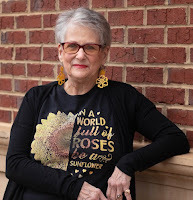 Ane Mulligan lives life from a director’s chair, both in theatre and at her desk creating novels. Entranced with story by age three, at five she saw PETER PAN onstage and was struck with a fever from which she never recovered—stage fever. One day, her passions collided, and an award-winning, bestselling novelist emerged. She believes chocolate and coffee are two of the four major food groups and lives in Sugar Hill, GA, with her artist husband, a rescued German shepherd, and a rascally Rottweiler. Find Ane on her website, Amazon Author page, Facebook, Instagram, Pinterest, The Write Conversation, and Blue Ridge Conference Blog.
.jpg)
7 Writing Mistakes That Hurt Your Story (and How to Avoid “Literary Leftovers”)by Ane Mulligan @AneMulligan
When I first started writing, it was so far removed from my school days, I didn't remember the "rules" of good writing. Today, we call those guidelines—back then, in the stone age, they were hard and fast rules.
I joined an online critique group and quickly learned heard I was head-hopping and needed to choose a POV. I hadn't ever heard the term POV. I was told that in those dark ages, writers wrote omniscient. Omniscient is something God is. What did that have to do with fiction?
So, what does that have to do with leftovers? You want to offer readers your best—not leftovers.
What are literary leftovers?
1. Not removing superfluous adverbs in contrast to spending an extra twenty minutes looking for just the right verb. It's like the difference between the flour you use to bake bread. The bread will rise with both flours, but bread flour gives it better structure. Your book will have better structure with strong verbs instead of a bunch of adverbs.
2. Not knowing your characters well enough to communicate their hurts and motivation. Date nut bread contains dates and nuts among other things. Without those, it's just a sweet bread. The dates and nuts give it its classic characteristics. In a fictional character, you need to know them so well, you know how they react to any given situation.
Can you start writing and learn them as you go along? Like when you forget to buy an important ingredient, you'll have to return to the store. In your writing, you will have to return to earlier chapter and change a lot.
3. Not investing the time required to get the character's motivation shown-not-told on the page. Have you ever pulled a soufflé from the oven too soon? Yeah. It falls flat. Just like a story will if we don't put enough time into showing our characters' motivation. Yes, you could "tell" it, but the experience of "seeing" that soufflé collapse is more meaningful—and funnier.
4. Using clichés or over-used metaphors. There are times a well-known cliché works best. But the reaction to reading an innovative twist on one is fun. In one book, I twisted "Cheshire cat grin" into "Garfield eyeing a pan of lasagna." Think hard when incorporating a metaphor or simile. Go back to #3.
5. Recycling a great metaphor or simile without changing it. I used the Garfield metaphor in one book and won't use it again (except for an example in a blog post). Your second or third draft should be used for writing the perfect metaphor or simile. Use all your creativity to make comparisons. It takes time, but … go back to #3. Writing good fiction takes time—just like a great recipe does.
6. Using the same old conflict over and over. In romance, if miscommunication is the onlyconflict, that’s week-old-moldy-green leftovers. Granted miscommunication happens but find more conflict than just that. His goal could be her worst nightmare or vice versa. Her past may keep her from trusting him. Brainstorm with yourself. Use sticky notes on a wall and write anything that comes to mind. Then, like using the correct spices, keep the ones that enhance your story.
7. Not always striving to grow as a writer. This is the epitome of leftovers. Growth is the ultimate flavoring we can add. I want to have every book I write be better than my last one. New tools can be as small as using pronouns instead of the word "the." It can be as large as showing emotion by body language instead of saying, "She was sad." There are so many good blogs on writing, if you can always pick up even the tiniest tool to enhance your story, you're ahead of the rest.
I have sixteen published books and have contributed to several anthologies, and I'm still gleaning new techniques for my writers toolbox. And when I pen my final book, I hope to still add something new to my writing.
Nobody ever said writing a good novel is easy. Except for Red Smith. He said when asked if writing was hard, "Why no. You simply sit down at the typewriter, open your veins, and bleed."
Do you have any other literary leftovers you can add to this list?
TWEETABLE7 Writing Mistakes That Hurt Your Story (and How to Avoid “Literary Leftovers”) from @AneMulligan on @EdieMelson (Click to Tweet)
 Ane Mulligan lives life from a director’s chair, both in theatre and at her desk creating novels. Entranced with story by age three, at five she saw PETER PAN onstage and was struck with a fever from which she never recovered—stage fever. One day, her passions collided, and an award-winning, bestselling novelist emerged. She believes chocolate and coffee are two of the four major food groups and lives in Sugar Hill, GA, with her artist husband, a rescued German shepherd, and a rascally Rottweiler. Find Ane on her website, Amazon Author page, Facebook, Instagram, Pinterest, The Write Conversation, and Blue Ridge Conference Blog.
February 21, 2026
Intentional Consistency: 8 Habits That Help Writers Stay Faithful to Their Calling
From Edie: Discover eight practical habits that help writers practice intentional consistency, protect their writing time, and stay faithful to the calling God has placed on their lives.
Intentional Consistency: 8 Habits That Help Writers Stay Faithful to Their CallingBy Edie Melson @EdieMelson
The idea of intentional consistency may sound too obvious to mention. But stay with me for a moment.
Life is incredibly busy. Most of us are dividing our time into smaller and smaller portions, juggling responsibilities, opportunities, and obligations. And when life gets crowded, writing is often the first thing to slip through the cracks.
But I’ve come to believe that writing doesn’t belong in the leftover spaces of our lives.
We’ve been given a gift. We’ve been entrusted with a calling. And ignoring that calling—or only tending to it when life calms down—can quietly turn into poor stewardship.
So I’ve been working to practice what I call intentional consistency in my writing life.
And if you’re like me, you’ve probably discovered that no matter how good your intentions are, life still intrudes.
That’s why consistency has to be intentional.
Here are eight simple practices that have helped me stay faithful to my writing, even in busy seasons.
8 Habits That Help Writers Practice Intentional Consistency
1. Identify your most creative hours
I’ve determined when I’m most creative and blocked that time on my calendar. For me, that window is the morning—anytime before noon.
Truthfully, I’m not able to spend every single morning writing. But when the time is blocked off, it forces me to weigh other opportunities more carefully.
When writing has a reserved place on your calendar, it becomes harder to treat it as optional.
2. Set weekly goals instead of daily ones
I prefer weekly goals over daily goals because they’re more flexible.
If I miss a day, I still have the rest of the week to meet the expectations I’ve set. Sometimes those goals are based on word count. Other times, they’re based on tasks.
For example, when I’m working on a devotional project, my weekly goal might be:Edit three devotionsDraft two new onesFinalize a section for submission
Weekly goals create forward movement without unnecessary pressure.
3. Write regularly—even when you don’t feel like it
No, I don’t write every single day. I believe writers need a Sabbath rest.
But I do write when I don’t feel like it, as well as when I do.
We are all busy. We all have important responsibilities. But if we call ourselves writers, then writing must be one of those priorities.
We can’t just:Talk about writingCritique other writersPlan to write when life slows down
If we do, we risk becoming like the rich man in Luke 12 who planned for the future but ignored the present. We are not promised tomorrow. We cannot afford to squander today.
4. Respect your calling
This required an attitude shift for me.
Through prayer and study, I’ve realized that God expects obedience in every area of life—not just the hard or unpleasant ones. Obedience is meant to be foundational.
For a long time, I loved writing so much that I subconsciously assumed it wasn’t important. After all, it was enjoyable.
But obedience isn’t measured by difficulty or income. It’s measured by faithfulness.
Whether or not my writing earns money, I’m called to be obedient with the gift God has given me.
5. Let God set your priorities—even when it means saying no
I try to model my life after Jesus. And when I study His life, I see something striking.
He was never controlled by someone else’s agenda—even when the need was urgent.
He walked away from:Crowds who needed healingHurting peopleConfused disciples
Why? Because He followed the Father’s priorities, not the pressure of the moment.
Everywhere around us are good needs:Ministries that need volunteersChildren who need babysittingLoved ones who need help
But we are not God. We cannot be everywhere at once.
When God says no, I go with it.When He says write, I sit down and write.
6. Enlist a support team
Actually, I have more than one.
I have:A prayer team that prays specifically for my writing ministryA group of writers I meet with regularly
Both groups provide accountability and perspective. They help me remember my priorities and make wiser choices.
Writing may be solitary, but writers shouldn’t be isolated.
7. Take time off
I’ve tried the “work every waking hour” approach. It doesn’t work.
It makes me:CrankyTiredDifficult to live with
It’s also unfair to my family and friends. Relationships matter. When my life is out of balance, my calling isn’t the only thing that suffers.
Rest is not the enemy of productivity.Sometimes, it’s the very thing that sustains it.
8. Nurture yur relationship with God
This is the foundation. Without it, numbers one through seven lose their meaning.
I make these a regular— daily —priority:PrayerScripture studyQuiet with God
I’ve learned—usually the hard way—that the crazier life gets, the more time I need with Him.
Consistency in writing begins with consistency in our walk with God.
Why Intentional Consistency Matters for Writers
None of these eight practices is earth-shattering. In fact, most of them sound fairly obvious—until we try to apply them to our own lives.
For me, these changes required a significant shift in thinking and habits. But the results have been worth it.
Intentional consistency:Protects your writing timeStrengthens your callingBuilds steady progressReduces guilt and frustrationKeeps your focus on faithfulness, not just productivity
Writing isn’t something we squeeze in around life.For those called to it, writing is part of the life God has given us.
Now it's your turn. What does intentional consistency look like in your writing life? Share your thoughts in the comments. Your experience may encourage another writer today.
Don’t forget to join the conversation!Blessings,Edie
TWEETABLEIntentional Consistency: 8 Habits That Help Writers Stay Faithful to Their Calling from @EdieMelson (Click to Tweet)
 Edie uses the truths God has taught her as an author, photographer, and blogger to encourage others. She’s learned to embrace the ultimate contradiction of being an organized creative. As a sought-after speaker, she’s empowered and challenged audiences across the country and around the world. Her numerous books reflect her passion to help others call on God’s strength during challenging times, often using creativity to empower this connection. She also knows the necessity of Soul Care and leads retreats, conferences, and workshops on ways to use creativity to help strengthen our connection with God.
She and husband Kirk have been married 44+ years with three grown sons and four grandchildren. They live in the foothills of the Blue Ridge Mountains and can often be found with their big black dog hiking the mountains.

Intentional Consistency: 8 Habits That Help Writers Stay Faithful to Their CallingBy Edie Melson @EdieMelson
The idea of intentional consistency may sound too obvious to mention. But stay with me for a moment.
Life is incredibly busy. Most of us are dividing our time into smaller and smaller portions, juggling responsibilities, opportunities, and obligations. And when life gets crowded, writing is often the first thing to slip through the cracks.
But I’ve come to believe that writing doesn’t belong in the leftover spaces of our lives.
We’ve been given a gift. We’ve been entrusted with a calling. And ignoring that calling—or only tending to it when life calms down—can quietly turn into poor stewardship.
So I’ve been working to practice what I call intentional consistency in my writing life.
And if you’re like me, you’ve probably discovered that no matter how good your intentions are, life still intrudes.
That’s why consistency has to be intentional.
Here are eight simple practices that have helped me stay faithful to my writing, even in busy seasons.
8 Habits That Help Writers Practice Intentional Consistency
1. Identify your most creative hours
I’ve determined when I’m most creative and blocked that time on my calendar. For me, that window is the morning—anytime before noon.
Truthfully, I’m not able to spend every single morning writing. But when the time is blocked off, it forces me to weigh other opportunities more carefully.
When writing has a reserved place on your calendar, it becomes harder to treat it as optional.
2. Set weekly goals instead of daily ones
I prefer weekly goals over daily goals because they’re more flexible.
If I miss a day, I still have the rest of the week to meet the expectations I’ve set. Sometimes those goals are based on word count. Other times, they’re based on tasks.
For example, when I’m working on a devotional project, my weekly goal might be:Edit three devotionsDraft two new onesFinalize a section for submission
Weekly goals create forward movement without unnecessary pressure.
3. Write regularly—even when you don’t feel like it
No, I don’t write every single day. I believe writers need a Sabbath rest.
But I do write when I don’t feel like it, as well as when I do.
We are all busy. We all have important responsibilities. But if we call ourselves writers, then writing must be one of those priorities.
We can’t just:Talk about writingCritique other writersPlan to write when life slows down
If we do, we risk becoming like the rich man in Luke 12 who planned for the future but ignored the present. We are not promised tomorrow. We cannot afford to squander today.
4. Respect your calling
This required an attitude shift for me.
Through prayer and study, I’ve realized that God expects obedience in every area of life—not just the hard or unpleasant ones. Obedience is meant to be foundational.
For a long time, I loved writing so much that I subconsciously assumed it wasn’t important. After all, it was enjoyable.
But obedience isn’t measured by difficulty or income. It’s measured by faithfulness.
Whether or not my writing earns money, I’m called to be obedient with the gift God has given me.
5. Let God set your priorities—even when it means saying no
I try to model my life after Jesus. And when I study His life, I see something striking.
He was never controlled by someone else’s agenda—even when the need was urgent.
He walked away from:Crowds who needed healingHurting peopleConfused disciples
Why? Because He followed the Father’s priorities, not the pressure of the moment.
Everywhere around us are good needs:Ministries that need volunteersChildren who need babysittingLoved ones who need help
But we are not God. We cannot be everywhere at once.
When God says no, I go with it.When He says write, I sit down and write.
6. Enlist a support team
Actually, I have more than one.
I have:A prayer team that prays specifically for my writing ministryA group of writers I meet with regularly
Both groups provide accountability and perspective. They help me remember my priorities and make wiser choices.
Writing may be solitary, but writers shouldn’t be isolated.
7. Take time off
I’ve tried the “work every waking hour” approach. It doesn’t work.
It makes me:CrankyTiredDifficult to live with
It’s also unfair to my family and friends. Relationships matter. When my life is out of balance, my calling isn’t the only thing that suffers.
Rest is not the enemy of productivity.Sometimes, it’s the very thing that sustains it.
8. Nurture yur relationship with God
This is the foundation. Without it, numbers one through seven lose their meaning.
I make these a regular— daily —priority:PrayerScripture studyQuiet with God
I’ve learned—usually the hard way—that the crazier life gets, the more time I need with Him.
Consistency in writing begins with consistency in our walk with God.
Why Intentional Consistency Matters for Writers
None of these eight practices is earth-shattering. In fact, most of them sound fairly obvious—until we try to apply them to our own lives.
For me, these changes required a significant shift in thinking and habits. But the results have been worth it.
Intentional consistency:Protects your writing timeStrengthens your callingBuilds steady progressReduces guilt and frustrationKeeps your focus on faithfulness, not just productivity
Writing isn’t something we squeeze in around life.For those called to it, writing is part of the life God has given us.
Now it's your turn. What does intentional consistency look like in your writing life? Share your thoughts in the comments. Your experience may encourage another writer today.
Don’t forget to join the conversation!Blessings,Edie
TWEETABLEIntentional Consistency: 8 Habits That Help Writers Stay Faithful to Their Calling from @EdieMelson (Click to Tweet)
 Edie uses the truths God has taught her as an author, photographer, and blogger to encourage others. She’s learned to embrace the ultimate contradiction of being an organized creative. As a sought-after speaker, she’s empowered and challenged audiences across the country and around the world. Her numerous books reflect her passion to help others call on God’s strength during challenging times, often using creativity to empower this connection. She also knows the necessity of Soul Care and leads retreats, conferences, and workshops on ways to use creativity to help strengthen our connection with God.
 She and husband Kirk have been married 44+ years with three grown sons and four grandchildren. They live in the foothills of the Blue Ridge Mountains and can often be found with their big black dog hiking the mountains.
February 20, 2026
YouTube for Writers, Part 6: Building Your Author Brand on YouTube
From Edie: Build a strong author brand on YouTube with tips on colors, fonts, name, headshot, and slogan to create a consistent, recognizable presence.

YouTube for Writers, Part 6: Building Your Author Brand on YouTube by Samantha Evans Tschritter @LoveSamEvans
Golden arches. The swoosh symbol. A red rectangle with a white “play” triangle. Do I need further proof about the effectiveness of branding?
Maybe you’ve heard the term, but you’re not really sure what “branding yourself” encompasses.
I don’t know about you, but for me, the idea of branding conjures an image of a rope-tied calf lying near a barn and a man gripping an orange-hot iron, his face shaded by an oversized cowboy hat.
Did I lose you? I don’t know about branding, but seventy-six romance authors just paused to scribble notes for a book idea.
Come back to me.
Because branding matters. The same way a cattle brand ties the herd to a specific ranch, your logo, vibe, and presentation tie your content back to you. Brand is the business card of social media.
In this article, we’ll tackle five specific facets of branding:ColorsFontsNameHeadshotSlogan
Visual Consistency:
For me, choosing a color schematic was the easiest and most fun part of the branding process.
1.) Colors:If you don’t have brand colors yet, let me help you reverse engineer this situation. What’s your favorite color? What color dominates the clothes in your closet? What color do you feel best in? What color do people say you look great in? If your anything like me, then each of these questions has the exact same answer. Color I look best in: burgundy (jewel tones and earth tones). Color I chose for my wedding: Burgundy. Color I decided to paint my room in high school: Burgundy (Sounds overwhelming, but it was super pretty. Hardwood floors, white doors, white trim, all white furniture, white bed spread, tons of natural light)
My point is, if you’ve not yet chosen a color pallet, now you have an edge over me. Only after I chose my colors, did I start to realize that most of the colors in my closet matched my color scheme. Once you have the main color, you can type into the search bar, “Color Pallets With ______” and choose the one that resonates with you the most. When you scroll through my Instagram @SETschritter, you will see how the color scheme works together. If you scroll down far enough, you’ll also see exactly where I started incorporating brand. The consistency of the color scheme creates an appealing aesthetic feel.
2.) Fonts:Consistent font choices add to the aesthetic appeal. If I say “Danielle Steele” can you envision the font style of her name on book covers? Font becomes part of our signature. My advice:Choose four fonts—One serif, one sans serif, one script, one boldChoose fonts that appear in both Canva and WordOnly use these four fonts when creating social media postsUse the same font for your name every time, on every book cover or social media post.Script font works best for names… in my personal opinion.
3.) Name:Your name is your brand. I’ve used the exact same name for the last four books I’ve published. The romantic suspense novel that releases later this year—and every other book hereafter—will have the same name. What do I mean? How hard is a name? You might be surprised. I have books published and social media posts labeled with the following names:Samantha EvansSam Evans Samantha Evans Tschritter S. E. Tschritter
And while the above identity crisis waged, my Facebook name was Samantha Lewis Evans.
There might even be content from Samantha A. Evans out there from the months following my realization that there was an erotica author named Samantha Evans.
When I asked my publicist if I should be Samantha Evans Tschritter for podcast interviews, he replied, “Do you know what the J.K. in J.K. Rawlings stands for?” I told him no. “Alright then. Be S. E. Tschritter for interviews.”
Pick a name. Be the name. People will start to recognize you that way.
3.) Headshot:
Using the same headshot over and over is one of the easiest ways to help your fans recognize you. @EdieMelson is very good about this. I am not. I have too many pretty pictures of myself that I paid for that I want to use. Consider the mood of your photo. Whatever the vibe of your writing is—dark, sassy, romantic, funny—your headshot should mirror that.
4.) Slogan:
Your slogan should encompass all of your writing. It is essentially an undercover mission statement. Lynn Blackburn, for instance, writes “Swoon-Worthy Suspense.” This perfect slogan is short, catchy, and draws in the audience for her books.
As a multi-genre author, my slogan is a bit more broad and has transformed with time.Speaking truth with transparency, humor, and loveShe told them they were lovedLove Unedited
Level Up:
Once you’ve nailed colors, fonts, name, a headshot, and a slogan, here are several other facets to consider.Design a logoCreate a cohesive look across your website, newsletter, and all your socialsCreate book covers with a cohesive feelLean into who you are, rather than trying to be someone else, but be intentional. Consider your tone in reels, videos, and posts. Humorous? Formal? Intense? This is about who you are, not your genre, but the two can work together. Answer the question: Would readers recognize your work without your name on it?Answer the question: How do you want readers to feel after reading your work?
Whatever choices you make regarding your brand, the most important consideration is that you remain you.
For more insight, be sure to watch “Branding for Writers: How to Build an Author Brand that Readers Trust.” After reading this article, which facet of improving your brand do you need to work at first?
TWEETABLEYouTube for Writers, Part 6: Building Your Author Brand on YouTube from @LoveSamEvans on @EdieMelson (Click to Tweet)
Don't miss the rest of this YouTube for Writers Series!Part 1: How to Create Thumbnails that Get ClicksPart 2: How to Define and Reach Your Target AudiencePart 3: Best Practices for Filming Videos that EngagePart 4: Editing Tips to Improve Your VideosPart 5: How to Repurpose Content into Reels and ShortsPart 6: Building Your Author Brand on YouTube
 Multi-award-winning author S. E. Tschritter (pronounced Shredder) specializes in articulating grief and loss, leading grievers toward hope and healing. Whether poetry, fiction, or non-fiction, Tschritter writes content that will stick with readers long after they close the cover. Her 20-plus years of ministry leadership experience and contributions to over 30 books enable her to serve others, speaking truth with transparency, humor, and love.
Tschritter currently resides in Simpsonville, South Carolina with her husband, their three teen and preteen daughters, cats named Pitter and Patter, and their Siberian husky whom she lost the vote to name Onomatopoeia. Nothing refreshes Tschritter’s soul like gardening. She gardens to work through plot holes, writer’s block, character development, and book ideas. Tschritter spends a great deal of time gardening. You can find her on social media at Linktr.ee/LoveSamEvans.

YouTube for Writers, Part 6: Building Your Author Brand on YouTube by Samantha Evans Tschritter @LoveSamEvans
Golden arches. The swoosh symbol. A red rectangle with a white “play” triangle. Do I need further proof about the effectiveness of branding?
Maybe you’ve heard the term, but you’re not really sure what “branding yourself” encompasses.
I don’t know about you, but for me, the idea of branding conjures an image of a rope-tied calf lying near a barn and a man gripping an orange-hot iron, his face shaded by an oversized cowboy hat.
Did I lose you? I don’t know about branding, but seventy-six romance authors just paused to scribble notes for a book idea.
Come back to me.
Because branding matters. The same way a cattle brand ties the herd to a specific ranch, your logo, vibe, and presentation tie your content back to you. Brand is the business card of social media.
In this article, we’ll tackle five specific facets of branding:ColorsFontsNameHeadshotSlogan
Visual Consistency:
For me, choosing a color schematic was the easiest and most fun part of the branding process.
1.) Colors:If you don’t have brand colors yet, let me help you reverse engineer this situation. What’s your favorite color? What color dominates the clothes in your closet? What color do you feel best in? What color do people say you look great in? If your anything like me, then each of these questions has the exact same answer. Color I look best in: burgundy (jewel tones and earth tones). Color I chose for my wedding: Burgundy. Color I decided to paint my room in high school: Burgundy (Sounds overwhelming, but it was super pretty. Hardwood floors, white doors, white trim, all white furniture, white bed spread, tons of natural light)
My point is, if you’ve not yet chosen a color pallet, now you have an edge over me. Only after I chose my colors, did I start to realize that most of the colors in my closet matched my color scheme. Once you have the main color, you can type into the search bar, “Color Pallets With ______” and choose the one that resonates with you the most. When you scroll through my Instagram @SETschritter, you will see how the color scheme works together. If you scroll down far enough, you’ll also see exactly where I started incorporating brand. The consistency of the color scheme creates an appealing aesthetic feel.
2.) Fonts:Consistent font choices add to the aesthetic appeal. If I say “Danielle Steele” can you envision the font style of her name on book covers? Font becomes part of our signature. My advice:Choose four fonts—One serif, one sans serif, one script, one boldChoose fonts that appear in both Canva and WordOnly use these four fonts when creating social media postsUse the same font for your name every time, on every book cover or social media post.Script font works best for names… in my personal opinion.
3.) Name:Your name is your brand. I’ve used the exact same name for the last four books I’ve published. The romantic suspense novel that releases later this year—and every other book hereafter—will have the same name. What do I mean? How hard is a name? You might be surprised. I have books published and social media posts labeled with the following names:Samantha EvansSam Evans Samantha Evans Tschritter S. E. Tschritter
And while the above identity crisis waged, my Facebook name was Samantha Lewis Evans.
There might even be content from Samantha A. Evans out there from the months following my realization that there was an erotica author named Samantha Evans.
When I asked my publicist if I should be Samantha Evans Tschritter for podcast interviews, he replied, “Do you know what the J.K. in J.K. Rawlings stands for?” I told him no. “Alright then. Be S. E. Tschritter for interviews.”
Pick a name. Be the name. People will start to recognize you that way.
3.) Headshot:
Using the same headshot over and over is one of the easiest ways to help your fans recognize you. @EdieMelson is very good about this. I am not. I have too many pretty pictures of myself that I paid for that I want to use. Consider the mood of your photo. Whatever the vibe of your writing is—dark, sassy, romantic, funny—your headshot should mirror that.
4.) Slogan:
Your slogan should encompass all of your writing. It is essentially an undercover mission statement. Lynn Blackburn, for instance, writes “Swoon-Worthy Suspense.” This perfect slogan is short, catchy, and draws in the audience for her books.
As a multi-genre author, my slogan is a bit more broad and has transformed with time.Speaking truth with transparency, humor, and loveShe told them they were lovedLove Unedited
Level Up:
Once you’ve nailed colors, fonts, name, a headshot, and a slogan, here are several other facets to consider.Design a logoCreate a cohesive look across your website, newsletter, and all your socialsCreate book covers with a cohesive feelLean into who you are, rather than trying to be someone else, but be intentional. Consider your tone in reels, videos, and posts. Humorous? Formal? Intense? This is about who you are, not your genre, but the two can work together. Answer the question: Would readers recognize your work without your name on it?Answer the question: How do you want readers to feel after reading your work?
Whatever choices you make regarding your brand, the most important consideration is that you remain you.
For more insight, be sure to watch “Branding for Writers: How to Build an Author Brand that Readers Trust.” After reading this article, which facet of improving your brand do you need to work at first?
TWEETABLEYouTube for Writers, Part 6: Building Your Author Brand on YouTube from @LoveSamEvans on @EdieMelson (Click to Tweet)
Don't miss the rest of this YouTube for Writers Series!Part 1: How to Create Thumbnails that Get ClicksPart 2: How to Define and Reach Your Target AudiencePart 3: Best Practices for Filming Videos that EngagePart 4: Editing Tips to Improve Your VideosPart 5: How to Repurpose Content into Reels and ShortsPart 6: Building Your Author Brand on YouTube
 Multi-award-winning author S. E. Tschritter (pronounced Shredder) specializes in articulating grief and loss, leading grievers toward hope and healing. Whether poetry, fiction, or non-fiction, Tschritter writes content that will stick with readers long after they close the cover. Her 20-plus years of ministry leadership experience and contributions to over 30 books enable her to serve others, speaking truth with transparency, humor, and love.
 Tschritter currently resides in Simpsonville, South Carolina with her husband, their three teen and preteen daughters, cats named Pitter and Patter, and their Siberian husky whom she lost the vote to name Onomatopoeia. Nothing refreshes Tschritter’s soul like gardening. She gardens to work through plot holes, writer’s block, character development, and book ideas. Tschritter spends a great deal of time gardening. You can find her on social media at Linktr.ee/LoveSamEvans.
February 19, 2026
Why Every Writer Needs a Critique Group (and the Six Relationships That Shape Your Career)
From Edie: Discover why critique groups matter and explore the six essential relationships that help writers grow, stay encouraged, and build a successful writing career.
Why Every Writer Needs a Critique Group (and the Six Relationships That Shape Your Career)by Edie Melson @EdieMelson
I field a lot of questions about the value of having a critique group or critique partner. And the honest answer is this: there are as many opinions as there are writers. But there’s one truth that shows up again and again.
Very few writers are able to produce publishable work in a vacuum.
Personally, I wouldn’t be where I am today if it weren’t for the critique groups and writing partners who nurtured me along the way.
We tend to think of writing as a solitary pursuit. And in many ways, it is. The actual act of putting words on the page usually happens in quiet spaces, behind closed doors, and in moments no one else sees.
But writing for publication is not solitary. It’s built on relationships. And those relationships can ultimately determine our success—or failure—in the writing life.
The Six Relationships Every Writer Needs
When we talk about critique groups, we’re really talking about one part of a much larger picture. Writing is built on a network of relationships, and for Christian writers, the most important one is often the easiest to overlook.
Here are the six key relationships that shape a writer’s life and career:Between you and GodBetween you and other writersBetween you and the readerBetween the reader and the subject or charactersBetween you and the editorBetween you and your agent
The relationship between you and God comes first, because it is the foundation for everything else. He is the One who calls, equips, and directs your writing life. When that relationship is healthy, it influences your tone, your message, your priorities, and even your persistence during hard seasons.
But notice what comes next: your relationship with other writers.
That placement is not accidental.
The act of writing may be solitary, but the growth of a writer almost never is. Because we work alone, it’s easy to lose perspective. Without outside input, we can drift into one of two extremes:We start to believe we’re brilliant and ready for publication.Or we sink into despair, convinced we can’t string together two coherent sentences.
The truth is, neither of those extremes is usually accurate.
We need other writers to:Offer honest feedbackKeep us groundedProvide encouragementHelp us see what we can’t see ourselvesPray for us
Why Friends and Family Aren’t Enough
When we’re just starting out, it’s tempting to ask friends or family members to read our work. I did the same thing.
But unless those people are also writers, the dynamic rarely works well.
They love you. They want to support you. But because of that:They may praise work that still needs major improvement.Or they may offer discouraging feedback when what you really need is encouragement.
They’re not wrong. They’re just not trained to evaluate writing the way another writer can.
That’s where a critique group or critique partner becomes invaluable.
The Real Benefits of a Critique Group
A healthy critique group does far more than just point out typos. It becomes a place of growth, accountability, and perspective.
Here are some of the biggest benefits:
1. Honest, Constructive Feedback
Other writers can see weaknesses you’re too close to notice. They can also point out strengths you’ve overlooked.
2. Encouragement During Hard Seasons
Every writer hits discouraging stretches. A good critique group reminds you that you’re not alone.
3. Accountability
When others are expecting pages from you, it’s harder to procrastinate.
4. Skill Development
Listening to critiques of other writers’ work can be just as valuable as receiving feedback on your own.
5. Industry Perspective
Writers who are further along the path can offer insight into publishing, craft, and career decisions.
Not All Critique Groups Are Healthy
Here’s the hard truth: not every critique group is helpful.
Some can actually be toxic.
I’ve visited groups where the purpose seemed to be building up the person delivering the critique by tearing down the author. That kind of environment stifles creativity and crushes confidence.
You want to avoid those groups at all costs.
A critique group should challenge you, yes—but it should also respect you.
What to Look for in a Healthy Critique Group
If you’re searching for a critique group or partner, here are some essential qualities to look for.
1. An Encouraging Atmosphere
This doesn’t mean the group is all sweetness and light. No one improves on false compliments.
But I’ve rarely seen a manuscript that didn’t have at least one redeeming quality. A healthy group recognizes strengths while also pointing out areas that need improvement.
Look for:Honest but respectful feedbackA tone of growth, not criticismA focus on helping, not hurting
2. A Mutually Beneficial Relationship
In a critique partnership, both people should bring something valuable to the table.
For example:You might excel at dialogue.Your partner might be strong in description.One of you may be great with structure.The other might have a sharp eye for grammar.
Together, you become stronger than you would be alone.
3. A Hunger to Improve
A healthy group is moving forward.
Even if everyone is a beginner, there should be a shared desire to grow. Look for writers who are:Reading craft booksAttending classes or conferencesStudying the marketOpen to feedback
Growth-minded writers create growth-minded groups.
4. A Timekeeper
This may sound like a small detail, but it matters.
If no one keeps track of time:One person may dominate the session.Others may never get their work reviewed.
It’s not the most glamorous job, but it’s essential. A good timekeeper ensures fairness and structure.
How to Know If a Group Is Right for You
Before committing to a critique group, ask yourself:Do I feel encouraged after meetings?Is the feedback honest but respectful?Are members committed to growing?Do I trust the opinions being offered?
If the answer to most of those questions is yes, you’ve likely found a good fit.
If the group leaves you feeling discouraged, belittled, or stuck, it may be time to look elsewhere.
Where to Find a Critique Group
If you don’t currently have a critique partner or group, here are some places to start:Writing conferencesLocal librariesWriting organizationsOnline writing communitiesSocial media groups for writersClasses and workshops
Sometimes the best critique partnerships begin with a simple conversation at a conference table.
A Final Word: You Don’t Have to Do This Alone
Writing may begin in solitude, but it grows in community.
The right critique group will:Sharpen your craftStrengthen your confidenceExpand your perspectiveEncourage your calling
If you’re trying to write in a vacuum, consider this your gentle nudge to reach out and find your people.
Because very few writers succeed alone—and you don’t have to be the exception.
Let’s Start the Conversation
What experiences have you had with critique groups or writing partners?What has helped you the most—or what would you warn others about?
Share your thoughts in the comments. Your experience may be exactly what another writer needs to hear today.
Blessings,Edie
TWEETABLEWhy Every Writer Needs a Critique Group (and the Six Relationships That Shape Your Career) from @EdieMelson (Click to Tweet)
 Edie uses the truths God has taught her as an author, photographer, and blogger to encourage others. She’s learned to embrace the ultimate contradiction of being an organized creative. As a sought-after speaker, she’s empowered and challenged audiences across the country and around the world. Her numerous books reflect her passion to help others call on God’s strength during challenging times, often using creativity to empower this connection. She also knows the necessity of Soul Care and leads retreats, conferences, and workshops on ways to use creativity to help strengthen our connection with God.
She and husband Kirk have been married 44+ years with three grown sons and four grandchildren. They live in the foothills of the Blue Ridge Mountains and can often be found with their big black dog hiking the mountains.
.jpg)
Why Every Writer Needs a Critique Group (and the Six Relationships That Shape Your Career)by Edie Melson @EdieMelson
I field a lot of questions about the value of having a critique group or critique partner. And the honest answer is this: there are as many opinions as there are writers. But there’s one truth that shows up again and again.
Very few writers are able to produce publishable work in a vacuum.
Personally, I wouldn’t be where I am today if it weren’t for the critique groups and writing partners who nurtured me along the way.
We tend to think of writing as a solitary pursuit. And in many ways, it is. The actual act of putting words on the page usually happens in quiet spaces, behind closed doors, and in moments no one else sees.
But writing for publication is not solitary. It’s built on relationships. And those relationships can ultimately determine our success—or failure—in the writing life.
The Six Relationships Every Writer Needs
When we talk about critique groups, we’re really talking about one part of a much larger picture. Writing is built on a network of relationships, and for Christian writers, the most important one is often the easiest to overlook.
Here are the six key relationships that shape a writer’s life and career:Between you and GodBetween you and other writersBetween you and the readerBetween the reader and the subject or charactersBetween you and the editorBetween you and your agent
The relationship between you and God comes first, because it is the foundation for everything else. He is the One who calls, equips, and directs your writing life. When that relationship is healthy, it influences your tone, your message, your priorities, and even your persistence during hard seasons.
But notice what comes next: your relationship with other writers.
That placement is not accidental.
The act of writing may be solitary, but the growth of a writer almost never is. Because we work alone, it’s easy to lose perspective. Without outside input, we can drift into one of two extremes:We start to believe we’re brilliant and ready for publication.Or we sink into despair, convinced we can’t string together two coherent sentences.
The truth is, neither of those extremes is usually accurate.
We need other writers to:Offer honest feedbackKeep us groundedProvide encouragementHelp us see what we can’t see ourselvesPray for us
Why Friends and Family Aren’t Enough
When we’re just starting out, it’s tempting to ask friends or family members to read our work. I did the same thing.
But unless those people are also writers, the dynamic rarely works well.
They love you. They want to support you. But because of that:They may praise work that still needs major improvement.Or they may offer discouraging feedback when what you really need is encouragement.
They’re not wrong. They’re just not trained to evaluate writing the way another writer can.
That’s where a critique group or critique partner becomes invaluable.
The Real Benefits of a Critique Group
A healthy critique group does far more than just point out typos. It becomes a place of growth, accountability, and perspective.
Here are some of the biggest benefits:
1. Honest, Constructive Feedback
Other writers can see weaknesses you’re too close to notice. They can also point out strengths you’ve overlooked.
2. Encouragement During Hard Seasons
Every writer hits discouraging stretches. A good critique group reminds you that you’re not alone.
3. Accountability
When others are expecting pages from you, it’s harder to procrastinate.
4. Skill Development
Listening to critiques of other writers’ work can be just as valuable as receiving feedback on your own.
5. Industry Perspective
Writers who are further along the path can offer insight into publishing, craft, and career decisions.
Not All Critique Groups Are Healthy
Here’s the hard truth: not every critique group is helpful.
Some can actually be toxic.
I’ve visited groups where the purpose seemed to be building up the person delivering the critique by tearing down the author. That kind of environment stifles creativity and crushes confidence.
You want to avoid those groups at all costs.
A critique group should challenge you, yes—but it should also respect you.
What to Look for in a Healthy Critique Group
If you’re searching for a critique group or partner, here are some essential qualities to look for.
1. An Encouraging Atmosphere
This doesn’t mean the group is all sweetness and light. No one improves on false compliments.
But I’ve rarely seen a manuscript that didn’t have at least one redeeming quality. A healthy group recognizes strengths while also pointing out areas that need improvement.
Look for:Honest but respectful feedbackA tone of growth, not criticismA focus on helping, not hurting
2. A Mutually Beneficial Relationship
In a critique partnership, both people should bring something valuable to the table.
For example:You might excel at dialogue.Your partner might be strong in description.One of you may be great with structure.The other might have a sharp eye for grammar.
Together, you become stronger than you would be alone.
3. A Hunger to Improve
A healthy group is moving forward.
Even if everyone is a beginner, there should be a shared desire to grow. Look for writers who are:Reading craft booksAttending classes or conferencesStudying the marketOpen to feedback
Growth-minded writers create growth-minded groups.
4. A Timekeeper
This may sound like a small detail, but it matters.
If no one keeps track of time:One person may dominate the session.Others may never get their work reviewed.
It’s not the most glamorous job, but it’s essential. A good timekeeper ensures fairness and structure.
How to Know If a Group Is Right for You
Before committing to a critique group, ask yourself:Do I feel encouraged after meetings?Is the feedback honest but respectful?Are members committed to growing?Do I trust the opinions being offered?
If the answer to most of those questions is yes, you’ve likely found a good fit.
If the group leaves you feeling discouraged, belittled, or stuck, it may be time to look elsewhere.
Where to Find a Critique Group
If you don’t currently have a critique partner or group, here are some places to start:Writing conferencesLocal librariesWriting organizationsOnline writing communitiesSocial media groups for writersClasses and workshops
Sometimes the best critique partnerships begin with a simple conversation at a conference table.
A Final Word: You Don’t Have to Do This Alone
Writing may begin in solitude, but it grows in community.
The right critique group will:Sharpen your craftStrengthen your confidenceExpand your perspectiveEncourage your calling
If you’re trying to write in a vacuum, consider this your gentle nudge to reach out and find your people.
Because very few writers succeed alone—and you don’t have to be the exception.
Let’s Start the Conversation
What experiences have you had with critique groups or writing partners?What has helped you the most—or what would you warn others about?
Share your thoughts in the comments. Your experience may be exactly what another writer needs to hear today.
Blessings,Edie
TWEETABLEWhy Every Writer Needs a Critique Group (and the Six Relationships That Shape Your Career) from @EdieMelson (Click to Tweet)
 Edie uses the truths God has taught her as an author, photographer, and blogger to encourage others. She’s learned to embrace the ultimate contradiction of being an organized creative. As a sought-after speaker, she’s empowered and challenged audiences across the country and around the world. Her numerous books reflect her passion to help others call on God’s strength during challenging times, often using creativity to empower this connection. She also knows the necessity of Soul Care and leads retreats, conferences, and workshops on ways to use creativity to help strengthen our connection with God.
 She and husband Kirk have been married 44+ years with three grown sons and four grandchildren. They live in the foothills of the Blue Ridge Mountains and can often be found with their big black dog hiking the mountains.


