
Sarah Allen's Blog
April 17, 2026
All My Middle Grade Author Friends Are Writing Other Things And I'm Not Mad
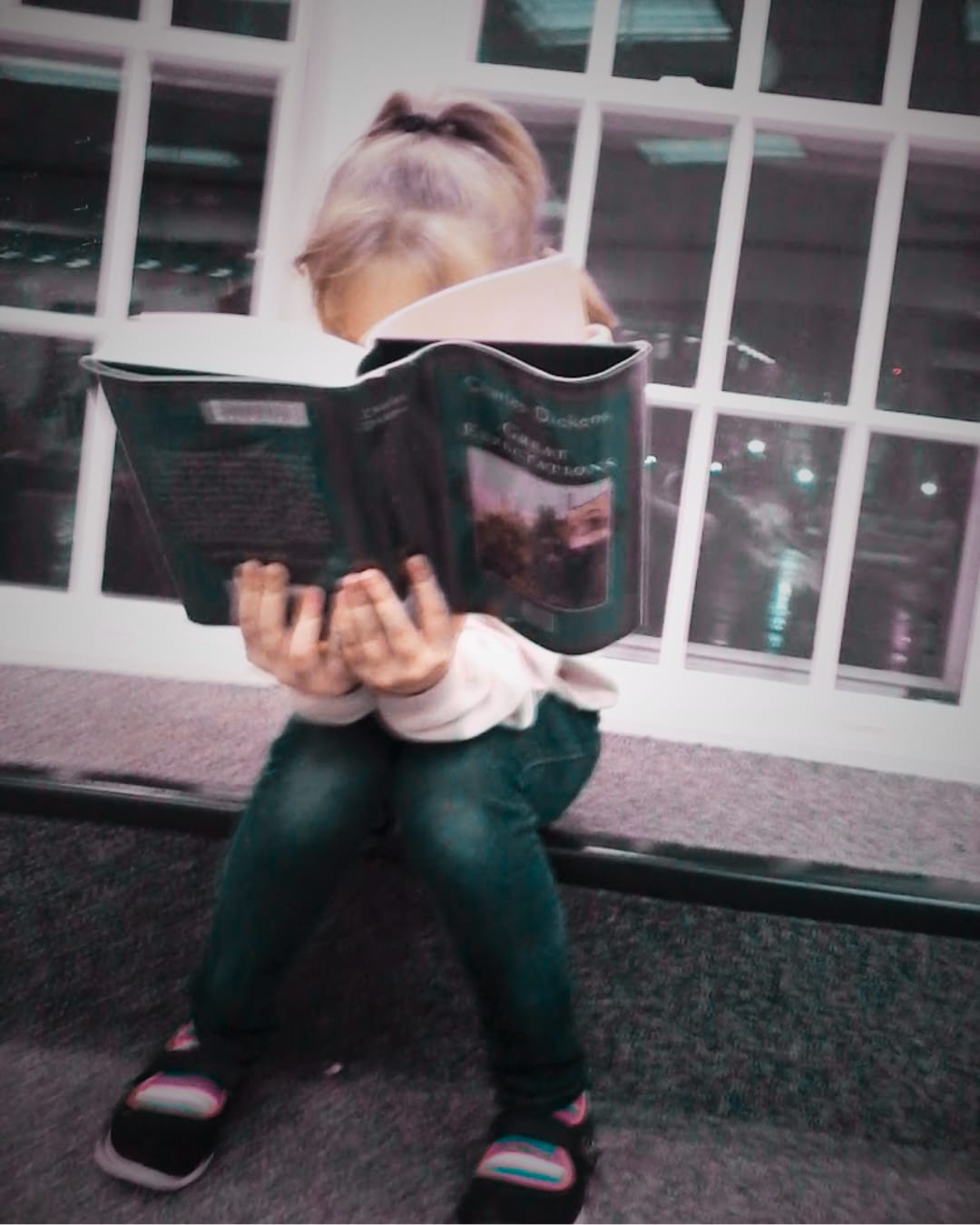
If you’ve dipped even the tippiest tip of a pinky toe into kid lit waters lately, or in the last few years, you know that the Middle Grade market is…well, let’s say struggling, to put it gently. There are thought pieces and analysis everywhere about why that might be the case, like this one from . She has some great thoughts on the interplay of all the possible causes, from phones and literacy rates to tarrifs and book bans. There are whole Reddit threads of people talking about this and trying to figure out the why’s and, especially, the what-to-do-nows.
We’re not going to get deep into the weeds on that today. Instead what I wanted to do was report a bit of what I’m seeing from my particular corner of the middle grade world, and two reasons why I think what’s going on in middle grade right now might not be such a bad thing.
First, quanitity.How many thousands of books are put into the world each year? Hundreds of thousands? Places like The Guardian and Literary Hub have already asked and discussed the question…is it too many?
Man, I don’t know. But I see the overwhelm. I see it in my middle grade author friends who aren’t getting deals on incredible books that would have sold like lightning just a few years ago. I see it in editors and publicists I’ve worked with who are putting even more on their already overfull plate when other imprints are shuttered. There just simply aren’t enough people in publishing to thoughtfully shepherd each book that comes into the world each year, and that’s saying nothing of all the indie-pub books.
This is complicated on both the production and consumption side of the pipeline. As a reader, it’s overwhelming, and how do I sort the stuff for me from the stuff not for me when there’s just so darn much. And as a writer, yes, of course I want my book to be published, but also, wouldn’t we all prefer to be pubished with care and resource and thought, by people who have the time and resources to give that to our books?
So, idk. Maybe fewer deals right now might, in the long run, despite some definitely painful growing pains, have some upsides? (Will I, personally, keep pursuing putting out as many good books as I possibly can? Of course.)
Second, quality.wrote an essay recently called Middle Grade Is “Dead” And I Think That’s Good News. I’ve been thinking about it lots lately, and the interesting points she makes.
In it, she reports on a Big 5 editor talking about how Harry Potter actually ruined Middle Grade. While I wouldn’t go that far, I can definitely see the point she’s making about how the pursuit of replicating that one thing created some serious problems.
Long (70k) word middle grade books are an anomaly. So much about Harry Potter is an anomaly. But because of how runaway gigantic it was, of course everybody in publishing rushed to take a piece of that particular long fantasy pie.
The problem might be one of monoculture.
Vicky says, “Middle grade, as a category, started trending longer. More complex. More ambitious in scope. And over time, middle grade became something that kids could no longer read.”
In my head, these thoughts have been joined by ideas from about making books for kids actually look like and read like books for kids. She’s posted on her stories lately very interesting arguments about why things like blurbs don’t belong on kids books (they’re for grownups!) and why the physical object of a book is so important.1
Because when we say middle grade is dying, that’s not entirely true. There’s one particular area of middle grade that is absolutely, utterly thriving.
A few years ago, sales of graphic novels were 25% of the Middle Grade market and that number is still going up. Sales of graphic novels have doubled in the past five years.2 Graphic novels, as well as high concept, carefully formatted, and/or highly illustrated books are what’s working right now.
These are the books that still look and act like books for kids.
I freaking love graphic novels. I love really quippy, snappy books with short chapters, or told in verse, or with illustrations, or verse AND illustration! If a kid wants to spend a few months reading only Dog Man, great! They’re reading! (Plus Dog Man is awesome.) I think there’s value there in and of itself, and value in keeping links in the chain between picture books and long prose. That’s just one important thing that graphic novels and illustrated books and deliberately formatted books do. Each link in that chain is valuable, each type of book matters, and we need so many more in this particular area.
So with all that, I’m not mad—or surprised—at the things my friends are working on lately.A strong majority of my middle grade circles, both the ones I know well and the ones I know more anecdotally or virtually, are working on not-middle-grade things right now. Some are teaching themselves illustration and working on picture books and chapter books. Some are showing their teeth in edgier YA. Many (most?) are working on books for adults.3
Myself included. I’m also working on an adult novel (Just about at 45k with it right now!!). I am also always and forever working on middle grade. Especially, lately, this kind of illustrated, short, and hopefully kid-friendly type.
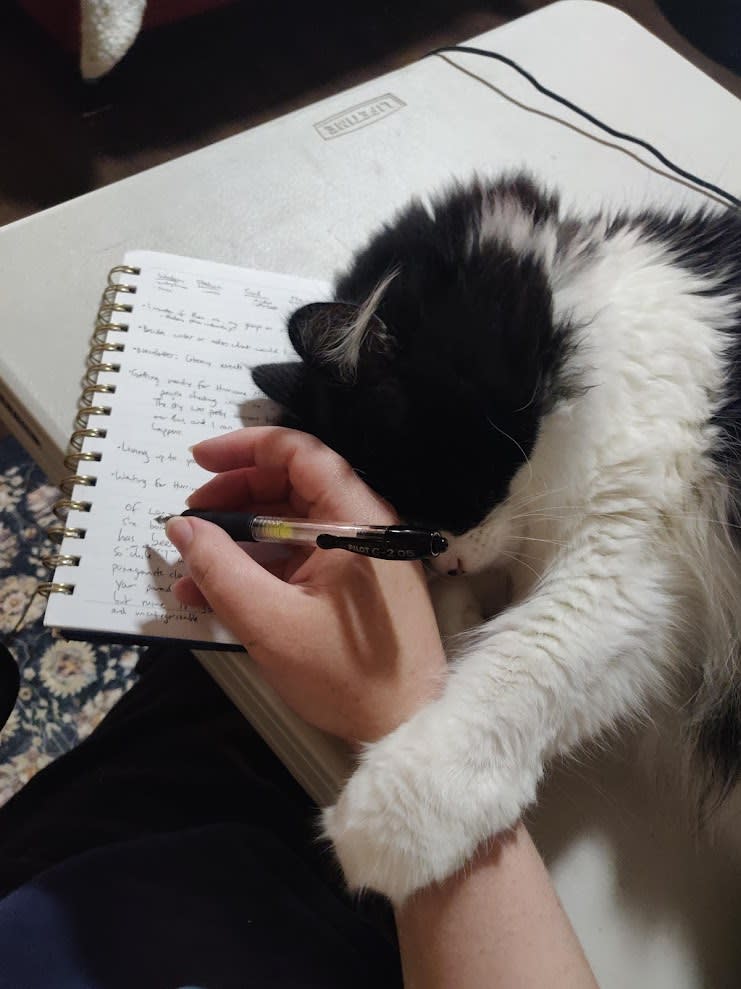 Timicin is obviously crucial to my writing process.
In my middle grade circles, the question has never been one of writing and storytelling talent. Even the regular, lengthy, blurbed-by-grownups middle grade books we’re familiar with are still some of the most beautiful, well-written, evocative stories being told today. I believe all of my middle grade author friends who are working on adult books right now are both going to completely smash it with some absolutely incredible adult books, and then eventually write some more incredible middle grade books.
I think we’re all—authors, editors, publicists, marketers, teachers, librarians, everyone—giving things a little time while we work together to figure out how to make the kids table just that: a place for kids. And I think as we do that, middle grade will bounce back more vibrantly and ferociously than we could imagine.
Your turn!
What is your favorite graphic or illustrated novel released in the last few years? The Smorgasbord is a hand-kneaded, hand-shucked, reader supported publication. YOU make it possible! If you’d like to tip your waiter and keep the kitchen cooking, become a paid subscriber and help make this meal possible! Plus get access to special publishing resources, writing classes, the query letter that got me 4 agent offers, and more! 10 Side Dishes Worth SharingI’d Like to Comment on What Robert Olen Butler Just Taught Us About Publishing by
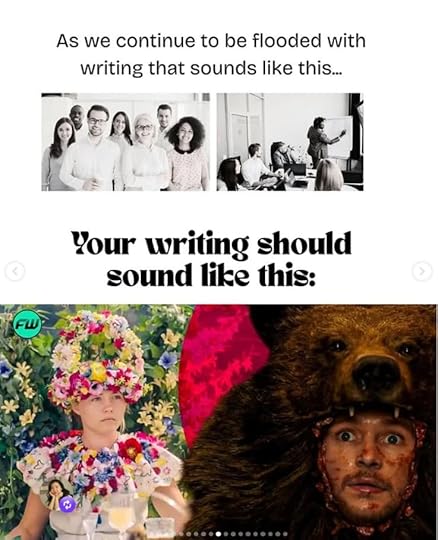
Should writers edit while drafting? Or finish the book first? by
What institutions besides the Louvre consider to be their “Mona Lisa”
Penny Lane Hype House, or: How I learned to stop worrying and embrace my inner content creator by
First-person formats beyond the personal essay by
‘Cloud Jaguar’ Sighting Is First in a Decade Caught on a Trail Cam in Honduras
What Bookstores Want From Traditional Publishers—and How the Bookstore Market Has Changed by
Super cute hand created computer game, The Midnight Cafe. (Thanks for the rec !)
Share your own favorite sides in the comments!Teacher’s TableSome goodies especially for the teachers:
Five poems I want my students to read before the end of the school year by
Everything needed to get your young writers started is here in Tools Not Rules: A Writing Guide for Young Creatives.
Various and free activity sheets up on my Teachers Pay Teachers store! More added all the time, so check back regularly.
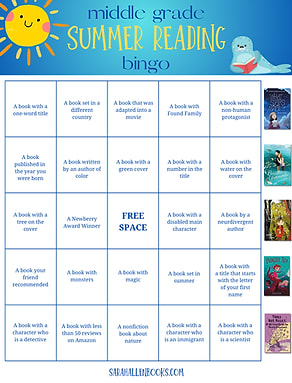
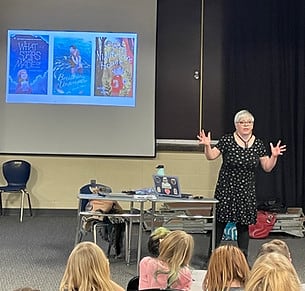
I am so, so excited and honored to now be on the roster at the Macmillan Speakers Bureau! For school and other events, you can find my speaker page here!
You guys are rock stars!
Thanks for reading!
Thanks for coming along everyone! 1) Subscribe, 2) get a copy of the book bebes, and 3) keep glowing, you shining star you.
-Sarah
Links include Amazon Affiliate links where I may make a small commission.Thanks for reading!
12One of my very most successful articles here on the stack is this one about deliberate use of white space in middle grade novels. Also this is something has been talking about a lot lately too.
3It’s smart people like who have been writing for both this whole time.


April 3, 2026
30 people (and me) wrote a poem a day for a month. What did they learn?
From the Writing Desk:
Short and sweet today, yeah?
Last month was head down, nose in the work time. Take care of putting words down and life and other things and focus in time.
We’re half-way through my current adult WIP. I got to write a scene I’ve been looking forward to writing for literal years, and we’re getting past that murky middle too. I feel the momentum growing, which is GREAT.
And now this weekend, its time for the twice yearly most inspiring, restful, and rejuvinating weekends of the year, and they always seem to come exactly when I need them most.
So here we go! The wheels are churning, let’s go go go!
Your turn:
What is your top priority project right now?Onward!
The Smorgasbord is a hand-kneaded, hand-shucked, reader supported publication. If you’d like to tip your waiter and keep the kitchen cooking, become a paid subscriber and help make this meal possible! Plus get access to special publishing resources, writing classes, the query letter that got me 4 agent offers, and more! What can you learn by writing a poem a day?
During the month of February, the incredible Laura Shovan hosted a month long poetry challenge. Each day, a new prompt was posted, and everyone in the group replied with a poem responding to that prompt. It was an absolute delight. Some prompts sparked more than others, some seemed nearly impossible, but each attempt—and the consistancy of the practice—is a very educational experience.
So this month, to celebrate National Poetry Month, I thought I’d ask some of those who did the poetry challenge what it taught them about poetry, writing, and creativity!
Writing every day helps me approach each poem with a sense of play. Instead of focusing on producing a “good” poem, the daily practice is a way to center my curiosity. What approach will I take to respond to the day’s prompt? What form will I use? Then I dive in and try to get a first draft done in one sitting, trusting where the poem takes me.
Pamela Murray Winters
The most important lesson for me is that I could do something like this. I’ve done other poem-a-day projects, and although some of them have been great, I’ve found them very difficult. Laura sets up an intriguing theme, and we all work changes on it. I love the varied voices.
Something I learned writing poetry every day: A poem a day brought focus to my work and to my wonder. It made me listen instead of dictate. Woke up sleeping parts of my brain and allowed me to see past experiences through a different lenses.
Poetry becomes who I am. You know the adage, “you are what you eat?” I think I am also what I write. I write to find out what I think about life. I try to post weekly for Poetry Friday. The discipline of that has helped me share writing with a larger community of poets.
Writing every day reinforces that muscle or brain pathway that allows me to focus deeply enough to write a poem–it becomes a rhythm and I’m consistently surprised by what arrives to be written. (second sentence: The Feb Poetry Month run by Laura Shovan has been hugely impactful to my writing life in general, participating year after year has helped me grow in confidence and commitment…the positive, engaging feedback from the other poets is also lovely and affirming!)
Heidi Mordhorst (Blog/Writing Workshops)
I try to keep a Daily Draft practice going all the time, but it’s so much more rewarding when it comes with a community! My main learning every year is how individual our takes on each prompt are, how many ways there are to approach a prompt or a poem or a point, and how much I appreciate the opportunity to admire the “live” work of others, while also secretly practicing critique: what brilliant thing has she done here that I could try? what’s not working here and why? how can I use these observations to sharpen my own work?
I’ve been focused on fiction writing for the past two years, so the February Poetry Month helped me get back to writing poetry, which I love. I felt rusty at the start, but as the month went on I woke up energized and looking forward to the day’s prompt. The most important lesson about writing a poem a day was discovering that I could do it; but the reason I keep coming back is the community that Laura Shovan has created. It’s a delight to see how everyone interprets the day’s prompt, and our shared happiness at writing new poems was a welcome antidote to the daily bad news in the media.
Writing every day to a variety of prompts encourages me to tackle subjects and ideas I would have never thought of on my own. By necessity, I have no plan or idea what I will write until I actually begin mulling over the prompt in my head. I am often surprised by what comes out. Writing in community and sharing work with other poets who are writing to the same prompt affirms how unique we all are. No two poems are ever the same, no two poets are the same, we all have unique and irreplaceable voices. We all learn from and teach each other. I would not be a poet today if not for the generosity of this particular group of writers.
I write everyday as a way to be observant in the world and as a way to process life. I like to tie in photography with my writing. The prompts like what Laura Shovan offers every February gives me a way to stretch my thinking.
When I was deep into revisions with my novel, writing everyday allowed for me to process my novel in the background of my brain. Now going through the final edits of my manuscript before publishing, writing a daily haiku helps to find ways to see the world in different ways. I find writing to be a meditative process.
And what did I learn attempting to write a poem every day, with varying degrees of success? I learned that writing poetry every day and getting new prompts every day helped me feel less anxious and precious about my words. It helped poetry feel more limitless, because if today’s words were a struggle, I knew that something different would happen tomorrow.
Thank you and huge shout out to Laura Shovan for putting this all together, and for all these remarkable and talented poets who were willing to share their thoughts with us!
What I’m Reading:
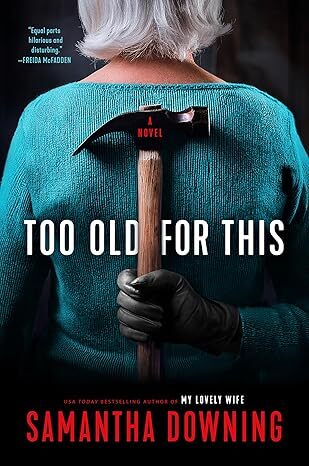
Wow this book was a ride. Not entirely a comfortable one either lol. A septuagenarian serial killer who, to keep her past from catching up to her, “comes out of retirement.” The voice in this one is impecable. Strap in. Enjoy.
And despite the feeling of turmoil in middle grade right now, there are still some incredible books coming out. Two I can’t recommend highly enough: Reach by Celesta Rimington and Worst In Show by PJ Gardner. Heart, humor, all the things middle grade does best.
For YA, my friend has a gorgeous, adventurous Chinese folktale-inspired fantasy coming out this month that you definitely want to check out: Deathly Fates by Tesia Tsai.
What I’m Watching:
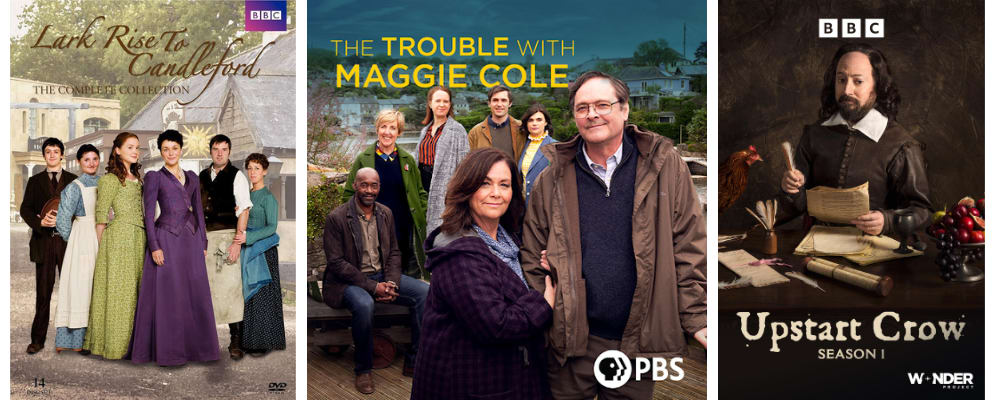
mark heap mark heap mark heap. i would die for mailman thomas brown. idek.1
Happy National Poetry Month: from me and Michael Buble ehehehe
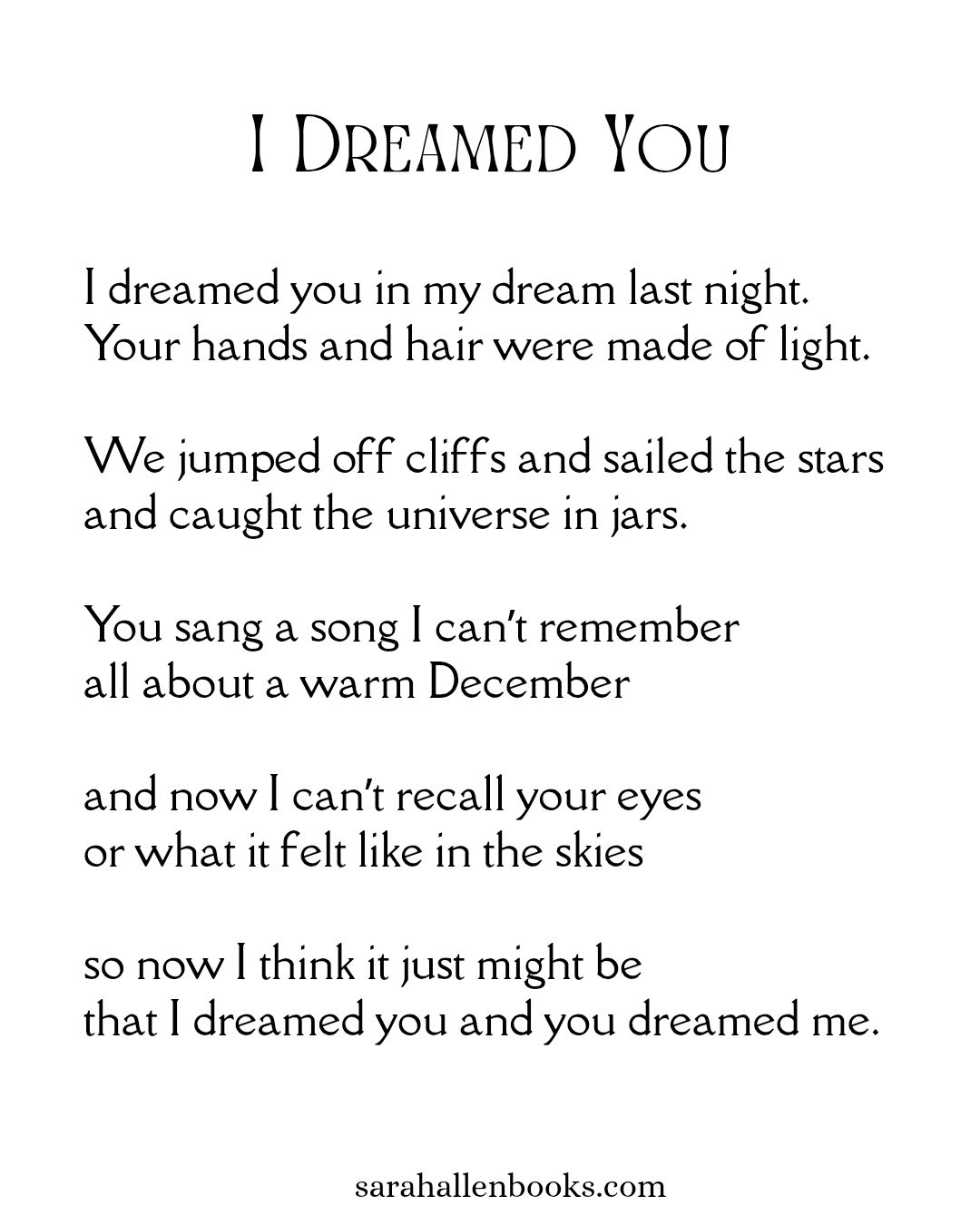
What I’m Poeming: Here’s one from the month-long poetry challenge that I’m most pleased with :)
Also check out the bookish swag I’ve got up for sale in my new little swag shop!
…breeding
Lilacs out of the dead land, mixing
Memory and desire
– t.s. eliot
(inspired by this lovely post from )
Writing Opportunity: The Rabbit Hole anthology looking for “weird” submissions. You know we love weird here. Due April 30th.
Teacher’s TableSome goodies especially for the teachers:
How Teens View and Use AI from the Pew Research Center.
Everything needed to get your young writers started is here in Tools Not Rules: A Writing Guide for Young Creatives.
Free activity sheets up on my Teachers Pay Teachers store! More added all the time, so check back regularly.
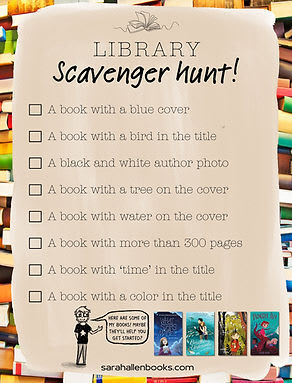
I am so, so excited and honored to now be on the roster at the Macmillan Speakers Bureau! For school and other events, you can find my speaker page here or reach out to me through my website.
You guys are rock stars!
Thanks for coming along everyone! The best way to support is to 1) subscribe, 2) get a copy of the book bebes, and 3) keep glowing, you shining star you.
-Sarah
Links include Amazon Affiliate links where I may make a small commission.Thanks for reading!
1For the eagle-eyed among you, yes that’s Jamie Tartt in The Trouble with Maggie Cole.
March 20, 2026
Pixar
I think I might have a theory about why Pixar movies feel different lately.
But, to backtrack.
I saw Hoppers. Of course I did. I’ve seen every Pixar movie opening weekend since…I mean, since I had my own movie-going budget and a car. Pixar movies are my thing, even when they’re not.1
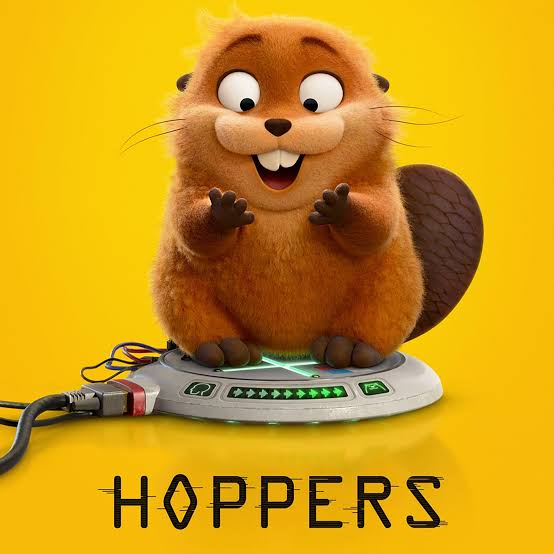
And I really did enjoy Hoppers. It was honestly a very fun and well-done movie, and I am SO here for unhinged Pixar. Like, please, let’s unhinge even more!
There’s always a sort of style and vibe and heart to Pixar movies, even their not great ones. But I think we’re all aware that the last few years of Pixar movies just haven’t felt the same as the first fifteen years or so where every single Pixar movie was a perfectly tuned, heart-string tugging banger after banger after banger. (Monsters Inc? Finding Nemo? Ratatouille? Up!? I mean come on.)
And I think I have a thought about why.
Let’s do a bit of a compare and contrast, shall we? To explore Pixar’s latest, let’s go take a look back at their first.
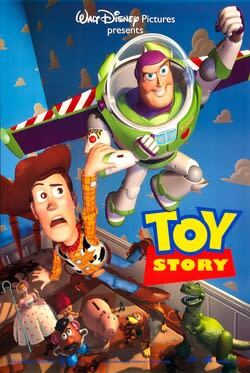
Let’s look at the stakes in Toy Story.
Honestly, they really couldn’t be smaller. At least not when it comes to global, earth-shattering type stakes.
No, the stakes in Toy Story are entirely personal. It’s entirely about Woody’s self-image, and his relationship with his boy. So, while to the world, the stakes couldn’t be smaller, to Woody, they’re as big as it gets.
So they’re big—huge—to us.
We understand what Woody wants and what he’s feeling every step of the way.
In fact, I’ve use Toy Story in writing classes before as an example of stakes, because it does such a brilliant job of balancing internal and external stakes. We know the internal goal for Woody is to be Andy’s favorite toy, and the external evidence of that is that precious spot on the bed.
Anyway. My point here is this:
In Toy Story , the stakes are character-driven.
Ok, now Hoppers.
There are so many things Hoppers does really well. Pixar writers can really craft a comedy moment, and man does this one deliver.2 The animal characters are so fun, well-designed, and very sweet (and I didn’t realize until checking afterwards that one of them is, though briefly, voiced by Meryl Streep???)
But…
Let’s look at the stakes. They’re great stakes. Nice, juicy, environmental stakes. We’ve got a very fun, spunky, relatable activitst in our main character Mabel. The movie is saying important things! Things about progress vs nature, and what it means to stand up for what you believe in! Yay!
And yet…the stakes just don’t feel as personal.
But wait, you may say if you’ve seen the movie, what about all that very personal stuff with the grandma? And Mabel’s personal reasons for wanting to save the glen?
The Pixar writers are smart. They know that for the audience to care, there must be some personal character investment. And they give that to Mabel here. I even got a tiny bit emotional at parts. And they’ve done worse, certainly (I still couldn’t really tell you what Elemental was about?).
BUT, if I’m honest, those personal stakes to me felt like an afterthought. Like the Pixar writers room knew they needed personal investment, so once they had their theme and story, they tacked that on too. It doesn’t, though, feel like the story stakes themselves came from that personal character investment. It’s almost like they designed a character to fit their story theme, and a differently designed character with a different but still-fitting backstory could have also worked.
In other words, I could imagine a Hoppers where the main character is someone other than Mabel. A different fun, quirky, relatable activist.
But there is no Toy Story without Woody or Buzz.
In Hoppers , the stakes felt theme-driven.
And hey, this is more analysis then judgement. Firstly, there is certainly a place for both character and theme-driven stories. Both can be done well or poorly, and heck, I’ve veered toward one sometimes in my writing when I was really aiming for the other. My point here is just to explore why these things feel different to the audience. Not that one is better than the other, just that they each create a different effect.
And very occasionally, pure magic happens, and a seemingly impossible story is created that is somehow both perfectly character-driven AND perfectly theme-driven.
Your turn!
What is your favorite Pixar movie? The Smorgasbord is a hand-kneaded, hand-shucked, reader supported publication. YOU make it possible! If you’d like to tip your waiter and keep the kitchen cooking, become a paid subscriber and help make this meal possible! Plus get access to special publishing resources, writing classes, the query letter that got me 4 agent offers, and more! 7 Side Dishes Worth SharingA Children’s Book Marketing Director Shares Advice for Working with Your Publicist by
Everything you need to know to build an audience from scratch by
How Yellow Became Van Gogh’s Most Powerful Color via
Okay but the greatest internet songs being written these days are by this guy and his daughter:
And if you want the greatest instagram poet then definitely check out Brian Bilston.
The One-Hundred Pages A Day Strategy. Gulp. But…like…wow worth a read.
When paying his bus fair, someone used a 2000 year old coin minted by Phoenicians!
Share your own favorite sides in the comments!Teacher’s TableSome goodies especially for the teachers:
What’s Good for Performance Often Isn’t Good for Learning via
Everything needed to get your young writers started is here in Tools Not Rules: A Writing Guide for Young Creatives.
Various and free activity sheets up on my Teachers Pay Teachers store! More added all the time, so check back regularly.
I am so, so excited and honored to now be on the roster at the Macmillan Speakers Bureau! For school and other events, you can find my speaker page here!
You guys are rock stars!
Thanks for reading!
Thanks for coming along everyone! 1) Subscribe, 2) get a copy of the book bebes, and 3) keep glowing, you shining star you.
-Sarah
Links include Amazon Affiliate links where I may make a small commission.Thanks for reading!
1They are my thing to the point that I once sent my books to the head of Pixar and HE WROTE BACK.
2The shark!!!!
March 6, 2026
What makes children's book publicity different? with Macmillan Children's publicist, Samantha Sacks
From the Writing Desk:
Whew! Anybody else feel like they still haven’t quite settled in to 2026 yet? Third months the charm, right?
On the author/writing front, in February I got to do something really, really cool, and that something was StoryCon.
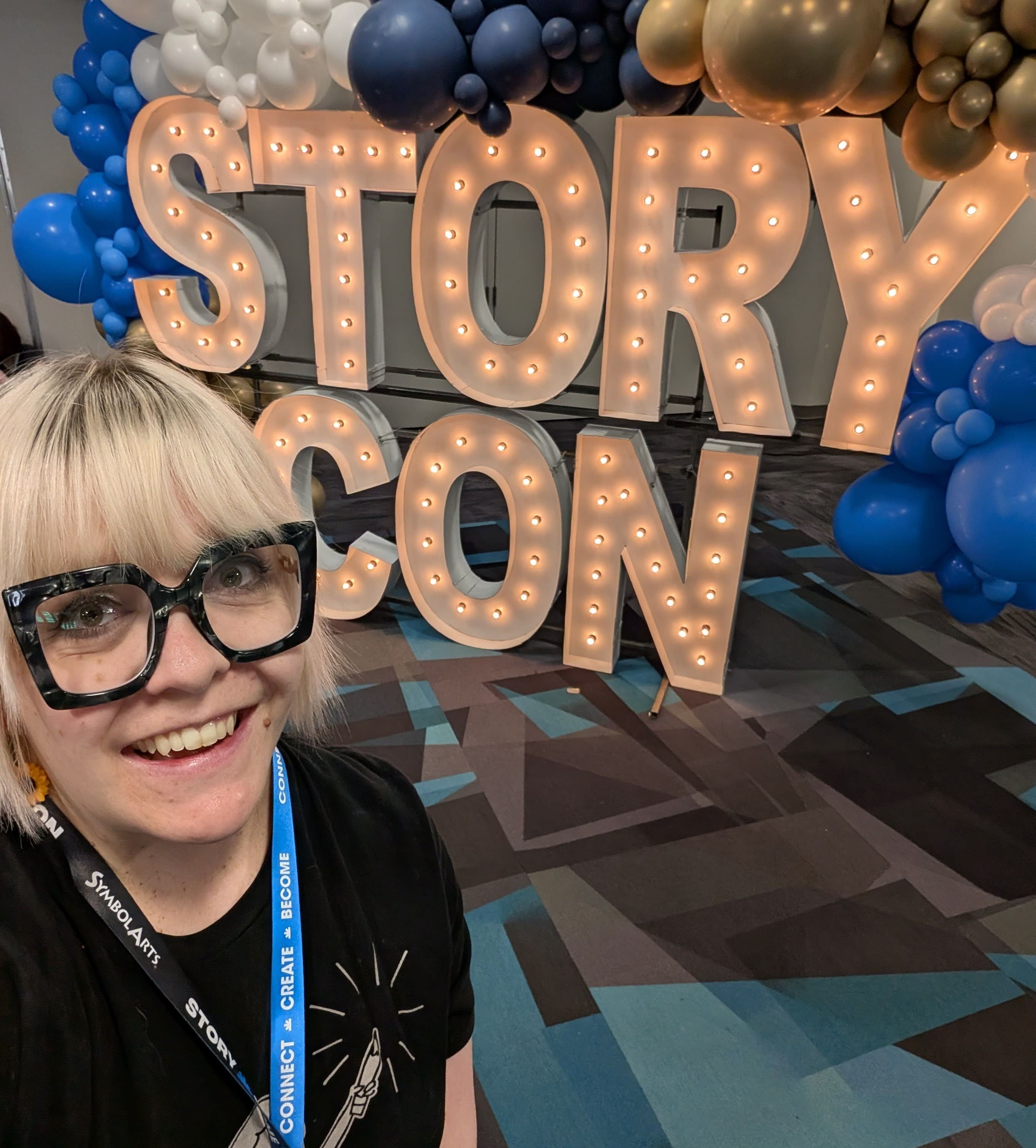
StoryCon is a new national writing convention in Salt Lake City, presented by Operation Literacy. This was only its second year running, and if this was anything to go by, this con is just going to continue getting more and more epic until it…well, honestly, until it outdoes everything. The keynotes this year were Brandon Sanderson, Jennifer Neilsen, John Schu, Angeline Boulley and , if that gives you any sense of the scope of awesomeness of this thing.
Really, it was that fun and cool. This is a writing conference, yes, but it has more comic con style vibes (and vendors!!) then any other writing conference I’ve been to. And there are two important audience factors here too.
First, this con was developed for and still has a strong focus on tween and teen writers. The energy from these kids was palpable. I couldn’t help but leave with a sense of the kids are all right. At least, the kids at StoryCon definitely are.
Second, there was also an educator track. Do you hear that fellow kid lit writers? An educator track! That meant we kid lit authors got to present to and talk with actual teachers and educators. That’s a very special and rare opportunity for us. They even had an author-educator meal with a sort of “speed dating” element where some of us authors got to rotate between tables and give a five-minute author spiel to actual teachers. And my friends Celesta Rimington and PJ Gardner and I got to present a class on the educator track too, and again, I cannot emphasize this enough…talking to teachers is the BEST.1
I felt like as an author I got such incredible value out of this conference. Value and inspiration. So whether you’re a kid lit author looking to talk to teachers or a parent with a tween author looking for guidance or an indie romantacy author looking for con to booth at, definitely keep StoryCon in mind for next year.
Writing, and even the business of authoring, can feel very isolated sometimes. But the work we do is the opposite—its the most connecting type of work of all—and conferences like this are a great reminder of that.
Your turn:
What is your favorite Con to go to?Onward!
The Smorgasbord is a hand-kneaded, hand-shucked, reader supported publication. If you’d like to tip your waiter and keep the kitchen cooking, become a paid subscriber and help make this meal possible! Plus get access to special publishing resources, writing classes, the query letter that got me 4 agent offers, and more! Publicity: Kid Lit vs Adult
I don’t know about you guys, but somehow I never feel like I can wrap my mind around all the strategies and logistics that are part of book publicity. Then you add the layer of nuance and extra complexity when it’s children’s book publicity, and wow…it just seems overwhelming.
So…let’s talk to an expert!
Today I am thrilled and very honored to have Samantha Sacks with us, publicist at Macmillan Children’s Publishing. I am very grateful Samantha took the time to answer my questions and give us a little bit of insider info and behind-the-scenes of what it’s like in kid lit publicity.
Welcome Samantha!
1: What is your main job as a children’s book publicist? What does your typical work day consist of?
As a children’s book publicist, I wear many hats! I’m tasked with pitching books to the media, building connections with influencers, planning events and, in some cases, tours, planning convention and festival appearances for authors, traveling with authors, and so much more! My typical day consists of answering emails, meetings, coordinating events and travel, and pitching media! Publicists wear many hats, and it’s a very fulfilling role!
2: How does publicity in children’s books differ from publicity in other areas of publishing? Are there strategies or methods that work in adult publishing but not in childrens, and vice versa?
Publicity for children’s books is much more nuanced than for adult books! You need to think more creatively about media angles, since there aren’t as many outlets dedicated to children’s media as there are to adult media. On the flip side, there are more event opportunities in the children’s space, such as school visits, which put authors directly in front of their target audience.
One way we're thinking creatively on the publicity side is turning our attention toward Substack. While it's been around for a while now, we're seeing more and more book reviewers migrate over to Substack, and on the publicity side of things, we're pitching Substacks more than ever before.
3: What should children’s authors be aware of when it comes to book publicity, and what is the most helpful and effective way they can contribute to their own books publicity?
Building connections with fellow authors and influencers is key! It’s always a plus for us when, during the campaign, an author comes to us with a list of influencers and authors they’ve reached out to who are excited and committed to posting the book on their socials. The children’s media landscape has changed a lot over the past few years, but social media continues to be an important tool for getting a book exposure.
4: What is something quirky that’s brining you Joy lately?
I’m a big TV history buff, so my husband and I love to rewatch old shows and learn the history behind them!
Thank you so, so much Samantha for your expertise and wisdom! Now let’s go buy a kids book, yeah?
What I’m Reading:
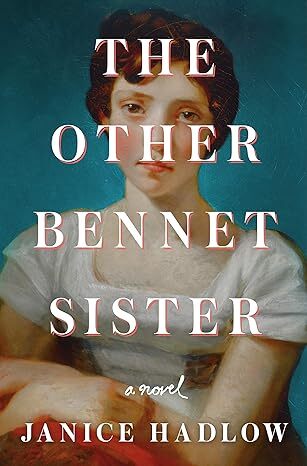
YOU GUYS. Ok. Not even sure how to talk about this book. I for sure am never going to look at Pride and Prejudice or Mary Bennet the same way again. This book was the most theraputic book I’ve read in…maybe years. It was so effective at getting into Mary’s experience and character. This is one of those books I want everyone to read, and I wouldn’t be surprised if a lot of neurodiverse folks have some strong relatability feelings with this one. And they’re making a miniseries of this one, so read the book before it comes out!
What I’m Watching:
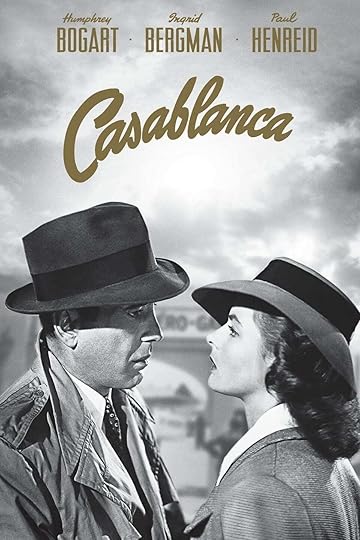
I feel like this is one of those movies that people have seen even if they haven’t watched it, ya know? Like, I knew a lot before going in. I could practically hear Humphrey saying here’s looking at you, kid even though I never had. But on a flight I finally sat down and actually watched it. It was beautiful. It was so, so atmospheric and delightful. I knew Ingrid Bergman was going to be great, but she was truly transcendent.
DnD Radio Stations: These are the kinds of videos that make me want to learn animation.
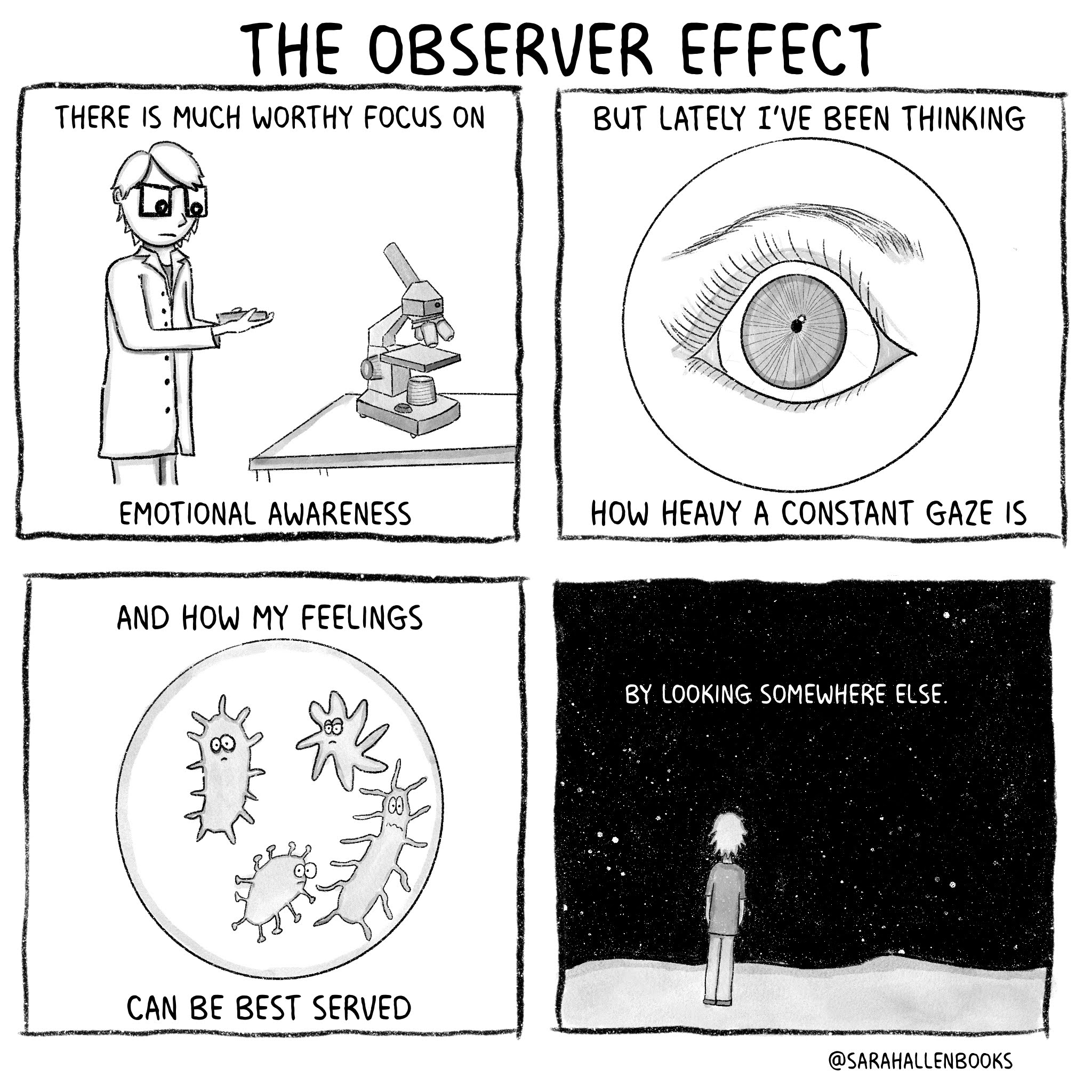
What I’m Drawing: An old comic, but still current thoughts.
Also check out the bookish swag I’ve got up for sale in my new little swag shop!
Someone I loved once gave me
a box full of darkness.
It took me years to understand
that this, too, was a gift.
– Mary Oliver
Writing Opportunity: Got a literary novel that’s finally ready to go? Consider University of Wisconsin Press. Due March 15th.
Teacher’s TableSome goodies especially for the teachers:
What Would Mr. Toad Make of School Phone Bans? (via )
Everything needed to get your young writers started is here in Tools Not Rules: A Writing Guide for Young Creatives.
Free activity sheets up on my Teachers Pay Teachers store! More added all the time, so check back regularly.
I am so, so excited and honored to now be on the roster at the Macmillan Speakers Bureau! For school and other events, you can find my speaker page here.
You guys are rock stars!
Thanks for coming along everyone! The best way to support is to 1) subscribe, 2) get a copy of the book bebes, and 3) keep glowing, you shining star you.
-Sarah
Links include Amazon Affiliate links where I may make a small commission.Thanks for reading!
1If you’re one of the teachers who subscribed from that class or who I met at the conference I would LOVE it if you left a note in comments or replied to this email to say hi! I would love to say hi back!
February 20, 2026
The Neurodivergent Case for Puns
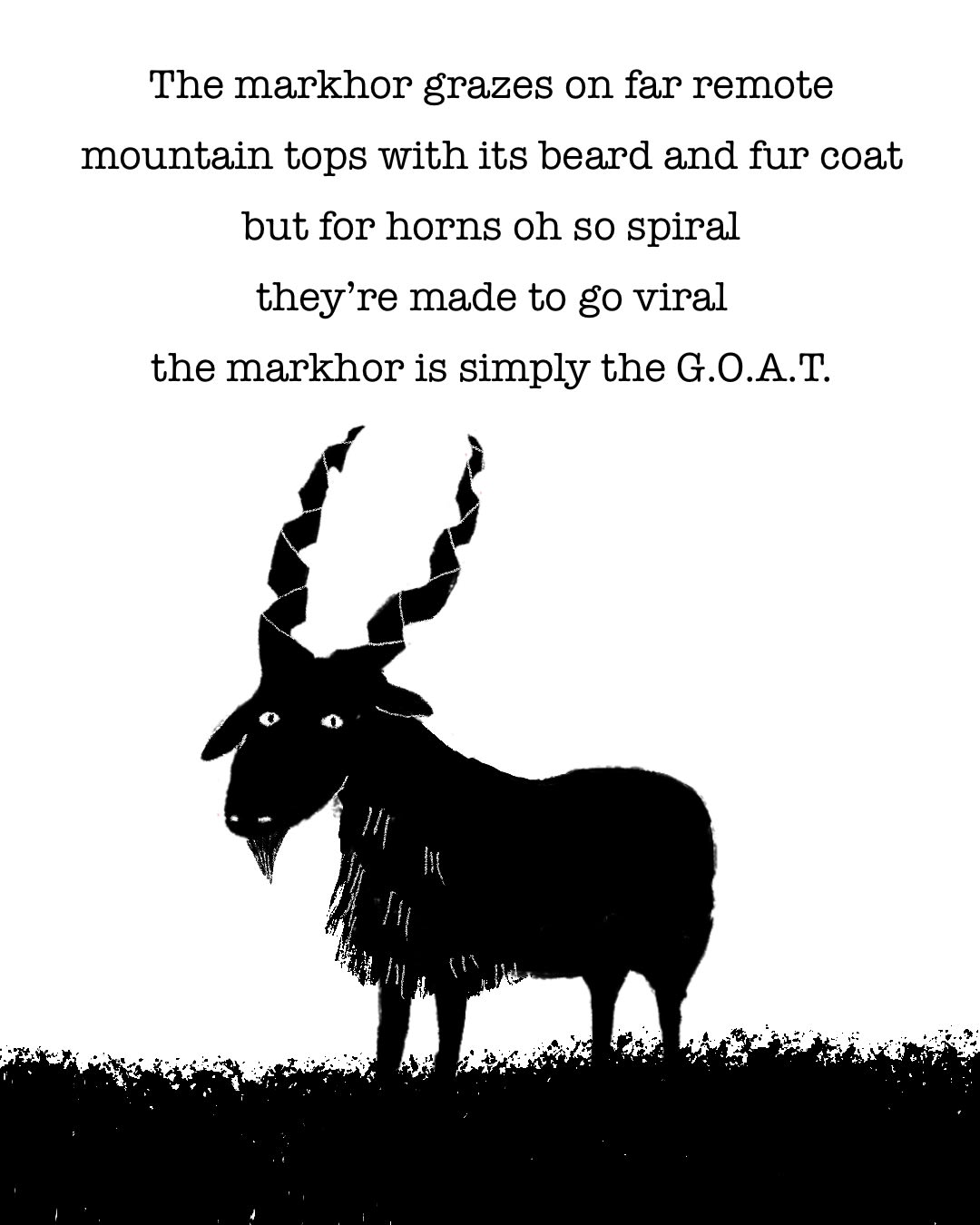
‘Against my will, I am sent to bid you come into dinner’...there’s a double meaning in that.
-Benedict, Much Ado About Nothing
I would say I’m entering my Dad joke era, but honestly, I don’t think I ever left. My grandpa always says he’s so “had and glappy to see us,” and honestly, if I had grandkids, I’d sure as heck be had and glappy to see them too.
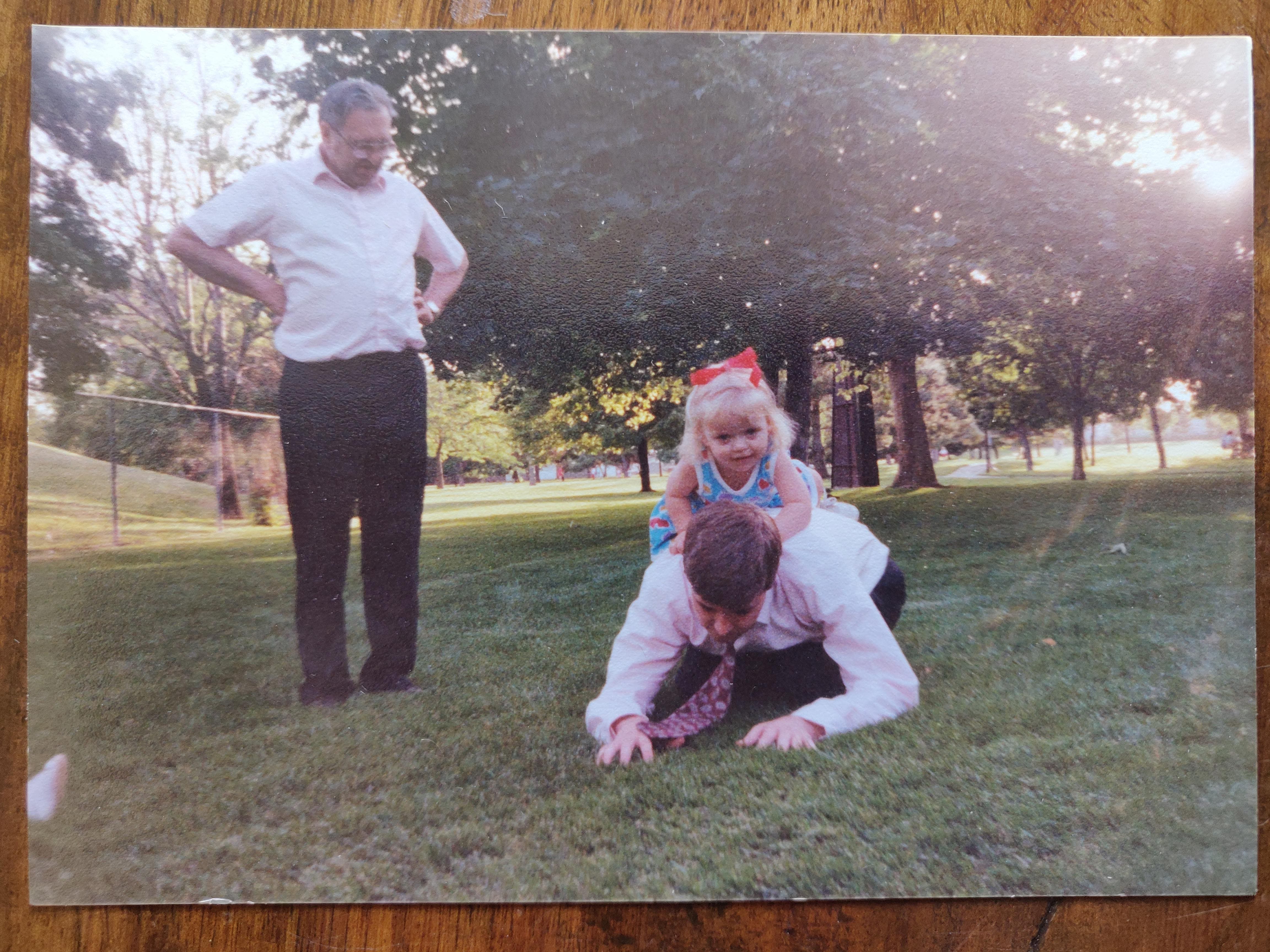
There’s something about wordplay and puns that tickle the brain. In English, I think we sometimes consider it a less...enlightened, shall we say, form of humor, and that may be so, but I wonder if there’s more to it that deserves appreciation.
I’ve talked about nonverbal learning disorder a bit here, but essentially, despite its slightly confusing name, kids with NVLD are often very verbal. And it’s the nonverbal stuff that’s a struggle. Things like spatio-visualization, executive functioning, fine motor skills, and mathematical thinking. My brain takes things extremely literally, and I often find myself pausing or tumbling over words until I make sure I’ve found the exact right one so that there is zero confusion. No double meanings.
But when people play with double meanings on purpose? Ooooh that’s a pleasant shiver down my spine. When I say it scratches the brain, I really mean it.
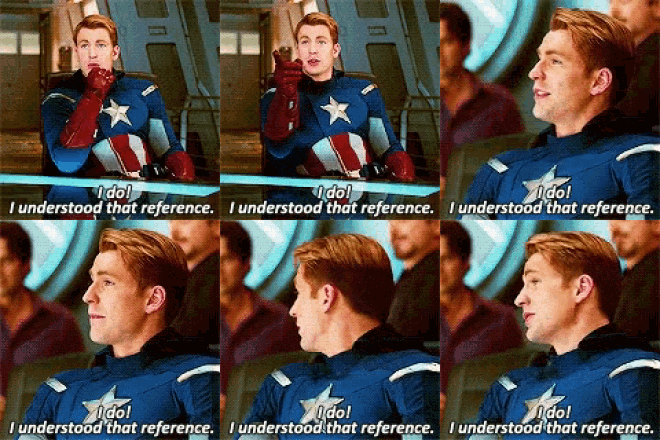
Because I get it. Not picking up on a lot of nonverbal cues and being hard of hearing means I spend a not insignificant amount of time smiling and nodding while things are going over my head or evading my ear drum. But puns and wordplay? I get it! It makes me feel like that moment in Avengers!
I went through a phase where I was determined to write non-rhyming poetry, because it felt more serious, somehow, but now I think that’s just silliness. Rhyme, especially in English, is hard, but oh its delightful. Didn’t so many of us grow up loving the deliciousness of Shel Silverstein’s silly, clever, punny poems? All sorts of word and letter play. I remember loving that he put the sound of being swallowed by a boa constrictor in letters! In a poem!1
Not just onomatopoeia and end rhyme, either. Internal rhyme is so yummy! Steven Schwartz may be the current king of internal rhyme. So many parts from Wicked: “Helping you in your ascent allows me to feel so parental.” I mean come on! So good.2
There is so much meaning and value to be found in word play. Think of books or movies that end with the same line they started with. Or when characters repeat something, almost a catchphrase. It adds those layers of complexity to that word or phrase every time you hear it. If you’re hyper-attuned to literal words and less attuned to a lot of the other stuff (or even if you’re not!), that really catches the attention and drives meaning home, all just by playing with words.
An example: ever seen the movie Ghost Town with Ricky Gervais and Tea Leoni? It’s not the greatest movie of all time or anything, but I think about it quite a lot. Yes, okay, probably because its about a grumpy Brit and I will fall for a grumpy Brit every single time, but also because it ends on such a great intentional double meaning. In the movie, Ricky Gervais character works as a dentist and is misanthropic and grumpy about people (and ghosts) the whole time, but finds himself falling for Tea Leoni (who wouldn’t). She’s super not interested at first, but he keeps making her laugh. At the end of the movie, after they’ve had a falling out and he learns to not be such a jerk, she comes to see him at his dental office. She’s been dealing with a bad toothache. She says, “it hurts when I smile.” And he says, “I can fix that.”3
Shivers! Again! And I acknowledge what I just did there: I just went on a much-too-long spiel about a movie probably none of you all care about just to set up the final double-meaning line. I really love word play, guys.
I try to do this in my own books too. The titles of my first two books--What Stars Are Made Of and Breathing Underwater--have double or layered meanings, I hope. I love titles like that. And the last line of Stars references the opening line. I deliberately named Penny Hope in Nightmare House after what it takes to defeat the Fear Maker--a penny’s worth of hope. This is also why line edits are often my favorite part of the process. The overall structure--the hard part--is over, and now I finally get to play with words and their rhythms and meanings.
So there you have it. To me, puns can be a breath of fresh air. Puns say to me, we’re giving your overly-literal brain a break by acknowledging that these words and phrases have multiple meanings, and isn’t that fun? When you read a story or poem or watch a film, things like word play and repetition tell a quirky brain, ok, we know you have trouble sorting through all the information coming at you, so here are a few very specific things to see and focus on. (Music and cinematography do that too, but that’s another post.)
Oh, and did you hear about the hole in the nudist camp wall? The police are looking into it.
Your turn!
What is your favorite example of wordplay? The Smorgasbord is a hand-kneaded, hand-shucked, reader supported publication. YOU make it possible! If you’d like to tip your waiter and keep the kitchen cooking, become a paid subscriber and help make this meal possible! Plus get access to special publishing resources, writing classes, the query letter that got me 4 agent offers, and more! 7 Side Dishes Worth SharingPlans to reopen the Tolkien and Lewis pub approved.
I really loved how encouraging and realistic this post was from : 25 things I wish every writer new about marketing.
A very fascinating perspective from an illustrator who had to use AI in her art job and why it made things less efficient. Via
I made a silly thing :)
Amazing practical advice from : 8 Tips Editor Often Give About Pitching.
The Ultimate Picture Book Reading List from . This is an absolute goldmine, guys.
Planting Billions of Trees Turned Barren Desert into a Carbon Sink That Lowers CO2. Yay!!
Share your own favorite sides in the comments!Teacher’s TableSome goodies especially for the teachers:
Fred Rogers, the Teaching Mentor because he did everything wrong.
Everything needed to get your young writers started is here in Tools Not Rules: A Writing Guide for Young Creatives.
Various and free activity sheets up on my Teachers Pay Teachers store! More added all the time, so check back regularly.
I am so, so excited and honored to now be on the roster at the Macmillan Speakers Bureau! For school and other events, you can find my speaker page here!
You guys are rock stars!
Thanks for reading!
Thanks for coming along everyone! 1) Subscribe, 2) get a copy of the book bebes, and 3) keep glowing, you shining star you.
-Sarah
Links include Amazon Affiliate links where I may make a small commission.Thanks for reading!
1I still really love nonrhyming poetry too, but the more into writing I get, the more I want to lean into all the puns and rhyme and rhythm and word play when I can. And non-rhyme can still be delightful and word play-esque too, of course. I point you to the prose poems of Russel Edson.
2Stephen Schwartz also did some Disney movies, including lyrics for Pocahontas and Hunchback of Notre Dame. I mean…
3
Shove in a shovel
Uncover those lovely
Pebbles that sparkle and shine
It’s gold and it’s mine, mine, mine
Another example of a resonant film ending is Phoebe in Wonderland. The whole movie is about identity and relationships and figuring out who you are in relation to each other, and it features a school play of Alice in Wonderland. The movie ends with Phoebe, who plays Alice, on stage. The caterpillar says, “Who are you?” Phoebe/Alice doesn’t answer. She just smiles. Cut to black. The allusion!! The layers!! We love a multi-layered direct allusion in this house!
February 6, 2026
He has ten (10!!) books coming out this year. Let's ask him how. (With Jarrett Lerner)
From the Writing Desk:
Well hello.
There’s a quote somewhere about how some years are fallow years and some are sewing years and some are reaping years, right? I think? Well, last year I did a lot of groundwork laying, to mix my metaphors. Not a lot of finishing, but a lot of getting the foundations down. And I think I’m maybe starting to see some of the results of that this year? I hope?
My middle grade book is with my agent, doing its thing. I’ve got a picture book manuscript and sample art that I’ve talked with her about, too, and now the revisions for that are with a lovely beta reader. I’m meeting with my screenwriting group tonight to go over a short pilot script that I hope to submit to the Sesame Writers Room in the spring. I’ve got a humor piece finished that another writing friend is helping me revise. Most of these things and a few others have been in progress for months, if not years.
But now I think…I hope…they’re all starting to come together?
Who knows what will actually come from finishing these things—possibly nothing! But it feels really great to have these shots ready to be shooted, and I’m very, very grateful for the people helping me.
This in some sense feels like quite a spaghetti-against-the-wall approach, but I’ve actually been thinking about how these things are solidifying because it’s not that. I’m tasking myself with working on this specific picture book instead of any of the other ideas on my list, and sometimes that’s hard. I’m working on this specific humor piece instead of any other, where my tendancy is definitely to hop around, especially on shorter things like this. I’m revising and finishing this script before I let myself work on another. In other words, I’m trying to dive deep on each of these things, let them take the time they need, and, crucially, get help and feedback on them too.
We’ll see how it all goes…
Your turn:
What project are you diving deep on this month?Onward!
The Smorgasbord is a hand-kneaded, hand-shucked, reader supported publication. If you’d like to tip your waiter and keep the kitchen cooking, become a paid subscriber and help make this meal possible! Plus get access to special publishing resources, writing classes, the query letter that got me 4 agent offers, and more! Publishing 10 Books In One Year
Are you guys ready for this? We’re interviewing someone hashtag-author-career-goals today.
I’ve admired Jarrett Lerner’s career for years now. In fact, he’s been here at the Smorgasbord before, talking about the amazing comics, resources, and activity sheets he has available on his website.
Now he has ten (10!!!) traditionally published kids projects coming out this year and I had to ask him how he did it. Like I said, hashtag author career goals amiright?
Jarrett is a great writer, a delightful artist, and has so many good things to say here. I’m so grateful for his time and tips.
Welcome Jarrett!
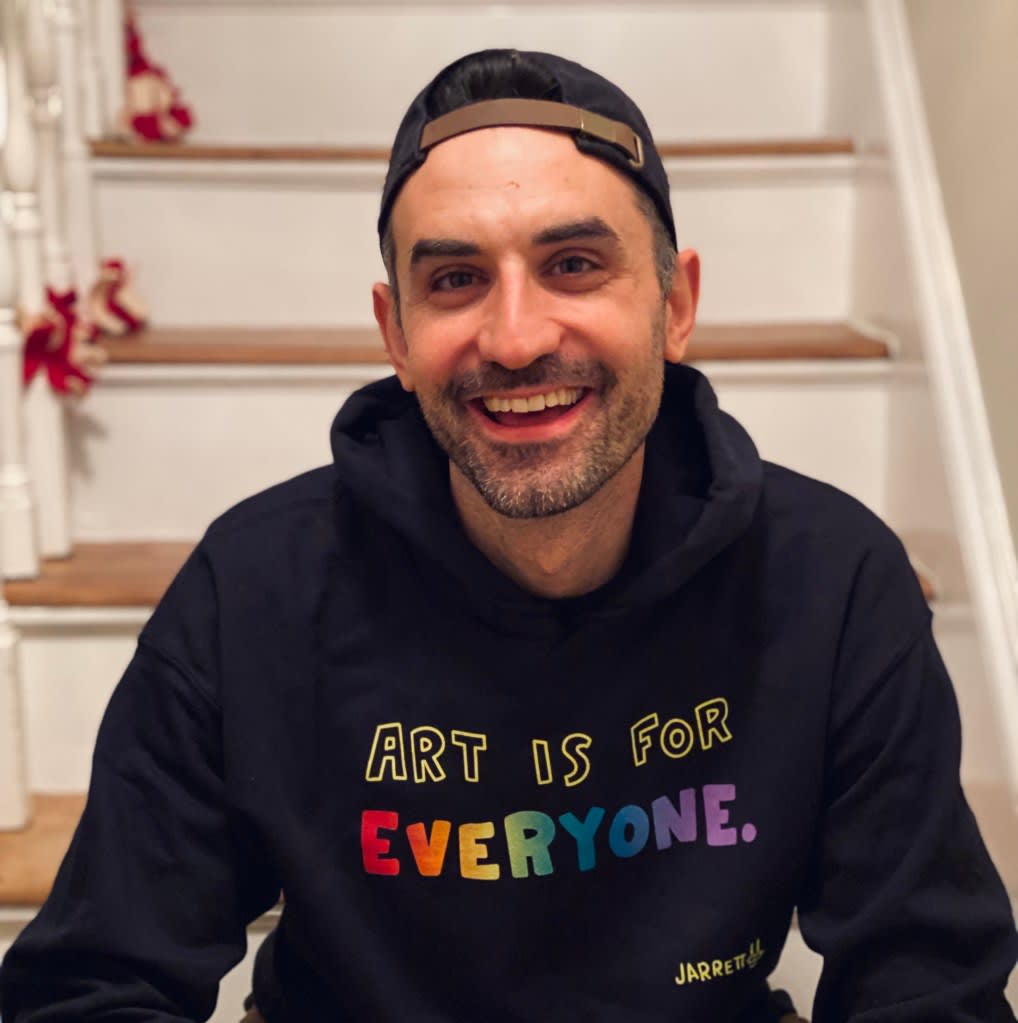
1: Tell us about all the books you’ve got coming out this year! Everything from box sets to chapter books to middle grade, yes?
I’ve got ten projects! Two of those are single-volume bind-ups of previously released series of books, and one is a boxed set of a previously released series of books. The other seven, though, include two early readers (Nat the Cat Finds a Map and Nat the Cat Sets a Trap), three early graphic novels (The Super Roomies: Lake of Slime, The Super Roomies: Paint the Town Pink, and one more not yet announced), a hybrid chapter book (Scare School Diaries: The Un-Hauntable House), and an illustrated middle grade novel, co-created with Supriya Kelkar (Roohi and Nate Are Not on the Same Page). I think that’s all of them...
Also check out Jarrett’s roundup of all this on his blog, too!
2: Ok, we all want to know how you did this?? Are these all different contracts/publishers etc? How did so many book deals end up happening at once?
Honestly, I’m not entirely sure! And also, a great deal of it has to do with things that are out of my hands -- such as the publication timelines just happening to line up how they did. I can share, though, a couple things that definitely helped make all this happen.
The first is that I’m naturally drawn to creating in all different formats and for all different ages. I actually find it incredibly helpful to simultaneously work on two or more projects with markedly different intended audiences. It helps me keep in sharper focus exactly what any given project can and needs to be. And in terms of books ultimately getting published, that’s helpful, because releasing, say, an early reader in the same season or even the same month as a middle grade novel isn’t all that risky (that is, you won’t be cannibalizing your own sales by overwhelming your potential readers with options). There’s no way I could release, say, ten middle grade novels in one year. From a business standpoint (and children’s publishing is, at the end of the day and as often as I forget, a business...), it’d be way too expensive for librarians, educators, or parents to keep up. But the variety of the books that I’ve got coming out in 2026 makes the aggressive release schedule less risky, or maybe not even risky at all, for my publishers.
Which leads me to the second thing: my publishers. All of my books, except for Roohi and Nate Are Not on the Same Page, are published and will be published this year by two Simon & Schuster imprints, Aladdin and Simon Spotlight. My amazing team at S&S has, for years, been capitalizing on my desire to make books for a variety of different ages and types of readers, and together, we have attempted to thoughtfully create a “brand” or “program,” carefully creating and releasing books that can help grow my readers. If a kid picks up one of my Nat the Cat books and discovers they like my kind of storytelling and artwork, they can continue to read books by me in a variety of formats as they get older and become stronger readers: I’ve got early chapter books, chapter books, highly illustrated chapter books, early graphic novels, graphic novels, middle grade novels, a novel in verse, and even some activity books. There is also quite a bit of a variety in terms of tone and content, though you can almost always find a lot of humor (and hopefully some heart!) involved in my stuff. Anyway, this isn’t all random or by chance (or isn’t COMPLETELY random or by chance), but comes from my wanting to explore all these different forms and types of books combined with my publishers willingness to not keep me confined to one single thing. I count myself extremely lucky that I landed where I did (with S&S/Aladdin) with my first book, because the team there (and also at Simon Spotlight) and I really shared a vision for what I might be able to do, and we’ve been working hard to do it.
Which leads me to one other thing that definitely deserves saying: I work really, really, REALLY hard at all this, not just writing and drawing but also reading and keeping up with the industry, and for every exploration of mine that turns into a published book, there are MANY failed, half-formed flops that never made it anywhere (but were likely essential steps in the process).
3: When you’re writing across the spectrum like this, from young readers to middle grade, what are things its important to keep in mind about your audience? Do you approach the page differently when you’re writing an early reader versus a middle grade?
100%. The worst thing you can do as a creator is forget your audience. Because, of course, you want to make the book YOU want to make, as that serves a purpose and satisfies some creative urge. But if your goal is to produce a published book that will be read by other people, you can’t ignore that other person. A published book isn’t really finished until a reader has engaged with it and welcomed it into their imagination. The likelihood of that happening takes a nosedive if you’re not carefully considering your readers, thinking about what they might like, what they might not like, how/when they should be comforted and how/when they should be challenged, etc., etc., etc. When I’m in the initial stages of working on a book, I usually limit the tools I can use to help me do this. For instance, if I’m trying to hash out an idea for an early reader, I might do it in a pocket notebook, and even with a colored pencil or crayon. I have less space to be long-winded or elaborate with my art. I really have to zero in on the perfect word and drawing. For a different kind of project, I might use something else. And I ALWAYS start things longhand, in notebooks or on pads or sketchbooks or even just copy paper. Eventually, I move things over to a computer and a drawing tablet. But I can’t think as well like that. I need paper and a pen or pencil in my hands.
4: What is something quirky or weird that has brought you Joy lately?
This might get some eyerolls, but it’s the truth: my three daughters. They are SO weird and SO quirky, and I swear, they get weirder and quirkier every single day. And I say this with an enormous amount of admiration and pride. But they are always doing something -- crafting, painting, drawing, making a movie, playing a game, choreographing dances, coming up with jokes -- and their ideas are sometimes so strange and different from anything I could possibly come up with, it just never ceases to amaze and inspire me. Surely, some of that amazement has to do with the fact that they are MY kids, and also that I know them so well. But plenty of the things they say and do and make are also NOT so unique. It’s just that, every once in a while, they come up with something that is so wholly and purely THEM, and they are so comfortable putting it out there (this has got to be part of it, too, their lack of fear of judgment), I just get flabbergasted.
Also, I spend time every week looking for and listening to new music, and that brings me a ton of joy. I usually need music to work, and having NEW stuff often keeps me happy and excited and inspired. And for me, the quirkier and weirder the music, the better. If anyone out there reading this has some recommendations, send them my way!
Thank you so, so much Jarrett! Make sure you take a look at all of the incredible books Jarrett has coming out this year, as well as the plethora of great comics, drawing pages, activity sheets, and more that he has available for free on his website.
What I’m Reading:
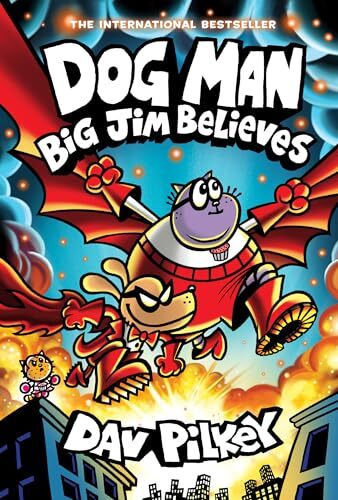
So. I read Big Jim Begins and Big Jim Believes in an afternoon, and you guys, they made me emotional. There are references to Dr. Seuss, Mr. Rogers, Chuck Jones, Monty Python, 18th century British poets, Thoreau, Cormac McCarthy, and the Bible. (Honestly, the Notes and Fun Facts page at the end of these books is worth the price alone). I would die for Big Jim. I loved these books so much I went out and bought my own copies, and will absolutely be using them as mentor texts for a project I have in mind. (If you need a little more in depth analysis to help you convince people of the value of Dog Man and graphic novels, check out this amazing essay by )
What I’m Watching:
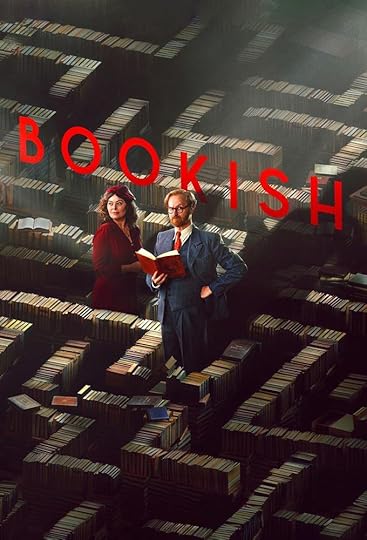
We know we’re fans of quirky English detectives around these parts, and I basically binged this entire show the first week it came out. It’s new. It’s delightful. It’s created by and stars Mark Gatiss. It’s set right after WWII and is clever and sweet and heart-tugging and just overall a good time.
Digital Drawing Hacks: This was a fun video going through some of the popular illustration hacks, and I learned a lot of new techniques. Worth the watch!
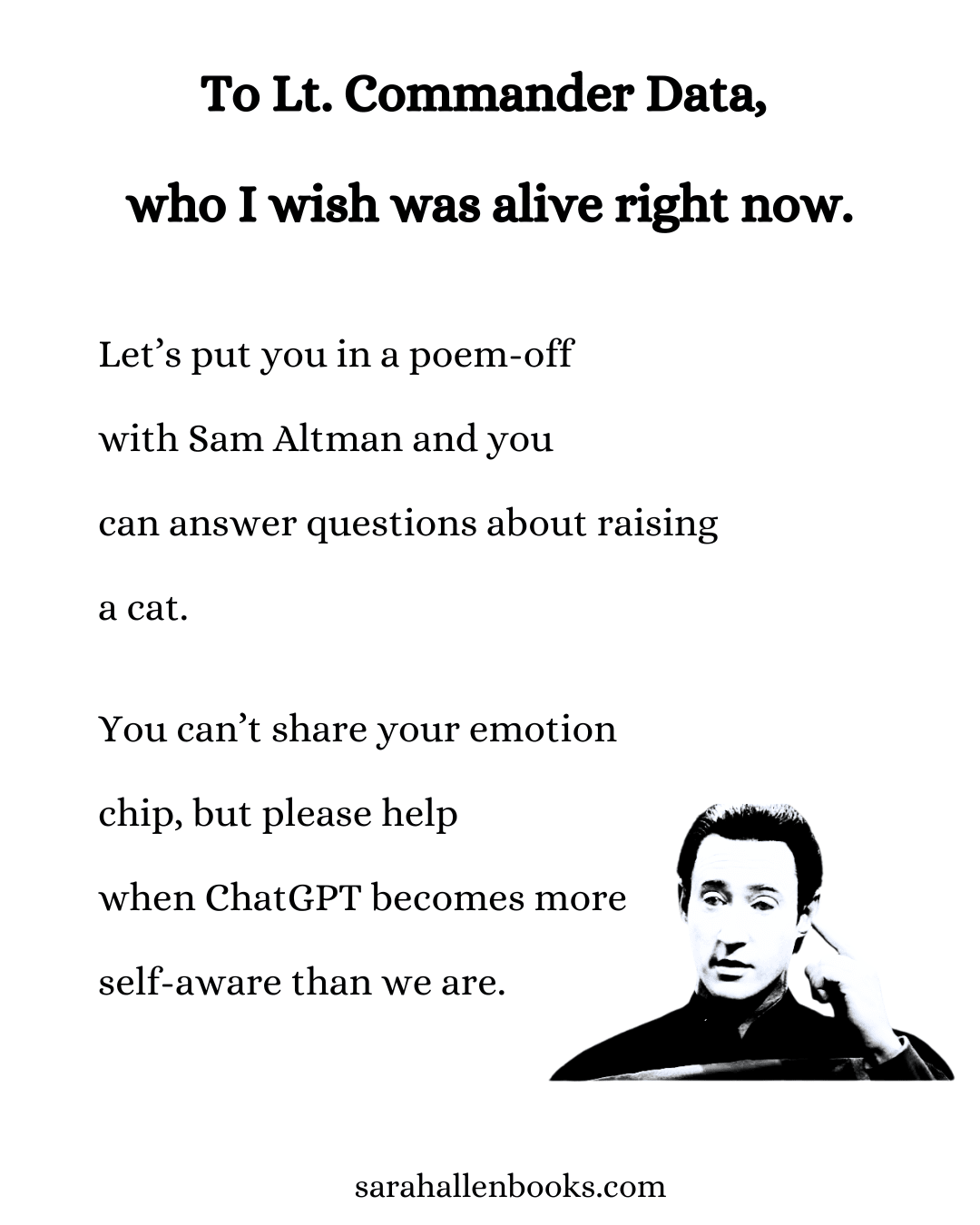
What I’m Poeming: Been thinking about my favorite AI a lot lately.
Also check out the bookish swag I’ve got up for sale in my new little swag shop!
“We lead the world because, unique among nations, we draw our people — our strength — from every country and every corner of the world. And by doing so we continuously renew and enrich our nation.”
– President Ronald Reagan
“Do you know what a foreign accent is? It’s a sign of bravery.”
– Amy Chua
Writing Opportunity: For refugee and immigrant writers—we need your voices! Check out this opportunity from Black Lawrence Press for the Immigrant Writing Series. Submissions open year round.
Teacher’s TableSome goodies especially for the teachers:
Ellis Island Informational Text Reading Comprehension Worksheet Immigration
Everything needed to get your young writers started is here in Tools Not Rules: A Writing Guide for Young Creatives.
Free activity sheets up on my Teachers Pay Teachers store! More added all the time, so check back regularly.
I am so, so excited and honored to now be on the roster at the Macmillan Speakers Bureau! For school and other events, you can find my speaker page here.
You guys are rock stars!
Thanks for coming along everyone! The best way to support is to 1) subscribe, 2) get a copy of the book bebes, and 3) keep glowing, you shining star you.
-Sarah
Links include Amazon Affiliate links where I may make a small commission.Thanks for reading!
January 23, 2026
In Defense of Being Totally and Completely Silly.
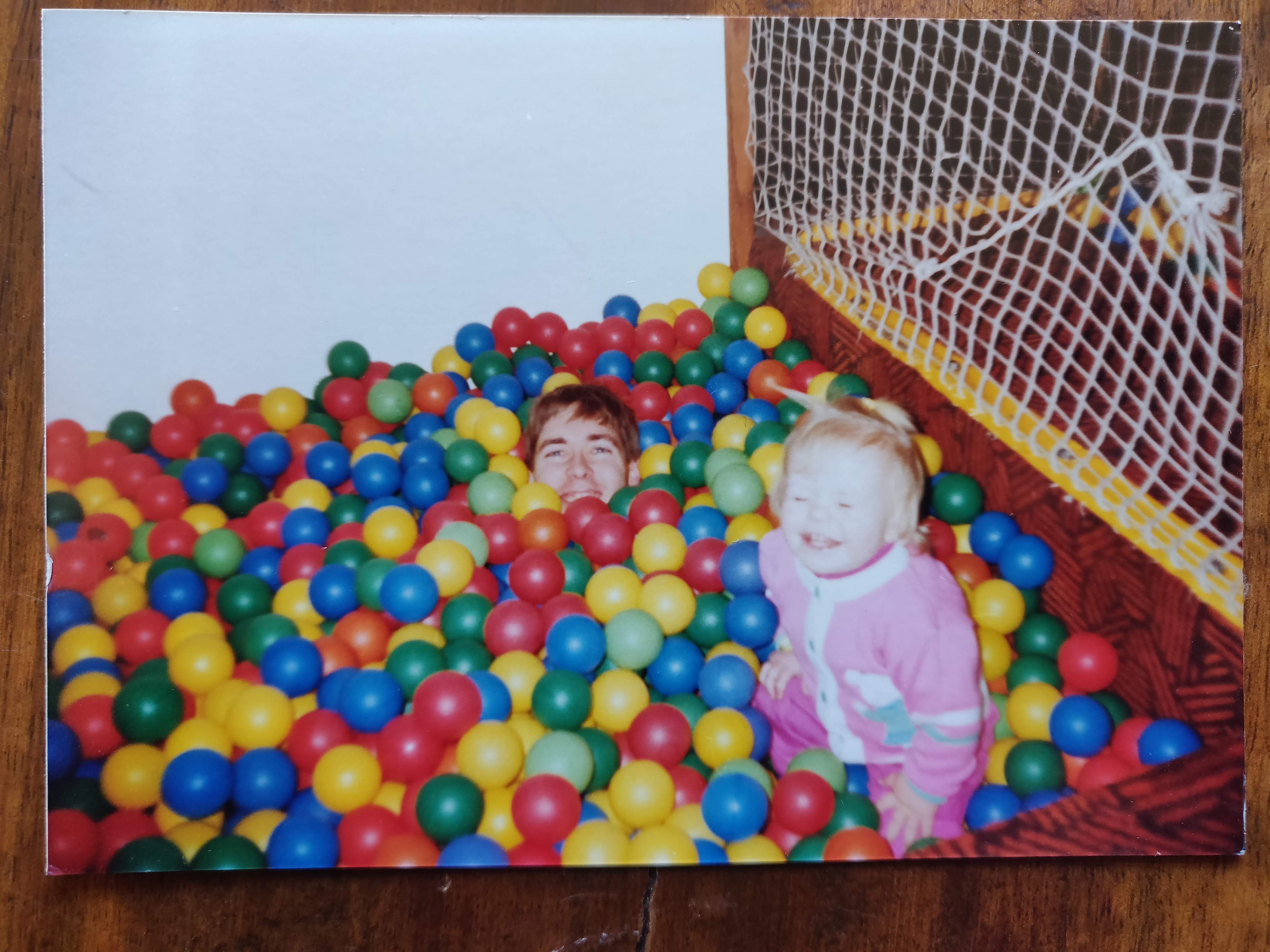
Do you know the two things they found on Dickens’ spice rack? The best of thymes and the worst of thymes.
I want to talk about being silly today.
There are a few reasons for that.
Feelings are exhausting. Heavy, physically. I mean, that’s why we have the expression “the weight of the world.” Especially when we’re seeing and experiencing and hearing about and feeling so much of the world. It doesn’t feel allowed to even think about silliness when confronted with that deep, deep heaviness.
But what if that stems from a misunderstanding of what silliness is?
A thesaurus might suggest that the opposite of silly is serious. And of course, there are plenty of things in our own individual lives and in the world that must be taken seriously.
But what if serious isn’t the opposite of silly? What if they are not mutually exclusive? What if we’re mistaking seriousness for solemnity?
A thesaurus might suggest that a synonym of silly is childish, and that can certainly be the case, sometimes. Immaturity is all too real..
But what if there’s a flavor of silly that’s rather childlike, instead?
Remember that scene in Steel Magnolias, after the funeral? After Sally Fields character has just buried her daughter, and sobs and breaks down in grief and anger, and says she just wants to hit something? And then Olympia Dukakis’ character does this?
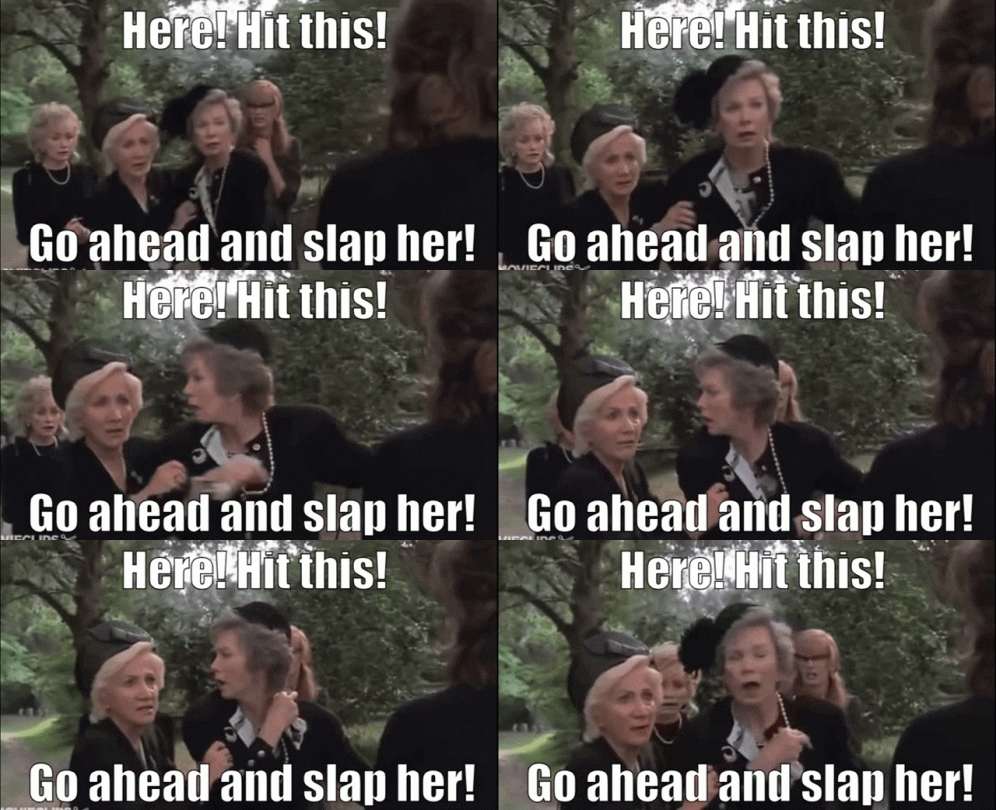
What if, when the weight is simply too much to carry or even face, silliness is what starts to help lift? Like taking a low, deep, heavy voice and adding a little helium?
Maybe we don’t have to choose between taking something seriously and being silly.
Maybe the real opposite of silliness is something more like rigidity. Being inflexible or austere or uncompromising.
Maybe the opposite of silliness is even something like shame.
In his absolutely incredible speech about creativity, John Cleese says this:
I happen to think the main evolutionary significance of humor is that it gets us from the closed mode to the open mode quicker than anything else. I think we all know that laughter brings relaxation and that humor makes us playful, yet how many times have important discussions been held where really original and creative ideas were desperately needed to solve important problems but where humor was taboo because the subject being discussed was so serious.
I read somewhere once that anger makes your mouth work twice as fast as your brain. That seems to be what’s happening everywhere we look these days. And we really need more brain—more smart and desperately urgent creative ideas to solve utterly serious problems.
Maybe the best solutions to big problems can be more easily approached by our silly, absurd, creative inner five-year-olds, making wild connections and loosening up our assumptions. After all, kids media is some of the very best at helping us allow our own creative absurdity find solutions to big, absurd challenges.
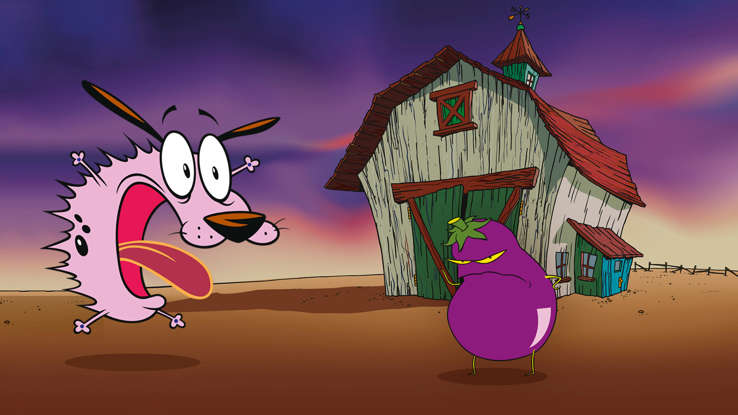
Did you know that dogs cant operate MRI machines, but catscan?
I don’t think we need to be resistant to the idea of silliness in the midst of the serious. John Cleese says, “a group of us could be sitting around after dinner discussing matters that were extremely serious like the education of our children or our marriages or the meaning of life and…we could be laughing and that would not make what we were discussing one bit less serious.”
I wholeheartedly agree.
At my funeral, I want people to be laughing.
You know the old Aesop fable about the sun and the wind? It’s the one where the sun and the north wind argue over which is stronger, and to prove themselves they each try to get a passing man to remove his coat. The wind blows and blusters and rages, but the man only holds to his coat more tightly. Then all the sun has to do is shine, and the man takes off his coat himself.
Oh boy do we need sunshine right now.
There’s one last thing to be said about silliness.
Though we’re defining silliness here as the antidote to rigidity and inflexibility, I don’t think that means having to compromise your moral values. You can be silly and stand up for what you believe. Its possible to be compromising without being compromised.
You can be silly as you work towards making the world a better place.
In fact, you might have more success and stamina that way.
Your turn!
What is your favorite pun? Tell us in comments! The Smorgasbord is a hand-kneaded, hand-shucked, reader supported publication. YOU make it possible! If you’d like to tip your waiter and keep the kitchen cooking, become a paid subscriber and help make this meal possible! Plus get access to special publishing resources, writing classes, the query letter that got me 4 agent offers, and more! 7 Side Dishes Worth SharingIn case you need to feel encouragement about putting your time, energy, and resources into making good and beautiful things right now, I recommend this post by : Your Writing Matters.
If you need ideas for books to read to your kids or in your classroom, look no further. The end of year roundups are super helpful this year, especially My favorite kidlit of 2025 from and My best books of 2025 from .
I’m not sure why, but given **gestures everywhere** what I’m craving right now is capital w Weird. The sweetly Weird. So…here:
Here are 51 Things That made Me Laugh in 2025 from .
In case one of your goals for this year is putting yourself out there, here is Advice for a friend who wants to start a blog by .
Walking Sharks Break the Rules of Reproduction.
Plant believed extinct for 60 years reappears.
Share your own favorite sides in the comments!Teacher’s TableSome goodies especially for the teachers:
10 Ways to get Kiddos Excited to read from
Everything needed to get your young writers started is here in Tools Not Rules: A Writing Guide for Young Creatives.
Various and free activity sheets up on my Teachers Pay Teachers store! More added all the time, so check back regularly.
I am so, so excited and honored to now be on the roster at the Macmillan Speakers Bureau! For school and other events, you can find my speaker page here!
You guys are rock stars!
Thanks for reading!
Thanks for coming along everyone! 1) Subscribe, 2) get a copy of the book bebes, and 3) keep glowing, you shining star you.
-Sarah
Links include Amazon Affiliate links where I may make a small commission.Thanks for reading!
January 9, 2026
Getting Published in a Children's Magazine in 2026, with Cricket editor Joseph Taylor
From the Writing Desk:
Aaaand we’re off! Welcome to 2026. Hopefully you’re starting to ease back into your normal routines, and I hope you made some meaningful memories over the holidays and new year. I’m not sure why, but I’m hopeful and optimistic about what this next year is going to bring. Let’s really do this, ya know?
I’m not someone who sets a specific word or phrase for a new year, and I tend to reevaluate habits throughout the year rather than focusing too much on one new years resolution. Although, I do really like the idea of yearly words and resolutions, so maybe I’ll think about it. (The holidays are so not conducive to this kind of goal-setting thing, lol, so maybe for February?) In V.E. Schwab’s newsletter she talked about deep-diving into a new chosen topic each month, and I really like that as a possible new years resolution.
The resolutions/goals/habits from here at the writing desk are to simply keep going. To keep the little bit of consistency I reached at the end of last year and level that up. I have so many (too many?) ideas and plans, but the way to get to those is consistency on the daily habits. So as far as writing goes, writing consistently is my new years resolution.
And that means continuing consistently on my adult book. And it means finishing up a kids script I’m working on, a picture book, and looking into some new chapter book ideas.
Your turn:
What are your new years goals or resolutions?Onward!
The Smorgasbord is a hand-kneaded, hand-shucked, reader supported publication. If you’d like to tip your waiter and keep the kitchen cooking, become a paid subscriber and help make this meal possible! Plus get access to special publishing resources, writing classes, the query letter that got me 4 agent offers, and more! Getting Published in a Children’s Magazine in 2026
Well well well, if it isn’t all the goals we said we’d circle back to in the new year.
And if one of those goals is being more proactive in some way about publishing and submitting to children’s magazines, then I know this is going to be a helpful interview for you!
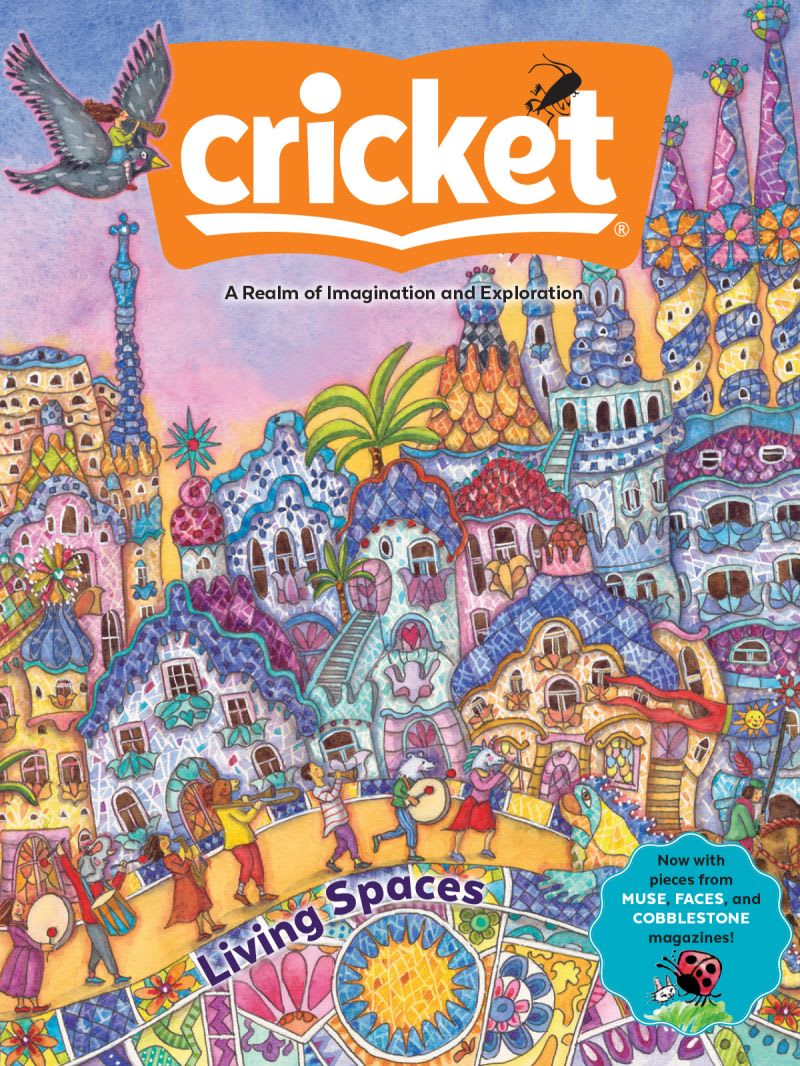
I am so honored today to have Joseph Taylor with us, editor of the renowned Cricket magazine. Joe is the new editor of the combined Cricket Media magazine for kids, which combines features of the former Cricket, Muse, Faces, and Cobblestone magazines. Before joining Cricket Media as an editor, he wrote feature articles about current science subjects for Muse and science and art related biographical pieces for Cricket.
Joe has very generously shared some incredible behind-the-scenes wisdom and advice here, and I am so grateful and thrilled! I know you’ll enjoy this one.
Welcome Joe!
1: It seems like publishing in all areas just keeps changing. How is editing and publishing a children’s magazine different now than it was when you began?
I became editor of Muse in 2021 and editor of the new, expanded Cricket, which merged with Muse and incorporated some of Faces and Cobblestone, this past year. Prior to becoming an editor, I was a writer for Cricket and Muse. My first piece appeared in Cricket in 2008.
While the core mission of children’s magazines hasn’t changed much since I started writing, the way we reach readers and compete for their attention has. As in many media-related industries, the magazine market has been challenging of late. Audiences seem increasingly fragmented, with more and more products and platforms demanding attention. From major movies to more niche magazines like ours, everyone creating media has felt some impact. I see these effects both at work and where I live, in the Los Angeles area.
We’re fortunate at Cricket Media to have partnered this past year with Sensical, a safe, quality video-streaming platform for kids. We also have a cherished legacy with Cricket and its illustrious track record stretching back more than five decades. And, despite the enormous challenges facing us today, we still have talented writers and illustrators who respect the magazines—which also include Spider, Ladybug, and Babybug—and want to work with us. I’m grateful every day to be a part of it.
2: What are the most common mistakes you see in submissions? What advice would you give to writers who are interested in submitting?
Our magazines at Cricket Media are currently not accepting new submissions or queries, but we’re hoping this might change at some point in 2026. In the past, Cricket took completed submissions for all its material: fiction, poetry, and nonfiction pieces. Muse, meanwhile, accepted pitches from writers for upcoming themed issues, which were posted online, and commissioned the writing of the pieces.
With both methods, it’s helpful for writers to establish that they are professionals and are committed to the field. Do mention if you’re active in SCBWI (the Society of Children’s Book Writers & Illustrators) or some other writing organization. Do let us know if you’ve studied writing in a program. Feel free to share any bit of success, no matter how small, that you’re proud of. It can be helpful to include a link to any work of yours available online, even if it’s not writing for kids. Also, let us know if you have some expertise in a field you’re writing about.
If you’re pitching an article, take the time to think through how you would write the piece and share your thinking and an outline with us. We sometimes get multiple queries for the same story idea, so we’re put in the position to pick who has made the strongest pitch. Also, consider doing a One on One interview or a Hands-On activity, regular departments that we cherish.
Don’t make the mistake of thinking that if you’ve done a presentable job on a short story or a poem, then you’re good to go. We’re not teachers looking for you to hand in respectable work; we’re hoping you focus on your strong suit and deliver something no one else can.
Avoid worrying, though, that your submission or query isn’t perfect enough. As the late Paula Danziger used to say, “Our goal as writers is not perfection; it’s excellence.”
3: What types of stories or articles do you see resonating most with middle grade readers today? Any predictions for the future of middle grade magazines?
For Cricket, we’re always looking for material that is fresh or timeless, or both. We want works that will resonate with our readers today and maybe nudge them to tell their friends about them. We’re also looking for pieces our readers may want to hold on to and read or share later.
There’s always a place for pieces about subjects that kids typically love, but the same goes for more serious subjects they might want to know more about. We often get letters from readers asking for more material on climate change, animal welfare, and kids’ mental health. We know that they appreciated our recent issues on AI and wildfires—but they also enjoy lighter pieces like comics that bring humor and warmth.
One trend people have been discussing is what seems to be a shortening of attention spans. We’re still publishing pieces in a range of lengths—and we hope to continue to do that. Reading a long short story or narrative nonfiction piece that is well told and offers some depth can be so satisfying.
One thing being an editor has taught me is that there is never one right way to write something, whether that’s a feature article or a short story. We value a variety of approaches and voices and enjoy working with writers and illustrators who have different perspectives. Even before the advent of AI, Cricket editors worked hard to keep everything in an issue from sounding or looking the same. As a writer or illustrator, you don’t want to be afraid to go out on a limb. That’s often where the best work can be found.
4: What is something quirky that’s brought you joy lately?
Maybe my taste in pets: Border Collies and pregnant cats. That’s pretty quirky. I don’t know how exciting this might be to others, but I found a recent science story memorable. A new study shows that humans have a sense known as remote touch, previously found in shorebirds such as sandpipers and plovers. Moving their fingers through sand, people could detect where an object had been buried before touching it. Their fingers sensed tiny changes in the sand caused by the object. How cool is that … we really do have more capabilities than we know!
Thank you so, so much Joe! Here’s to a bright future for the new Cricket magazine. While there are no open submissions at the moment, keep an eye on their submission page for future opportunities!
What I’m Reading:
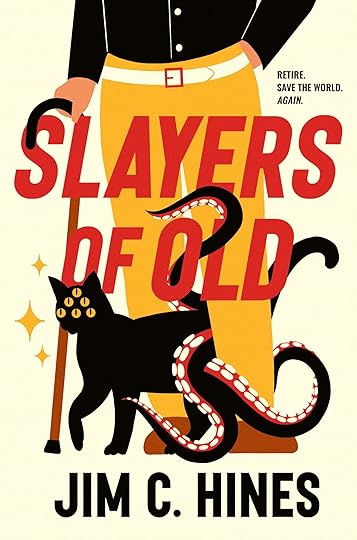
When I saw the pitch of Buffy the Vampire Slayer meets Golden Girls you know I downloaded that puppy quicker than immediately. This is such a romp. Delightful and heartwarming, and will very, very likely pop up as a comp title to the adult novel I’m working on…
What I’m Watching:
![Amazon.com: The Searchers [DVD] by John Wayne : Movies & TV](https://i.gr-assets.com/images/S/compressed.photo.goodreads.com/hostedimages/1769356898i/37484033._SY540_.jpg)
Sometimes when my amazing mum is visiting we go through this list of the top 200 films by decade. We don’t necessarily watch every single one, but any that peak our interest. Sort of a self-guided film history class. And this was the one we watched this time around, and it was a fascinating one. It took me a minute to get into it, or to really get the right vibe for it, but once I did I began to really appreciate how well-crafted it is. This was, apparently, the movie that changed and shaped westerns as we know them.
Public Domain Day: There’s a new playground of public domain content for us to play with in 2026! This video is a fun analysis of a few of those properties.
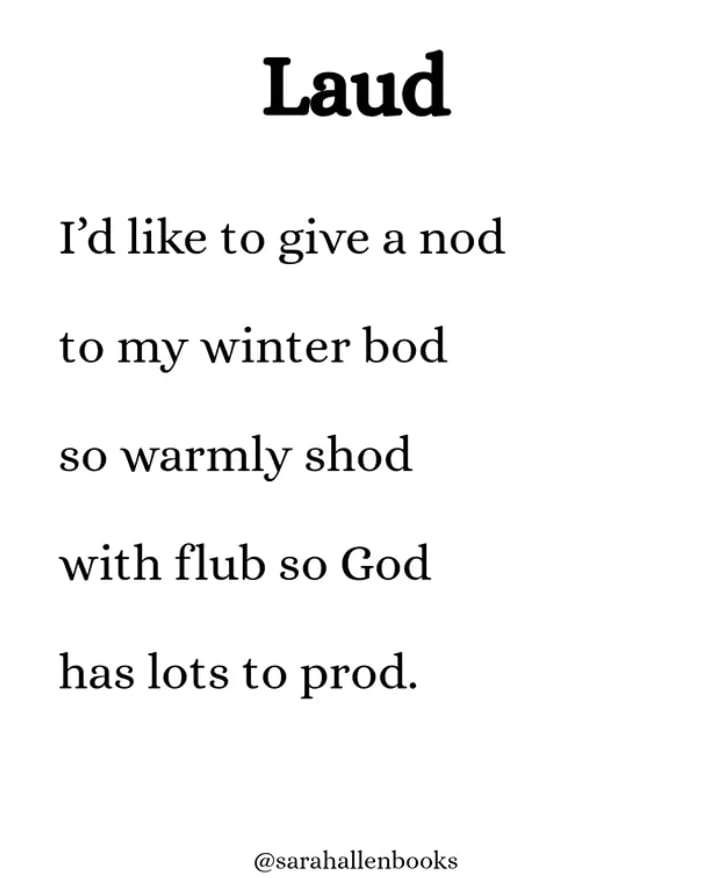
What I’m Poeming: Let’s laud our winter bods.
Also check out the bookish swag I’ve got up for sale in my new little swag shop!
“And now we welcome the new year, full of things that have never been.”
― Rainer Maria Rilke
Writing Opportunity: There’s a fun prompt from First Line magazine. Stories of 300-5000 words using the provided first line are due Feb. 1.
Teacher’s TableSome goodies especially for the teachers:
The Seeds of an Essay, by .
Everything needed to get your young writers started is here in Tools Not Rules: A Writing Guide for Young Creatives.
Free activity sheets up on my Teachers Pay Teachers store! More added all the time, so check back regularly.
I am so, so excited and honored to now be on the roster at the Macmillan Speakers Bureau! For school and other events, you can find my speaker page here.
You guys are rock stars!
Thanks for coming along everyone! The best way to support is to 1) subscribe, 2) get a copy of the book bebes, and 3) keep glowing, you shining star you.
-Sarah
Links include Amazon Affiliate links where I may make a small commission.Thanks for reading!
December 18, 2025
Bookmark this and your kid won't be bored during school break.
I don’t know about you, but I’m sort of fascinated by author websites—what they look like, the layout, what they choose to include, all that fun stuff. Many writers, particularly of the kid lit variety, also have some amazing free online and downloadable activities available. Everything from games and puzzles to coloring sheets and crosswords. So I’ve made a list! Aren’t lists grand?
Here, for your family’s entertainment pleasure, is…
 The master list of author websites that come with free activities!
Jarrett Lerner: One of the best and most abudant author-activity sites that I’ve found. Drawing pages, comics, and other goodies abound.
Rick Riordan: Yep, uncle Rick has tons of fun goodies on his site, like signs you may be a half-blood, and other fun games and goodies around Greek, Roman, and Egyptian mythology.
Katherine Applegate: Some freebie activity sets based on Katherine’s amazing books, like Odder and The One and Only Ivan.
Aaron Reynolds: Games and even 3D printable designs!
Jarrett J. Krosoczka: Another huge abundance of resources, wide ranging as Jarrett’s books themselves.
Grace Lin: So many coloring and other activities, plus lots of great how-to-draw videos!
Jennifer Nielsen: Writing prompts and writing videos for your budding author!
Mo Willems: Entire event kits and activity sheets from the wonderful world of Mo!
Karen McDonald: Coloring pages, word searches, and mazes especially for your dog lover.
Neeps and Tattie: Coloring pages, games, and even a list of tortoise rescues!
Jennifer Ballow: Fun mazes, coloring pages, and word searches.
Kate McKinnon: Not an author website, but Hachette has put together a fun activity kit for the mad scientists and Weird Barbies in our lives.
Jan Brett: If you’ve got a young artist, Jan’s plethora of drawing pages is a goldmine!
Kate Messner: At the height of the Covid shutdown, Kate putgether a post collecting videos and resources from tons of authors for home use. It’s still there with plenty of goodies to go around!
Tami Lewis Brown: Everything from activity guides to science experiments!
Deborah Hopkinson: Super cute coloring sheets and writing prompts and more.
Wendy Mass: So many cool STEM experiments and reading resources.
Brandon Mull: Really fun and funny book trailers and other silly watches from a funny guy.
Kurtis Scaletta: Recipes and lots of other fun reading.
Ross Burach: Activity kits and downloadable, colorable bookmarks!
Jerry Spinelli: Code games, word puzzles, and more!
Eric Carle: Really fun activity and coloring sheets from the estate of one of the greatest illustrators of all time.
David Walliams: A whole caboodle of games, activities, connect-the-dots, and more.
Travis Nichols: Super fun mazes, drawing pages, and lots more.
Roald Dahl: If you’ve ever wanted to know which of several Dahl characters you are, there’s a quiz for that, plus lots of other funsies.
Kevin Henkes: Counting games, memory cards, coloring, and other really cute activities especially for the littles.
Kelly Starling Lyons: Mazes and coloring sheets and more!
Judy Moody: That’s right, Judy’s got her own set of coloring and activity pages for your Moody reader!
Miki Taylor: Color, word search, and even design some socks!
Beatrix Potter: Coloring pages, mazes and more from the amazing world of Peter Rabbit.
Valencia Weaver: Word tracing, coloring, and more for the littles.
Traci Swain: If you’ve got a shark lover, Traci has super got you covered.
Dr. Seuss: Did you know you can play a Green Eggs and Ham game??
Amelia Bedelia: Mazes and other super fun activities based on the books!
Shel Silverstein: Tons of learning resources and activities from some of the greatest kids poetry collections ever.
and of course, I’ve got some resources and goodies available too :)
Am I missing any great author sites here? If you know of one with free goodies to entertain and enrich the kiddos, put it in comments so we can add it to the list!
Your turn!
What are your kids favorite activities to do when they’re out of school? The Smorgasbord is a hand-kneaded, hand-shucked, reader supported publication. YOU make it possible! If you’d like to tip your waiter and keep the kitchen cooking, become a paid subscriber and help make this meal possible! Plus get access to special publishing resources, writing classes, the query letter that got me 4 agent offers, and more! 5 Side Dishes Worth SharingI can’t not share the greatest Christmas song:
It was Jane Austen’s 250th birthday recently, and it’s the 30th anniversary of Sense and Sensibility, so, ya know…if you need a break from Christmas movies…
I regret to inform you that my wedding to Captain Von Trapp has been cancelled.
How guest Hans Christian Andersen destroyed his friendship with Dickens.
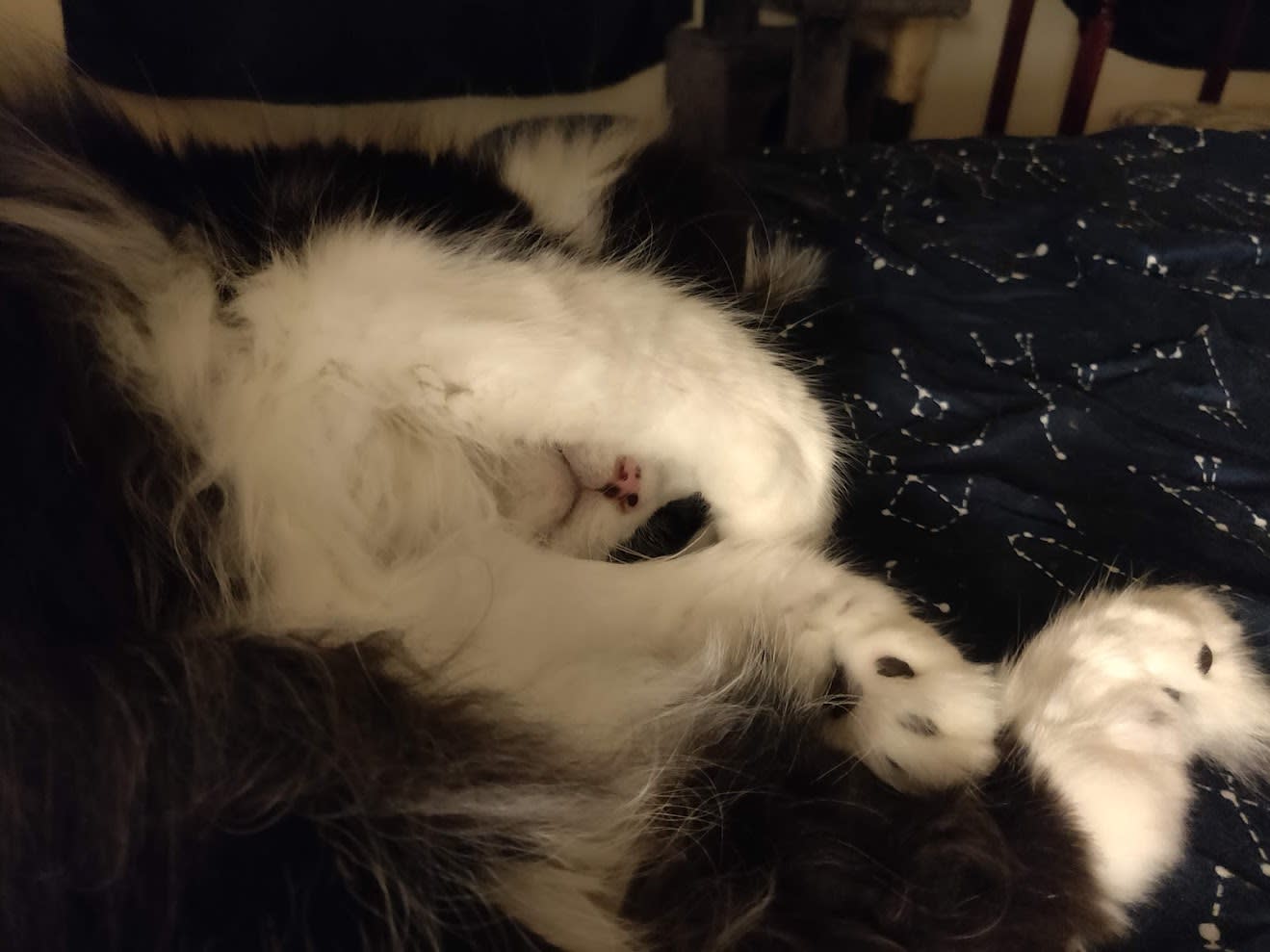
Peek a boop from my floof. We wish you a very, very merry Christmas and happy holidays and great time with your loved ones, whatever and however you celebrate!
 Share your own favorite sides in the comments!Teacher’s Table
Some goodies especially for the teachers:
A Christmas Carol 1 pager project for 5th-8th grade.
Everything needed to get your young writers started is here in Tools Not Rules: A Writing Guide for Young Creatives.
Various and free activity sheets up on my Teachers Pay Teachers store! More added all the time, so check back regularly.
I am so, so excited and honored to now be on the roster at the Macmillan Speakers Bureau! For school and other events, you can find my speaker page here!
You guys are rock stars!
Thanks for reading!
Thanks for coming along everyone! 1) Subscribe, 2) get a copy of the book bebes, and 3) keep glowing, you shining star you.
-Sarah
Links include Amazon Affiliate links where I may make a small commission.Thanks for reading!
December 4, 2025
Good Endings Are Like Punchlines, and How To Write Them, with Arianne Costner
From the Writing Desk:
Whew! Are we all here? How we doing, everyone?
Things are truckin’ along here in Florida! I think we’re getting into a groove, just in time for the holidays to ungroove us hehe. But that’s allowed!
We’ve got fingers in all sorts of pots over here. Still wrapping all the bows on the middle grade novel. Slowly but surely adding to the adult novel. And I’ve got the new beginnings of a short children’s pilot script and a picture book, so we’ll see where those go!
But now, since it’s Gift Giving season, I’ve got a bit of a list for you. There are no shortages of gift guides, so I thought, why not collect some of those guides in one place!
Here’s what we’ve got so far:
A Book Guide for Children 10 and Under from . Honestly, Sarah totally has you covered for all your children’s book gift giving needs. Check out all her amazing lists.
Eleven (More) Children’s Book Recommendations from
My gift guide full of recommendations from other authors for reluctant readers.
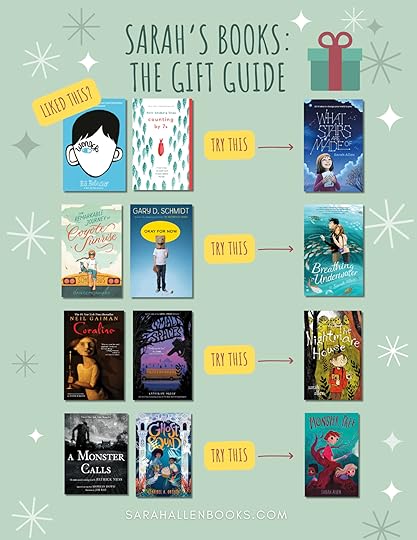
My other gift guide full of more recommendations in the if they liked this, try this format.
What am I missing? If you know of a good kids book gift guide or have one of your own, definitely link us in the comments so we can check it out!
And, ya know, I’m just gonna leave this here…in case its helpful…
Your turn:
What book are you gifting for Christmas?Onward!
The Smorgasbord is a hand-kneaded, hand-shucked, reader supported publication. If you’d like to tip your waiter and keep the kitchen cooking, become a paid subscriber and help make this meal possible! Plus get access to special publishing resources, writing classes, the query letter that got me 4 agent offers, and more! Endings As Strong as Punchlines and How To Write Them
Since it’s the end of the year, I thought it would be a great time to talk about endings! As in, how to write ones that pack a punch, and ideally make you laugh too. We spend so much time focusing on the beginnings of our books, but our endings can be just as important.
Cue Arianne Costner!
Arianne is a writer friend of mine who writes Gordan Korman-esque funny books that always end with a belly laugh and tons of heart. Her books, MY LIFE AS A POTATO and CONFESSIONS OF A CLASS CLOWN, are so well structured and lead up to pitch-perfect endings, and I knew I wanted to get her advice on how to write endings that resonate!
More about Arianne: Arianne Costner lives in the middle of the desert with her husband and four children. She is a former English teacher who believes that writers should crack up at their own jokes. When she isn’t writing, she can be found playing the piano and composing music. Her favorite kind of potato is the tater tot, with mashed potatoes coming in close second—as long as they’re not gluey.
Welcome Arianne!
1. Sometimes in contemporary plots, the endings might not be as clear during the writing process as, say, a mystery plot or a quest plot. How can writers get to a satisfying and fulfilling ending in those contemporary plots?
To me, a fulfilling ending needs to mirror the opening image. This doesn’t mean that they have to be in the same setting necessarily, but that whatever the character was lacking in the first chapter, they have attained that in the final chapter. Before you write your last chapter, definitely go through your first chapter with the fine comb and look for what your character needs to learn. What might their life look like once they gain that knowledge? When the reader sees that, it’s a breath of fresh air.
In MY LIFE AS A POTATO, Ben was mostly lacking confidence in chapter one. He was self-conscious about not being one of the cool kids. In the final chapter, he is at school dance, doing dorky dance moves and really enjoying himself. He is associating with the nerdy kids and the cool kids alike. And of course, the “potato curse” he references in the early pages of the book comes into play in the final chapter in a silly way. I love dropping bits from the first chapter into the end--it makes things feel full circle to me!
2. Your books are so well structured, and so funny! Do you have a funny end in mind from the beginning, and does that factor in to how you structure your plots? Basically, do you think of your ends like punchlines?
Thanks! I always think of possible endings when I start drafting, but they often change. As long as I have an idea for the theme of the final chapter, the setting and exact concept will usually materialize as I am drafting.
For example, in CONFESSIONS OF A CLASS CLOWN, what my main character Jack lacked in chapter one was the ability to form real friendships with others because he was always so focused on social media. I always knew that in the end, he would have to be spending time with a sincere friend, not worrying about creating content. In my first draft, the final chapter was Jack and his friend going fishing, but it felt a little on the nose! Like, “get away from your phone kids, go out in nature,” - a little preachy, you know?
I tried to think of something more amusing, and I landed on mirroring the dinosaur scene from the first chapter. In the first chapter, Jack is obnoxiously pretending to be a dinosaur in class. In the final chapter, he borrows a dinosaur suit from his brother in order to terrify the squirrels that keep getting into the trash cans at his friend’s house. A lot more entertaining than fishing, right? Of course, I had to go back and add the thread throughout the book that there were raccoons terrorizing the friend’s house so that the ending didn’t come out of nowhere. So I guess in a way, I was building up to that last punch line.
3. What are your tips for keeping the humor momentum going so that it builds and the end feels like a payoff, rather than deflating half way through?
Great question! It all just comes down to the plotting. From the beginning, you’ve got to have that big climax in mind. What event is this all building up to? If the book is humorous, then the climax should probably incorporate some madcap. In POTATO, I always knew it was going to end up with a huge food fight because that was always a childhood fantasy of mine and I knew a big public setting would be a good place for Ben to choose being kind over being cool--what he needed to learn. So, I plotted things in a way that would lead to that food fight being plausible.
In CLASS CLOWN, the climax was the school talent show, which Jack anticipated from the start of the book. I had to brainstorm ways that the talent show could incorporate some physical humor as well as allow Jack to show his growth. Instead of using the talent show to launch HIMSELF to internet stardom, he organized a fashion show to show off a friend’s designs. It’s was a sweet thing, but there were still lots of madcap opportunities, from a pokemon sountrack to wacky outfits and poses.
4. What’s something quirky that’s brought you Joy lately?
Never thought I’d say this but… our elf on the shelf! When those creepy things first started getting popular, I swore I’d never get one. It seemed like an unnecessary extra chore to have to reposition the elf every night. But last year my kids begged and begged, and I gave in. It’s so cute to see them excited over it. The two older ones will stay up late to find something naughty for the elf to do, and every morning the younger ones wake up and run to find what the elf has done.
So if they’re happy, I’m happy. My son also drew this interpretation of the elf which made me laugh.
Thank you so, so much Arianne! Make sure to check out her books, MY LIFE AS A POTATO and CONFESSION OF A CLASS CLOWN and learn more about Arianne on her website!
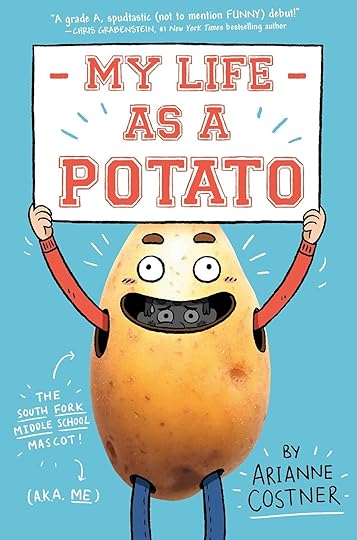
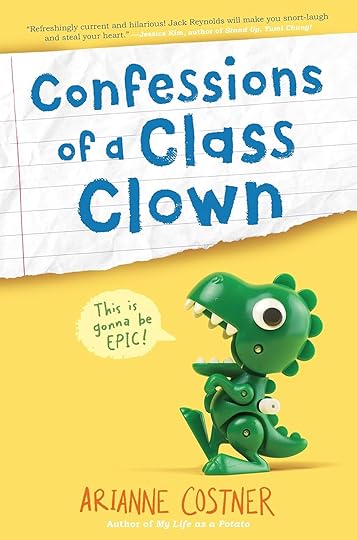
What I’m Reading:
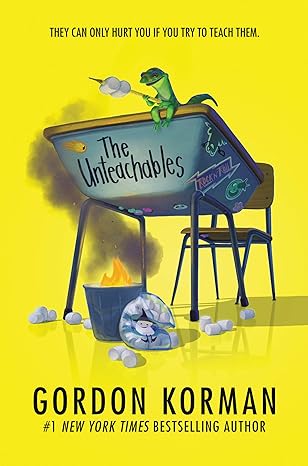
I struggle with audio fiction, but I listened to this one on my commute and I absolutely adored it. It even got me tearing up a couple times, which is a big deal for this gal.
What I’m Watching:
This is my annual reminder that Scrooge (1970) with Albert Finney is probably the greatest Christmas movie ever. The music is wonderful, the vibes are immaculate, and Albert Finney is the most heartwarming and loveable Scrooge you’ll ever meet.
A Muppet Family Christmas: If you haven’t seen this, you’re in for a treat. My favorite is when Swedish Chef sees Big Bird.
What I’m Drawing: I am *gulp* experimenting with the first picture book idea I’ve had that came to me illustration-idea first, and seeing if I can handle it…we’ll see how this goes! Here’s a sneak peak at one corner…
Also check out the bookish swag I’ve got up for sale in my new little swag shop!
“Evil, that is, has every advantage but one-it is inferior in imagination. Good can imagine the possibility of becoming evil-hence the refusal of Gandalf and Aragorn to use the Ring-but Evil, defiantly chosen, can no longer imagine anything but itself.”
-W.H. Auden, in a review of The Return of the King
Writing Opportunity: This is a good one, but not long, and coming up quick! The middle grade poetry anthology The Periodic Table of Poetry is being published by Lerner Press, edited by Irene Lathom and Charles Waters. Submission window is only from Dec. 6-Dec. 9. Check it out!
Teacher’s TableSome goodies especially for the teachers:
What Even Is Children’s Literature Criticism & Why Is It Important? from
Everything needed to get your young writers started is here in Tools Not Rules: A Writing Guide for Young Creatives.
Free activity sheets up on my Teachers Pay Teachers store! More added all the time, so check back regularly.
I am so, so excited and honored to now be on the roster at the Macmillan Speakers Bureau! For school and other events, you can find my speaker page here.
You guys are rock stars!
Thanks for coming along everyone! The best way to support is to 1) subscribe, 2) get a copy of the book bebes, and 3) keep glowing, you shining star you.
-Sarah
Links include Amazon Affiliate links where I may make a small commission.Thanks for reading!


